
В Швейцарии и других европейских странах швейцарские гончие участвуют в поиске пропавших людей, особенно в труднодоступных районах. Их способность работать в сложных условиях, настойчивость и высокий уровень подготовки делают их незаменимыми помощниками в спасательных командах. Эти собаки могут работать часами в суровых условиях, не теряя концентрации и эффективности.
Швейцарская гончая
0

Размер
Крупные

Стоимость щенка
От 50 до 80 тыс. руб.

Длительность жизни
От 10 до 14 лет

Потомство
От 6 до 9 щенков

Линька
Линяет

Страна
Швейцария

Рост в холке
Мальчик от 49 до
59 см
Девочка от 47 до
57 см

Вес
Мальчик от 27 до
30 кг
Девочка от 27 до
30 кг

Назначение
Компаньоны
Охотничьи

Содержание
Частный дом
Улица
Описание породы
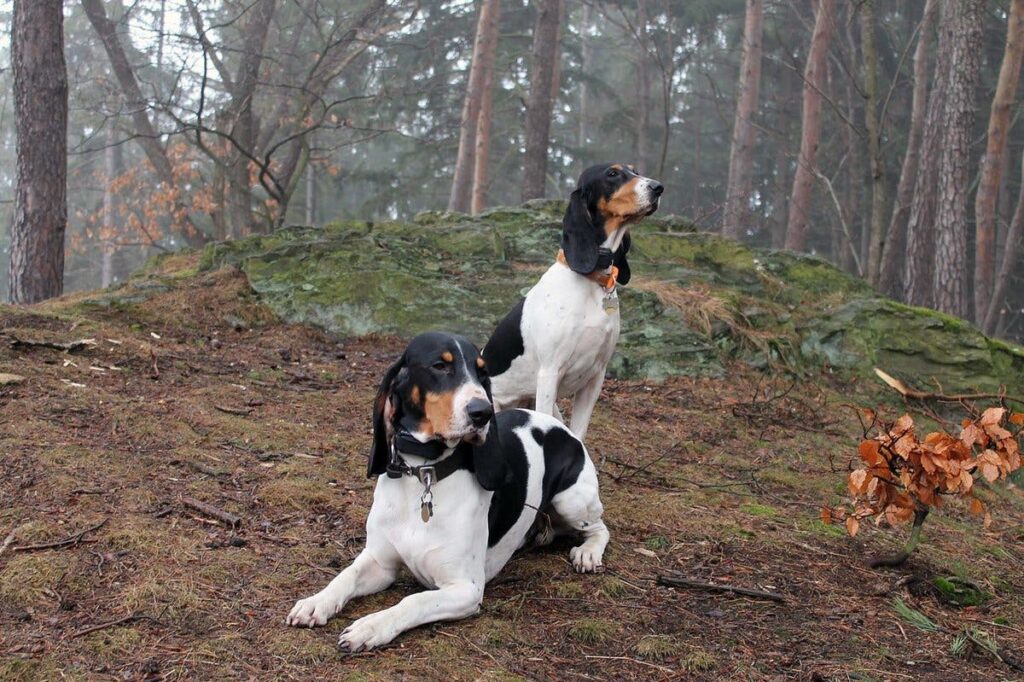
Швейцарская гончая — это порода охотничьих собак, известная своим острым обонянием, выносливостью и уравновешенным темпераментом. Эти собаки имеют древнюю историю, уходящую корнями в доисторические времена, и играли важную роль в охоте и жизни людей на территории современной Швейцарии. Происхождение швейцарской гончей связано с древними кельтскими племенами, населявшими этот регион. Считается, что предки этих собак сопровождали кельтов в их кочевом образе жизни и были приспособлены к охоте на различную дичь. В ходе многочисленных войн и миграций порода претерпевала изменения, смешиваясь с другими местными собаками. В XVII–XVIII веках швейцарская гончая стала особенно популярной среди знати. Высокая эффективность на охоте, а также выносливость и преданность этих собак делали их незаменимыми компаньонами. Благодаря своим качествам они получили широкое распространение не только в Швейцарии, но и за её пределами.
Швейцарская гончая требует минимального ухода. Её короткую шерсть достаточно вычёсывать раз в неделю, чтобы удалить отмершие волоски и сохранить блеск. Также важно следить за состоянием ушей, так как они склонны к воспалениям. Регулярная чистка зубов и подрезание когтей также входят в обязательный уход. Из-за высокого уровня активности швейцарская гончая нуждается в большом количестве физических нагрузок. Длительные прогулки, пробежки и разнообразные игры на свежем воздухе помогают поддерживать собаку в хорошей физической форме и удовлетворять её охотничьи инстинкты. Швейцарская гончая — это порода с богатой историей и уникальными охотничьими качествами. Она сочетает в себе выносливость, преданность и высокий интеллект, что делает её отличным выбором как для охотников, так и для семей, ведущих активный образ жизни. Правильный уход и внимание к потребностям этой собаки помогут вам обрести верного и надёжного друга на многие годы. Стоимость щенка варьируется от 50 000 до 80 000 рублей.
Характер
Хорошо воспитанная, уравновешенная и правильно социализированная швейцарская гончая — это спокойная, доброжелательная и очень преданная собака с ярко выраженным чувством такта. В быту она мягкая и ненавязчивая, ориентированная на человека и особенно привязанная к своей семье. Эта порода ценит близкий контакт с владельцем, любит находиться рядом и охотно участвует во всех повседневных делах, не требуя при этом постоянного внимания.
К детям швейцарская гончая относится терпеливо и аккуратно. Она не склонна к резкости, хорошо чувствует границы и обычно избегает грубых игр. С подросшими детьми с удовольствием гуляет, исследует окрестности и может часами сопровождать их на прогулках. В семье ведёт себя спокойно и уравновешенно, предпочитая атмосферу стабильности и доброжелательности.
При всей своей мягкости швейцарская гончая — собака с характером и выраженной самостоятельностью. Это наследие охотничьего прошлого: в работе она привыкла принимать решения самостоятельно, полагаясь на чутьё. Поэтому порода лучше всего подходит владельцам, которые готовы выстраивать отношения на доверии и последовательности, а не на жёстком давлении. Авторитет хозяина для гончей важен, но он должен быть спокойным и уверенным.
Швейцарская гончая не склонна к доминированию, однако может проявлять упрямство, если обучение построено однообразно или без мотивации. Она плохо реагирует на грубость, зато отлично откликается на похвалу, интересные задачи и совместную деятельность. Ранняя социализация и регулярные занятия помогают раскрыть её лучшие качества и избежать проблем с послушанием.
Важно помнить, что это активная порода, нуждающаяся в движении и умственной нагрузке. Без достаточного количества прогулок, работы носом и новых впечатлений швейцарская гончая может начать скучать, становиться апатичной или, наоборот, излишне беспокойной. Регулярная активность и чёткий режим делают её спокойным и комфортным компаньоном в доме.
С другими домашними животными швейцарская гончая обычно уживается неплохо, особенно если знакомство произошло в раннем возрасте. Однако охотничий инстинкт остаётся частью её натуры, поэтому мелких животных и птиц на улице следует рассматривать скорее как объект интереса, чем как друзей.


Отличительные черты

Голова
Голова швейцарской гончей пропорциональна корпусу, с удлинённой, но не заострённой мордой. Череп умеренно широкий и слегка выпуклый. Переход от лба к морде плавный, но чётко выраженный. Шея швейцарской гончей средней длины, крепкая и мускулистая, без излишков кожи. Она плавно переходит в мощную и хорошо развитую холку.

Морда
Морда швейцарской гончей узкая, со спинкой носа прямой или слегка изогнутой. Нос обычно чёрный, с хорошо развитыми ноздрями, обеспечивающими отличное обоняние, необходимое для охоты. Кончик носа крупный и влажный.

Уши
Уши швейцарской гончей висячие, мягкие на ощупь, средней длины. Они посажены на уровне глаз или чуть ниже, плотно прилегают к щекам. Кончики ушей округлые, что придаёт собаке особую элегантность и шарм.

Глаза
Глаза швейцарской гончей среднего размера, овальной формы, посажены слегка косо, что придаёт взгляду выразительность и интеллект. Цвет глаз обычно тёмно-коричневый, однако допустимы и более светлые оттенки, гармонирующие с окрасом шерсти. Взгляд швейцарской гончей всегда внимательный и живой, отражающий высокий интеллект и любознательность.

Зубы
Челюсти швейцарской гончей крепкие, с полным комплектом зубов. Прикус ножницеобразный, что обеспечивает эффективный захват и удержание добычи. Зубы белые, ровные, правильно расположенные в челюстях.

Корпус
Спина прямая и мускулистая, поясница короткая и крепкая. Грудная клетка глубокая и широкая, с хорошо развитыми рёбрами. Живот подтянут, что обеспечивает собаке подвижность и лёгкость движений.

Конечности
Передние конечности прямые и параллельные, с крепким костяком и хорошо развитой мускулатурой. Лопатки наклонные, что позволяет обеспечивать свободные и широкие движения. Лапы округлые, с плотно сомкнутыми пальцами и крепкими когтями. Задние конечности мощные, с хорошо развитыми бёдрами и мускулистыми голенями. Коленные суставы крепкие, с выраженными углами, что обеспечивает собаке силу толчка и скорость.

Хвост
Хвост швейцарской гончей средней длины, толстый у основания и сужающийся к концу. В спокойном состоянии хвост обычно опущен, а в движении держится прямо или слегка изогнут вверх, но никогда не закидывается на спину. Хвост покрыт короткой, плотной шерстью, подчёркивающей элегантность собаки.

Шерсть
Шерсть швейцарской гончей короткая, плотная и гладкая, плотно прилегающая к телу.

Окрас
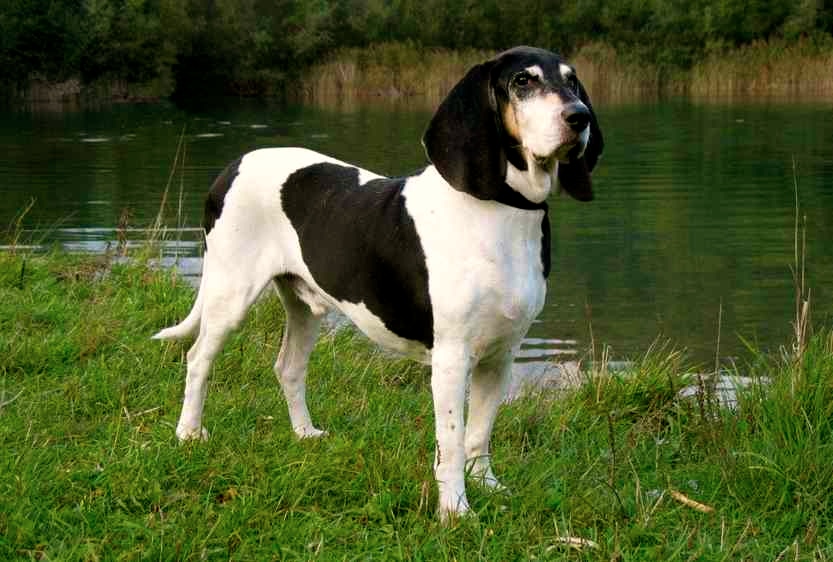
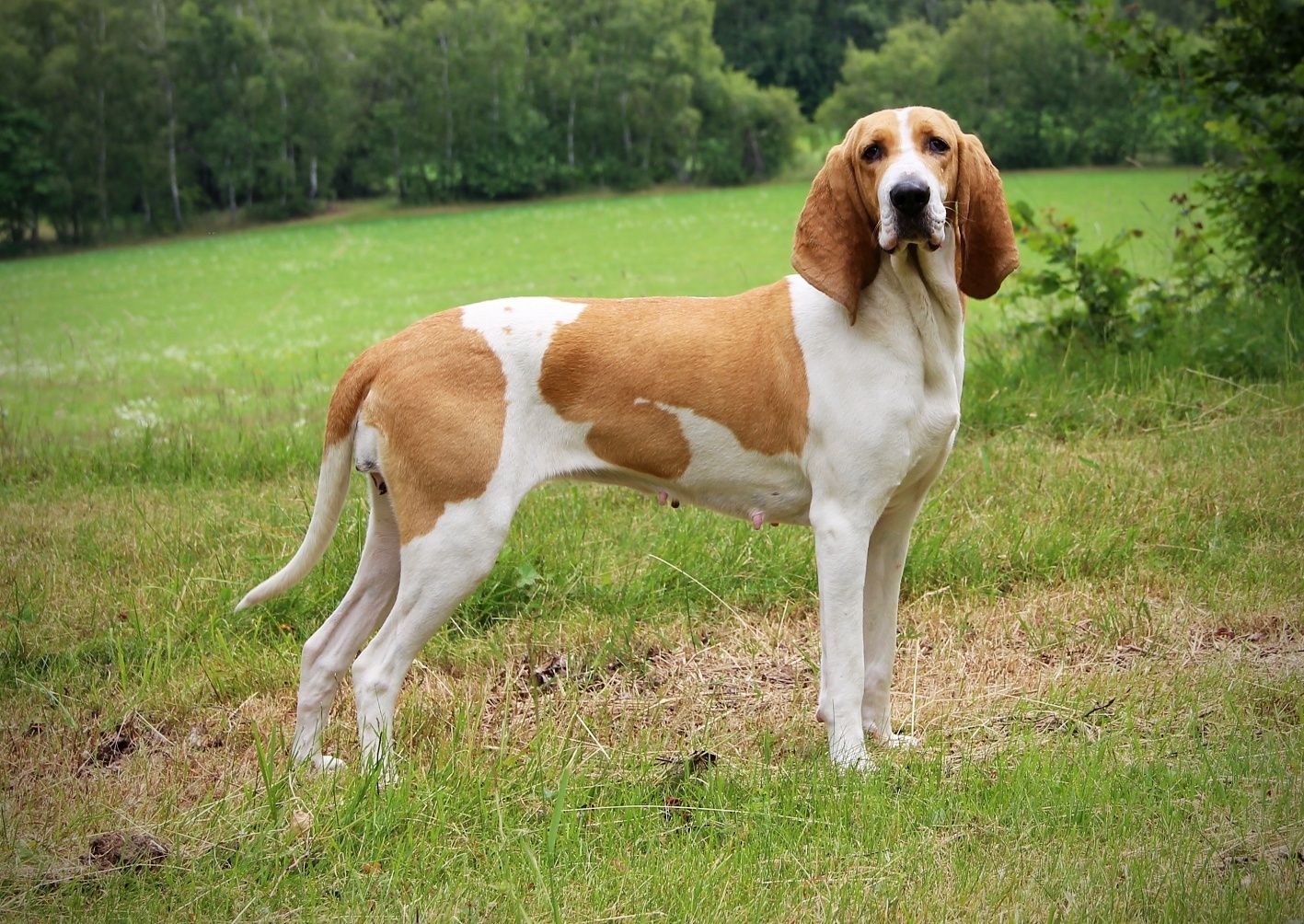
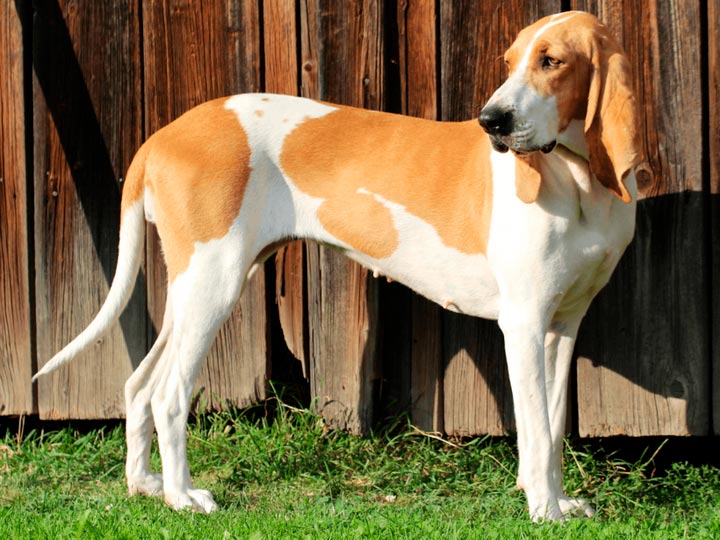
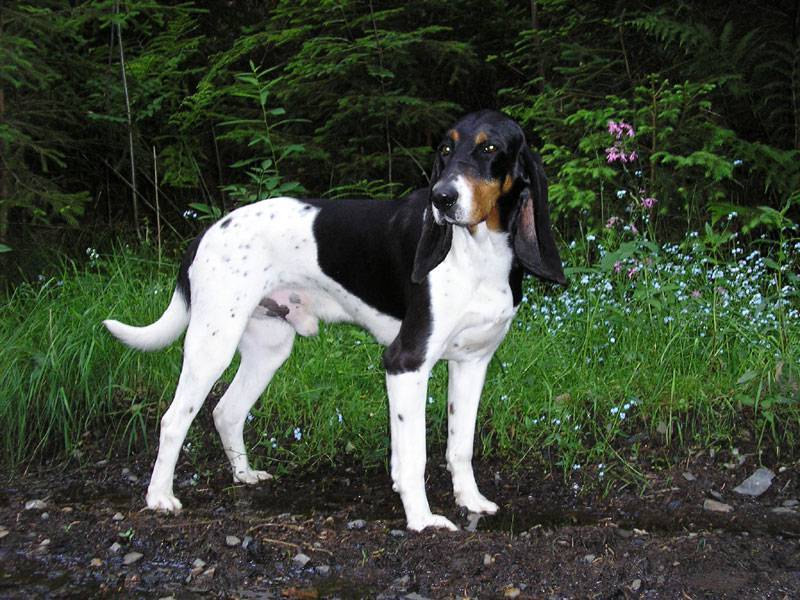
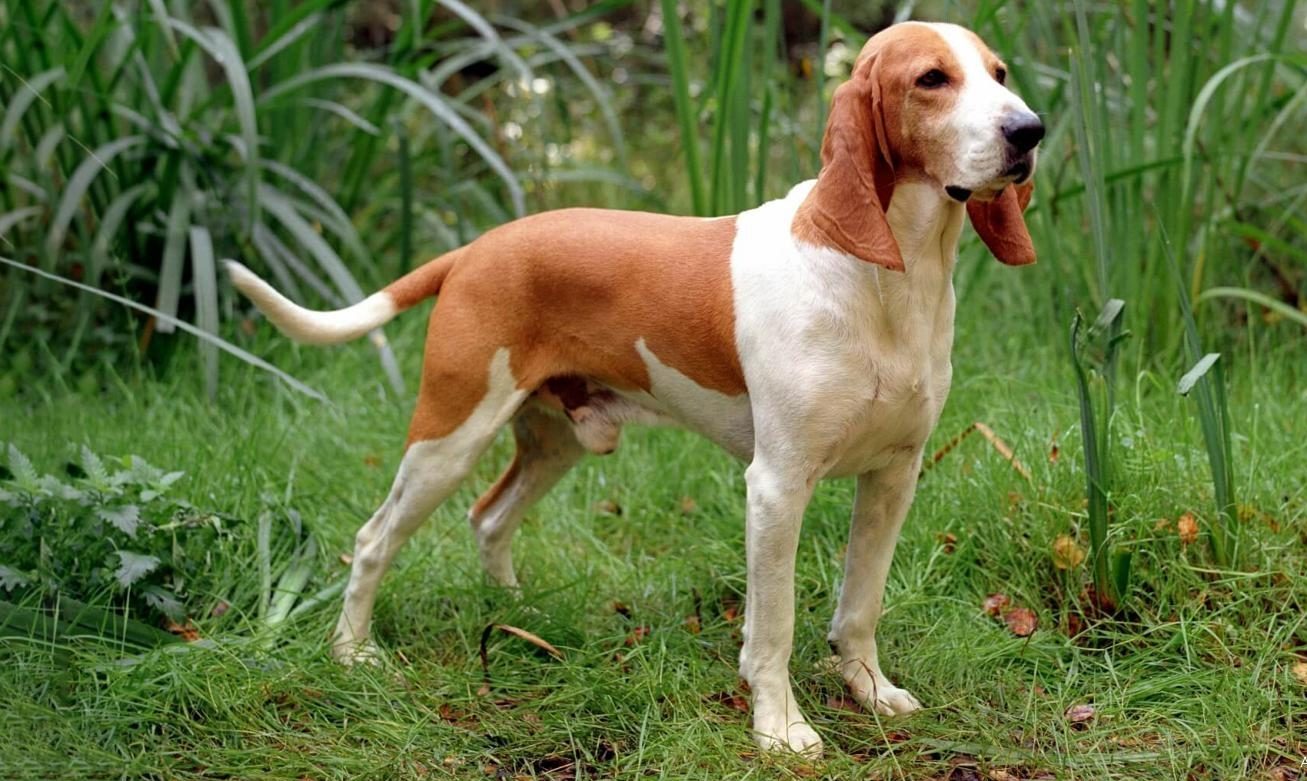
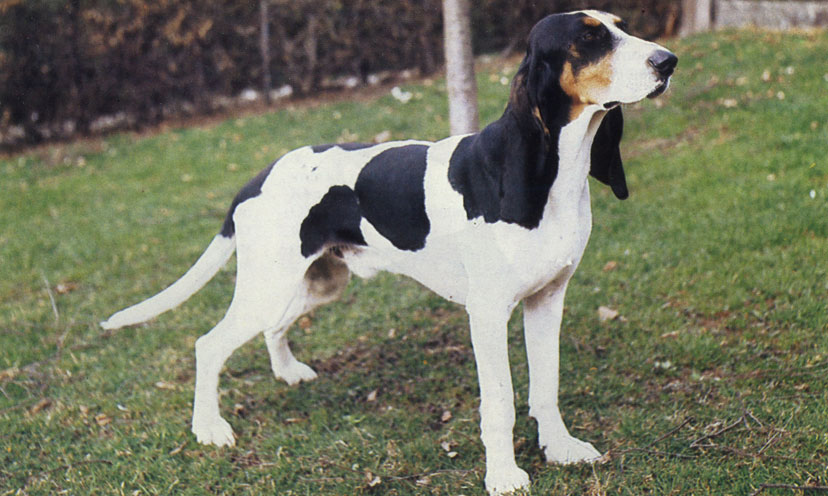
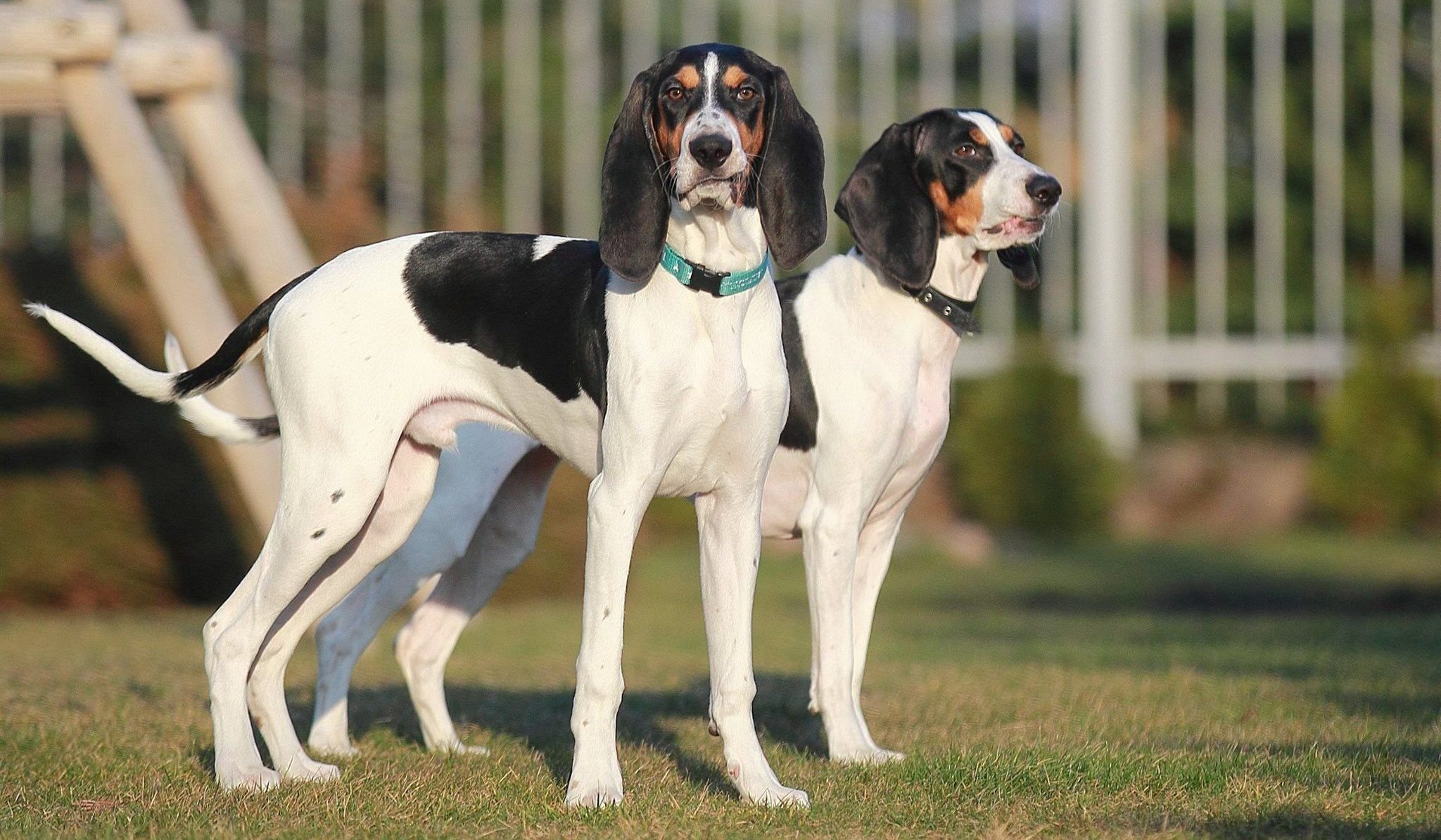
Окрас шерсти может варьироваться, однако наиболее распространены сочетания бело-рыжего, бело-чёрного и трёхцветного. Светлые отметины обычно располагаются на груди, лапах и кончике хвоста, придавая собаке дополнительную элегантность.
Особенности породы

Дружит с детьми

Гиперактивная

Пригодна для охоты

Легко обучаема

Очень умна
Внешний вид
Швейцарская гончая — охотничья собака, отличающаяся элегантным и функциональным внешним обликом. Её внешний вид сразу привлекает внимание пропорциональностью и гармонией.
Швейцарская гончая считается породой среднего размера. Рост кобелей в холке составляет от 49 до 59 см, сук — от 47 до 57 см. Вес обычно варьируется в пределах 20–25 кг, что обеспечивает этим собакам необходимую выносливость и подвижность.
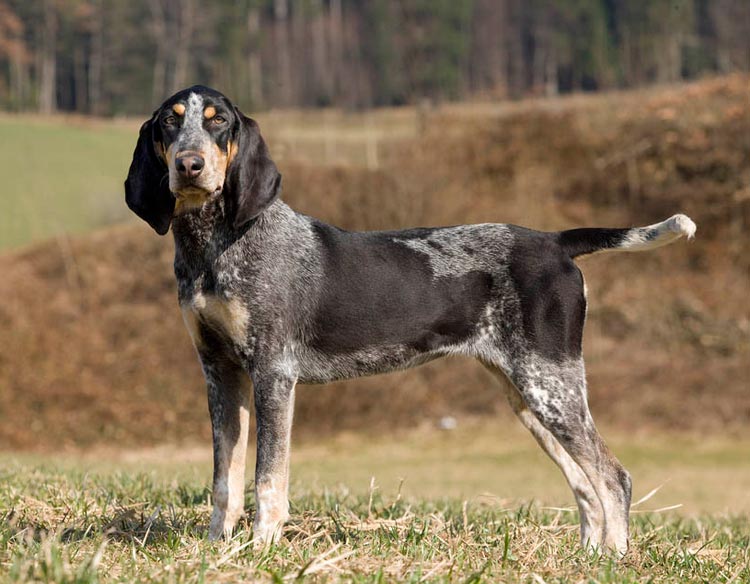
Телосложение швейцарской гончей гармоничное и пропорциональное. Корпус вытянутый, но не чрезмерно длинный, мускулистый, что обеспечивает высокую выносливость и способность к длительной охоте. Грудная клетка глубокая и широкая, что способствует хорошей вентиляции лёгких и общей выносливости.
Внешний облик швейцарской гончей представляет собой гармоничное сочетание силы и выносливости. Собаки впечатляют пропорциональным телосложением и плавными линиями, что делает их не только отличными охотниками, но и привлекательными компаньонами для активных людей. Выразительный взгляд, лёгкие движения и общий облик делают швейцарскую гончую уникальной, легко узнаваемой и запоминающейся породой.
Разнообразие внутри породы
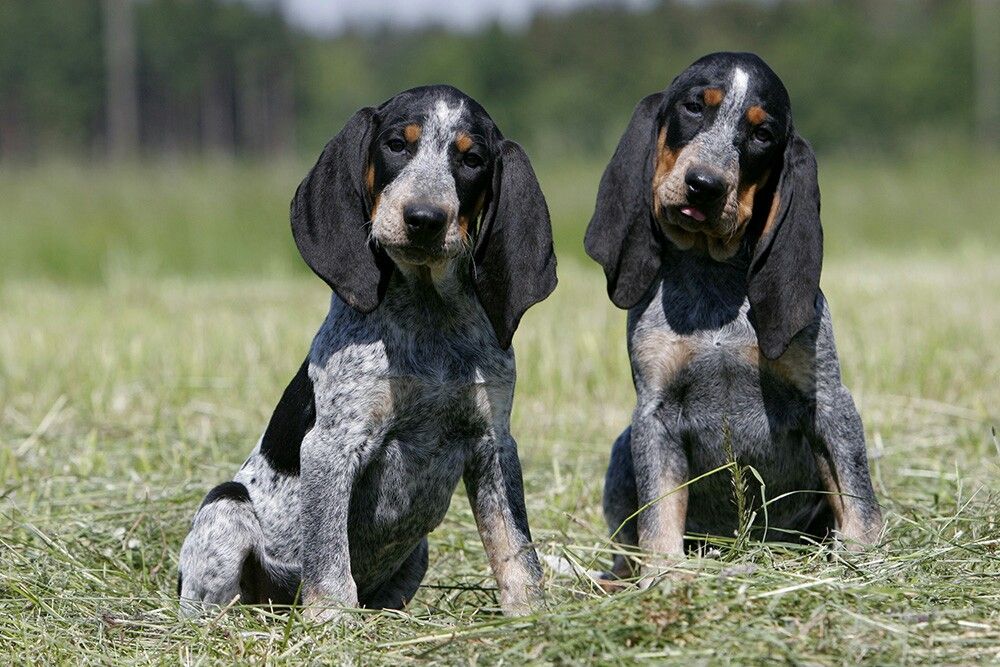
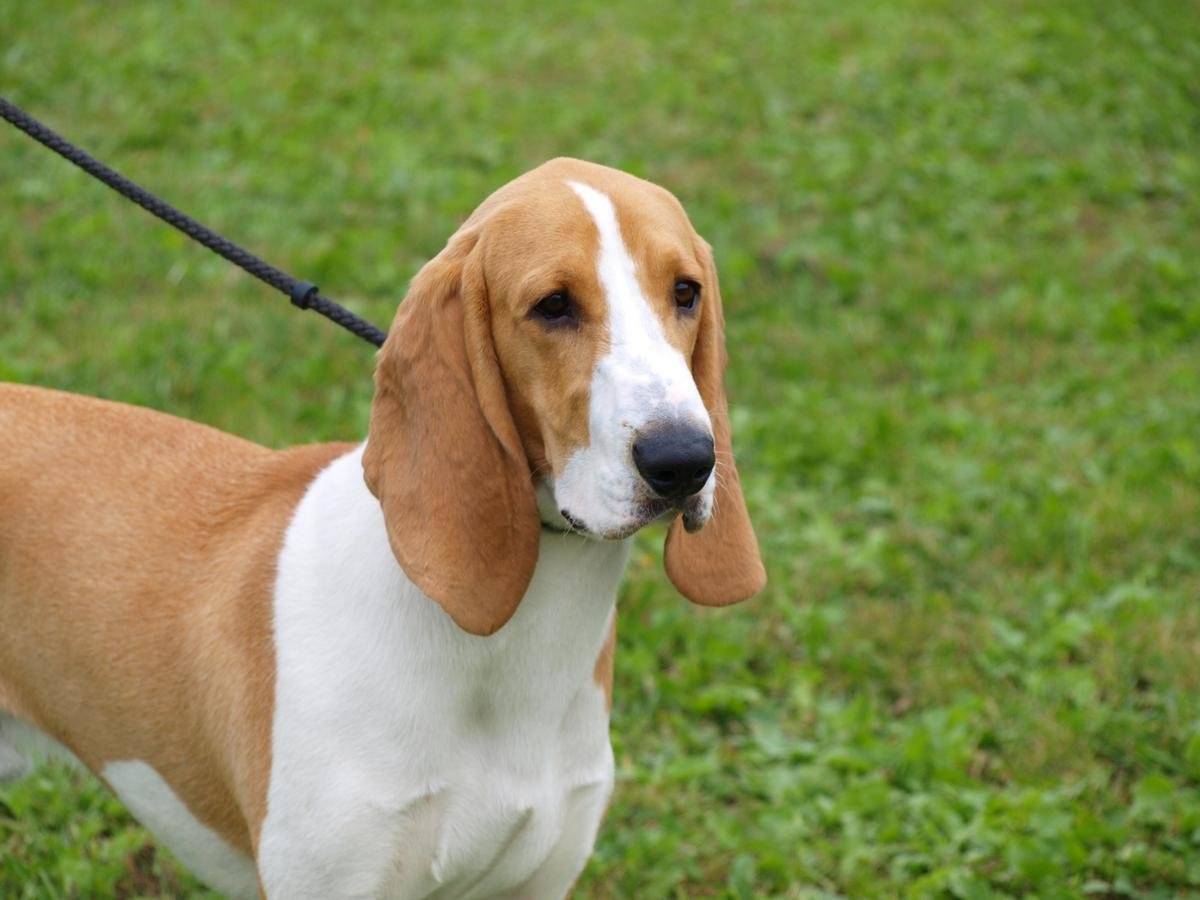
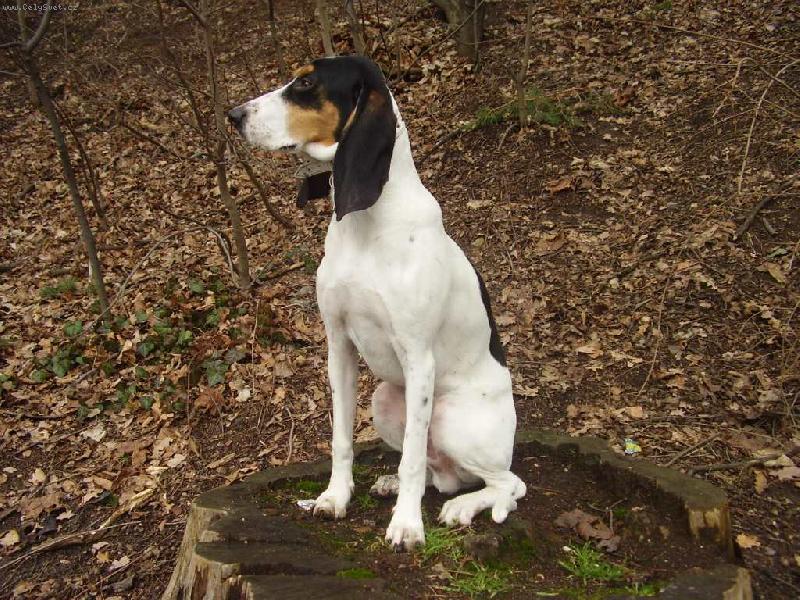
Швейцарская гончая представлена четырьмя основными разновидностями: бернская, люцернская, швицкая и юрская гончие, каждая из которых названа в честь региона своего происхождения и обладает собственными отличительными характеристиками.Уход и содержание
Швейцарская гончая — активная собака, которой требуется достаточно пространства для выплеска энергии. Лучше всего эти собаки чувствуют себя в загородных домах с большими ограждёнными участками, где они могут свободно бегать и играть. Однако при достаточной физической нагрузке и внимании со стороны владельца швейцарская гончая способна адаптироваться и к жизни в городской квартире.
Жилищные условия
Двор. Если у вас частный дом, обеспечьте собаке безопасный, ограждённый двор. Швейцарские гончие любят проводить время на свежем воздухе, исследовать территорию и активно двигаться.
Квартира. В условиях городской квартиры крайне важно организовывать частые прогулки и энергичные игры, чтобы собака не скучала и не накапливала избыток энергии.
Уход за шерстью
Шерсть швейцарской гончей короткая, плотная и гладкая, что делает уход за ней относительно простым.- Вычёсывание. Периодическое расчёсывание один раз в неделю поможет удалить отмершие волоски и сохранить шерсть блестящей и здоровой. В периоды линьки (весной и осенью) может потребоваться более частое вычёсывание.- Купание. Купайте швейцарскую гончую по мере необходимости, как правило, раз в несколько месяцев или при сильном загрязнении. Используйте мягкий шампунь для собак, чтобы избежать раздражения кожи.Уход за ушами, зубами и когтями- Уши. У швейцарской гончей висячие уши, которые более склонны к воспалениям. Регулярно осматривайте уши и очищайте их с помощью специальных средств для ухода за ушами собак. При первых признаках неприятного запаха или выделений следует обратиться к ветеринару.- Зубы. Чистите зубы гончей специальной зубной пастой для собак 2–3 раза в неделю. Регулярные жевательные игрушки и кости помогут уменьшить образование налёта и предотвратить заболевания дёсен.- Когти. Подстригайте когти по мере необходимости, обычно раз в месяц. Если вы слышите, как когти стучат по полу, значит, пришло время их подрезать. Используйте специальные когтерезы для собак и будьте осторожны, чтобы не повредить живую часть когтя. Правильное питание — ключ к здоровью и активности вашей швейцарской гончей.
Кельтское наследие
История швейцарской гончей насчитывает несколько столетий. Считается, что эти собаки происходят от древних кельтских гончих, существовавших ещё в I тысячелетии до нашей эры. Эти древние гончие использовались кельтами для охоты и высоко ценились за свои охотничьи качества.Дрессировка и воспитание
Швейцарская гончая обладает не только выдающимися охотничьими качествами, но и высоким уровнем интеллекта. Для достижения наилучших результатов в обучении важно учитывать особенности характера и поведения этой породы. Правильный подход к воспитанию поможет вырастить послушного, уравновешенного и счастливого питомца.
Ключевые принципы дрессировки
Основа эффективной дрессировки швейцарской гончей заключается в использовании методов положительного подкрепления. Это означает, что за правильное поведение и выполнение команд собака получает поощрение в виде лакомств, похвалы или любимых игрушек. Такой подход стимулирует желание собаки учиться и сотрудничать с владельцем. Последовательность и регулярность имеют решающее значение для успешного обучения. Команды и правила должны быть чётко определены, а требования к поведению — оставаться неизменными. Регулярные тренировки и повторение усвоенных навыков помогут закрепить знания и предотвратить их забывание.
Швейцарские гончие обладают хорошей концентрацией, однако длительные занятия могут привести к утомлению и потере интереса. Оптимальная продолжительность одного тренировочного занятия составляет 10–15 минут. Лучше проводить несколько коротких занятий в течение дня, чем одно продолжительное.
Социализация
Ранняя социализация имеет критически важное значение для швейцарской гончей. С раннего возраста щенок должен знакомиться с разными людьми, животными и окружающей средой. Это поможет ему вырасти уверенной и хорошо адаптированной взрослой собакой. Важно включать в процесс социализации разнообразные ситуации: прогулки в разных местах, встречи с другими собаками, посещение общественных пространств. Поскольку швейцарские гончие являются охотничьими собаками, у них может быть сильно выражен инстинкт преследования. Поэтому крайне важно приучать их к поводку с раннего возраста. Начинайте с коротких прогулок, постепенно увеличивая их продолжительность. Если собака тянет поводок, остановитесь и продолжайте движение только тогда, когда она вернётся к вам и ослабит натяжение.Работа над отзывчивостьюШвейцарские гончие часто работают самостоятельно, поэтому отзывчивость на команды имеет особое значение. Регулярно отрабатывайте команду «Ко мне» в разных условиях: дома, на улице, в парке. Постепенно усложняйте задачу, добавляя отвлекающие факторы. Важно, чтобы собака понимала: выполнение этой команды всегда приносит положительные эмоции и поощрение.Швейцарские гончие могут быть склонны к чрезмерному лаю или вою, особенно когда чувствуют себя одинокими или скучают.
Участие в поисково-спасательных операциях
Как выбрать щенка
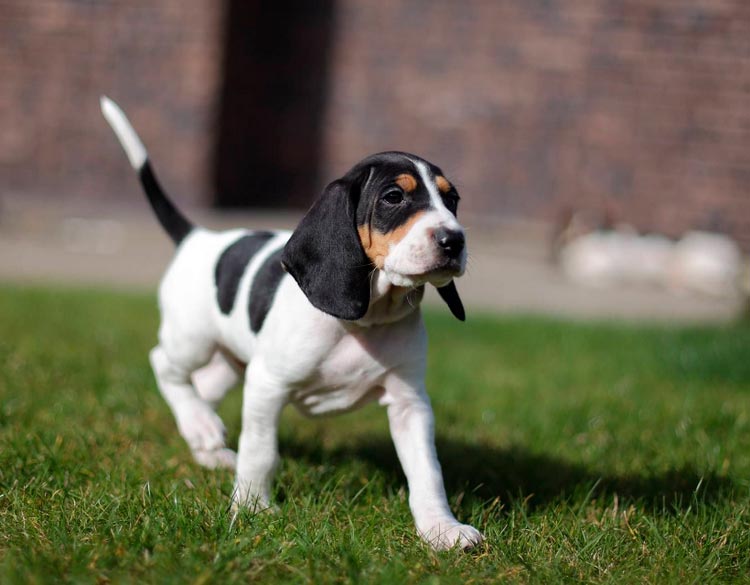
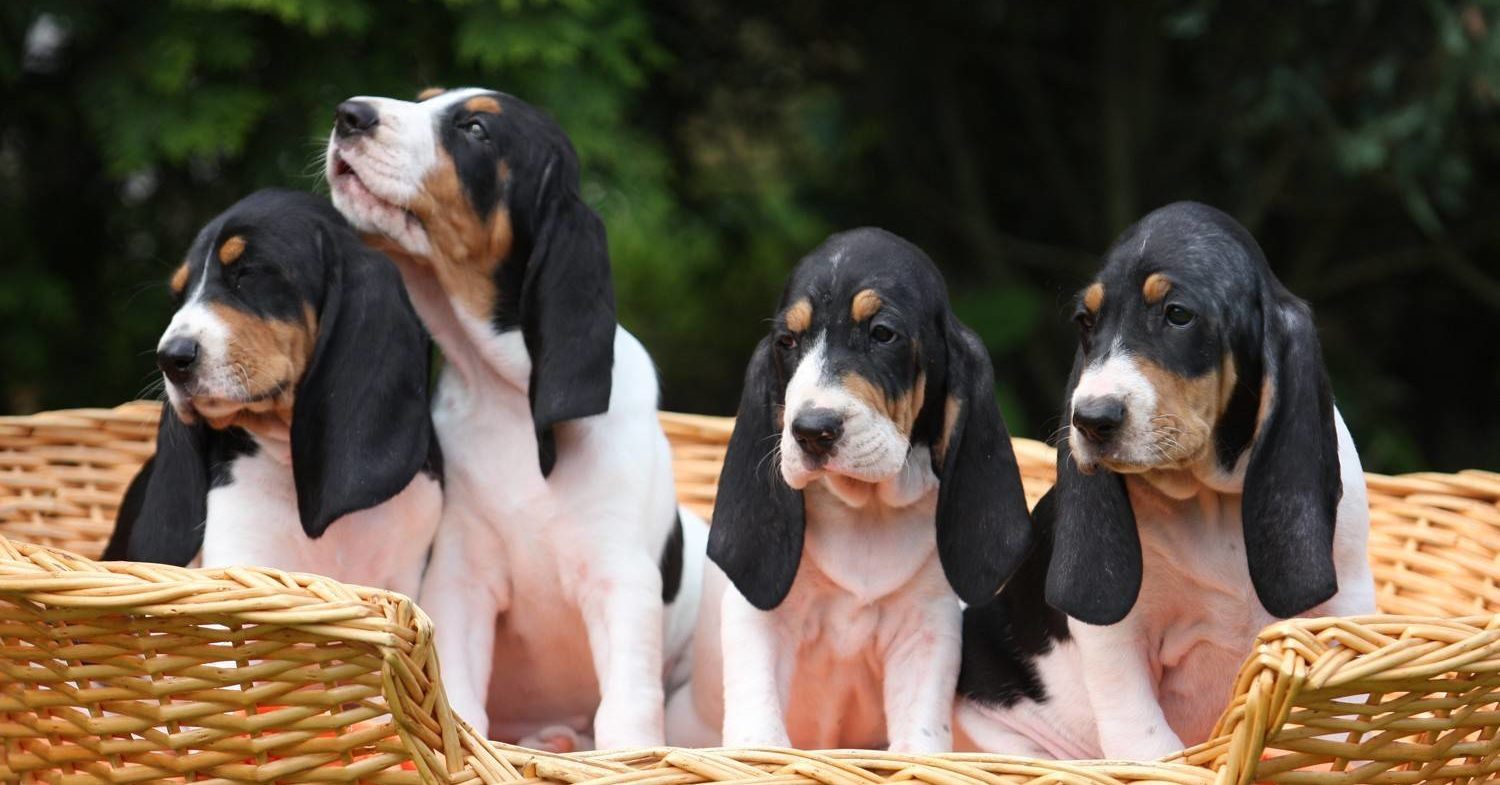
Выбор щенка швейцарской гончей — ответственный и важный шаг, требующий вдумчивого подхода. Первым этапом при выборе щенка является определение ваших целей. Швейцарская гончая — универсальная порода, подходящая как для охоты, так и для семейной жизни. Решите, что для вас важнее: охотничьи качества, участие в выставках или просто наличие преданного компаньона. Выбор надёжного заводчика охотничьих собак — один из ключевых моментов. Профессиональный заводчик заботится не только о здоровье и благополучии своих питомцев, но и тщательно подбирает племенные пары, чтобы щенки унаследовали лучшие породные качества.
Как найти хорошего заводчика в России:
Рекомендации. Обратитесь за советом к другим владельцам швейцарских гончих, в ветеринарные клиники или клубы охотничьих собак.
Посещение питомников: Лично посетите несколько питомников, чтобы оценить условия содержания собак и пообщаться с заводчиками.
Документы. Проверьте наличие всех необходимых документов, включая родословные, справки о состоянии здоровья и результаты тестов на генетические заболевания.
Здоровье щенка — главный приоритет. При выборе щенка обратите внимание на следующие моменты:- Внешний вид. Щенок должен быть активным, с блестящей шерстью, чистыми глазами и ушами. Обратите внимание на состояние кожи — на ней не должно быть высыпаний или раздражений.- Аппетит. Здоровый щенок обладает хорошим аппетитом и проявляет интерес к пище.- Вакцинации и обработки. Убедитесь, что щенок прошёл все необходимые ветеринарные процедуры и имеет отметки о вакцинации в ветеринарном паспорте.Швейцарские гончие известны своим дружелюбным и уравновешенным характером. При выборе щенка важно понаблюдать за его поведением и темпераментом.- Активность. Щенок должен быть любознательным и активным, но не чрезмерно агрессивным.- Социализация. Обратите внимание, как щенок взаимодействует с другими щенками и людьми. Он должен быть дружелюбным и не бояться новых ситуаций.- Послушание. Понаблюдайте, как щенок реагирует на команды и поощрение. Щенок с хорошей обучаемостью проявляет интерес к взаимодействию с человеком и быстро осваивает новые навыки.При выборе щенка швейцарской гончей важно изучить его родословную. Это поможет вам понять, какие качества он может унаследовать от родителей
Здоровье и болезни
Швейцарская гончая отличается хорошей физической формой, крепким иммунитетом и выносливостью. Эти собаки отлично приспособлены к активному образу жизни и способны выдерживать значительные физические нагрузки. Однако, несмотря на общую устойчивость, для породы характерны некоторые наследственные и возрастные заболевания.
Генетические заболевания
Дисплазия тазобедренного сустава — наследственное заболевание, характеризующееся неправильным развитием тазобедренного сустава. Это может приводить к болям, хромоте и развитию артрита. Важно регулярно проходить осмотры у ветеринара и контролировать состояние суставов, особенно у взрослых собак.
Атрофия сетчатки — наследственное заболевание глаз, приводящее к постепенной потере зрения. Оно может начинаться со снижения ночного зрения и со временем прогрессировать до полной слепоты.
Возрастные заболевания
Артрит. С возрастом у швейцарских гончих повышается риск развития артрита, особенно если в молодости собака подвергалась значительным физическим нагрузкам. Артрит вызывает воспаление суставов, что приводит к болям и ограничению подвижности.Профилактика и лечение:Контроль веса.Регулярные умеренные физические нагрузки.Противовоспалительные препараты и обезболивающие средства по назначению ветеринара.Физиотерапия.Сердечные заболевания. С возрастом у швейцарских гончих могут развиваться болезни сердца, включая кардиомиопатию и сердечную недостаточность.Профилактика и лечение:Регулярные ветеринарные осмотры, включая ЭКГ и эхокардиографию.Диета с пониженным содержанием соли.Препараты для поддержки работы сердца.Инфекционные заболеванияШвейцарские гончие, как и другие породы, могут быть подвержены различным инфекционным заболеваниям. Регулярная вакцинация и поддержание иммунитета собаки имеют решающее значение.Лептоспироз — бактериальная инфекция, передающаяся через загрязнённую воду или контакт с инфицированными животными. Она может вызывать серьёзные поражения печени и почек.Профилактика и лечение:Регулярная вакцинация.Избегание контакта с потенциально загрязнённой водой.Немедленное обращение к ветеринару при первых признаках заболевания.
Размер
Крупные
Стоимость щенка
От 50 до 80 тыс. руб.
Длительность жизни
От 10 до 14 лет
Потомство
От 6 до 9 щенков
Линька
Линяет
Страна
Швейцария
Рост в холке
Мальчик от 49 до
59 см
Девочка от 47 до
57 см
Вес
Мальчик от 27 до
30 кг
Девочка от 27 до
30 кг
Назначение
Компаньоны
Охотничьи
Содержание
Частный дом
Улица
Содержание
-
1. Описание породы
-
2. Внешний вид
- 2.1 Голова
- 2.2 Морда
- 2.3 Уши
- 2.4 Глаза
- 2.5 Зубы
- 2.6 Корпус
- 2.7 Конечности
- 2.8 Хвост
- 2.9 Шерсть
- 2.10 Окрас
-
3. Характер
-
4. Содержание и уход
-
5. Дрессировка и обучение
-
6. Как выбрать щенка
-
7. Здоровье и болезни







Комментарии
Отзывы могут оставлять только зарегистрированные пользователи
Войти