
Poodle






Warning: Illegal string offset 'label' in /home/panda/sites/zoonika/wp-content/themes/zoonika/template-parts/animals/animals-param-item.php on line 32
Ð


Breed Description
The Poodle is one of the most recognizable and popular breeds in the world, with origins that trace back to Europe and span several centuries. It is believed that the breed’s name comes from the German word “Pudel,” which means “to splash in water,” indicating its original purpose-working in water, particularly assisting hunters in retrieving waterfowl. Although the Poodle is often associated with France, where it is regarded as a national breed, its roots are in Germany, and potentially even earlier times, connected to Asian herding dogs that influenced its development.
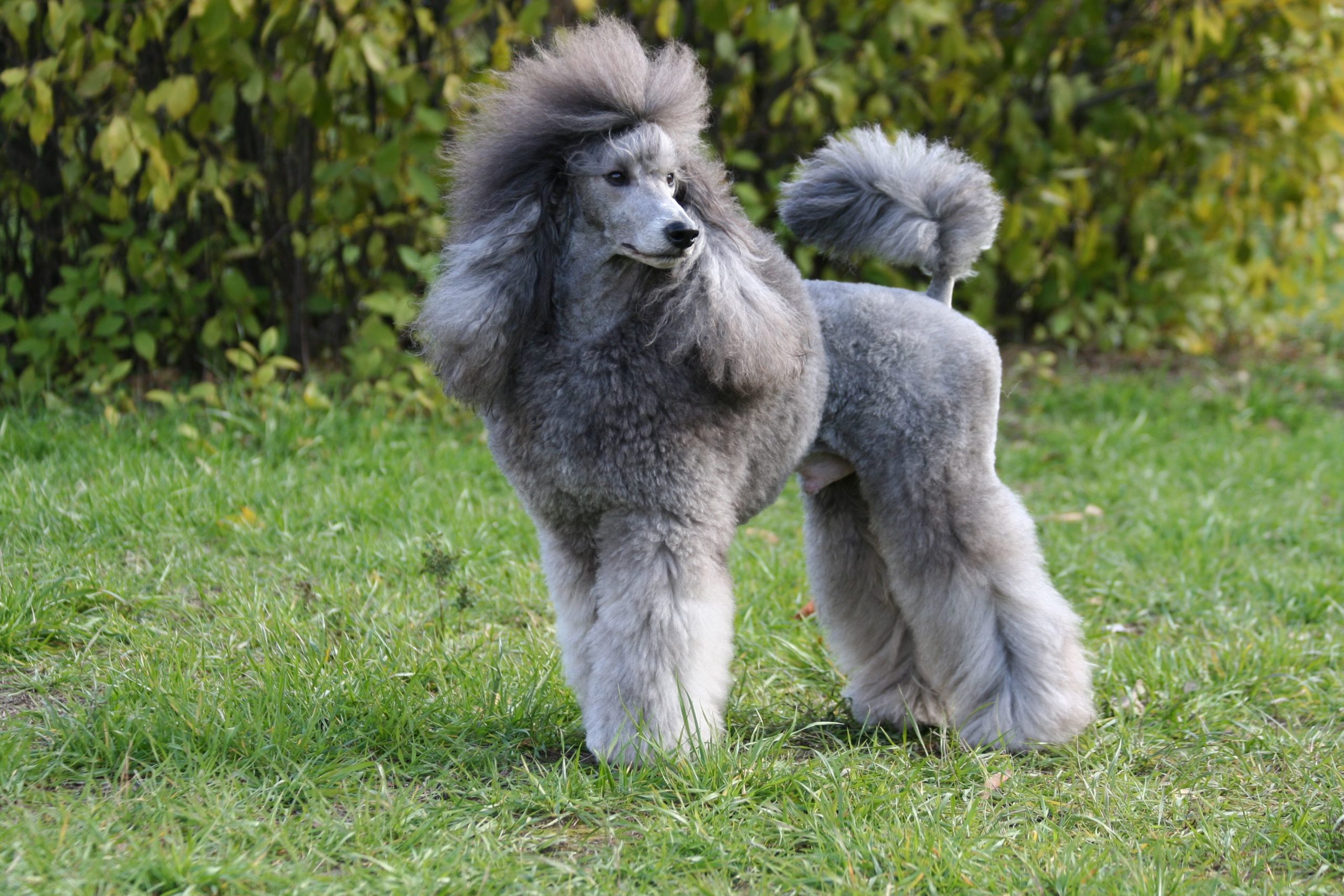
Originally, Poodles were used as working dogs for hunting ducks and other waterfowl. Their thick, curly coat, which has water-repellent properties, made them ideal for working in cold and wet environments. The grooming style, which is now one of the breed’s most recognized features, originated not for aesthetic reasons but for practical ones: removing some of the fur reduced water resistance while leaving a thick layer on vital areas of the body, such as the chest and joints, to protect them from hypothermia.
Over time, the Poodle began to be seen not only as a working dog but also as a companion animal, which led to the development of miniature and toy varieties. This shift began in Renaissance France when the aristocracy appreciated the Poodle for its elegant appearance, high intelligence, and ability to learn tricks easily. Poodles became stars in royal courts, were featured in circuses, and entertained audiences at fairs with their skills.
French breeders made significant contributions to the breed, enhancing its appearance and emphasizing its intellectual qualities. It was in France that smaller varieties of Poodles were developed, quickly gaining popularity among city dwellers for their compact size and charming temperament. At the same time, standard Poodles remained reliable hunting and working dogs.
Today, the Poodle is recognized for its versatile nature. It has become not only a beloved pet but also an excellent companion in sporting competitions, a participant in circus performances, and even a helper in rescue operations. Poodles have also been used in breeding other breeds, such as Labradoodles, due to their friendly demeanor and hypoallergenic coats.
Today, the Poodle symbolizes elegance and intelligence, known for its striking appearance, exceptional mental abilities, and adaptability to different conditions. Its history exemplifies how a working dog transformed into one of the most refined and sought-after breeds in the world while retaining its inherent charm and resilience.The price for a puppy ranges from 30,000 to 60,000 rubles.

Appearance
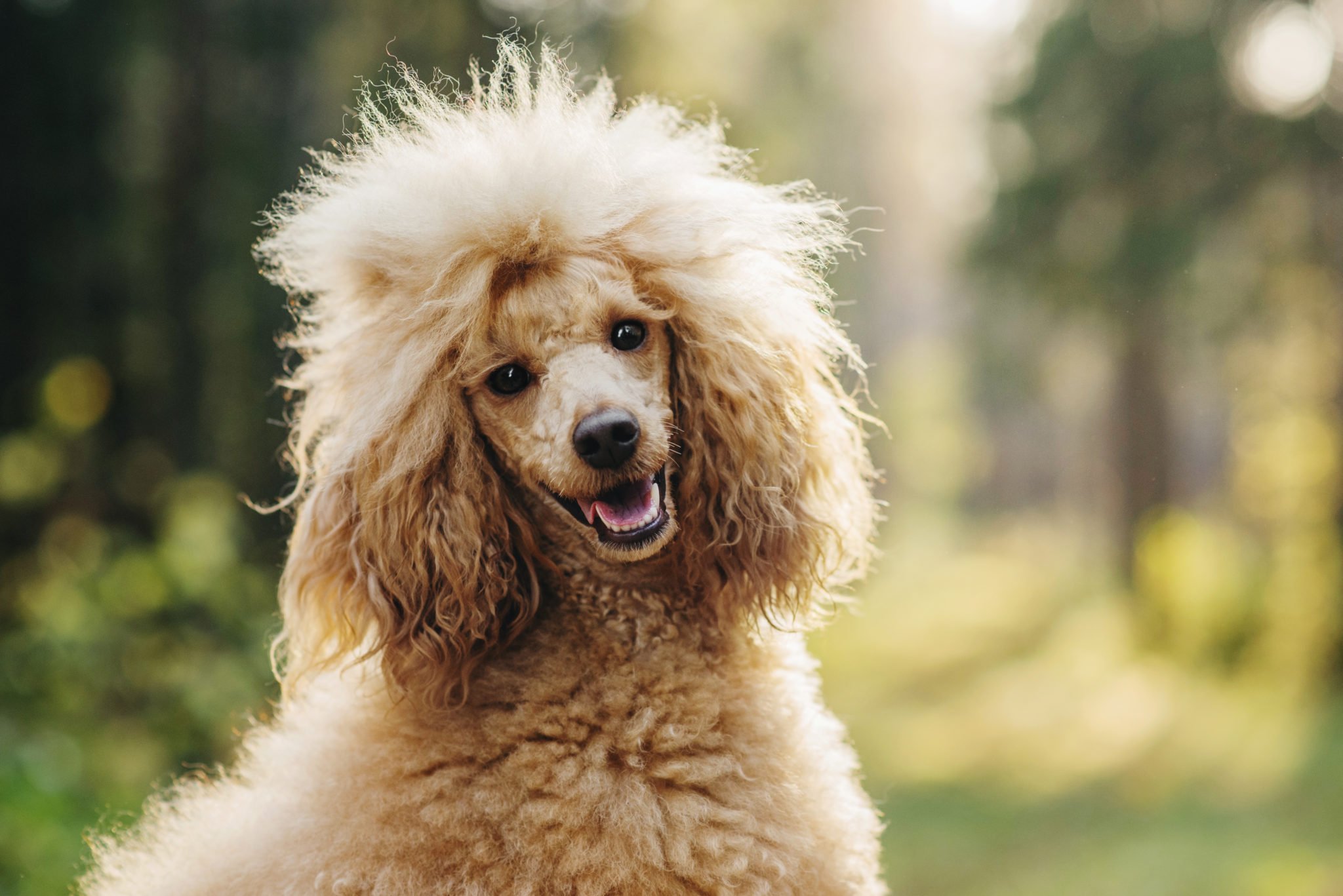
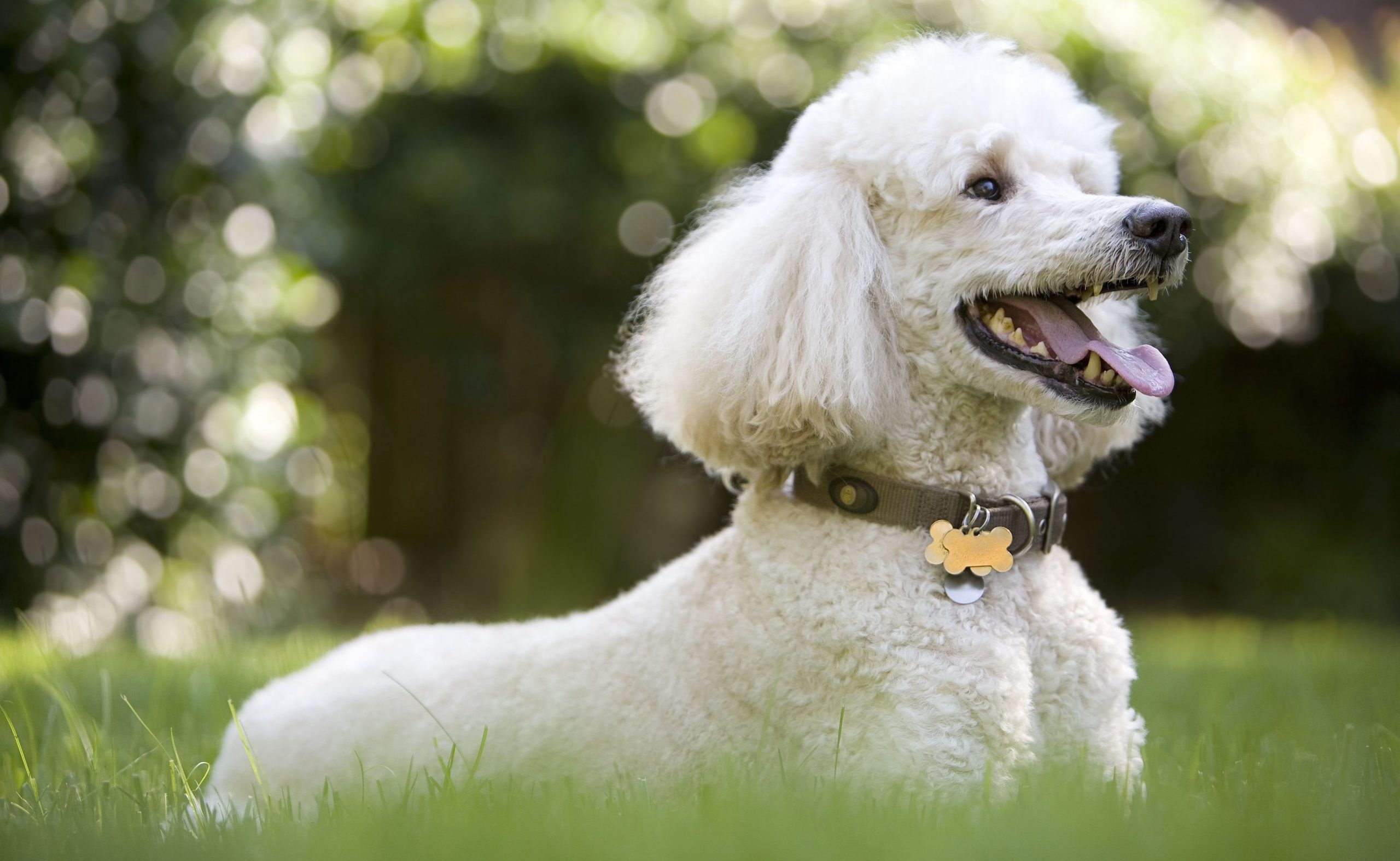
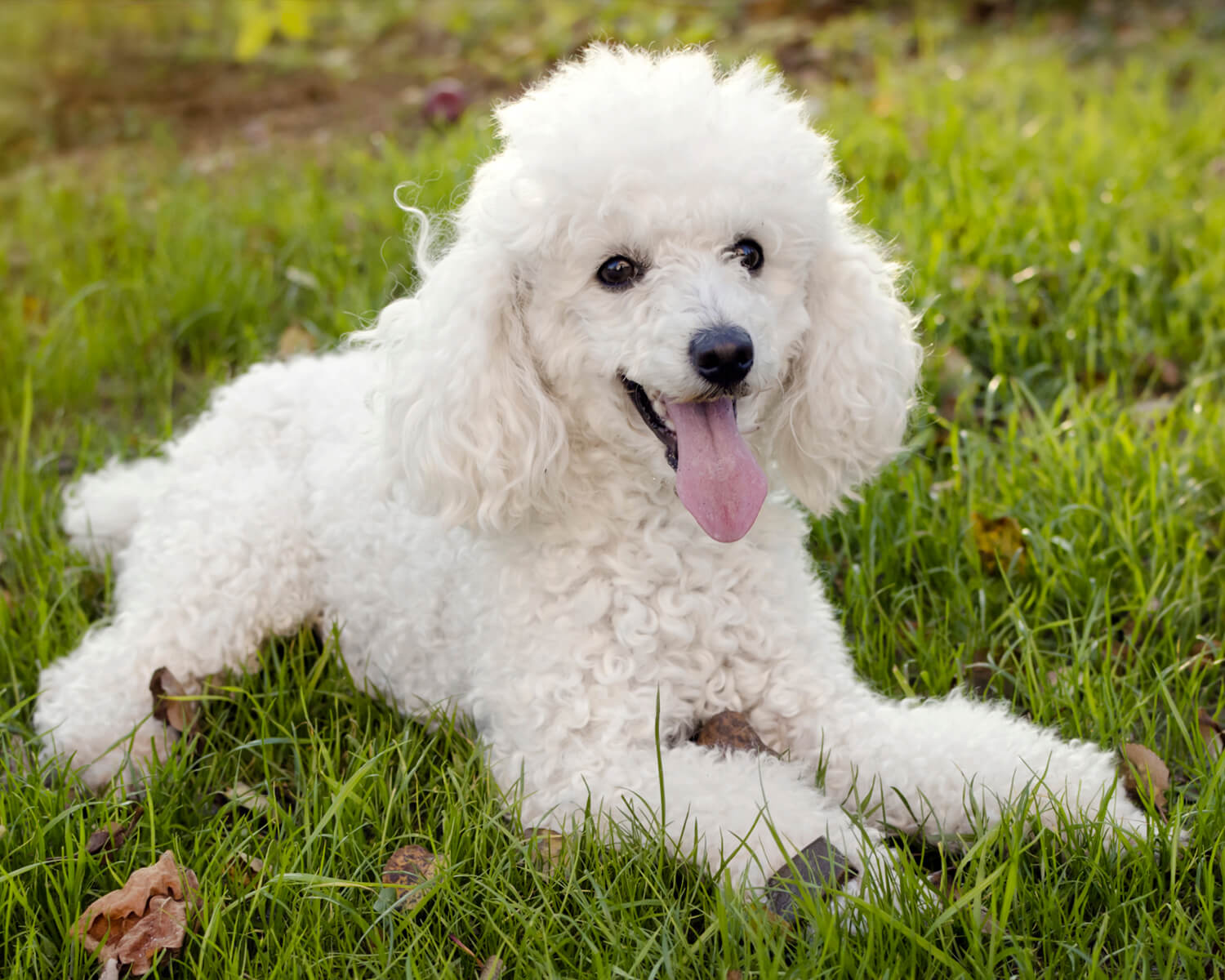
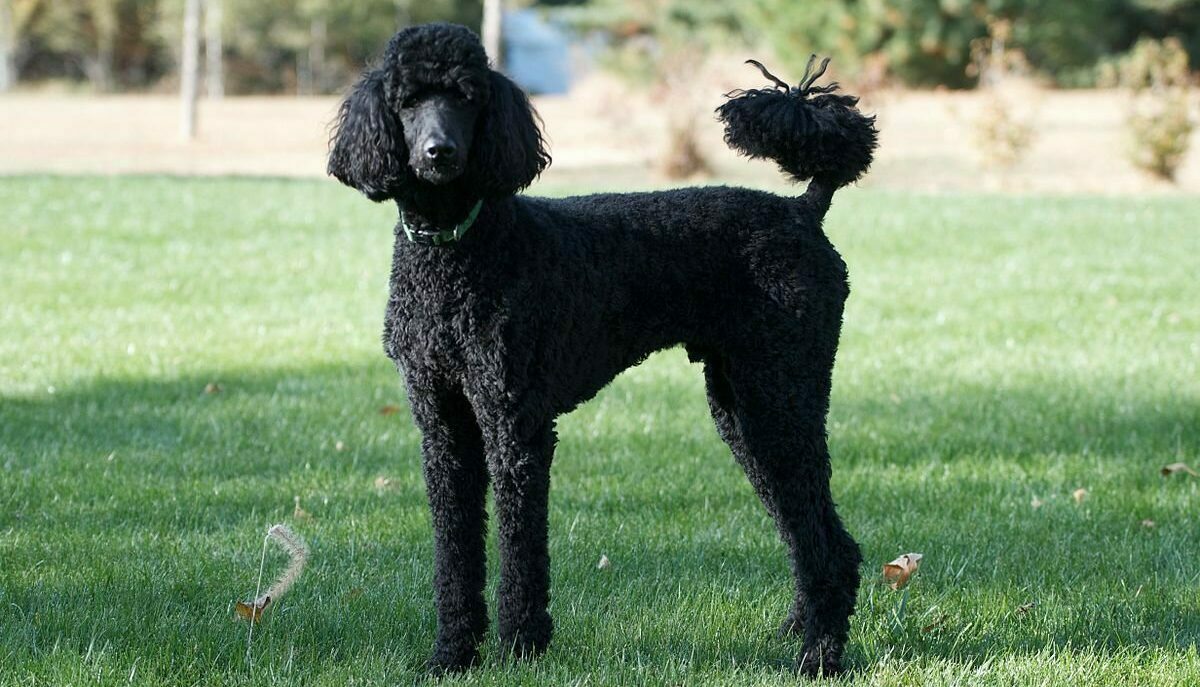
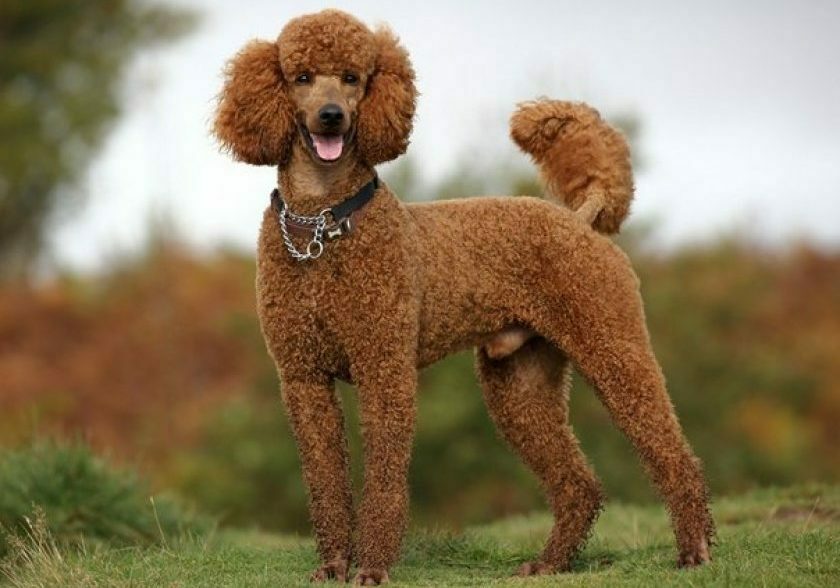
The Poodle is an elegant and proportionately built dog with a refined yet sturdy physique. Its appearance highlights a combination of grace, intelligence, and energy. Poodles are known for their thick, curly coat, which can be either voluminous and airy or closely trimmed, depending on the owner’s preferences. This coat not only gives the breed its recognizable look but is also hypoallergenic, making the Poodle a suitable choice for allergy sufferers.
The Poodle’s eyes are expressive and intelligent, with a kind and attentive gaze. The ears hang down and lay close to the head, emphasizing the softness and harmony of the body lines. A long neck and straight back add sophistication to the dog, while the tail, set high, is usually held proudly.
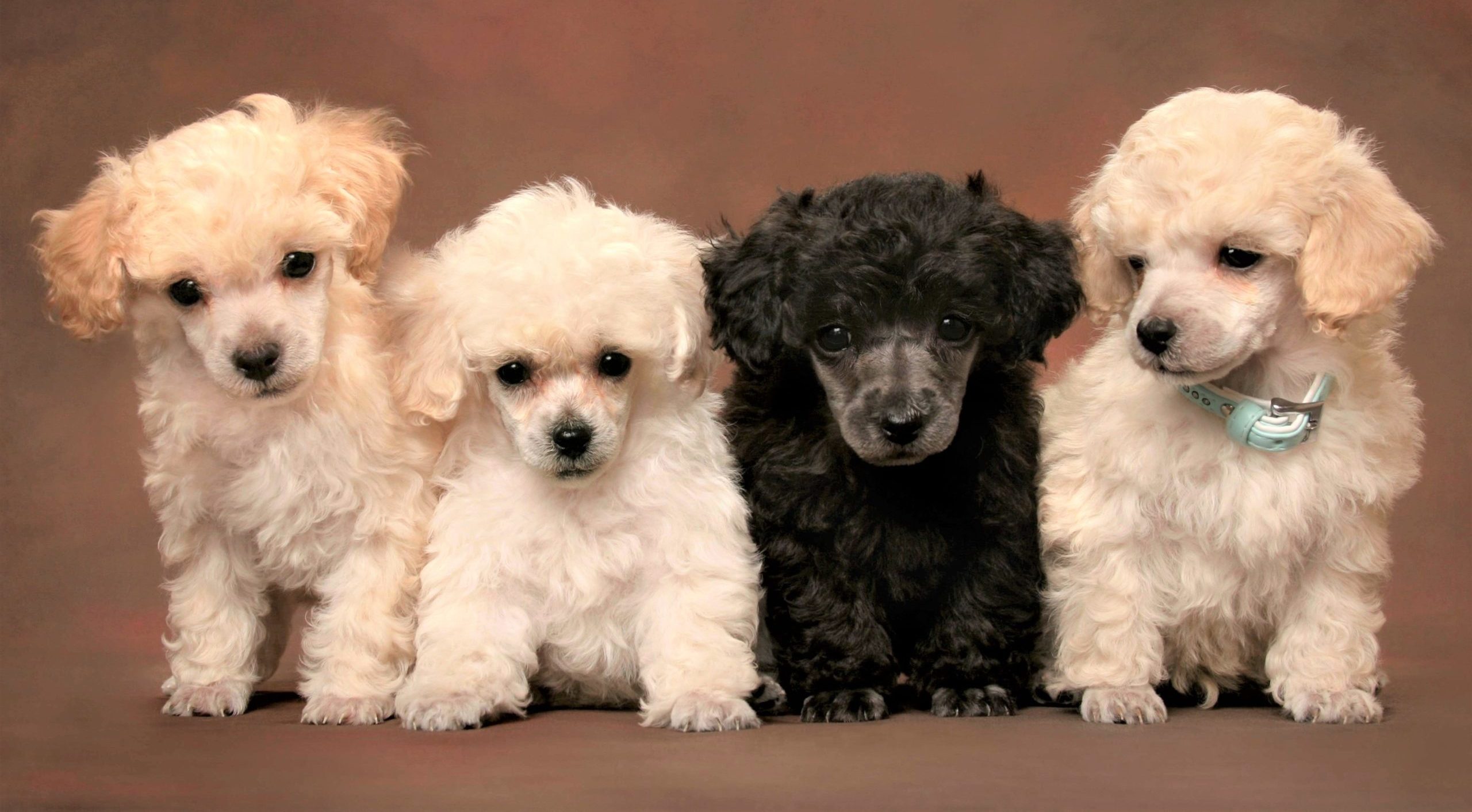
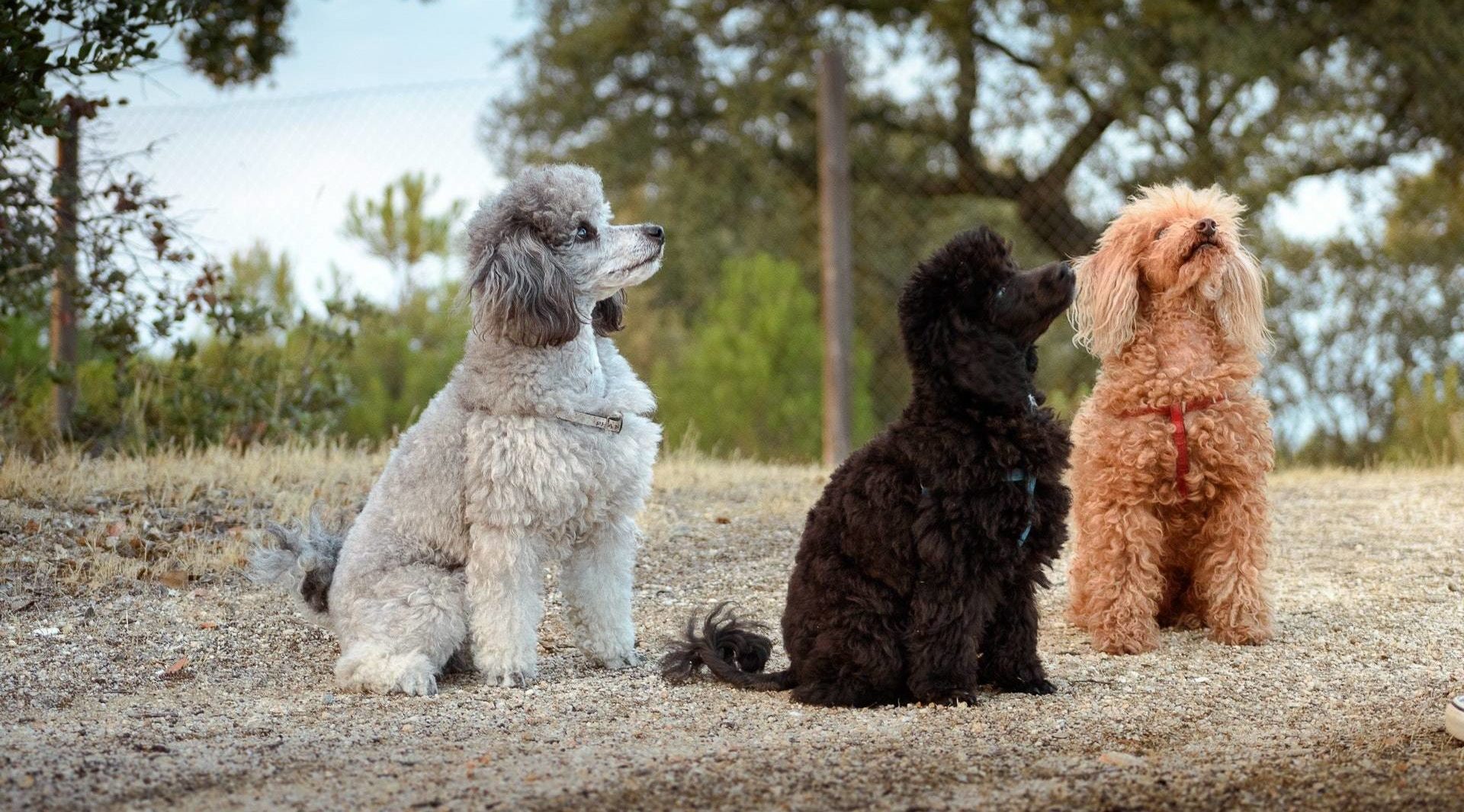
Poodles come in several sizes: standard, miniature, and toy. The standard Poodle is the largest of the three, standing between 45 and 60 cm at the shoulder and weighing between 20 and 32 kg. The miniature Poodle reaches a height of 28-45 cm and weighs 7-14 kg. The toy Poodle, the smallest, stands up to 28 cm and weighs about 2-6 kg. These parameters make the Poodle a versatile breed, suitable for owners with different lifestyles.
The average lifespan of a Poodle is 12-16 years, reflecting its good health and endurance. With proper care, regular walks, and a balanced diet, these dogs remain active and lively even in their older age. The Poodle remains one of the most popular breeds in the world due to its expressive appearance, versatility, and friendly nature.


Отличительные черты

Голова

Морда

Уши

Глаза

Зубы

Корпус

Конечности

Хвост

Шерсть

Окрас
Character
The Poodle is an intelligent, friendly, and energetic dog that quickly adapts to any conditions and gets along wonderfully with people. Its character combines playfulness, loyalty, and high intelligence, making this breed one of the most versatile and beloved in the world. Poodles love to be the center of attention and actively participate in family life, eager to please their owner and doing everything possible to earn praise.
These dogs possess high emotional sensitivity and finely tune into a person’s mood. They understand body language and vocal intonations, making them remarkably attentive companions. A Poodle always tries to maintain contact with its owner, whether it’s playing, walking, or simply spending time together. It easily adapts to the rhythm of its family’s life, making it suitable for both active people and those who prefer a more laid-back lifestyle.
Poodles are characterized by their playful nature and enjoy a variety of activities. They love playing with balls, performing tricks, and engaging in intellectual challenges such as learning new commands or searching for objects. Their high intelligence allows them to easily grasp complex commands and even participate in agility or obedience competitions. They not only enjoy the training process but also take pride in their accomplishments, making the training experience enjoyable for both the dog and the owner.
This breed gets along well with children and other pets, showing patience and kindness. Poodles have a gentle temperament but remain active enough to play with children or accompany owners on long walks. They are cautious with strangers, but with proper socialization, they don’t display excessive suspicion or aggression.
Poodles dislike solitude and seek to be close to people. If left alone for extended periods, they may get bored and look for ways to gain attention, sometimes exhibiting destructive behavior. They need to feel like part of the family, so it is important to spend enough time and attention on them.
These dogs value stability but can easily adapt to new environments. They love to learn and enthusiastically participate in any joint activities. With their loyalty, sense of humor, and friendly nature, a Poodle becomes not just a pet but a true family member that brings joy with its energy and positivity.
They understand human language.
Poodles are exceptionally attuned to human language. According to some experts, they can remember more than 70 words. Poodles can understand words through lip movements and gestures, and they are also great companions for people with hearing and speech impairments.Care and Maintenance
Taking care of a poodle requires attention to its thick fur, physical activity, and emotional needs. One of the breed’s main features is its coat, which needs regular grooming. Poodles should be brushed 2-3 times a week to prevent tangles and maintain softness and shine. It is recommended to trim the dog every 4-6 weeks for both hygiene and aesthetic purposes. This can be either a classic show cut or a more practical style for everyday life. Poodles should be bathed about once a month or as needed, using gentle shampoos to avoid damaging the coat’s structure.
The poodle’s ears need special attention, as their hanging shape makes them prone to accumulating dirt and wax, which can lead to inflammation. Regular ear cleaning and examination will help avoid these issues. Additionally, it’s important to pay attention to the eyes, cleaning any discharge as necessary. Poodle teeth should be brushed several times a week to prevent tartar buildup. Their paws and nails also require care-nails should be trimmed about once a month, and paws checked after walks.
Poodles enjoy an active lifestyle, so regular walks and physical activity are essential. These dogs love to run, play fetch, and engage in mental games. Mental stimulation is as important as physical exercise, so teaching new commands or tricks is a great way to strengthen the bond with your pet and meet its needs.
These dogs do not like loneliness or boredom. If left alone for long periods without enough stimulation, a poodle may become bored, which can sometimes lead to destructive behavior. Poodles love being the center of attention and participating in family life, making it crucial to spend enough time with them. They also do not respond well to harsh treatment or yelling. These dogs are sensitive to tone and prefer a gentle yet consistent approach.
Nutrition should be balanced and appropriate for the dog’s size and age. Poodles tend to gain weight if overfed, so it’s important to control portions and avoid excessive treats. They enjoy variety in their diet, but new foods should be introduced gradually to prevent digestive issues.
A poodle values stability, attention, and care. Regular grooming, active play, and close interaction with the family will help ensure that this dog is healthy, happy, and well-adjusted.
French aristocrats
Poodles gained widespread recognition during medieval France. They were indispensable companions of the court nobility and magnificent adornments for wealthy ladies. Later, thanks to their incredible intelligence, they became important participants in circus performances and reliable companions for street performers. Over time, unique and spectacular hairstyles were created for poodles, which delighted the audience.Training and Education
The Poodle is one of the most intelligent breeds, making its training an exciting and rewarding process. These dogs love to learn, quickly grasp new commands, and happily showcase their achievements. It’s best to start training a Poodle at a young age to lay the foundation for obedience and socialization. They respond well to positive reinforcement, including praise, treats, and play, which motivates them to continue learning.
Poodles easily master both basic and complex commands, allowing them to participate in various activities such as agility, circus tricks, or even search and rescue operations. Training sessions should be diverse and engaging, as this breed quickly loses interest in monotonous tasks. Short, regular training sessions help keep the dog’s attention and focus.
An important part of raising a Poodle is consistency. This breed seeks to please but, due to its high intelligence, may try to manipulate the owner if it notices inconsistency in the rules. The owner should be patient, confident, and gentle, avoiding harshness or punishment, which can undermine the dog’s trust. Poodles are sensitive to tone of voice and respond best to friendly yet firm guidance.
A Poodle chooses the owner who gives it the most attention and time. These dogs seek an emotional bond with their owner, thus they become attached to the person who actively participates in their upbringing, plays with them, and cares for them. A leader for a Poodle is someone who demonstrates confidence and consistency while also creating a warm and comfortable environment.
The Poodle tends to obey the one it considers its “center of the world.” Respect, trust, and stability in relationships are important to it. It is oriented toward cooperation and will enthusiastically follow commands if it sees pleasure in it and receives approval from its owner. Due to its cleverness, a Poodle may sometimes make decisions on its own, so it’s vital for the owner to remain calm and gently correct behavior.
This breed is suitable for both experienced and novice owners, provided they are willing to dedicate time to training and interacting with the dog. Poodles love to be helpful and participate in family life, making them ideal companions for active, patient, and caring individuals. With the right approach to upbringing, a Poodle becomes not only a obedient and loyal dog but also a true partner that brings joy through its achievements and affection. Find your puppy through trusted sources.
Lap dogs
The first grooming salons for poodles appeared during the reign of Louis XVI in France. His wife, Marie Antoinette, was a passionate admirer of these beautiful dogs. To please his wife, the king even officially established the miniature poodle as the court dog.
How to Choose a Puppy
To select a poodle puppy that will grow into a true representative of the breed, it’s important to pay attention to its appearance, behavior, and lineage, as well as thoroughly check the documentation. Begin by searching for a reliable kennel with a good reputation that specializes in breeding poodles while adhering to breed standards.
The puppy should be active, cheerful, and friendly. A healthy puppy shows curiosity, is open to interaction, and plays energetically with its peers. Avoid puppies that appear lethargic, withdrawn, or exhibit aggression-these signs may indicate issues with socialization or health. Confident yet friendly behavior reflects proper socialization and good mental health.
The puppy’s appearance also plays a crucial role. Its coat should be thick, curly or wavy, depending on its age, without bald patches or mats. The eyes should be clear, without discharge, the nose cool and moist, and the ears clean, without unpleasant odors. The puppy should be agile, with strong legs and a straight back. Check the teeth and bite-they should be correct.
An important step in choosing is verifying the documentation. The breeder must provide the puppy’s metric, which is later replaced with a pedigree. This document confirms the puppy’s lineage and provides information about its parents, their show achievements, and the absence of genetic diseases. Pay attention to the puppy’s veterinary passport, which should include details about vaccinations, deworming, and other preventive measures.
If the breeder has conducted genetic tests on the parents, ask to see the results. This is especially important for poodles, as the breed can have hereditary issues such as progressive retinal atrophy or hip dysplasia. Having these tests indicates a serious approach to breeding and lowers the risk of health problems in the puppy.
Look at the conditions in which the puppies are kept at the kennel. They should be clean, spacious, with enough toys and access to quality food. Puppies raised in favorable conditions and surrounded by attention adapt more easily to a new home and display good character.If possible, observe the puppy’s parents. Their appearance, behavior, and health will give you insight into how your pet might grow. The parents should be friendly, active, and meet breed standards.When choosing a puppy, consider not only its physical characteristics but also your emotional connection. Poodles are dogs that form strong bonds with their owners, so it’s important to select a puppy with which you feel a connection from the very first meeting. This is a guarantee that your pet will grow up healthy, obedient, and meet all breed requirements. Want a purebred pet? You can find one on Zooinika with documentation from trusted breeders.
Health and Diseases
The Poodle is a breed known for its robust health and long lifespan, typically ranging from 12 to 16 years. However, like any breed, Poodles are predisposed to certain health issues that owners should be aware of. Attentive care and regular veterinary visits can help minimize risks and maintain the dog’s health at a high level.
One of the most common problems in Poodles is progressive retinal atrophy. This genetic eye disease can lead to vision deterioration and even blindness. Regular ophthalmic check-ups and genetic testing of the parents can help rule out this issue in puppies.
This breed is also prone to hip dysplasia, particularly among larger representatives (standard Poodles). This condition can cause pain and restrict mobility, especially in older age. Weight management, proper exercise, and regular check-ups can help maintain joint health.
Poodles may sometimes face epilepsy, a chronic neurological condition characterized by seizures. Although this condition is not curable, it can be effectively managed with medication and regular monitoring by a veterinarian.
Dental and gum diseases are also common issues, especially in miniature and toy Poodles. Due to the compact size of their mouths, plaque can accumulate, leading to inflammation and tooth loss. Regular teeth cleaning and the use of special chew toys can help prevent these problems.
Allergies are another characteristic feature of the breed. Poodles can react to certain foods, pollen, or household chemicals. Symptoms include itching, rashes, and coat issues. Choosing an appropriate diet and eliminating allergens from the dog’s environment can help avoid these discomforts.Addison’s disease (adrenal insufficiency) also occurs in Poodles. It is a rare but serious condition related to hormonal imbalance. Symptoms may include lethargy, vomiting, and loss of appetite. Early detection and appropriate treatment can effectively manage the condition.Poodles are prone to gaining excess weight, especially if they do not receive enough physical activity. Obesity can lead to heart problems, joint issues, and overall health deterioration. Regular walks, active play, and diet control can help keep them in shape.A meticulous approach to selecting a puppy, proper care, quality nutrition, and regular veterinary visits allow Poodles to remain active, healthy, and lively into old age, making them long-lived and happy family members.
Содержание
-
1. Описание породы
-
2. Внешний вид
- 2.1 Голова
- 2.2 Морда
- 2.3 Уши
- 2.4 Глаза
- 2.5 Зубы
- 2.6 Корпус
- 2.7 Конечности
- 2.8 Хвост
- 2.9 Шерсть
- 2.10 Окрас
-
3. Характер
-
4. Содержание и уход
-
5. Дрессировка и обучение
-
6. Как выбрать котенка
-
7. Здоровье и болезни


Комментарии
Отзывы могут оставлять только зарегистрированные пользователи
Войти