
White Swiss Shepherd Dog





Warning: Illegal string offset 'label' in /home/panda/sites/zoonika/wp-content/themes/zoonika/template-parts/animals/animals-param-item.php on line 32
Ð


Breed Description
The White Swiss Shepherd is a variety of the German Shepherd, sharing a common ancestry. Switzerland is its homeland. Around 1900, Captain von Stephanitz developed the German Shepherd as a modern breed of working dogs. This may have been the most successful dog breed creation in the world. The German Shepherd has become a symbol of a strong and intelligent dog worldwide. It was essentially a working dog and is steeped in a long-standing tradition of herding working dogs. At the same time, however, it is a relatively young dog breed, selectively bred according to standards and pedigrees for only about 100 years. In the past, the sole criterion for breeding selection was its performance in demanding work. Even today, the German Shepherd remains primarily a working dog.
In the early decades of its breeding, litters included short-haired and long-haired, brown-black, as well as white dogs. Gradually, long-haired and white dogs were excluded from breeding. In 1933, the white color was removed from the German Shepherd standard. It was believed that a predisposition to hereditary diseases was associated with the white color. This assumption has been justified, as it applies to many dog or cat breeds with a large or pure share of white. It is now genetically proven. However, the whiteness of the dog seems to be influenced by a different genetic constellation. For instance, when we look at livestock guardian dogs like the Kuvasz or Maremma, they are purely white. At the same time, these are exceptionally strong and healthy dogs, likely developed through thousands of years of use. This beneficial white heritage has repeatedly echoed in the German Shepherd. The then-world-famous television dog Rin Tin Tin, a German Shepherd, was often used as a breeding male and is said to have had numerous white descendants. In Canada and the USA, white dogs were initially not excluded from breeding. However, in 1968, they were banned there as well. An attempt to r
The White Swiss Shepherd was developed through careful breeding of the male Horand von Grafrath with subsequent generations of his descendants to create large, obedient, energetic herding and guard dogs. Intelligent, energetic, and watchful, the White Swiss Shepherd will not miss a thing. Unlike the German Shepherd, it is generally calmer, but it performs well in guard duties and can easily deter wrongdoers.
The price for a puppy ranges from 50,000 to 60,000 rubles.
Appearance
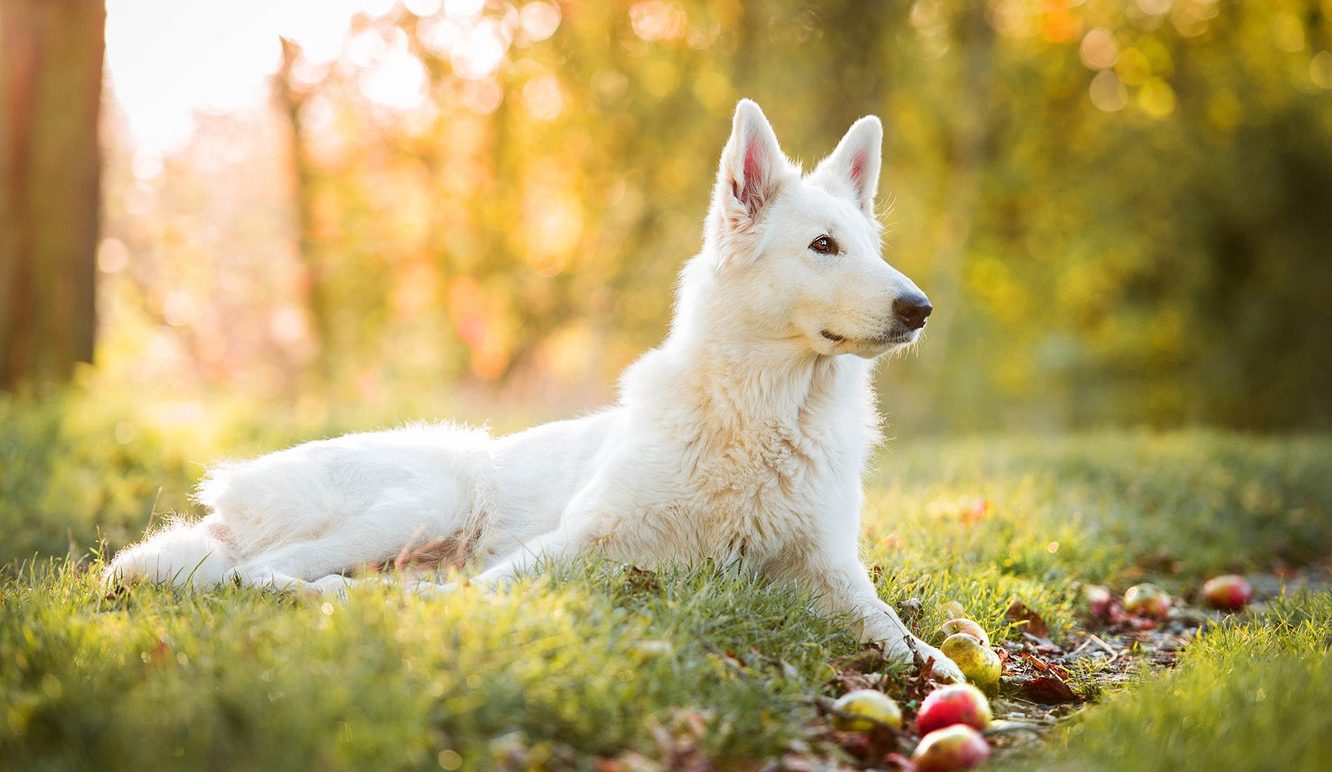
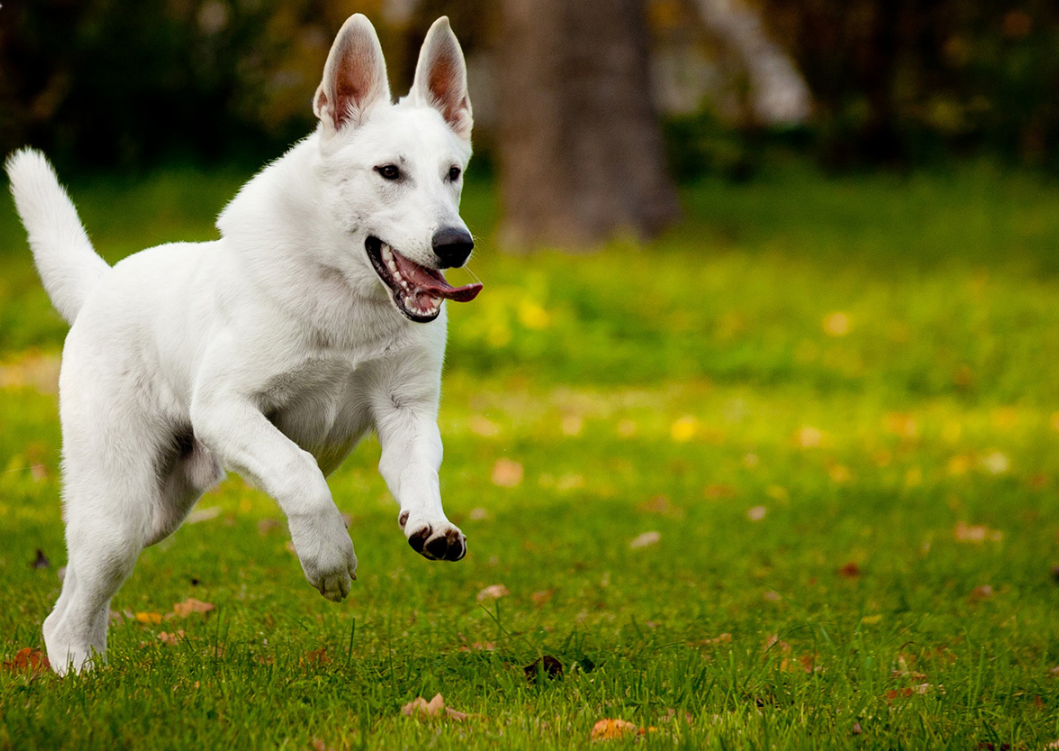
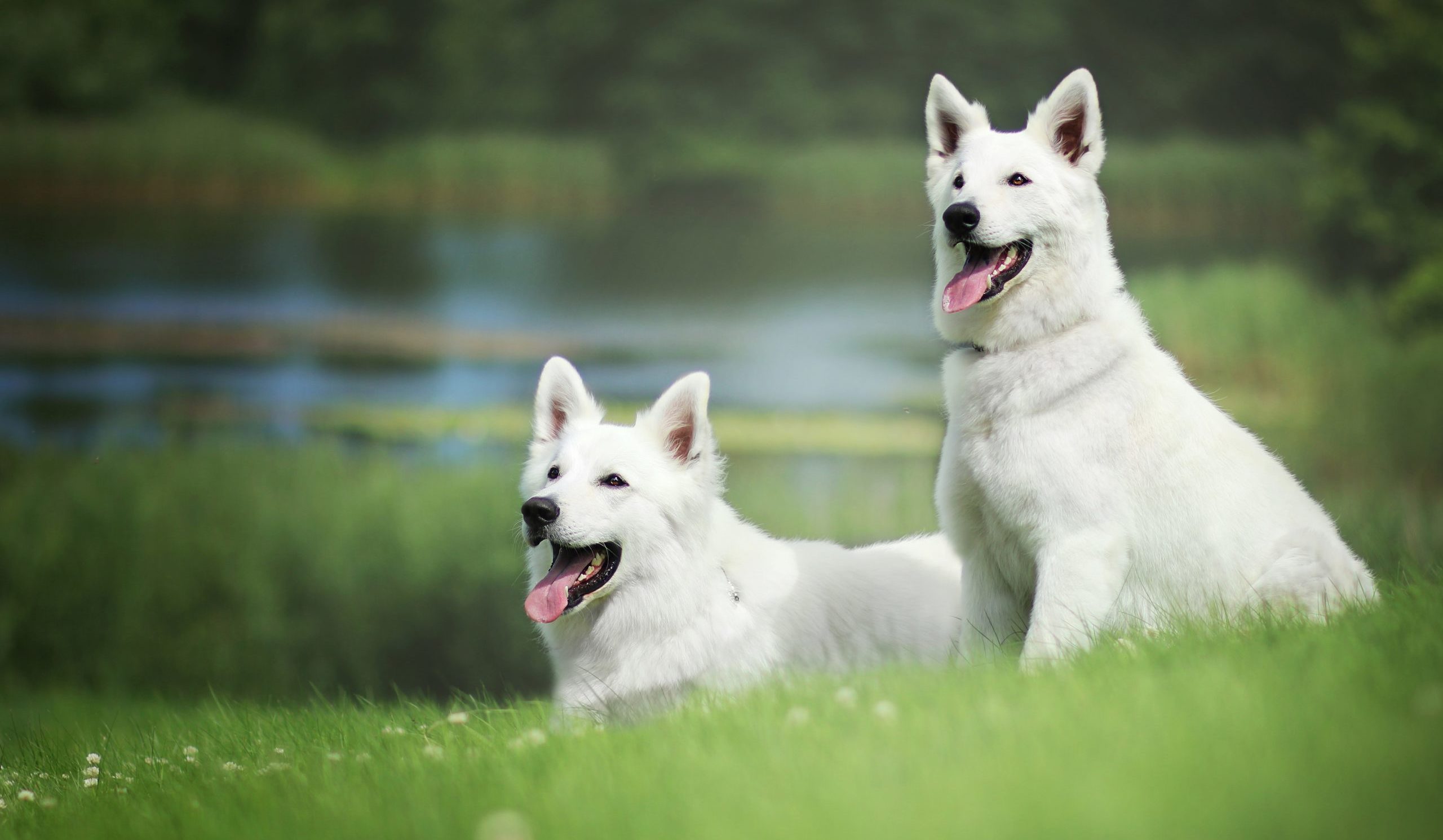
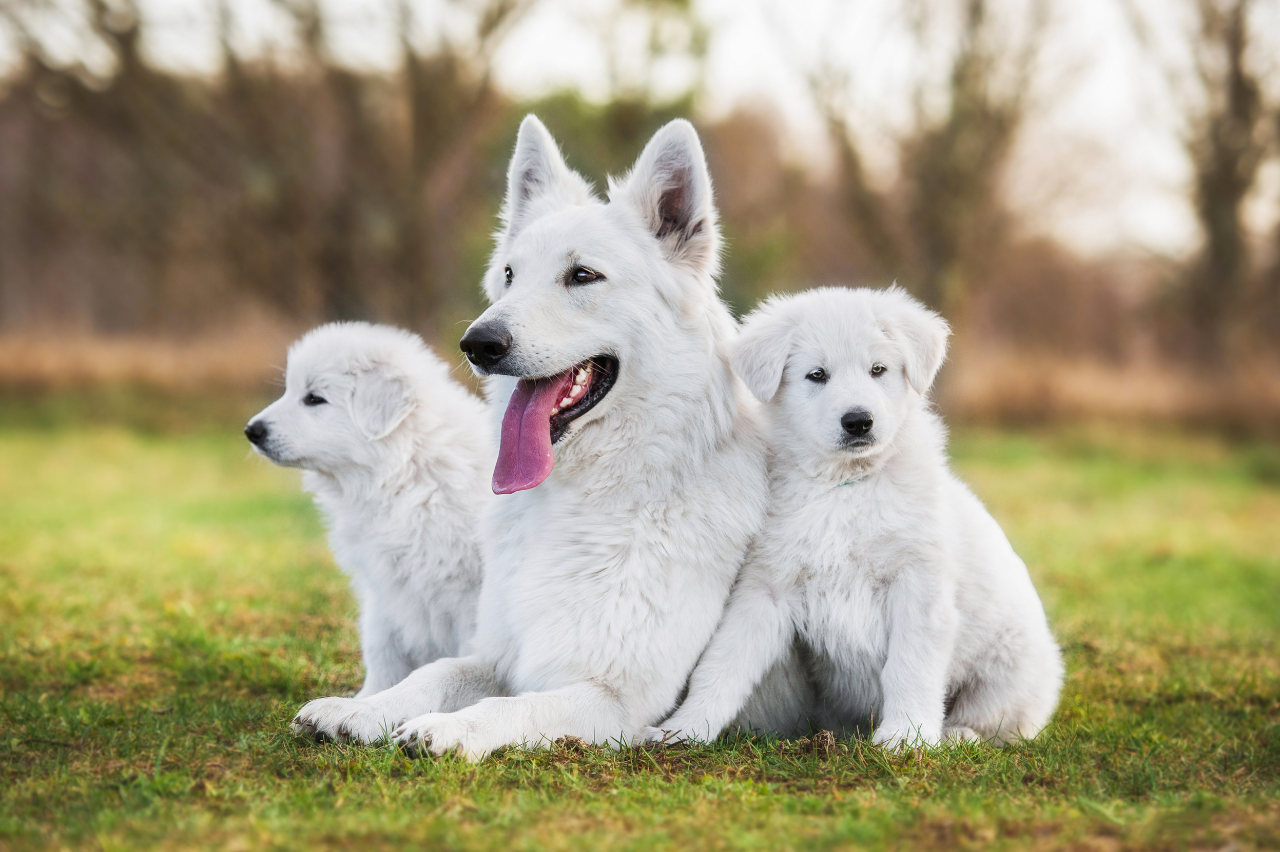
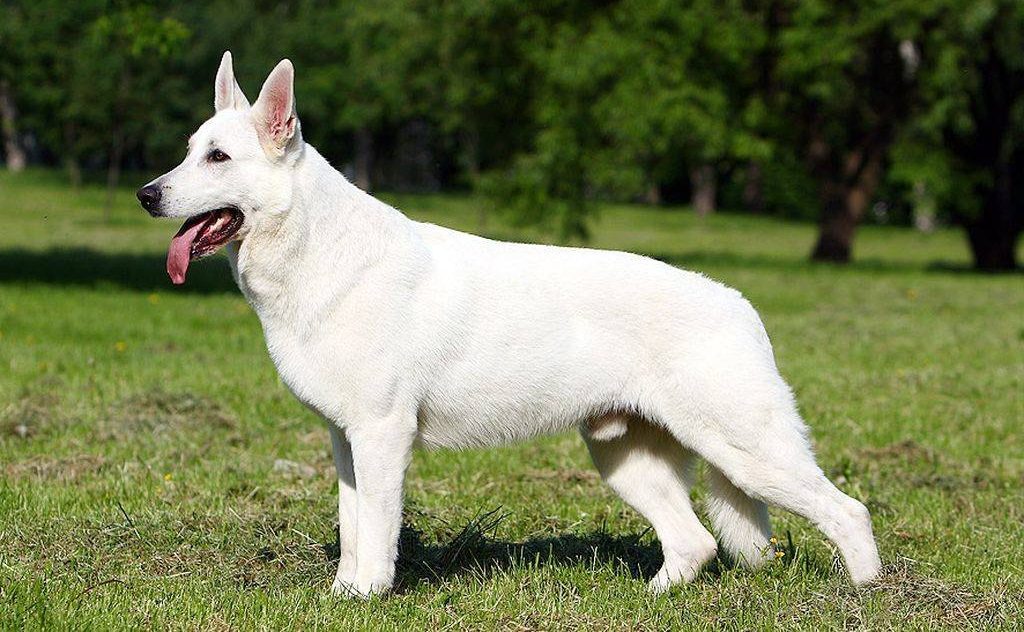
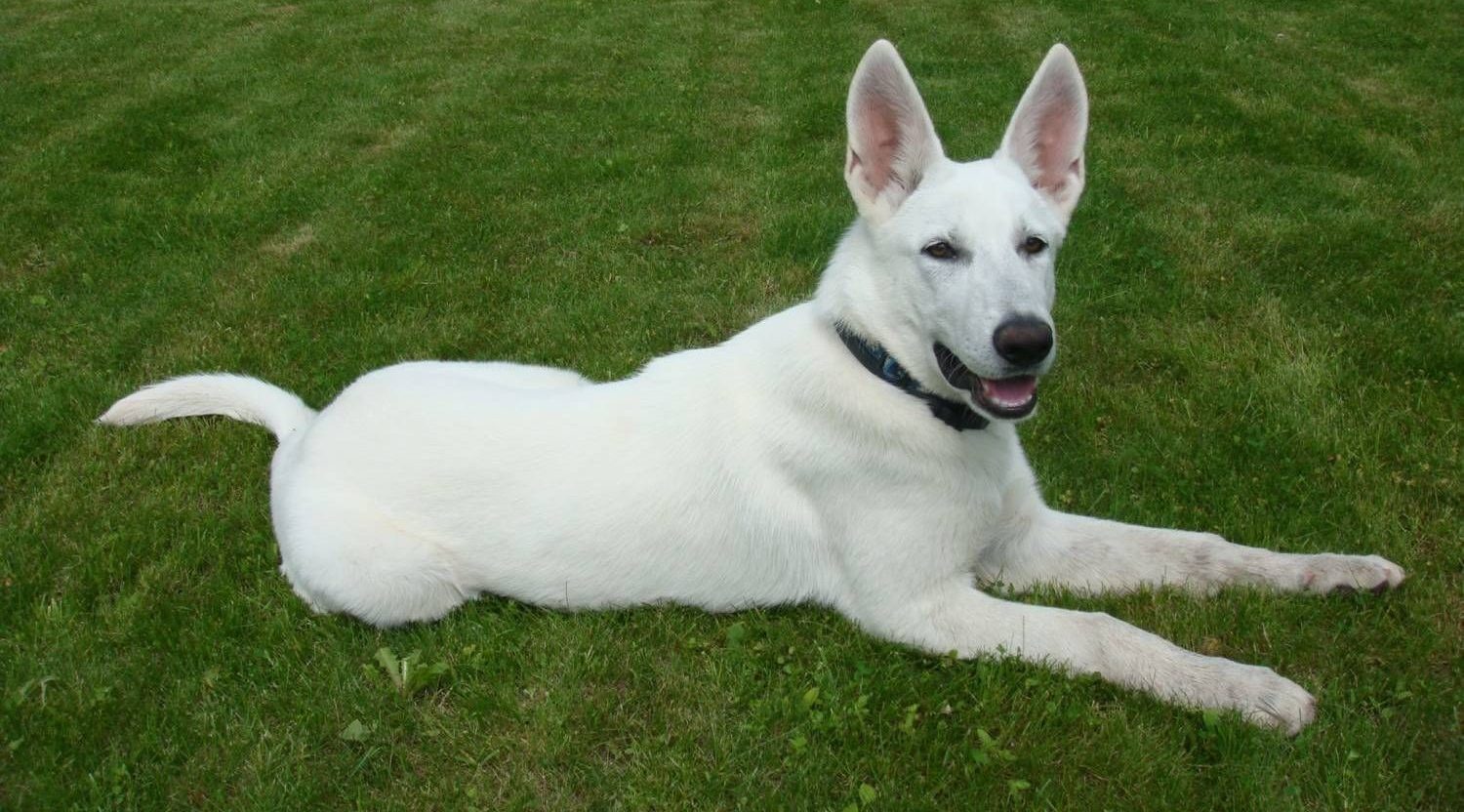
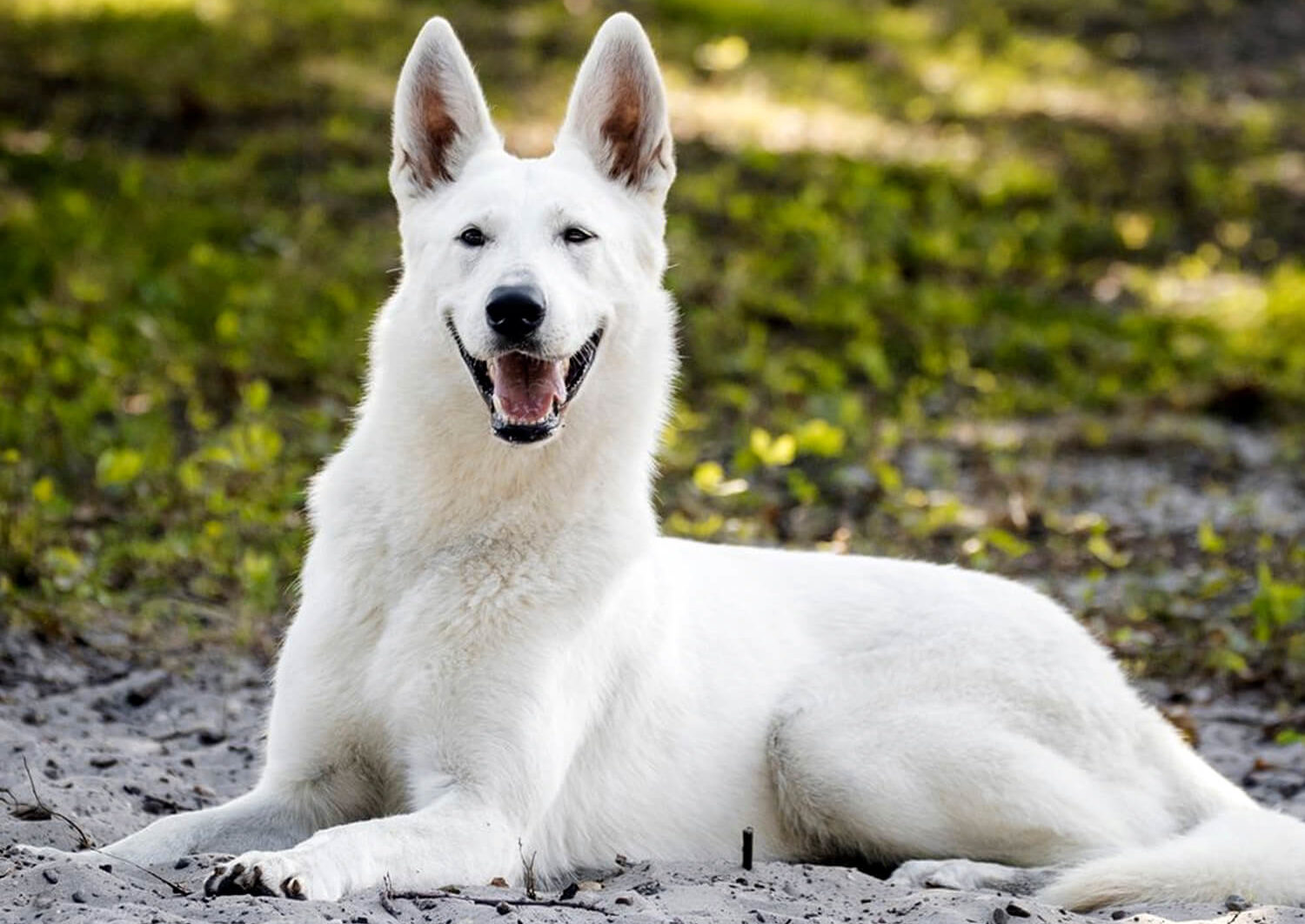
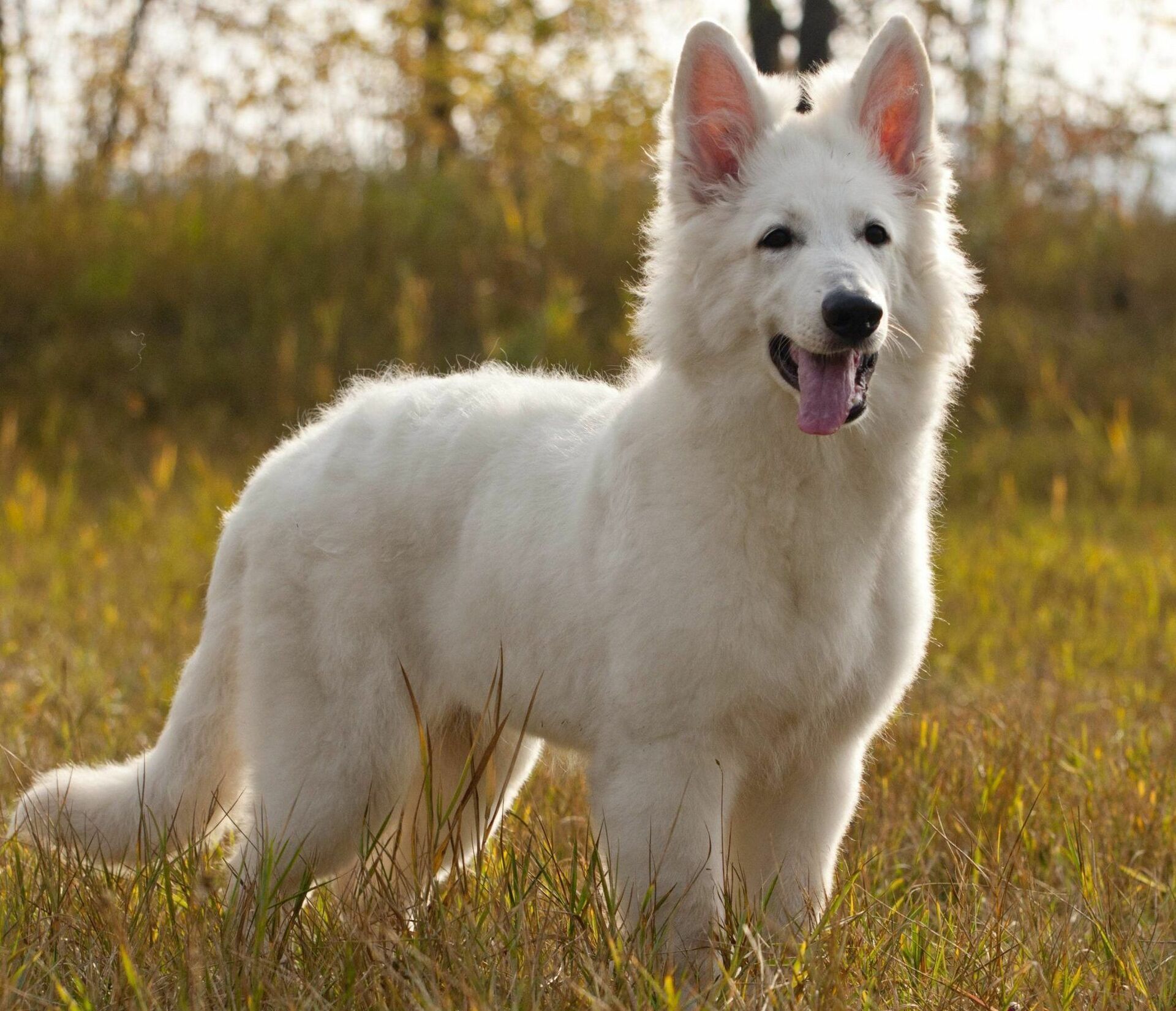
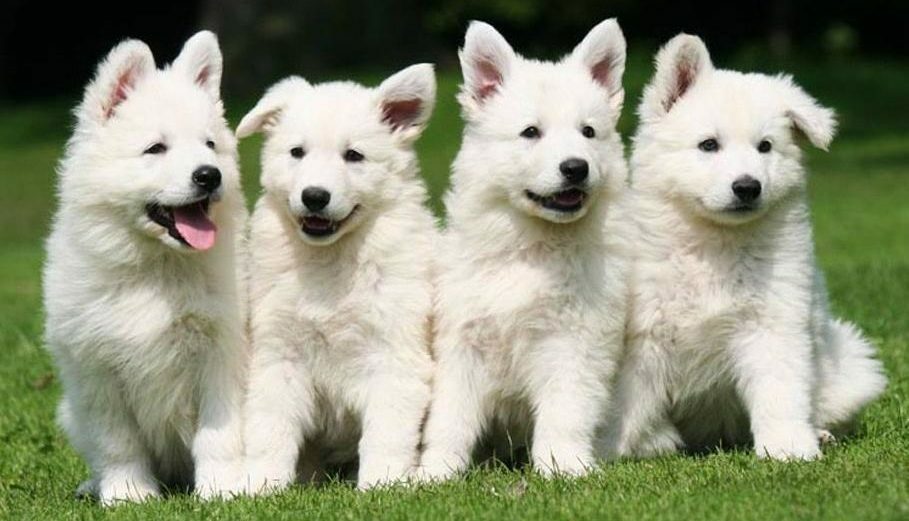
The White Swiss Shepherd is a strong, medium-sized dog with either short or long fur and erect ears. It is instantly recognizable as a typical shepherd dog. In fact, it is also a descendant of the original German Shepherd. The most noticeable feature is its fur, which is always pure white. However, it is not an albino; its eyes range from brown to dark brown, often with black eyelid outlines and predominantly black noses. The standard describes the breed’s coat as medium length, dense, closely fitting, and either straight or slightly wavy; it has a rich undercoat with strong, straight guard hairs.
The muzzle, ears, and front part of the legs are covered with shorter fur, while it is slightly longer on the back of the neck and the hind legs. Slightly wavy, coarse fur is acceptable.
Short-haired and long-haired dogs can breed with each other, which is encouraged for the sake of preserving the gene pool. It is also welcomed if the official standard explicitly rejects a “sloping back line” as a serious flaw. The White Shepherd is a very beautiful dog. It has been and remains a high-quality, versatile working dog and a particularly four-legged partner with an excellent character. This should be a primary factor when assessing these remarkable dogs. At shows, for example, one might see award-winning White Swiss Shepherds with a pronounced sloping back line, even though this is rejected by the standard as a serious flaw. The same applies to the trend of breeding dogs with extremely strong and heavily curved hind limbs, which ultimately hinders the dog’s ability to run healthily and leads to a number of muscle, tendon, and bone defects. The ancestor Wolf, like the dogs from the time of the breed’s founder von Stephanitz, had horizontal, straight back lines and completely normal angulated hind limbs. Fortunately, people still often recognize this natural and healthy structure.
The White Swiss Shepherd is a relatively young breed. They resemble a white version of the shepherd family, with pointed ears and a typical shepherd’s muzzle, but with a slightly smaller build. However, they have a completely different temperament.
A powerful, medium-sized White Shepherd. Its body is slightly elongated compared to its height at the withers, with a medium bone structure and erect ears. It is balanced and has elegant outlines, with a moderately raised head. It gives the impression of a strong and hard-working dog. It moves easily on the ground.
The standard defines a range of body sizes. The desired height at the withers averages 58-66 centimeters for males and 53-61 cm for females. The weight is estimated to be around 30-40 kg for males and 25-35 kg for females.A White Swiss Shepherd, bred healthily and naturally, enjoys good health and fitness and can live without problems for 12 years.


Отличительные черты

Голова

Морда

Уши

Глаза

Зубы

Корпус

Конечности

Хвост

Шерсть

Окрас
Character
The White Swiss Shepherd has an outstanding character reminiscent of the classic German Shepherd. For many decades, until the 1980s, the German Shepherd was a symbol of resilience, exceptional ability, and versatility as a working dog, a loyal companion, or simply “man’s best friend” worldwide. Its essence is described in the standard as follows: “lively and balanced temperament, alert, attentive, with good behavior. Generally friendly, but unobtrusive willingness to interact. High social competence and readiness to communicate. Never fearful or displaying inappropriate aggression. Cheerful and obedient working and sporting dog with potential for versatile training. High social competence and adaptability ensure excellent integration into social environments.”
High intelligence, tremendous capabilities, and a strong work ethic demand that the White Shepherd be engaged, whether by professionals or athletes. However, this is not a strict requirement. At the same time, the White Swiss Shepherd makes an excellent family dog, provided it has the opportunity to exhibit its abilities through challenging tasks. Breeders should possess dog experience and wisdom; then the White Shepherd will behave very well. It has a balanced temperament and a very high threshold for irritation. The breed has the potential for particularly close partnerships with its owners at the highest level.
White Swiss Shepherds are cheerful and devoted dogs that get along well with family members. Their charming manners and kind character are excellent traits for families, making them great companions.
Due to their herding genes, caution is advisable when introducing your White Swiss Shepherd to other dogs in the household. They may attempt to assert dominance over them, as this breed prefers human company over other dogs or pets. However, if socialized from an early age, they can learn to live harmoniously with their kind.
The White Swiss Shepherd is not demanding concerning its living conditions. It needs a close bond with its owners and family. This is not a dog for kennel living. However, it does require active engagement. With a well-trained White Shepherd, you can easily handle all everyday situations. It will confidently interact with other dogs, even if they bark at it, or it may quietly sit in a corner at the pub. A transport crate is suitable for the car, but only if you don’t mind getting your vehicle covered in white fur, which will otherwise be everywhere.
A versatile dog that can be an excellent companion. Attentive, vigilant, and cheerful are general characteristics of the breed. Lively and friendly temperament; it is never shy or aggressive but can be reserved if properly trained.
Musical dog
The white Swiss dog has a wide range of sounds it makes. At first, it may seem strange and even frightening how the dog communicates.Care and Maintenance
The White Swiss Shepherd is an easy-to-care-for and resilient dog. Their coat requires minimal maintenance; during shedding periods, the dog should be brushed regularly.
Your White Swiss Shepherd may become a challenge, especially in the fall and spring. During these seasons, they need to be brushed daily as they shed quite heavily, and neglecting this can lead to matting. At other times of the year, brushing 2-3 times a week is sufficient. Naturally, they gather dirt easily because of their white fur, so regular baths are necessary. It is recommended to use a gentle dog shampoo to avoid drying out their skin or damaging the coat.
White Swiss Shepherds have a double coat and shed intensively year-round. For most of the year, it is advisable to brush them thoroughly twice a week to keep their coat in excellent condition. They “blow” their coat in the fall and spring, requiring extra grooming during this time, which means brushing at least once a day to keep their fur healthy.
Your dog’s ears and eyes should be checked and cleaned at least once a week. Trim their nails once or twice a month if they don’t naturally wear them down, to prevent discomfort. Make grooming a positive experience filled with praise and rewards to keep your pet happy and healthy.
The White Swiss Shepherd does not have special dietary requirements. They need a proper, balanced diet containing sufficient vitamins and minerals. Premium dog food with a balanced mix of meat and vegetables is the best choice if you prefer to feed them home-cooked meals. Quality food is beneficial for their health, and they will enjoy eating it. Like most large dogs, they love meaty beef bones and fresh meat. Puppies should be fed 3-4 times a day, and at 16 months, it is recommended to switch to adult food once or twice a day. Additionally, they should have constant access to clean, cool water.
Intolerance of loneliness
Dogs of this breed cannot stand loneliness. They start to pine and howl in the absence of their owners.Training and Education
The White Swiss Shepherd possesses a high intelligence and is very receptive to training and obedience. Thanks to their balanced temperament, strong communicative abilities with humans, and eagerness to work for us, they can quickly follow their owner’s wishes. Dogs want and can learn, achieving great feats in service to humans, based on trust and guidance that suits them. The military-style training common in some dog training areas is simply counterproductive here. Dogs cannot express themselves through mere submission based on intimidation. Their remarkable character and immense capabilities are revealed only through a close emotional bond. Most White Swiss Shepherds should also receive education based on good socialization and upbringing. For training, it is essential to consult with relevant professionals in dog schools and clubs.
Ideally, a White Shepherd should participate in trials as a working dog or in dog sports. If you do not want to work with them or engage in canine sports, you will need to keep your pet occupied with other activities. A White Shepherd can serve as a guard dog, service dog, rescue dog, or guide dog for people with disabilities. They need a lot of exercise, ideally every day. The countryside is perfect, allowing for long walks alongside work or sports activities. The White Swiss Shepherd generally thrives around active individuals. They are not couch potatoes, even though they enjoy cozy time with their owners after work and like having a place on the couch-though that isn’t essential.
White Swiss Shepherds are relatively easy to train. You need to be assertive and confident to train them successfully. This is a highly intelligent breed that responds well to training reinforced with food rewards. A White Swiss typically becomes stubborn and uncooperative when they do not receive the attention they desire. Given that these dogs are known for their heightened sensitivity, it is important to use positive reinforcement.
Your White Shepherd is a working breed, and they need to be kept busy and active most of the time. Training them and giving them functional responsibilities, such as herding or participating in agility, will help keep the White Swiss in good shape and happy. They require at least one to two hours of moderately intense exercise regularly and daily. Playing with them or including them in your morning runs can also be a good way to warm them up. At Zoavonika, you will find the best options, offering puppies with pedigree.
Lovers of children
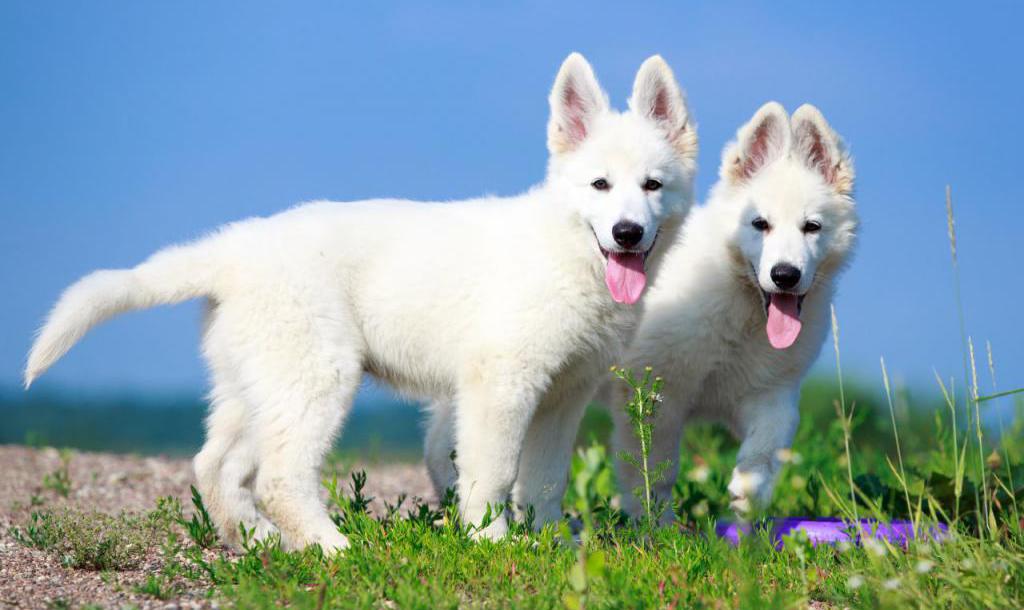
The Swiss Shepherd loves children. You don’t have to worry about leaving a small child alone with the pet, as the dog will never harm them. With older kids, the Swiss will play and have fun.
How to Choose a Puppy
If you want to acquire a White Swiss Shepherd, you should look for a breeder who has screened their dogs for specific risks related to hereditary diseases. This is essential when breeding healthy dogs with a good reputation. All verified breeders are listed on Zoonyka, a portal about dogs. Additionally, there should be no inbreeding, which you can assess by the pedigree if there are no repeated names. The breeder should have well-documented litters with photographs that you can review on-site after consultation.
Mixes of the White Swiss Shepherd with other dog breeds or mixed breeds are quite rare.
The White Swiss Shepherd is an interesting alternative, unfortunately often overly bred compared to German Shepherd lines. On Zoonyka, you will find only verified offers with a health guarantee.
Health and Diseases
The white Swiss shepherd population shows a number of inherited diseases that are above average, which can be listed here only as keywords: HD, eyes, MDR1, diabetes, malignant hyperthermia, and others. However, when breeding reputable dogs, all these risks are checked before use. Additionally, there are specific health risks for dogs with a sloping back line and excessively curved hind limbs. Otherwise, the breed is healthy and very resilient.
It is known that Swiss shepherds develop allergies, torn cruciate ligaments, elbow dysplasia, hip dysplasia, and hemophilia. It is important to ensure they visit their veterinarian regularly (once or twice a year) to identify any health issues as early as possible and to ensure their health and happiness at different stages of their lives.
Main health issues, as with other breeds, may include patellar luxation, Legg-CalvГ©-Perthes disease, hip dysplasia, and heart murmurs.
Содержание
-
1. Описание породы
-
2. Внешний вид
- 2.1 Голова
- 2.2 Морда
- 2.3 Уши
- 2.4 Глаза
- 2.5 Зубы
- 2.6 Корпус
- 2.7 Конечности
- 2.8 Хвост
- 2.9 Шерсть
- 2.10 Окрас
-
3. Характер
-
4. Содержание и уход
-
5. Дрессировка и обучение
-
6. Как выбрать котенка
-
7. Здоровье и болезни






Comments
Only registered users can leave reviews.
Enter