
Welsh Terrier






Warning: Illegal string offset 'label' in /home/panda/sites/zoonika/wp-content/themes/zoonika/template-parts/animals/animals-param-item.php on line 32
Ð


Breed Description
The Welsh Terrier is one of the oldest breeds of British terriers, with a rich and fascinating history. This breed was developed in Wales, the region that gave the dog its name, for hunting small animals such as foxes, badgers, and rabbits. The primary task of Welsh Terriers was to work as hunting dogs, effectively chasing and extracting game from burrows and underground shelters.
The history of the Welsh Terrier dates back to the 19th century. According to one version, they emerged as a result of crossbreeding old English terriers and local Welsh dogs, known for their bravery and aggressiveness when working with game. Initially, they were used for hunting in difficult terrains, such as forests and burrows, due to their compact size and courage. The dogs had to be small enough to easily enter burrows, yet possess a strong character to deal with larger and dangerous animals like badgers and foxes.
The Welsh Terrier was recognized as a distinct breed in the late 19th century. Despite their small stature, these dogs have remarkable hunting instincts and great bravery, making them valuable working dogs in rural areas of the UK. In 1886, the Welsh Terrier was officially registered with the British Kennel Club and became a popular breed among hunters, as well as family pets.
Interestingly, the Welsh Terrier became popular not only among hunters but also among the aristocracy. These dogs gained the status of “fashionable” pets, thanks to their beautiful appearance and energetic nature. They were also recognized as excellent guard dogs and loyal companions in everyday life.
Over time, the Welsh Terrier ceased to be solely a working dog and became a popular household pet. Its courage, loyalty, and friendliness have made it a favorite among families with children. Despite its lively and independent nature, the Welsh Terrier often serves as a great companion and guard, possessing good protective instincts.
Today, the Welsh Terrier continues to be a valued and beloved pet in many countries. This breed combines excellent hunting qualities with a friendly character, making it a versatile companion for active individuals and families.The price for a puppy is between 10,000 to 20,000 rubles.
Appearance
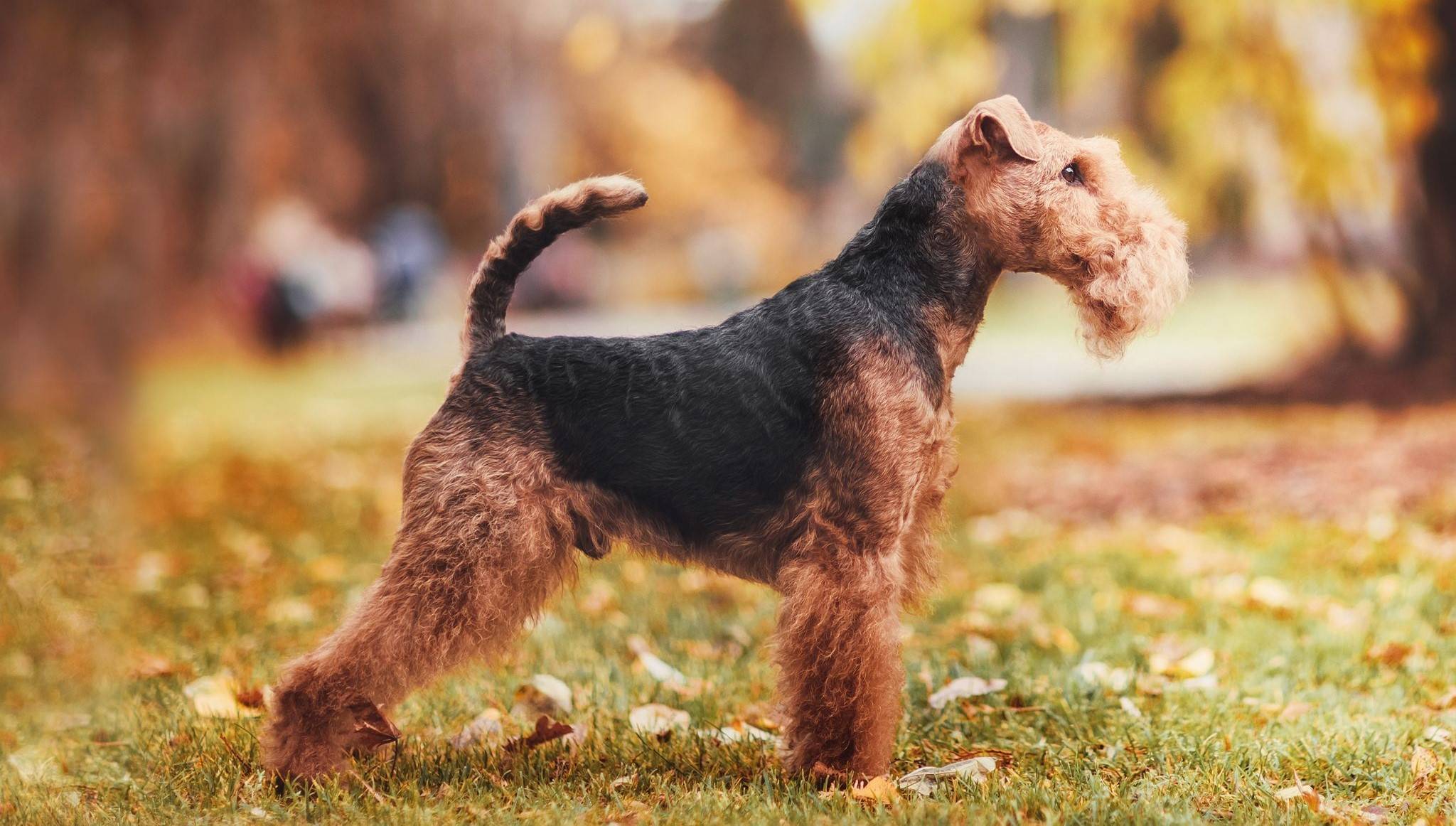
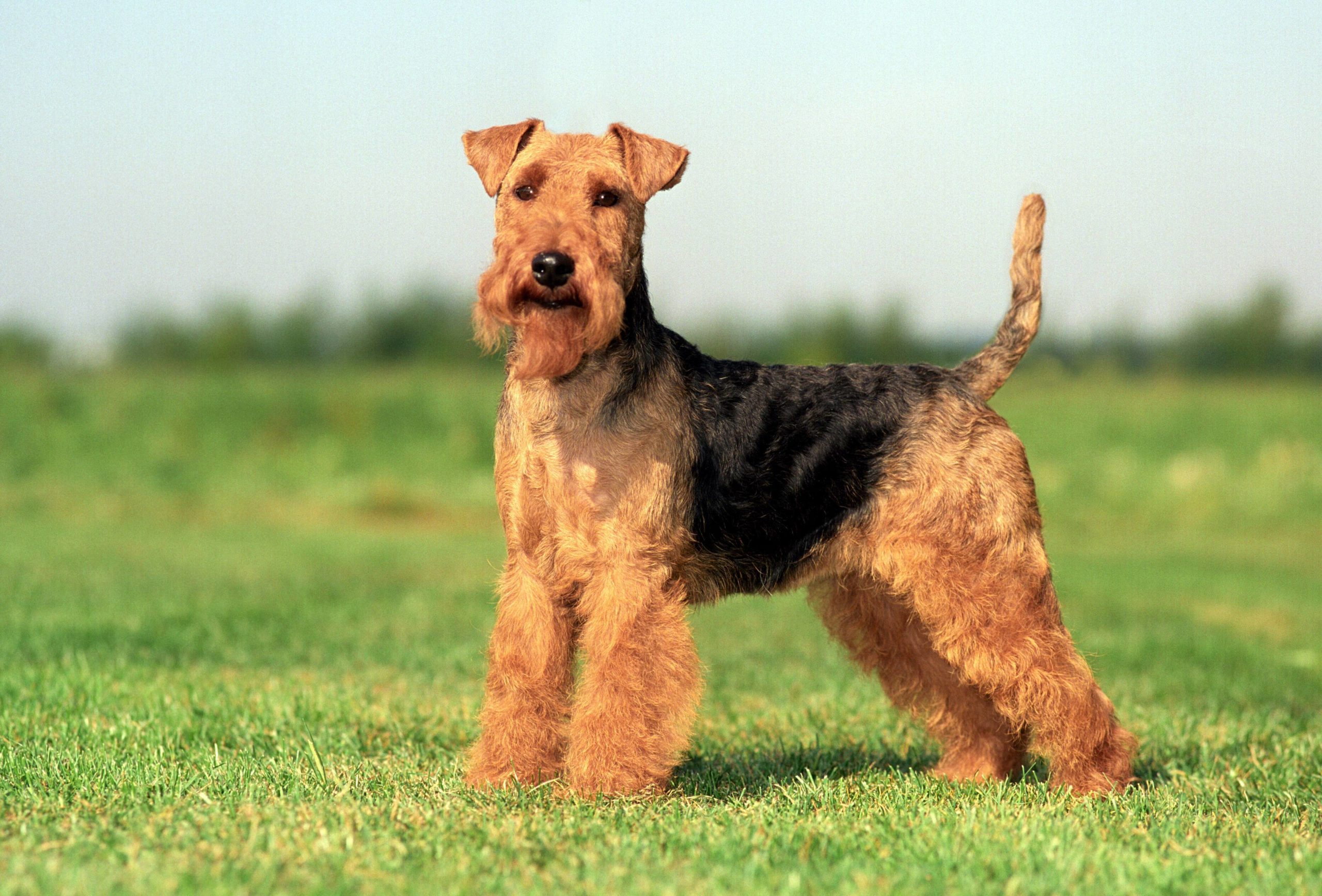
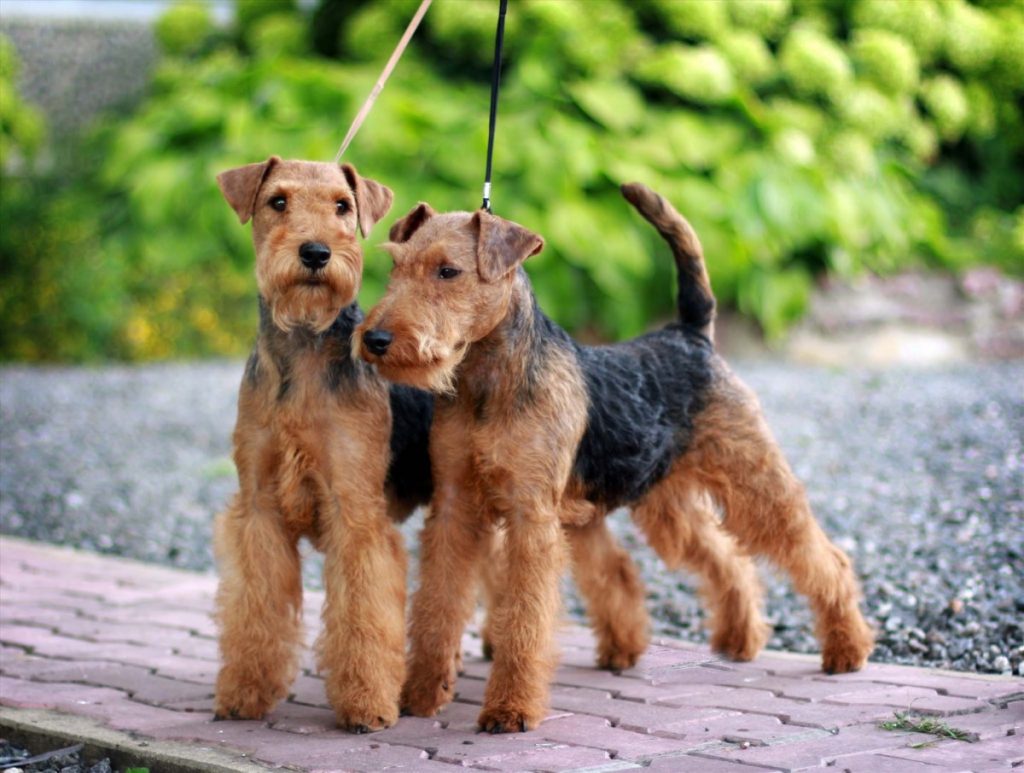
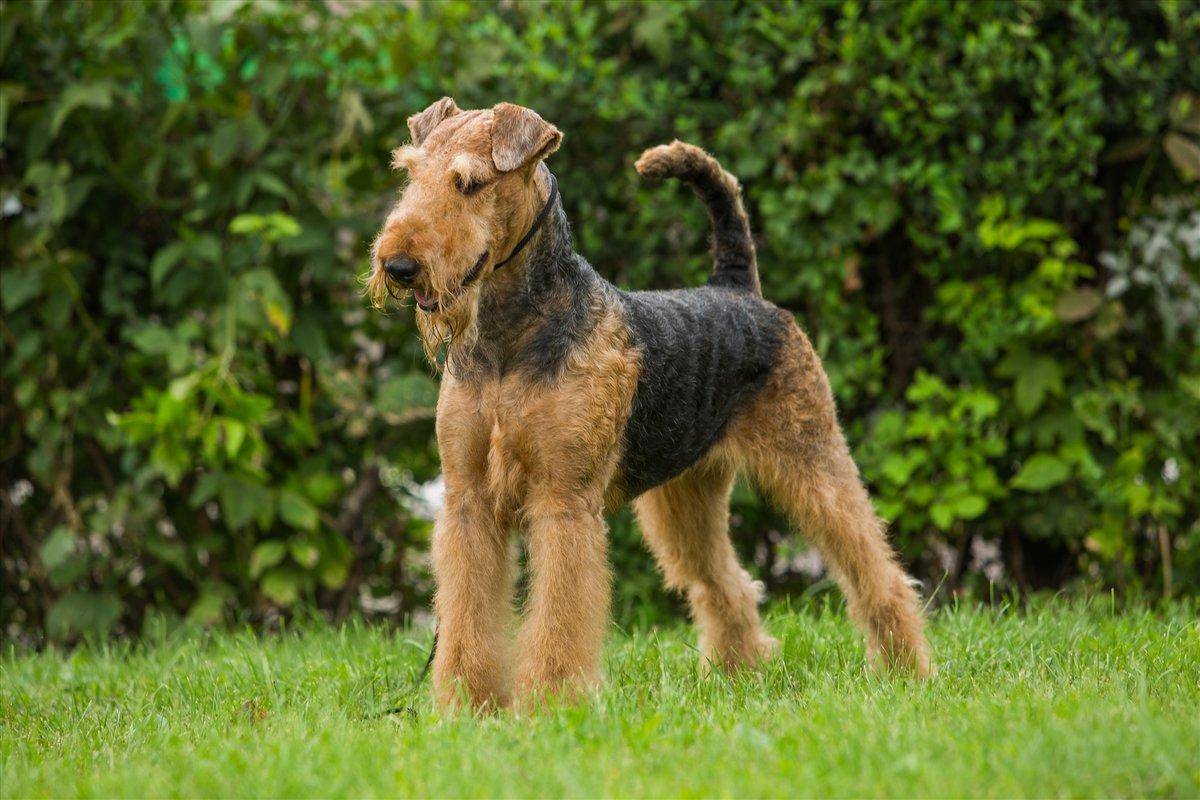
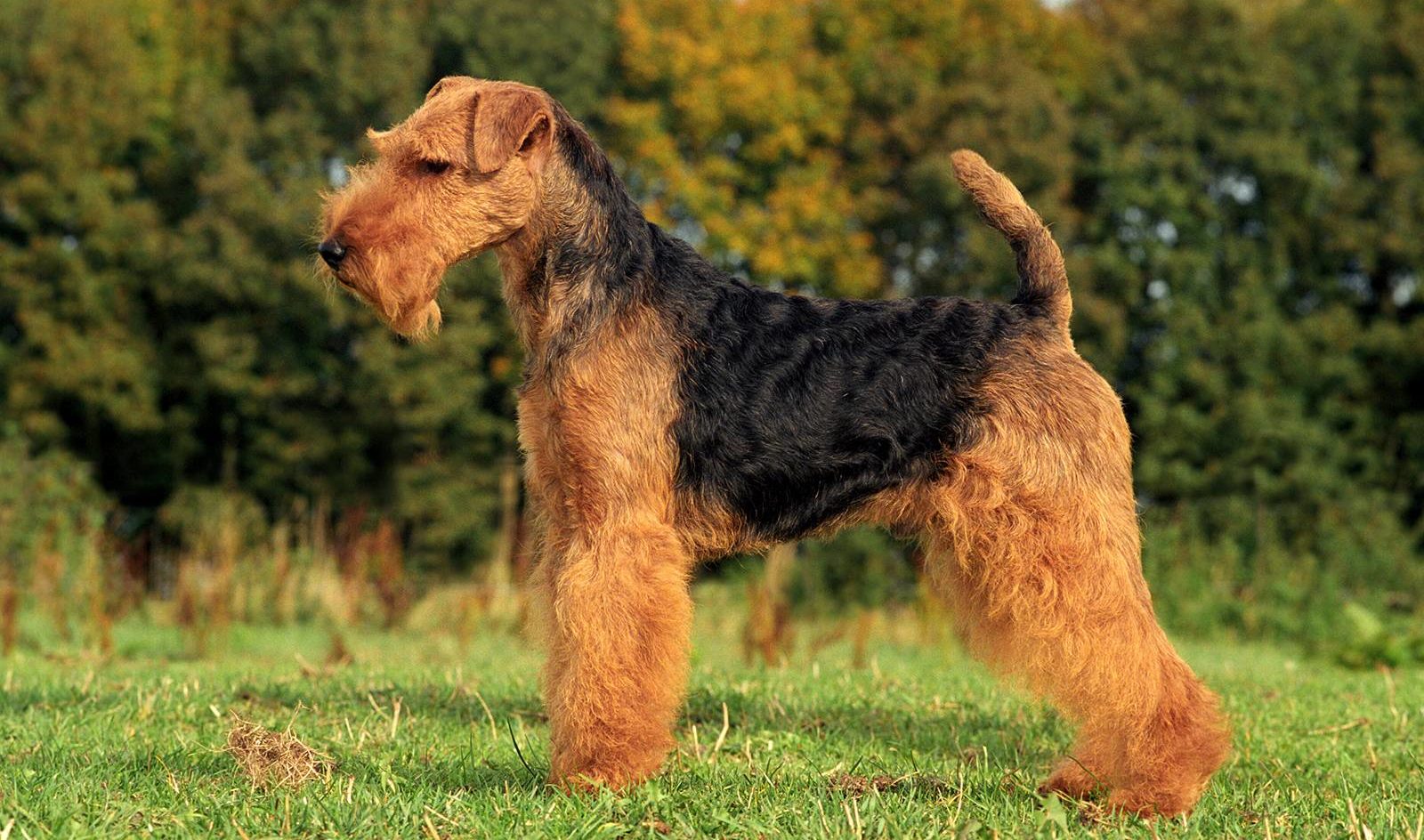
The Welsh Terrier is a compact yet strong and muscular dog with an energetic and confident demeanor. The average height at the withers is about 36 cm, and its weight ranges from 9 to 10 kg, making the Welsh Terrier a medium-sized dog. The lifespan of this breed typically ranges from 12 to 15 years, which is a good indicator for active breeds.
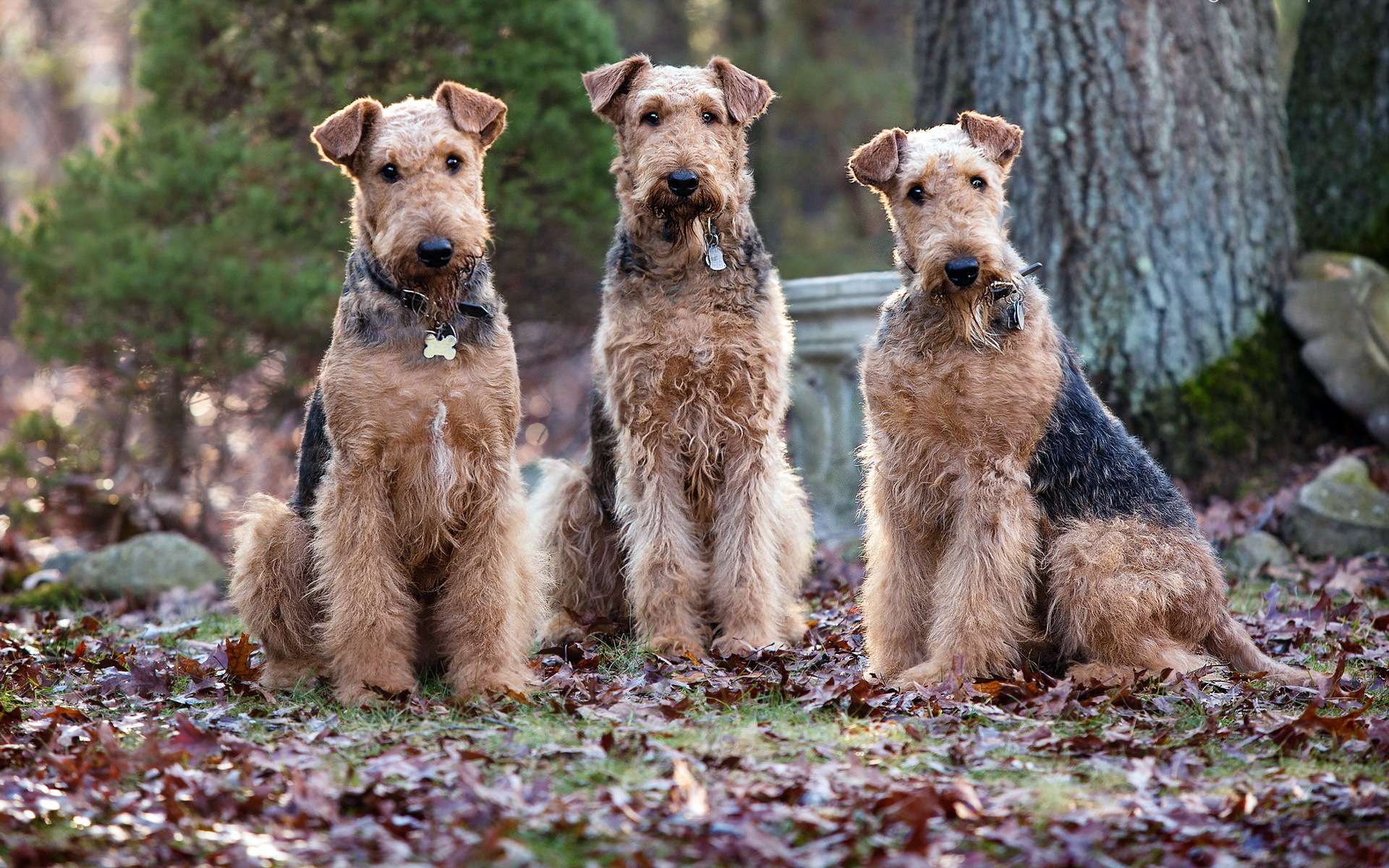
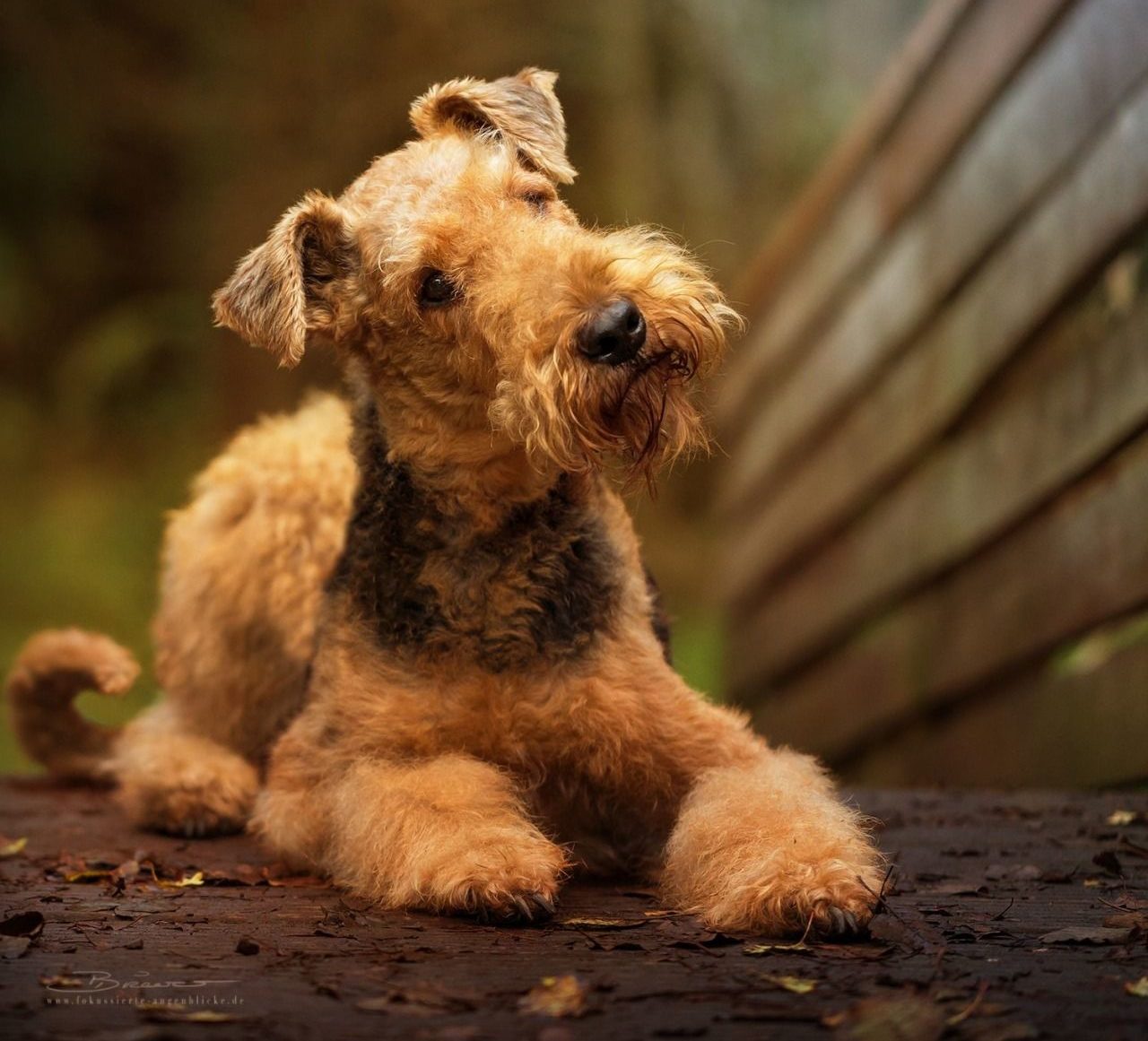
The appearance of the Welsh Terrier is harmonious and proportionate, featuring distinctive traits that make it easily recognizable. Its sturdy build, straight profile, and confident gait reflect its natural energy and endurance. The coat is of medium length, harsh and dense, creating a characteristic look that well protects the dog from external factors. The color can vary, but black and tan combinations with white markings are most common. The Welsh Terrier’s coat requires regular grooming to keep it in good condition.
The head of the Welsh Terrier has clear lines, with expressive eyes that give it an intelligent and friendly expression. Its ears are small and erect, which further emphasizes its activity and attentiveness. The tail of this breed is straight, usually docked or left at medium length.
Overall, the Welsh Terrier is a dog with a vibrant character, strong build, and expressive appearance, harmoniously combined with its energetic nature and excellent hunting qualities.


Отличительные черты

Голова

Морда

Уши

Глаза

Зубы

Корпус

Конечности

Хвост

Шерсть

Окрас
Character
The Welsh Terrier is an active, confident, and independent dog with a vibrant yet friendly personality. These dogs are known for their bravery and determination, making them excellent hunters and protectors. Welsh Terriers were originally bred for hunting, and their courage and stubbornness often manifest in their behavior.
These dogs are very attached to their family and can be great companions. They love to participate in their owners’ lives, showing enthusiasm and interest in what’s happening around them. Welsh Terriers are friendly but may be wary of strangers, which makes them good guardians. They are not aggressive; instead, they exhibit tolerance and caution while protecting their territory and family.
The Welsh Terrier is also a very smart and clever dog, making it a good student in training. They are easy to teach but can display stubbornness and independence, sometimes complicating the training process. Positive reinforcement is crucial for these dogs, as they cannot tolerate harsh treatment. It’s important to set clear boundaries to avoid unwanted behavior.
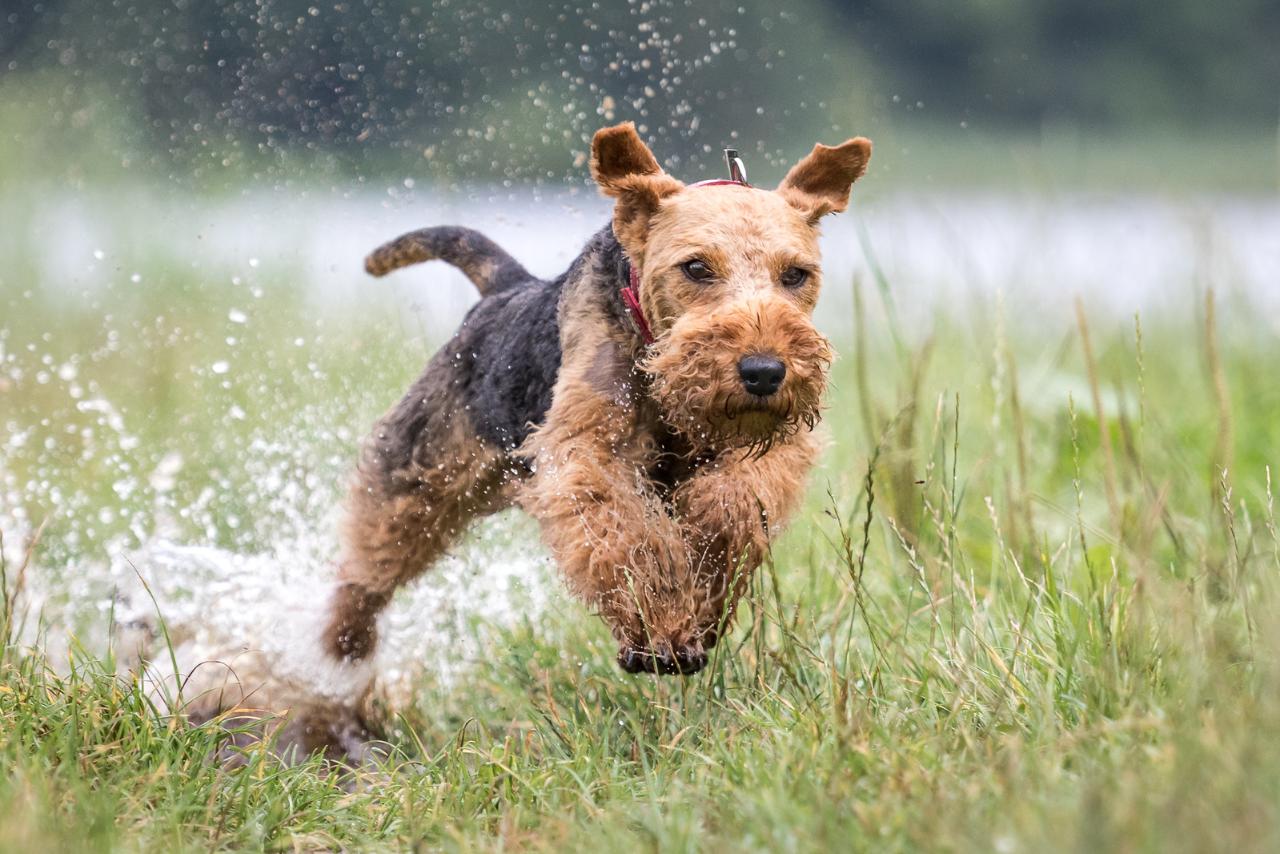
By nature, the Welsh Terrier is active and energetic, requiring regular physical exercise and mental stimulation. Walks, playtime, and various activities will help keep them in good shape and prevent boredom, which can lead to destructive behaviors. Welsh Terriers love to run, dig, and explore their surroundings, making them great companions for active individuals.
Additionally, these dogs have a strong hunting instinct and may show curiosity and persistence when it comes to small animals like cats or other small pets. It’s essential to ensure proper socialization from a young age to avoid issues with aggression or excessive wariness.
Overall, the Welsh Terrier is a dog with a vibrant personality, eager for attention and active participation in their owners’ lives. These dogs will be loyal, devoted, and courageous companions if their needs for activity and attention are met.
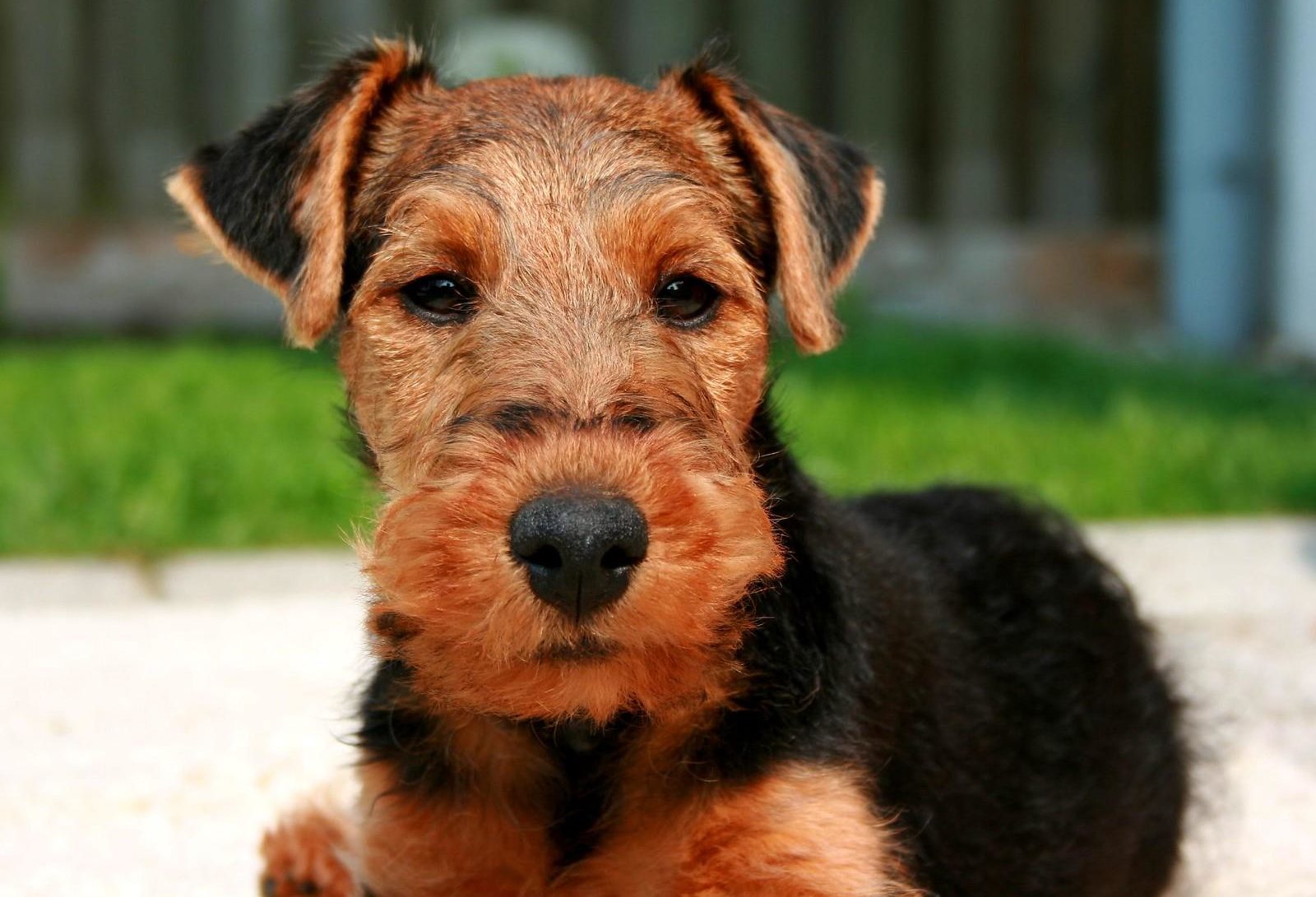
Eager hunter
Boundless energy combined with the natural hunter's gene is best expressed in the Welsh Terrier. This small dog can fearlessly face off against an otter or a badger.Care and Maintenance
Taking care of a Welsh Terrier requires attention to its physical activity, grooming, and proper nutrition. This breed is energetic, intelligent, and needs regular activities to stay happy and healthy.
Welsh Terriers are active dogs that love physical exercise. They need regular walks and playtime to expend their energy. Ensure your pet has at least one active walk each day, along with additional games like running, fetching, or outdoor training. A Welsh Terrier will be happy if its activities are varied and provide both physical and mental stimulation. Walks on new routes, playing with other dogs, or engaging in scent tasks will keep them active and curious.
Regarding grooming, a Welsh Terrier requires regular care as its coat is coarse and dense. To avoid matting, it is recommended to brush the dog 2-3 times a week. It’s also important to trim the coat occasionally to prevent it from becoming too long and causing tangles. This grooming process can also help monitor the condition of the skin to prevent potential inflammation or irritation. Welsh Terriers do not shed excessively, but regular grooming will help keep their coat in good condition.
Nutrition plays a vital role in caring for a Welsh Terrier. These dogs have a good appetite and may gain weight if their diet is not monitored. It’s important to ensure a balanced diet that provides the necessary amounts of proteins, fats, and carbohydrates. Feeding high-quality food suitable for active breeds is recommended. Maintain a feeding schedule and avoid giving too many treats to prevent obesity.
Welsh Terriers also need mental stimulation as they are very intelligent and curious. Regular training and scent tasks will help develop their intellect. They enjoy solving problems and participating in active games, which helps maintain their interest in learning. These dogs like to do something useful and learn new tricks.
What does a Welsh Terrier love? It craves attention and wants to be involved in family life. These dogs are very loyal to their owners, love to socialize with them, and participate in daily activities. Welsh Terriers also enjoy playing and being active, especially when their owners are involved. They like being part of the family and cherish social interactions.What do they dislike? Welsh Terriers cannot tolerate loneliness. If left alone for too long, they may become bored and exhibit undesirable behaviors like chewing furniture or barking loudly. Additionally, these dogs do not like harsh treatment or rough training methods. Welsh Terriers require a patient and consistent approach to training. It’s essential to establish clear rules and boundaries without resorting to violence.In conclusion, to ensure a Welsh Terrier remains happy and healthy, it is crucial to provide regular physical activity, mental challenges, proper nutrition, and grooming care. These dogs can become loyal, devoted, and active companions if they receive enough attention and love.
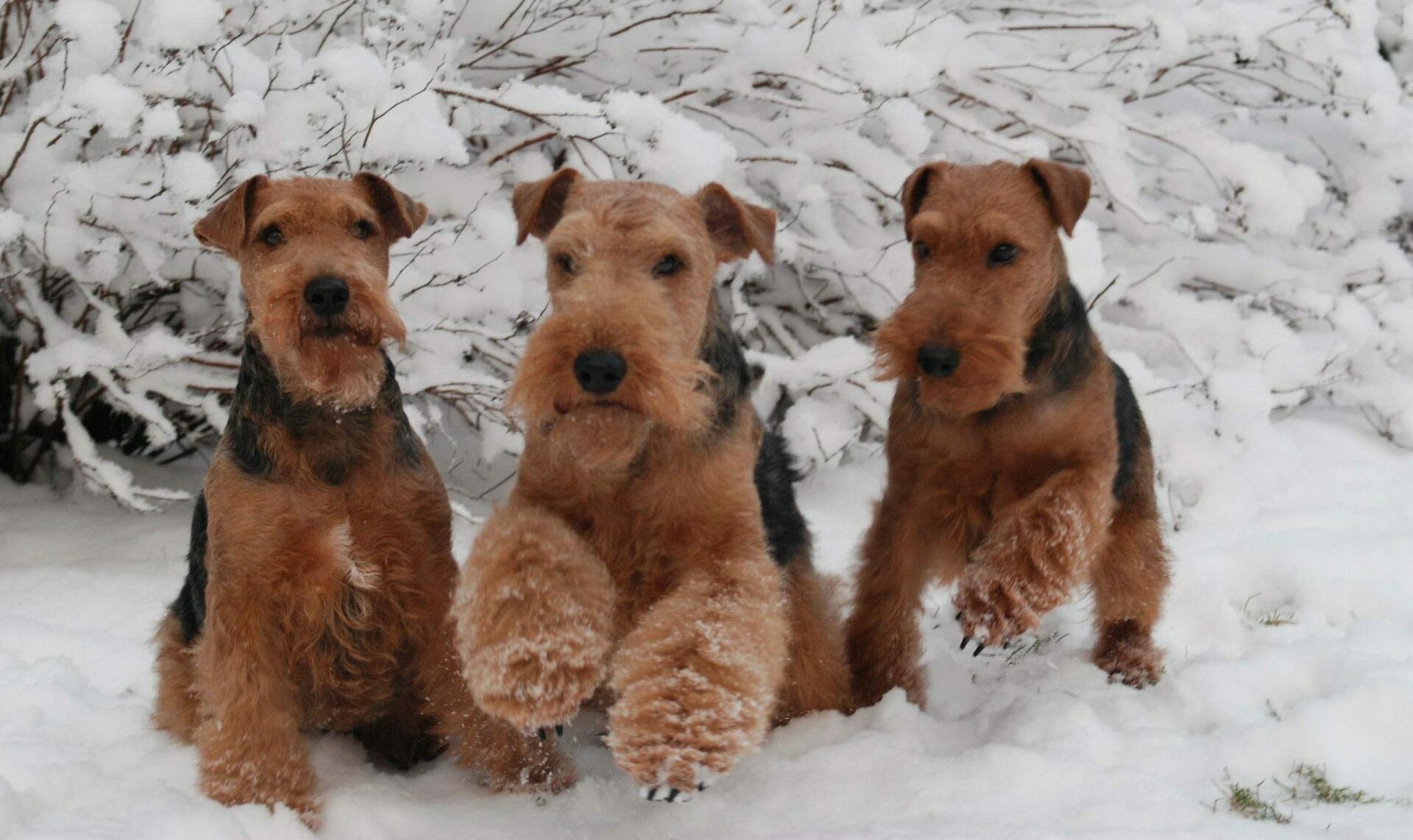
White marks
Terriers with white markings on the chest are categorically disqualified by the standard. It is believed that such markings detract from the dog's exterior appearance.Training and Education
The Welsh Terrier is an intelligent but independent dog that can be a bit stubborn if it doesn’t feel confidence from its owner. Consistency, patience, and confidence are essential for successful training since these dogs are very sensitive to their owner’s attitude.
Training a Welsh Terrier is best done using positive reinforcement, such as praise and treats. Welsh Terriers love to please their owners but can show stubbornness if the training process becomes monotonous or uninteresting. Incorporating games and a variety of exercises will help maintain the dog’s attention and make training more engaging. It’s important to remember that a Welsh Terrier does not respond well to harsh treatment, and punishments such as yelling or physical force can lead to mistrust and a deterioration of the relationship. A calm yet confident approach with encouragement for good behavior is most effective.
These dogs are very active and intelligent, so they learn commands well and enjoy solving problems. They can master basic commands like “sit,” “place,” and “come,” as well as develop skills in agility or other active games that require speed and dexterity. Welsh Terriers love mental challenges and are always eager to participate in training if it is structured and varied.
How does a Welsh Terrier choose its owner? Typically, a Welsh Terrier forms a bond with the person who exhibits confidence and consistency in their behavior. They will obey the owner who can establish clear boundaries and demonstrate who is in charge at home. These dogs do not respond well to passive or indecisive owners. They sense when a person lacks confidence and may begin to assert their independence. Therefore, it is crucial to build the right relationship from the start, being a leader while also showing care and attention to the pet.
The Welsh Terrier tends to be independent and can display stubbornness. They generally do not always listen to someone who lacks confidence and may act on their own, especially if they do not sense clear rules. However, with proper training and socialization, they become obedient and responsible dogs eager to please their owner.
Like many terriers, the Welsh Terrier can be independent and stubborn in decision-making. However, they are inclined to listen to those who show respect, patience, and confidence while creating a positive training atmosphere. It is essential to provide clear rules and boundaries from the beginning so the dog understands what is expected of them. With the right approach, the Welsh Terrier will become a loyal and obedient companion. We represent the best who care for every puppy from the very first days of its life.
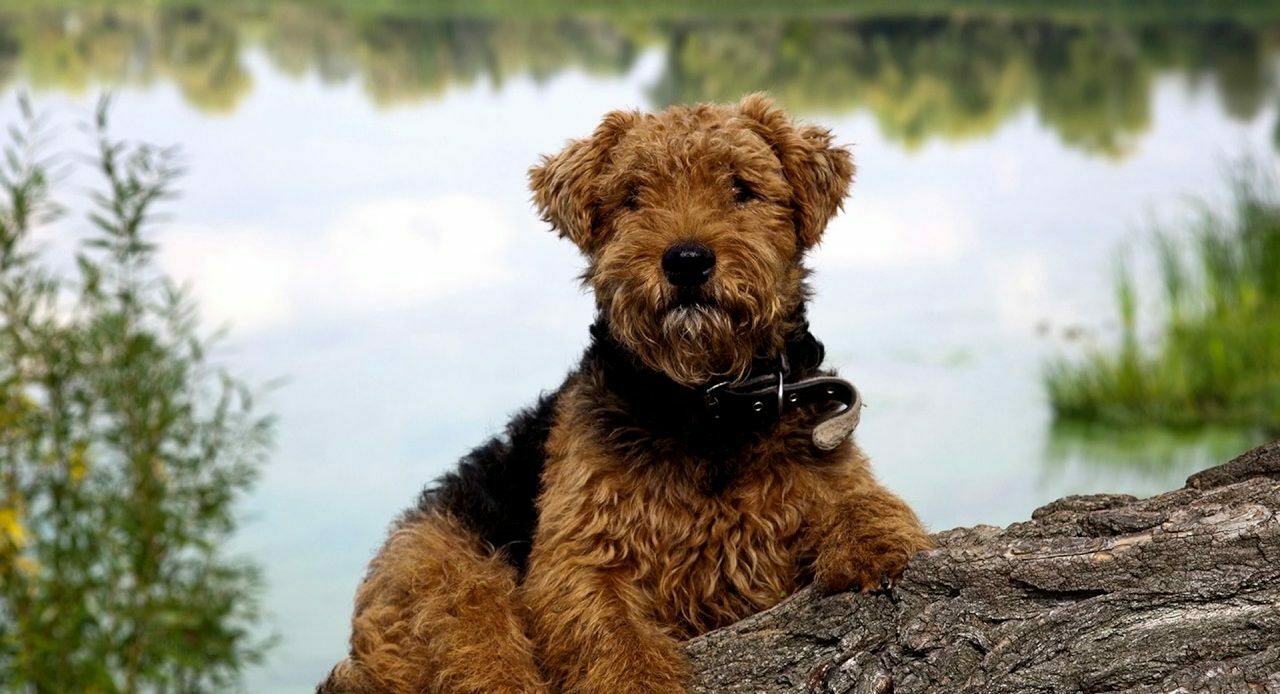
A fan of tinkering.
Welsh terriers are known for their love of digging of any kind. When keeping a pet in an apartment, it’s important to spend a lot of time outdoors to allow the dog to release all its accumulated energy and to avoid damaging furniture.
How to Choose a Puppy
Choosing a Welsh Terrier puppy requires careful consideration and attention to raise a healthy and well-rounded representative of the breed. Several key factors must be taken into account, starting with the selection of a kennel and ending with checking the puppy’s health.
The first step is to choose a reliable kennel. It’s important to look for kennels with a good reputation that have been working with the Welsh Terrier breed for several years. It is recommended to select kennels registered with canine organizations such as FCI or national canine clubs. This ensures that the kennel adheres to breeding standards and cares for the health of their dogs. Don’t hesitate to ask the breeder for information about the puppy’s pedigree and the health status of the parents.
Documents to check at the kennel include:
A veterinary passport for the puppy. It should contain information about vaccinations, parasite treatments (fleas, ticks, worms), and the general health condition at the time of sale. The kennel should provide you with all the relevant documents confirming that the puppy has been examined by a veterinarian and is free from diseases.
The pedigree is an important document confirming the puppy’s lineage and purity. The pedigree should list all the puppy’s ancestors, their achievements, and titles. This document will help you learn about the puppy’s heritage, genetic background, and the health levels of its ancestors.
Results of medical tests for the parents. Ask to see the test results for possible hereditary diseases, such as hip dysplasia and eye problems that may be inherited. Welsh Terriers can be prone to these diseases, so it’s important to ensure that their parents have undergone necessary testing and do not have these issues.A health certificate for the puppy. The veterinary certificate should confirm that the puppy is healthy and ready for sale. This is important because some diseases may not manifest until several months after purchase.A purchase agreement. Make sure the kennel provides a written contract that outlines all terms of the sale, health guarantees for the puppy, and the rights and responsibilities of both parties. This is an important document that will protect your interests and ensure transparency in the transaction.When choosing a puppy, pay attention to its behavior. A Welsh Terrier puppy should be active, curious, and unafraid of contact with people. It should show interest in the surrounding world, have good socialization, and display no signs of aggression or excessive timidity.If you want your puppy to grow up healthy, active, and a well-rounded repr
Health and Diseases
The Welsh Terrier is a dog breed known for its good health, but like many other breeds, they can be prone to certain illnesses. It is important to be aware of potential issues so that you can take timely action and provide your pet with the best care.
One of the most common diseases in Welsh Terriers is hip dysplasia. This hereditary condition causes improper development of the hip joint, which can lead to pain, lameness, and arthritis. It’s important to monitor the dog’s physical activity, especially at a young age, to avoid overloading the joints. Regular veterinary check-ups and monitoring the state of the joints can help detect dysplasia at an early stage and prevent the development of arthritis.
Welsh Terriers can also suffer from eye diseases, such as cataracts and progressive retinal atrophy (PRA). These conditions can lead to deteriorating vision and even blindness, especially in older age. Regular veterinary check-ups, including vision checks, can help identify eye problems at early stages and avoid serious consequences.
Ear problems are another common issue in Welsh Terriers, as their long, floppy ears create conditions for moisture accumulation and the development of infections. Regular ear cleaning and inspection can help prevent inflammation and infections such as otitis. It’s important to maintain ear cleanliness, especially after walks in rainy weather or bathing.
It is also worth noting that Welsh Terriers can suffer from skin conditions, such as dermatitis or allergies. These issues can manifest as itching, redness, and fur loss. Causes may vary, including improper nutrition, infections, or environmental allergies. To avoid these problems, it is crucial to monitor the condition of the skin and coat and adhere to a diet that meets the dog’s needs.
Welsh Terriers are prone to obesity if their diet and physical activity are not managed. Obesity can lead to joint problems, cardiovascular issues, and a general decline in the dog’s health. Therefore, it is important to ensure a balanced diet and engage in regular exercise with the dog to maintain a healthy weight.Additionally, Welsh Terriers can experience dental problems. Due to their tendency to develop plaque and tartar, it is essential to regularly brush their teeth and have preventive check-ups at the vet. Dental issues can lead to gum inflammation and other oral health problems, affecting the overall health of the animal.Overall, the Welsh Terrier is a healthy and robust breed, but like any other dog, it requires regular care, health checks, and disease prevention. Timely visits to the veterinarian, proper nutrition, and physical activity will help keep your Welsh Terrier healthy and make sure they bring joy for many years.
Содержание
-
1. Описание породы
-
2. Внешний вид
- 2.1 Голова
- 2.2 Морда
- 2.3 Уши
- 2.4 Глаза
- 2.5 Зубы
- 2.6 Корпус
- 2.7 Конечности
- 2.8 Хвост
- 2.9 Шерсть
- 2.10 Окрас
-
3. Характер
-
4. Содержание и уход
-
5. Дрессировка и обучение
-
6. Как выбрать котенка
-
7. Здоровье и болезни






Comments
Only registered users can leave reviews.
Enter