
Transylvanian Hound




Warning: Illegal string offset 'label' in /home/panda/sites/zoonika/wp-content/themes/zoonika/template-parts/animals/animals-param-item.php on line 32
Ð


Breed Description
The Transylvanian Hound, also known as the Erdelyi Kopo, Hungarian Brack, and Hungarian Hound, is a breed that is widely distributed in Hungary and Romania. It belongs to the group of Southeast European hounds, alongside breeds such as the Polish Ogar and Greek Ichnilatis. Historical records of specialized hounds in these regions are lacking, but it’s known that the Hungarian Hound is a highly skilled hunting specialist, capable of tracking prey. The Erdelyi Kopo specializes in “loud” searching, chasing, and the ability to quickly catch up to animals.
The Transylvanian Hound is a breed of hunting dogs known for their elegance, strength, and endurance. These medium-sized dogs have a harmonious build that enables them to be excellent hunters and great companions.
The Transylvanian Hound has a rich and ancient history that dates back to antiquity. This breed developed in the region of Transylvania, in modern-day Romania, known for its dense forests and mountains. The origins of the Transylvanian Hound are linked to the migrations of ancient peoples and their hunting dogs. The earliest mentions of hound dogs in this region date back to the Roman Empire. These dogs were used for hunting large game such as boars and deer.
The origin of the Hungarian Brack is often associated with the Celts, although there is no direct evidence for this. These dogs are valued for their exceptional sense of smell and intelligence, making them indispensable hunting companions, especially in ancient times when hunting was the main source of food.
In the Middle Ages, the Transylvanian Hound became popular among the aristocracy and nobility of Transylvania. These dogs were distinguished by their endurance and ability to work in difficult conditions, making them invaluable helpers in hunting. During this time, the breed began to acquire its characteristic features, such as a sturdy build and distinctive coloration.
With the development of the Principality of Transylvania and its integration into the Kingdom of Hungary, the Transylvanian Hound spread to other regions of Central Europe. Hungarian hunters highly valued these dogs for their intelligence and hunting qualities. The breed was used to improve other local breeds, further enhancing its reputation.In the 20th century, the Transylvanian Hound faced the threat of extinction. Political and social changes in Eastern Europe led to a decline in the number of purebred dogs of this breed. However, thanks to the efforts of enthusiasts and canine organizations, the breed was saved and received official recognition. Today, the population of the long-legged variety of the Transylvanian Hound is significant in Hungary and Romania, while the short-legged variety has disappeared. Since 1963, the breed has been officially registered with the International Canine Federation (FCI). In Russia, the breed is overseen by the Russian Cynological Federation (RKF), although kennels and puppies in the country are not registered.Today, the Transylvanian Hound is a symbol of the hunting culture of Transylvania and all of R
Appearance
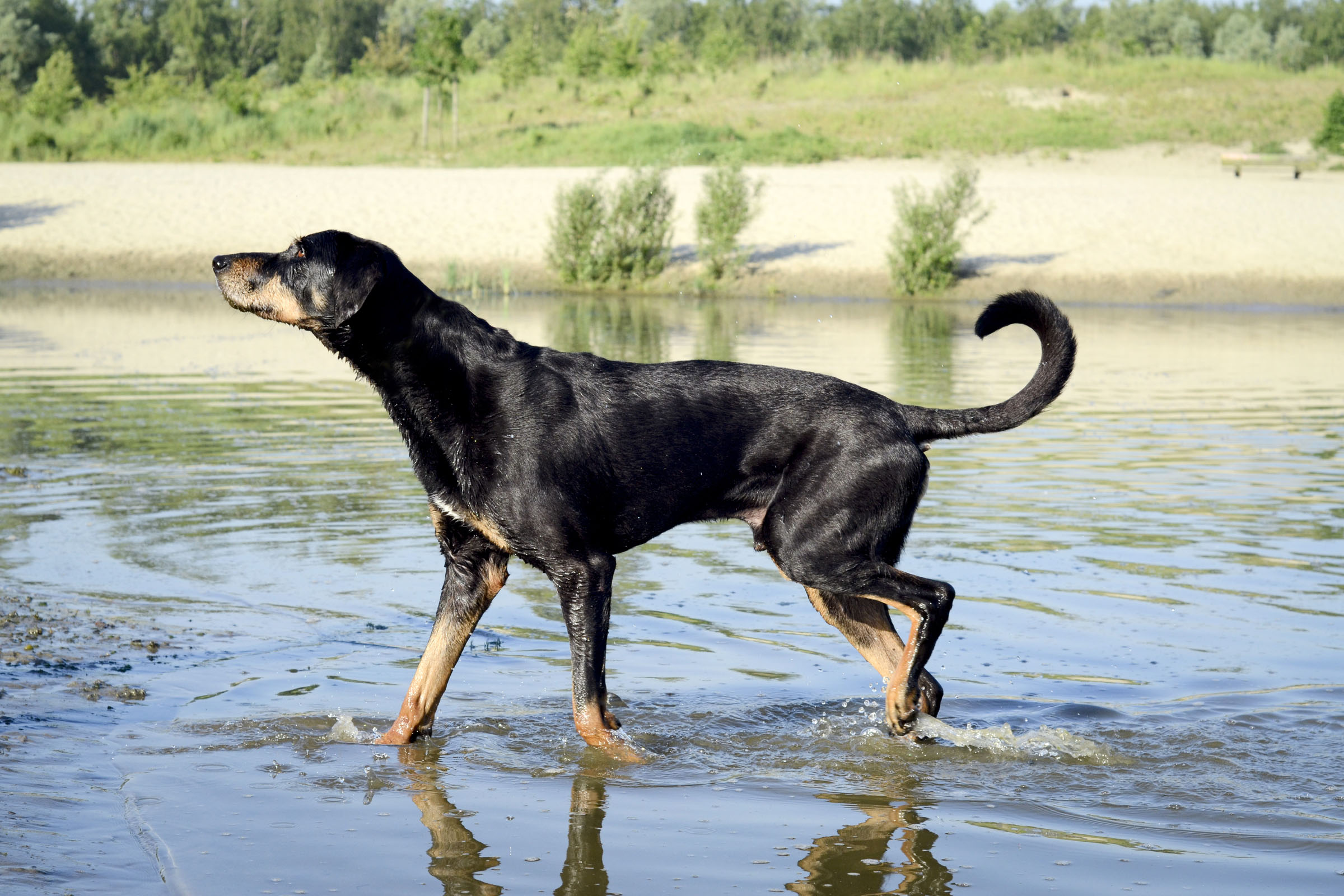
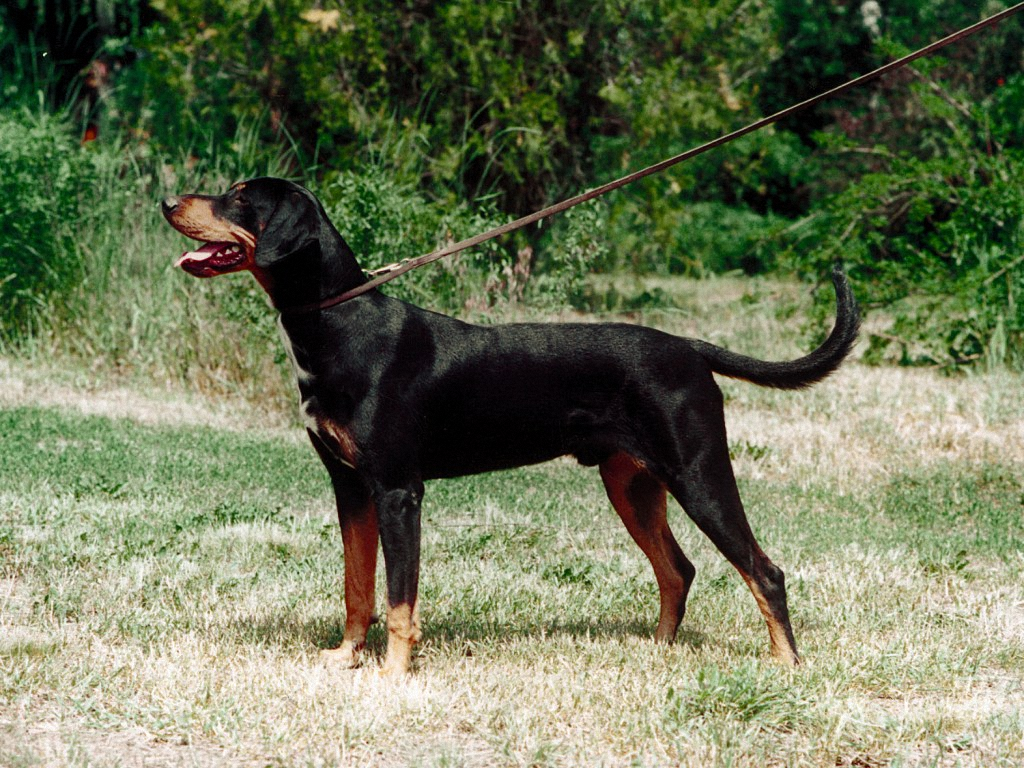
The ErdГ©lyi Kopo is a medium-sized breed with a harmonious and elegant physique. Among hounds, it stands out for its size, reaching a height at the withers of 55 to 65 centimeters and a weight of at least 25 kilograms. Its physical structure and charm express a desire for activity and courage, combining strength and grace.
The breed standard describes the head and body of the ErdГ©lyi Kopo as characteristic of the traditional Central European type of hounds. Its physical build is optimal for prolonged work due to its athletic body and balanced bone structure.
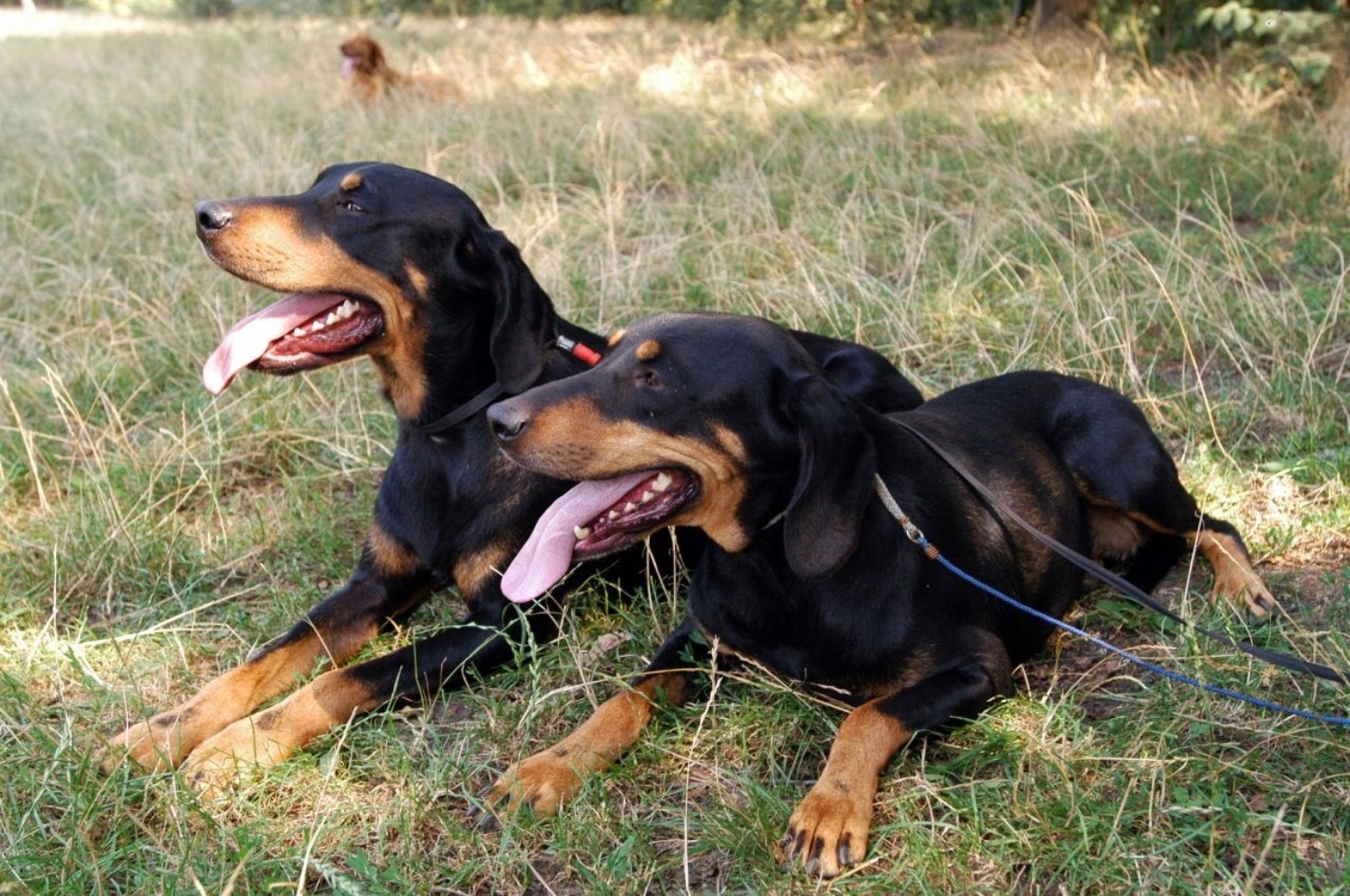
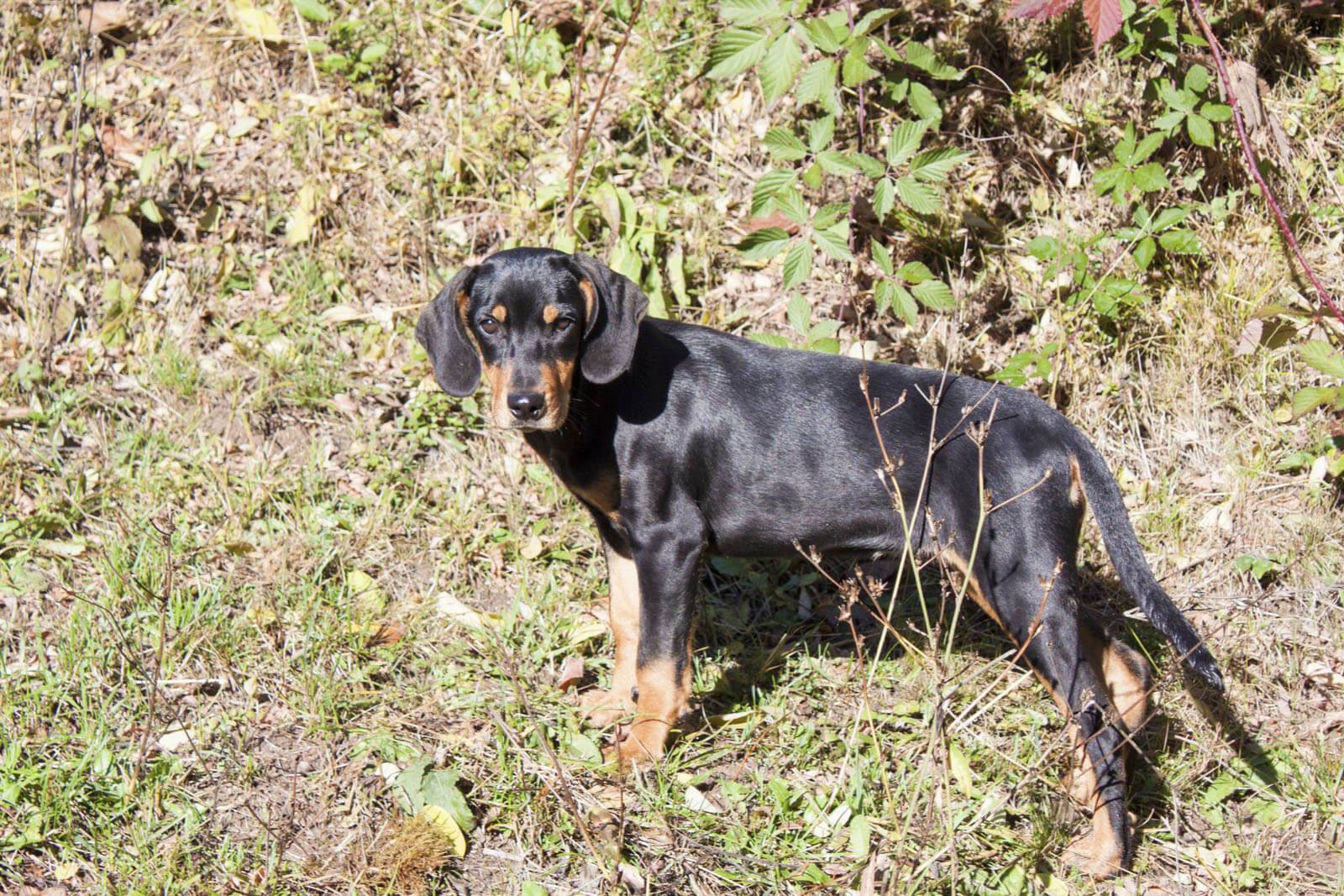
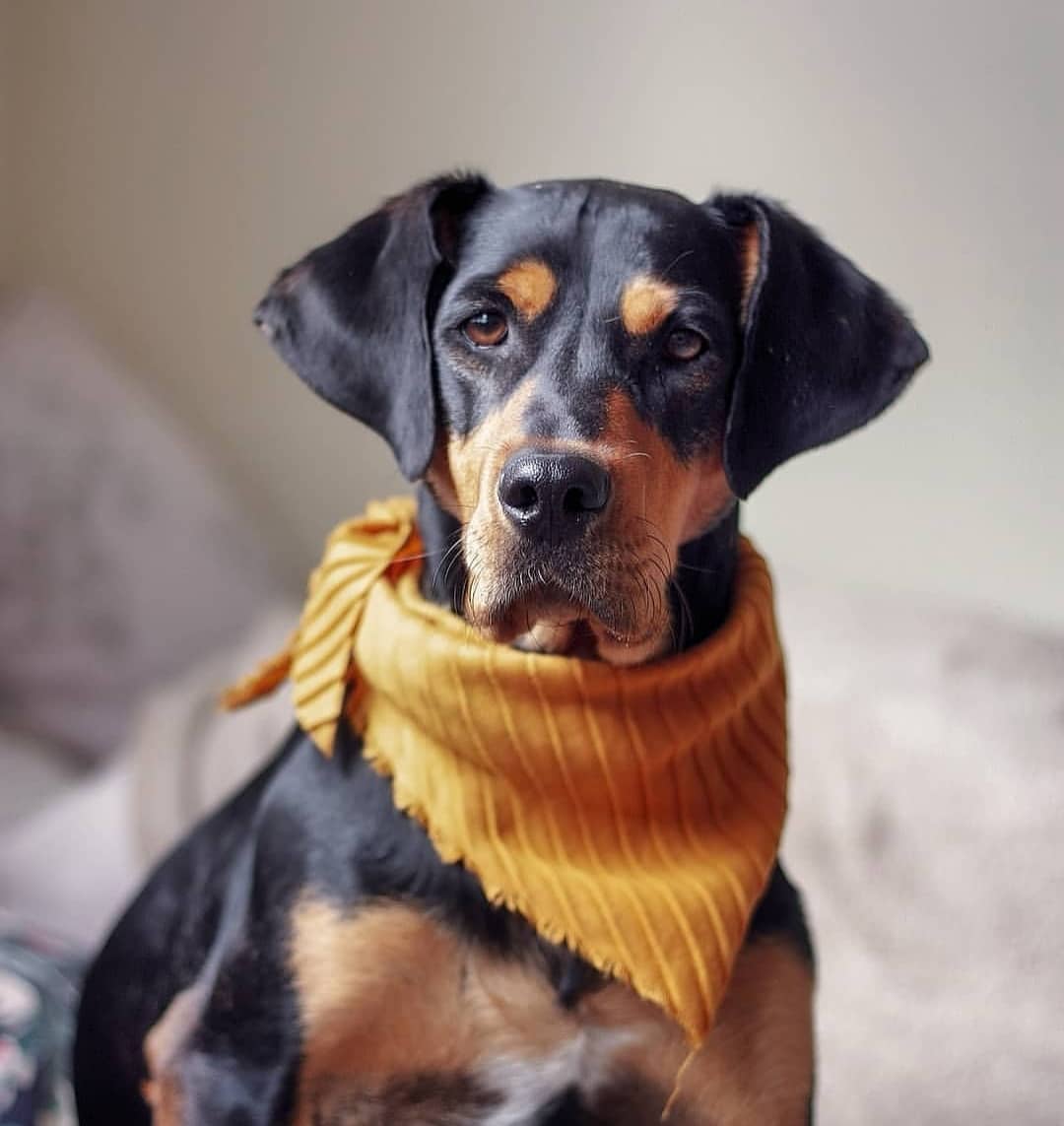
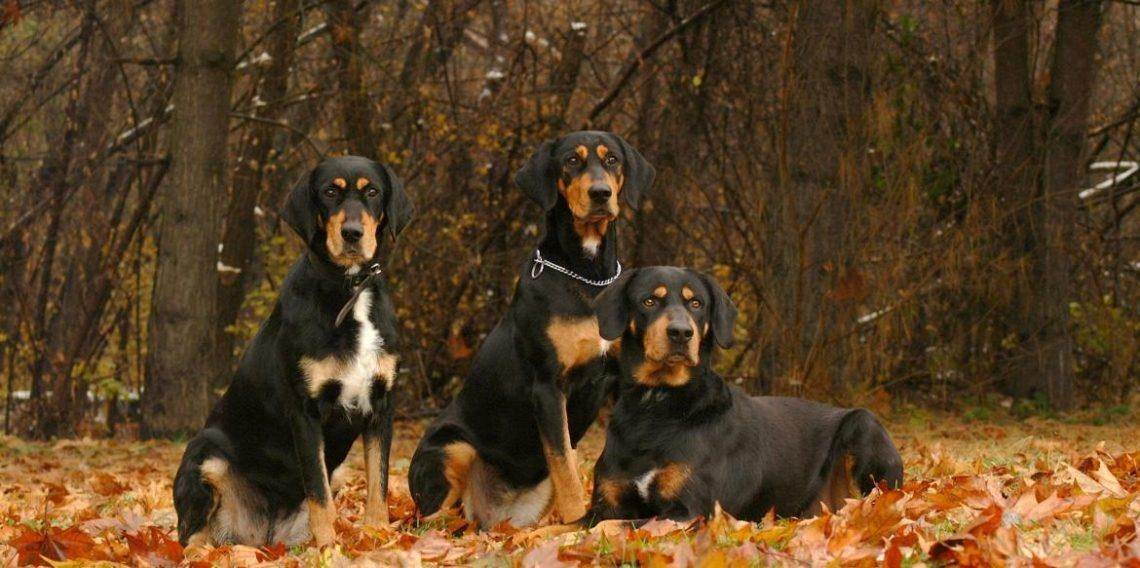
The coat of the Hungarian hound is characterized by short, dense, and straight fur that fits closely to the body, providing reliable protection in diverse weather conditions. The fur on the neck, withers, hindquarters, and the underside of the tail is somewhat longer, adding elegance and practicality to the breed. Occasionally, the fur may have curls and distinctive stripes. The coat feels rough to the touch and has a shiny appearance. Underneath the top layer of fur lies an undercoat. The color can be black with red markings, and individual white spots are also allowed. A distinctive feature is the presence of red markings above the eyes that resemble eyebrows. This breed has hanging ears, and the tail is traditionally carried low.
The lifespan of the ErdГ©lyi Kopo is approximately 12 years.


Отличительные черты

Голова

Морда

Уши

Глаза

Зубы

Корпус

Конечности

Хвост

Шерсть

Окрас
Character
The Airedale Terrier possesses all the qualities that make it an ideal hunting partner, capable of tracking game independently over long distances from its owner. This breed excels at following scents while producing a unique, piercing bark. During active hunting moments, its voice becomes loud and resonant, aiding in driving and locating animals. The Airedale typically hunts alone or in pairs but can also work in small groups.
By nature, the Hungarian Viszla is known for its friendliness, courage, and endurance. It is calm and balanced, yet decisive and energetic. It is also adapted to extreme climatic conditions.
The Transylvanian Hound demonstrates bravery and resilience, successfully overcoming challenges during hunts. This dog possesses a well-developed sense of direction and always needs to be engaged in hunting. This breed is not suited for beginners and should only be used for hunting purposes. With proper guidance and engagement, the Airedale can become a wonderful family pet with a gentle demeanor.
Loyalty and Attachment
Transylvanian Hounds exhibit a high degree of loyalty and affection towards their owners. These dogs quickly bond with family members and show deep attachment. They strive to spend as much time as possible alongside their owners, maintaining contact and involvement in family activities.
Transylvanian Hounds fit well into a family, becoming loyal companions for all its members. They get along well with children, showing care and patience. Despite their friendliness, these dogs can make excellent guardians. They are always cautious around strangers and are ready to protect their family if needed.Intelligence and TrainabilityThe Transylvanian Hound is an intelligent and easily trainable breed. Their high level of intelligence allows for quick learning of commands and skills, especially when training is conducted in a positive and playful manner.Dogs of this breed quickly master basic commands and tricks. They enjoy learning and are eager to complete tasks, particularly if rewards are involved. Without sufficient attention and training, Transylvanian Hounds can show stubbornness and independence. Regular training and mental stimulation will help avoid behavioral issues.Energy and ActivityTransylvanian Hounds are active and energetic dogs that require constant physical exercise. Their natural endurance and passion for hunting necessitate regular walks and active play. These dogs need daily lengthy walks, runs, and outdoor games. They are well-suited for act
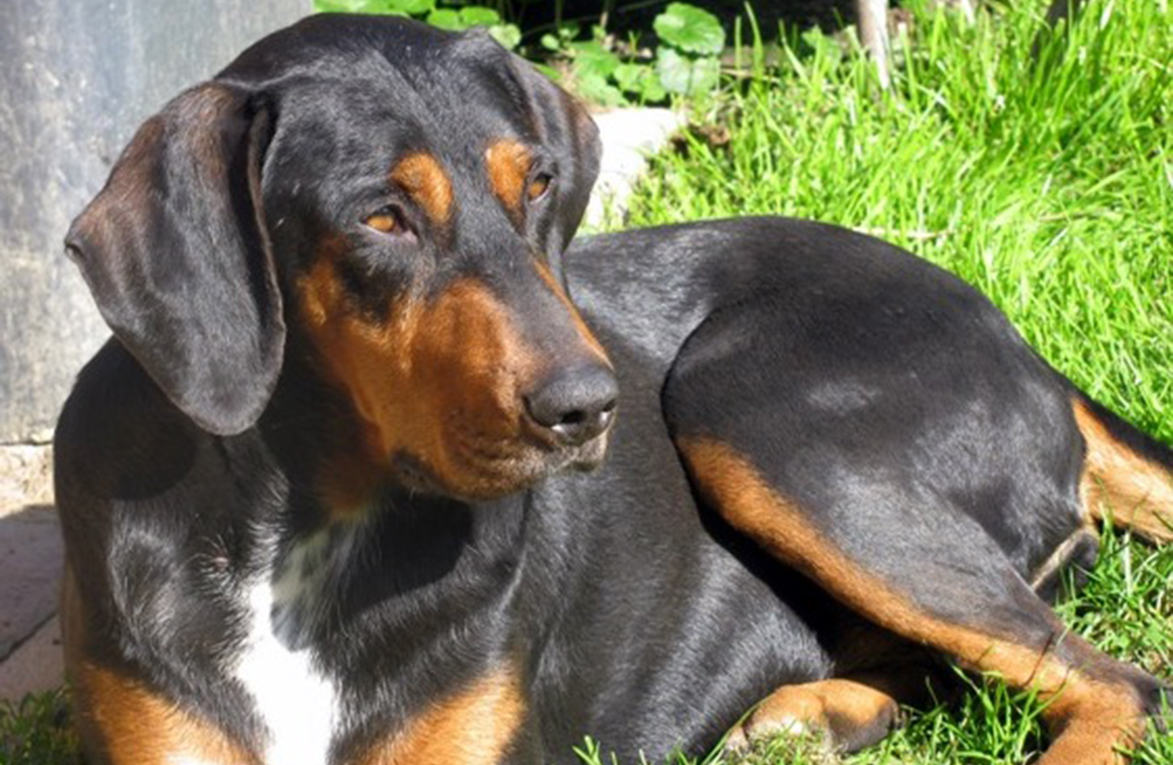
Historical origin
The Transylvanian hound is considered one of the oldest breeds in Europe. Its origins trace back to medieval Hungary, where these hounds accompanied people for hunting in dense forests and mountainous areas. The Erdelyi kopo was highly valued by the Hungarian nobility and royalty.Care and Maintenance
The Transylvanian Hound is a breed that requires careful upkeep and attentive care. These are active and energetic dogs that need plenty of space for physical activity. They thrive best in country homes with large yards or on farms where they can run freely and explore their surroundings. In urban settings, they require regular and long walks.
Ideally, the dog should have access to a fenced area where it can move around freely. If you live in an apartment, it’s essential to organize daily active walks to compensate for the lack of space.
These dogs need a balanced diet to provide them with energy. Feed your dog high-quality dry or wet food that matches its weight, age, and activity level. Avoid overfeeding your pet to prevent issues with excess weight. The dog should receive high-quality proteins, fats, carbohydrates, vitamins, and minerals. Discuss with your veterinarian the necessity of adding special supplements or vitamins, especially if the dog is actively involved in sports or hunting. It is recommended to feed the Transylvanian Hound twice a day, which helps maintain a stable energy level throughout the day.
Transylvanian Hounds have short, dense coats that are relatively easy to care for. Regular brushing will help remove dead hair and prevent matting. Use a soft brush or comb designed for short-haired breeds. It is advisable to bathe the Transylvanian Hound only when necessary, using gentle shampoos specifically formulated for dogs. Excessive bathing can lead to skin dryness and worsen coat condition.
Remember to regularly check your pet’s ears and eyes for dirt and possible infections. For cleaning ears, use specialized dog ear care products, and for the eyes, use a sterile damp cloth.
Early socialization and training in basic commands can help prevent behavioral problems and foster a balanced temperament.Start socialization from an early age by introducing the puppy to different people, animals, and situations. This will help develop confidence and reduce stress levels in the future. Zoonika is the best place to choose from a variety of listings.
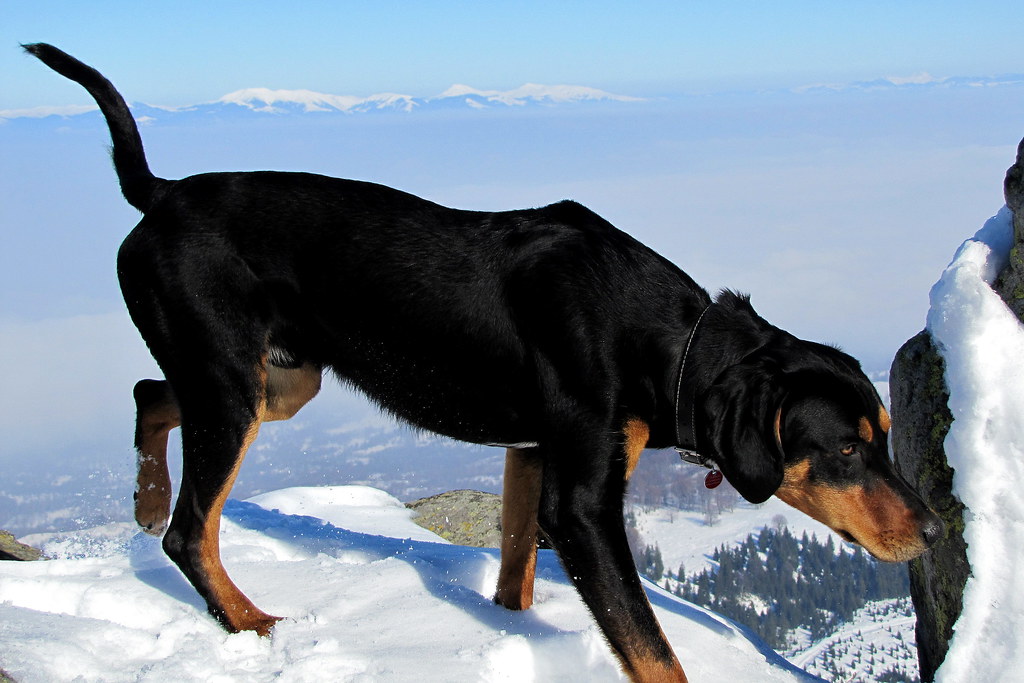
Loud and melodic
Transylvanian hounds are known for their hunting abilities, particularly their skill in working in tandem with the hunter. They have an excellent sense of smell and can track prey over long distances while emitting a loud and melodic bark that helps the hunter keep track of their movement.Training and Education
The Transylvanian Hound is a purebred hunting dog, designed not for urban hustle or casual walks. These dogs are meant for life outside the confines of an apartment, where they can fully unleash their hunting potential. A lack of regular hunting can lead these stubborn and goal-oriented animals to hunt independently. This is why the Transylvanian Hound should be in the hands of experienced hunters.
These dogs require a nuanced approach to upbringing and clear behavioral rules. The independent nature of the Hungarian hound does not allow for authoritarian training. However, based on mutual respect, you can achieve excellent results in training. In collaboration with the hunter, the hound demonstrates the highest level of execution.
The performance of this breed is at a high level, which is a commitment for its owner. The Transylvanian Hound seeks work that allows it to use its instincts. This is crucial to consider if you are thinking about getting this breed without being a hunter. Transylvanian dogs, bred for work in difficult conditions, possess natural cleverness and learn quickly. Nonetheless, successful training and socialization require a systematic approach and understanding of their unique needs.
Training and Education of the Transylvanian Hound
Transylvanian Hounds are energetic and active dogs that require significant physical activity and mental stimulation. Their natural drive to work and high endurance make them excellent candidates for various types of training. It’s important to start training at a very young age.
Basic Training MethodsPositive Reinforcement: Using methods of positive reinforcement such as praise, treats, and play is the most effective approach to training the Transylvanian Hound. These dogs respond quickly to encouragement and motivation, which facilitates better command retention.Consistency and Regularity: It is essential to be consistent in your demands and to conduct regular training sessions. Establish a clear routine and stick to it so that the dog becomes accustomed to discipline and understands what is expected of it.Early Training: Begin training and socialization at a young age. Transylvanian Hound puppies quickly absorb new skills and adapt more easily to their surroundings. Early socialization will help avoid behavioral issues in the future.Specific TrainingTransylvanian Hounds have outstanding hunting abilities, which opens opportunities for their participation in specialized trainings and sporting events. These dogs were bred for hunting, making them perfect for learning tracking, pursuing, and teamwork skills. Training for hunting tasks will help unleash their natural abilities and satisfy their instincts. Active and agile Transyl
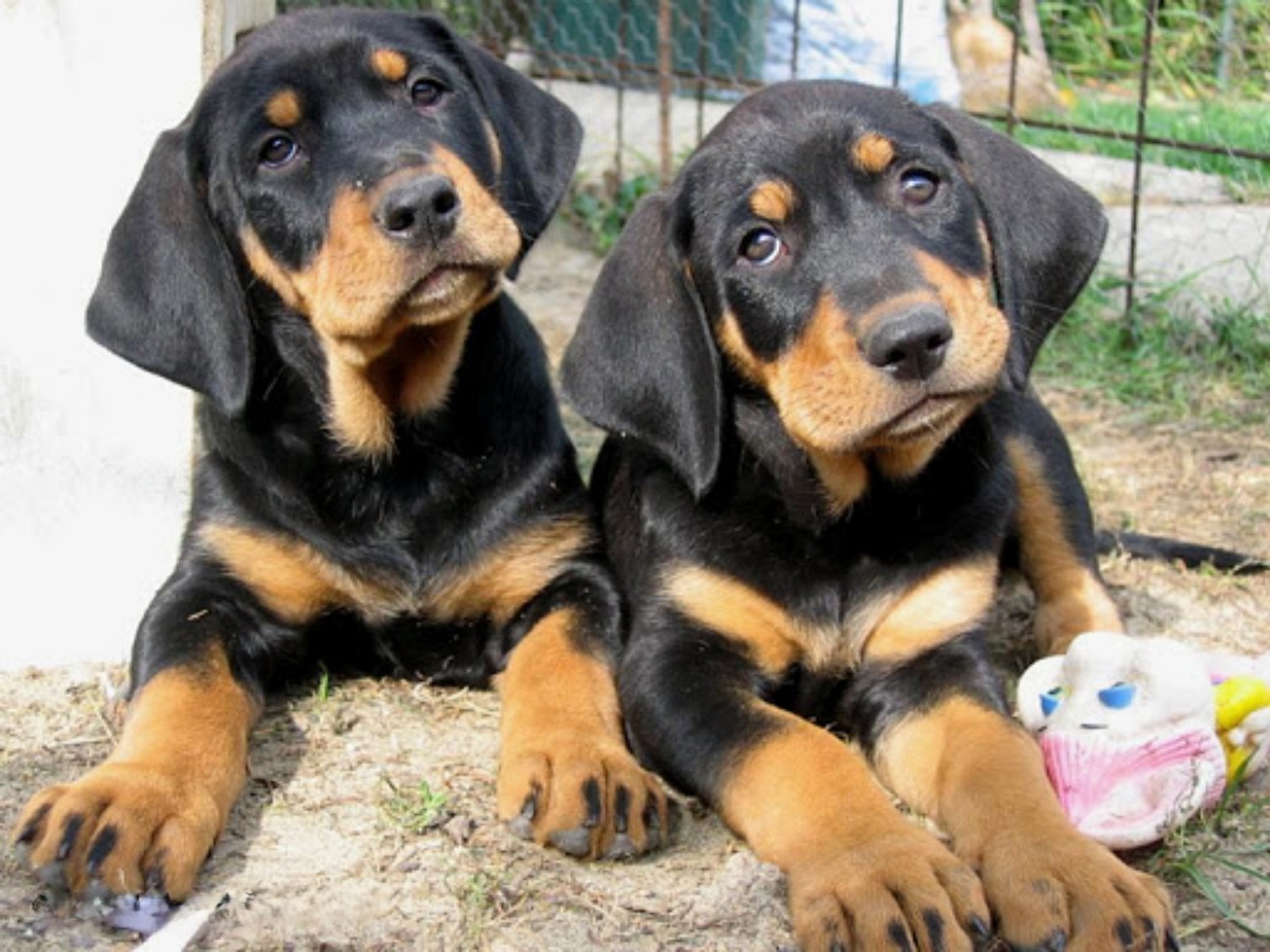
Symbol of cultural heritage
The Transylvanian hound is a living symbol of the rich historical and cultural heritage of Transylvania and Central Europe as a whole, as well as a symbol of national pride for many residents of Hungary. These dogs not only reflect the hunting traditions of the region but also play an important role in local culture and folklore. In the Middle Ages, the Transylvanian hound was often depicted on the coats of arms and family emblems of the Hungarian nobility, symbolizing strength, endurance, and fidelity. Today, these dogs continue to be an important part of the cultural heritage, participating in various historical reenactments, exhibitions, and events related to hunting and dog breeding.
How to Choose a Puppy
Choosing a Transylvanian Hound puppy requires a serious approach and careful analysis of many factors. Before selecting a puppy, it’s important to thoroughly understand the characteristics of the Transylvanian Hound. This is an active and intelligent dog that requires regular physical exercise and mental stimulation. They have a strong hunting instinct, so future owners must be prepared for regular walks and active play. It is also important to consider their social qualities and ability to get along with children and other animals.
Choosing a reliable and reputable breeder is a crucial step when purchasing a Transylvanian Hound puppy. It is advisable to seek out breeders of hunting dogs with an impeccable reputation who specialize in this particular breed. Visiting different kennels, interacting with breeders, and gathering as much information as possible about the puppy’s lineage and the conditions in which they were raised is recommended. A quality dog breeder will always provide the necessary documentation, including pedigree information, medical check-up details, and vaccination certificates.
When selecting a puppy, pay special attention to its health and activity level. The puppy should be cheerful, playful, and inquisitive. Check the condition of its eyes, ears, coat, and skin. A healthy puppy will have clean, bright eyes without discharge, clean ears, and a shiny coat. It is also important to assess its behavior and interaction with people.
Carefully study the pedigree and ensure that the puppy’s parents have undergone all necessary screening for genetic diseases. This will reduce the likelihood of hereditary illnesses and ensure a healthy future for your pet. Special attention should be paid to checking for hip and elbow dysplasia, as these issues are common in large breeds.
Transylvanian Hounds are known for their independent nature and can be stubborn. Therefore, it is essential to choose a puppy with a balanced and friendly temperament. Observe the puppy’s reaction to new people and unusual situations. A well-socialized puppy should show curiosity and calmness in response to new experiences.
Make sure the puppy has undergone all necessary veterinary examinations and received its initial vaccinations. Ask the breeder for the puppy’s medical record, including information on vaccinations and deworming. Regular visits to the veterinarian and timely vaccinations will help maintain your pet’s health.Choosing a Transylvanian Hound puppy is a responsible and important step that requires attention and preparation. Research the breed, select a reputable breeder, and evaluate the conditions in which the puppies are kept and their health status. Addresses of dog kennels can be found on the Federal Zoonica portal, which lists verified breeders from across Russia. Pay attention to the puppy’s temperament and socialization, and study its pedigree and results of genetic tests. With the right approach and care, your new pet will become a loyal and faithful friend for many years. Zoonica makes it easy to attract buyers’ attention.
Health and Diseases
Transylvanian Hounds typically live 13 happy years with proper care. They have a sturdy build, well-developed muscles, and excellent physical condition. Regular exercise and active walks are essential for maintaining their health and well-being.
Improper joint formation, known as joint dysplasia, can lead to pain and reduced mobility in dogs. Choosing puppies from breeders who conduct DNA testing for hereditary diseases helps minimize the risk of such conditions.
There is a risk of Transylvanian Hounds contracting infectious diseases, including parvovirus, distemper, and leptospirosis. Preventive vaccination is the primary method to prevent these diseases, and it is crucial to stick to the immunization schedule and regularly visit the veterinarian.
To maintain the dog’s health, it is necessary to take preventive measures against parasites such as fleas, ticks, and worms, which can be sources of diseases and allergic reactions. The use of antiparasitic treatments and regular check-ups with the veterinarian play a significant role in this process.
The Transylvanian Hound is known for its health and endurance but requires careful care and disease prevention. Regular veterinary visits, parasite protection, and a balanced diet will help ensure a long and healthy life for your four-legged friend.
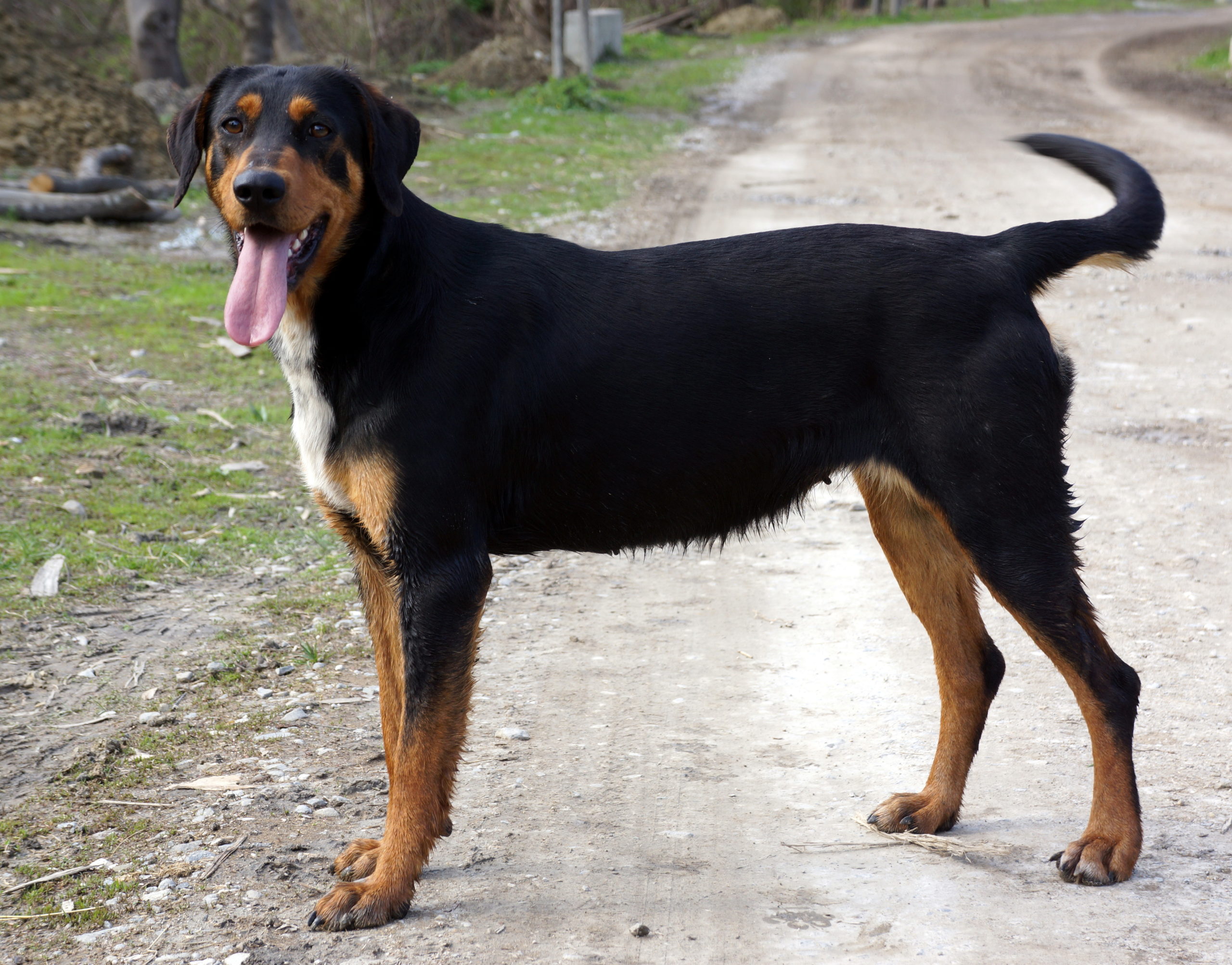
Содержание
-
1. Описание породы
-
2. Внешний вид
- 2.1 Голова
- 2.2 Морда
- 2.3 Уши
- 2.4 Глаза
- 2.5 Зубы
- 2.6 Корпус
- 2.7 Конечности
- 2.8 Хвост
- 2.9 Шерсть
- 2.10 Окрас
-
3. Характер
-
4. Содержание и уход
-
5. Дрессировка и обучение
-
6. Как выбрать котенка
-
7. Здоровье и болезни






Comments
Only registered users can leave reviews.
Enter