
Toy poodle






Warning: Illegal string offset 'label' in /home/panda/sites/zoonika/wp-content/themes/zoonika/template-parts/animals/animals-param-item.php on line 32
Ð


Breed Description
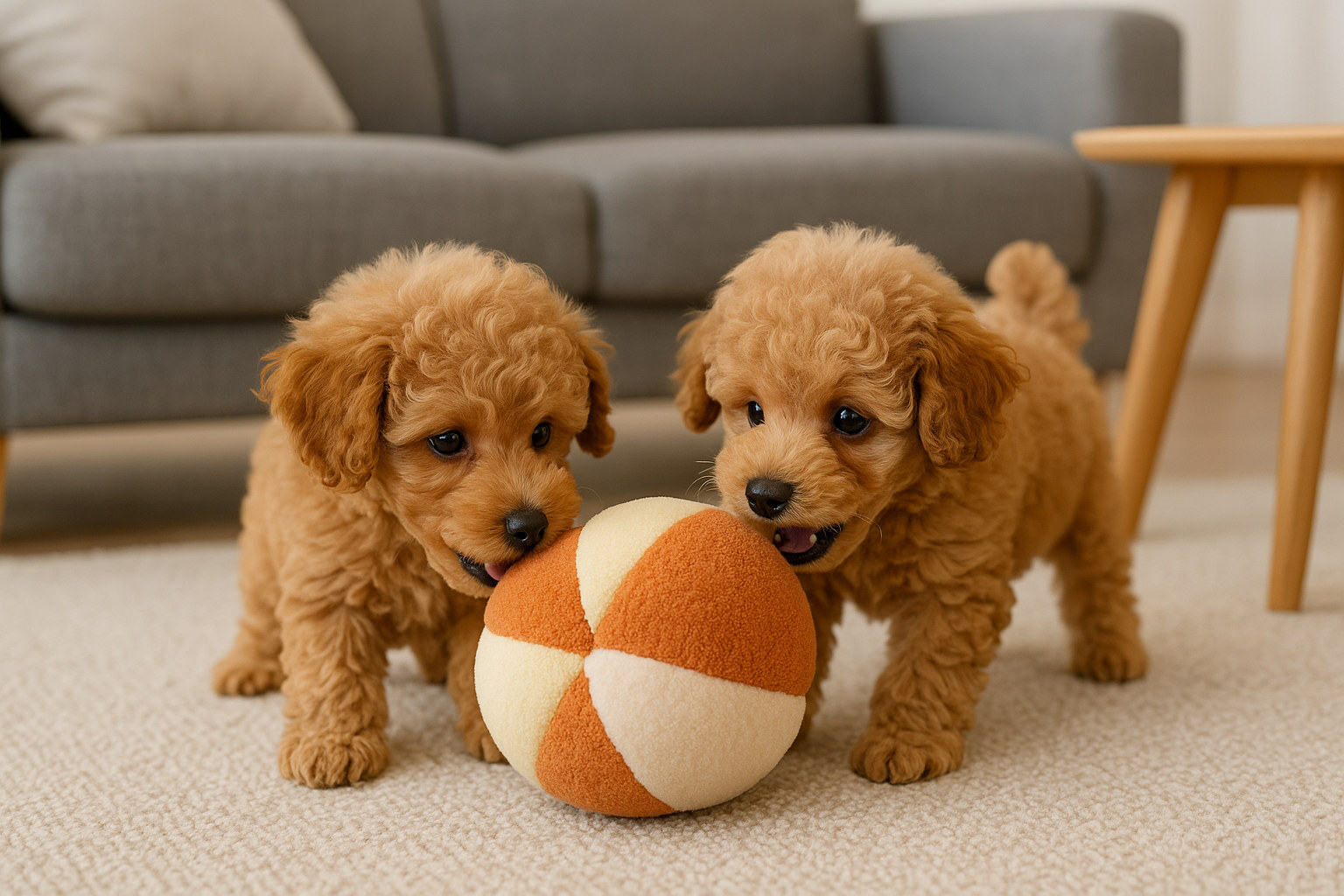
The Toy Poodle did not originate “from scratch,” but as the final stage in the long history of water poodles in Europe. Its roots trace back to the German marshes and river hunting, where the “Pudelhund” worked-derived from the verb “pudeln,” meaning “to splash.” In France, these dogs were called “caniche,” stemming from “cane,” which means “duck,” because their task was simple yet challenging: to find wounded game, gently retrieve it, and bring it back through cold water. To enhance swimming speed, their fur was pragmatically trimmed-leaving a “vest” on the chest and cuffs on the joints to protect them without weighing down the body. By the late 18th century, when water hunting became a pastime for the aristocracy, miniature individuals began to be valued as salon pets-easier to live with in the city and travel in carriages.
Selection for smaller size progressed slowly and thoughtfully: the lightest and most compact breeders from “medium” poodles were chosen, solidifying size and temperament while filtering out the nervous and flabby. In French and English cities, poodles quickly transitioned from hunter helpers to entertainers and companions-trainability and a desire for interaction with humans made them stars of traveling troupes and circuses. This is where the distinctive behaviors of the miniature branch solidified: attentiveness to signals, eagerness for puzzle-like tasks, and resilience in noisy environments. Concurrently, a grooming culture emerged: the aesthetics developed from hunting practices laid the groundwork for show grooming, rather than the reverse.
By the mid-19th century, the first stable lines of small poodles for urban living-quiet apartments, salons, and workshops-appeared in Paris and London. They were selected based on three criteria: compactness without dwarf-like fragility, strong temperament without yappiness, and correct coat type-springy, dense, and curly. The Toy format was born when breeders achieved “pocket-sized” growth while retaining a working nature and coat structure suitable for regular grooming. In the early 20th century, as kennel clubs began to rigidly define sizes, the small branch was designated as a separate variety-marking the point at which the “toy poodle” ceased to be just a small poodle and became a distinct size within the breed.
The geography of its history is bilingual: the technology of its work and the breed’s first name were provided by the German “Pudel,” while the fashion, salon popularity, and circus training came from the French “caniche.” England adopted the concept of the urban companion and systematized it through breed registries and dog shows. In the interwar period in the USA, the demand for a compact, trainable dog for urban life firmly established the need for the toy format-leading to structured selection for health, dental structure, and stable temperament. Thus, the toy poodle has two origins: water and city. Initially, it was a wet retriever unafraid of reeds, and later, a keen partner for humans in tight urban life, retaining a working mind but shedding excess weight.
Appearance
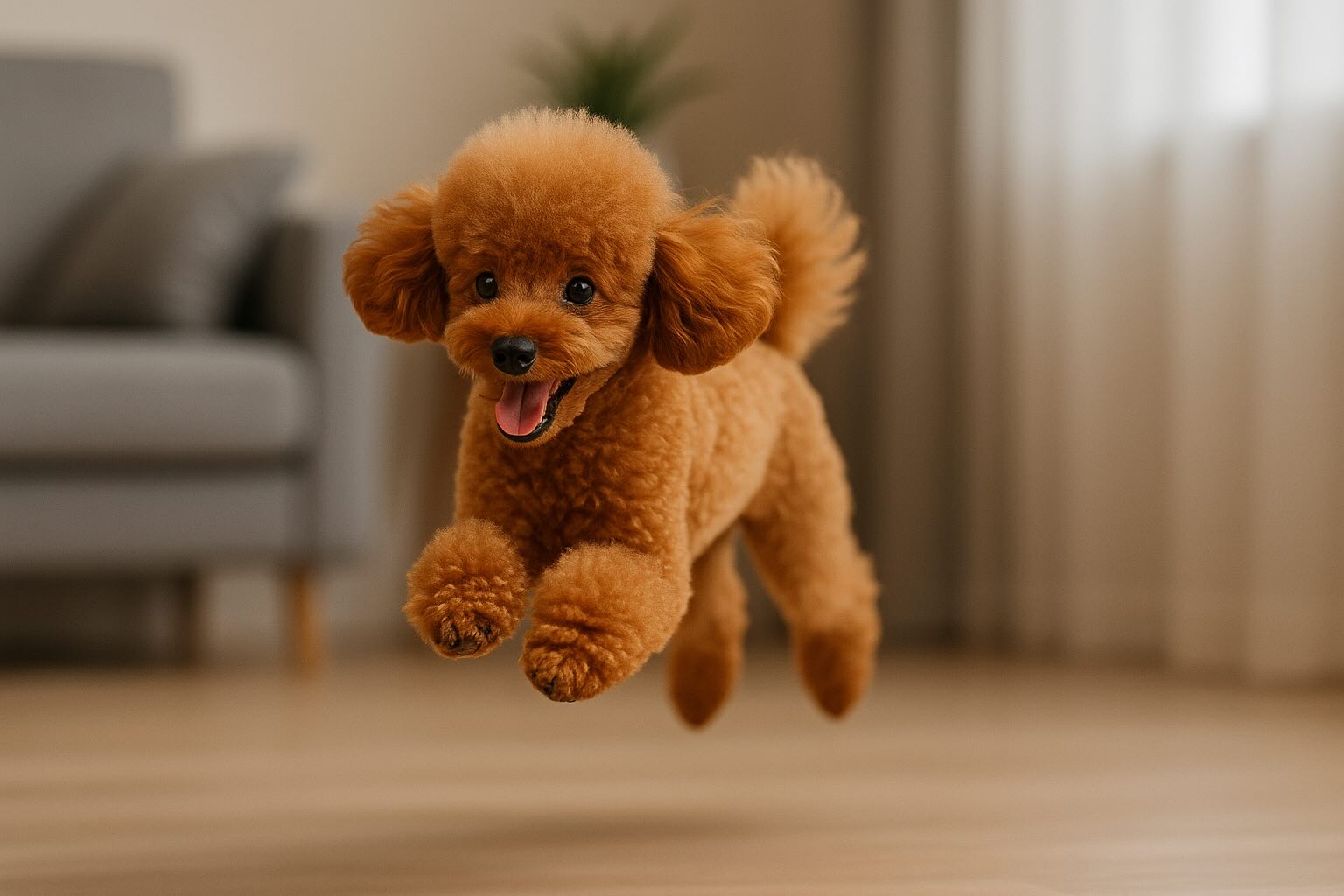
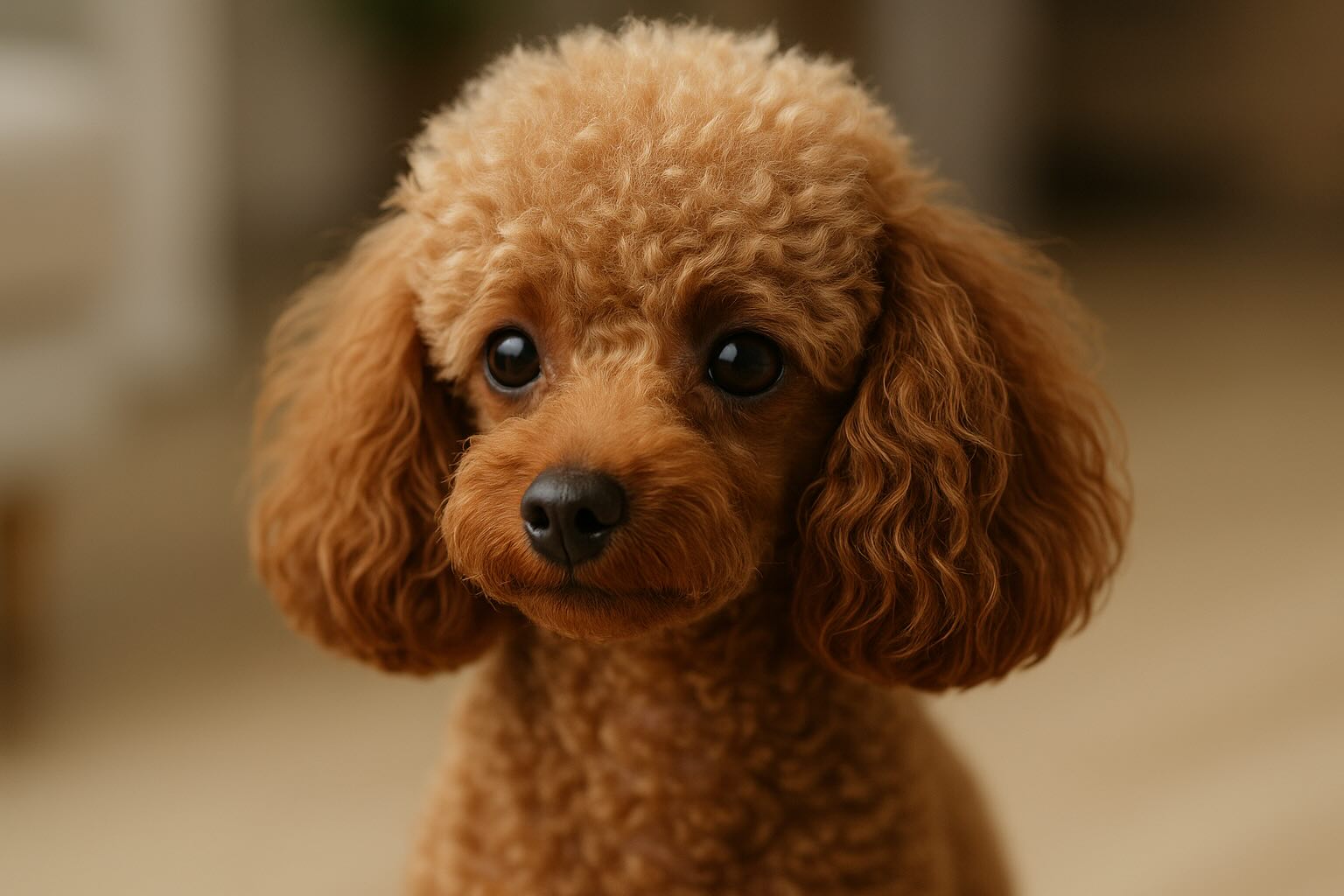
The Toy Poodle looks like a miniature version of the working Water Poodle: a dry, square shape, light bone structure, a taut topline, and a springy gait without fuss. The silhouette is formed from correct angles and a high head carriage, giving the dog a “collected” and attentive appearance. The coat is dense and springy to the touch, curly throughout its length, holds its shape after grooming, and provides a clean outline without fluffiness. The cut emphasizes the mechanics of the body but should not disguise weak points – a good Toy Poodle’s body is “readable” even without scissors. The skin is elastic and snug, with even pigmentation; solid classic colors for the breed are allowed: black, white, brown, silver, apricot, red, etc., without spots. The head is dry, expressive, with an intelligent and sharp gaze; the placement of the ears and tail creates a sense of constant contact with the handler. Average size indicators are as follows: height at the withers is usually 24-28 cm, with an average working measurement of about 25 cm; average weight is 2.5-3.5 kg in normal condition without “drying”; lifespan is 14-16 years with proper care, regular dental cle


Отличительные черты

Голова

Морда

Уши

Глаза

Зубы

Корпус

Конечности

Хвост

Шерсть

Окрас
Character
The Toy Poodle is intelligent and people-oriented, but not intrusive: it maintains eye contact, catches intonations, and quickly picks up household rules. It works for play and food, enjoys short training sessions of 3-5 minutes, and puzzle feeders, easily mastering tricks and everyday commands. A wary watchdog lives in every Toy Poodle-it notices new sounds and can bark, so from a young age, it’s important to practice quiet responses and switching to a toy. It generally reacts appropriately to strangers after a brief introduction, but during peak socialization phases, it requires systematic walks in various locations. Within the family, it usually chooses a “anchor” person but willingly shares attention among household members if the routine is predictable. It enjoys physical contact in moderation: it happily sits close and asks to be petted but values the option to retreat to its bed. Its energy levels are average to above average for a miniature breed-two active walks and daily “hunting” with a toy or ball are essential. It is sensitive to sharp shouts; a gentle, consistent approach works much better than pressure. It shows a tendency for rituals: feeding at specific times, standin
Circus breed code
The Standard Poodle inherited the "working mind" of water poodles and became a star in street and circus troupes of the 19th and 20th centuries. Their mini size, focus on humans, and love for sequences allowed these dogs to memorize long strings of tricks with precise markers and pauses-this habit of following a "script" still makes it easier to train tricks and everyday routines.Care and Maintenance
Toy Poodles require regular yet gentle grooming. Brush them daily using the line-brushing technique: start with a soft slicker brush, then use a metal comb with long teeth, and always apply a spray conditioner to dry fur to prevent mats. Bathe them every 2-4 weeks using warm water and diluted shampoo specifically designed for curly coats, followed by a deep conditioner and thorough detangling. Use a cool hairdryer while pulling the curls out to create a smooth “afro cloud.” Schedule a grooming appointment every 4-6 weeks; practical styles for home include pet teddy or lamb clip, with body length at 9-13 mm and paws at 13-16 mm. Maintain sanitary trimming of the groin, belly, and under the tail every 2-3 weeks. Trim the paw pads by cutting between the pads and carefully using clippers only on the pad surface, while also filing the nails every 7-10 days. Wipe the eyes with lint-free pads soaked in saline solution and regularly shorten the hair in the inner corners. Check the ears weekly, using dog-safe lotion for cleaning, and don’t flood them with water during bathing; you can place cotton balls beforehand and remove them immediately. Plucking hair from the ear canal should onl
Truffle trail in mini format
In truffle farms, mini poodles are sometimes used: these light dogs do not "sink" into the soil, work carefully with their noses, and don't damage the mycelium with their claws. Emphasis on searching, working with the wind, and responding precisely to signals is reinforced through scent games, which is why toy poodles easily adapt to the hobby of nosework and home "scent searches" with jars.Training and Education
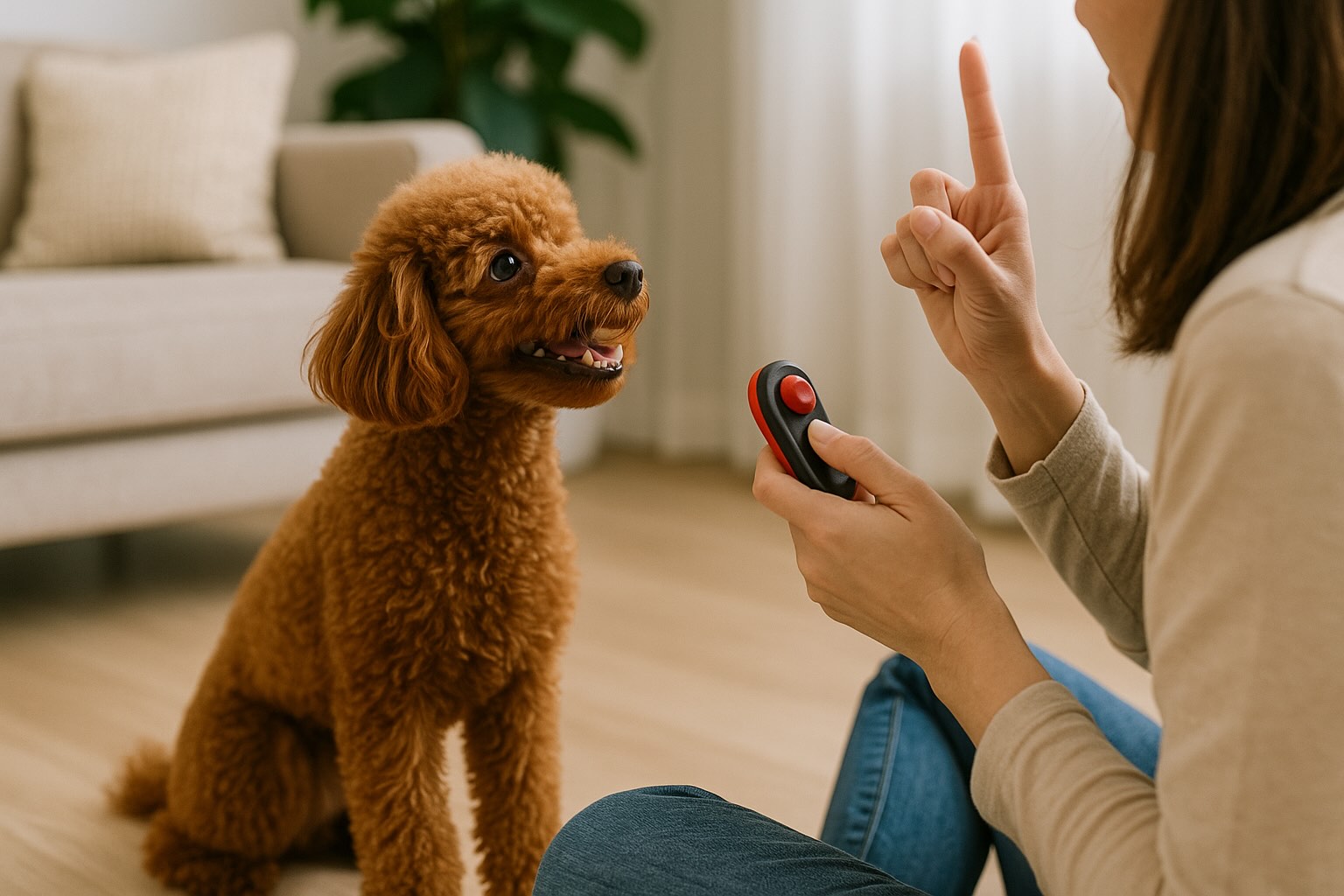
Build training for a small working dog with short sessions of 3-5 minutes, 2-3 times a day, using a marker word or clicker, and a high frequency of rewards at first, gradually transitioning to variable reinforcement. The toy poodle excels in shaping and targeting: start with nose touching to the palm or stick, then move to practical tasks such as approaching, standing on a mat, entering a carrier, and giving a paw. The basic set for the first weeks is simple – name and instant recall, response with a cue word, quiet as a marker for stopping barking, walking beside on a loose leash, and a spot on the mat with relaxation for 1-3 minutes. For voice control, don’t scold – catch the first second of silence, mark it, and reward, while desensitizing to sound triggers, such as elevator noises, doors, and guests, using a micro-stepping program. Train grooming as a trick – resting the chin on your palm, holding the paw in your hand, showing teeth, rewarding for calm standing rather than for enduring punishments. Alternate games – fetching small toys, sniffing mats, mini scavenger hunts in boxes, and end each session with food or rest to avoid overstimulation.
The main trainer is the one who feeds, takes out, and plays most often, controlling key resources and maintaining a unified command vocabulary; others join in later, mimicking intonations and gestures without improvisation. A toy poodle chooses its owner based on predictability and quality of interaction – it listens to a calm and consistent person who clearly sets tasks and honestly rewards for correct performance, rather than the loudest person. Provide kids with simple rules – touch only by invitation, feed from an open hand, use a target stick instead of hands, and always finish exercises with a short game. Typical mistakes to avoid include long boring sessions, mixed commands from family members, punishments, harsh leash tugs, unclear handling of barking, and lack of a socialization plan. An example of a daily mini-plan looks like this: morning recall and mat for 3 minutes; afternoon leash work and distant trigger encounters per the quiet-look-at-me protocol; evening play and handling for grooming. Following this structure, the toy poodle quickly establishes a foundation and maintains a stable connection with its chosen person. Reliable breeders offer healthy puppies with docum
The smallest in big sports.
Toy Poodles consistently perform well in small height divisions of agility and obedience. With proper training, they can jump over bars higher than their own height, quickly recover between attempts, and win thanks to their economical “springy” trot and high maneuverability-miniature size does not hinder them and can sometimes even be an advantage on tight courses.
How to Choose a Puppy
Observe the puppy in motion and while being held: the gait should be even without any knee buckling, the jump light, and the body stance square. When running calmly, it shouldn’t “prance.” In your hands, the puppy should relax after a couple of seconds, allowing you to check its teeth and ears, and accept a light hold on its paws calmly-this is a sign of balance. The eyes should be clear, without tear stains; the nose should be moist and free of crusts; the ears should be odorless; and the skin under the fur should be pink and smooth. Check for a scissors bite, count the incisors, and pay attention to the milk canines-toy poodles often have delayed tooth replacement which needs monitoring. The umbilical ring should not show a pronounced hernia; in males, the testicles may still be in the canal, but the breeder should honestly report on the examination findings and the latest check-up. Request to turn on a hairdryer and clippers at low speed-the puppy shouldn’t go into a panic; slight caution is acceptable, but it should recover quickly from the sound. Assess curiosity: 20-30 seconds after a new stimulus, the puppy should explore the room again, reach for a toy, take
Inspect the kennel as a system: it should be clean and free of ammonia odors, stools should be uniform, bowls and waterers well-maintained, with all puppies having similar body conditions, and safe surfaces, tunnels, and enrichment toys should be available. Ask about the socialization regimen-carrying walks, short excursions on different surfaces, exposure to noises, and play with people of different ages. The ideal release age for a companion is 10-12 weeks, and if the release is later, inquire about vaccinations, grooming routines, and acclimatization to a carrier. Never choose “tea-cup” or “super-mini” sizes-these are marketing terms, not standards, and carry a high risk of veterinary issues. Evaluate the parents through video: calm interest is better than lethargy or nervousness, without “clicking” in the gait, and a clear gaze.
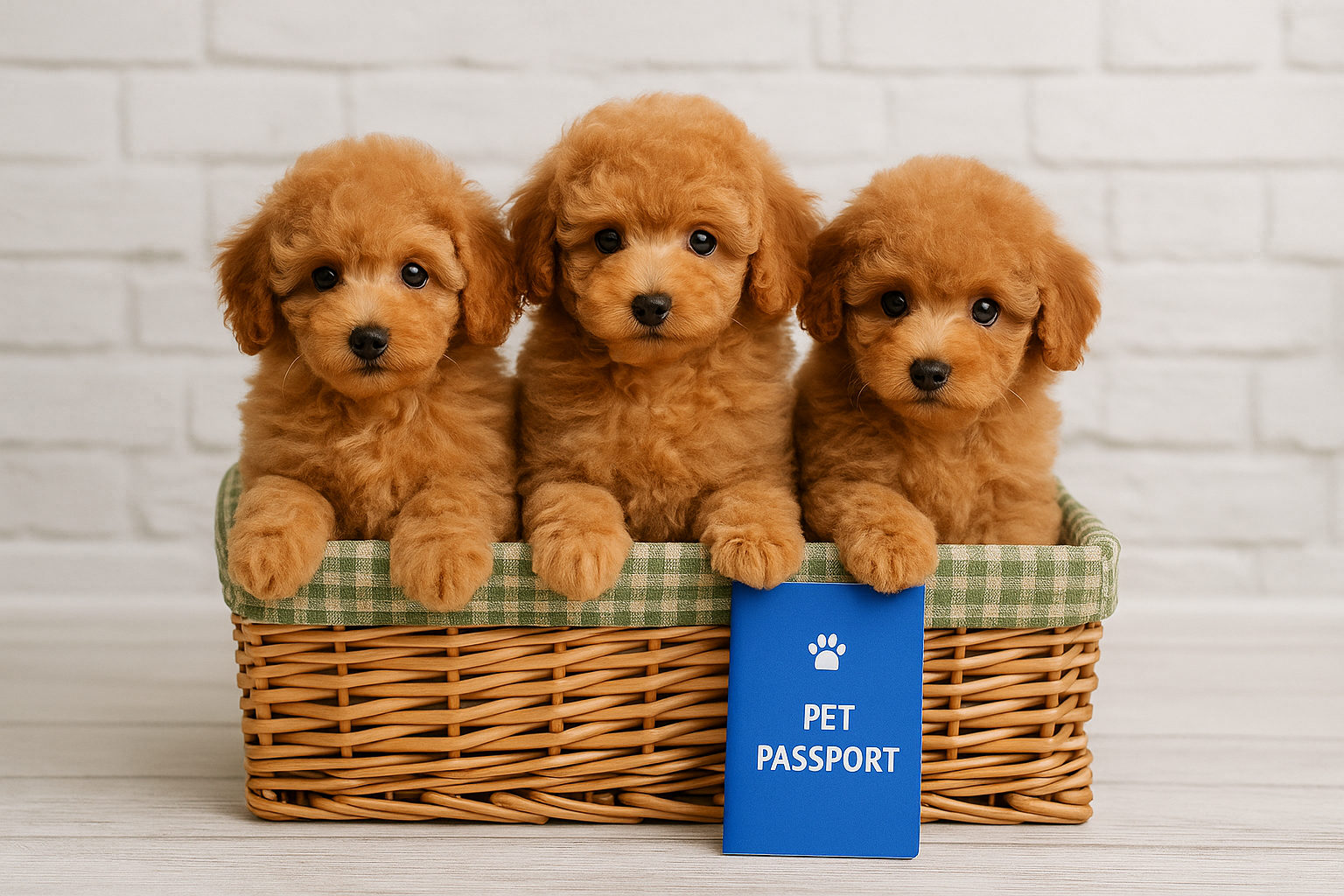
Check the paperwork against a checklist: a veterinary passport with labels, series, and signatures for vaccinations, a deworming schedule, microchip, and ensure the number matches the contract. The pedigree document-the puppy’s metric or the pedigree from your country’s FCI club-should include a stamp if present, parent information, the puppy’s designation as a pet-breed, and conditions for breeding and neutering for pet class. Request veterinary certificates for the parents: patella scores of 0-0 or a certificate showing no signs of luxation, a recent ophthalmological examination from ECVO, DNA test results for poodles-prcd-PRA, vWD1, neonatal encephalopathy-plus DM is often added; specify that you need copies of results and not “oral assurances.” Request an inspection report of the litter and the puppy card from the club recording the stamp, color, and birth date. The sale contract should specify the price, return conditions for the deposit, a basic health guarantee for a reasonable period, a clause about the chip and vaccinations, obligations of the parties, transfer timelines, and post-sale support.
Conduct a mini behavioral test: drop a set of keys on the floor for the puppy-short caution is allowed, followed by quick return to play. Place a small cardboard box on the floor-the puppy should peek in and explore. Give it a piece of food-it should take it carefully, return for more, and be willing to work for food. Hold it up, supporting its chest and hips-after a couple of seconds, the muscles should relax, breathing should be even, and its gaze should not be “glassy.” Ask the breeder how the puppy handles being alone, how it eats outside the pack, how it sleeps at night, and what basic household skills it has already mastered. Ideally, you would receive a starter diet, feeding schedule, grooming advice, and videos with home exercises. A good choice is a puppy with a stable interest in people and objects, devoid of panic and apathy, with transparent documentation, and a breeder who calmly answers difficult questions, doesn’t rush you into a decision, and doesn’t promise a “small super-mini” beyond the standard. Compare options from trusted breeders on Zoonika and choose your ideal pet.
Health and Illnesses
The Toy Poodle is considered a healthy miniature breed, provided there is ethical breeding and careful care. The typical risks associated with the breed align with those of small dogs: patellar luxation, Legg-CalvГ©-Perthes disease in young dogs, early dental issues due to crowded teeth, and in some lines, epilepsy and a tendency toward skin allergies. Among hereditary conditions, prcd-PRA related to gradual vision loss and vWD1 affecting blood clotting are significant, while neonatal encephalopathy can occur in inadequately tested breeders. Tracheal collapse and myxomatous degeneration of the mitral valve may appear less frequently in older dogs. Tiny puppies are protected from hypoglycemia in their first months through frequent small meals and a strict sleep schedule.
Prevention is straightforward and strict: breeding parents undergo a DNA panel for poodles, with results documented, and puppies are checked for patella and eyes by the breeder. At home, you maintain the puppy’s body condition in the range of 4-5 on a scale of 9, do not allow the puppy to jump from heights, and use a harness instead of a narrow collar to avoid tracheal injury. Teeth should be brushed 3-4 times a week, with professional cleanings as needed typically starting between 1.5 to 3 years. Ears are cleaned with lotion as needed and thoroughly dried after bathing, and routine hair plucking in the ear canal is only done for medical reasons. Watch for signs like limping after rest, refusal to jump, creaking in the knee, pale mucous membranes, unexplained bruising, sudden decrease in night vision, seizures or fainting, and coughing on a leash.
A convenient monitoring plan includes general check-ups every 6-12 months, patella and dental checks at each visit, ophthalmology every 1-2 years, and echocardiograms and tests from ages 6-8. With this approach, Toy Poodles live long, active lives, and most problems are caught early and managed without severe consequences. Thinking it over? There’s a vast selection of listings on the Zoonika map across cities.
Содержание
-
1. Описание породы
-
2. Внешний вид
- 2.1 Голова
- 2.2 Морда
- 2.3 Уши
- 2.4 Глаза
- 2.5 Зубы
- 2.6 Корпус
- 2.7 Конечности
- 2.8 Хвост
- 2.9 Шерсть
- 2.10 Окрас
-
3. Характер
-
4. Содержание и уход
-
5. Дрессировка и обучение
-
6. Как выбрать котенка
-
7. Здоровье и болезни






Comments
Only registered users can leave reviews.
Enter