
Tosa Inu




Warning: Illegal string offset 'label' in /home/panda/sites/zoonika/wp-content/themes/zoonika/template-parts/animals/animals-param-item.php on line 32
Ð


Breed Description
Tosa Inu is a Japanese breed with a rich history closely tied to traditions of fighting and strength trials. This breed was developed in Kochi Prefecture on Shikoku Island in the 19th century. Tosa Inu were created as fighting dogs, but their combat was characterized not by aggression but by discipline, reflecting the spirit of samurai culture, where honor, perseverance, and respect for the opponent were valued.
The initial steps toward creating the breed began with local dogs in Kochi, known for their endurance and loyalty. These dogs were crossbred with various western breeds that were brought to Japan during the Meiji period, including English Mastiffs, Great Danes, St. Bernards, and Bull Terriers. Each of these breeds contributed specific qualities to the Tosa Inu: strength, size, resilience, and bravery. The result was a dog perfectly suited for participating in dog fights, while still retaining Japanese refinement and self-control.
In Japan, Tosa Inu became symbols of strength and dignity. Dog fights were conducted under strict rules that demanded restraint and respect for the opponent. This set Tosa Inu apart from fighting dogs in other cultures. These competitions resembled rituals, and the winners became a source of national pride.
The breed is named after the historical province of Tosa (now Kochi Prefecture), where it was created. Tosa Inu were considered an elite breed, accessible only to a few. Their popularity spread throughout Japan, where they were valued not only for their fighting qualities but also for their loyalty, endurance, and protective instincts.
In the 20th century, especially after World War II, interest in the breed began to decline, but efforts by Japanese enthusiasts helped preserve the Tosa Inu. Today, they are regarded as a national treasure of Japan. In some countries, the breed remains rare, making it especially valuable for lovers of exotic and historically significant dogs.
Tosa Inu embody the harmony of strength and discipline, reflecting the philosophy of Japanese culture. Their history is a testament to perseverance, skillful breeding, and respect for traditions. Today, they continue to uphold their unique heritage, evoking admiration as symbols of Japanese mastery in dog breeding.The price for a puppy ranges from 50,000 to 65,000 rubles.
Appearance
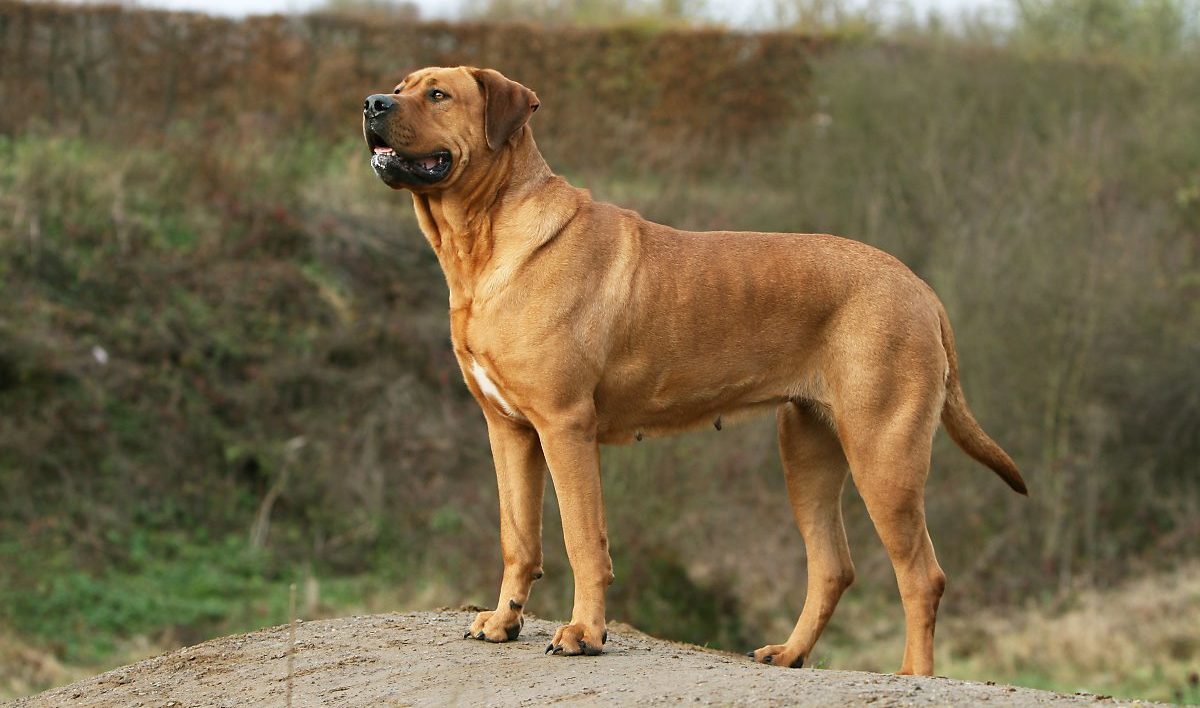
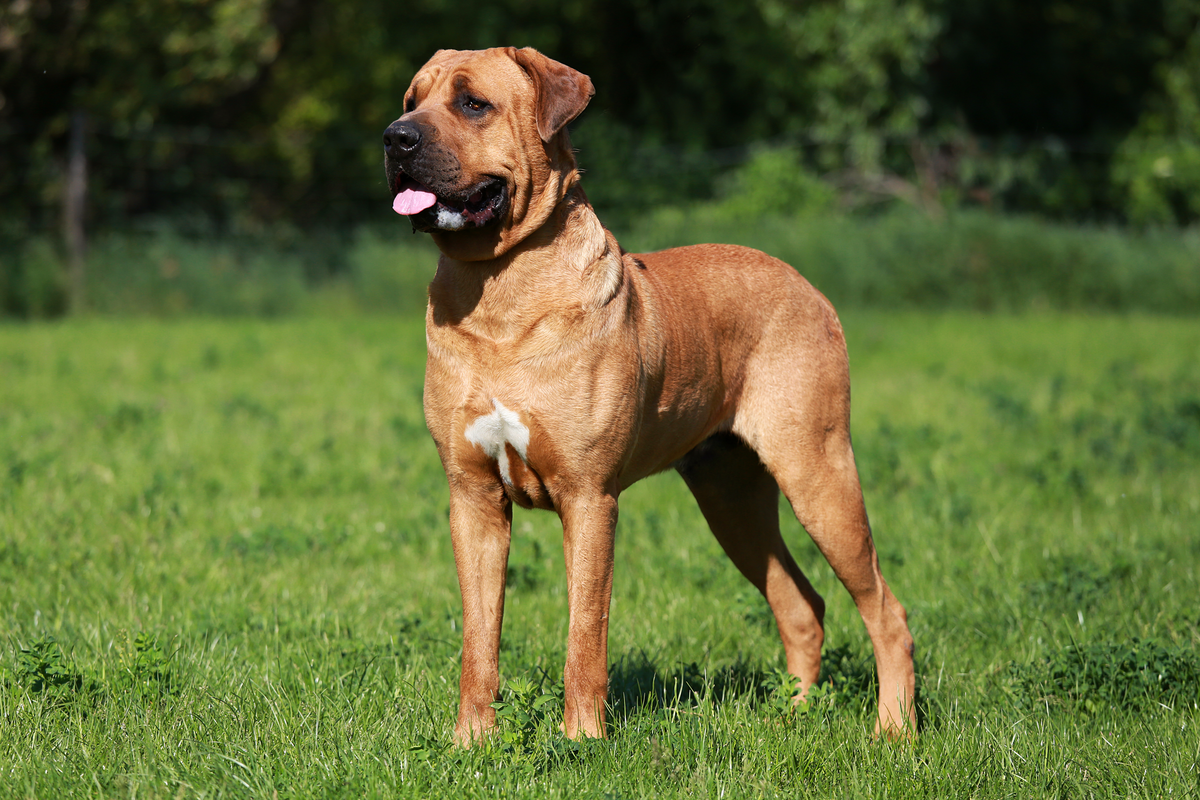
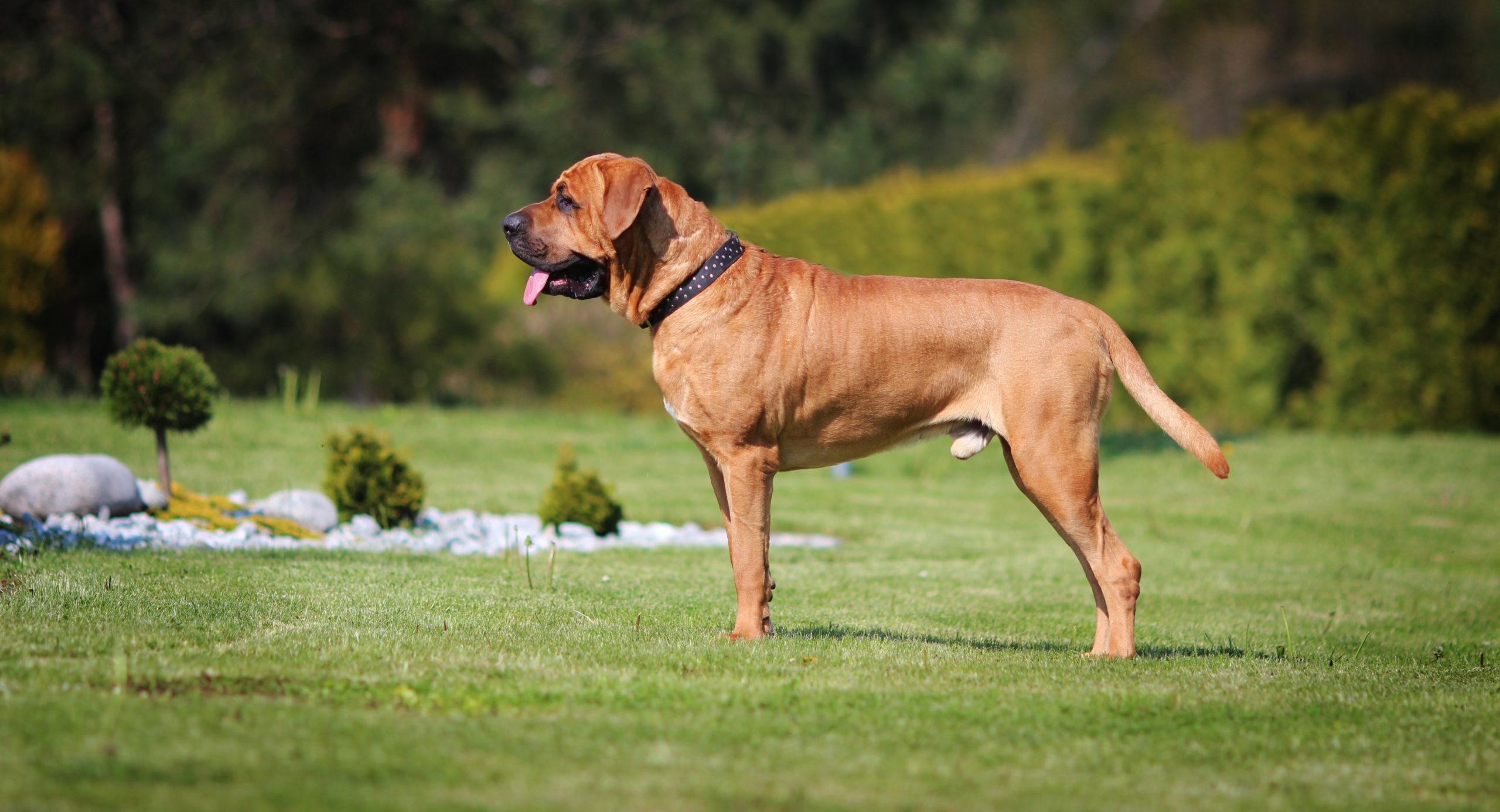
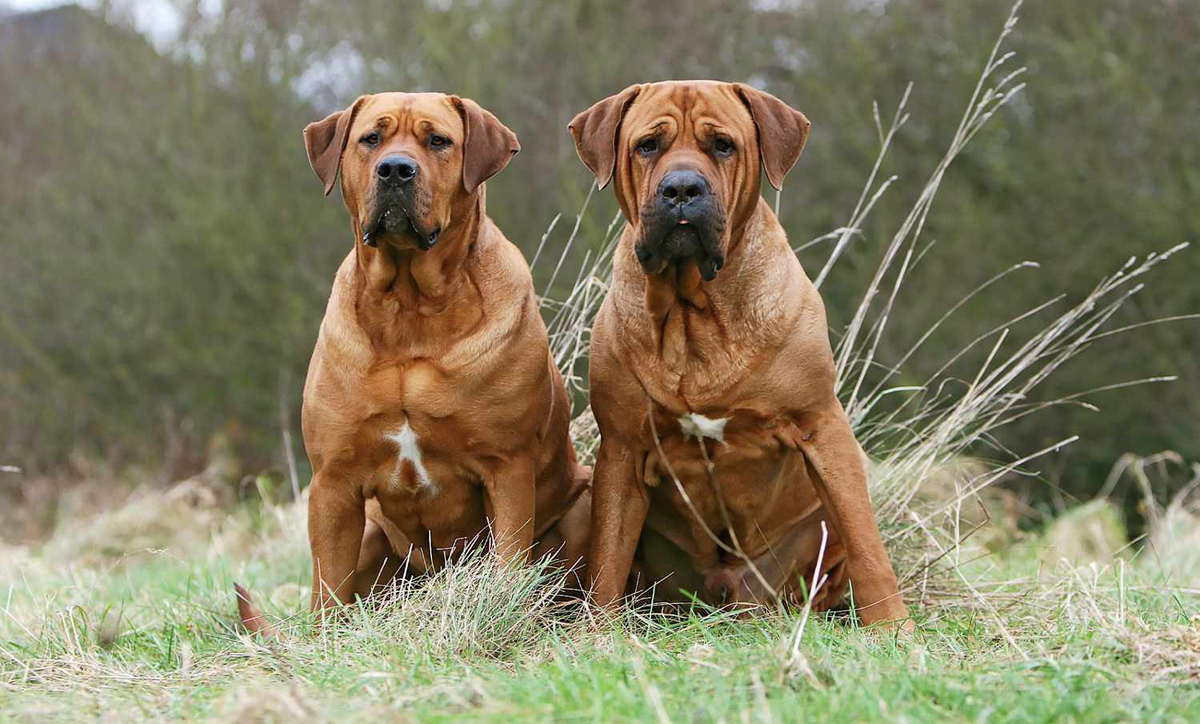
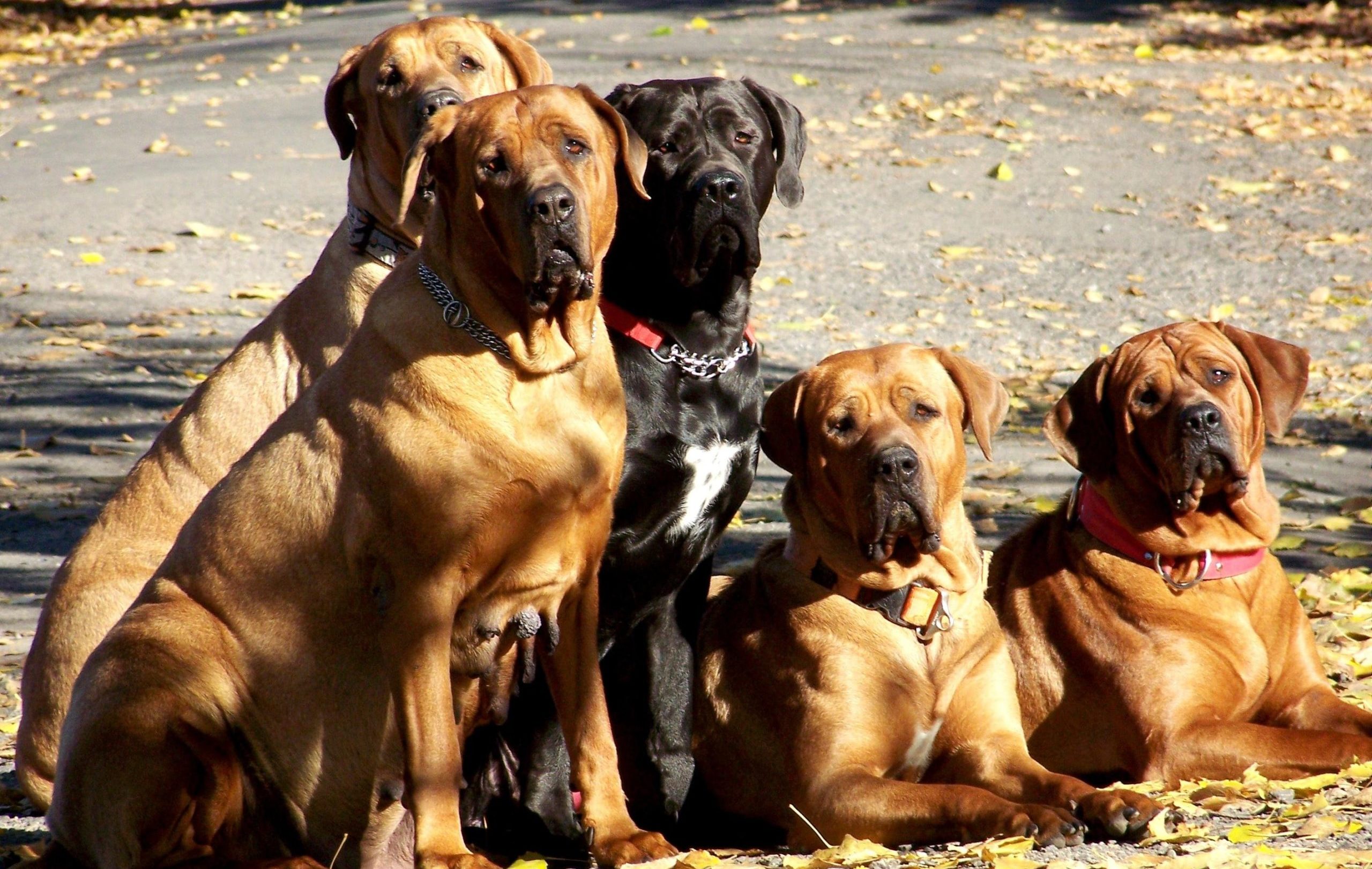
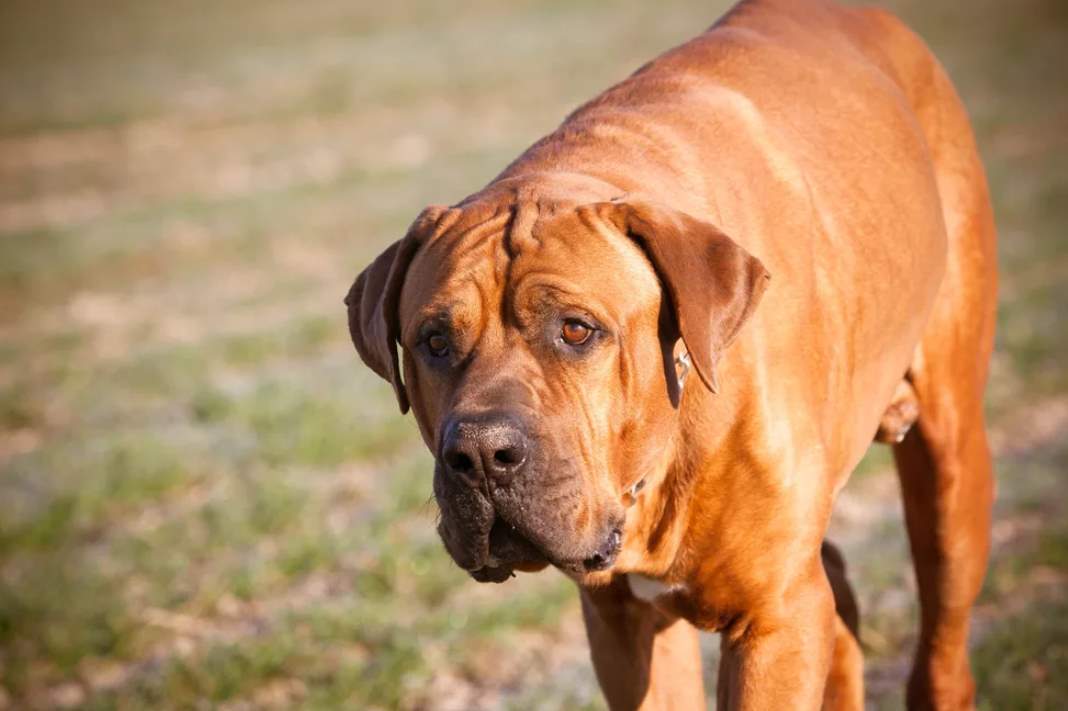
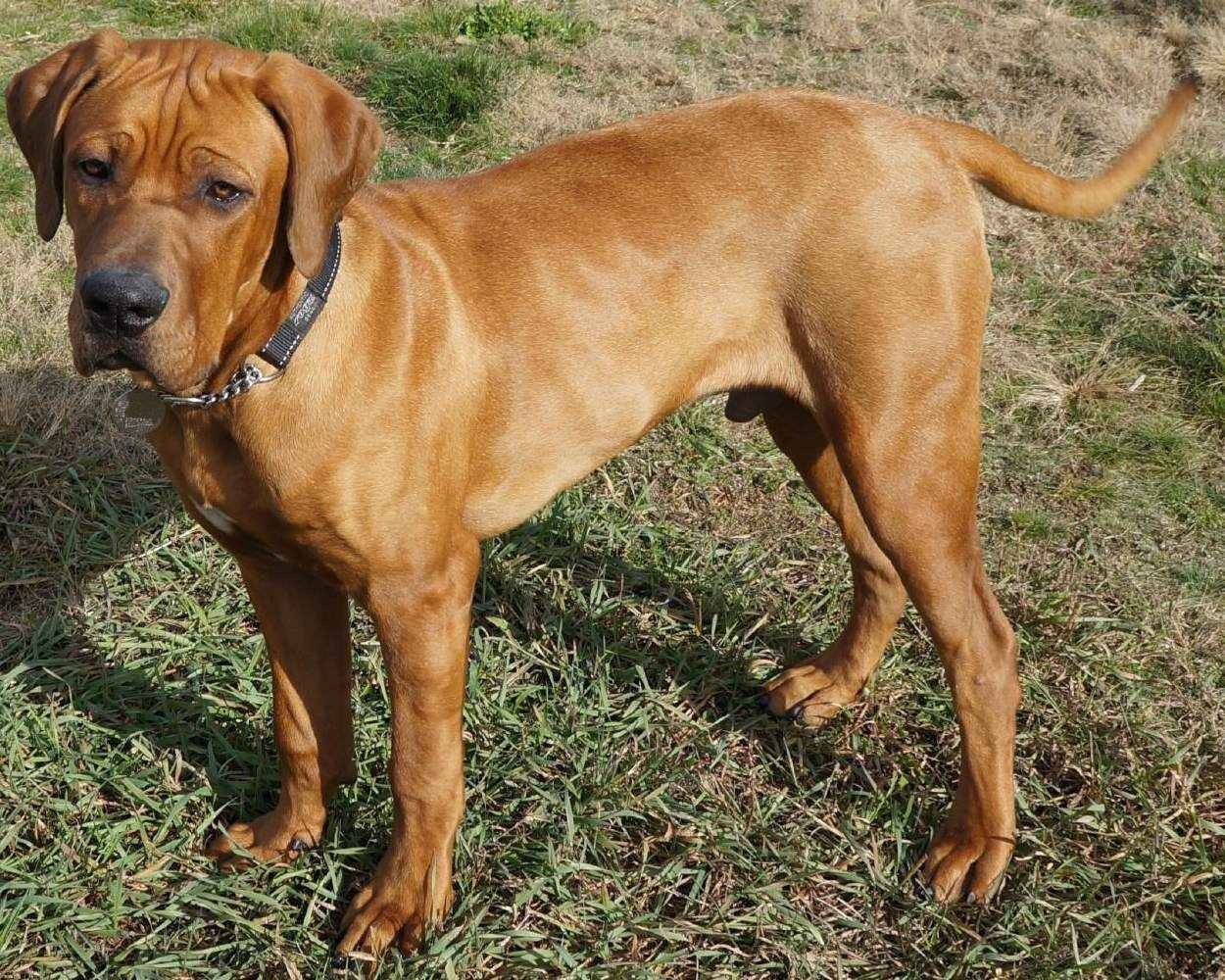
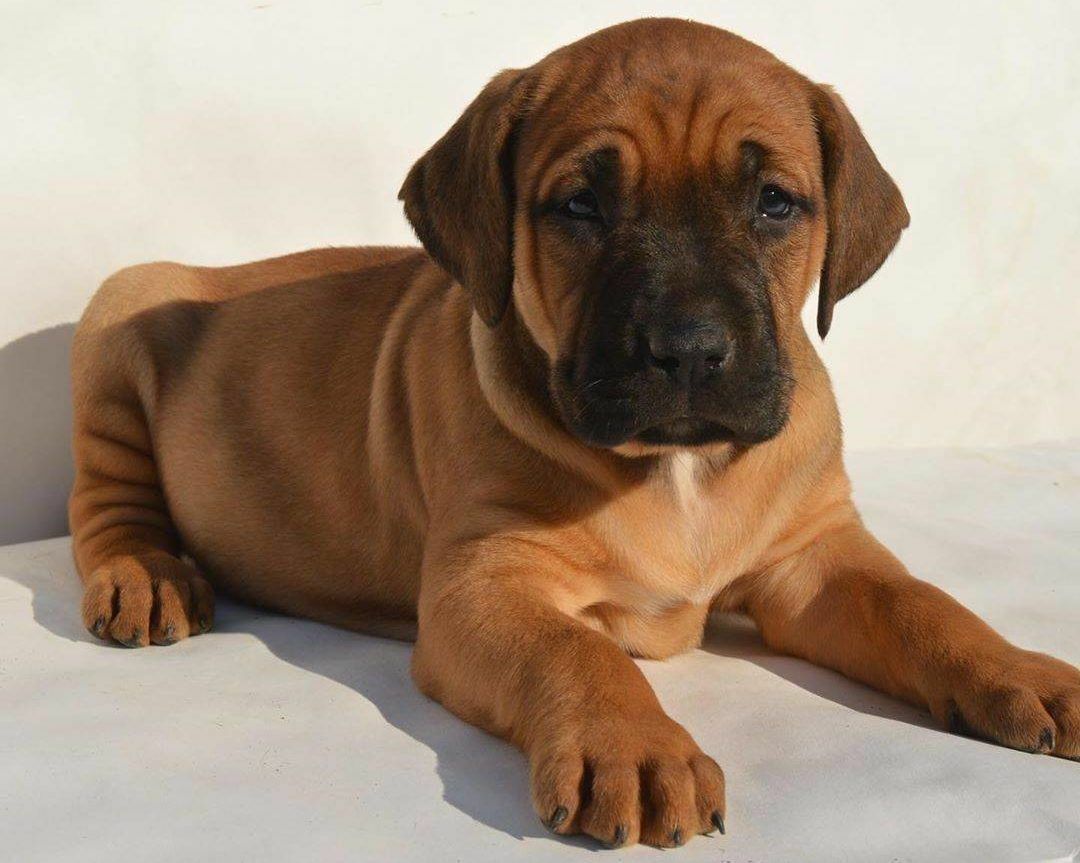
The Tosa Inu is a large, powerful dog with a striking and noble appearance that reflects strength and endurance. Its physique is harmoniously balanced, with well-developed muscles and a sturdy bone structure. The body of the Tosa Inu is slightly elongated, featuring a broad chest and a strong back, underscoring its physical power and stability. Their overall facial expression and posture convey a calm confidence and inner strength.
The coat of the Tosa Inu is short, dense, and smooth, which gives them a neat and elegant look. It is easy to maintain and provides reliable protection against adverse weather conditions. Coat colors range from red and black to fawn and brindle, sometimes with white markings, adding variety and individuality to the breed.
The average height of the Tosa Inu is 55-60 cm at the withers for females and 60-65 cm for males, although larger individuals may be taller. Weights vary from 35 to 60 kg, depending on the sex and build of the dog. These parameters make the Tosa Inu one of the most substantial Japanese breeds, capable of combining strength with grace.
The lifespan of the Tosa Inu typically ranges from 10 to 12 years. With proper care, a balanced diet, and regular veterinary check-ups, they can remain healthy and active throughout their lives. The appearance of the Tosa Inu embodies its historical purpose as a fighting dog while emphasizing their tranquility and majesty.


Отличительные черты

Голова

Морда

Уши

Глаза

Зубы

Корпус

Конечности

Хвост

Шерсть

Окрас
Character
The Tosa Inu has an absolutely calm demeanor. According to the Japanese proverb “the quietest are the bravest,” nothing upsets him quickly. He is family-oriented, especially toward his owner, with whom he shares a special bond. He is neutral or dismissive towards strangers but always remains passive. He allows unfamiliar people to pet him without any issue, taking it all in with stoic calmness. If he likes someone, that affection lasts a lifetime. He will come to seek affection himself, creating a wonderful connection for both the dog and the person. The standard clearly defines his character as “distinguished by patience, self-control, fearlessness, and courage.”
This very confident dog needs an experienced hand and, above all, a decisive and calm person. The Tosa Inu is good-natured, affectionate with people, and loves children. However, he may not always get along with other dog breeds, as he tends to be dominant. The Tosa is self-assured and calm but vigilant. Stubbornness is also part of his nature, and he will periodically show it. You must respect and love him and know how to handle him.
Temperamentally, the Tosa Inu can be characterized as majestic, balanced, and devoted. These dogs possess many qualities that make them wonderful companions and reliable guardians. Their gaze carries deep confidence and calmness, which is reflected in their behavior and attitude toward the world around them.
One of the key aspects of the Tosa Inu’s character is their devotion and loyalty to their owners. These dogs have a strong attachment to their family and are willing to give their lives to protect it. They willingly express their loyalty through affectionate communication, trusting behavior, and a readiness to help in any situation.
In addition to loyalty, the Tosa Inu possesses a majestic dignity and self-control. They never exhibit excessive aggression or nervousness, even in stressful situations. Their calmness and stability make these Japanese mastiffs ideal companions for people of all ages and lifestyles.
It’s also important to note that these dogs have a high level of intelligence and keen observation. They learn quickly and remember commands well, making them excellent for training and acquiring various skills. However, behind their calm and dignified appearance lies a significant reserve of energy that needs to be expended through physical exercise and play.It should not be forgotten that Tosa Inus are also excellent guardians. Their powerful appearance and confident demeanor make them unmatched watch dogs, ready to protect their home and family in times of danger. However, with proper socialization and training, they can be gentle and friendly towards outsiders, especially if socialization starts at an early age.In general, the character of the Tosa Inu is a blend of majestic strength, loyalty, and equilibrium. These dogs are notable not only for their external beauty but also for their profound internal dignity, making them wonderful companions for those who value stability, loyalty, and reliability.
Majestic status
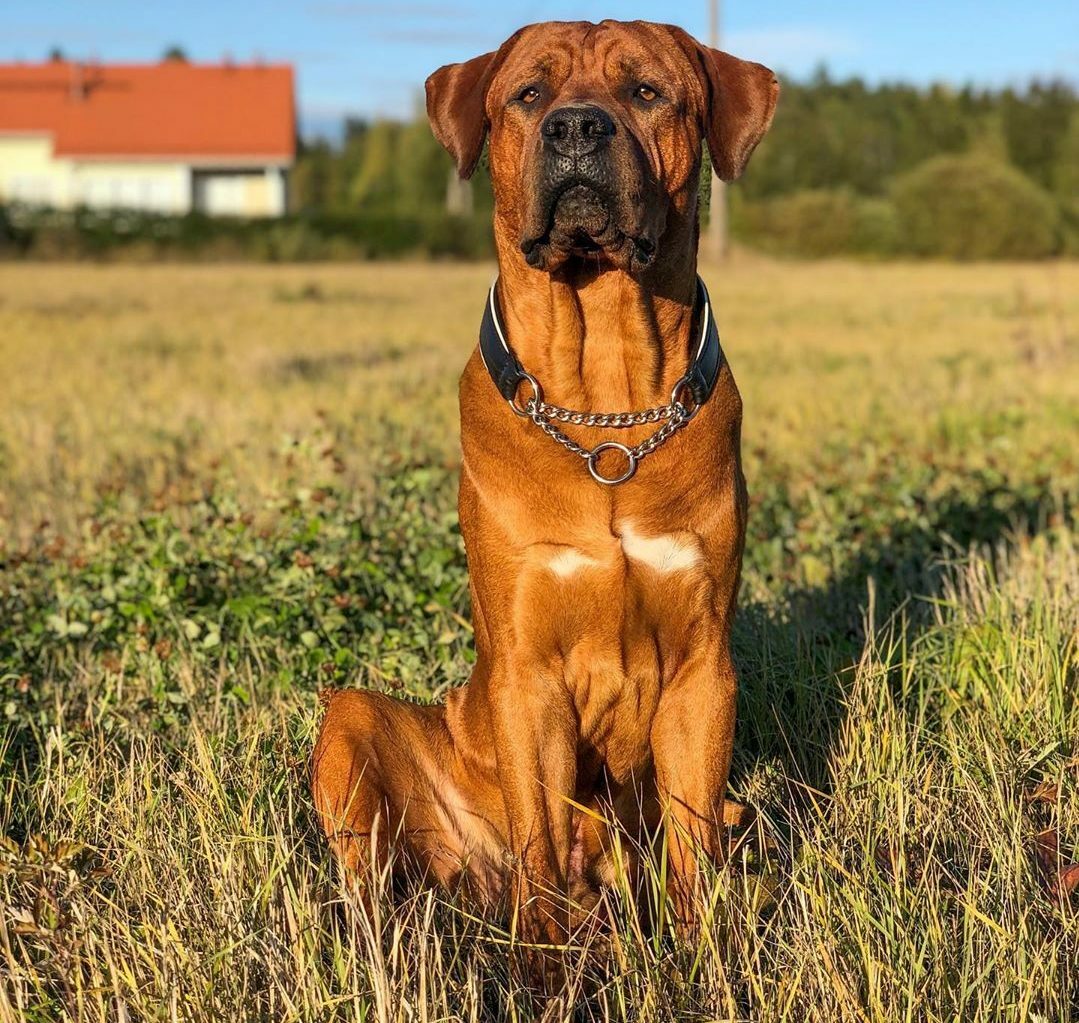
Tosa Inu is one of the largest dog breeds, originating from Japan. These majestic animals have a strong and muscular build, giving them an impressive and powerful appearance. They are often associated with pride and dignity, which is reflected in their still and commanding stance that may sometimes appear intimidating to unprepared observers.Care and Maintenance
Caring for a Tosa Inu requires a thoughtful and caring approach that considers their unique needs and characteristics. Tosas are not demanding when it comes to their living conditions. Of course, an apartment in a big city is not the best place for them, especially since they may not always get along with other breeds. It’s best to give them a large garden on a farm where they can spend plenty of time outdoors. With a skilled owner possessing leadership qualities, a Tosa can be a great family dog and friend to children. They love kids above all else. However, Tosas do not always accept other pets.
The Tosa Inu breed, also known as the Japanese Tosa, is a powerful, majestic, and impressive dog that makes an impact with its strength and calmness. Originally bred for fighting purposes in Japan, these dogs today possess an exceptional temperament characterized by loyalty, balance, and devotion.
Caring for a Tosa Inu requires attention to their physical and psychological needs. It is important to provide them with enough physical activity, as they are large dogs with high energy levels. Leash walks, outdoor play, and other forms of exercise will help maintain their health and good spirits.
Additionally, Tosas need mental stimulation. Intellectual games, obedience training, and learning new commands will keep their intelligence sharp and their attention focused. These dogs are very smart and trainable, so mental activity contributes to their mental well-being.
Grooming a Tosa Inu is relatively straightforward. Their short, dense coat requires regular brushing to prevent matting and shedding. During shedding seasons, usually occurring twice a year, they may require more intensive grooming.
It is also crucial to keep a close eye on your pet’s health and to visit the veterinarian regularly. During check-ups, the vet will examine the dog’s skin, ears, and teeth, providing necessary dietary recommendations tailored to their needs and activity levels. It is very important to adhere to the vaccination schedule.Finally, socialization plays a vital role for the Japanese Mastiff. Early exposure to other dogs, people, and various situations will help them develop friendly behavior and avoid aggression.In general, caring for a Japanese Mastiff requires a combination of physical activity, mental stimulation, and socialization. Proper attention and care will allow these magnificent dogs to thrive and become loyal family members.Despite their calm demeanor, Tosa Kens are considered dangerous dogs in many federal states in Germany and Austria. In some cantons of Switzerland, France, the UK, and Denmark, they are also on the list of dogs that cannot be owned or imported. Such generalizations stem from hostility towards certain dog breeds, fueled by politicians and the media without justification. While Tosa Inus behave impeccably, there are no rational
Tender friend
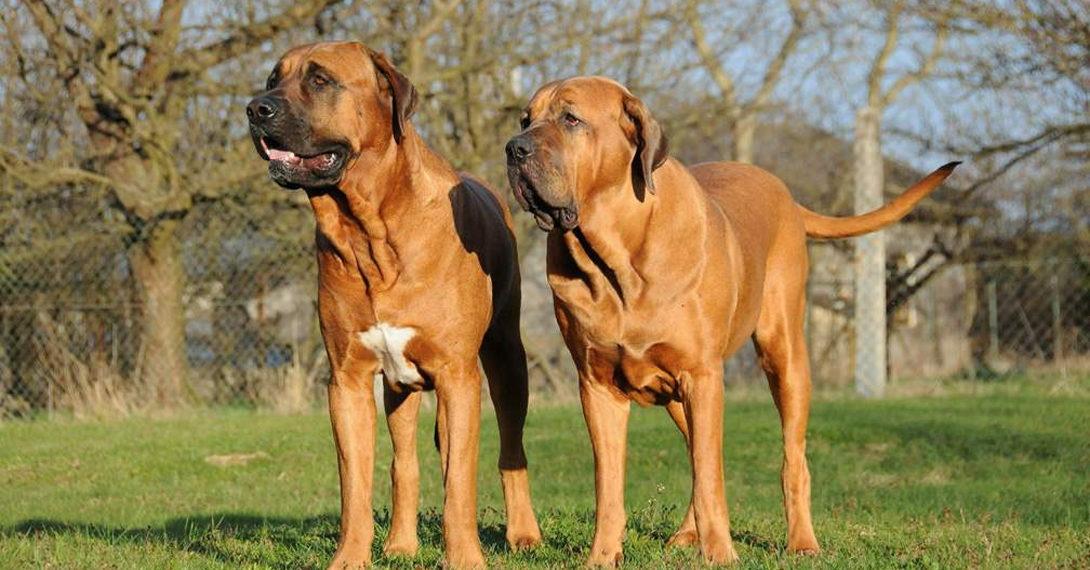
Despite their imposing appearance and historical background, Japanese Mastiffs actually have a gentle and devoted temperament. They can be wonderful companions for their owners and family members, showing a high degree of devotion and loyalty. With proper training and socialization, they can become remarkable friends for people of all ages.Training and Education
Despite their independence, the Tosa Inu is very obedient and docile for a molosser. Like all molossers, they are not high-strung workaholics that require constant entertainment and complex tasks. The Tosa will do what it is told, but it needs a person it deeply respects and accepts as a leader. Only then will it be willing to do anything and remain loyal. Serious leadership mistakes, such as a barracks-style approach, are counterproductive and unforgivable by a Tosa. They are very good at understanding people and willingly follow those based on recognition and mutual respect. If you take this into account, you will hold the key to a wonderful partnership between human and dog. We recommend training the Tosa to be a companion dog. The dog can achieve this effortlessly. However, it should not be trained as a guard dog. To develop compatibility with other dogs, they should be enrolled in a good dog school at a young age.
Training and education for the Japanese Mastiff breed are essential aspects of raising them, helping to develop good manners, controllability, and social skills. Given their powerful physical constitution and confident character, the right training approach can turn them into excellent and obedient companions.
Tosa Inus respond best to training methods based on positive reinforcement. Encouraging good behavior with treats or praise can be a powerful motivator for them. They strive to please their owners and are ready to perform various commands for that purpose. It is important to be consistent and patient when training a Tosa Inu. These dogs can be stubborn and independent, so it takes time and persistence to instill the required skills. Repetition and consistency in training will help them retain the material better.
Early and active socialization plays an important role in training a Tosa Inu. Encounters with other dogs, people, and various situations will help them acclimate to new environments and increase their comfort in diverse situations. This will also make them more friendly and confident in their interactions with the world.
Tosa Inus are very intelligent and curious, so engaging them in playful and intellectual tasks can be a great way to keep their minds active and strengthen the bond with their owner. Games that require problem-solving and cognitive skills will stimulate their mental development and help burn off excess energy.
If you encounter difficulties or are unsure of your training skills, seeking help from a professional trainer can be beneficial. An experienced specialist can assess your dog’s individual needs and develop an effective training program.Overall, training and education for Tosa Inus require patience, consistency, and the right approach. With their intelligent and determined nature, they are capable of learning a great deal, making them wonderful and obedient partners in life. We provide the best care for each puppy from their very first days.
Strictest prohibition
The Japanese Tosa Inu is strictly prohibited in countries such as Switzerland, France, the United Kingdom, and Denmark.
How to Choose a Puppy
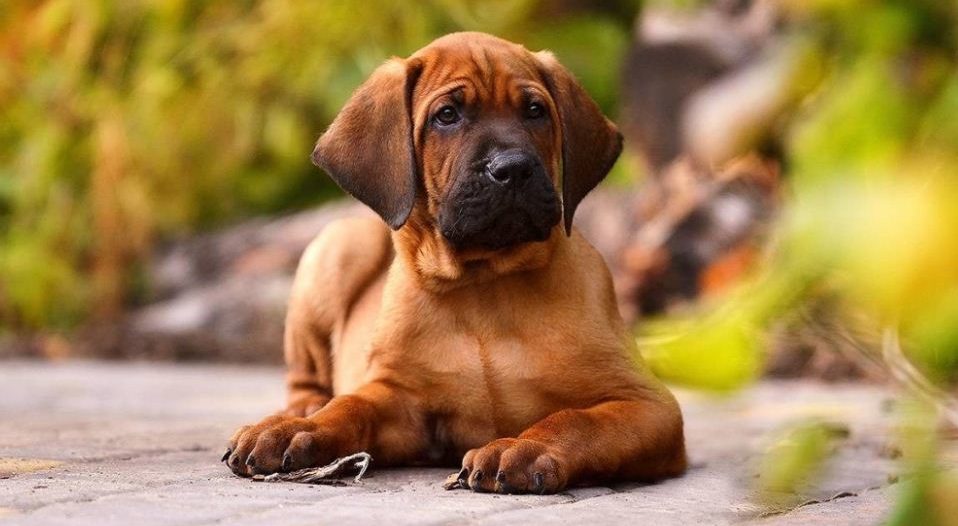
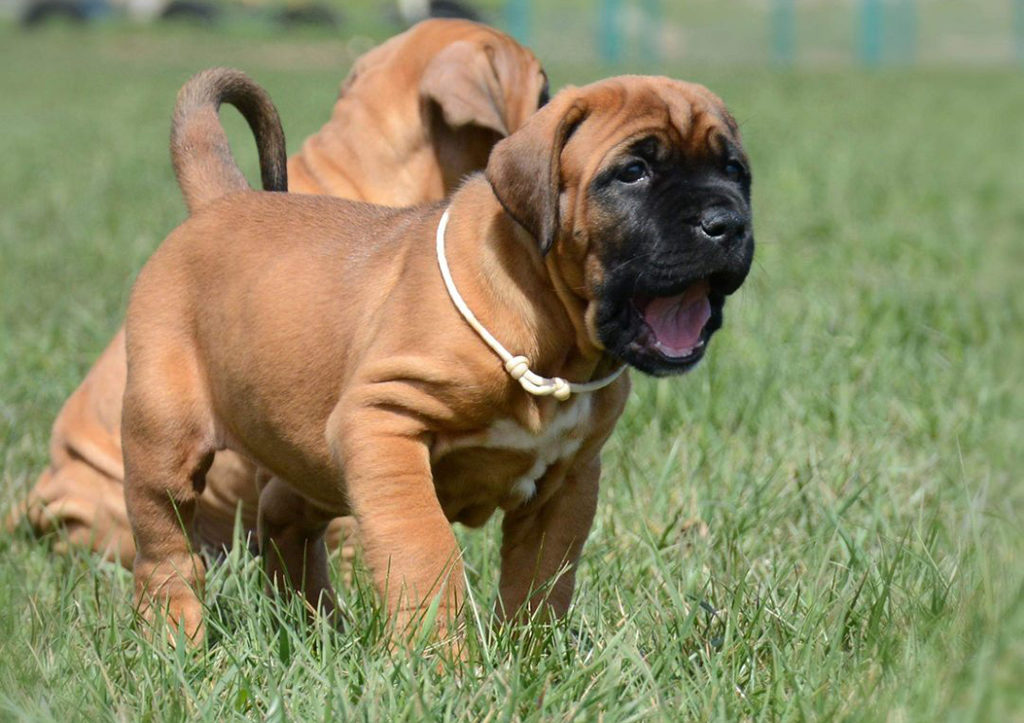
Choosing a Japanese Mastiff puppy is a serious and responsible decision that requires careful consideration and knowledge of the breed. The Tosa Inu is a magnificent and impressive dog, originally bred for combat purposes, but today they make excellent companions and partners.
The first step in selecting a Japanese Mastiff puppy is to research and understand the specifics of the breed. Tosas are large dogs with strong, muscular builds. They have a balanced temperament, but require thorough socialization and training from an early age. It’s important to account for the fact that Tosa Inus need ample space for activity and exercise.
When you are ready to choose a puppy, the next step is to find a reputable dog breeder. The federal portal Zooinika lists verified breeders from across Russia. It’s crucial to select a kennel and breeder who specialize in and have positive experience breeding Japanese Mastiffs. Visiting the kennel and observing the puppies alongside their mother will help you assess their temperament and living conditions. The health of the parents is also important, so be sure to look into their medical history and test results for hereditary diseases.
Choosing a puppy should be based on its temperament and how well it fits into your lifestyle. Pay attention to which puppy shows interest in you, how socialized it is, and its confidence level. Remember that each puppy has its unique traits, so it’s vital to choose one with whom you feel comfortable and who best aligns with your lifestyle.
After selecting your puppy, it’s essential to provide proper training, socialization, and care. Regular veterinary visits, a balanced diet, and adequate physical activity will help your pet remain healthy and happy for many years. Don’t forget that caring for a dog is a serious responsibility that requires time, effort, and love, but the loyalty and devotion it returns make this choice incredibly rewarding. With a pedigree from Zooinika, choose the puppy of your dreams.
Health and Diseases
Caring for the health of a Tosa Inu dog plays a crucial role in ensuring a happy and long life. These large and impressive dogs typically have good health, but, like any breed, they have their own characteristics and predispositions to certain diseases.
Hip and elbow dysplasia is relatively common in the Japanese Mastiff, a condition where the joints develop inadequately, potentially leading to pain, deformities, and mobility issues. Regular veterinary visits, especially at an early age, can help identify this condition and take measures for its management. Additionally, Japanese Mastiffs are prone to specific eye issues, including cataracts and progressive retinal atrophy. Early detection and monitoring of these conditions can help prevent disease progression and preserve your pet’s vision for a long time.
Skin problems may arise in a Japanese Mastiff due to their dense coat and propensity for allergies. Daily grooming, regular brushing, and the use of specialized shampoos, along with a balanced diet, can help reduce the likelihood of skin issues. It’s important to remember that the health of a Tosa Inu depends not only on genetics but also on proper care, nutrition, and physical activity. Regular visits to the veterinarian for preventive check-ups and vaccinations, along with ensuring the dog receives adequate physical activity and mental stimulation, will help maintain its health in optimal condition.
By considering these factors and closely monitoring your pet’s health, you can help your Tosa Inu live a full and joyful life, enjoying all the delights that this wonderful breed has to offer. – the best site about animals where you can buy or sell a puppy.
Содержание
-
1. Описание породы
-
2. Внешний вид
- 2.1 Голова
- 2.2 Морда
- 2.3 Уши
- 2.4 Глаза
- 2.5 Зубы
- 2.6 Корпус
- 2.7 Конечности
- 2.8 Хвост
- 2.9 Шерсть
- 2.10 Окрас
-
3. Характер
-
4. Содержание и уход
-
5. Дрессировка и обучение
-
6. Как выбрать котенка
-
7. Здоровье и болезни






Comments
Only registered users can leave reviews.
Enter