
Tibetan Terrier




Warning: Illegal string offset 'label' in /home/panda/sites/zoonika/wp-content/themes/zoonika/template-parts/animals/animals-param-item.php on line 32
Ð


Breed Description
Tibet has always been considered a mysterious place. Indeed, there is an extraordinary energy there. Something mystical lingers in the air. Similar emotions arise in an ordinary person when they see a Tibetan Terrier. In ancient times, such a dog instilled fear in those who dared to encroach upon the property of merchants traveling to Europe. Yes, this is not just a hunter, but a guard dog that was also used as a herding dog. The breed was classified as a terrier by Europeans who noted similar proportions and behaviors to those of Tibetan shepherds. The FCI recognized the new breed in December 1957, and only in 1988 did the British specify the breed’s name in the standard, adding the term “terrier.”
By the way, among fans of Tibetan Terriers, or “fluffy dogs” as these dogs are sometimes called, there are still debates about where and why this breed was developed. Besides the version that it served as a guard and herding dog, there are claims that it is a sacred dog that maintained cleanliness within the temple complexes of Tibet and dealt with rodent control. Moreover, monks cherished their dogs greatly. There is no evidence confirming the sale of these animals. They were typically gifted to close friends or family as a sign of respect. Puppies were treated like their own children, protected, and given the best. It was believed that the breed brought prosperity, so for their owners, it was more than just a dog; it was a kind of amulet or talisman. Even today, it is noted that the lives of families who welcomed this fluffy wonder change inexplicably for the better.
Around 2000 years ago, both small and larger ancestors of the Tibetan Terriers existed. They were called “Apso” for the special qualities of their fur (the term “apso” can be translated as fluffy or pleasant to touch). This fur was highly valued, and people often made warm clothing, blankets, and capes from it. The smallest dogs were called Lhasa Apso and Shih Tzu.
Currently, the standard describes these animals as energetic and hardworking dogs with pronounced guard characteristics and the traits of classic English terriers.
The uniqueness of the Tibetan Terrier’s coat lies in its ability to either warm or provide coolness depending on the surrounding temperature. In rainy weather, the undercoat of the Apso can repel water like modern raincoats.
Appearance
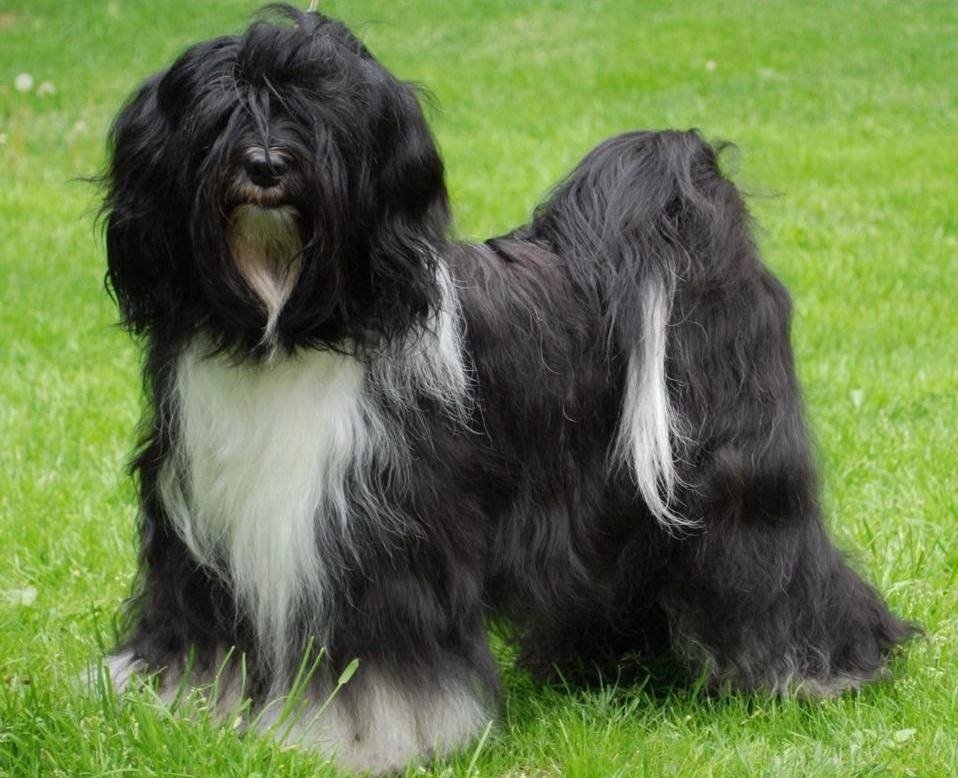
Modern Tibetan Terriers are slightly larger than their ancient ancestors. According to the standard, an adult dog should measure between 35 and 41 cm at the withers, with a weight usually not exceeding 11 to 12 kg. The average lifespan is around 15 years. Generally, Apsos live longer than this, but they require careful care and attention from their owners.
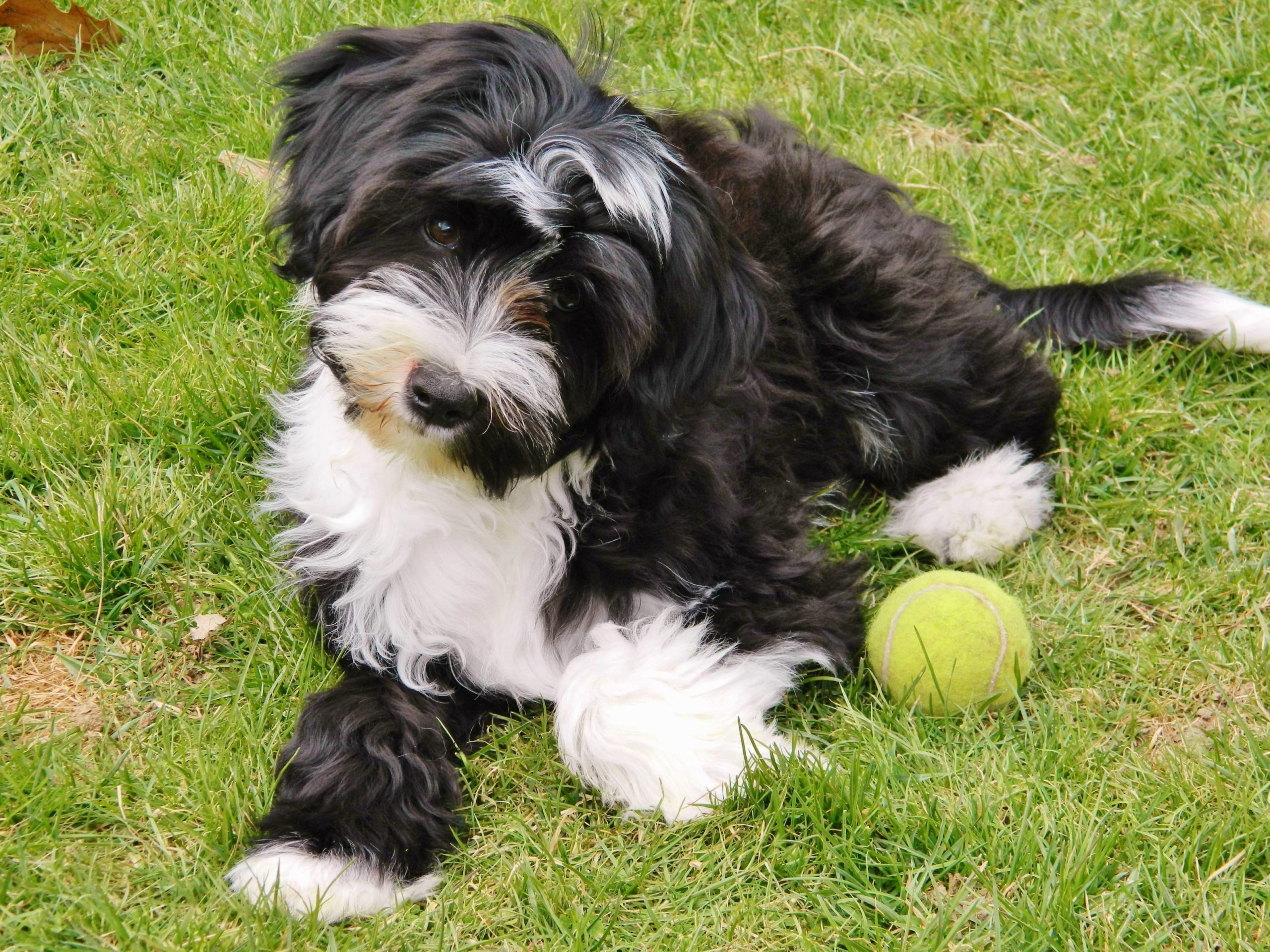
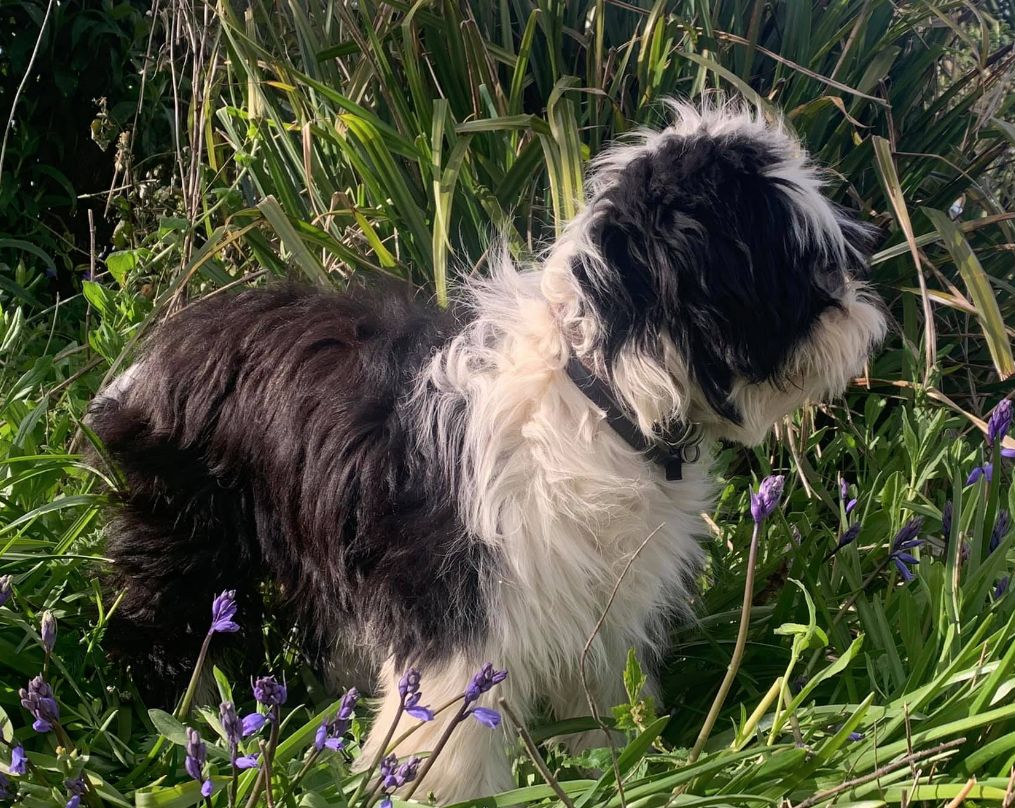
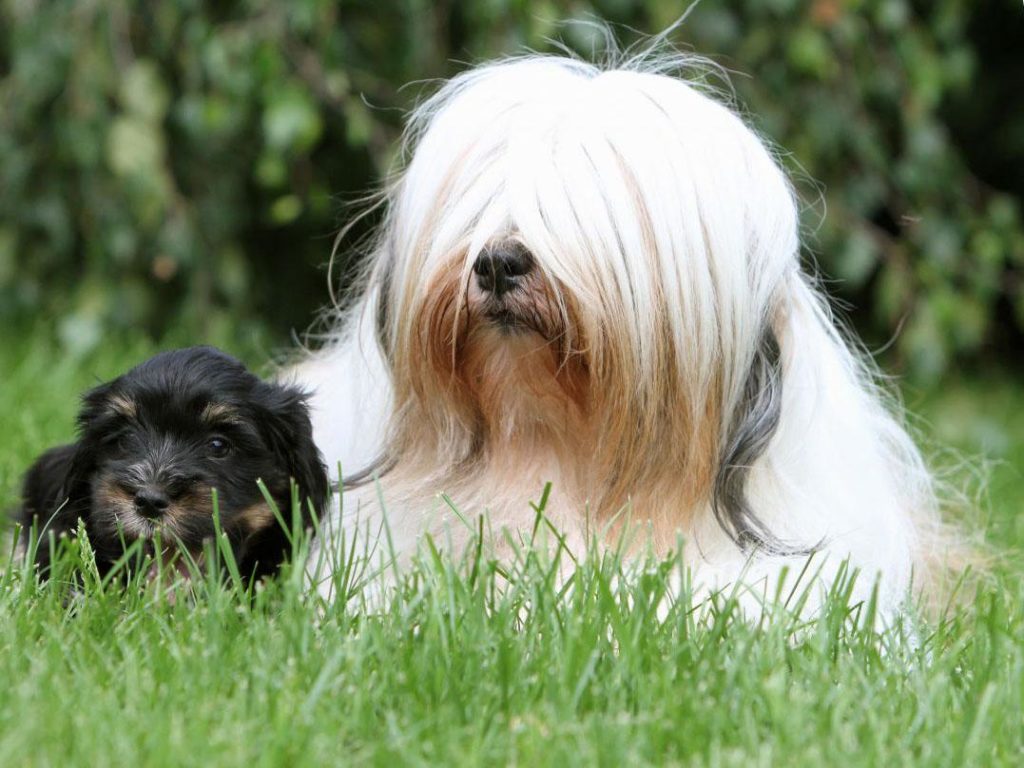
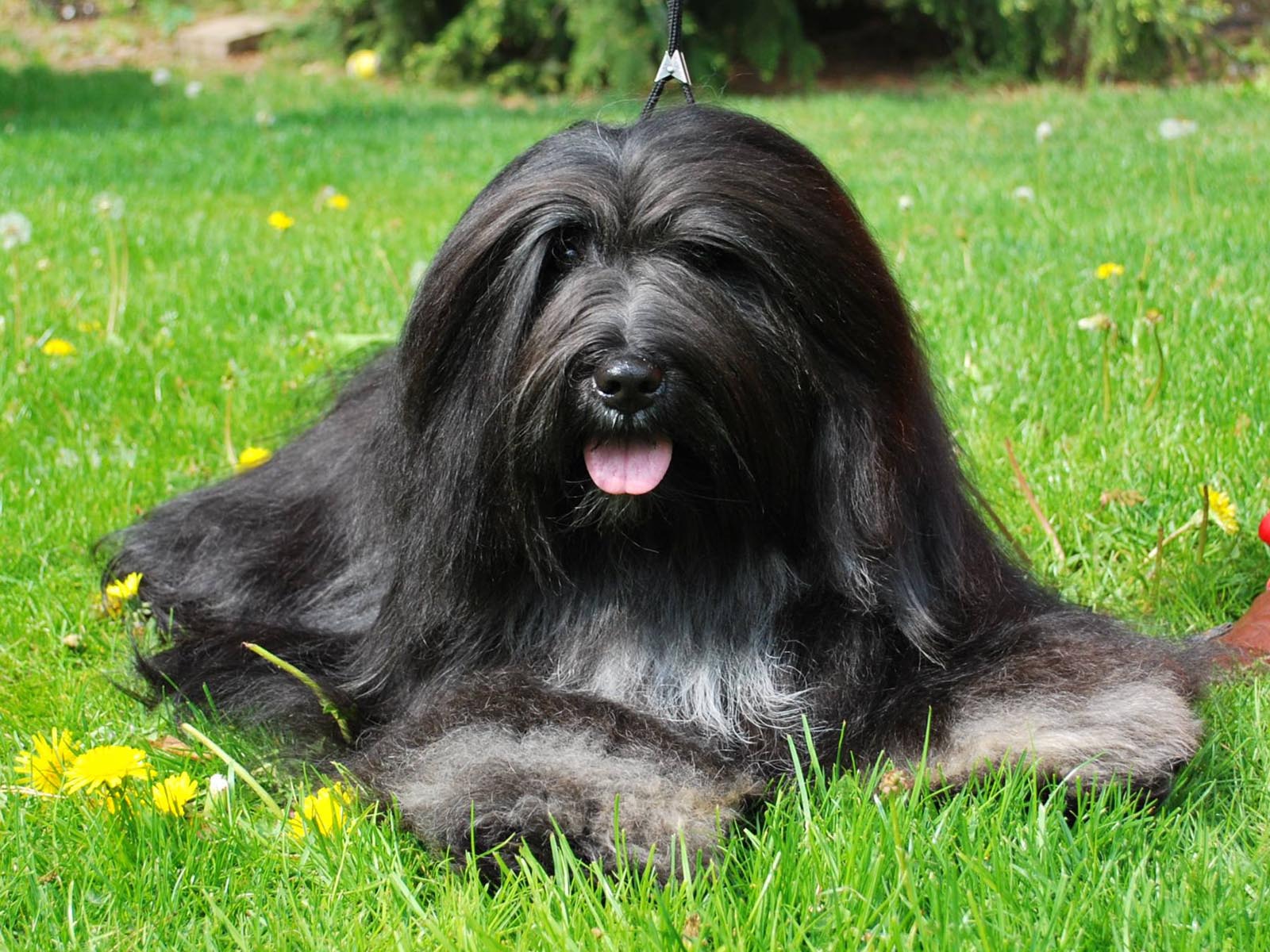
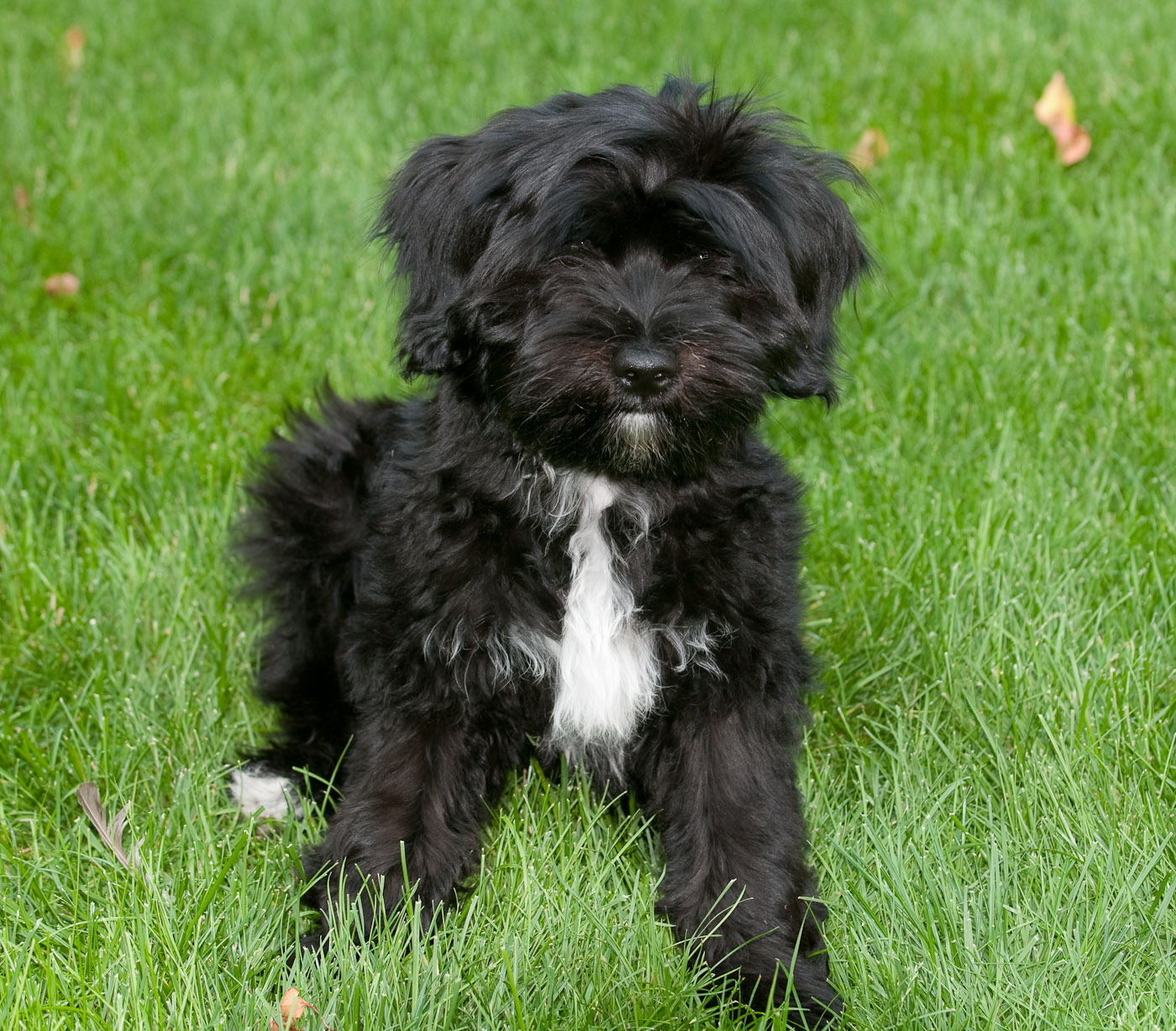
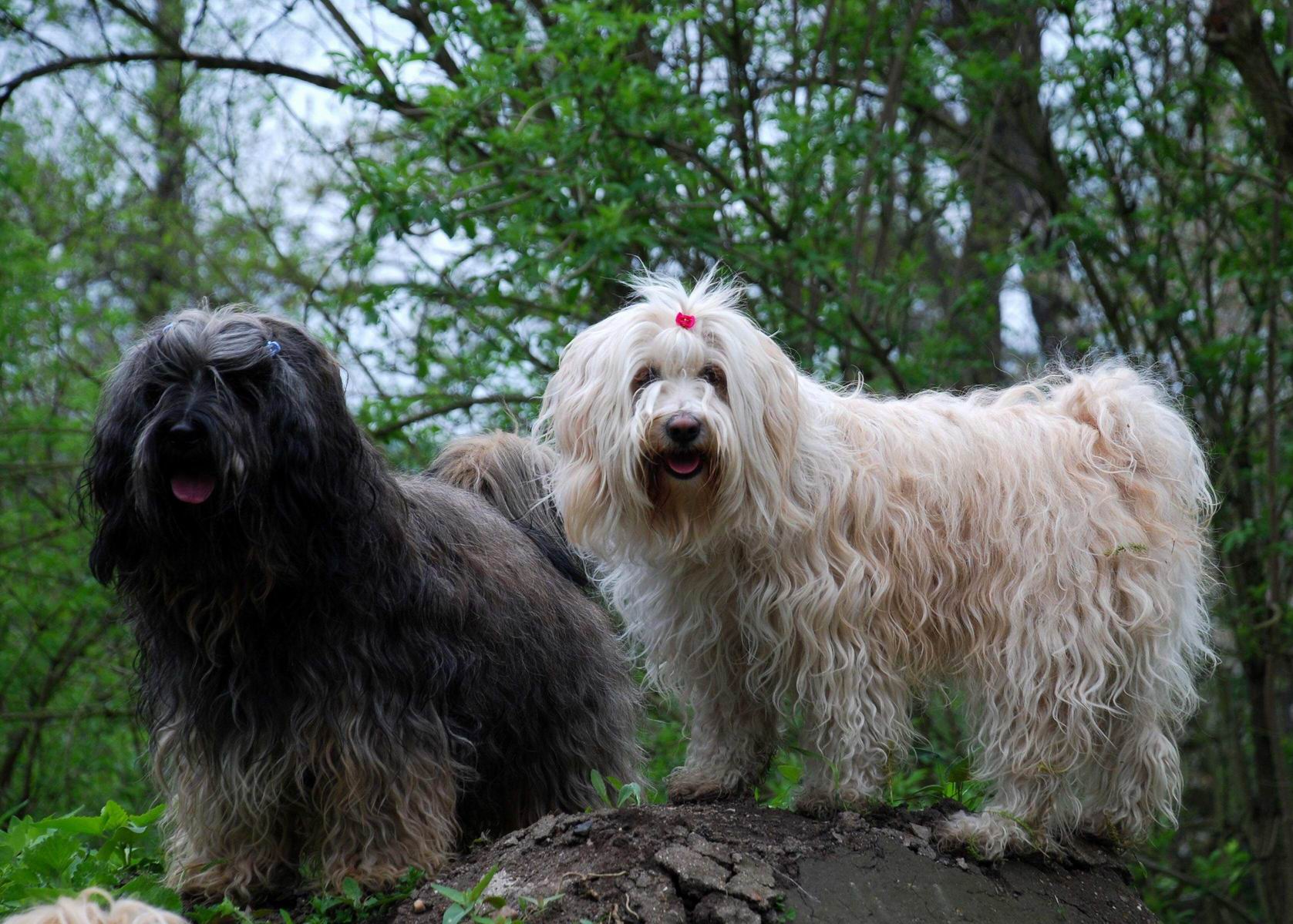
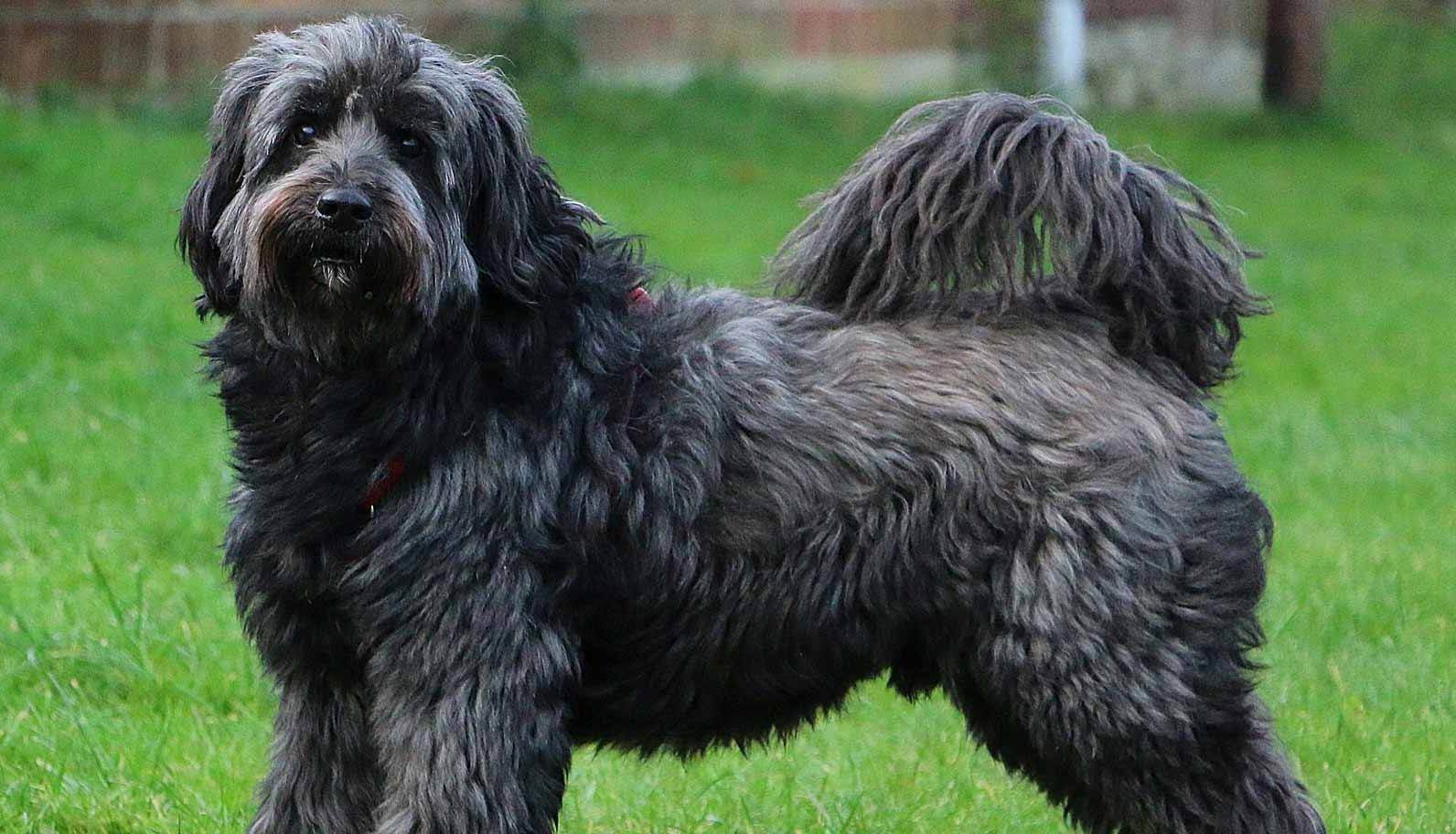
The hallmark of the Tibetan Terrier is its long fur in various colors. It is double-layered, with a dense and very soft undercoat. In the past, this dog instilled fear, suddenly appearing from the darkness. It must be said that the silhouette of the shaggy dog indeed resembles something otherworldly.
Well-built, it has a body proportion close to a square. This gives it a “kinship” with English terriers. Notably, these dogs are distinguished by their remarkable endurance and ability to traverse steep ascents and descents while maintaining balance. Looking at this Tibetan native, one might get the impression that it is purely a decorative breed. The power of the animal is hidden beneath its coat. The strength and energy of the four-legged creature manifest in its graceful movements. Watching the dog run is especially aesthetically pleasing, as its fur cascades down in waves.


Отличительные черты

Голова

Морда

Уши

Глаза

Зубы

Корпус

Конечности

Хвост

Шерсть

Окрас
Character
The Tibetan Terrier, with its charming appearance, is endowed with an extremely friendly character. This is especially true for those family members who require extra attention. Among its owners, the dog chooses a favorite and tries to stay close to them.
This breed is one of the best family dogs, particularly well-suited for families with elderly people and children. When it comes to interactions with small children, the dog shows patience and wise calmness. It patiently endures the antics of little ones, viewing them as dependents rather than owners, and cares for them in every way. The animals play a role akin to that of a nanny, ensuring that the little ones do not step out of bounds, “herding” them.
Echoes of the past manifest in the guard qualities of these fluffy dogs. Despite their modest size, they will always alert their owners to anything suspicious and will try to keep strangers away if they sense a threat. However, these dogs cannot be called aggressive; they take a wait-and-see approach and will only engage in a fight as a last resort.
Interestingly, the “Tsang Apso” appreciates the tranquility of its surroundings and dislikes noise. It’s no wonder that they say silence is golden. This proverb also applies to the Tibetan Terrier, so if the dog barks, there is usually a good reason for it.
The remarkable perceptiveness of the dog helps it accurately determine its owner’s mood. There are many instances where these fluffy family companions have helped someone out of severe depression.
Despite their kindness and accommodating nature, dogs do have some negative traits. One of the most noticeable flaws cited by breeders is the dog’s jealousy, which is often felt in homes with other animals. Getting along with them can be challenging. However, early socialization typically minimizes this negative characteristic. In cases where a puppy grows up with other animals from the moment it arrives in the home, it tends to accept them as older siblings. Cats are no exception.The dog’s unobtrusive presence is always felt. It patiently waits for its moment and appreciates every second of attention given to it. Even now, when external appearances are often prioritized over natural qualities, the Tibetan Terrier has managed to retain the calmness of a Buddha.
The Treasure of Tibet
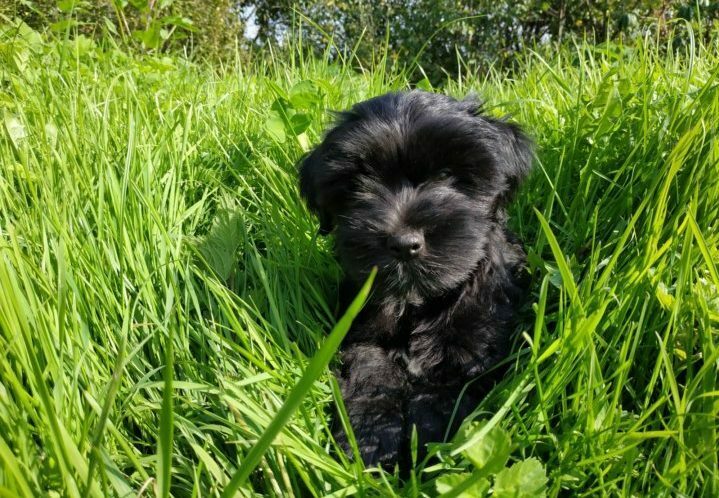
Terriers are a true treasure of Tibet. Monks revered these dogs as sacred beings that bring happiness. It was believed that Tibetan terriers are small humans, and they should be treated with the same respect and reverence.Care and Maintenance
The Tibetan Terrier is a breed suitable even for inexperienced dog owners. The most important thing is to adhere to the basic principles of care. Although there is currently a trend toward decorating the breed, it’s essential to remember that these dogs originally lived in extremely harsh conditions in Tibet. This doesn’t mean you can neglect your dog entirely, but there’s no need to braid its hair, even though the fur is long enough for that. This breed is the hippie among dogs, if such a comparison can be made.
If you live in a city, prolonged absences negatively impact your pet’s well-being. They love active play, so take them for walks at least twice a day for a minimum of one hour each time. During walks, focus more on physical activities by letting them off-leash. You need not worry; this dog is not a terrier and won’t run off in search of prey. However, you should only detach the leash in dog parks. Otherwise, your furry friend might scare passersby with their fluffy appearance. If you live outside the city in your own home, let your dog decide when to return. The main thing is to provide them with a space to relieve themselves. Don’t worry about them being cold and damp; with such fur, they will be just fine.
Brushing should start at an early age. This way, the puppy will get used to the procedure and behave calmly in the future. An adult Tibetan needs to be brushed at least once a week. If done more frequently, the process will take less time, and the fur will become lighter. Mats may appear in certain areas, especially if the dog wears a coat, as mats tend to develop in the groin area regularly. The brushing should take place after the dog has been cleaned of dirt.
Bathing a Tibetan Terrier is a special ritual. The long fur requires not only a substantial amount of shampoo. After rinsing off the main dirt, a conditioner is applied. Then the dog is wrapped in a towel to ensure it dries completely. Afterward, the “magical ritual” usually begins, where the dog joyfully runs around the house in circles, announcing to everyone that the deed is done. Once the sprinting is over, you can start brushing. You will need a massage brush and a comb with fine teeth. Scissors are essential for cutting out tangles. Pay attention to trimming the extra fur between the paws to prevent mobility issues for your pet.
It is advised not to use a hairdryer to dry the dog’s fur. Hot air can severely dry out the hair and make it brittle.
To maintain dental health, weekly brushing is recommended. Otherwise, tartar will form, which is much harder to deal with. In severe cases, more serious consequences cannot be avoided. You can help your pet by buying them vitamin-enriched chewing bones from specialized stores, which will provide additional mechanical cleaning of the dog’s teeth.If you frequently walk your dog, the nails will wear down during walks. Nonetheless, a weekly inspection of the nails is your direct responsibility. Trim the animal’s overgrown nails with special clippers as they grow, but do so at least once a month.Although the long tuft of the Tibetan Terrier protects their eyes from dust, you should regularly check for any discharge or changes in the color of the iris. Often, a dog’s eyes may begin to weep. In the early stages of an infection, you might be able to manage with home remedies without needing to visit a veterinarian.
Hypoallergenic dogs
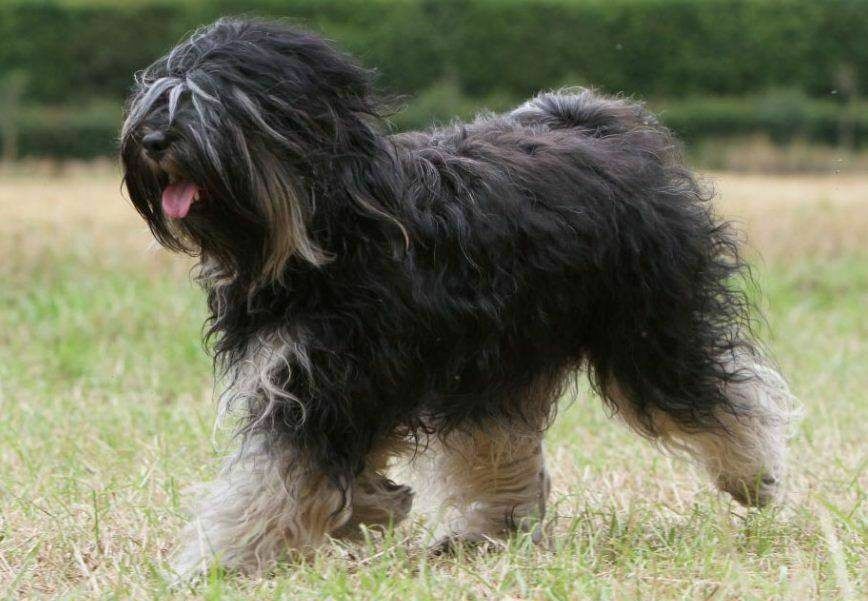
Tibetan terriers are part of a small group of dogs with non-allergenic fur. Despite their thick long coat, the Tsang Apso does not have the typical "dog" smell.Training and Education
What do you want to teach your loyal dog? Where to start with training?
From the very first meeting, teach your puppy to recognize its name and its place in the home. Even if the dog serves as a fluffy toy, it should know its spot and not be allowed to sleep in its owners’ bed.
Once the dog has learned its name, it should become familiar with its daily routine, including the time and place for meals. Gradually work on essential commands: “no,” “come here,” “forbidden,” “allowed.” Just don’t overload the dog; 20 to 30 minutes a day is enough to achieve the best results.
The Tibetan Terrier is a very intelligent dog. Therefore, it prefers commands that require some thought. However, this doesn’t mean that active exercises don’t interest it.
The main rule for successful training is patience, consistency, and perseverance. The primary motivation is treats, which should not be skimped on. Don’t worry about overfeeding or overpraising your dog. It’s much worse if you can’t motivate it to participate! Praise your four-legged student immediately after any successful command execution, even if it’s the simplest one. Remember, the dog is trying hard, and you should appreciate that. If the animal makes a mistake or doesn’t follow a new command, don’t scold it. In this case, simply withhold the treat it was expecting. Offer a different command so it can succeed and praise it for that. The dog will then see what it missed out on and will try harder next time.
Never yell at your dog. This can traumatize its psyche. In this scenario, the dog could become a shaggy monster that harbors resentment against you and seeks revenge. Additionally, it’s better not to train when you are in a bad mood. The animal will pick up on this immediately, leading to unpleasant moments in your interaction. If you’re short on time or want to achieve the best results, it’s advisable to attend training courses. There are many offerings from professional dog trainers today, including home visits. This service will save you time and ease the process of achieving results. Zoonyka gathers the best options, offering puppies with pedigree.
Lovers of barking
Tibetan dogs love to bark; it can be a greeting bark, a farewell bark, a friendly bark, a warning bark, or just barking.
How to Choose a Puppy
To buy a Tibetan Terrier puppy, you should thoroughly study reference materials. Key characteristics of the breed are outlined in the breed standard. After reviewing these materials, you can begin your search for a kennel that breeds such dogs. In Russia, the Tibetan Terrier is quite a rare breed, although its popularity is on the rise. Don’t take risks by buying a puppy from unverified sources. At a young age, there are no distinct breed characteristics, making it easy to be deceived and end up with a dog of unknown lineage that may have health issues.
Visit the kennel and observe the conditions in which the animals are kept. Healthy dogs are unlikely to be found in a dirty kennel. Additionally, pay attention to the behavior of the puppy’s parents. If they are aggressive or fearful, those traits may be passed down to their offspring.
Carefully examine the puppy. Observe the candidate; it should not be aggressive. An active and friendly dog may choose you and approach you once it realizes you are there for it.
During your introduction, check the condition of the puppy’s fur, eyes, and ears. There should be no discharge, and the iris should be clear and without cloudiness. If the puppy’s nose is dry and warm, it might indicate that it is unwell. Zooinforma offers attractive deals-prices vary depending on the breed and pedigree.
Health and Diseases
The breed is known for its strong immune system. Even during our harsh winters, these dogs rarely catch a cold. Unfortunately, there are still diseases associated with the breed. This doesn’t mean that all Tibetans will necessarily suffer from these conditions. However, among the variety in the dog world, diseases such as cataracts, hip dysplasia, retinal atrophy, and knee joint dislocations occur more frequently than others.
It is quite common to hear the opinion that eye problems are a result of the dog’s long fringe. As if it needs to be trimmed or styled with various hair ties and clips. This is a mistaken belief! Historically, the fringe has protected the dog’s eyes from fine dust and sand during strong winds. Additionally, on bright sunny days, the dog could see well under the scorching sun because its eyes were shielded by dense curtains of long fur. Nowadays, there are often owners who disregard this natural protection and cut the fringe. It has been noted that in such dogs, the fur changes its structure and the direction of hair growth. Often, the hair ends up in the eyes, causing the dog a great deal of discomfort. For those who enjoy decorating their dog’s head with rubber bands, we recommend regularly removing the accessories to preserve the dog’s natural qualities. Considering it? There is a huge selection of listings on the Zoonika map by cities.
Содержание
-
1. Описание породы
-
2. Внешний вид
- 2.1 Голова
- 2.2 Морда
- 2.3 Уши
- 2.4 Глаза
- 2.5 Зубы
- 2.6 Корпус
- 2.7 Конечности
- 2.8 Хвост
- 2.9 Шерсть
- 2.10 Окрас
-
3. Характер
-
4. Содержание и уход
-
5. Дрессировка и обучение
-
6. Как выбрать котенка
-
7. Здоровье и болезни





Comments
Only registered users can leave reviews.
Enter