
Tibetan Spaniel




Warning: Illegal string offset 'label' in /home/panda/sites/zoonika/wp-content/themes/zoonika/template-parts/animals/animals-param-item.php on line 32
Ð


Breed Description
The Tibetan Spaniel is a breed with an ancient history closely tied to the culture and traditions of Tibetan monasteries. These dogs appeared in the highlands of Tibet thousands of years ago, where they were bred by monks for specific tasks. They were not ordinary hunting or working dogs; their role was to guard, observe, and accompany. Due to their attentive and loyal nature, Tibetan Spaniels served as companions to monks, and their keen hearing and sharp eyesight made them effective “signal” dogs.
Tibetan Spaniels were often kept on high places or walls of monasteries, where they could watch over the territory and alert others to approaching strangers or danger. Their loud, melodic bark announced suspicious movements, making them important allies in guarding sacred sites. These dogs became symbols of loyalty and vigilance, revered as sacred animals that brought good fortune and protected their owners from evil spirits.
The breed gets its name from its physical resemblance to European spaniels, but in reality, the Tibetan Spaniel has no genetic connection to them. Monks considered not only the physical traits of these dogs but also their temperament. Tibetan Spaniels needed to be calm and balanced, yet intelligent and energetic, to fulfill their purpose.
Dogs of this breed were highly valued not only in Tibet but also beyond its borders. They were often gifted as symbols of respect or friendship to China, India, and other Asian countries. Consequently, Tibetan Spaniels became popular among the aristocracy and Buddhist monasteries in neighboring regions. However, the breed maintained its uniqueness and remained closely associated with the traditions of Tibetan monks.
Tibetan Spaniels began attracting the attention of Europeans in the 19th century when travelers and missionaries from Europe first encountered these dogs during their visits to Tibet. The first representatives of the breed were brought to England and Europe in the early 20th century, but they gained widespread recognition only after World War II. Gradually, the Tibetan Spaniel became known as a devoted companion and family dog.
This breed remains a symbol of connection to the spirituality and traditions of Tibet. The Tibetan Spaniel embodies not only intelligence and friendliness but also deep loyalty to its family, making it special for those who choose it as a companion. Their origin, closely tied to the culture of Buddhist monasteries, positions them as heirs to a unique and esteemed status among dogs.The price for a puppy ranges from 25,000 to 45,000 rubles.

Appearance
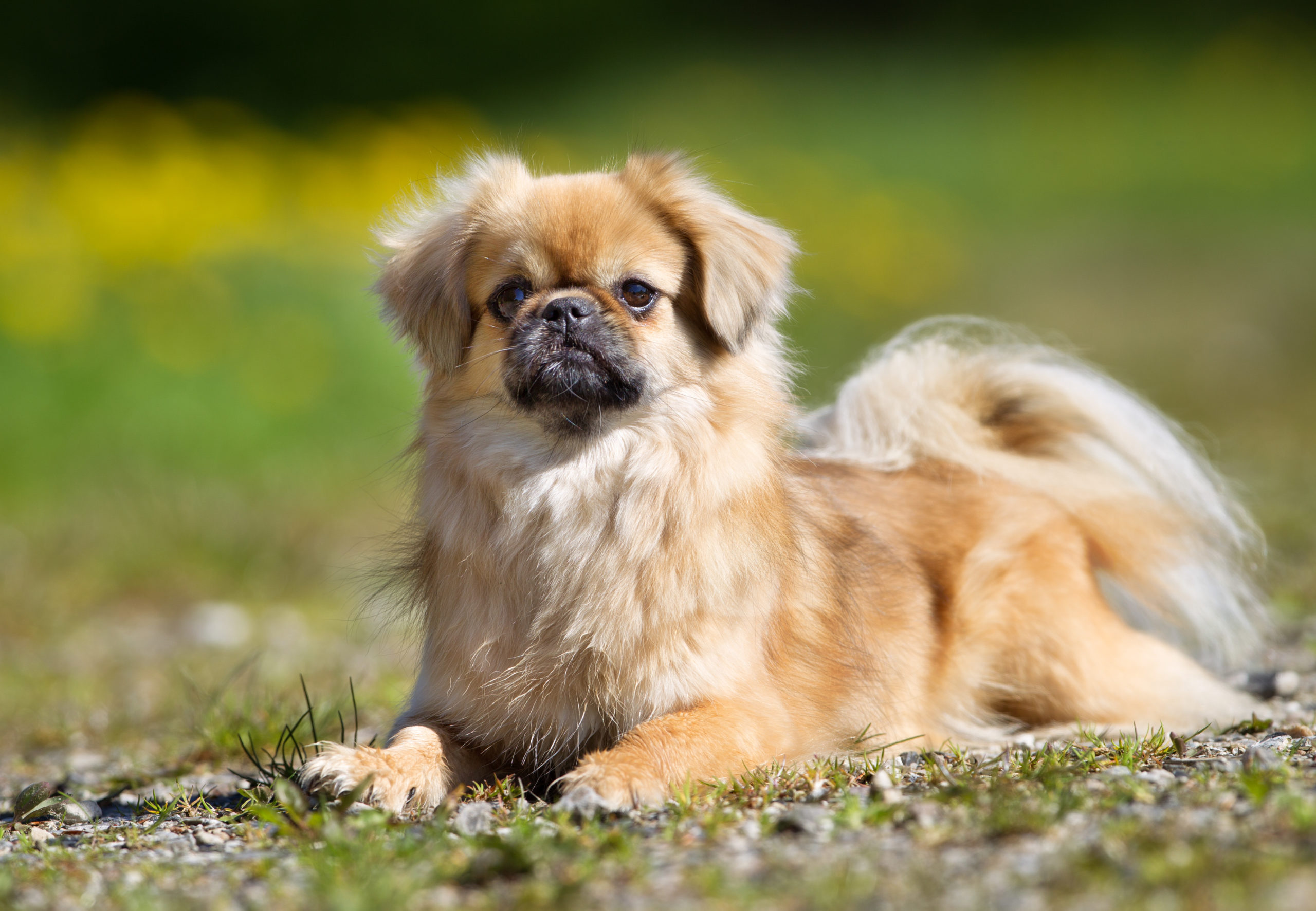
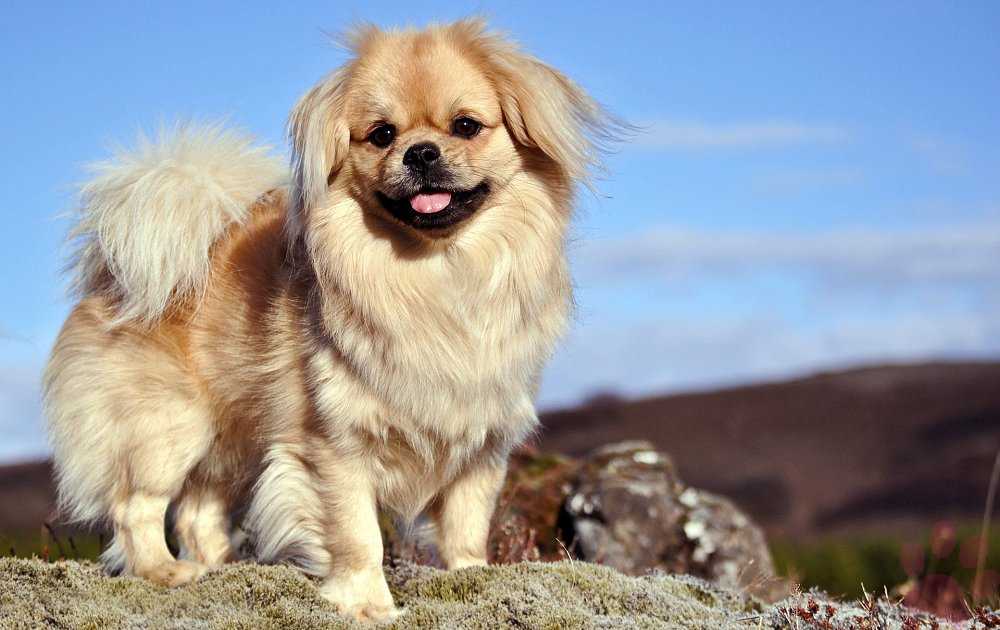
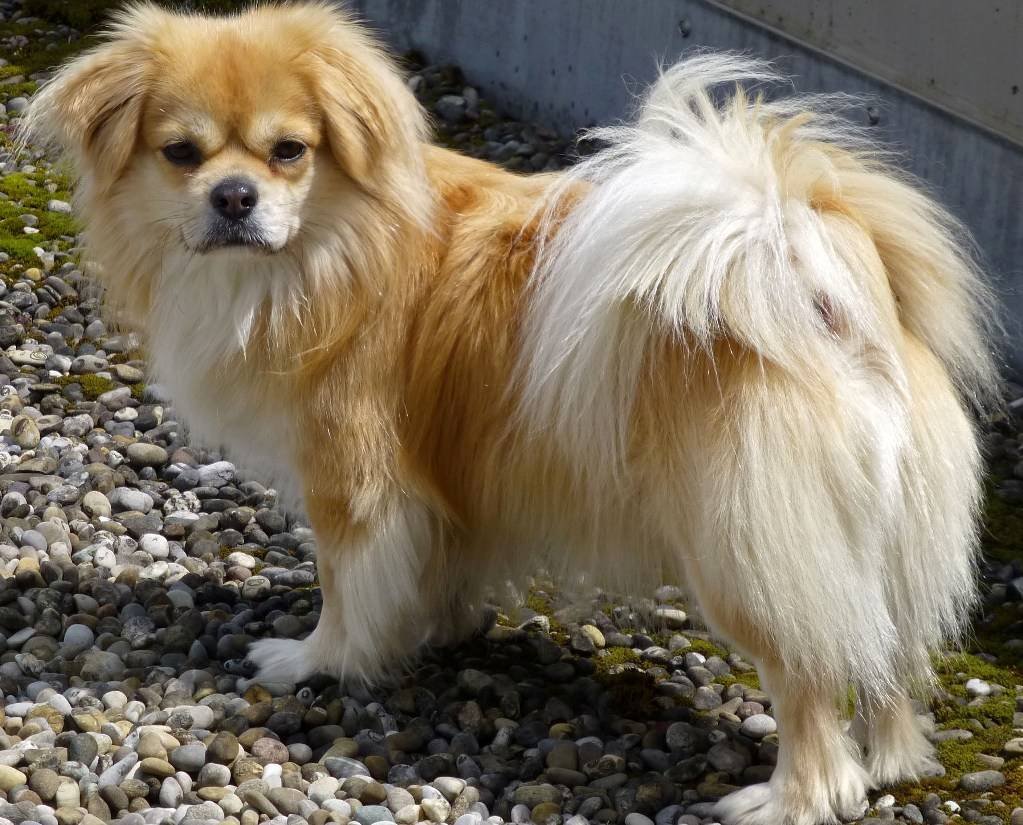
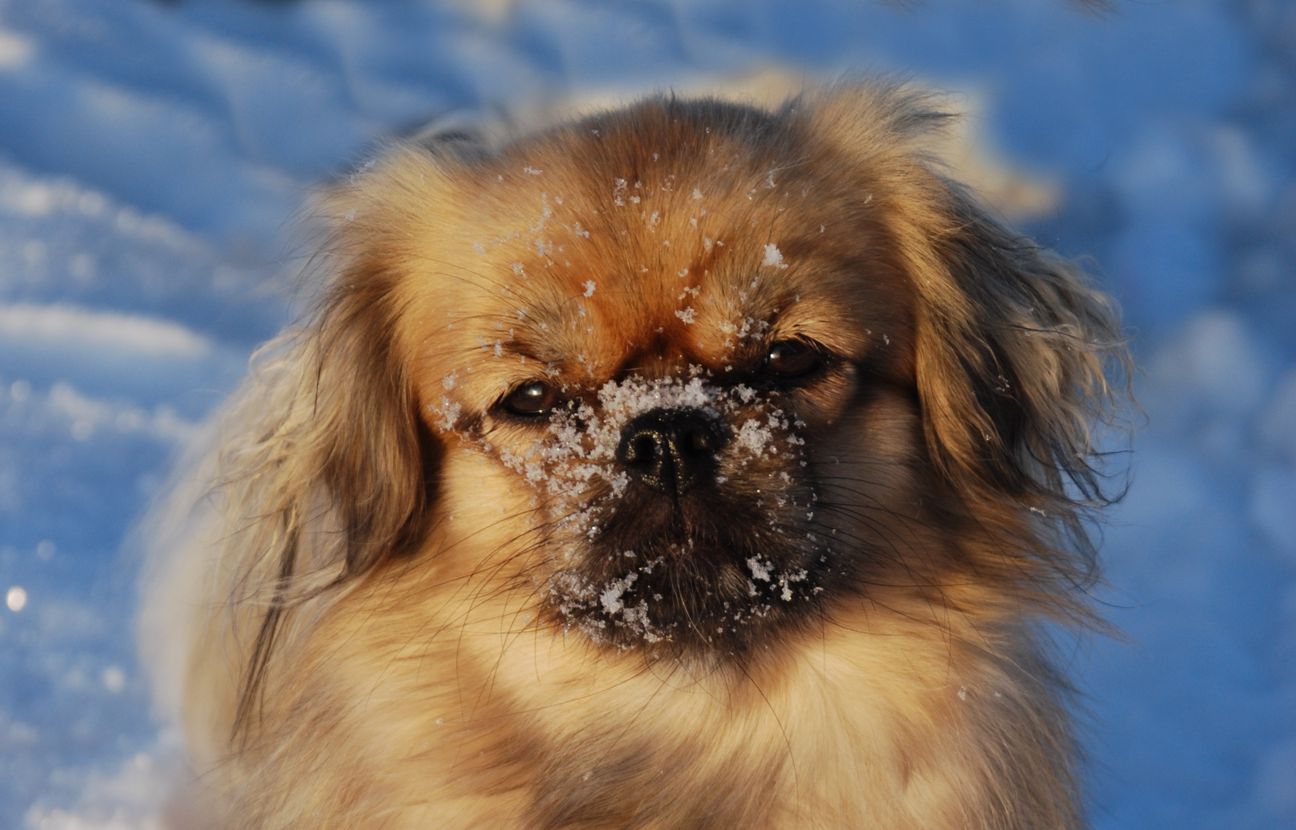
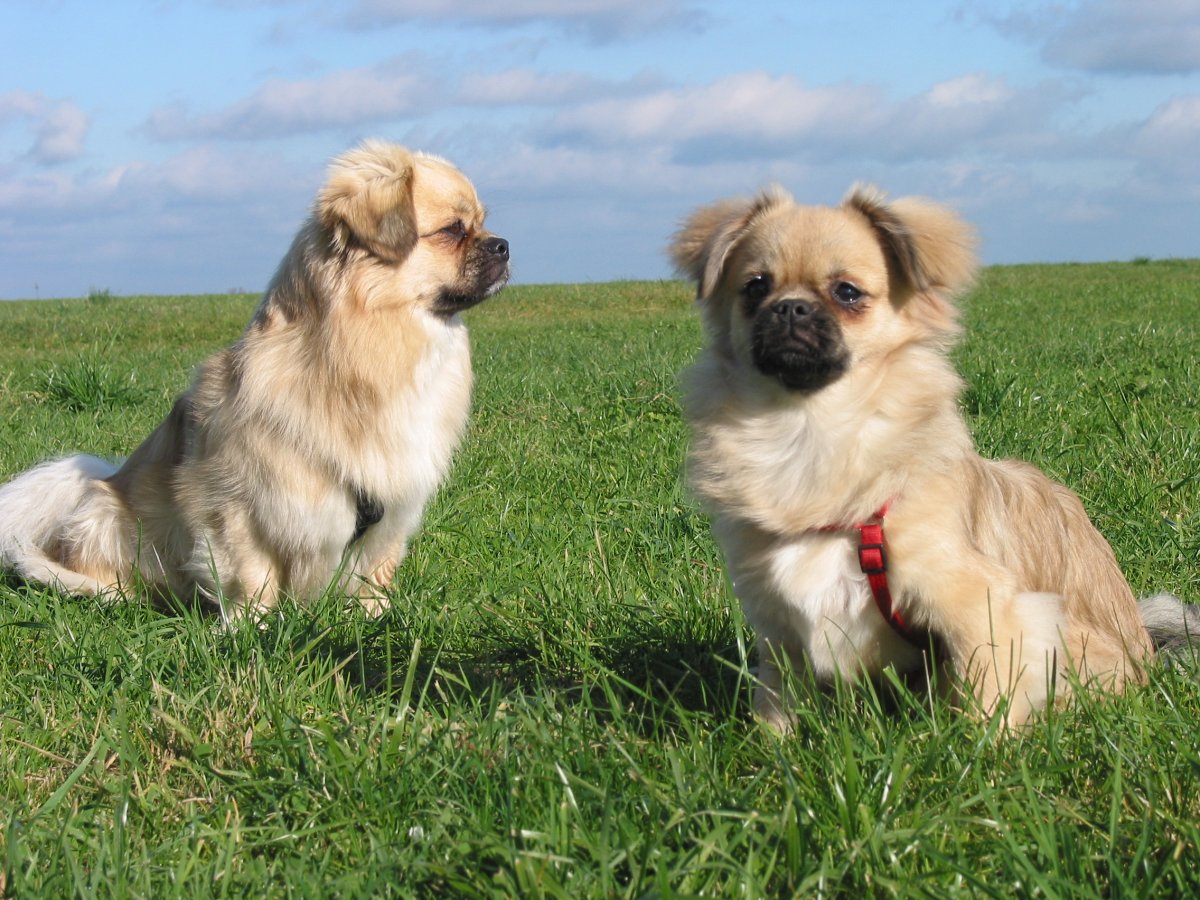
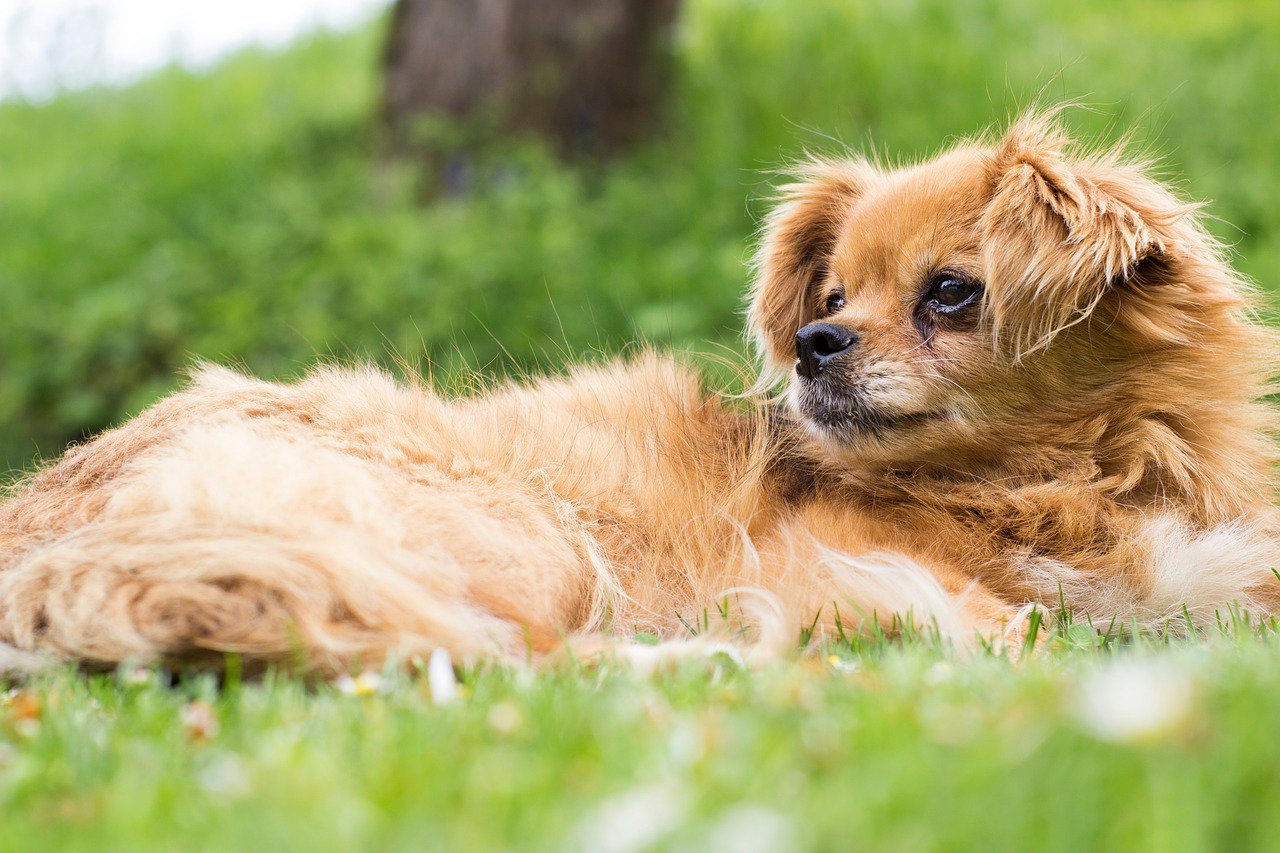
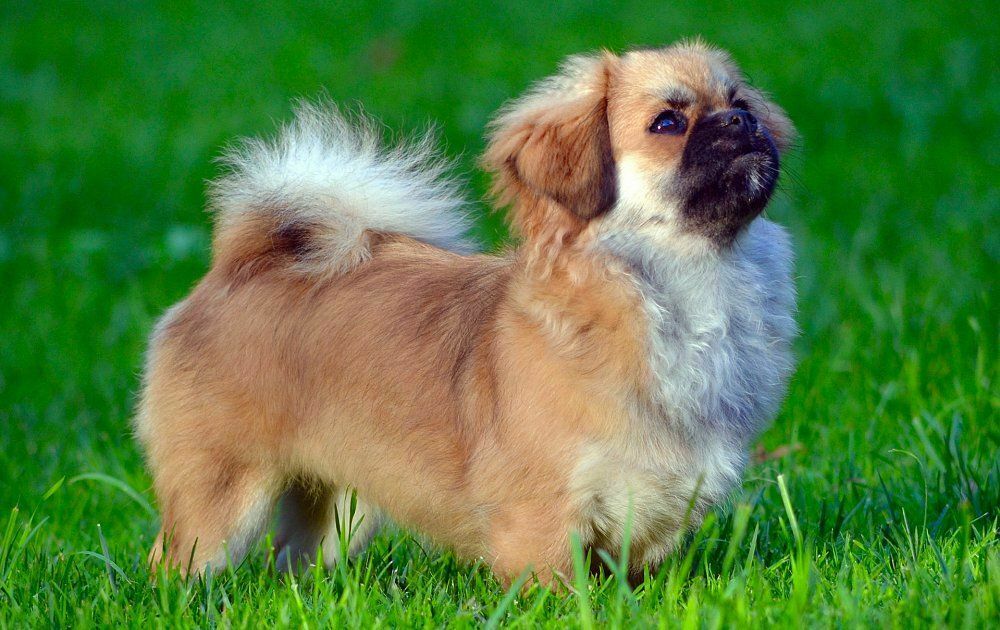
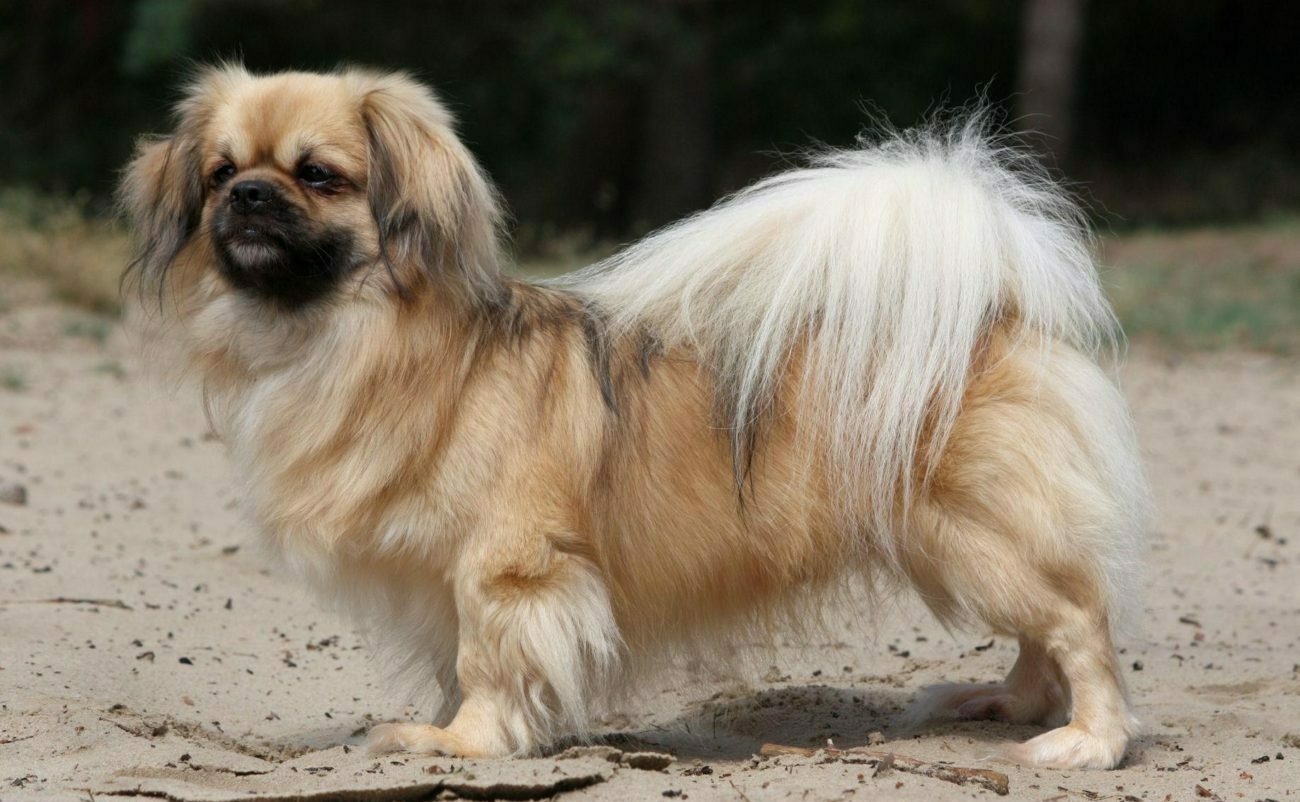
The Tibetan Spaniel is a small yet elegant dog with a harmonious build and aristocratic appearance. They have an elongated, compact body that emphasizes their lightness and agility. Their medium-length coat is dense and silky, with a soft undercoat, giving them a well-groomed and noble look. They have a distinctive tail, set high and gracefully curled, which rests on their back, adding to their grace.
The muzzle of the Tibetan Spaniel is short and expressive, with a slight expression of confidence and intelligence. Their ears are small and framed with long hair, which gives the dog a soft yet alert appearance. Their coat comes in a variety of colors, including solid, spotted, or combinations of shades, making each representative of the breed unique.
The average height of a Tibetan Spaniel is about 25 cm at the withers, and their weight ranges from 4 to 7 kg, making them compact yet sturdy dogs. These dimensions are ideal for living both in an apartment and a country house, where they can feel comfortable.
The lifespan of Tibetan Spaniels averages 12 to 15 years. They are known for their robust health and longevity, especially with proper care and a balanced diet. Their appearance reflects not only physical strength but also inner dignity, making the Tibetan Spaniel an elegant and memorable representative of their breed.


Отличительные черты

Голова

Морда

Уши

Глаза

Зубы

Корпус

Конечности

Хвост

Шерсть

Окрас
Character
The Tibetan Spaniel is a dog with a unique combination of intelligence, independence, and loyalty. They possess a remarkable mind and can quickly adapt to various situations. These dogs are known for their observant nature and calm demeanor, yet they are also curious and enjoy exploring the world around them. The Tibetan Spaniel values a balance between active engagement and moments of tranquility, making them versatile companions for people with different lifestyles.
These dogs form deep attachments to their families and love to be at the center of activity. They strive to accompany their owner everywhere but do so unobtrusively, respecting personal space. The Tibetan Spaniel has an innate sense of tact and is able to attune to their owner’s mood. They easily read human emotions, becoming affectionate and caring when they sense their owner needs it.
They are independent by nature, which manifests in their tendency to make decisions on their own. Despite this, the Tibetan Spaniel remains devoted to its owner and is always ready to respond to their call. Their independence is not stubbornness-rather, it is a trait inherited from their ancient ancestors who served monks. This dog can be both a gentle companion and a vigilant watchman, ready to alert you to the approach of a stranger with their bright, melodic bark.
The Tibetan Spaniel loves stability and predictability but eagerly participates in new adventures. They get along well with other animals and children, provided they are treated with respect. However, they value their personal space and will not tolerate excessive insistence.
These dogs enjoy coziness and comfort, preferring soft spots for resting. They are also active and relish walks, playtime, and the opportunity to use their keen eyesight for observation. The Tibetan Spaniel is an intelligent, confident, and loyal friend who can become a full-fledged family member, bringing harmony and joy to everyday life.
Tibetan therapy
Tibetan Terriers are among the breeds capable of therapeutic abilities. They are often used in rehabilitation centers.Care and Maintenance
Taking care of a Tibetan Spaniel requires attention to its coat, health, and emotional well-being. This breed has a thick, medium-length coat with a soft undercoat, so regular brushing is necessary to keep it in good condition. It is recommended to brush 1-2 times a week to prevent matting and remove loose hairs. Bathing a Tibetan Spaniel should be infrequent, only as needed, using mild shampoos to avoid drying out the skin.
Special attention should be given to the eyes and ears. Tibetan Spaniels have sensitive eyes, so they should be checked and cleaned regularly with a damp cotton pad. Ears should be examined weekly and cleaned as needed to prevent the buildup of dirt and wax, which can lead to infections.
These dogs are active and enjoy walks but do not require excessive physical exertion. Daily walks of moderate length and playtime are ideal for maintaining their physical fitness and mood. Tibetan Spaniels love exploring their surroundings and observing what is happening, so they will be happy if they have access to a safe yard or balcony.
Their diet should be balanced, considering their small size and moderate activity level. They need quality food with adequate protein and vitamins. It’s important to avoid overfeeding, as Tibetan Spaniels tend to gain weight, which can negatively affect their health.
These dogs value comfort and stability. They prefer a calm environment and do not do well with chaos or loud noises. It is important for them to have their own space in the home where they can retreat and relax. A soft bed or cozy corner is perfect.
Tibetan Spaniels do not like to be left alone for long periods. They are attached to their family and may experience stress if left without attention for too long. This breed enjoys interacting with people but cannot tolerate rough handling or excessive pressure. They appreciate respect and gentle treatment, which helps build a close emotional bond.Caring for a Tibetan Spaniel involves looking after its physical health, emotional comfort, and coat. Proper attention to these aspects helps maintain their activity, joy, and loyalty for many years.
Not for sale.
It's very interesting that in Tibet, selling spaniel puppies was once prohibited. They could only be given as gifts.Training and Education
Tibetan Spaniels are intelligent yet independent dogs, so their training requires patience, gentleness, and consistency. These dogs quickly understand commands, but due to their natural self-reliance, they may not always follow them immediately. It is important to use positive reinforcement methods, such as praise, treats, and play-based training, to engage the dog and make the learning process enjoyable.
Training is best started at a young age when the puppy is most receptive to new knowledge. Early socialization plays a key role in developing a confident and balanced character. Tibetan Spaniels should be exposed to various people, animals, and sounds from a young age to avoid excessive caution or fearfulness.
Commands should be simple and clear, and training sessions should be regular but short to maintain the dog’s interest. These dogs tend to get bored with repetitive actions, so variety in training helps keep their attention. They appreciate a friendly attitude and do not tolerate harshness or pressure, which can undermine their trust.
Tibetan Spaniels choose an owner who demonstrates patience, care, and respect for their individuality. They form strong bonds with those who devote time and attention to them, but they also appreciate being given space. These dogs are particularly drawn to confident and calm people who can create a comfortable and stable environment for them.
Tibetan Spaniels obey those they consider their leader, but for them, leadership is not associated with harshness. They respond better to an owner who establishes clear rules but does so in a friendly manner. They are eager to follow commands if they feel their efforts are valued and if they are given room to express their natural independence.
This breed is ideal for people who value a partnership with their dog and are prepared for its independence. A Tibetan Spaniel will not blindly obey, but its intelligence and willingness to cooperate make it an excellent companion for those willing to invest time in its upbringing. The right training approach helps reveal the best qualities of this breed, making it obedient, balanced, and loyal. Zooinika offers puppies with pedigree and health guarantees.
Personification of harmony
According to legend, the Tibetan Spaniel was responsible for spinning prayer wheels and carried out a significant spiritual mission. Silently sitting beside the meditating monk, it symbolized harmony and unity with the surrounding nature.
How to Choose a Puppy
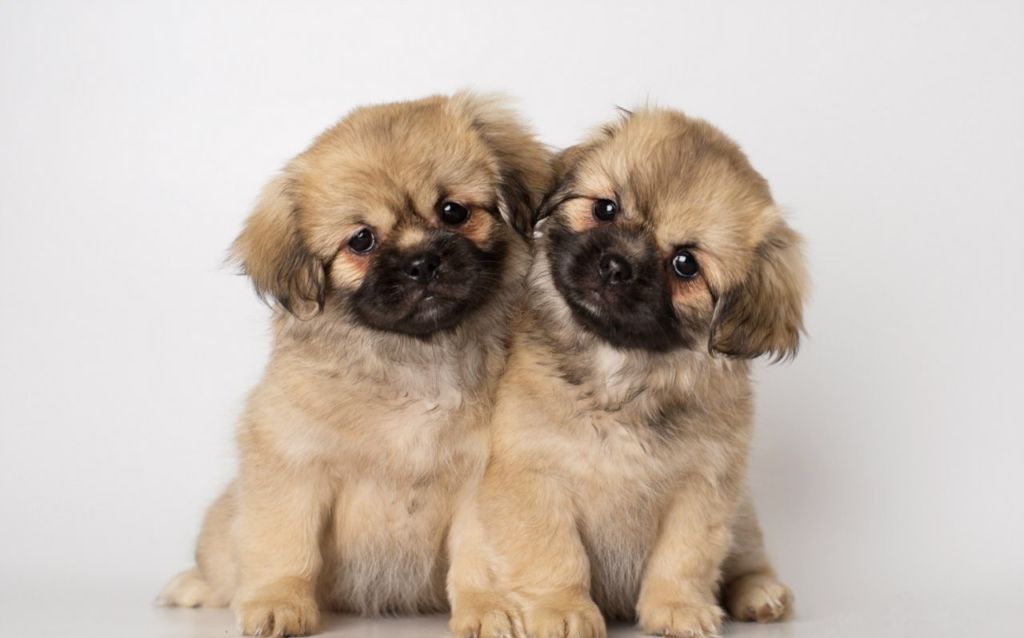
Choosing a Tibetan Spaniel puppy requires careful consideration to ensure health, a balanced temperament, and adherence to breed standards. Start by looking for a reputable kennel that specializes in breeding Tibetan Spaniels. The breeder should be open to communication, ready to answer your questions, and provide complete information about the puppies and their parents.
The puppy should be active, playful, and friendly. Observe its behavior: a healthy and balanced puppy shows interest in its surroundings, approaches people, interacts with littermates, and demonstrates confidence. Avoid puppies that appear shy, lethargic, or aggressive, as this may indicate health or behavioral issues.
Examine the puppy’s appearance. The coat should be clean, smooth, and shiny, with no bald patches or signs of skin disease. The eyes should be clear, with no discharge; the nose should be cool and moist; the ears should be clean, without any unpleasant odor. The paws should be strong, with free movement, and the back should be straight. The abdomen should be soft and taut, with no bloating or other signs of discomfort.
Request the puppy’s pedigree from the breeder. This document confirms the breed’s purity, showcases the parents’ achievements in competitions, and provides insight into the genetic background. Ensure that the puppy’s parents have undergone necessary screenings for hereditary diseases, such as progressive retinal atrophy, to minimize the risk of such issues in your pet.
Check the puppy’s veterinary passport. It should include records of vaccinations, deworming, and other preventive measures. This information confirms that the puppy is healthy and ready to move to a new home. Ask the breeder what vaccinations still need to be done so you can prepare for further care.
Pay attention to the conditions in which the puppies are kept at the kennel. Clean, spacious environments, access to fresh water, proper nutrition, and opportunities for play and socialization are indicators of good care. Puppies raised in such conditions generally adapt better to new homes and exhibit balanced characters.Meet the puppy’s parents. Their health, appearance, and behavior give you a sense of what your pet may grow up to be. The parents should be friendly, calm, and meet breed standards.A puppy that shows interest in you, comes forward, and demonstrates confidence is likely to become a great companion. Making the right choice ensures that you have a healthy, active, and psychologically balanced friend who will become part of your family. At Zounika, you’ll find only verified offers with health guarantees.
Health and Diseases
The Tibetan Spaniel is a breed known for its robust health and longevity, but like any breed, it has predispositions to certain diseases. The main concerns may include eye conditions such as progressive retinal atrophy (PRA) and cataracts. These issues can lead to vision impairment or blindness, particularly in older age. Regular visits to a veterinary ophthalmologist can help identify and prevent the development of these diseases in a timely manner.
Some representatives of the breed may experience a condition known as “dry eye” (keratoconjunctivitis). This condition is related to insufficient tear production, leading to irritation and inflammation of the eyes. Daily eye care and the use of special drops can help minimize discomfort and maintain eye health.
Tibetan Spaniels can sometimes be prone to breathing problems due to their short muzzles. This may manifest as brachycephalic obstructive airway syndrome, especially in hot conditions or during vigorous physical activity. Ensuring a comfortable temperature and avoiding overheating can help prevent such issues.
Joint problems, such as patellar luxation, may also occur in the breed. This condition, particularly common in small dogs, can cause pain and discomfort during movement. Maintaining a healthy weight and providing moderate exercise can reduce stress on the joints and help prevent the onset of this condition.
Tibetan Spaniels are prone to gaining excess weight, especially with a lack of activity. Obesity can negatively affect the health of their joints, cardiovascular system, and overall well-being. Monitoring their diet and providing regular walks help maintain their health and activity level.
Allergies, both skin and food-related, can also be common in the breed. Symptoms may include itching, skin redness, and coat issues. Using hypoallergenic foods and grooming products can help manage these problems.The average lifespan of Tibetan Spaniels is 12-15 years, and sometimes even longer with proper care. Regular veterinary check-ups, a balanced diet, coat and eye care, as well as attention to physical activity, are essential for maintaining the health of these dogs throughout their lives. Considering it? There is a vast selection of ads on the Zooinica map across various cities.
Содержание
-
1. Описание породы
-
2. Внешний вид
- 2.1 Голова
- 2.2 Морда
- 2.3 Уши
- 2.4 Глаза
- 2.5 Зубы
- 2.6 Корпус
- 2.7 Конечности
- 2.8 Хвост
- 2.9 Шерсть
- 2.10 Окрас
-
3. Характер
-
4. Содержание и уход
-
5. Дрессировка и обучение
-
6. Как выбрать котенка
-
7. Здоровье и болезни






Comments
Only registered users can leave reviews.
Enter