
Tibetan Mastiff




Warning: Illegal string offset 'label' in /home/panda/sites/zoonika/wp-content/themes/zoonika/template-parts/animals/animals-param-item.php on line 32
Ð


Breed Description
The Tibetan Mastiff is a breed with an ancient history, surrounded by legends and mystique. These massive, powerful dogs originated in the mountainous regions of Tibet thousands of years ago, where they were used as guardians and protectors. The high-altitude conditions, harsh climate, and the necessity to protect herds and homes from predators shaped their endurance, strength, and independent character. In Tibetan monasteries, Mastiffs were kept to guard the monastery walls, serving not only as watchdogs but also becoming symbols of status and sacred protection.
According to legends, Tibetan Mastiffs accompanied great nomads, such as Genghis Khan and Attila, in their conquests. They were considered guardians of the family hearth, and their powerful appearance instilled respect and fear. These dogs were so valuable that they were traded for gold or rare fabrics, and they were passed down from generation to generation.
Europeans first learned about Tibetan Mastiffs in the 18th century through travelers who visited Tibet. In 1847, the first Tibetan Mastiff was brought to England by Lord Harding, the Governor of India, as a gift for Queen Victoria. This gift sparked admiration and interest in the breed among the aristocracy. Later, the breed was showcased at exhibitions, further enhancing its popularity.
The Tibetan Mastiff has always been more than just a dog. In Tibet, they were considered spiritual protectors capable of driving away evil spirits. Their loud, deep bark and imposing appearance made them ideal guardians. These dogs easily adapted to harsh conditions, surviving freezing temperatures, food shortages, and long periods of activity.
The breeding of Mastiffs in Europe and America began only in the 20th century, and the breed gained popularity due to its unique appearance and ancient origins. In China, where the Tibetan Mastiff became a symbol of wealth and status, the 21st century saw a true boom in the breed’s popularity, making it one of the most expensive dogs in the world.
The Tibetan Mastiff remains a unique breed, embodying the history, culture, and traditions of Tibet. Its power, grace, and loyalty to its owners continue to inspire people around the globe, preserving the spirit of ancient times.The price for a puppy ranges from 200,000 to 400,000 rubles.
Appearance
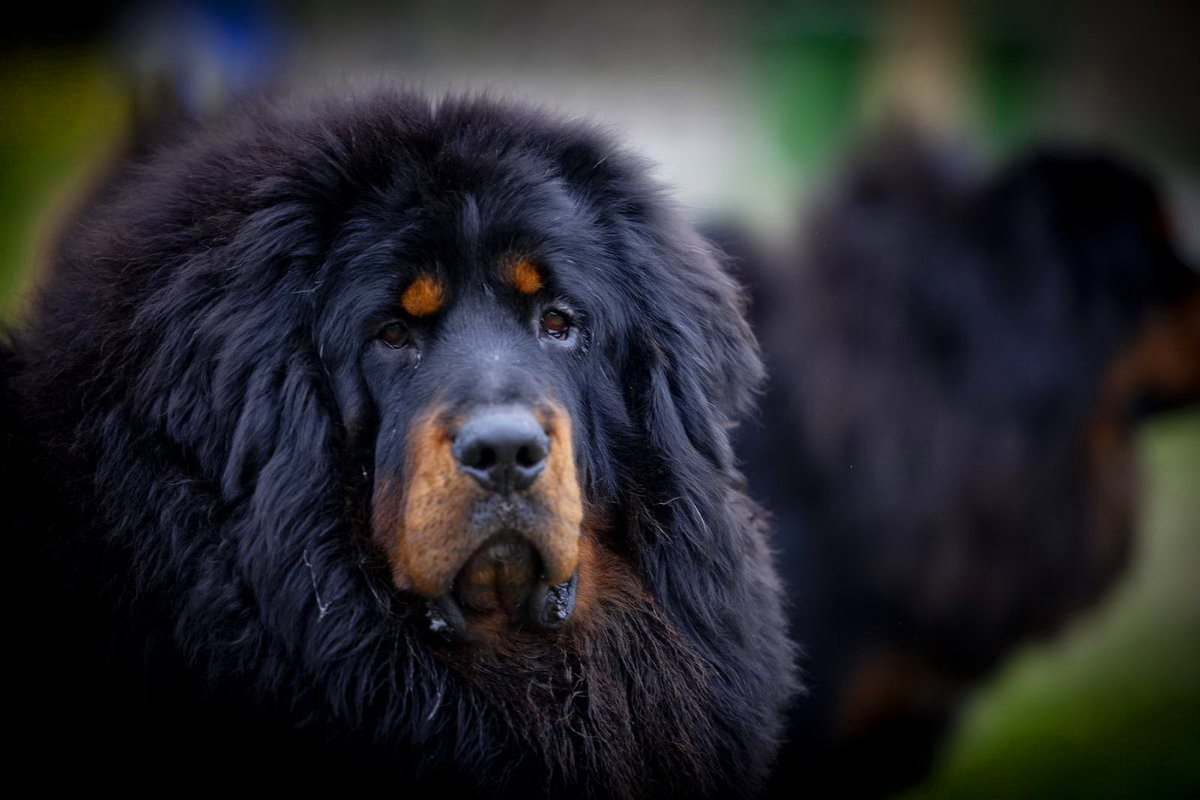
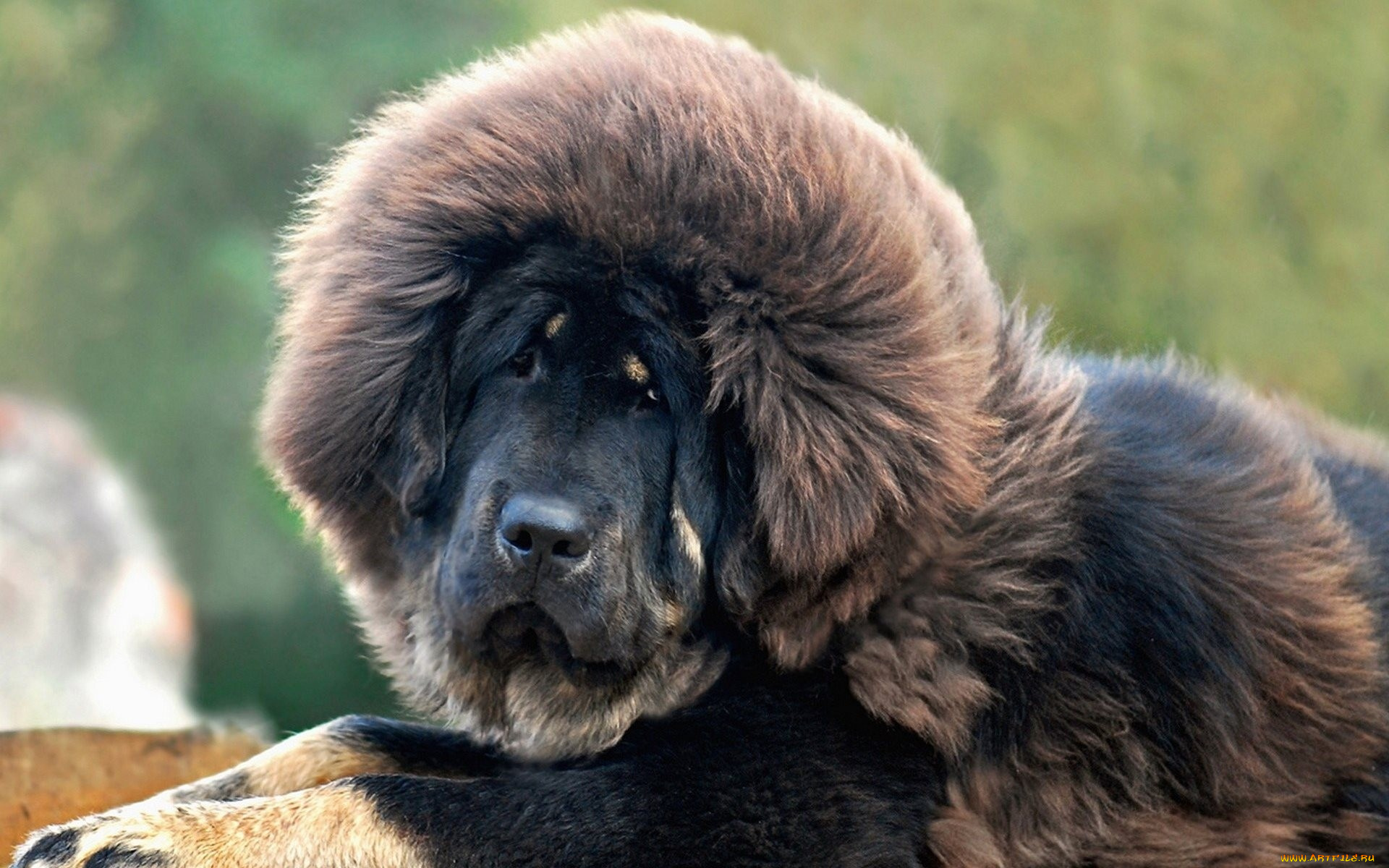
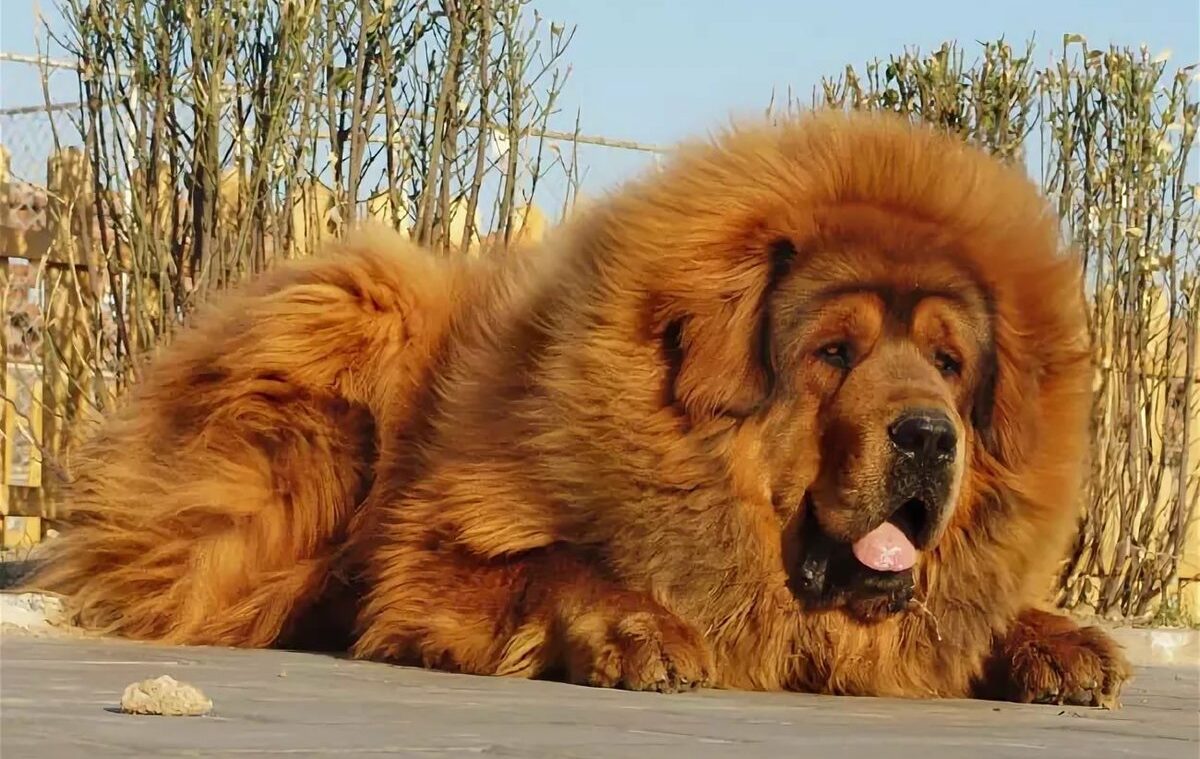
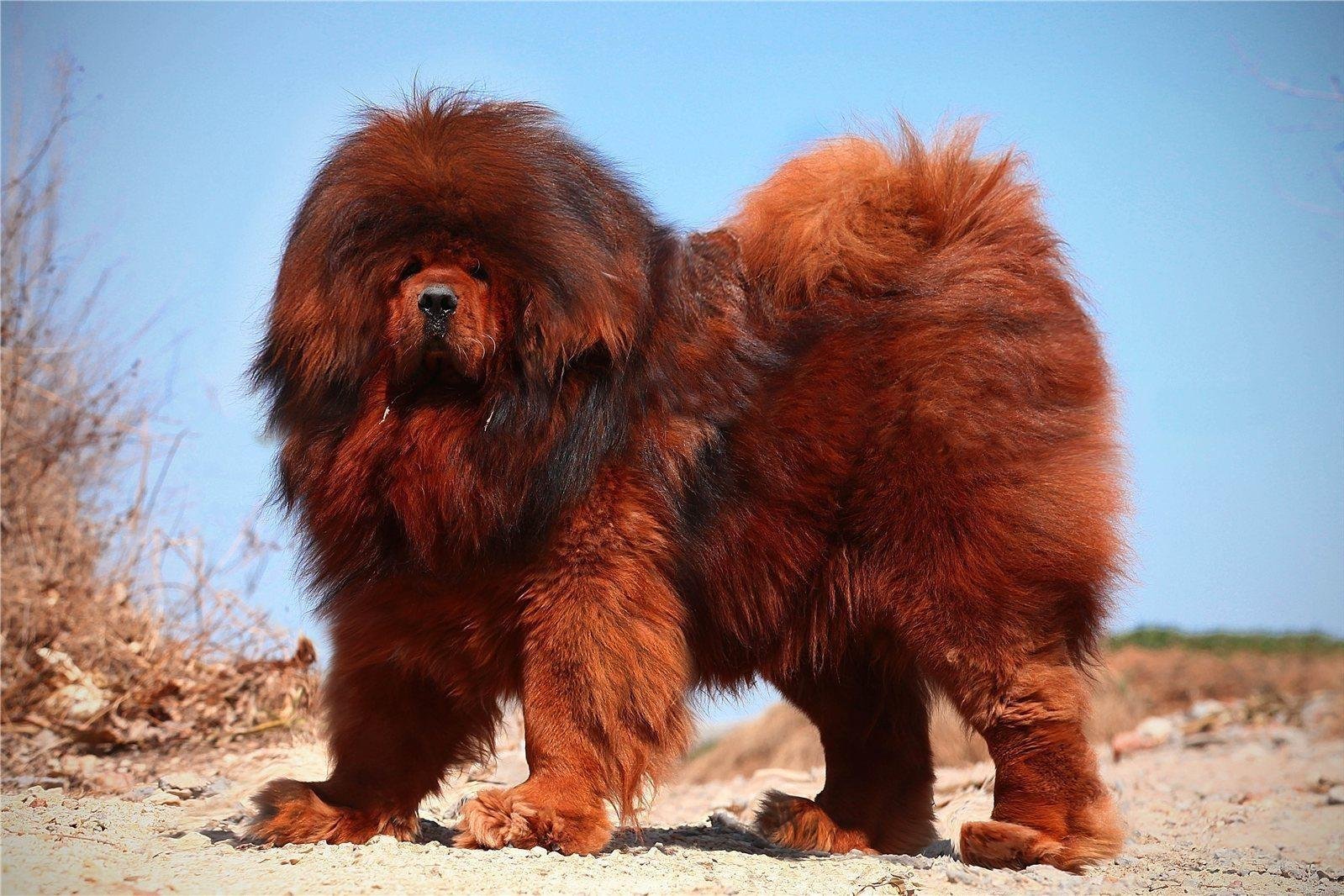
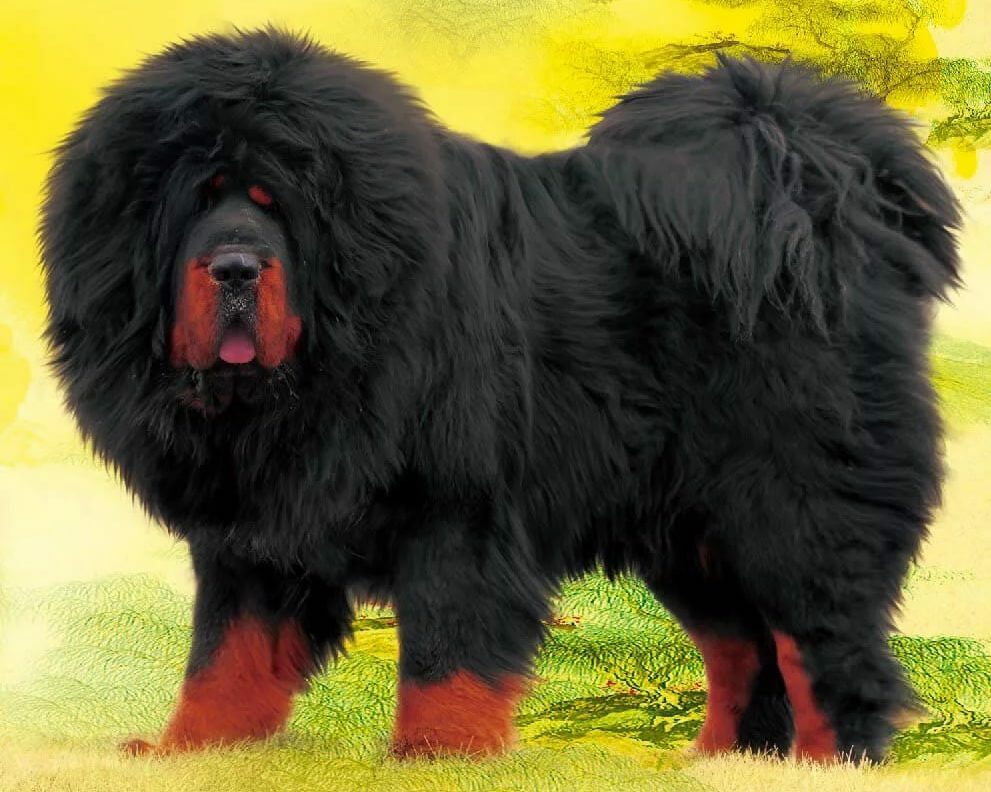
The Tibetan Mastiff is a large and powerful dog with an impressive and noble appearance that immediately commands respect. Their massive build highlights strength and endurance, while their thick coat creates an impression of grandeur and protection. Mastiffs have a wide and deep chest, strong back, and robust limbs, making them ideally suited for work in harsh high-altitude conditions. The overall appearance of the dog is balanced and harmonious, despite its imposing size.
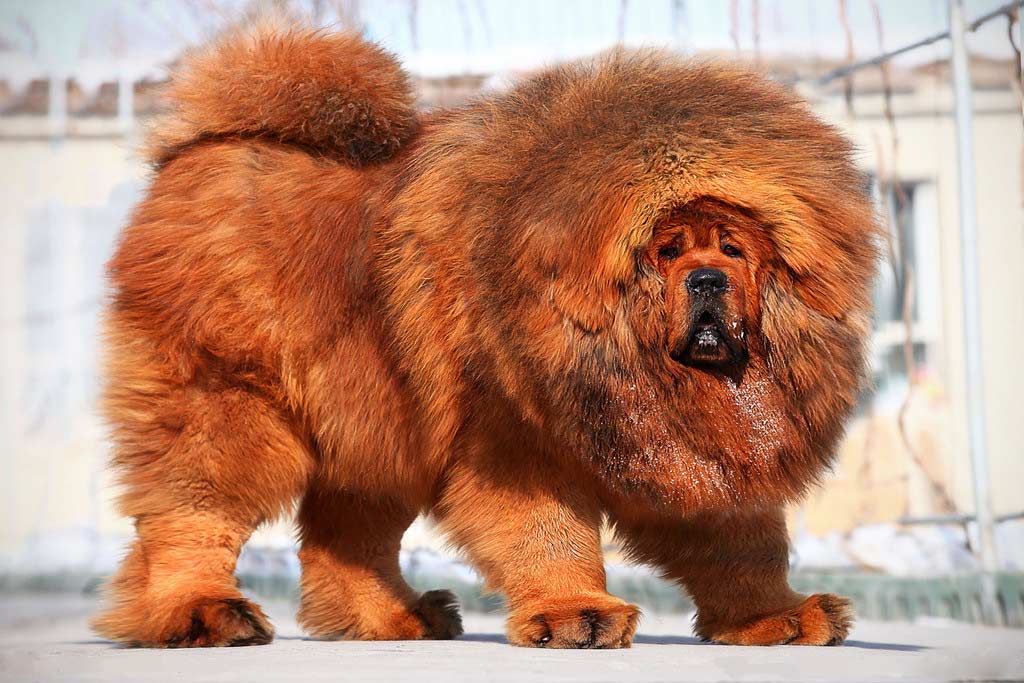
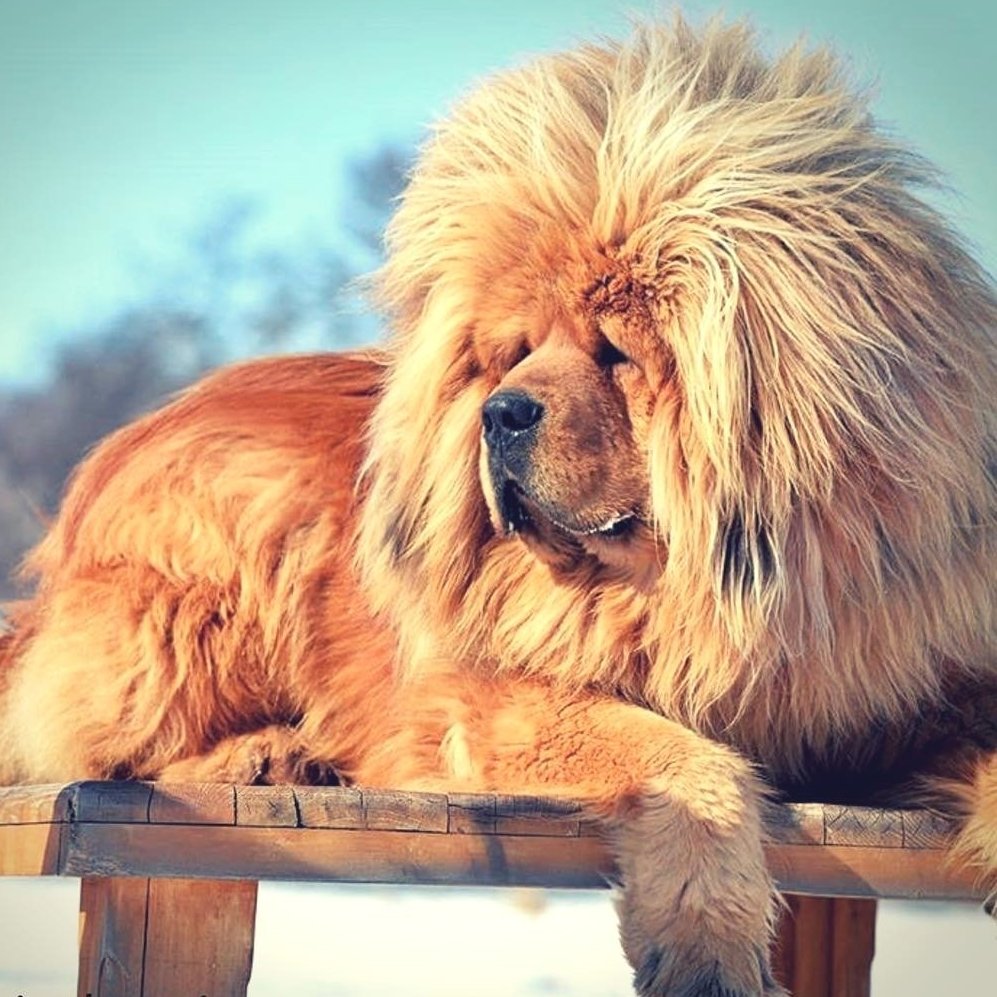
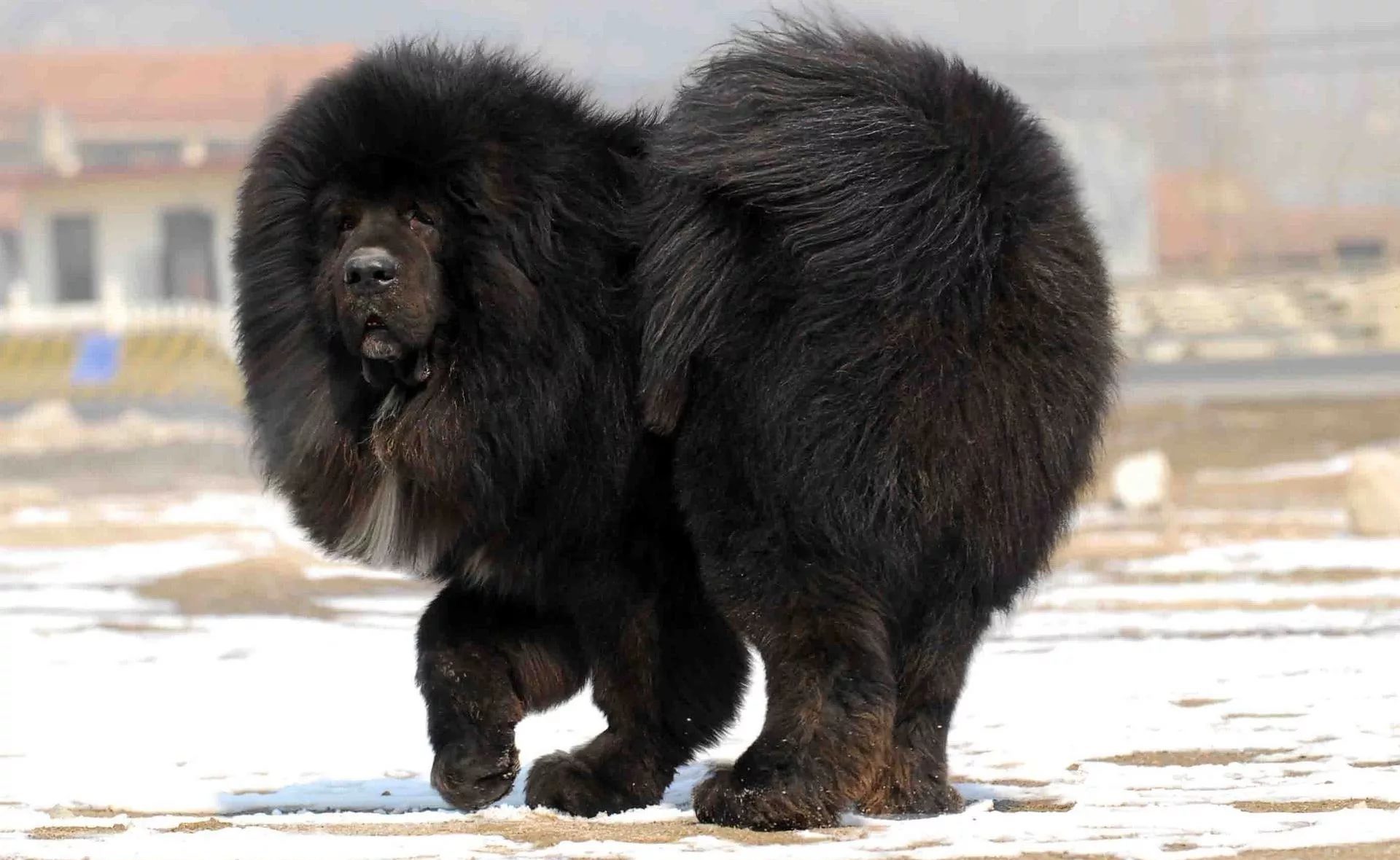
The coat of the Tibetan Mastiff is thick and double-layered, with a dense undercoat that protects the dog from extreme cold. The long guard hairs create a mane-like effect around the neck, especially in males, giving them an even more formidable look. The colors can vary: black, brown, golden, with or without markings, and also with white patches. These colors emphasize their individuality and elegance.
The average height of a Tibetan Mastiff at the withers is 66-76 cm for males and 61-71 cm for females. Weight can range from 45 to 73 kg depending on sex, build, and breeding lines. These dimensions make mastiffs among the largest dog breeds in the world, yet they maintain grace and confidence in their movements.
The lifespan of a Tibetan Mastiff typically ranges from 10 to 14 years, which is a good indicator for dogs of this size. As they age, they retain their loyalty, grandeur, and protective instincts, becoming not only guardians but also faithful family members. Their impressive appearance, combining strength, grace, and natural charisma, makes Tibetan Mastiffs a unique breed capable of being the center of attention.


Отличительные черты

Голова

Морда

Уши

Глаза

Зубы

Корпус

Конечности

Хвост

Шерсть

Окрас
Character
Tibetan Mastiffs are dogs with a pronounced sense of independence, deep intelligence, and incredible loyalty to their families. They embody the calmness and dignity characteristic of ancient breeds. These dogs are self-assured and rarely show anxiety or excessive excitement. Their behavior is usually composed and balanced, making them excellent protectors and reliable companions.
One of the most remarkable traits of Tibetan Mastiffs is their protective instinct. They vigilantly watch over their territory and are always ready to defend their family if they sense a threat. However, they never display unjustified aggression and carefully assess each situation before acting. Their vigilance, combined with their confident demeanor, makes them outstanding guard dogs.
Tibetan Mastiffs are devoted to their families, yet maintain a certain independence. They appreciate attention but are not overly demanding, preferring to be near their loved ones without being intrusive. These dogs are intelligent and have their own viewpoints, which can sometimes make them a bit stubborn. However, with the right approach and respect for their character, they become obedient and devoted.
These dogs love stability and tranquility in the home. Despite their size, they are surprisingly neat and rarely create a mess. They have moderate energy, favoring long walks and free exploration of their surroundings over active play. However, during rest periods, they turn into calm and relaxed companions, preferring a cozy spot next to their owner.
Tibetan Mastiffs tend to be independent, making them suitable for people who are willing to respect their individuality. They do not tolerate rough treatment and respond best to a confident yet gentle approach. These dogs get along well with children, especially if the children respect their space. However, due to their large size and strength, it’s important to supervise interactions to avoid accidental injuries.
Tibetan Mastiffs do not like to be left alone for long periods. It’s important for them to feel part of the family and participate in its life. These dogs possess an innate sense of responsibility and will be loyal protectors and wise observers. Their majestic nature, calmness, and ability to adapt to their environment make Tibetan Mastiffs unique and valued companions for those who understand their nature.
Expensive and lavish.
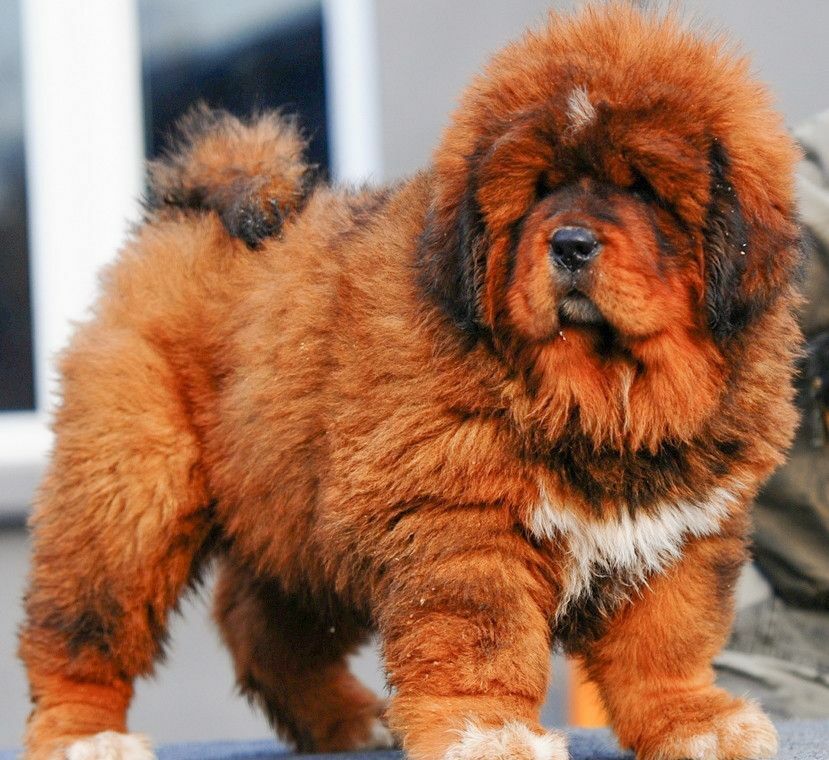
The Tibetan Mastiff breed is considered one of the largest and most expensive in the world. Their size can confidently be compared to that of a donkey. However, it is worth noting that a characteristic feature of Tibetan Mastiffs is their thick and long coat. Imagine putting a "coat" on a donkey, and you have a small calf! Thanks to their fur, they easily withstand any frosts, even sleeping on open snow. The talents and abilities of these animals are valued in the thousands of dollars.Care and Maintenance
Caring for a Tibetan Mastiff requires attention to its large size, thick fur, and independent nature. The Mastiff’s coat is one of the key features of the breed and requires regular grooming. It should be brushed 1-2 times a week, and daily during shedding season, to remove loose undercoat and prevent matting. Baths are needed rarely, only as necessary, since their fur has natural protective properties.
Mastiffs do not require excessive physical activity, but they do need regular walks and exercise to maintain their health. They enjoy long, calm walks where they can explore their surroundings, but do not like vigorous exercise or too much hustle and bustle. This breed is not suited for apartment living, as they need space to move around freely. A private home with a spacious yard or garden is ideal for their care.
Tibetan Mastiffs thrive on order and stability, so their day should be well-organized. They appreciate routine and a calm atmosphere at home. These dogs do not like chaos, loud noises, or sudden changes in their environment. They also do not handle prolonged loneliness well-lack of contact with the family can lead to boredom or unwanted behavior. It is important for them to feel part of the family and to be near their owner, even if they maintain their independence.
The Mastiff’s diet should be balanced and appropriate for its age, weight, and activity level. They are not prone to overeating, but the quality of food is crucial. A high-protein diet supplemented with vitamins and minerals helps maintain their energy and health. Avoid overfeeding, as excess weight can affect their joints and overall health.
The ears, eyes, and teeth of a Mastiff require regular examination and care. Ears should be cleaned of built-up dirt to prevent infections, and eyes should be wiped with a damp cotton ball as needed. Teeth should be brushed several times a week or special treats can be used to prevent tartar buildup.
Tibetan Mastiffs enjoy comfort and safety, so it’s essential to create a suitable resting place for them. It should be spacious, quiet, and protected from drafts. These dogs love soft bedding where they can relax after walks or patrolling their territory.Mastiffs value respect and trust from their owner. They do not tolerate rough handling or shouting, preferring a gentle yet firm approach. Proper care of a Tibetan Mastiff allows this majestic dog to maintain its health, beauty, and loyalty for many years.
Huge nanny
Tibet recognizes children as its careless compatriots. Even if they climb onto their heads and dangle their legs. Kindness, patience, and protection are how the dog will treat the children, whether they belong to its owners or neighbors. It’s due to this composure and analytical abilities that it becomes clear why mastiffs were regarded as sacred animals.Training and Education
Training a Tibetan Mastiff requires patience, consistency, and respect for its independent nature. These dogs are intelligent and quickly grasp commands, but their natural independence and tendency to make their own decisions can make the training process challenging. The best approach to training is to use positive reinforcement methods: praise, treats, and warm interaction. They appreciate respectful treatment and respond better to a gentle yet assertive approach rather than force or shouting.
From an early age, it is important to begin socializing the puppy and exposing it to various situations, people, and animals. This will help prevent excessive caution or stubbornness in the future. Training should be regular but brief to maintain the dog’s interest. Tibetan Mastiffs are more receptive to commands with practical significance and may ignore tasks they consider meaningless.
These dogs choose a leader who demonstrates leadership qualities while respecting their individuality. They need a person who establishes clear rules and boundaries without aggression. Mastiffs are sensitive to human moods and intentions, so confidence and consistency in actions will help build trust and respect.
A Tibetan Mastiff obeys an owner it perceives as an authority. This authority cannot be imposed through force; it must be earned through care, understanding, and interaction. These dogs are devoted to their family but tend to bond most strongly with one person whom they see as their leader. They respect an owner who shows calmness and confidence while considering their needs and characteristics.
Training should include basic commands such as “sit,” “place,” “heel,” and “come” to ensure safety and comfort in everyday life. Tibetan Mastiffs particularly excel in learning skills related to guarding territory, as this is ingrained in their instincts. However, it is important to avoid overemphasizing guarding traits to prevent excessive wariness.
These dogs are suitable for people experienced in handling large breeds who are willing to invest time in their upbringing and interaction. They require an owner who can find a balance between gentleness and firmness, respect and discipline. A proper training approach makes the Tibetan Mastiff not only obedient but also a well-rounded, devoted, and balanced family member. Reliable breeders offer healthy puppies with documentation and pedigree.
Odorless
It is unknown why this purebred dog has absolutely no odor! He has no scent at all, and even his fur doesn’t emit any aroma. The only way for the dog to create a smell is to roll in something. This is perfect for allergy sufferers. Furthermore, this mastiff only sheds once a year. You will need to groom his beautiful fur for at least a couple of weeks, which will help develop strong muscles!
How to Choose a Puppy
Choosing a Tibetan Mastiff puppy requires a careful approach to ensure its health, balanced temperament, and adherence to breed standards. Start by selecting a reputable kennel with a good reputation, registration documents, and experience in breeding Tibetan Mastiffs. The breeder should be willing to answer all questions and provide information about the puppy’s parents, health status, and living conditions.
The puppy should be active, curious, and friendly. Observe its behavior: a healthy puppy shows interest in the surroundings, approaches people confidently, and plays with littermates. Avoid puppies that appear lethargic, excessively fearful, or, conversely, aggressive. A balanced temperament is crucial for this breed, as adult Mastiffs should exhibit calmness and confidence.
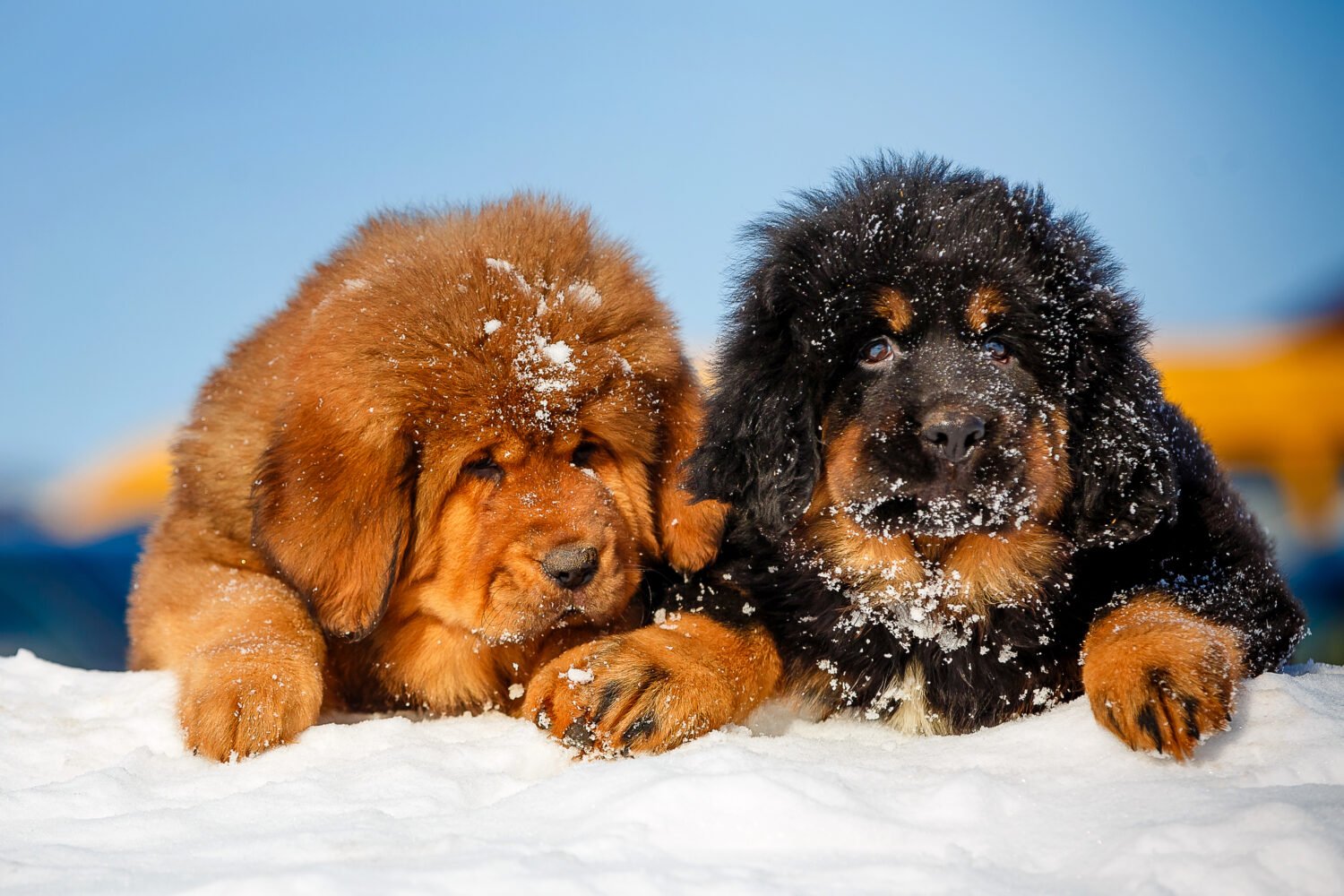
Examine the puppy’s appearance. Its coat should be thick, clean, and shiny, without bald spots or irritations. The eyes should be clear without discharge, the nose moist and cool, and the ears clean without any unpleasant odor. The paws should be strong, with confident movements, and the back should be straight. The belly should be soft and toned, without signs of bloating.
Ask the breeder to show you the puppy’s pedigree. This document confirms the purity of the breed and the titles of the ancestors, as well as the absence of inbreeding. Inquire if genetic tests for hereditary diseases common in Mastiffs, such as joint dysplasia or hypothyroidism, have been conducted.
Be sure to check the veterinary passport. It should list all vaccinations, parasite treatments, and other preventive measures carried out according to the puppy’s age. This confirms that the puppy’s health has been monitored since birth.
Evaluate the living conditions of the puppies at the kennel. Spacious, clean facilities, access to fresh water and quality food indicate the breeder’s care. The puppies should have opportunities for active movement, play, and interaction with people. A good breeder starts socializing the puppies early, helping them adapt more easily to their new home.If possible, meet the puppy’s parents. Their appearance, health, and behavior will give you an idea of what your future pet may grow into. The parents should be friendly, balanced, and meet the breed standard.When choosing a puppy, pay attention to its reaction to you. A puppy that shows interest, engages, and demonstrates confidence is likely to become a great companion. The right choice of a Tibetan Mastiff puppy ensures not only a healthy and harmonious dog but also many years of joy and understanding. Zoonika is a website featuring the best breeders with verified pedigrees.
Health and Diseases
Tibetan Mastiffs are known for their robust health, developed due to the harsh conditions of their homeland; however, they are prone to certain health issues. As a large breed, they are susceptible to hip and elbow dysplasia. This hereditary condition can cause pain and limit mobility. Regular check-ups, weight management, and maintaining moderate physical activity help minimize the risk.
Endocrine system problems, such as hypothyroidism, can also occur in Tibetan Mastiffs. This condition is related to insufficient thyroid activity and can manifest as decreased energy, poor coat condition, and weight gain. Early diagnosis and appropriate treatment can help maintain the dog’s health.
Eye diseases, including cataracts and progressive retinal atrophy, are sometimes seen in the breed. These conditions can impair vision, especially in older age. Regular check-ups with a veterinary ophthalmologist can help identify and prevent the progression of such issues early on.
Tibetan Mastiffs are prone to allergic reactions, which can manifest as itching, skin irritation, or gastrointestinal issues. Allergies may be triggered by food, environmental irritants, or parasites like fleas. Using quality food, hypoallergenic grooming products, and protecting against parasites can help minimize the risk.
Heart diseases, such as dilated cardiomyopathy, although rare, warrant attention. Regular heart checks, especially in older dogs, can help identify potential problems in a timely manner.
Due to their thick coats, Tibetan Mastiffs can be susceptible to skin infections if grooming is not regular. Brushing and maintaining cleanliness help prevent matting and bacterial infections.Obesity is another issue to avoid. Excess weight puts stress on joints and can contribute to the development of other diseases. Diet control and physical activity play a key role in maintaining their health.The average lifespan of a Tibetan Mastiff is 10-14 years. Regular veterinary visits, a balanced diet, physical activity, and attention to their emotional well-being help minimize health risks and ensure a long, healthy life.
Содержание
-
1. Описание породы
-
2. Внешний вид
- 2.1 Голова
- 2.2 Морда
- 2.3 Уши
- 2.4 Глаза
- 2.5 Зубы
- 2.6 Корпус
- 2.7 Конечности
- 2.8 Хвост
- 2.9 Шерсть
- 2.10 Окрас
-
3. Характер
-
4. Содержание и уход
-
5. Дрессировка и обучение
-
6. Как выбрать котенка
-
7. Здоровье и болезни






Comments
Only registered users can leave reviews.
Enter