

Taiwanese dog





Warning: Illegal string offset 'label' in /home/panda/sites/zoonika/wp-content/themes/zoonika/template-parts/animals/animals-param-item.php on line 32
Ð


Breed Description
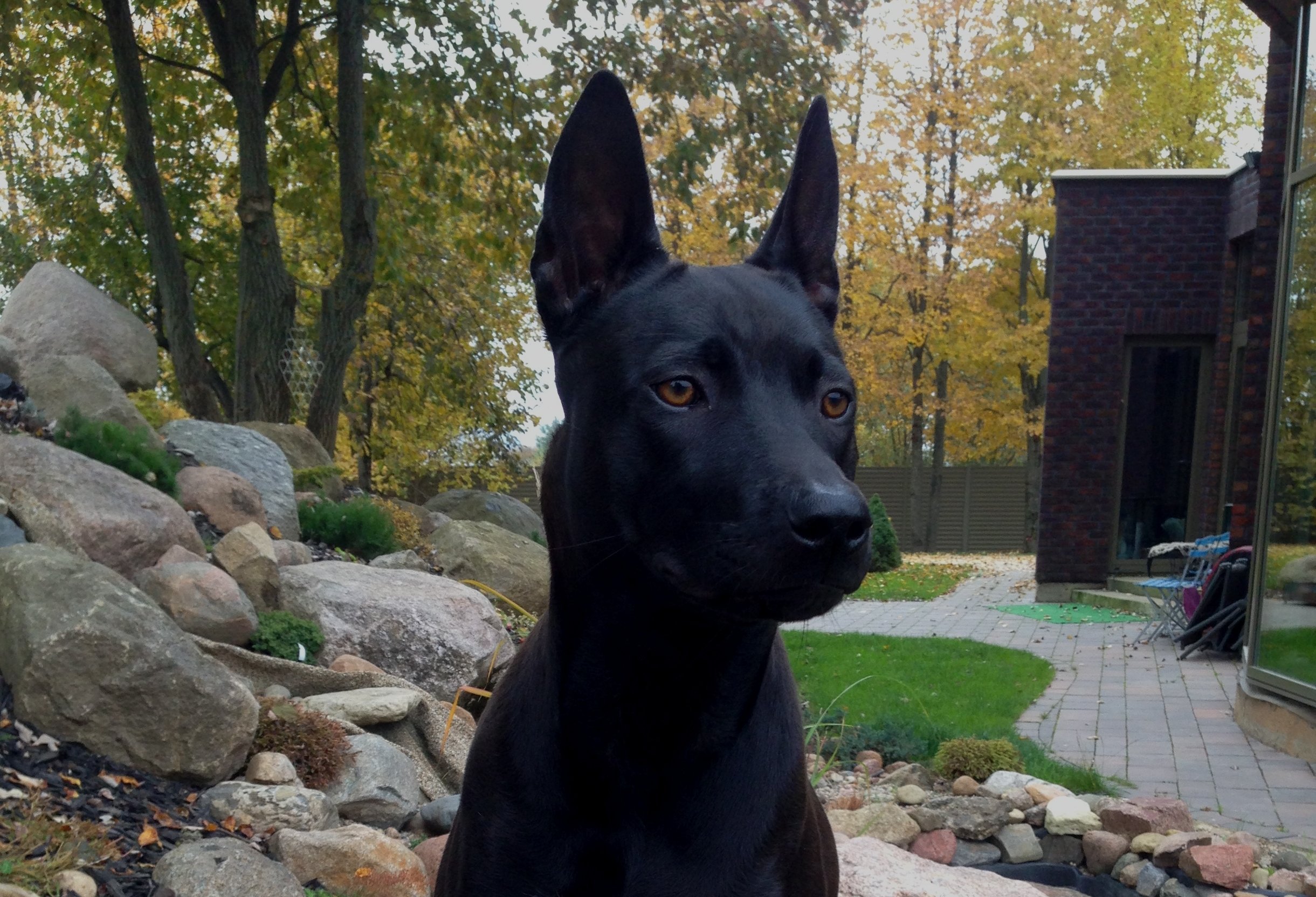
The Taiwan Dog (also known as Takasago, Formosan, or Formosan Mountain Dog) is a unique breed with an ancient and fully documented history. These dogs have inhabited the island of Taiwan for many centuries and are considered one of the oldest breeds from this region. However, the official recognition of the breed is relatively recent, occurring in 2015 when the FГ©dГ©ration Cynologique Internationale (FCI) officially registered and described the Taiwan Dog.
The origin of these dogs is often shrouded in mystique and legends, as precise records are lacking. They are believed to be descendants of ancient Southeast Asian hunting dogs that lived among the indigenous peoples of Taiwan’s central mountainous regions. These dogs survived due to their independence, adaptability to the island’s harsh climate, and suitability for work in fields and mountains.
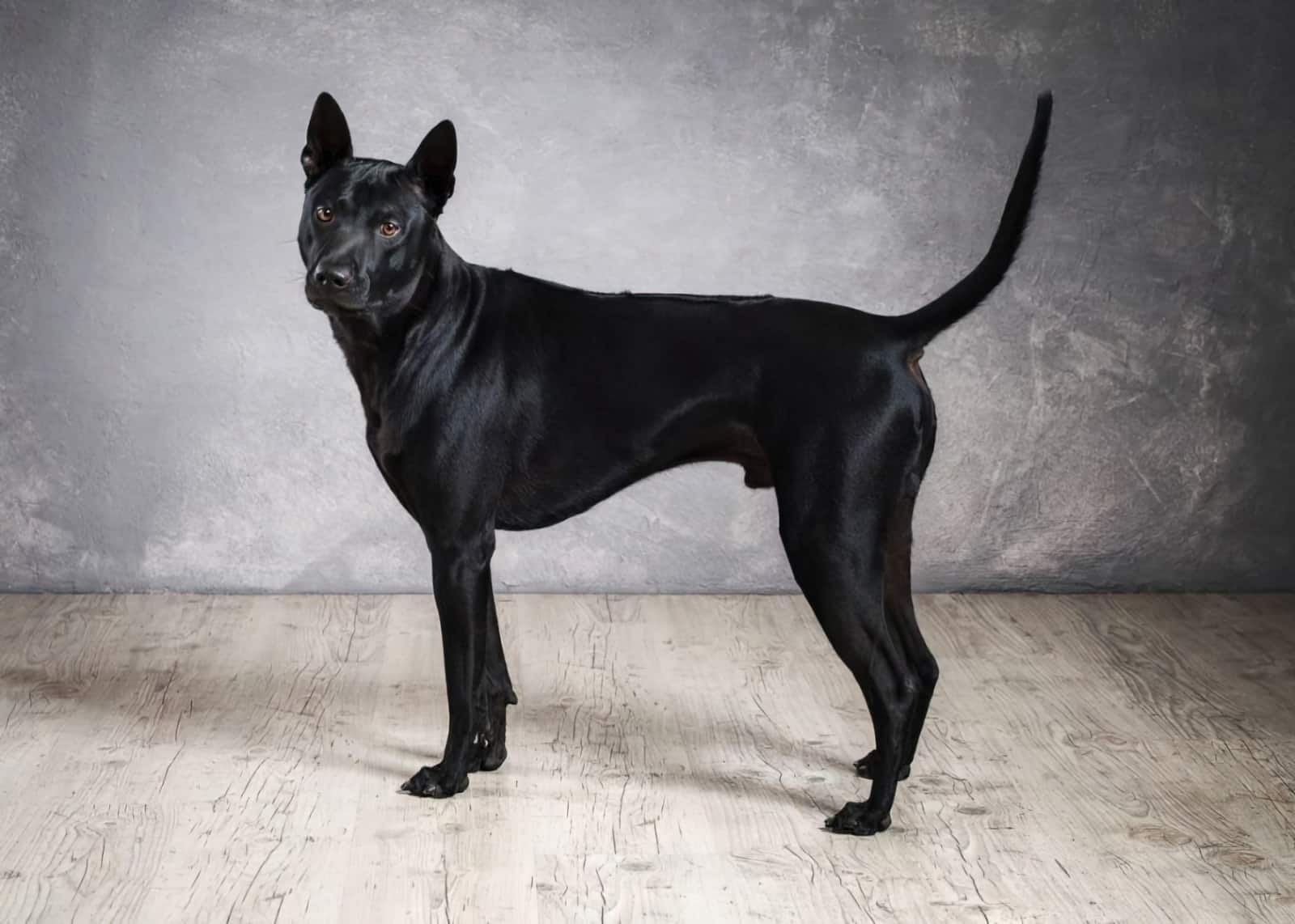
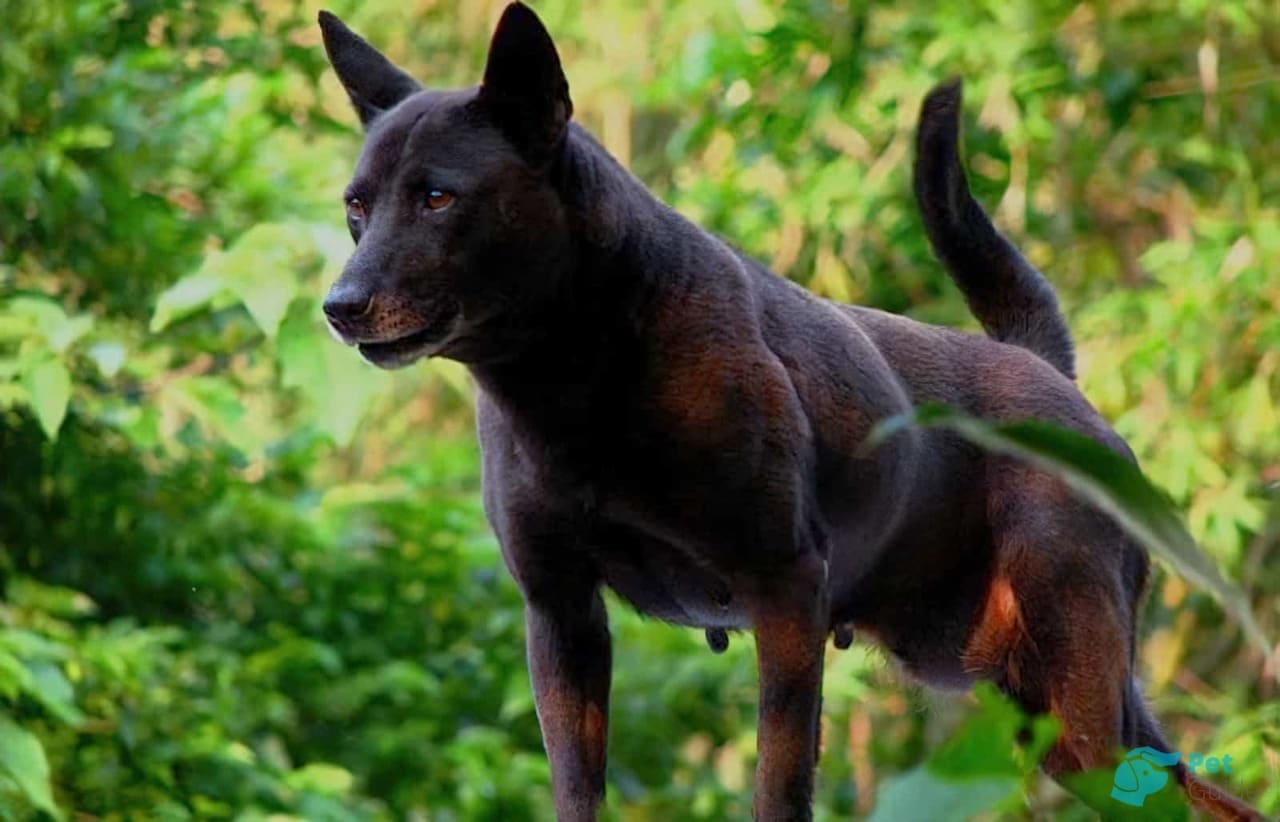
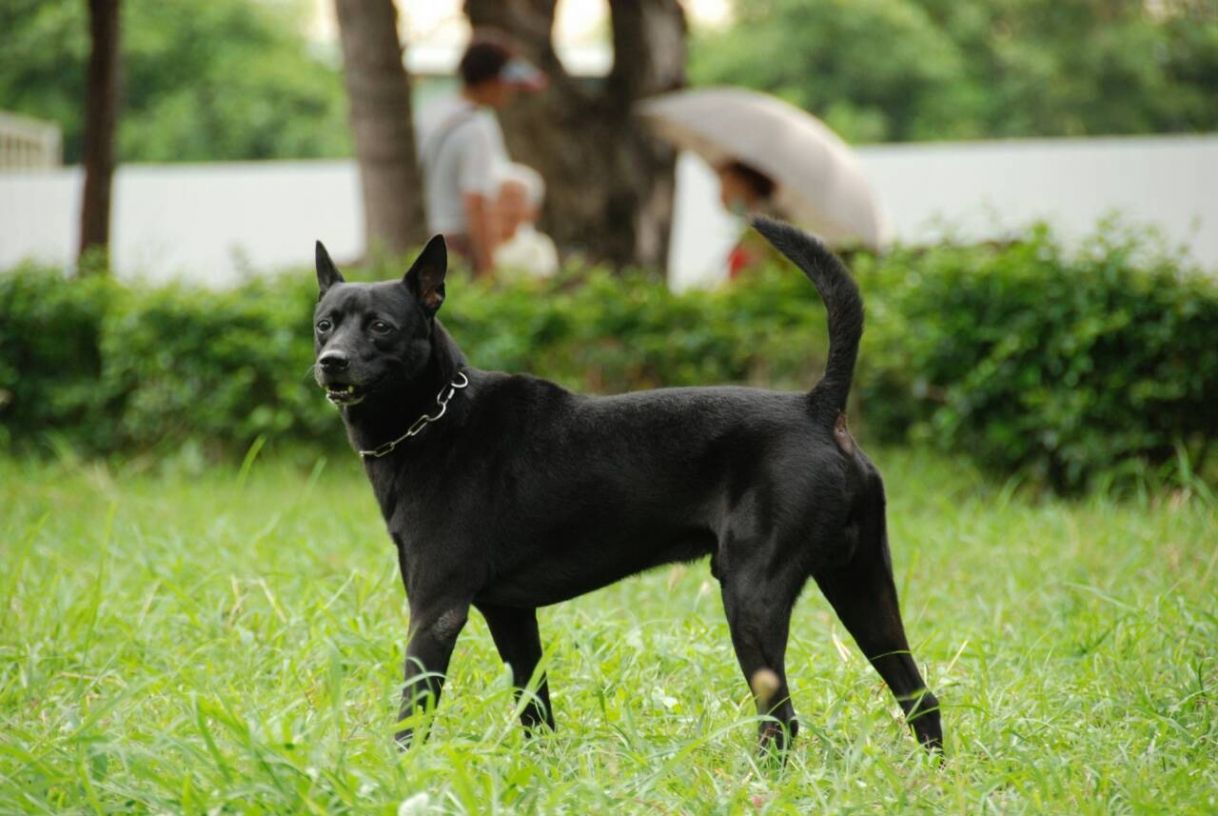
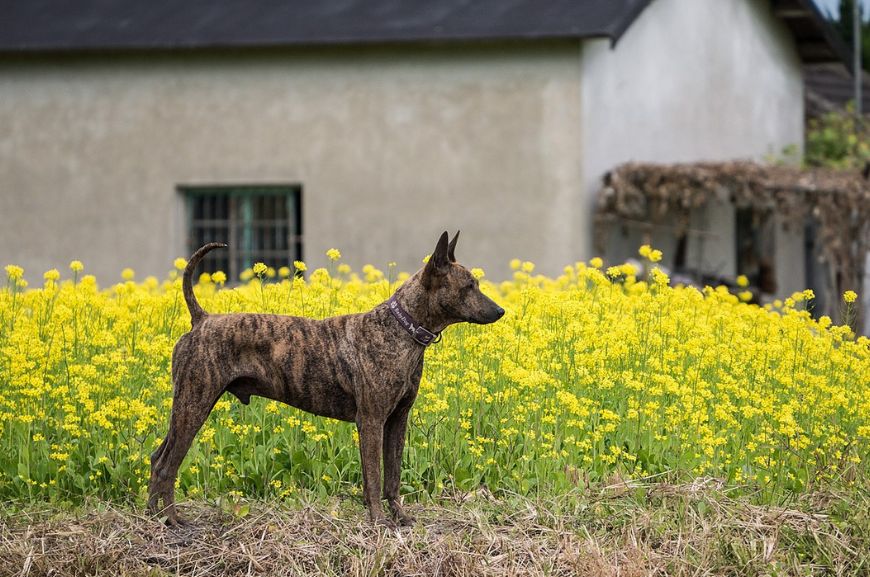
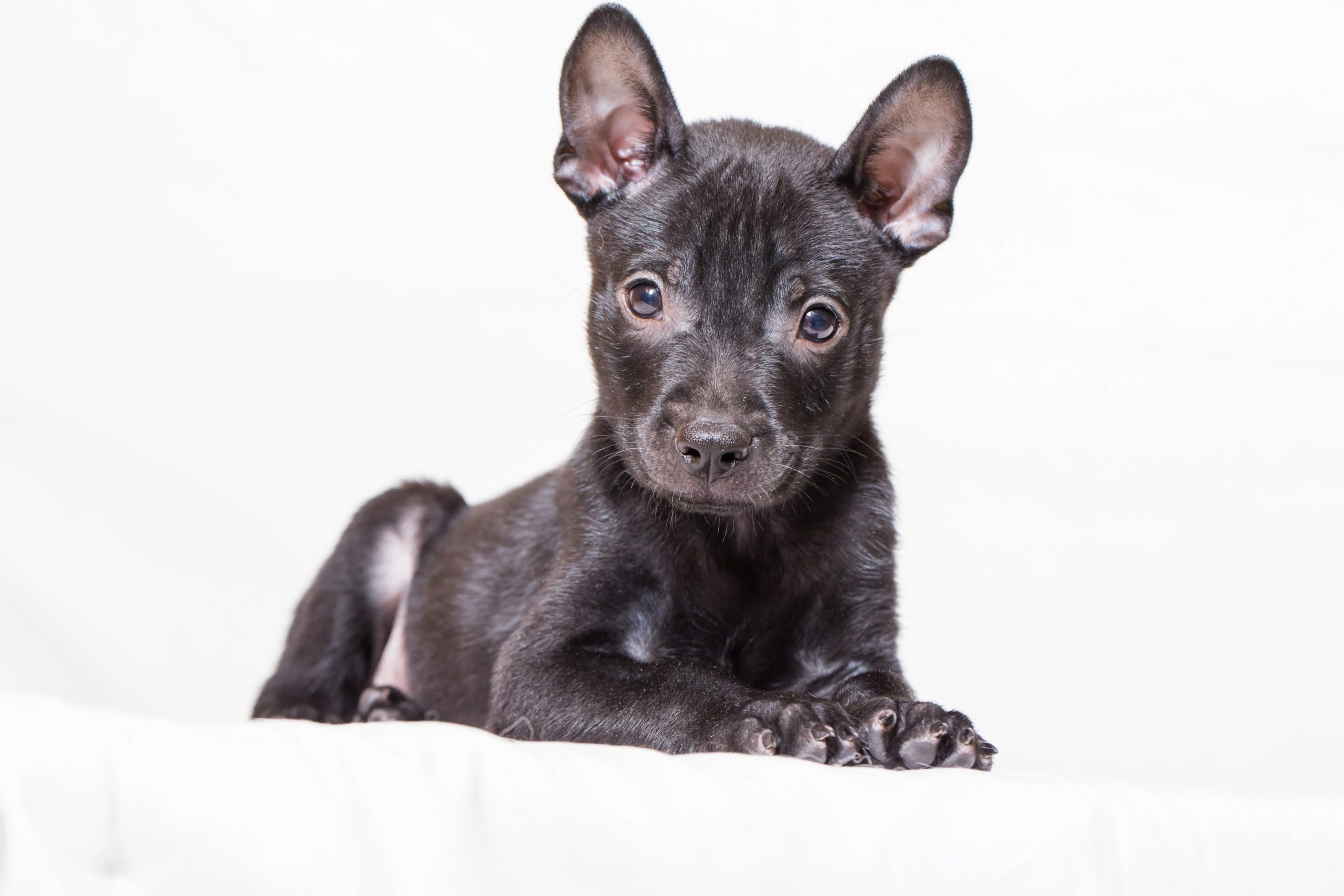
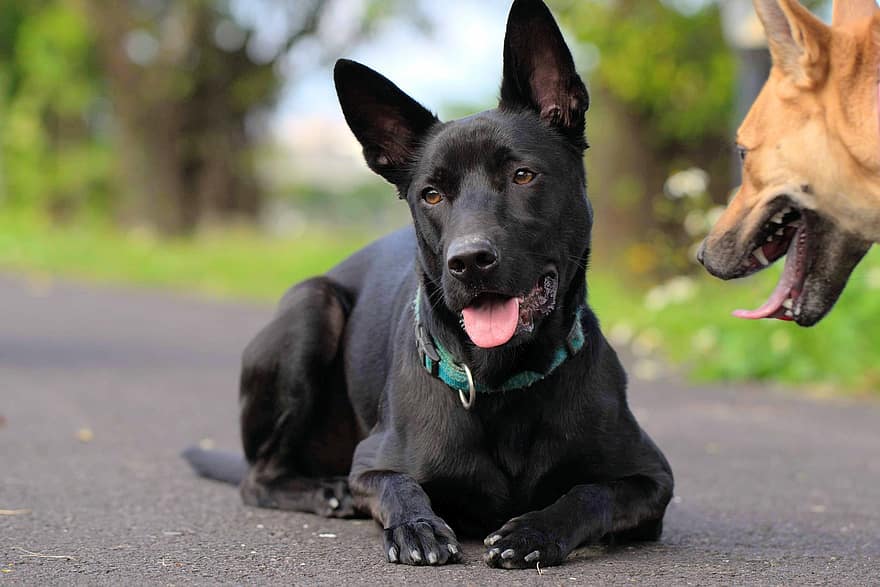
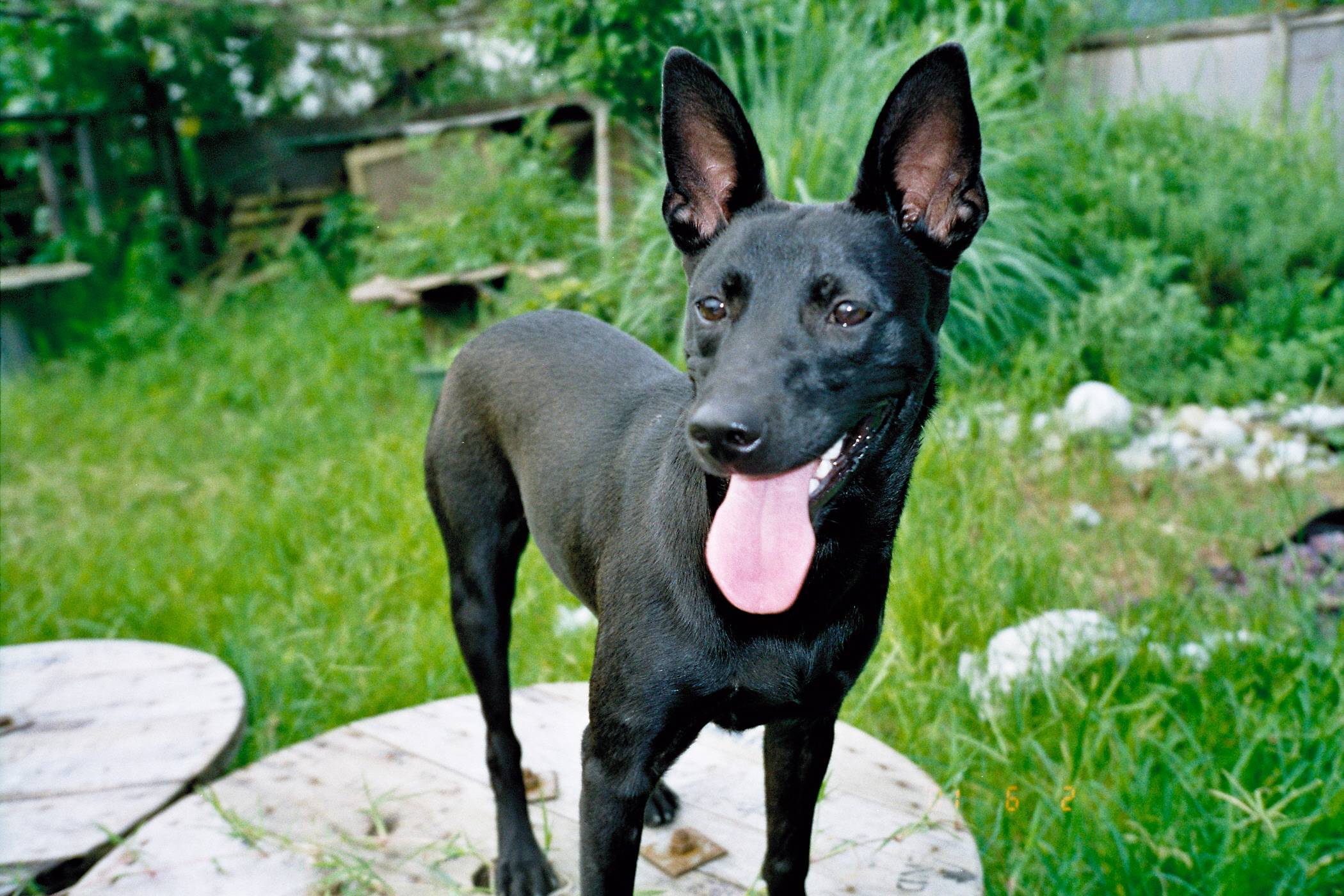
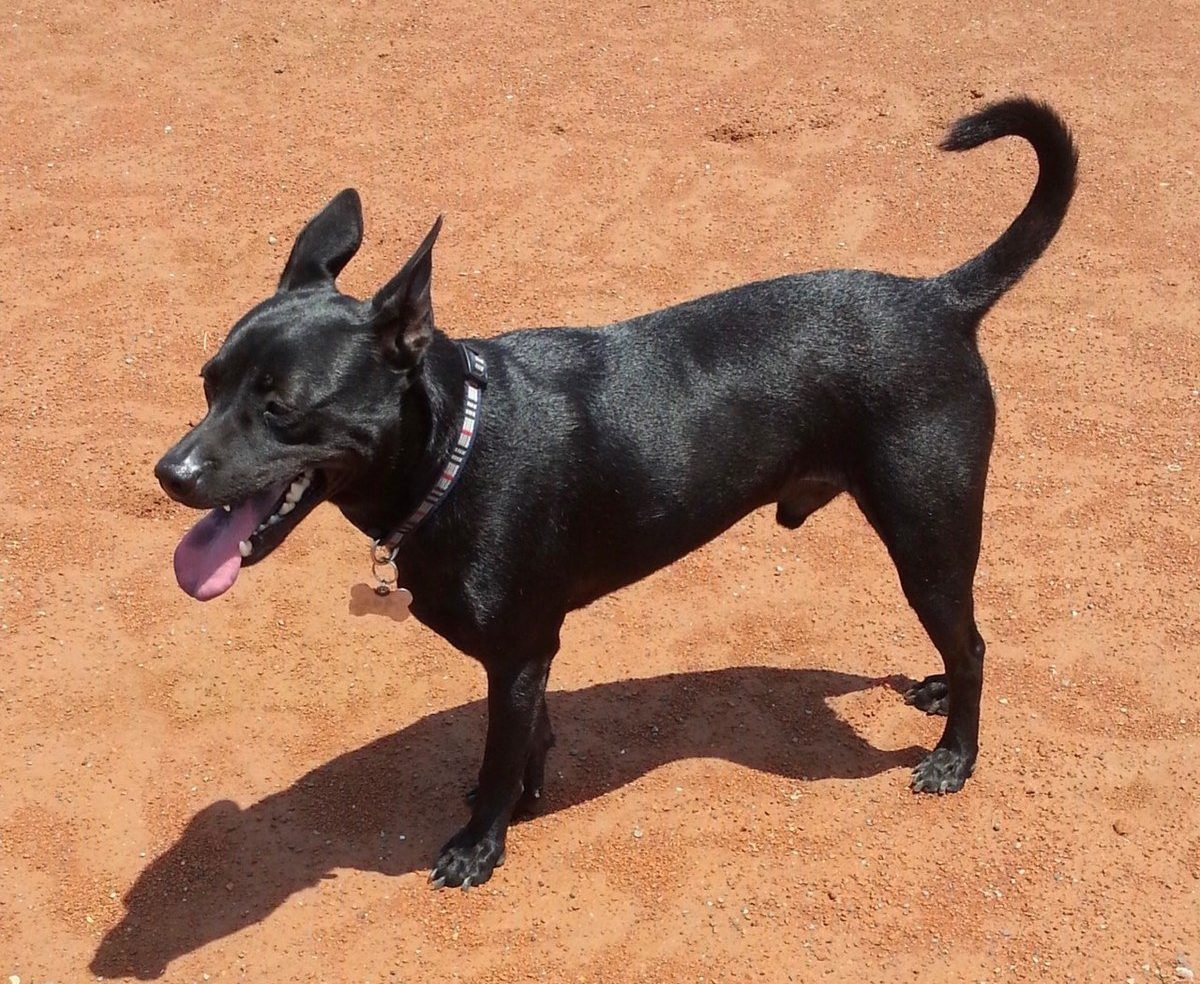
The appearance of the Taiwan Dog is characterized by a strong, muscular build with good proportions. The official breed standard describes them as medium-sized dogs with a triangular head, sharp, almond-shaped eyes, and thin, erect ears. Their tails are sequoia-shaped, set high, and curled forward. The coat is short, dense, and lies close to the body, with colors ranging from black and fawn to various combinations of these colors.
In behavior, Taiwan Dogs typically display high independence and intelligence. They are observant and possess a considerable level of self-confidence. They are often described as loyal to their owners, cautious, and bold in their actions. Taiwan Dogs have a pronounced hunting instinct and a tendency for active engagement, making them excellent companions for outdoor enthusiasts.
Today, the Taiwan Dog remains rare outside of Taiwan. Efforts to preserve and popularize the breed in other countries are beginning to gain momentum, driven by breed enthusiasts and professional breeders. These dogs represent not only the cultural and historical heritage of Taiwan but also a unique opportunity for dog lovers to discover one of the most distinctive representatives in the canine world.
The price for a puppy ranges from 100,000 to 200,000 rubles.
Appearance
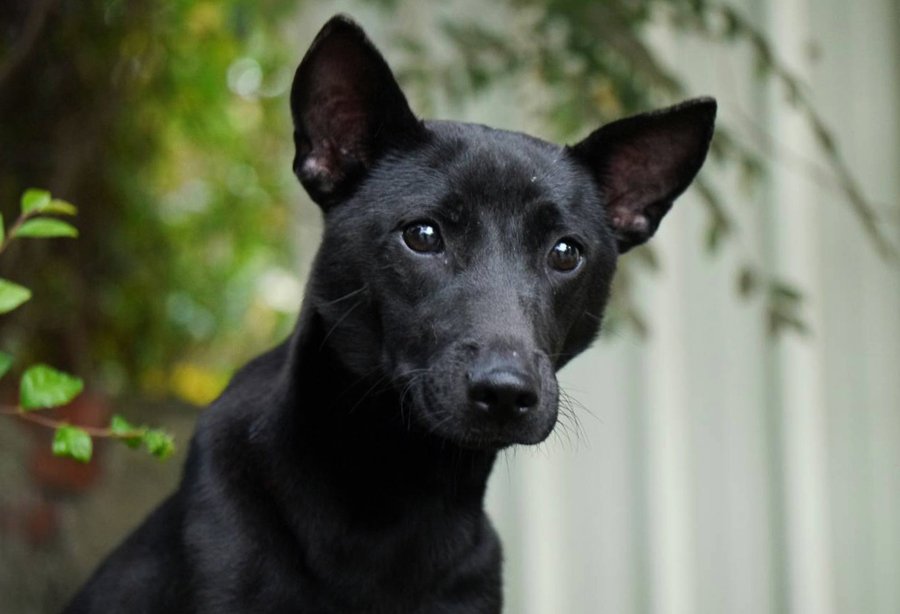
The Taiwanese dog is a breed that has inhabited the island of Taiwan since ancient times. Due to political reasons, the animal is under the care of Japan. It belongs to the spitz group and primitive-type breeds. The dog has a muscular, elegant, nearly square build. The official standard describes it as a medium-sized dog with a triangular head, almond-shaped eyes, thin straight ears, and a saber-shaped tail. It has a dry, firm, harmonious physique.
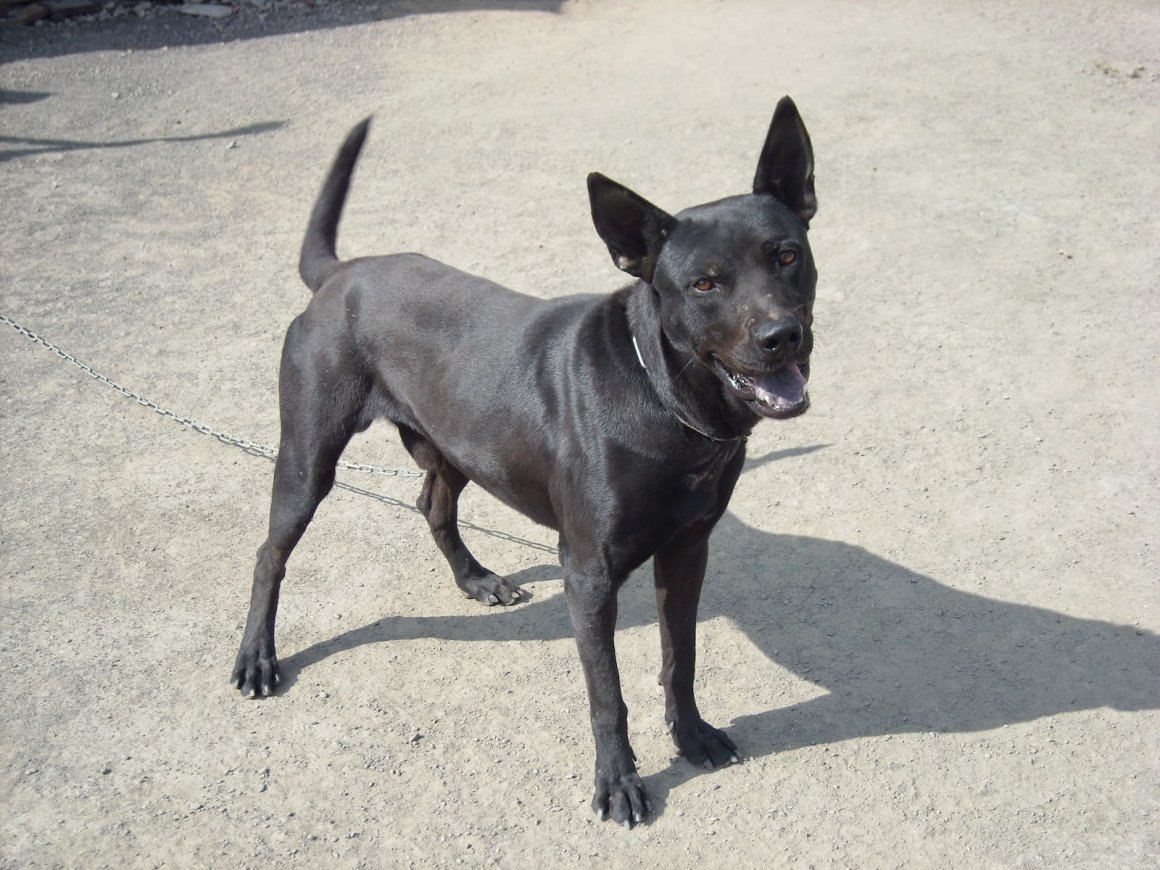
Females are smaller than males. The height at the withers for males ranges from 48 to 53 cm, while for females it ranges from 43 to 48 cm. The weight is approximately 14-18 kg for males and 12-16 kg for females. The tail is raised in an arc, set high, held vertically with a curved tip pointing forward. The coat is short, harsh, and closely fitting. The color can be black, brindle, fawn, white, or any combination thereof. The ears are erect.
A well-cared-for Taiwanese dog can live up to 12 years or longer.


Отличительные черты

Голова

Морда

Уши

Глаза

Зубы

Корпус

Конечности

Хвост

Шерсть

Окрас
Character
The Taiwanese dog is known for its independence, intelligence, and loyalty to its owner. Relationships with this breed require a certain understanding of its characteristics. One of the key traits of the Formosan dog is its independence. These dogs have a strong-willed nature and can show autonomy in decision-making. They are not prone to anxiety or clinginess, preferring to maintain their independence even in everyday situations.
Takasa is independent and smart. She observes her surroundings attentively. She has enough self-assurance to appear calm. She is lively and energetic. The official standard describes her character as extremely devoted to her owner, having a sharp sense, being lively in movement, brave, and fearless.
The Formosan is considered courageous and fearless, as well as “devoted to its owner.” The Taiwanese dog is sociable and vibrant. It possesses many natural instincts, including active guardian and hunting traits. It lacks a pronounced “desire to please.” Fetching objects is not her forte, nor is completing tasks whose purpose she does not understand. She needs daily long walks and ample activities. She is attached to her owner and affectionate. You should not only respect but also love her quirks. This dog is not suitable for novice dog owners.
The intelligence and intellect of the Taiwanese mountain dog are also highly valued. They were bred as working and hunting dogs, which required them to be capable of independent thinking and decision-making. These qualities make them excellent companions for active people who can provide them with mental and physical stimulation.
The temperament of the Formosan dog is described as balanced and calm, but they can also be energetic and playful, especially in the company of their loved ones. They are well-suited for families with children due to their tolerant and friendly attitude toward kids.
Socialization traits also play an essential role in shaping the character of the Taiwanese dog. It is important to start socialization from an early age so they can feel comfortable in various environments and with different people and animals.The Taiwanese dog is a breed with a unique and harmonious character, combining independence, intelligence, loyalty, and balance. These qualities make them excellent companions for active individuals and great family members who can enjoy life alongside their owners.
Revival of the breed
The Formosan dog is considered one of the oldest breeds developed in Taiwan. Historically, these dogs were used by locals for protection and hunting. However, for many years the breed was on the brink of extinction due to crossbreeding with other breeds and changing living conditions. Thanks to the efforts of enthusiasts, the breed has been revived and is now recognized as part of Taiwan's national cultural heritage.Care and Maintenance
The Taiwanese Dog is a breed that requires special attention and care to fully express its potential and maintain health for many years. In this detailed text, we will examine the key aspects of keeping and caring for a Taiwanese Dog.
Proper nutrition plays an important role in the overall health of the Formosan Mountain Dog. They should receive a balanced diet that meets their age, size, and activity level. It is important to choose high-quality commercial food or prepare homemade meals under a veterinarian’s guidance, considering their needs for proteins, fats, carbohydrates, vitamins, and minerals.
Taiwanese Dogs are active and energetic, requiring sufficient physical activity. Regular walks, running, playing, and other types of exercise will help them maintain good physical fitness and prevent excessive stress or frustration.
The coat of the Formosan is short, dense, and rough, making it easy to care for. They do not require complicated grooming, but regular brushing helps remove dead hair and reduce shedding. Additionally, it is important to regularly check the condition of their skin to avoid irritations or parasites.
Taiwanese Dogs are intelligent and trainable, but they can display independence. Effective training includes positive reinforcement, consistency, and patience. It is important to begin socialization at an early age so they feel confident interacting with other dogs, people, and their environment.
Regular visits to the veterinarian for preventive check-ups and vaccinations play a key role in maintaining the health of the Mountain Dog. This allows for the timely detection of any potential issues and prevents the development of diseases. It is also essential to provide protection against parasites and monitor dental and gum health.Taiwanese Dogs are devoted and loyal to their owners. They require attention, affection, and involvement in family activities. This helps them feel like part of the family and supports their emotional well-being.The Formosan Dog is a breed that requires owners to address not only their physical care but also their emotional and psychological needs. Proper nutrition, ample physical activity, regular veterinary check-ups, along with love and attention from their owners, will help these intelligent and loyal dogs live long and happy lives.
Unique appearance
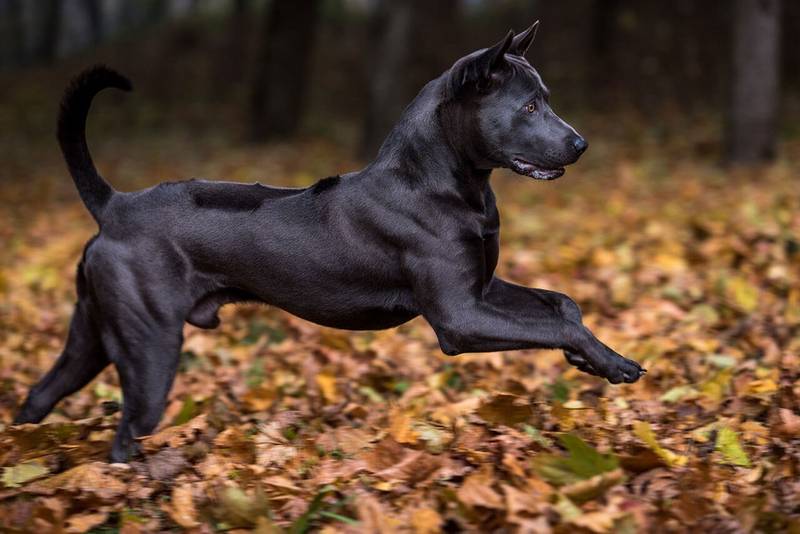
Taiwanese mountain dogs are distinguished by their elegant and strong build. Their triangular-shaped head, with pronounced almond-shaped eyes and erect ears, gives them a unique appearance. One interesting aspect is their sable coloration, which can include various shades such as black, tan, white, and brindle, making each individual unique.Training and Education
Training and education of the Formosan dog play a crucial role in its upbringing, adaptation to the environment, and strengthening the bond with its owner. This breed has unique traits of character and intelligence, making the learning process interesting and productive when approached correctly.
Taiwanese dogs are known for their high level of intelligence and independence. They learn quickly and can show creativity in problem-solving. This requires owners to be flexible and patient during training to stimulate their mental abilities and develop new skills.
For successful training of a Formosan, it is recommended to use positive reinforcement methods. This includes rewarding desired behaviors through treats, play, or praise, which helps strengthen positive associations and the dog’s motivation.
From an early age, Taiwanese dogs need active socialization. This allows them to adapt to various people, dogs, and environments, reducing the risk of developing aggressive or fearful behavior. Walks in different places, encounters with other animals and people, and attending public events all help to shape a confident and friendly character in the dog.
Regular and consistent training sessions are key in shaping the desired behavior of a Taiwanese dog. Short and frequent sessions are more effective than long and monotonous ones. It is important to consider the individual characteristics and temperament of the dog to ensure the approach is the most effective.
Training a Taiwanese dog is a continuous process. Even after mastering basic commands, it is important to keep its mental abilities active. This can be done through a variety of exercises, games, and tasks that stimulate its mind and maintain interest in learning.Taiwanese dogs can exhibit independence and stubbornness, especially if they do not see the purpose in following a command. Owners must be patient, remain calm, and avoid physical punishment, as this can negatively impact the dog’s attitude towards training.In conclusion, training and educating a Taiwanese dog requires a combination of understanding its unique characteristics, using positive methods, and continually working to strengthen the bond between the dog and owner. The right approach not only helps to shape desired behaviors but also builds trust and enhances the quality of life for both the dog and its owner. At Zooinika, they offer elite breed puppies with complete documentation.
Independence
Takashago dogs possess a unique set of characteristics. They are known for their independence and intelligence, making them ideal for working alone and making decisions in complex situations. At the same time, Taiwanese dogs are very loyal to their owners, displaying a high level of loyalty and protection, especially when it comes to family relationships.
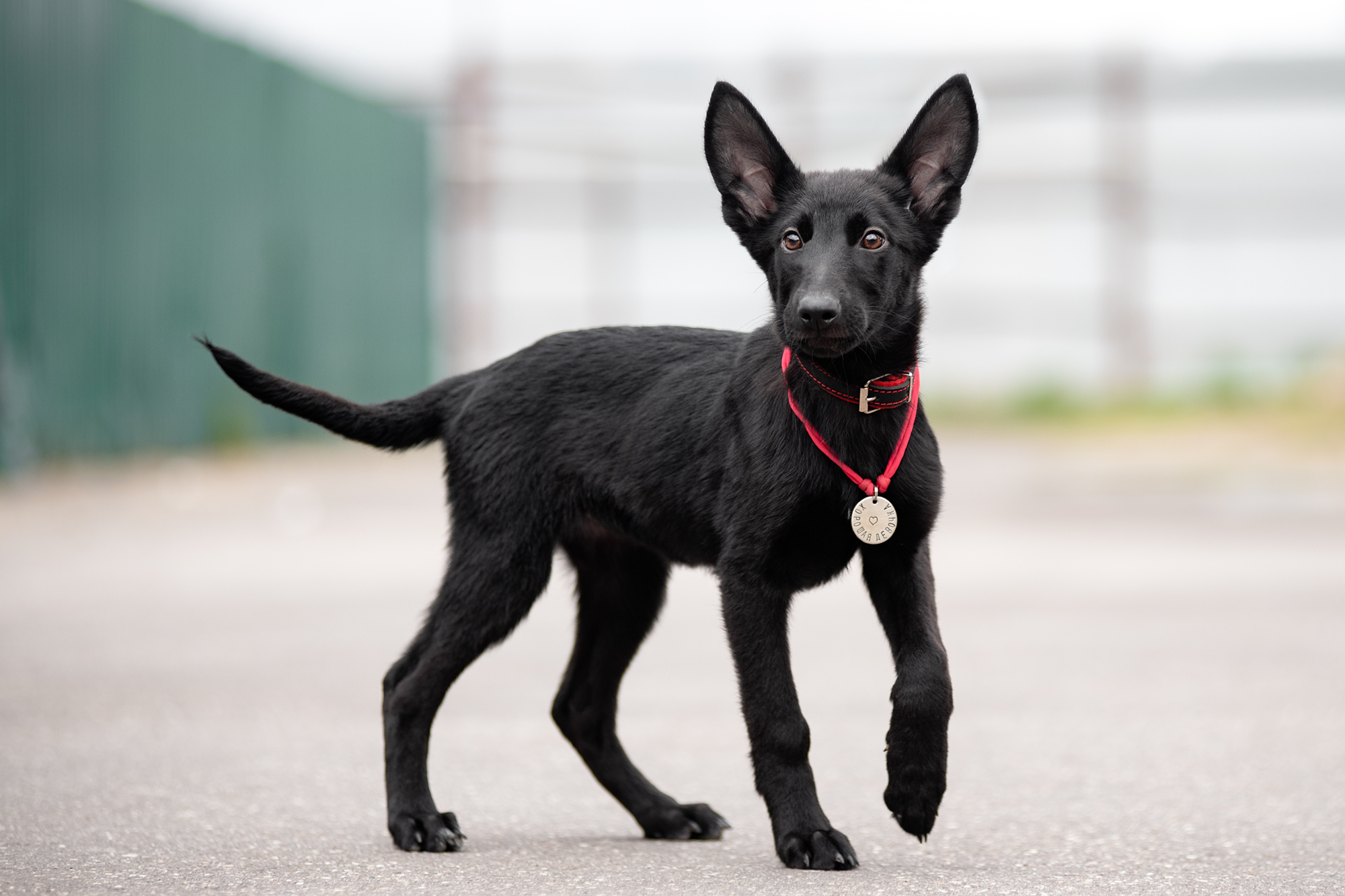
How to Choose a Puppy
Choosing a puppy of the Taiwan breed requires a thoughtful and conscious approach, considering the specific traits of this breed and the needs of your future pet. Here are the key steps to help you make the right choice:
Research the Breed.
Before you start searching for a puppy, it’s important to thoroughly study the characteristics of the Taiwan dog. This breed is known for its high intelligence, independence, and activity levels. They require active engagement with people and socialization with other dogs from an early age.
Choosing a Breeder.
Determine a responsible breeder who specializes in breeding Taiwan dogs. Finding a good breeder may involve reading reviews, getting recommendations from other owners of the breed, and visiting the kennel in person to assess the living conditions.
Health and Genetics.Ensure that the breeder conducts all necessary veterinary checks and examinations of the puppy’s parents for hereditary diseases typical of the breed. This includes checking for hip dysplasia, progressive retinal atrophy, and other conditions.Visiting the Kennel.It is best to visit the kennel in person where the puppies are raised. This will allow you to evaluate the living conditions, the health of the puppies, and their behavior. Pay attention to their activity level, interest in their surroundings, and their interactions with the mother and other puppies.Evaluating Puppies.When choosing a puppy, consider its overall health, activity, cleanliness, and the shine of its coat, as well as the cleanliness of its eyes and ears. A healthy puppy should be lively, curious, and free from signs of illness or parasites.Interacting with the Puppy.Spend time with the potential future pet, observing its reactions to you and the environment. Taiwan dogs often demonstrate intelligence and cleverness even at a young age. It’s important to choose a puppy with whom you will have a good rapport.Preparing for Training.After selecting a puppy, start preparing for its up
Health and Diseases
The Taiwan dog, like any other breed, has its own health characteristics and is prone to certain diseases that owners should pay attention to. Here are the main health aspects and potential issues that Taiwan dog owners may encounter:
Physical Health.
Taiwan dogs generally have strong health and longevity. The average lifespan is around 12-14 years, provided they receive proper care and regular veterinary check-ups. However, like any other breed, there are several diseases and conditions that are important to watch for.
Hereditary Diseases.
Formosan dogs may be susceptible to hereditary conditions such as hip and elbow dysplasia. Hip dysplasia is a condition where the joints do not form properly, which can lead to pain and mobility issues in the dog. This is particularly important for larger breeds like Taiwan dogs.
Progressive Retinal Atrophy (PRA).This hereditary eye disease leads to gradual vision loss and ultimately blindness in the dog. Early detection of PRA allows owners to take measures to slow the disease’s progression and ensure a comfortable life for their pet.Infectious Diseases.Like other breeds, Formosan dogs can encounter various infectious diseases, such as canine distemper, parvovirus, infectious hepatitis, and leptospirosis. Vaccination is an important part of preventing these diseases and should be done according to the veterinarian’s recommendations.Parasitic Diseases.Regular prevention against parasites such as fleas, ticks, and worms is also crucial for maintaining the health of a Taiwan dog. Parasites can cause various diseases and allergic reactions; therefore, regular treatment and monitoring of their condition are necessary.Care and Prevention.To maintain a Taiwan dog’s health, it is essential to monitor its diet, ensure adequate physical activity, and schedule regular veterinary check-ups. A balanced diet that matches its age and activity level plays a key role in supporting immunity and overall condition.The Taiwan dog is a breed with strong health and en
Содержание
-
1. Описание породы
-
2. Внешний вид
- 2.1 Голова
- 2.2 Морда
- 2.3 Уши
- 2.4 Глаза
- 2.5 Зубы
- 2.6 Корпус
- 2.7 Конечности
- 2.8 Хвост
- 2.9 Шерсть
- 2.10 Окрас
-
3. Характер
-
4. Содержание и уход
-
5. Дрессировка и обучение
-
6. Как выбрать котенка
-
7. Здоровье и болезни


Комментарии
Отзывы могут оставлять пользователи, зарегистрированные на сайте. Администрация портала проверяет достоверность каждого отзыва.