
Spanish Mastiff





Warning: Illegal string offset 'label' in /home/panda/sites/zoonika/wp-content/themes/zoonika/template-parts/animals/animals-param-item.php on line 32
Ð


Breed Description
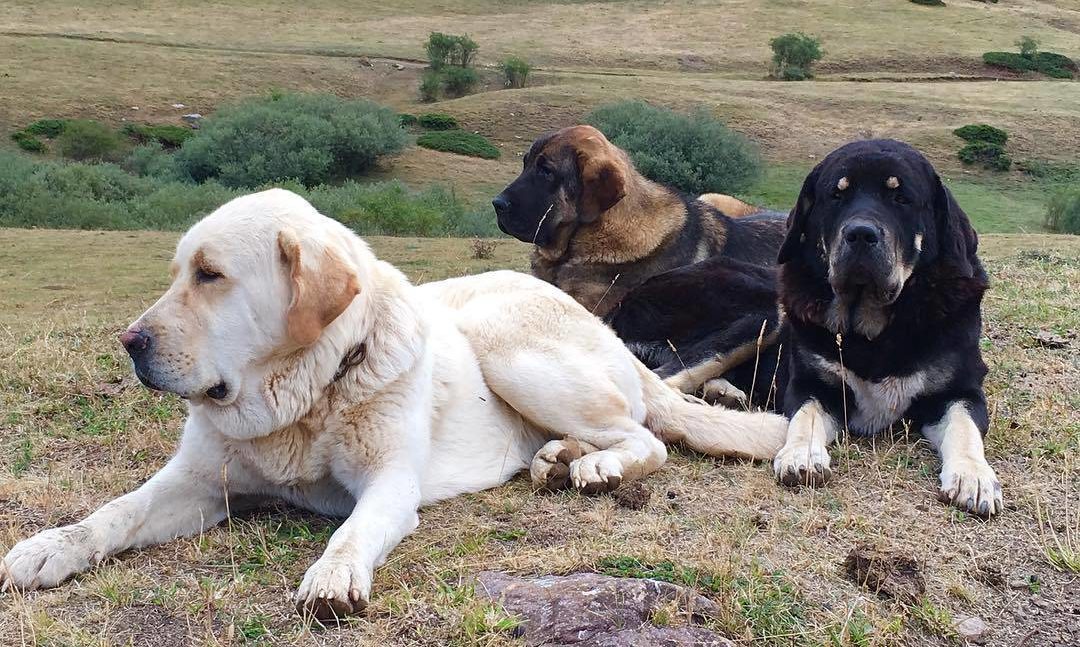
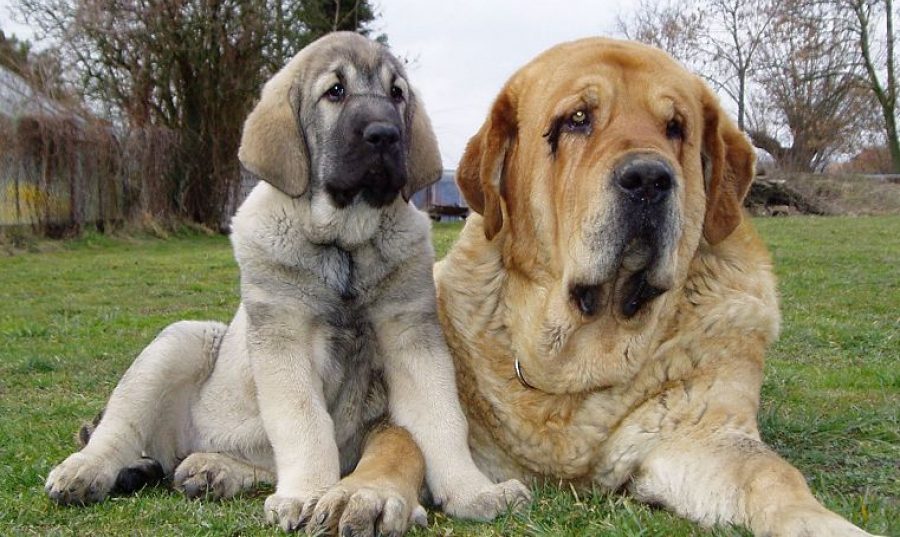
The Spanish Mastiff is an ancient breed with a history spanning several millennia. These massive and powerful dogs appeared in what is now Spain, brought by nomadic tribes who imported the ancestors of Mastiffs to the Iberian Peninsula from Asia. It is believed that the breed originated from Tibetan Mastiffs, whose blood mixed with local dogs. These early Mastiffs became indispensable companions to shepherds, guarding flocks of sheep from predators and assisting in their movement over long distances.
The development of sheep farming in Spain played a crucial role in shaping the breed. From the 15th century onward, the Spanish Mastiff became closely associated with transhumance-a seasonal migration of sheep between winter and summer pastures. These dogs accompanied the flocks for hundreds of kilometers, protecting them from wolves and other predators that posed a serious threat to farmers. Mastiffs not only safeguarded the herds but also demonstrated incredible endurance, following the flocks in the most challenging conditions.
The Spanish Mastiff became a symbol of shepherding culture, particularly in Castile and LeГіn, where the breed reached its highest popularity. Breeders selected the largest, most resilient, and protective dogs to deal with predators such as wolves and bears. These characteristics made Mastiffs ideal guard dogs, combining strength, intelligence, and loyalty.
With the advancement of agriculture and a decline in predator populations, the need for Spanish Mastiffs as herding dogs decreased, putting the breed at risk of extinction. However, thanks to the efforts of enthusiasts, work began in the mid-20th century to restore and preserve the breed. It was essential not only to maintain its working qualities but also to standardize its appearance for international recognition.
Today, the Spanish Mastiff is not only a reliable protector and helper but also a faithful companion. Its calm and balanced nature makes it an excellent choice for those who value reliability and loyalty. The breed remains a cultural heritage of Spain, symbolizing its agricultural history and strong connection with nature.
The price for a puppy ranges from 45,000 to 100,000 rubles.
Appearance
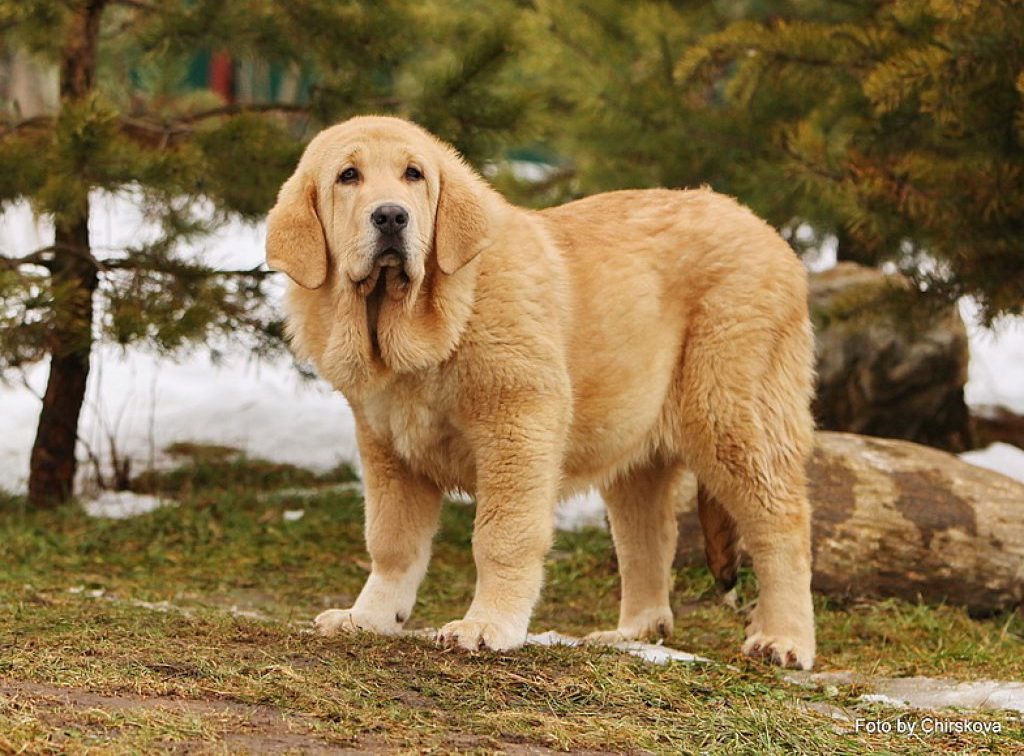
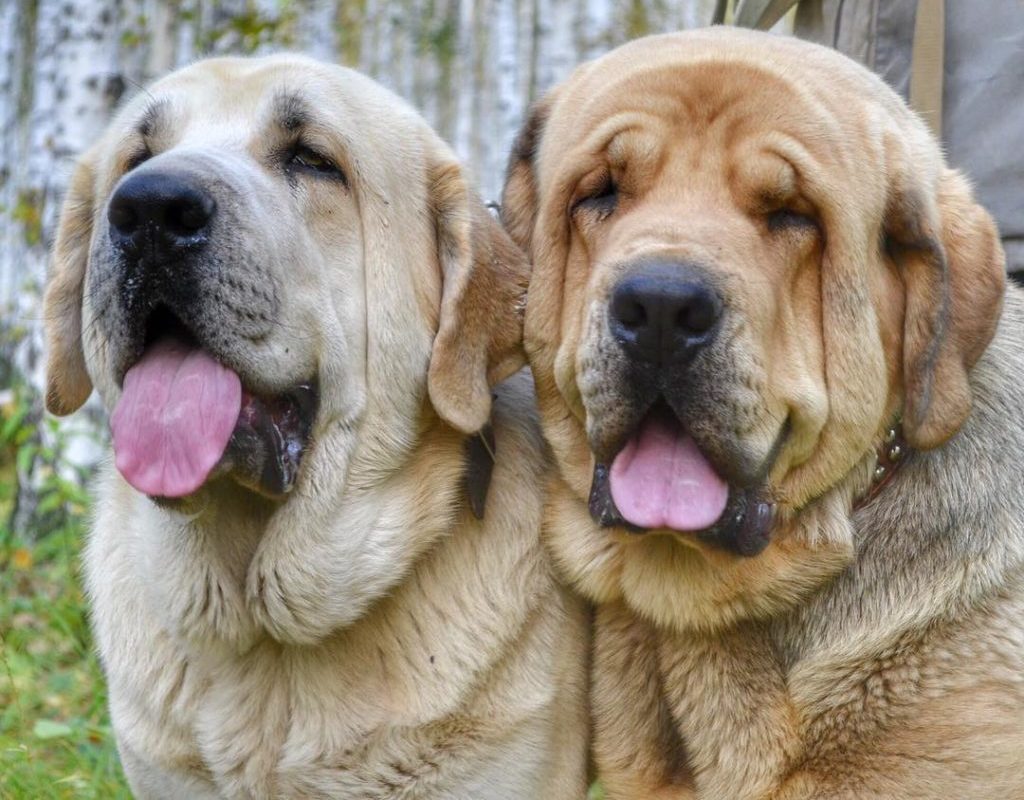
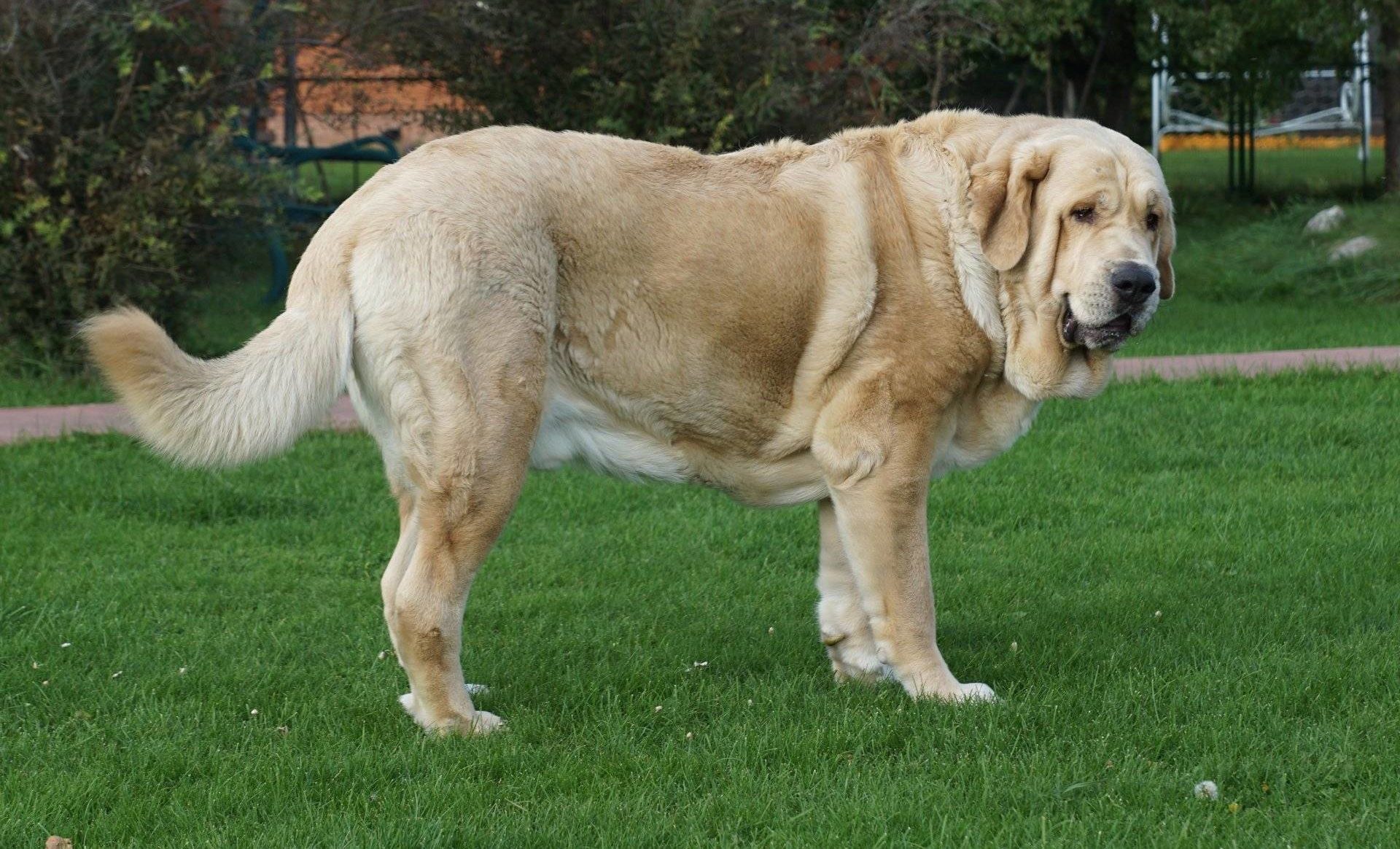
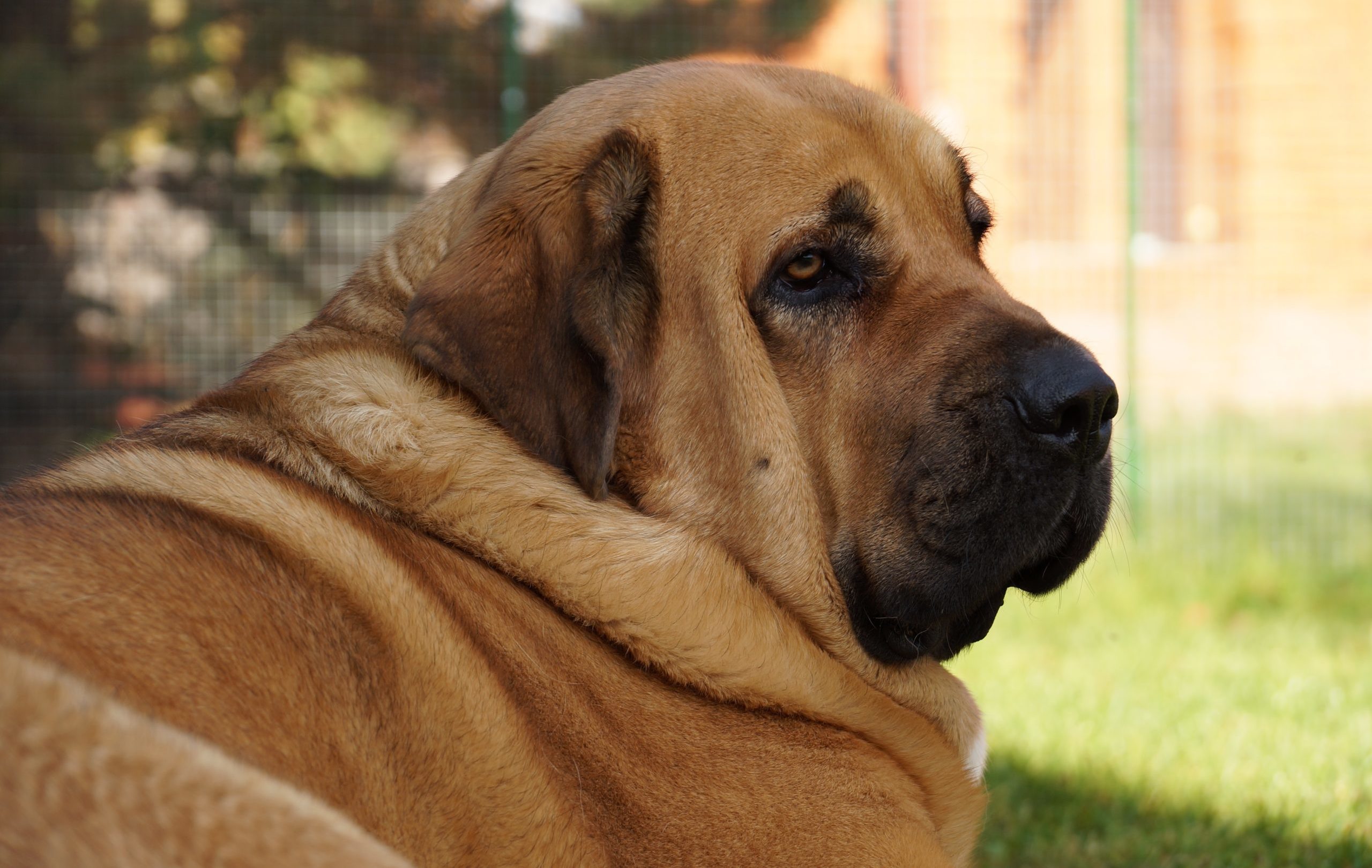
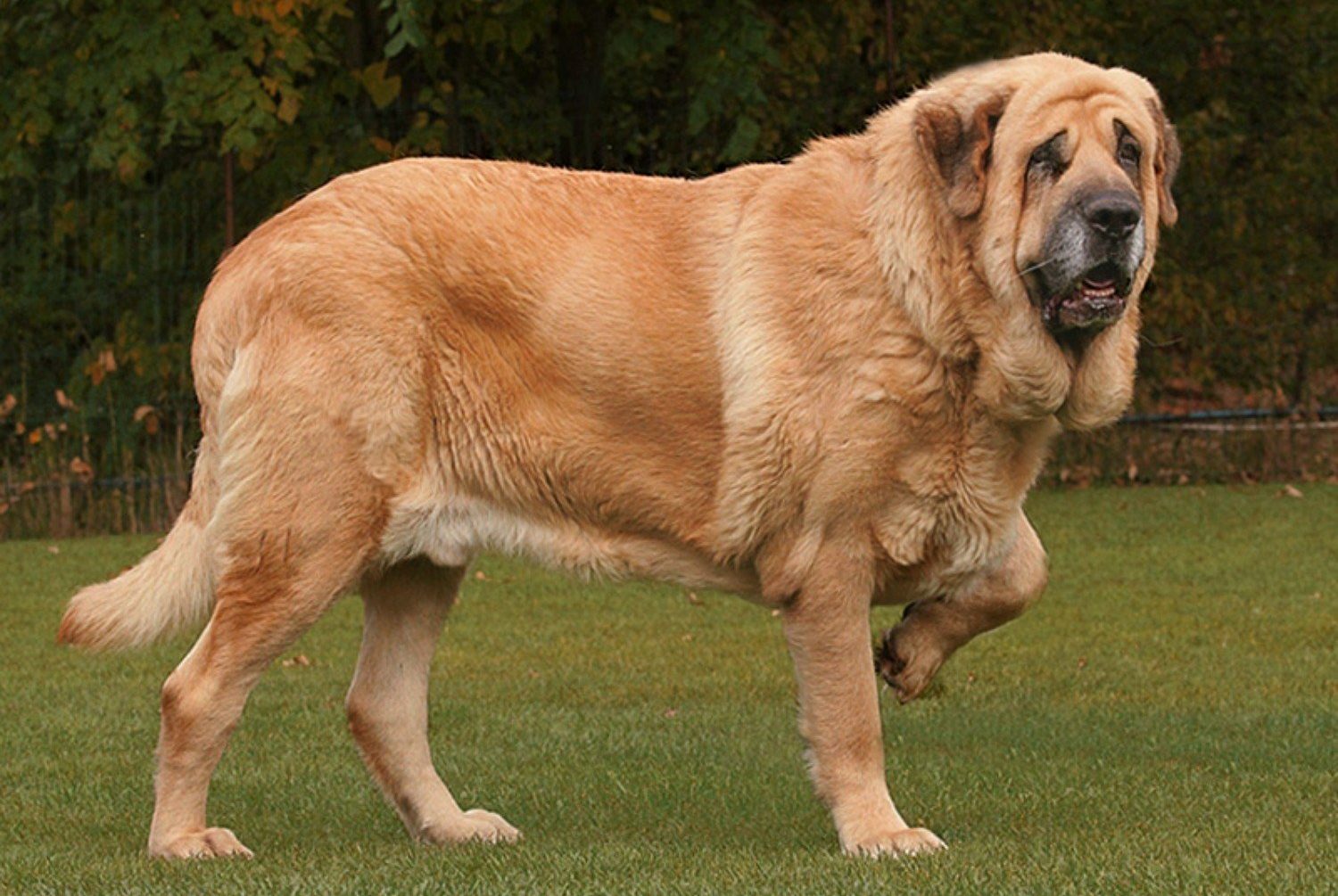
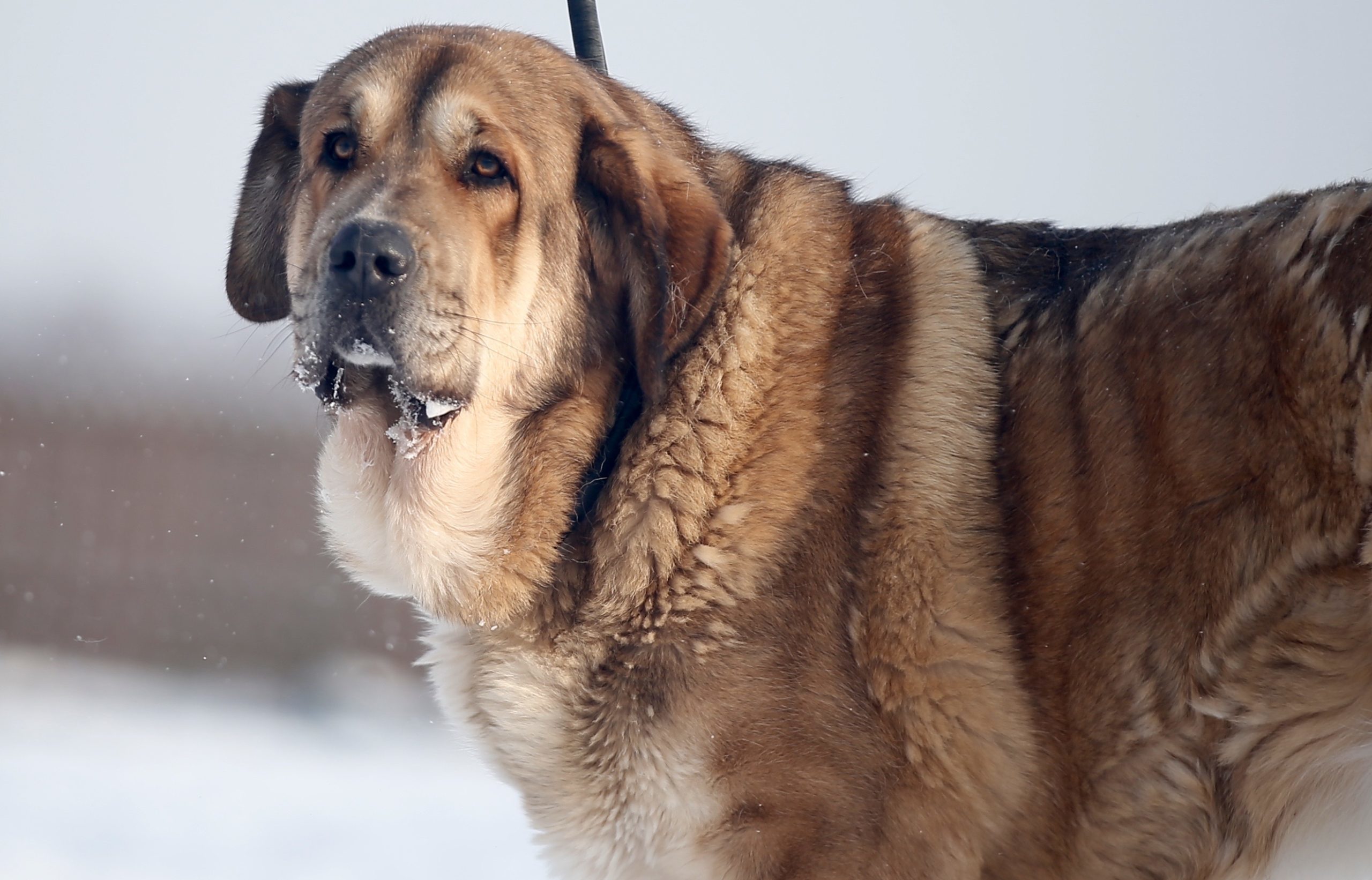
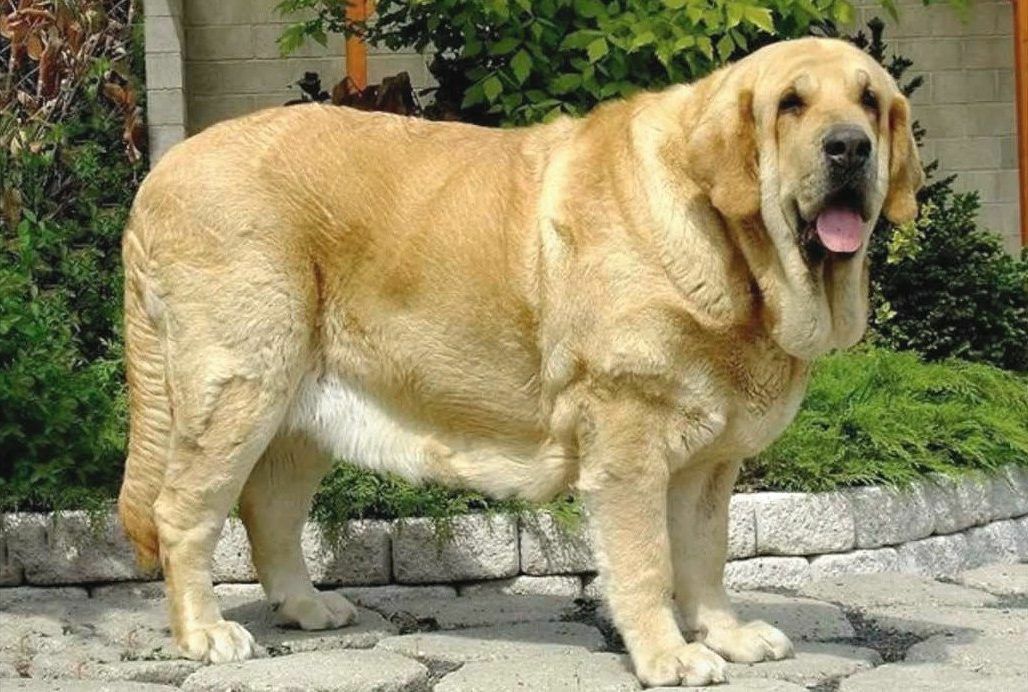
The Spanish Mastiff is a large and powerful dog with an impressive yet harmonious build that emphasizes its strength and endurance. This breed has a massive, broad chest, a strong back, and sturdy legs, making it ideal for protection and work in harsh conditions. The head is large and wide, with an intelligent and calm expression that reflects a balanced temperament. The coat is short and dense, with a thick undercoat that reliably protects against the elements, which is particularly important for dogs working outdoors.
The average height of a Spanish Mastiff is 72-88 cm for males and 68-84 cm for females. It is one of the largest breeds, making it immediately noticeable and impressive. Weights range from 50 to 70 kg for females and 60 to 90 kg for males, reflecting their powerful physique and physical strength. Despite their size, mastiffs move smoothly and confidently, demonstrating not just strength but also grace.
The lifespan of a Spanish Mastiff is on average 10-12 years. With proper care, a balanced diet, and regular veterinary check-ups, dogs of this breed can maintain their activity and health into old age. Their appearance embodies reliability, impressiveness, and loyalty, making the mastiff unique both among working dogs and household companions.


Отличительные черты

Голова

Морда

Уши

Глаза

Зубы

Корпус

Конечности

Хвост

Шерсть

Окрас
Character
The Spanish Mastiff is a dog with a balanced, calm, and confident temperament, which makes it an excellent protector and a loyal companion. This breed is known for its devotion and strong attachment to family. Spanish Mastiffs are patient and friendly, especially with children, making them reliable and caring family members. Their natural vigilance and intuition make them excellent guardians, able to respond sensitively to potential threats while remaining calm when there is no danger.
Despite their impressive size, Mastiffs are surprisingly affectionate and sociable. They prefer to be near their owner but do not demand constant attention, exhibiting independence and self-sufficiency. Their behavior carries an air of dignity: a Mastiff never fusses unnecessarily and carefully assesses a situation before acting. These dogs display a rare combination of strength and restraint, making them ideal for work and living alongside people.
The Spanish Mastiff has a habit of observing what is happening around it while maintaining a visible calm. It quickly recognizes its owner’s mood and adapts to it, making it a sensitive and reliable companion. However, Mastiffs tend to be somewhat lazy if they do not receive sufficient physical and mental stimulation. They enjoy walks, work, or tasks that require their involvement, but they do not need an excessively active lifestyle.
These dogs do not handle solitude well, as it is important for them to feel connected to their family. They may be reserved with strangers, but with proper socialization, they exhibit balance and friendliness. The Spanish Mastiff is perfect for those who value calmness, strength, and loyalty. It becomes not only a reliable guardian but also a devoted friend, ready to protect and care for its loved ones.
Prolonged maturation
The Spanish Mastiff remains a puppy for a long time, with full physiological and psychological maturity only achieved by the age of four.Care and Maintenance
Caring for a Spanish Mastiff requires consideration of its large size, thick coat, and natural needs. This breed has minimal grooming requirements as its coat is short and dense. It is recommended to brush the dog once a week to remove dead hair and maintain healthy skin. During the seasonal shedding period, grooming should be increased: regular brushing helps manage the large amount of hair that falls out. The mastiff should only be bathed as needed, using gentle shampoos to avoid disrupting the natural protective layer of the skin.
The Spanish Mastiff requires moderate physical activity. Despite their size, these dogs are not overly energetic and prefer calm walks or gentle physical exertion. They enjoy spending time outdoors, especially in spacious areas where they can quietly observe their surroundings. However, excessive physical activity, especially at a young age, can negatively affect their joints, so it is important to avoid intense training and jumping during the development of their skeletal system.
Mastiffs are sensitive to hot weather due to their thick fur and large bodies. On hot days, it’s important to provide them access to shade and fresh water, and to avoid walks during peak heat hours. This breed loves coolness and comfort, but also requires attention in winter, as prolonged exposure to cold without movement can lead to hypothermia.
The Spanish Mastiff values attention and connection with its owner. It does not like prolonged solitude, as it is naturally social and oriented toward close interaction with family. The dog poorly tolerates rudeness and unfair treatment, preferring a gentle and respectful approach. It is important for them to feel like part of the family, which enhances their loyalty and desire to protect their loved ones.
The mastiff’s diet should be balanced, with sufficient protein content to maintain muscle mass and strengthen joints. This breed is prone to gaining weight, so it is important to avoid overfeeding and to monitor its diet. Regular visits to the veterinarian, parasite prevention, and attention to joint health will help maintain the Spanish Mastiff’s health for many years. It loves comfort, attention, and a calm atmosphere where it can showcase its best qualities.
Vindictive pets
The Spanish Mastiff will not tolerate rudeness, let alone cruel treatment. It is very sensitive and holds grudges, seizing the opportunity for revenge when it arises.Training and Education
The Spanish Mastiff has a calm and independent character, which means its training requires patience, consistency, and a respectful approach. This breed is known for its intelligence and tendency to make independent decisions, a trait that stems from its history as a herding dog. The mastiff quickly learns commands when training occurs in a friendly environment and is reinforced with praise. Rudeness or aggressive methods are unacceptable, as they can lead to distrust and stubbornness in the dog.
The best method for training a Spanish Mastiff is the use of positive reinforcement, including treats, affection, and verbal praise. Training should begin at an early age to establish the foundations of obedience and socialization. Focus should be placed on commands related to control, such as “Come,” “Stand,” and “Heel,” as the mastiff, due to its large size, needs to be fully manageable. Short but regular training sessions will help maintain its attention and sustain interest in learning.
The Spanish Mastiff chooses an owner who exhibits confidence, care, and consistency. These dogs intuitively sense a person’s character and mood, so they tend to obey those who demonstrate calmness and leadership qualities. The mastiff’s owner should be patient and able to establish an emotional bond with the dog, as mastiffs value trust and closeness. A strong attachment to the family makes them particularly obedient to those who pay attention to them and respect their needs.
This breed is ideal for people willing to invest time in their upbringing and maintain discipline without pressure. The Spanish Mastiff thrives particularly well in homes that provide a calm and stable environment, allowing it to feel secure. With the right approach, it becomes not only obedient and balanced but also a loyal protector and reliable companion. Zooinika features the best options for those looking for pedigree puppies.
The nature of the lamb.
Spaniards are quite calm beings, and very little can disturb their inner peace. However, their guarding instincts are present, and at the slightest hint of danger, the mastiff will make its presence known.
How to Choose a Puppy
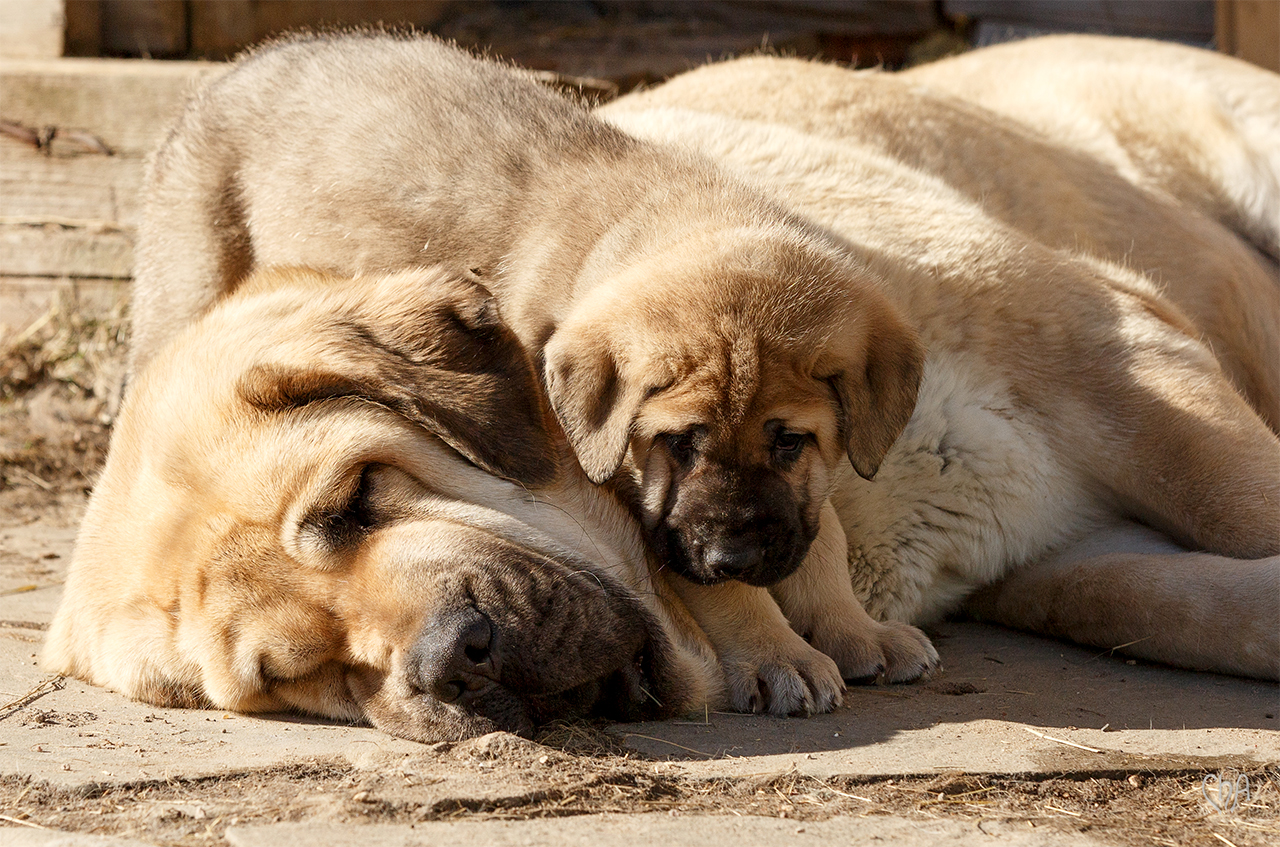
Choosing a Spanish Mastiff puppy requires a careful approach to ensure it grows up healthy and meets breed standards. The first step is to find a reputable breeder registered with an official kennel organization, such as the FCI or its national branches. A responsible breeder provides comprehensive information about the puppy’s parents, their health, achievements in shows or working trials, and demonstrates the living conditions. Puppies should be raised in cleanliness, with adequate socialization and care.
The Spanish Mastiff puppy should be active, curious, and confident. It should not exhibit excessive timidity or aggression. Inspect its appearance: the coat should be smooth and shiny, the eyes clear, and the nose moist. The puppy should move freely, without signs of lameness or weakness. Pay attention to its physique: the puppy should be robust, with a proportionate head and legs, which is foundational for proper development.
Documents play a key role when selecting a puppy. The puppy card or metrics should contain pedigree information, including data about the parents and their achievements. The parents should have test results for hip and elbow dysplasia, as this breed is prone to such issues. The puppy’s veterinary passport should include records of vaccinations, deworming, and overall health status.
If possible, meet the puppy’s parents. Their character and behavior will give an insight into how your pet may develop. The parents should be calm, balanced, and confident, reflecting the proper temperament of the breed. The living conditions in the kennel are also significant: cleanliness and available space for play and socialization indicate the breeder’s responsibility.
A responsible choice of a Spanish Mastiff puppy involves checking its health, documents, and living conditions. This ensures that the dog will grow into a healthy, harmonious representative of the breed, meeting its standards and character. Learn how at Zoonica and get an excellent pet.
Health and Illnesses
The Spanish Mastiff is a robust and resilient breed, but like other large dogs, it has a tendency to several specific health issues that owners should be aware of. One of the primary concerns is hip and elbow dysplasia. This hereditary condition, typical in large breeds, can cause pain and limit the dog’s mobility. To minimize risks, it is important to choose a puppy from parents tested for dysplasia and to monitor balanced physical activity, especially during the puppy stage when bones and joints are forming.
Spanish Mastiffs can suffer from musculoskeletal disorders, such as arthritis, particularly in old age. Weight control and regular moderate physical activity help reduce stress on the joints and prevent the development of these issues. It is also necessary to regularly inspect their paws, as their large size and active lifestyle can lead to injuries or wear on the pads.
This breed is prone to gastric dilation, or volvulus, which is common in dogs with deep chests. To prevent this, it is recommended to feed the mastiff small portions several times a day and avoid physical activity right after meals. Regular veterinary check-ups and consultations can help identify predispositions to this condition in time.
Skin diseases such as dermatitis may also occur in Spanish Mastiffs. Their dense fur requires regular examination to detect irritations, parasites, or dry skin promptly. Maintaining hygiene and a balanced diet rich in fatty acids can help support skin and coat health.
Among other potential issues, there is a predisposition to cardiovascular diseases, which are seen in some large breeds. Regular checks of heart function, proper nutrition, and monitoring physical activity can help minimize risks. Additionally, it is important to keep an eye on the eyes, as sometimes mastiffs may develop eyelid entropion, which requires medical intervention.
With proper care, a balanced diet, and regular visits to the veterinarian, the Spanish Mastiff can remain healthy and active throughout its life, which usually lasts 10 to 12 years. Attention to the condition of the joints, stomach, and skin will help prevent the primary issues typical of the breed. Considering? There’s a huge selection of ads on the Zoonica map by city.
Содержание
-
1. Описание породы
-
2. Внешний вид
- 2.1 Голова
- 2.2 Морда
- 2.3 Уши
- 2.4 Глаза
- 2.5 Зубы
- 2.6 Корпус
- 2.7 Конечности
- 2.8 Хвост
- 2.9 Шерсть
- 2.10 Окрас
-
3. Характер
-
4. Содержание и уход
-
5. Дрессировка и обучение
-
6. Как выбрать котенка
-
7. Здоровье и болезни







Comments
Only registered users can leave reviews.
Enter