
Spanish greyhound




Warning: Illegal string offset 'label' in /home/panda/sites/zoonika/wp-content/themes/zoonika/template-parts/animals/animals-param-item.php on line 32
Ð


Breed Description
The Spanish Greyhound is one of the oldest breeds of sight hounds, with a history that dates back several thousand years. It is believed that the ancestors of the greyhound arrived on the Iberian Peninsula with the Celts in the 6th to 5th centuries BC. Their name comes from the Latin term “Canis Gallicus,” meaning “Gaulish dog,” indicating their Celtic origin. These dogs were originally bred for hunting hares and other small game in open landscapes, which shaped their endurance, speed, and keen sense of smell.
In the Middle Ages, the Spanish Greyhound became an important part of the lives of the aristocracy and landowners. It was regarded as a symbol of status and wealth. The ownership of greyhounds was often regulated by law, and only members of the upper classes could afford to keep these dogs. During this period, the breed was particularly valued for its running speed, agility, and endurance, making it ideal for chasing hares in the typical steppe and semi-desert landscapes of Spain.
The greyhound was actively used for hunting, especially in the regions of Castile and Andalusia, where its abilities were showcased to the fullest. Spanish hunters favored dogs with long, slender legs and a strong yet lightweight build, enabling them to run for hours across fields and rocky terrain. Despite its aristocratic past, the greyhound was also popular among peasants and shepherds who appreciated its ability to provide game for sustenance.
During the period of Spanish colonial conquests, the greyhound was exported to Latin America, where it was used to hunt larger game. However, in Spain itself, the breed faced decline as its popularity waned due to modern hunting methods. In the 20th century, the breed became endangered due to mixing with other sighthounds and a decrease in interest in traditional hunting.
The revival of the Spanish Greyhound began thanks to the efforts of enthusiasts aiming to preserve the national breed. Today, the greyhound is valued not only for its hunting abilities but also as a family companion due to its calm and friendly nature. The history of the Spanish Greyhound reflects the cultural and historical changes in Spain, where this dog remains a symbol of national heritage and a loyal friend to humans.
The price for a puppy ranges from 35,000 to 55,000 rubles.
Appearance
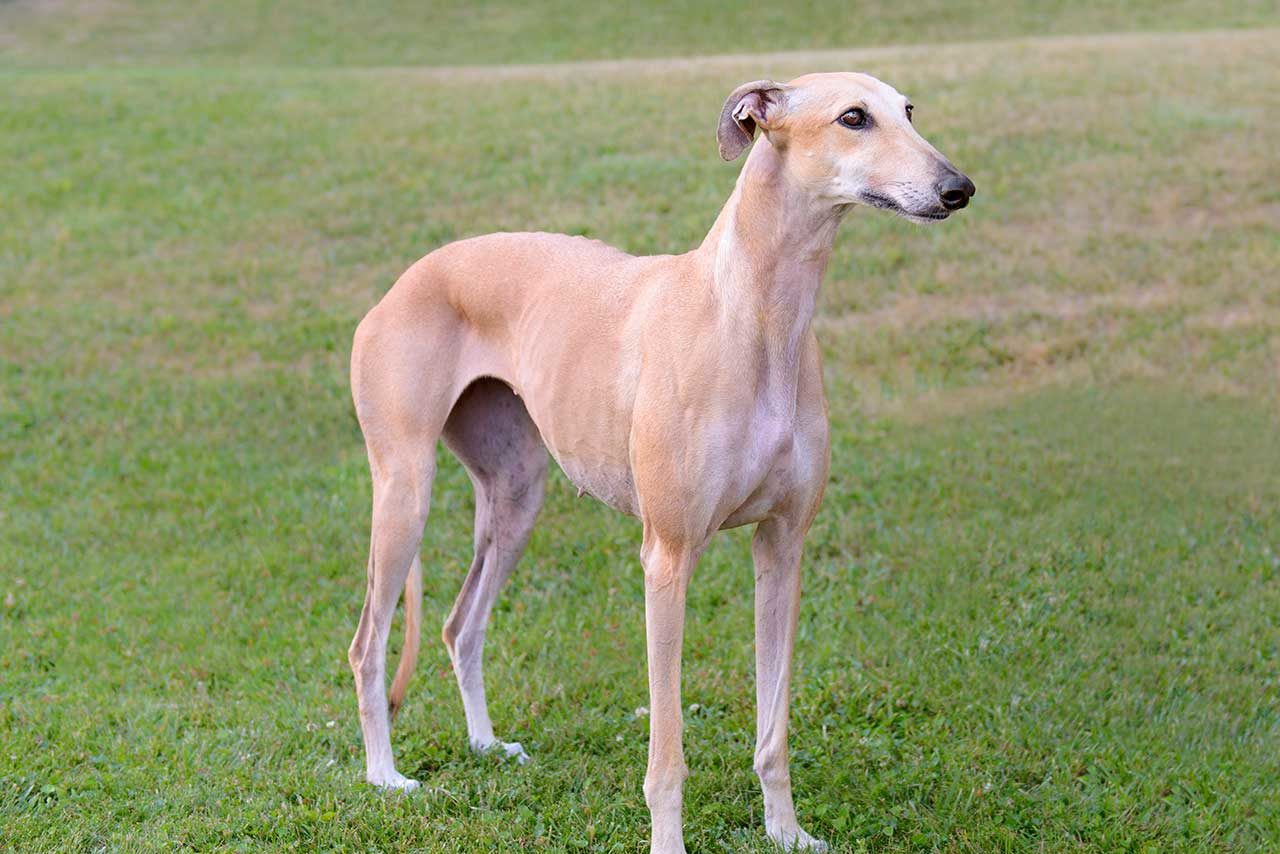
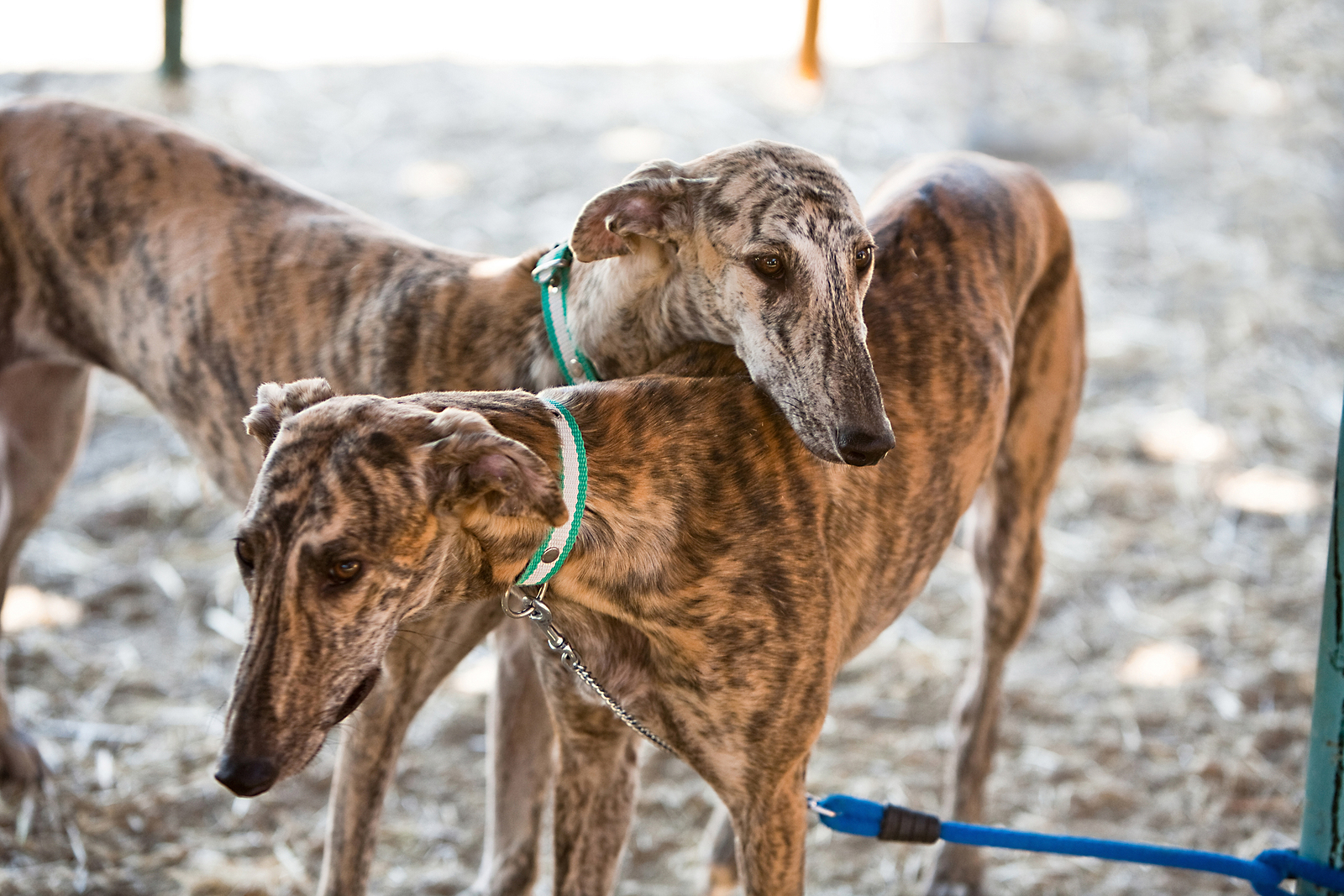
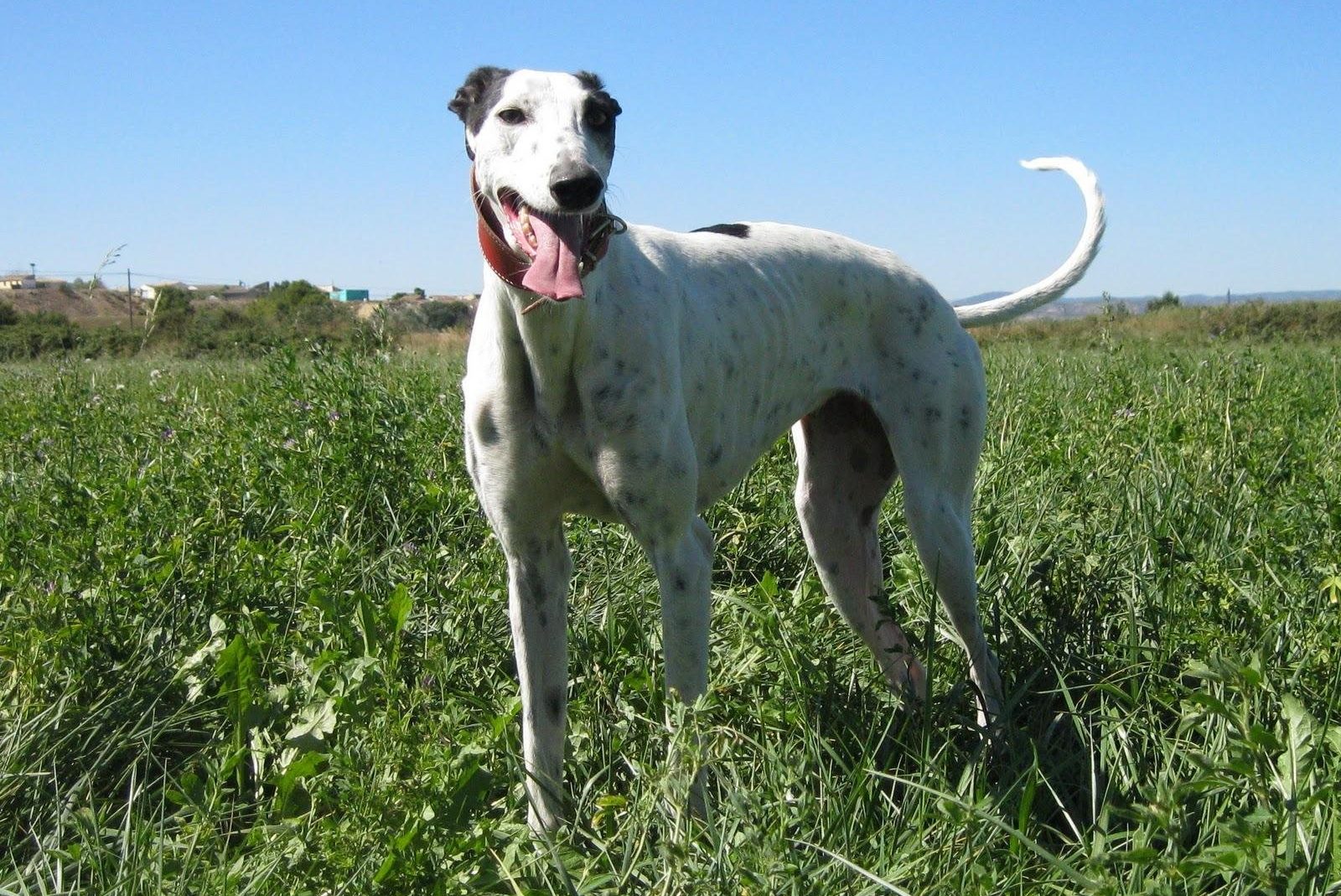
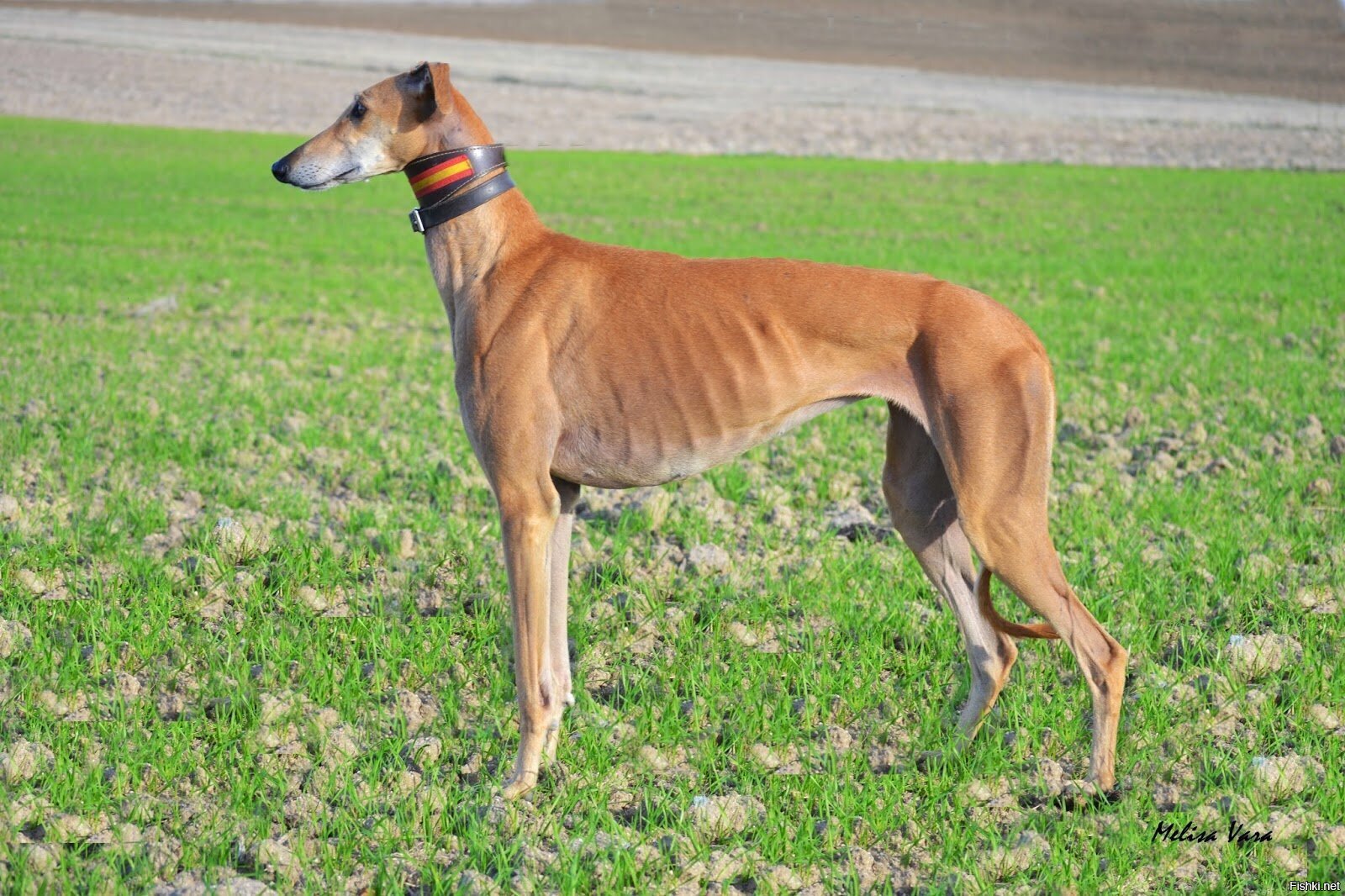
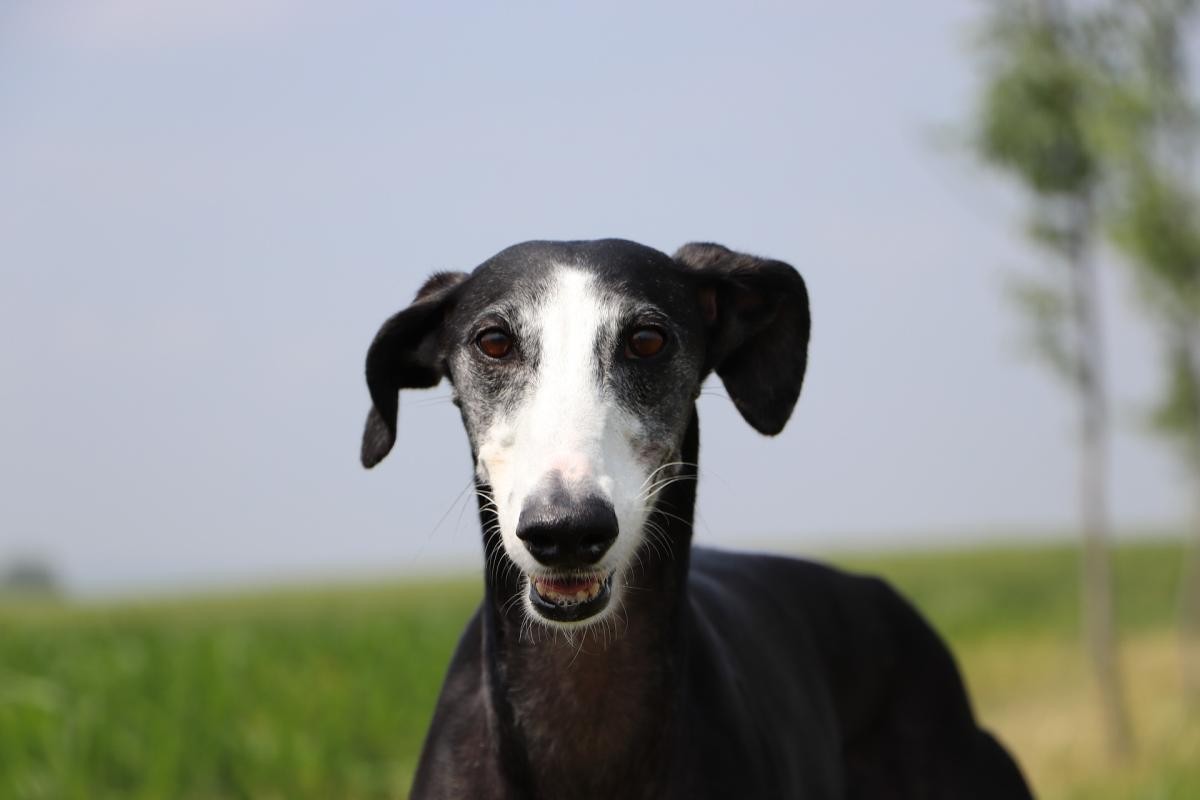
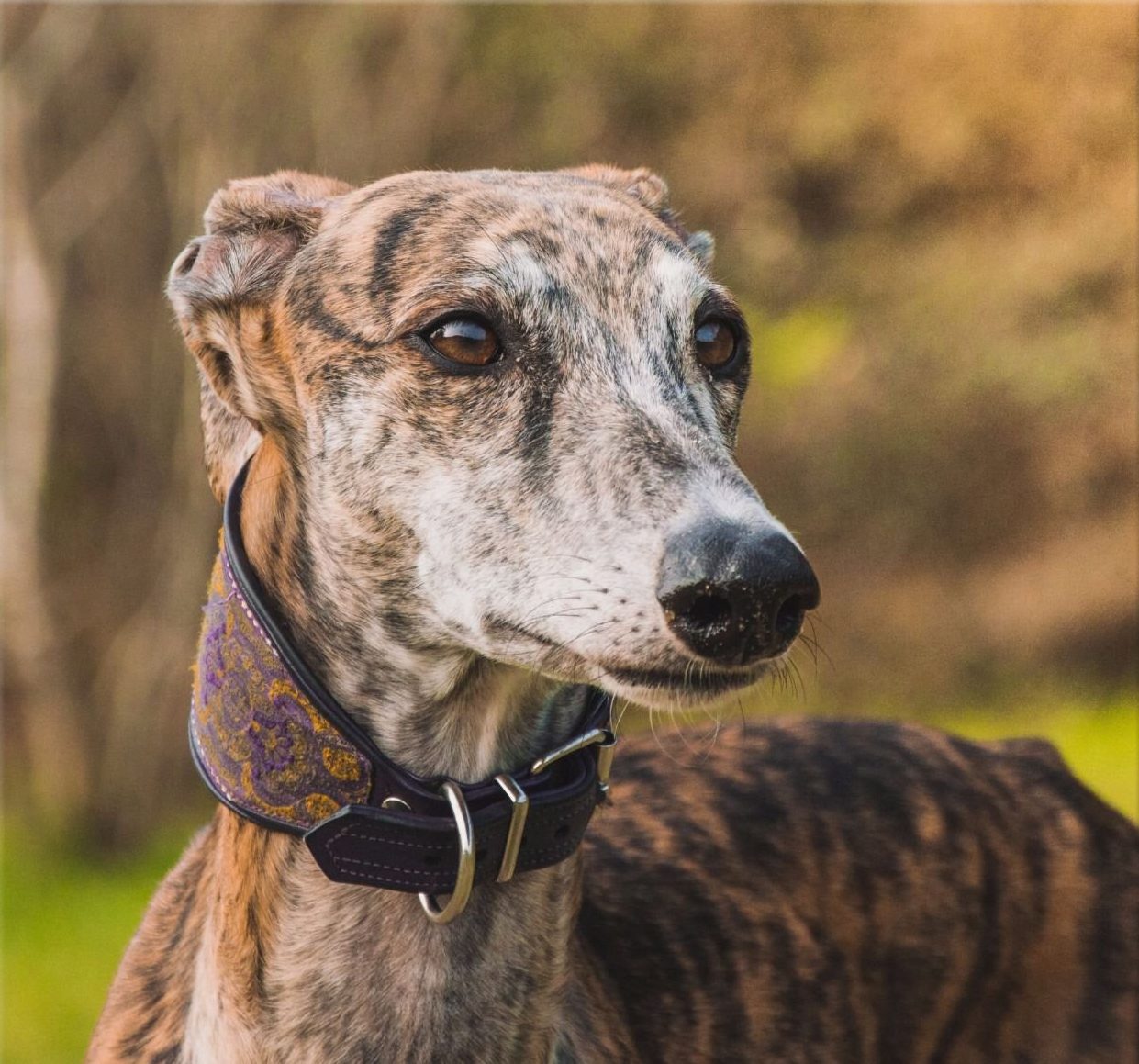
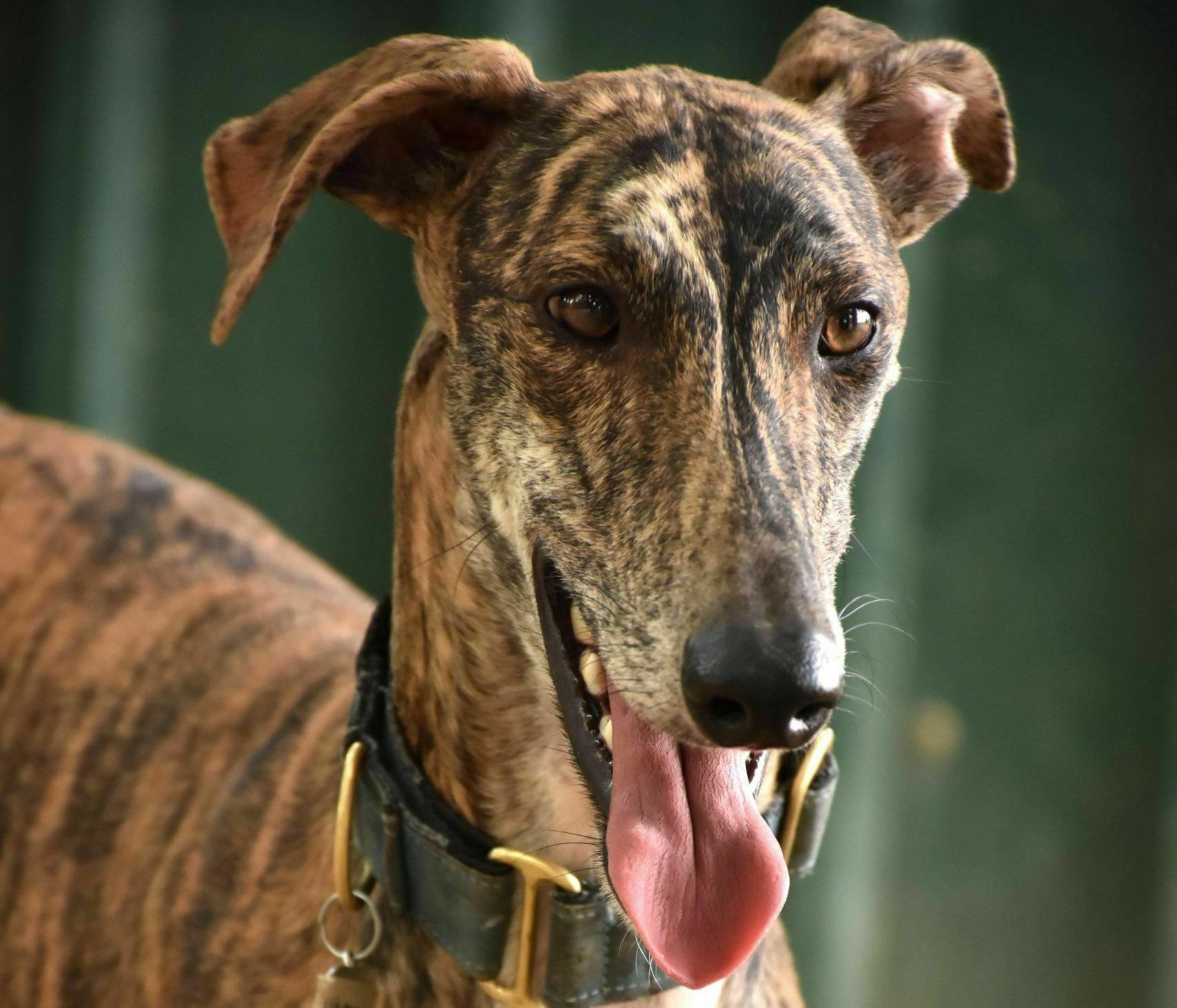
The Spanish Greyhound is an elegant, slender, and powerful dog, whose appearance highlights its natural qualities as a fast runner and enduring hunter. Its body is elongated, with long, strong limbs that provide maximum speed and agility. The smooth, close-fitting coat or slightly coarse and stiff fur emphasizes the sleekness of the Greyhound, while its elongated muzzle and expressive eyes give it an intelligent and gentle expression. The tail is long and thin, often curled in a ring at the end, which adds uniqueness to the breed.
The average height of a Spanish Greyhound is 62-70 cm for males and 60-68 cm for females. The weight typically ranges from 20 to 30 kg, depending on the dog’s gender and individual characteristics. Its build is light yet sturdy, with well-developed muscles, making the Greyhound not only fast but also resilient.
The lifespan of a Spanish Greyhound usually ranges from 12 to 15 years, indicating its robust health and natural resilience. With proper care and a balanced diet, this breed maintains its activity and elegance well into old age. Its appearance reflects an ideal balance of strength, grace, and functionality, making the Greyhound an outstanding representative among sighthound breeds.


Отличительные черты

Голова

Морда

Уши

Глаза

Зубы

Корпус

Конечности

Хвост

Шерсть

Окрас
Character
The Spanish greyhound possesses a calm, gentle, and balanced temperament, making it not only an excellent hunter but also a wonderful companion. This breed is known for its loyalty and strong attachment to its family. The greyhound loves to spend time close to its owner, showing incredible affection and sensitivity. Despite its active nature, it behaves calmly at home, preferring rest on a soft surface or watching the world around it.
These dogs are independent and self-assured, reflecting their hunting past. However, they are not prone to aggression and have a friendly demeanor towards both people and other animals, especially if socialized from a young age. The Spanish greyhound gets along well with children, demonstrating patience and gentleness in interactions.
One of the key habits of this breed is its desire to run. The greyhound loves active walks, runs in open spaces, and exploring new territories. However, after physical exertion, it easily transitions to calm relaxation. This breed is very sensitive to changes in its owner’s mood and always strives to be close, maintaining an emotional connection.
The greyhound prefers a warm and comfortable environment, as its thin coat offers little protection against the cold. It values care and attention but is not overbearing, which makes it an ideal choice for people seeking a balance between an active lifestyle and quiet evenings with family. The Spanish greyhound is intelligent, so it learns quickly, but its independent nature requires a patient and respectful approach. This elegant and sensitive dog harmoniously combines hunting energy with home devotion.
Alien homeland
In Spain, this breed is treated extremely cruelly. They breed the dogs solely for hunting, and after they reach the age of two, the dogs are brutally exterminated.Care and Maintenance
Caring for an Iberian Greyhound should take into account its characteristics related to an active lifestyle and body structure. Its smooth or slightly coarse coat requires minimal grooming: brushing the dog once a week with a rubber brush is sufficient to remove dead hair and maintain the coat’s shine. The greyhound should be bathed infrequently, only as needed, using gentle shampoos to avoid drying out the skin. Special attention should be given to the paws, as vigorous running and walks can lead to minor injuries to the pads.
The Iberian Greyhound has a sleek body with minimal subcutaneous fat, making it sensitive to cold. In the colder months, it’s important to provide warm clothing for walks. These dogs prefer soft and cozy spots for resting at home, so it’s advisable to set up a comfortable area with a bed or cushion.
Greyhounds enjoy regular physical activity, such as walks, running, and playing outdoors. They need space to move freely to expend their energy. However, this breed does not require exhausting workouts-short but intense exercises are enough. Besides physical activity, greyhounds appreciate calm time with their owners and prefer to spend the evening close to family.
This dog does not like to be left alone for long and may become bored if neglected. This can lead to undesirable behaviors, such as destroying things at home. Greyhounds are also sensitive to roughness and unfair treatment. They respond better to a gentle and respectful approach based on trust.
In terms of nutrition, the Iberian Greyhound needs a balanced diet with sufficient protein to support its energy and muscle mass. The dog does not like to overeat but requires quality food that will sustain its active lifestyle. Regular veterinary check-ups, vaccinations, and parasite prevention will help maintain its health. The Iberian Greyhound is a breed that requires attention, love, and moderate physical activity to remain happy and well-adjusted.
Mandatory siesta
The Spanish greyhound is a sofa lover. It's extremely important for him to take a nap for an hour or two during the day. Don’t deny your pet this whim.Training and Education
The Spanish Greyhound possesses intelligence and an independent character, so its training requires patience, gentleness, and consistency. This breed responds best to positive reinforcement, including praise, treats, and play. Harsh methods or rough treatment are unacceptable, as the Greyhound is sensitive to its owner’s mood and may lose trust. It is recommended to start training at an early age to establish the foundations of obedience and socialization. Due to their cleverness, Greyhounds quickly learn commands when the training process is engaging and varied.
The primary focus of training should be on controlling chasing instincts. As a sighthound, the Greyhound has a strong hunting instinct and may suddenly dash after a moving object. This necessitates working on the command “Come here” and leash training in areas with many distractions. Dogs of this breed respond better to short sessions rather than long, monotonous training.
The Spanish Greyhound chooses an owner who demonstrates calmness, confidence, and care. These dogs intuitively sense human emotions and are more obedient to those who establish a warm emotional connection. The Greyhound values consistency in actions and respectful treatment. It is important for the owner to be a leader without excessive strictness and to spend enough time with the dog.
This breed is suitable for people with a gentle yet confident character who can provide the Greyhound with a balance between physical activity and a cozy home atmosphere. It easily bonds with its family and is eager to obey someone who demonstrates stability and attention. The Spanish Greyhound thrives best in environments where it is respected, receives physical and emotional stimulation, and where patience in training is shown. Reliable breeders offer healthy puppies with documents and pedigree.
Wire-haired variety
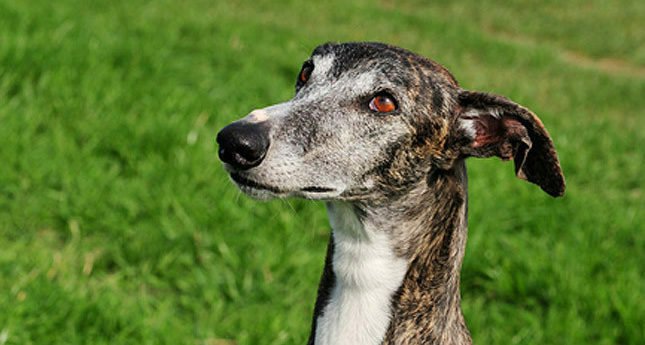
You don’t often encounter a wire-haired galgo; it’s not a very common variety, even in Spain.
How to Choose a Puppy
Choosing a Spanish Greyhound puppy requires careful consideration to ensure it grows up healthy and meets breed standards. The first step is selecting a reliable kennel registered with an official canine organization, such as the FCI or its national branches. A trustworthy breeder will provide complete information about the parents, the conditions in which the puppies are raised, and their health. The living conditions should be clean, and the puppies should be socialized and well-cared-for.
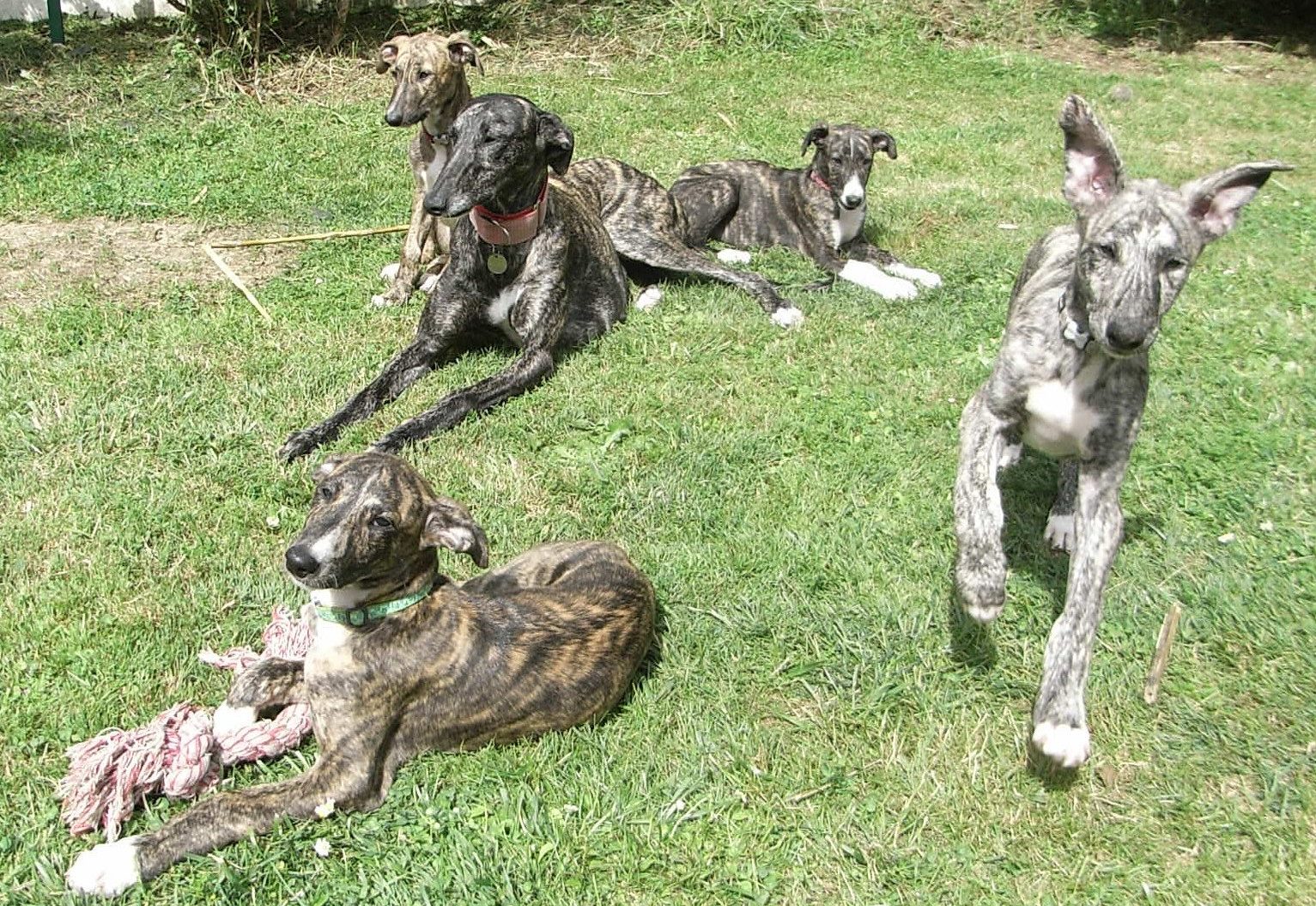
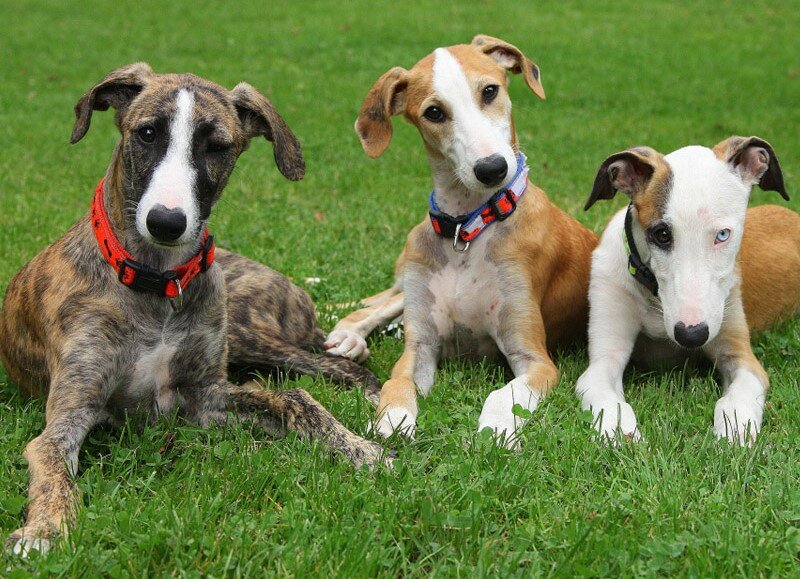
The puppy should be active, curious, and friendly. Pay attention to its physical condition: the coat should be smooth and shiny, the eyes clear, and the nose cool and moist. The puppy should move freely, without limping or clumsiness. It’s also important to evaluate its behavior: it should not be overly fearful or aggressive. A balanced temperament is one of the key indicators of compliance with breed standards.
You need to check the documents provided by the kennel. The puppy’s registration card or metric includes information about its pedigree, including the achievements of the parents in shows or competitions. This confirms that the parents meet breed standards. The puppy’s veterinary passport should contain records of vaccinations, deworming, and overall health status. It’s also a good idea to inquire whether genetic testing for hereditary issues, such as joint dysplasia, has been conducted on the parents.
If possible, meet the puppy’s parents. Their appearance, behavior, and health will give you an idea of how your pet may grow up. The parents should be balanced, energetic, and friendly. It’s also important to consider the living conditions in the kennel: cleanliness, adequate space for play, and socialization of the puppies indicate the breeder’s integrity. A responsible choice of a Spanish Greyhound puppy will provide you with a healthy, active, and harmonious companion that meets all breed standards. Choose your dream puppy with pedigree at Zoonyke.
Health and Diseases
The Spanish Greyhound is considered a strong and resilient breed; however, like any other breed, it is predisposed to certain diseases. One of the most common issues is hip and elbow dysplasia, which can cause pain and limit the dog’s mobility. This condition is genetic in nature, so it is important to choose a puppy from parents tested for dysplasia. Regular moderate exercise and maintaining a healthy weight can help reduce the risk of its development.
The breed is also prone to musculoskeletal issues due to its activity level. For example, injuries to the paws and ligament strains can occur during sudden movements or excessive exertion. It is important to pay attention to the quality of walking surfaces and avoid overexertion, especially during the puppy stage.
Spanish Greyhounds may experience progressive retinal atrophy, which leads to gradual vision loss. This condition is also hereditary, so responsible breeders should have the puppy’s parents tested for predisposition to this pathology. Another eye-related issue can be entropion, which requires surgical correction.
Due to their thin coat and minimal subcutaneous fat, Greyhounds are sensitive to cold. Hypothermia can lead to immune system issues, so they should be protected with specialized clothing during colder weather. This breed is also susceptible to dermatitis and skin irritations, especially if the coat is not well maintained or the dog frequently comes into contact with rough surfaces.
Another characteristic of the breed is its tendency to bloat, or gastric torsion, which is common in large dogs with deep chests. To prevent this, it is important to feed Greyhounds small portions several times a day and to avoid physical activity right after meals.
With proper care, regular veterinary check-ups, and adherence to exercise recommendations, the Spanish Greyhound can remain active and healthy for 12 to 15 years. Caring for a balanced diet, timely vaccinations, and monitoring the dog’s overall condition will help avoid most problems and extend its active and happy life.
Содержание
-
1. Описание породы
-
2. Внешний вид
- 2.1 Голова
- 2.2 Морда
- 2.3 Уши
- 2.4 Глаза
- 2.5 Зубы
- 2.6 Корпус
- 2.7 Конечности
- 2.8 Хвост
- 2.9 Шерсть
- 2.10 Окрас
-
3. Характер
-
4. Содержание и уход
-
5. Дрессировка и обучение
-
6. Как выбрать котенка
-
7. Здоровье и болезни





Comments
Only registered users can leave reviews.
Enter