
Siberian Husky





Warning: Illegal string offset 'label' in /home/panda/sites/zoonika/wp-content/themes/zoonika/template-parts/animals/animals-param-item.php on line 32
Ð


Breed Description
The Siberian Husky is a breed whose history is closely tied to the indigenous peoples of Siberia, especially the Chukchi, who developed these dogs for use as sled dogs. Their unique appearance and characteristic working qualities were shaped over centuries in the harsh conditions of the North, where survival depended on the reliability and endurance of the dogs. Huskies became essential for traveling across snowy expanses, transporting loads, people, and performing important tasks in permafrost conditions.
The Chukchi valued their dogs not only for their physical strength but also for their ability to survive in extreme weather conditions. Siberian Huskies needed to be enduring, fast, and capable of covering long distances on minimal food. They helped hunters reach remote areas, ensured the transport of goods, and even warmed children with their warm bodies on cold nights. In Chukchi tribes, Huskies were considered not just working animals but members of the family, which was reflected in their friendly nature and attachment to people.
In the early 20th century, Siberian Huskies caught the attention of Americans, particularly in Alaska, where the Gold Rush began. In 1909, Russian explorers brought Huskies to the U.S. to participate in dog sled races. Americans quickly recognized their speed, endurance, and unparalleled qualities as sled dogs. These dogs achieved outstanding results in challenging conditions, becoming winners of many competitions.
Siberian Huskies became particularly famous in 1925 when a legendary dog named Balto was part of the team that delivered a vaccine to Nome during a diphtheria epidemic. This feat made Huskies a symbol of loyalty and endurance, and their popularity soared. Balto and other dogs from this team became legends, and their achievement was immortalized with a monument in Central Park, New York.
In 1930, the American Kennel Club officially recognized the breed, marking an important milestone in its history. Huskies began to be bred not only as sled dogs but also as family pets, thanks to their friendly nature and striking appearance.
Today, Siberian Huskies are not only a symbol of the North but also a popular breed worldwide. They retain their natural energy, endurance, and intelligence, making them versatile companions for active individuals. Their story is one of survival, mutual assistance, and incredible attachment to humans, which continues in the modern world.The price for a puppy ranges from 30,000 to 70,000 rubles.
Appearance
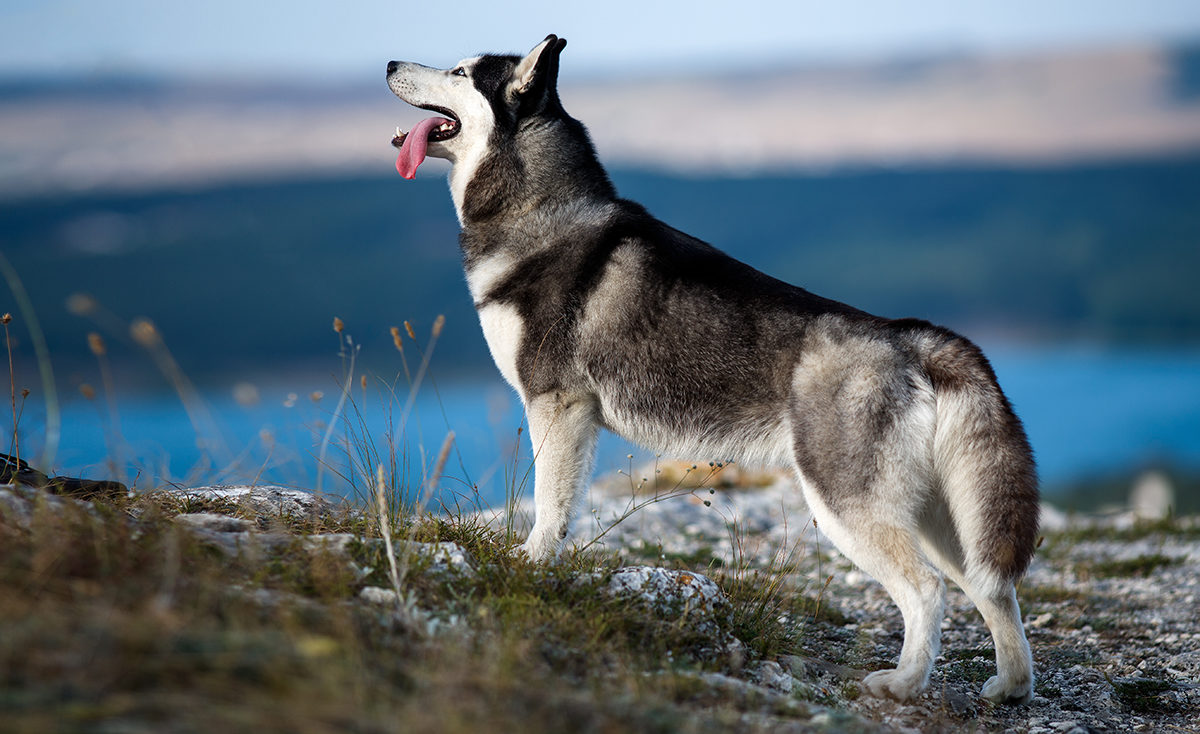
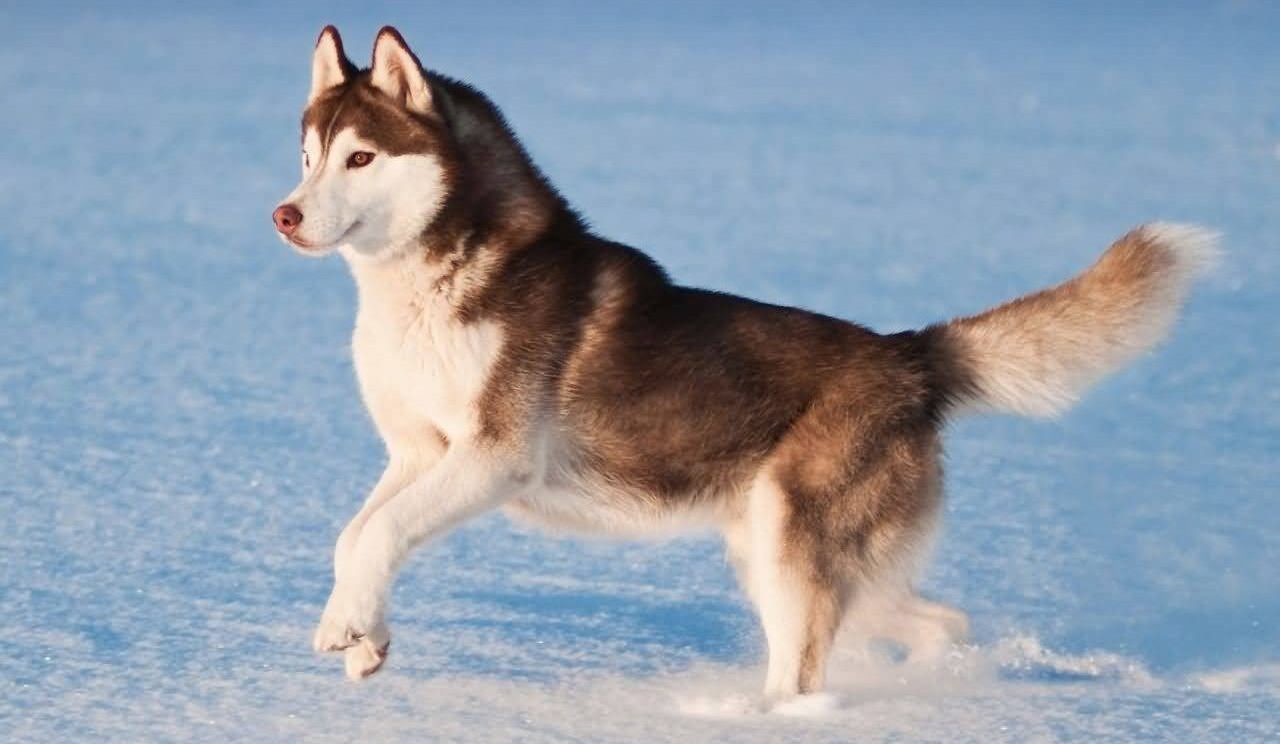
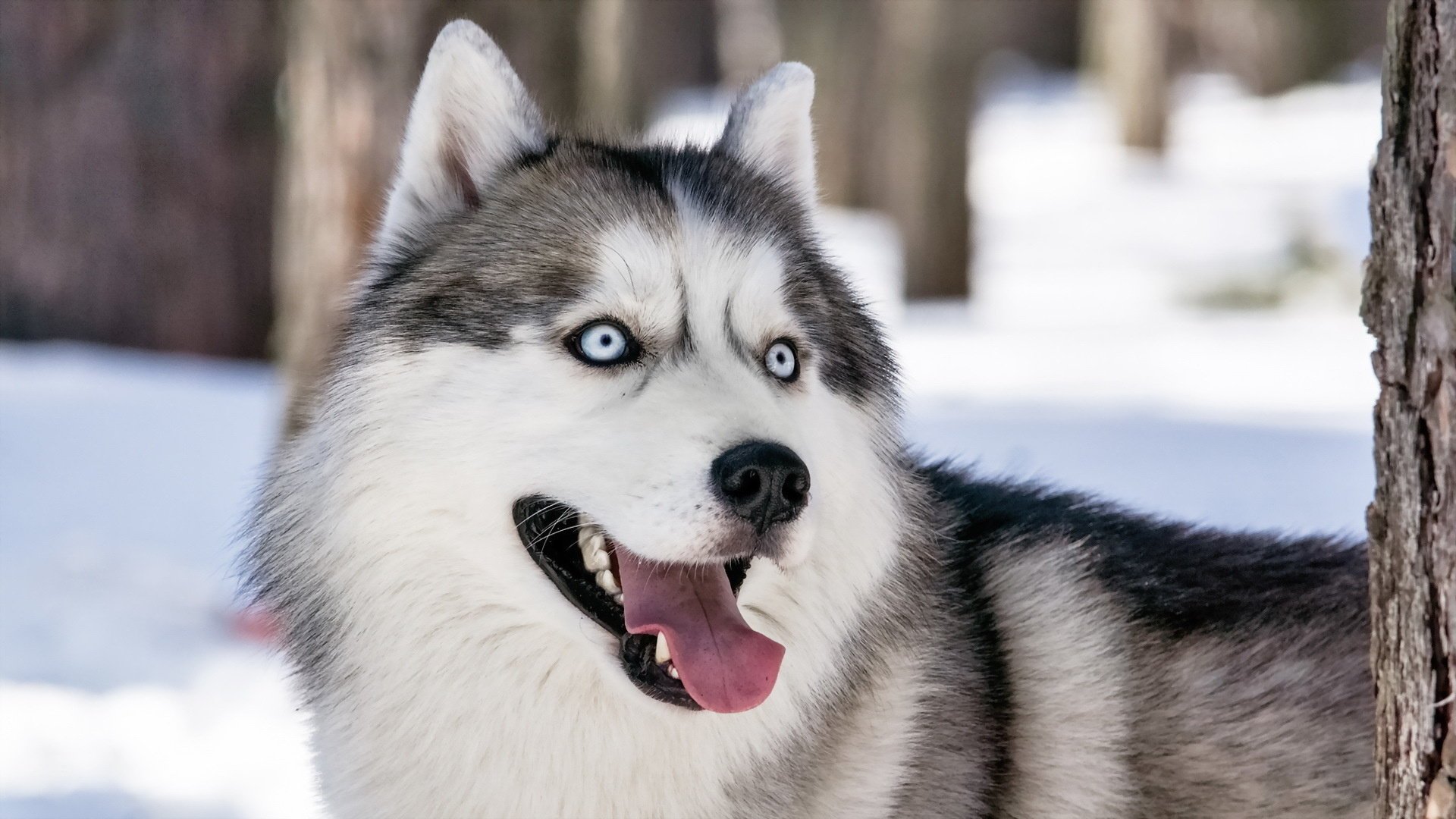
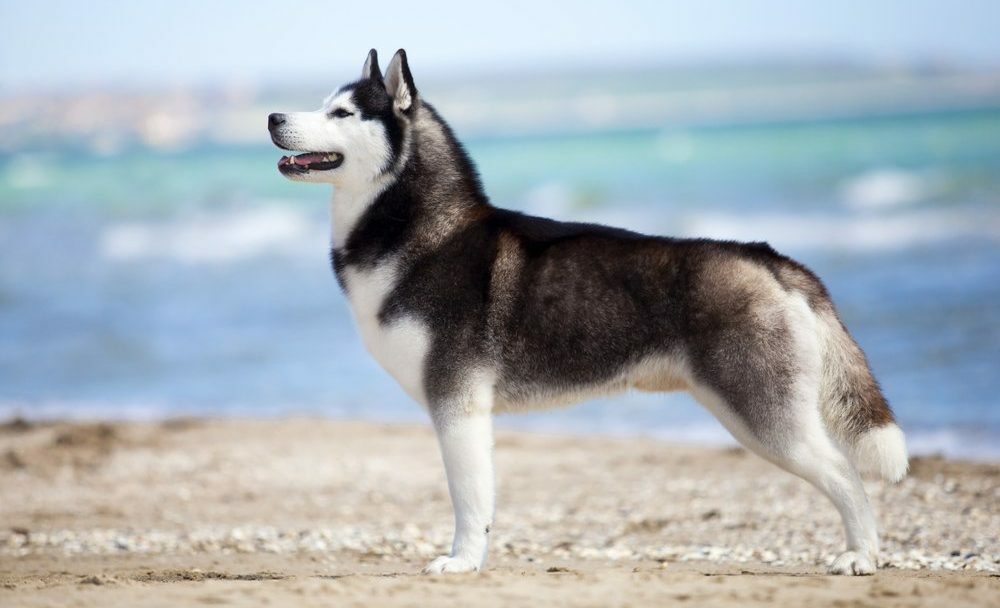
The Siberian Husky is a medium-sized dog with a harmonious and athletic build that highlights its endurance and natural grace. Huskies have a sturdy yet lightweight body, perfectly adapted for long runs and pulling sleds. Their movements are smooth and effortless, allowing them to cover large distances with minimal energy expenditure. The chest is deep, the back is straight, and the overall body structure speaks of strength and speed.
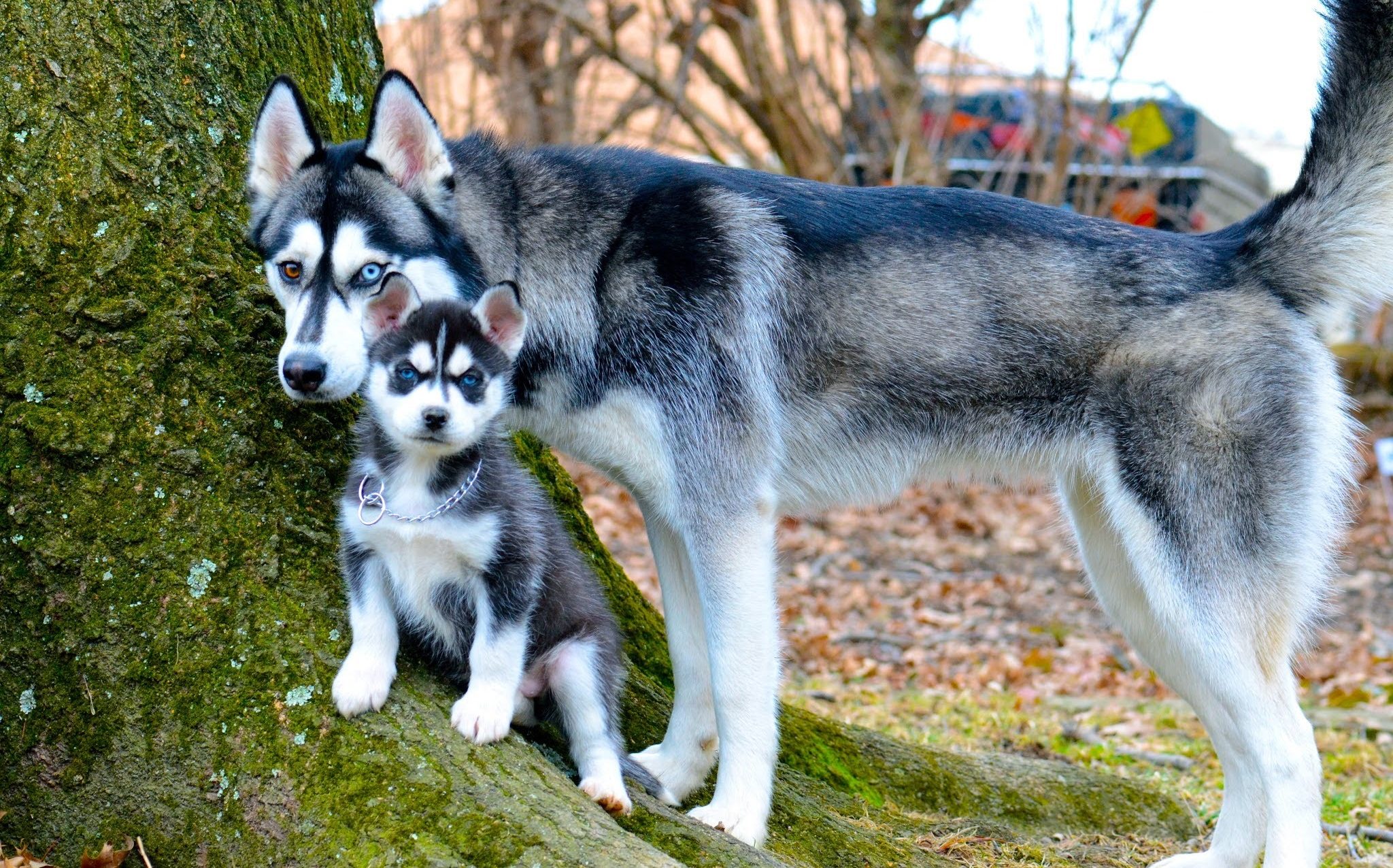
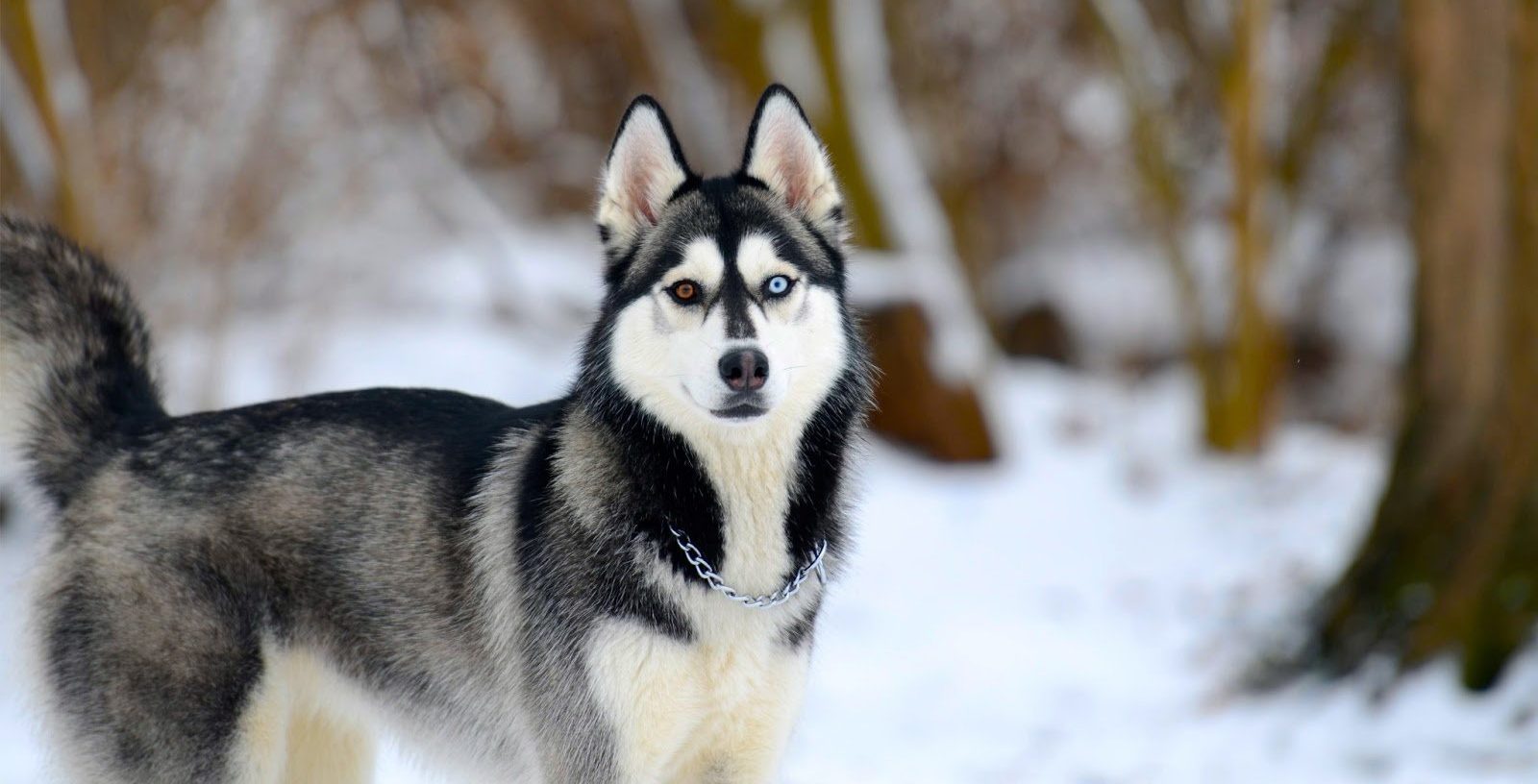
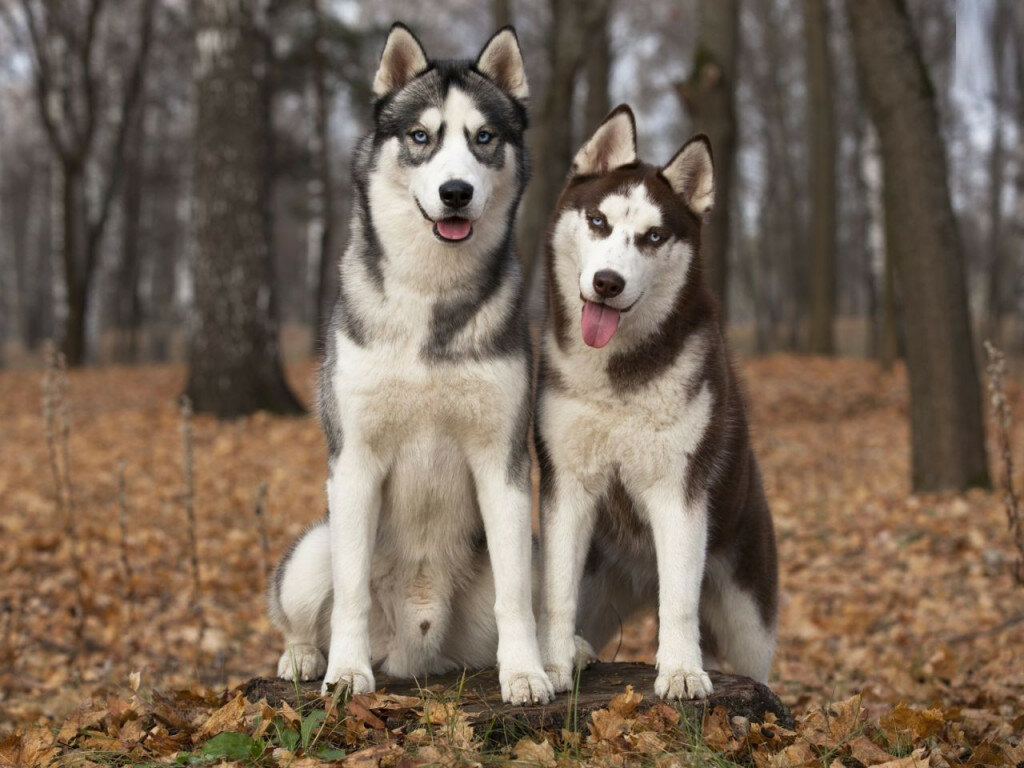
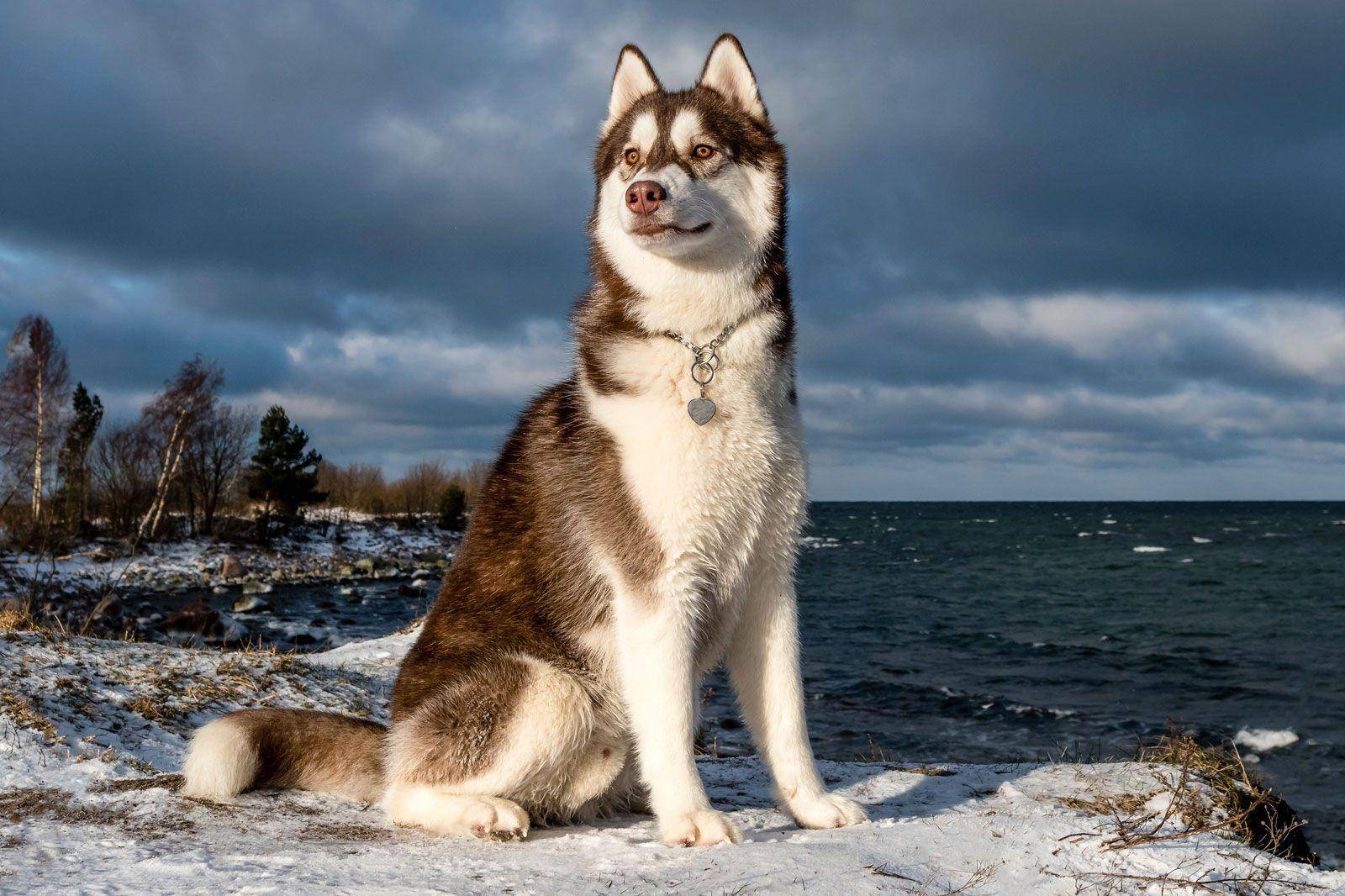
The coat of a husky is thick and double-layered, with a soft undercoat and harsh outer hairs, providing protection against harsh weather conditions. It is of medium length, snug against the body, and helps retain warmth in the cold. Huskies come in a variety of colors, including black, gray, red, white, and combinations of these. Their expressive eyes are often blue, brown, or of different colors, adding to their intriguing appearance.
The average height of a Siberian Husky is 53-60 cm at the withers for males and 50-56 cm for females. Weights range from 20 to 27 kg for males and from 16 to 23 kg for females. These dimensions make huskies compact enough for agility while also being powerful and enduring.
The lifespan of a husky typically ranges from 12 to 14 years. They maintain their activity and playfulness even in old age if they receive enough physical exercise and care. Their striking appearance, a blend of strength and elegance, makes Siberian Huskies one of the most recognizable breeds in the world.


Отличительные черты

Голова

Морда

Уши

Глаза

Зубы

Корпус

Конечности

Хвост

Шерсть

Окрас
Character
Siberian Huskies are incredibly energetic and friendly dogs with strong personalities and distinct individuality. They are known for their playful and cheerful nature, which remains consistent throughout their lives. Huskies are highly social and love being around people or other dogs, making them excellent companions. However, they maintain a degree of independence, often displaying autonomy in decision-making.
Huskies enjoy movement and active play; they are built for running and can easily cover long distances. This breed requires regular physical activity, and without it, the dog may become bored and seek entertainment that might not always please the owner. Their natural curiosity and cleverness can lead to unexpected actions-Huskies are known for their ability to find ways to escape yards or circumvent obstacles.
Siberian Huskies possess a gentle and non-confrontational temperament. They rarely exhibit aggression and get along well with children, making them suitable for family settings. These dogs love to participate in all family activities and constantly seek to be the center of attention. However, they are not overly clingy and respect their owner’s personal space.
One remarkable trait of Huskies is their quiet nature. They rarely bark, preferring to communicate through expressive looks, howling sounds, or their unique “talking.” Their ability to convey emotions non-verbally makes them particularly engaging companions.
Huskies have a pronounced pack instinct inherited from their sledding ancestors. They feel comfortable in the company of other dogs and usually bond quickly even with unfamiliar animals. However, this same instinct can make them stubborn if they do not see their owner as an authority figure. It is essential to establish a trusting relationship with Huskies so that they perceive you as their leader.
These dogs do not like being alone and can become destructive if left unattended for long periods. They appreciate spending time with their owner, whether it’s going for a walk, training, or simply relaxing. Huskies require mental and physical stimulation, and when their needs are met, they become ideal companions, delighting their owners with loyalty and energy.
Ancient roots
Siberian Huskies are a breed with surprisingly ancient roots. These beautiful northern dogs were bred by the Chukchi people of northeastern Asia hundreds of years ago. An important part of their daily lives, these sled dogs were capable of maneuvering in the harsh conditions of the Arctic. Over time, Huskies also became excellent athletes, winning competitions in dog sled races.Care and Maintenance
Caring for a Siberian Husky requires attention to its active lifestyle, dense coat, and emotional needs. This breed is highly energetic, so it needs regular and intense physical activity. Long walks, runs, and active play are vital for a Husky to remain healthy and balanced. A lack of exercise can lead to boredom and destructive behavior, as Huskies love to be busy and useful.
The Husky’s coat is thick and double-layered, requiring regular grooming. Under normal conditions, brushing the dog 1-2 times a week is sufficient to keep the coat in good condition. During shedding season, which occurs twice a year, daily brushing is necessary to remove loose undercoat and prevent mats. Bathing a Husky should only be done as needed, as their coat has natural self-cleaning properties. Use a gentle shampoo to maintain the coat’s texture and the skin’s protective oil layer.
Ears and eyes should be checked and cleaned regularly. Ears can be wiped with a soft cloth or a special solution to prevent the buildup of dirt and earwax. Eyes should be wiped with a damp cotton pad when dirt or discharge appears. It is also advisable to brush a Husky’s teeth 2-3 times a week to prevent plaque buildup and gum disease.
Siberian Huskies do not tolerate heat well due to their dense fur. During warmer months, walks should be scheduled for the morning or evening to avoid overheating. It’s also important to ensure access to clean water and shaded areas where the dog can rest. Huskies are well adapted to cold conditions and enjoy spending time outdoors even in winter.
These dogs love companionship and cannot tolerate loneliness. Huskies thrive being part of the family and participating in shared activities. Prolonged solitude can lead to anxiety and destructive behavior. They need attention and interaction, whether through play, training, or simply spending time together.
Huskies appreciate respect and a gentle approach in training. They do not respond well to harsh treatment or yelling, as it undermines their trust. It’s important to establish a friendly and partnership-based relationship that allows for both freedom and discipline.In terms of diet, Huskies are not picky but their diet should be balanced and rich in protein to support their activity and health. Monitor portion sizes to avoid overeating, as excess weight can affect their joints and overall condition.The Siberian Husky loves freedom, activity, and attention. Caring for one requires time and effort, but in return, they offer loyalty, energy, and a unique character that makes this breed so special.
Unique vocal repertoire
Siberian Huskies have an amazing vocal repertoire that makes them particularly unique. They produce distinctive sounds that range from soft, woolly noises to piercing and inspiring howls. This not only sets them apart in the world of dogs but also serves as a means of communication and self-expression.Training and Education
Training a Siberian Husky requires patience, consistency, and an understanding of their natural independence. These dogs are intelligent but tend to think for themselves, so motivation and engagement in the training process are crucial. The best approach to training a husky is to use positive reinforcement methods such as praise, treats, and playful elements. Harshness and punishment are not only ineffective but can also undermine the dog’s trust, making future training more difficult.
From an early age, it’s important to establish clear rules and consistency in upbringing. Huskies respect leaders, but only those who have earned their trust and demonstrate confident yet friendly behavior. This breed is not inclined to obey blindly, so the owner must be patient and persistent in fostering the dog’s understanding and willingness to follow commands.
Socialization plays a key role in a husky’s development. From a young age, puppies should be introduced to new people, animals, and various situations. This helps reduce their natural wariness and fosters a balanced character. Huskies adapt well to new conditions if they feel supported and confident during the socialization process.
Training sessions should be short and engaging, as huskies quickly lose interest in repetitive tasks. It’s best to alternate commands and exercises to maintain their focus. Huskies enjoy tasks that involve physical activity or playful elements, allowing them to expend energy while keeping their interest alive.
Huskies choose owners who display leadership qualities while respecting their personal space and individuality. They respond well to someone who confidently but gently sets boundaries and rules. It’s important for the owner to be active and ready for close interaction with the dog, as huskies value time spent with people and are eager to fulfill tasks when they feel an emotional connection.
These dogs are best suited for energetic individuals who lead an active lifestyle and are willing to dedicate time to training and walks. Huskies appreciate freedom; therefore, it’s essential to provide them opportunities for running and exploration while also monitoring their actions to prevent unwanted behavior.The right training approach allows huskies to showcase their best qualities: intelligence, loyalty, and the ability to work as a team. Owners need to be prepared to build a relationship based on respect and mutual understanding, which will create harmony between dog and owner. At Zoonyka, we offer elite bred puppies with complete documentation.
Climate adaptability
Siberian Huskies are one of the most adaptable breeds to different climatic conditions. With their fluffy double coat, they can withstand cold winter temperatures in harsh northern regions. However, they can also be found in warmer climates, where they maintain their cheerful nature and endurance.
How to Choose a Puppy
Choosing a Siberian Husky puppy is an important step that requires attention to its health, behavior, and lineage. Start by looking for a reputable kennel that upholds breed standards. It’s essential that the dogs are kept in clean, comfortable conditions, with access to activities and attention from the breeder.
The puppy should be active, cheerful, and curious. Observe its behavior: a healthy puppy shows interest in the environment, plays with its littermates, and is eager to engage with people. Avoid puppies that appear lethargic, overly fearful, or aggressive. The behavior should be balanced, displaying curiosity and friendliness.
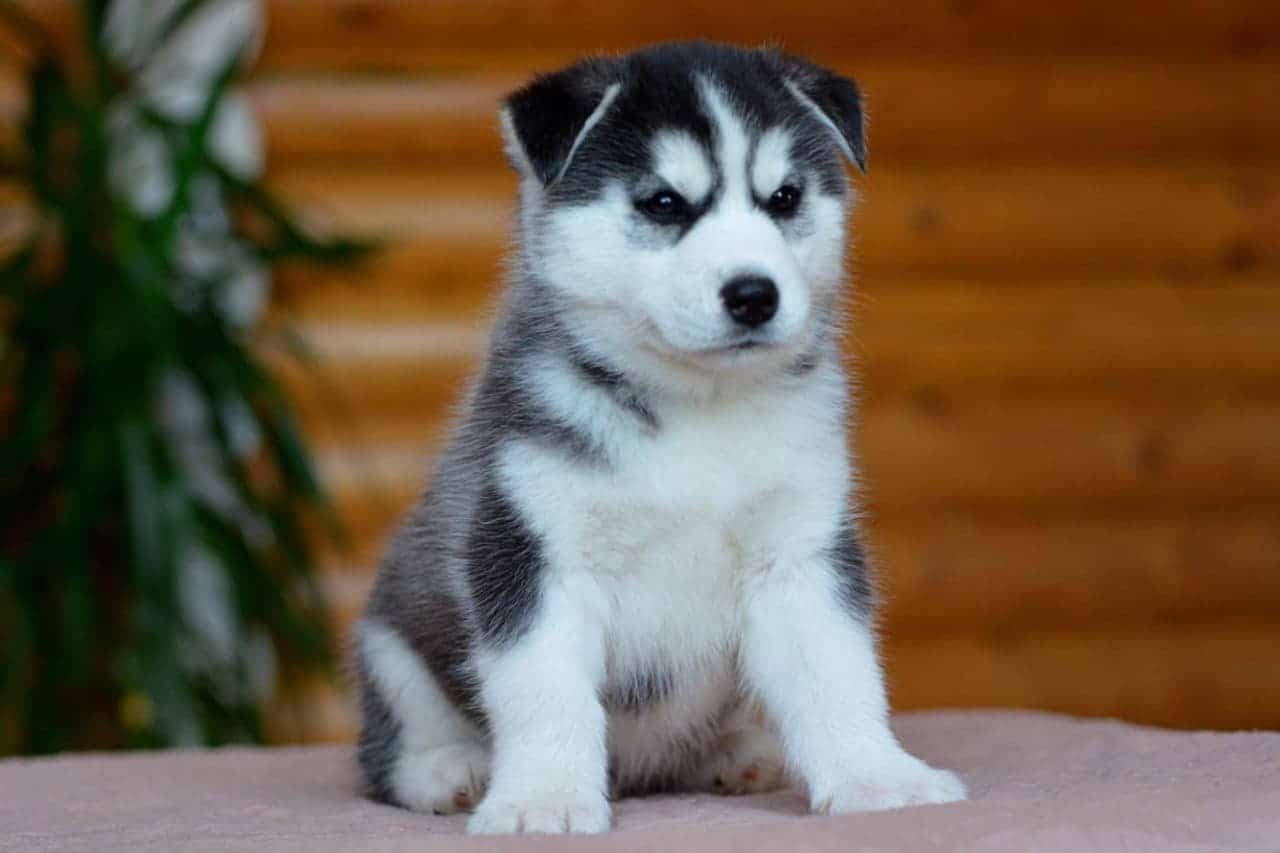
Examine the puppy’s appearance. Its coat should be clean, shiny, and thick, without bald patches or signs of irritation. The eyes should be clear, without discharge, the nose moist and cool, and the ears clean, without odor. The legs should be strong and straight, and the abdomen soft, without bloating. The teeth and bite should meet breed standards, as this is important for the dog’s health and appearance.
Request documentation from the breeder that verifies the puppy’s lineage. The pedigree should include information about the ancestors, their achievements in shows, and health checks. Pay attention to the absence of hereditary diseases in the line. This information helps to ensure that the puppy has a proper background and conforms to breed standards.
A veterinary passport for the puppy is mandatory. It must include all vaccinations, deworming, and other preventive procedures. This confirms that the puppy’s health has been monitored since its first weeks of life. Ask the breeder about the puppy’s diet to ensure a smooth transition to a new environment.
Evaluate the living conditions of the puppies in the kennel. Make sure they have enough space to play, receive a varied diet, and interact regularly with people. A good breeder not only provides physical care for the puppies but also works on their socialization, which is crucial for character development.Meet the puppy’s parents. Their appearance, health, and behavior will give you an idea of what your future pet might be like. The parents should be friendly, balanced, and conform to breed standards.When choosing a Siberian Husky puppy, trust your feelings. These dogs are very emotional and value the bond with their owner, so it’s important to select a puppy with which you feel a connection. The right choice will ensure you have a healthy, confident, and loyal friend, ready to share an active lifestyle with you. Elite breeds at Zounika are your ideal choice for purchasing a pet.
Health and Diseases
Siberian Huskies are a breed with robust health, developed through their origin and adaptation to the harsh conditions of Siberia. However, like any breed, Huskies are prone to certain diseases that are important to be aware of. One of the most common issues is hip dysplasia. This hereditary disease can cause discomfort when moving, especially in older dogs. Regular vet check-ups and monitoring physical activity can help minimize risks.
Huskies are also susceptible to eye diseases, including progressive retinal atrophy, cataracts, and corneal dystrophy. These conditions can gradually impair vision, so it’s important to regularly check the dog’s eyes and consult a veterinary ophthalmologist at the first signs of changes.
This breed is prone to allergies, both food-related and environmental. Allergic reactions can manifest as skin itching, hair loss, or gastrointestinal issues. Identifying and eliminating the allergen from the diet or environment is key to resolving these issues. The skin of Huskies, although protected by thick fur, requires regular care to prevent possible irritations or infections.
Another characteristic of Huskies is their sensitivity to dental health. Preventing oral diseases, including regular tooth brushing and using special toys, helps maintain their health.
Siberian Huskies generally have a good metabolism and are not prone to obesity with adequate physical activity. However, overfeeding or lack of exercise can lead to weight gain, negatively impacting their joints and overall health.
Occasionally, Huskies may experience hypothyroidism, linked to insufficient thyroid function. Symptoms include decreased activity, weight gain, and deteriorating coat condition. Regular blood tests can help detect and treat this condition in a timely manner.The average lifespan of Huskies is 12-14 years. Regular preventive check-ups, proper nutrition, adequate physical activity, and attentive care can minimize disease risks and maintain their activity and health into old age. Huskies remain active, cheerful, and loyal when properly cared for, with attention given to their specific needs. Considering? There is a wide selection of listings on the map in the cities on Zooinika.
Содержание
-
1. Описание породы
-
2. Внешний вид
- 2.1 Голова
- 2.2 Морда
- 2.3 Уши
- 2.4 Глаза
- 2.5 Зубы
- 2.6 Корпус
- 2.7 Конечности
- 2.8 Хвост
- 2.9 Шерсть
- 2.10 Окрас
-
3. Характер
-
4. Содержание и уход
-
5. Дрессировка и обучение
-
6. Как выбрать котенка
-
7. Здоровье и болезни






Comments
Only registered users can leave reviews.
Enter