
Shikoku





Warning: Illegal string offset 'label' in /home/panda/sites/zoonika/wp-content/themes/zoonika/template-parts/animals/animals-param-item.php on line 32
Ð


Description of the Breed
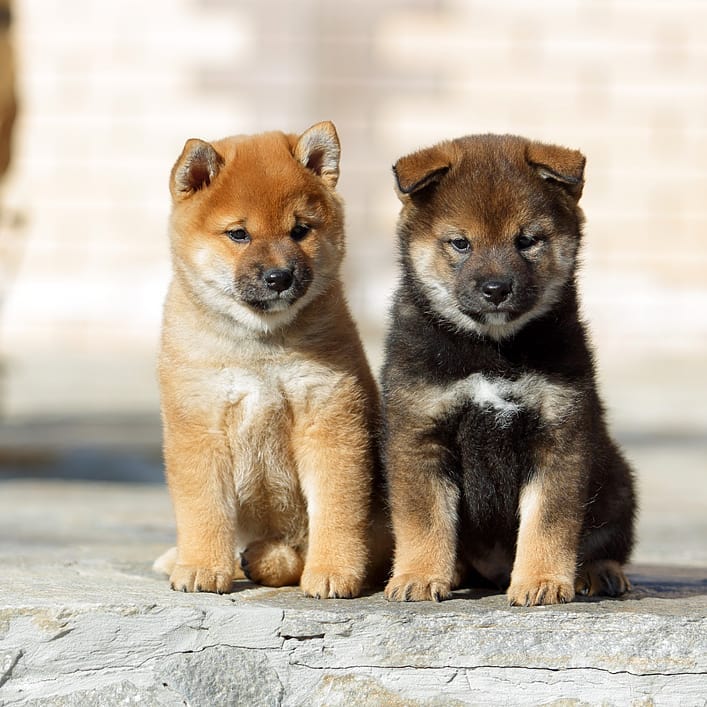
Shikoku, also known as Kochi-ken or Kochi-inu, is an ancient Japanese dog breed. This breed originates from Shikoku Island, located on the southern coast of Japan. Until the 1970s, the sale of these dogs was prohibited; they could only be given as valuable gifts. It was only about 20 years ago that the first Shikoku appeared in Europe. Historically, there were three varieties of this breed: Awa, Hongawa, and Hata, each named after its region. Today, Shikoku is one of the six breeds recognized by the FГ©dГ©ration Cynologique Internationale (FCI).
Shikoku-inu descended from ancient Japanese hunting dogs used to hunt large game like boars and deer. These dogs were valued for their endurance, courage, and ability to work in challenging conditions. Additionally, they made excellent guard dogs. Since 1934, only solid-colored dogs have been allowed in breeding, and from 1945, previously noticeable colored markings were excluded. Today, completely white dogs can also be found among the breed. In 1937, the breed was declared a “natural monument” of Japan, highlighting its importance to Japanese culture and history. This recognition helped preserve the breed and prevent its extinction. Even today, Shikoku-inu remain rare in Japan, and their breeding is strictly regulated to maintain the unique characteristics of the breed.
In 1982, the FCI officially recognized the Shikoku breed, and in 2018, the breed standard was updated. It is extremely difficult to find Shikoku in Russia, while in Germany, under the auspices of VDH, the German Club for Northern Dogs is involved in breeding this breed, although puppies are not born frequently.
Kochi-ken remains a rare and small breed both inside Japan and beyond. However, thanks to the efforts of enthusiasts and professional breeders, interest in the breed continues to grow. Shikoku-inu attract the attention of dog lovers due to their distinctive character traits, loyalty, and ability to be wonderful companions for active people.
Shikoku-inu represent a breed that uniquely combines ancient traditions and modern traits, making it particularly valuable. The appearance and rich history of the breed emphasize its significance in Japanese culture and its potential value to dog breeders around the world. Shikoku-inu is an extraordinarily rare breed, distinguished by expressiveness, impressive appearance, and excellent build. The price of a Shikoku puppy can range from 70,000 to 90,000 rubles.
Appearance
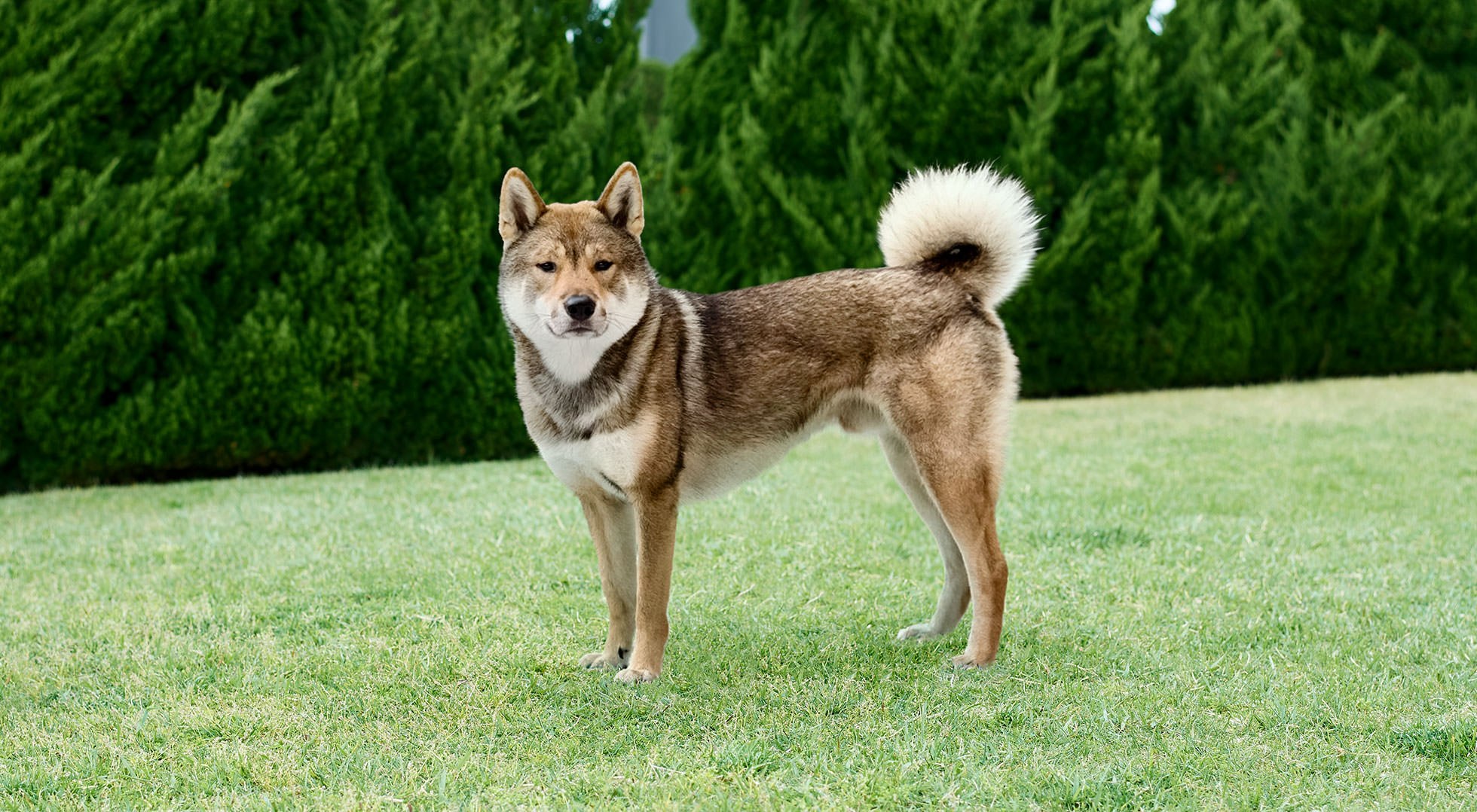
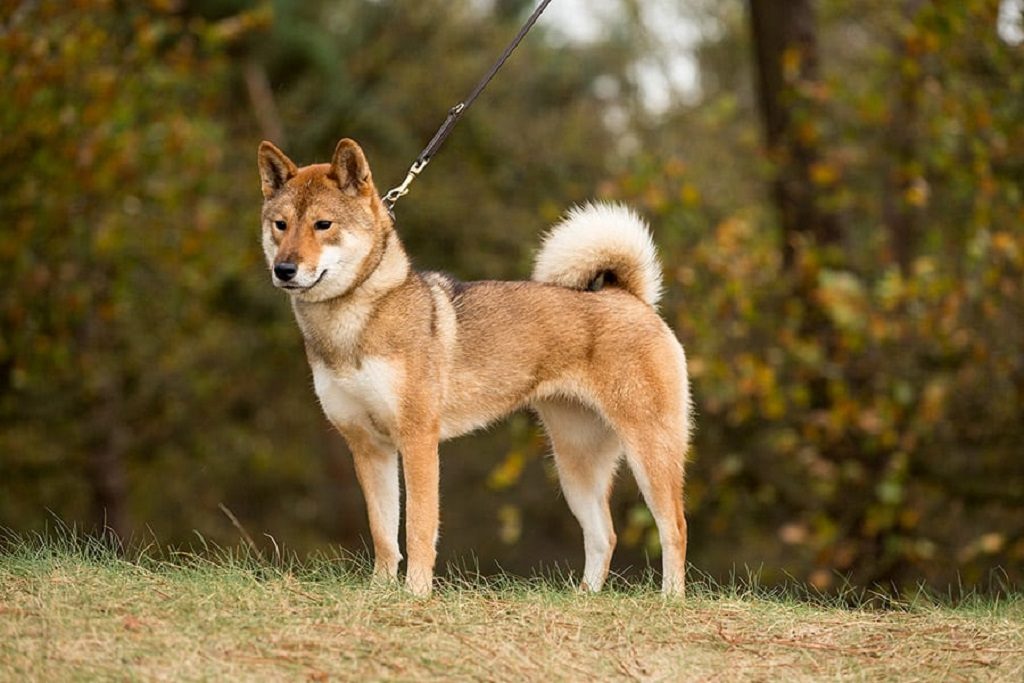
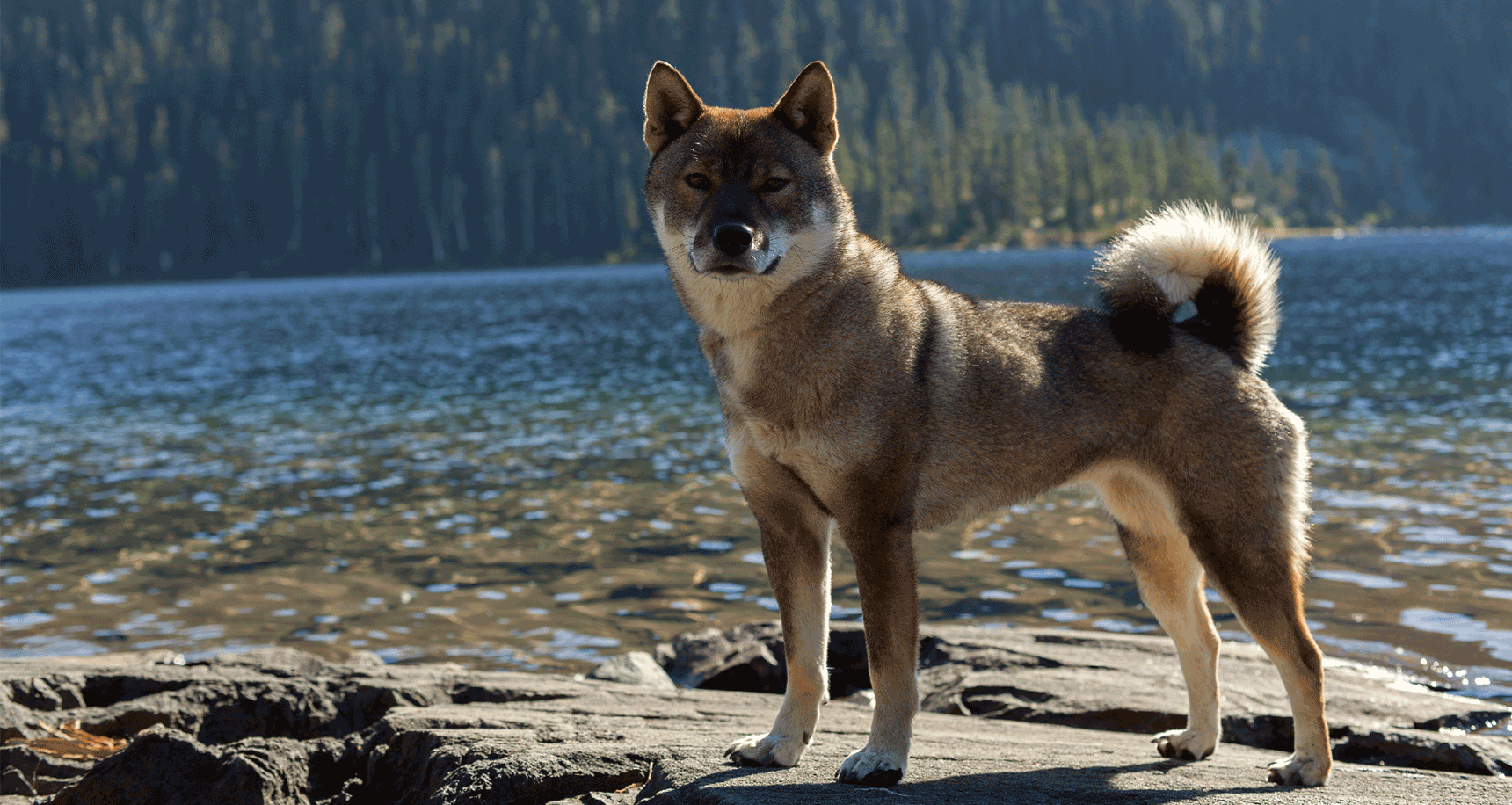
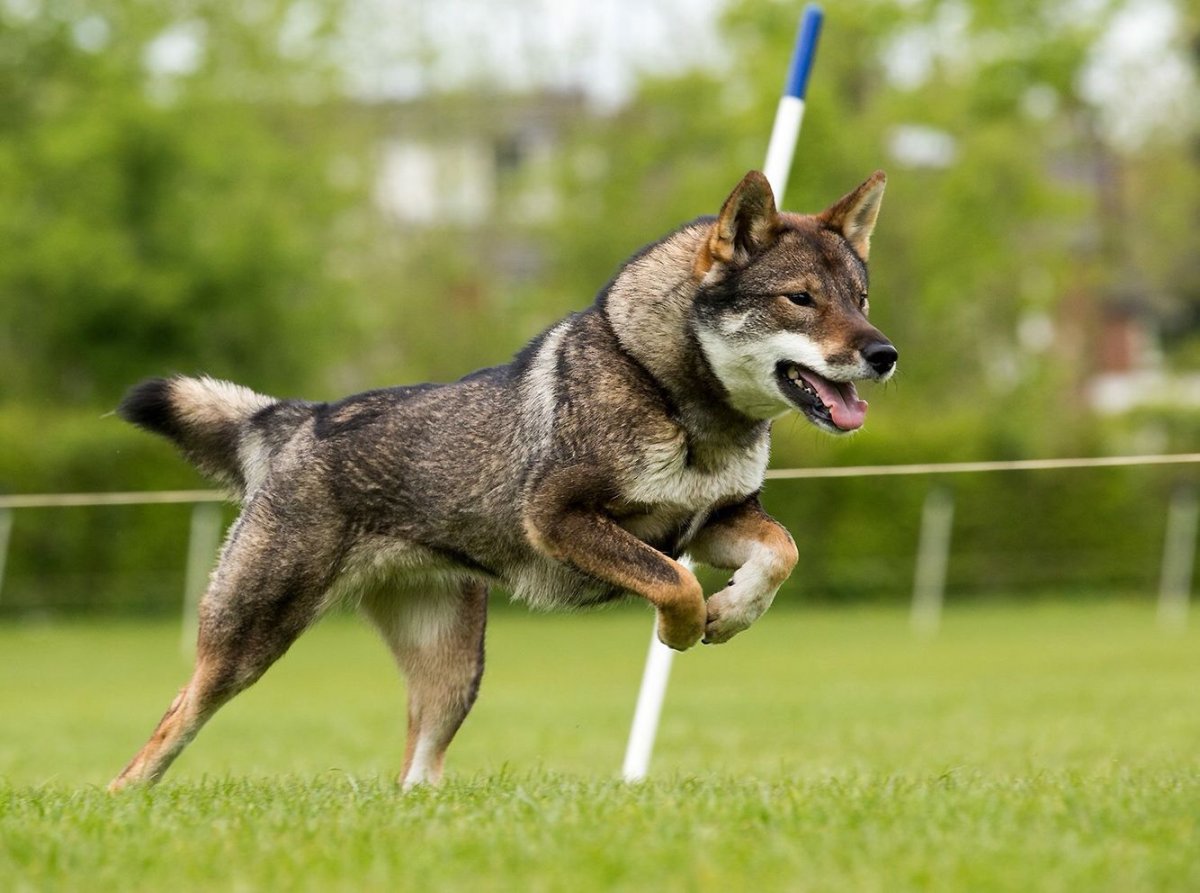
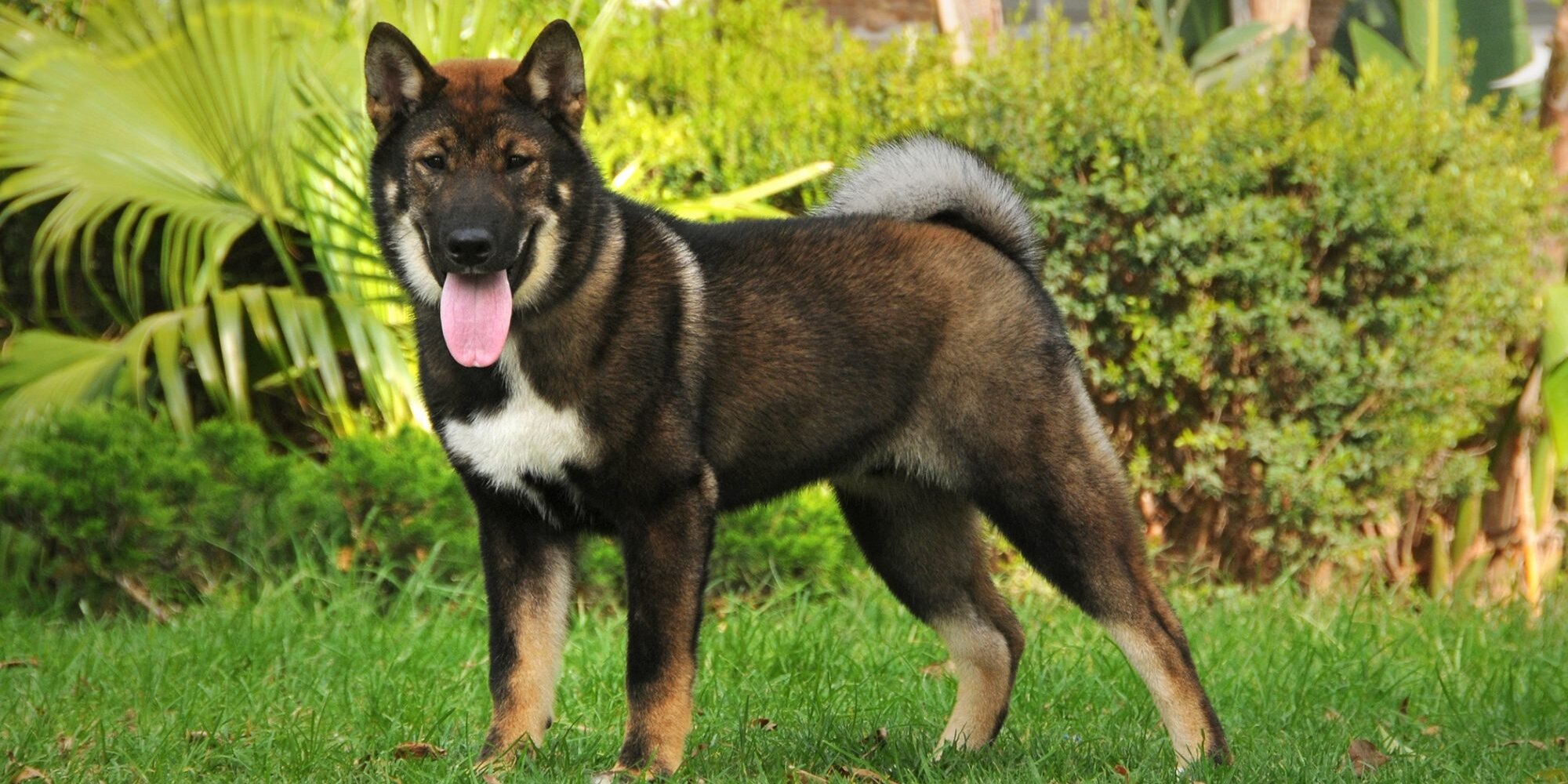
Shikoku dogs are unique representatives of Japanese hunting breeds. These medium-sized dogs have a harmonious, sturdy build that highlights their strength and endurance. They are confident, strong dogs belonging to the Japanese spitz family. Like most Japanese dogs, they have a curled or sickle-shaped tail. Their official standard describes them as a medium-sized, well-proportioned dog with well-developed, clearly defined musculature; they have erect ears and a curled or sickle-shaped tail.
Body structure: strong, compact, with a solid bone structure.
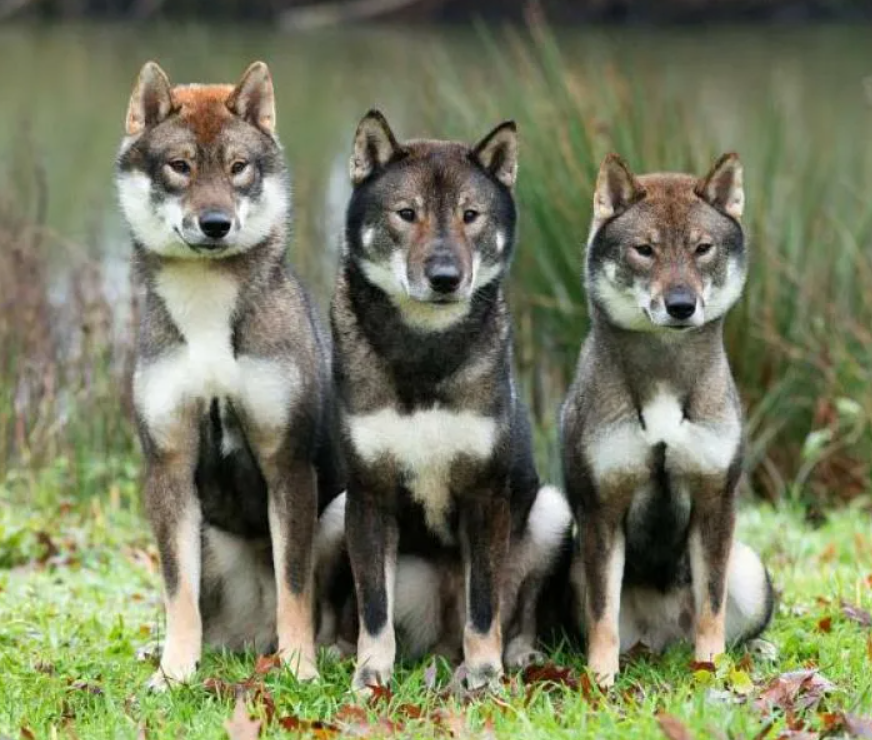
In Shikokus, the height of males is 52 cm and females is 49 cm. Weight is not specified. They have a balanced build without exaggeration. The outer coat should be stiff and straight, while the undercoat is soft and dense. The hair on the cheeks and tail is relatively long. This collar-like appearance gives the dog an impressive look from the front. Acceptable coat colors are sesame, red, or black-and-tan. The eyes should be nearly triangular in shape and dark brown in color, with the outer corner of the eye slightly raised. The ears should be set strictly upright.
According to the American Kennel Club, the lifespan of a Japanese dog is between 10 to 12 years.


Отличительные черты

Голова

Морда

Уши

Глаза

Зубы

Корпус

Конечности

Хвост

Шерсть

Окрас
Characteristics
Shikoku-inu possess unique traits that reflect their historical role and origin. This breed developed as a hunting dog, adapted to the mountainous landscapes of Shikoku Island in Japan, shaping their distinctive features. Shikoku-inu are valued for their self-sufficiency and independence, making them suitable companions for energetic and experienced owners.
Shikoku-inu tend to make independent decisions and actions, known for their perseverance and instinctive behavior. Owners of these dogs need to show patience and establish clear boundaries to maintain order and understanding.
These dogs stand out for their autonomy and self-confidence; they do not tend to blindly obey and can exhibit indifference towards strangers while still maintaining a certain friendliness. Shikoku-inu are not typical household pets, but they can express deep affection towards their owners. They belong to the category of “one-owner dogs,” as noted by Konrad Lorenz. Respect and trust from the owner are crucial in their relationships with these dogs. Like other Japanese breeds, Shikoku-inu possess calmness and restraint but can show courage and determination when necessary. Official standards describe them as resilient, cheerful, with a strong instinct and high alertness, making them passionate hunters and loyal companions to their owners.
As expected from a hunting breed, Shikoku-inu have a strong hunting instinct, love to chase small animals, and may exhibit aggression towards other animals, which requires careful attention to socialization and training to prevent conflicts.
Shikoku-inu are vigilant and cautious, always ready for action, making them excellent guard dogs. They closely observe their surroundings and quickly react to changes, making them reliable protectors of home and family.
These dogs are active and full of energy, requiring regular physical exercise. They enjoy running, jumping, and participating in active games, so owners need to provide them with daily long walks and playtime to meet their movement needs.Shikoku-inu are intelligent and resourceful, quickly mastering new commands and tricks, but due to their independent nature, training may require extra effort. It is important to use positive reinforcement and consistency in training, as Shikoku-inu appreciate tasks that stimulate mental activity.Early and proper socialization is essential for Shikoku-inu to develop the ability to interact with other animals and people. Without this, they may be cautious or even aggressive towards strangers, but properly socialized Shikoku become balanced and friendly.Shikoku-inu have a strong sense of territory and protective instincts; they defend their family and home from threats. These qualities make them excellent guardians but require owners to control and train them for appropriate behavior in various situations.Despite their independence, Shikoku-inu can be affectionate and friendly with family members with whom they have established trust
Samurai Dogs
Shikoku dogs, known as the dogs of samurai, were bred specifically for hunting in the mountainous regions of Shikoku Island, one of Japan's main islands. With their outstanding hunting instincts, agility, and endurance, Shikoku dogs were invaluable allies for hunters of boars and deer. Their strong build and high adaptability to the harsh conditions of the Japanese mountains made them particularly valuable in the hunting world. Shikoku dogs were also known for their loyalty and bravery, which made them symbols of samurai dogs.Care and Maintenance
Shikoku dogs are known for their special care needs, which must be addressed to maintain their well-being and health. These dynamic and resilient pets require a balanced diet, ample exercise, and thorough grooming of their coat.
Shikoku appreciate environments where they can lead an active lifestyle and have enough space to roam. The ideal setting for them includes homes with spacious, fenced yards that provide freedom for play and running. However, with sufficient active outdoor time, Shikoku can adapt to apartment living. To meet their activity needs, regular, vigorous walks and playtime are necessary.
Kishu dogs are recognized for their energetic nature and require daily physical activity to stay healthy. To remain in good shape and avoid behavioral issues stemming from excess energy, their routine should include walks, running, and play, with a recommended minimum of two hours of outdoor activity each day.
The Shikoku’s medium-length, dense coat requires moderate maintenance. Regular brushing several times a week helps remove dead hair and prevent tangling. During seasonal shedding, typically in spring and fall, more intensive grooming may be necessary. Bathing should be done as needed, using dog shampoos to maintain skin and coat health.
Proper nutrition is crucial for a Shikoku’s health. A balanced diet should include essential proteins, fats, carbohydrates, vitamins, and minerals. It’s important to choose high-quality food that matches the dog’s age, activity level, and individual needs, and to incorporate fresh foods like meat, vegetables, and grains after consulting with a veterinarian.
Regular veterinary check-ups and vaccinations play a key role in maintaining a Shikoku’s health. Annual preventive exams help identify and prevent diseases in their early stages. Owners should also monitor their pets’ teeth, ears, and eyes, performing necessary hygiene routines.Early socialization and training are essential for developing a well-mannered and balanced character in Shikoku. Training and socialization should begin at a young age, introducing the dog to various people, animals, and situations. Using positive reinforcement methods and consistency in training promotes successful upbringing. Thanks to their intelligence and ability to learn, Shikoku quickly grasp new commands and skills.Caring for a Shikoku demands attention and effort, but the result is a loyal and devoted companion. A balanced diet, regular exercise, thorough grooming, and attention to health ensure the well-being and longevity of Kishu dogs. Early socialization and training foster a well-adjusted and obedient character, allowing the owner to enjoy the energy and loyalty of their pet for many years.
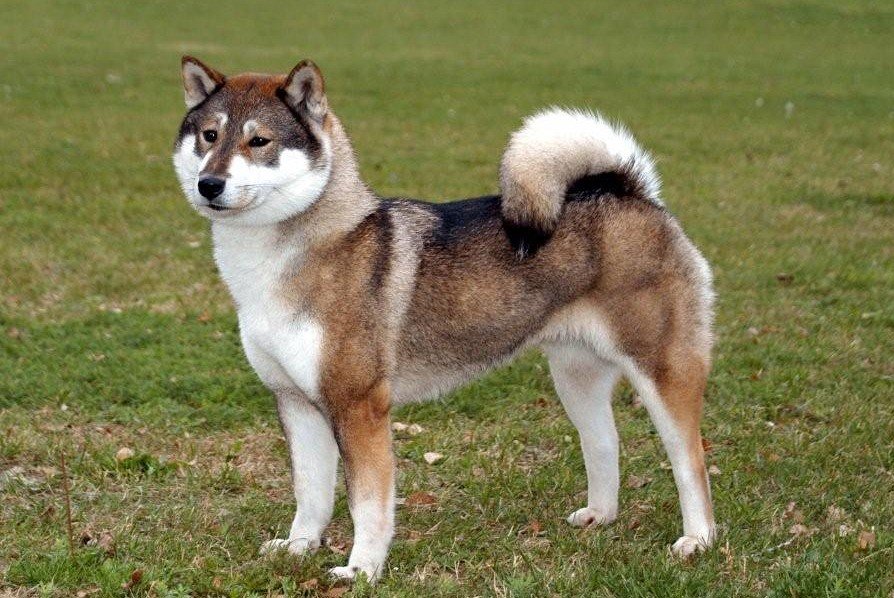
Pride of Japan
In 1937, Shikoku dogs were recognized as a national natural treasure of Japan, reflecting their special cultural and historical significance for the country. This status helped preserve the breed and prevent its extinction. Even today, Shikoku dogs remain rare, and their breeding is strictly regulated to maintain the purity of the breed and conserve its unique characteristics. Thanks to their status as a national treasure, Shikoku dogs have received additional protection and recognition as part of Japan's cultural heritage.Training and Education
Shikoku dogs are characterized by their unique personality and independence. These dogs possess high intelligence, energy, and resilience, making them excellent companions for owners who are willing to dedicate enough time to their development and upbringing. When training and educating a Shikoku, it’s important to use specialized methods and approaches that will help unveil their inner potential and strengthen the bond with their owner.
As a hunting breed, Shikokus have a strong instinct to pursue and a degree of independence. These traits can make training challenging, but with the right approach and the use of positive reinforcement methods, excellent results can be achieved. Shikokus also exhibit high intelligence and can quickly learn new commands and tricks.
Using training strategies based on positive reinforcement, including treats, praise, and play, is considered the most effective approach to training the Shikoku breed. This method fosters a positive attitude in the dog towards following commands and tasks, motivating its desire to continue learning. Consistency in commands and criteria, as well as regular sessions conducted at the same time, are key points that help the dog memorize commands and understand the owner’s expectations.
Shikoku dogs can quickly become tired or lose interest, so training sessions should be short but frequent. The optimal duration for one session is 10-15 minutes, and such sessions are recommended multiple times a day.
Starting education and socialization early is critical for developing adaptive behavioral responses and confidence in Shikokus. It is essential to expose the puppy to a variety of people, other animals, and the diverse world around them early in life.
Basic Commands and SkillsStart with teaching fundamental commands, such as “sit,” “lie down,” “stand,” “come,” and “place.” These commands form the foundation for further training and help establish control over the dog’s behavior.The “heel” command is important for safe and comfortable walks. Begin training on a short leash, gradually increasing the distance and distractions.The “no” or “leave it” command helps prevent undesirable behaviors, such as picking up trash or showing aggression towards other animals.Shikokus have excellent scenting abilities and hunting skills, so games involving searching for and retrieving items will satisfy their natural instincts and stimulate mental development.Behavioral Problem CorrectionAggression and Territory Protection: Shikoku puppies may display aggression towards other dogs and guard their space. Early socialization and training for proper interactions with others are crucial.Chasing Instinct and Tendency to Escape: Due to their innate desire to chase, puppies may attempt to escape. Training the “come” command and using a long leash can help manage this behavior.Fear and Nervousness:
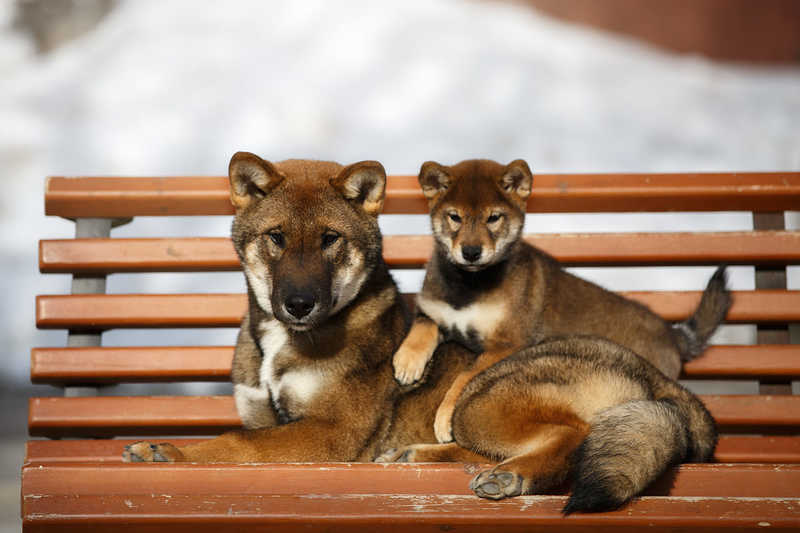
One of six
The appearance of the Shikoku resembles that of other Japanese breeds, such as the Shiba Inu and Akita Inu, but Shikoku Inus stand out for their elegance and proportions. They are known for their independence, intelligence, and cautious nature. These dogs are extremely loyal to their owners, though they may show wariness towards strangers. Early socialization and strict yet gentle training help manage their hunting instincts and strengthen the bond with their owner.
How to Choose a Puppy
Shikoku is one of the exclusive Japanese dog breeds known for its independence, hunting skills, and deep attachment to its owner. Choosing the right puppy will be key to bringing a healthy and balanced companion into your home.
Before starting your search for a puppy, it’s important to define your goals and capabilities. Consider why you want a dog: for hunting, participating in shows, sports competitions, or simply as a pet. Take into account your ability to care for and train the dog, as well as your available time and financial resources.
Choosing a reliable and responsible breeder is crucial in the puppy selection process. Look for breeders who have been breeding Shikoku for many years and have positive reviews. Ask to see the conditions in which the dogs are kept, the pedigree of the parents, and the results of genetic tests. The breeder should be willing to answer all your questions and provide necessary documentation.
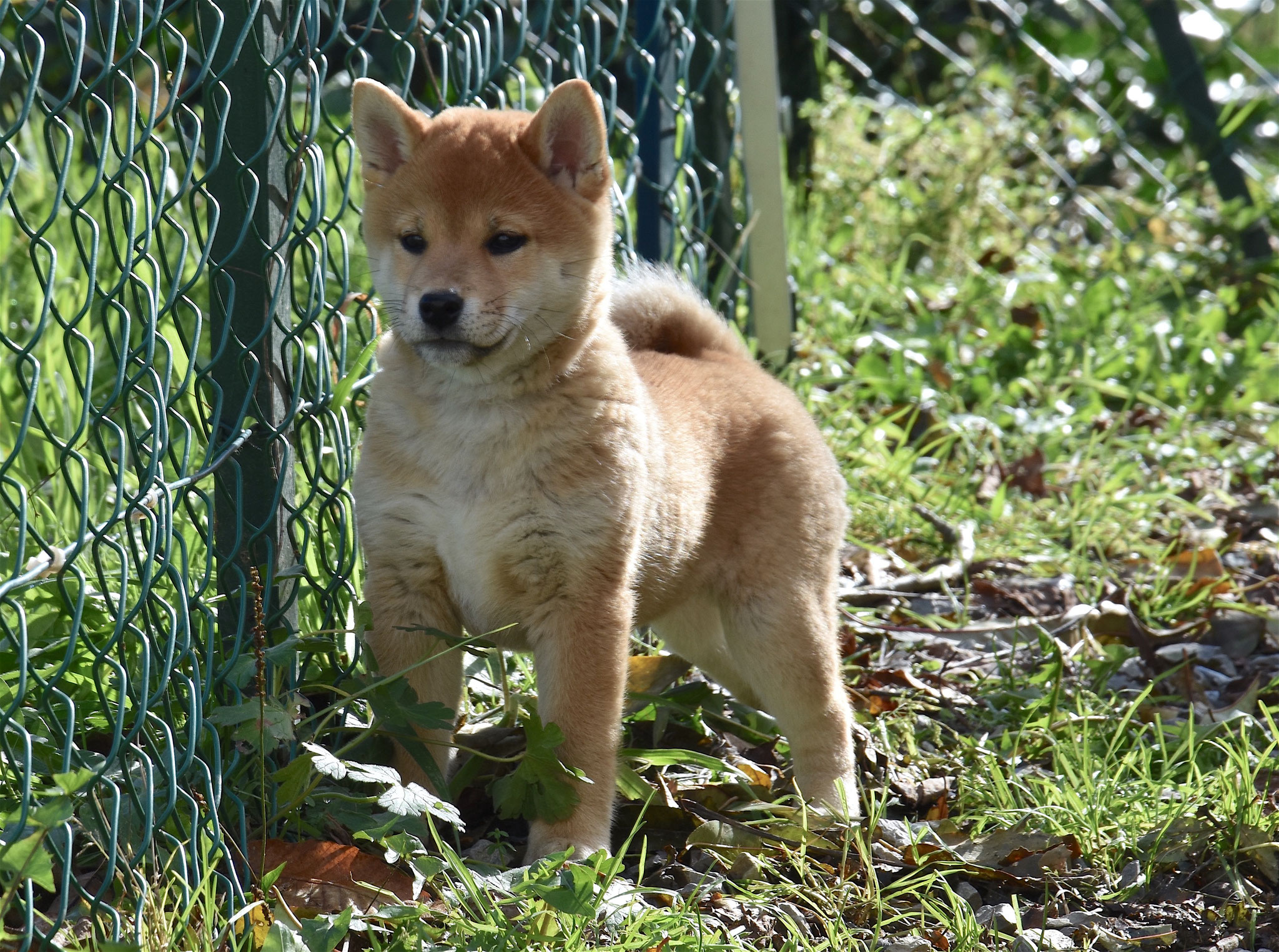
Selecting a puppy is a responsible step that requires careful evaluation of its health and character. When meeting your future pet, observe its energy level and playfulness-these are signs of good health. Examine the puppy’s appearance. Don’t forget to request a veterinary passport from the breeder with records of vaccinations and parasite treatments.
The puppy’s temperament also plays a key role, especially if there are children or other animals in the home. Pay attention to how the puppy interacts with others: it should be open and friendly, without signs of aggression or fear. It’s also important to see how the puppy reacts to new objects and situations, as this indicates its adaptability and confidence.
Ask the breeder about the socialization methods they use. Quality socialization from an early age, involving exposure to various sounds, people, and environments, helps develop the puppy’s confidence and flexibility.Thoroughly investigate the pedigree and ensure that the puppy’s parents have undergone all necessary checks for genetic diseases. This will help prevent potential hereditary health problems and guarantee a healthy future for your new family member. Pay special attention to checking for hip dysplasia, which can occur in large breeds.Decide on the gender of the puppy you want. Females are typically calmer and more affectionate, while males are energetic and independent. The choice of gender depends on your preferences and goals. The optimal age for acquiring a puppy is 8-12 weeks. At this age, the puppy is strong enough to move to a new home but still retains ties with its mother and siblings.Before bringing the puppy home, prepare a comfortable and safe space for it. Ensure you have all necessary supplies: food, food and water bowls, toys, a bed, a collar, and a leash. Set up a crate or carrier so the puppy can get used to the new environment
Health and Diseases
The Shikoku breed, also known as Shikoku Inu, is a unique and ancient Japanese breed that has gained fame for its endurance, energy, and hunting abilities. Shikokus are characterized by robust health, but they can sometimes face various health issues.
Shikokus are small dogs with a strong physique and excellent physical condition. With proper care and maintenance, they can live from 12 to 15 years. Key factors affecting the health of Shikokus include genetics, living conditions, nutrition, and regular veterinary visits. These dogs are generally resistant to diseases; however, some genetic and acquired illnesses can still occur.
The most common diseases in the Shikoku breed include:
Hip and Elbow Dysplasia:
– Description: This hereditary condition involves improper joint development, leading to pain and limited mobility.
– Symptoms: Lameness, difficulty getting up, reluctance to move or jump, change in gait.- Treatment: Surgical intervention, physiotherapy, medication.Eye Diseases:- Progressive Retinal Atrophy (PRA):- Description: A degenerative disease that gradually leads to vision loss and blindness.- Symptoms: Night blindness, dilated pupils, decreased visual acuity.- Treatment: No cure exists, but progression can be slowed with special medications and diet.- Cataract:- Description: Clouding of the eye’s lens, which can lead to partial or complete vision loss.- Symptoms: Cloudiness of the eye, reduced vision, changes in behavior.- Treatment: Surgical removal of the cataract.Allergies and Skin Diseases:- Description: Allergic reactions can be triggered by various factors, including food, insect bites, and contact allergens.- Symptoms: Itching, skin redness, rashes, hair loss.- Treatment: Identification and elimination of the allergen, antihistamine medications, special diets.Digestive Problems:- Description: These issues may include gastritis, enteritis, colitis, and other digestive disorders.- Symptoms: Vomiting, diarrhea, loss of appetite, abdominal pain.-
Содержание
-
1. Описание породы
-
2. Внешний вид
- 2.1 Голова
- 2.2 Морда
- 2.3 Уши
- 2.4 Глаза
- 2.5 Зубы
- 2.6 Корпус
- 2.7 Конечности
- 2.8 Хвост
- 2.9 Шерсть
- 2.10 Окрас
-
3. Характер
-
4. Содержание и уход
-
5. Дрессировка и обучение
-
6. Как выбрать котенка
-
7. Здоровье и болезни






Comments
Only registered users can leave reviews.
Enter