
Shetland Sheepdog





Warning: Illegal string offset 'label' in /home/panda/sites/zoonika/wp-content/themes/zoonika/template-parts/animals/animals-param-item.php on line 32
Ð


Breed Description
The pride of the small Shetland Islands, located off the northeast coast of Scotland, is the Sheltie (Shetland Sheepdog) and the Shetland Pony. Who would have thought that such a small dog was bred for herding and protecting sheep? Its ancestors have ancient roots and are linked to other herding breeds. They likely include Collies and other farm-adapted herding breeds from Scotland. In other words, it is a type of sheepdog that began to emerge in the 19th century. Local dogs in the Shetland Islands were crossbred with Collies and other breeds, resulting in elegant and intelligent herding dogs. As the breed developed, it began to be shown at dog exhibitions and quickly gained popularity.
The first written mentions of the Sheltie breed appeared in the late 19th century, originally referred to as the “Shetland Collie.” Later, the breed was named “Sheltie,” a term that became widely used. They were recognized and officially described as a separate breed in the early 20th century, gaining acknowledgment in the global dog-loving community. The Sheltie was recognized as a separate breed in the UK in 1909, and the American Kennel Club (AKC) recognized them in 1911. Since then, it has been quite accessible for dog owners on any continent to purchase a puppy from a kennel. Thanks to their charming appearance, bright intellect, and loyalty, Scottish sheepdogs quickly gained worldwide popularity as family companions. Their elegant looks and intelligence set them apart from other breeds.
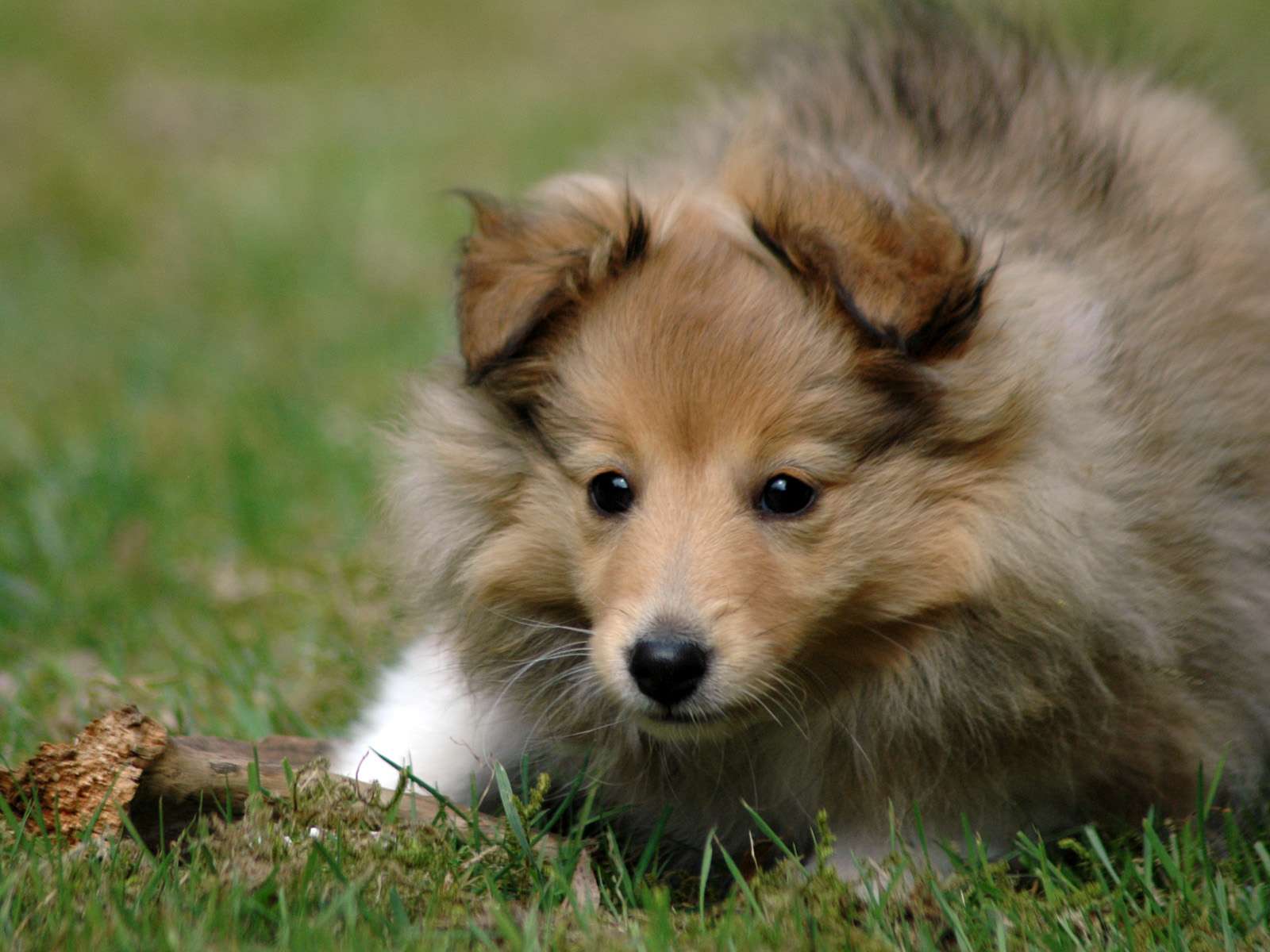
When the breed was first shown at the Crufts exhibition in 1906, it was presented as a miniature Collie, but a close look at the two standards reveals subtle differences. Today, Shetland Sheepdogs have succeeded not only in the show ring but also in obedience and agility, and their sweet temperament has secured them a solid position as one of the most popular companion animals. In our country, it is better not to buy such dogs through puppy sale advertisements. The cost of purebred Sheltie puppies reaches 50,000 – 60,000 rubles, but in special cases, the price can be even higher. Note that on Zoonyka, you can find the best selection of kennels in Russia, featuring puppies only from breeders with verified reputations.
Appearance
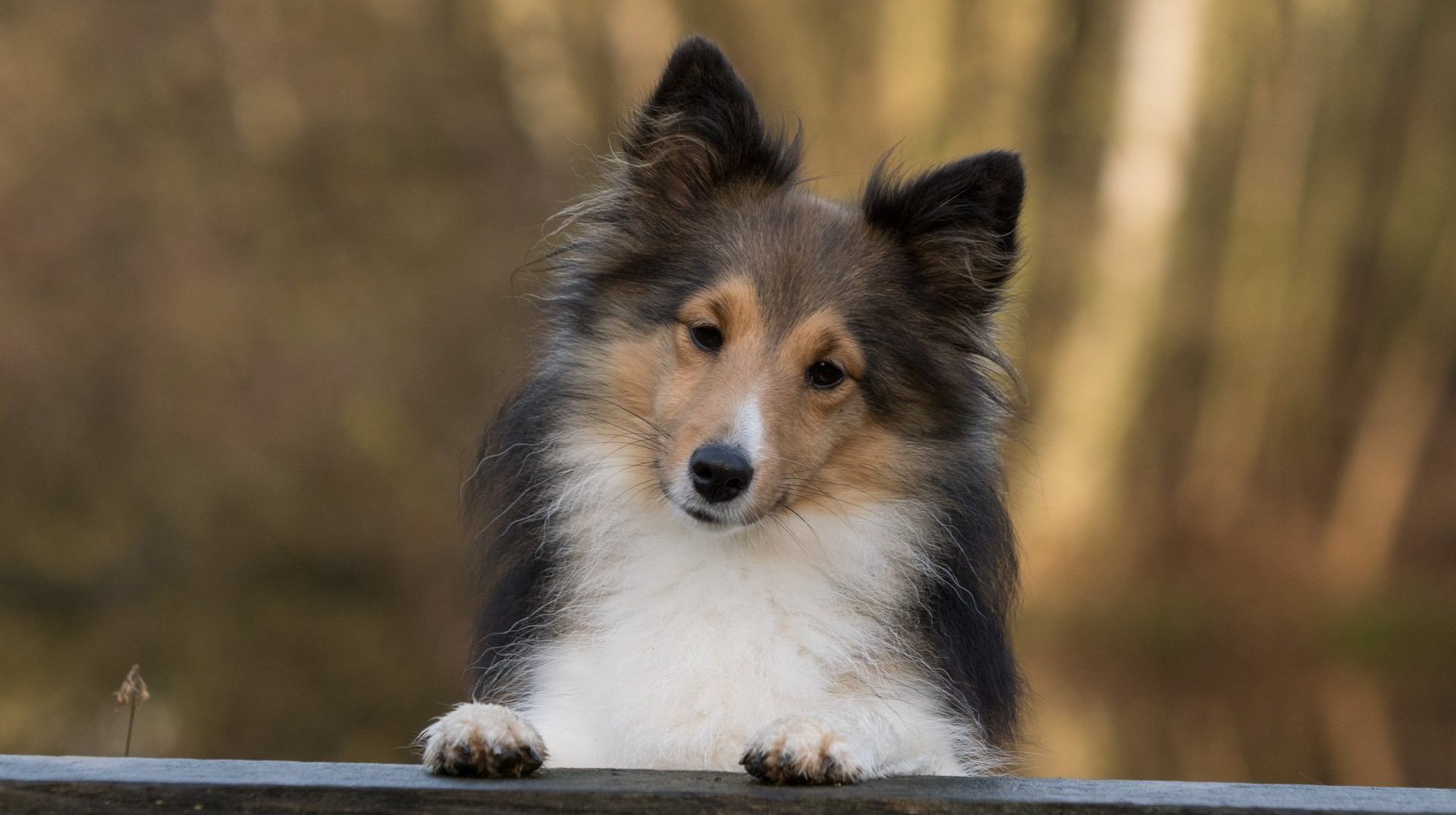
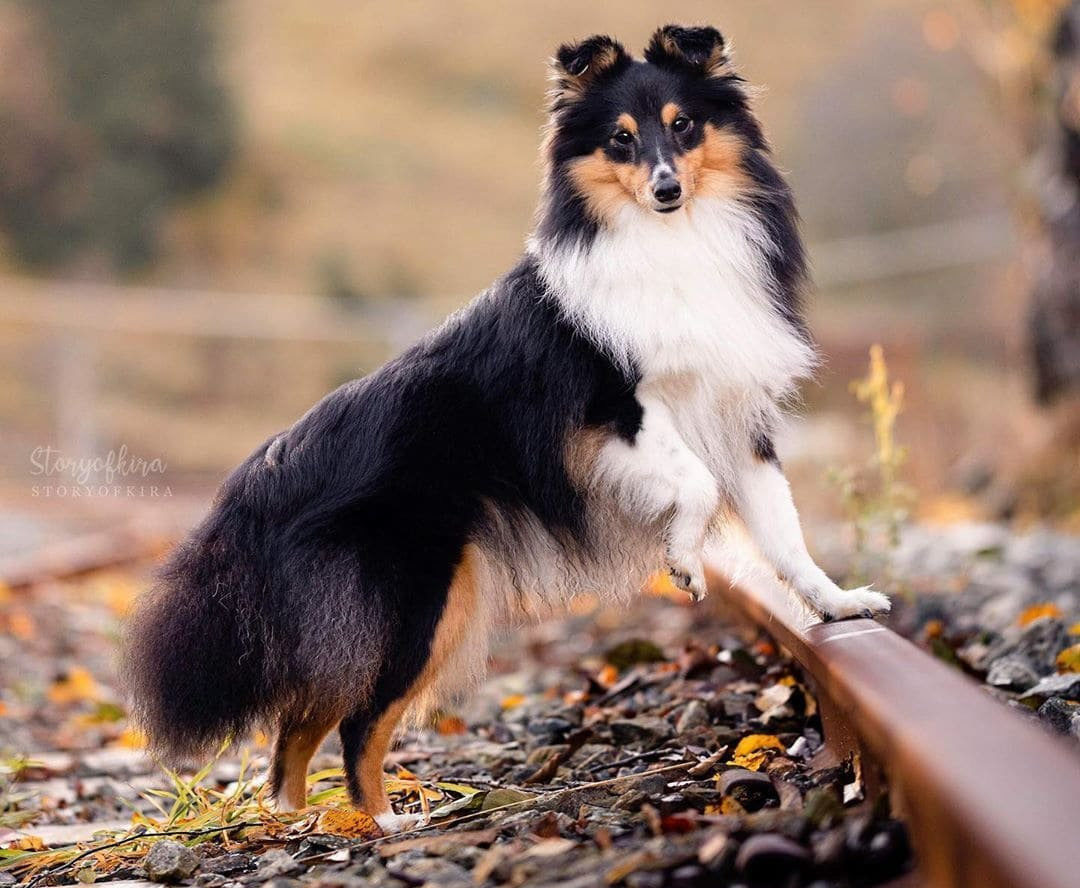
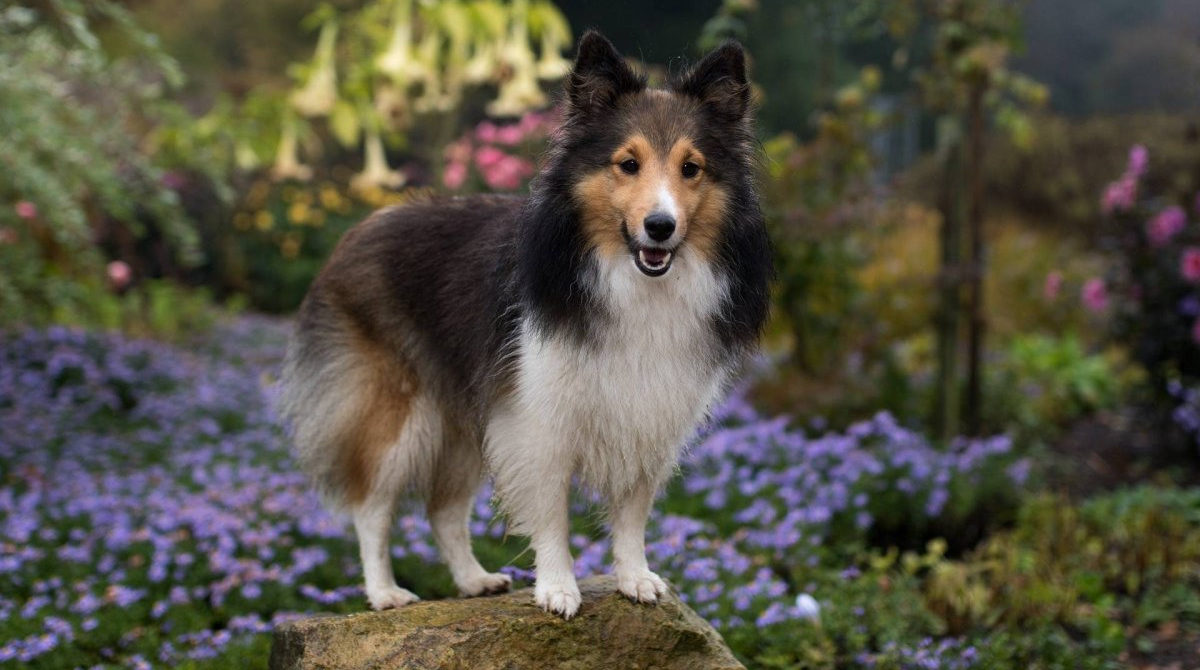
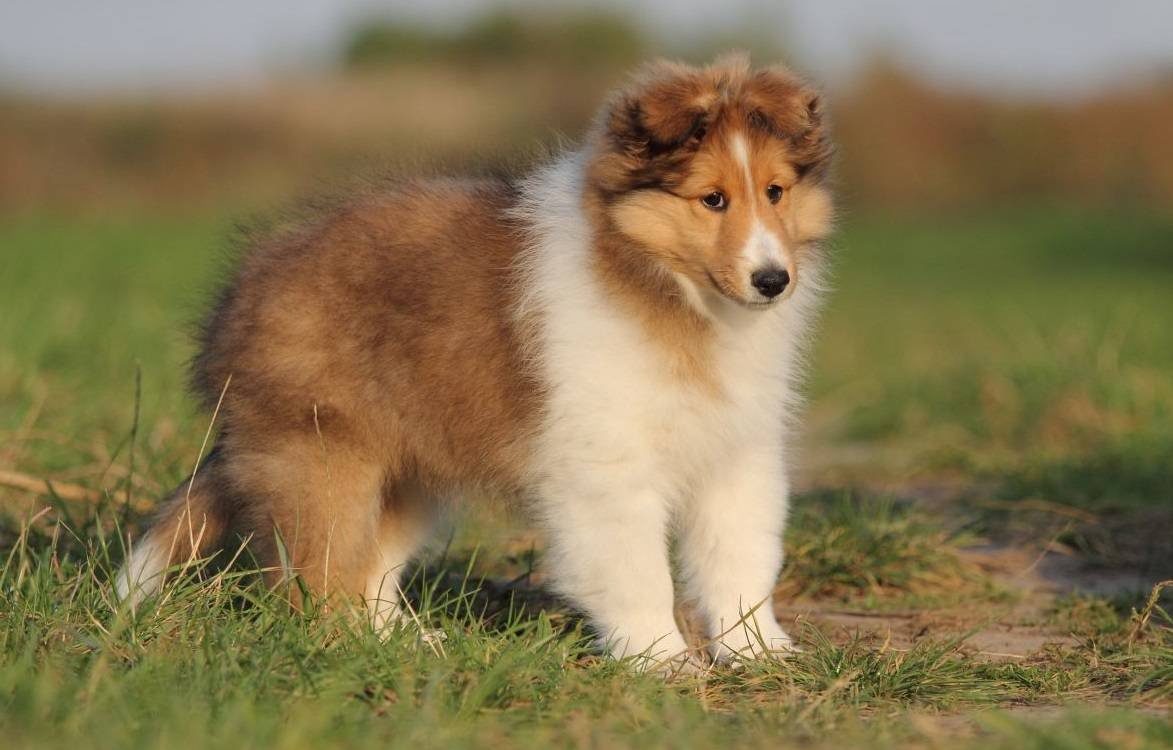
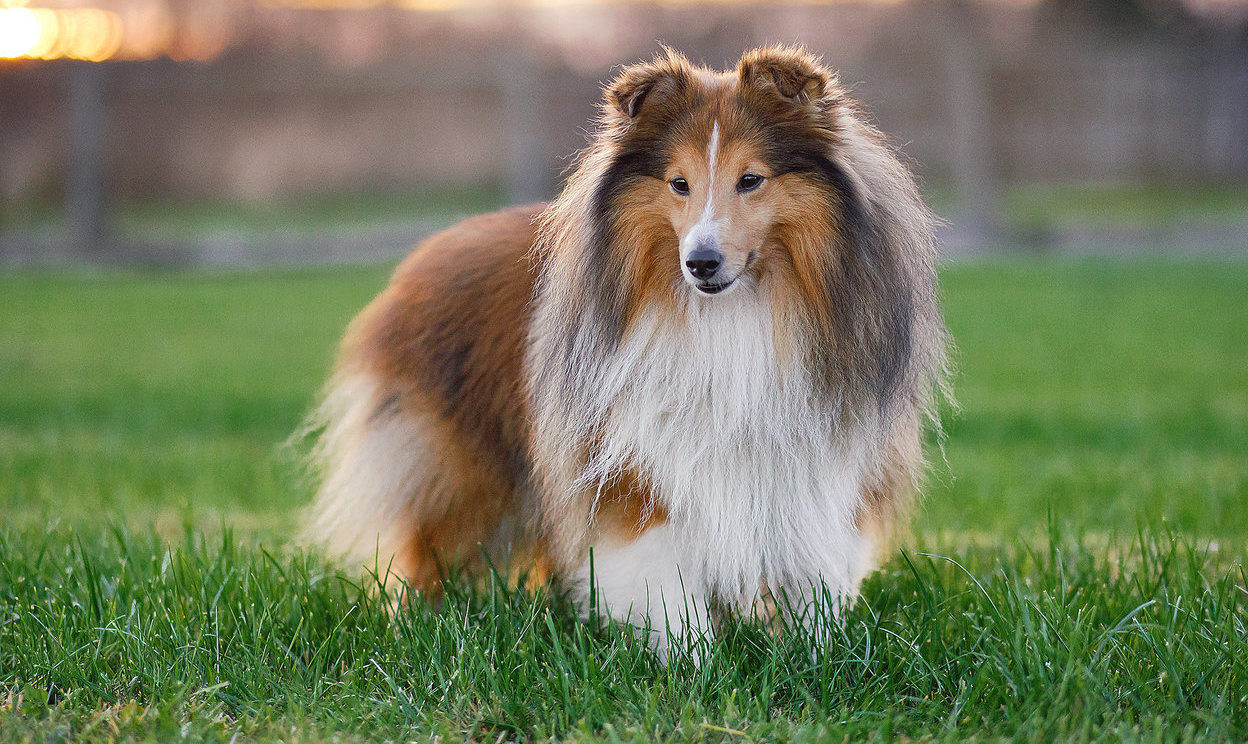
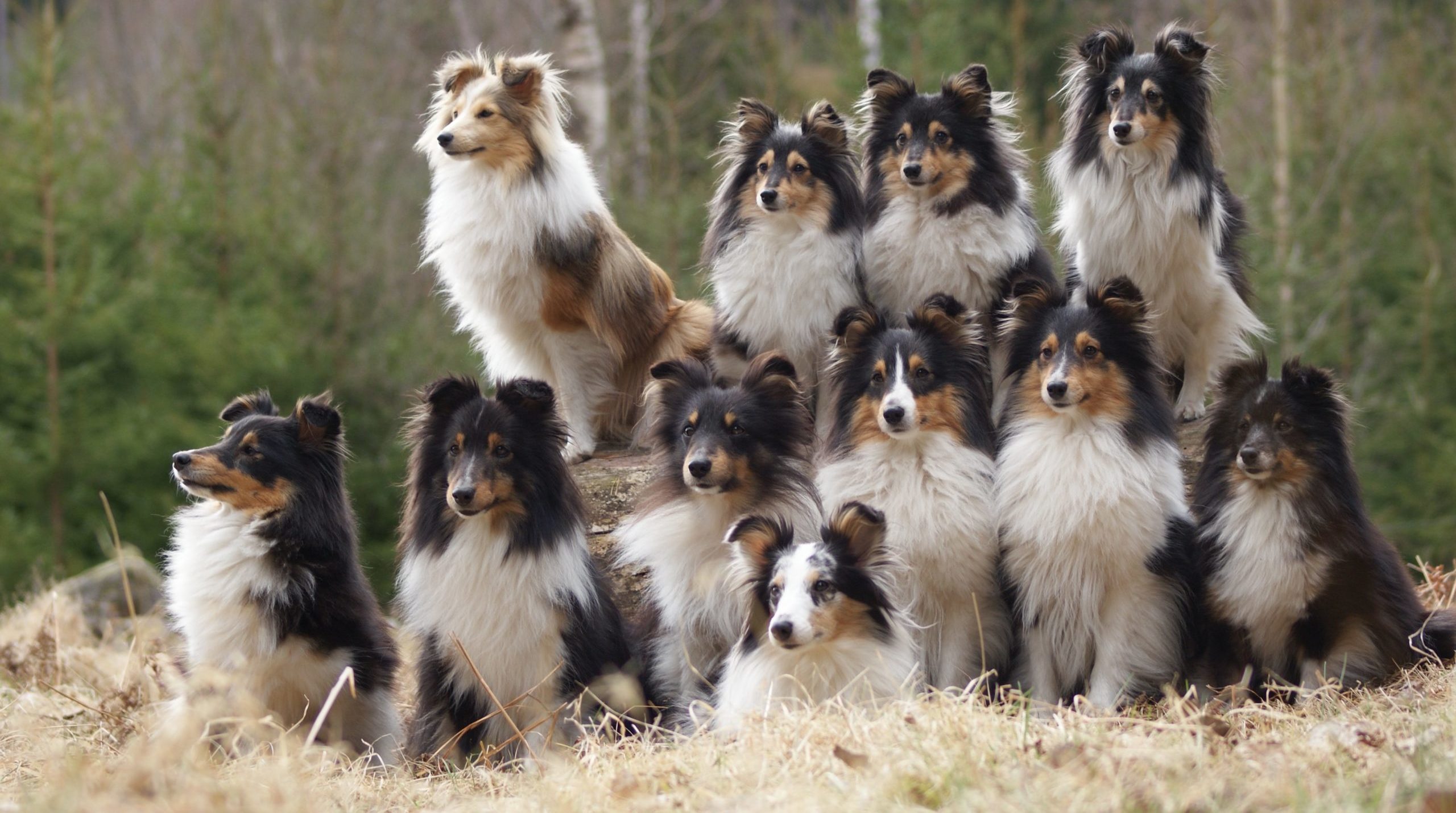
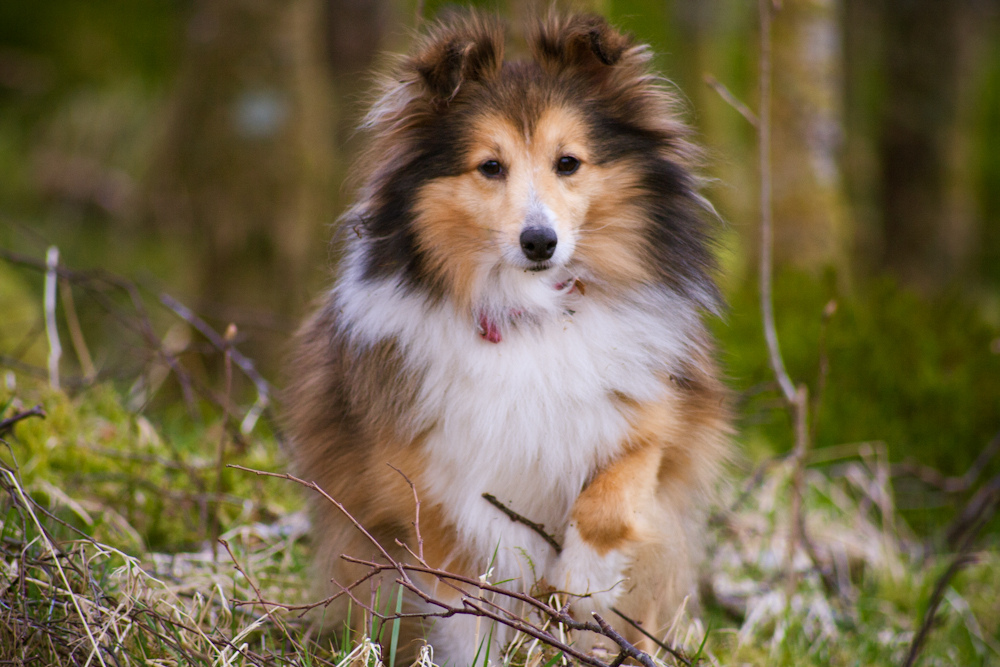
Shelties, or Shetland Sheepdogs, are medium-sized dogs specifically bred for the protection of sheep, ponies, and poultry. They stand 33 to 40 cm at the shoulder and weigh an average of 6.5 to 11.5 kg. Many people are confused by their resemblance to Collies. Although some dog enthusiasts refer to them as mini-Collies, they are indeed two distinct breeds. Despite their modest size, Shelties adapt well to almost any climate, with an average lifespan of around 14 years. Of course, this is just an approximate time frame; if they receive healthy nutrition, proper hygiene, and attentive veterinary care, you can enjoy your puppy from a breeder for much longer.
Shelties have a double, beautiful coat that protects them from cold weather and even severe frost. Their healthy fur is long, dense, doesn’t curl, and doesn’t mat.
Despite their rich history, today families with children often seek to buy a puppy from a breeder, using the dogs as family companions. They are very energetic, playful, extremely intelligent, easily trainable, and obedient. Even a novice can handle their upbringing. These dogs are like nannies, watching over and protecting small children.


Отличительные черты

Голова

Морда

Уши

Глаза

Зубы

Корпус

Конечности

Хвост

Шерсть

Окрас
Character
The temperament of a Shetland Sheepdog is typically described as intelligent, loyal, cautious, and playful. These dogs possess a high level of intelligence and excellent analytical thinking, and they are very devoted to their owners. Shelties make excellent companions and can form close bonds with the entire family, including children, and are friendly toward strangers if they were socialized at an early age.
In relationships with other pets, they get along well. However, considering their origins, they may still have a tendency to hunt small animals due to their instinct. Therefore, it is important to focus on socialization and training alongside other pets.
Intellectual stimulation is extremely important for Shelties, as they were originally bred as herding dogs, a job that requires a high level of cognitive ability. They need engaging activities such as puzzles, tricks, searching for objects, and training. Without sufficient stimulation, they may display undesirable behaviors. A lack of physical activity can lead to similar consequences. Accordingly, Sheltie owners need to consider these factors to ensure their dogs’ mental development and balanced behavior.
Shelties have a strong sense of loyalty to their owners and can be attentive and cautious towards strangers. This makes them excellent watchdogs, as they tend to alert to any changes in their environment. Additionally, Shelties have a high degree of mental agility and trainability, making them eager and quite successful participants in various dog sports, such as agility. With proper training and stimulation, Shelties can be outstanding athletes and successful competitors in dog events. Choosing a puppy from a kennel in our country is relatively easy, as the breed enjoys consistent demand.
However, it is important to remember that genetically, Shelties are still herding dogs, so they may be prone to obsessive behaviors toward children or other animals, which should be addressed from an early age. Despite this, with proper socialization and upbringing, Shelties can be wonderful and loving companions, ready to provide their owners with many joyful moments.
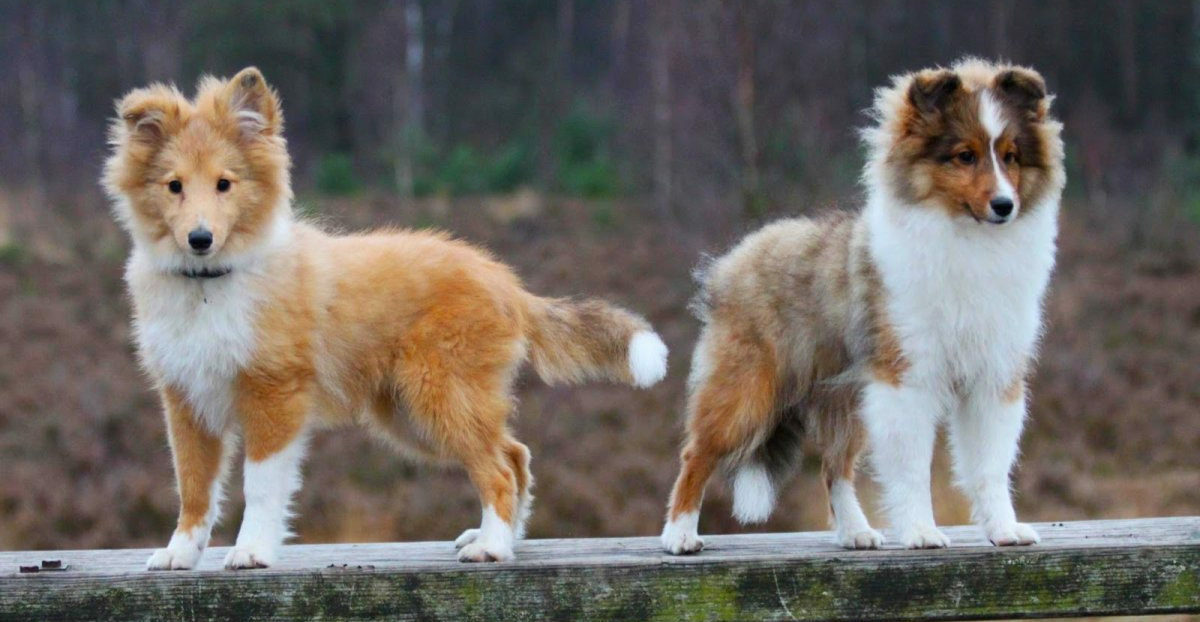
Smart one, not a dog.
It is important to note that the Sheltie is considered one of the smartest dog breeds and ranks in the top 10 on the Coren scale.Care and Maintenance
Optimal care and living conditions for Shelties include regular physical exercise, mental stimulation, socialization, and attentive grooming of their coat. It’s important to remember that these are energetic dogs that require regular walks and playtime. They are suitable for participating in active sports, such as agility. Regular physical activity helps them maintain good physical condition and mental health.
Shetland Sheepdogs love puzzle toys and actively participate in command training, object searches, and other exercises. Before buying a puppy from a kennel, make sure to familiarize yourself with recommendations on socializing your pet. Remember that they are chiefly herding dogs that need to be properly raised and socialized from a young age. This will help foster friendly relationships with people and other animals. Visiting different places, meeting various people and other dogs will help them be calm and confident outdoors, while remaining serene and balanced at home.
Their lush double coat requires meticulous care. Daily brushing is ideal. However, for dogs not participating in shows, brushing every other day is sufficient. Patience is necessary, and the grooming routine should begin when the animal is young. You should have dematting combs, brushes with fine bristles, and de-shedding tools on hand. If time allows, consider visiting pet salons or hiring a professional groomer at home. Dogs do not need frequent bathing, as their rich coat not only looks beautiful but also has protective qualities. Frequent bathing can wash away natural oils, which may degrade the coat’s quality over time.
Speaking of grooming and pet salon visits, one must mention nail trimming:
Before starting to trim your dog’s nails, ensure that you have a quality nail trimming tool for dogs. These are usually special scissors or clippers that can be purchased at pet stores. Make sure your tools are sharp and clean.
Healthy dog nails should be evenly trimmed and should not touch the ground when the dog is standing on a flat surface. If the nails are too long, they can grow into the footpad or cause discomfort while walking.Carefully and gradually trim the tips of the nails, avoiding cutting too close to the quick, which contains blood vessels and nerve endings. This part of the nail can be identified as a pink area in the clear part of the nail. Be cautious not to cut this area, as it can lead to bleeding and pain for the dog.After trimming each nail, reward your Sheltie with a treat or toy to create positive associations with the nail trimming process.If you are unsure how to properly trim your dog’s nails, it is better to seek help from a veterinarian or professional groomer to avoid potential injuries and stress for your pet.Additionally, it’s important to pay attention to quality nutrition that includes sufficient proteins, fats, and carbohydrates. The best choice today includes holistic feeds or ready-made commercial super-premium feeds. They are made from select natural ingredients and, besides convenience, also include all the necessary vitamins and minerals according to your dogв
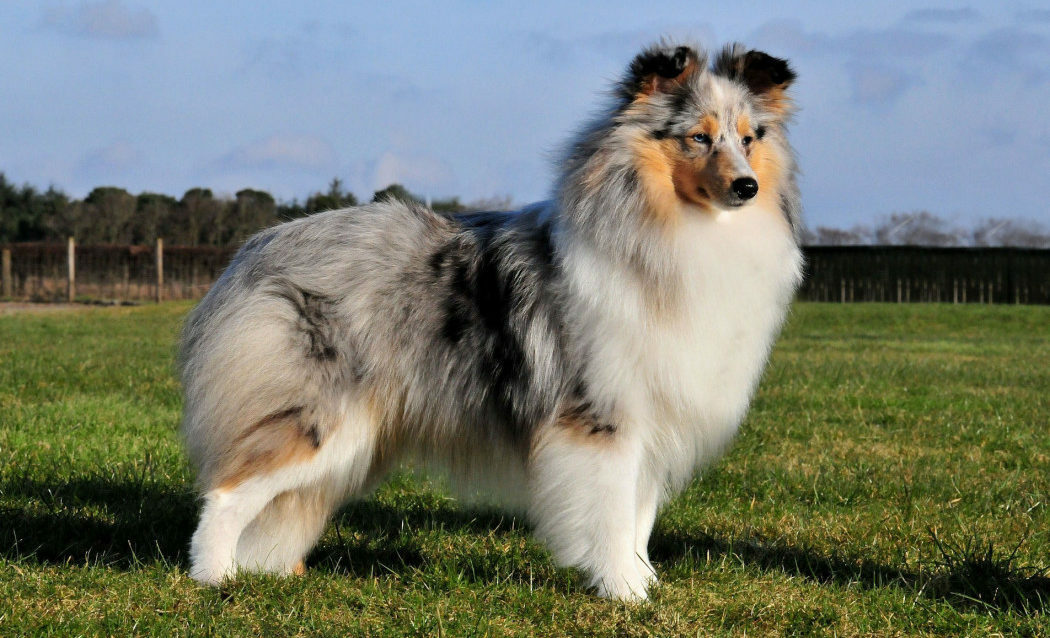
Dwarf collie?
Many mistakenly believe that the Sheltie is a type of Collie. In fact, this is not true at all; it is a completely independent breed.Training and Education
Training a Shetland Sheepdog can be a pleasure for everyone involved if the right methods and approaches are applied. It is advisable to familiarize yourself with some tips before choosing a puppy from a Sheltie breeder:
Shetland Sheepdogs are intelligent and resourceful, but they can also be somewhat independent. It is important to understand this characteristic and adapt your training approach according to the individual traits of each animal.
Use positive reinforcement: this is based on rewarding desired behavior and is the best training method for them. Treats, praise, and toys can be used as rewards. This is usually enough to encourage desirable actions.
Be consistent. All family members should demonstrate a unified approach to raising the dog. This will help avoid confusion for the dog and clarify what is expected of it.
Start with the basics. First, you need to master the following commands: “Sit!”, “Lie down!”, “Stand!”, “Place!”, and “Come!”. Then you can diversify the training with more complex commands and exercises.
Begin training in a calm and quiet environment, gradually increasing the level of difficulty and distractions. Initially, the training sessions should not exceed 10-15 minutes.Socialization plays a crucial role in shaping a Sheltie’s character. Help them get used to various sounds, smells, places, and other animals so they can be balanced and confident in diverse situations.Be patient and kind, as training takes time, patience, and love. Stay calm about your dog’s mistakes, encourage good behavior, and avoid using physical punishment.Remember that each dog is unique, and it is important to consider your pet’s individual characteristics during training. Love, patience, and positive stimulation will help you develop a strong bond with your pet and achieve the best results. Zooinika offers puppies with pedigree and health guarantees.
Little lover of big sports
The Sheltie is considered the smallest breed of shepherd dogs. However, size doesn’t matter in competitions where Shetland Collies consistently take top positions.
How to Choose a Puppy
Choosing a Shetland Sheepdog puppy is an important step that requires careful consideration to ensure you are purchasing a healthy, well-socialized, and genetically sound puppy. When selecting, it’s essential to consider not only appearance but also temperament, health, and lineage. It is generally better to buy a puppy from a kennel than through private sales or pet markets. Let’s explore these advantages:
Kennel vs Private Seller:
In kennels, puppies undergo regular thorough veterinary examinations. They come with documentation confirming their lineage, pedigree, and health status. Moreover, reputable kennels usually strive to properly socialize their puppies.
When purchasing a puppy through a private ad, you may face a lack of reliable information about the Shetland Sheepdog’s lineage and health. Often, the owner simply cannot provide such documents because they do not exist, and the purity of the lineage is unclear.
Health and Genetic Traits:
Acquiring a puppy from a kennel typically guarantees health and genetic purity. Kennels carefully select parents to produce offspring with good health and temperament.In the case of buying from a private seller, you will have to rely on the owner’s word regarding the health and genetics of the puppies, which can create some uncertainty.Guarantees and Support:Kennels most often provide health guarantees for the puppy and offer ongoing information exchange and consultations on raising and caring for the puppy.Purchasing from a private seller usually does not come with such guarantees and support, or if it does, it may be unprofessional.Documentation and Pedigree:In a kennel, you can expect to receive complete documentation for the puppy, including a pedigree, veterinary passport, results of hereditary disease tests, and other crucial information.Private sellers may not provide such documentation.Thus, buying a puppy from a kennel generally offers a higher level of confidence in terms of health, lineage, socialization, and support from professionals. It’s worth noting that Zoonika features the best selection of kennels in Russia, which undergo careful vetting befo
Health and Diseases
The most common breed-specific health issues in Shelties include:
Eye disorders: iris collapse, glaucoma, and progressive retinal atrophy (PRA), which can lead to partial or complete vision loss. Regular eye check-ups with a veterinarian, preventive use of gentle cleansers, and the addition of antioxidants to the diet usually help maintain eye health.
Some genetic diseases include hip or elbow dysplasia and thyroid dysfunction. Before choosing a puppy from a kennel, it is important to ensure that both the puppy and its parents have negative test results for these diseases and that the kennel adheres to high standards for the selection of breeding animals.
Allergies and skin disorders: some individuals are prone to allergic reactions, often manifesting as itching and skin inflammation. Proper coat care, balanced nutrition, regular veterinary check-ups, and flea and tick treatments are important for preventing these issues.
Additionally, some Shetland Sheepdogs may suffer from heart failure and other heart diseases. Regular visits to the veterinary clinic for heart health monitoring, as well as weight control and moderate exercise, can help prevent these problems. Are you thinking about it? There is a huge selection of ads on the map by city on Zooinika.
Содержание
-
1. Описание породы
-
2. Внешний вид
- 2.1 Голова
- 2.2 Морда
- 2.3 Уши
- 2.4 Глаза
- 2.5 Зубы
- 2.6 Корпус
- 2.7 Конечности
- 2.8 Хвост
- 2.9 Шерсть
- 2.10 Окрас
-
3. Характер
-
4. Содержание и уход
-
5. Дрессировка и обучение
-
6. Как выбрать котенка
-
7. Здоровье и болезни






Comments
Only registered users can leave reviews.
Enter