
Scottish Terrier





Warning: Illegal string offset 'label' in /home/panda/sites/zoonika/wp-content/themes/zoonika/template-parts/animals/animals-param-item.php on line 32
Ð


Breed Description
The Scottish Terrier, or Scottie, is a breed with a rich history that traces back to Scotland, where it was developed for hunting small animals such as otters, foxes, and badgers. Originally, these small yet powerful dogs were used for work in the harsh conditions of the mountains and hills. Their task was to flush out prey from burrows, so the Scottie had to be not only physically strong but also brave enough to handle aggressive game.
The breed’s history begins in the Middle Ages when various types of terriers existed in Scotland. These dogs were primarily bred by farmers who needed working companions to protect their farms and combat rodents. The Scottish Terrier stood out with its sturdy build, powerful legs, and incredible energy, making it ideal for hunting in difficult terrain. Its short but strong limbs allowed it to easily enter burrows, while its dense coat protected against cold winds and rain.
The first to start standardizing Scottish Terriers were Scottish aristocrats in the 18th century. They appreciated not only the working qualities of these dogs but also their appearance, charismatic nature, and loyalty. Thanks to the support of the aristocracy, the breed began to gain popularity beyond working farms. In the 19th century, British dog breeders started to develop Scottish Terriers, aiming to create a uniform breed standard. Particular attention was paid to their appearance: thick, wiry fur, long snouts, and distinctive beards.
A key figure in the breed’s development was Captain W. K. Mackie, a Scottish enthusiast and breeder who became one of the first to document the characteristics of Scottish Terriers in the late 19th century. His efforts led to the breed’s popularity at dog shows, where their appearance and character began to captivate the public. By the early 20th century, Scottish Terriers had become symbols of elegance and sophistication, particularly among the British aristocracy.
Scottish Terriers quickly spread worldwide, becoming favorites not only among hunters but also urban dwellers. Their popularity surged in America during the 1930s and 1940s when the breed became favored among celebrities and politicians. One of the most famous Scottie owners was U.S. President Franklin Delano Roosevelt, whose dog Fala became a true legend and often accompanied him at official events.
Today, Scottish Terriers retain their hunting qualities, but they are more commonly kept as companion animals. Their unique appearance, distinctive beard, and wiry coat combined with an independent and brave character make them standout representatives of terriers. The history of the Scottish Terrier is a tale of a small yet incredibly strong and devoted dog that has managed to preserve its individuality and become one of the most recognizable breeds in the world.
Appearance
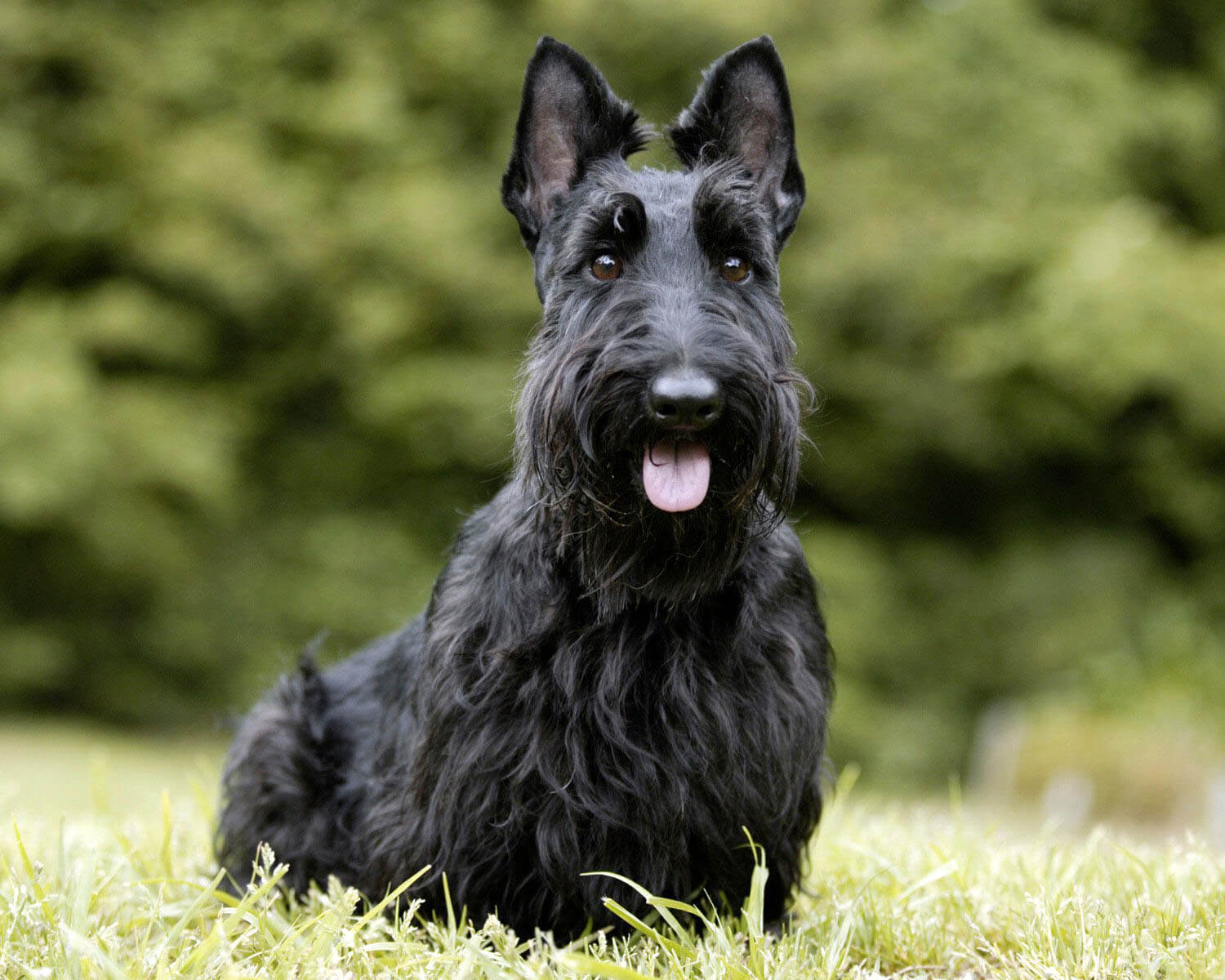
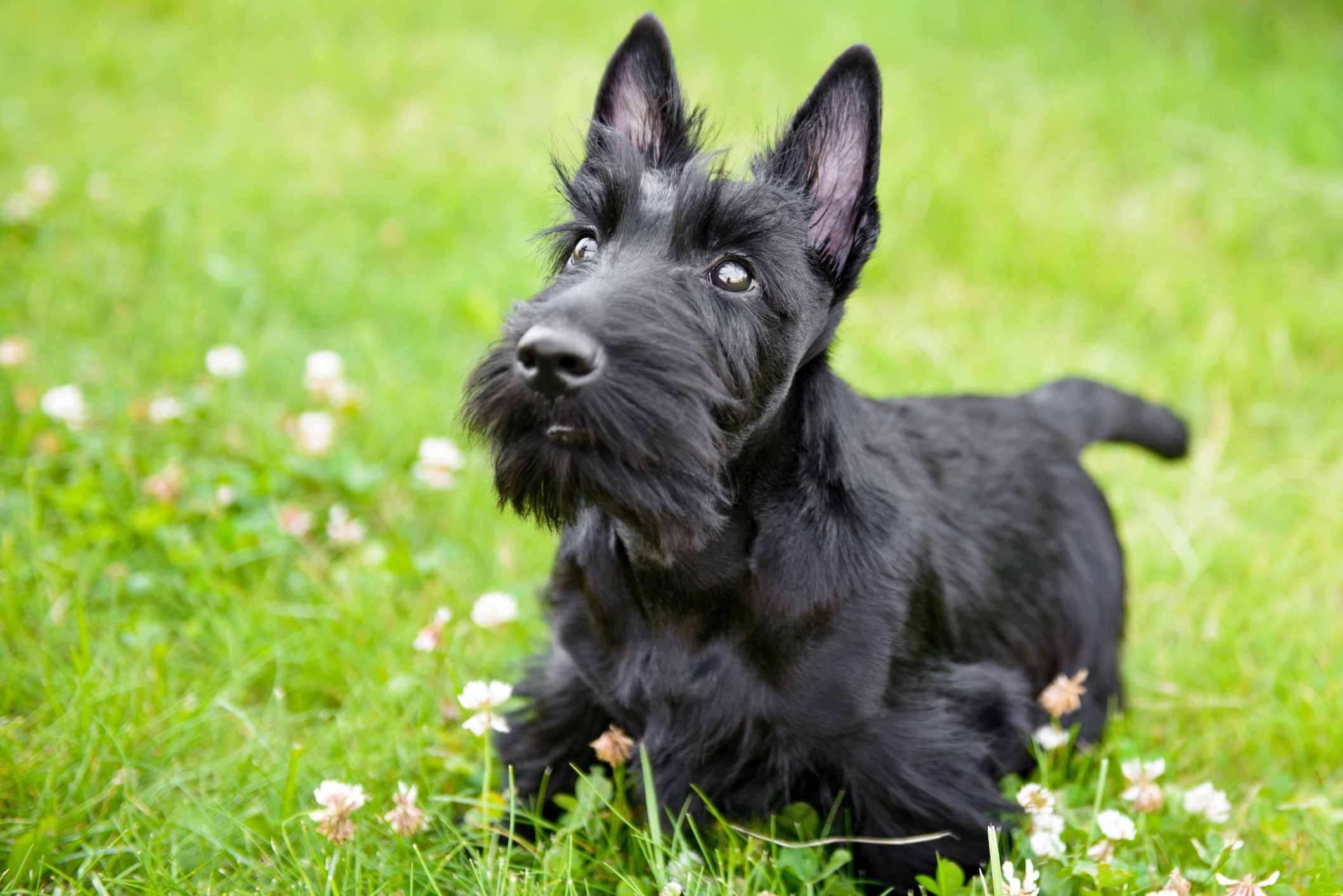
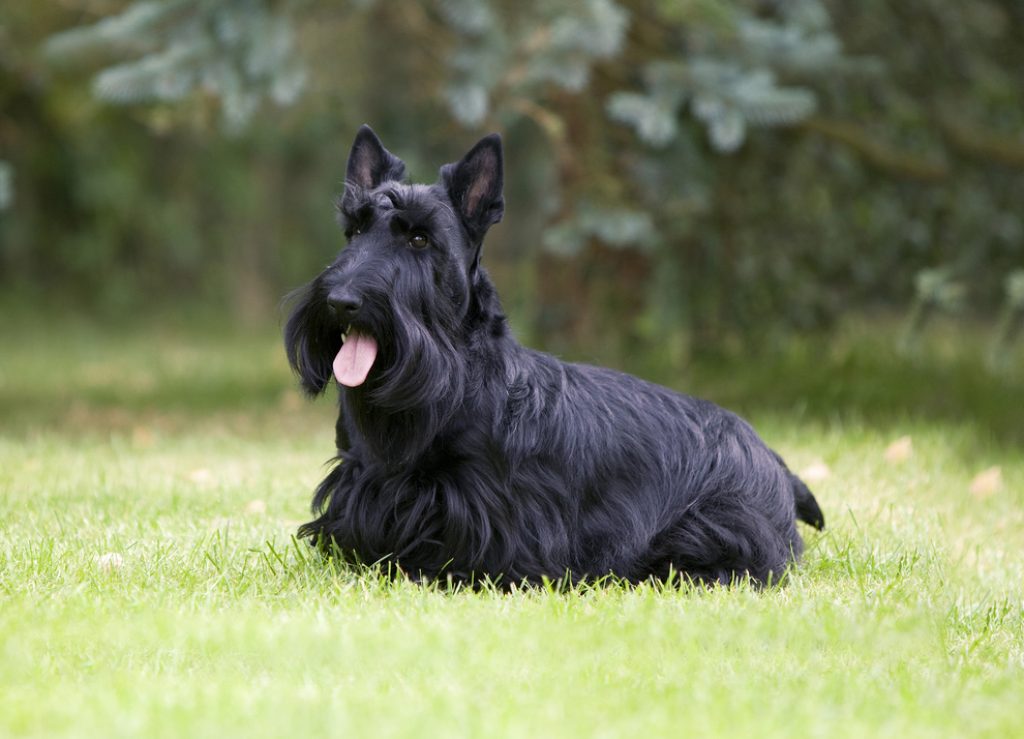
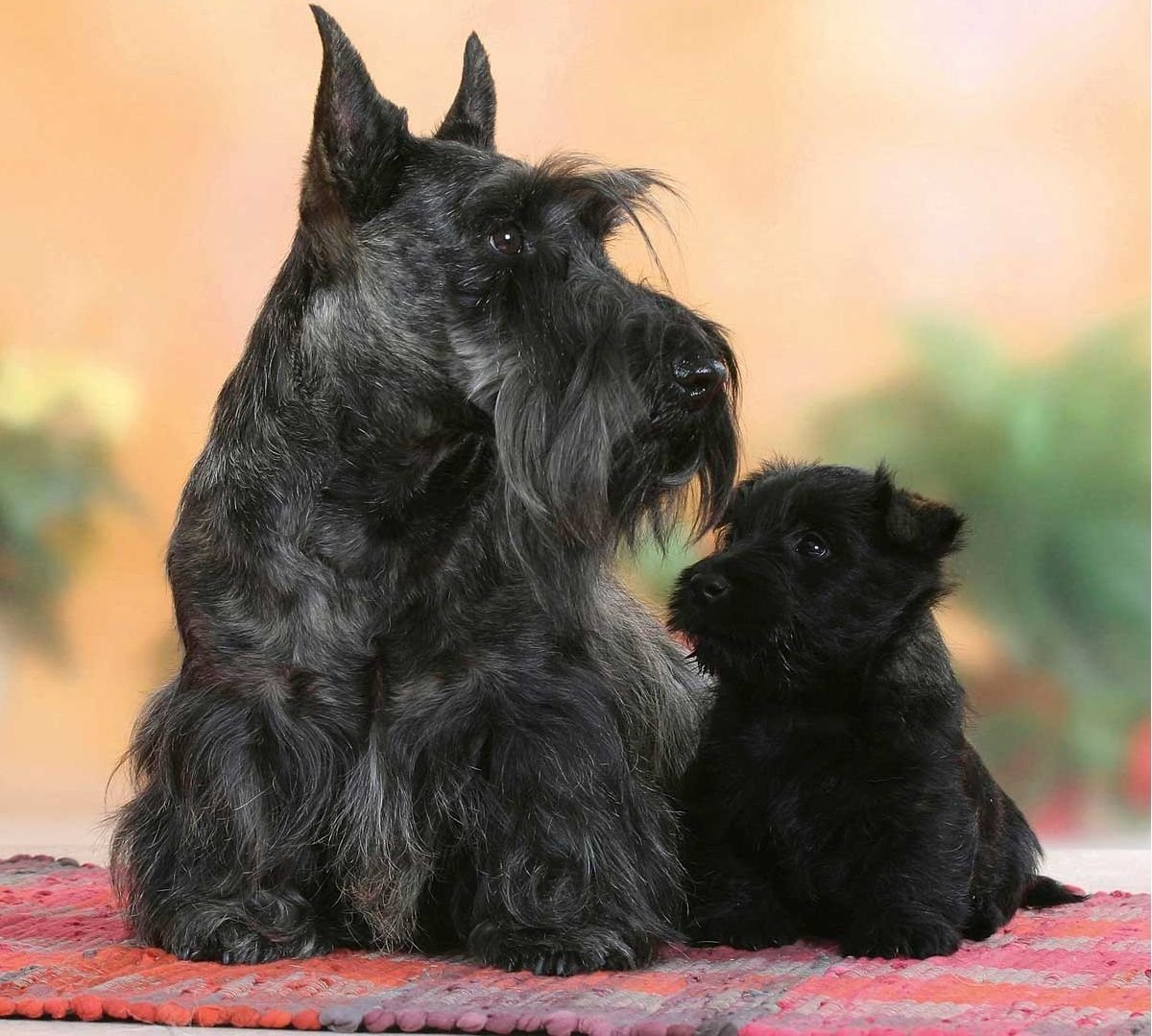
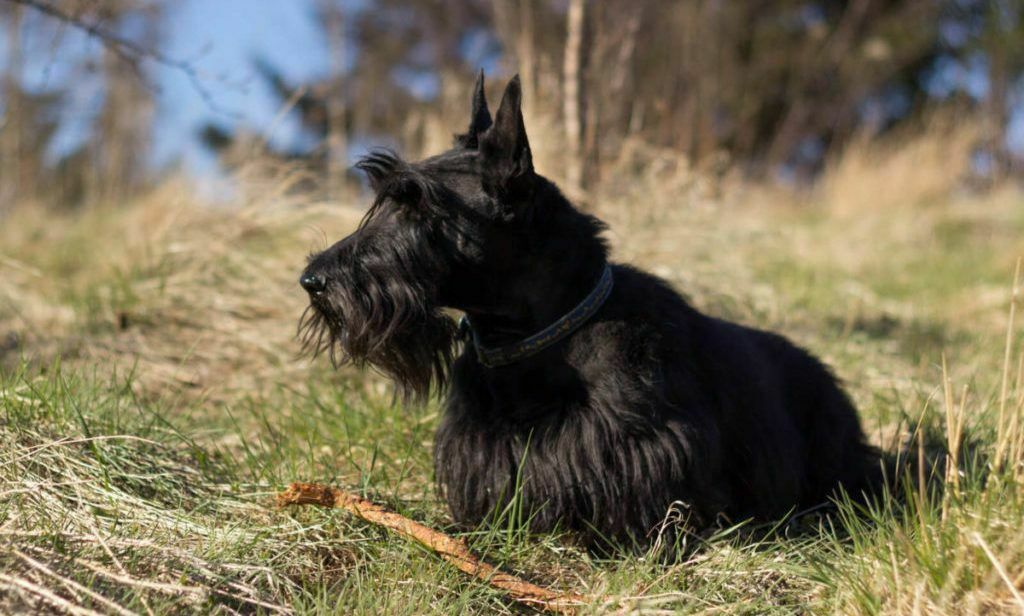
The Scottish Terrier is a small but sturdy dog with a distinctive silhouette that makes it easily recognizable. These dogs have a compact and muscular build, with their long body and short powerful legs creating an impression of strength and endurance. The rectangular body, deep chest, and strong loins emphasize the breed’s working nature. The head of the Scottish Terrier is proportional to the body, with a long muzzle that highlights their focused and independent expression.
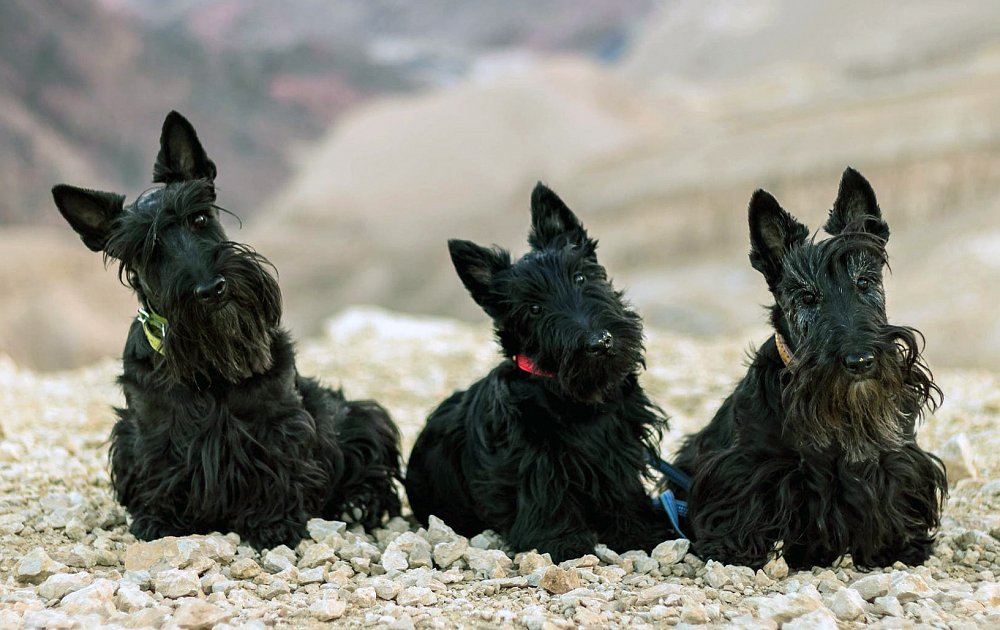
The coat of the Scottish Terrier is harsh, dense, and double-layered, with a thick undercoat. This coat structure perfectly protects the dog from adverse weather conditions. Grooming and care enhance their recognizable appearance with a characteristic beard, mustache, and “skirt” on the belly. The colors range from black to wheaten or brindle, adding individuality to each representative of the breed.
The average height of Scottish Terriers is 25-28 cm at the withers, and their weight ranges from 8.5 to 10 kg. These dimensions make them ideal for working in narrow burrows and challenging conditions, as well as for living in an urban environment. Despite their modest size, Scottish Terriers exude confidence and dignity.
The lifespan of Scottish Terriers averages 11-13 years. With proper care and a balanced diet, they can maintain activity and health well into their senior years. Their expressive appearance, combining elegance and practicality, makes Scottish Terriers unique and charming representatives of terriers.


Отличительные черты

Голова

Морда

Уши

Глаза

Зубы

Корпус

Конечности

Хвост

Шерсть

Окрас
Character
The Scottish Terrier is a dog with a vibrant and independent character, adept at balancing loyalty with its own individuality. These dogs are characterized by calmness and confidence, making them ideal companions for those who value a strong personality in a pet. The Scottish Terrier is attached to its owner, while also maintaining a sense of dignity and respecting personal space. They are rarely intrusive, preferring to be nearby without being a bother.
Scottish Terriers are known for their intelligence and resourcefulness. They learn quickly, although they can occasionally show stubbornness. These dogs enjoy independence and tend to make their own decisions, which can make training a bit challenging; however, with the right approach, their intelligence becomes a true asset. They appreciate fair and respectful treatment, along with calm yet confident guidance.
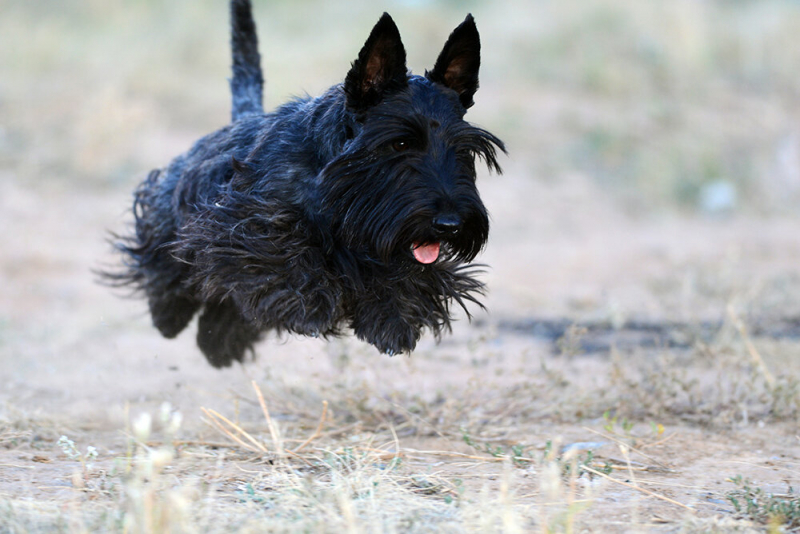
Despite their compact size, Scottish Terriers are brave and determined. They are ready to defend their territory and loved ones but do so without aggression, acting confidently and thoughtfully. Their natural hunting instinct reveals itself in their love for exploring the world around them, digging, and tracking. Walks with them turn into exciting adventures where they can express their enthusiasm and curiosity.
These dogs are generally calm at home. They love comfort and often choose a corner where they feel secure. Scottish Terriers adore attention but respect moments of silence and peace. They may be reserved in expressing emotions, but their deep affection for family comes through in small gestures-a glance, a gentle touch, or a desire to be close.
Scottish Terriers get along well with children, provided the kids respect their personal space. They are patient and intelligent, but they don’t appreciate rough play or excessive noise. With proper socialization from a young age, they are friendly with other dogs, though they can display independence in their interactions.
These dogs value order and stability, quickly adjusting to daily routines and enjoying an organized life. They are not prone to destructive behavior if they receive adequate physical and mental stimulation. The Scottish Terrier is a dog with charisma, capable of being both a devoted friend and an independent personal partner.
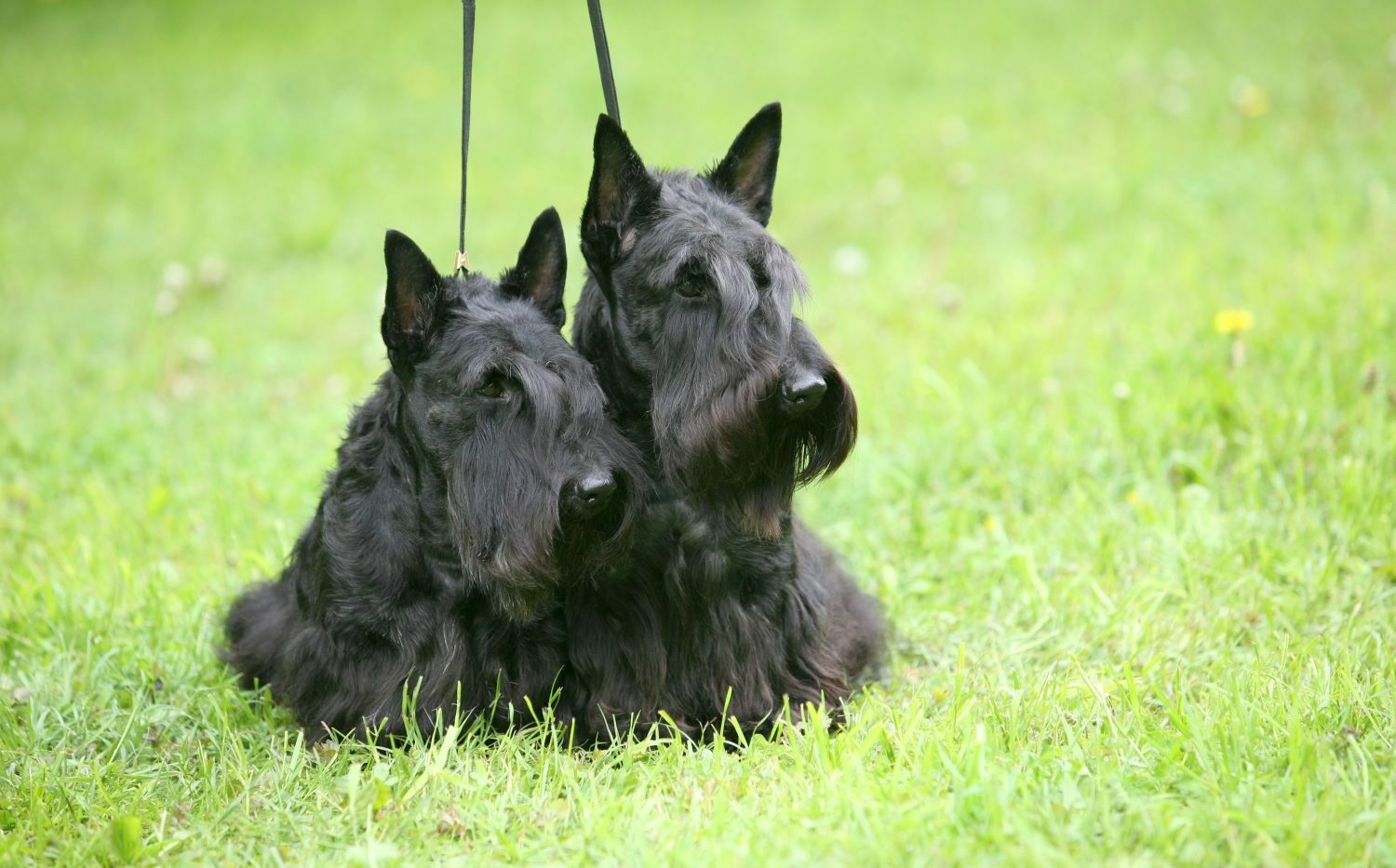
A true gentleman.
In England and Scotland, the breed is referred to as a "true gentleman" due to its aristocratic composure.Care and Maintenance
Taking care of a Scottish Terrier requires attention to its coat, physical needs, and emotional state. A key feature is its wiry, dense coat, which needs regular grooming and brushing. Brushing should be done 2-3 times a week to prevent matting, while trimming is needed every few months to maintain a neat appearance. Bathing a Scottish Terrier is recommended as necessary, using gentle shampoos to avoid damaging the coat’s structure and to preserve its protective properties.
The ears and eyes of the Scottish Terrier require regular inspection. Ears should be cleaned with a soft cloth or special solutions to prevent dirt and wax buildup. Eyes can be wiped with a damp cotton pad as needed to prevent irritation. Teeth should be brushed 2-3 times a week, as terriers are prone to tartar and plaque buildup. Regular oral care helps maintain health for many years.
Scottish Terriers need moderate physical activity. Daily walks of moderate length and active play are essential for this energetic dog. They love to explore their surroundings, dig, and track small animals, so it’s best to walk them on a leash or in safe areas. A lack of activity can lead to boredom and undesirable behavior, as Scottish Terriers enjoy staying engaged.
These dogs prefer stability and predictability in their daily routine. They do not like chaos, excessive noise, or intrusive attention. Scottish Terriers appreciate respect for their space and can be sensitive to rough treatment. They require a gentle and respectful approach, as harshness or shouting can undermine their trust.
Scottish Terriers love to be part of the family but also value moments of quiet and calm. They adore attention and affection yet do not demand it insistently. It’s important for the owner to find a balance between interaction and allowing the dog time to rest independently.
In terms of diet, Scottish Terriers are not very picky, but their nutrition should be balanced, high in protein, and moderate in fats. It is crucial to avoid overfeeding, as the breed is prone to weight gain, which can affect joint health and overall well-being.Scottish Terriers do not cope well with loneliness and require time and attention from their owner. Caring for them involves not only maintaining physical health but also ensuring emotional comfort. Attention and respect for their character help this breed remain joyful, balanced, and loyal.
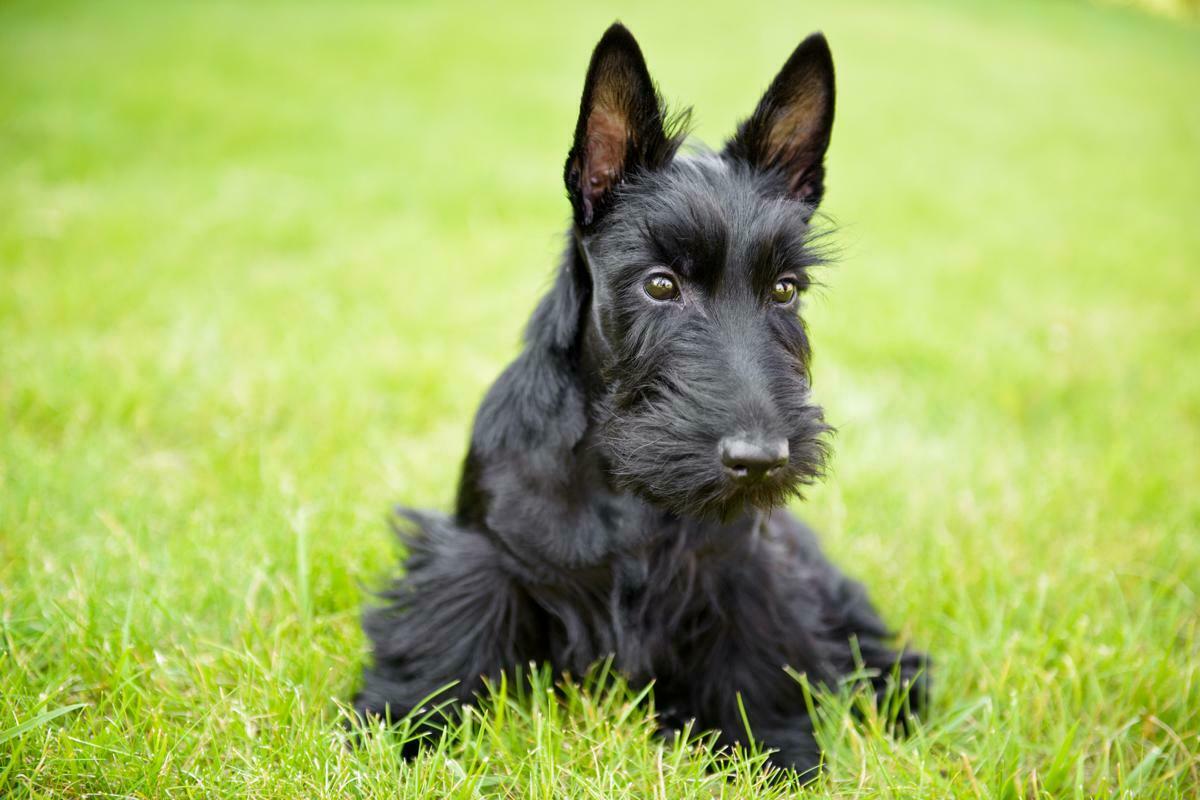
Complex wheat terriers
Wheaten-colored terriers are quite a rare phenomenon, mainly due to the difficulty of breeding them. Therefore, wheaten Scotties are highly valued among breeders.Training and Education
Training a Scottish Terrier requires patience, consistency, and a respectful approach. This breed has an independent character and high intelligence, making it capable of quick learning but occasionally stubborn in following commands. Scottish Terriers prefer to work at their own will, so it’s important to motivate them using praise, treats, and playful elements. They do not respond well to harsh methods, rudeness, or shouting, which can create distrust and reluctance to cooperate.
It’s best to start training at an early age when a puppy is most receptive to new knowledge. The early stage of socialization is crucial for developing a balanced character. Familiarity with people, other animals, and different situations helps the Scottish Terrier feel confident in any environment. Commands should be short and clear, and training sessions should be regular but not too lengthy to maintain the dog’s interest.
Scottish Terriers love praise and approval, so positive reinforcement is the best way to achieve success. They quickly learn commands when they see meaning in them and enjoy the process. Considering their tendency towards independence, persistence and patience may sometimes be necessary to achieve compliance.
These dogs choose an owner who demonstrates leadership qualities while respecting their individuality. Scottish Terriers appreciate a calm and confident owner who can establish clear rules without being overly forceful. They respond better to those who can combine discipline with kindness and fairness.
Scottish Terriers are suitable for people willing to dedicate time to their training and interaction. They particularly thrive with owners who understand their character and provide opportunities to express their natural instincts, such as hunting or exploring.
Training should be varied to keep the dog’s interest. Monotony or excessive pressure can lead to resistance, so it’s crucial to include playful elements and alternate exercises. Gradually increasing the difficulty of tasks can develop not only obedience but also the dog’s ability to work as a team with the owner.These dogs listen to those they respect and quickly develop a bond with an owner who shows love and attention. They value partnerships where their independence is balanced with care and respect. The right approach to training reveals the best qualities of the Scottish Terrier, making it a loyal and reliable companion. At Zooinc, we offer puppies of elite breeds with a full package of documents.
Hunting "Scottie"
A long time ago, Scottish Terriers were exclusively hunting companions, and it was then that the affectionate term “Scottie” was established, which persists to this day.
How to Choose a Puppy
Choosing a Scottish Terrier puppy requires a careful approach to ensure it will be healthy and well-balanced. Start by looking for a reputable breeder who adheres to breed standards and provides information about the health and lineage of the puppies. The breeder should be open to communication, willing to answer questions, and provide all necessary documents.
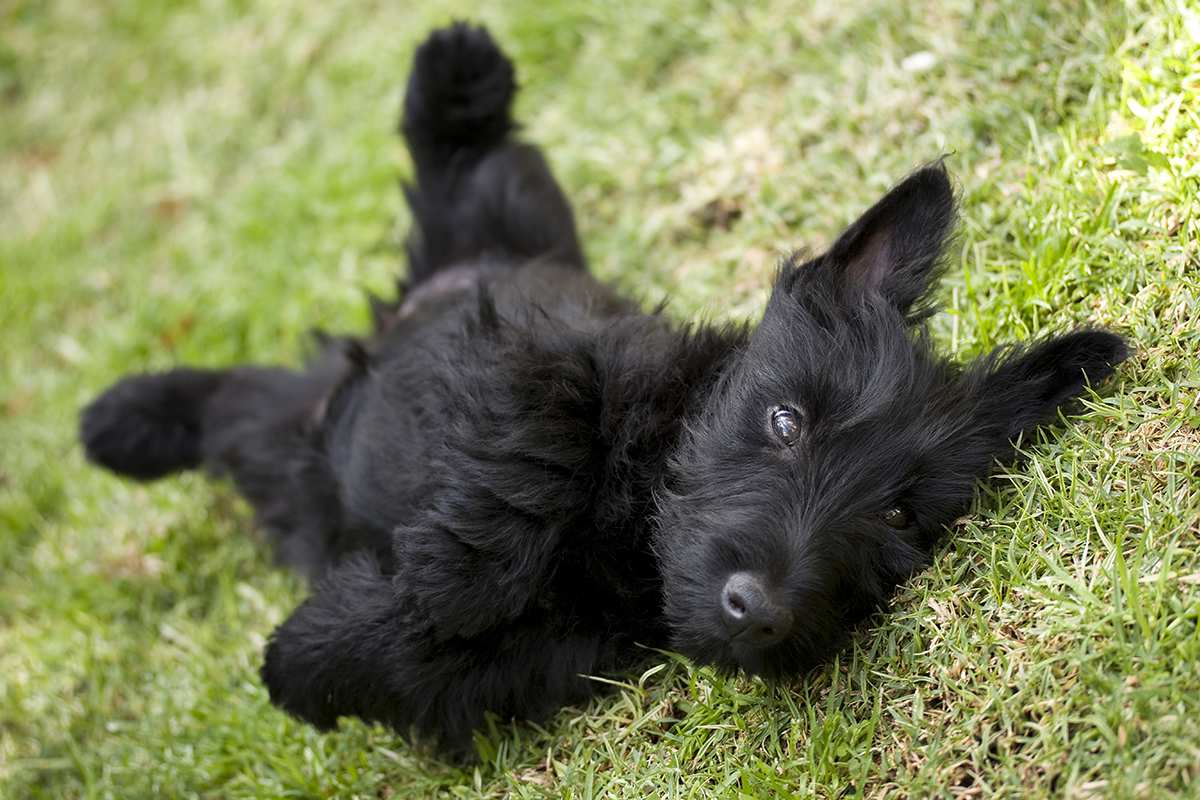
The puppy should be active, curious, and friendly. Pay attention to its behavior: a healthy and balanced puppy will readily interact with people, play with its littermates, and show interest in the surrounding world. Avoid puppies that seem lethargic, overly fearful, or, on the contrary, aggressive. The behavior should be confident but not excessively excitable.
Examine the puppy’s appearance. Its coat should be thick, shiny, and clean, without bald spots or signs of skin irritation. The eyes should be clear, with no discharge or redness; the nose should be moist and cool; and the ears should be clean, without unpleasant odors. The paws should be strong, the back straight, and the movements free and light. The abdomen should be soft and taut, without signs of bloating.
Request the documents confirming the puppy’s lineage from the breeder. The pedigree is a crucial document that proves the puppy belongs to a purebred line. It should include information about several generations of ancestors, their achievements in shows, and health test results. This ensures that the puppy meets breed standards and does not have hereditary issues.
A veterinary passport for the puppy is essential. It should list all vaccinations, parasite treatments, and other preventive procedures performed. Ensure that the puppy has received all necessary vaccinations appropriate for its age.
Evaluate the living conditions at the kennel. Puppies should have a spacious area for play, clean bedding, and access to fresh water. A good breeder pays attention not only to the physical but also to the psychological development of the puppies, helping them socialize and get used to people.If possible, meet the puppy’s parents. Their behavior and appearance will give you an idea of what your pet may grow up to be like. The parents should be friendly, balanced, and fully conform to breed standards.When choosing a Scottish Terrier puppy, pay attention to the emotional connection. A puppy that shows interest in you, willingly engages with you, and responds to your attention will make an ideal companion. The right choice will provide you with a healthy, confident, and loyal friend for many years. Learn how to get a great pet at ZooNika.
Health and Diseases
Scottish Terriers are a breed with robust health, but they are predisposed to certain diseases that are important to consider. One notable issue is the so-called “Scottish Terrier Syndrome” (SST) or cranio-mandibular osteopathy. This hereditary condition is associated with abnormal growth of the skull bones and can cause discomfort in puppies during their active growth phase. Typically, the problem manifests before the age of one and requires veterinary attention.
Scottish Terriers are also prone to urinary system diseases, including urolithiasis, due to their tendency to form crystals in the urine. Regular check-ups and a properly balanced diet help minimize the risk of such problems. It is essential for owners to monitor their dog’s water intake and provide sufficient fresh water.
Eye diseases in this breed may include cataracts and progressive retinal atrophy. These conditions can lead to deteriorating vision or complete blindness, especially in older age. Regular examinations by a veterinary ophthalmologist can help detect such issues early.
Scottish Terriers may also be susceptible to allergies, both skin and food-related. Allergies often manifest as itching, skin redness, or coat problems. Regular skincare and grooming, the use of hypoallergenic shampoos, and appropriate dietary choices can help reduce the risk of allergic reactions.
Obesity is another issue that Scottish Terriers may face, especially with insufficient physical activity. Excess weight negatively impacts their joints and overall health. It’s important to control portion sizes, avoid overfeeding, and ensure the dog receives regular walks and playtime.
Dental and gum issues are also common in this breed. Their tendency to develop tartar and gum inflammation necessitates regular teeth brushing and the use of special oral care products.Scottish Terriers typically live 11-13 years, maintaining activity and playfulness even in their mature years. Regular preventive check-ups with a veterinarian, timely vaccinations, balanced nutrition, and attention to their physical and emotional needs help minimize the risk of diseases and maintain the dog’s health throughout its life.
Содержание
-
1. Описание породы
-
2. Внешний вид
- 2.1 Голова
- 2.2 Морда
- 2.3 Уши
- 2.4 Глаза
- 2.5 Зубы
- 2.6 Корпус
- 2.7 Конечности
- 2.8 Хвост
- 2.9 Шерсть
- 2.10 Окрас
-
3. Характер
-
4. Содержание и уход
-
5. Дрессировка и обучение
-
6. Как выбрать котенка
-
7. Здоровье и болезни






Comments
Only registered users can leave reviews.
Enter