
Schipperke





Warning: Illegal string offset 'label' in /home/panda/sites/zoonika/wp-content/themes/zoonika/template-parts/animals/animals-param-item.php on line 32
Ð


Breed Description
These dogs have different names. Some dog breeders call them schipperkes, while others refer to them as shipperkes. To clarify, the correct pronunciation is “schipperke.” In Russian, this word translates to something like “captain,” “herder,” or “little shepherd”-discrepancies in translation arise from its roots in one of the Brabant dialects.
Potential ancestors of the schipperke could include Belgian shepherds, which, in the 15th and 16th centuries, differed only in size and purpose. The larger ones, called Leuvenaar, were used for herding and guarding sheep, while the smaller ones were specifically known as schipperkes; they specialized in hunting rodents attacking grain storage.
Brussels shoemakers also took a liking to this breed and sought to buy a dog from breeders to guard their workshops. It was said to be particularly prestigious to create a special collar for one’s dog, with competitions held regularly. The collar often displayed a medal with the logo and address of the shoemaking workshop-advertisement of the time.
Thus, these small shepherd-rat catchers existed until 1882. In Spa, one of the towns in modern Belgium, the schipperke first participated in a dog show, quickly winning the hearts of the public. Its popularity surged among the nobility. By governmental decree, court breeders of companion dogs increased the dog’s population. Five years later, American dog breeders became acquainted with the first specimens. The same year, Foggy Albion also had the chance to meet the breed.
The year 1888 marked the founding of the first schipperke club, and that same year, the first breed standard was established. Notably, the schipperke club is the oldest breed club in Belgium. Thanks to its efforts, disagreements among dog breeders from Brussels, Louvain, and Antwerp-whose dogs had subtle differences-were resolved.
In other words, there are now more debates and discussions regarding the pronunciation and spelling of the breed’s name than about its genetic traits. The interesting behavior of these dogs, along with their appearance, has made them popular in Russia as well. On our website, you can find dog kennels on a map and choose a purebred puppy from one of them. The average cost of a schipperke in a kennel or from a reputable breeder is about 60,000 rubles, but a show-class puppy might cost between 80,000 and 90,000 rubles or even more.
Appearance
Depending on where a specific individual is bred, some characteristics may differ.
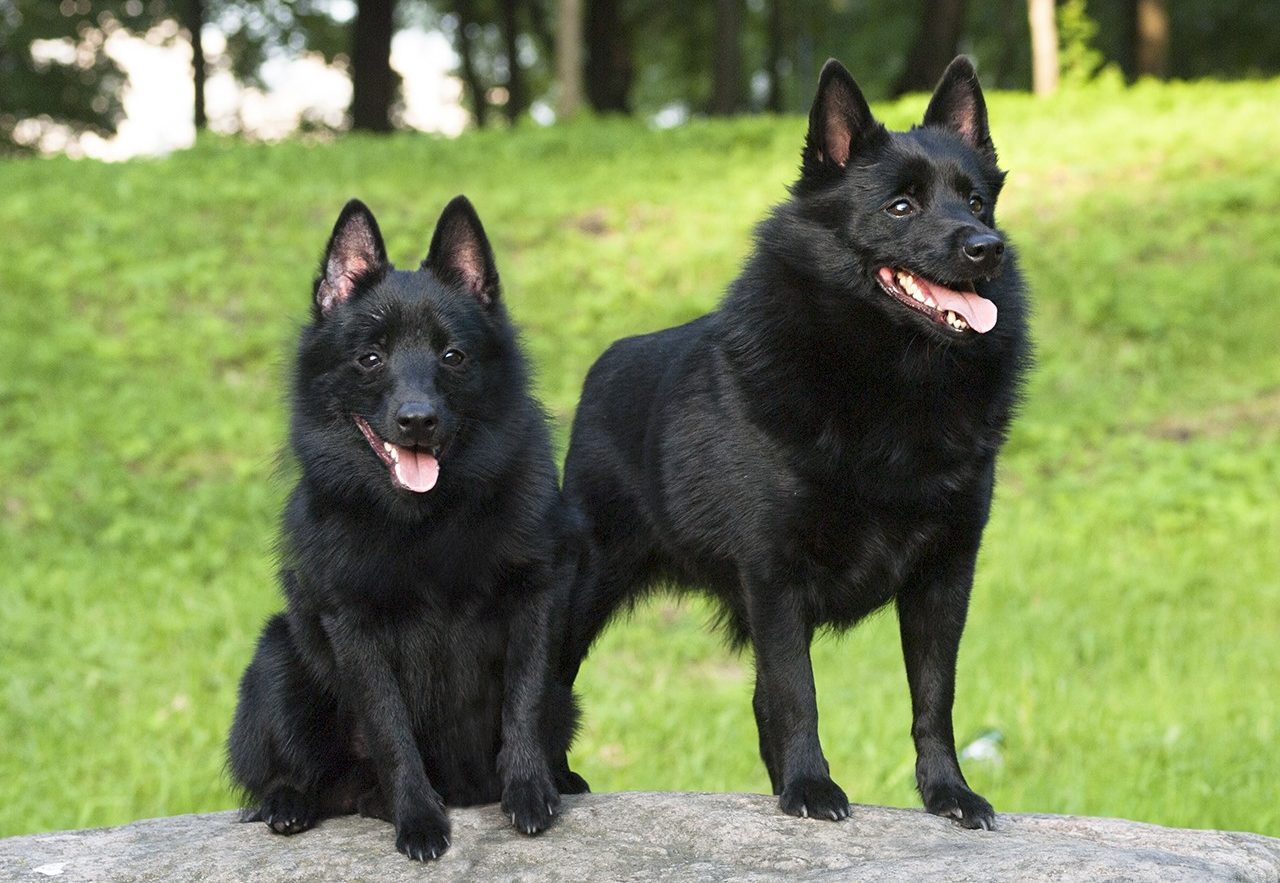
For example, American Schipperkes are slightly larger and more robust than their European counterparts. Adult Schipperkes reach a height of 23 – 29 cm at the withers, weighing between 3 to 9 kg. Besides the size difference, “Americans” have a more serious outlook on life; their gaze lacks the vivacity seen in Belgian Schipperkes.
Europeans are more compact, and their structure is notably lighter than that of their overseas relatives. Despite the weight specified in the breed standard, Belgian Schipperkes typically weigh between 4 – 6 kg.
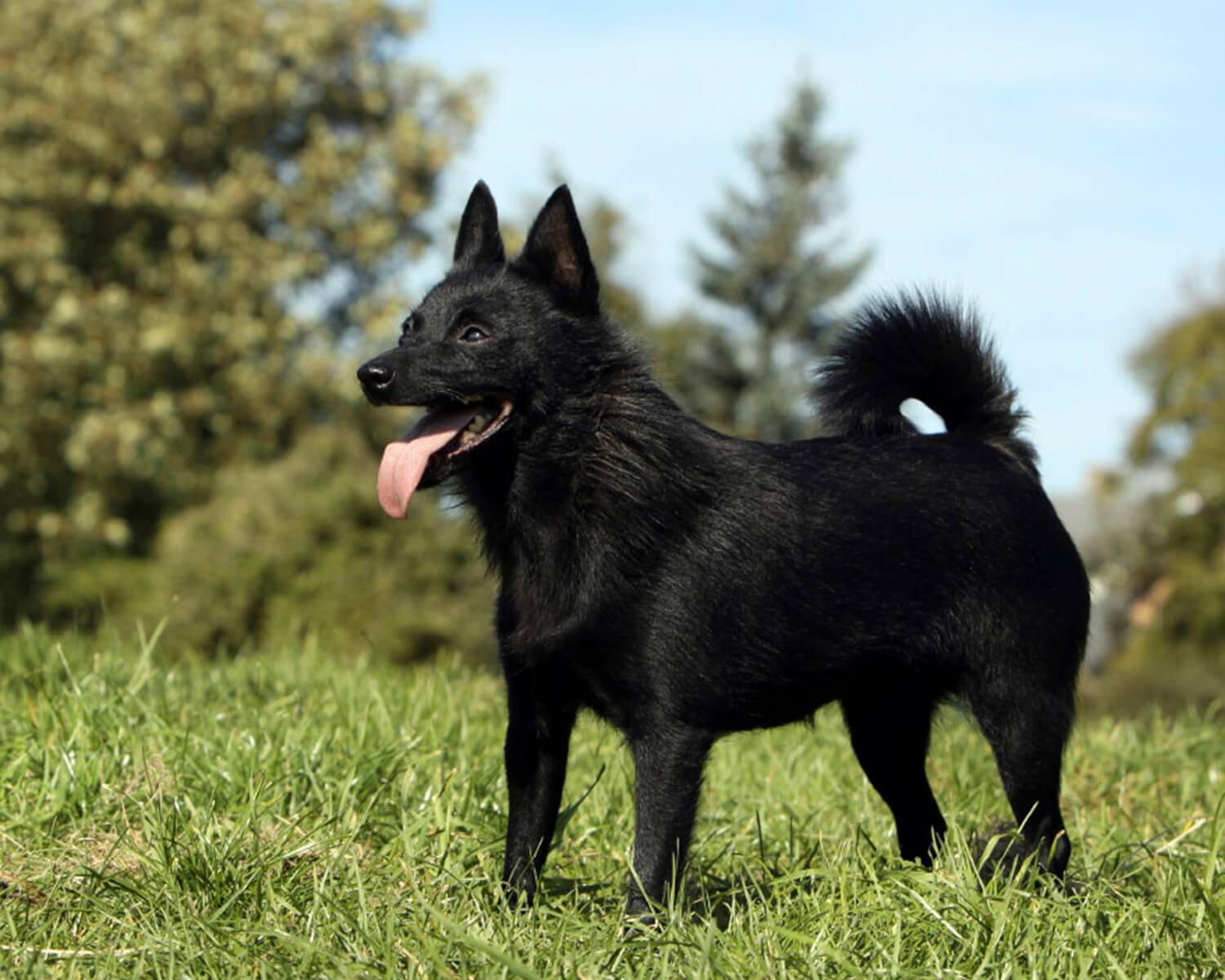
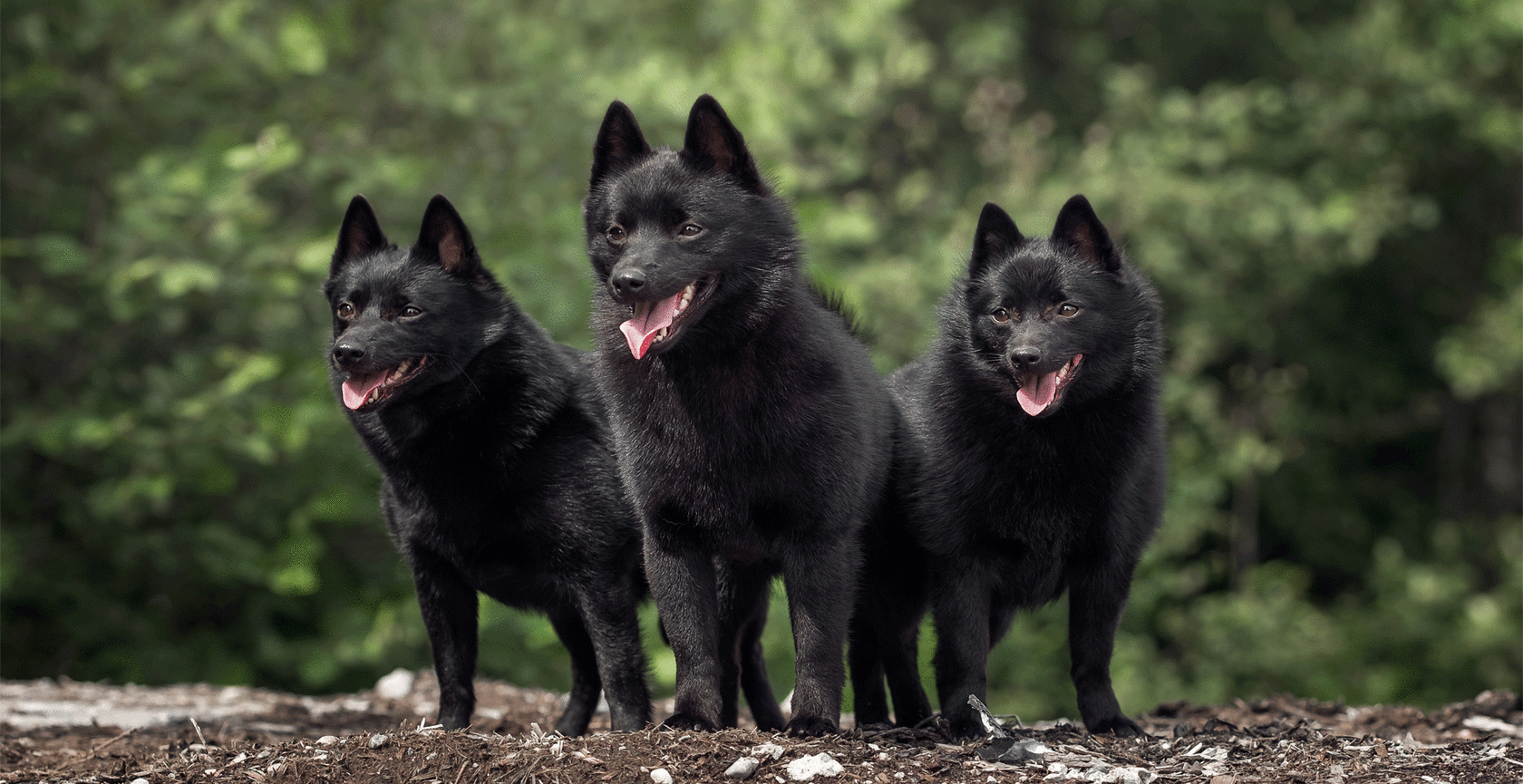
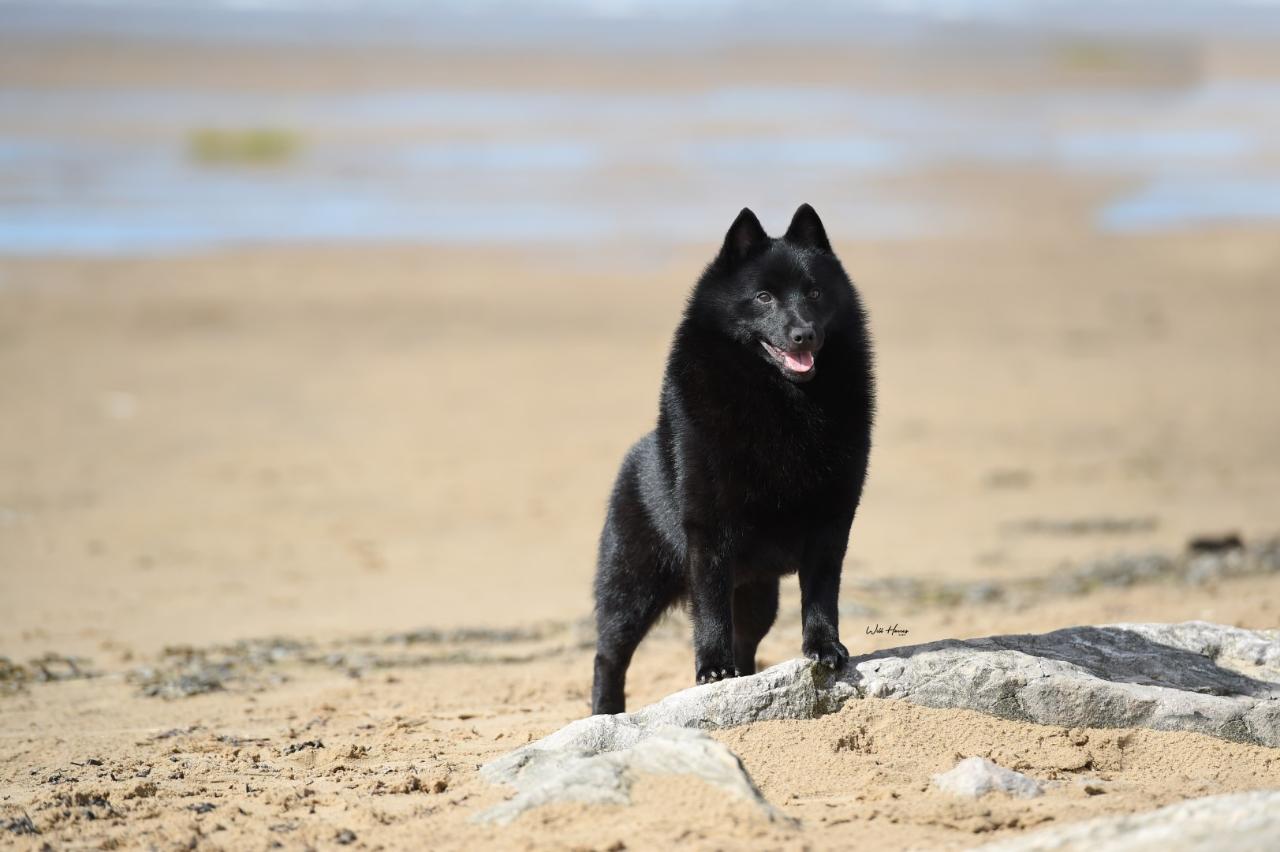
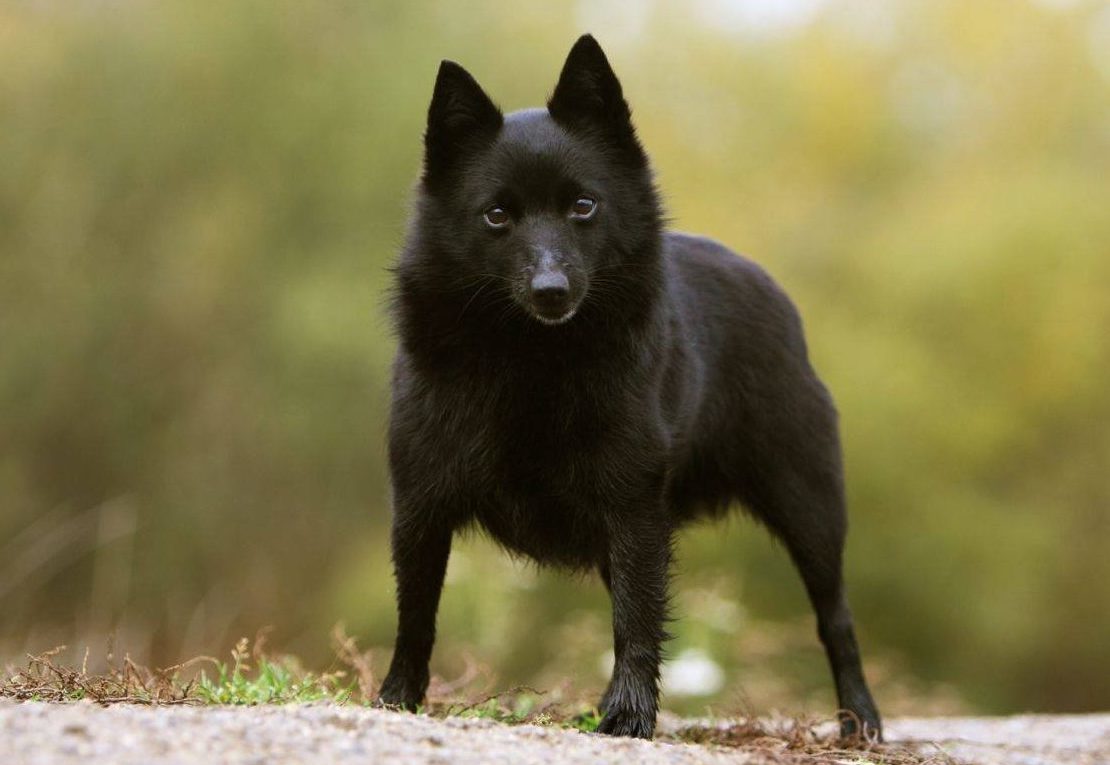
Despite their unofficial nickname “mini-shepherd,” they are genetically and externally more similar to the Pomeranian, especially when you look at their beautiful coat. A particular pride of these dogs is their mane and culottes on their thighs, as well as the notably decorative tufts on their tails (if present). The average lifespan is about 13 – 15 years, indicating good health.
The breed is known in Russia, and the best dog kennels are featured on our site. These small, square-shaped dogs may look decorative, but they possess the temperament of a brave large guardian, fiercely devoted to their family.


Отличительные черты

Голова

Морда

Уши

Глаза

Зубы

Корпус

Конечности

Хвост

Шерсть

Окрас
Characteristics
The Schipperke is a breed of dog known for its incredibly balanced temperament. They are usually active, intelligent, and devoted to their owners. Small in size, these shepherds are quite inventive, as reported by well-known dog breeders. Moreover, they excel at learning new things during training. Their manageability and diligence make Schipperkes impeccable companions, while their rich working history makes them reliable guardians and excellent service dogs.
When it comes to other pets, they can be somewhat distrustful, especially towards unfamiliar dogs. Their bravery knows no bounds. Perhaps this is one of those cases where excessive self-confidence can lead to unfortunate consequences. Small Schipperkes are ready to take on any opponent, regardless of its size. If the owner fails to pull their brave dog away from a larger dog in time, a tragedy may occur.
According to breeders of small dogs, Schipperkes have a strong pack mentality and often prefer the company of their “family” at home. However, with proper socialization and training, they can get along well with other animals both indoors and outdoors. It is worth noting that they are unlikely to befriend guinea pigs, ferrets, or other rodents-it’s just in their genetics.
Regarding aggression, Schipperkes may behave aggressively towards strangers or in unexpected situations, such as when guarding territory or responding to a threat. However, with appropriate training and socialization, they can be very friendly towards other people.
In terms of their interaction with owners, the breed is known for its loyalty and ability to sense their owners’ emotions. They typically bond very closely with their owners and strive to be good companions. They love to participate in any activities with their owners and aim to build strong, harmonious relationships at home.
As noted by an experienced breeder of herding dogs who specializes in Schipperkes, if they don’t get enough walks or physical activity, their energy may manifest in some forms of deviant behavior: loud barking for no reason or at the slightest provocation, damaging shoes or furniture, scattering toys, and even begging. In short, the dog will do anything to grab attention, reminding its owner that it needs to go out for a walk. For this reason, the breed is not recommended for people who will not have enough time for their dog.
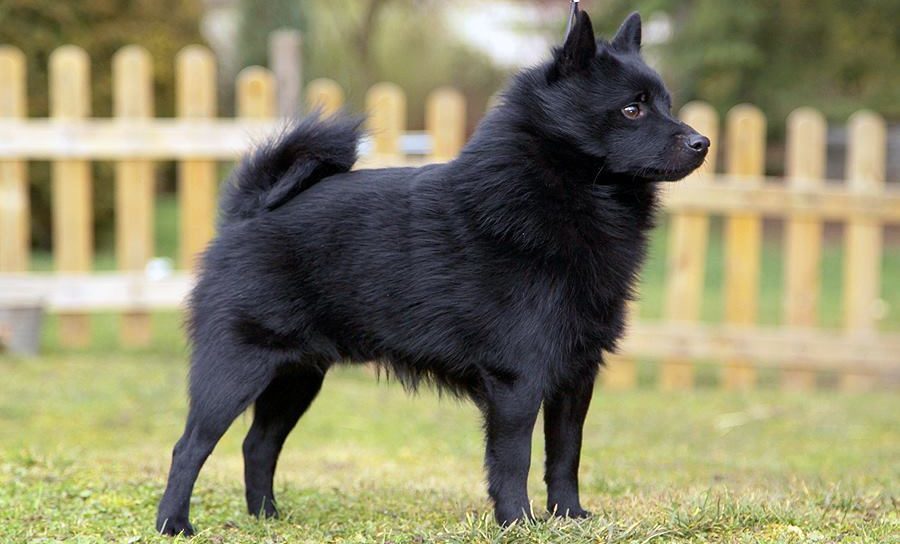
Service or entertainment?
Despite the unofficial name mini-shepherd, Schipperkes are closer to spitz breeds than to shepherds, according to recent DNA studies.Care and Maintenance
Every living being needs care and desires attention. The Schipperke, this small charming and very vigilant watchdog with an adorable appearance, seeks to maximize interactions with its owner. However, to ensure that acquiring such a pet is not a failure, answer a few questions before finding a dog breeder. Do you lead an active lifestyle and are you ready to devote a significant amount of time to your dog? Do you understand why you want to buy a puppy from a kennel, or do you think that a fluffy bundle of joy is simply for entertainment? If you believe that a puppy with a cute face will always remain just as adorable and helpless as in the first weeks of life, you are deeply mistaken. In a few months, this cutie will grow into an adult dog with pronounced leadership qualities, requiring regular walks and considerable training, as well as attention to its behavior both at home and outdoors.
We propose to familiarize yourself with some recommendations for caring for a Schipperke that will help you raise a worthy pet.
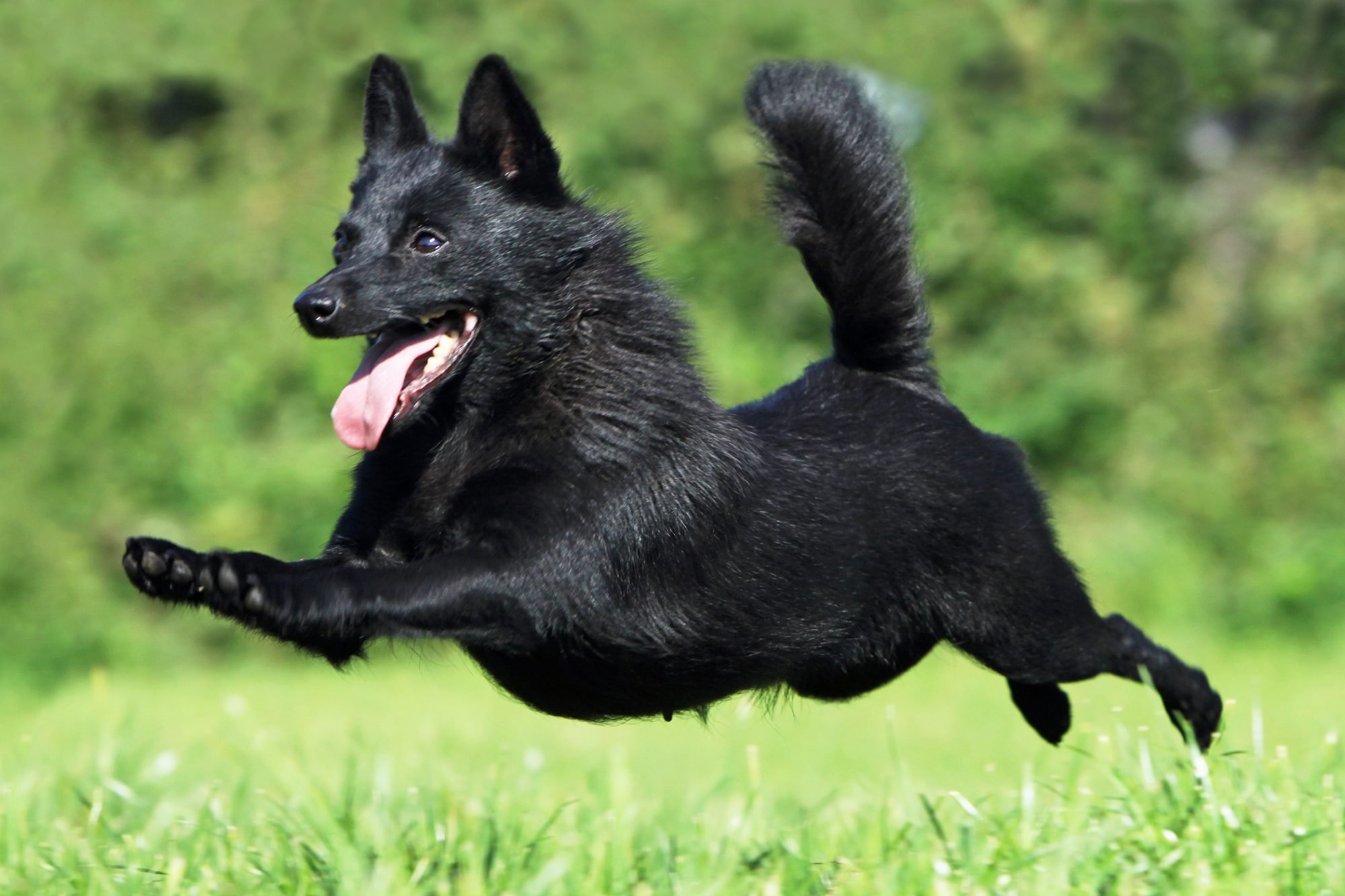
Physical Activity. Schipperkes are very energetic and require regular physical exercise. They love to walk outdoors frequently, so breeders of small dogs recommend taking them outside as often as possible. The best places for walks are parks, squares, and dog parks, where your furry little herder can have plenty of fun either with you or with other dogs. Make sure to provide your Schipperke with enough opportunities to expend its energy-this will positively reflect on its behavior upon returning home.
Training and Stimulation. Schipperkes are great intellectuals in the dog world. For their full development, they need mental stimulation. They enjoy logical games, such as finding toys or playing hide and seek. Children can also participate in this activity, which will be beneficial for them to step away from gadgets and show care for the pet. By the way, working with a mini-shepherd is a lot of fun. Engaging in agility training and participating in competitions in this discipline helps create a well-behaved and predictable dog.
Socialization. Some impulsivity in their character can have fewer negative manifestations when a puppy is socialized from an early age. It will behave much calmer and quieter, which is especially important when living in urban apartments, where its barking could disturb neighbors. Furthermore, the brave little one won’t rush into battle with other dogs as sometimes happens. The first acquaintance with other animals should be supervised, paying attention to both the puppy’s and the newcomer’s reactions. This approach will help them develop an understanding of social norms and relationships with other animals, including cats and even birds. Unfortunately, the “socialization” of a Schipperke with rodents may end sadly for the latter-genes are likely to prevail.
Coat Care. The Schipperke’s coat is another “asset” of the breed. It requires careful and regular maintenance, especially during the twice-yearly intensive shedding periods. Regular grooming at least three times a week and bathing are essential. Renowned breeders of small dogs say this breed is very clean and Schipperkes manage to groom their fur themselves quite successfully, while brushing and washing only help enhance the coat’s appearance for shows or prevent matting.Attention to Nutrition. Ensure a balanced diet that matches their activity level and needs. The best option for this is high-quality food specially formulated for small breed dogs.
Small, but mighty!
Despite its modest size, the Schipperke is always ready to fight even against a larger opponent. Attempts to exert psychological pressure, such as barking, are constant in this regard.Training and Education
Very intelligent, active, and fearless Schipperkes are eager to learn rules and new commands, and they willingly participate in training. However, for inexperienced owners, managing such a dog can be challenging. To avoid this, reputable breeders have prepared basic recommendations for beginners. Here are some of them:
Positive reinforcement greatly contributes to achieving the desired results. Use rewards for good behavior to maintain their motivation and interest in learning.
Structured training sessions should alternate. For example, the execution of a command can be alternated with obedience exercises focused on patience. To add variety, attention training can be included in the schedule.
Socialization will help your Schipperke bond with other dogs and people. Early socialization is crucial for developing confidence and friendly behavior in various situations, preventing them from becoming overly reactive to noises and getting into dog fights.
Agility training has a very positive effect on Schipperkes. Generally, they excel in agility training due to their quick minds and endurance. Start with basic obstacles such as barriers and tunnels, and gradually move on to more complex tasks. Use advice from professional trainers and dog handlers, and don’t hesitate to seek guidance from the kennel where you acquired your pet.
Always remain patient and consistent during training. Give your Schipperke time to grasp commands and exercises.Training your dog in agility can be engaging and diverse, and Schipperkes usually derive great pleasure from it. But remember, the most important thing is the satisfaction and enjoyment for both your dog and yourself.Keep in mind that one of the characteristics of Schipperkes is their quick distraction. In other words, these mini-shepherds are not ready to concentrate for long on monotonous tasks. Your job is to introduce variety into the training process. If in doubt, consult a professional dog trainer. The best options are available at Zooinika, which offers purebred puppies.
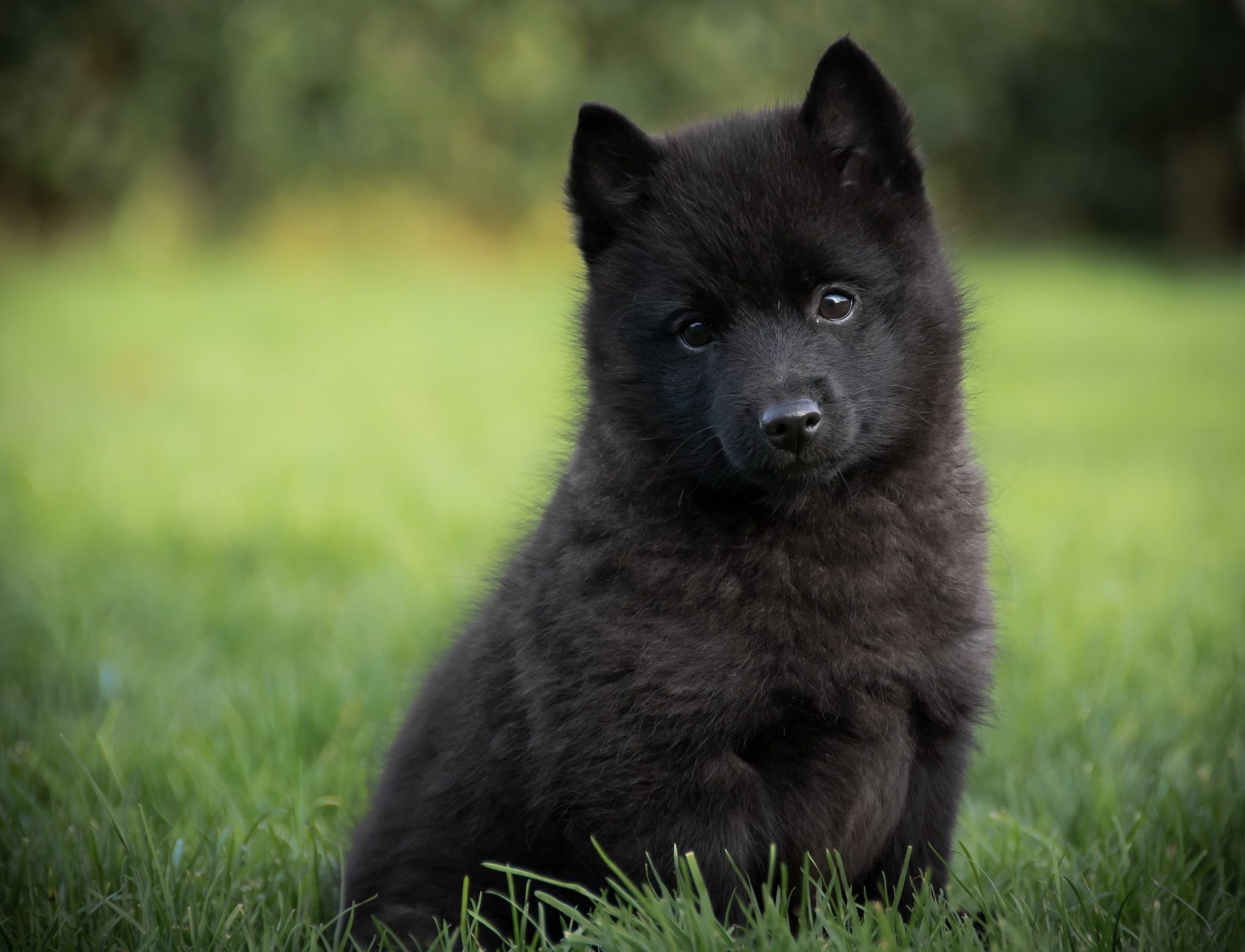
Pied Piper or Servant?
When they appeared in the stables, the little schnippers caught rats and mice. After gaining great popularity at court, the black schnippers started sleeping in the bedrooms of the nobility.
How to Choose a Puppy
If your family is considering a pet, it’s essential to research the breed’s characteristics before buying a puppy from a kennel. You shouldn’t get a dog just because the children want a “small fluffy ball” for fun. First, we recommend finding dog kennels on a map where breeders with a verified reputation offer Schipperkes.
Ask them about the results of genetic disease screenings for the puppies before making a purchase. Both the puppy and its parents should have negative results. Choose a curious, well-groomed puppy of the desired gender, ideally matching the breed standard. If the Schipperke has a docked tail, it’s straightforward, but for those without this operation, pay attention to the tail: there should be no kinks or knots.
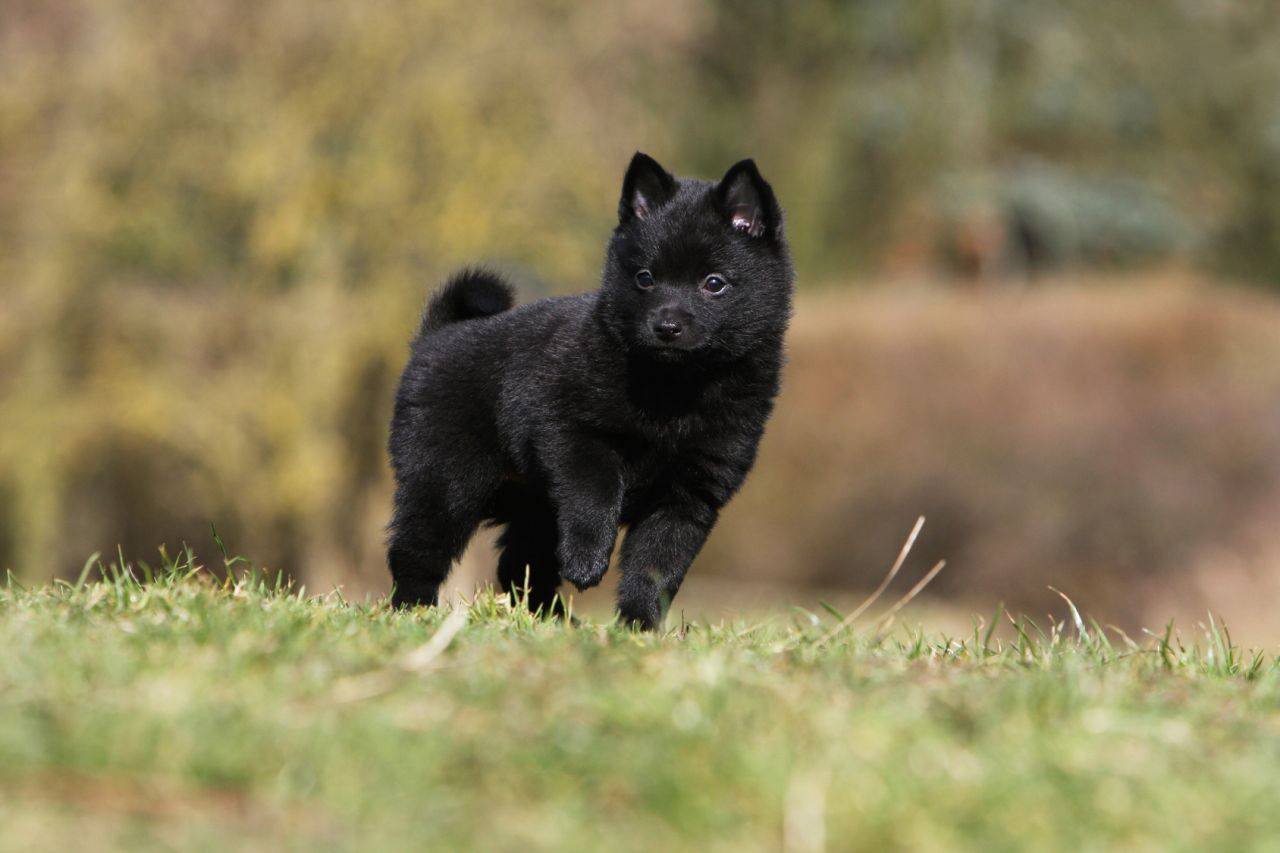
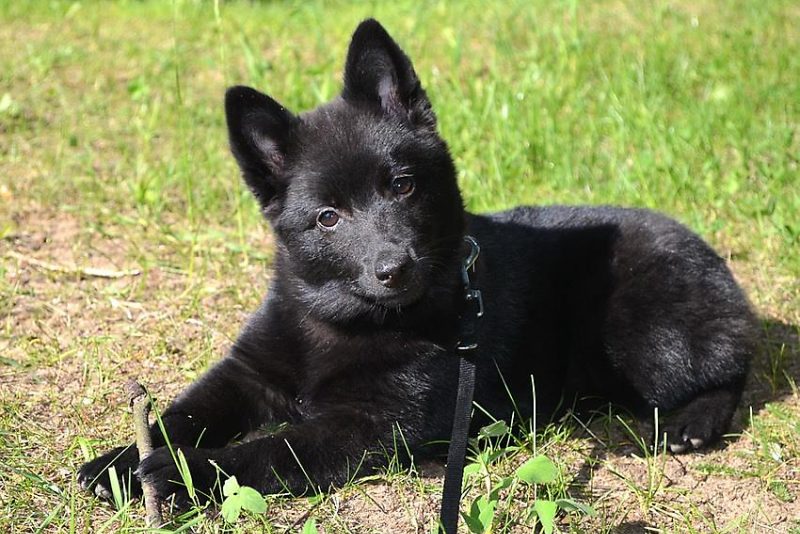
Keep in mind that a completely black coat may not appear immediately after birth, just as the color of the paw pads is a catalyst indicating the predominant shade of the coat: light pads suggest a gray undercoat, while dark ones indicate black.
Don’t forget to draft a sales contract, but first, check the puppy’s veterinary passport for vaccination records. The pedigree should raise no further questions if you’ve contacted kennels with addresses listed on our zoo portal. Choose the puppy of your dreams with a pedigree from Zoonika.
Health and Illnesses
Indeed, as noted by well-known breeders of small dogs, Schipperkes are generally healthy dogs. Among the long-livers who have surpassed the age of 18, there are representatives of this breed. The main hereditary disease poses a serious threat. It concerns a mutation that has affected more than 15% of the population. This condition is found only in this breed and is known as Sanfilippo syndrome or mucopolysaccharidosis. Testing since 2003 has shown that symptoms of the illness manifest between the ages of 2 and 4. There is no specific treatment for MPS IIIB.
Among other health challenges, allergic reactions to food can occur, which are relatively easily managed through adjustments in diet. Hip dysplasia, as well as susceptibility to dislocations and heart problems due to a lack of physical exercise or issues with excess weight, are unfortunately results of inadequate care for the dog.
As recommended by reputable Schipperke breeders, prevention plays a significant role in maintaining the health of these dogs, along with timely parasite treatments and adherence to vaccination schedules.
Содержание
-
1. Описание породы
-
2. Внешний вид
- 2.1 Голова
- 2.2 Морда
- 2.3 Уши
- 2.4 Глаза
- 2.5 Зубы
- 2.6 Корпус
- 2.7 Конечности
- 2.8 Хвост
- 2.9 Шерсть
- 2.10 Окрас
-
3. Характер
-
4. Содержание и уход
-
5. Дрессировка и обучение
-
6. Как выбрать котенка
-
7. Здоровье и болезни






Comments
Only registered users can leave reviews.
Enter