
Schipperke




Warning: Illegal string offset 'label' in /home/panda/sites/zoonika/wp-content/themes/zoonika/template-parts/animals/animals-param-item.php on line 32
Ð


Breed Description
The history of the Schipperke begins in Belgium and has ancient roots. Some consider the Schipperke to be an ancestor of Belgian and Central European shepherds in general. Schipperke, pronounced in Flemish as “Sheperke,” literally means “little shepherd.” However, the word Schipperke may also derive from Low German, meaning service on river vessels. Ultimately, Schipperkes became known beyond Belgium as agile and loyal guardians on inland waterway boats. For a long time, they were referred to as Schifferspitz or simply Spitzke. They were used to hunt rats and other rodents hiding on ships and barges in Brussels. This hard work earned them the nickname “little captain.” They are also called mini-shepherds, Belgian barge dogs, and shippers. While a family may not need an experienced rodent hunter, this affectionate dog makes a lovely companion for family members.
Renssens, a canal boat captain from Flanders, bred the Schipperke. They descended from the Leauvenaar, an 18-kilogram black shepherd that comes from the same sheepdog lineage as the black Belgian shepherd. The Schipperke was bred to be smaller and smaller until it became a completely separate breed. In Belgium, Schipperkes also worked in pastures herding sheep, chasing game, and generally protecting their territory.
On land, it is also an effective guardian of the home and farm, preventing pests from entering and helping to watch over a managed flock of sheep or geese. Official breed organizations such as VDH and FCI classify them as herding dogs. However, modern genetic studies suggest otherwise. In a comprehensive genetic analysis conducted in 2017 by a team of geneticists led by Heidi Parker on over 100 dog breeds involving more than 13,000 dogs, the Schipperke is grouped with small spitzes like the German Pomeranian, Italian Volpino, and Brussels Griffon. Scientists do not see genetic closeness with Belgian shepherds like the Malinois or Belgian Tervuren, which also participated in this study.
Ultimately, this distinction may not matter. Whether a shepherd or spitz, the Schipperke is a magnificent, unique, and extraordinarily interesting dog! It combines all the advantages of a small dog with those of a moderately working dog. Furthermore, it is extremely sociable, easy to care for, and resilient.
The Schipperke is an old dog breed that existed back in the Middle Ages. However, its varieties emerged in the regions of Antwerp, Leuven, and Brussels. It was first showcased at a dog show in Spa, Belgium, in 1882. It has been bred since 1885 and nearly became extinct during World War II. It is hoped that the Schipperke will gain wider popularity, as it makes for an easy-care and highly interesting companion for many dog lovers.
The curious and vigilant Schipperke breed has been a watchdog for many years and continues to be one today. They are fascinated by everything around them and are always ready to protect their family and property. They get along well with children, including toddlers, if they are socialized during puppyhood and trained properly.The price for a puppy ranges from 70,000 to 90,000 rubles.
Appearance
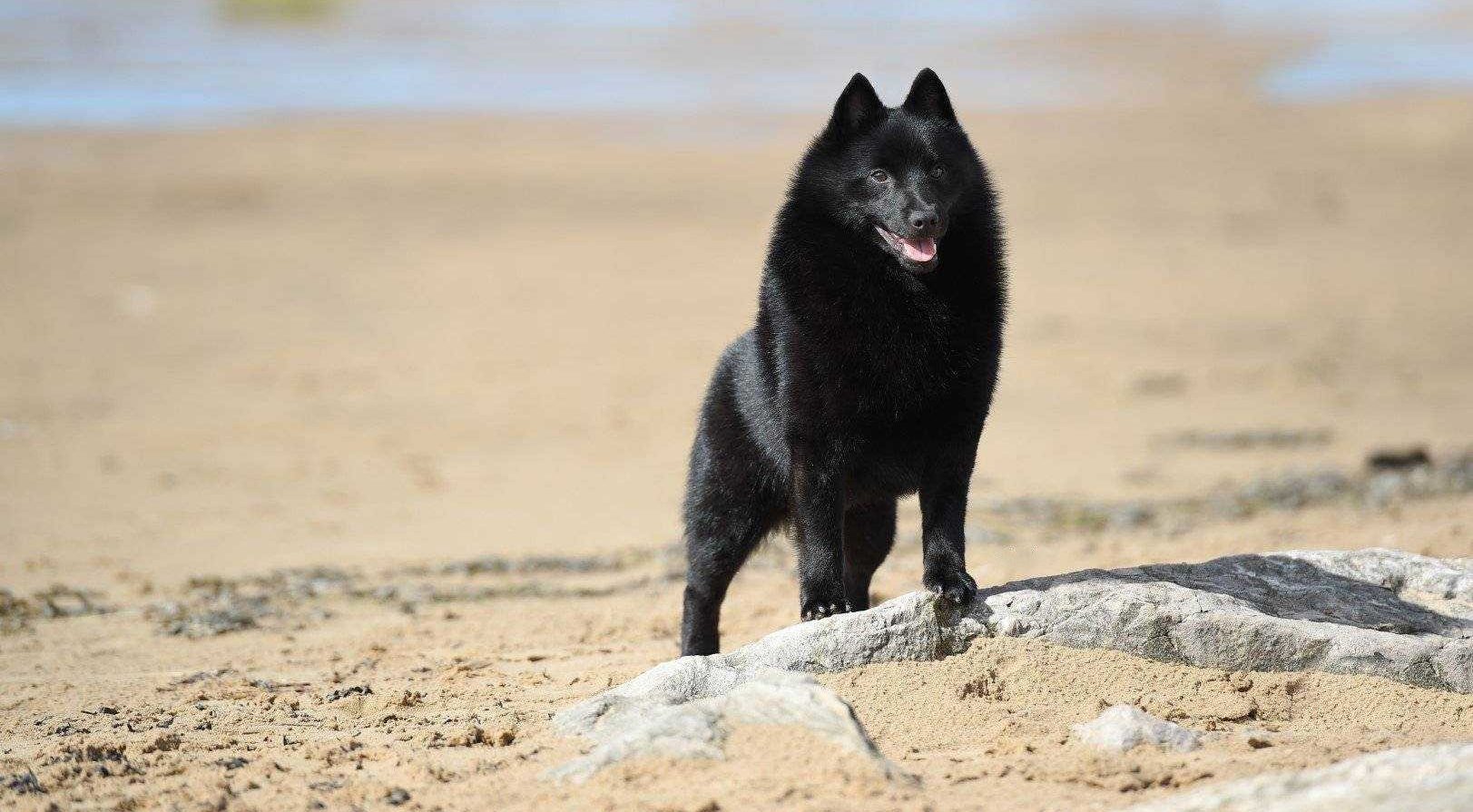
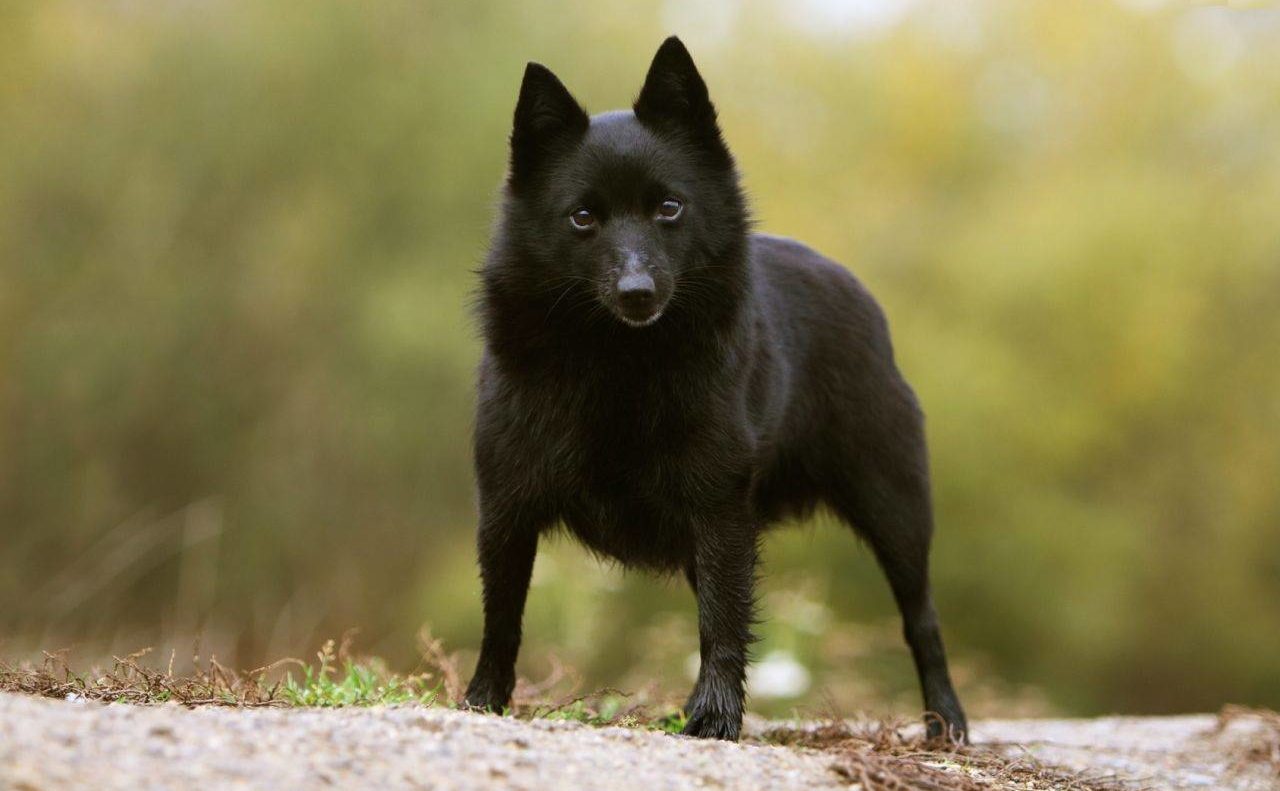
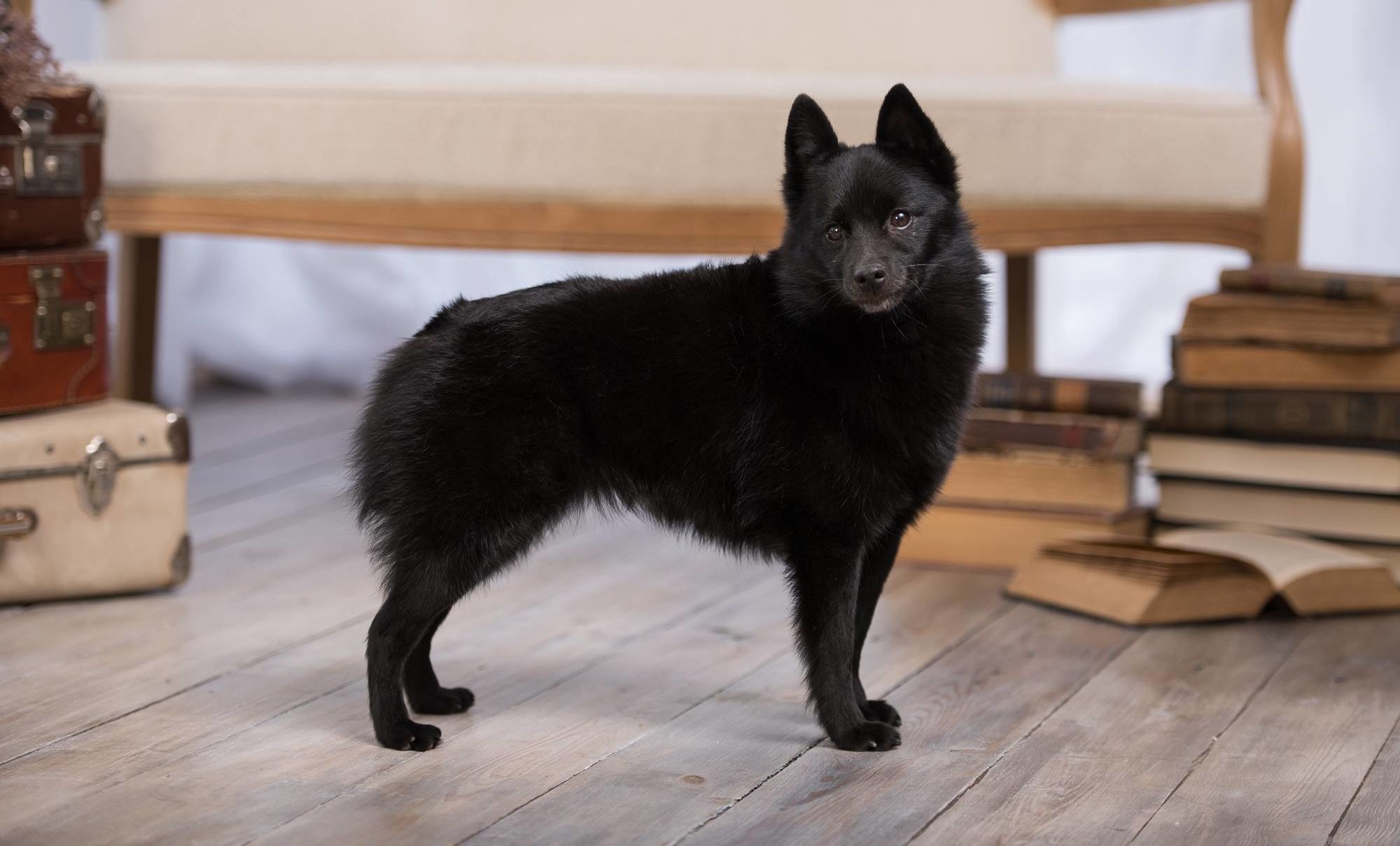
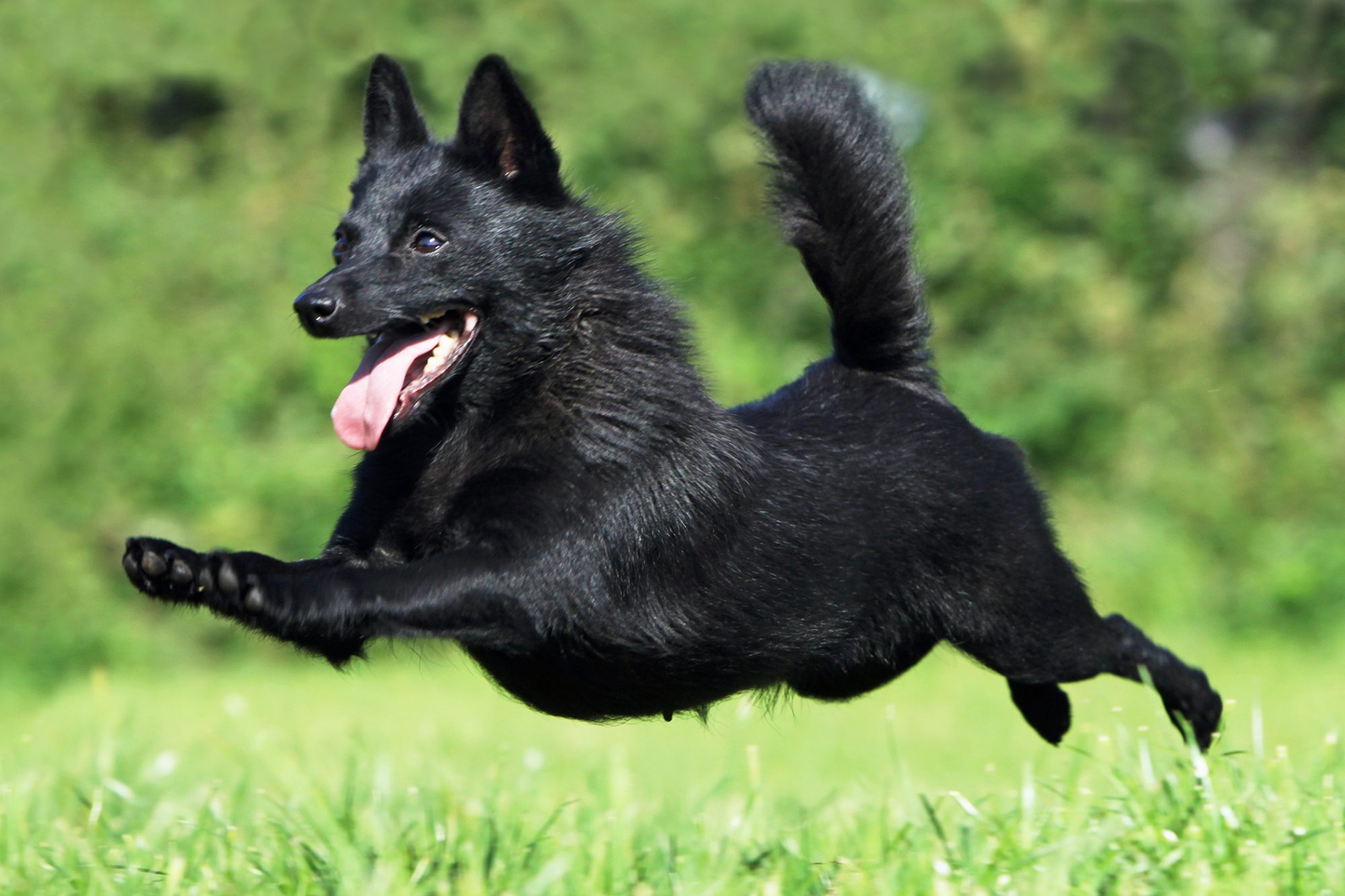
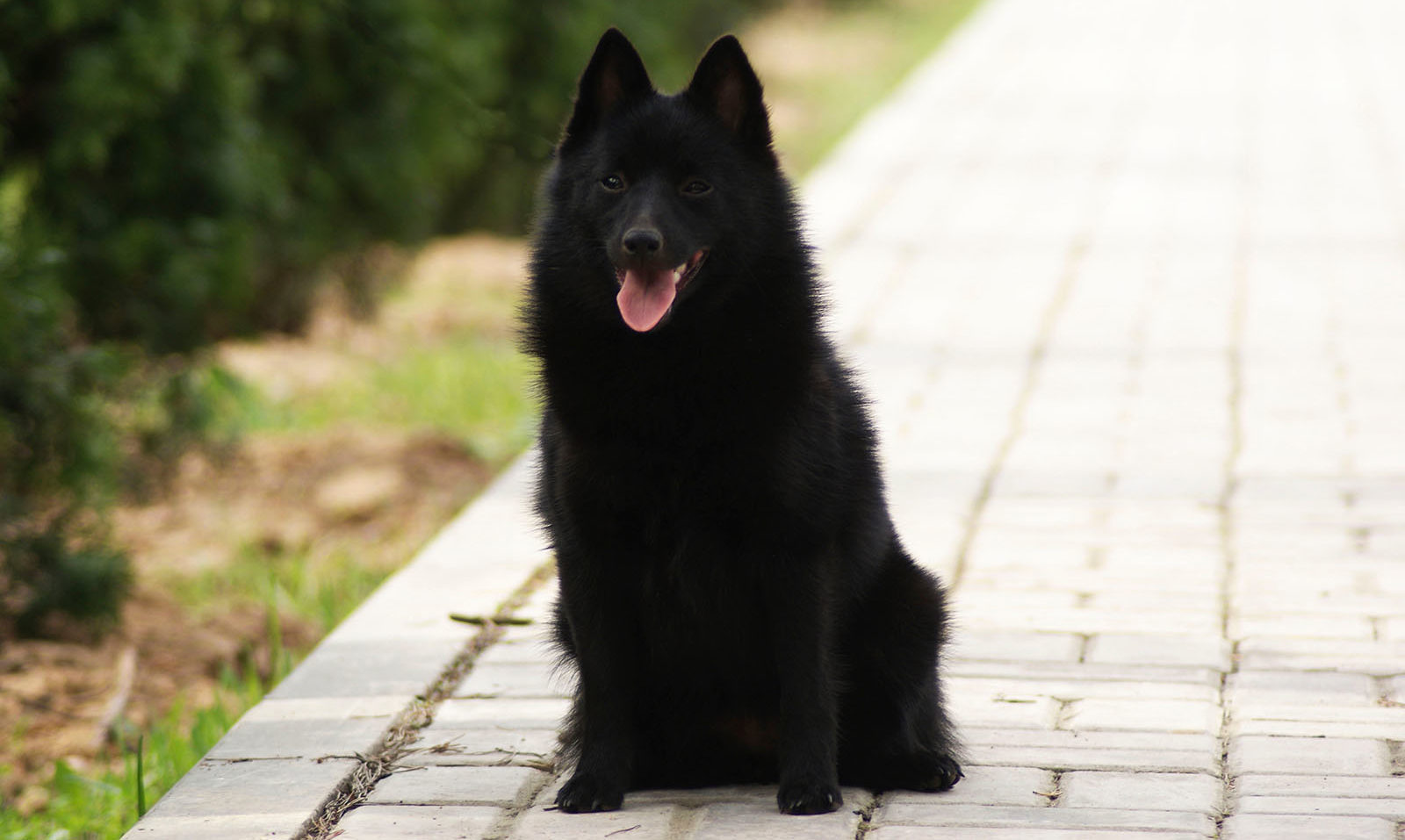
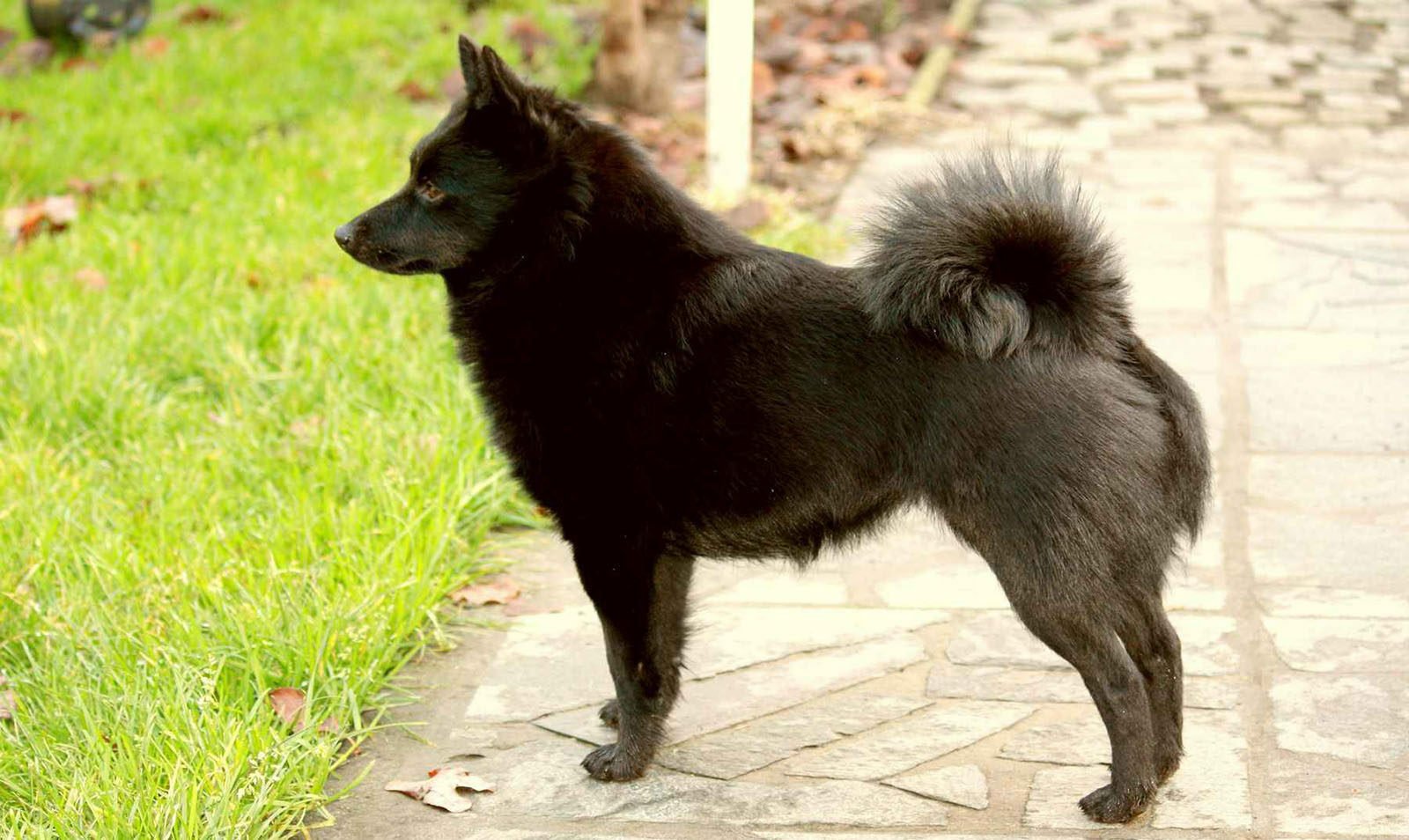
The Schipperke is a predominantly black, small dog from Belgium that resembles a wolf. In many ways, they are like a miniature version of a strong and sturdy wolf. They are not elongated but rather square in profile. The muzzle is shorter and more pointed with an expression reminiscent of a cunning fox’s face.
The breed standard states: “It has a harmonious body, short, quite broad, and stocky. The limbs have excellent bone structure. Its very distinctive coat is thick and straight, forming a collar, mane, apron, and trousers, giving it a truly unique appearance. Sexual dimorphism is pronounced. The external features, characteristic traits, and herding nature combined with their small size explain the immense popularity of this breed far beyond Belgium.”
The Schipperke comes in one color, usually black, but chocolate and beige are also permitted. The tail is set high, often slightly curled, but typically hangs down when relaxed. The eyes are dark brown and almond-shaped.
Schipperkes are considered small dogs. This breed reaches full maturity at 8 months. Despite their small size, Schipperkes are physically quite sturdy dogs.
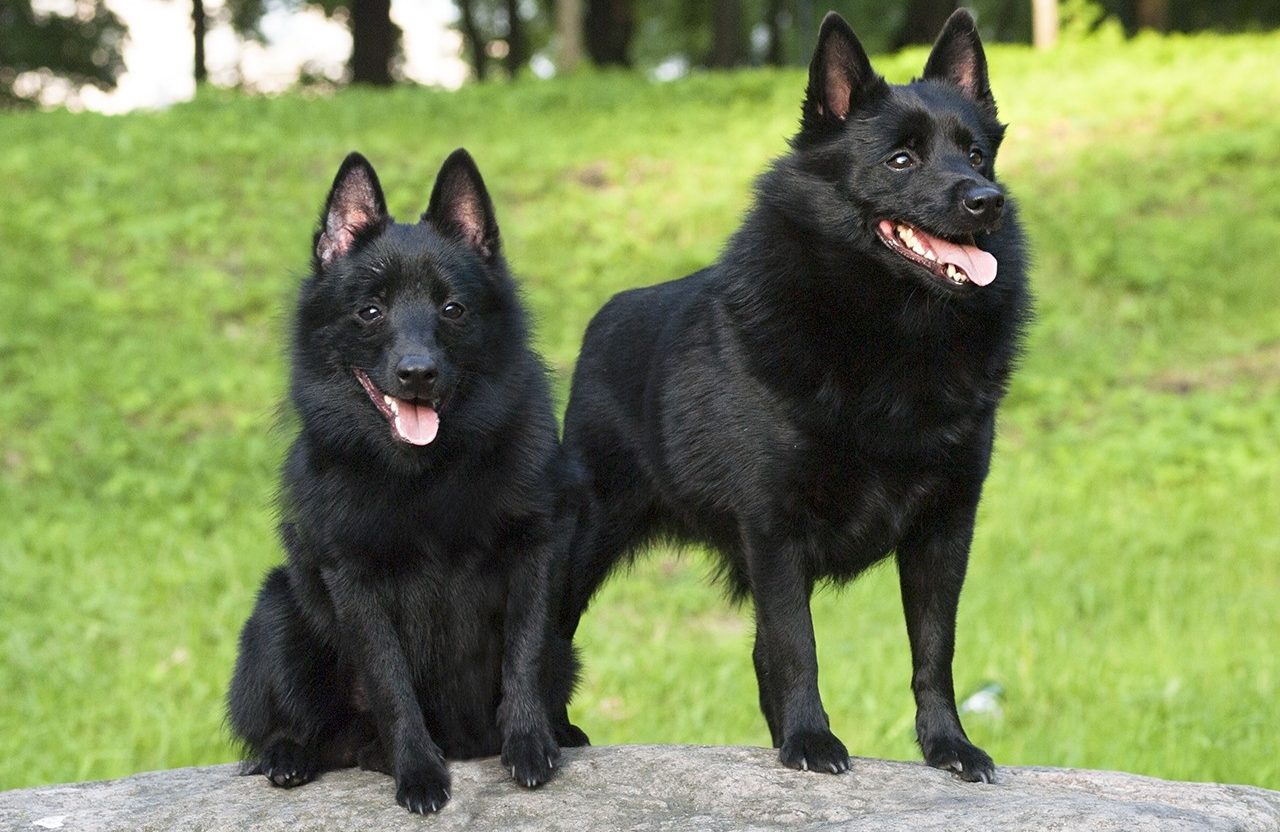
Female Schipperkes stand between 25.4 and 30.48 cm at the shoulder and weigh between 4.98 and 6.80 kg; male Schipperkes range from 27.94 to 33.02 cm at the shoulder and weigh between 6.80 and 8.16 kg. Their bodies are robust and square, with thick fur that stands out along the neck, chest, and limbs, subtly exaggerating their volume. The chest of the Schipperke is broad and deep, while the belly is slightly tucked in. Traditionally, the Schipperke has a very short tail, but in most breeds, it can be long and curled over the back, a common trait shared with spitzes.
The Schipperke is a small dog with a sharp fox-like muzzle and pointed, erect ears, obedient in nature.


Отличительные черты

Голова

Морда

Уши

Глаза

Зубы

Корпус

Конечности

Хвост

Шерсть

Окрас
Character
The Schipperke is an active dog that needs a lively family. It also requires a close bond with its owner. Most importantly, it must clearly understand who is in charge at home, and this needs to be established right from the start. Schipperkes are excellent guardians. However, you must explain to your Schipperke where its responsibilities begin and, more importantly, where they end; otherwise, it may become overly demanding. A smart and obedient dog will understand this. Due to their small size, they have a very interesting balance between performance and behavioral requirements.
Schipperkes are energetic and ready to work. They are not couch potatoes, yet they do not require a daily marathon to keep themselves occupied. The Schipperke wants to learn. At the same time, it possesses a strong will and wishes to do what is dear to its heart, such as guarding the home in its own way. From a young age, owners must clearly define the rules of behavior in the household. The Schipperke is an exceptionally reliable guardian and protector of the home and family. Its character is described in the official standard as follows: “An excellent small watchdog, an outstanding “detector,” with vibrant energy, reserved toward strangers. Agile, nimble, tireless, constantly concerned with what is happening around. It fiercely protects all items entrusted to it, is very gentle with children, and is always curious about anything that moves or is behind a door. With its bright voice, upright mane, and fur on its back, it expresses itself. It is a scent hound that hunts rats, moles, and other pests.”
Schipperkes are very affectionate and loyal to their families. They love children and are friendly to other family members. They get along well with other pets. They also suit active people, even those without dog-training experience. Their intelligent and friendly nature is a defining factor in their behavior.
Schipperkes adore their families, but they are confident, proud dogs capable of independent decisions and actions. Don’t be surprised if they dash out the door without permission, bark excessively, or struggle with house training. Schipperkes want to do things their own way and will not follow your advice until you assert yourself as their leader. Someone who is strict and persistent but not harsh is the ideal owner for a Schipperke. A good sense of humor will also be beneficial.
To keep a Schipperke engaged, channel its intelligence and energy into activities like agility, herding, rally, and obedience training, or go biking, jogging, and participate in other forms of exercise.
Schipperkes get along well with other small dogs, cats, and even well-mannered large dogs. They should not approach domestic rabbits, guinea pigs, or rodents unless they are enclosed, as these are perceived as prey. Care is necessary. Dogs need food at least once a day, constant access to fresh water, shelter, veterinary care, exercise, and plenty of affection.The lively nature of this dog is one of its most popular traits. These dogs combine energy and confidence. Socialized Schipperkes exhibit affectionate behavior toward both children and adults. They will be an excellent choice for families looking to stay active throughout the year.Vigilance is one of the traits that helps this dog excel in its role as a guardian. It may bark at strangers on its territory. A socialized Schipperke easily adapts and gets along with other pets. Due to their size, Schipperkes are a good option for families living in apartments.
Born from the boat.
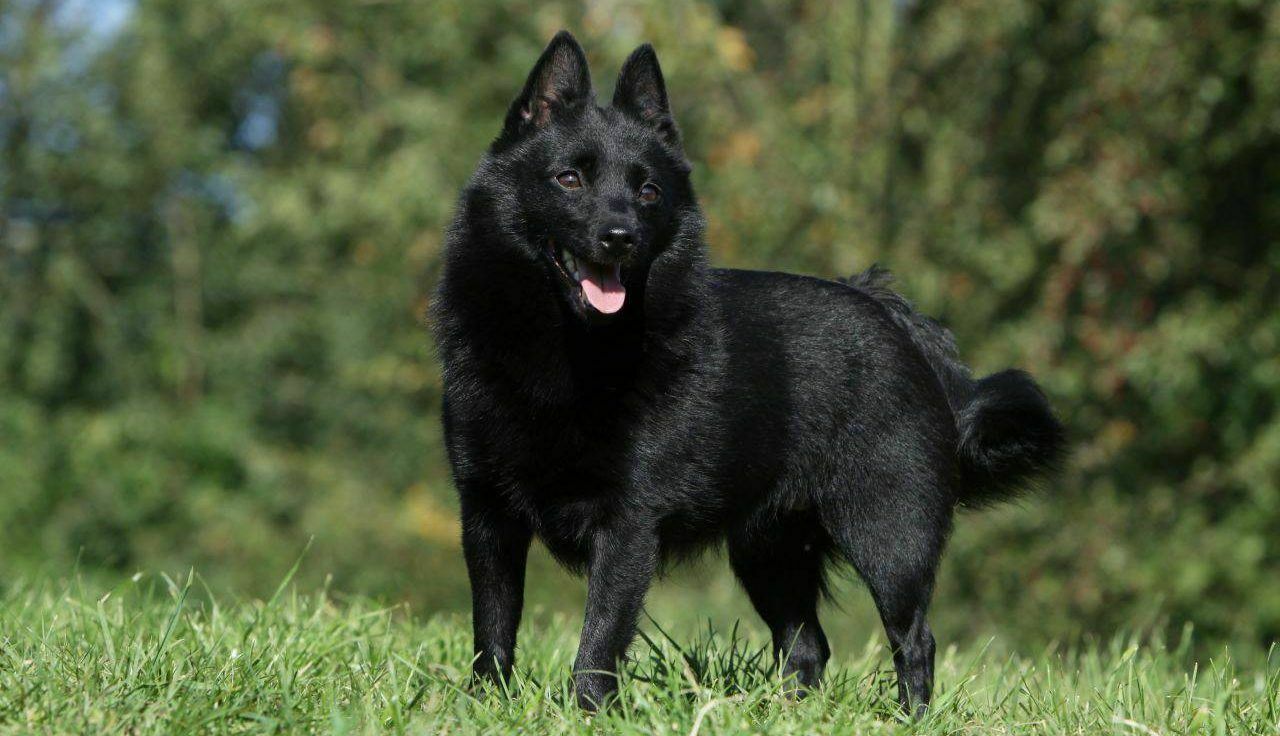
The Schipperke has a rich history tied to Belgian canals and floating boats. These dogs served not only as reliable guards but also as excellent helpers on ships, protecting them from rats and other pests. Their name comes from the word "schipper," which translates from Flemish as "to guard." Interestingly, although the Schipperke has a breed standard, in some countries they are considered a subspecies of the Belgian shepherd.Care and Maintenance
Taking care of a Schipperke is very simple. Weekly grooming will help prevent hair from spreading throughout the house, although some shedding will still occur.
Like all dogs, Schipperkes shed to some extent. Seasonal shedding happens twice a year-in spring and fall. This type of shedding is a natural instinct for dogs to prepare their coats for the upcoming temperature changes.
A typical care routine for this dog includes brushing its fluffy coat once a week. When shedding intensifies in spring and fall, brushing two to three times a week will help manage excess fur. A brush that can reach the undercoat is ideal. A slicker brush works well for removing dead hair, dirt, and debris from the dog’s coat. It’s beneficial to take your pet outside more often, especially during shedding periods, to reduce fur accumulation in the house and ensure the dog feels more comfortable during this process.
During shedding season, a warm bath can help loosen and clean the coat. The shedding process takes about a month. Schipperkes are clean dogs that don’t have an odor. Bathe them as needed. Dental hygiene and nail trimming are two more grooming requirements. Brush your Schipperke’s teeth at least two to three times a week to prevent tartar buildup and bacterial growth. Daily brushing is preferable.
Trim the nails as needed, about one to two times a month. They are too long if you can hear the nails scraping on concrete. Short nails keep your Schipperke’s paws healthy and prevent discomfort when jumping up to greet you.
1.5 to 2 cups of high-quality food per day, divided into two meals, is the recommended daily amount for a Schipperke. Schipperkes are quite food-oriented and can gain weight quickly, so measure their portions and feed them twice a day, avoiding leaving food in the bowl.
Energizer
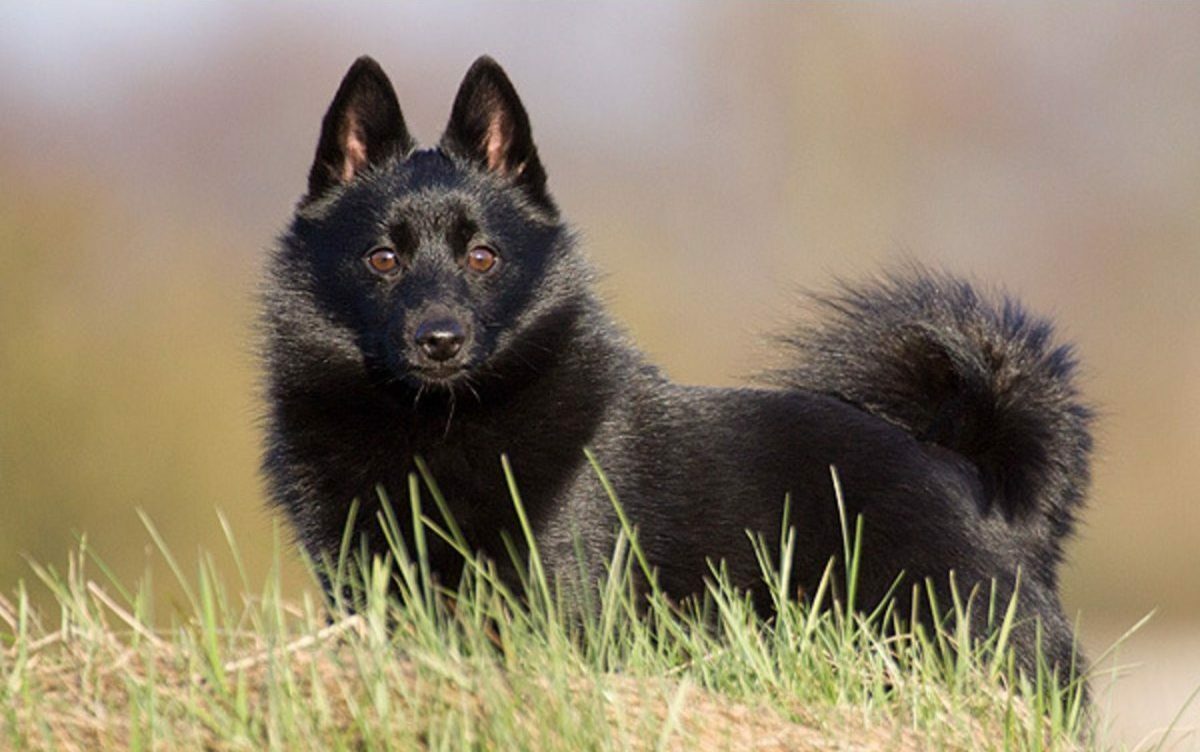
Schipperkes impress with their elegant features and small size. Their tails are usually docked or born short, which adds to their characteristic playfulness. However, aside from their appearance, they are renowned for their alert and independent nature. Schipperkes are true energizers among dogs; they are always ready for play and adventures, but they also require ample physical and mental stimulation.Training and Education
Schipperkes are very adaptable to their living conditions. They can thrive in an urban apartment. Schipperkes are quite obedient pets, and with consistent training, they can coexist beautifully as companion dogs in the city. Of course, they also make excellent, trouble-free companions when traveling, in restaurants, and hotels. Their endurance and small size also make them extremely practical.
Schipperkes are very easy to train. The owner must find the right balance of mutual trust, emotional attachment, and consistent behavior. Schipperkes have an open personality and are focused on their owner. Due to their intelligence, agility, and strong will, they sometimes challenge their owner’s abilities and even try to teach them. With a bit of experience, consistency, and a loving bond between two-legged and four-legged friends, these challenges can be easily addressed. Schipperkes also forgive mistakes in training. This intelligent, people-oriented dog needs a loving and understanding hand. The foundation of any training is a close mutual connection. Harshness or a commanding tone is completely unproductive.
Schipperkes are very active dogs, quickly responding to everything happening around them. However, they do not require much structured physical exercise and can manage with just half an hour a day if they have access to a safe garden. As pest hunters, unlimited access to fresh air encourages the dog to practice its digging instincts in search of mice and insects, which can help combat behavioral problems related to boredom.
Schipperkes are sturdy, active dogs with a mischievous streak. With their pointed ears and curious eyes, this dog is always alert. Their temperament is friendly and playful. Although this breed is best known for its black coat, Schipperkes can also have fur in other colors. This dog belongs to the non-sporting group.
Although clever, Schipperkes require regular engagement and a confident trainer. If you are too soft, indecisive, or inconsistent, the roles will reverse. Most Schipperke owners would agree that training them takes a lot of time and assertiveness. These dogs are not silly; they enjoy making decisions on their own rather than under human guidance. These traits contribute to their success in search-and-rescue and identification work, but they need to be handled straightforwardly, firmly, yet fairly.
These dogs are attentive and ready to learn, making them quite easy to train. They love to wander and explore, so obedience training is essential for this breed to ensure their safety.If you have a Schipperke as a pet, you have an energetic animal! They require up to 60 minutes of exercise daily. This routine can be broken into two sessions of 30 minutes in the morning and evening. You can take your dog to a dog park to socialize with other dogs or to a safe area in the local park to run around. You should walk dogs of this breed on a leash until they are accustomed to coming when called. Schipperkes delight in playing ball, tag, frisbee, and other games with family members.In addition to daily walks outdoors, Schipperkes also enjoy various dog sports. They can even be used as rescue dogs. Schipperkes are a very rare companion but quite capable in dog sports. Zoonyka offers puppies with documentation and health guarantees.
Ideal rescuers
Shipperkes, the small dogs, possess remarkable intelligence and are easy to train. They are devoted and energetic, very curious, and can make decisions on their own depending on the situation. These qualities contribute to their success in identification work.
How to Choose a Puppy
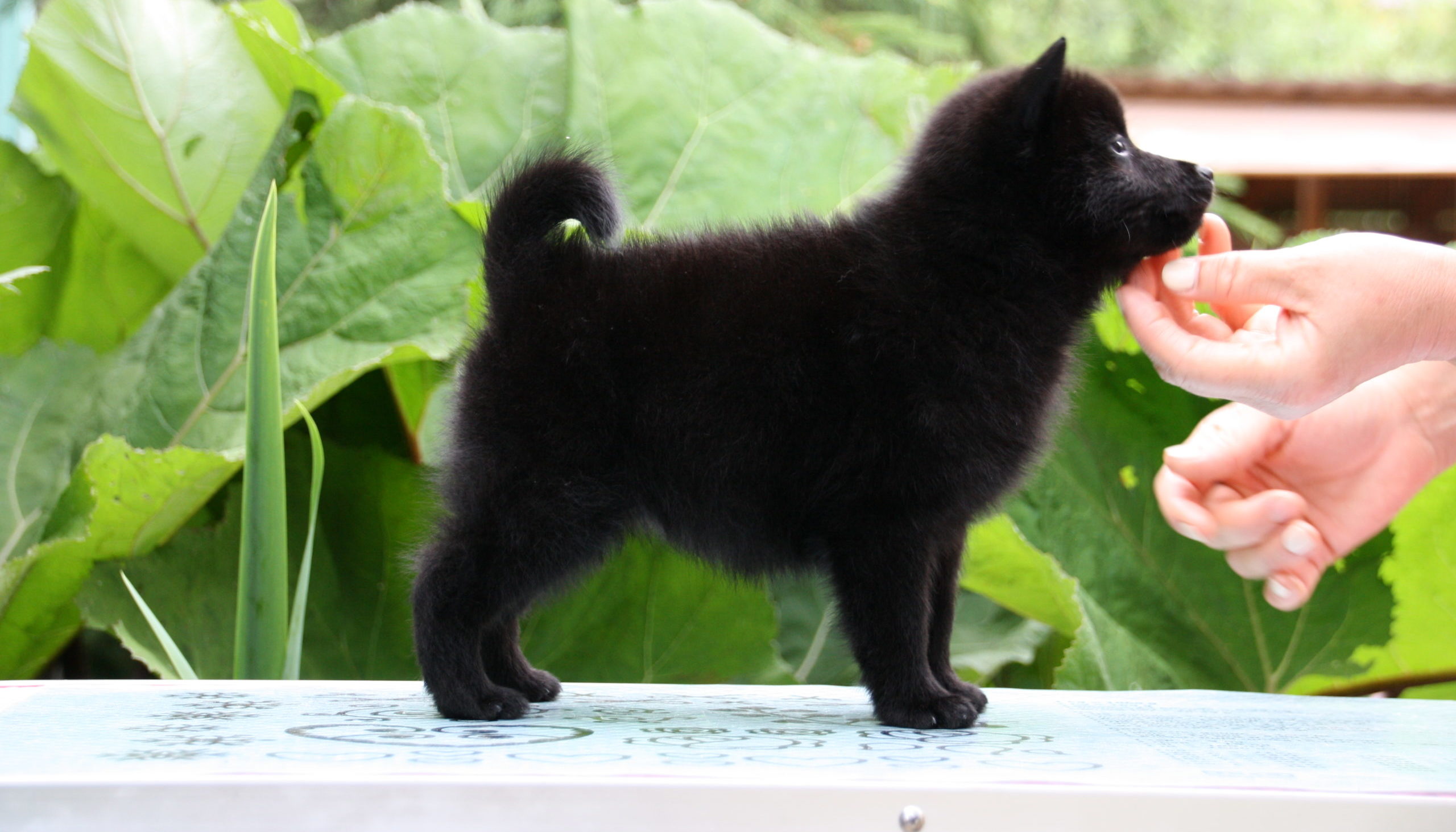
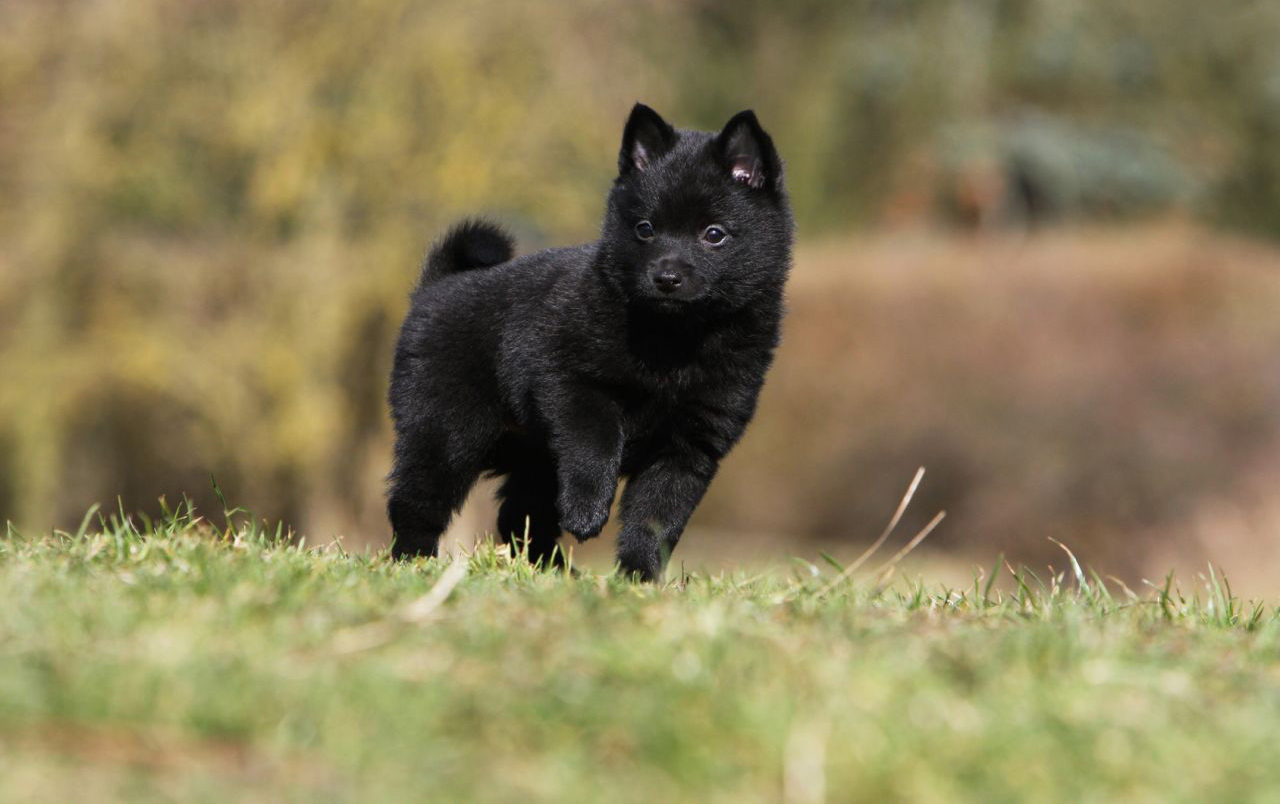
If you want to get a Schipperke puppy, you should contact one of the rare breeders in advance and visit them in person. Avoid breeders who offer tailless puppies. Additionally, there should be no inbreeding, which you can determine by checking the pedigree-none of the names should appear more than once. The breeder should well document their litter with photographs. By prior arrangement, you should be able to see the litter along with the mother dog on site.
If you’re looking to adopt a puppy or an adult dog from a shelter or buy one from a breeder, you assume responsibility for all their care. Learn about their diet, exercise needs, training, and general care-this will affect your level of attention to this furry companion.
These puppies are very fast and clever; they love to explore everything around them. Therefore, it is very important to provide the puppy with a fenced area where it can explore without getting close to the road or other dangerous zones.
Socializing a Schipperke puppy helps them understand what behavior is acceptable. This includes how they should interact with children. Monitoring small children’s interactions with your pet is important until the family is sure that the dog is fully socialized.
Mixed breeds with Schipperkes are very rare, just as Schipperkes themselves have become quite uncommon today.
The Schipperke is a rare, small village dog that is very active and an engaging companion with a strong character. The federal portal Zoonica features vetted breeders from all over Russia.There are three breeds similar to the Schipperke: the American Eskimo Dog, the Finnish Spitz, and the Keeshond:- Both dogs are sociable and have a cheerful disposition. American Eskimo Dogs are larger than Schipperkes.- These dogs share a friendly, energetic nature. However, Schipperkes have a more diverse coat color.- Both breeds serve as vigilant watchdogs. They are sociable and have thick, fluffy fur. Although they are roughly the same height, Keeshonds are heavier.Some celebrities are owners of this breed, contributing to its growing popularity. For instance, actress Lucille Ball owned several puppies of this breed after seeing them at a dog show. She traveled with her beloved pet named Ginger.Popular names for Schipperke puppies include:ZoeBabyMunchkinSammyPennyPepperCodyPeanutDashLooking for a puppy? Check Zoonica for vetted breeders with documentation.
Health and Diseases
The Schipperke is a healthy and robust breed of dog. Since the Middle Ages, a genetic defect resulting in taillessness (anuria) has been common in the Schipperke population. For a long time, taillessness was even desirable and the basis for breeding. Hence, this defect has persisted. In addition to many other harmful consequences of this genetic defect, it always leads to death if inherited from both parents. Therefore, out of concern for animal welfare, you should refrain from purchasing a tailless puppy. Fortunately, such puppies are offered very rarely today.
The Schipperke has several health issues. These include cataracts and progressive retinal atrophy, hip dysplasia, leg function disorders, hypothyroidism, and mucopolysaccharidosis IIIb in the hip joints. A Schipperke should have certificates proving the absence of pathology in the kneecap and thyroid from the Orthopedic Foundation for Animals. To obtain CHIC accreditation, a certificate of eye health from the canine eye registration foundation is necessary. OFA clearances for hip joints and Legg-CalvГ©-Perthes disease, as well as a DNA test for mucopolysaccharidosis type IIIB, are optional examinations.
Despite a long lifespan, this dog has several problems. One of them is patellar luxation. Essentially, this is when the dog’s kneecap shifts out of place. Sometimes, this is a mild issue, and the kneecap returns to its position on its own. In other cases, surgery is required to put it back in place.
Tracheal collapse is the second health issue common to this breed. This occurs when the cartilage surrounding the dog’s trachea weakens, leading to breathing difficulties. Medication helps manage this issue, and in extreme cases, surgical intervention is necessary.
Distichiasis is a common eye condition in these dogs. In this disorder, extra eyelashes grow inside the dog’s eyelids. It’s no surprise that this causes pain for the dog and can damage the eye itself. Hair removal is one solution to the problem, though the procedure needs to be repeated every few weeks due to regrowth. An ointment applied to the eyelid may help alleviate the condition, but it needs to be done daily.
The Schipperke is a breed that truly deserves the attention of dog lovers. Their energy, loyalty, intelligence, and unique character make them truly wonderful companions for life. Thinking about it? There’s a vast selection of listings on the Zoonyka map by city.
Содержание
-
1. Описание породы
-
2. Внешний вид
- 2.1 Голова
- 2.2 Морда
- 2.3 Уши
- 2.4 Глаза
- 2.5 Зубы
- 2.6 Корпус
- 2.7 Конечности
- 2.8 Хвост
- 2.9 Шерсть
- 2.10 Окрас
-
3. Характер
-
4. Содержание и уход
-
5. Дрессировка и обучение
-
6. Как выбрать котенка
-
7. Здоровье и болезни






Comments
Only registered users can leave reviews.
Enter