
Samoyed dog (Samoyed)




Warning: Illegal string offset 'label' in /home/panda/sites/zoonika/wp-content/themes/zoonika/template-parts/animals/animals-param-item.php on line 32
Ð


Breed Description
The Samoyed, also known as the Samoyed Spitz and Sammy, is an aboriginal dog of the Far North. It belongs to the archetypes of dogs in general and is one of the oldest breeds. Dogs of this type have accompanied the peoples of Siberia for thousands of years, primarily living as nomads and following herds of wild or semi-wild reindeer. Samoyeds have various duties: they pull sleds with supplies or hunters, drag boats through the snow to open water, assist with reindeer herding, and guard people. They are said to be ready to fight even polar bears, the largest terrestrial predators in the world.
Samoyeds possess excellent navigational instincts, helping them find their way through icy deserts even in fog or blizzards while avoiding crevasses and obstacles. They are also capable of warming each other and often sleep in tents with northern peoples. This closeness creates a special bond between Samoyeds and their owners, as their existence in the Far North is closely intertwined.
In 1933, Countess Aga von Hagen wrote in her book on dog breeds that in their homeland, the Samoyed Spitz was regarded as a sacred dog, and no family of Samoyeds would willingly part with them. These dogs, despite their wildness, demonstrated a high development of emotional qualities. In 2017, Russian archaeologists discovered the remains of ten dogs aged 9,000 years, confirming their ancient history as sled dogs. In 1889, Englishman Ernest Kilburn-Scott brought the first Samoyeds from Siberia, marking the beginning of modern pedigree dog breeding. The white color was arbitrarily chosen as the breed standard, although native Samoyeds appeared in various color variations.
The Samoyed is a hardy and good-natured dog originally used for hunting, herding reindeer, and pulling sleds. In the late 19th and early 20th centuries, Samoyeds participated in polar expeditions, including the famous voyage of Sir E. Shackleton to Antarctica. The breed is characterized by its “smile,” sociability, and desire to be part of the family. Samoyeds get along well with children and other dog breeds, but their friendliness makes them not very reliable guards. They can be too trusting of strangers.
As one of the oldest dog breeds, Samoyeds have long served humans in various capacities, such as hunting, transporting goods, and participating in polar expeditions. Alongside the adventurers they assisted, these dogs have gone through much.
Modern Samoyeds, despite some changes in their appearance and character, remain one of the oldest dog breeds, preserving their unique history and endurance.
Appearance
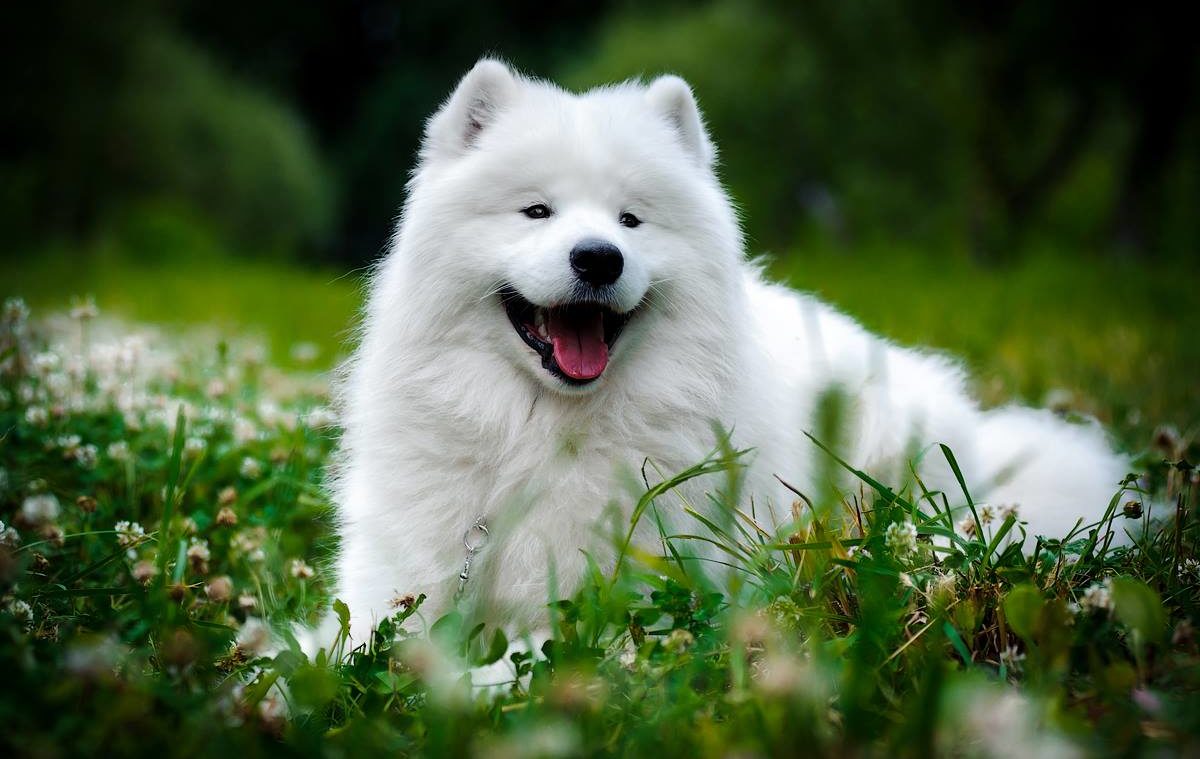
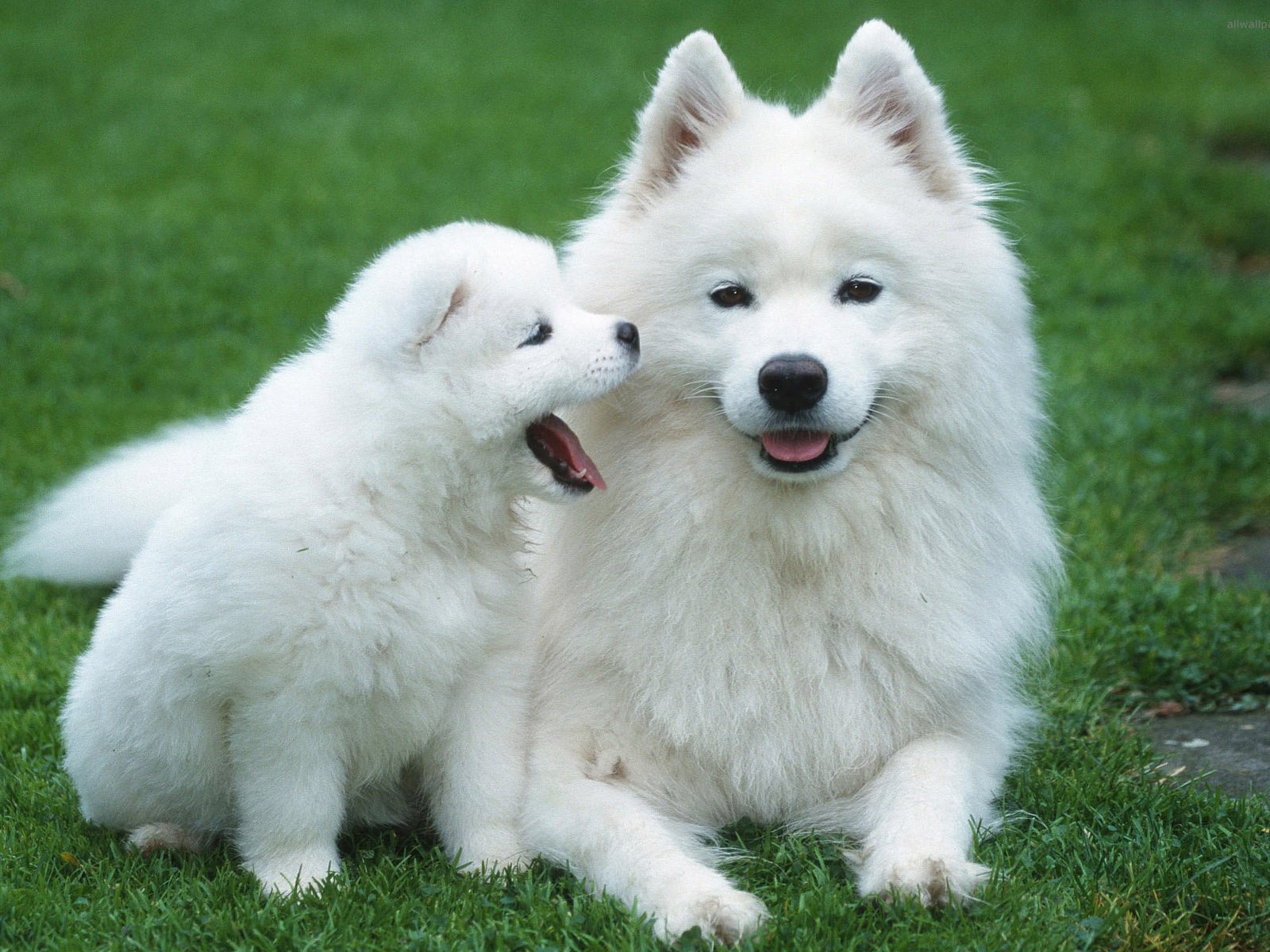
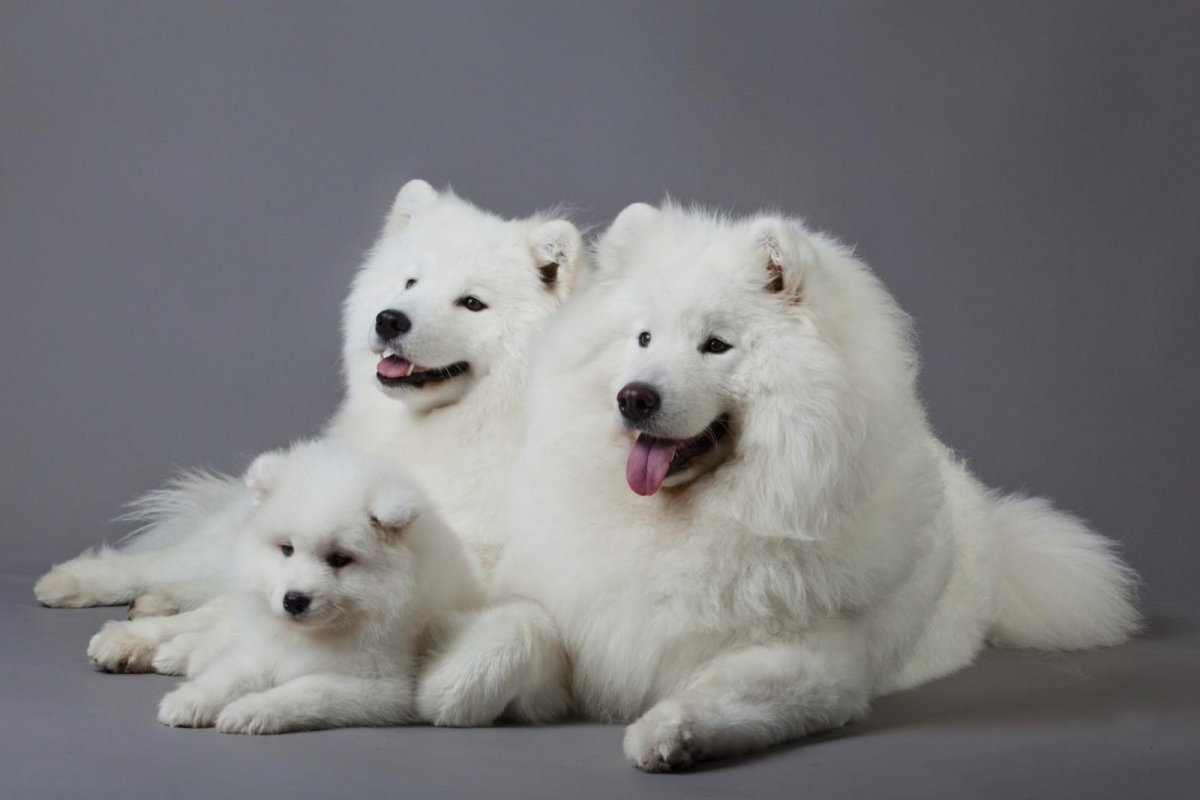
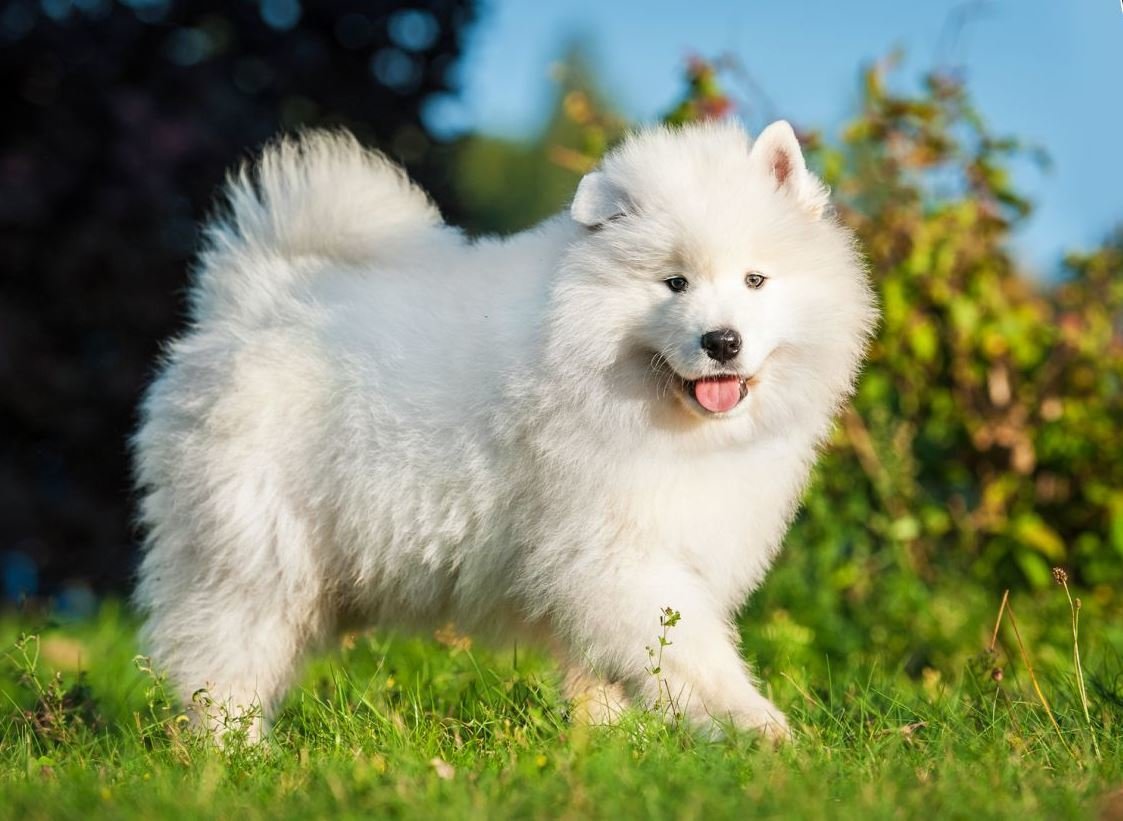
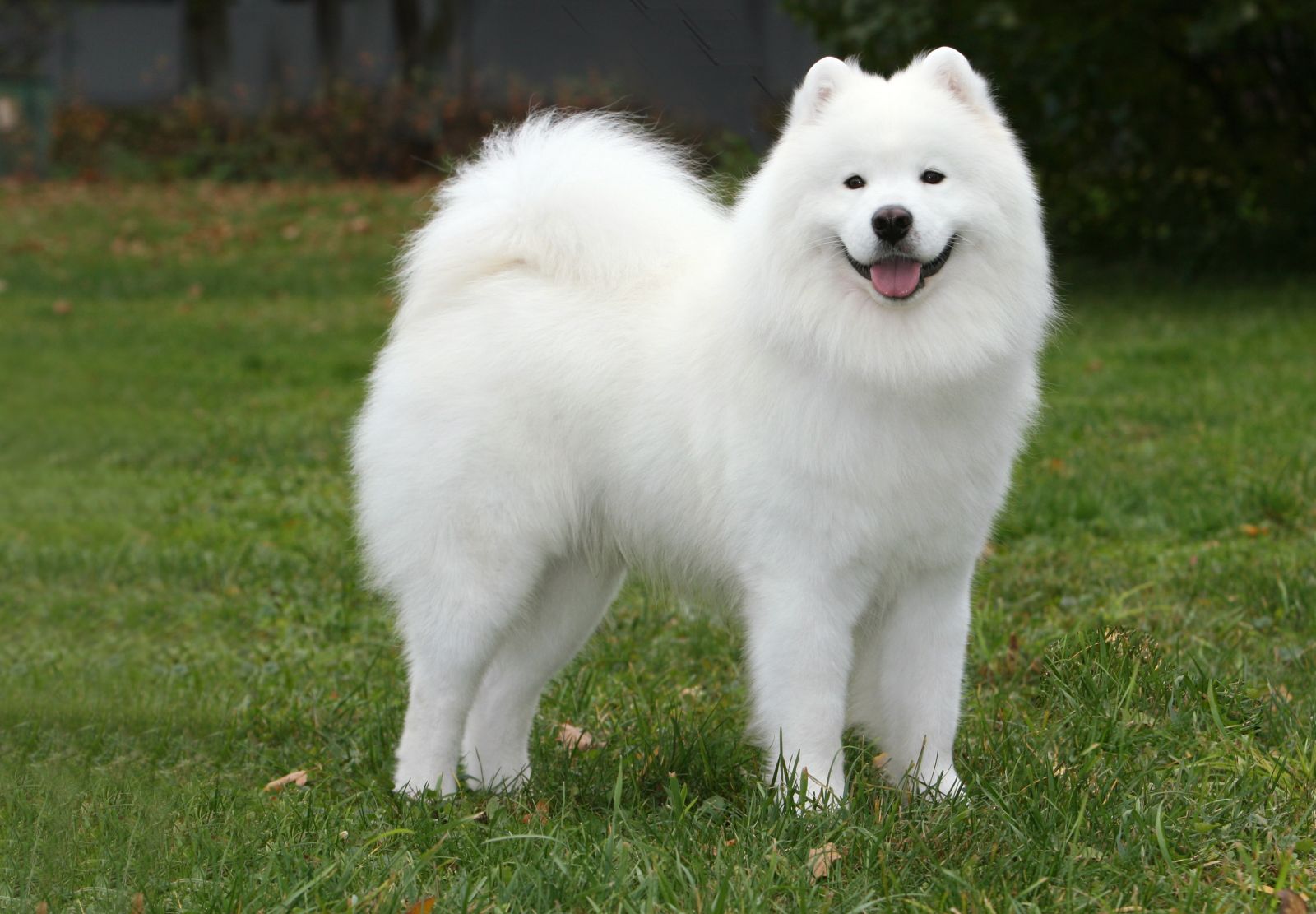
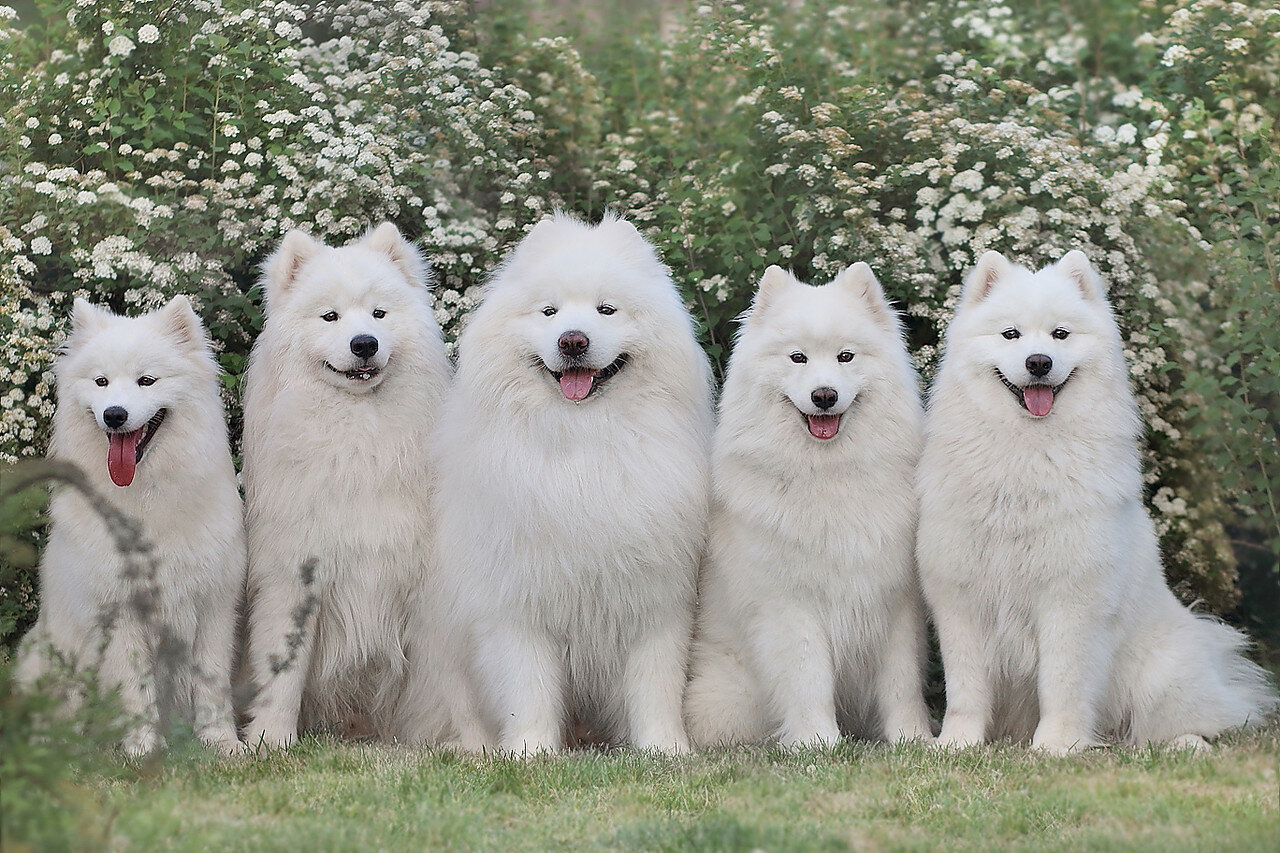
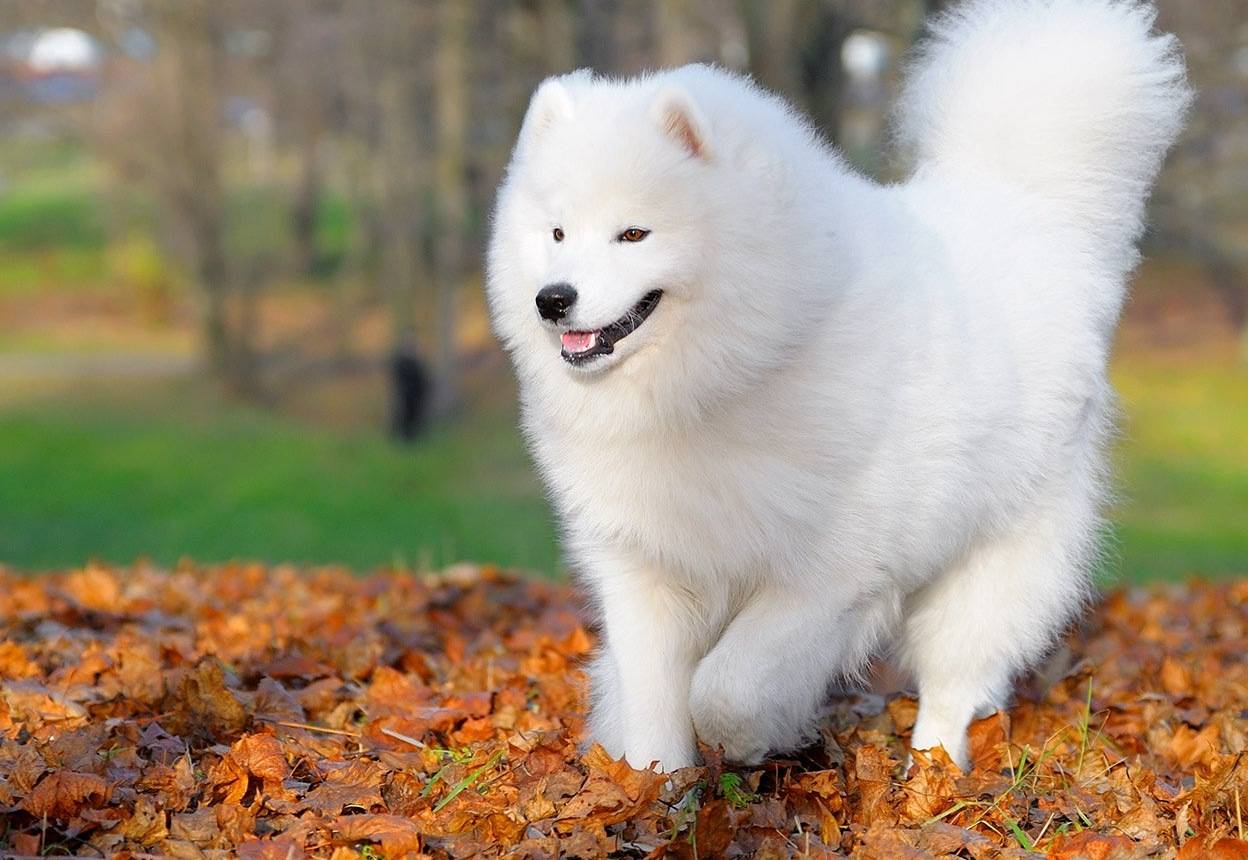
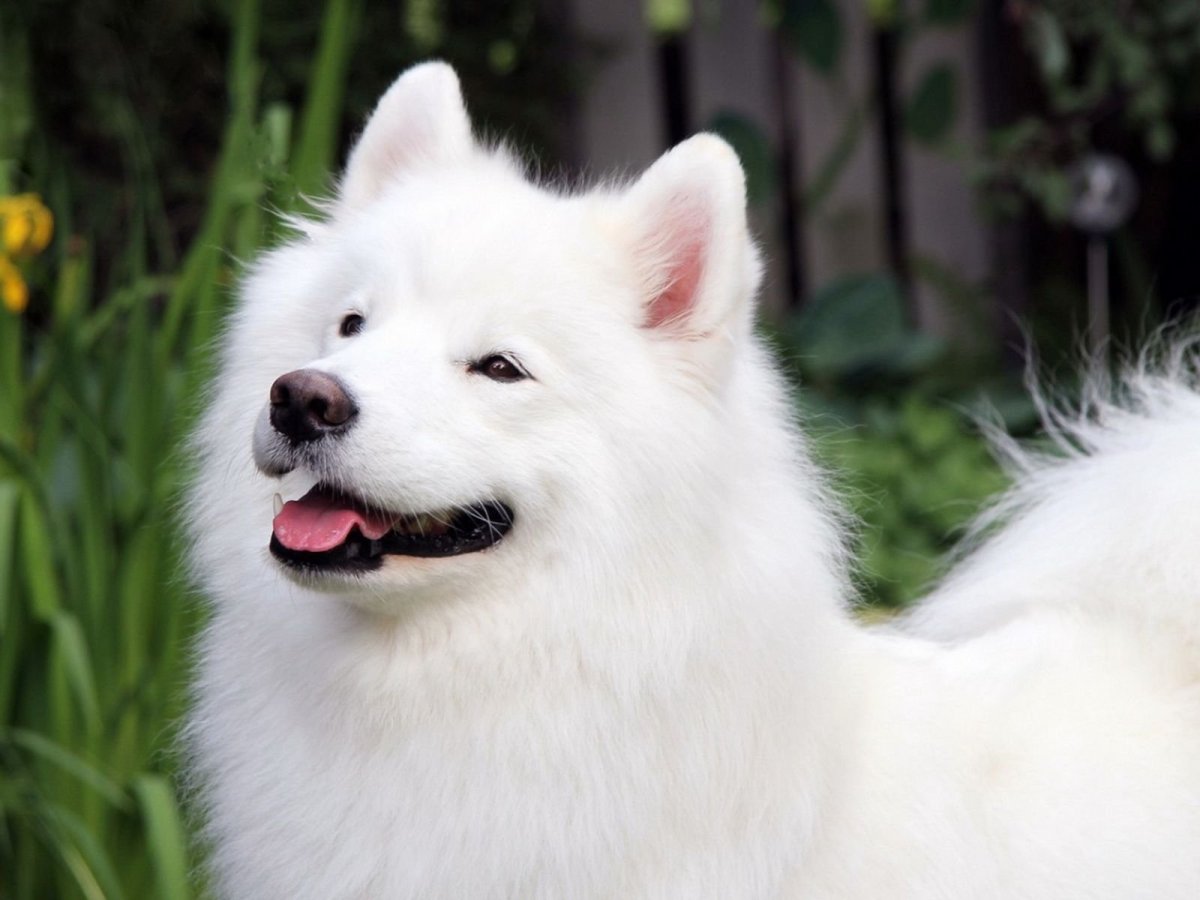
The Samoyed is a classic representative of working dogs among the nomadic peoples of the Far North. Modern show-class Samoyeds often differ from working Samoyeds. They are presented in a white coat with possible small biscuit markings. The fur of Samoyeds is dense, thick, and elastic, providing them with ideal protection in cold climates. They have a double coat consisting of a short, soft undercoat and longer, harsher outer hair.
The official standard describes the Samoyed as an elegant, medium-sized white Arctic spitz, demonstrating strength, endurance, flexibility, and confidence combined with charm and charisma. The characteristic “smile” of the Samoyed is formed by the features of its face, including the shape and position of the eyes.
The overall appearance of the Samoyed impresses with its grace and balance. It possesses a strong, active build that is free of coarseness, allowing them to display significant endurance in various tasks. Samoyeds come in different sizes depending on gender: males stand between 53.34 to 58.42 cm at the shoulder, while females stand between 48.26 to 53.34 cm. The weight typically ranges from 22.68 to 27.22 kg.
The Samoyed is not only a remarkable breed representative but also a functional working dog, capable of withstanding extreme conditions and performing various tasks with ease and grace.


Отличительные черты

Голова

Морда

Уши

Глаза

Зубы

Корпус

Конечности

Хвост

Шерсть

Окрас
Character
The Samoyed, known for its bright and friendly personality, is a splendid companion for the entire family. This breed remains true to its northern roots, combining ancient qualities with familiar charm in a unique form. The Samoyed is not a solitary dog but rather a warm member of the family. It embodies both working and home dog attributes. However, certain conditions are necessary to maintain this status.
The Samoyed retains many characteristics that have made it an invaluable helper to humans for thousands of years. Many possess a strong hunting instinct, making them reliable guardians of the family. They are not prone to panic or aggression, but will immediately protect their owners in the face of danger.
One of the Samoyed’s particular passions is running, especially in harness. Attending sled dog races in winter showcases their impressive abilities and captivates onlookers. Their unusual endurance is evident not only in their speed but also in their capacity to handle exertion over extended periods.
The character of the Samoyed is imbued with calmness and willpower, creating a wonderful atmosphere of tranquility in the home. They are very affectionate and welcoming towards family members, including children, if properly socialized and taught mutual respect.
Samoyeds are incredibly friendly and welcoming. They love interacting with people and are always ready for play and affection. These dogs were originally bred for close interaction with humans, which is why they are often referred to as “people dogs.” They quickly become integral members of the family and always seek to be near their owners.
These dogs have a high energy level and require sufficient physical activity. They enjoy running, playing, and participating in various sporting events. Samoyeds need long walks and opportunities to express their endurance and agility. Without regular physical activity, they may start displaying unwanted behaviors due to pent-up energy.Samoyeds demonstrate high intelligence and quick learning abilities. They easily master new commands and tricks, making the training process enjoyable for them. These dogs love participating in intellectual games and tasks that help develop their mental capabilities and maintain an active lifestyle.Samoyeds are very attached to their owners and family members. They strive to be close to their loved ones, expressing loyalty and affection through gentle touches and playful behavior. These dogs are always ready to support and protect their family if needed, making them excellent companions and guardians.Despite their activity levels and energy, Samoyeds are known for their calm and balanced nature. They are not inclined towards aggression or conflict, preferring peaceful coexistence and friendly relations with those around them. Their tran
The Legend of the Samoyed
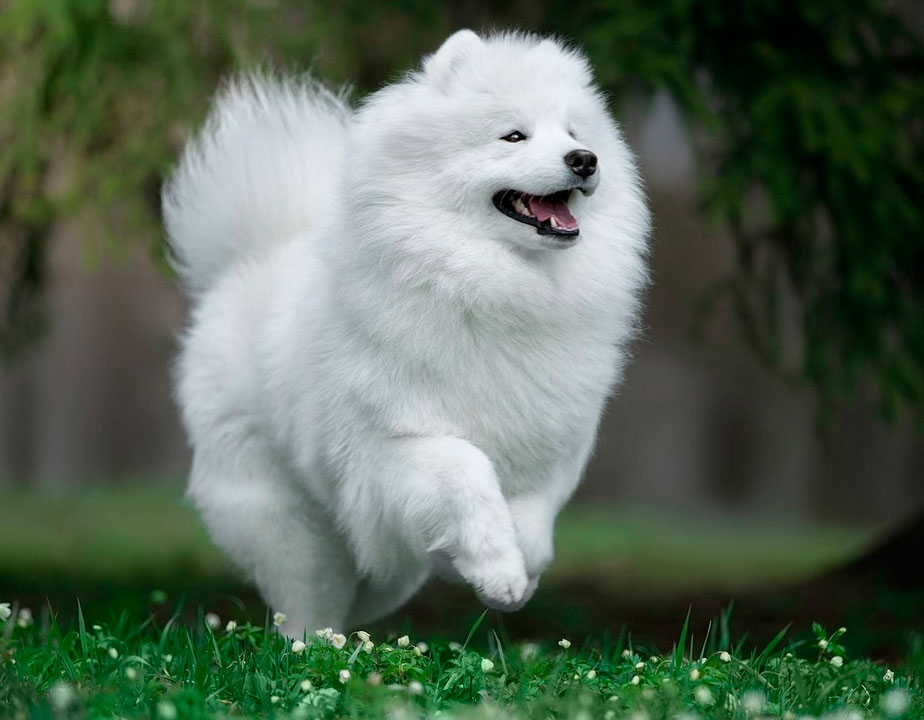
The Samoyed dog, according to local legends of the Siberian peoples, was a gift from the gods and serves as a spiritual guide. Their white fur is considered sacred and symbolizes purity and spiritual well-being. This unique breed is regarded as one of the oldest in the world, with their ancestors accompanying the Saami tribes in their migrations across the Siberian expanses.Care and Maintenance
Samoyeds are not suited for apartment living or city environments. Their ideal home is a house with a garden. Samoyeds love to sleep outdoors, even in heavy snowfall, curling up with their heads tucked under their tails. The garden where a Samoyed lives should not be just decorative, as these energetic dogs require an active lifestyle and freedom of movement.
The main characteristic of the breed is their coat. In their native territories, northern peoples regularly remove the undercoat from their Samoyeds, usually in summer. However, in homes with central heating, this process may occur twice a year. When shedding, hair can spread everywhere, necessitating more frequent brushing. It’s important to remember that lack of shedding can indicate illness in a dog, and this process is essential for their health. Thus, owners must deal with shedding one or two times a year.
A Samoyed’s undercoat consists of short, fine, and fluffy hairs that shed in large quantities during molting. Over time, the amount of hair shed decreases, but grooming remains challenging. During shedding, they need to be brushed frequently, and at other times, once or twice a week. Bathing a Samoyed also requires some effort, especially considering their long and thick coat, with the frequency depending on how dirty they get.
Samoyeds need a balanced diet to meet their nutritional needs. It is important to choose high-quality food designed for medium and large breeds, considering their activity level and energy requirements. Monitor portions to avoid obesity, which can lead to joint problems and overall health issues.
Nutrition plays a crucial role in the care of Samoyeds. Puppies should be fed three times a day from three to six months old, then transition to two meals a day until one year. Adult Samoyeds can have two smaller meals at a time. Their diet should include organic products, such as fresh fruits and vegetables, eggs, and freeze-dried raw meat.
Samoyeds require consistent and gentle training from an early age to establish household rules and maintain harmonious family relationships. This approach helps owners manage the breed’s specific traits and create a positive atmosphere at home.Samoyeds have high energy levels and need plenty of physical activity. They love long walks, outdoor games, and the chance to run and play. Regular exercise and playtime will help them expend energy and maintain good physical and mental health.Regular veterinary visits are essential for monitoring a Samoyed’s health and preventing diseases. Vaccinations, parasite treatments, and check-ups for potential issues will help keep your pet healthy and happy.Samoyeds have friendly and open personalities, but socialization with other dogs and people is crucial for their comfortable behavior in various situations. Start training them from a young age, using positive reinforcement and engaging games to develop good manners and behavior.Caring for a Samoyed requires time, effort, and love, but in return, you will gain a loyal friend and companion who will delight you with their wonderful character and unique personality.
Mixed voice
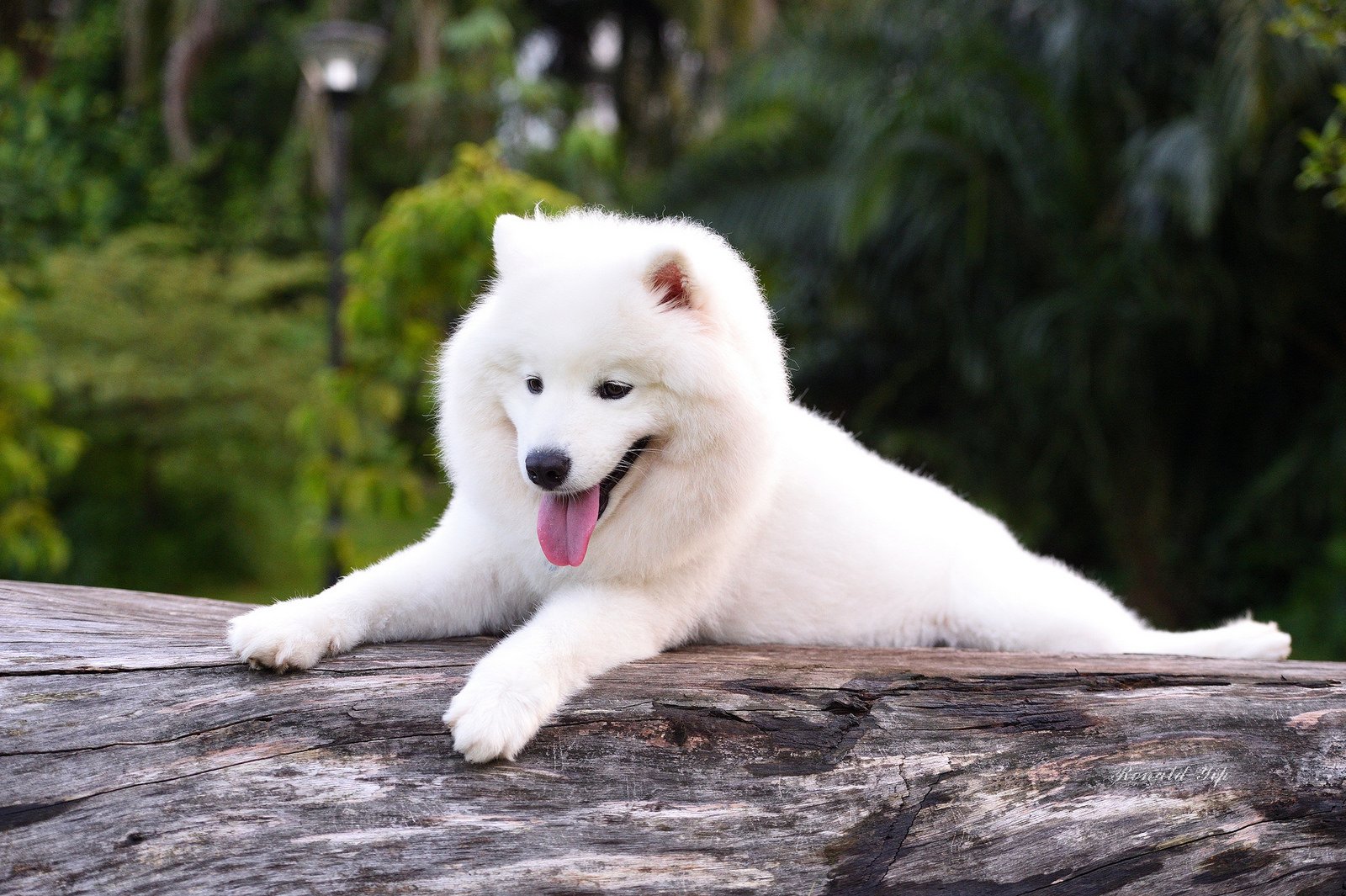
The Samoyed dog is renowned for its unusual voice, known as the "Samoyed howl." It is a mix of barking, howling, and a special growl that creates a unique sound. This phenomenon may be linked to their historical use as guard and protection dogs, as well as during work in northern regions.Training and Education
The Samoyed dog is easy to train but requires an experienced owner. The high standards of behavior for Samoyeds stem from their history as working and sled dogs. To meet the needs of this breed, significant time must be dedicated to active pursuits and sports, especially sledding. Without adequate attention and care, a Samoyed can become disobedient and destructive.
To maintain their health and good mood, Samoyeds need plenty of physical exercise and varied activities. They require long walks, backyard play, and stimulating tasks that develop their mental capabilities. Due to their physical endurance, Samoyeds are excellent companions for long hikes.
Training Samoyeds can be challenging due to their stubbornness and desire for independence. However, with enough time, effort, and patience, they can be successfully trained. It is important to pay close attention to the training process and display strong yet caring leadership. These dogs and their owners typically develop close, trusting relationships based on mutual respect and affection.
Samoyeds can also be great partners for winter sports, particularly as sled dogs. They need an active lifestyle to fulfill their instincts and maintain their physical and emotional health.
The first and most important step in training a Samoyed is establishing clear rules and boundaries. Samoyeds are sensitive to their owner’s mood and energy, so consistency and confidence in your actions are vital. Positive reinforcement, such as praise and treats, is an effective motivational tool for Samoyeds.
One key area of training for Samoyeds is socialization. This includes introducing them to other dogs, people, and different environments. Starting socialization early helps the Samoyed develop friendly relationships and avoid behavioral problems in the future.It is also important to provide Samoyeds with physical and mental challenges to satisfy their need for activity and stimulation. Walks, games, and training can help keep them fit and mentally healthy.Training a Samoyed is an ongoing process that requires continuous patience and effort. Be prepared for the Samoyed to occasionally show stubbornness or a desire for independence, but with the right approach and love, you can overcome any obstacles and create a harmonious relationship with your loyal four-legged friend.
Love for the cold
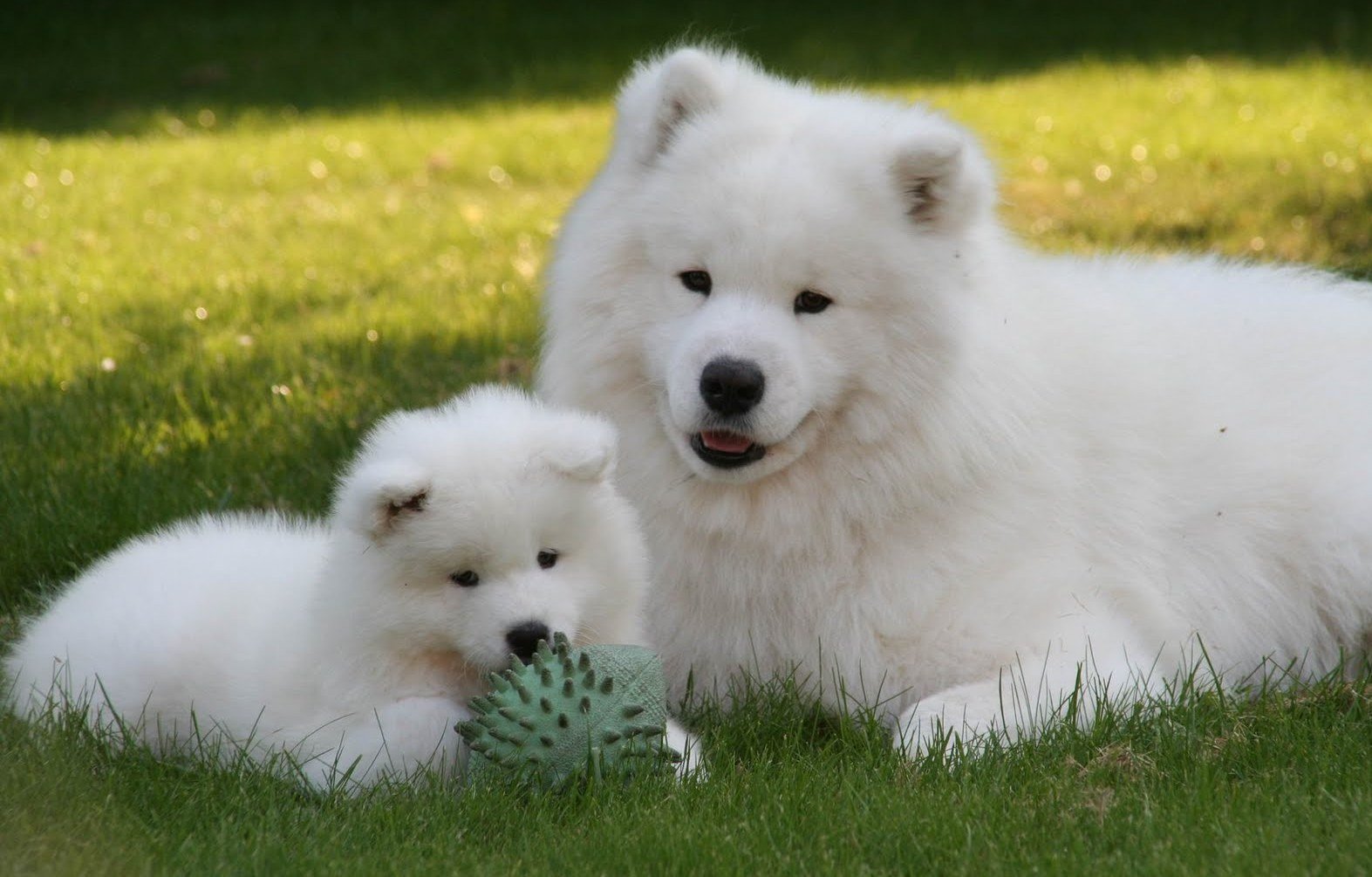
Despite their soft and fluffy fur, the Samoyed dog feels particularly comfortable in cold conditions. Their double coat serves as a natural insulator, allowing them to adapt to the harsh climates of the north. They love winter activities and can work in conditions where other breeds have long since frozen.
How to Choose a Puppy
Choosing a Samoyed puppy is a responsible decision that requires careful study and analysis. First, you should visit several dog sledding events. This will allow you to personally assess the energy and abilities of these wonderful dogs. After that, it is important to consult with a local breeder who is seriously involved in the breeding of this breed. A good breeder should conduct genetic health screenings for their dogs, which is essential in serious breeding. It is also important to avoid inbreeding, which can be checked by studying the pedigree and looking for the absence of repeating names.
Additionally, a good breeder should have documentation confirming the puppies’ lineage, including pictures of the litter. They should also provide you with the opportunity to visit the litter and see the mothers of the puppies in person, with prior arrangement. It is important not to acquire Samoyeds online, as this carries a high risk of encountering a puppy dealer or an unreliable supplier who might hide the true conditions of care and the puppies’ origins.
Start your search by investigating various Samoyed breeders. Look for those with a good reputation and many positive reviews. Breeders should be willing to provide you with information about the health of the puppy’s parents, their genetics, and the conditions in which they are raised.
Once you have chosen a breeder, visit their kennel to see the Samoyed litter in person. Pay attention to the overall condition of the dogs, their behavior, and the living conditions. This will also give you the chance to observe your potential future puppies and assess their health and temperament.
Don’t hesitate to ask the breeder numerous questions about the puppies, their parents, and their living conditions. Inquire about hereditary diseases that may be typical for the breed and what measures have been taken to prevent them.
After inspecting the litter, choose the puppy that meets your expectations and requirements. Pay attention to its health, activity level, socialization, and interaction with you.Once you have selected a puppy, prepare for its arrival at home. Ensure you have all the necessary items, such as food and water bowls, food, toys, and a resting place. Don’t forget about medical care and veterinary assistance.Choosing a Samoyed puppy is an important decision that requires time, patience, and attention to detail. The right choice will ensure you and your new furry friend have a happy and healthy life together. Looking for a puppy? Go to Zoonyka for verified breeders with paperwork.
Health and Diseases
Although Samoyeds generally have good health, they are prone to certain hereditary issues, including hip dysplasia, deafness, progressive retinal atrophy (PRA), and other vision problems. However, breeders are actively working to manage these diseases. Additionally, Samoyeds are susceptible to common infections such as parvovirus, rabies, and distemper. Vaccination helps reduce the risk of infection.
It’s important to visit the veterinarian regularly with your pet, ideally twice a year. The vet will conduct a comprehensive health examination and recommend tests to identify age-related issues. It’s also crucial to monitor your dog’s well-being and behavior closely, as any changes could signal serious problems.
Samoyeds bred for shows often suffer from hereditary conditions due to a narrow focus on certain physical traits and a limited genetic pool. Therefore, it is advisable to avoid purebred dogs that are prioritized for their show performance above all else.
The Samoyed is a wonderful and active breed known for its friendliness and energy. However, like all breeds, Samoyeds can encounter specific health challenges that should be considered to ensure a long and healthy life.
Common Health Issues
One of the most prevalent problems in Samoyeds is hip dysplasia. This hereditary condition prevents the joint from developing properly, leading to pain and mobility issues. Regular veterinary check-ups and maintaining a healthy weight can help reduce the risk of this disease.Deafness can also be an issue in Samoyeds. This condition may be congenital or develop with age. It’s important to check your pet’s hearing regularly and consult a veterinarian at the first signs of problems.PRA is an eye disease that results in the gradual loss of vision and ultimately blindness. This hereditary condition makes it essential to choose puppies from reputable breeders who conduct genetic testing on their dogs.Infectious DiseasesSamoyeds are susceptible to the same infections as other dogs, including parvovirus, rabies, and distemper. Most of these infections can be prevented through timely vaccination. Regular vaccinations are necessary to protect your pet from dangerous diseases.Samoyeds may be affected by various parasites, such as fleas, ticks, and worms. Regular parasite treatment and coat checks can help prevent infestations and maintain your dog’s health.Prevention and Ca
Содержание
-
1. Описание породы
-
2. Внешний вид
- 2.1 Голова
- 2.2 Морда
- 2.3 Уши
- 2.4 Глаза
- 2.5 Зубы
- 2.6 Корпус
- 2.7 Конечности
- 2.8 Хвост
- 2.9 Шерсть
- 2.10 Окрас
-
3. Характер
-
4. Содержание и уход
-
5. Дрессировка и обучение
-
6. Как выбрать котенка
-
7. Здоровье и болезни






Comments
Only registered users can leave reviews.
Enter