
Saint Bernard










Warning: Illegal string offset 'label' in /home/panda/sites/zoonika/wp-content/themes/zoonika/template-parts/animals/animals-param-item.php on line 32
Ð


Breed Description
The St. Bernard is one of the most well-known and majestic dog breeds, with a history rooted in the Alps. Its ancestors were used by monks at the Great St. Bernard Monastery, founded in the 11th century in Switzerland. The monastery, located at the Great St. Bernard Pass, served as a refuge for travelers and pilgrims crossing dangerous mountain routes. It was in this environment that the breeding of dogs began, which later became rescue animals known for their strength, endurance, and ability to work in extreme conditions.
Originally, the ancestors of St. Bernards were large and hardy Molossians brought to Europe by Roman legions. These dogs formed the foundation of a breed that could survive and work in the harsh conditions of the Alps. Monks at the St. Bernard Monastery began using such dogs for protection and searching for lost travelers. Over time, they trained them for rescue work, laying the groundwork for the breed.
St. Bernards gained fame for their ability to find people under snowdrifts. Their keen sense of smell and natural instincts allowed them to save lives even in the most challenging situations. These dogs worked in teams with monks as well as independently. St. Bernards could find a traveler, warm them with their large bodies, and even return with a message to bring help.
The first mention of St. Bernards as rescuers dates back to the 17th century. Monks actively bred these dogs, selecting the strongest, most resilient, and gentle representatives for further breeding. The legendary story of a dog named Barry, who saved approximately 40 people in his lifetime, became iconic. His name became a symbol of the breed, and a monument in his honor was erected at the Natural History Museum in Paris.
Originally, St. Bernards looked somewhat different than they do today. They were lighter and more agile, which facilitated their movement along mountain paths. However, in the 19th century, the breed began to change with crossbreeding with other large dogs, such as Newfoundlands, to improve their appearance and give them a more robust physique.
The popularity of St. Bernards quickly spread beyond Switzerland. They became symbols of loyalty and strength, as well as living embodiments of humanitarianism and rescue. In 1884, the Swiss St. Bernard Club was established, which began the standardization of the breed, and in 1887 the St. Bernard was officially recognized as the national dog of Switzerland.Today, St. Bernards continue to amaze with their intelligence, friendliness, and majestic appearance. Their history, connected with the St. Bernard Monastery and heroic deeds, makes them not just a breed but a living monument to human and canine mutual assistance.The price for a puppy ranges from 25,000 to 35,000 rubles.

Appearance
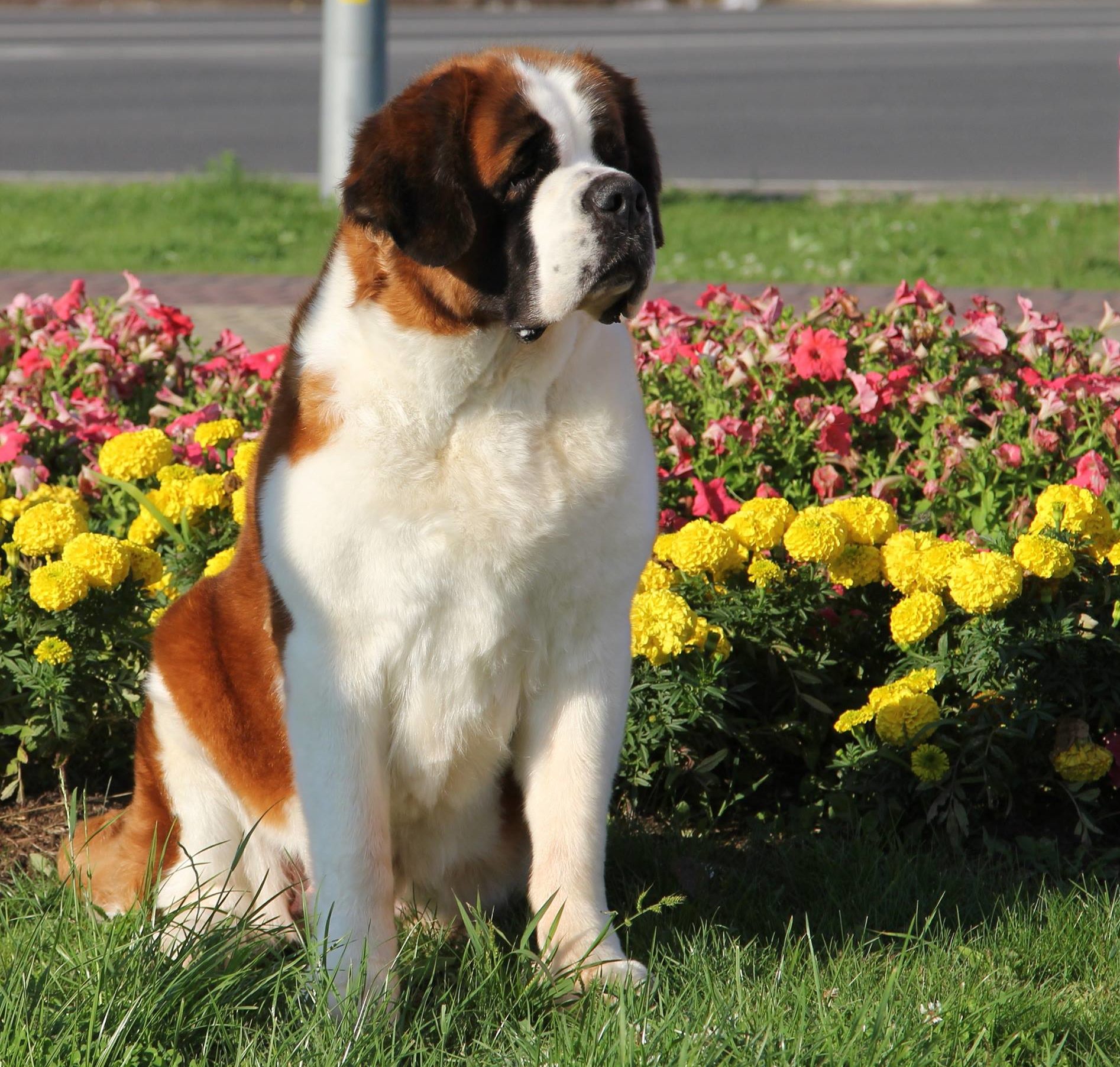
The St. Bernard is a large, powerful dog with a noble and imposing appearance, embodying strength, harmony, and good-naturedness. Its sturdy build emphasizes endurance and the ability to work in the harshest conditions. The St. Bernard features a broad chest, muscular body, and strong limbs, allowing it to move confidently across challenging landscapes, including snowy mountains.
The head of the St. Bernard is large, with expressive dark eyes that radiate intelligence and kindness. The medium-sized, drooping ears complement the overall look of the dog. The coat can be short or long, dense, with a thick undercoat, providing protection against cold and moisture. The colors vary, but it is most commonly white with reddish or reddish-brown markings.
The average height of a St. Bernard is 65-80 cm at the shoulder for males and 60-75 cm for females. Weights range from 50 to 90 kg, depending on sex and breeding lines. Despite their impressive size, St. Bernards maintain harmonious proportions, ensuring that their movements remain smooth and confident.
The lifespan of St. Bernards averages 8-10 years. For such large dogs, this is a normal span; however, proper care, quality nutrition, and moderate physical exercise can extend their activity and health. The appearance of the St. Bernard is awe-inspiring, and its kind and majestic look makes this breed one of the most recognizable and respected in the world.


Отличительные черты

Голова

Морда

Уши

Глаза

Зубы

Корпус

Конечности

Хвост

Шерсть

Окрас
Character
The Saint Bernard is a gentle, calm, and incredibly loyal dog, whose personality captivates with its balance and friendliness towards people. These dogs are known for their patience and softness, making them excellent companions for families with children. Saint Bernards love to be part of the family and always strive to be close to their owner, showing affection and a desire to protect their loved ones.
These dogs possess a strong sense of responsibility and a natural instinct for rescue. They intuitively sense a person’s mood and needs, often becoming an emotional support for their owners. Saint Bernards are not prone to aggression and remain calm even in stressful situations, making them great dogs for living in crowded houses or busy environments.
Saint Bernards appreciate attention but do not demand it insistently. They know how to wait patiently, occupying their space while their owner is busy. However, prolonged solitude can lead to sadness, as they are used to being part of a group and participating in shared activities. These dogs quickly adapt to family routines and become an integral part of the household.
The playfulness of Saint Bernards lasts throughout their lives, although they become more restrained with age. They love walks, especially in cool weather, and possess remarkable endurance. Despite their impressive size, Saint Bernards are very careful in their movements and strive to be gentle, especially indoors.
Their natural alertness makes them good watchdogs, although they rarely bark without necessity. Saint Bernards are reserved with strangers, but with proper socialization, they quickly learn who is a friend. Their protective instinct manifests in their vigilant observation of their surroundings, always ready to lend a helping paw.
Saint Bernards enjoy peace and stability, and they do not engage in destructive behavior if they receive enough attention and care. Their habit of being close to people and their ability to understand emotions make them ideal companions for those looking for a reliable and devoted friend. This breed combines strength, kindness, and a deep connection with humans, making it unique among others.
The beginning of the story
It all started when the hospice monks used dogs for guarding the territory. When the monks went in search of lost travelers, they took the dogs with them for protection. In the process, they accidentally discovered that the dogs were excellent trackers and could find helpless travelers.Care and Maintenance
Caring for a St. Bernard requires attention to its physical, emotional, and hygienic needs. Due to their large size and thick fur, these dogs need regular grooming to maintain their health and comfort. The coat of a St. Bernard, especially in long-haired individuals, requires brushing 2-3 times a week to remove dead hair and prevent matting. During shedding season, grooming should be done more frequently. Bathing should be done as necessary, using a mild shampoo to avoid drying out the skin.
The ears of a St. Bernard should be checked and cleaned regularly to prevent infections. Their eyes also require attention, as the breed is prone to tearing. They should be wiped with a damp cotton pad to avoid irritation. Teeth should be brushed 2-3 times a week to prevent plaque and tartar buildup, which is especially important for large breeds. Nails typically wear down naturally, but should be trimmed if the dog is not very active.
St. Bernards need moderate exercise. Despite their endurance, they do not require excessively vigorous workouts. Two to three walks a day of moderate length are sufficient to keep them healthy and satisfy their need for movement. They enjoy cool weather and love spending time outdoors, but they do not tolerate heat well due to their thick fur and large size. During hot weather, walks should be limited to early mornings or late evenings to avoid overheating.
St. Bernards are social dogs that love spending time with family. They value attention, affection, and participation in family life. They do not do well with prolonged periods of solitude, as they can become bored and stressed. These dogs do not respond well to rough treatment or yelling. Their training should be based on respect and gentleness, as they are sensitive to the tone and mood of their owner.
A St. Bernard’s diet should be balanced, high in protein, and moderate in fat to support their large bodies and activity levels. Due to their propensity for obesity, it is important to control portions and avoid overfeeding, especially in less active dogs.
St. Bernards enjoy comfort and often choose soft places to rest. It is important for them to have enough space to lie down and move around freely. They appreciate a stable daily routine and do not like frequent changes, which can cause them anxiety.These dogs require care and attention, but in return, they offer incredible loyalty and tranquility. Caring for a St. Bernard is not just physical labor; it also involves building an emotional bond that makes them a true member of the family.

The Myth of the Barrel
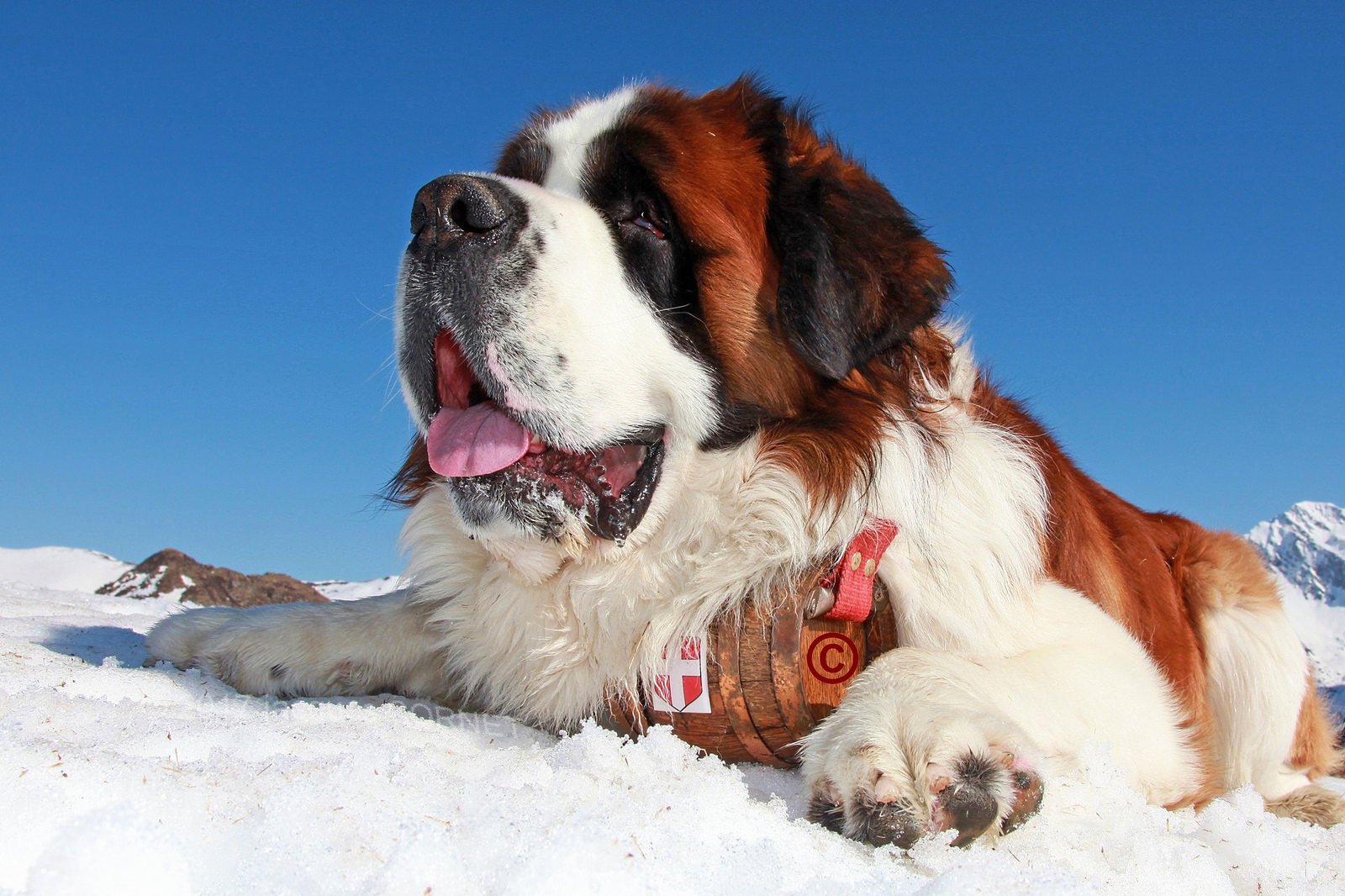
It is often common to see images of St. Bernards with barrels around their necks, assuming that they help frozen travelers warm up with a drink. In reality, rescue dogs never carried such small casks; they always had bags with food and water instead.Training and Education
Training a Saint Bernard requires patience, consistency, and a kind approach. This breed has high intelligence and learns well, especially when training starts at an early age. Saint Bernards tend to respond gently and calmly to commands, so it’s important to use positive reinforcement methods: praise, treats, and play. They quickly lose interest in boring or repetitive exercises, so activities should be varied and engaging.
Socialization plays a crucial role in raising a Saint Bernard. From a young age, the puppy should be exposed to new people, animals, and different situations to grow up confident and balanced. This breed is naturally friendly, but proper socialization helps avoid potential shyness or excessive wariness towards strangers.
Saint Bernards respond best to calm yet confident guidance. They appreciate stability and consistency in expectations. Commands should be clear and understandable, and the owner must exercise patience, as Saint Bernards can be slow to grasp new skills. However, once the dog understands what is expected, it will gladly obey.
These dogs do not respond well to yelling or harsh training methods. Their sensitive nature requires a respectful and gentle approach. Harshness can undermine trust and reduce the dog’s motivation, making training more difficult. Instead, it’s important to encourage the Saint Bernard for its achievements, reinforcing its self-confidence.
Saint Bernards form strong attachments to those who show them patience, attention, and care. They tend to choose an owner who spends more time with them, demonstrates leadership, and can provide an emotional bond. They tend to obey those they see as authority figures, but that authority must be based on respect, not fear.
Training a Saint Bernard is suitable for owners willing to invest time in the dog’s development and maintain a close relationship with it. These dogs thrive in families where they can be more than just pets, but full participants in everyday life. Saint Bernards strive to please and be useful, which makes them excellent companions for those willing to work on building harmonious relationships. Zooinika brings together certified breeders offering puppies with excellent pedigrees.
Gentle giants
Saint Bernards are gentle giants, and their character is marked by calmness and patience. This makes them an ideal choice as a family pet. Saint Bernards are very intelligent, so training is not particularly difficult for them; however, it’s important to start at an early age when they are still small and easily manageable. Sometimes large dogs are not aware of their size, so training is necessary to prevent potential incidents of knocking over guests and children.
How to Choose a Puppy
Choosing a St. Bernard puppy requires careful consideration to ensure that it grows into a well-rounded representative of the breed. Start by selecting a reputable kennel that specializes in breeding St. Bernards and adheres to breed standards. The kennel should have a good reputation, provide complete information about the puppies and their parents, and maintain clean and comfortable conditions for the dogs.
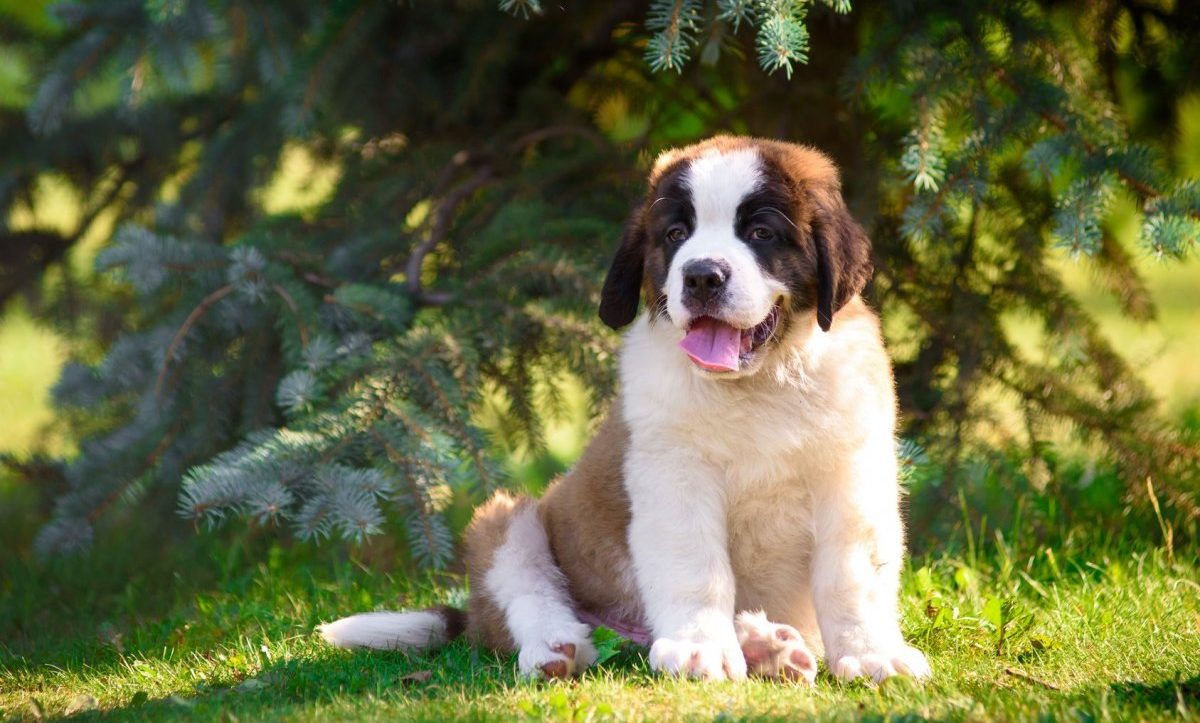
A St. Bernard puppy should be active, friendly, and curious. Pay attention to its behavior: confident and playful puppies are more likely to grow up balanced and well-socialized. A healthy puppy shows interest in people, plays actively with its littermates, and does not exhibit signs of fear or aggression.
A physical examination of the puppy is important for assessing its health and adherence to breed standards. Its coat should be clean and shiny, eyes clear, free of redness or discharge, ears clean, and nose cool and moist. The body should be proportional, legs strong, back straight, and belly taut. Pay attention to the bite: it should be correct, as this is important for the breed.
Make sure to check the documentation provided by the kennel. The puppy’s pedigree confirms its descent from purebred St. Bernards and the absence of other breeds. The pedigree should list the puppy’s parents and ancestors, their achievements at shows, working qualities, and health tests.
Request the puppy’s veterinary passport, which should note vaccinations, deworming, and other procedures. This document confirms that the puppy’s health has been carefully monitored from the first weeks of life. Ask the breeder for recommendations regarding nutrition and care so the puppy can easily adapt to its new home.
Evaluate the living conditions at the kennel. Spacious, clean environments, the presence of toys, and ample room for play indicate that the puppies are growing up in a healthy and stimulating environment. A good breeder also focuses on socializing the puppies, which is important for shaping their character.If possible, meet the puppy’s parents. Their behavior, appearance, and health will give you insight into what your future pet may be like. The parents should be balanced, friendly, and fully conform to breed standards.When choosing a St. Bernard puppy, trust your feelings. These dogs form strong bonds with their owners, so it’s important to select a puppy with whom you feel an emotional connection. This approach will ensure a harmonious relationship and help raise a healthy, confident, and loyal companion. Choose your dream puppy with a pedigree at Zooinika.
Health and Illnesses
The Saint Bernard is a breed with a sturdy build and good health, but like all large dogs, they are predisposed to certain diseases that owners should be aware of. One of the most common issues is hip and elbow dysplasia, which can cause discomfort and difficulty in movement. This hereditary condition can be minimized with proper care, weight management, and moderate exercise.
Saint Bernards are prone to bloat, or gastric dilatation-volvulus, which is a life-threatening condition. To prevent this issue, it is important to feed the dog small portions several times a day and avoid vigorous play immediately after meals. Owners should be alert to the early signs of malaise, such as restlessness or abdominal swelling.
Due to their large size, Saint Bernards are susceptible to heart diseases, such as dilated cardiomyopathy. Regular veterinary check-ups and a balanced diet help reduce the risk of these conditions. It is also crucial to pay attention to physical activity, avoiding both underexertion and excessive strain.
The eyes of Saint Bernards require special care, as they are prone to conditions such as eyelid entropion and cataracts. Regular eye examinations and timely visits to the vet in case of discharge or redness can help prevent complications. It is also important to monitor the skin around the eyes, as Saint Bernards often have folds that can cause irritation.
The Saint Bernard’s coat provides good protection against the cold but requires regular grooming. Neglecting it can lead to skin infections, especially in areas of increased moisture or dirt. Regular brushing helps prevent these problems, and bathing with suitable shampoos improves the condition of the skin and coat.
Saint Bernards are prone to obesity, which can negatively affect their joints and overall health. Monitoring food intake and maintaining regular activity helps sustain a healthy weight. This breed requires a balanced diet rich in proteins and minerals to support their energy and health.The average lifespan of a Saint Bernard is 8-10 years, which is typical for large breeds. Regular veterinary check-ups, proper nutrition, moderate exercise, and attention to the breed’s characteristics help extend an active and happy life for the Saint Bernard. Owners should focus not only on the physical but also on the emotional well-being of their dog, as Saint Bernards are sensitive to the atmosphere in the home and require care and attention.
Содержание
-
1. Описание породы
-
2. Внешний вид
- 2.1 Голова
- 2.2 Морда
- 2.3 Уши
- 2.4 Глаза
- 2.5 Зубы
- 2.6 Корпус
- 2.7 Конечности
- 2.8 Хвост
- 2.9 Шерсть
- 2.10 Окрас
-
3. Характер
-
4. Содержание и уход
-
5. Дрессировка и обучение
-
6. Как выбрать котенка
-
7. Здоровье и болезни







Comments
Only registered users can leave reviews.
Enter