
Saarloos Wolfdog




Warning: Illegal string offset 'label' in /home/panda/sites/zoonika/wp-content/themes/zoonika/template-parts/animals/animals-param-item.php on line 32
Ð


Breed Description
The Saarloos Wolfdog (also known as Saarloos Wolfhound or Czechoslovakian Wolfdog) is a purebred dog resembling a wolf, originating from the Netherlands. The Saarloos Wolfdog is a unique and relatively rare breed with an interesting history and character. It was developed in the early 20th century in New Zealand as a result of crossing various breeds, including the Scottish Shepherd and the wild Australian dingo. The goal of the breeders was to create a breed that combined the best traits of working shepherd dogs and wild wolves.
The breed’s founder is considered to be New Zealander Leendert Saarloos, who began his breeding experiments in the 1860s and 70s. He sought a breed that possessed the intelligence and work ethic of a shepherd dog while retaining the wild, independent, and instinctive nature of a wolf. To achieve this, Saarloos used not only traditional herding dogs but also wild animals, such as the Australian dingo.
The breeding process occurred in several stages. Initially, Saarloos used a Scottish Shepherd, known for its intelligence and obedience, along with the Australian dingo to introduce wildness and independence. Later on, in an effort to solidify working qualities, other breeds were also utilized, but the main line of Saarloos stayed true to the idea of blending domestic and wild dogs.
The breed was named after Saarloos, who was the first to raise these dogs, giving them wolf-like traits in color and behavior. These dogs became popular among farmers and hunters due to their unique ability to work in wild conditions while maintaining strong hunting instincts and high intelligence. They could manage livestock and perform various tasks while being quite independent.
Over time, Saarloos Wolfdogs gained recognition beyond New Zealand, thanks to their unusual appearance and strong, intelligent character. Despite this, they remained relatively rare, with their population limited primarily to New Zealand and Australia.
Breed characteristics include a strong and muscular body, as well as a distinctive wolf-like coat that can range from gray to silver-blue. These dogs are quite resilient and independent, making them excellent companions on farms and in the wilderness. However, their wild instincts also require careful attention to socialization and training.Thus, the Saarloos Wolfdog represents a unique blend of wild and domestic traits, making it not only interesting in terms of origin but also a valuable assistant in working with animals and hunting.The Saarloos Wolfhound, later named after its founder Leendert Saarloos, was officially recognized by the FCI (FГ©dГ©ration Cynologique Internationale) in 1981. The breed is maintained by the Dutch Saarloos Wolfdog Association.The price for a puppy ranges from 60,000 to 150,000 rubles.
Appearance
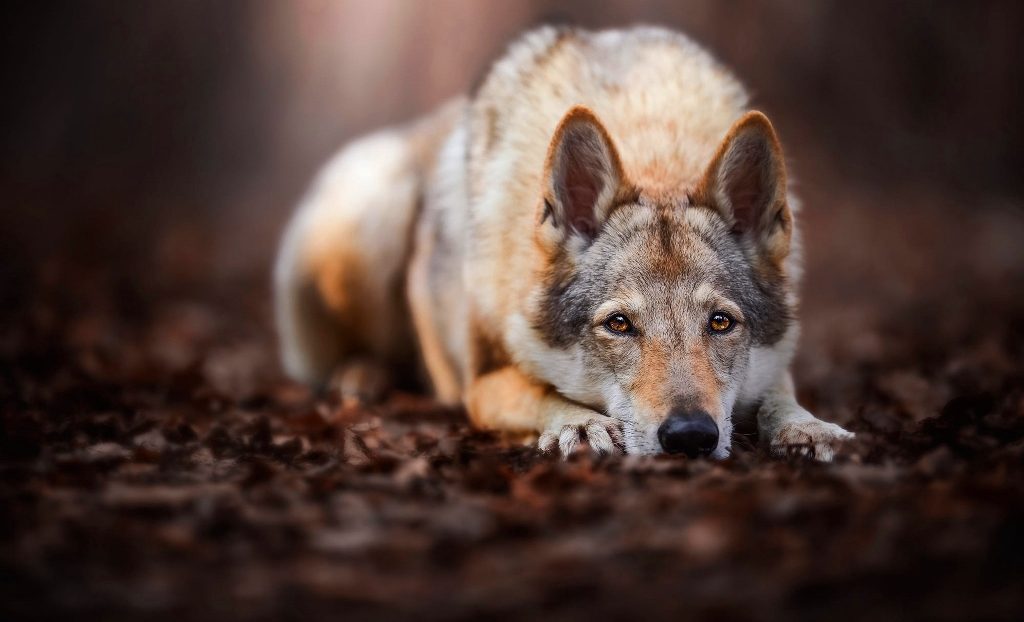
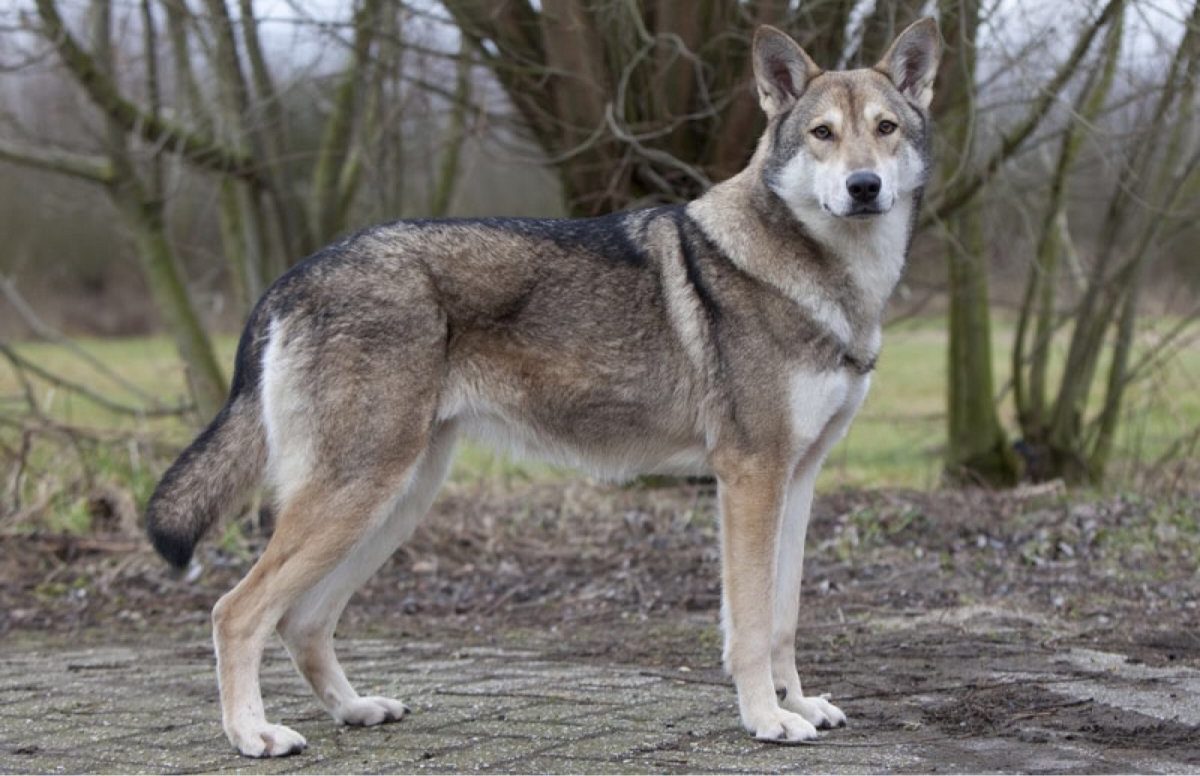
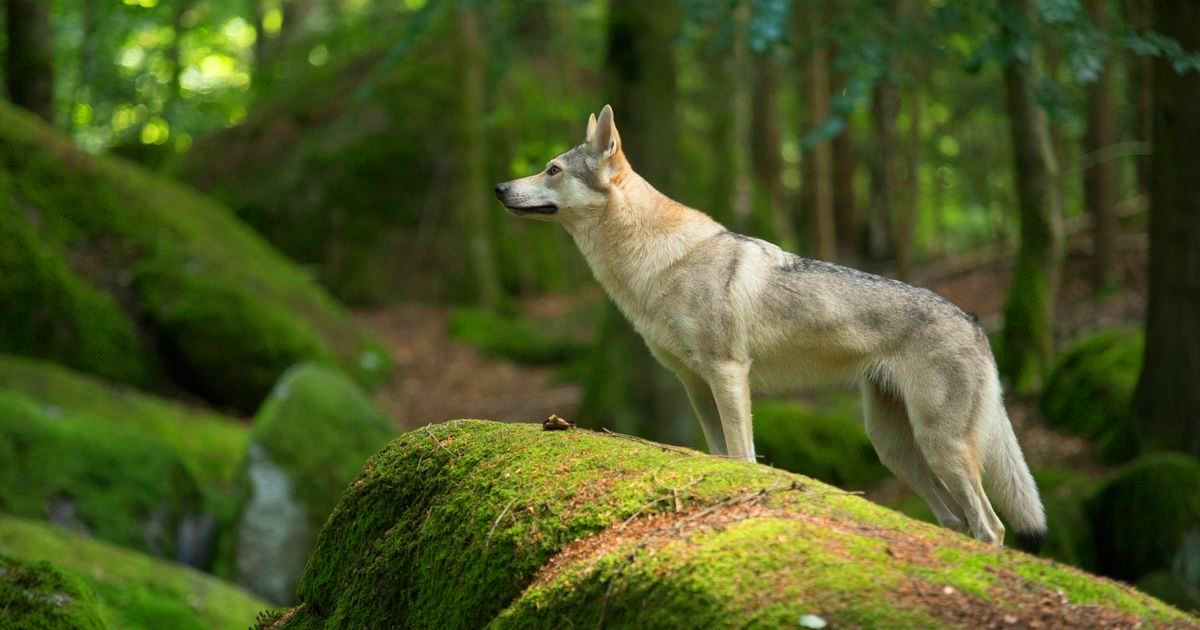
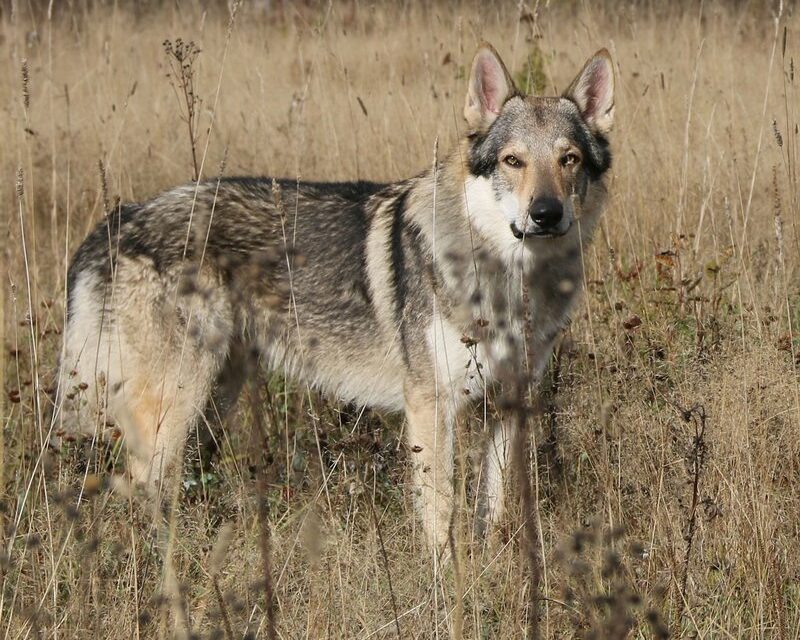
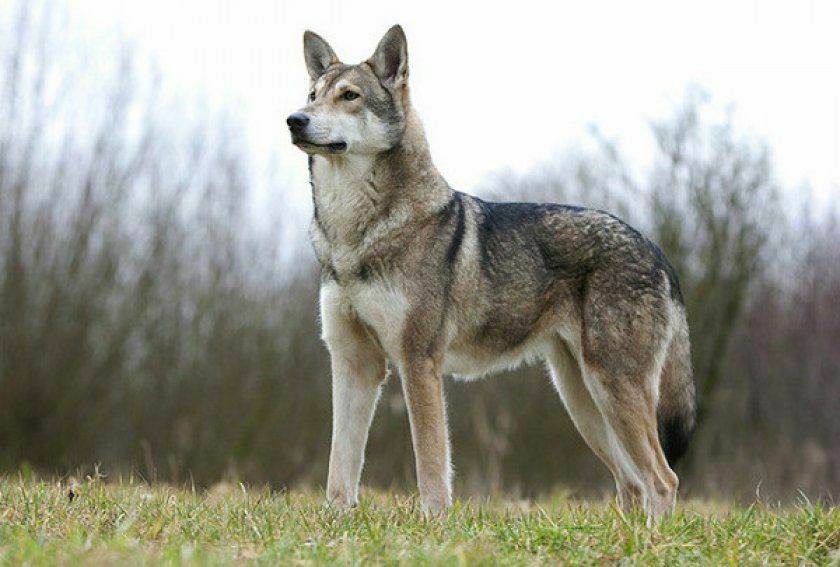
The Saarloos wolfdog is a strong and muscular breed with a striking appearance reminiscent of a wild wolf. The average height of these dogs ranges from 60 to 70 cm at the shoulder, making them medium to large-sized dogs. Their weight typically falls between 30 to 40 kg, depending on sex and individual characteristics. The lifespan of the Saarloos wolfdog is about 12-14 years, which is quite normal for dogs of this size and with such an active lifestyle.
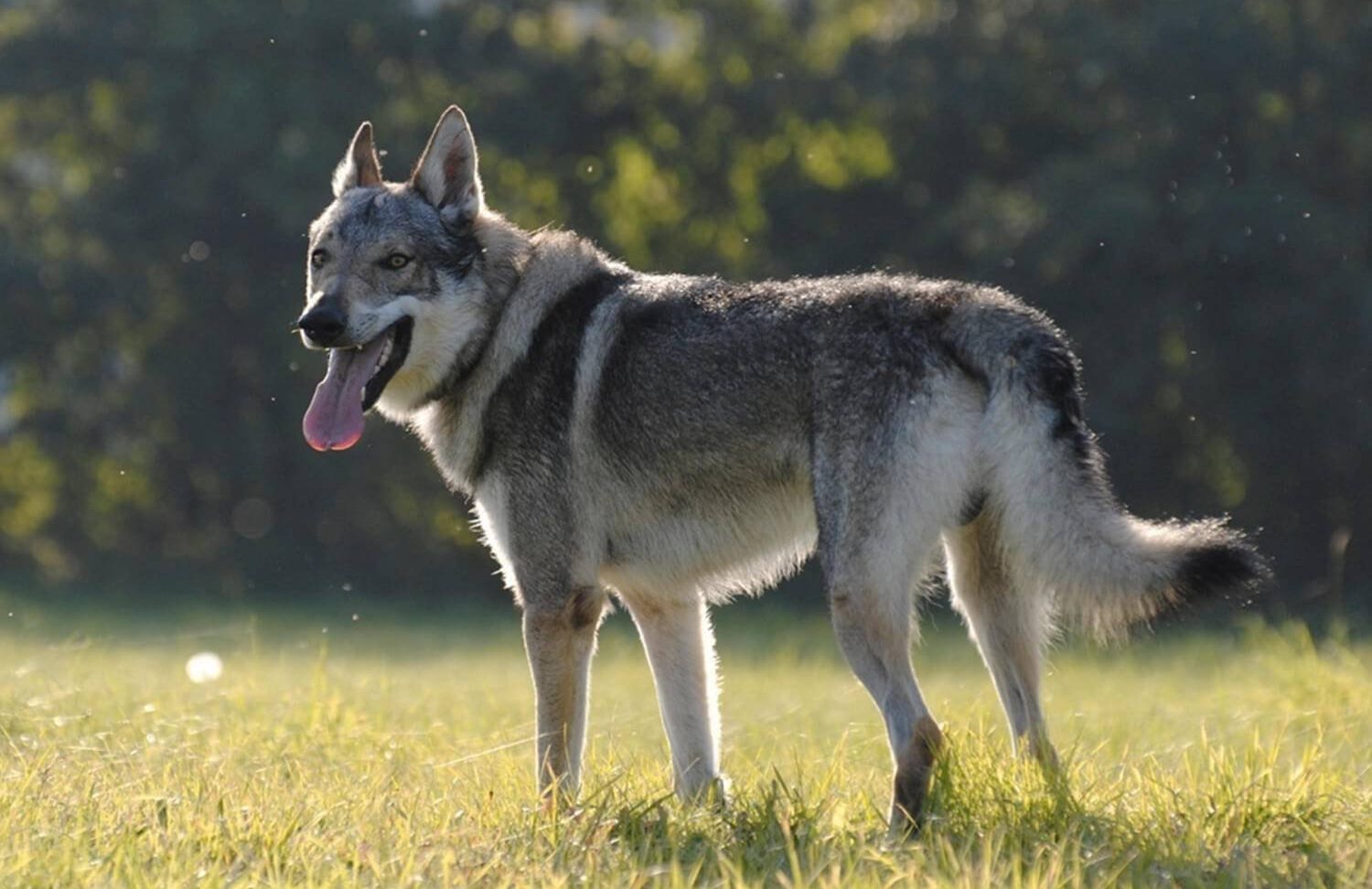
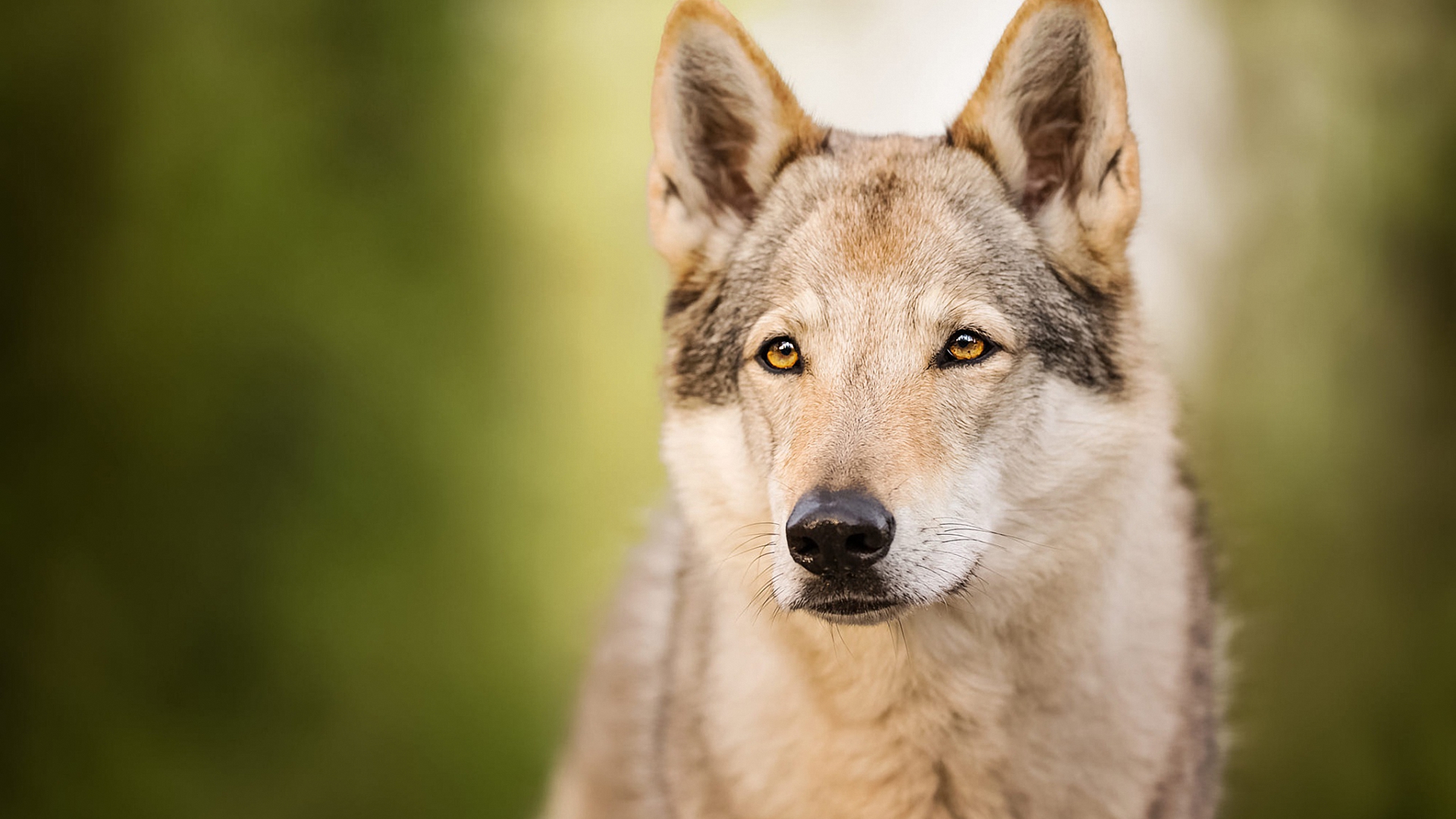
The appearance of these dogs is characterized by a powerful and harmonious body structure that highlights their endurance and physical strength. They have a thick, coarse coat that resembles that of a wolf and helps them adapt to various climatic conditions. Their coloration can vary from gray to silvery-blue with different shades, making their appearance unusual and impressive.
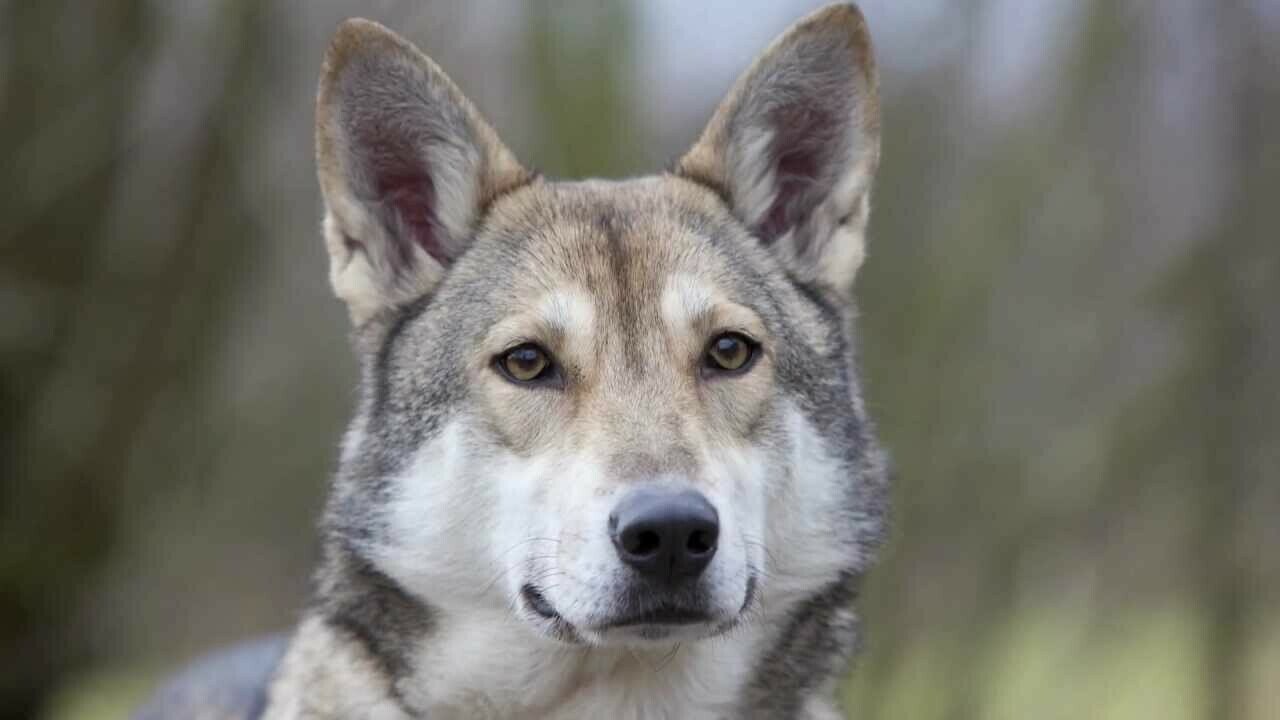
Their head shape and facial expression also evoke wolves, featuring erect ears, an elongated muzzle, and bright, attentive eyes. These dogs possess a strong and independent character, emphasized by their appearance that exudes both wildness and nobility. The Hungarian Saarloos wolfdog is a breed that inspires admiration for its elegant strength and unique appearance.


Отличительные черты

Голова

Морда

Уши

Глаза

Зубы

Корпус

Конечности

Хвост

Шерсть

Окрас
Character
The Saarloos Wolfdog has a pronounced, independent, and strong-willed character. It combines the best qualities of wild animals and domestic dogs, making it exceptionally intelligent, loyal, but also stubborn and sometimes challenging to train. These dogs possess a strong hunting instinct, which means they are not only smart but also able to make independent decisions, making them very independent and often difficult to control.
Saarloos Wolfdogs are known for their loyalty and attachment to their owner. They bond closely with their family and protect it, remaining alert and vigilant. These dogs can be cautious with unfamiliar people and do not always display hospitality, which makes them excellent guardians. However, if they feel their owner is trustworthy, they will be extremely attached and loyal.
These are active and energetic dogs that require regular physical and mental stimulation. Hungarian wolfdogs enjoy active walks, running, playing, and training. They need long outdoor walks and opportunities to showcase their agility and endurance. They are well-suited for life outdoors and often require ample space for play and activity, as they tend to have excess energy if not given sufficient attention.
Saarloos Wolfdogs are not just dogs; they are workers. These animals were typically bred for hunting, and they love solving tasks related to tracking and pursuit. They are very clever and can be trained, but due to their independence, they may sometimes show stubbornness and not follow their owner’s commands if they find them impractical or pointless.
Regarding socialization, Saarloos Wolfdogs need proper socialization from an early age to become comfortable in the company of other dogs and people. This is crucial, as their wild nature can manifest in wariness and aggression without proper socialization.
Overall, the Saarloos Wolfdog is an intelligent, strong, and independent dog that excels in tasks requiring agility and endurance, making it a loyal and devoted companion for experienced owners ready to provide ample activity and attention.
New breed
The Saarloos Wolfdog is a relatively new breed that was developed in the Netherlands in the 1980s. It was created with the intention of producing a dog with wolf-like characteristics, but with a friendlier and more controllable temperament. As a result, Saarloos dogs have become popular as dependable companions and excellent family pets.Care and Maintenance
Caring for the Saarloos Wolfdog requires attention, patience, and an understanding of its unique traits as an independent and strong animal. These dogs need an active lifestyle, mental stimulation, and proper care to remain healthy and happy.
Physical activity is the most crucial aspect of caring for a Saarloos Wolfdog. These dogs are high-energy and require regular exercise. Outdoor walks, running, playing, and active training are essential components of their life. They are well-suited for outdoor activities such as trail running and hunting. The Saarloos Wolfdog needs ample space for play and exploration. It will be happiest if it can regularly participate in active games or activities that stimulate its physical and mental energy.
Grooming the Saarloos Wolfdog also requires attention. Their coat is coarse and dense, helping them adapt to various climates. To prevent tangles and mats, it is essential to brush the coat regularly, especially during shedding seasons. Brushing a few times a week helps maintain the coat’s condition and prevents the buildup of dirt and dust. The Saarloos Wolfdog should be bathed as needed but not too frequently, to avoid disrupting the protective properties of its coat.
Nutrition plays a key role in caring for a Saarloos Wolfdog. This breed is prone to an active lifestyle, so it is important to provide a balanced diet that meets its high energy needs. The diet should be varied, including meat, vegetables, along with vitamins and minerals to support joint health and overall well-being. It’s also crucial to monitor portion sizes, as excess weight can negatively impact the dog’s health, especially with such high activity levels.
What does a Saarloos Wolfdog love? It adores attention from its owners, playtime, and active activities outdoors. These dogs are attached to their owners and will be happy when involved in everyday activities. They also enjoy exploring new areas, so walks in forests or fields can provide them with great pleasure. Saarloos Wolfdog also appreciate physical interaction, whether it’s playing with a ball or training together.
What does a Saarloos Wolfdog dislike? Due to their independence and wild nature, these dogs can be sensitive to rough handling. They do not tolerate harsh punishment or aggressive training, as this can lead to a loss of trust and a breakdown in the owner-dog relationship. Saarloos Wolfdogs also dislike solitude. They are attached to people and can become anxious or destructive if left alone for too long. They also dislike being in confined spaces, as they need plenty of room to move and be active. Saarloos Wolfdog require a thoughtful approach, patience, and consistency in training. If their needs for physical activity, mental stimulation, and attention are met, these dogs will become loyal and devoted companions, ready to share an active life with their owners.
The best guard.
The Saarloos Wolfdog possesses outstanding guarding and protective abilities. They are well-suited for work in security and protection due to their loyalty to the family and their ability to sense potential threats. This makes them ideal partners for service in law enforcement and security.Training and Education
The Czechoslovakian Wolfdog is a breed with an independent character and a pronounced hunting instinct, making it an excellent choice for experienced owners who are ready to work with its stubbornness and natural independence. Training this breed requires patience, consistency, and the ability to set clear boundaries, as well as attention to its need for activity and socialization.
Czechoslovakian Wolfdogs are very intelligent dogs, but they tend to be independent, which makes them more challenging to train, especially for beginners. For training to be successful, it is essential to show patience and consistency without resorting to violence or harsh methods. Instead, positive reinforcement methods, such as treats, praise, and toys, should be used. This will help reinforce positive behavior and let the dog understand that following commands brings rewards. These dogs respond well to mental challenges and enjoy solving problems, so incorporating elements that stimulate their intelligence, such as scent games or agility, into training is advisable. Regular training sessions should be varied to avoid boredom and destructive behavior. Czechoslovakian Wolfdogs need engaging and unconventional tasks that maintain their attention and activity. It is important to remember that these dogs can be stubborn, and if training becomes monotonous, they may start to protest and ignore commands.
Training a Czechoslovakian Wolfdog requires confidence and experience, making it suitable for knowledgeable owners who understand the breed’s needs and can establish clear rules. These dogs can sense when their owner is confident in their actions and capable of leading them, and they will respond willingly to such individuals. However, inexperienced owners who are unaccustomed to managing independent and active dogs may face difficulties in training. It is also crucial to recognize that Czechoslovakian Wolfdogs are not dogs that obey unquestioningly or do everything on command. They respect owners who demonstrate leadership qualities, show tolerance, while also providing a clear structure and boundaries. This breed of dog is not suitable for people who cannot assert authority or be consistent in their training.
The Czechoslovakian Wolfdog selects its owner based on confidence and authority. These dogs bond with people who embody leadership qualities: those who are sure of their actions, consistent, and fair. They respond to an owner who knows what they want and can control their behavior without using force. If an owner shows weakness or indecisiveness, the Wolfdog may exhibit independence and start to act on its own, leading to challenges in training. It is important to understand that Czechoslovakian Wolfdogs do not yield solely to strength. They will obey those who have earned their respect and trust. Therefore, owners should be prepared for the fact that dogs of this breed require a respectful yet confident approach. For successful training and raising of a Czechoslovakian Wolfdog, it is important to demonstrate patience, consistency, and confidence. They are ideal for experienced owners who are willing to provide physical activity, mental stimulation, and leadership in their relationships. Czechoslovakian Wolfdogs choose owners who can set clear boundaries and create a trustful relationship, and they will listen to them if they feel respect and confidence in the owner’s ac
Wolf's language
The Saarloos Wolfdogs have a unique communication style that resembles that of wolves. They use various sounds, facial expressions, and tricks to convey their intentions and emotions. This allows them to maintain a deep understanding and connection with both humans and other dogs. This unique characteristic makes them fascinating and captivating beings to study and observe.
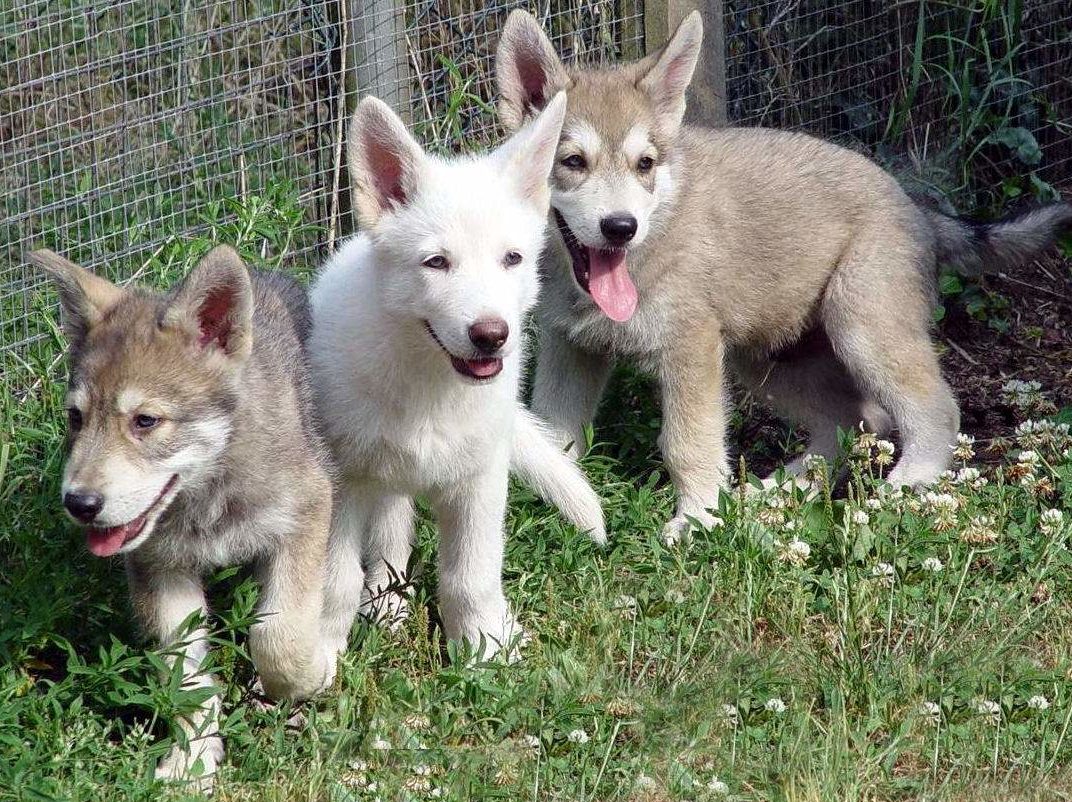
How to Choose a Puppy
Choosing a Saarloos Wolfdog’s puppy is an important and responsible process that requires attention and awareness of breed characteristics. To select a healthy puppy and raise a well-rounded representative of the breed, several key factors must be considered.
First and foremost, it is crucial to choose a reliable kennel that breeds Saarloos Wolfdogs and has a good reputation. It is best to contact kennels that are registered with international kennel organizations, such as the FCI, or national clubs. This will assure you that the kennel adheres to high breeding standards and cares for the health of its dogs. Reputable kennels typically provide detailed information about the puppy’s ancestors and pedigree.
Documents that need to be checked when purchasing a puppy:
1. The puppy’s pedigree. This is the main document that confirms the puppy is a purebred representative of the breed. The pedigree should list all of the puppy’s ancestors, their titles, achievements, and characteristics. The pedigree helps ensure that the puppy does not carry any hidden hereditary diseases.
2. Veterinary passport. It should contain information on all vaccinations given, as well as treatments for parasites (fleas, ticks, worms). It is important that the puppy has been examined by a veterinarian and is healthy at the time of sale.
3. Health certificate. The veterinary certificate should confirm that the puppy is healthy and free from hereditary or congenital diseases. Some diseases may only appear after a few months, so it’s important that the puppy undergoes a complete medical examination.4. Results of medical tests for the parents. Ask the breeder for information about the health of the puppy’s parents. This is particularly important, as Saarloos Wolfdogs may be prone to certain hereditary diseases, such as hip dysplasia or eye problems. Test results for these conditions can help you avoid getting a puppy with genetic issues.5. Sale agreement. A good kennel will always provide a written agreement that protects your interests and clearly outlines the terms of the puppy’s purchase, including health guarantees and obligations of the parties. This is also important for you as the buyer to avoid possible misunderstandings in the future.When choosing a puppy, it is important to pay attention not only to the documents but also to its behavior. A Saarloos Wolfdog puppy should be active, curious, and socialized, showing no excessive aggression or timidity. It should be in good physical condition with clear eye

Health and Diseases
The Saarloos wolfdog is a breed known for its robust health and excellent endurance; however, like all dog breeds, it can be prone to certain diseases. Understanding these issues is important for owners to take timely measures and ensure their pet leads a long and healthy life.
One of the most common diseases in Saarloos wolfdogs is hip dysplasia. This hereditary condition causes the joints not to develop properly, which can lead to pain, limping, and arthritis. The breed is predisposed to dysplasia, so it’s important to monitor joint health, especially at a young age, and avoid excessive strain on the dog. Regular veterinary check-ups and maintaining a healthy weight will help minimize the risks associated with dysplasia.
Another issue that may occur in Saarloos is eye diseases, such as cataracts and progressive retinal atrophy (PRA). Cataracts can lead to clouding of the lens and impaired vision, while PRA is a genetic condition that can eventually result in blindness. Regular veterinary exams and vision checks will help identify these issues early and initiate treatment or management of the disease.
It’s also worth noting that Saarloos wolfdogs can be predisposed to cardiovascular diseases, such as cardiomyopathy, which may cause fatigue, weakness, and breathing problems. The breed can also suffer from ear issues, as their long, droopy ears create conditions for moisture and dirt accumulation, which fosters infections. Therefore, regular ear cleaning and veterinary check-ups will help prevent otitis and other inflammations.
The Hungarian Saarloos wolfdog is prone to obesity, especially if it does not get enough physical activity. Obesity can affect joint health, the cardiovascular system, and the dog’s overall well-being. It’s vital to monitor the diet, control food intake, and ensure regular physical exercise.
Additionally, Saarloos wolfdogs may encounter allergies, both food-related and environmental, such as pollen or chemicals. Allergic reactions may manifest as itching, redness, and skin inflammation, so monitoring the condition of the skin and coat is important.To maintain the health of a Saarloos wolfdog, it’s crucial not only to monitor physical conditions but also to practice disease prevention. Regular veterinary exams, a balanced diet, adequate physical activity, and attention to its needs will help avoid many health problems and ensure a long, active life for your pet. Zoonika is the best place to reach a wide audience.
Содержание
-
1. Описание породы
-
2. Внешний вид
- 2.1 Голова
- 2.2 Морда
- 2.3 Уши
- 2.4 Глаза
- 2.5 Зубы
- 2.6 Корпус
- 2.7 Конечности
- 2.8 Хвост
- 2.9 Шерсть
- 2.10 Окрас
-
3. Характер
-
4. Содержание и уход
-
5. Дрессировка и обучение
-
6. Как выбрать котенка
-
7. Здоровье и болезни






Comments
Only registered users can leave reviews.
Enter