
Russian Toy Terrier





Warning: Illegal string offset 'label' in /home/panda/sites/zoonika/wp-content/themes/zoonika/template-parts/animals/animals-param-item.php on line 32
Ð


Breed Description
The Russian Toy Terrier is one of the most elegant and miniature breeds, whose history began in Russia in the 19th century. This breed emerged as a result of the selection of English toy terriers, which were extremely popular among the aristocracy and nobility of that time. These tiny dogs were valued for their exquisite appearance, cheerful disposition, and loyalty, as well as their ability to be a charming presence in salons and social events.
The first representatives of the breed appeared in Russia thanks to imported English terriers, which local breeders began to adapt to their standards and preferences. However, the revolution of 1917 and the subsequent social changes led to a sharp decline in the popularity of miniature dogs. During the Soviet era, the breed faced the risk of extinction as it was regarded as a symbol of the bourgeois past.
In the 1950s, enthusiast breeders began to revive the Russian Toy, focusing on surviving representatives of English toy terriers and preserved records of the breed. One of the key moments in the breed’s development was the emergence of a long-haired variant, which was an accidental but significant discovery. Among a litter of smooth-coated toys, a puppy with soft, long hair appeared. This direction was supported, resulting in the breed acquiring an additional coat variation, which quickly became popular due to its unusual and elegant appearance.
The Russian Toy was developed as a companion dog. Its small size and friendly nature made it an ideal companion for city dwellers, especially in limited space. These dogs became an integral part of cultural life, participating in exhibitions, gracing social events, and even inspiring artists and writers.
In the 1980s and 1990s, after the collapse of the Soviet Union, the Russian Toy began to gain popularity beyond Russia. International cynological organizations took notice of the breed, and in 2006, the Russian Toy was officially recognized by the International Cynological Federation (FCI).
Today, the Russian Toy is not only a symbol of elegance and aristocracy but also a devoted, active companion. Its unique history reflects societal changes and adaptation to new realities, making this breed not only beautiful but also culturally significant.The price for a puppy is 30-40 thousand rubles.

Appearance
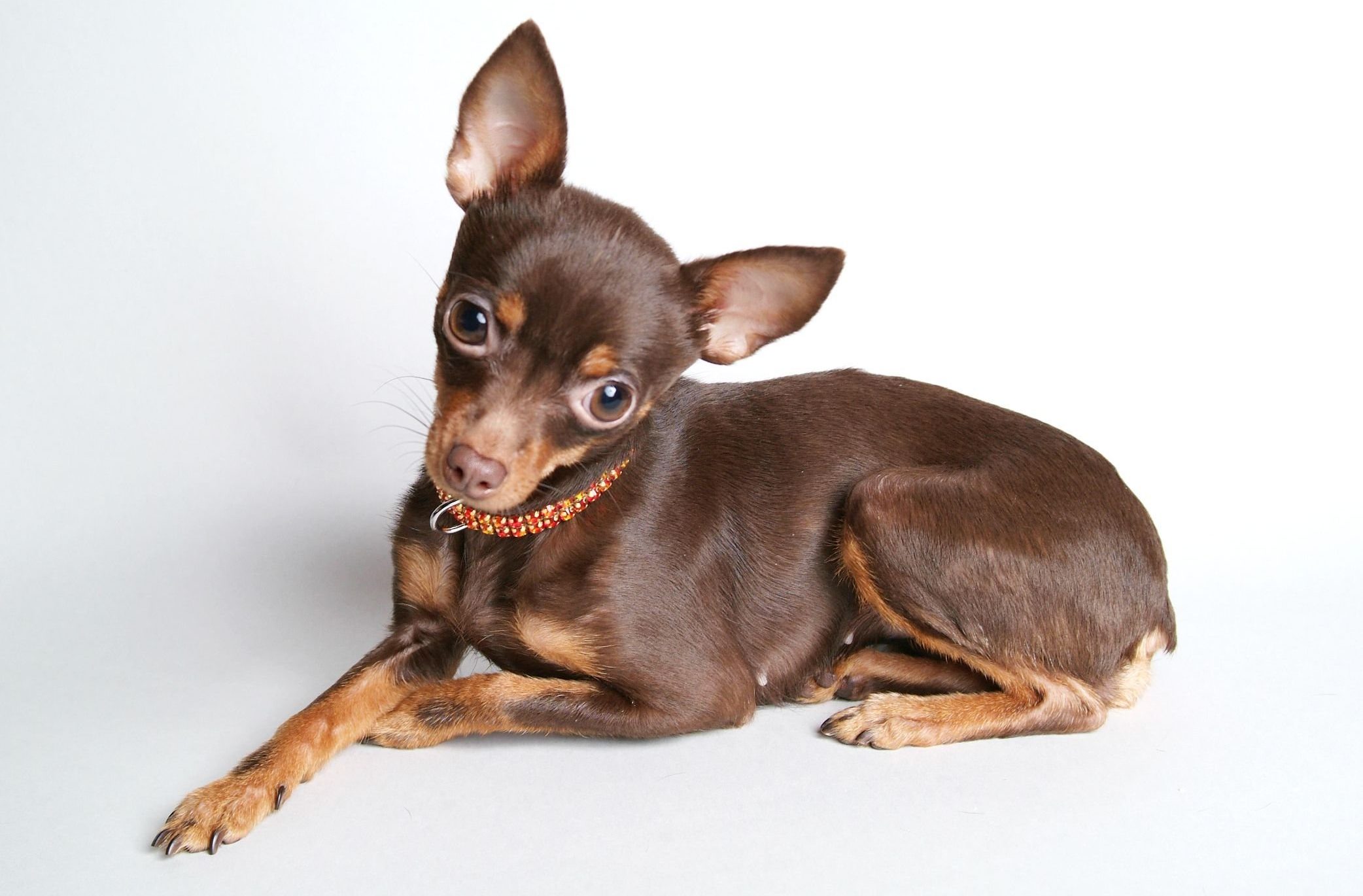
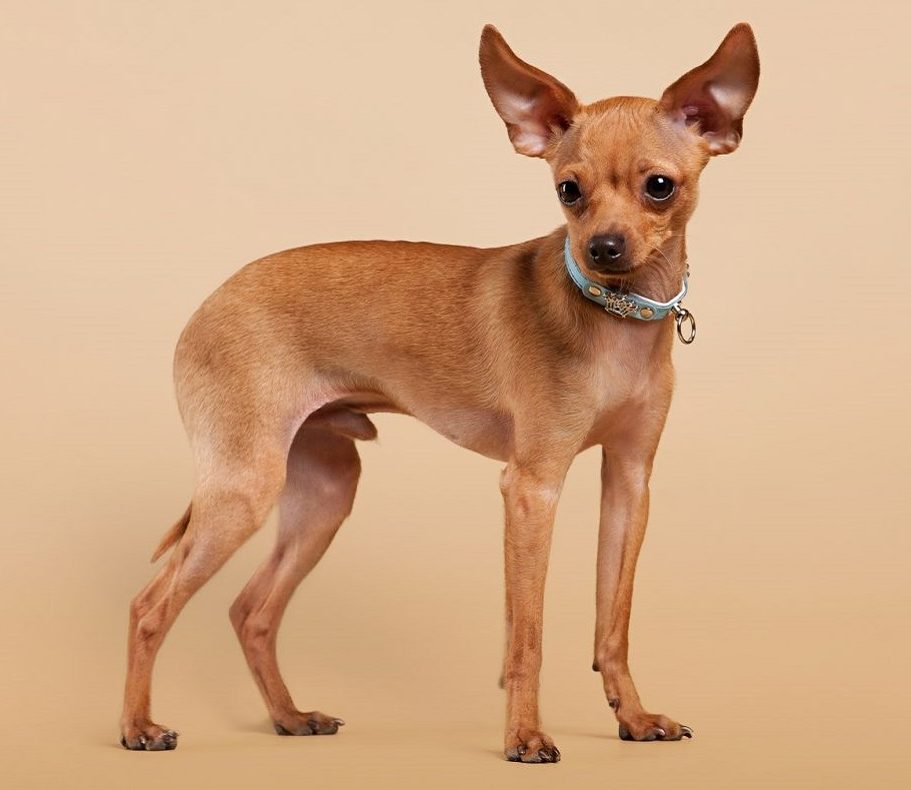
The Russian Toy Terrier is a miniature and elegant dog with a refined body structure, distinguished by its lightness and grace. Its delicate lines, slender limbs, and proportionate body create an impression of aristocratic sophistication. The Russian Toy has an expressive face with large eyes and a lively, friendly expression, giving it a special charm.
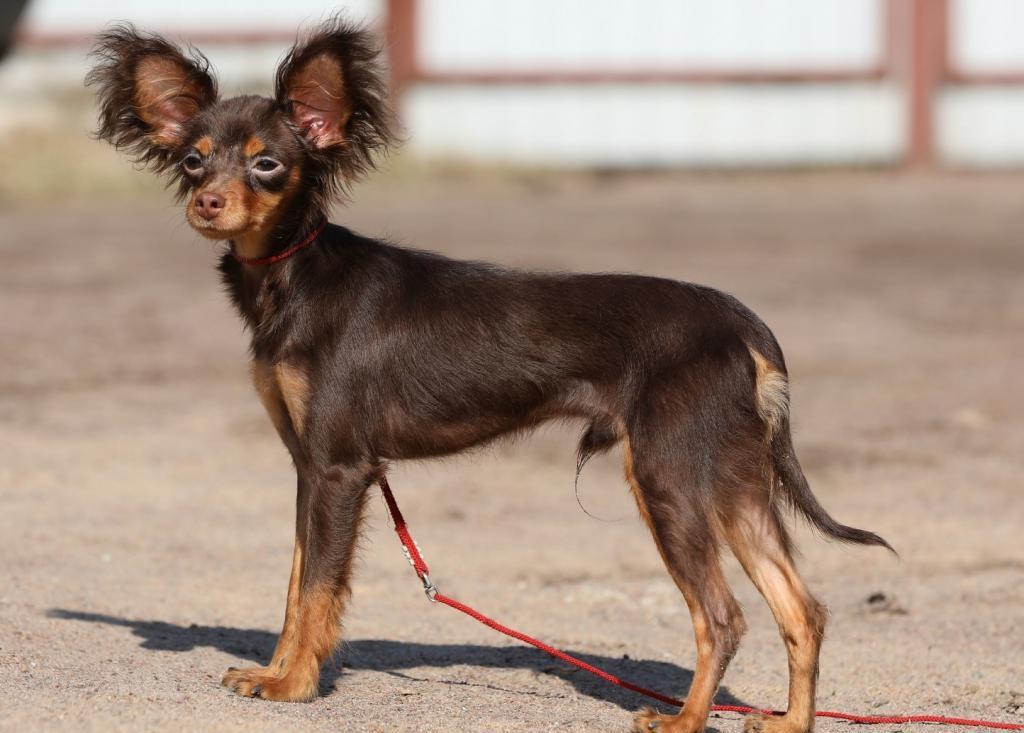
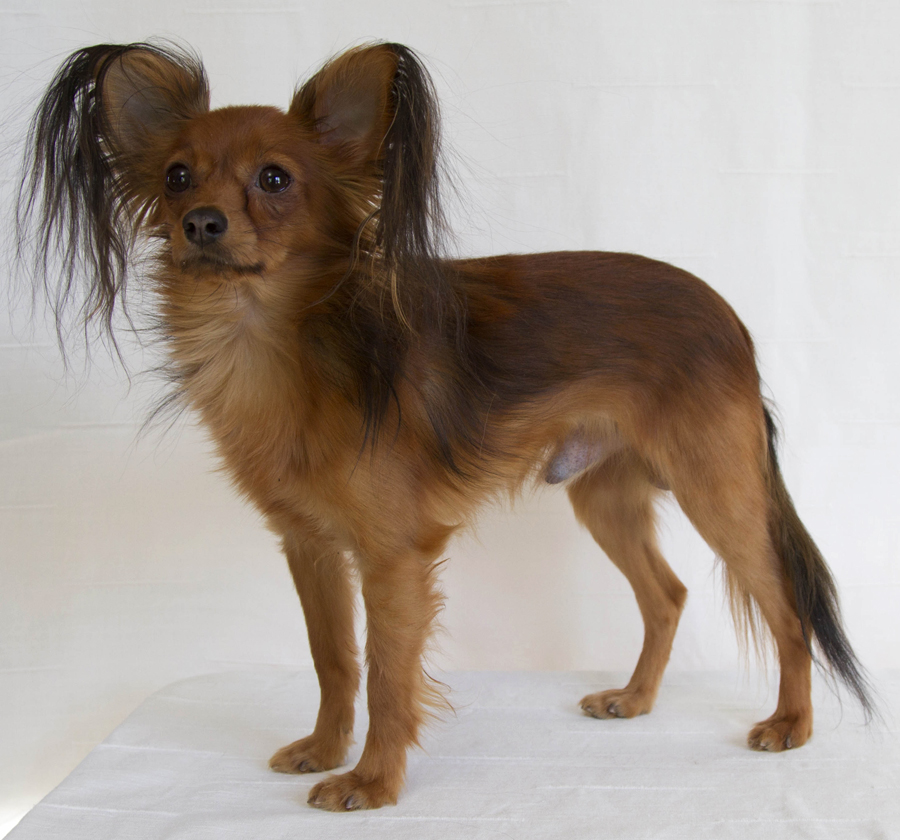
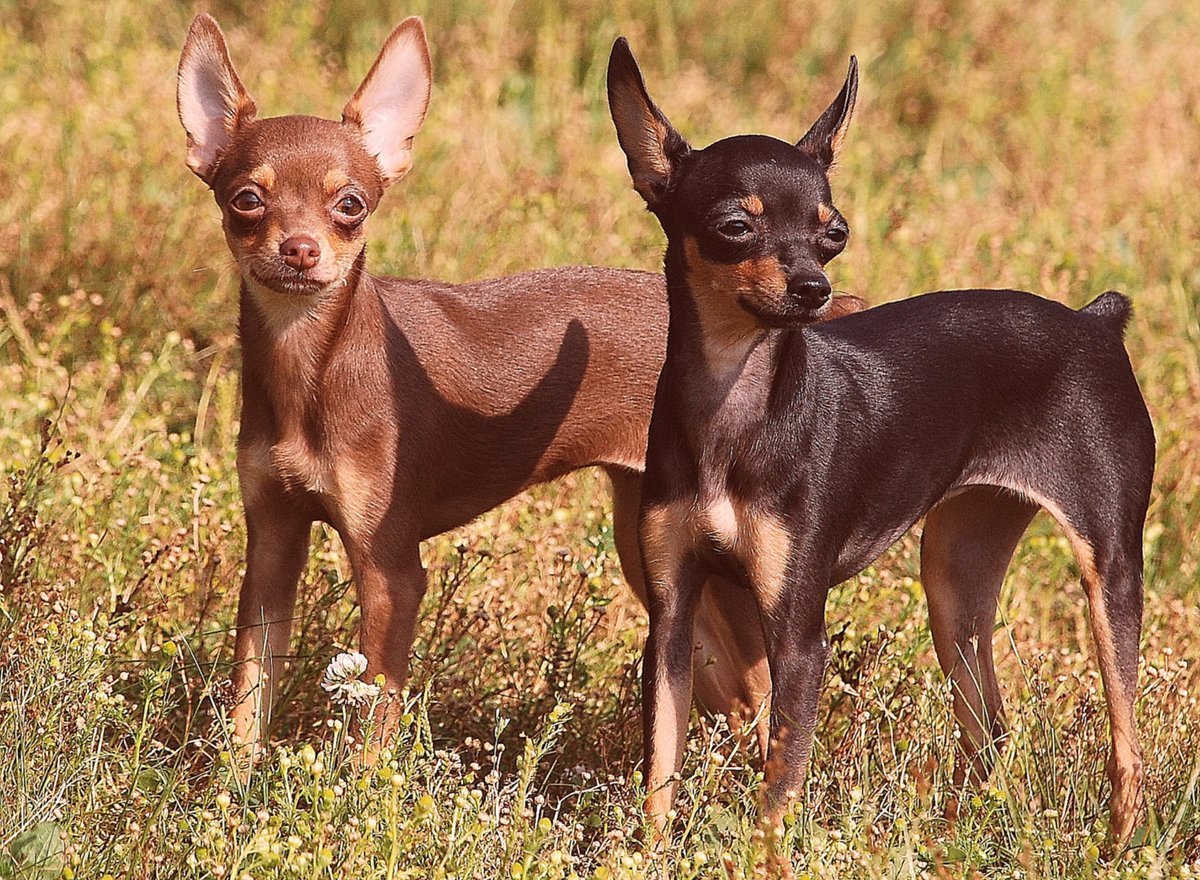
The coat can come in two types: smooth and long-haired. Smooth-coated dogs have fur that lies close to the body, shiny and sleek, highlighting their graceful shapes. Long-haired representatives feature soft, straight, or slightly wavy fur that forms spectacular tufts on the ears and paws, adding an unusual and luxurious appearance to the dog. The color can vary: black and tan, brown and tan, blue, red, or fawn, which makes the breed even more expressive.
The Russian Toy is small in size, making it an ideal dog for apartment living. The average height of this breed is 20-28 cm at the shoulder, with a weight ranging from 1.5 to 3 kg. Despite its miniature size, the Russian Toy has a sturdy build and good physical endurance.
The lifespan of a Russian Toy typically ranges from 12 to 15 years, and with proper care and nutrition, some individuals can live even longer. This breed is known for its active lifestyle, which is maintained even in older age. The unique combination of an elegant appearance and a cheerful character makes the Russian Toy a true adornment for the home and a loyal companion.


Отличительные черты

Голова

Морда

Уши

Глаза

Зубы

Корпус

Конечности

Хвост

Шерсть

Окрас
Character
The Russian Toy Terrier is a cheerful, friendly, and energetic dog that captures attention with its joyful temperament and boundless loyalty to its owner. This breed loves being the center of attention and actively participating in the life of its family. The Russian Toy is attached to people and tries to stay close to its owner, making it an ideal companion for those seeking a faithful and affectionate friend.
Despite its miniature size, the Russian Toy possesses a bold character and is ready to defend its territory and owner, showing unexpected determination. Its natural wariness makes it a good “alarm,” alerting to the approach of strangers. However, with proper socialization, the dog quickly learns to distinguish friends from potential threats while maintaining balance.
The Russian Toy loves activity and play. It eagerly plays with a ball, runs around, and explores its surroundings. This breed possesses high intelligence, making it easy to train. The Russian Toy quickly remembers commands and can even master complex tricks if the training is conducted in a positive and playful manner. They enjoy attention and are ready to showcase their skills to please their owner.
This breed adapts well to various living conditions, whether in the hustle and bustle of a city or the tranquility of a country home. Its small size makes it easy to travel with, making the Russian Toy an excellent companion for active people. However, it does not enjoy prolonged solitude and may show signs of anxiety if left alone for long periods.
The Russian Toy gets along well with children and other pets if socialization has been done correctly. Its playful nature and patience make it a great partner for children’s games, but due to its delicate build, it is important to ensure that children handle it gently.
This breed has a high emotional sensitivity and responds subtly to its owner’s mood. The Russian Toy does not tolerate rudeness well and prefers gentle and respectful treatment. It values attention and is ready to reciprocate, filling the home with energy, joy, and love. The Russian Toy is a dog that always seeks to be close, delighting its owners with its character and loyalty.
Decorative toy
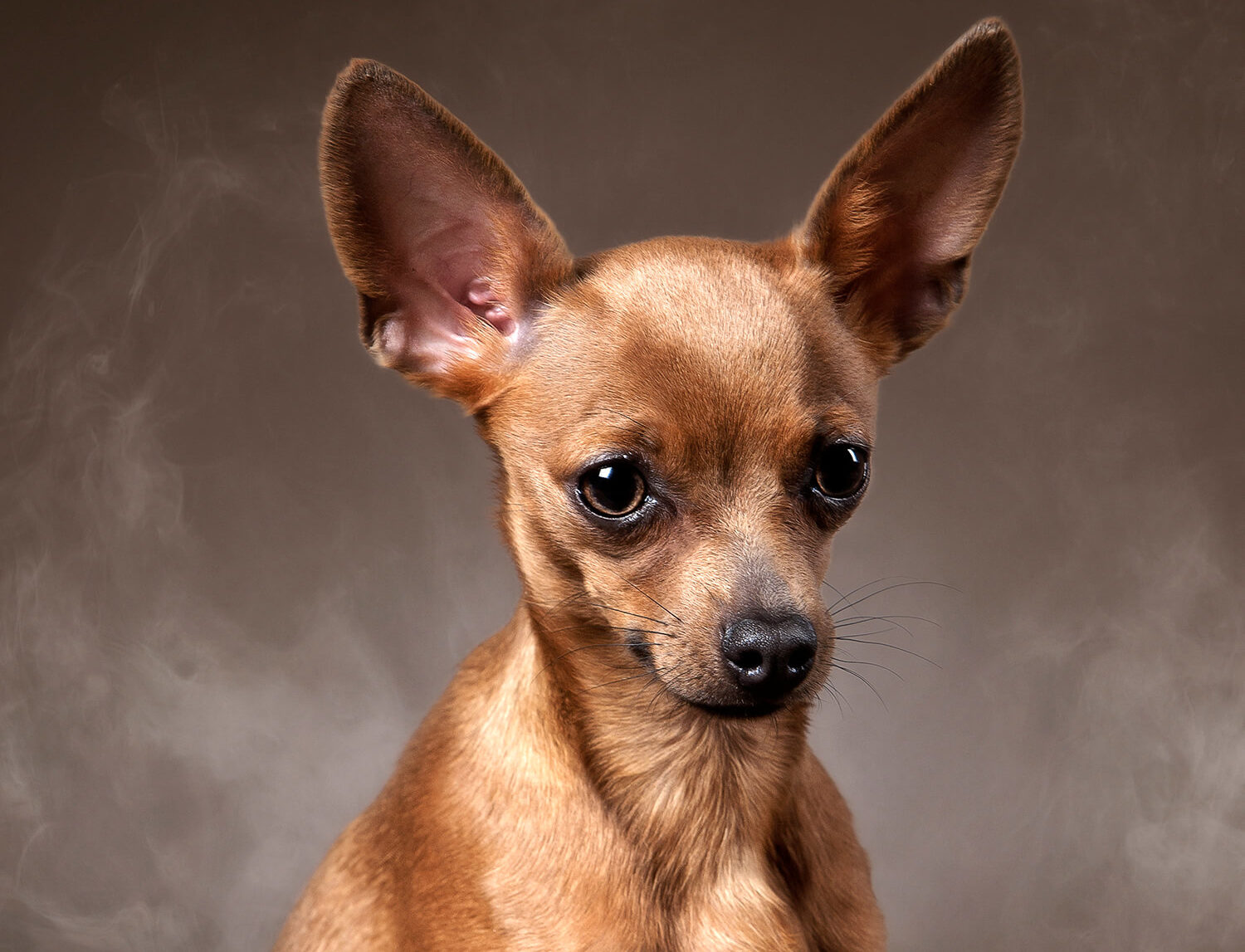
Toy Terriers belong to the category of decorative companion dogs. Comfortable conditions are necessary to ensure proper care for the pet. However, it is not essential to take the dog outside.Care and Maintenance
Taking care of a Russian Toy Terrier is not complicated, but it requires regular attention to its coat, health, and emotional needs. Smooth-haired dogs need minimal grooming; simply wiping their coat with a damp cloth or brushing it with a soft brush once a week is sufficient to remove dead hair and add shine. Long-haired individuals require more care: their coat should be brushed 2-3 times a week to prevent tangling and maintain a neat appearance. Bathing a Russian Toy should be done once a month or as needed, using mild shampoos suitable for sensitive skin.
Particular attention should be paid to the dog’s ears and eyes. Ears should be checked and cleaned of dirt weekly to prevent inflammation. Eyes should be regularly wiped with a damp cotton pad, especially if discharge occurs. The teeth of a Russian Toy need attention, as the breed is prone to plaque and tartar formation. It is recommended to brush the dog’s teeth with special toothpaste 2-3 times a week or to use chew toys and treats that help maintain their dental health.
The Russian Toy is active and needs daily walks, although its physical activity should be moderate due to its small size. Short runs and outdoor games are ideal for maintaining its health and good mood. These dogs enjoy participating in active games with their owners and love the interaction that allows them to express their energy and intelligence.
This breed does not tolerate cold well due to its fine coat and petite build, so it is important to use warm clothing during walks in chilly weather. The Russian Toy also dislikes drafts and getting chilled, so its resting place should be cozy and protected from the cold.
The Russian Toy loves attention and does not tolerate loneliness well. If left alone for long periods, it may become anxious or even exhibit destructive behavior. These dogs are sensitive to the emotional atmosphere of the home and thrive on communication, play, and time spent together.
Russian Toys do not respond well to rough treatment or shouting. They are very sensitive to tone and prefer gentle and respectful interactions. Positive reinforcement in training and a calm environment help to build trusting relationships. The dog values stability and a regular routine, so it is important to provide it with comfortable conditions and attention to ensure it remains happy and healthy.
Let's do without a walk.
The Toy Terrier does not require regular walks. It can be kept indoors constantly, as it easily learns to use a litter box.Training and Education
The Russian Toy Terrier is an intelligent and sensitive dog that quickly learns commands and enjoys training, especially when the sessions are conducted in a friendly atmosphere. Its training should be based on positive reinforcement: praise, treats, and play become the best motivation for it. These dogs have a lively mind and a desire to please their owner, which makes the learning process not only effective but also enjoyable.
It’s best to start training a Russian Toy at a young age to lay the foundations of obedience and socialization. The puppy should learn basic commands such as “sit,” “come,” and “heel.” This will not only simplify handling the dog but also enhance its sense of confidence. Training sessions should be short and varied, as the Russian Toy quickly loses interest in monotony. Interactive games that include training elements help maintain its attention and motivation.
This breed has a high emotional sensitivity, so harshness, yelling, or punishment are unacceptable. The Russian Toy responds well to a gentle yet confident tone and learns quickly in a calm and supportive atmosphere. Intolerance and strict training methods can undermine the dog’s trust and make it anxious.
The Russian Toy chooses the owner who pays the most attention to it and with whom it has an emotional connection. This is a companion dog that focuses on its owner and seeks to be close in any situation. The Russian Toy thrives around a person who shows care, patience, and is willing to spend a lot of time with it. It values interaction and actively responds to expressions of love and affection.
The Russian Toy obeys those it considers its leader, but its understanding of leadership is based on trust and respect rather than harshness. An owner who is consistent in their actions, yet gentle and kind, becomes an authority for this breed. The Russian Toy always strives to please and be useful, so it easily adapts to the owner’s requirements if it feels stability and kindness.
This breed is suitable for both experienced and novice owners who are ready to invest time in training and interacting with their dog. The Russian Toy loves to learn, showcase its skills, and be part of its family’s daily life. With the right approach, it becomes not only obedient but also an incredibly loyal friend. Find your puppy through verified sources on Zoonek.
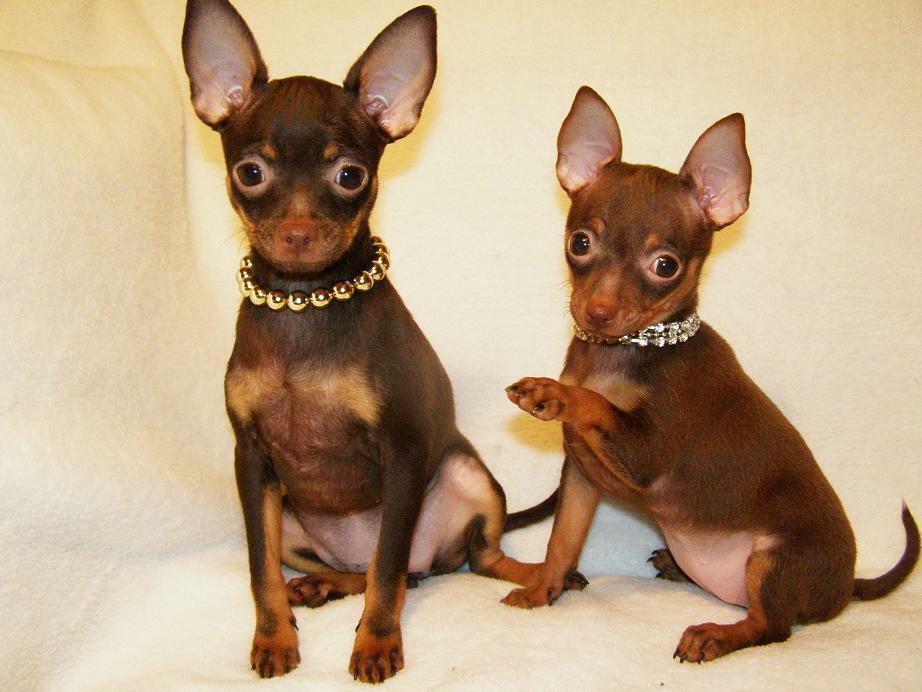
Aristocratic breed
The Russian breed became favored by the Russian elite and lived only in royal residences and the homes of wealthy landowners, accompanying their owners at global receptions and parties.
How to Choose a Puppy
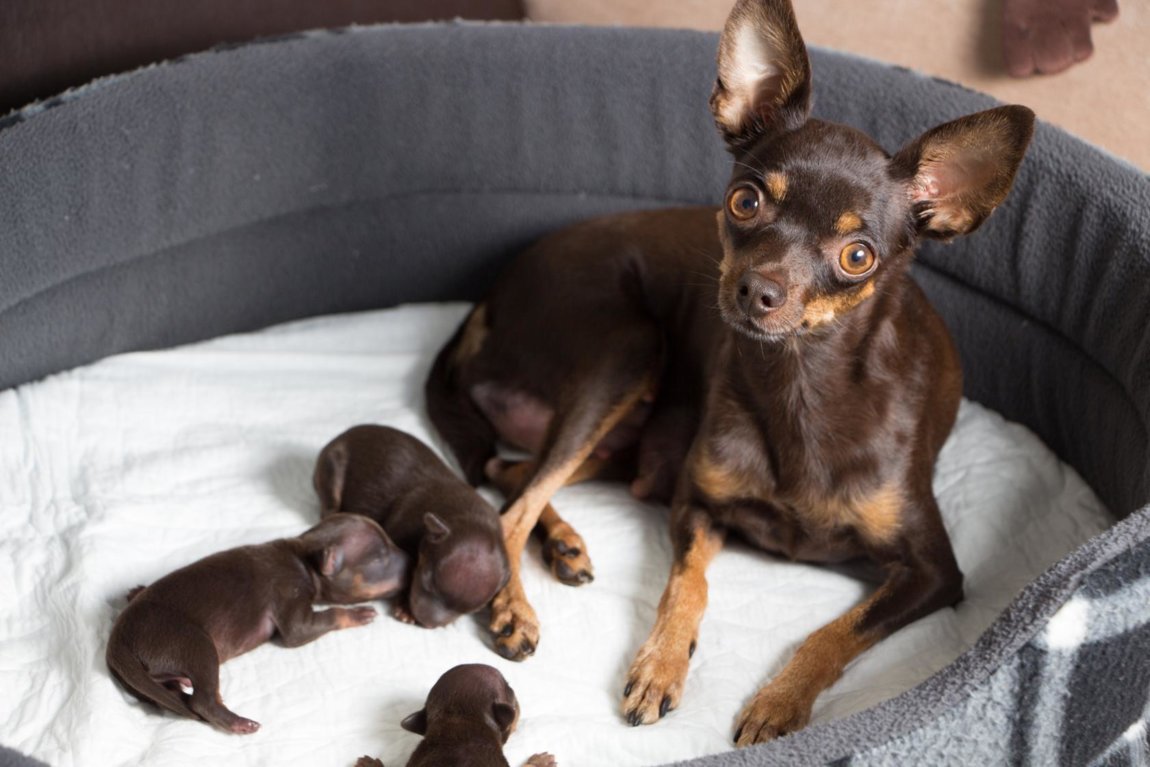
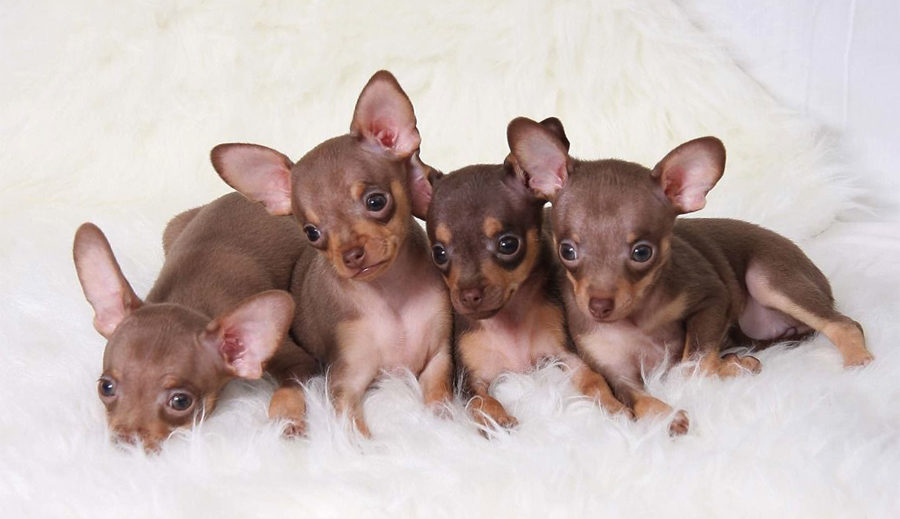
To select a Russian Toy Terrier puppy that will grow into a fully-fledged representative of the breed, it is important to consider its appearance, health, and origin. Start by finding a reliable kennel that specializes in breeding the breed. The breeder should have a good reputation, be willing to provide all necessary documents, and answer questions about the health and care of the puppies.
The puppy should be active, cheerful, and friendly. A healthy puppy shows interest in the surrounding world, readily engages in contact, and plays. Avoid puppies that seem too lethargic, fearful, or aggressive, as this may indicate health or socialization issues. Confidence and friendliness are important traits for the breed.
Inspect the puppy’s appearance. The coat should be clean, shiny, and free of bald spots. The eyes should be clear with no discharge, the nose should be moist and cool, and the ears should be clean and odor-free. The puppy should be agile, with strong legs and a straight back. Check the bite: it should be correct, which is an important requirement of the breed standard.
Check the documents provided by the breeder. A pedigree is a necessary document that confirms the puppy’s lineage from purebred representatives of the breed. It should list the puppy’s ancestors, their show achievements, and information about tests for genetic diseases, if applicable. The puppy’s parents should meet the breed standard and be healthy.
Be sure to request the puppy’s veterinary passport. It should note the vaccinations given, deworming, and other preventive measures. This document confirms that the puppy has received the necessary care since its early days. The breeder should also provide recommendations for feeding and care to help the puppy adapt easily to its new home.
Pay attention to the conditions in which the puppies are kept at the kennel. They should be clean, spacious, and safe. Puppies should have enough room for play and activity, as well as access to toys and quality food. A good breeder always cares for the health and socialization of the puppies, which is evident from their behavior and appearance.If possible, meet the puppy’s parents. Their appearance, behavior, and health will give you an idea of how your pet may grow up. The parents should be friendly, active, and fully meet the breed standard.Emotional connection is also important. The Russian Toy is a breed that strongly bonds with its owner, so choose a puppy that you feel a connection with. This approach ensures that your pet will grow up healthy, obedient, and become a true representative of the breed that will bring you joy for many years. Zoonika is a site showcasing the best breeders with verified pedigrees.
Health and Illnesses
The Russian Toy Terrier is a breed with strong health, but due to its miniature size and body structure, it may be prone to certain diseases. Timely prevention, proper care, and regular veterinary check-ups can help avoid most problems and ensure a long and active life for the dog.
One of the breed’s characteristics is a tendency to musculoskeletal system pathologies, such as patellar luxation. This condition is common in small dogs and can cause discomfort during movement. Regular weight monitoring and moderate physical activity can minimize the risk of developing this issue.
Due to its fragile bones, the Russian Toy Terrier is susceptible to injuries, especially limb fractures. These dogs require careful handling, particularly during play or jumping from heights. Owners must provide a safe environment to avoid accidents.
The Russian Toy may also be prone to oral diseases, including tartar buildup and gum inflammation. Regular teeth brushing, the use of special chew toys, and proper nutrition help maintain dental health and prevent problems.
Allergic reactions to food or external irritants like pollen, household chemicals, or insect bites can occur in this breed. Allergies may manifest as itching, skin rashes, or coat problems. It’s important to monitor the dog’s skin and coat condition and consult a veterinarian at the first sign of allergies.
The Russian Toy may suffer from hypoglycemia, particularly at a young age. This condition is associated with a sharp drop in blood sugar levels and may present as lethargy, trembling, or even loss of consciousness. Regular feeding of small portions and a balanced diet can help prevent such issues.Dogs of this breed may be prone to eye diseases such as cataracts or progressive retinal atrophy. Regular check-ups with a veterinary ophthalmologist will help detect and prevent the development of these conditions early on.The Russian Toy poorly tolerates cold due to its thin coat and small build. During cold weather, it’s essential to use warm clothing for walks and avoid prolonged exposure to low temperatures. Hypothermia can lead to colds or a weakened immune system.With proper care, the Russian Toy can live 12-15 years, maintaining activity and cheerfulness into old age. Regular vaccinations, parasite prevention, proper nutrition, and attention to breed-specific needs will help ensure a long and healthy life for your pet. Thinking about it? There is a huge selection of ads on the map for cities on Zoonica.
Содержание
-
1. Описание породы
-
2. Внешний вид
- 2.1 Голова
- 2.2 Морда
- 2.3 Уши
- 2.4 Глаза
- 2.5 Зубы
- 2.6 Корпус
- 2.7 Конечности
- 2.8 Хвост
- 2.9 Шерсть
- 2.10 Окрас
-
3. Характер
-
4. Содержание и уход
-
5. Дрессировка и обучение
-
6. Как выбрать котенка
-
7. Здоровье и болезни






Comments
Only registered users can leave reviews.
Enter