
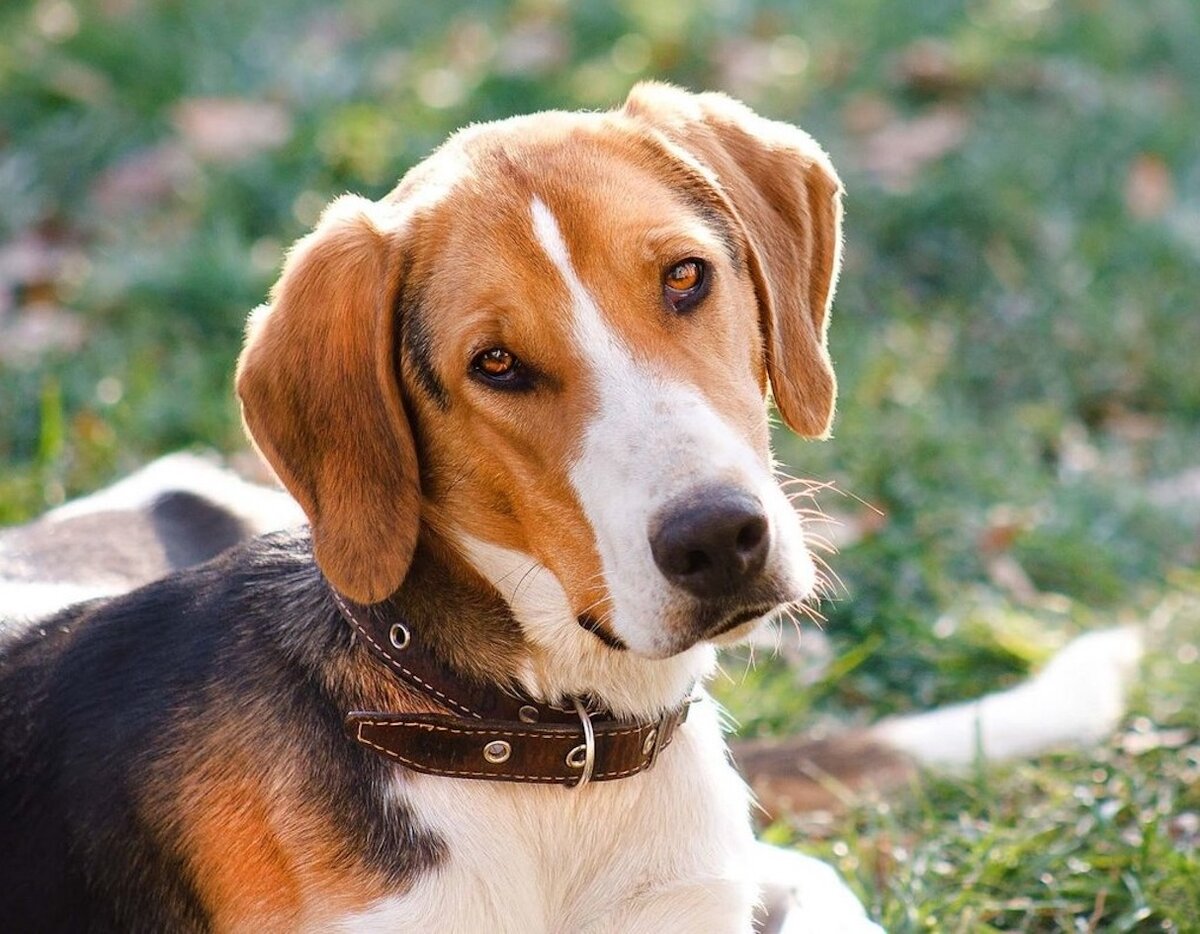
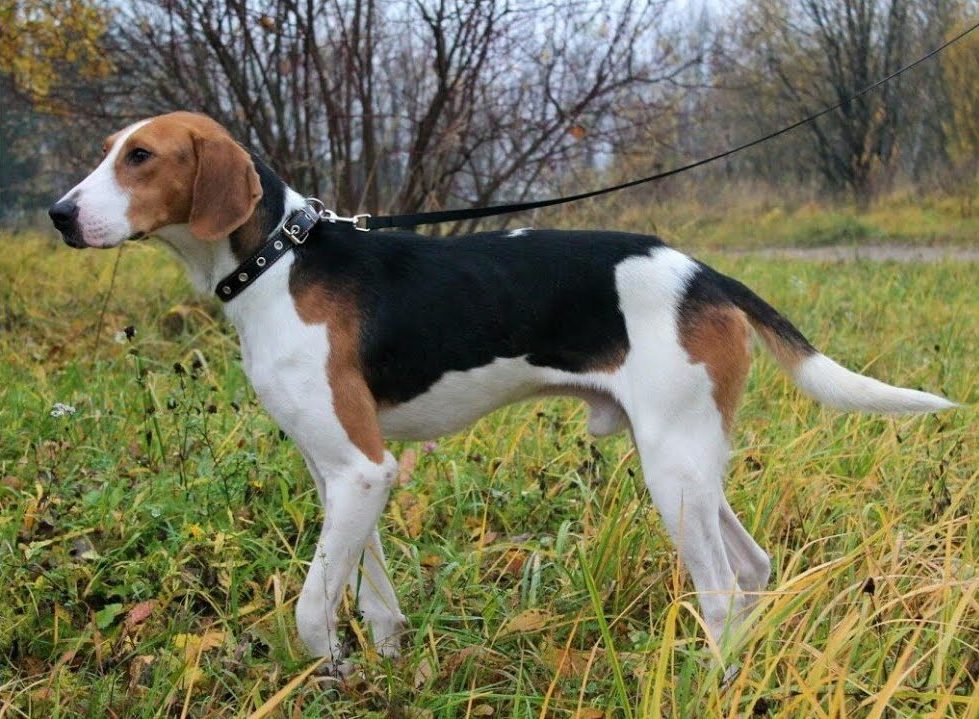
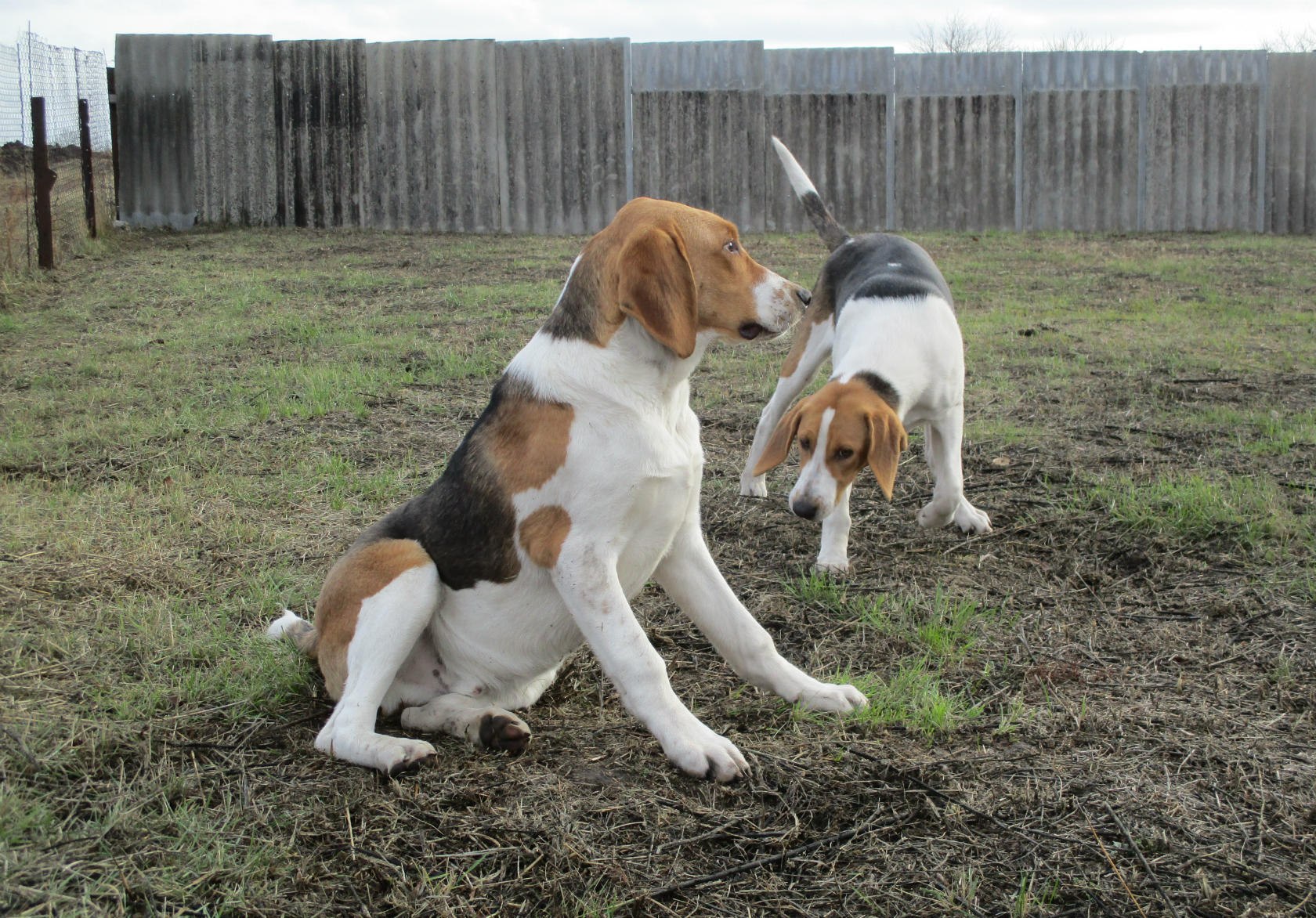
Russian speckled hound




Warning: Illegal string offset 'label' in /home/panda/sites/zoonika/wp-content/themes/zoonika/template-parts/animals/animals-param-item.php on line 32
Ð


Breed Description
Despite the fact that owning a pack of hounds was once considered a sign of high social standing, serious wealth, and overall prestige, today only a trusted breeder of hunting dogs can answer the question of where to buy a puppy of this breed. In large cities, it is almost impossible to encounter a Russian Harlequin Hound.
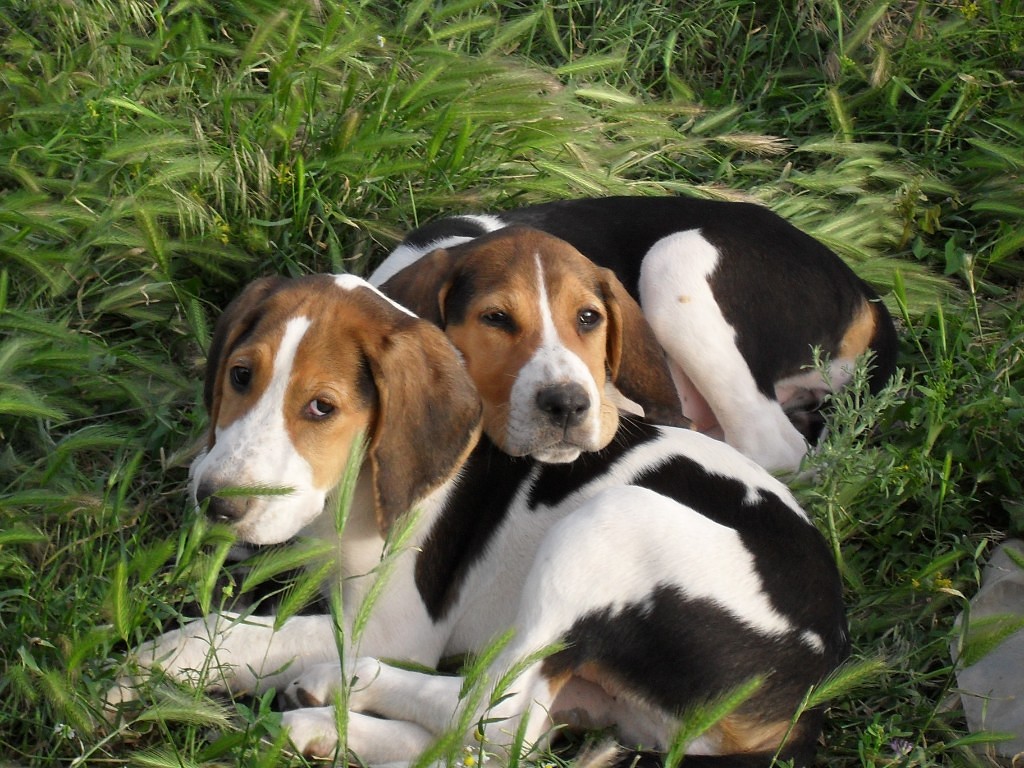
An ancient Russian breed has a rich history. The Russian expanse is considered the domain of these dogs, which first appeared in Russia around the 18th century. It was in the early 20th century, when the first breed standard was published in 1925, that the Russian Harlequin Hound gained independence as a breed. However, after its adoption, the standard was revised multiple times. Let’s break this down step by step.
Fox hunting, which became fashionable around the mid-18th century, showed that borzoi were abundant among the aristocracy. Russian hounds, with their excellent working characteristics, were often not as beautiful as similar breeds from England and France. It was from Europe that hunting dogs were massively imported by the end of the 18th century. Foxhounds and English hounds were bred with Russian hounds, which affected the appearance of their offspring. Breeders in Russia actively sought to buy these puppies to enhance the quality and increase the number of Anglo-Russian hounds. Subsequently, entire packs were gifted to our aristocrats-hunters eager to possess the best dogs.
By the 19th and 20th centuries, notable dog breeders were actively working to improve the characteristics of Anglo-Russian hounds, aiming to solidify the best working qualities and appearance. Nicholas Romanov, the Grand Duke, made significant efforts in this regard, establishing the “signature” color of the breed. Other kennels and breeders also contributed to these efforts.
In addition to appearance, breeders aimed to regulate the dogs’ ruthless behavior towards wild game-foxes, wolves, rabbits, and arctic foxes-without impairing their work within the pack. The goals were met; the dogs’ friendliness towards humans and each other often gave way to aggression towards wild animals. Furthermore, the dogs were clearly visible during work, not only in the woods but also in the fields.
It was only after 1947, two years after World War II, that the breed received another standard revision and a new name, which it retains to this day. The Russian Harlequin Hound is a virtuoso hunting dog, characterized by unparalleled strength and endurance, exceptional scenting ability, and outstanding appearance that incorporates the best and most recognizable traits of hunting dogs from Great Britain and Europe.In the 21st century, interest in hunting is not what it used to be, making it fairly challenging to find a kennel for Russian Harlequin Hounds. The cost of a purebred puppy ranges widely, starting from 25,000 to 30,000 rubles and potentially exceeding 80,000 rubles. For precise information, we recommend requesting the current price list from a kennel. For your convenience, we suggest visiting dog kennels listed on the map of our website.
Appearance
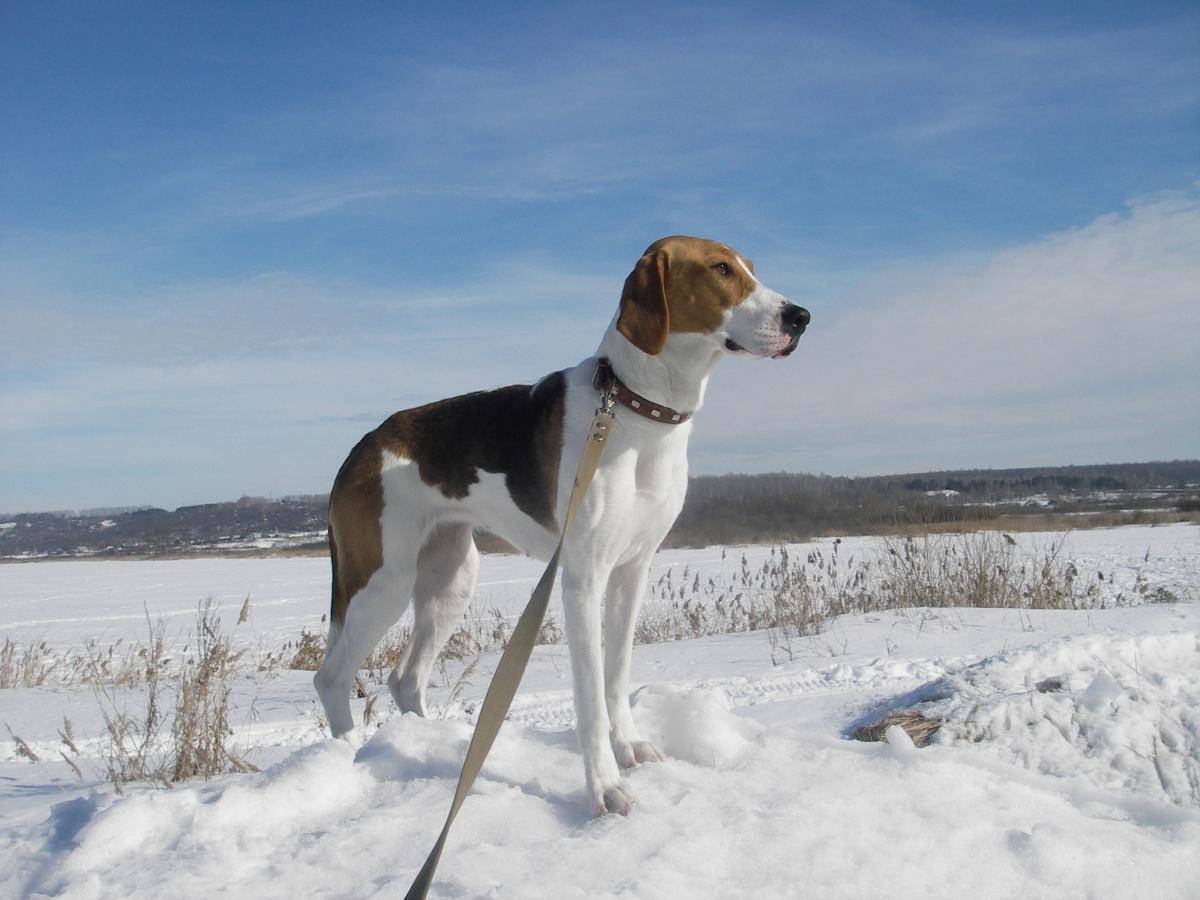
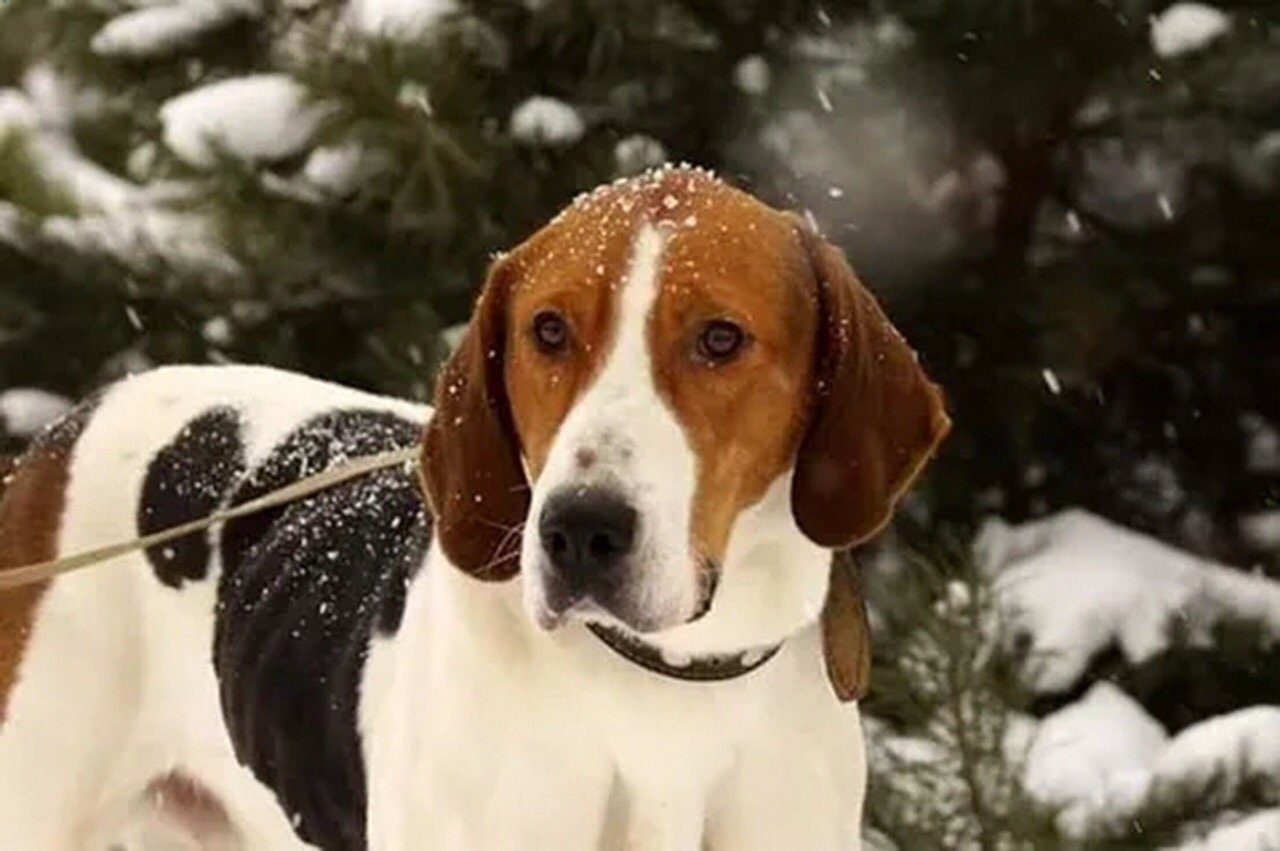
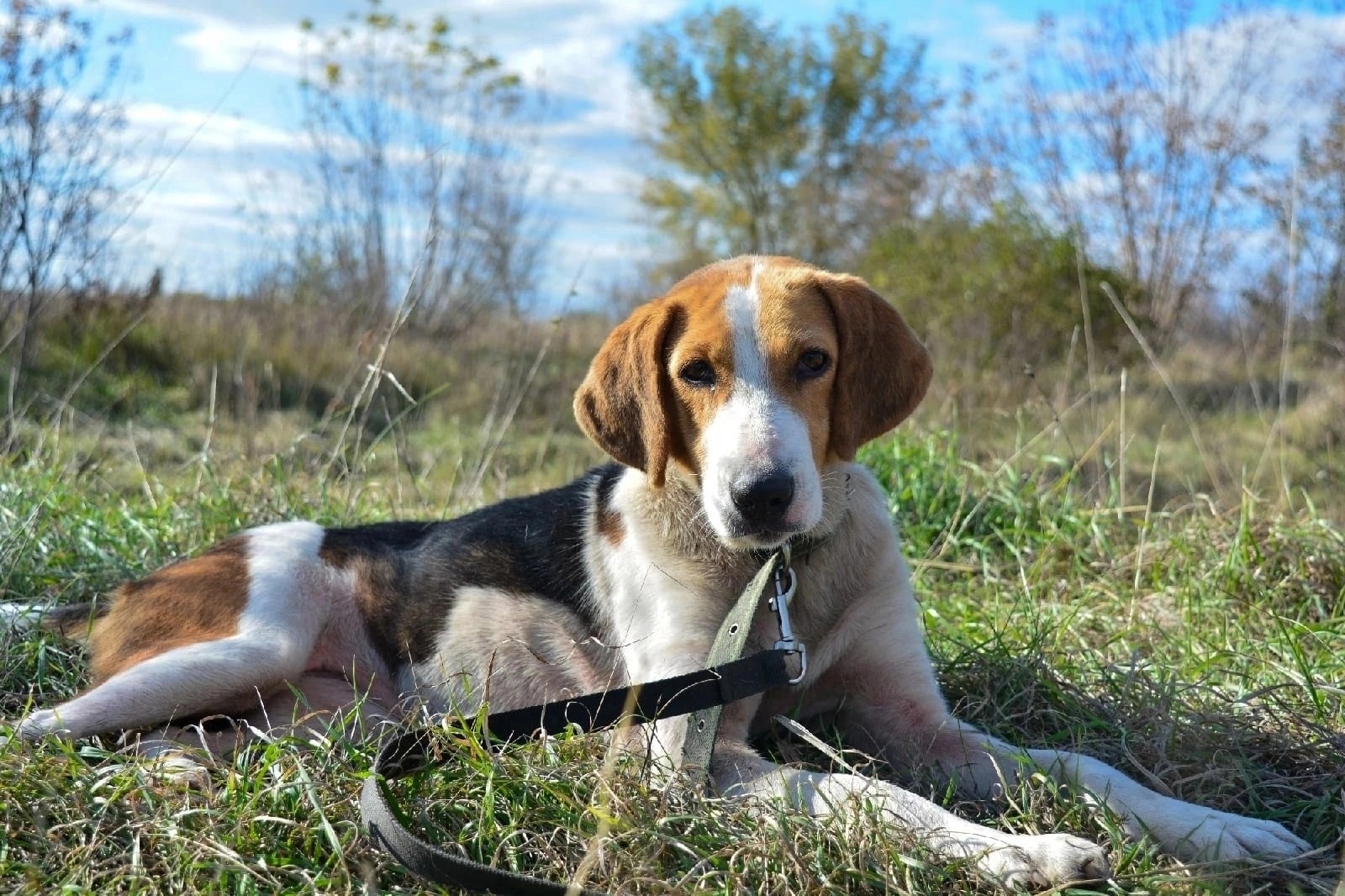
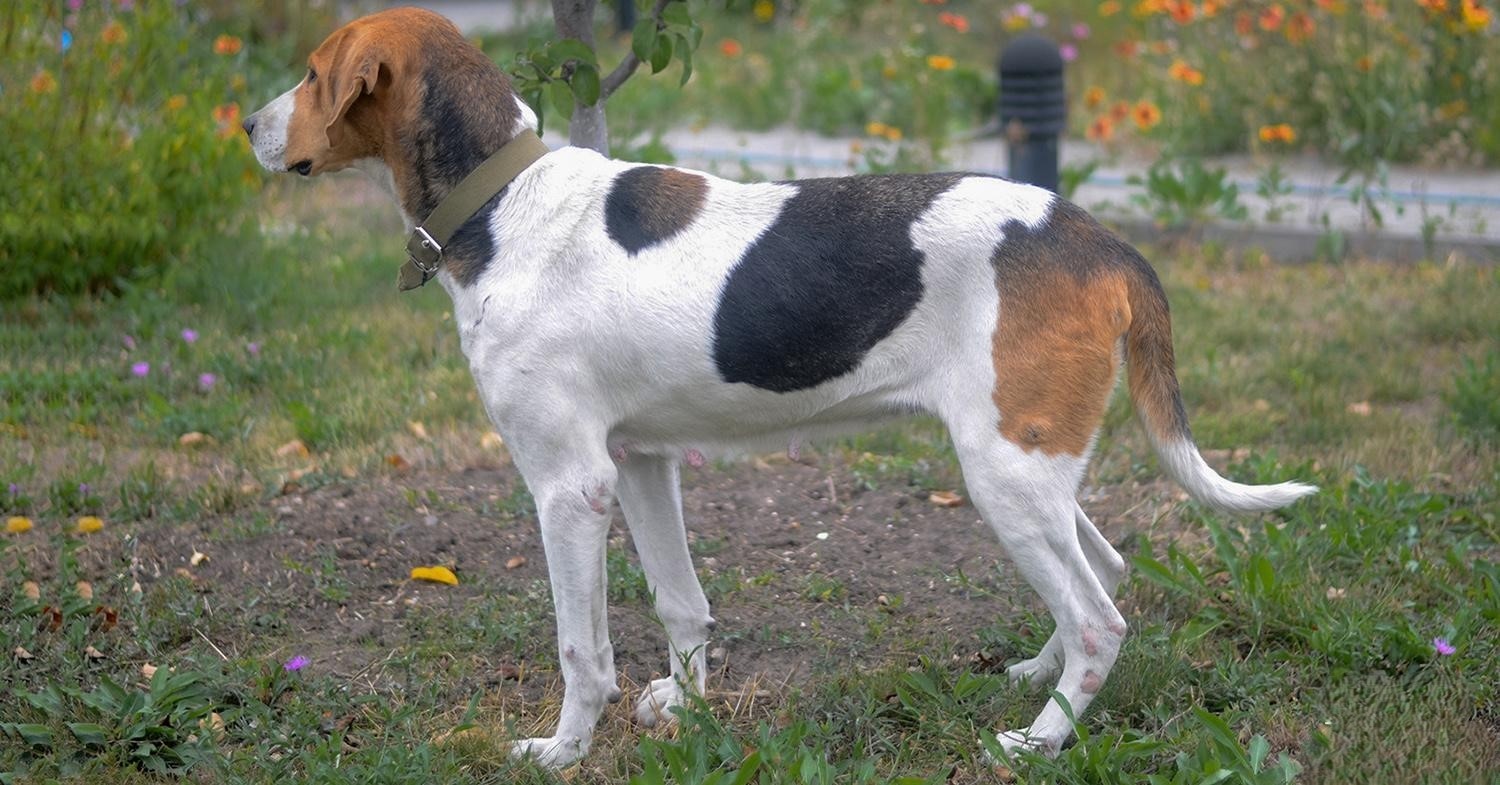
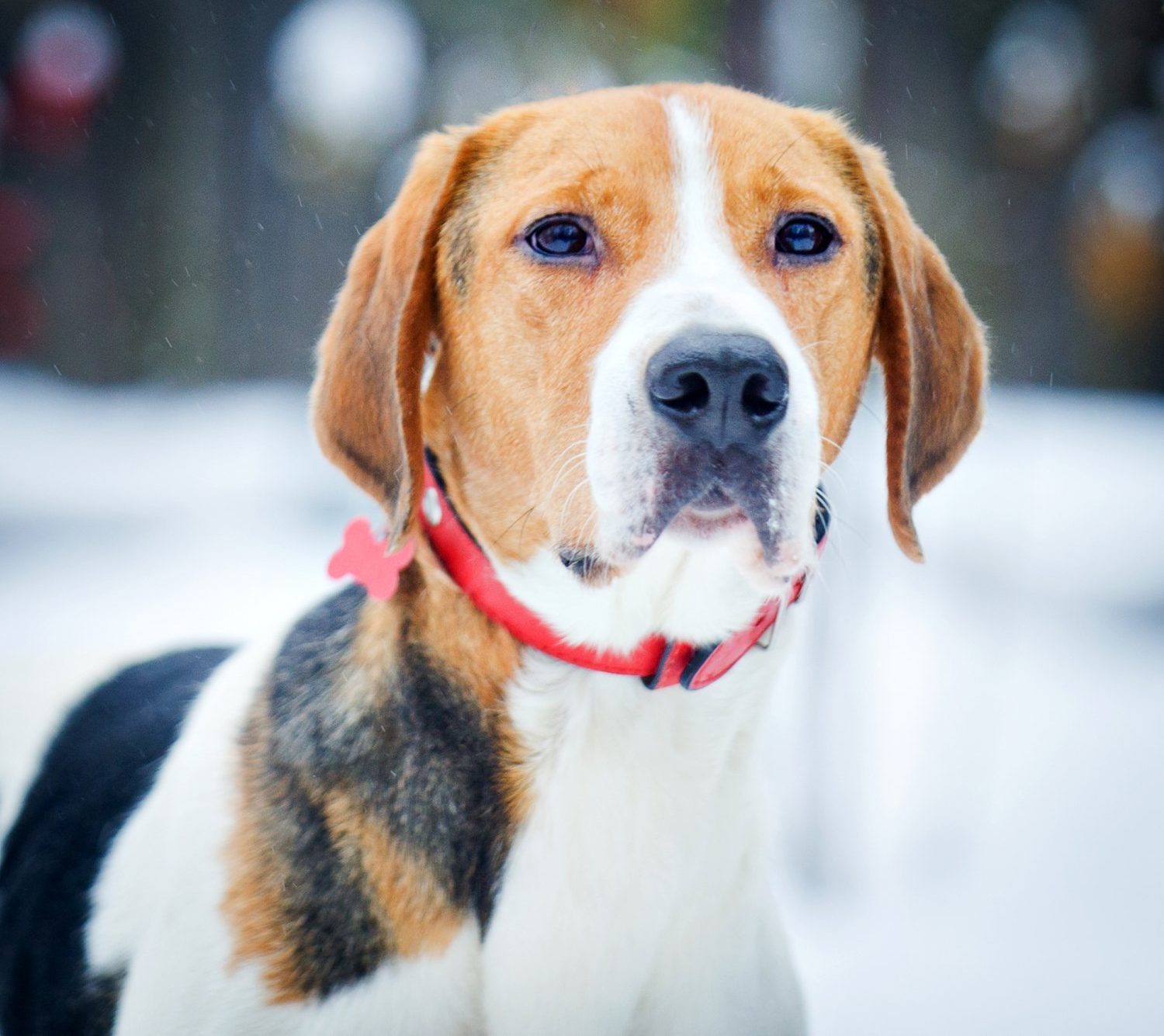
A sturdy dog above average height at the withers, with a distinctly expressed sexual dimorphism. Adult male Russian hounds grow up to 68 cm tall, while the height at the withers of an adult female (what dog breeders call female hounds) is about 65 cm. Moreover, the sacrum is only 1 to 2 cm lower than the withers. Considering their weight ranges from 25 to 35 kg, one can imagine how powerful they appear. Thus, the stretch index for males reaches up to 104 cm, while for females, it is from 103 to 105 cm.
It should be noted that this structure ensures outstanding results during hunting. The broad trot of the Russian hound, or its light gallop when tracking game, almost instantly transforms into a sprint during pursuit. True all-rounders and virtuosos in the realm of hunting dogs, Russian poodles are ideal for work. While resembling several hunting breeds simultaneously, renowned dog breeders list the Russian hound as one of the most reliable and enduring hunting dogs in the world.
There is a certain regional variation within the breed that can only be perceived by a professional hunting dog breeder. Otherwise, the Russian hound, or Anglo-Russian hound, is arguably an ideal choice for hunting enthusiasts.


Отличительные черты

Голова

Морда

Уши

Глаза

Зубы

Корпус

Конечности

Хвост

Шерсть

Окрас
Character
The Russian Harlequin Hound, often referred to by breeders as the Anglo-Russian Hound, is a breed with a distinct personality and a strong hunting instinct. Despite their independence in extreme hunting situations, owners note their balanced temperament and high intelligence. Every hunting dog breeder will emphasize that Harlequin Hounds are very loyal to their owner and ready to follow them anywhere.
The Russian Harlequin Hound is renowned for its energy and activity while working. Its relatively high speed can be maintained for a long time, regardless of the terrain. When it detects game, the pack’s speed dramatically increases, leaving the target little chance. The stamina of our Harlequins is significantly higher than that of their English counterparts. While the early specimens could compete in a pack, the breeders’ work has yielded results, and today aggression is typically directed only towards wild game.
Having a significant muscular build, these dogs demonstrate outstanding athletic results in coursing, making them excellent sports partners.
For those looking to buy a dog from a breeder, kennels and breeders emphasize that with proper training and socialization, the Russian Harlequin Hound can become a wonderful companion not only for experienced hunters but also for active families. However, it is crucial to remember that these dogs require firm yet fair leadership and discipline. Therefore, managing such a pet can be quite challenging for a novice.
The environment where a Harlequin Hound is kept greatly influences its temperament. It is not ideal to raise such a dog in a city where space is limited. Even a spacious apartment can feel confining to the dog, whereas a country house is the optimal setting for revealing its best traits.
Of course, the hunting instincts of these dogs prevent the possibility of keeping cats and a Harlequin Hound in the same home. Conflict can only be avoided if the cat arrived in the house before or at the same time as the dog. However, it is advisable not to rely on this and to make a decision in advance.As noted by well-known breeders, relationships with children are typically very harmonious, especially when it comes to engaging in active games in the backyard or outdoors.
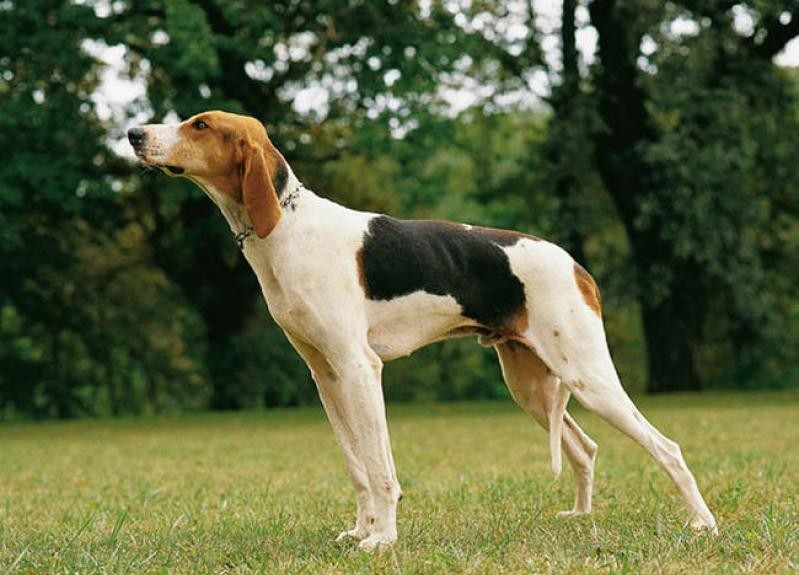
Russian hunter with a British accent.
To improve certain qualities of Russian hounds, DNA from English hounds was added to their blood, which yielded positive results: the work in the pack became more coordinated.Care and Maintenance
To ensure optimal conditions for a Russian Harlequin Hound, the owner must adhere to certain criteria, detailed below. A spacious area for movement is essential for them, comparable to air. The Russian Harlequin Hound is a breed that loves to run and play. To keep your pet happy and healthy, it’s important to provide ample space for physical activity. Urban environments lacking dog parks and cramped apartments can negatively affect their temperament. Even if there’s a nearby park where you can let your hunting dog off-leash, it won’t provide the freedom that Harlequin Hounds need. However, it’s still better than nothing, and the lack of space can be compensated with longer walks. Additionally, it makes sense to fill this time with active exercises. Games like fetch, frisbee, playing ball, jogging, or biking alongside your hound can adequately exercise the dog. But it’s important not to limit activities to just physical exertion. Engaging in mental exercises can diversify these activities.
The most experienced and renowned dog breeders in Russia recommend regular training sessions with your Harlequin. Such training not only helps keep your dog healthy but also strengthens your bond with them.
Proper nutrition is arguably foundational. Choosing high-quality dog foods containing all necessary nutrients will help your pet stay active and cheerful. Some dog owners prefer natural foods, preparing porridge, steamed vegetables, lean meats, sometimes fish, and egg yolks, while adding cottage cheese and other dairy products for puppies to boost calcium. In these cases, it’s best to develop the menu with a veterinarian or follow recommendations from dog kennels. However, one must not forget additional vitamins since modern products often lack sufficient nutrients. Commercial holistic foods or super-premium dry food are generally considered more convenient as they usually contain all essential trace elements in the right proportions. Such foods rarely cause allergies and are easier to match with the animal’s characteristics. For instance, there are specific foods for senior dogs, puppies, or dogs with digestive issues. Additional supplementation in this case is not required. Another advantage is that it’s much easier to control weight using prepared food mixtures since producers indicate recommended portion sizes based on the animal’s age and
Regular and timely visits to the veterinarian can identify any health issues early on and prevent the development of serious diseases. For example, vaccinations and preventive check-ups help maintain your dog’s health and extend its life.
Proper socialization of Russian Harlequin Hounds will allow them to avoid conflicts within the pack, be less aggressive towards other breeds, and remain calm in unexpected situations. Socialization is particularly important in families with children and urban settings. It’s believed that Harlequins are very sociable and friendly dogs that thrive on interaction with other animals and people. Early socialization will help your Harlequin develop a positive outlook toward the world around them and avoid issues with aggression or fear.
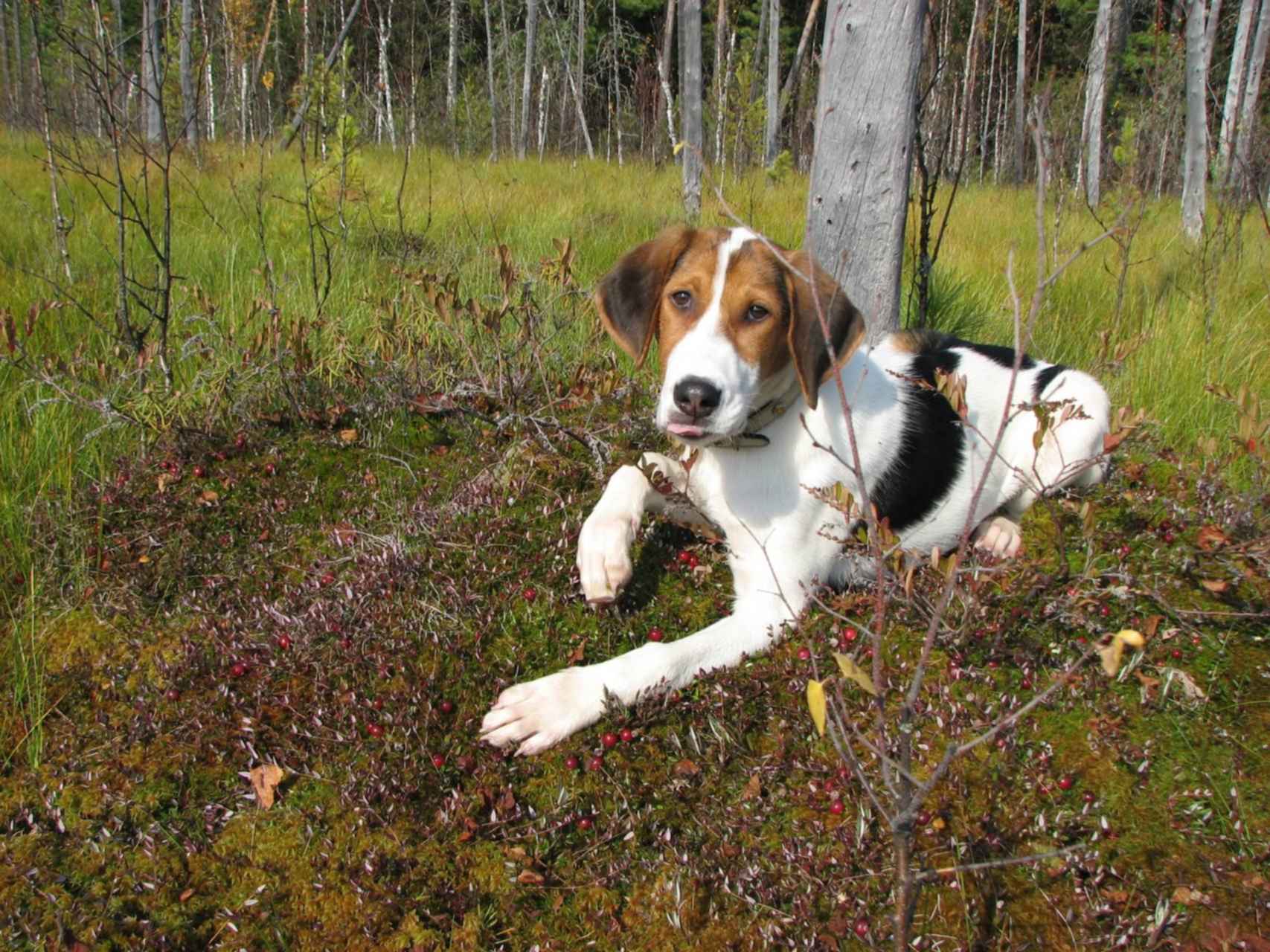
A new method has been found!
Russian spotted hounds initiated a new hunting method commonly referred to as "complementary." In this method, the hounds drive the game out of its hiding place (or out of the forest) into the meadows, where a mounted hunter with a pack of borzois continues the chase after the driven game.Training and Education
If you want to buy a dog from a kennel and then raise an Anglo-Russian hound into a circus dog, not every hunting dog breeder will agree to sell you a pup. This is because the Russian spotted hound is created for work, specifically for hunting, not for tricks. Failing to nurture its hunting instincts is considered ruining the dog by reputable breeders.
For successful training, a number of conditions must be met:
Establish clear rules and boundaries from the very beginning. Raising a Russian spotted hound requires consistency and clarity. Setting rules and boundaries will help your pet understand what is expected of it and enhance discipline. For instance, teach the dog not to jump on people and to stay when commanded right from the start to avoid confusion later.
Use positive reinforcement and rewards. Positive influences and rewards yield the fastest results, which is why well-known breeders regard them as key training methods for the Russian spotted hound. Encourage your pet with praise and treats for good behavior to motivate it to follow commands. For example, after successfully executing the command “Sit!”, be sure to praise the dog and give it a tasty treat.
Gradually increasing the workload will help your hound develop skills and succeed in following commands. Plan short but regular training sessions so as not to overwhelm your pet and maintain its interest. For instance, practice daily for a few minutes, increasing the complexity of commands over time.
Raising and training a Russian spotted hound requires patience and consistency. Remember that each dog has its own temperament and abilities, so it’s important to be patient and maintain faith in success during the training process. For example, if your hound does not immediately grasp a new command, don’t lose heart-keep working on it.Provide variety in activities and games. Since the RPH is an intelligent and active breed that needs stimulation, offer a range of training, games, and activities to keep your dog engaged and motivated. For instance, organize search events or training for hunting aggression to diversify activities and make the learning process enjoyable. The best breeders, offering puppies with pedigree, can be found at Zoonica.
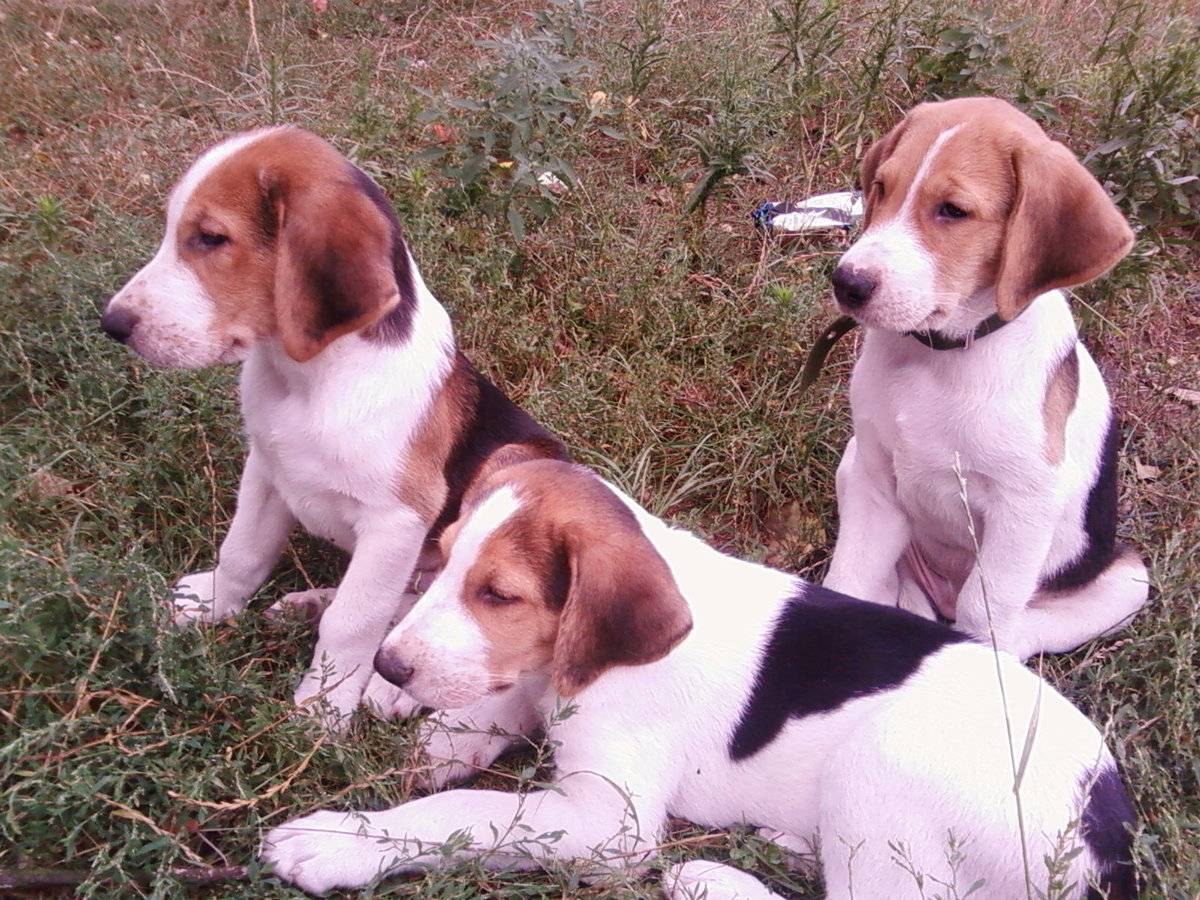
Unrecognized genius?
Despite its rich history and effectiveness, FCI has not yet recognized the Russian Spotted Hound. This may be because our version of the breed in action could outshine foreign competitors.
How to Choose a Puppy
Currently, finding a kennel for Russian hounds is not that easy. Therefore, those who have decided to buy such a puppy should either be patient or review the list of kennels presented on our website. Additionally, there are some tips shared by renowned dog breeders:
– After selecting a dog kennel, check its reputation. This will be the foundation for purchasing a healthy pet. Carefully inspect the territory and assess the conditions in which the animals are kept;
– Be sure to communicate with the breeder before making a purchase. Typically, reputable dog breeders in Russia are always willing to provide advice on any issues related to their dogs. Tips, recommendations, and nutritional advice should be detailed by a reliable hunting dog breeder. They also choose their buyers and are not in a hurry to sell the litter-unlike resellers or unscrupulous sellers at pet markets;
– Evaluate the puppy’s exterior in person. Inspect the Anglo-Russian hound puppy for compliance with the standard. Ask the breeder about the potential of the “candidate”;
– Spend some time alone with the puppy. This is one of the most important conditions before making a purchase. In private, you’ll be able to determine if it suits you. If the “stars align,” everything will work out as you wish. It also chooses its owners, believe me. Zounika is a website where you can find dogs from the best breeders with verified pedigrees.
Health and Diseases
The health of Russian Harriers is not a cause for concern. Their immunity, with proper care, is quite resilient to many ailments. The lifespan of these dogs hovers around 13 years, which is a respectable duration considering the physical demands placed on them. If the dog owner follows the recommendations from breeders, the 13-year mark can be significantly surpassed.
Working in fields or forests during warm weather poses additional risks for Anglo-Russian hounds. This includes ticks and pollen, which can irritate the eyes of these canine hunters.
The most common issue they face is hip dysplasia, where one of the joints develops incorrectly. In advanced stages, pain from movement restricts the dog’s mobility. Unfortunately, it is not curable; however, timely treatment can greatly alleviate the quality of life for both the animal and its caregiver. Conjunctivitis is often a result of pollen and dirt entering the eyes while the dog is working. In rare cases, myositis and other muscular system pathologies are diagnosed. Issues with the spine generally begin to arise in older dogs.
Содержание
-
1. Описание породы
-
2. Внешний вид
- 2.1 Голова
- 2.2 Морда
- 2.3 Уши
- 2.4 Глаза
- 2.5 Зубы
- 2.6 Корпус
- 2.7 Конечности
- 2.8 Хвост
- 2.9 Шерсть
- 2.10 Окрас
-
3. Характер
-
4. Содержание и уход
-
5. Дрессировка и обучение
-
6. Как выбрать котенка
-
7. Здоровье и болезни


Комментарии
Отзывы могут оставлять только зарегистрированные пользователи
Войти