
Russian Salon Dog




Warning: Illegal string offset 'label' in /home/panda/sites/zoonika/wp-content/themes/zoonika/template-parts/animals/animals-param-item.php on line 32
Ð


Breed Description
Miniature dogs, which are delightful to hold in your lap, pet, and dress in various outfits, have existed for centuries. Starting with the temple dogs of Ancient China and continuing to this day, there is a decorative dog breeder in every small provincial town in any country around the world.
In the 21st century, indoor dogs that don’t require long walks have become more popular than ever. Their popularity has increased to the extent that the focus is not only on their appearance but also on the emotions of the owner when interacting with their pet. Just like dolls, Russian salon dogs are dressed in countless outfits, adorned with ribbons and bows and other decorations. Every breeder of decorative dogs sees an undeniable advantage over similar breeds: they can be groomed and participate in shows alongside groomed dogs. New dog kennels are constantly opening around the world, increasing the population of each breed. The trend indicates a growing demand and rising popularity of indoor dogs, both in the short and long term.
From 1996 to 2000, in Russia, one decorative dog breeder set out to create a small dog with a pleasant appearance that would easily fit even in the smallest apartment and become a kind of talisman for Russian dog lovers. The breed’s creator is Locator Yulia Alexandrovna.
The ancestors of the Russian salon dog are kept secret because work on improving certain characteristics is ongoing. Currently, the population has already surpassed 1,000 individuals, indicating the demand for these charming dogs. An undeniable advantage over competing breeds is that the Russian salon dog can be groomed and styled in various hairdos, just like a doll. A wonderful companion, they easily tolerate travel and are very convenient to keep.
Experiencing the most tender emotions towards their miniature dogs, owners have come up with an unofficial name for the breed. They call their beauties “Rusalki.” This name comes from “ru” – Russian, “sal” – salon, “ka” – dog (the last syllable). In Russia, it is becoming increasingly easier to find these dogs as the breed’s popularity grows each year. Notably, well-known dog breeders abroad are also actively interested in our “Rusalki.” On average, the price for a puppy in a Moscow kennel is about 60,000 rubles. To find out the cost of a show-class puppy, one must request the kennel’s price list, as the final price can significantly exceed the average price.
Appearance
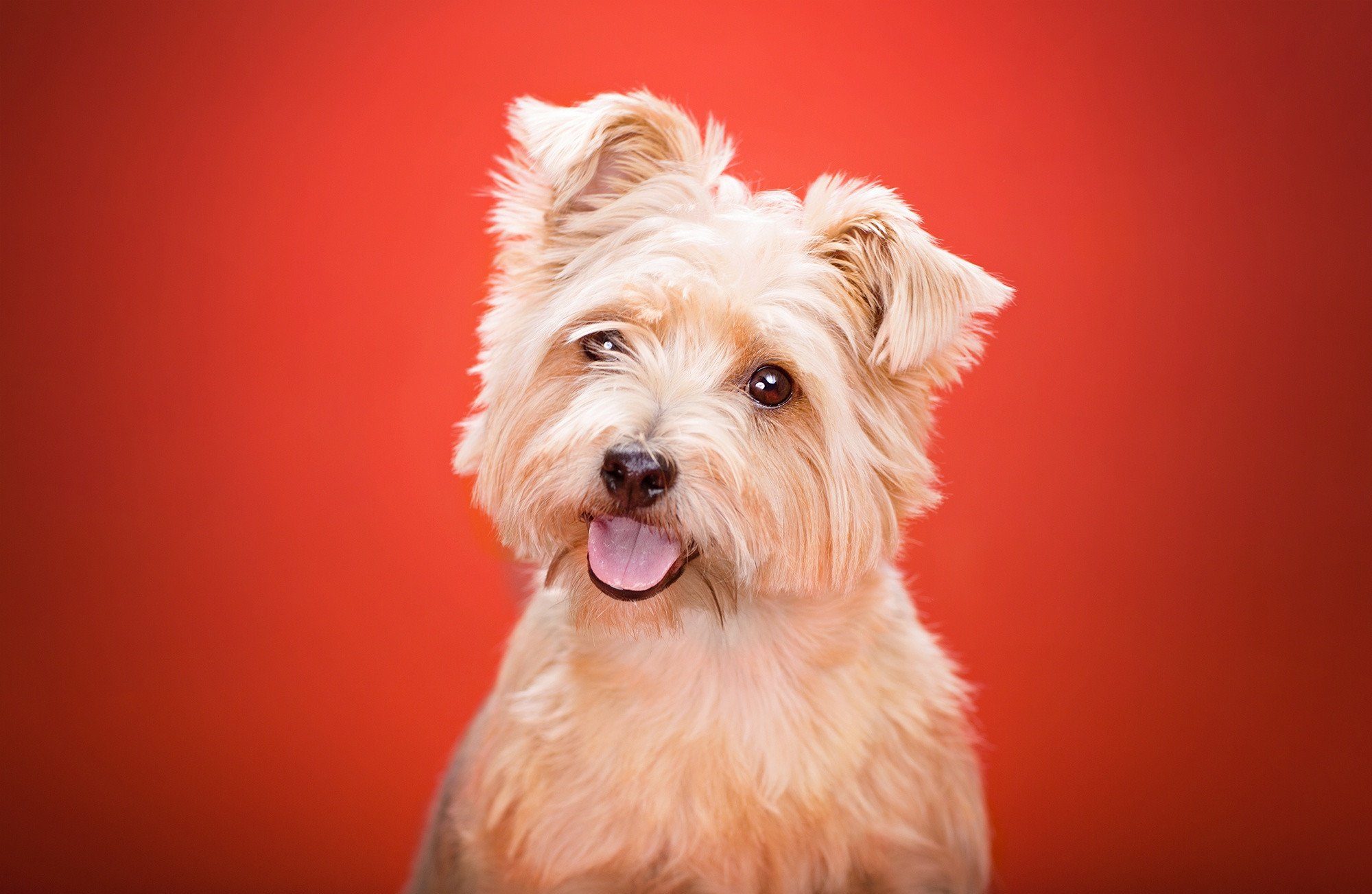
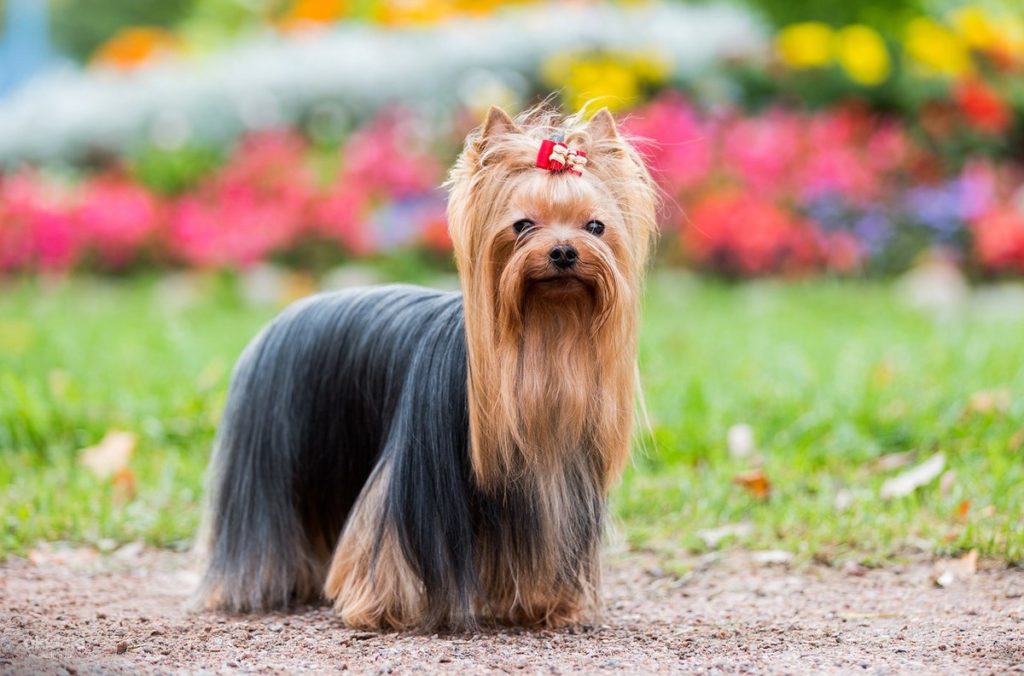
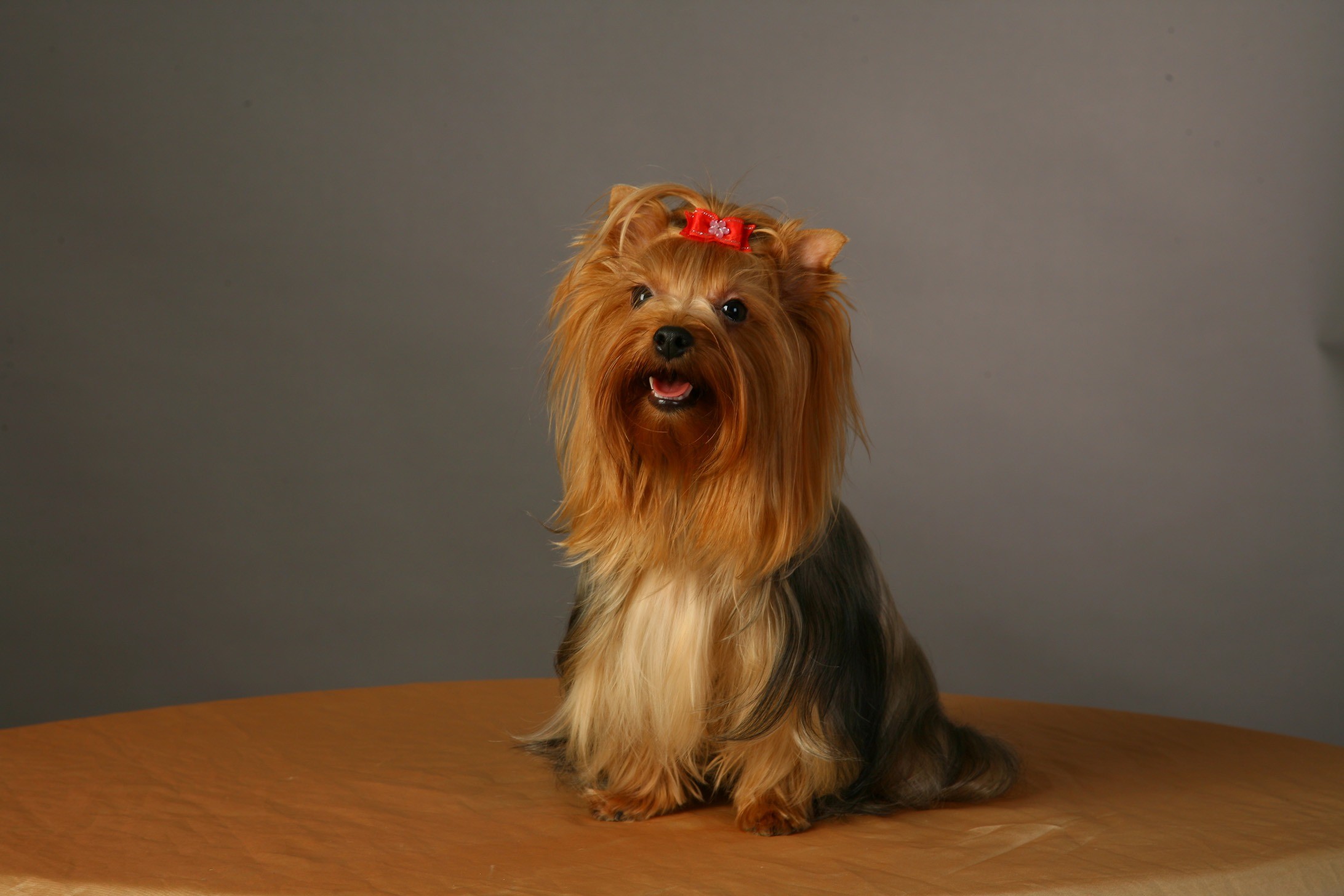
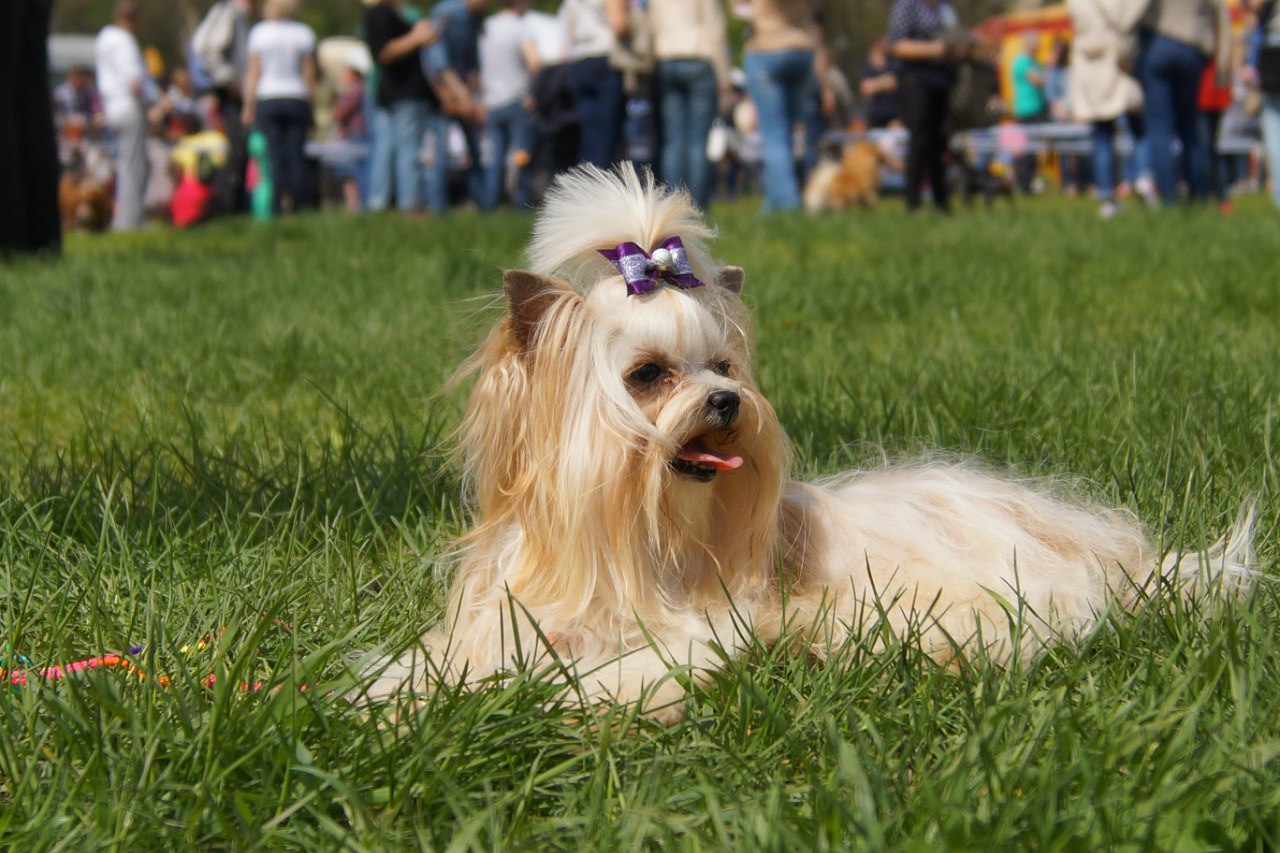
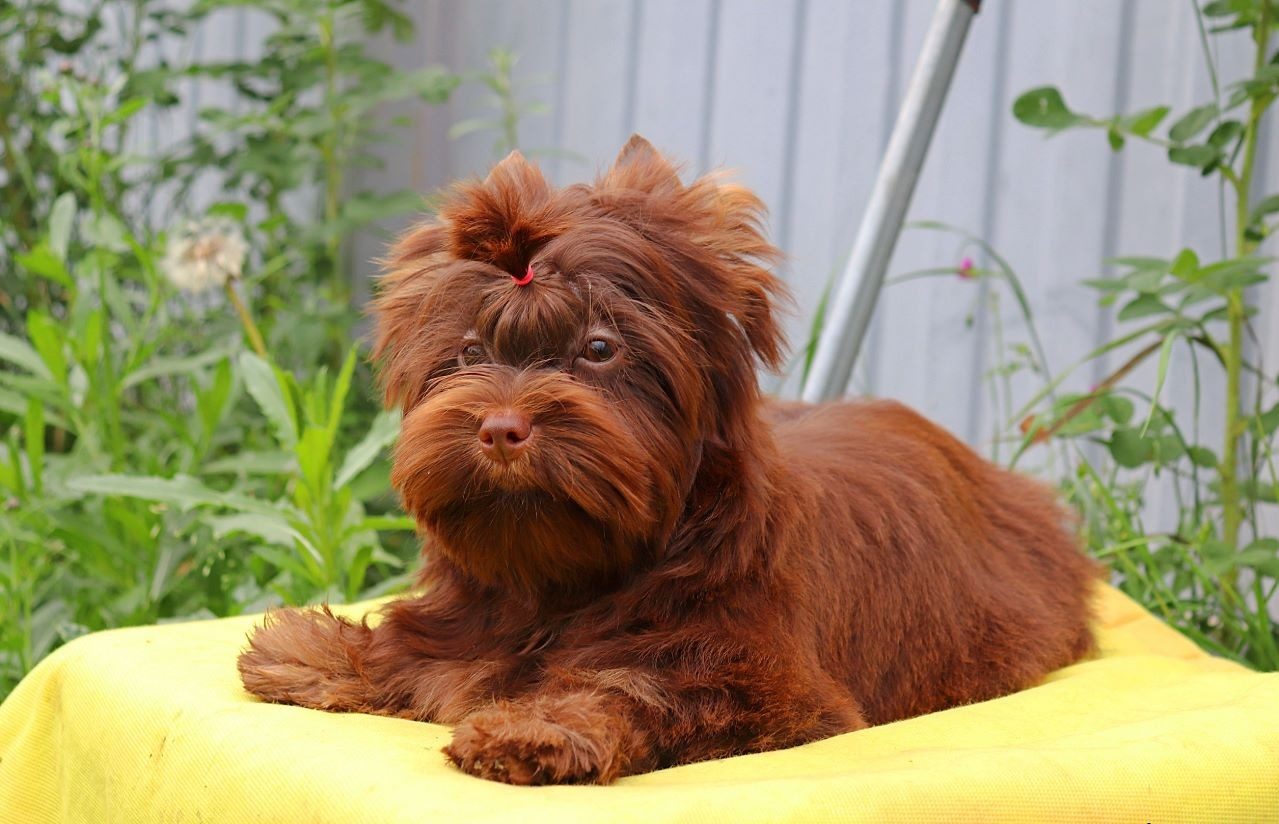
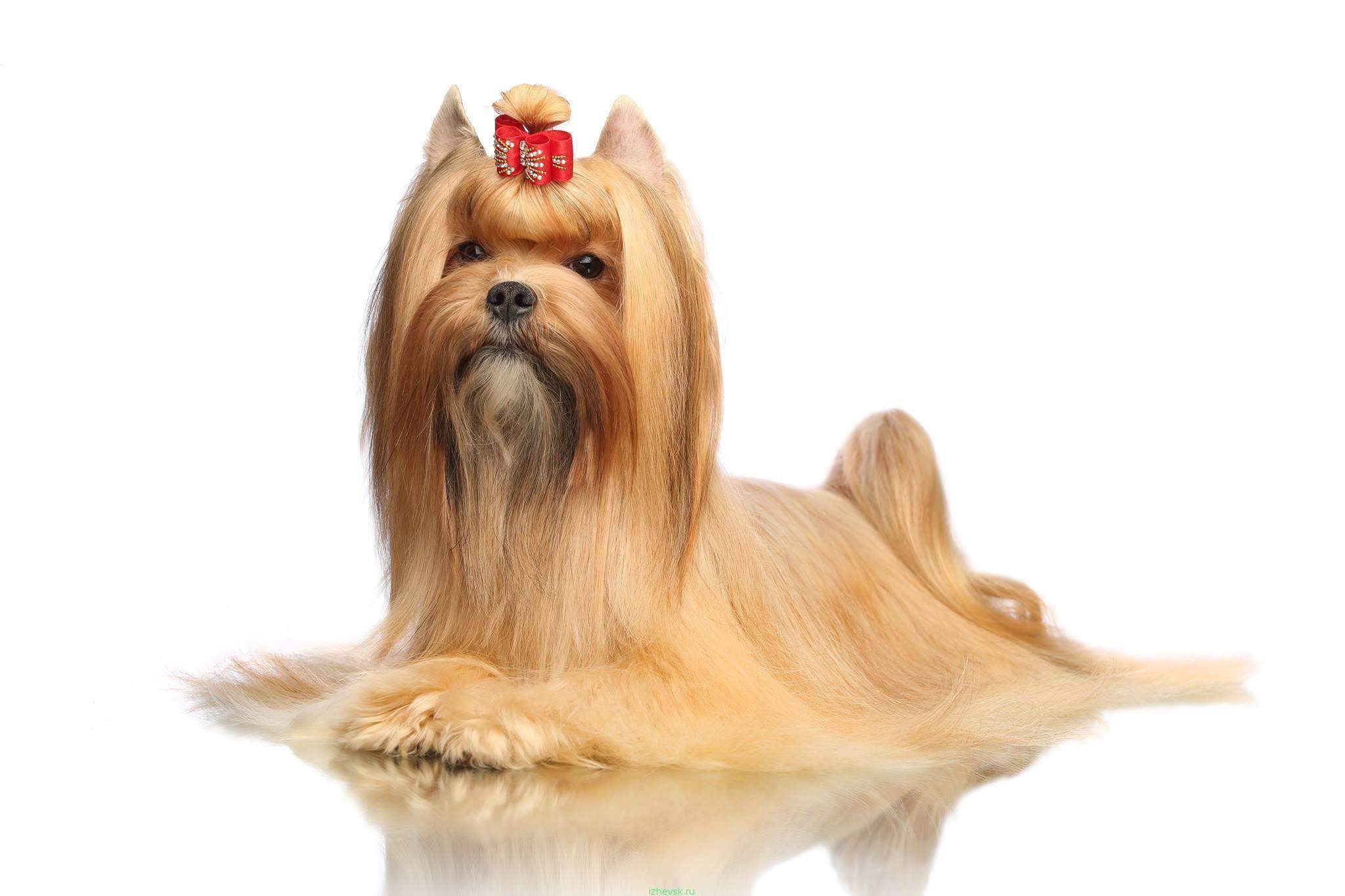
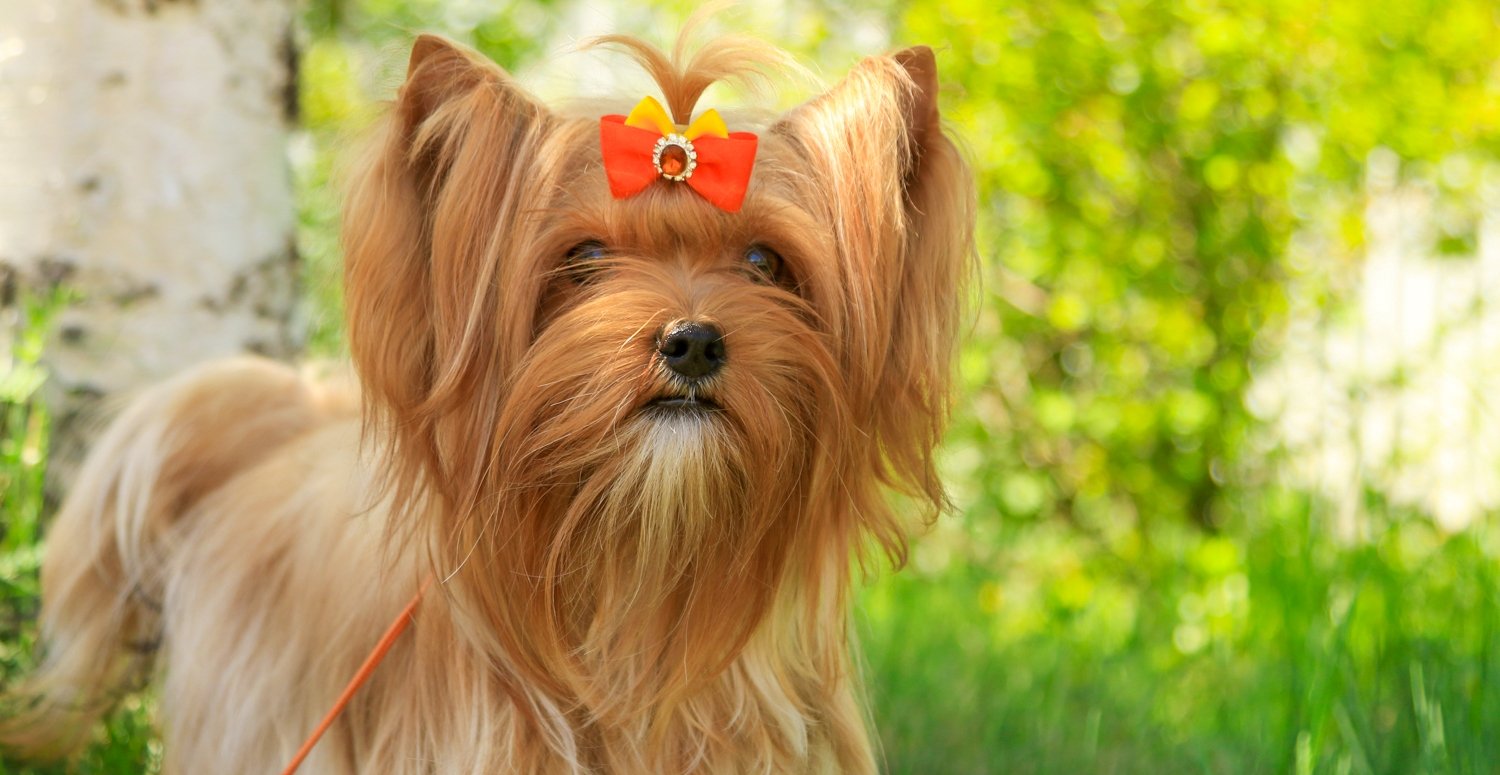
The Russian toy dog is very attractive and elegant. Its small size must correspond to a proportion that indicates the body is 6 to 8% longer than the height at the withers. Externally, it resembles some other decorative breeds, such as the Shih Tzu, Yorkshire Terrier, or Biewer. However, any breeder of decorative dogs will point out the distinctive features of our toy dogs. These include a coat color reminiscent of honey or sunbeams, the possibility of grooming without restrictions on participation in exhibitions, and a unique expression on the face. Initially, the fur was only available in various shades of red, but as the breed developed, dogs with some other colors also became common. Additionally, the skeleton of the Russian toy dog is more graceful than its foreign counterparts.
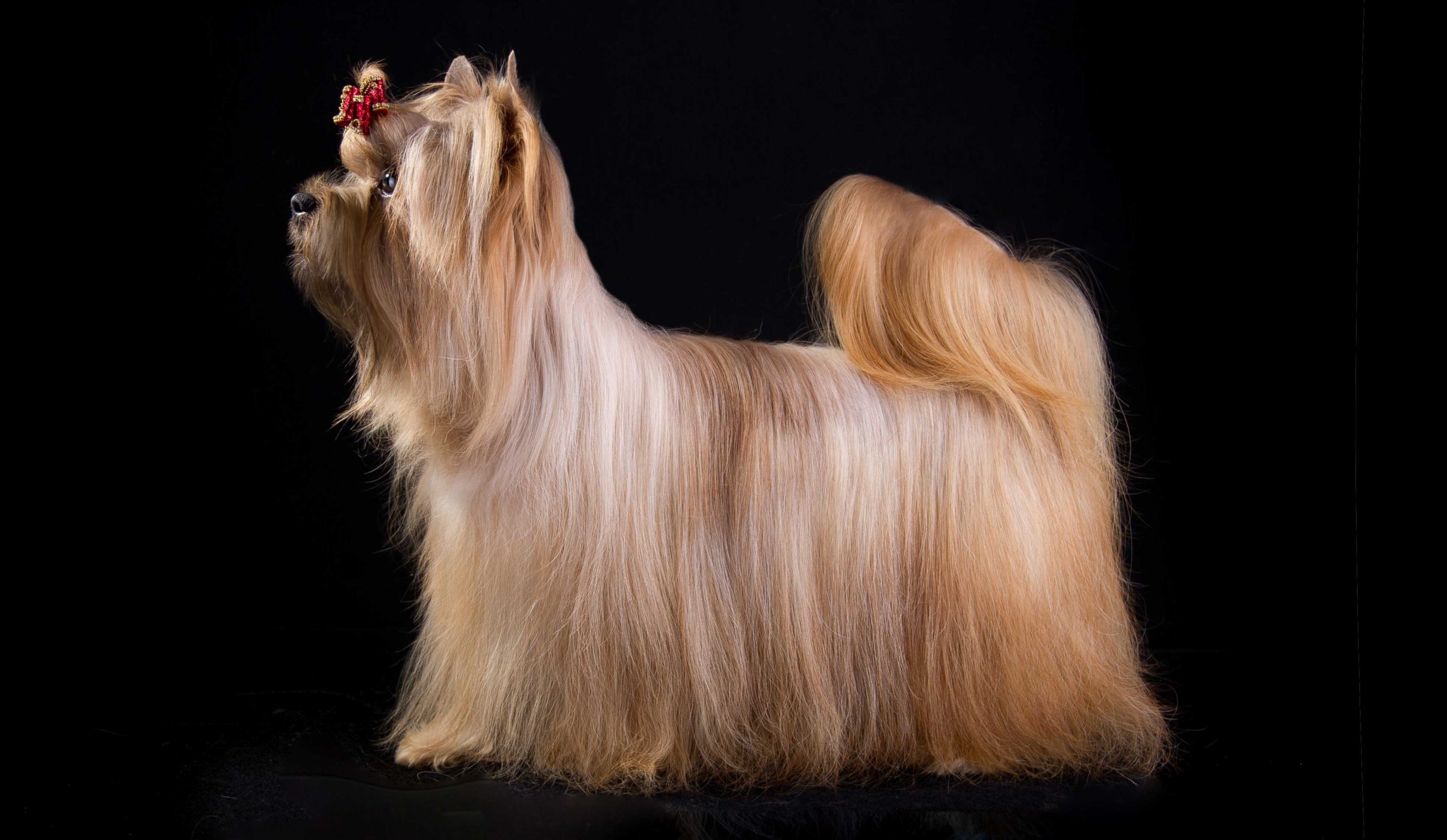
Upon closer examination, one can notice the parting of the fur along the spine, which allows the coat to cascade from the nape to the tail on the sides of the dog.
On average, our little cuties weigh between 2 to 3.5 kg (with an allowable deviation of up to 0.5 kg in the upward direction) and stand about 20 cm tall at the withers. Grooming the coat includes four styles as stated in the breed standard from 2019.


Отличительные черты

Голова

Морда

Уши

Глаза

Зубы

Корпус

Конечности

Хвост

Шерсть

Окрас
Character
The Russian salon dog, also known as the Russalka, possesses a number of outstanding personality traits that make it an attractive and devoted companion for its owners. Interacting with such a dog reveals a range of characteristics that make it unique and a desirable addition for many potential owners. Very affectionate and sociable, they are increasingly becoming a wonderful gift for families dreaming of a low-maintenance dog.
The intelligence and cleverness of Russian salon dogs allow them to easily learn new commands and tricks. This makes them excellent candidates for training and education. Renowned breeders of decorative breeds note that, compared to their foreign counterparts, our Russalkas are more loyal and perceptive.
Curiosity and a love for play are manifested almost constantly. Their healthy playfulness makes the Russalka a fun and active pet, ready to entertain you and banish boredom. Children, especially girls, love them very much, as they enjoy dressing their living dolls in various outfits.
Russalkas are known for their loyalty to their owners and their ability to create a strong emotional bond with them. They are happy to be by your side at any time and express their love and affection openly and often. They behave reservedly towards new people but not fearfully, and their relationships with other pets tend to be calm and even friendly, provided there is no aggression directed towards them.
Their compact size makes them an ideal choice for residents of small apartments and places with limited space. They are easy to take on trips since they fit into most carriers and handle long-distance flights well.
At the same time, they are also excellent watchdogs. Despite their small size, the Russian salon dog has a keen sense of hearing and an impressive bark. They are always ready to alert you to outside noises with a loud bark. Of course, they are more of an informer than a guard.This breed easily adapts to various circumstances, whether traveling, moving to a new home, or adjusting to a new routine. They can adapt to changes with minimal discomfort to themselves and their surroundings.The Russian salon dog is very friendly and sociable with both its owners and other animals, making it a great choice for families with other pets.
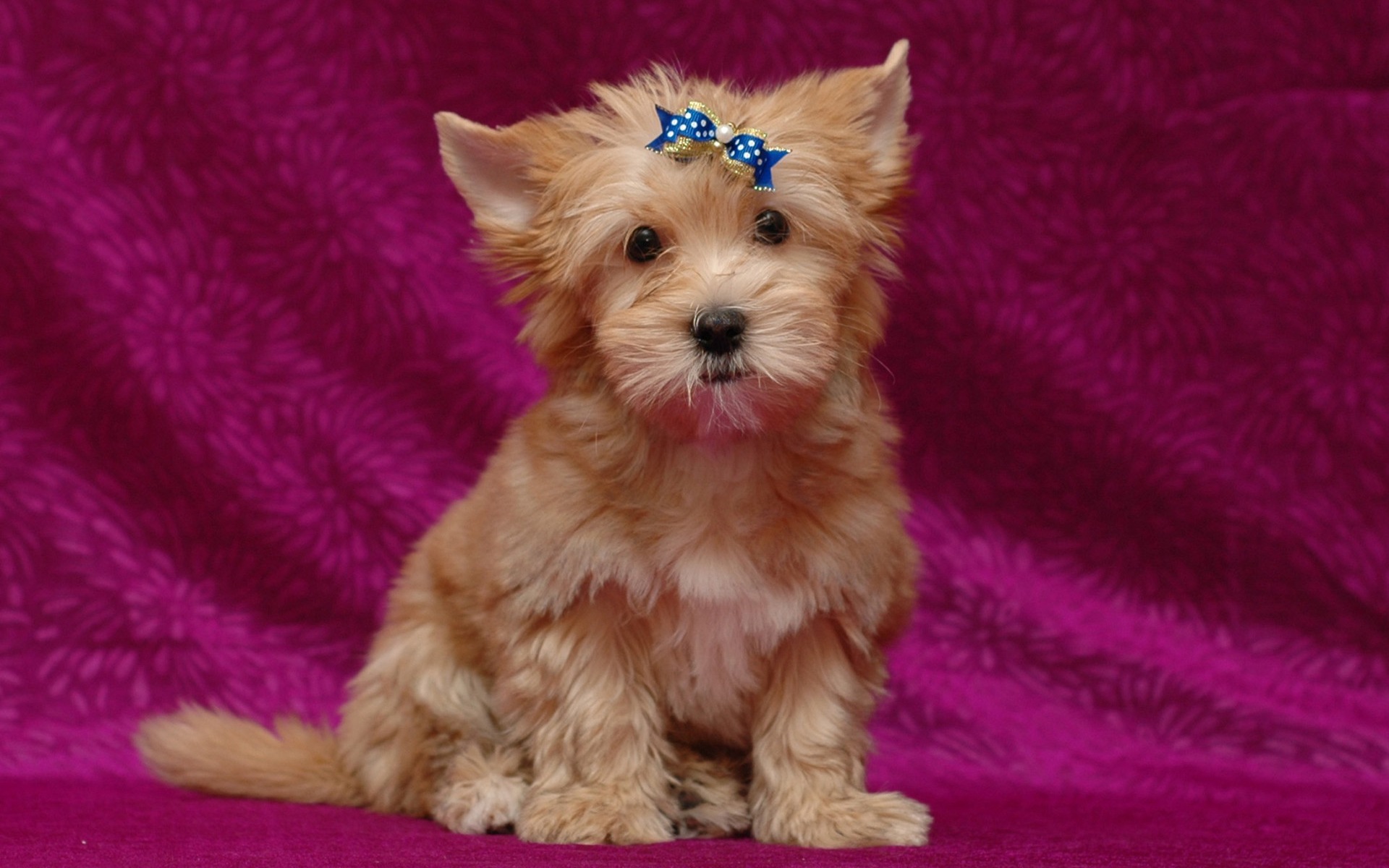
Like a lion!
Compact size and a cute face with kind eyes do not at all match the desperate barking and attempts to fight with any opponent among Russian toy dogs. But the fact remains: these little ones are full of bravery.Care and Maintenance
Russian toy breeds, or “rusalki,” are not demanding when it comes to living conditions and do not require spacious accommodations. However, to ensure a fulfilling life, it’s essential to create optimal living conditions for them. They need enough space for play and relaxation. Additionally, it’s important to regularly ventilate the room and maintain a comfortable temperature suitable for the dog. Ensure there is a designated area where the dog feels safe. A small doghouse can be provided for them to retreat to or hide from distractions. Avoid placing their space under an air conditioner or in a passageway; the former can lead to colds, while the latter may prevent the dog from resting.
What kind of care do Russian toy dogs require? According to experienced breeders, outdoor walks are one of the most obvious conditions for a pet’s comfort. However, rusalki can also be satisfied with walks on a balcony, especially in winter. If the dog goes outside, it’s best to dress them in special coats during damp weather to keep their coat clean. Dogs should have plenty of exercise during walks; otherwise, they might be more active at home than usual.
The diet of Russian toy dogs should be balanced and include all necessary nutrients. It’s advisable to consult a veterinarian to create an optimal diet and choose food that meets your pet’s needs. It’s generally safe to use the same food as the breeder from whom the puppy was acquired, as this usually prevents digestive issues. The ideal food for rusalki is holistic nutrition, which contains all essentials in the best proportions. Using holistic food shows immediate results, reflected in the dog’s ideal coat condition and overall tone. Teeth cleaning occurs naturally while chewing on the dry food, but regular checks of the dog’s teeth and gums a few times a week help prevent plaque buildup. Providing edible chew bones from pet stores can also have a preventive effect against these issues.
Grooming is the most energy-intensive aspect of caring for rusalki. Their coats require special attention. Regular brushing, trimming, and various styling options offer unlimited creativity for owners. Russian toy breeds should be bathed using specialized pet shampoos and conditioners. After bathing, it’s crucial to dry the coat with a hairdryer or a towel. If the dog is afraid of the dryer, they can be wrapped in a warm towel until completely dry. It’s advisable to close windows during this time and ensure the dog is not exposed to drafts. If the coat is of natural length, brushing is necessary to prevent tangling, while trimmed dogs do not require this. In some cases, curls may even be styled. Owners can choose to perform these procedures themselves or take their pets to professional groomers. If you plan to get a puppy from a kennel, you should immediately look for a nearby grooming salon, as you will be a frequent visitor.
The cost of maintaining these little ones can be quite high. Nail trimming should be performed at least once every ten days, paying careful attention to the blood vessels inside the nail to avoid cutting them too short.
Owners should check the ears and eyes a few times a week. If any discharge is discovered, it should be removed with cotton. Avoid cleaning ears with cotton swabs to prevent damaging the eardrum; cotton pads are a safer option.
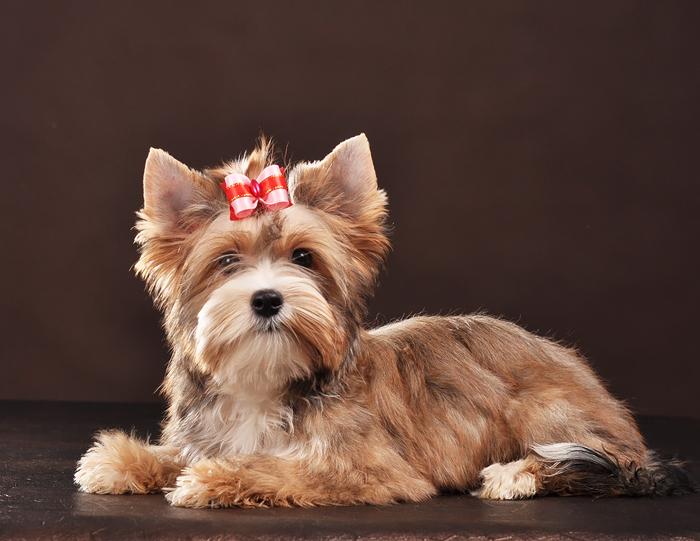
As if in a palantГr.
Long, shaggy fur, if not trimmed and carefully maintained, hides the paws and gives the silhouette of a toy dog from the side. Groomed mermaids look like dogs of a different breed.Training and Education
It is an undisputed fact agreed upon by the most renowned dog breeders that Russian salon dogs are easy to teach basic commands. Their intelligence allows them to “weave” between your legs, fetch slippers, “serve,” “dance,” and perform other amusing tricks. The command “play dead” especially delights children. However, training them in such tricks requires patience, positivity, and a lack of rush. Once you overcome these challenges, you will enjoy your time with your pet. Here are some tips on how to train a Russian salon dog.
Russian salon dogs learn best through play with positive reinforcement.
Start with the simplest commands and gradually move to more complex ones, always keeping persistence and patience in mind.
Reinforcement in the form of praise, treats, or toys is the best motivator for a Russian dog. This is confirmed by any breeder of decorative dogs. The training session should not exceed 20 minutes. After this time, the dog may become tired and lose interest, even in the reward for successfully completing a command.
The punishment system should exclude any physical impact, yelling, or rudeness towards the animal. Such treatment will undoubtedly cause harm and create a breach of trust between the participants in the process.
Every dog can be stubborn and attempt to avoid training. In such cases, it’s necessary to reconsider your approach. There may be distractions such as noise or outsiders, or it may simply not be the right time. The optimal time for training is after sleep and before meals when the dog is neither tired nor lazy.An individual approach to the dog is important, as some dogs are more inclined to perform active commands while others prefer tricks done while sitting still. Observe your puppy’s behavior and nurture its inclinations.In conclusion, raising and training a Russian salon dog is a long but captivating process. Once completed, it will lead to harmony and mutual understanding between you and your four-legged friend. You will see how your dog becomes not just the perfect companion but also a true and loyal friend. Zooinika connects certified breeders offering puppies with excellent pedigrees.
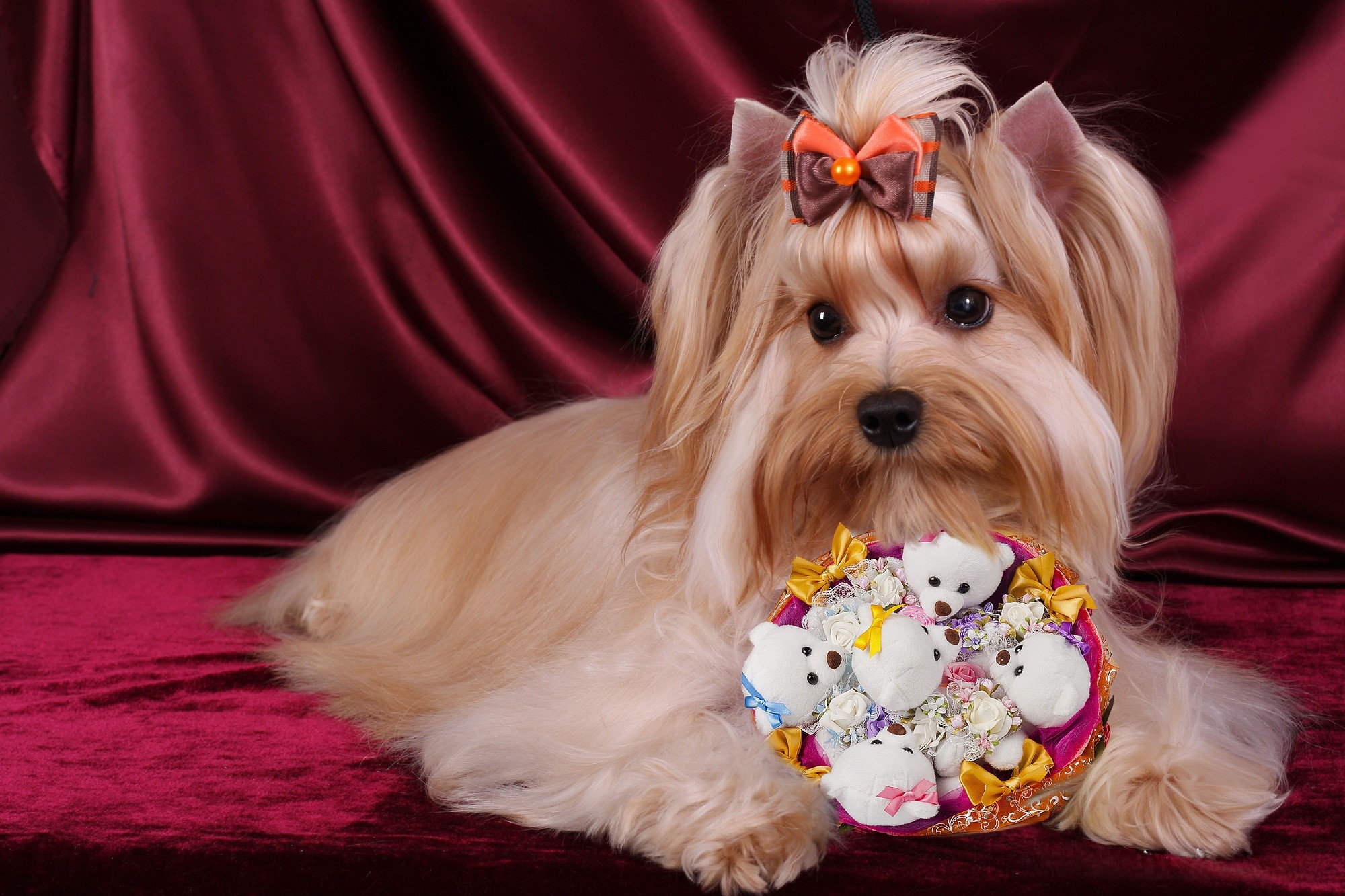
How are we going to cut it?
Although the breed is officially allowed to be clipped, this can only be done according to one of the four schemes outlined in the breed standard.
How to Choose a Puppy
The breed is quite new, so offers made by breeders of small dogs at pet markets should not catch your attention. The best solution is to find dog kennels on a map or buy a dog from a breeder with a proven reputation. To do this, attend events organized by clubs and interact with breeders. Such events are a great opportunity to see the parents of your future puppy, observe their behavior, and gather as much information as possible from the owner.
In the 21st century, there are many specialized online resources where breeders post information about their litters and offer puppies for sale. However, it is crucial to be extremely cautious and verify the information provided by the breeders’ websites. Consult friends who already have a Russian Salon dog for advice and recommendations on finding a breeder. For your convenience, we have marked the best dog kennels on our website’s map. Once you find a potential seller, ask questions about the health, breeding, and living conditions of the dogs. Don’t hesitate to request to see where they keep their dogs and to look at the documentation for the puppy’s parents. Find out about Zoonik and get an excellent pet.
Health and Diseases
Since the breed is quite young, it is still too early to discuss the presence of any breed-specific diseases. Moreover, efforts to improve its qualities are still ongoing. However, during the transition from baby teeth, veterinary assistance may be required, as some baby teeth may “linger” and not fall out as scheduled.
On average, mermaids live up to 15 years and have a stable immune system. Judging by the health of similar breeds such as Biewer, Yorkshire Terrier, or Shih Tzu, mermaids may have allergies to certain foods or medications. Like other dogs, regular seasonal treatment for parasites is very important for mermaids.
Without a doubt, and this is something every decorative dog breeder will confirm, timely deworming and adherence to the vaccination schedule are essential. Therefore, preventive check-ups at the veterinarian should not be neglected.
If the diet consists of a lot of fatty food and the owner “spoils” their mermaid with treats from the table or gives them sweets, liver problems are inevitable. It is advisable to carefully monitor the quality of the feed and avoid mistakes in the pet’s diet.
Pay attention to the interactions between the salon dog and small children. During playtime, the little ones might get carried away and accidentally injure the dog. Its skeleton is quite fragile, and dislocations can easily occur during play. Thinking it over? There’s a vast selection of ads on the map by cities at Zoonika.
Содержание
-
1. Описание породы
-
2. Внешний вид
- 2.1 Голова
- 2.2 Морда
- 2.3 Уши
- 2.4 Глаза
- 2.5 Зубы
- 2.6 Корпус
- 2.7 Конечности
- 2.8 Хвост
- 2.9 Шерсть
- 2.10 Окрас
-
3. Характер
-
4. Содержание и уход
-
5. Дрессировка и обучение
-
6. Как выбрать котенка
-
7. Здоровье и болезни






Comments
Only registered users can leave reviews.
Enter