
Russian hunting spaniel





Warning: Illegal string offset 'label' in /home/panda/sites/zoonika/wp-content/themes/zoonika/template-parts/animals/animals-param-item.php on line 32
Ð


Breed Description
Looking ahead, it can be confidently stated that the Russian Hunting Spaniel is an ideal breed of dog, perfectly combining hunting skills and being an ideal companion for any family. Unfortunately, as of now, the international canine association has not recognized this breed. Therefore, purchasing a puppy from a kennel of Russian Hunting Spaniels, complete with all necessary documents, can only be done within our country.
Where did these wonderful dogs come from? It is believed that foreign spaniels had a significantly harder time in the harsh Russian conditions and struggled with our landscape. In response to requests from the hunting community, our breeders began to develop a slightly taller spaniel, making it easier to navigate obstacles while hunting birds: pheasants, ducks, geese, woodcocks, or partridges. Of course, this list could go on and on. In the 19th century, a member of the Romanov dynasty, being a passionate hunter, brought back foreign hunting dogs from his travels. Among them were Cocker Spaniels and other breeds from this line, such as Springer Spaniels. Initially, the new Russian breed evolved somewhat uncontrollably, leading to a subpar exterior, but in the field, the Russian Hunting Spaniel could outperform any dog from the Misty Isle. By the early 20th century, several lines of Russian Hunting Spaniels were established in the Northern capital and Moscow. Their exterior was almost identical, yet their working style varied greatly. In pursuit of the ideal hunting spaniel, the best specimens from these lines were bred together, yielding excellent results:
Unfortunately, the Great Patriotic War nearly wiped out the population of these remarkable dogs, as dog breeding in the Soviet Union was overseen by the Leningrad Association of Dog Breeders. Only in 1951 was the breed standard developed, and by the early 1970s, Cocker Spaniels and Springer Spaniels were removed from working dog categories. The breed’s popularity continues to grow. Now, it is possible to choose a puppy from kennels in many countries besides Russia. The price of a Russian Hunting Spaniel ranges around 35,000 rubles. Exclusive specimens cost more, but the joy of owning such a pet is well worth it. At Zooinika, you can find the best selection of kennels in Russia, where professional breeders present hunting dogs. Unfortunately, European countries are not very keen on allowing this competitor, so the FCI has yet to accept the breed into its ranks.
Appearance
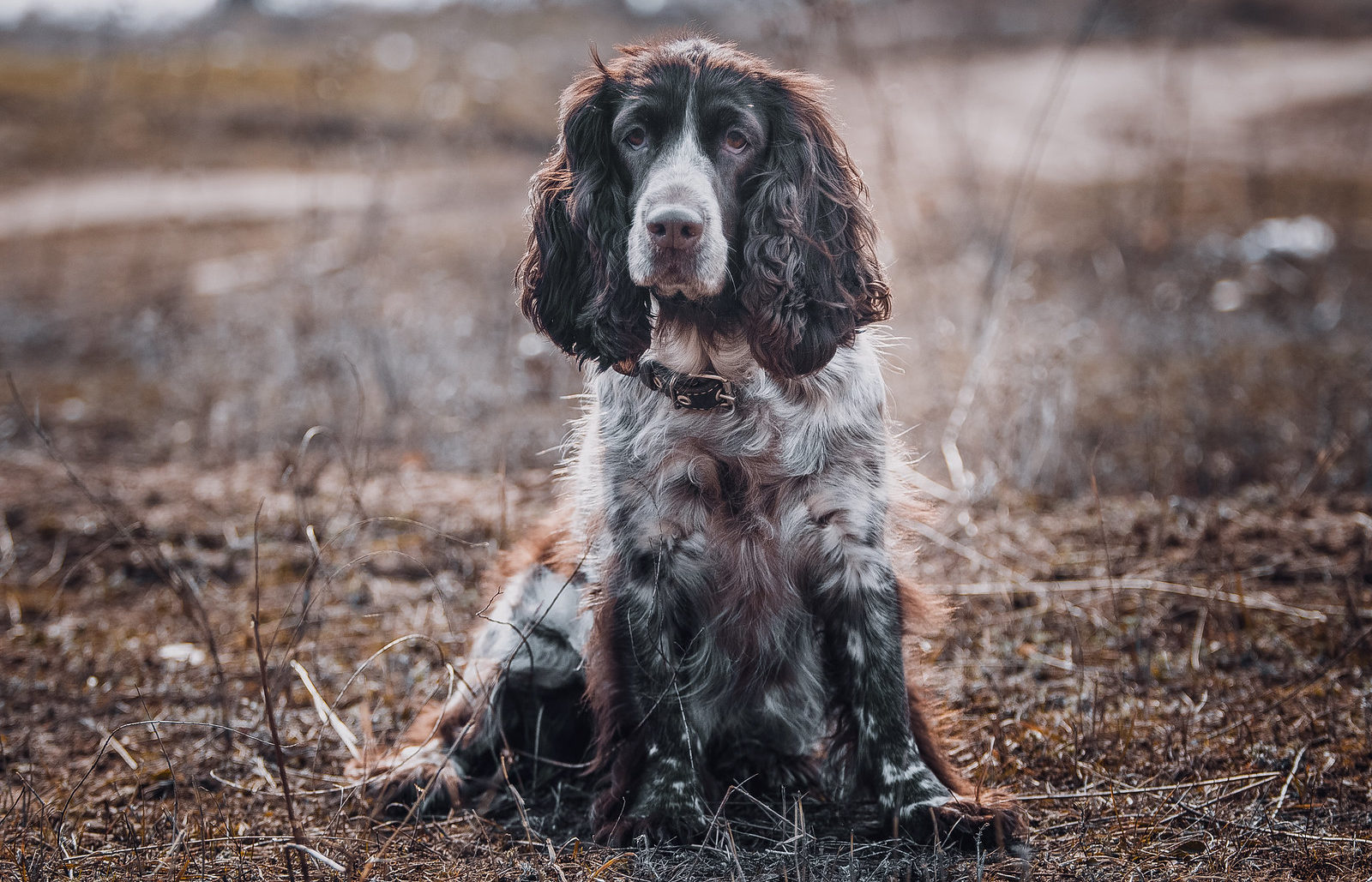
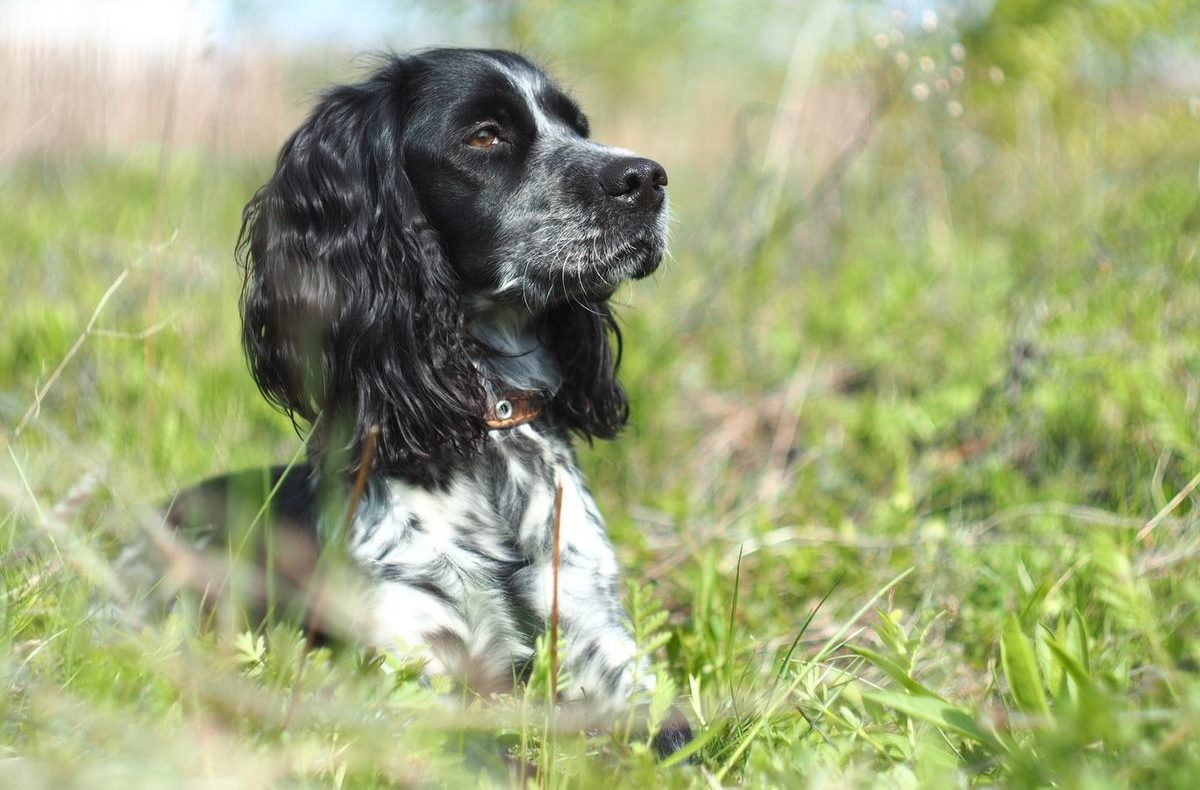
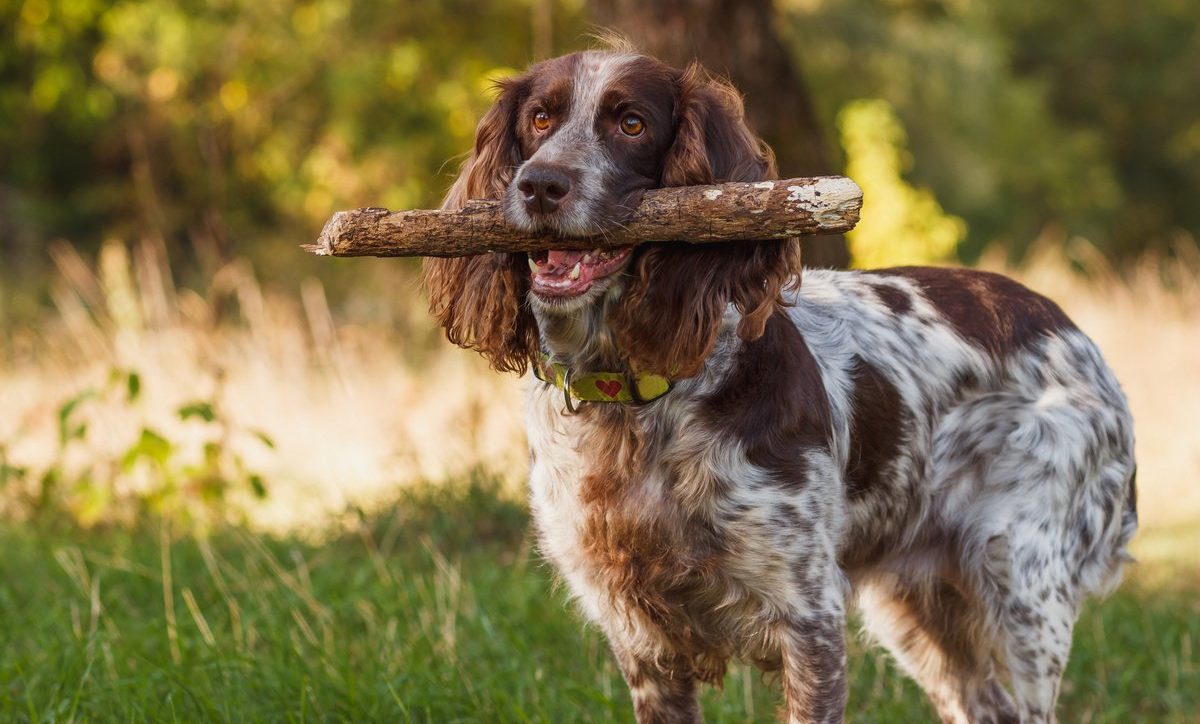
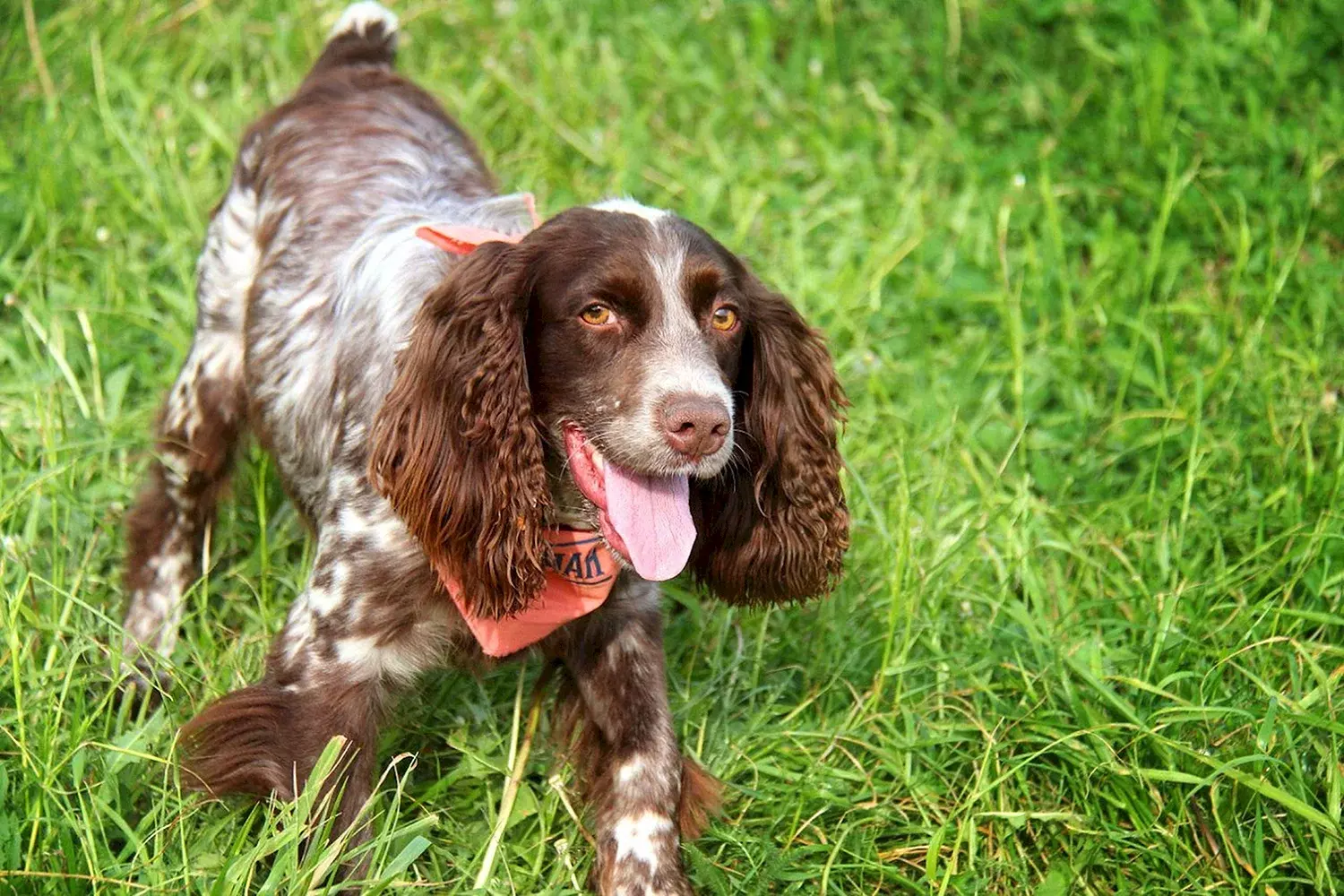
The pride of Russian hunters, the Russian hunting spaniel is sometimes simply called the Russian spaniel for short. A remarkable swimmer and hunting assistant, this tireless optimist brings good cheer to its household and is among the best at detecting prohibited items for police and security services in airports around the world. The list could go on and on-these dogs are incredibly versatile.
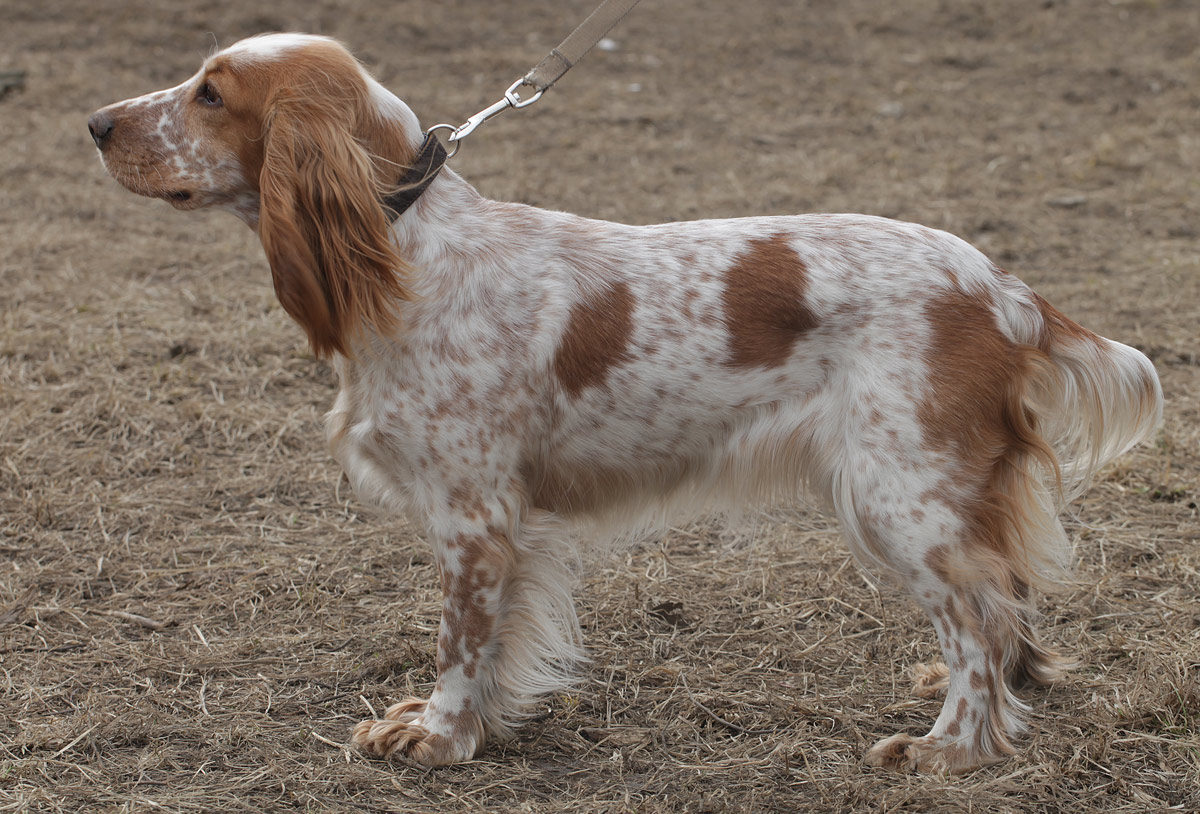
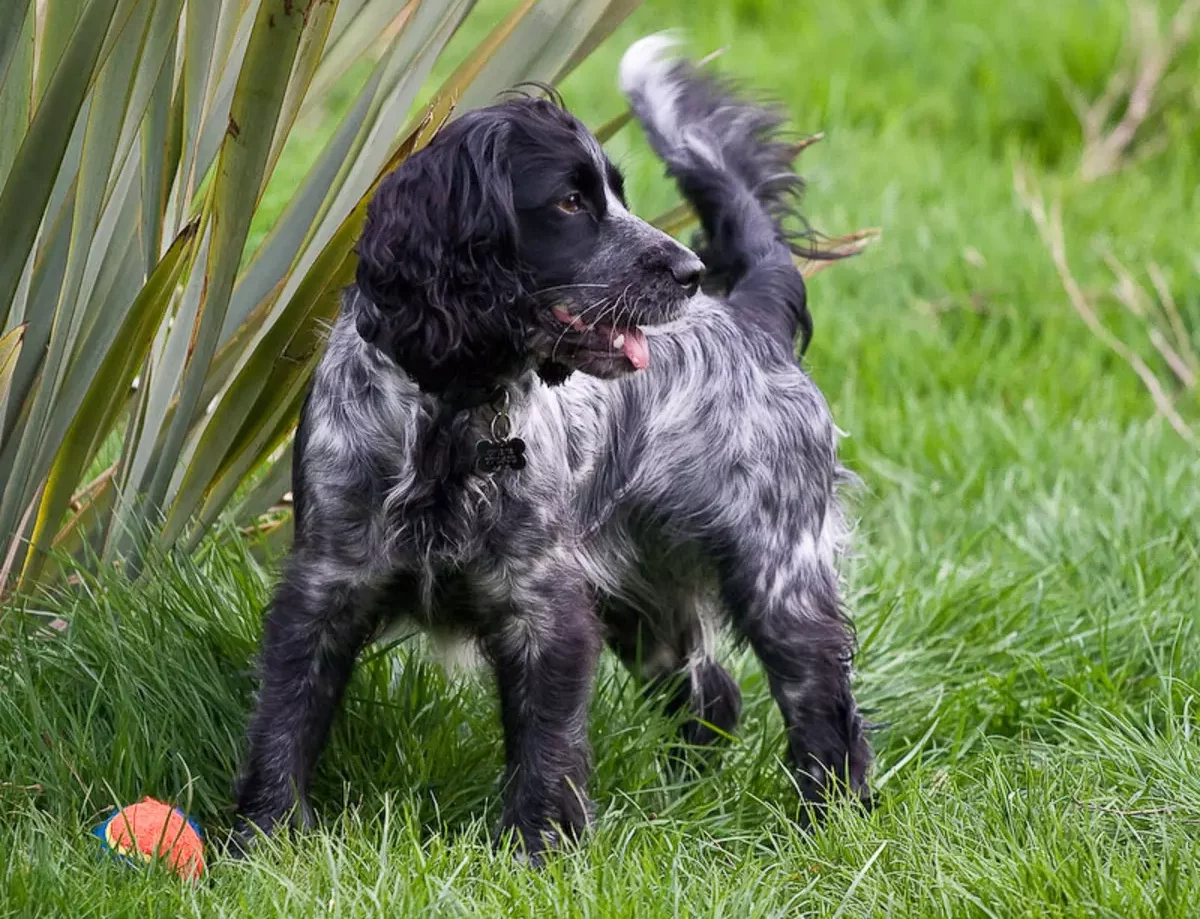
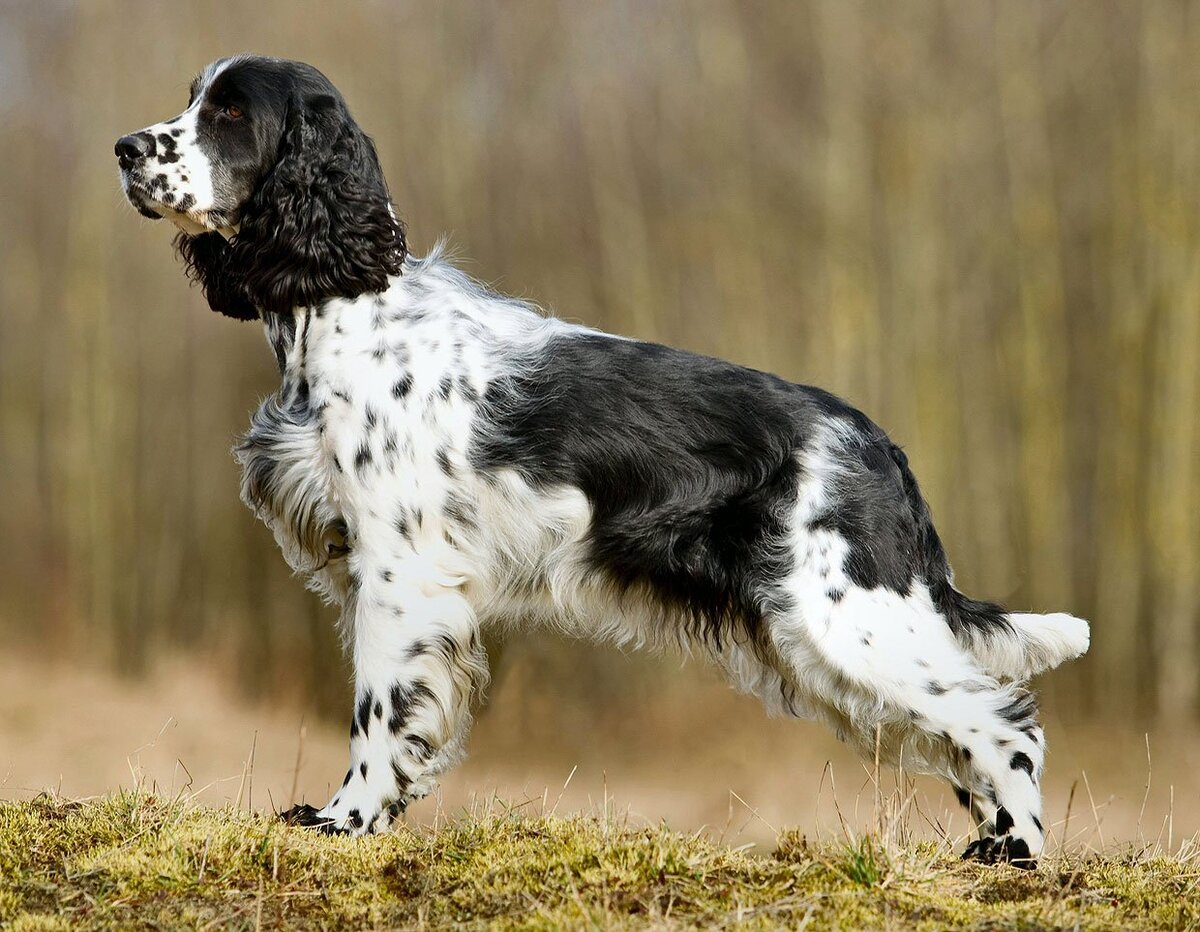
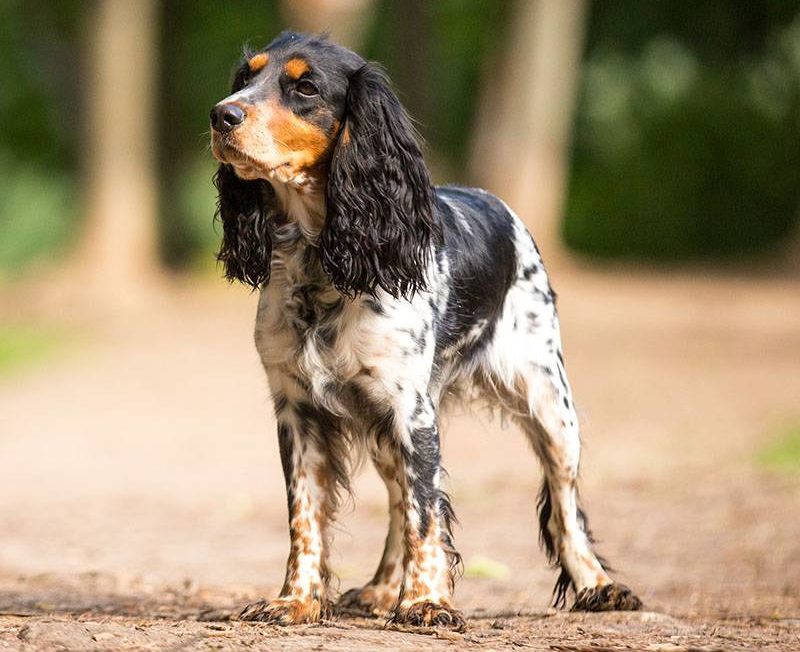
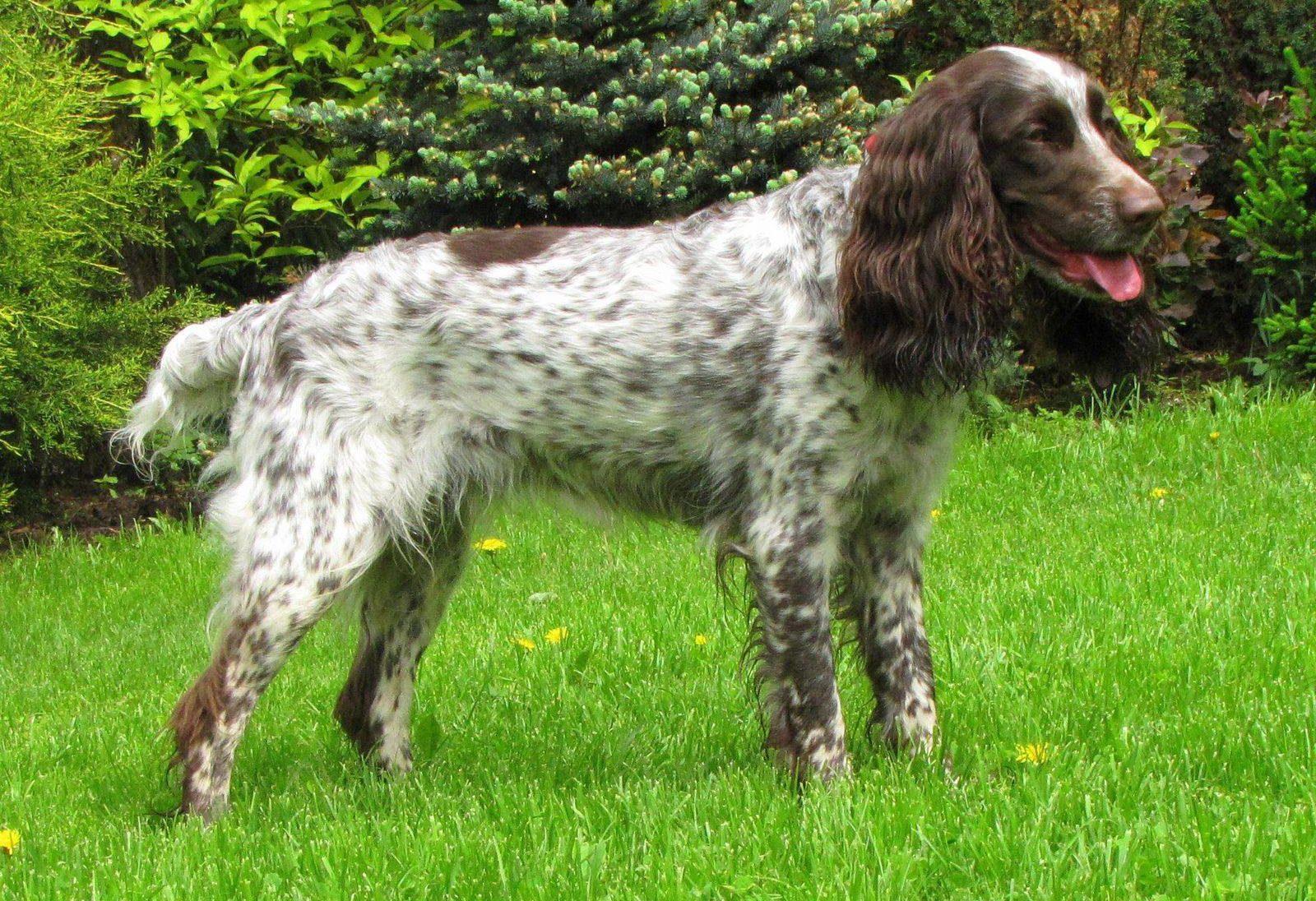
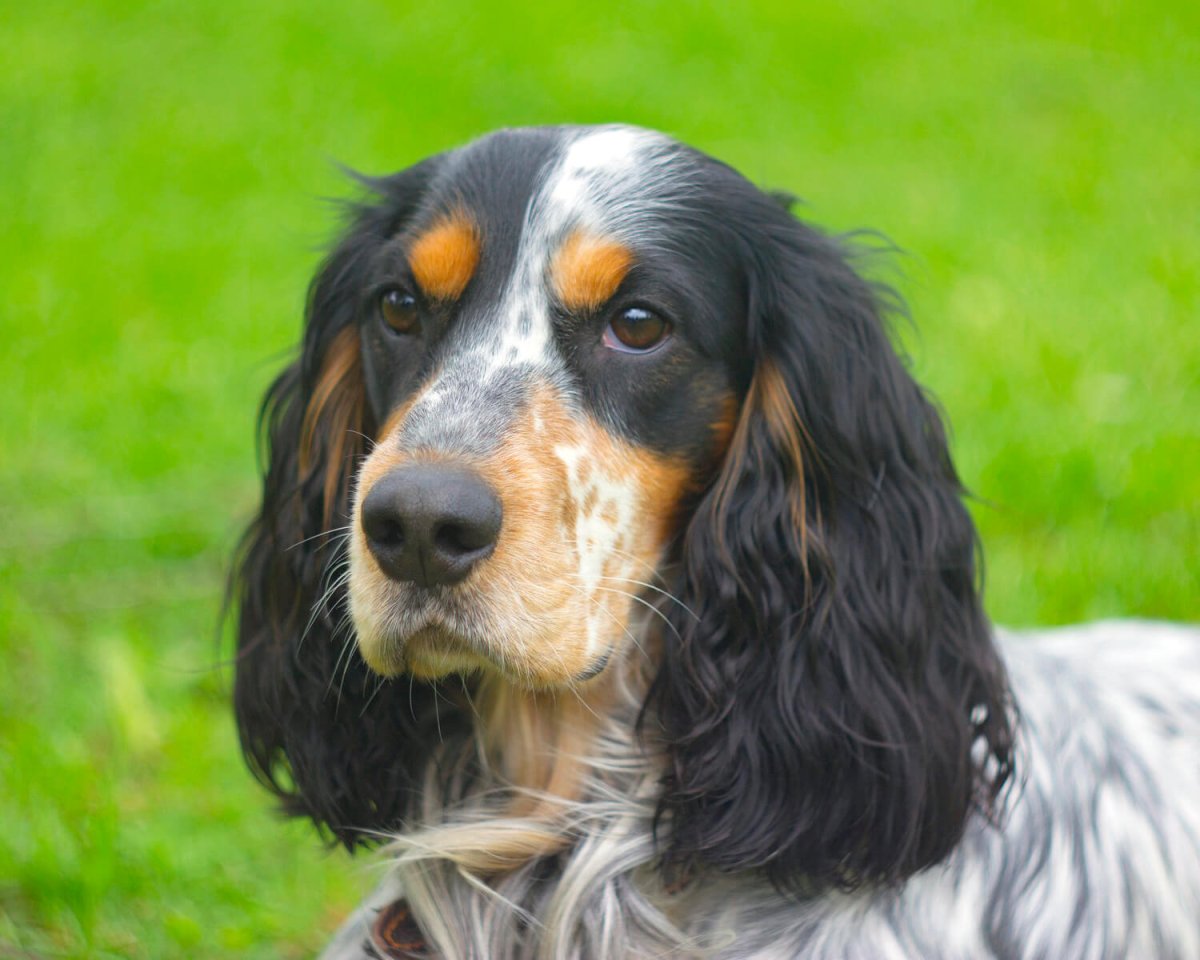
The Russian hunting spaniel (ROS) has a less refined appearance compared to American or English spaniel lines. However, it is much more effective in the field than its overseas counterparts. Its grace lies not in its looks, but in how it retrieves shot ducks from swamps or works with its owner to hunt snipe. The Russian spaniel is somewhat of a Sherlock Holmes in the world of hunting dogs. Legends could indeed be told about its endurance.
Relatively low in stature, with medium-length fur, silly long ears, and a slightly elongated body, it appears rather simple when placed next to its overseas relatives. To this day, the breed is not recognized worldwide. Perhaps that is why Russian spaniels have yet to lose their working qualities in favor of the preferences of dog show judges.


Отличительные черты

Голова

Морда

Уши

Глаза

Зубы

Корпус

Конечности

Хвост

Шерсть

Окрас
Character
The Russian hunting spaniel was bred specifically for bird hunting. Despite its pronounced hunting traits, the breed is characterized by friendliness, and its energetic temperament makes it a wonderful companion for active owners, including families with children and teenagers. Choosing a puppy from a kennel means giving your child a loyal friend. There will always be activities for them outdoors, as both the dog and the young owner love to play outside.
When talking about the character of Russian spaniels, one of their main traits is their attachment to their owners. They strive to provide their owners with affection and tenderness and enjoy spending time with their family.
Since this breed of dog is very active and curious, and loves to play, its representatives need a lot of physical activity and mental exercises. Interestingly, their intuition is exceptionally high, making them excellent detectives, and even in adulthood, they enjoy playing hide and seek. If the dog stays inside too long and doesn’t go out often, negative traits may emerge: the dog may start chewing on shoes, misbehaving, and causing all kinds of trouble. Therefore, Russian hunting spaniels need regular and fairly long walks of 60 to 90 minutes a day or even more. During walks, they need ample opportunities to run and play, so they come home tired. This way, both their physical and mental well-being will remain in check.
Another characteristic of this breed’s temperament is their mental sharpness. Russian hunting spaniels are very intelligent, learn quickly, and have excellent memories. They can effectively execute commands and tricks with proper training and stimulation.
It is also worth mentioning that Russian hunting spaniels have a pronounced hunting instinct. They are usually well-suited for bird hunting due to their ability to work in tandem with the hunter and their sensitivity to scents. However, unlike other breeds, they do not point when they detect game. It should be noted that their performance does not suffer from this, and may even improve. An undeniable advantage is their cheerful disposition and lack of aggression towards other household pets.
In summary, one can assert that the Russian hunting spaniel combines a friendly nature, energetic spirit, mental sharpness, and hunting instinct, making it a wonderful pet for active and loving owners.
Weaklings don’t go hunting!
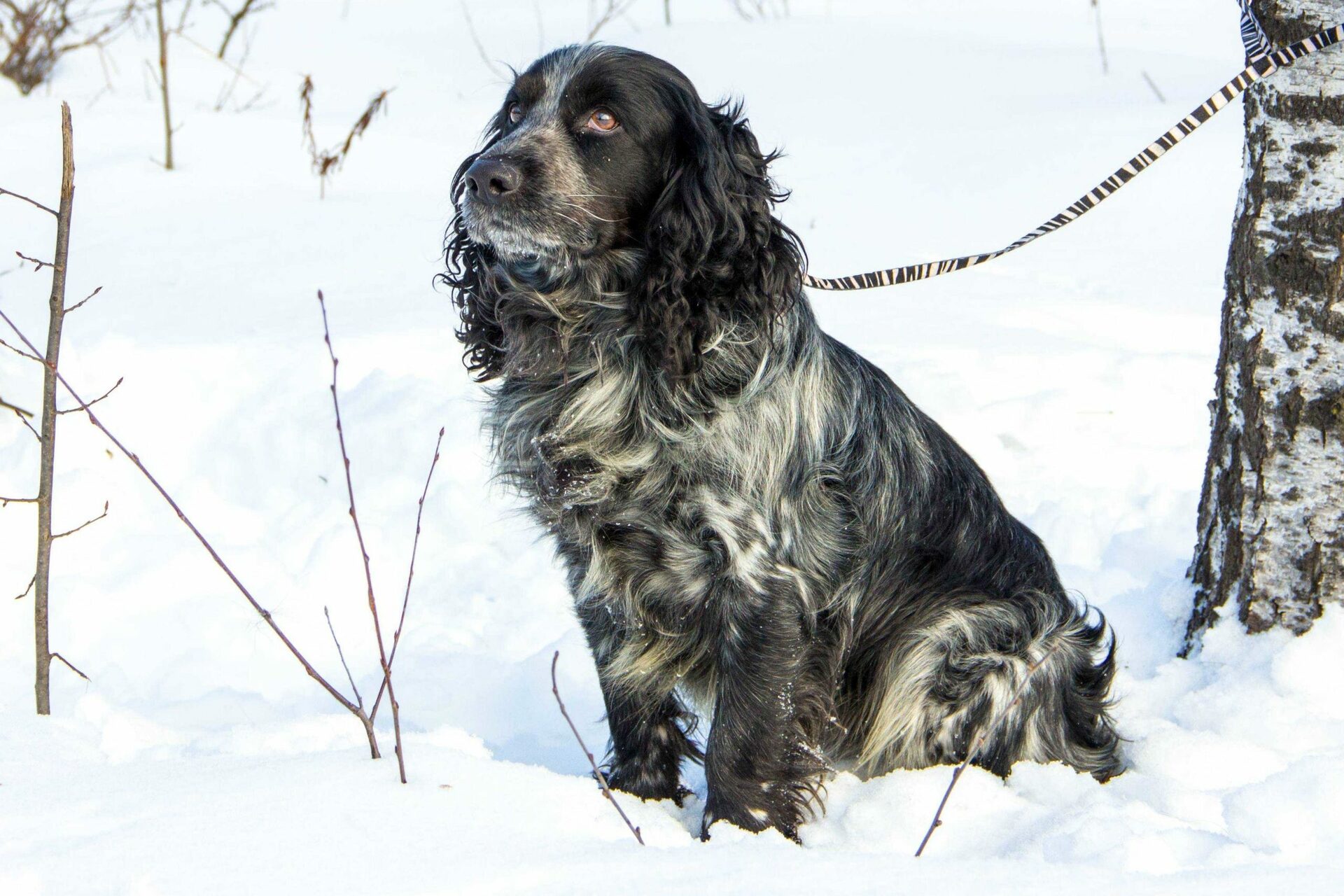
It is noteworthy that Russian hunting spaniels prefer cooler temperatures over heat. Moreover, those dogs that have grown up in more comfortable conditions have noticeably weaker immune systems.Care and Maintenance
The most favorable conditions for keeping a Russian hunting spaniel allow it to reach an average age of 12-14 years. To achieve this, the owner must pay special attention to several aspects:
1. Since Russian hunting spaniels are very energetic dogs, they require a lot of physical activity. They absolutely love long walks outdoors and are ready to cover great distances with their owner. These walks should last at least 60-90 minutes a day, making parks or designated dog exercise areas ideal.
Running alongside a bicycle provides them with a high level of exercise and helps burn off a lot of energy, contributing to their physical endurance.
Playing with a ball or frisbee not only helps them physically but also offers beneficial mental stimulation.
Swimming. It has been observed that Russian hunting spaniels love to swim. Swimming represents excellent physical training and helps cool the dog down during hot weather.
If you decide to buy a puppy from a kennel, it is your responsibility to choose exercises that consider its individual characteristics and to adjust them according to the age, health, and physical condition of the pet.Training and mental exercises occur daily. When playing with the dog, never take away its toy; instead, swap it for a treat. This simple manipulation helps the dog develop obedience more quickly, making training easier for you. Regular training, games, and similar tasks help keep them active and happy.Socialization.Since the breed is characterized by strong attachment to its family, it is also essential to ensure proper introductions to other dogs and people, so they feel comfortable in various situations.Regarding coat care, it needs to be brushed regularly, especially during the shedding period when the dog loses a lot of fur. It is recommended to brush daily with a comb that has fine teeth, and to use de-shedding tools to prevent matting. Coat care for Russian hunting spaniels also eliminates specific odors. Dogs should be bathed regularly with special shampoos that consider the individual characteristics of the dog’s coat and skin. Adhering to these aspects will
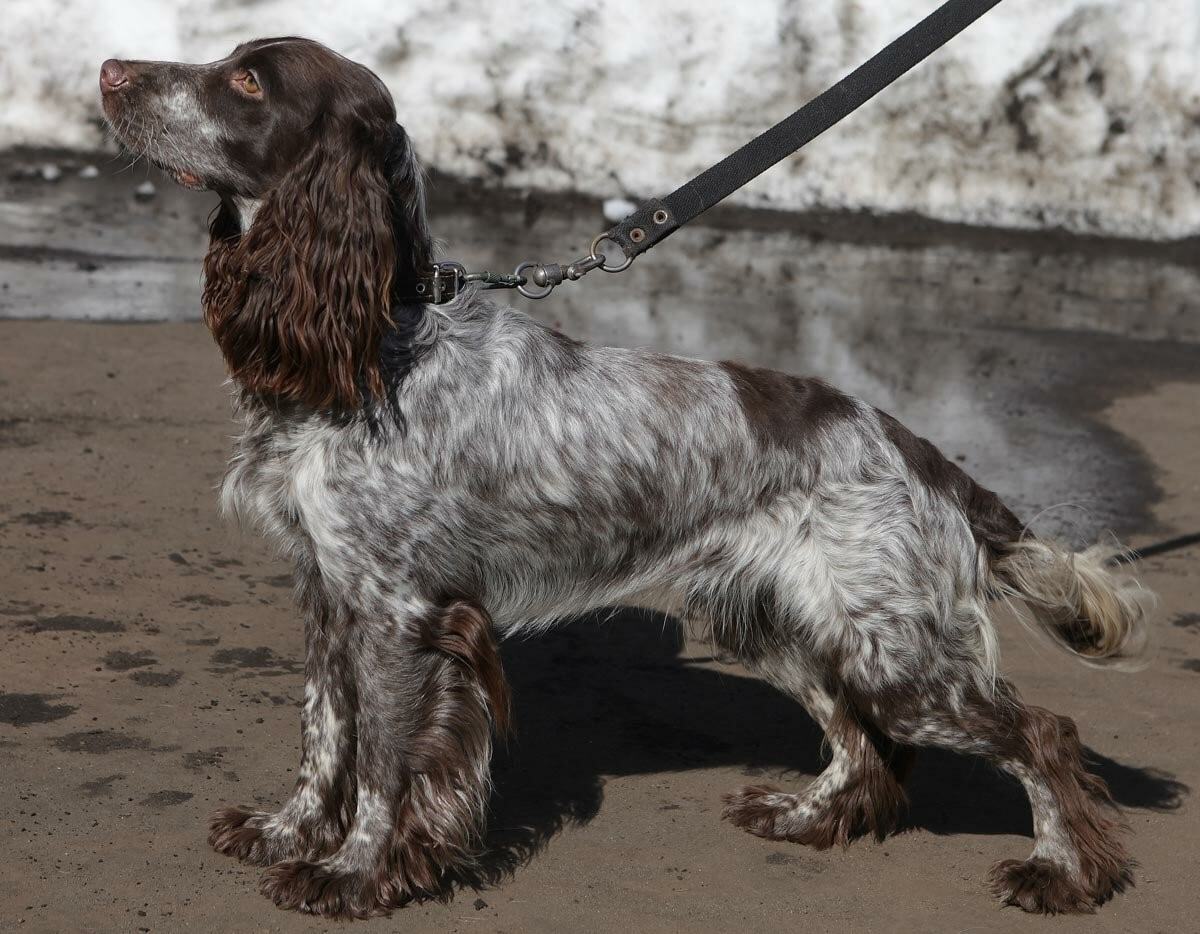
Bad hearing? No, it's calmness!
The hunter's gene allows even small spaniels to remain calm in loud sounds. There is a belief that puppies of ROSS are not scared of gunshots if their parents participated in hunting.Training and Education
If you’ve decided to choose a puppy from a Russian hunting terrier kennel, be prepared for an energetic, intelligent, and loyal breed. However, its upbringing and training require patience, consistency, and an understanding of the breed’s characteristics. Here are some recommendations to help you raise and train your pet.
Russian hunting spaniels are clever and independent dogs. They need clear behavioral rules established from the moment they arrive in your home. Be consistent in your demands and encourage desirable behavior.
Positive Reinforcement
This breed is sensitive to positive reinforcement. They learn faster when they receive praise, treats, or play as rewards for correctly following commands. Utilize their curiosity and desire to please you during training. For those who wish to purchase a puppy to take hunting, it is advisable to consult professional trainers to help teach the dog this challenging skill.
Socialization
Russian hunting spaniels require early socialization. Introduce them to different people, other dogs, various sounds, and environments so they feel confident regardless of the surroundings. Gradually expose them to new settings so they can adapt and remain calm.Training Tricks and Basic CommandsStart with the simplest basic commands such as “Sit!”, “Lie down!”, “Close!”, and “No!”. From there, gradually increase the complexity of tasks and move on to commands like “Fetch!”, “Bring!”, and “Wait!”. Use clear gestures and vocal intonations to reinforce these commands. Practice in different locations so your dog can apply their skills in various situations.Physical ActivityRussian hunting spaniels are very energetic dogs. They require regular physical exercise. Daily walks, running, swimming in warm weather, and not only active but also intellectual games will help them expend energy. Remember that physical activity greatly contributes to mental development as well.Patience and LoveRussian hunting spaniels can sense their owners’ moods. Be patient and kind during training. Use a friendly approach, avoiding harshness or punishment. Build a relationship with your pet bas
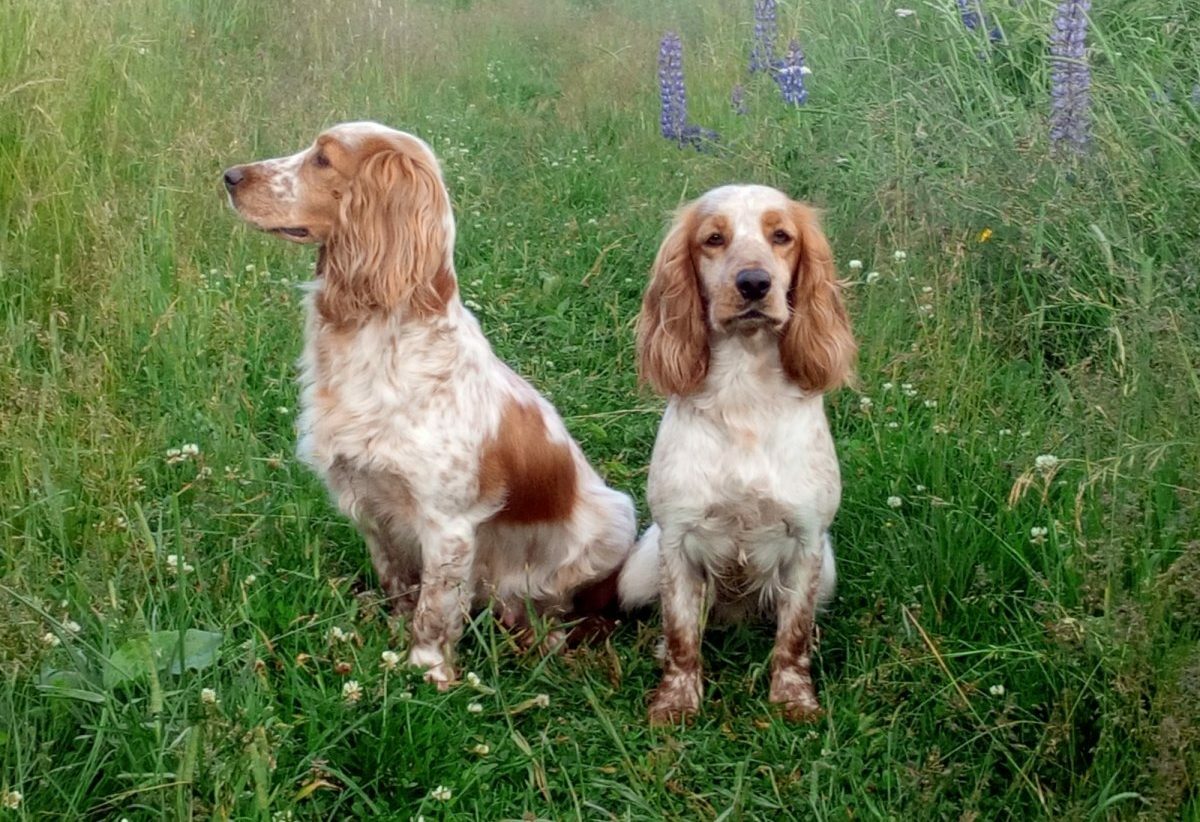
Exceptional intuition or wonderful sense of smell?
It is impressive how skillful and quick Russian spaniels are at finding hidden objects during play or with their excellent sense of smell. For this reason, they can be found at airports in various countries at passenger screening stations.
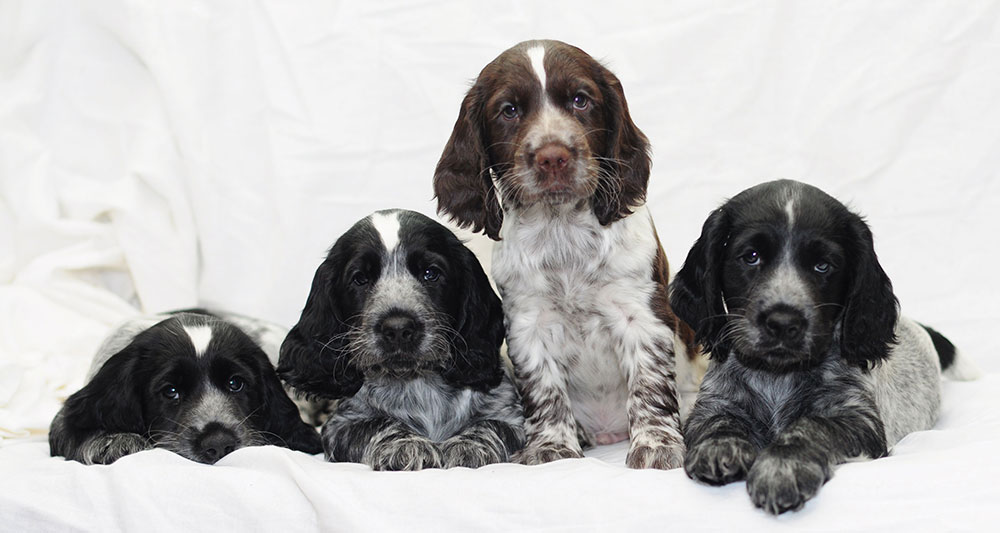
How to Choose a Puppy
First of all, it is essential to understand the ultimate goals of acquiring such a pet. If you plan to choose a puppy from a kennel and are considering Russian hunting spaniels, it is especially important to pay close attention to several key aspects during the selection process.
Firstly, inspect the parents of the litter and ensure that they have no health issues. Request genetic test results from the breeder. Familiarize yourself with the temperament of not only the puppies but also their parents. This helps to predict how your puppy will behave in the future. It is also important to assess the living conditions and cleanliness of the kennel. On Zoonik, you can find the best kennels in Russia, where reputable breeders offer their puppies.
Thirdly, consider whether the puppy’s character and activity level fit into your daily routine and whether his behavior aligns with your lifestyle. A positive answer to these questions will be a signal to acquire the perfect companion for you and your family. Learn how to do this on Zoonik and get an excellent pet.
Health and Diseases
It should be noted that there is almost a complete absence of genetic diseases. However, there are still litters where puppies are born with congenital bobtail and cryptorchidism. These dogs should not be bred, as it can harm the gene pool of the breed. Nevertheless, sometimes such breeding flaws are attempted to be sold through private ads for puppies in the pet market.
The robust immunity of Russian Spaniels may still occasionally fail. Most often, it is the ears that suffer, especially in those dogs that swim frequently. The long ears of our spaniels are one of the reasons for the development of otitis, as the structure allows water to remain inside the ear, leading to inflammation.
Obesity often occurs in dogs that are overfed or lead a sedentary lifestyle. Therefore, before purchasing a puppy from a kennel, one should carefully consider the pet’s need for exercise and their own daily routine.
Food allergies are another common issue among Russian Spaniels. It is recommended to use the same food as the breeder to avoid this or to consult a veterinary clinic for dietary adjustments for your loyal dog.
Содержание
-
1. Описание породы
-
2. Внешний вид
- 2.1 Голова
- 2.2 Морда
- 2.3 Уши
- 2.4 Глаза
- 2.5 Зубы
- 2.6 Корпус
- 2.7 Конечности
- 2.8 Хвост
- 2.9 Шерсть
- 2.10 Окрас
-
3. Характер
-
4. Содержание и уход
-
5. Дрессировка и обучение
-
6. Как выбрать котенка
-
7. Здоровье и болезни






Comments
Only registered users can leave reviews.
Enter