
Russian Hound




Warning: Illegal string offset 'label' in /home/panda/sites/zoonika/wp-content/themes/zoonika/template-parts/animals/animals-param-item.php on line 32
Ð


Breed Description
The Russian Hound is one of the ancient hunting dog breeds in Russia, with a history spanning several centuries. However, the breed was officially recognized and standardized only in 1925. The ancestors of the Russian Hound were hunting dogs that were not bred with a focus on maintaining purebred standards. Breeders and kennels aimed to enhance the working characteristics of their packs. Local hunting estates, each with its own dog breeder, emphasized particular traits in their hounds. As a result, some individuals were larger and more powerful, used for hunting deer, roe deer, elk, wild boar, and even in expeditions to hunt bears. Smaller, lighter specimens were more often used for hunting hare, beaver, fox, and large birds.
Tracing back to the origins of the Russian Hound (RH), one can observe packs bred by regional reputable breeders as early as the 12th century. These hounds helped control the wolf population until the 15th century, when RH were used primarily to drive game towards the hunter. A Roman Empire ambassador referred to Russian hounds as “horned dogs” after experiencing a hunt for lynx in Russia. Up until the 17th century, Russian hounds were considered a national treasure. Kennels across Russia opened their doors for the imperial hunting establishments. Their addresses covered increasingly larger territories, including northern regions.
Dog kennels typically sold packs that were already trained to hunt specific game, making them a valued gift within aristocratic circles. The breed’s exceptional speed in pursuit of game, outstanding tenacity for long-lasting chases, and loyalty in vocalizing during hunts were traits that distinguished reputable breeders in Russia. Despite its somewhat forgotten historical roots, the Russian Hound is becoming increasingly popular as a friendly and loyal companion. They make excellent family pets, valued for their attachment to owners, friendliness toward children, and calm demeanor with other animals. You can choose kennels on the map and purchase a dog from a breeder with a solid reputation. On average, pet-quality dogs cost from 20,000 rubles and up. To find out the exact price, the Russian Hound is currently used as a sporting dog participating in competitions in dog sports such as coursing, agility, frisbee, and similar activities.
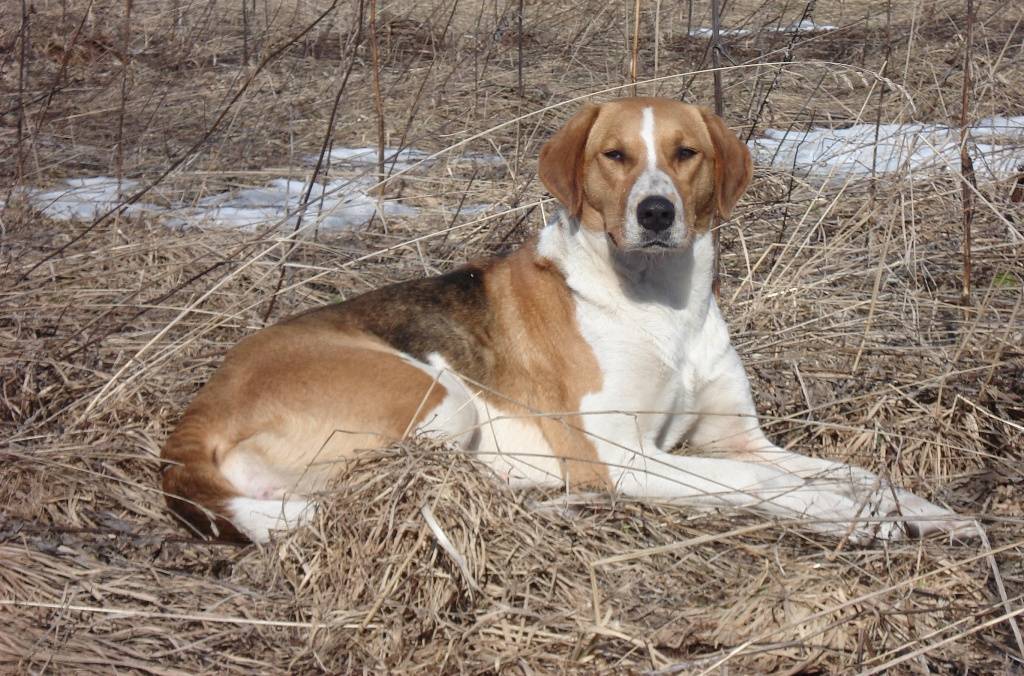
Appearance
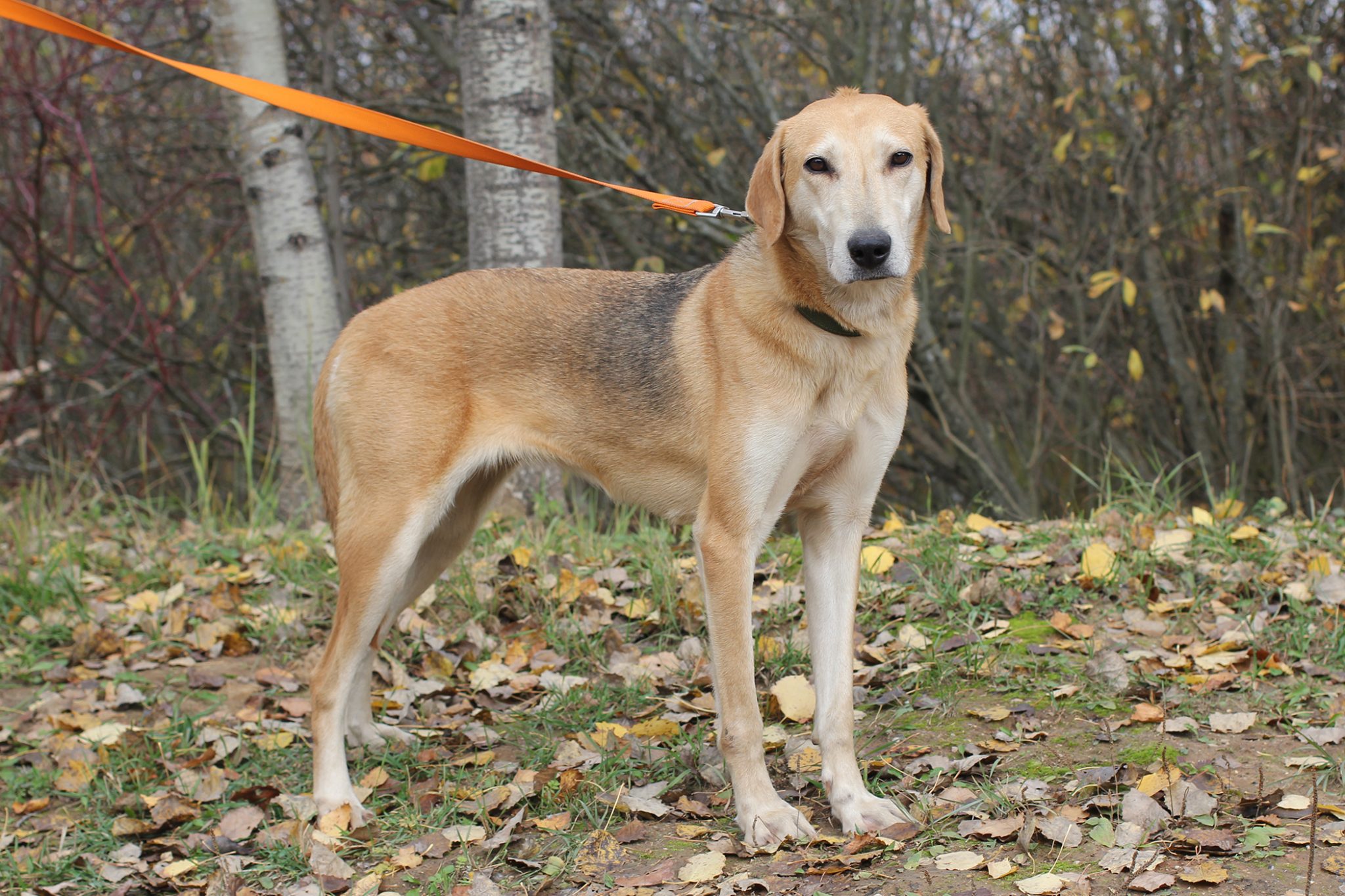
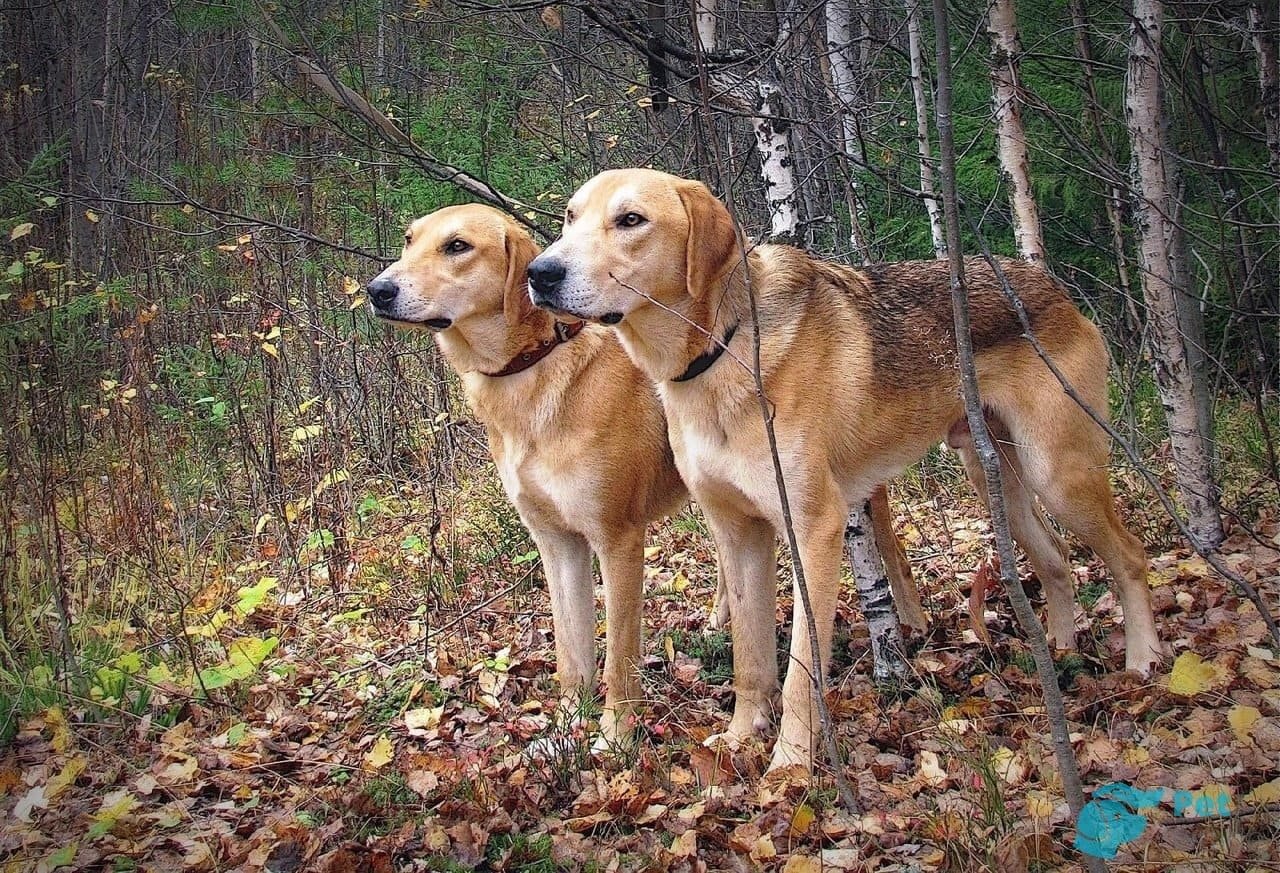
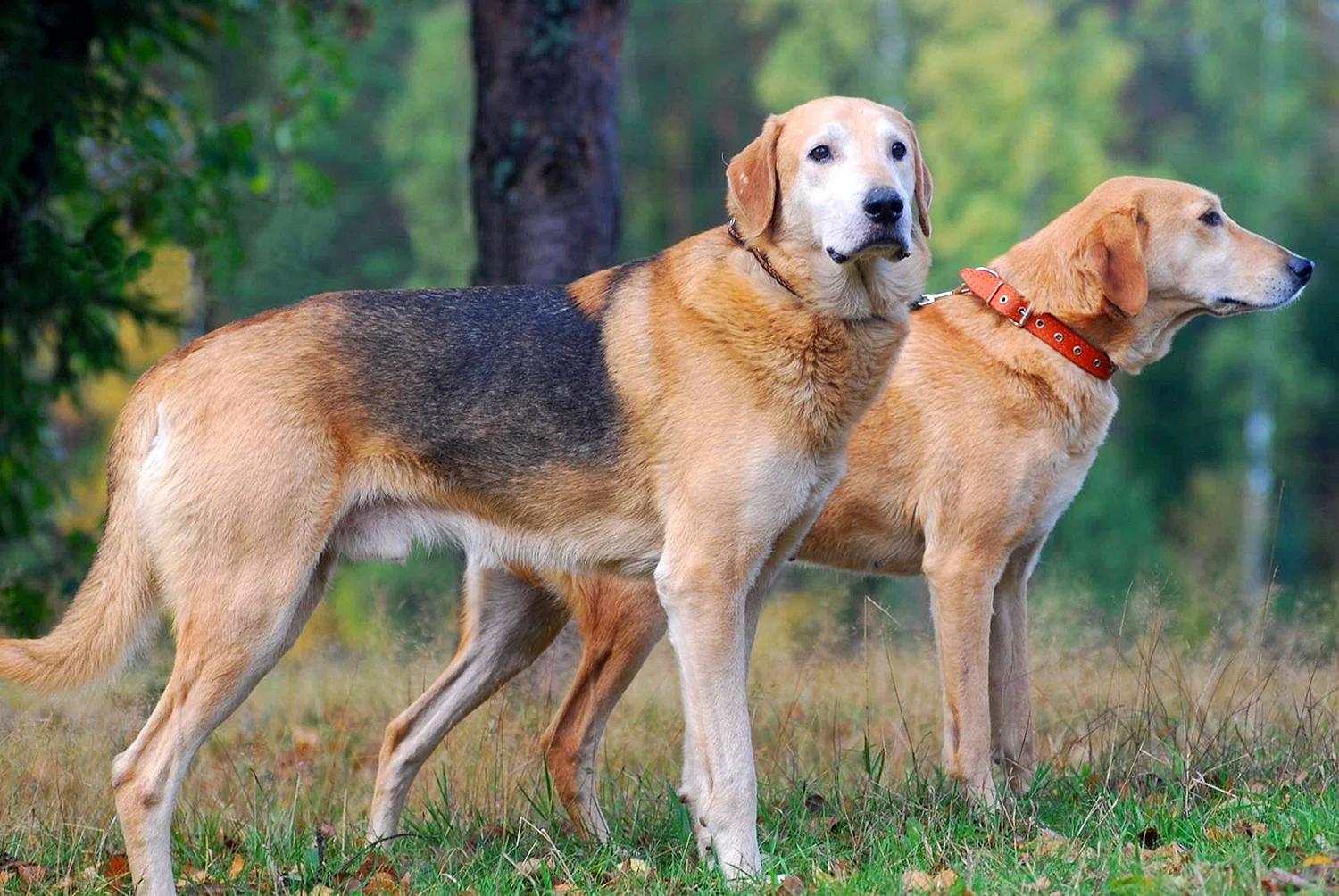
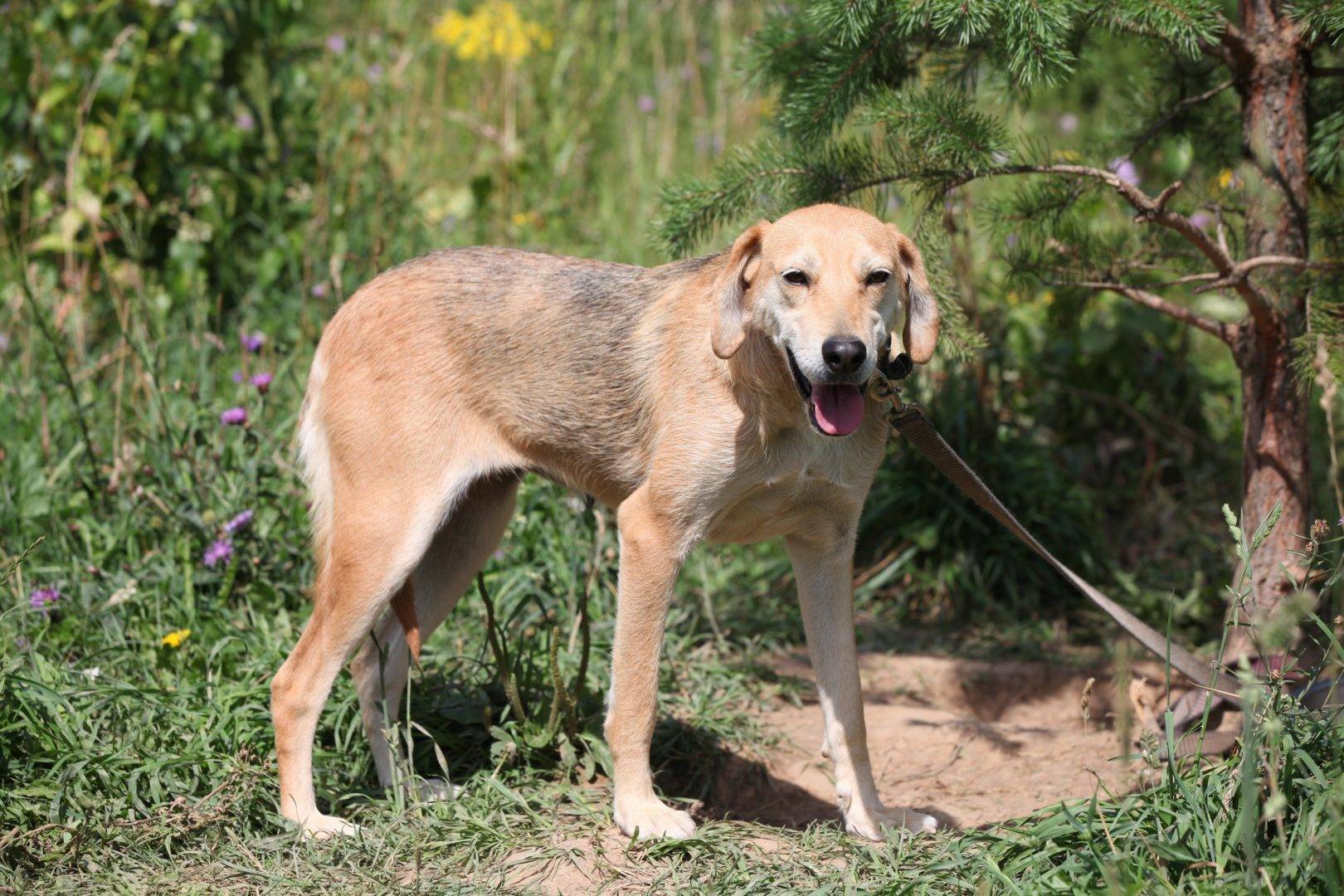
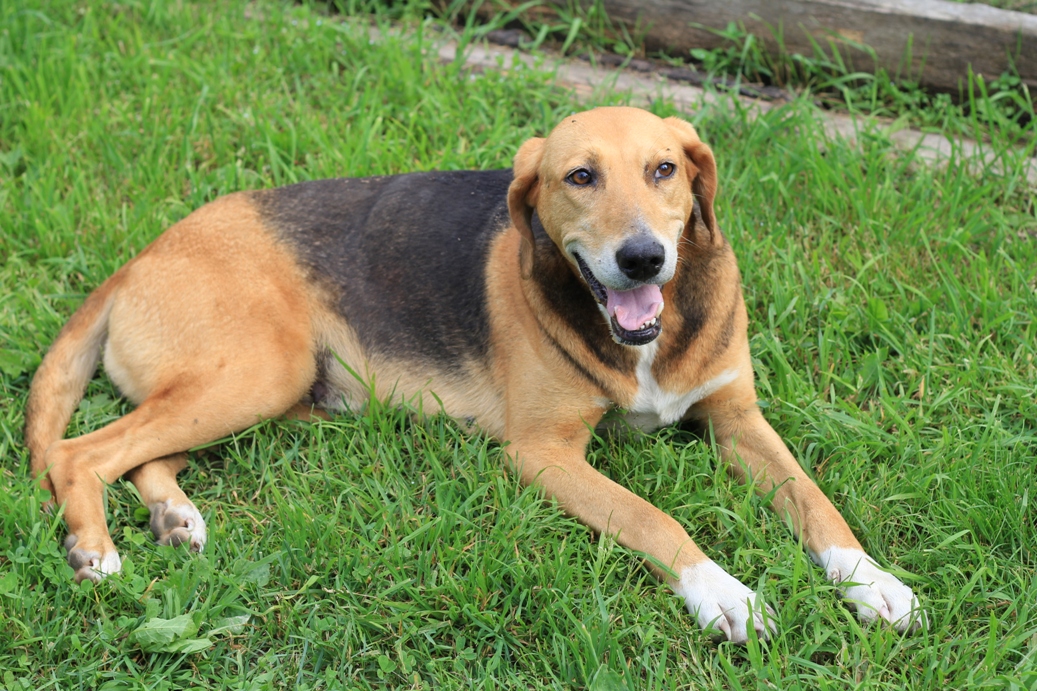
An elegant and slender dog with a beautiful muscular physique, capable of demonstrating outstanding endurance while hunting. Their distinctive appearance makes them easily recognizable. According to breeders, Russian hounds are valued not only for their working qualities but also for their appealing exterior. Let’s take a closer look at the main features of their appearance.
Male Russian hounds usually reach a height at the withers between 58 and 68 cm, while females are slightly smaller, ranging from 55 to 65 cm. Their weight varies from 25 to 35 kg, depending on the individual’s build and gender. It’s important that the dog does not appear heavy.
The head of a Russian hound is medium-sized, with straight lines and well-defined facial features.
The body of a Russian hound is strong, with a deep chest that provides a good lung capacity for enduring hunting efforts. The back is straight and muscular, while the loins are of medium length and slightly raised.
The coat of the Russian hound is smooth and dense, protecting them from adverse weather conditions during hunts.
The appearance of the Russian hound combines grace, muscularity, and functionality, making them ideal partners for hunting and an active lifestyle. Their elegant appearance and slender build attract attention and create a unique look for this beautiful breed.


Отличительные черты

Голова

Морда

Уши

Глаза

Зубы

Корпус

Конечности

Хвост

Шерсть

Окрас
Character
The Russian Hound is a breed of dog with a unique and appealing character that combines the strong and balanced traits typical of most hunting dogs today. Faithful and friendly, they can bring many joyful moments to the lives of their owners. The Russian Hound is always ready to provide support and even defend its family. They are also very sociable and are known for their good relationships with children. For this reason, they are increasingly being used as family dogs rather than solely as hunters.
Both renowned breeders and many owners of Russian Hounds note their calm and balanced demeanor. However, this breed also possesses a strong hunting instinct and independence, which requires appropriate attention and care. For instance, owners often observe their tendency for independence and their desire to make decisions without their owner’s input, which can be both beneficial and pose challenges during training. Every experienced hunting dog breeder will say that a strong, confident owner must be present alongside a companion dog. Only with a stronger presence will the hunting dog assume the next level in the hierarchy. If weakness is shown, it will be the one who should be helped that ends up in charge.
Interestingly, Russian Hounds can adapt well to apartment living, provided they receive sufficient physical stimulation and mental engagement. Energetic walks and active participation in sports are essential for maintaining their physical condition and good spirits. If the dog does not receive this in adequate amounts, it may become bored, its mental health can deteriorate, and the dog may exhibit deviant behavior. Dispersed belongings, ignoring commands, and disobedience are all issues that may require correction with the help of a pet psychologist. The best breeders recommend that urban dogs participate in agility, coursing, and similar competitions that are regularly held.
In a private home, the Russian Hound will also thrive, especially if it has access to a large yard or garden where it can showcase its hunting skills and explore its surroundings. It is important to remember that Russian Hounds are hunting dogs-active and intelligent-requiring constant interaction with family members and intellectual stimulation, regardless of where they live.
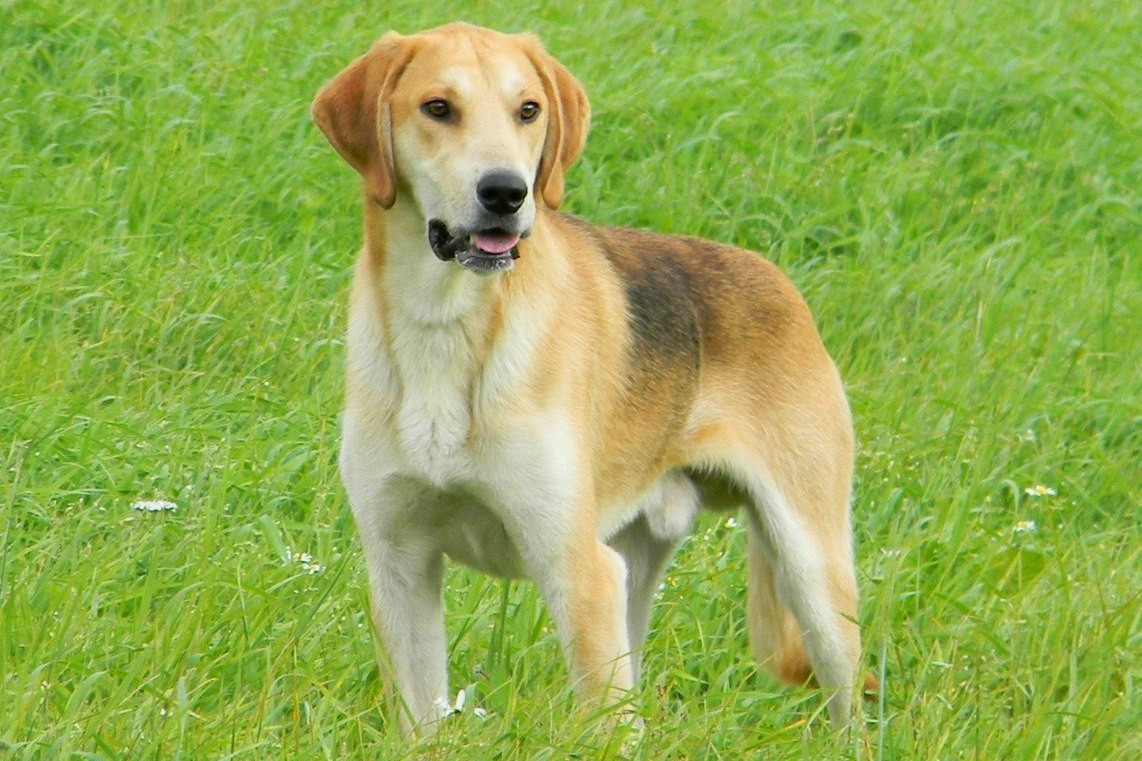
Absolute
The relatively low running speed that Russian hounds can maintain is capable of being sustained for a very long time, unlike the hunted object. That is why the efficiency of our hounds has reached its peak.Care and Maintenance
The care, maintenance, and upbringing of Russian hounds require a careful and responsible approach to ensure their healthy and comfortable existence. The main aspects of this include proper nutrition, regular physical activity, daily walks in any season, and socialization, along with grooming of their nails, coat, and ears. Let’s take a closer look at the most important aspects of caring for Russian hounds.
Living conditions should allow dogs to move freely within the home. It is not customary to keep them on a chain. Our hounds are very active dogs that appreciate freedom and space. Optimal living conditions include a spacious and safe yard or rural area where the dog can run, play, explore the surroundings, and demonstrate its hunting skills. Additionally, it is important to provide the dog with access to fresh water, warmth, and a sheltered area to rest. Nowadays, it is common for pets to be acquired not as hunters but as athletes and companions. Owners of such dogs, especially those living in urban settings, are recommended to walk their pets for about 2 hours a day, or even more. They need ample physical activity to behave calmly at home. The best place for walking hounds is not a dog park, but a nearby park or forest. For active families, joint biking excursions with their four-legged companion provide excellent entertainment that strengthens the emotional bond with the dog.
Nutrition plays a crucial role in maintaining the health of a Russian hound. Before purchase, it is advisable to seek advice from the breeder where the dog was acquired. Only high-quality food that meets all nutritional needs should be chosen. It is essential to monitor food dosage and feeding frequency to prevent digestive issues. The best foods can be found in super-premium and holistic lines. Manufacturers blend their formulas with the finest ingredients, complete with all necessary vitamins and trace elements. A dog eating quality food is easily recognizable: its coat has a healthy shine and it typically maintains optimal condition, visible in its movements and behavior. Grooming involves daily brushing to remove dead hair and skin secrets. Russian hounds also require regular hygiene for their ears, eyes, and nails. Tear stains in the corners of the eyes, which often appear after sleep, should be removed with cotton. It’s important to ensure there are no cloudy discharges from the eyes. Ears should be checked after each walk, especially after swimming. Moisture and excess earwax should be removed with cotton pads. About 1 to 2 times a week is sufficient to
Russian hounds are energetic and friendly dogs that require sufficient physical exercise to maintain their shape and good mood. Regular walks, active play, and training can help them express their instincts, reduce stress, and strengthen the bond with their owner. Socialization is essential for the health and well-being of the dog, so a Russian hound should be introduced to other dogs, people, and its environment from a young age.
Proper care of a Russian hound not only supports their physical and mental well-being but also strengthens the bond between the dog and its owner. By providing all the necessary conditions for a healthy and happy life, you lay the foundation for stable and harmonious relationships with your loyal pet. However, without regular veterinary check-ups, vaccinations, and deworming, care cannot be considered complete. Don’t forget about this.
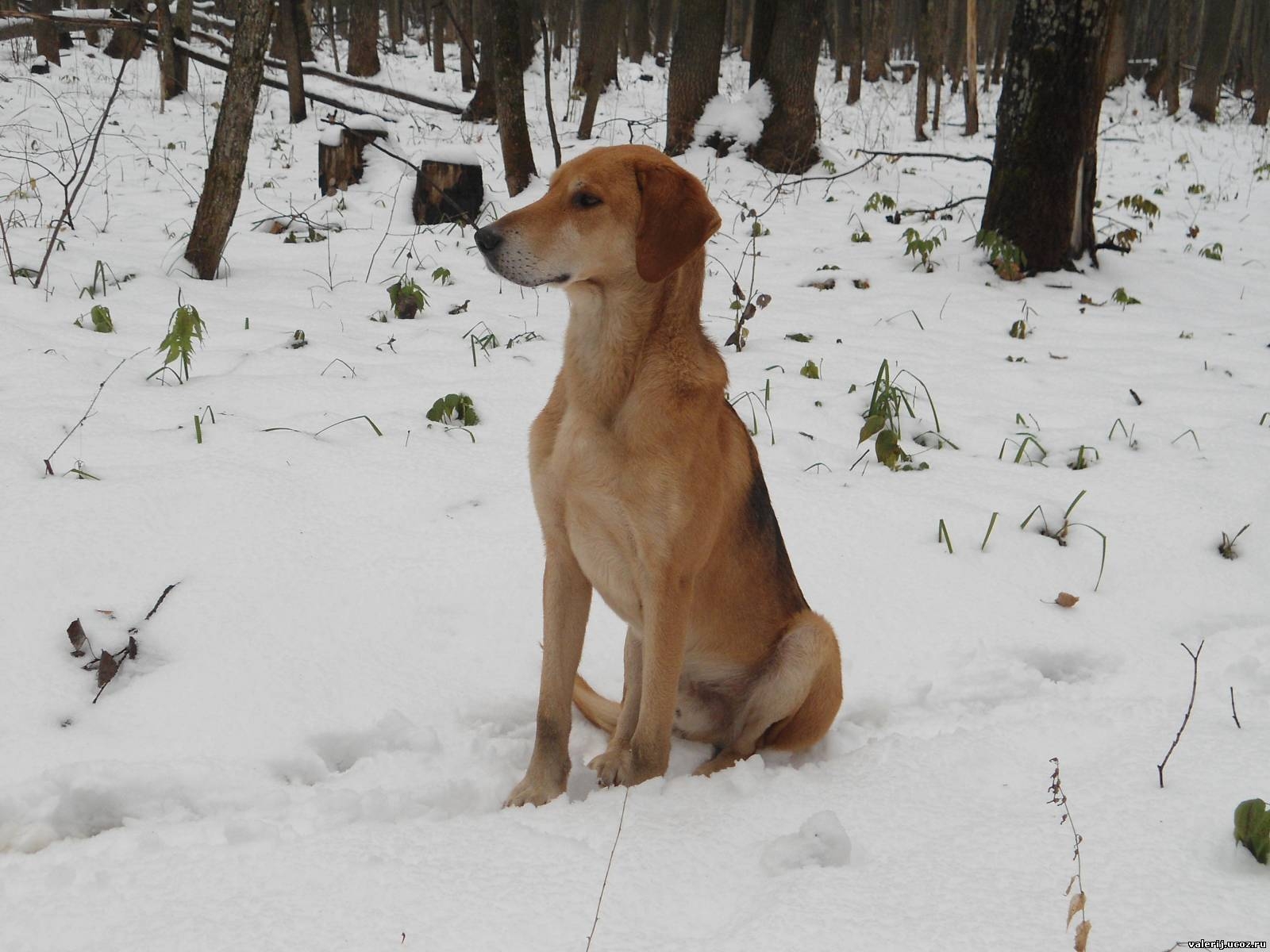
Parasite treatment
Unfortunately, Russian hounds often pick up ticks during walks. The owner should not forget to treat the coat for parasites in a timely manner.Training and Education
The upbringing and training of Russian hounds play an important role in shaping their behavior, socialization, and interactions with the surrounding world. They are intelligent and independent dogs, as every hunting dog breeder agrees. Successful training requires patience, consistency, and a positive approach. Below, we explore the key aspects of upbringing and training for this wonderful breed, shared by renowned dog breeders in Russia.
When raising a Russian hound, it is crucial to establish clear rules and boundaries while encouraging good behavior and correctly executed commands. Positive reinforcement, such as praise or treats, can help them understand what is expected of them. It is important to avoid aggressive training methods, as they can lead to stress and aggressive behavior.
Experts believe that Russian hounds are social dogs that need regular interaction with other animals, people, and their environment. From a young age, they should be exposed to new situations so they can develop social skills and adapt to changing surroundings. Socialization fosters a confident and friendly personality in the dog.
Given their strong hunting instinct, it is essential to train them on a leash for safety and to maintain control during walks. Leash training will help them learn to walk calmly by your side, respond to your signals, and stay under control.
Training a Russian hound requires ongoing practice, patience, and consistency. Engage with them regularly, conduct short and interesting training sessions, encourage their successes, and remember that each dog is unique and requires an individual approach. Sessions should not exceed 25 minutes.
In conclusion, raising and training a Russian hound is a process that requires love, patience, and a willingness to invest your time and effort. A proper approach to training, understanding, and respecting the breed’s natural traits will help you achieve success and create a harmonious relationship with your pet. Reliable breeders at Zooinika offer healthy puppies with documentation and pedigree.
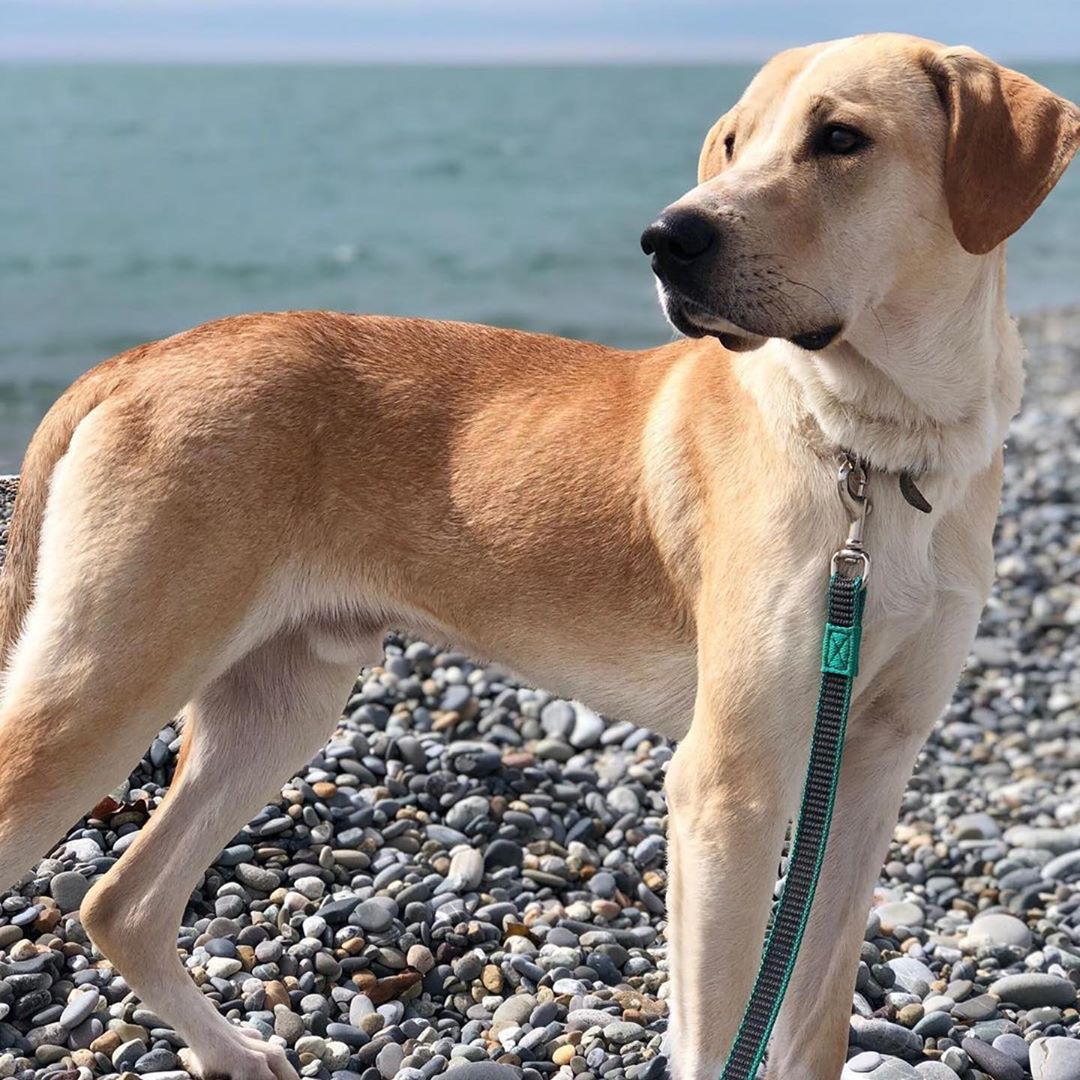
Antisocial behavior or instinct?
According to observations by specialists, the Russian Guard has a critical attitude towards cats. Even socialization may not yield the desired results. Therefore, walking a dog can only be entrusted to a physically strong person.
How to Choose a Puppy
Choosing a purebred Russian Hound puppy is a responsible and important step. Here are some tips to help you select the perfect puppy of this wonderful breed:
Research the kennel’s reputation.
Choosing a reliable and responsible kennel is the foundation for successfully acquiring a purebred puppy. When visiting, pay attention to the living conditions and care provided to the puppies. Try to find a dog kennel that has a good reputation.
Contact the breeder.
Communicating with the breeder will give you more information about the litter’s pedigree, the puppies’ health, their temperament, and traits. A reputable hunting dog breeder will gladly answer your questions, give you a tour of the kennel, and help you make an informed choice.
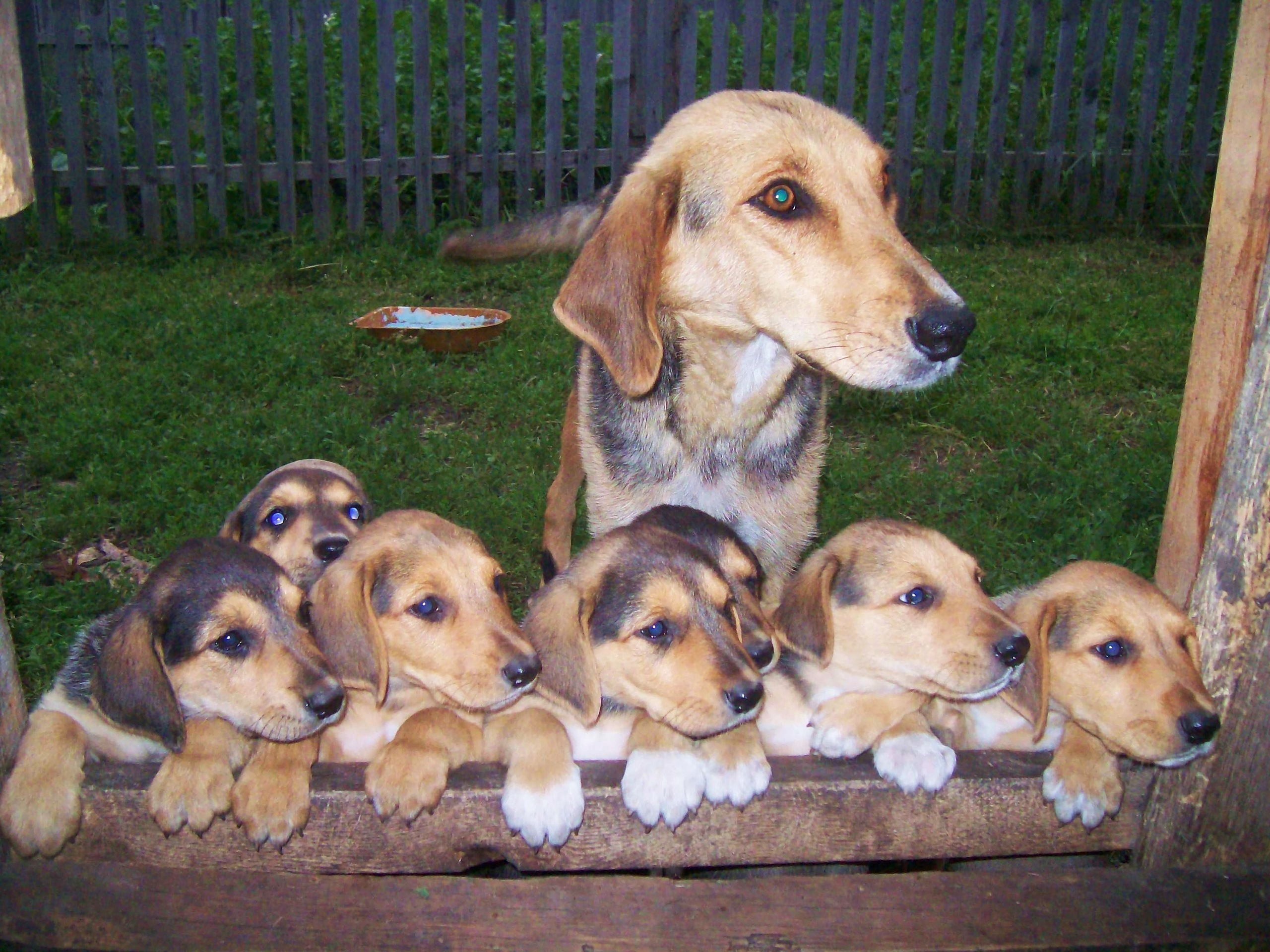
Evaluate the puppy’s appearance.When selecting a Russian Hound puppy, focus on physical characteristics: size, color, body structure, head shape, etc. Choose a puppy that meets breed standards and is proportionately built.Assess character and behavior.Pay attention to the puppy’s behavior. A good Russian Hound puppy should be active, curious, friendly, and sociable. It should show interest in the world around it and in you as a future owner.Check the puppy’s health.Ensure that the puppy’s parents have undergone appropriate tests for genetic diseases with negative results. Ask the breeder for veterinary records about the puppy to confirm its health.Spend time alone with the puppy.Finally, the most important thing is to spend time with the chosen puppy. Observe its interactions with you, its play behavior, and reactions to new situations. This way, you can better understand its character and confirm that the puppy is the perfect fit for you. With a pedigree from Zooinika, choose the puppy of your dreams.
Health and Diseases
The pride of Russian hunting, the Russian hound, could not bear this name if the breed were considered problematic in terms of health. However, any hunting dog breeder will tell you that it can only be deemed healthy when accompanied by a hunter who regularly puts it to work.
There are some cases where dogs experience eye problems. Conjunctivitis, which often affects our hounds, can occur due to poor hygiene in care or as a result of exposure to pollen or dust. For example, spring pollen is highly allergenic, and hounds tend to sniff everything. Myositis, inflammation of the muscular system, myelopathy, and other ailments are diagnosed less frequently. Liver problems may arise in dogs whose owners have poorly managed their diet or fail to allow for an outlet of excess energy. Such “rest” can harm internal organs due to fat accumulation.
Hip dysplasia, on the other hand, is a genetic disorder passed down through inheritance. Evaluate the health of the puppy with this information in mind. The results for both parents and puppy should be negative.
In practice, don’t forget to vaccinate against certain severe infections, including pyrobiosis. In general, when it comes to vaccination, one must not underestimate its effectiveness. Following veterinarians’ recommendations is one of the most important steps in caring for any pet, especially for a Russian hound.
Содержание
-
1. Описание породы
-
2. Внешний вид
- 2.1 Голова
- 2.2 Морда
- 2.3 Уши
- 2.4 Глаза
- 2.5 Зубы
- 2.6 Корпус
- 2.7 Конечности
- 2.8 Хвост
- 2.9 Шерсть
- 2.10 Окрас
-
3. Характер
-
4. Содержание и уход
-
5. Дрессировка и обучение
-
6. Как выбрать котенка
-
7. Здоровье и болезни






Comments
Only registered users can leave reviews.
Enter