
Russian-European Laika





Warning: Illegal string offset 'label' in /home/panda/sites/zoonika/wp-content/themes/zoonika/template-parts/animals/animals-param-item.php on line 32
Ð


Breed Description
The Russian-European Laika is one of the most well-known hunting breeds in Russia, with a history closely tied to the natural landscapes of the northern and central regions of the country. Its ancestors are indigenous Laikas, who accompanied hunters for centuries and assisted them in hunting game in challenging climatic conditions. The breed began to be formed as a standalone type in the first half of the 20th century, when cynologists actively worked on creating a standard for a universal hunting dog.
This breed arose from local populations of Laikas inhabiting vast forests and taiga. The foundation of the breed primarily included Komi, Arkhangelsk, and Karelian Laikas, valued for their endurance, keen sense of smell, and outstanding working qualities. Selection was conducted by experienced hunters who favored dogs with good physical condition, stable temperament, and the ability to work in the harshest environments. The Russian-European Laika was bred as a universal dog for hunting various game, from squirrels and hares to large game such as bears and wild boars.
The first serious phase in the selection of the Russian-European Laika began in the 1940s when specialists started systematically collecting and studying indigenous Laikas. This process aimed to identify the most promising representatives with characteristic appearances, black-and-white coloration, and exceptional working qualities. The main task was to solidify hunting skills such as independence, endurance, excellent sense of smell, and the ability to work in the field for extended periods.
Key roles in the breed’s development were played by hunting estates, including nurseries in the Arkhangelsk and Komi ASSR, as well as in Siberia. It was there that the first lines of the Russian-European Laika were formed. In 1947, official work began on standardizing the breed, marking an important step towards its recognition at the state level. By the 1950s, the breed already exhibited clear characteristics and attracted the attention of hunters across the country.
In 1952, the first standard for the Russian-European Laika was adopted, initiating its mass breeding. This breed quickly became popular due to its versatility and adaptability to various types of hunting. The Russian-European Laika proved its effectiveness in practice, becoming an indispensable assistant for professional hunters in the most challenging conditions.
Today, the Russian-European Laika remains one of the most sought-after hunting breeds in Russia. It is valued for its intelligence, independence, endurance, and strong bond with humans. This breed is a striking example of the harmonious combination of natural qualities of indigenous dogs and a systematic approach to breeding, which has allowed the Russian-European Laika to become a national treasure.
Appearance
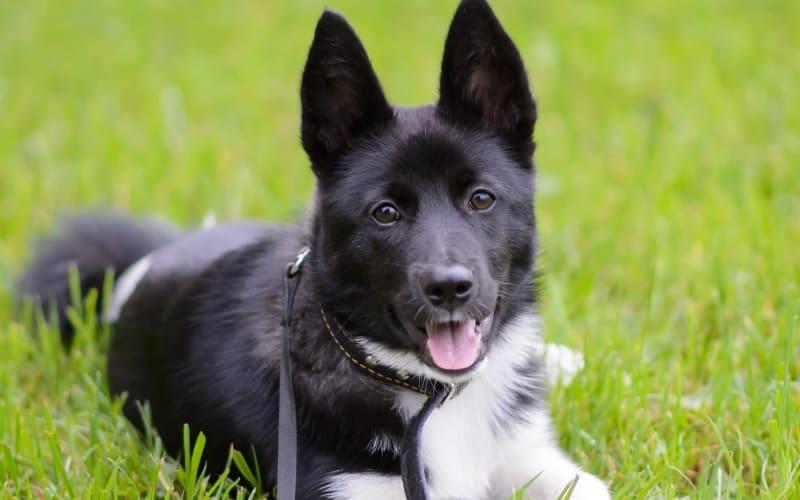
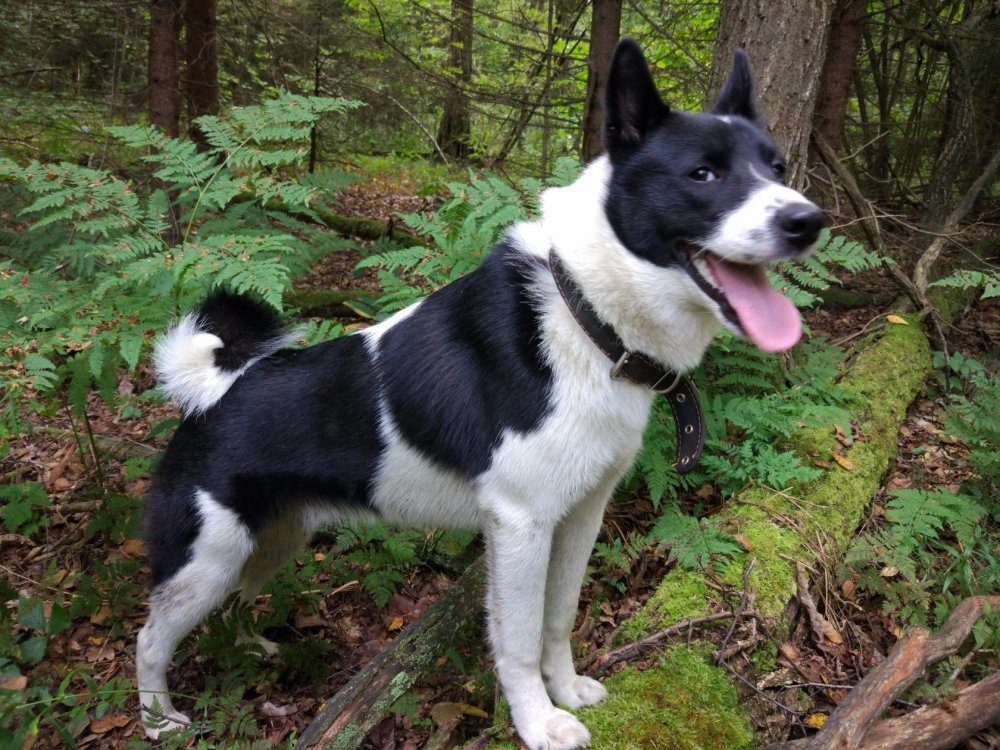
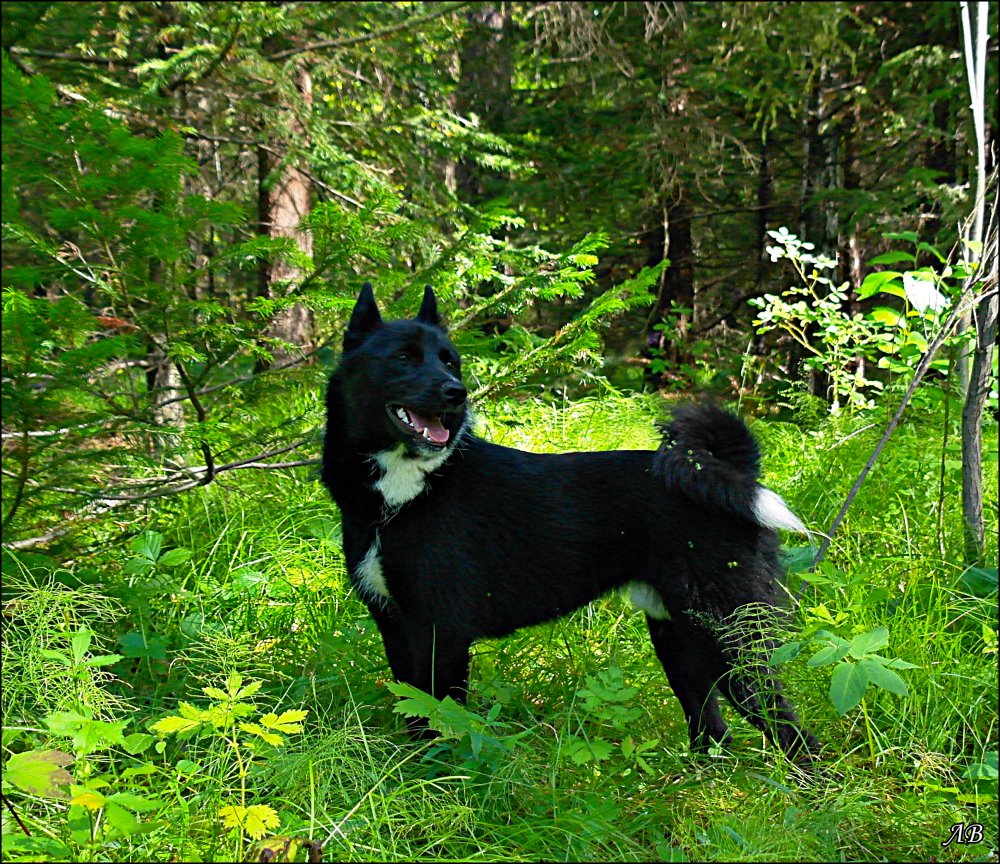
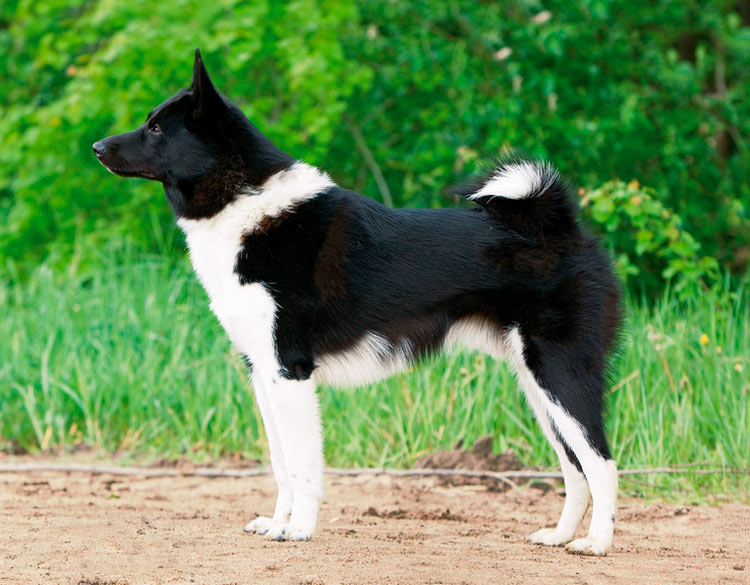
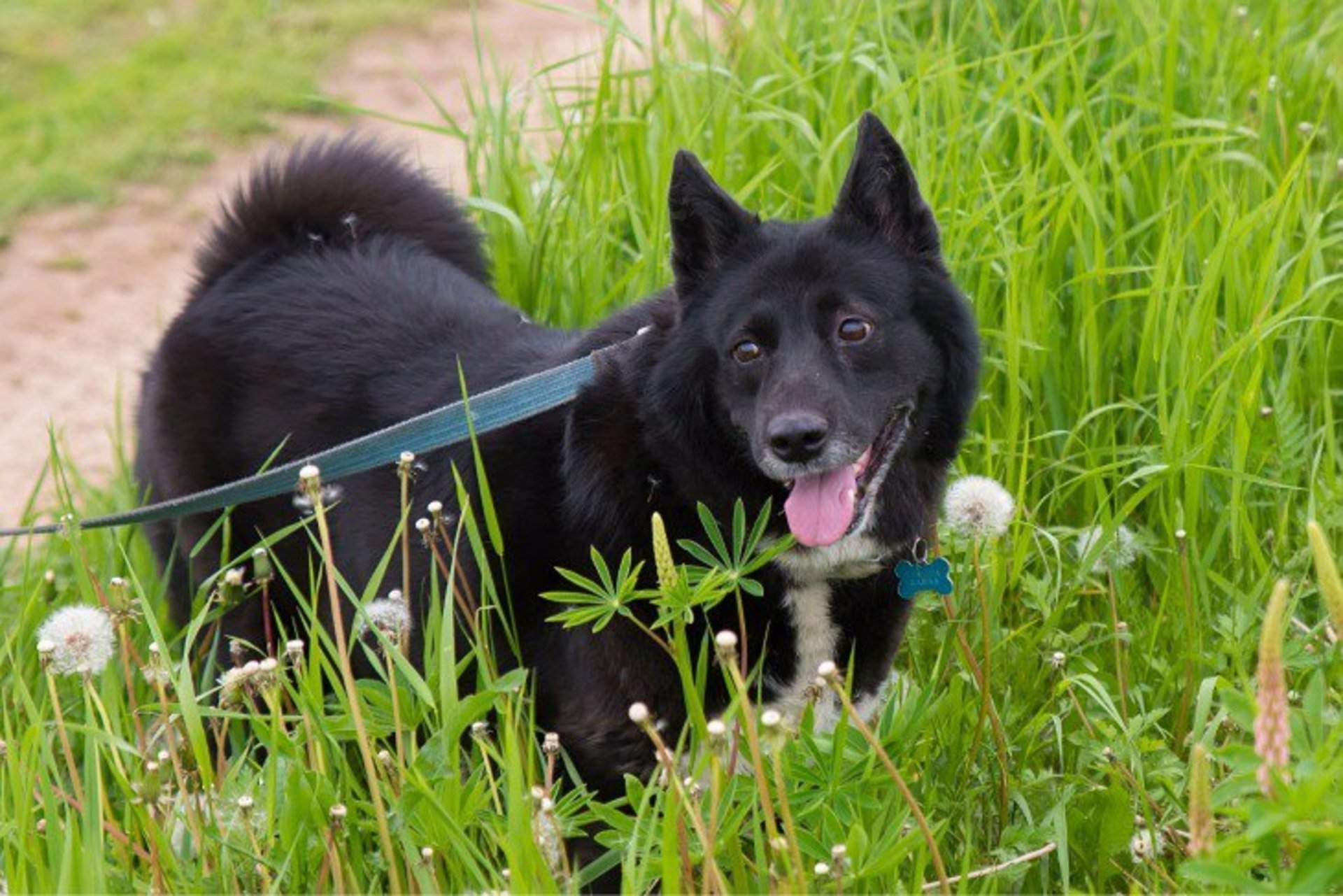
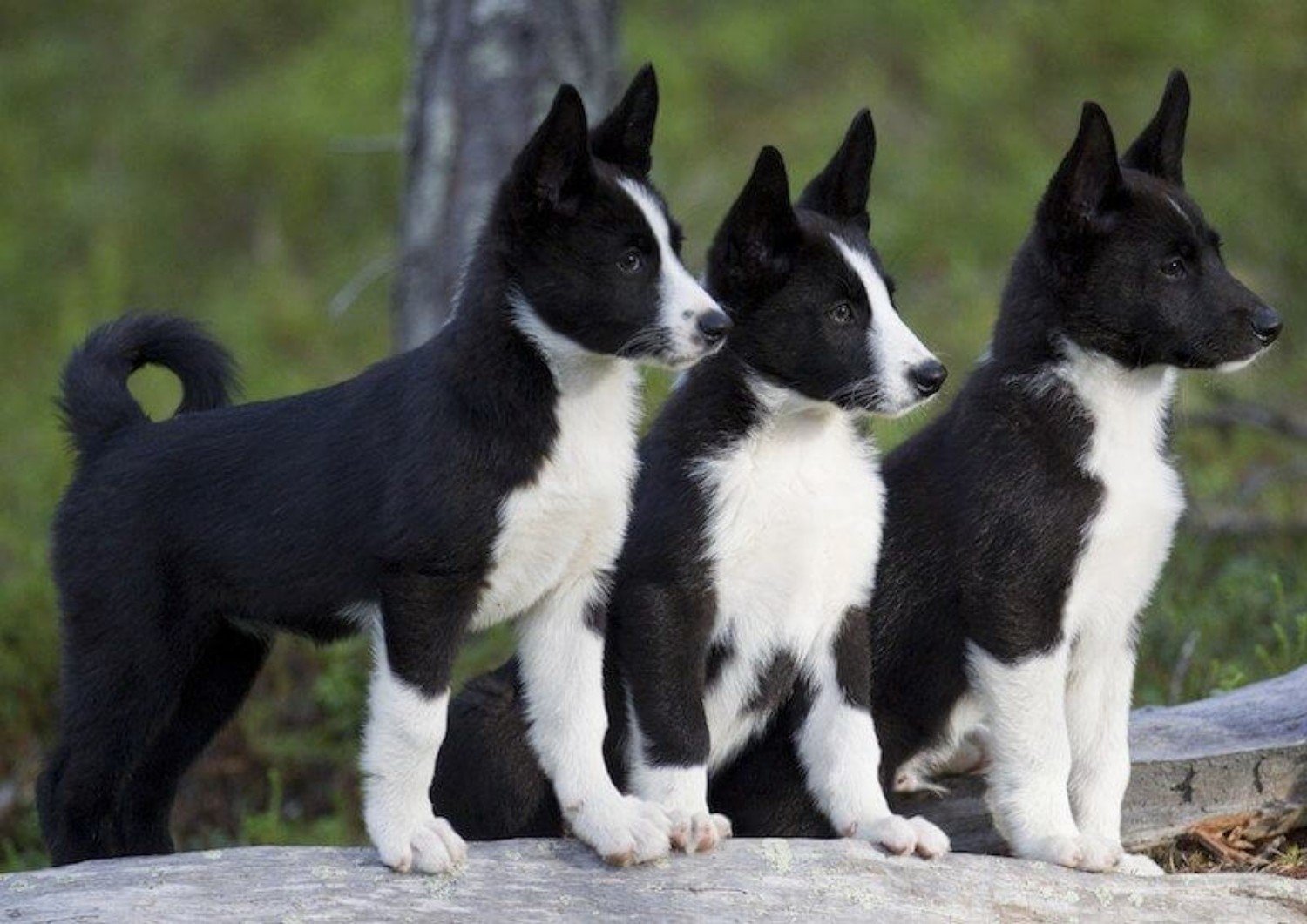
The Russian-European Laika is a medium-sized dog with a harmonious and muscular build that emphasizes its endurance and readiness for active work. Its appearance combines strength and grace, making the breed ideal for long hunting trips in harsh conditions. The Russian-European Laika has a proportional body, a sturdy torso, and light yet strong limbs that allow for easy and energetic movement.
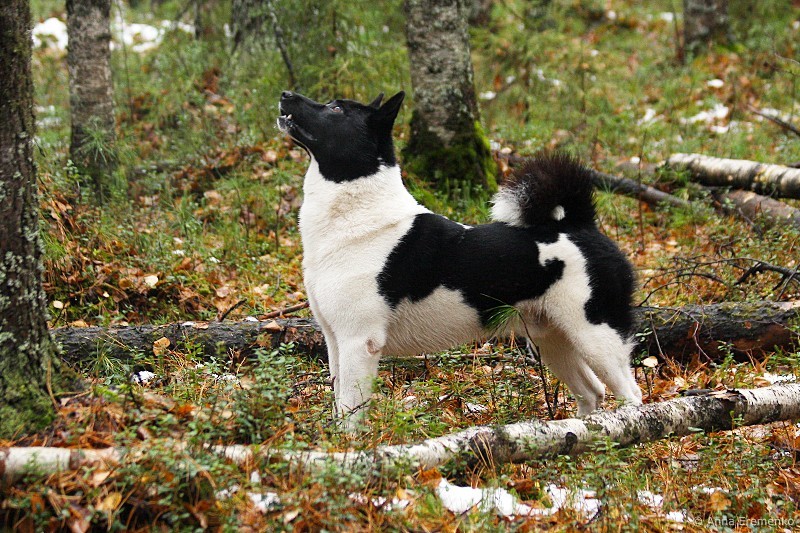
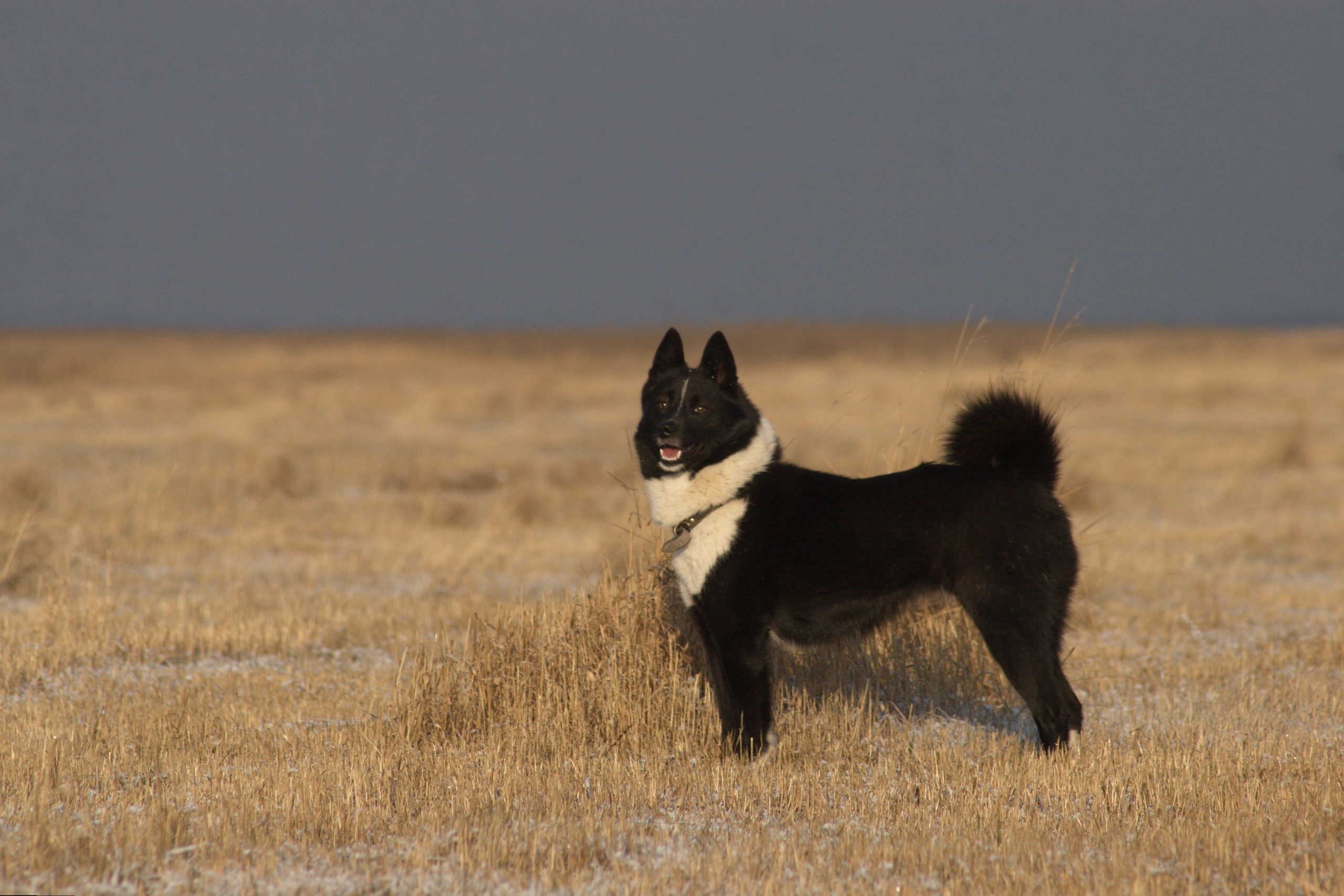
The breed’s coat is dense, straight, and thick, with well-developed underfur that protects the dog from cold and moisture. This breed is perfectly adapted for work in various climatic conditions, from freezing winters to damp transitional seasons. The coloring is predominantly black and white or white and black, creating a striking contrast that makes the Laika easily noticeable in the forest.
The average height of the Russian-European Laika is 52-58 cm at the withers for males and 48-54 cm for females. The weight typically ranges from 18 to 23 kg, providing the dog with an ideal balance between lightness and power. These parameters make it versatile for hunting small game as well as working with large animals.
The lifespan of the Russian-European Laika is about 12-14 years. With proper care, regular physical activity, and a balanced diet, this breed maintains its activity and working qualities well into old age. Its expressive appearance, practicality, and endurance make the Russian-European Laika one of the most recognizable and sought-after hunting breeds.


Отличительные черты

Голова

Морда

Уши

Глаза

Зубы

Корпус

Конечности

Хвост

Шерсть

Окрас
Character
The Russian-European Laika is an intelligent, energetic, and independent dog with a strong character, perfectly suited for hunting and an active lifestyle. Its natural cleverness and high trainability make it a reliable assistant, capable of making quick decisions in challenging situations. This breed is characterized by independence and an intuitive understanding of its tasks, especially while working. The Russian-European Laika always seeks to please its owner, while maintaining a certain degree of independence, which makes it valuable for hunters.
These dogs are devoted to their families and can easily sense their owner’s mood. They establish a deep emotional connection with humans, which makes them not only working dogs but also reliable companions. The Russian-European Laika is friendly with family members but cautious with strangers, making it a good guard dog. It never shows aggression without reason, but is ready to protect its territory and owner if necessary.
Energy and activity are key traits of this breed. The Russian-European Laika loves movement, long walks, and tasks that require physical endurance. It enjoys being busy and needs regular activity to remain happy and balanced. Without sufficient exercise, it may become bored, sometimes leading to destructive behavior.
These dogs have sharp minds and excellent instincts, making them indispensable in hunting. They can work both alone and in teams, quickly adapting to any environment. The Russian-European Laika exhibits patience and persistence, which is especially valuable when hunting large game. It knows how to wait for the right moment and act decisively.
The Russian-European Laika gets along well with other animals if properly socialized from a young age. It possesses a natural restraint but also has a playful and friendly demeanor, making it pleasant to be around. Its innate curiosity and desire to explore the world highlight its active and cheerful character.
This breed values attention and contact with its owner. It loves spending time with the family while still maintaining its independence. The Russian-European Laika is a dog that lives to be useful and delight its owners, showcasing a remarkable combination of energy, intelligence, and loyalty.
The embodiment of silence in motion.
The Russian-European Laika moves silently, even over dry leaves or snow, which makes it perfect for hunting. Its ancestors' professional skills still impress hunters with their accuracy.Care and Maintenance
Caring for the Russian-European Laika requires attention to its physical activity, coat, health, and emotional needs. This breed is designed for an active lifestyle, so it is essential to provide regular and long walks. The Laika loves running, playing outdoors, and engaging in tasks that require endurance and intelligence. A lack of activity can negatively affect its behavior, leading to boredom and anxiety.
The coat of the Russian-European Laika is thick and dense, with a developed undercoat that protects it in harsh climatic conditions. Despite this structure, the coat is relatively easy to care for. It is sufficient to groom the dog once a week to remove dead hair and maintain its well-groomed appearance. During shedding season, it is recommended to brush the Laika more frequently to prevent matting and reduce the amount of hair in the home. Bathing should be done as needed, but not too often, to avoid disrupting the natural protective layer of the skin.
The ears and eyes of the Laika need regular checking. Ears should be inspected and cleaned with a soft cloth or special solutions to prevent the buildup of dirt and earwax. Eyes should be wiped with a damp cotton pad, especially if there are any discharge issues after walks in dusty or dirty areas.
The Russian-European Laika does not require special living conditions, but it is important to create a comfortable resting place for it. It enjoys spending time outdoors, so in private houses, a spacious kennel is an ideal option. However, the Laika values contact with humans, so it should not be kept in isolation at all times.
This breed does not tolerate rough handling or indifference. The Laika possesses high emotional sensitivity and needs respectful and kind treatment. It enjoys attention, interaction with its owner, and participation in joint activities. A lack of communication or acts of cruelty can undermine its trust, which will reflect in its behavior.
The Russian-European Laika also does not tolerate monotony. It is important to provide a variety of tasks, games, and physical exercises that stimulate its intellect and maintain interest. It appreciates being praised for obeying commands or successes in hunting, which strengthens its bond with the owner.The Laika’s diet should be balanced, with sufficient protein content to sustain energy. It is not prone to overeating, but monitoring the quantity and quality of food is important, especially if the dog is less active during certain periods.The Russian-European Laika loves freedom, nature, and close interaction with its owner. With proper care and respect, it reveals its best qualities, remaining a loyal, energetic, and reliable companion.
Legendary connection with the master.
These dogs are so attached to their owner that there are known cases where Laikas have traveled hundreds of kilometers to return home after being separated.Training and Education
The Russo-European Laika is an intelligent, energetic, and independent dog that is easy to train with the right approach. This breed has a strong hunting instinct, so training should begin at an early age to establish obedience and proper behavior. Laikas enjoy learning when the activities are interesting and varied, but they can show stubbornness if they don’t see the point in the exercises.
Training a Russo-European Laika should be based on positive reinforcement. The dog responds well to praise, treats, and emotional approval. Methods based on harshness or coercion are unacceptable, as they can undermine the dog’s trust and lead to a loss of interest in learning. This breed values respect and a friendly tone, which fosters a deeper connection with the owner.
Laikas enjoy tasks that require ingenuity and activity. Their training should include elements of play to help maintain the dog’s attention and stimulate interest. Constant repetition of the same exercises can quickly bore a Laika, making it vital to introduce new commands and tasks as they master the basic skills.
Special attention should be paid to socialization. Laikas are naturally wary of strangers, so they need to be introduced to other people, animals, and various situations from an early age. This helps the dog become confident and balanced. Socialization is especially important for Laikas living in urban environments, where interaction with new objects is inevitable.
The Russo-European Laika chooses an owner who exhibits leadership qualities and gives the dog a lot of attention. She bonds with those who spend more time with her, participate in her training, and provide enough activity. An owner who can balance kindness with confidence becomes a true authority for the Laika.
This breed listens to those whom she perceives as strong but fair leaders. Consistency in expectations and stability in relationships strengthen the bond with the dog. The Russo-European Laika especially values an owner who can provide her with tasks that match her natural abilities, such as hunting, tracking, or active games.Laikas are best suited for people experienced in handling active breeds or those willing to study their character’s nuances. They make an ideal choice for hunters, athletic individuals, or outdoor enthusiasts who can offer the dog enough time, attention, and physical activity. With the right approach, a Laika becomes not just a reliable helper but also a loyal friend. At Zooinika, they offer elite breed puppies with a full package of documents.
The fearsome hunter with a gentle heart.
There are known cases where dogs pressed close to an injured animal, refusing to finish it off if they sensed that their owner did not intend to complete the hunt. This demonstrates an astonishing balance between their instincts and sensitivity.
How to Choose a Puppy
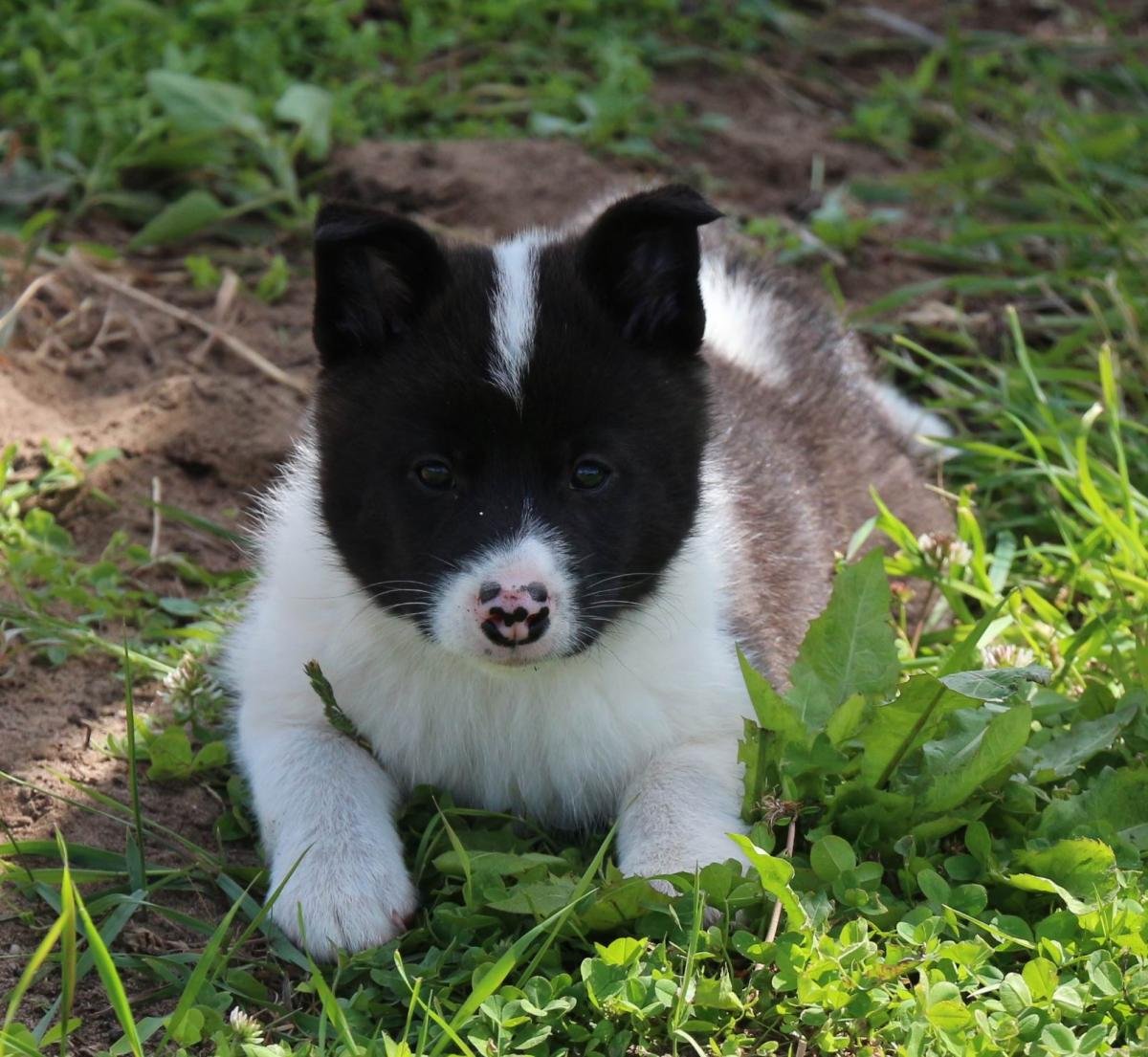
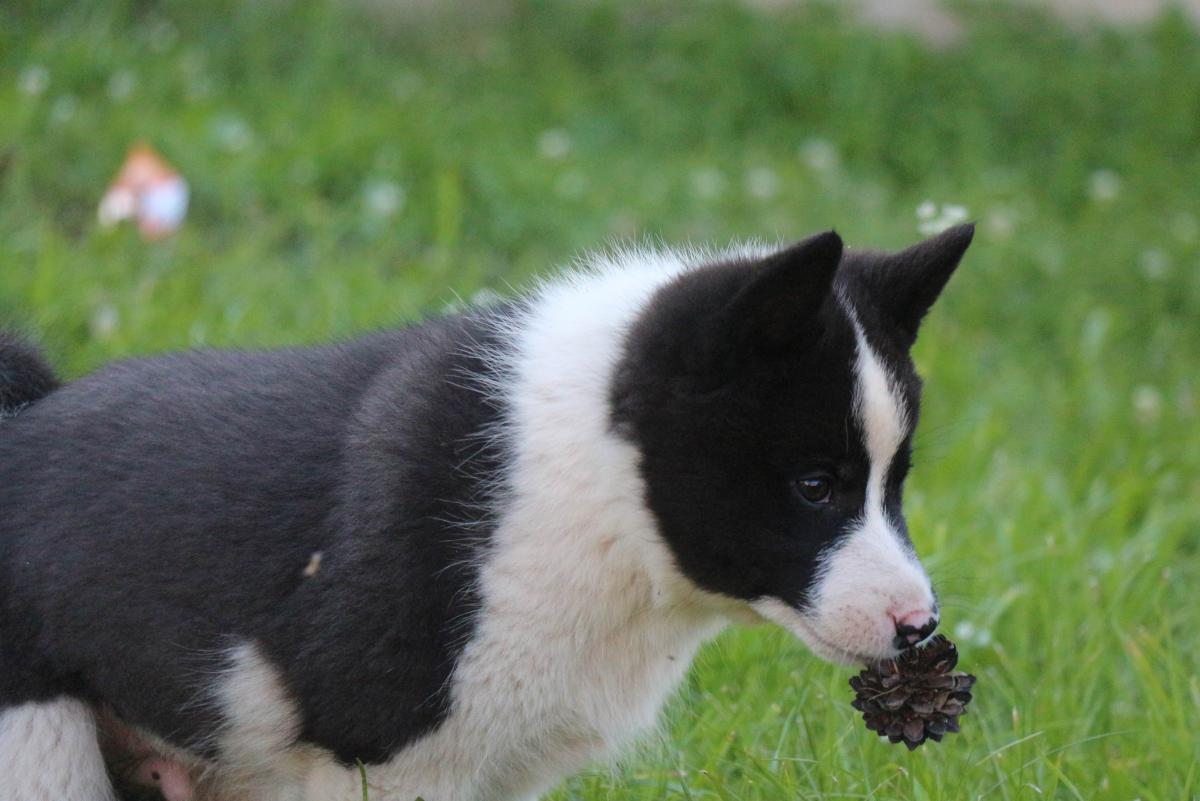
To choose a Russian-European Laika puppy that will grow into a full-fledged representative of the breed, it is important to consider the dog’s lineage, health, and temperament. Start by looking for a reliable kennel that specializes in breeding Russian-European Laikas, where breed standards are upheld and suitable conditions for raising puppies are provided.
The puppy should be active, curious, and cheerful. A healthy puppy shows interest in the surrounding world, readily engages with others, and plays with littermates. It should not be shy or overly aggressive. Confidence and friendliness are important traits for this breed.
Examine the puppy’s appearance. Its coat should be clean, shiny, and thick, without bald patches or skin irritations. The eyes should be clear and free of discharge, the nose moist and cool, and the ears clean and odorless. The puppy should be lively, with strong legs and a straight back. Check the bite-it should be correct, as this is an important breed standard requirement.
Request the puppy’s documents. A pedigree is a key document that confirms the puppy’s descent from purebred Russian-European Laikas. The pedigree should include information about the puppy’s ancestors, their achievements in hunting tests and shows, as well as their health. This is especially important to rule out genetic diseases and confirm the breed’s working qualities.
Ask for the puppy’s veterinary passport, which indicates the vaccinations given, deworming, and other preventive procedures. This document confirms that the puppy’s health has been closely monitored. The breeder should also provide recommendations on feeding and caring for the puppy to ease its adaptation to a new home.
Pay attention to the conditions in which the puppies are kept. They should be clean, spacious, and safe. Puppies need enough room for play and activity, as well as a balanced diet. A good breeder cares about the socialization of the puppies, which is evident in their behavior and interaction with people.If possible, meet the puppy’s parents. Their appearance, temperament, and behavior will give you an idea of how your pet might grow up. The parents should be healthy, friendly, and fully meet the breed standard.Choosing a Russian-European Laika puppy involves not only checking documents and physical condition but also establishing an emotional connection. The Laika is a breed that values a close bond with its owner, so it is important to choose a puppy with which you feel a special connection. This approach will provide you with a healthy, active, and loyal companion. Want a purebred pet? You can find documented animals from trusted breeders at Zoohub.
Health and Diseases
The Russian-European Laika is a strong and resilient breed adapted to harsh climatic conditions and active work. With proper care and a balanced diet, these dogs have good health and can live 12-14 years. However, the breed has certain predispositions to diseases that owners need to be aware of.
One of the most common issues in the Russian-European Laika is hip dysplasia. This hereditary condition, characteristic of active breeds, can cause pain and hinder movement. Regular veterinary check-ups, weight management, and moderate physical activity can help minimize the risk of developing dysplasia.
Dogs of this breed may be prone to eye diseases, such as progressive retinal atrophy and cataracts. These conditions can lead to deteriorating vision or blindness, particularly in older age. Regular check-ups with an ophthalmologist can help detect problems early.
The Russian-European Laika may experience allergies, both food-related and to external irritants such as pollen or insect bites. Allergies manifest as itching, skin redness, or rashes. Proper nutrition and timely parasite control can help reduce the risk of these reactions.
These dogs are susceptible to dental issues, including tartar buildup and gum inflammation. Regular teeth brushing, the use of special chew toys, and preventive measures can help maintain oral health.
The breed has a dense coat with a thick undercoat, protecting it from cold but potentially leading to skin problems with insufficient care. Regular grooming, especially during shedding season, prevents matting and skin irritations.Due to their high energy levels and tendency for independent exploration, the Russian-European Laika is prone to injuries, particularly cuts on their paws and bruises. After walks in the woods or rough terrain, it’s recommended to check the dog for any injuries.The Russian-European Laika requires regular vaccinations and parasite treatments, such as for fleas and ticks. These procedures are especially important if the dog frequently spends time in forests or open areas, where the risk of parasite infection is higher.With appropriate attention to prevention, regular veterinary check-ups, and proper care, the Russian-European Laika can maintain its activity and health into advanced age. Its sturdy build and natural endurance make it an ideal dog for active individuals willing to meet its needs.
Содержание
-
1. Описание породы
-
2. Внешний вид
- 2.1 Голова
- 2.2 Морда
- 2.3 Уши
- 2.4 Глаза
- 2.5 Зубы
- 2.6 Корпус
- 2.7 Конечности
- 2.8 Хвост
- 2.9 Шерсть
- 2.10 Окрас
-
3. Характер
-
4. Содержание и уход
-
5. Дрессировка и обучение
-
6. Как выбрать котенка
-
7. Здоровье и болезни






Comments
Only registered users can leave reviews.
Enter