
Russian colored Bolonka





Warning: Illegal string offset 'label' in /home/panda/sites/zoonika/wp-content/themes/zoonika/template-parts/animals/animals-param-item.php on line 32
Ð


Breed Description
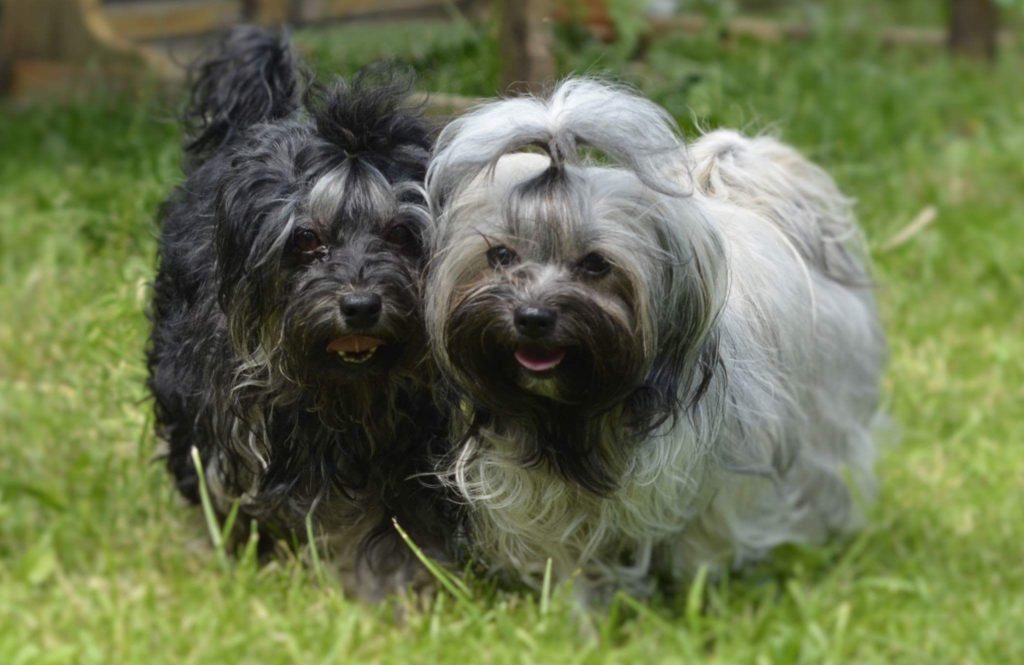
Unlike Bolognese and Maltese dogs, which have a rich history, the Russian Colored Bolognese emerged in the mid-20th century in Leningrad, USSR. According to some sources, in 1951, Soviet cynologists began creating their own version of Bolognese by crossing small dogs of completely unknown breeds. The main goal was to develop a unique type of Bolognese with a solid coat color, different from the overseas varieties.
Another version of the breed’s origin suggests that well-known breeders of small dogs in Leningrad crossed Pekingese with Shih Tzus and other types of Bolognese until they stabilized the square format of the dog, its curly fur in various colors, and its friendly character. Efforts in this direction took quite a long time, and the first breed standard was only approved 15 years later, in 1966. Its approval happened at the highest level, involving the Ministry of Agriculture of the USSR and the All-Union Cynological Council.
In the following decade, from 1970 to 1980, the Russian Colored Bolognese became one of the most popular pets in our country. Nearly every family with children sought to find kennels for Russian Colored Bolognese (at that time they were simply called “Bolognese”). By 1999, the first national breed club was established in the USSR. Breeding work was actively pursued, and by 2010, the existing standard was amended; several years later, the standard underwent another revision.
Today, there is hardly a city in our country without a reputable breeder of decorative dogs specializing in Russian Colored Bolognese. The breed’s popularity remains stable, although it has slightly decreased in favor of rare breeds of similar size. Nevertheless, these small, curly, and slightly tousled dogs are beloved by many dog owners. In Russia, it is relatively easy to find dog kennels and the addresses of private breeders of Russian Colored Bolognese by searching online. Dog shows featuring RCB are also held regularly. Regarding the cost of these wonderful dogs, it is quite affordable even for owners on a budget. The price for puppies starts at 25,000 rubles for a pet “for the soul.” A purebred Russian Colored Bolognese puppy offered by well-known breeders in Russia costs from 50,000 rubles.
Appearance
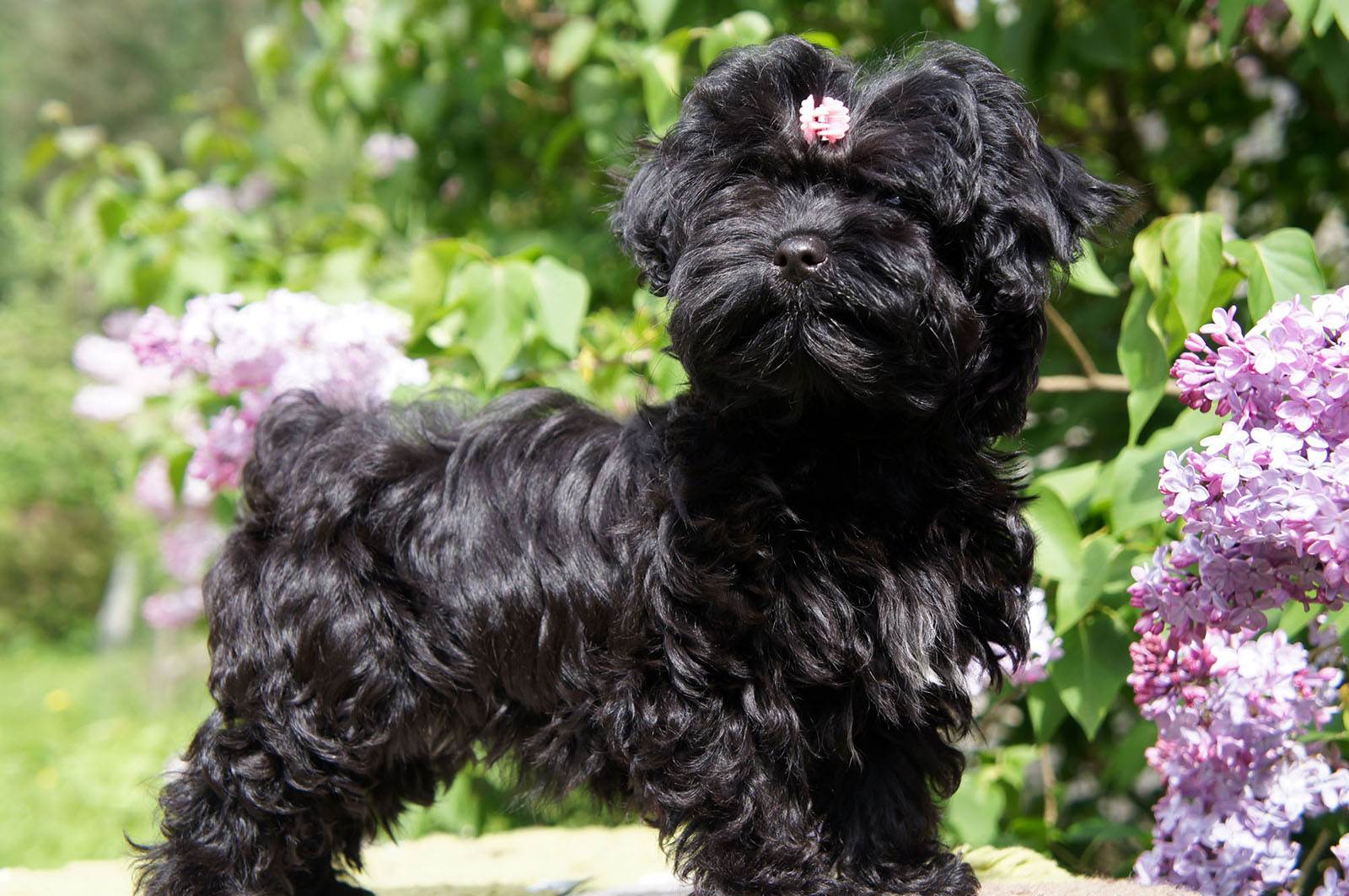
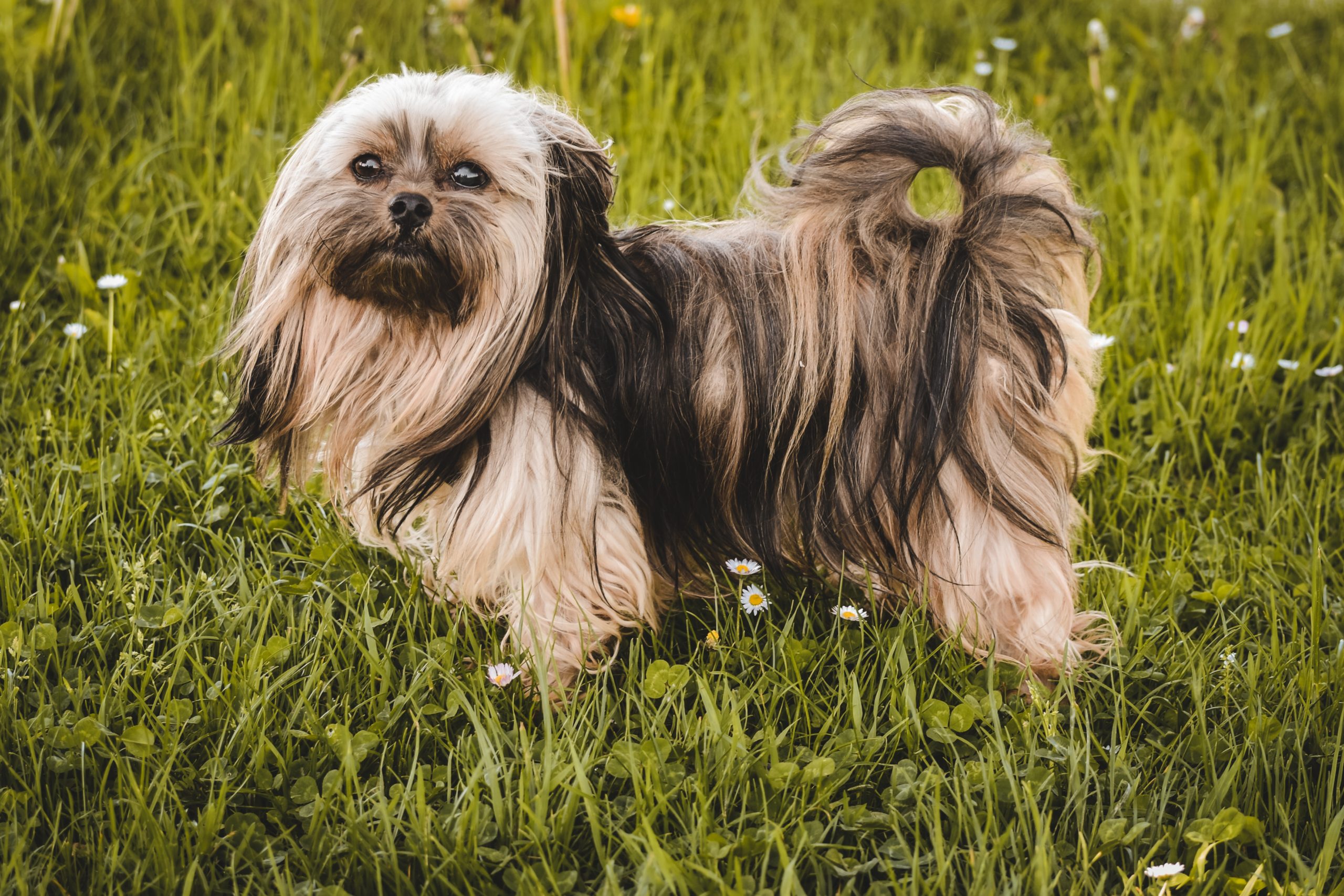
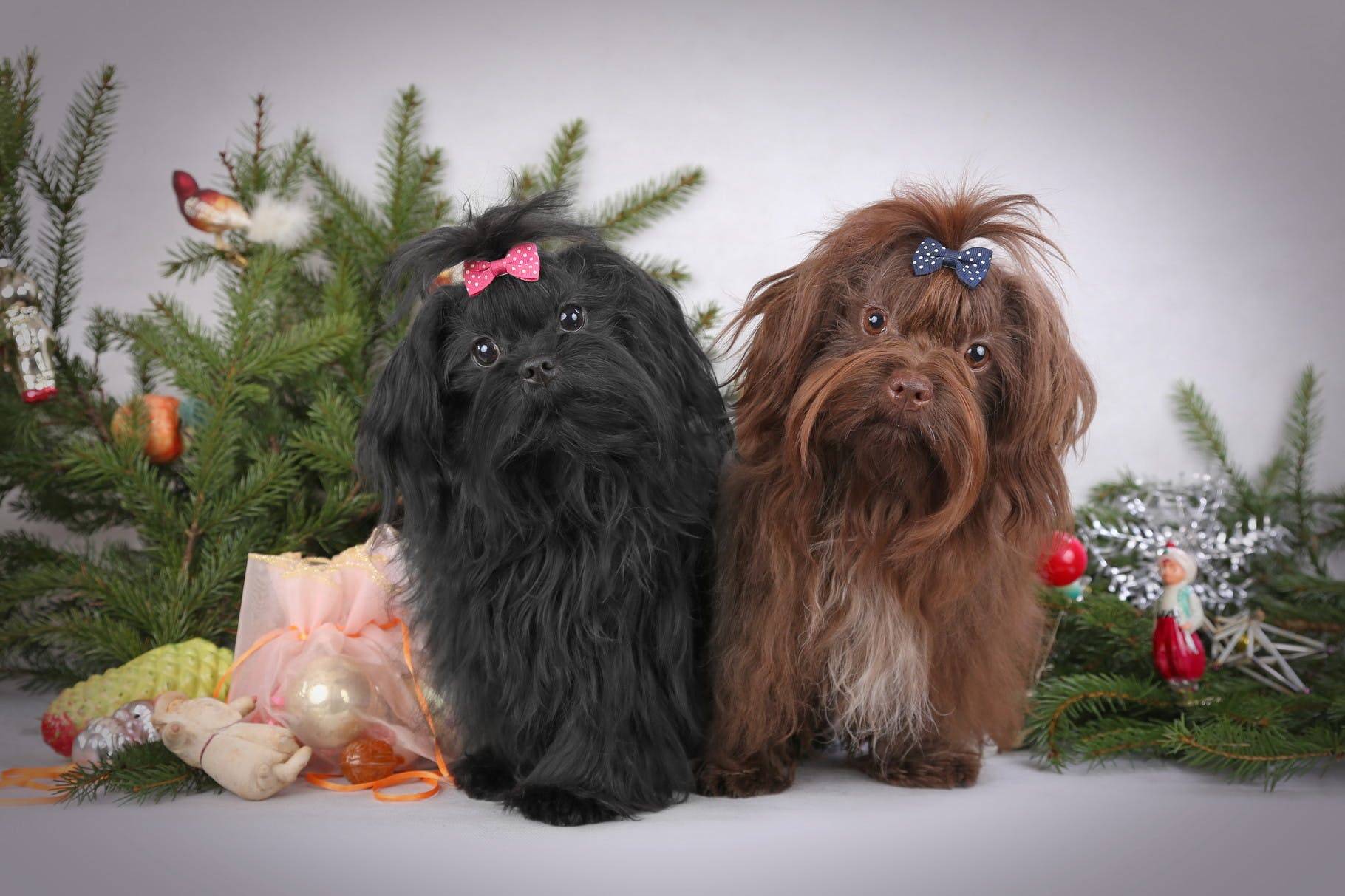
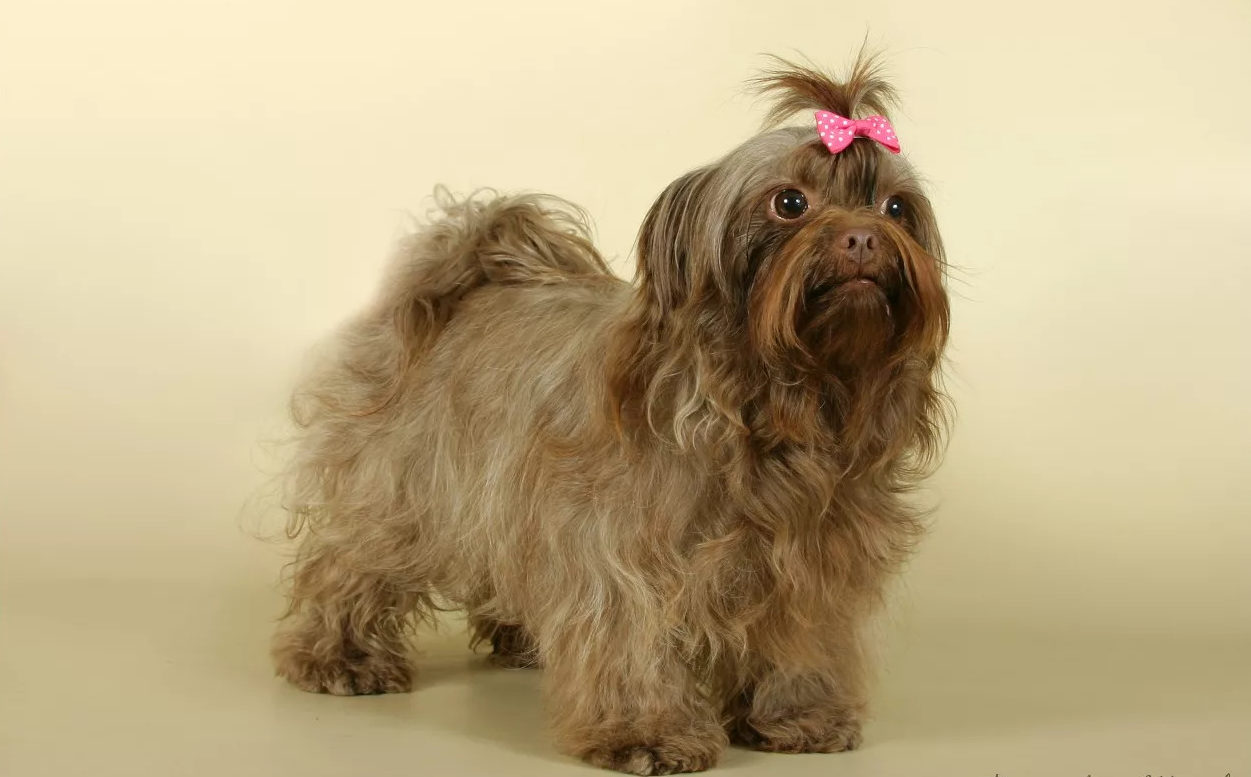
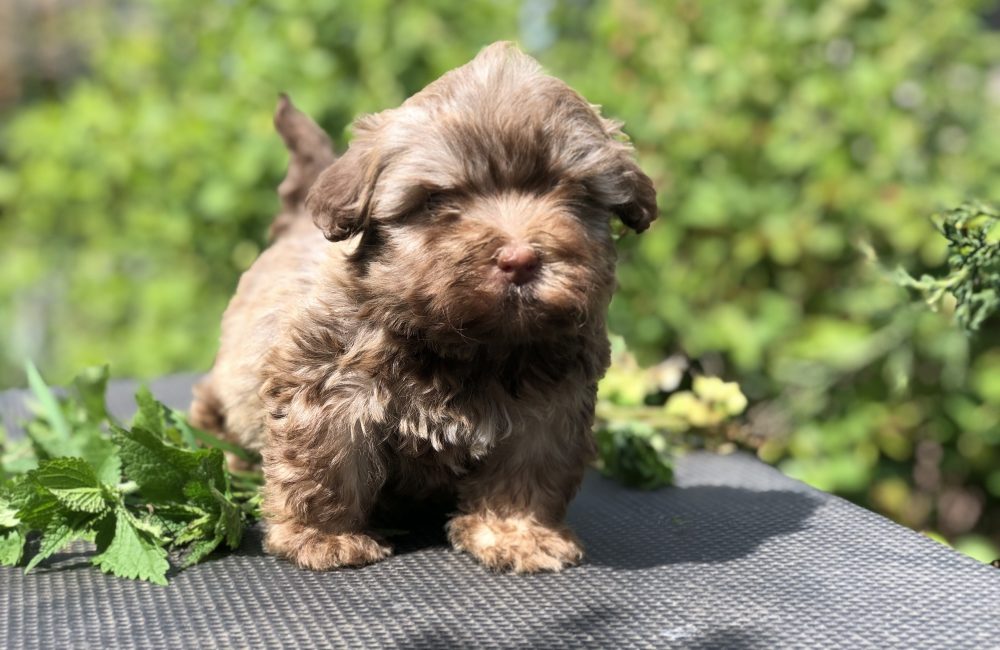
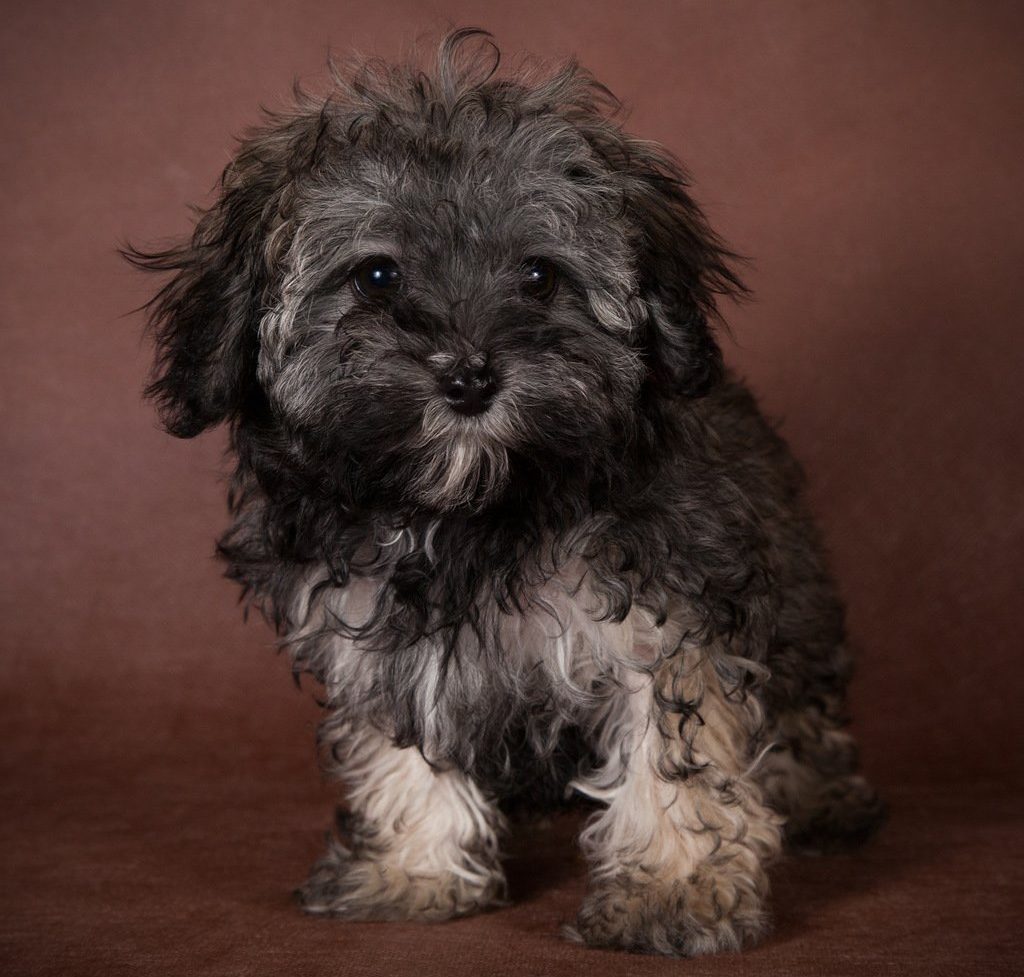
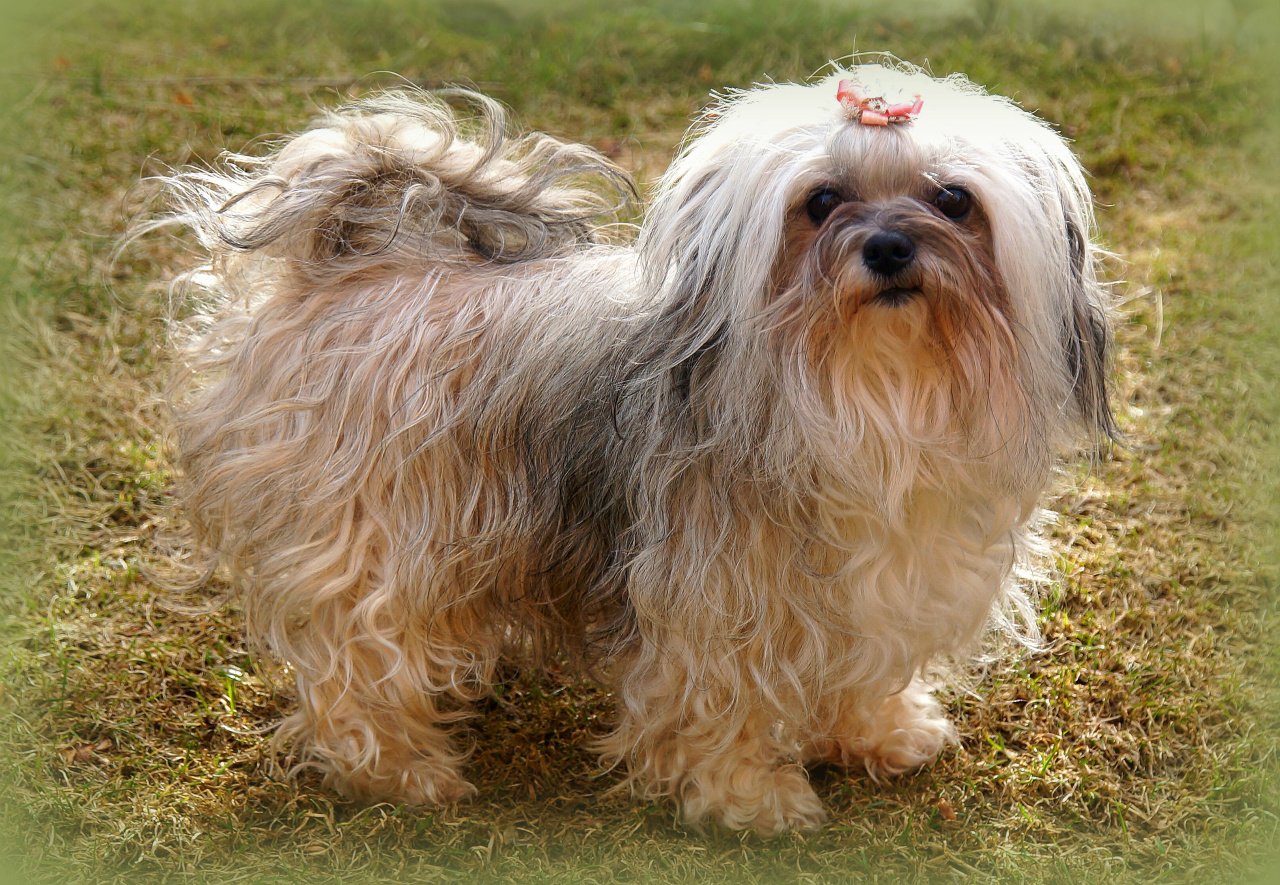
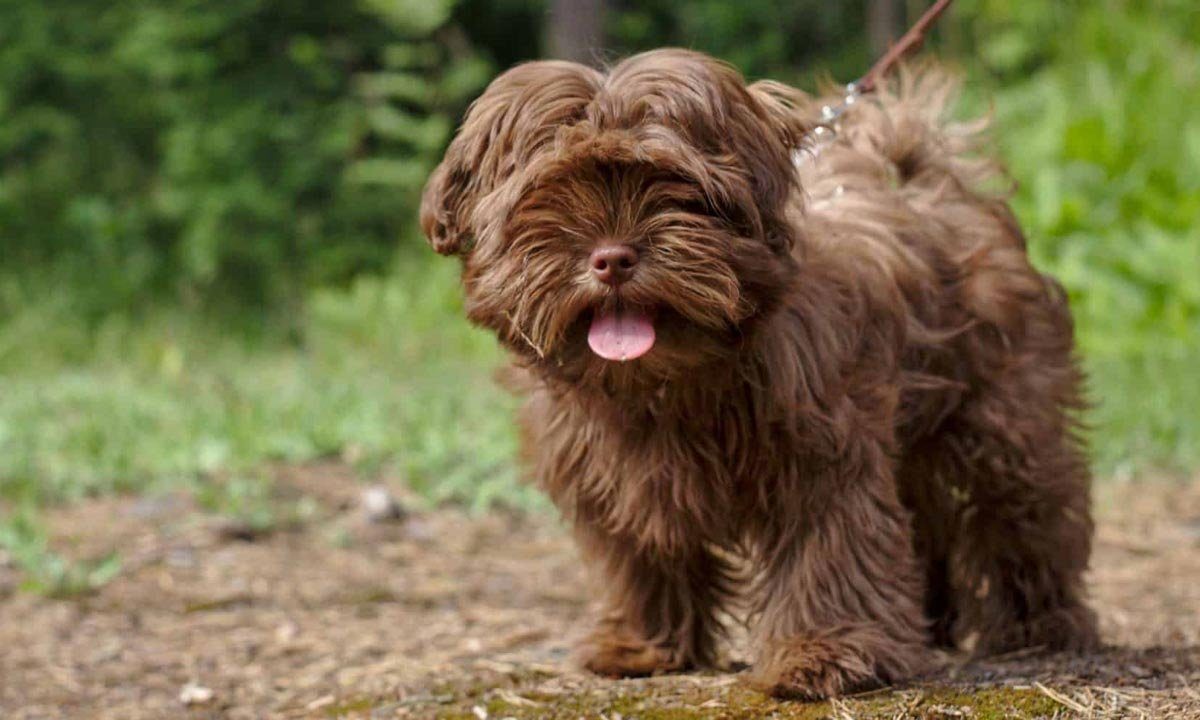
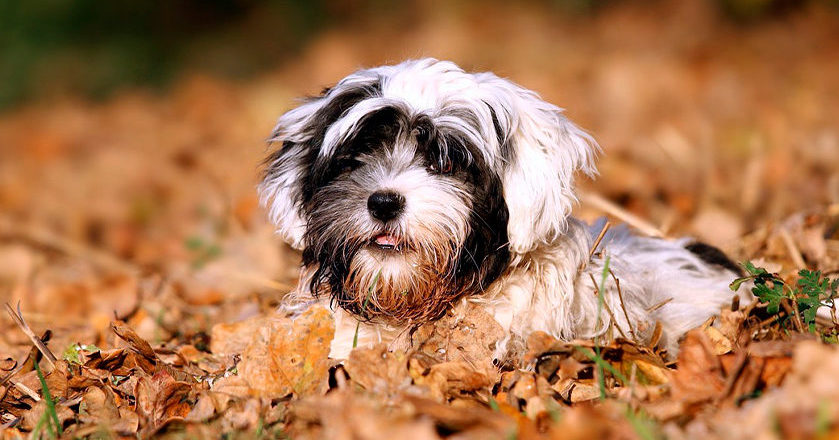
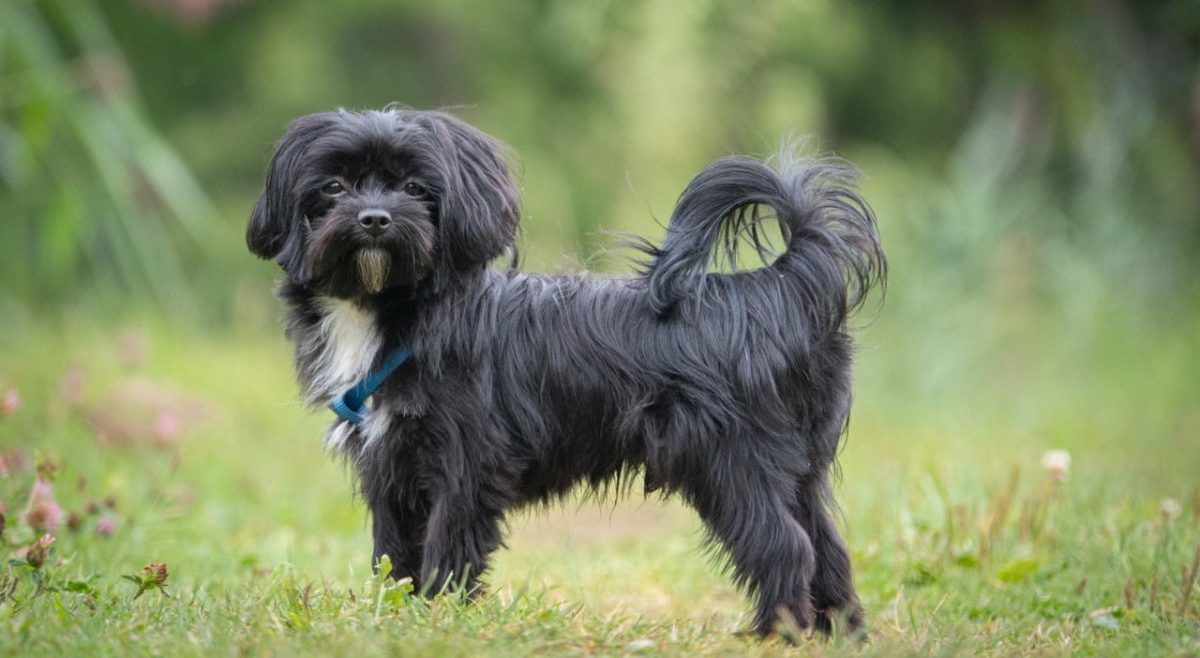
Small, agile, square-shaped dogs with cute faces, long, thick, curly fur-this is perhaps the best way to describe Russian Colored Bolognas in one sentence. The fur of our breed is much denser than that of their foreign counterparts.
Bright, sparkling eyes, a curled tail, and an extraordinary sense of joy that they convey to those around them-these are their trademarks. With a height at the withers ranging from 24 to 26 cm, they typically weigh around 3 to 4 kg, making them suitable for air travel. On average, Russian Colored Bolognas can live for about 15 years. Notably, many of them are long-lived, often reaching 18 years or even longer.
Despite the breed’s high popularity, it is not officially recognized by the FCI. Experts believe this is not directly related to the dogs themselves, but rather to the passivity of breeders in lobbying for their interests. Nonetheless, a glance at the price list of a kennel for Russian Colored Bolognas reveals that a purebred puppy in Russia starts at around 40,000 rubles. However, show-class pups are more expensive, and breeders of decorative dogs indicate “upon request” instead of a specific price.


Отличительные черты

Голова

Морда

Уши

Глаза

Зубы

Корпус

Конечности

Хвост

Шерсть

Окрас
Character
Legends abound about the temperament of Russian colored Bolonkas. Amid the myriad of rumors and speculations, experienced breeders have managed to systematize the main character traits of these small dogs with remarkable appearances.
Before purchasing a dog from a breeder, familiarize yourself with the key positive characteristics of their temperament:
Intelligence.
Russian colored Bolonkas and their high level of intelligence are very much appreciated by their owners. These adorable little dogs are very quick-witted and learn commands and new tricks rapidly. They usually eagerly perform tasks and actively participate in fun, logic-related games.
Affection.
These dogs are very attached to their owners and absolutely love being the center of family attention. They prefer to be near people and can express their love and affection through physical contact. Nearly every owner of Russian Bolonkas notes their desire to be close and their eagerness to please their owner.Energy.Russian colored Bolonkas are full of energy and love to play. They need regular walks and physical exercise to stay happy and healthy. After a good run during walks, they tend to be calmer at home. When walks are infrequent or not long enough, they need to make up for that lack at home through play. This is precisely why children love them so much.Friendliness.There is a belief that these cute curly dogs have a bad and grouchy nature. However, this is far from true. Unlike many of their counterparts, Russian colored Bolonkas are very friendly towards both adults and children, and they get along well with other animals. They are generally peaceful and can be excellent companions for families with children.Loyalty.The Russian Bolonka is very loyal to their owners and family members. Despite their size, they are always ready to guard and protect their
Did they repaint?
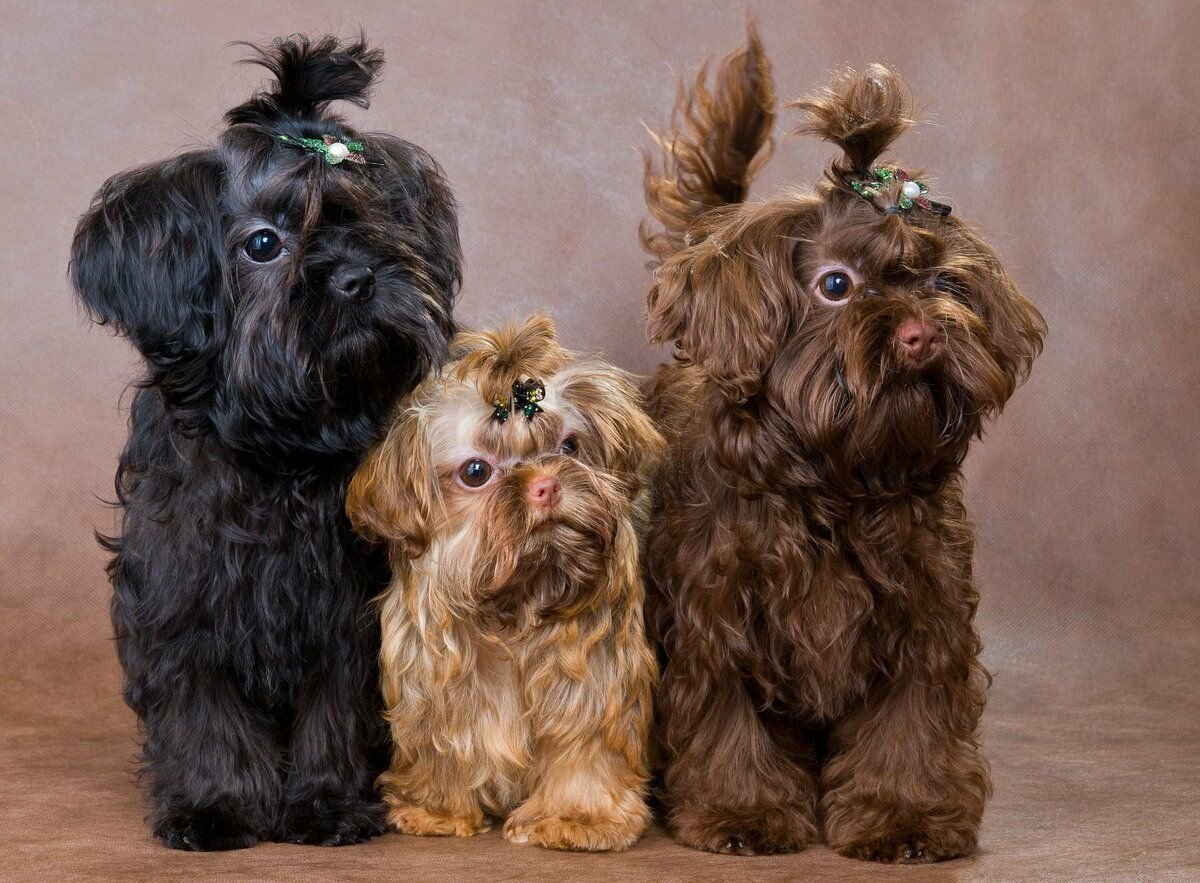
When born, Russian Toy Terrier puppies can change color as they grow older. That's why it's better to see the puppy's parents when buying, to understand possible changes.Care and Maintenance
Optimal care and maintenance conditions for the Russian colored Bolonka include several important aspects such as proper nutrition, daily walks, grooming, and socialization. For those planning to buy a dog from a breeder, it is essential to research and prepare thoroughly for the arrival of the pet in their home.
Nutrition.
Russian colored Bolonkas are small but energetic and require high-quality nutrition. An optimal diet must include everything necessary to provide the dog with sufficient energy and maintain the coat in good condition. Currently, the most popular option is a menu that mainly consists of high-quality dry food adapted to their size and activity level. Holistic foods are more expensive than regular food, but they keep the dog’s digestive system in good condition, which is reflected in the quality of its coat, dental health, and overall tone of the Bolonka. Of course, it is important to consider the individual needs of each dog, so owners monitor the dog’s reaction to specific types of food and make adjustments as needed. In addition to food, a bowl of clean water should always be available for the colored Bolonka, both day and night. There is also natural food that needs to be prepared, with calorie counting and ingredient quality checks. However, due to the fast pace of modern life, fewer dog owners choose this option. Moreover, consulting a veterinarian or the breed’s breeder can always help determine the optimal diet.
Walks and Physical Activity.
It is a well-known fact that the Russian colored Bolonka is one of the most active decorative dog breeds in the world. They need regular walks in the fresh air, play, and physical exercise. For adult dogs, experienced breeders recommend at least two walks a day, each lasting no less than 30-40 minutes. Their thick coat quickly gets wet and dirty, so in cold weather, dogs should wear warm vests, and in muddy or rainy conditions, special overalls to protect against dirt are recommended. Walks should be active, and toys can be used for this purpose. Furthermore, to stimulate the dog, it’s better to walk it in a dog park when similar small dogs are present – this significantly helps meet their need for movement.
Socialization.If a Russian colored Bolonka is not socialized during the early stages of life, the result will likely be a rather loud and unruly dog that attacks other dogs and behaves poorly at home. To help them become confident and friendly around other animals and people, they need to be prepared carefully and gradually. Regular visits to parks, dog parks, canine clubs, and interaction with other dogs will help strengthen your Bolonka’s social skills.Grooming.The thick double coat of Bolonkas should be carefully maintained, as it is their signature feature. Divide and clean the coat using special tools to remove dead hairs. To prevent matting, use mat removers and grooming combs. It is recommended to brush the dog two to three times a week to prevent it from resembling someone with dreadlocks. During the intense shedding period (typically twice a year), grooming procedures should be done even more frequently and intensively.Additionally, regularly checking and cleaning the Bolonka’s ears and teeth is important. Ear hygiene plays a crucial role in preventing infections and other problems. Teeth cleaning is essential for maintaining your dog’s oral health and
Vitamins are not needed!
The breed was developed primarily using dogs of "unknown" breeds. It is these dogs that have endowed the breed with a strong immune system, according to specialists.Training and Education
The appearance of Russian toy breeds is as remarkable as the process of raising and training them is interesting. Here are the top five recommendations for achieving the best results in this area, provided by experienced dog breeders in Russia:
Teach with kindness and patience. Russian toy breeds are very sensitive to their owner’s tone of voice and emotions. Intuitively reading your emotional state, they absorb it like a sponge. Therefore, positive reinforcement and praise help them learn new commands more effectively and feel confident. Be patient and friendly during training, and never use harsh training methods.
Ensure early socialization. Try to introduce your toy breed to different people and other pets at an early age; this will help your dog become balanced and friendly. Visiting dog parks, walking in parks, and interacting with other dogs will diversify their experiences and make them more comfortable in various situations.
Teach them proper behavior. Start with basic commands. Many breeders of small dogs indicate that toy breeds easily remember “Sit!”, “Lie down!”, “No!”, and “Place!”. Other, more complex commands can be learned a bit later when the dog has grown and mastered the basics. Gradually increase the difficulty of tasks, supporting them through training and intellectual games.
Set clear rules and boundaries. Toy breeds, affectionately called “colorful ones” by their breeders, need a stable and consistent structure of rules. Establish clear expectations in your home and stick to them. Do not allow your pet to exhibit behaviors you do not want to see in the future, and reward desirable behaviors with positive reinforcement.
Ensure sufficient physical activity. Since this is a very active breed, toy breeds require serious physical activity. Walking, running, playing, and training will help them expend excess energy and release built-up emotions, leading to calmer behavior at home.
Every little girl is unique!
Individuals shorter than 24 cm may have a fragile skeleton, which is why such Russian Bolonkas are discarded.
How to Choose a Puppy
If you have decided to buy a dog from a kennel, it’s a serious step that requires careful consideration. We suggest finding the right one, but first, study some important recommendations on what to pay attention to when making a purchase:
Choosing a breed. Learn the basic characteristics of Russian Toy Spaniels, and then find a reputable dog kennel. Photos and prices of puppies posted on the official website of the kennel will give you initial information about your future pet. Look for responsible breeders who specialize in this breed. If necessary, you can also reach out to dog lover clubs or cynological organizations in your area for relevant recommendations. Our website, Zooinika, features the best dog kennels, along with addresses and phone numbers for obtaining reference information from their owners.
Inspect the living conditions by visiting the kennel where the puppies are raised. Make sure the place is clean, well-kept, and safe. Reputable breeders usually provide the best conditions for puppies, offering everything necessary for their development.
Meet the parents of your future spaniel. It is very important to meet the puppy’s parents in order to evaluate their behavior, temperament, and health. This will give you insights into the potential traits and physical characteristics of your future pet.
Ensure that the breeder has all the necessary documents for the working dogs and their puppies. This includes pedigree papers and veterinary records that confirm their health and vaccinations. A genetic disease test is not mandatory but indicates the breeder’s commitment to quality.
Discuss the purchasing terms. Talk to the breeder about the details of the sale, including the price, health guarantees, sales contract, and any post-purchase support.The difference between a purebred puppy and a mixed-breed puppy lies in their pedigree. A purebred puppy has documents (pedigree) showing its lineage from parents of the same breed, registered with cynological clubs. They adhere to strictly defined breed standards and are often used for breeding in shows or to maintain genetic diversity in the breed. A mixed-breed puppy cannot be used for breeding due to flaws or non-compliance with breed standards. Want a pedigree pet? You can find documented ones from reputable breeders at Zoonika.
Health and Diseases
It’s remarkable how resilient these cute, colorful little ones are to various illnesses commonly seen in most decorative dog breeds. A strong immune system is the key to the healthy genetics of Russian toy-colored dogs. According to some sources, they inherited their health from Bichons, while others claim it’s from Pekingese and Spitz breeds. Nevertheless, practically every breeder of decorative dogs enthusiastically notes the good health of Russian toy-colored dogs.
However, cataracts and glaucoma are more common in them than other ailments. Daily eye checks and preventive visits to the veterinary clinic allow for timely detection of problems and help alleviate the consequences of illness.
Unfortunately, their small size and weight often become an issue for their joints. Patellar luxation and hip dysplasia are causes for concern. While dysplasia can be detected through genetic screening, allowing for timely measures to correct the situation and adjust the care for the dog, luxation can happen at any moment while the colorful little one is playing.
Allergies to perfumes, tobacco smoke, and poor environmental conditions have also been noted in these dogs. Tearing and nasal discharge can be triggers. Zoonika offers puppies of elite breeds with a complete set of documents.
Содержание
-
1. Описание породы
-
2. Внешний вид
- 2.1 Голова
- 2.2 Морда
- 2.3 Уши
- 2.4 Глаза
- 2.5 Зубы
- 2.6 Корпус
- 2.7 Конечности
- 2.8 Хвост
- 2.9 Шерсть
- 2.10 Окрас
-
3. Характер
-
4. Содержание и уход
-
5. Дрессировка и обучение
-
6. Как выбрать котенка
-
7. Здоровье и болезни






Comments
Only registered users can leave reviews.
Enter