
Romanian Carpathian Shepherd Dog





Warning: Illegal string offset 'label' in /home/panda/sites/zoonika/wp-content/themes/zoonika/template-parts/animals/animals-param-item.php on line 32
Ð


Breed Description
For centuries, local dog breeds have existed in small areas of Romania without any official names; they were primarily distinguished by their color and region. In the Carpathians, near the Danube, by the end of the 19th to the beginning of the 20th century, local shepherds used excellent guards and watchdogs that could work long hours in those conditions. Locals noticed that one breeder of shepherd dogs had individuals that significantly differed in working qualities. These dogs could equally be used not only for herding sheep but also as watchdogs. Combining the best traits of guard dogs, the Romanian Carpathian Shepherd was recognized by the public at an exhibition in Bucharest in 1931. The breed standard was accepted three years later and has undergone numerous changes since then. However, there are not many Romanian shepherds even in their homeland. As of the late 20th century, the exact number was unknown, but officially, there were only about 200 individuals. The year 2012 marked the recognition of the Carpathian Shepherd by the FCI.
As for the closest relatives of this breed, today’s Romanian shepherds are considered cousins of the Mioritic Shepherd, and Romanian shepherds also share ancestry with Bukovinian shepherds. It is impossible to name exact ancestors. One thing is clear: Romanian Carpathian Shepherds strive to eliminate wild beasts until their last breath and demonstrate incredible effectiveness in doing so.
Tall and massive, they are not suited for city living. Even with strong physical activity, one cannot provide the space that the breed is accustomed to. Only strong-willed individuals can manage them, and well-known dog breeders do not recommend such dogs for beginners.
In Russia, there are kennels for guard dogs where one can purchase puppies of similar breeds. However, due to the extremely low numbers of Romanian shepherds even in their homeland, finding a large dog kennel in Russia is practically impossible. If lucky, one might find a private guard dog breeder who can assist in acquiring a puppy. Yet, the 21st century has introduced changes; purchasing remotely is now not unusual. The cost of a purebred Romanian Carpathian Shepherd puppy, excluding logistics to our country, is comparable to other herding dogs. To obtain such information, one must find and request the price list from a kennel.
Appearance
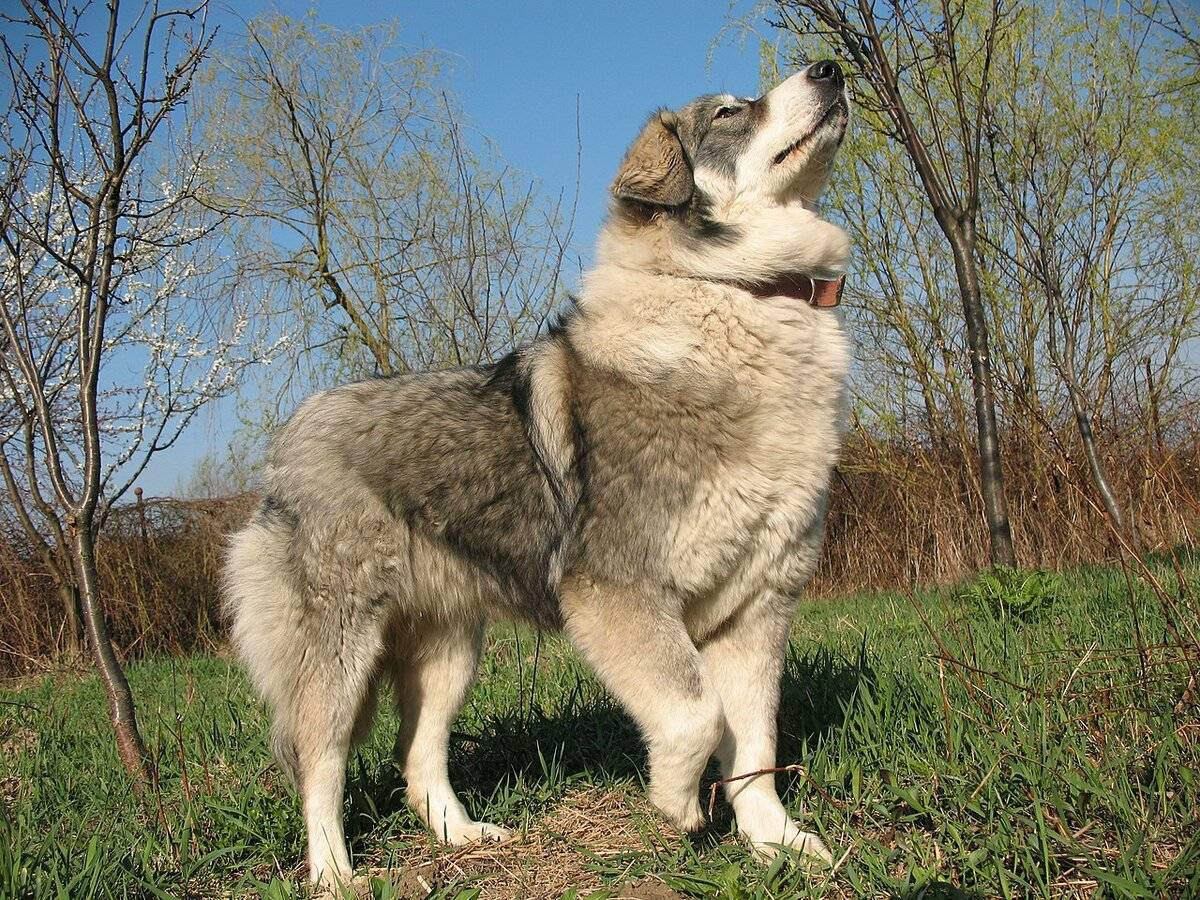
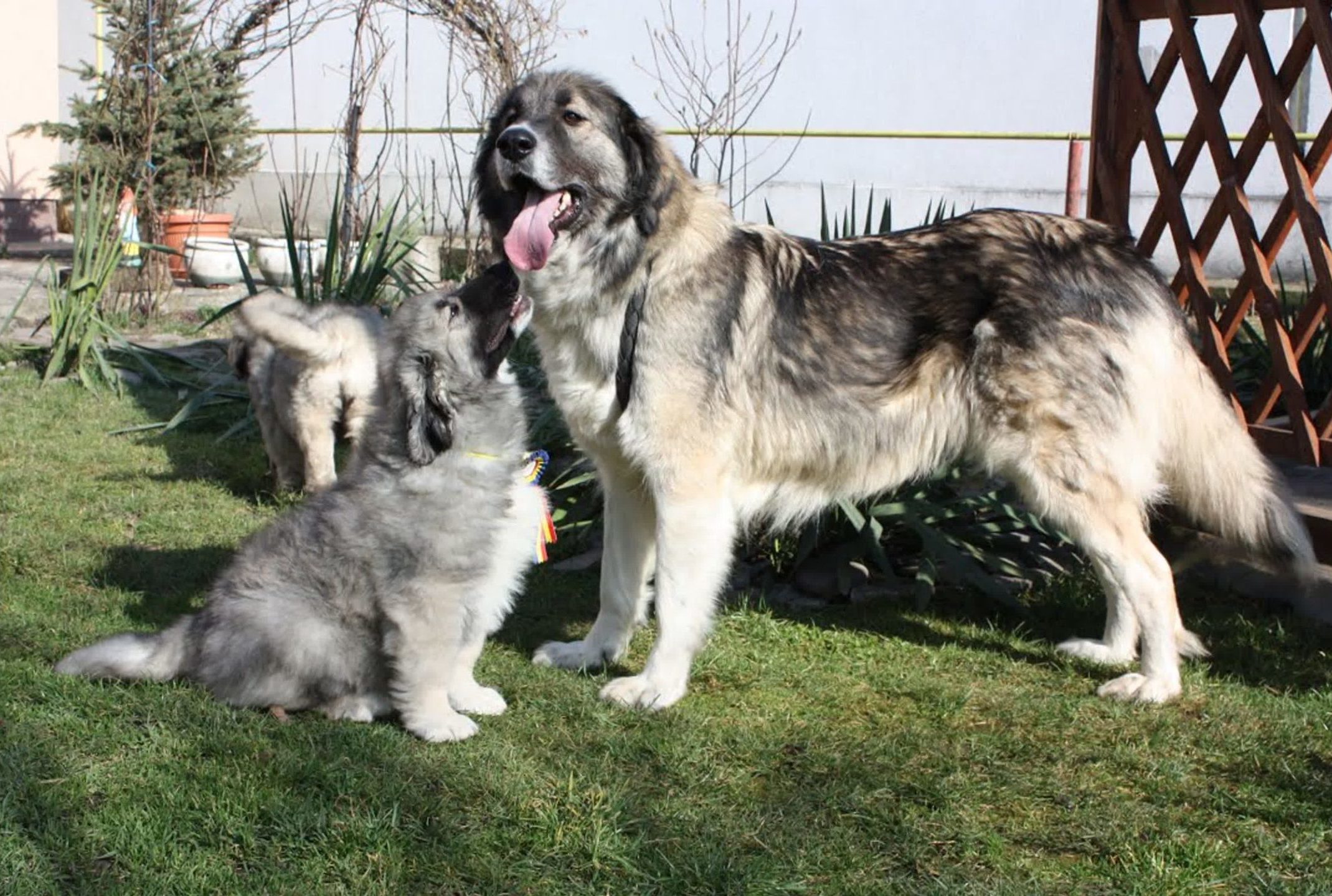
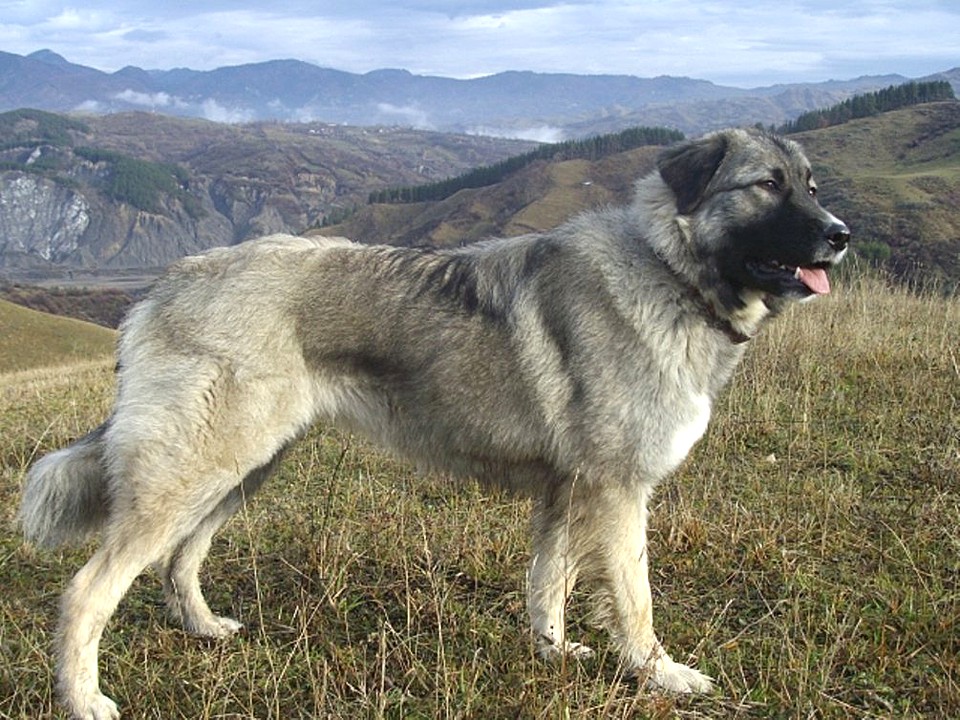
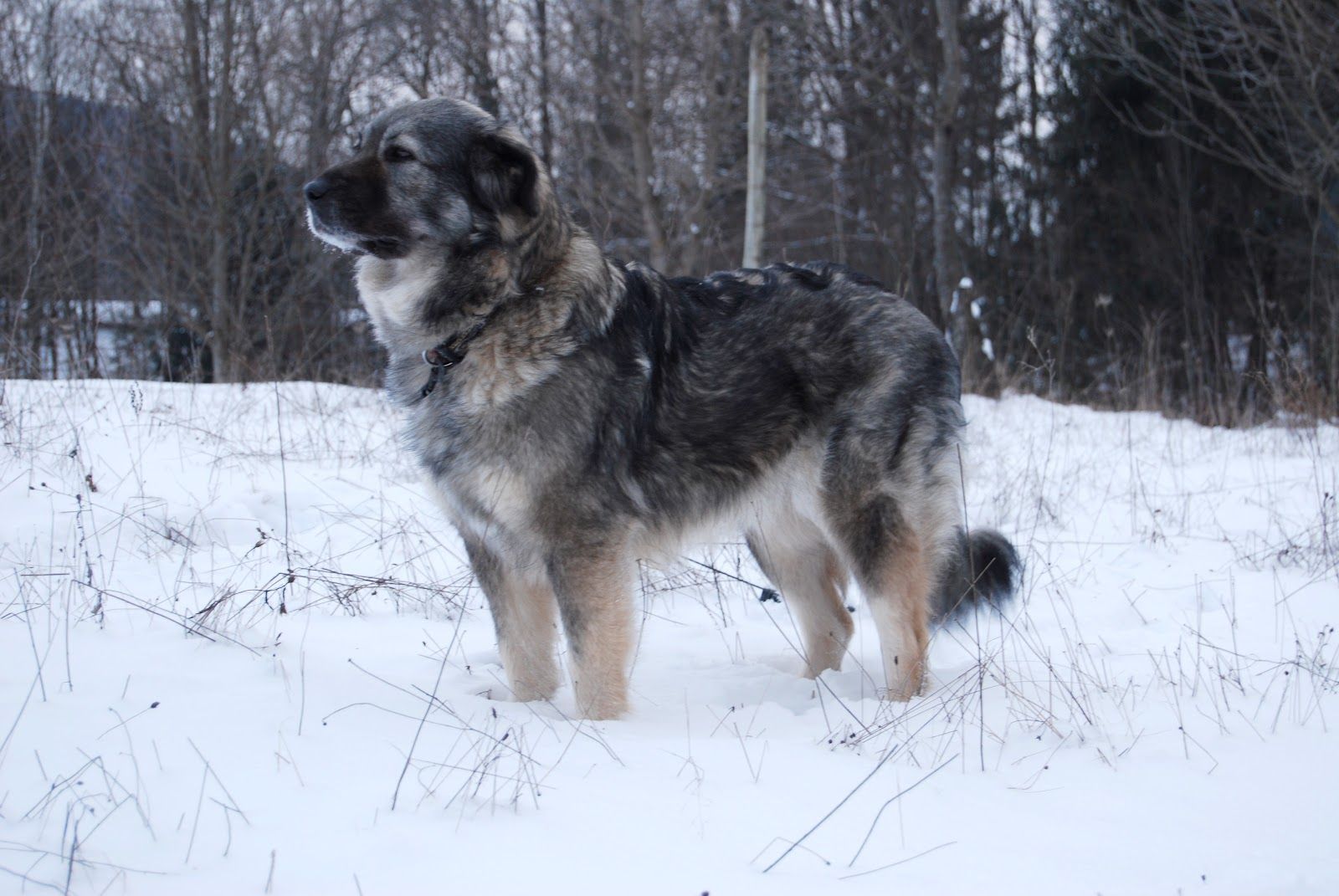
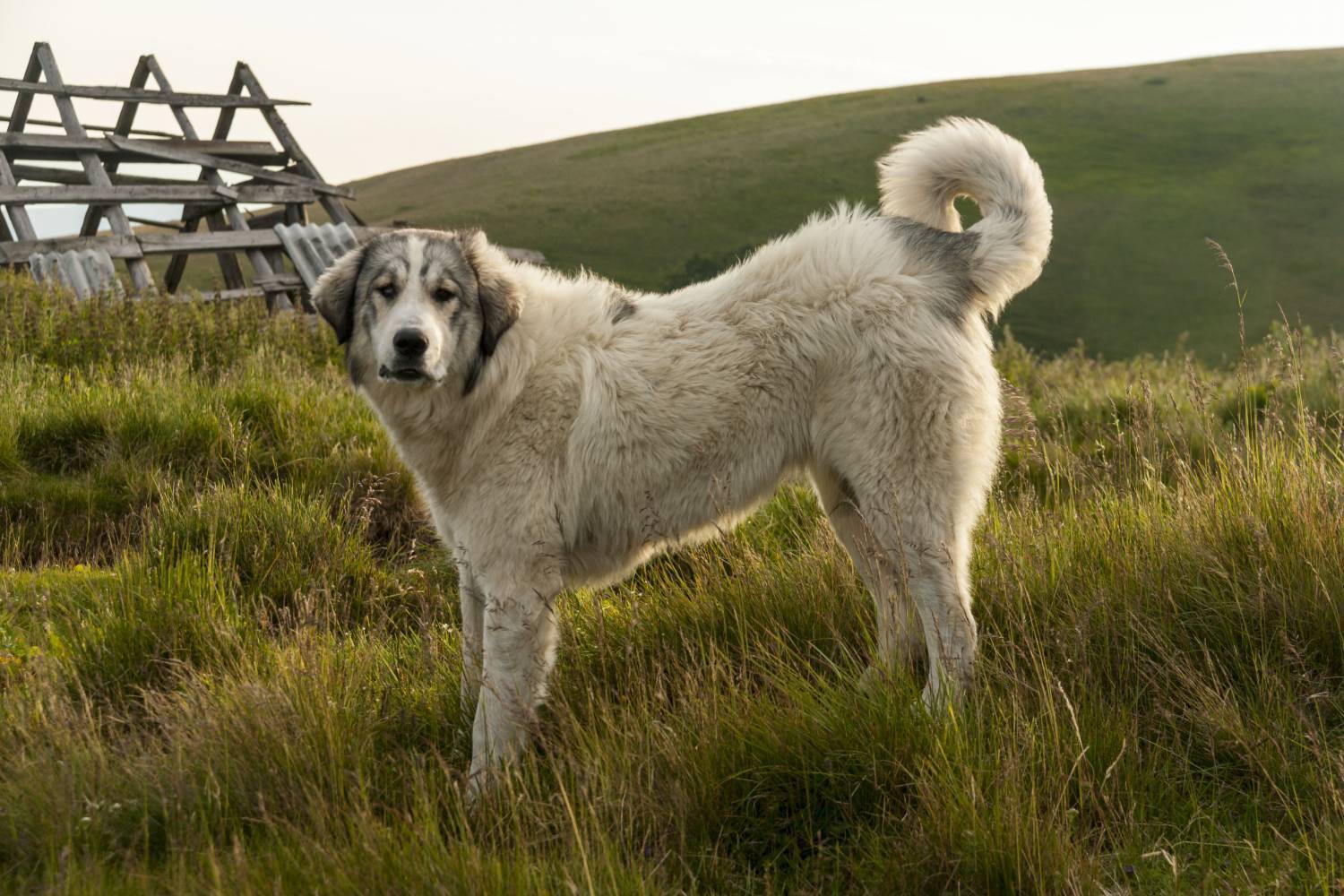
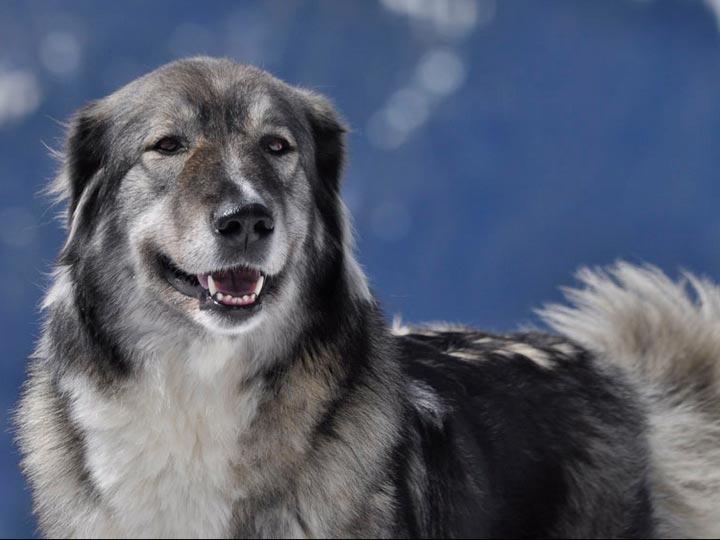
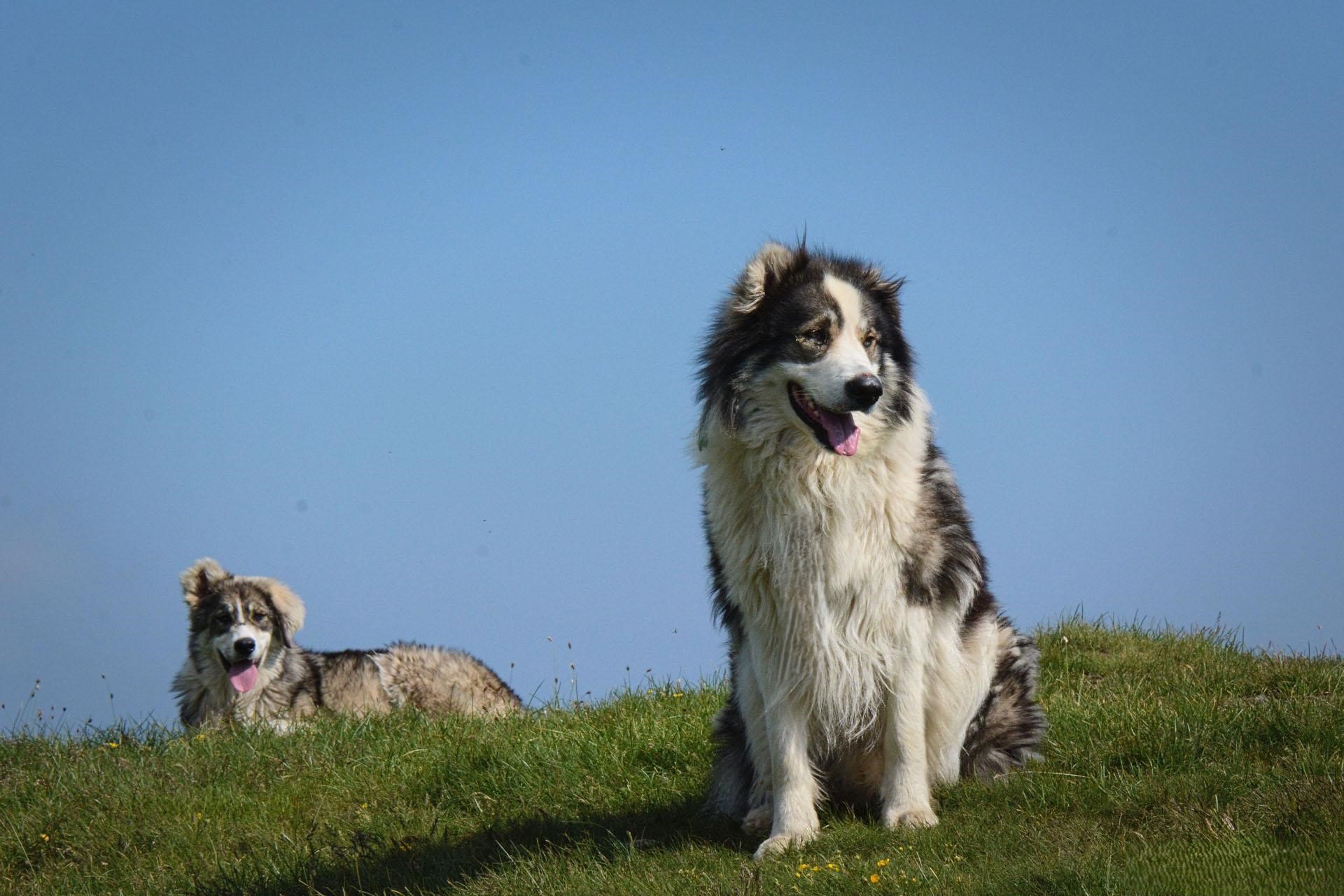
The proud posture, impressive look, powerful build, but not as squatty as some other breeds of shepherds – this is the Romanian Carpathian Shepherd. A stern, heavy gaze that conveys to the surroundings that a monster capable of tearing apart everything nearby is hidden within the body – again, this is the Carpathian shepherd dog. Attentive, loyal, and self-assured, this companion dog possesses all the characteristics that any sheepdog breeder familiar with the breed would list. The Romanian shepherd, as they were once called, embodies both beauty and grace in their slow, deliberate movements while working with sheep, as well as an unmatched speed when protecting the flock from predators. Thick double coat, thick skin, massive and long limbs, a strong back, broad loins, and a very powerful chest like a battering ram make this dog a “universal soldier,” capable of standing up to almost any opponent.
There is a clear sexual dimorphism. Adult male Carpathians grow to 65 – 75 cm and weigh up to 70 kg. In contrast, females appear more compact: shoulder height can reach 60 – 67 cm, with a weight starting from 35 kg and above. As experienced and reputable breeders and veterinarians note, the average lifespan of these sturdy shepherd dogs is 12 – 14 years.


Отличительные черты

Голова

Морда

Уши

Глаза

Зубы

Корпус

Конечности

Хвост

Шерсть

Окрас
Character
The Romanian Carpathian Shepherd is a large and powerful dog with a unique and independent character. These dogs were originally bred to protect livestock and property in the harsh mountainous region of Romania, and their temperament traits were developed specifically for this purpose. The strength of these dogs is such that, as renowned breeders say, three Carpathian Shepherds can handle not only a wolf but even a bear.
One of the most prominent traits of the Romanian Carpathian Shepherd is its strong, even dominant sense of independence. Since they were bred to make independent decisions while guarding flocks in remote mountainous areas, this has resulted in a natural instinct to be self-sufficient. They are also known for their loyalty to their owner and family and their desire to protect them. This expands their functionality and makes them excellent watchdogs. Local farmers seek out breeders for these dogs to safeguard their families and properties.
These breeds are also notable for their intelligence and ability to learn quickly, making them relatively easy to train, although they can sometimes exhibit willful behavior. They are known for their calm and balanced nature, usually getting along well with children and other animals, especially if socialized from an early age.
However, there are also downsides that may manifest in these dogs’ character. Due to their independence, they can be stubborn and prefer to follow their instincts rather than obey commands. This can pose challenges in training for inexperienced owners. Additionally, the protective nature of the breed can lead to aggression toward strangers if the dog has not been properly socialized and trained.
In conclusion, it is worth noting that these breeds are unique with a strong and independent character. While they possess many positive traits such as loyalty, intelligence, and a calm temperament, they can also exhibit negative traits like stubbornness and aggressive behavior if not worked with in training and socialization. Prospective owners should be prepared to invest time and patience in training and socializing these breeds to bring out their best qualities. Overall, with proper care, these breeds can become excellent guardians and loyal companions for those who understand and appreciate the unique qualities of large dogs.
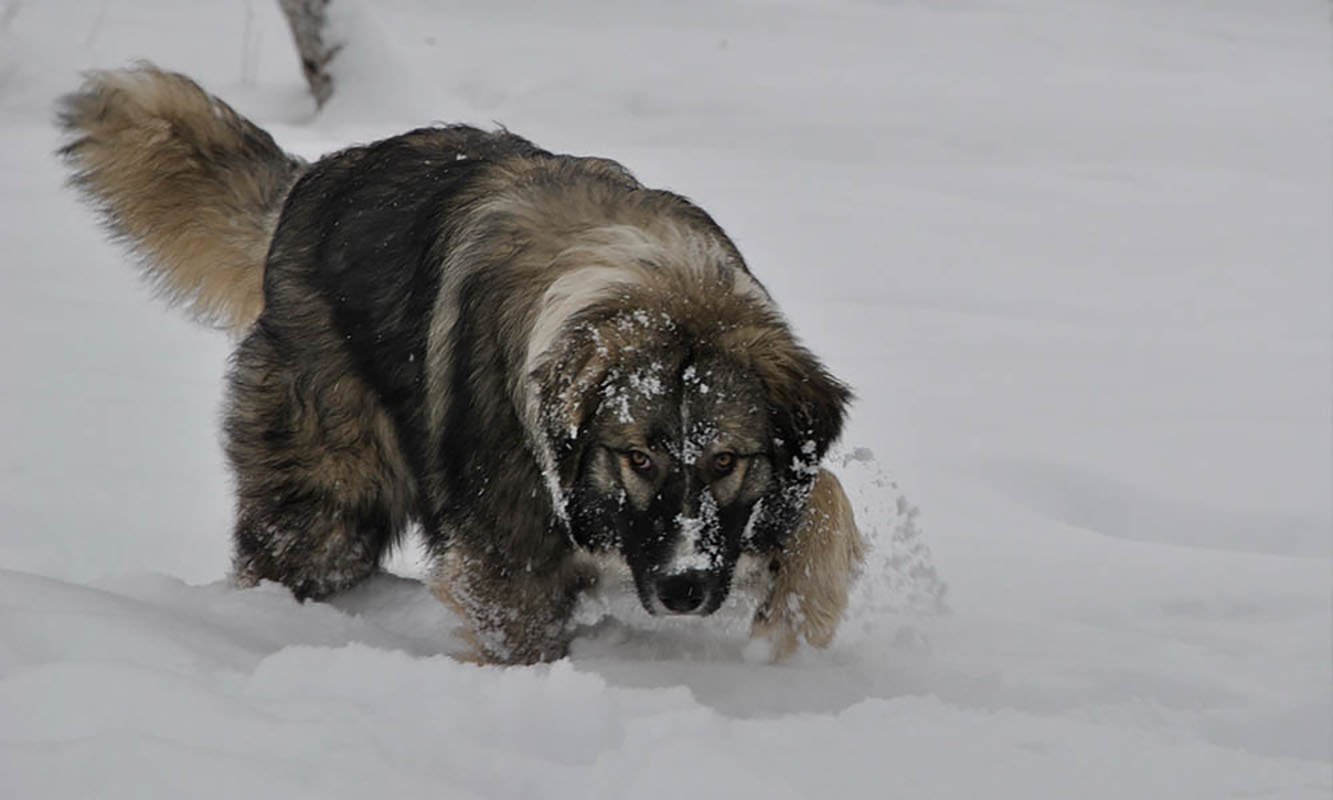
And once again about docking!
There is a common misconception that Romanian Carpathian Shepherds, like some other large herding breeds, typically have their ears and tails docked because they might interfere during encounters with wolves. In reality, this is not the case. Reputable breeders believe that in a fight, which may never happen in a dog’s lifetime, neither ears nor tail have any impact. The outcome is determined by the readiness of each party and the physical condition of the opponents.Contents and Care
Not only do the large dimensions make it difficult to keep such dogs in urban conditions, but even a very spacious apartment cannot provide the Romanian shepherds with the space they need. Perhaps the most accurate term to express this need is freedom. These dogs are undeniably freedom-loving and require ample space and real work with a herd. Even the most experienced, long-time breeders of Romanian shepherds in their homeland live outside the city, where their dogs can enjoy the freedom they need. Designed exclusively for work, these dogs require minimal grooming. Reputable breeders strive to provide adequate food for their dogs, thus maintaining their health.
Keeping a large dog like the Romanian Carpathian shepherd on commercial food is convenient and saves the owner time on meal preparation for the pet, but it can significantly impact the budget. Here’s why: low-quality commercial foods only contain minimal protein, which is crucial for shepherds. Currently, there are four lines of dog food: economy, premium, super-premium, and holistic. When considering the composition, the optimal balance of protein, fats, and carbohydrates is found in the more expensive super-premium and holistic options. Budget lines may display imbalances in the proportions of various ingredients, leading to additional expenses for various supplements and vitamins. Given the weight of adult dogs, these extra costs can add up quickly.
With this information in mind, the overwhelming majority of owners prefer natural food. The proportions are relatively simple: 2/1 (meat/plant food). The highest protein content is found in beef, which should be prioritized. Lean pieces of pork can also be included in the diet, but the diet should not consist solely of pork or lamb. In practice, every fourth breeder of guard dogs in those regions adds horse meat to their shepherds’ food. Dogs also enjoy turkey and chicken, and by including offal, the cost of feeding can be reduced without harming the dog’s health. Chicken or turkey heads are a treat for Carpathian shepherds, and they eat them with great appetite. Fish is not offered often, and it’s best to give them salmon.
Carbohydrates play an equally important role in a complete diet. For this, experienced, reputable breeders use buckwheat, rice, oats, and corn. Porridges made from these grains are supplemented with carrots, zucchini, and pumpkin. It is recommended to give puppies sour dairy products like cottage cheese, but not too frequently.
When feeding on natural food, the dog should have round-the-clock access to clean drinking water. Additionally, vitamin supplements will need to be provided, and a veterinarian can advise on the right ones for the shepherd.
There must be an individual bowl for food and water. Fragile bowls that might crack and injure the dog should not be used. Using a single bowl for multiple dogs will inevitably lead to conflicts among them. Therefore, each dog should clearly recognize its own bowl and not try to nose into another’s.After preparing porridge, it should be allowed to cool down. Of course, it’s not necessary to buy a thermometer to measure the porridge’s temperature; it can be checked with your hand. Dogs should not be given hot food; slightly warm is acceptable.It is important to monitor portion sizes and feeding frequency. For instance, a Carpathian shepherd puppy younger than 3 months eats every 4 hours. As they age, the intervals become longer, and by 7 months, the dog is fed three times a day. Reputable dog breeders recommend keeping a consistent feeding schedule for animals and adhering to it. This discipline has a positive effect on their behavior. Dogs should not be overfed! If the commercial foods indicate a recommended portion size, it is best to consult a veterinarian when feeding on natural food.
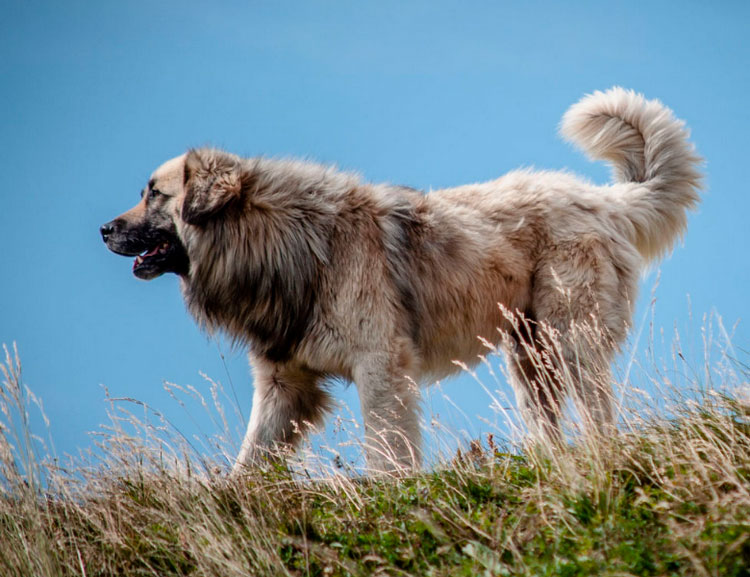
One-eared dog?
Many centuries ago, an old and experienced shepherd dog breeder noticed that his dogs were failing to fend off nocturnal wolf raids and regularly losing sheep from the flock. He observed that his pack, when lying down, would cover their ears with their tails to shield themselves from the wind, relying solely on their sense of smell. Meanwhile, the nighttime hunters would approach closely, taking advantage of the fact that the dogs couldn't hear due to their ears being covered, and would manage to carry off one or two lambs. As a result, this breeder cut off one ear and shortened the tails of some of the dogs, which yielded positive results: the dogs "started to hear" the predator after losing some of their exterior features. Some kennels and breeders of Romanian Carpathian shepherd dogs still apply this practice in certain areas of Moldova and Romania today.Training and Education
Training Romanian Carpathian Shepherds is a crucial aspect of their upbringing and education. It is important to remember that Romanian Carpathian Shepherds are very intelligent. However, do not expect them to perform circus tricks or jump through hoops (though, with effort, this can be achieved). Their loyalty to their owner and their property is unwavering. Therefore, training should be conducted with love, patience, and be well-structured.
The most well-known dog breeders recommend starting training for shepherds at a very early age. Carpathian Shepherds respond well to training, beginning from 8-12 weeks of age. Early training helps strengthen the bond between you and the dog, as well as establish rules for future behavior. Pay close attention to the puppy’s reaction to your commands. The independence seen in every shepherd breed can sometimes evolve into stubbornness. It is important to find the right approach to resolve such situations in a timely manner.
When interacting, use only positive reinforcement. Encourage proper behavior with toys, treats, or praise. This type of training will help your shepherd understand that desirable behavior leads to pleasant outcomes.
Socialize your dog. Romanian Carpathian Shepherds have pronounced protective qualities and are attentive to their family, but they can be suspicious of strangers. Therefore, it is important to acclimate them to various situations, people, and other animals from a young age. Pay particular attention to the behavior of the guard dog with unfamiliar individuals. The size and strength of Carpathians are considerable, and a confrontation with a stranger can have dire consequences for the latter.
If you have particularly challenging issues with training or upbringing, consult a dog trainer specializing in Romanian Carpathian Shepherds.
Finally, always remember that patience and consistency are key to successfully training a Romanian Carpathian Shepherd. Build a positive, trusting relationship with your dog and actively work on their education – and you will surely achieve the desired results. We represent the best breeders who care for each puppy from the first days of its life.
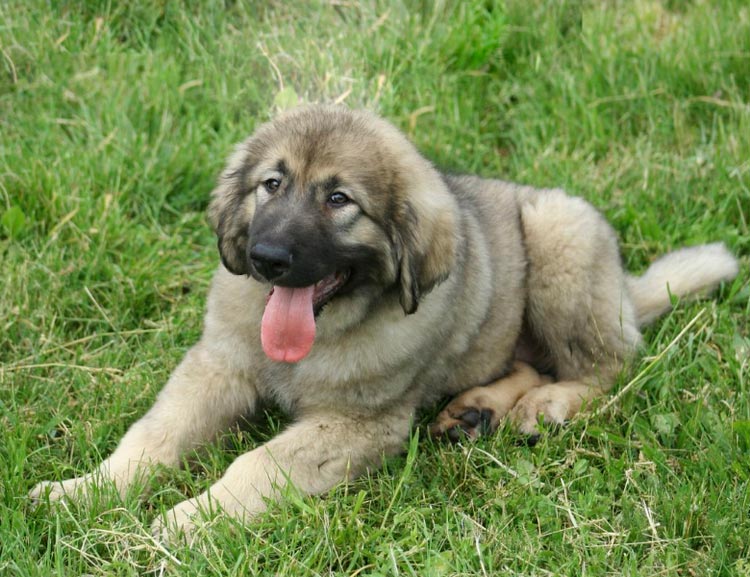
Almost gone?
The Romanian Carpathian Shepherd Dog is considered a very rare breed of herding and guard dogs, as it is practically unknown outside the Carpathian region of Romania and Moldova. However, each new owner highly values the breed, which suggests a growing demand for it beyond the region.
How to Choose a Puppy
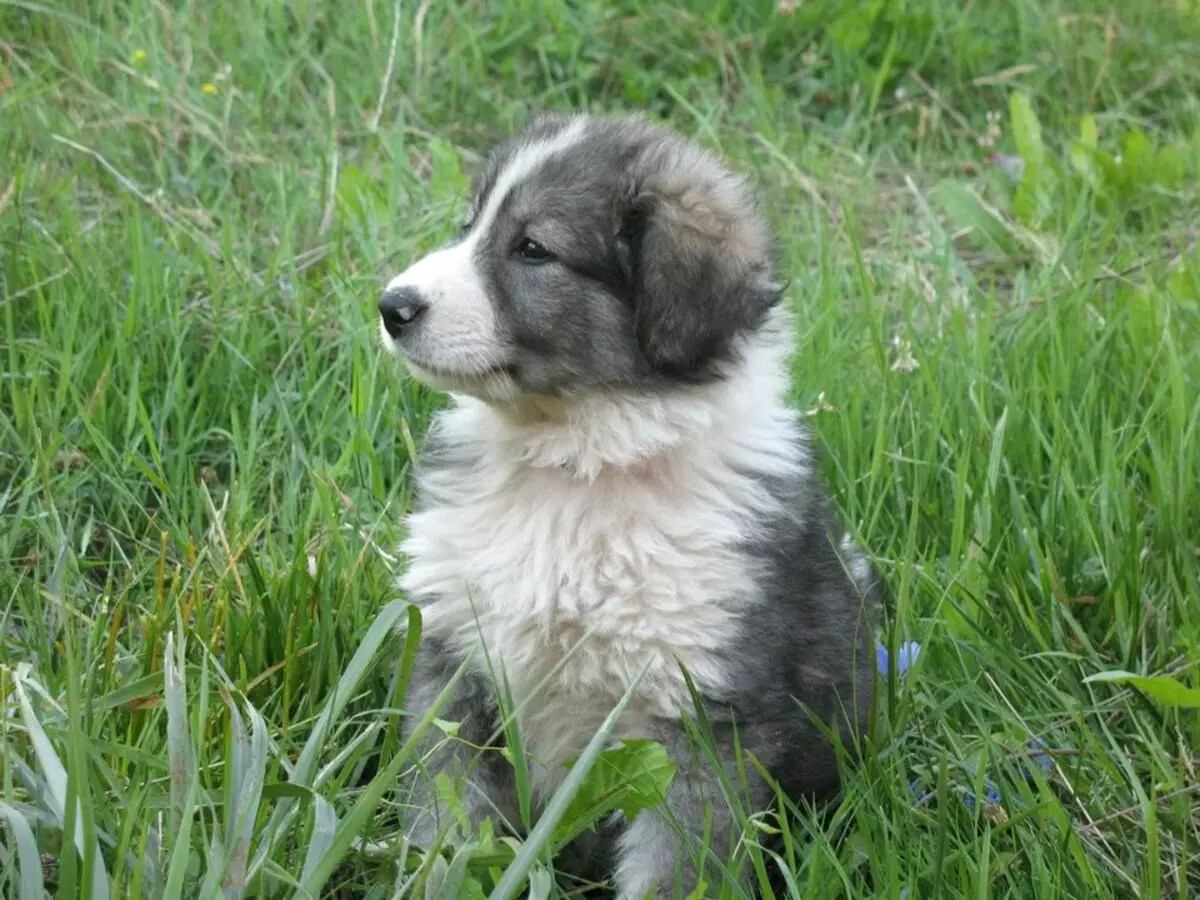
Choosing a puppy is a very serious decision that requires careful consideration and weighing all the pros and cons of purchasing one. Selecting a Romanian Carpathian Shepherd puppy can be an even more responsible step, given the seriousness of the breed. When making such an important decision, it is essential to pay attention to the following criteria, which will help you make the right choice.
First, you need to find dog breeders on the map. Once you’ve chosen a kennel, pay attention to its reputation. Learn about its experience and recommendations from other owners of Romanian Carpathian Shepherds. Additionally, assess the living conditions of the dogs at the kennel: cleanliness, space, and care.
Check if the breeder has documents for the parents of the litter, verify the pedigree, and ensure the puppies have veterinary papers. The veterinary passport should contain all necessary markings, including vaccinations and deworming.
Pay attention to the temperament and behavior of the puppies. Romanian Carpathian Shepherds should be balanced, curious, and socially adapted. The puppies should be active, playful, and fearless. Evaluate what commands their parents know and what socialization activities the breeder conducts for the puppies.
To find kennels for Romanian Carpathian Shepherds, it is recommended to use our kennel website, where you can find the desired dog breeder, photos, and prices for puppies. Zooinca – simple, quick, and safe, with a quality guarantee.
Health and Diseases
Romanian Carpathian Shepherd Dogs, like many dog breeds, are prone to certain hereditary diseases. Reputable breeders and veterinarians note the most common ones:
– Hip and elbow dysplasia, which is often inherited in Romanian Carpathian Shepherds and can lead to mobility issues and joint pain;
– Progressive retinal atrophy, which results in gradual loss of vision and ultimately leads to complete blindness;
– Epilepsy: Romanian Carpathian Shepherds are susceptible to epilepsy, which can manifest between 6 months and 6 years of age;
– Chromosomal abnormalities may include various hereditary syndromes and genetic diseases that can lead to serious health problems;
– Some autoimmune diseases, such as thyroid issues or allergic reactions.It is important to remember that not all Carpathian Shepherds suffer from these conditions, and some may only manifest under specific circumstances. However, when choosing a Romanian Carpathian Shepherd puppy, it is useful to pay attention to the health history of the parents and to have professional genetic testing done to minimize the risk of developing these conditions. Zooinca makes it easy to attract the attention of buyers.
Содержание
-
1. Описание породы
-
2. Внешний вид
- 2.1 Голова
- 2.2 Морда
- 2.3 Уши
- 2.4 Глаза
- 2.5 Зубы
- 2.6 Корпус
- 2.7 Конечности
- 2.8 Хвост
- 2.9 Шерсть
- 2.10 Окрас
-
3. Характер
-
4. Содержание и уход
-
5. Дрессировка и обучение
-
6. Как выбрать котенка
-
7. Здоровье и болезни







Comments
Only registered users can leave reviews.
Enter