
Rhodesian Ridgeback
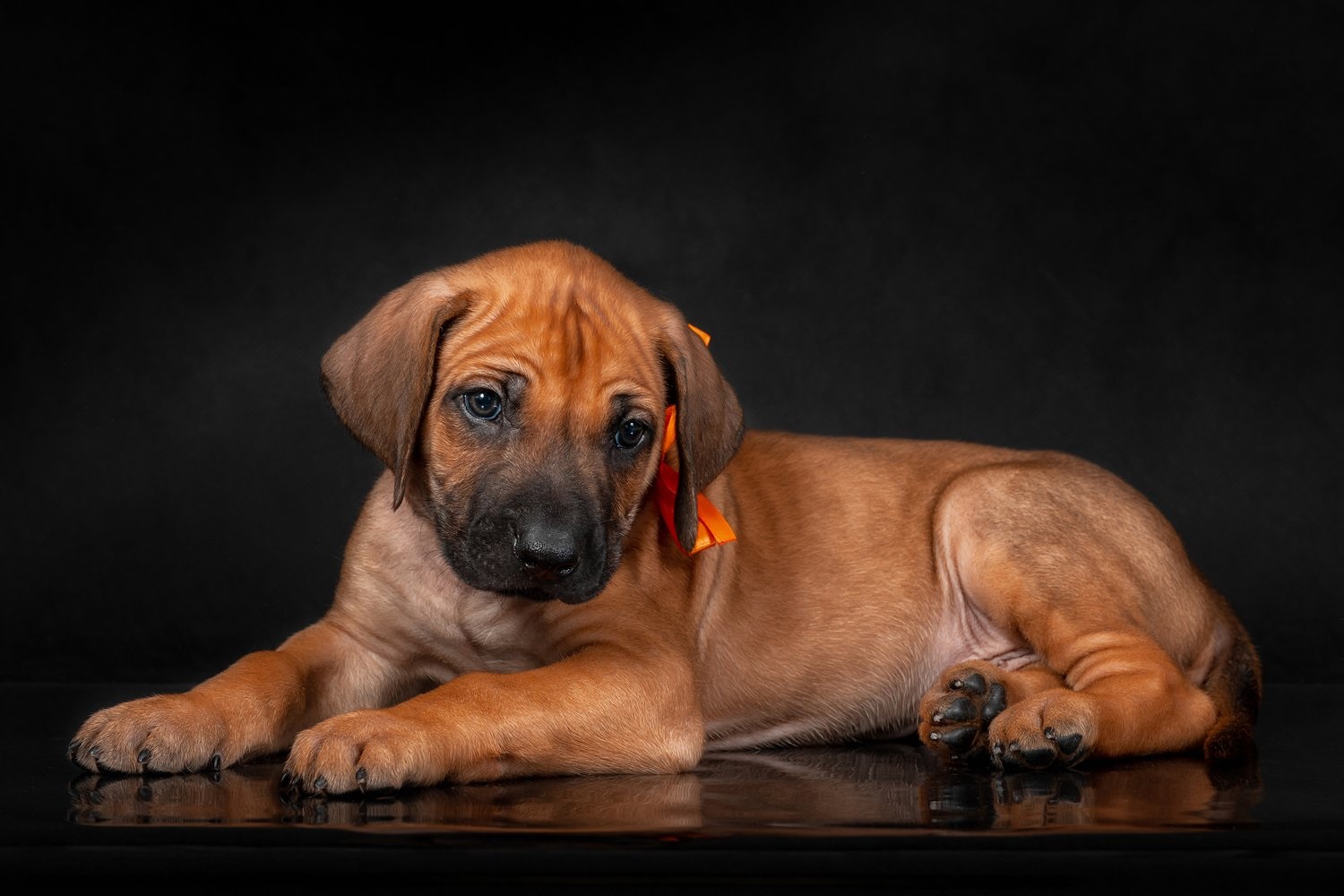
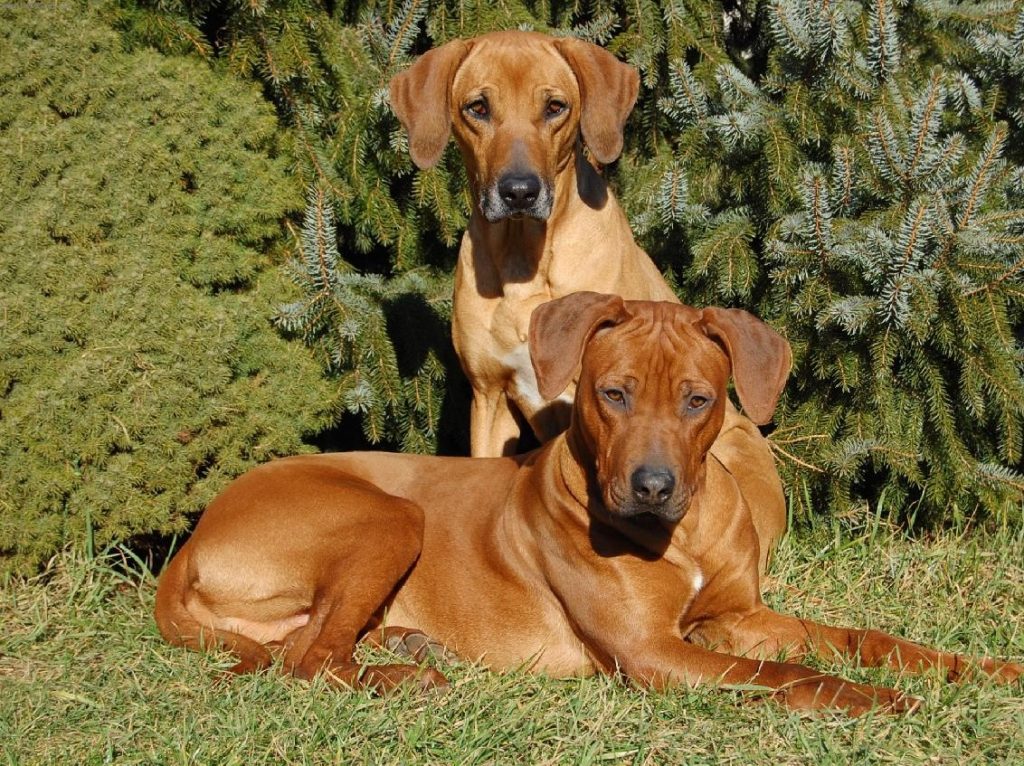
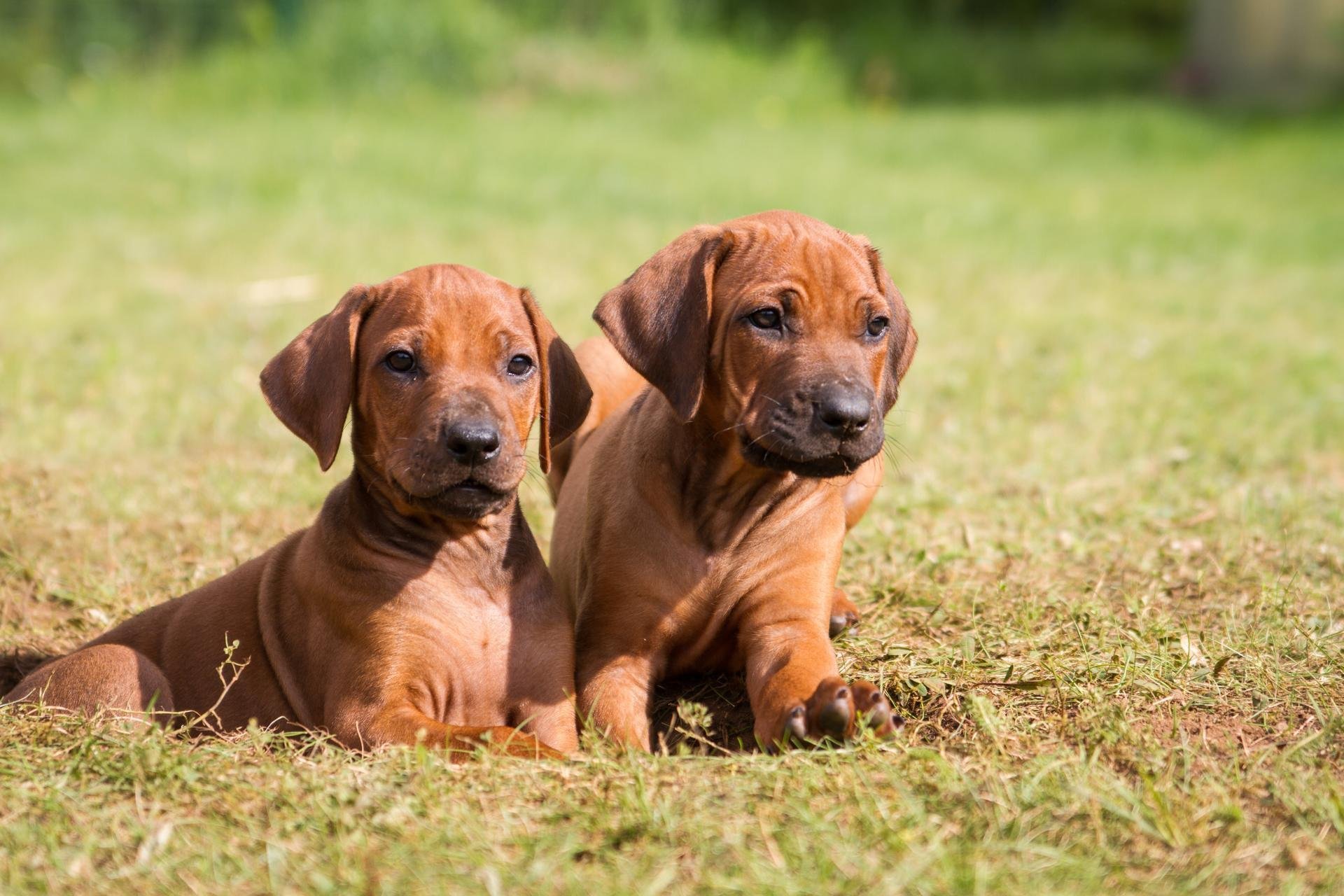




Warning: Illegal string offset 'label' in /home/panda/sites/zoonika/wp-content/themes/zoonika/template-parts/animals/animals-param-item.php on line 32
Ð


Breed Description
There are several theories about the first appearance of these dogs. First, it should be clarified: the term “ridgeback” refers to a distinct crest of fur on the animal’s back, characterized by the hair growing in the opposite direction. There is a belief that the more pronounced the ridge, the braver the dog is.
So, South Africa is the homeland of this breed of hounds. They were used for hunting almost any game. However, after they were brought to Zimbabwe (formerly known as Rhodesia), the hounds were utilized for lion hunting, as their ability to hold a cornered beast until hunters arrived proved superior to that of other hunting dogs in the region. This gave rise to another name – lion hound or lion dog, though these terms are more commonly used by breeders specializing in hunting varieties.
According to another version, not only Zimbabwe can take pride in the emergence of the Rhodesian Ridgeback, but also Zambia, South Africa, and Mozambique. The first mentions of dogs exhibiting features of a lion hound date back to the late 18th to early 19th century. Local tribes used them not only for hunting but also for guarding.
Breed standard and ancestors of the Rhodesian Ridgeback. The first breed standard for the Rhodesian Ridgeback was adopted in South Africa in 1922. Their ancestors were African tribal packs used for hunting large game such as lions, leopards, and other predators. The dogs required exceptional endurance, strength, and the ability to perform in stressful conditions. Open spaces and a hot climate were the environments in which lion hounds had to operate. Consequently, one hunting dog breeder crossed them with semi-wild local dogs, giving them a clear advantage over other hounds.
In addition to courage and endurance, they were always renowned for their sense of smell, ability to make independent decisions, and loyalty to their owner. Over time, the Rhodesian Ridgeback also became popular as a family pet and guardian. The breed standard adopted in the early 20th century (1922, with revisions in 1926) established the main traits and standards of these remarkable hounds, which continue to demonstrate their loyalty and ability to work in various fields to this day. The breed’s popularity is currently stable and at an average level. For your convenience, we have provided contact details for verified breeders, dog kennels, addresses, and their phone numbers. The cost of a purebred Rhodesian Ridgeback puppy starts at 40,000 to 50,000 rubles. You can inquire about prices for show-class puppies by requesting the kennel’s price list.
Appearance
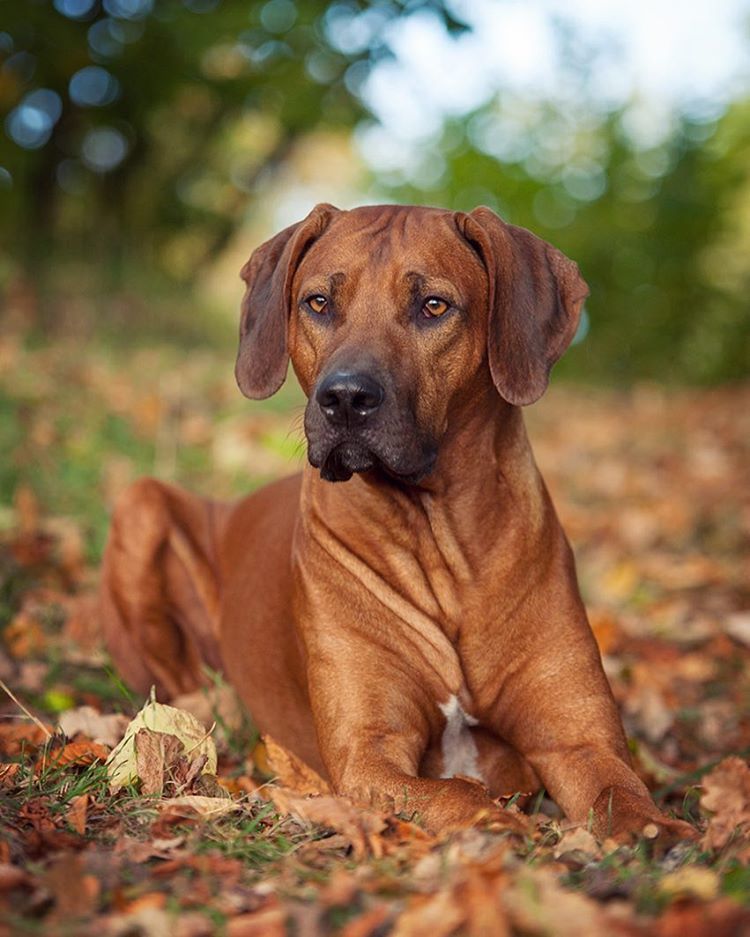
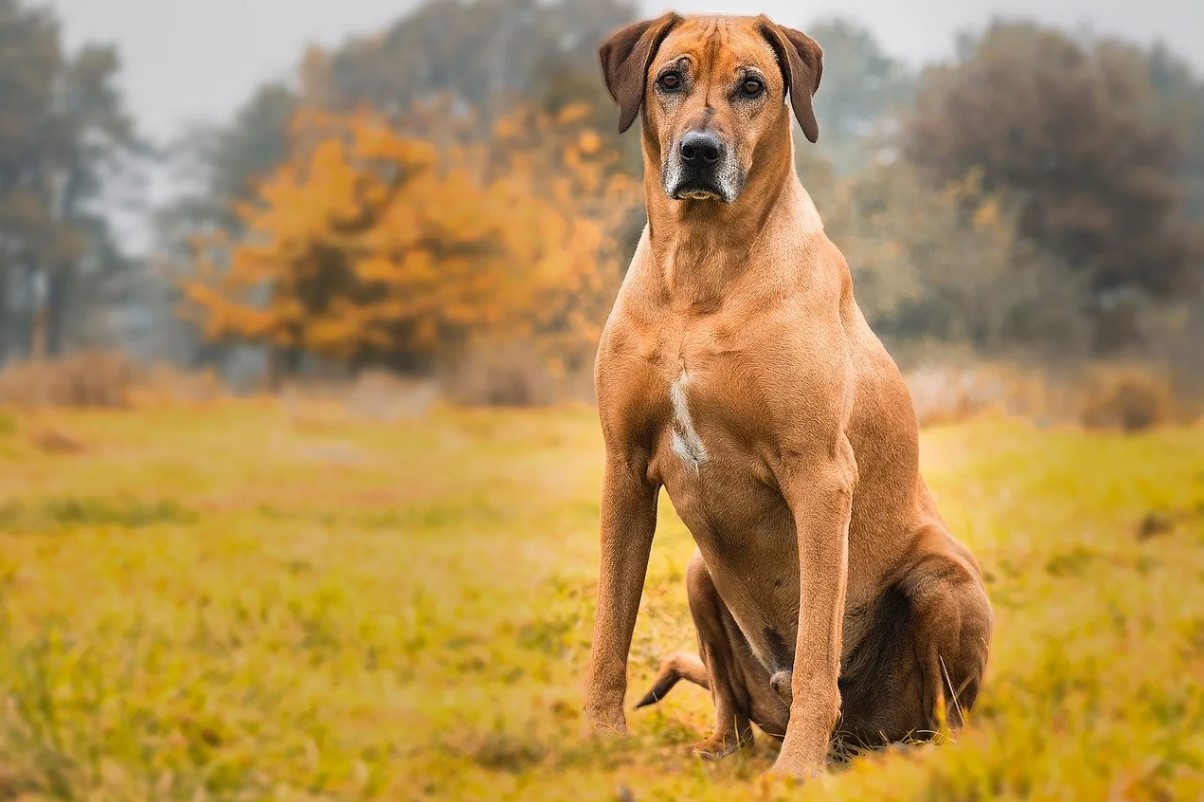
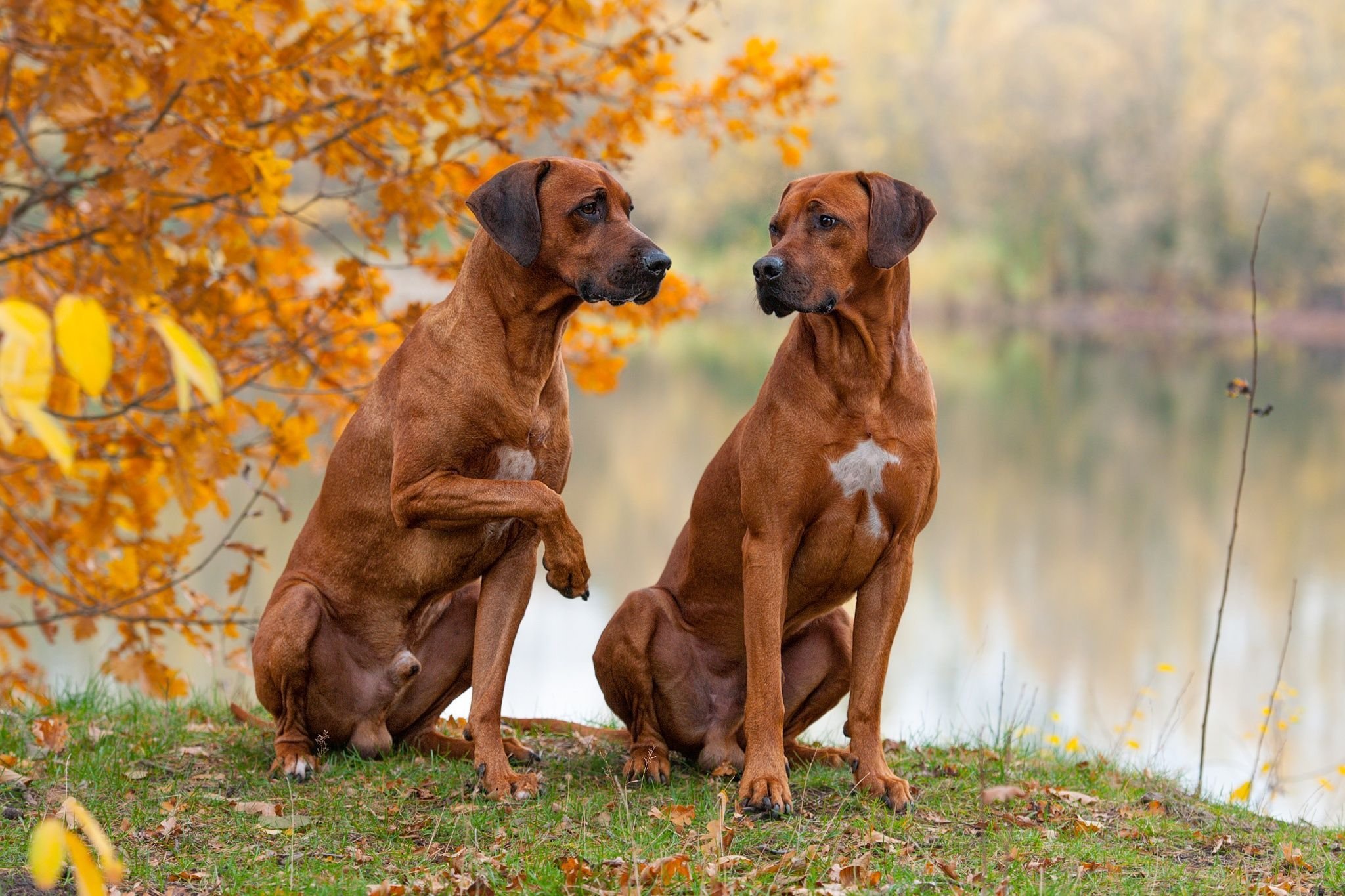
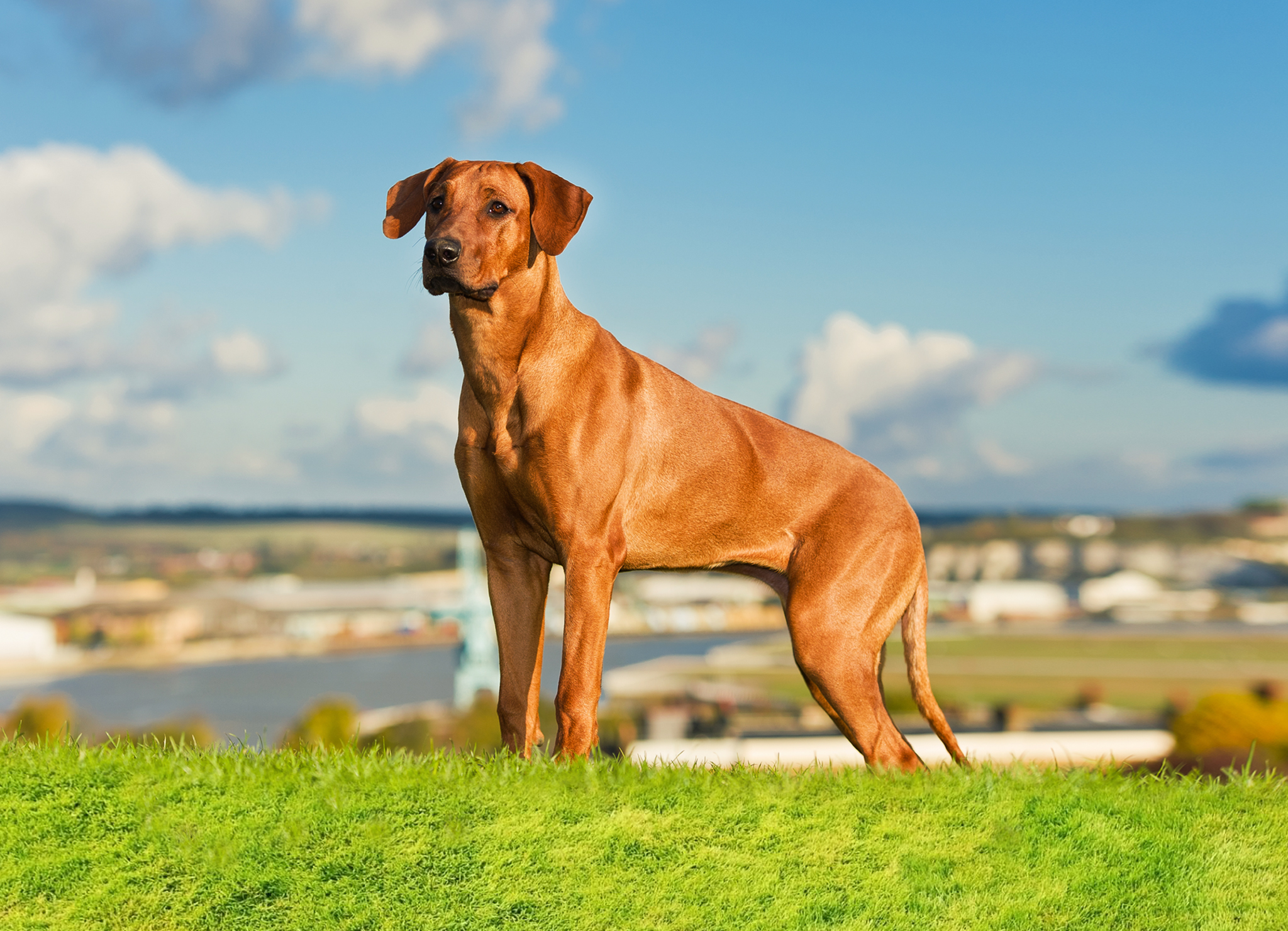
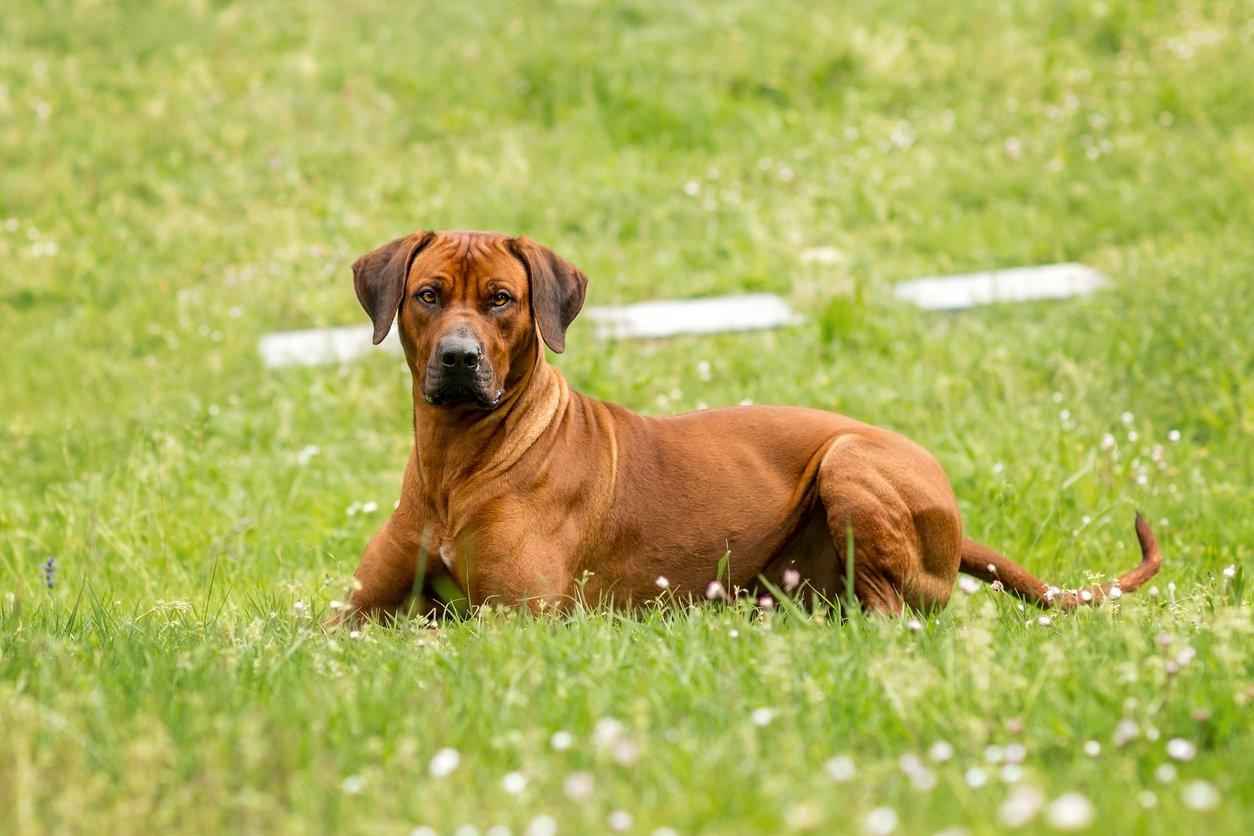
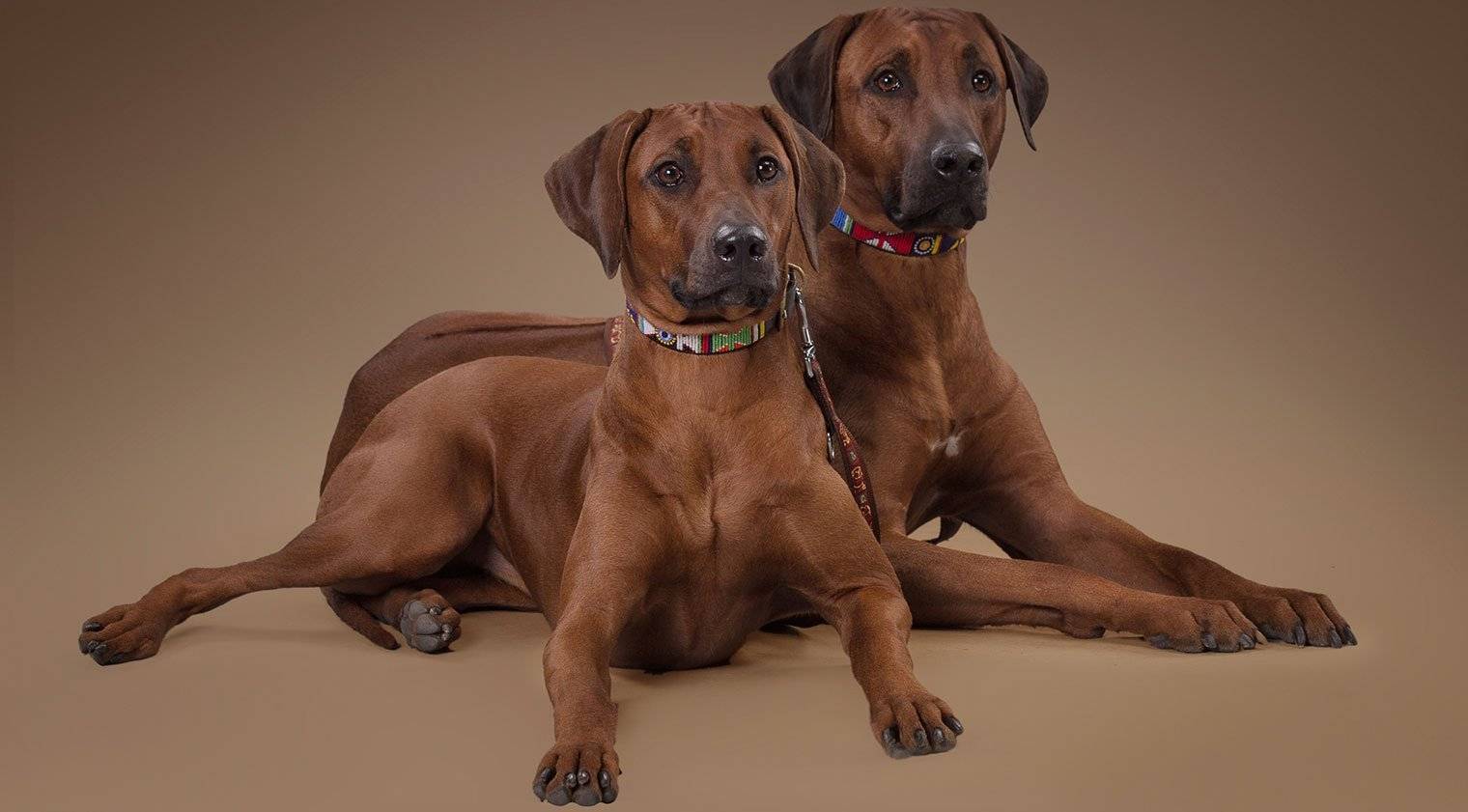
The ridgeback is a symmetrically built dog with well-developed musculature, very strong, agile, and capable of long work – this is how the official breed standard describes it.
From the withers to the croup, the hair in this area grows in the opposite direction, forming something akin to a crest. This is, in fact, where the name comes from: “ridge” (English) means crest, and “back” (English) means back. Breeders and kennels of Rhodesian Ridgebacks believe that the most robust and courageous ridgebacks have a more distinct crest. In a way, this is a mark that determines the quality of a puppy. The width of the crest is about 5 cm, which is noticeably larger than that of the Thai variety of ridgebacks.
The average height for an adult male is 65 – 69 cm, while females are usually slightly shorter, growing to around 60 – 65 cm. The weight is approximately 36 kg for males and 32 kg for females. In other words, purchasing a puppy from a kennel means acquiring a very serious pet that requires space to move, a lot of time, and, of course, quality food.
Currently, there is a requirement in the UK stating that every breeder of hunting dogs breeding Rhodesian Ridgebacks must sterilize all puppies born without a ridge on their back.


Отличительные черты

Голова

Морда

Уши

Глаза

Зубы

Корпус

Конечности

Хвост

Шерсть

Окрас
Character
What is the character of the Rhodesian Ridgeback? This question is often posed by potential buyers or casual dog enthusiasts when they see such extravagant pets. Each companion dog breeder will point out the predominance of certain traits in their dogs’ temperament. However, there are several key characteristics that prevail in the personality of these lion hounds.
Most well-known dog breeders in Russia and kennels specializing in hound breeds have systematized this information and highlighted a few key traits:
Strength and Independence.
They possess a confident and independent nature, making them excellent partners for people who value confidence in their pet’s personality. Throughout history, dogs have lived in harsh conditions and had to endure tough climate challenges while working. Given that they hunted and held lions, natural selection eliminated weak dogs, as animals lacking strong character simply wouldn’t survive.
Devotion and Love for Their Owners.
Rhodesian Hounds are very caring and pay special attention to their family members, displaying their affection. Eager to earn their owner’s praise, they try to please them, especially during one-on-one time. Within the family, they always identify a leader but show equal respect to other household members. This trait allows them to serve as companions.Friendliness and Sociability.Surprisingly, Ridgebacks get along well with other dogs, especially when properly socialized from a young age. However, due to their hunting instincts, they may show a tendency toward dominant behavior with other pets. Respectful relationships with cats can develop, particularly when the cats have been in the house before the puppy. There’s no need to worry about feathered pets in your home if you decide to get a puppy from a kennel-this little hunter can seamlessly blend into the “team.”Intelligence and Excellent Memory.They learn quickly and can effectively remember commands during training sessions. Rhodesian dogs are very strong-willed and are not suitable for beginners. If the dog senses weaknesses in its owner’s temperament, it may exhibit stubbornness, so training requires a co
That's a movie star!
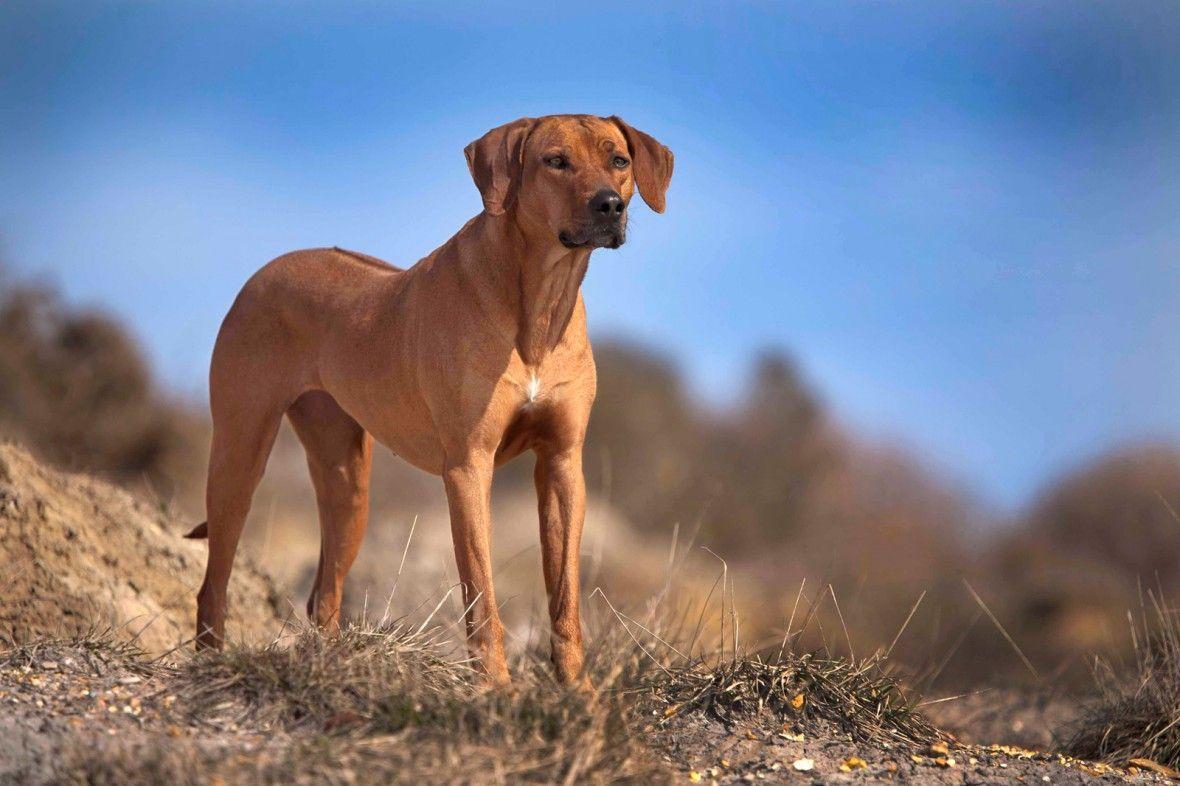
Thanks to their extraordinary appearance, some Rhodesian Ridgebacks have appeared in films. For example, in the horror movie "Dark Vindicator," a Ridgeback played a horror dog. Besides movies, Ridgebacks have also been featured in commercials in the USA.Care and Maintenance
We present the TOP-5 recommendations for caring for and keeping a Rhodesian Ridgeback, provided by renowned hunting dog breeders.
Physical Activity and Training.
Rhodesian Ridgebacks are very energetic and active dogs. As hunting dogs, they need to maintain their working condition and require regular physical exercise. Daily walks, running alongside a bike, or engaging in sports (coursing, agility) help meet their needs. For example, give your Ridgeback the opportunity to run in open areas, parks, during country outings, or let them participate in sporting events. The owner should support the dog’s hunting instincts by providing plenty of toys to hide and allowing the dog to express itself in searches. This will strengthen the bond between you and your dog. Of course, when walking in the park, choose a location free from aggressive dogs, children, and other factors that may threaten your safety.
Proper Nutrition.
As hunting dog breeders assert, proper nutrition is just as important in a pet’s life as physical and mental exercises. Ridgebacks expend a great deal of energy, so they need quality proteins, fats, carbohydrates, vitamins, and minerals. For those who value their time and strive to provide their dog with optimal conditions, it is advisable to choose commercial food that contains all necessary nutrients. Premium and holistic dog food are ideal for Rhodesians. To add variety, raw vegetables and fruits can also be included for additional health support. Treats can be brought on walks to reward the dog for good behavior and following commands. For enthusiasts of natural food, it’s recommended to consult the breeder from whom the puppy was purchased. Often, the breed’s breeder can provide comprehensive recommendations on this. In special cases, consulting a veterinary nutritionist may be necessary to adjust the diet according to individual digestive traits.
Coat and Skin Care.Rhodesian Ridgebacks have short, smooth coats, but they still require regular grooming. While brushing their coat, pay attention to the condition of the skin, especially with an active lifestyle. Use special shampoos and conditioners to maintain the health and shine of the coat after bathing. However, shampoos should not be used too frequently. As renowned dog breeders say, the fur has a natural protection produced by special glands in the animal. Overusing cleaning agents can wash away this protection. As a result, a working dog becomes overly sensitive, with fur that fails to fulfill its natural protective functions.Socialization and Training.Rhodesian Ridgebacks are quite intelligent and independent dogs. However, this does not mean they do not need socialization. Alongside training, these two aspects play a crucial role in forming a healthy character and optimal dog behavior. Regularly interact with your dog, introduce them to other animals and people, and conduct training sessions with professional dog trainers to keep their minds active and encourage obedience.Living Conditions.In urban settings, it is especially important to provid
Do not shorten the tail!
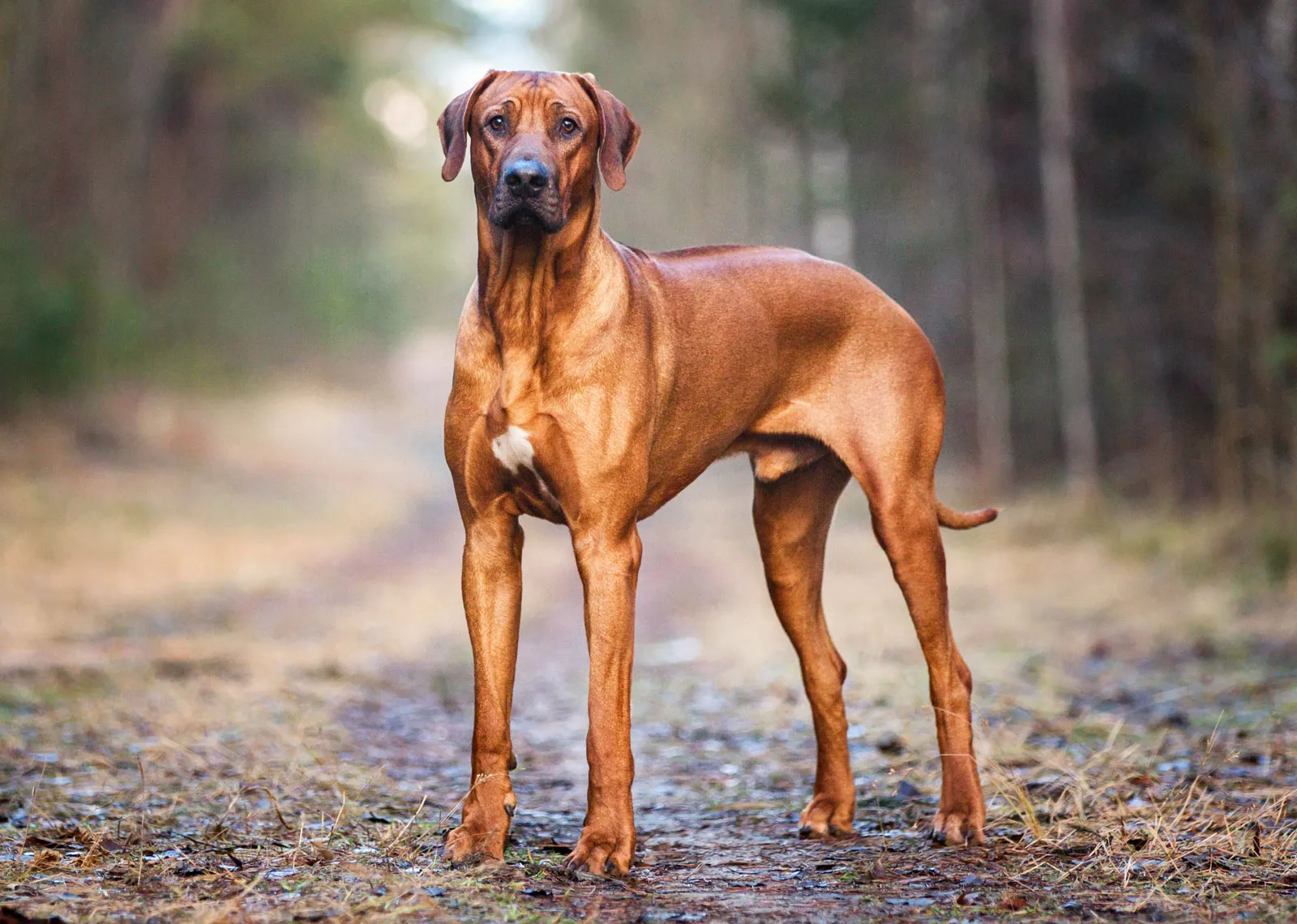
On the internet, there are quite a few reviews from dog breeders claiming that Rhodesian Ridgebacks can have their tails docked. In reality, this is not the case. The standard clearly states that the tail of a Rhodesian Ridgeback should be of medium size, and docking is not mentioned at all.Training and Education
When it comes to the Rhodesian Ridgeback, it is important to understand that training will not make your pet obedient and well-balanced from the very first session. According to reputable breeders of the Rhodesian Ridgeback breed, the optimal time to start training puppies is from a very young age when the dog is ready to absorb new knowledge. After moving to a new home and acclimatizing, they are ready to develop the right skills. But how should one approach this important process?
Initially, it is crucial to begin training the Ridge with a clear plan and specific goals. Start by getting him accustomed to his own space and gradually introduce basic commands. These include: “Sit!”, “Lie down!”, “No!”, “Come!”, “Stand!”, “Heel!”. These will form the foundation for further training, so it’s essential to give them the appropriate time and attention. Gentle handling, positive reinforcement, and encouragement will help your puppy better understand and remember commands while staying motivated throughout the learning process.
The next factor in raising a Rhodesian Ridgeback is its socialization. This is an important stage that will help make it sociable and friendly among other animals and people. Regular walks in the park, interactions with other dogs, and training sessions in groups (if you decide to take courses with a professional dog trainer) will assist in developing positive social skills.
As noted by companion dog breeders, dogs of this breed have strong personalities and require consistency and a firm approach in the training process. This approach should be balanced, eliminating harsh methods, as Ridgebacks respond better to training based on rewards and incentives.
It is also vital to consider the individual traits of your pet. Observe its reactions, identify what motivates it, and adapt training methods according to its particularities. Rhodesian Ridgebacks are very individualistic and can accept various training styles.
Remember that raising a dog is a lengthy process that requires patience, consistency, and a personalized approach. Establish a clear hierarchy in the family, conduct socialization, and apply methods of stimulation and encouragement-this is the key to proper upbringing.
What kind of comb is this?
As is known, the fur on the spine of ridgebacks grows in the opposite direction, forming a sort of crest. However, in some cases, puppies are born without this “accessory.” According to well-known dog breeders, such puppies are rejected and not allowed to breed in the UK.
How to Choose a Puppy
Buying a purebred Rhodesian Ridgeback puppy is an important decision that requires careful consideration and awareness. Reputable breeders recommend:
Before purchasing, inquire about the breeder’s reputation and experience. An experienced and responsible breeder of companion dogs will have a good reputation and will always be willing to show the puppy’s parents, providing information about their genetics, health, and temperament.
Make sure to meet the puppy’s parents to ensure they are healthy and have undergone all necessary veterinary procedures. This will minimize the risk of hereditary diseases in the offspring.
The puppy should conform to the breed standard in appearance and have all documents confirming its lineage.
Evaluate the puppy’s condition, behavior, and overall health. Ensure that it is active, curious, and shows no signs of fear or aggression.
To avoid purchasing a puppy with breeding defects, you should:Review the documentation: certificate or pedigree, recognition from breed clubs, and other papers confirming the puppy’s lineage.Communicate with the breeder: do not hesitate to ask questions about the breed, the parents, and the puppy itself. Usually, reputable kennels and breeders are happy to answer all questions about their dogs.Take your time in making a choice and dedicate sufficient time to thoroughly investigate information about the breeder and the puppy. It is important to buy a puppy from a reliable and caring breeder rather than rush into a decision that may result in a mistake. We recommend selecting dog kennels from the map on our website to ensure that your new friend will be healthy and well-socialized. With pedigree on Zoonyka, choose the puppy of your dreams.
Health and Diseases
The breed cannot be described as frequently suffering from illnesses. Rather, on the contrary, owners note the strong immunity of their Rhodesian Ridgebacks. However, recent genetic studies suggest that the main “feature” in their appearance is linked to the same gene responsible for dermoid sinusitis- a severe hereditary condition that can lead to severe abscesses.
Approximately 30% of deaths, as reported by dog breeders in Russia, result from cancer.
Hip Dysplasia (DTS) has not spared Ridgebacks. As known, its effects impact mobility due to the damage of one of the hip joints. Timely diagnosis makes managing the condition easier and helps in caring for the dog, but it’s better to take precautions and conduct screening before purchasing a puppy to avoid acquiring a carrier of the disease.
Unfortunately, Rhodesian Ridgebacks rank sixth in terms of thyroid problems. Therefore, potential owners need to monitor their pet’s thyroid health and follow their veterinarian’s recommendations.
Nonetheless, dogs live about 12 to 14 years, which is quite a respectable lifespan that can be extended by creating optimal living conditions for the Ridgeback.
Содержание
-
1. Описание породы
-
2. Внешний вид
- 2.1 Голова
- 2.2 Морда
- 2.3 Уши
- 2.4 Глаза
- 2.5 Зубы
- 2.6 Корпус
- 2.7 Конечности
- 2.8 Хвост
- 2.9 Шерсть
- 2.10 Окрас
-
3. Характер
-
4. Содержание и уход
-
5. Дрессировка и обучение
-
6. Как выбрать котенка
-
7. Здоровье и болезни






Comments
Only registered users can leave reviews.
Enter