
Pyrenean Mountain Dog




Warning: Illegal string offset 'label' in /home/panda/sites/zoonika/wp-content/themes/zoonika/template-parts/animals/animals-param-item.php on line 32
Ð


Breed Description
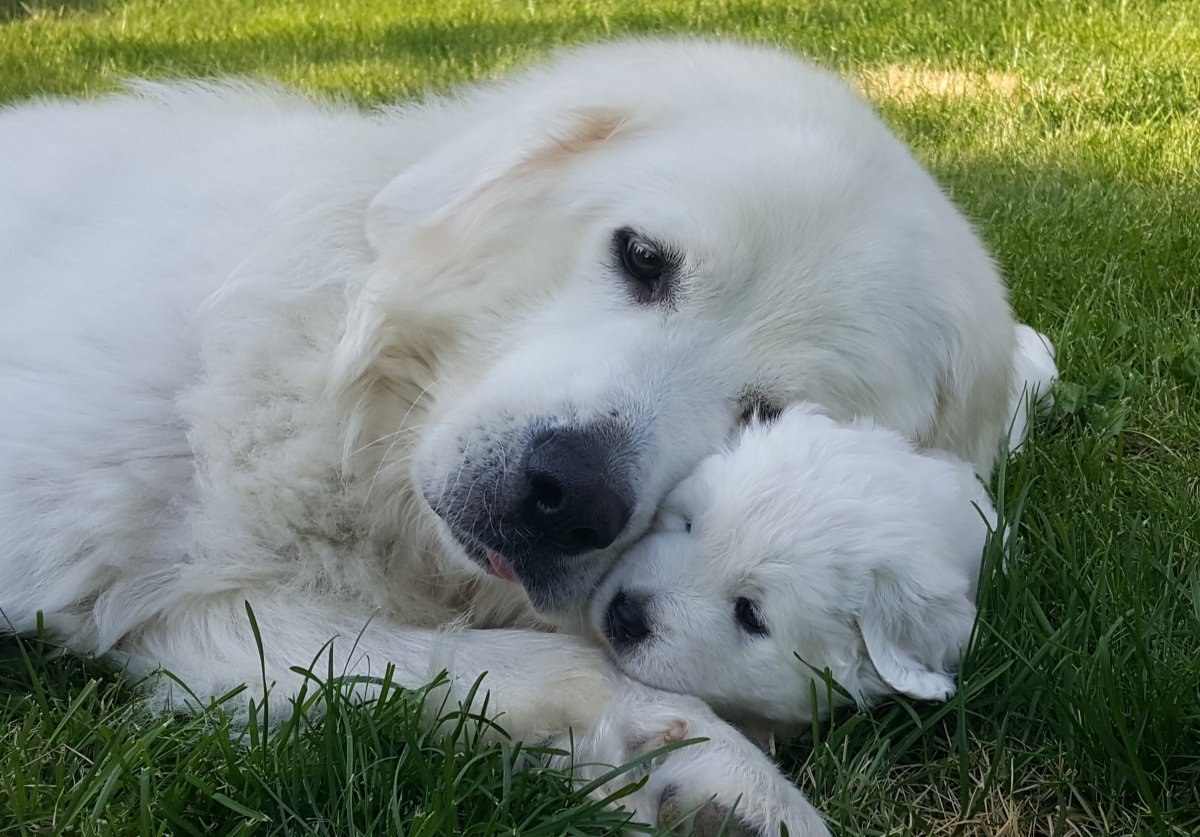
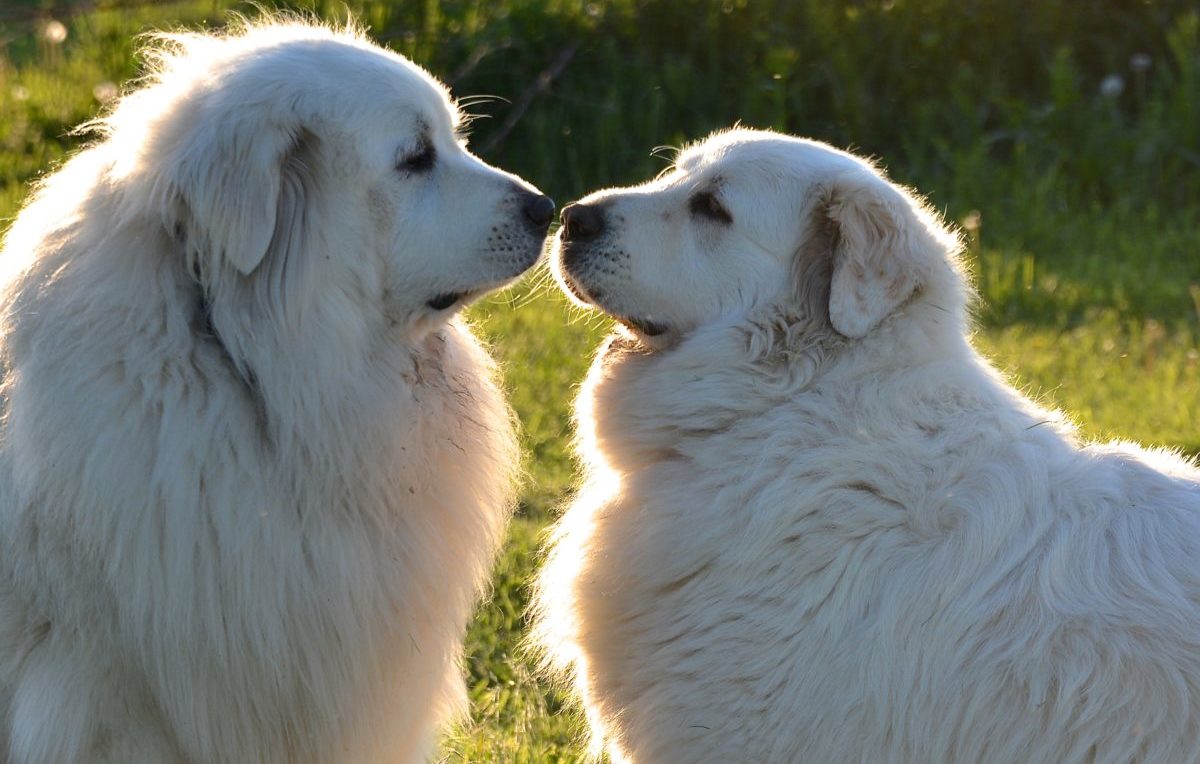
The Pyrenean Mountain Dog, also known as Patou, is an ancient breed that served as a guardian for herds in the vast Pyrenees mountains. Officially, the breed is referred to as Chien de Montagne des PyrГ©nГ©es in France, while in the United States and Canada it is known as the Great Pyrenees, and in the UK and much of Europe as the Pyrenean Mountain Dog.
The mountainous regions of the Pyrenees, complex and desolate, were once impenetrable expanses, serving as a natural border between France and Spain. Here, unlike in other regions, wolves and bears persisted, not succumbing to extinction or extermination. For the locals, sheep were a crucial source of sustenance, and Patou dogs were used to ensure their protection. At a time when people in other Central European regions faced difficulties due to the resurgence of wolves and damage to sheep herds, dogs like the Patou reliably fulfilled their duties of guarding the flocks.
These herding guard dogs became an integral part of life on the mountain pastures of the Pyrenees. They are officially known as Chien de Montagne des PyrГ©nГ©es on the French side and Mastin del Pirinero on the Spanish side. Their responsibilities included not only protecting flocks from wild predators but also safeguarding large estates. Their formidable presence, determination, and ability to launch effective attacks in critical situations made them indispensable allies to shepherds. Their ability to recognize people by their clothing reportedly made them even more valuable for protecting properties. Notably, in 1391, the Count of Foix conducted a trial in which the Patou dogs aggressively attacked him when he approached disguised as a beggar, yet showed no concern when he appeared in his true guise as a count. This convincingly demonstrated their reliability and loyalty.
The breed of Pyrenean Mountain Dog, known as Patou, did not have a unified standard throughout its historical development. In the remote valleys of the Pyrenees, local groups of dogs often formed, genetically isolated from one another. Despite genetic separation over several generations, dogs destined for specific working tasks acquired similar appearances and temperaments. The unique living conditions in the mountains seemingly compensated for the negative effects of inbreeding.
Modern breeding practices showed early interest in this remarkable breed. At the first dog show in France in 1863, a separate class was created for the Chien de Montagne des PyrГ©nГ©es. Over time, efforts were made to transform the Patou into guardian and protective dogs beyond the Pyrenees. The first breed standard was approved in France in 1907. However, two world wars and periods of famine significantly impacted the population of Patou dogs outside the mountains. The breed was officially recognized by the International Canine Federation in 1955. Notably, in Germany, the Pyrenean Mountain Dog is managed by the Hungarian Shepherd Club, which also oversees other breeds such as the Kuvasz (Hungary) and Bergamasco (Italy). Under the auspices of VDH in Germany, nearly 100 puppies are bred each year.
The breed standard allows for a wide weight range, but in most cases, male Pyreneans stand 75-80 cm tall and weigh between 60 to 65 kg, while females measure 68-73 cm and average 48-55 kg. They are characterized by a head with a dome-shaped crown and a slender, robust muzzle resembling that of a Border Collie. A thick mane around the neck enhances the collar’s prominence in males. The chest is broad, and the lower back and loins are muscular.Pyreneans exhibit trust, affection, and love for their family, possessing a high tolerance for children. Their territorial nature and loyalty stem from their history as flock guardians. By origin, they were intended for protection, making them sensitive and wary of strangers. Pyreneans are prepared to offer their qualities only to those they consider family. The cost of a puppy ranges from 35,000 to 60,000 rubles.
Appearance
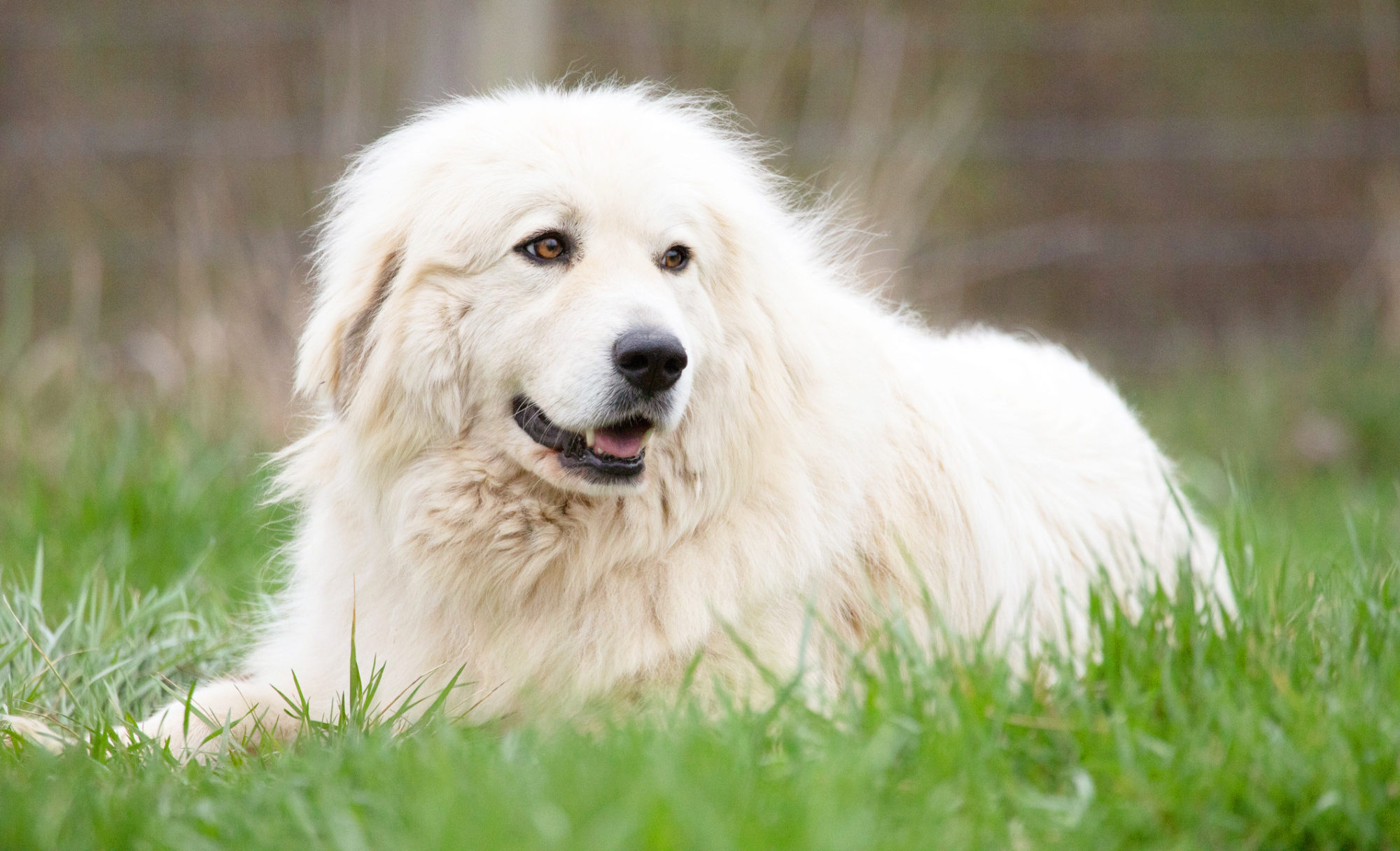
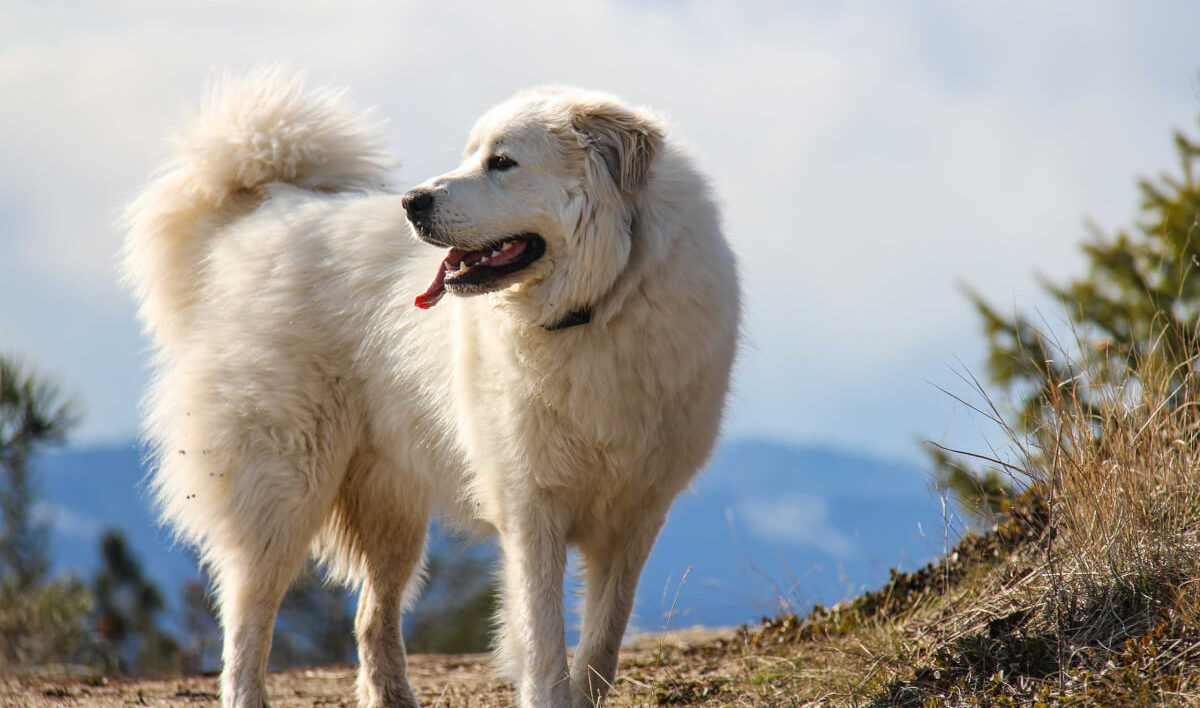
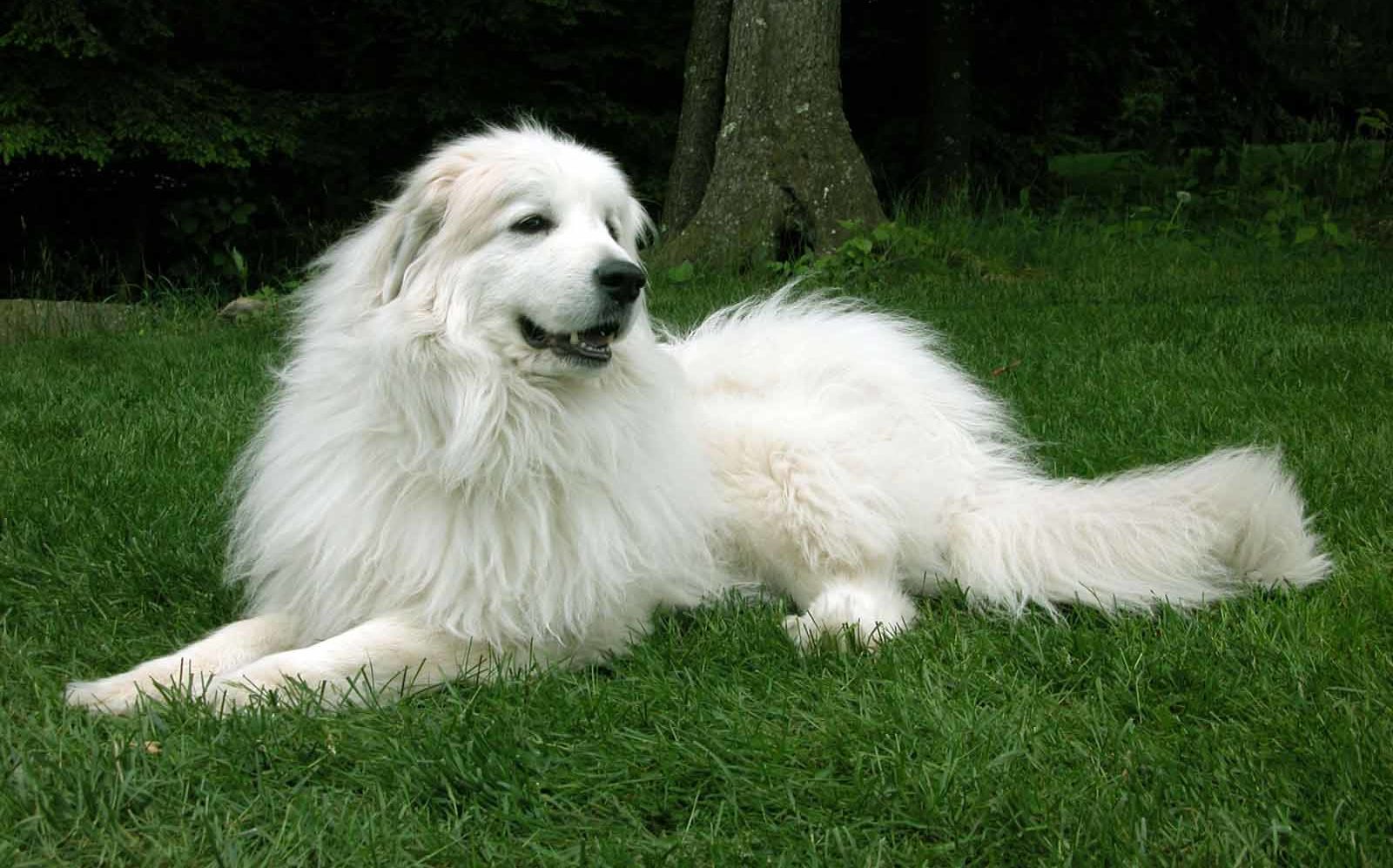
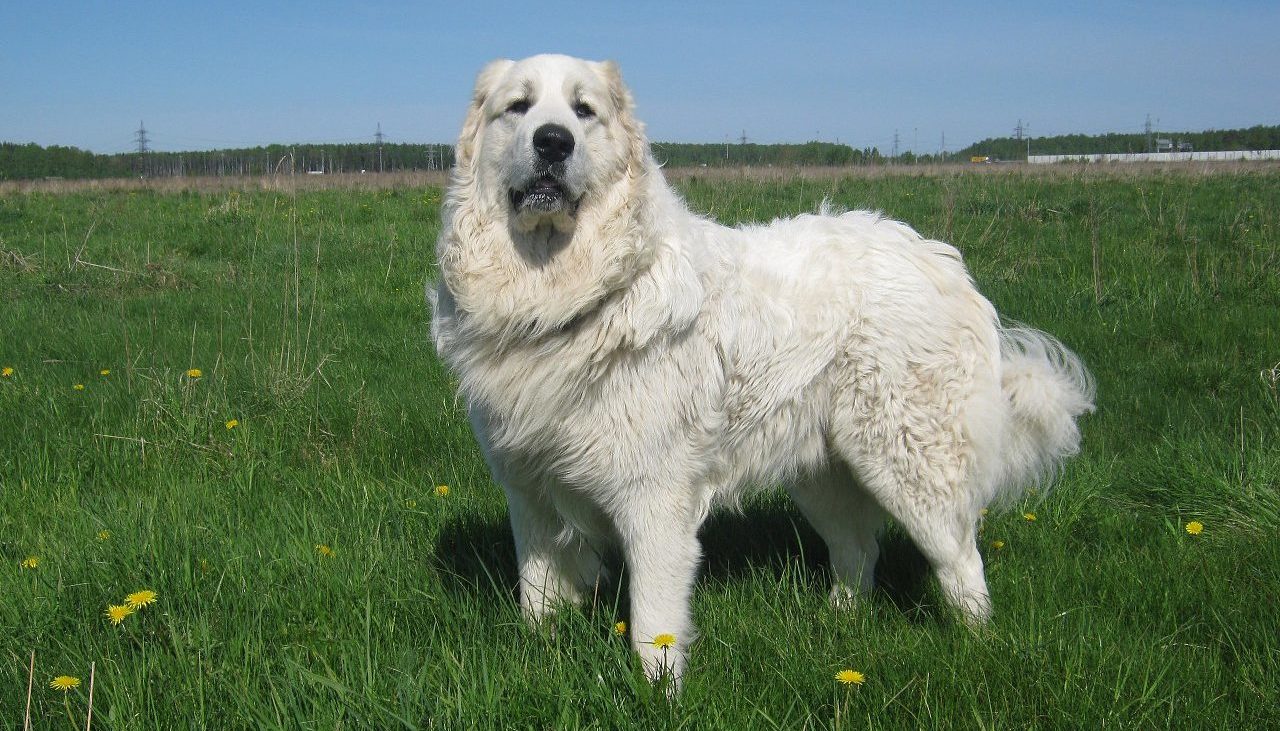
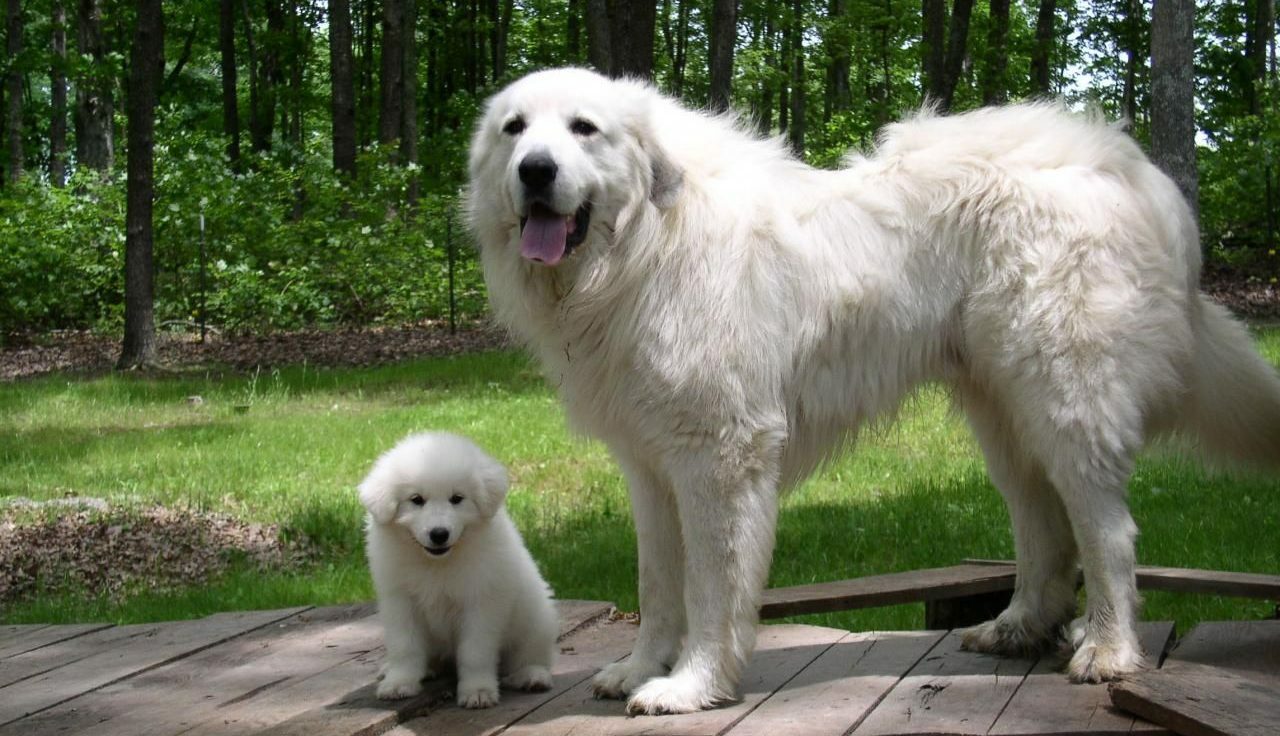
A powerful and imposing dog with a certain elegance. Large size, sturdy build, but not bulky. Well-balanced, with a noble posture. The Pyrenean Mountain Dog, with its magnificent white coat and regal appearance, is a special breed. They appear very strong yet well-balanced, moving slowly, confidently, and smoothly, thanks to their powerful hind legs.
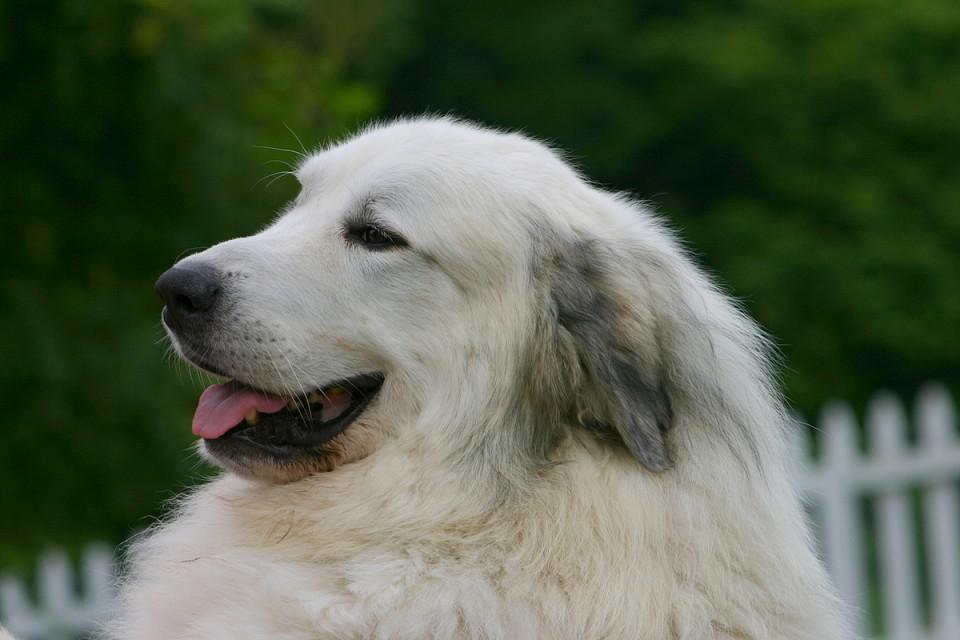
The Pyrenean Mountain Dog is large, strong, and at the same time athletic and agile. Despite its impressive appearance, it does not look clumsy or bulky, but rather a bit elegant. It has medium-length, very thick, and elastic fur, which may be slightly wavy. The undercoat is also very dense. The official standard describes the colors as:
White or white with gray (badger or wolf), pale yellow or orange (rusty) spots on the head, ears, and base of the tail, and sometimes on the body.
The head has outlines reminiscent of a Molossus. It has a lively, very attentive expression. This is a calm dog that initially observes everything seemingly impassively. Its dark amber eyes further emphasize this, with a gaze considered soft and dreamy.
A powerful and imposing dog with a certain elegance. Large size, sturdy build, but not bulky. Well-balanced, with a noble posture.
The Pyrenean Mountain Dog has an impressive height at the withers: between 70 to 80 centimeters for males and 65 to 75 for females. Weight should range from 60 to 70 kilograms. The sizes are exactly the same as those noted by Count de Biland in his first description of the breed in 1897, where he referred to the dogs simply as “Chien des PyreneГ©s.”Considering its size, the Pyrenean Mountain Dog has a very long lifespan-12 years or more.


Отличительные черты

Голова

Морда

Уши

Глаза

Зубы

Корпус

Конечности

Хвост

Шерсть

Окрас
Character
The Pyrenean Mountain Dog is externally charming and almost plush-like in appearance, but behind this cute exterior lies a resolute and independent character. Over the centuries, these dogs have been used to guard flocks in conditions where they needed to make independent decisions in the absence of a shepherd. Their appearance creates an illusion of calmness, but in reality, they have a strong character and a clear idea of how to behave, especially in their territory.
The official standard emphasizes that these dogs were selected for breeding solely for their suitability as flock guardians, their respectable behavior, and their connection and gentleness with the flock. This approach has created a breed with contradictory yet unique qualities such as strength and agility, as well as independence and initiative.
In practical terms, keeping a Pyrenean Mountain Dog in densely populated Central Europe requires an experienced and confident owner. This breed is not always ideal as a family dog, but under proper guidance and in the right conditions, it becomes loyal and caring, protecting all family members, including household pets. The Pyrenean Mountain Dog shows suspicion towards strangers, making it an excellent guard and protector of the family and home.
The large Pyrenean is fond of children and devotes all its attention to them. Its willingness to sacrifice its life to protect small and fragile beings makes it a gentle and devoted companion. However, managing such a large dog on a leash can be challenging for small children, so an adult should handle walks. As with any breed, children should be taught how to approach and interact with dogs appropriately. Supervision during interactions between dogs and small children is essential to avoid potential incidents, such as bites or pulling on ears and tails.
The large Pyrenean generally gets along well with other pets, especially if it has grown up and been raised with them from a young age. A well-socialized member of the breed can coexist successfully with other breeds. It is important to note that they may show aggression towards dogs of a similar size.
By nature, the Pyrenean Mountain Dog is a guard dog, protecting shepherds and sheep. Their nervousness and aggression can manifest, particularly in the absence of clear provocation. It is always important to ensure proper socialization and training for the dog so that it can interact with people and other animals without exhibiting aggressive behavior.
Guardians of the Pyrenees
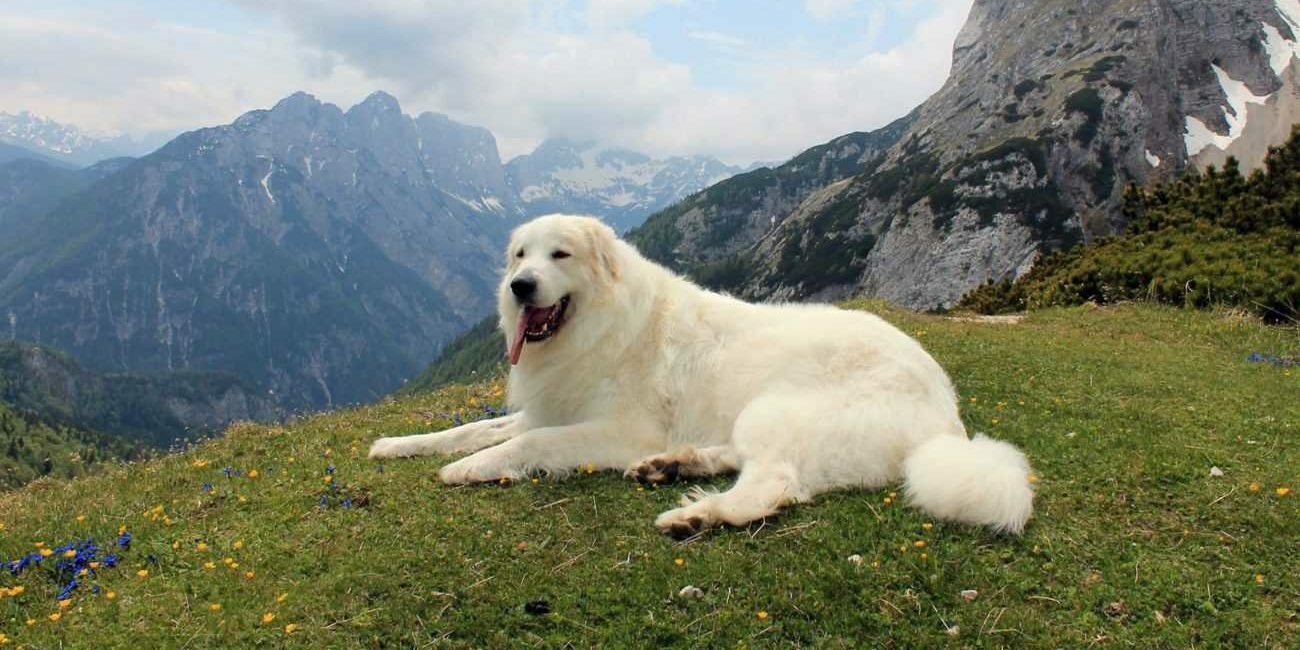
The Pyrenean Mountain Dog, also known as the Pyrenean Mastiff, originated in the Pyrenees, and its history is closely linked to working in mountainous areas. These powerful dogs were used to protect herds from predators as well as reliable hunters. However, as herds began to diminish, the role of the Mastiffs changed, and they became excellent companions and family pets.Care and Maintenance
The Pyrenean Mountain Dog is very low-maintenance, except for the aforementioned limitations related to its nature as a guard dog. It is undemanding in both diet and living conditions. It can comfortably spend the entire year outdoors, provided there is suitable shelter, and “suitable” does not mean a kennel or even a chain. It should have the ability to roam its territory.
This large, confident dog is very sensitive and places great importance on a close emotional bond with its family. A yard-dog style of behavior is the complete opposite of what it needs. It requires a trusting relationship with its owner. It is also not one to enjoy playing team games. This dog is at peace with itself. On the other hand, this adds a special charm to these dogs. Thanks to modern breeding practices, they are better suited for such living conditions than some other guard dog breeds, such as the Kangal or shepherd.
So, if you have a large, well-fenced property in the countryside, and you love, enjoy, and have the experience and ability to work with these dogs, you can experience a particularly impressive and wonderful aspect of the human-dog partnership. Training a Pyrenean Mountain Dog should be done by owners with solid experience and knowledge in dog handling. It would be irresponsible to take such a dog as a first pet.
Bathing the dog should be done infrequently, as its coat sheds dirt. To avoid stripping the natural oils from the coat and skin, use a high-quality dog shampoo when bathing a large Pyrenean. Inspect the dog’s ears once a week for any hair, redness, or unpleasant odor, as this may indicate an infection. To prevent complications, clean them weekly with a cotton ball moistened with a pH-balanced ear cleaning solution.
Depending on the climate, large Pyreneans shed from moderate to heavy amounts, so expect white hairs on clothing, furniture, and in the car. Despite shedding, they are easy to care for, requiring only about 30 minutes a week.
The Pyrenean Mountain Dog can eat between 4 to 6 cups of high-quality dry food a day, divided into two meals. To keep your Pyrenean healthy, measure out their food and feed them twice daily.You should follow the breeder’s dietary recommendations to ensure proper bone development. Since they are not very large eaters for their age, these costs may significantly decrease as they grow older.
Intelligent shepherds
The Pyrenean Mountain Dog is renowned for its exceptional intelligence and ability to learn. These dogs are not only physically strong but also have a high level of cognitive abilities. They quickly learn commands and tasks, making them excellent candidates for various types of training, including protective and search-and-rescue tasks.Training and Education
Training can begin at an early age by demonstrating basic obedience and good manners to all dogs. However, stubbornness is a breed trait, and most Pyreneans have firm opinions on how they should behave.
Instead of developing hostile relationships between owner and pet, training can be conducted constructively and patiently, anticipating that changes may be gradual at first. Nevertheless, persistence may pay off in the long run. Socialization is crucial, as aggressive behavior from Pyreneans toward strangers can be concerning, especially for headstrong dogs, particularly males.
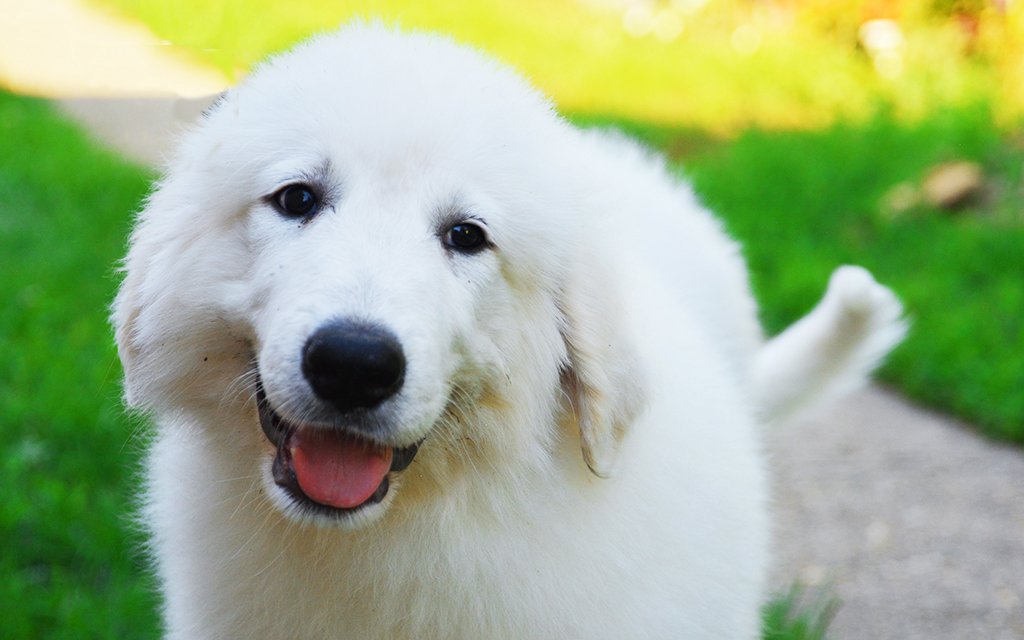
After the initial vaccination course, introduce the puppy to other family members-a great way to start socializing a young dog. Organizers (often veterinary nurses) can offer advice to new owners on training their mischievous furry friend.
Large Pyreneans do not require much exercise. Typically, 30-60 minutes of walking each day is sufficient. Pyreneans, being an alpine breed, do not tolerate heat well, so they should not be walked during the hottest parts of the day in summer. With this level of activity and the opportunity to occasionally go out into the yard, most people enjoy spending a lot of time happily lounging at home.
Puppy exercises should be introduced gradually to avoid putting too much strain on their growing bones and delicate tissues, and older dogs should also train gradually. Considering their age, they don’t need much exercise, but over time, they should be allowed off-leash running and regular supervised walks. Find your puppy through trusted sources.
Loyal family friends
Despite their powerful appearance, Pyrenean Mountain Dogs are known for their kindness and loyalty. These dogs become true family members, ready to protect and cherish their owners. They usually handle children with tenderness and patience, making them fantastic family pets. While their impressive looks might intimidate uninvited guests, their friendliness and trust towards family members make them excellent companions for those who value both strength and gentleness in their four-legged friend.
How to Choose a Puppy
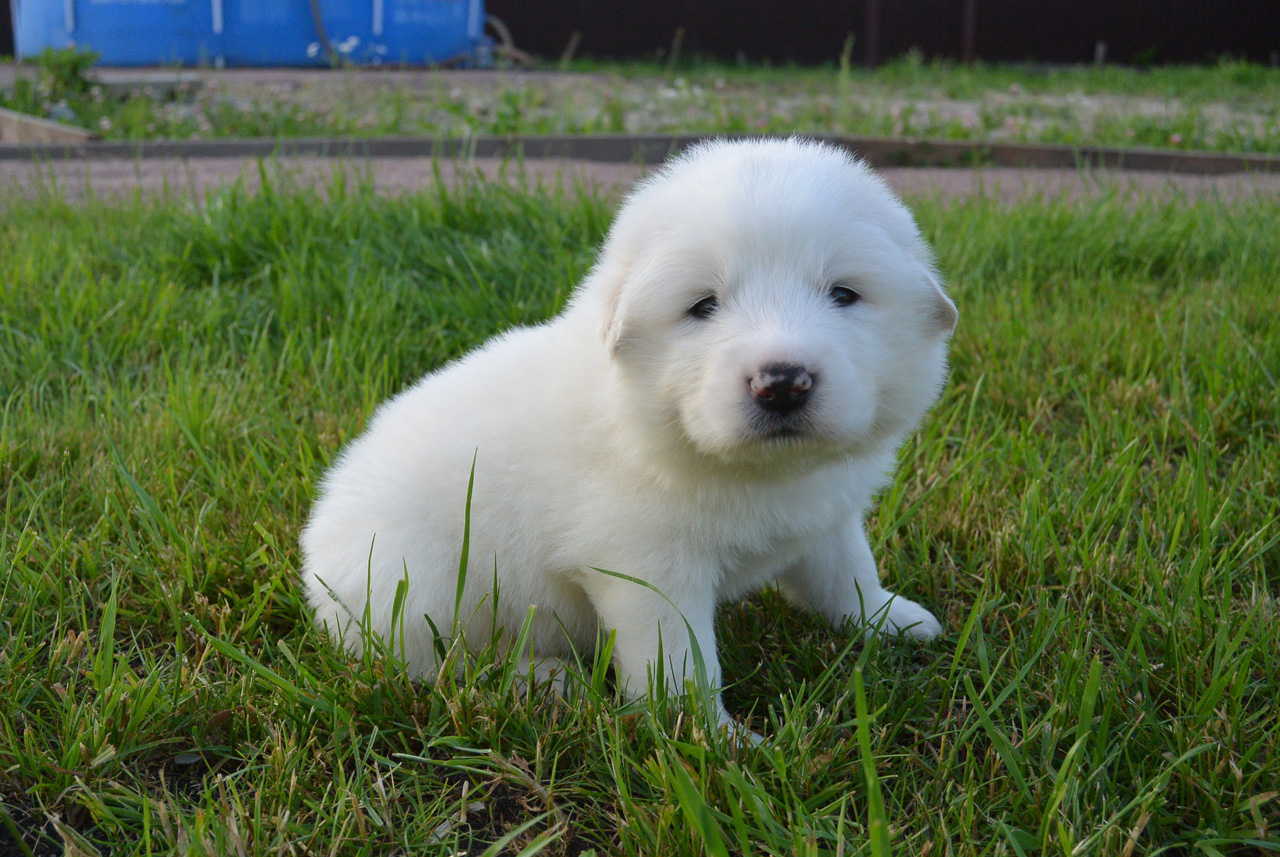
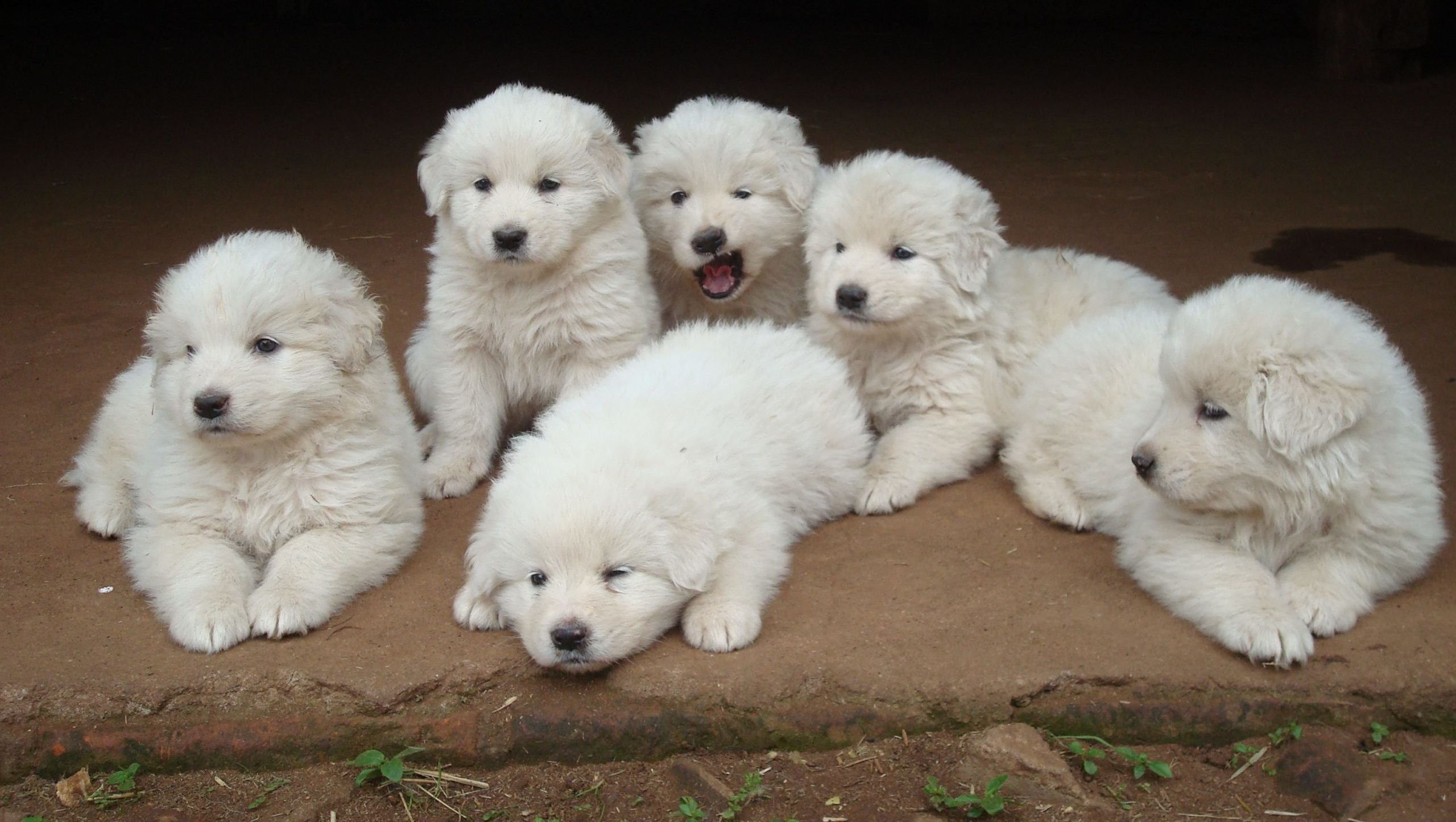
You should consider purchasing a Pyrenean Mountain Dog only if you have extensive experience with dogs and a good understanding of this breed and its needs. A puppy will dramatically change your life for the next 10-15 years. If you want to share your life with it, you should look for a breeder well in advance of the purchase and establish contact with them. The breeder should be affiliated with the official Association for breeding this breed. They must document their litter through photographs. By agreement, you should have the opportunity to see the litter together with the mother dog on-site. Please do not purchase a Pyrenean Mountain Dog online, as there is a very high risk that the puppy will come from a (usually well-disguised) unethical dog dealer or breeder. Such a background not only affects the animals’ welfare but can also have fatal consequences for such a strong dog.
Crossbreeds of Pyrenean Mountain Dogs with other breeds or mixed breeds are quite rare. This is good news. Because of their strength, they require the balanced temperament that has developed over many hundreds of years of breeding. Uncontrolled mixing can lead to significant disruptions and weaknesses in character. With a pedigree at the Zooinique, choose the puppy of your dreams.
Health and Diseases
The Pyrenean Mountain Dog generally has very strong health. Specific diseases are not documented. However, like any other breed, there are still some particularities.
Hip dysplasia, heart problems such as tricuspid valve dysplasia, cancers like osteosarcoma (bone cancer), eye issues such as chronic pupillary membranes, progressive retinal atrophy, and cataracts, osteochondritis dissecans (a orthopedic problem), patellar luxation, and bloat can all occur in Great Pyrenees. While not all Pyrenees may develop all these diseases, being informed about them will help you in your search for a breeder. At the very least, ask the breeder to provide proof that both parents of the puppy have negative test results for hip and elbow disorders from the Orthopedic Foundation for Animals, as well as a certification from the Canine Eye Registration Foundation confirming eye stability.
Thinking about it? There’s a huge selection of listings on the map by city on Zoonyka.
Содержание
-
1. Описание породы
-
2. Внешний вид
- 2.1 Голова
- 2.2 Морда
- 2.3 Уши
- 2.4 Глаза
- 2.5 Зубы
- 2.6 Корпус
- 2.7 Конечности
- 2.8 Хвост
- 2.9 Шерсть
- 2.10 Окрас
-
3. Характер
-
4. Содержание и уход
-
5. Дрессировка и обучение
-
6. Как выбрать котенка
-
7. Здоровье и болезни






Comments
Only registered users can leave reviews.
Enter