
Pumi




Warning: Illegal string offset 'label' in /home/panda/sites/zoonika/wp-content/themes/zoonika/template-parts/animals/animals-param-item.php on line 32
Ð


Breed Description
Pumi is a Hungarian herding dog whose history dates back to the 17th-18th centuries, when livestock farming began to actively develop in Hungary. The breed emerged from the crossing of local herding dogs with dogs imported from Western Europe, such as French and German terriers. The goal of the breeding was to create a dog that possessed herding qualities while being compact, energetic, and versatile. The Pumi became an invaluable helper to farmers, combining the abilities to manage and guard livestock.
The breed originated from Hungarian dogs of the Puli type, which were influenced by imported herding breeds. These crossings resulted in the Pumi’s distinctive appearance-an elongated muzzle, semi-erect ears, and shorter, wavy fur, unlike the corded coat of the Puli. The new type of dog proved to be incredibly practical for farm work. The Pumi not only excelled at herding duties but also became an excellent guardian, and its compact size and lively nature made it an ideal companion for farmers.
The Pumi quickly gained popularity among Hungarian peasants due to its energetic and endurance-filled character. It displayed remarkable agility and intelligence, easily handling even large and stubborn animals. These dogs were used not only for working with sheep but also for controlling pigs and cattle, making them versatile and indispensable on farms. Due to its high intelligence, the Pumi learned quickly and was able to perform complex commands, setting it apart from other herding breeds.
The Pumi was first recognized as a separate breed in the early 20th century when Hungarian cynologists began to systematize national dog breeds. Until that time, Pumi, Puli, and other Hungarian herding dogs were often considered part of the same group. However, in the 1920s, cynologist Dr. Emil Reitz identified the Pumi as a separate breed and drafted its first standard. In 1935, the breed was officially recognized in Hungary, and its popularity soon spread beyond the country.
Today, the Pumi is known as an energetic, intelligent, and versatile dog that maintains its herding qualities while becoming increasingly popular as a companion and participant in sporting competitions. Its history reflects the blend of traditions and innovations in dog breeding, making it a unique breed with a rich cultural heritage.
The price for a puppy is 25,000-70,000 rubles.
Appearance
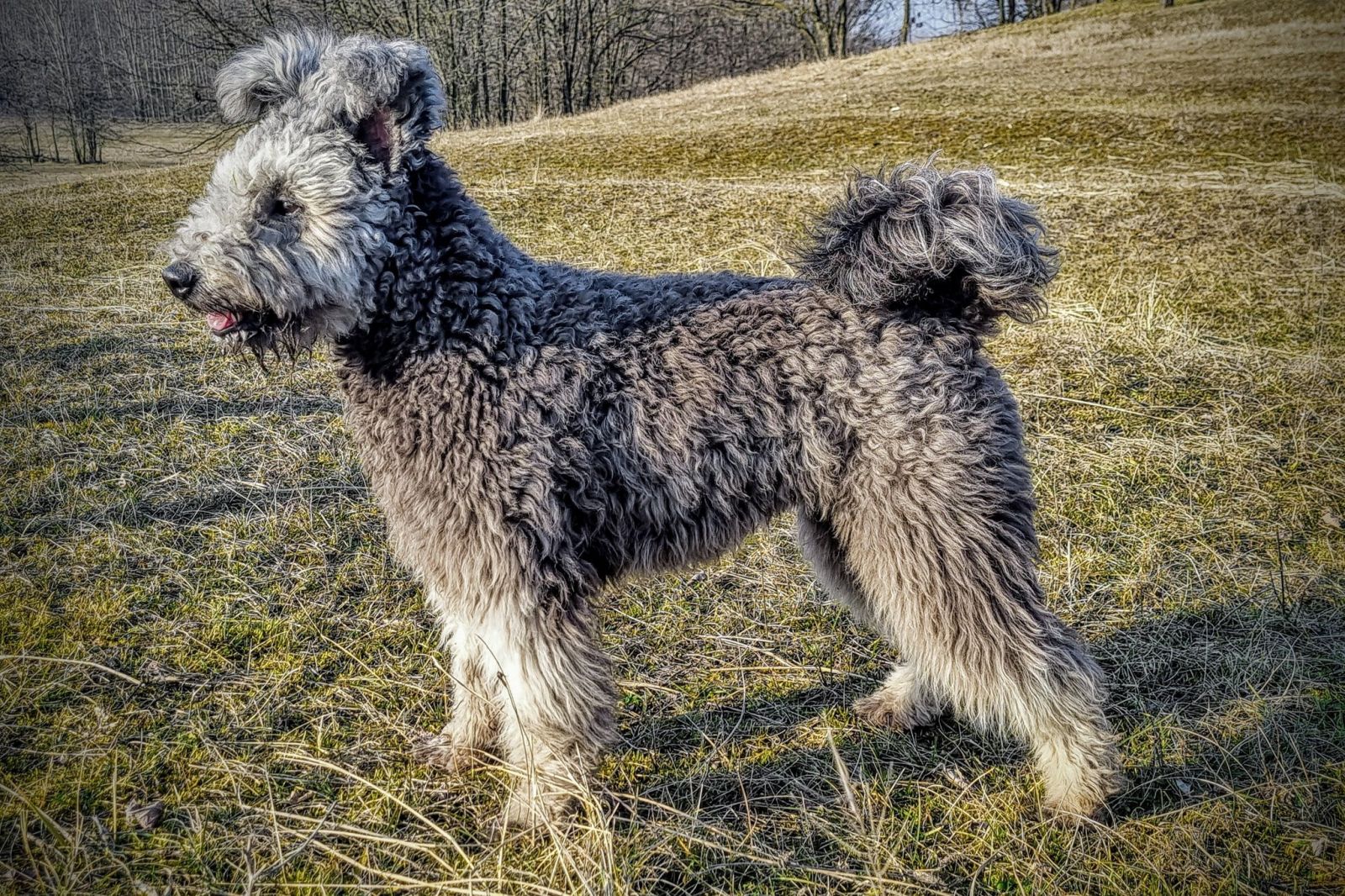
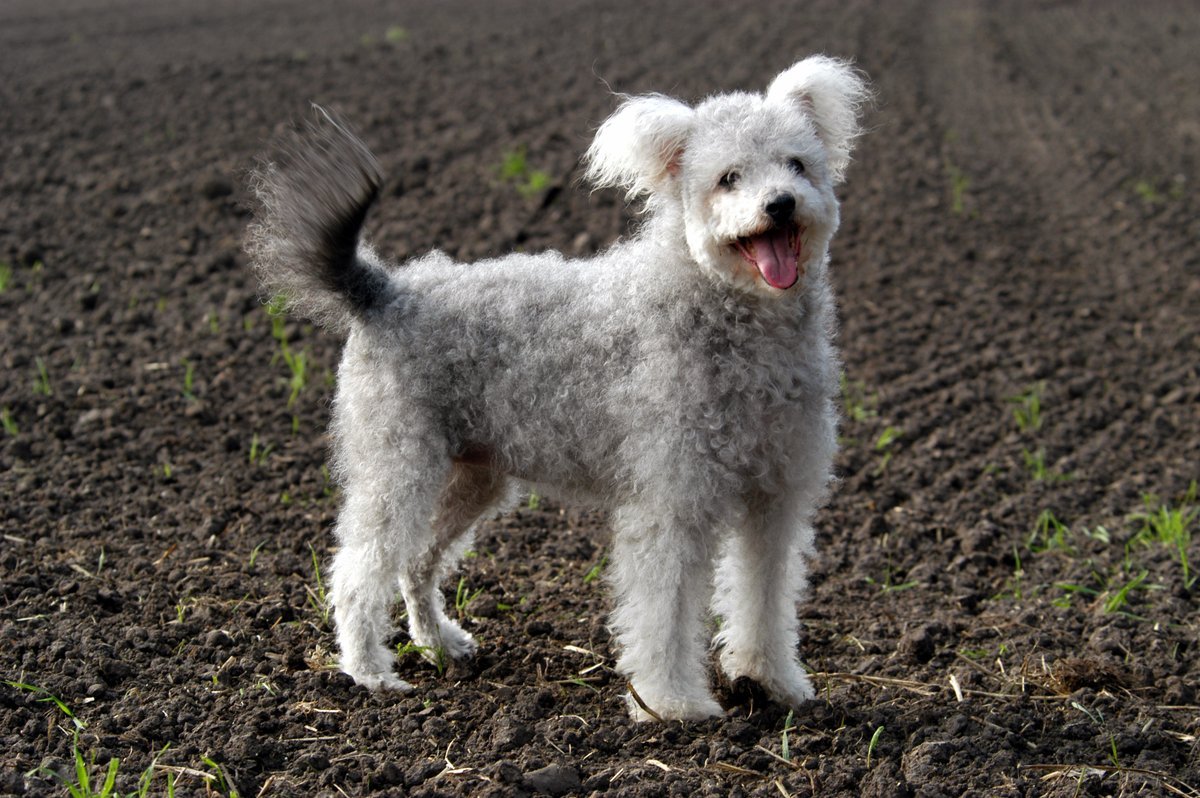
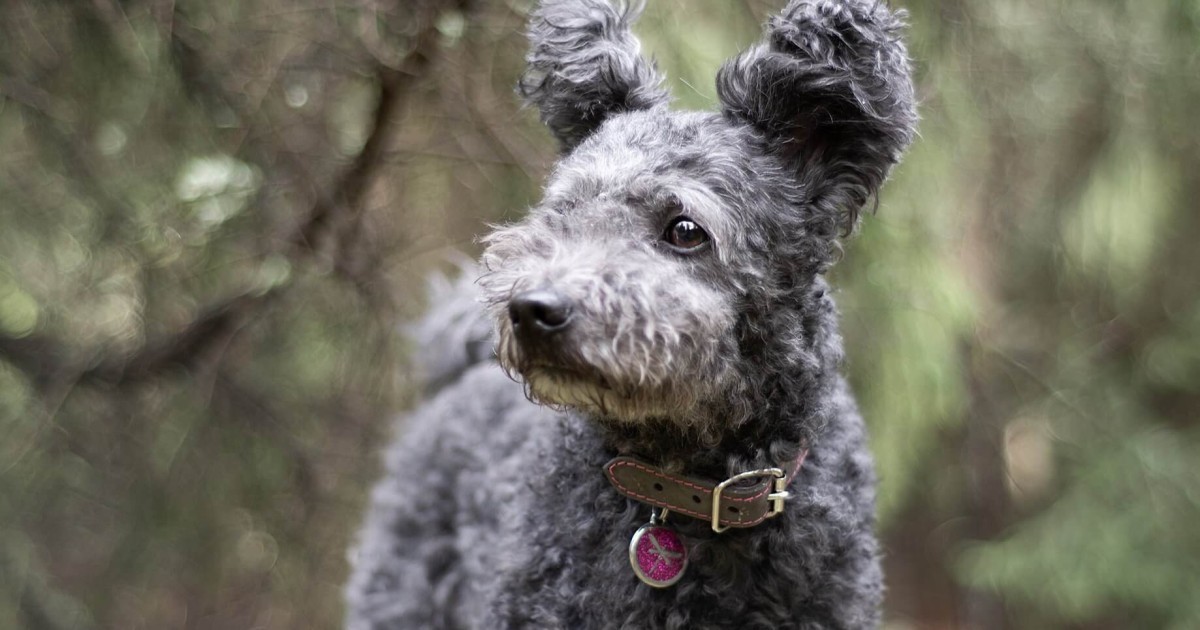
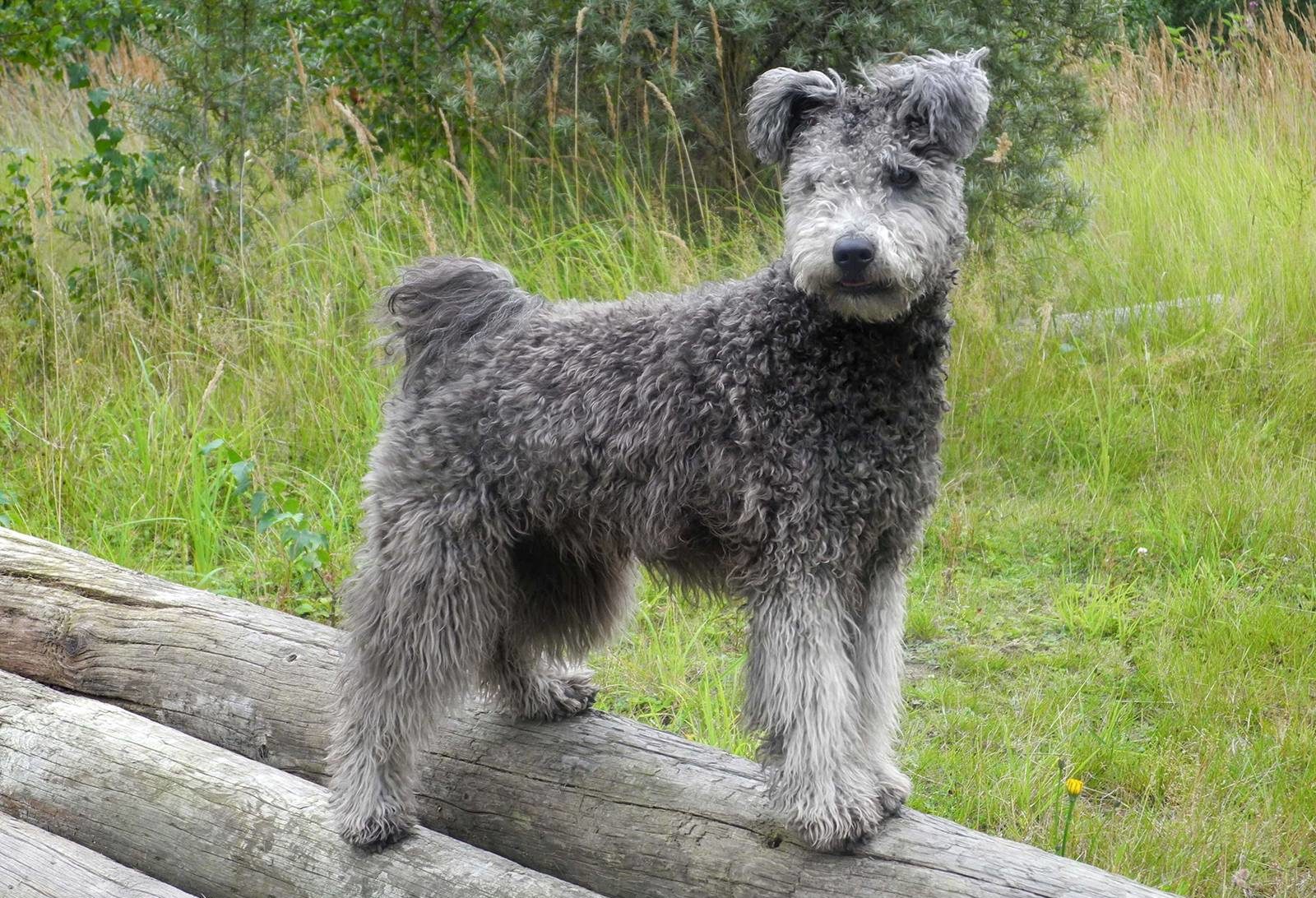
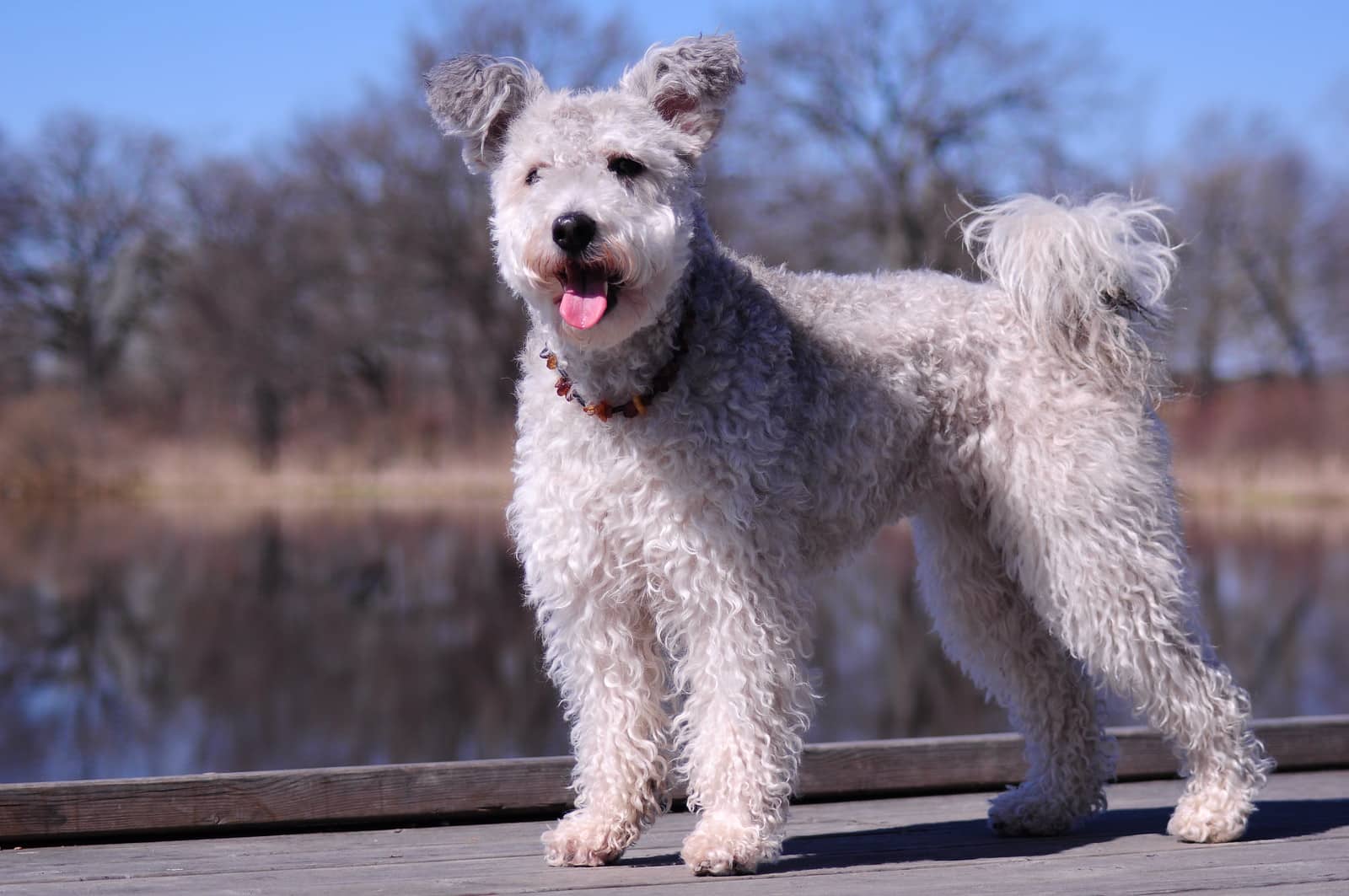
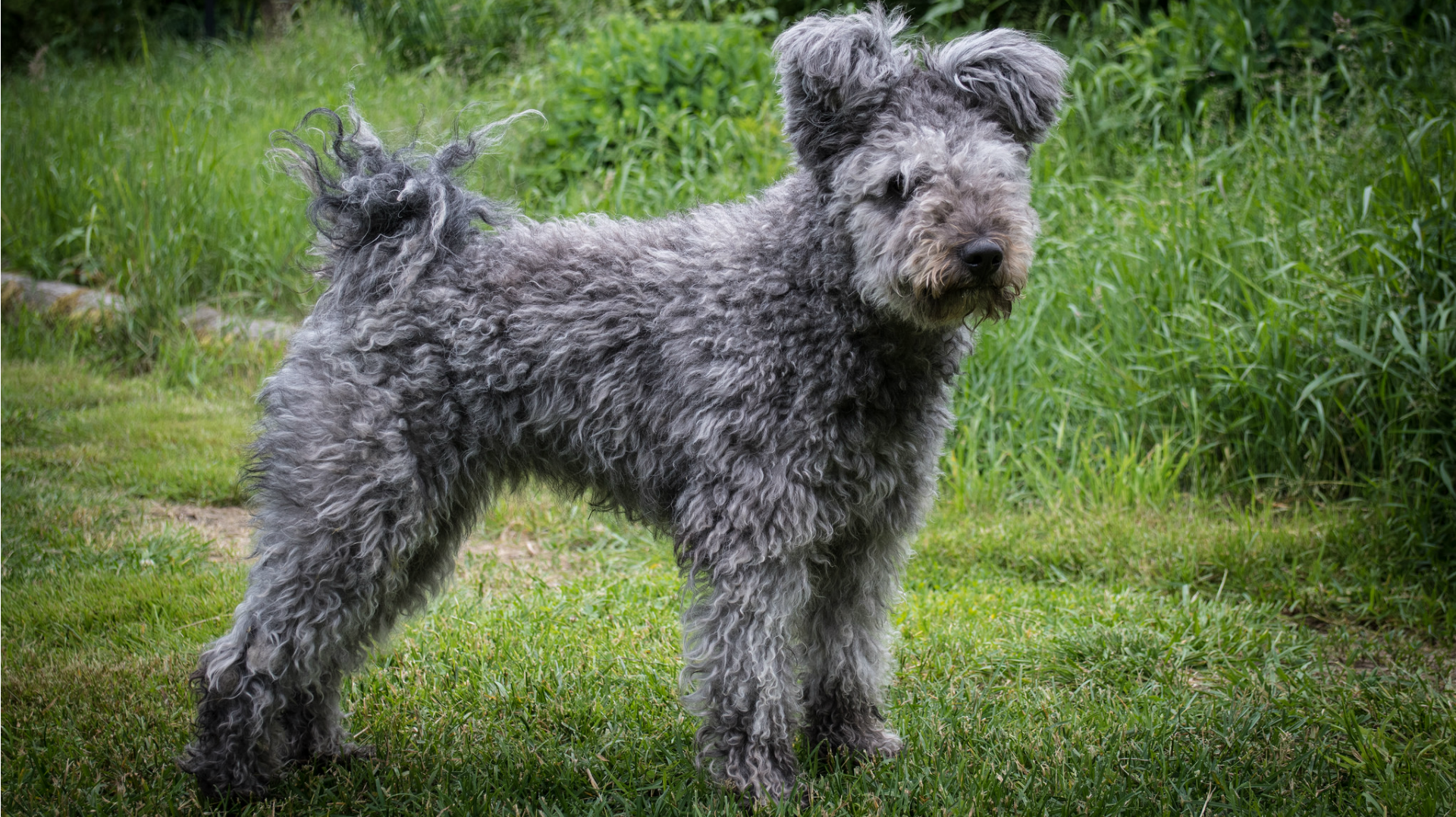
The Pumi is a compact, energetic medium-sized dog with a harmonious and proportional build that highlights its agility and endurance. Its appearance reflects a natural adaptability to herding work and an active lifestyle. The Pumi is characterized by recognizable features: a light frame, a cheerful expression, and distinctive wavy fur that gives it a slightly tousled yet charming look.
This dog has a dense, muscular body with a straight back and well-developed chest, ensuring endurance and ease of movement. The Pumi displays pronounced gracefulness, especially evident in its agile and free movements. The tail is typically held high, emphasizing its confident and lively character.
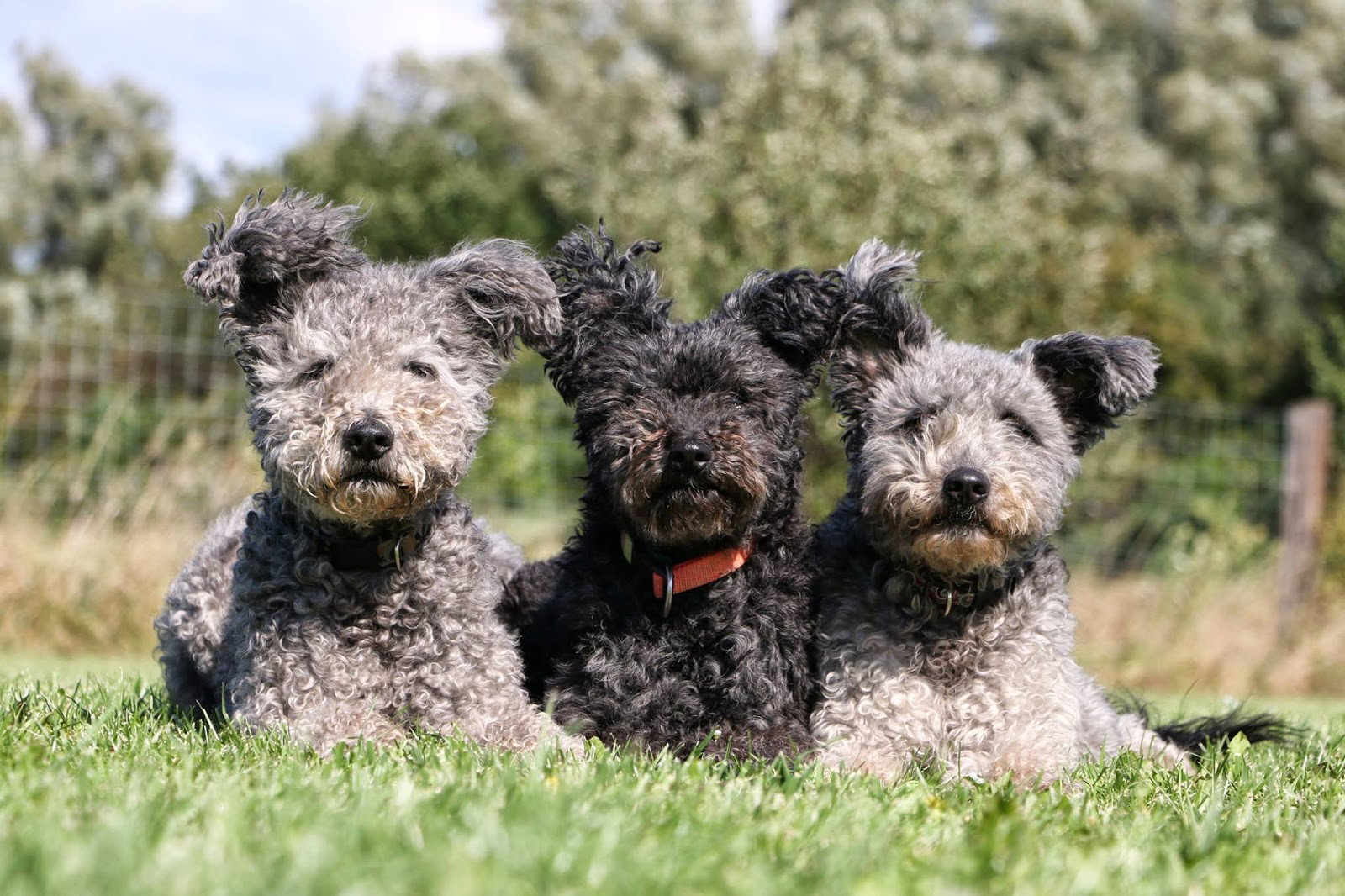
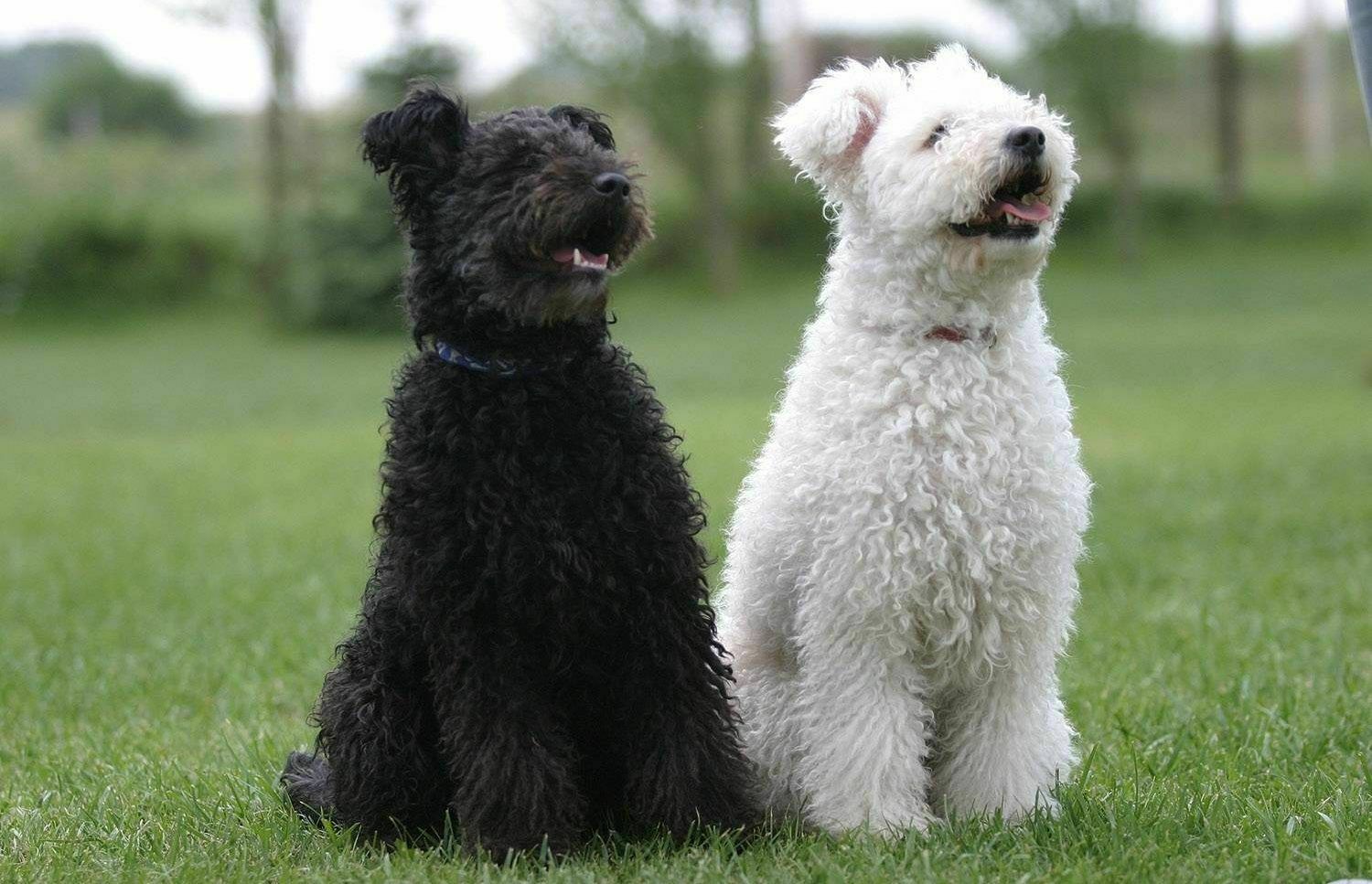
The Pumi’s coat is thick, wavy, or slightly curly, of medium length. It possesses water-repellent properties and requires minimal maintenance, making it suitable for various living conditions. The colors can vary, but the most common are gray, black, fawn, or white, which highlight the breed’s natural beauty.
The average height of Pumi males is 41-47 cm and females 38-44 cm, making them compact and convenient for active work. Their weight usually ranges from 10 to 15 kg, depending on gender and build. These dimensions allow the dog to maintain a balance between maneuverability and physical strength.
The average lifespan of a Pumi is 12-14 years, indicating the breed’s robust health and natural endurance. With proper care, a balanced diet, and sufficient physical activity, a Pumi remains active and cheerful throughout its life. Its expressive appearance and vibrant personality make it appealing to both farmers and outdoor enthusiasts.


Отличительные черты

Голова

Морда

Уши

Глаза

Зубы

Корпус

Конечности

Хвост

Шерсть

Окрас
Character
The Pumi is an energetic, joyful, and incredibly intelligent dog that combines loyalty, independence, and high intelligence. This breed was originally developed for herding work, which gives the Pumi a strong personality, quick decision-making skills, and readiness to act in any condition. It is extremely active and constantly seeks opportunities to be helpful or engaged in some activity.
These dogs love to move and work, so they require not just physical activity but also intellectual challenges. Pumis learn quickly and enjoy training, especially when it is game-based. Their natural curiosity and desire to please their owner make them excellent learners who willingly follow commands and tackle tasks that require cleverness.
Pumis easily adapt to various living conditions, but it is essential for them to be part of a family or group. They become strongly attached to their owners, showing deep loyalty and affection. These dogs enjoy being around people and actively participating in daily life, whether it’s walks, playtime, or just relaxing with their owner. They get along well with children, demonstrating patience and friendliness, and they also find common ground with other animals, provided proper socialization has taken place.
This breed is known for its vibrant temperament and sharp mind. Pumis quickly respond to changes in their environment, making them excellent watchdogs. They are not prone to excessive barking, but they will always alert you to the approach of strangers. Their alertness and vigilance are natural traits linked to their herding heritage.
Pumis dislike being alone and may get bored if left without attention or activity. In such situations, they may exhibit excessive energy or seek out activities that might not always be approved by their owner. Therefore, it is crucial to provide these dogs with plenty of physical and mental stimulation to keep them happy and balanced.
These dogs love being the center of attention, enjoying time spent with family. They value praise and always strive to please their owners, whether by following commands, participating in activities, or simply being a loyal presence. The Pumi is a dog that becomes a full member of the family, sharing in the joys and concerns of its owners with boundless energy and love.
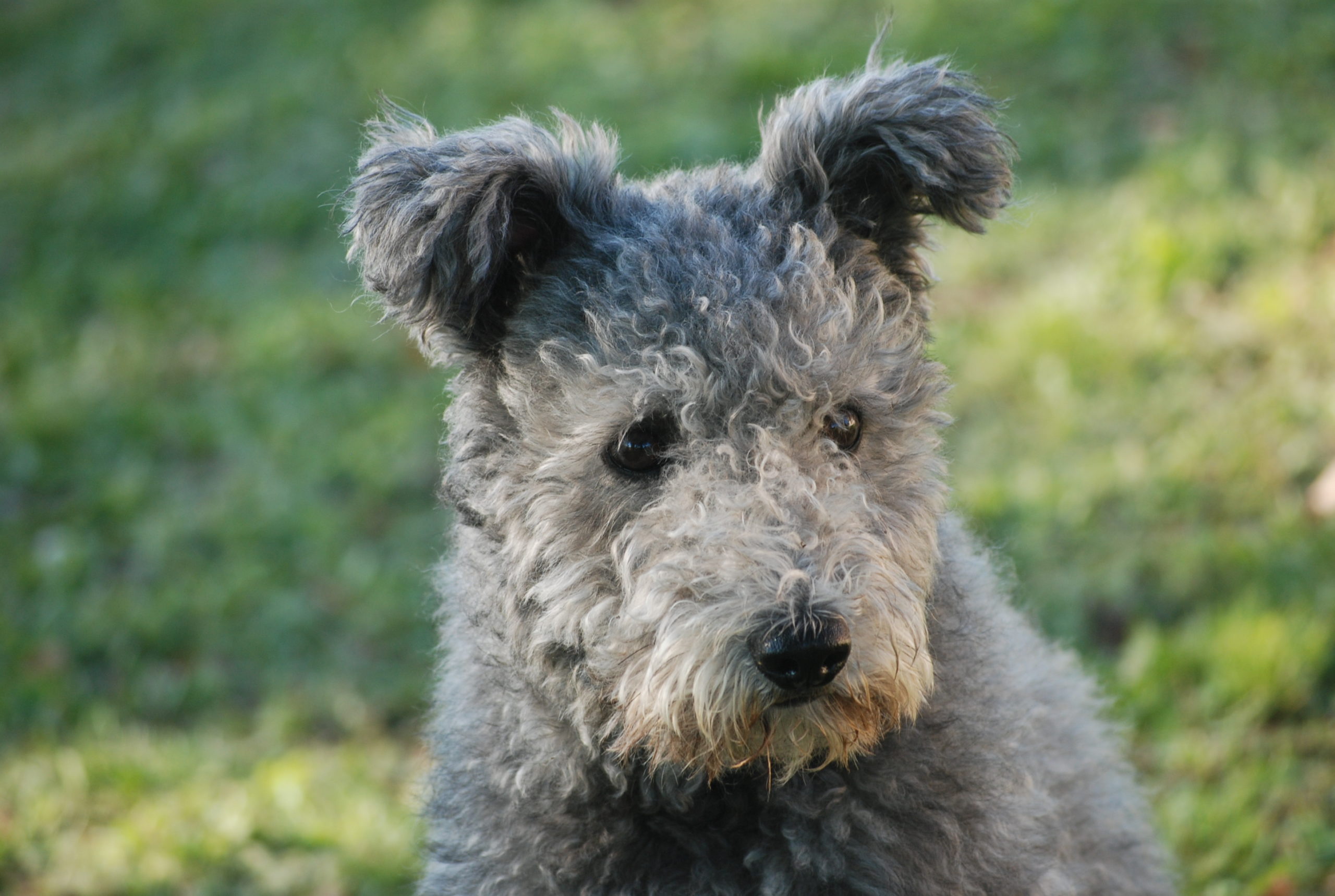
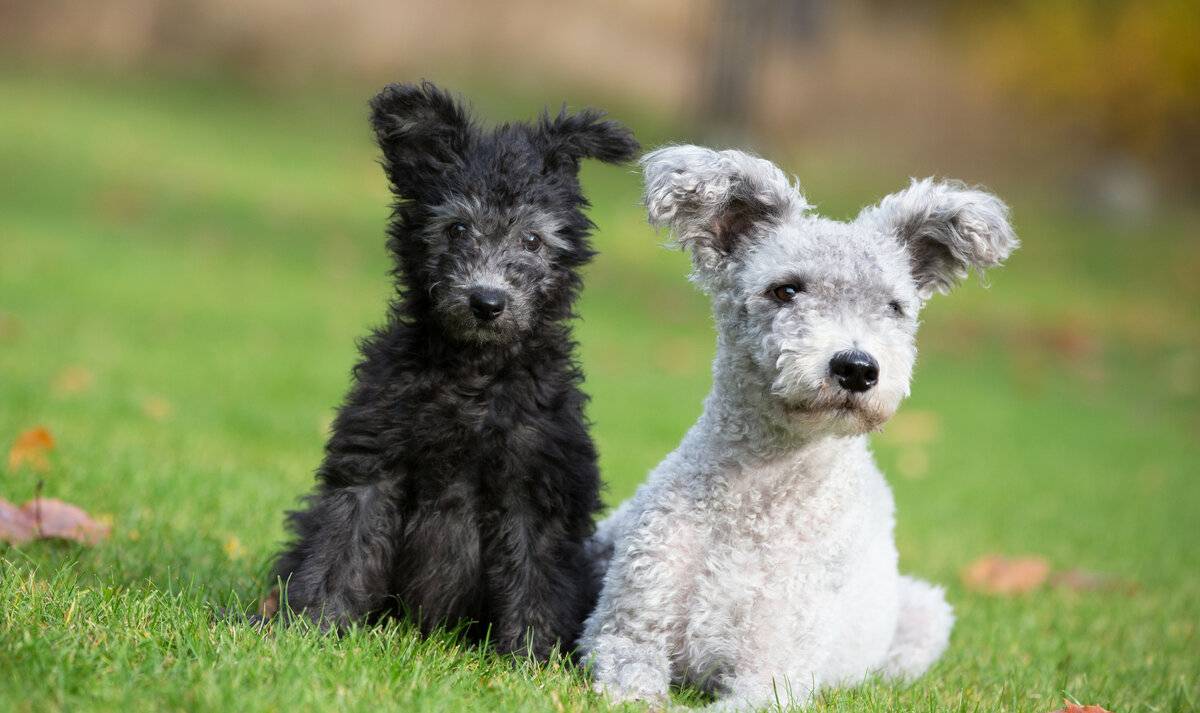
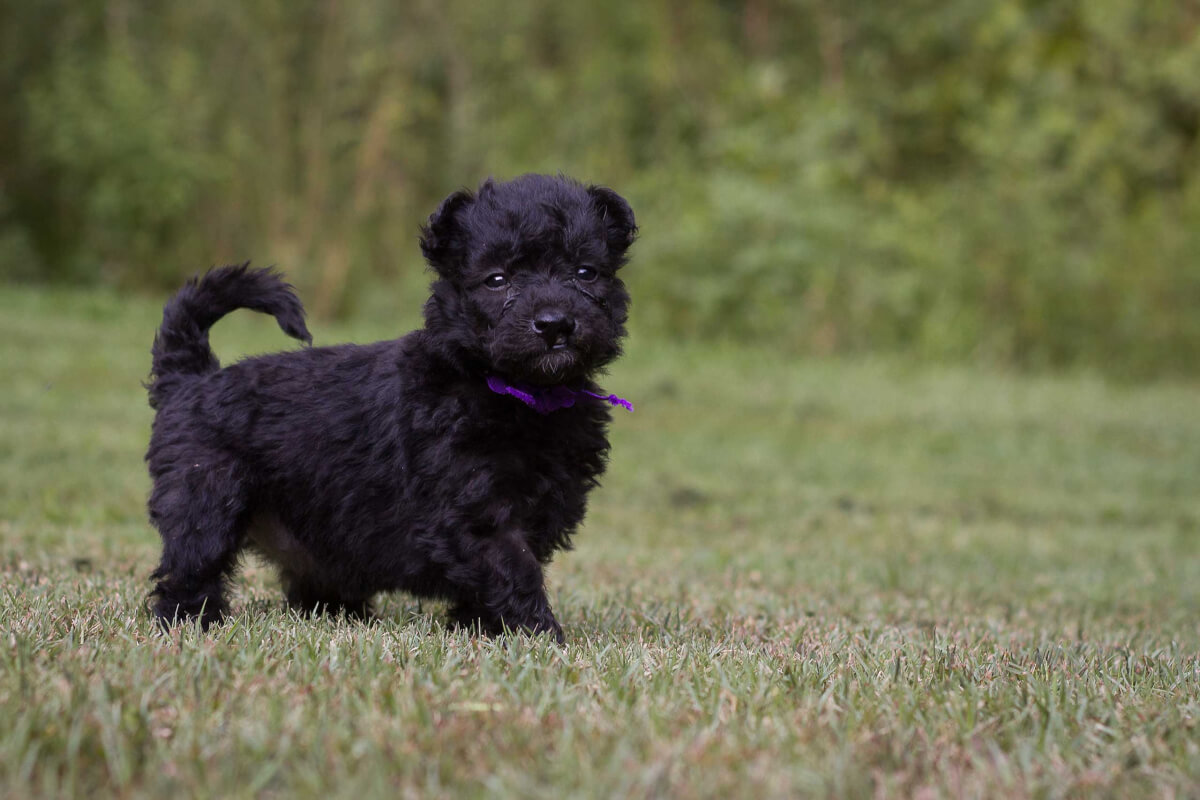
Black at birth.
Small pumas are born with a completely black or very dark coat. However, as they grow and reach sexual maturity, their fur starts to lighten. The final color of their coat is established by around two years of age.Care and Maintenance
Caring for a Pumi requires regular attention to its coat, physical activity, and emotional well-being. This breed has a thick, wavy, or slightly curly coat that needs periodic brushing to prevent tangling and maintain a neat appearance. The coat should be brushed once a week to remove dead hair and keep it soft and shiny. Grooming is needed less frequently, approximately every 2-3 months, especially if the dog isn’t participating in shows. Bathing should be done as necessary, using mild shampoos to avoid drying out the skin.
The ears of a Pumi require regular inspection and cleaning because their shape can trap dirt and moisture, increasing the risk of infections. The eyes should also be checked and cleaned of discharge periodically, especially if the dog spends a lot of time outdoors. The paws should be inspected after walks, particularly between the toes where debris may accumulate. Nails need to be trimmed once a month if they do not wear down naturally.
Pumis are very active dogs that require regular physical and mental exercise. Long walks, running, outdoor play, and training are essential parts of their care. They love completing tasks, learning new commands, and participating in activities that engage their intelligence and energy. A lack of activity can lead to boredom and destructive behavior, so it is important to provide enough time for them to satisfy their natural needs.
This dog enjoys attention and interaction, so it is vital for them to be involved in family life. They do not tolerate loneliness and may get bored if left idle or unsupervised for long periods. Pumis love to feel useful and needed, so they willingly participate in any tasks, from training to daily chores.
Pumis do not respond well to rough handling or yelling. Their high sensitivity to tone makes a gentle yet consistent approach necessary in communication. They also do not tolerate monotony and sameness; this dog requires varied activities and tasks to maintain their interest and motivation.
A balanced diet is another important aspect of Pumi care. Their diet should be rich in proteins and healthy fats to sustain their energy, but care should be taken to avoid overfeeding, as this breed is prone to weight gain with insufficient activity.Regular grooming, attention to physical and emotional needs, along with love and involvement, make a Pumi a happy and healthy dog that will always delight its owners with its energy and loyalty.
Inclined to escape
Since pumas have an independent nature and a tendency to escape, it is strongly recommended to walk them on a leash.Training and Education
The Pumi is an intelligent and clever dog that enjoys learning in a friendly and positive atmosphere. This breed possesses a high level of intelligence and a desire to please, making training both engaging and productive. However, Pumis are also independent and can sometimes show stubbornness, especially if they feel a lack of interest in the activities. Training should begin at an early age to lay the foundations of obedience and socialization.
The best approach to training a Pumi is through positive reinforcement methods. They respond well to praise, treats, and play elements, which boost their motivation. Pumis enjoy variety, so sessions should be short and interesting to keep the dog’s attention. Intellectual challenges, such as learning new commands, tricks, or participating in sports competitions, are ideal for this breed.
A Pumi will choose an owner who demonstrates leadership qualities while remaining patient and kind. They become attached to those who spend the most time with them, invest in their upbringing, and build an emotional bond. Pumis appreciate consistency and stability in communication but also require affection and attention. They will not tolerate roughness or aggression and may lose trust if training methods are too harsh.
This dog listens to those whom they respect as leaders, but their understanding of leadership is based on trust rather than dominance. A Pumi’s owner should be confident in their actions while also willing to work with the dog through interaction and collaboration. Pumis value being spoken to and having things explained clearly through gentle yet firm commands.
They are best suited for active and experienced owners who can offer not only physical exercise but also mental challenges. Pumis adapt well to new conditions and are ready to work with someone who can dedicate sufficient attention to them. With the right approach, a Pumi becomes not only obedient but also an incredibly loyal dog, always eager to delight their owner with their achievements and energy. Puppies with documents and health guarantees are offered at Zoonyka.
The main mind.
The representatives of the Pumi breed are remarkably intelligent and have a high level of intelligence. Associations of professional dog breeders have repeatedly confirmed that this breed is the most obedient and loyal to its owners.
How to Choose a Puppy
To choose a Pumi puppy that will grow into a full-fledged representative of the breed, it’s important to consider its lineage, health status, living conditions, and the documentation provided by the breeder. Start by looking for a trustworthy kennel that specializes in breeding Pumis, adheres to breed standards, and can provide the necessary information about the puppies and their parents.
The puppy should be active, cheerful, and curious. A healthy puppy shows interest in its surroundings, happily plays with its siblings, and engages with people. Avoid overly timid or aggressive puppies, as this may indicate insufficient socialization or character issues. The puppy’s behavior should be confident and friendly.
Inspect the puppy for physical defects. The coat should be thick, wavy, or slightly curly, clean, and shiny, without bald patches or mats. The eyes should be clear, without discharge, the nose should be moist and cool, and the ears should be clean and odor-free. Check the bite: it should be correct, and the teeth should be strong. The puppy should be active, with a straight back and sturdy legs.
The breeder should provide a pedigree for the puppy, confirming its lineage from purebred representatives of the breed. Pay attention to the achievements and titles of the parents, as well as the results of their genetic disease screenings. For instance, hip dysplasia and eye diseases can be hereditary, so it’s crucial to ensure that the puppy’s parents have been tested for these conditions.
Request the puppy’s veterinary passport, which should include all vaccinations, deworming, and other preventive measures. The breeder should also provide information about what the puppy has been fed so that you can transition it smoothly to a new diet if necessary.
Consider the living conditions of the puppies. The kennel’s premises should be clean, spacious, and safe, with enough room for play and active development. Puppies should be well-cared for, socialized, and have access to toys and balanced nutrition. A good breeder is invested in the health and well-being of their puppies and is always ready to answer questions.If possible, observe the puppy’s parents. Their appearance, health, and behavior will give you insight into what your pet may grow up to be like. The parents should be friendly, balanced, and fully conform to breed standards.Choosing a Pumi puppy is not just about checking documents and physical characteristics but also about forming an emotional bond. This breed becomes strongly attached to its owners, so it’s important to select a puppy with whom you feel a connection and mutual trust. Such an approach will ensure you have a healthy, obedient, and energetic pet that will be a true representation of the breed and a loyal friend. Zoonyka offers attractive deals-dependent on breed and pedigree.
Health and Diseases
Pumi is a breed known for its strong health and long lifespan, which averages between 12 to 14 years. However, like any other breed, pumis can be prone to certain hereditary diseases and issues related to their physiological characteristics. Proper care, regular veterinary check-ups, and attentive monitoring of the dog’s condition can help minimize risks and maintain its health at a high level.
One of the most common issues in pumis is hip dysplasia. This hereditary condition can cause discomfort, pain, and limit the dog’s mobility, especially in older age. To prevent this problem, it is important to choose puppies from tested parents who have undergone dysplasia screening, and to provide moderate physical activity while avoiding overexertion at a young age.
Among eye diseases, pumis may be susceptible to progressive retinal atrophy, which leads to gradual vision loss. This genetic condition occurs more frequently in older dogs, but regular ophthalmological examinations can help detect it early and slow its progression. Another issue may be cataracts, particularly in older pumis.
Due to their active and agile nature, pumis are prone to injuries of the joints and ligaments, especially if their exercise is too intense or not age-appropriate. Regular walks, balanced training, and weight monitoring help prevent issues with the musculoskeletal system.
Ear infections can also occur in pumis due to the shape of their ears, which hang partially and create conditions for dirt and moisture to accumulate. Regular inspection and cleaning of the ears can help prevent inflammation and discomfort.
Pumis rarely face skin diseases, but improper grooming can lead to dermatitis or matting, which can irritate the skin. Regular brushing and maintaining clean fur will help avoid these problems.Epilepsy is a rare but possible condition in pumis. This neurological disorder manifests as seizures. If a dog shows such symptoms, it is crucial to consult a veterinarian immediately for diagnosis and treatment.Pumis tend to gain excess weight if they do not receive sufficient physical activity. Obesity can place added strain on joints and the cardiovascular system, so it is essential to monitor the dog’s diet and activity level.Timely vaccinations, parasite prevention, regular veterinary visits, and balanced nutrition are the foundation of a pumi’s health. With proper care and attention, this breed delights owners with its energy, liveliness, and longevity. – the best site about animals where you can buy or sell a puppy.
Содержание
-
1. Описание породы
-
2. Внешний вид
- 2.1 Голова
- 2.2 Морда
- 2.3 Уши
- 2.4 Глаза
- 2.5 Зубы
- 2.6 Корпус
- 2.7 Конечности
- 2.8 Хвост
- 2.9 Шерсть
- 2.10 Окрас
-
3. Характер
-
4. Содержание и уход
-
5. Дрессировка и обучение
-
6. Как выбрать котенка
-
7. Здоровье и болезни






Comments
Only registered users can leave reviews.
Enter