
Prague Ratter




Warning: Illegal string offset 'label' in /home/panda/sites/zoonika/wp-content/themes/zoonika/template-parts/animals/animals-param-item.php on line 32
Ð


Breed Description
It is well known that this is the smallest breed in Europe. How did such a small dog manage to save the capital of the Czech Republic from a plague?
To start, let’s delve a bit into history. In the Middle Ages, it was commonly believed that cats were closely associated with evil forces, leading to their extermination by all possible means. As a result of their near-total eradication, swarms of mice and rats invaded Prague and other European cities, bringing serious problems and diseases to the inhabitants. During long travels, resilient dogs were essential to assist the coachman with cargo protection. At inns, their duties included catching rats and mice. Large dogs were unsuitable for these tasks because they needed rest, space, and considerable amounts of food. Thus, the preference was given to small dogs like miniature pinschers or toy griffons. These helpers came to be known as “ratters.” The dogs were very resilient and bravely performed their duties. The smallest specimens of the breed, weighing no more than 5 kg, were perfect for these purposes. Over time, they began to appear in the homes of the nobility. Similar dogs can be seen in numerous portraits of Polish and Czech aristocracy. The King of France received several puppies of this kind as gifts. Charles V loved the dogs so much that he entrusted them
A curious fact: the Prague rat terrier has partially inherited the habits of the rodents it had to fight in the past. Among its negative traits is the dog’s tendency to stash bits of food in various corners of the apartment it inhabits.
As time passed, in the early 19th century Czech breeders made attempts to restore the breed. However, the catastrophic consequences of World War II in the last century rendered all their efforts futile. The breed nearly vanished.
In its homeland, the Czech Republic, efforts to rebuild the breed began again in 1980. The World Association FCI officially recognized the breed only in 2019. Today, it is a very rare breed that looks almost identical to miniature pinschers. This tiny dog claims the title of the smallest dog in the world. Unlike the chihuahua, the rat terrier standard imposes strict height limits. Its direct competitor does not have such requirements in its standard.
So, who are the direct ancestors of the rat terrier? There is no precise data on this matter. It can only be assumed that rat terriers are the result of breeding between breeds like the toy terrier and chihuahua. Some experts believe that the papillon and possibly the Russian toy terrier were used in restoring these lovely dogs.The popularity of the breed is growing every year. In the 21st century, the Prague rat terrier can already be found across the Atlantic in the USA.
Appearance
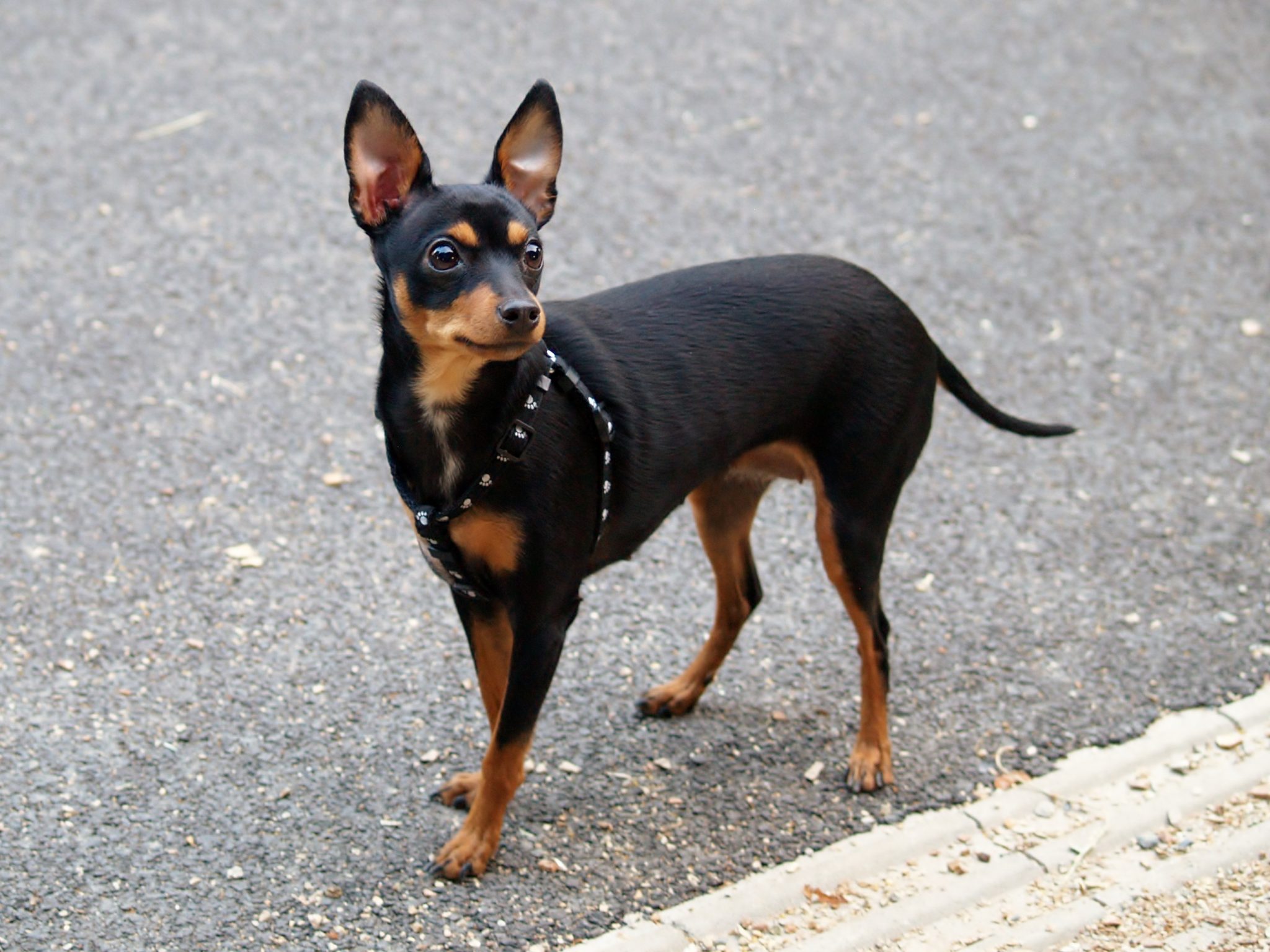
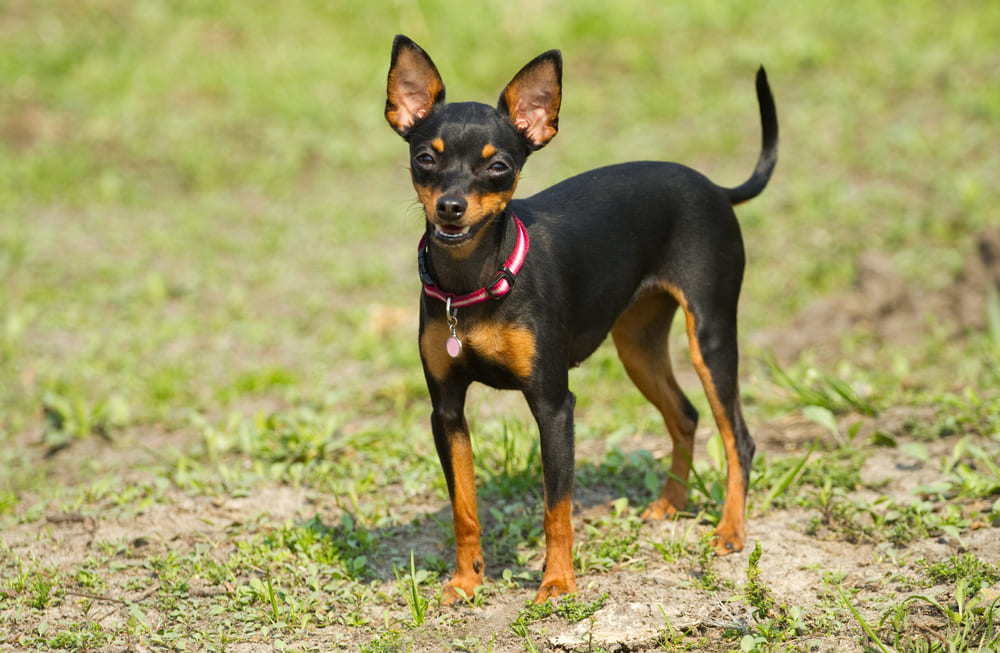
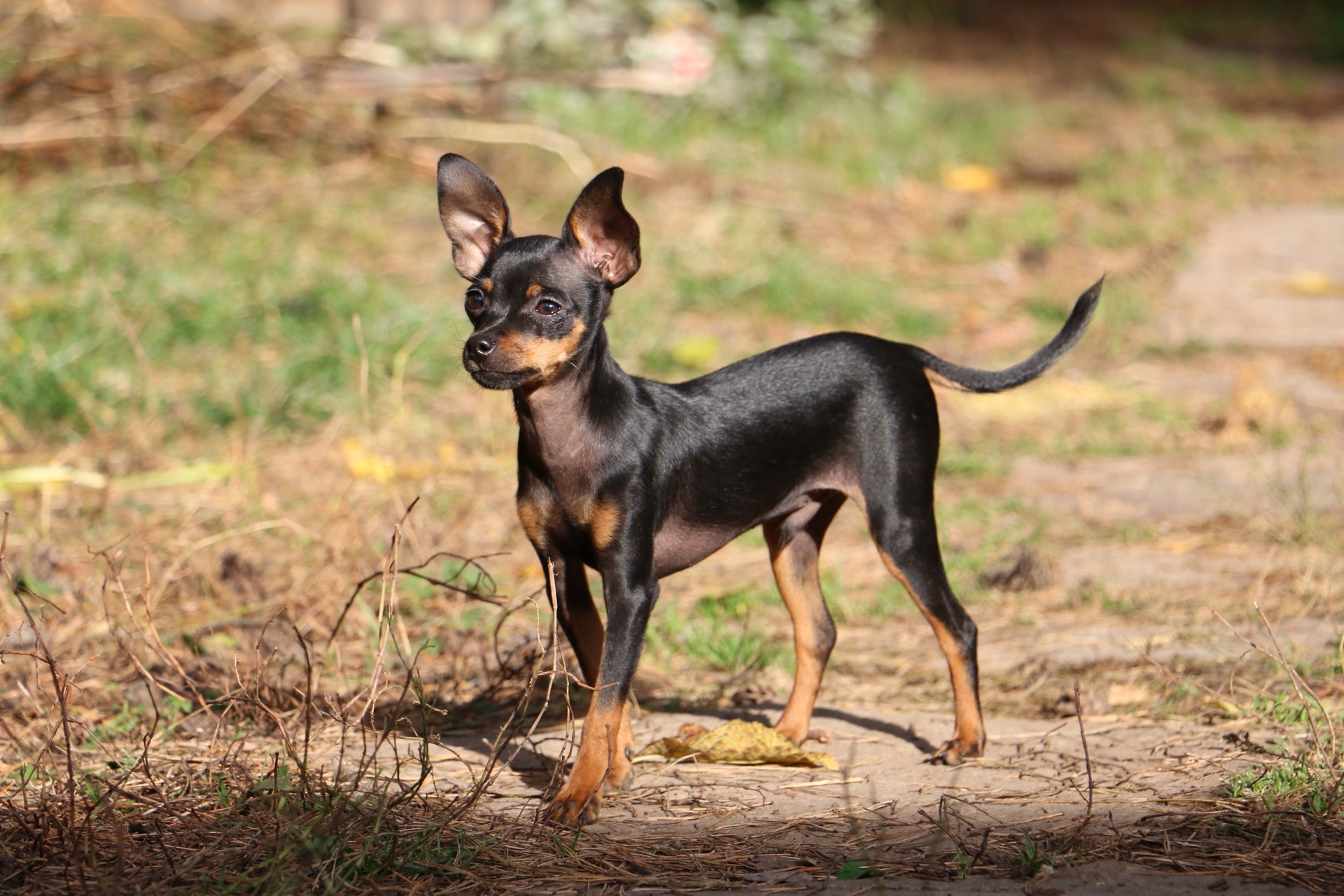
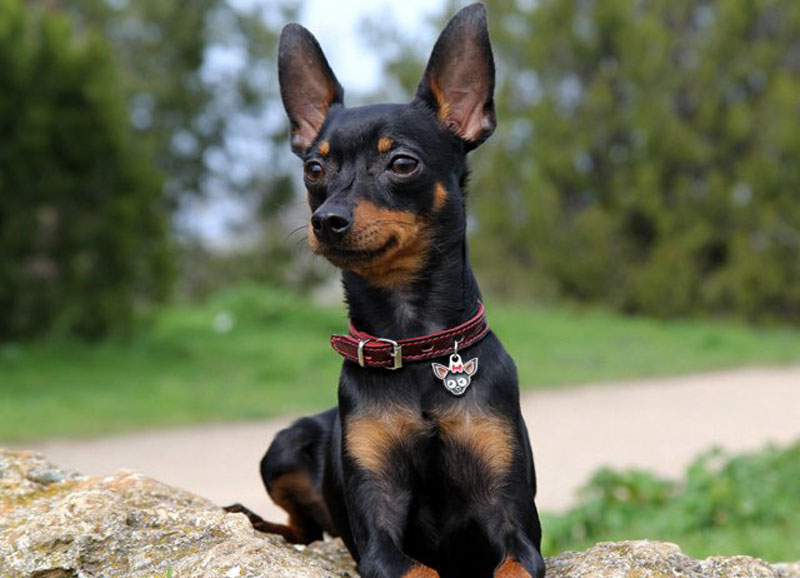
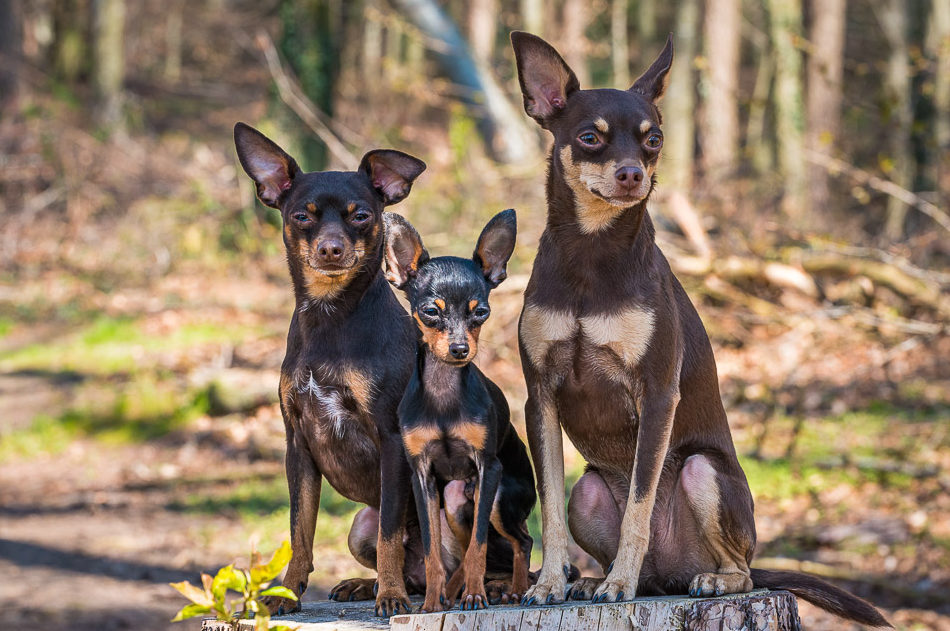
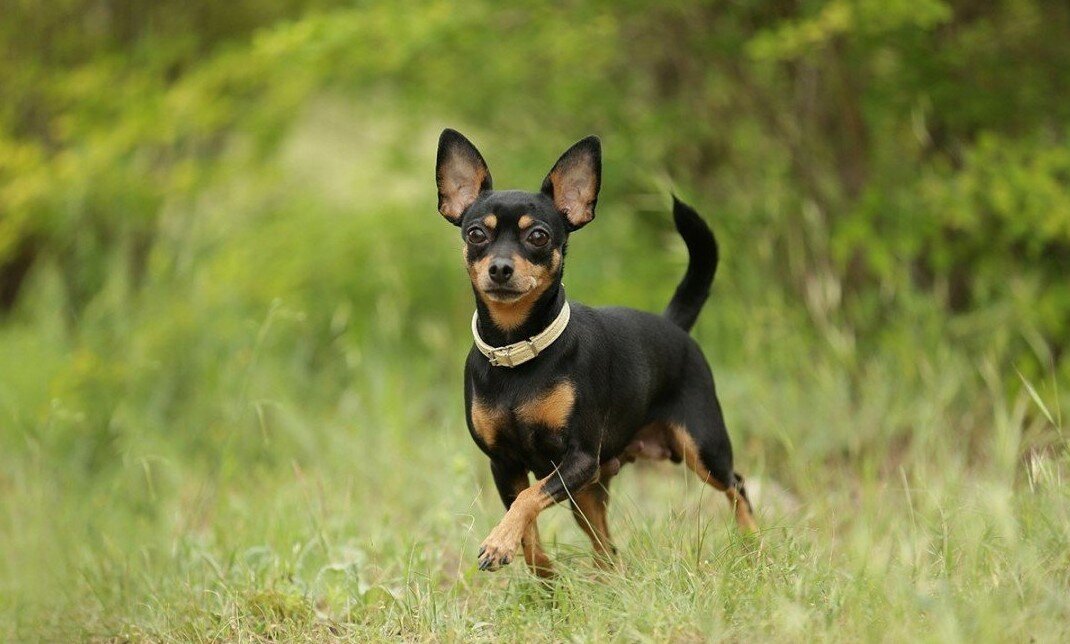
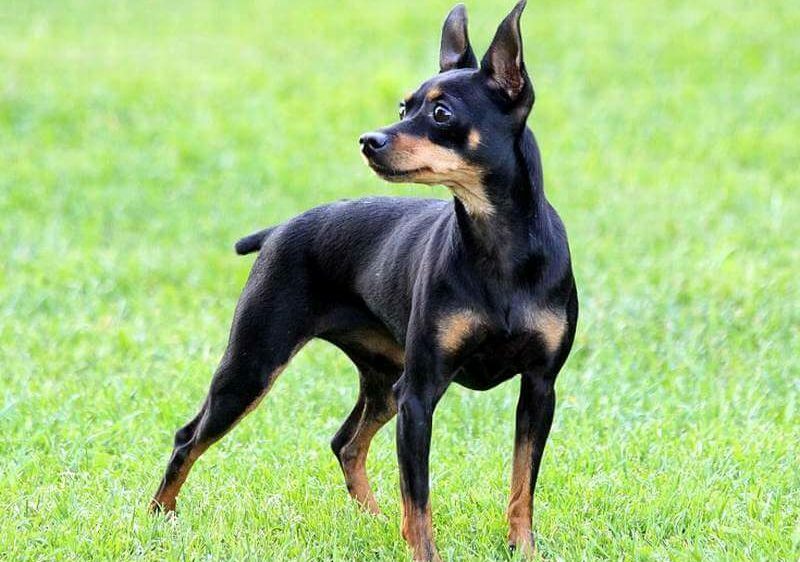
The Prague Ratter, very similar to the Russian Toy Terrier, is a miniature, compactly built, strong, and brave dog that is considered one of the best family companions. This breed is perfectly suited for living in urban apartments. Despite its small size, the dog is an excellent travel companion, making it easy to take along even on long flights.
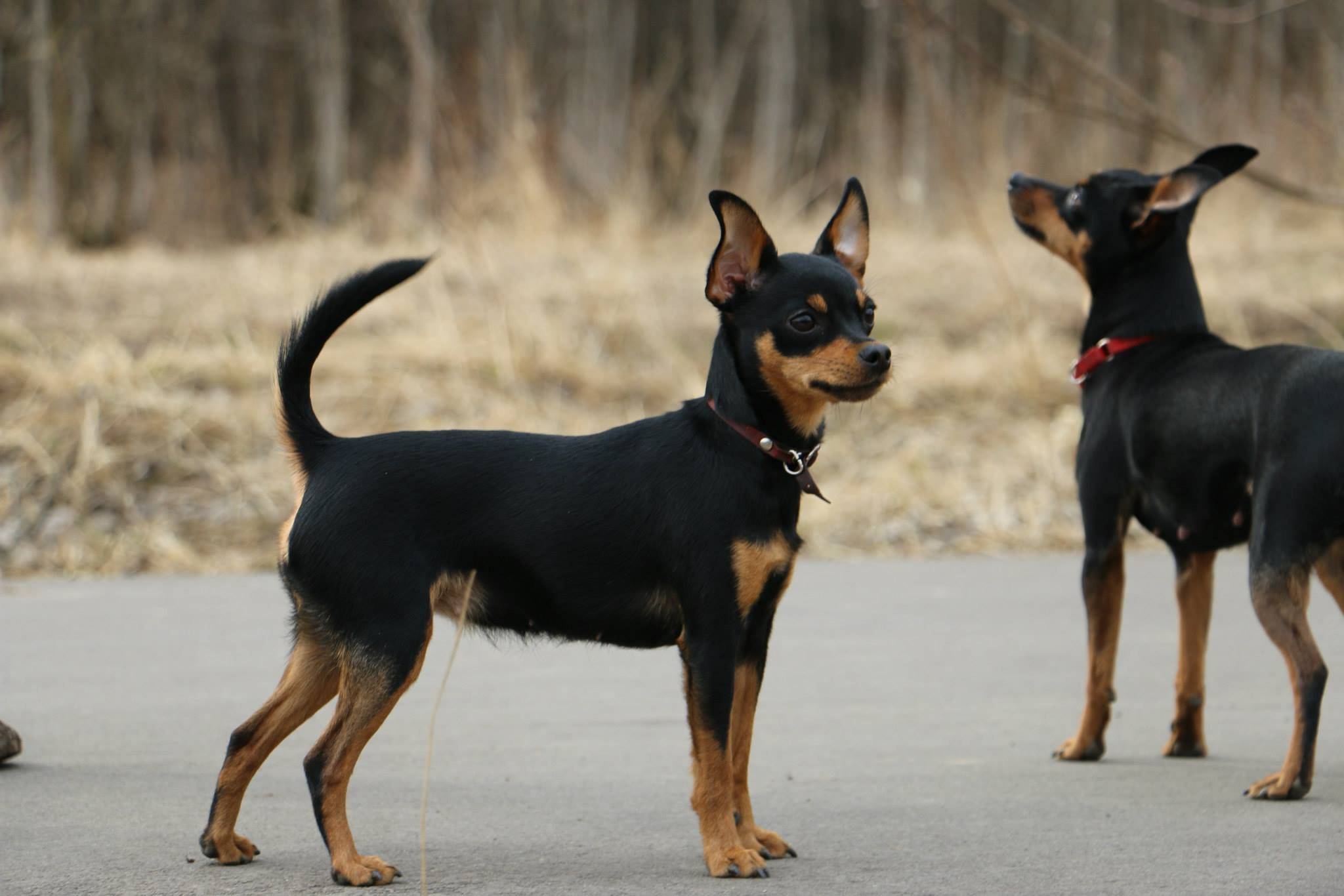
One of the most important parameters for a dog is the ratio of height to length. The standard specifies that this proportion should be 1:1.05. However, the same breed standard notes that dogs can be slightly longer; thus, a harmonious appearance is considered more important than the ideal ratio of dimensions.
So, the Prague Ratter is a short-haired dog with lightning-fast reactions, known for being brave and friendly. Its build is virtually square. Despite its small size, it is extremely strong and resilient. The breed is very loyal to the family it lives with and is quite suspicious of strangers. It is regarded as a wonderful companion and gets along very well with small children.
With a height of 20 – 23 cm, an adult dog’s weight should not exceed 2.6 kg. The average lifespan of the dog is about 12 – 14 years, but with special care, the dog can continue to delight you with its amiable nature for 15 – 16 years.


Отличительные черты

Голова

Морда

Уши

Глаза

Зубы

Корпус

Конечности

Хвост

Шерсть

Окрас
Character
The character of the “toy” dog can be judged by the well-known fact that in Europe they were carried in pockets to protect wallets. The Prague Ratter is a miniature guard, fiercely protecting its owner’s property. To this day, they are used as watchdogs. Undoubtedly, it won’t be able to stop a thief, but it is quite capable of alerting about their presence.
Additionally, the Prague Ratter is arguably one of the best dogs for elderly people today. With its remarkably cute, “doll-like” appearance and size, this little dog is ready to uplift the spirits of its loved ones. At the same time, the Ratter is reluctant to engage with strangers and does not enjoy crowded situations. Therefore, it is unlikely you will see a dog performing cheerful “tricks” in front of guests.
The character of dogs absorbs the atmosphere of their home. Generally, they coexist very well with other animals under one roof. However, the genes and rich history of a hunter still come into play: if there are guinea pigs, hamsters, or other rodents in the house, sooner or later the Ratter will proudly present its catch to you and lay the trophy at your feet. If there is a large dog nearby, tense moments may arise. Typically, this is resolved through early socialization.
The Ratter gets along great with children of any age. It is important to teach children to treat their four-legged friend gently, as the dog has a fragile build and young children may accidentally harm it during their play.
The Prague Ratter is completely non-confrontational and does not show aggression. It does not impose itself, as it considers itself quite independent and self-sufficient. The dog can happily play by itself with its favorite toy if the owners are busy. It’s worth noting that the animal will protect its toy fiercely and won’t give it up without a fight.
Negative traits include their tendency to hide bits of food in hidden places around the house. Thus, it’s essential to clearly define boundaries and not allow the dog to eat wherever it pleases. One should not forget that the Ratter has a well-developed intellect and always seeks to gain an advantage in any relationship. Therefore, do not spoil the animal simply because of its cute appearance and toy-like look. Deep down, it is a cunning hunter striving to dominate its household.

Taster of poisons
In Europe, Czech ratters lived exclusively in the homes of monarchs and aristocrats and were used as personal tasters. They were allowed to sample any food from the royal table, and only after that would the king begin his meal.Care and Maintenance
The smallest dog in Europe feels equally at home in a spacious country house as well as in a small city apartment. If a parallel can be drawn, the Prague rat terrier is like a cat that managed to change its appearance to that of a dog in the Middle Ages.
It is best to place the dog bed in a quiet area away from drafts. From day one, train your dog to stay in its designated spot and never allow it to sleep in your bed. Despite the adorable expression on your beloved dog’s face, this is strictly prohibited. It will be nearly impossible to break this habit later, especially since dogs are not picky eaters.
Daily grooming is necessary at any time of the year. Soft-bristled brushes may be needed for this purpose. For dogs with medium-length fur, regular trimming is required as it grows. There is no need to bathe this breed, as they are considered one of the cleanest. Only in cases of heavy soiling should bathing be conducted. When bathing, protect the dog’s ears from getting water inside. If shampoo is used, it should be diluted in water. The water temperature should be comfortable and not exceed 43В°C. Be sure to dry the dog thoroughly after bathing to prevent colds.
Interestingly, despite their small size, “pocket watchdogs” tend to overeat. To prevent this, it’s better to simply remove the food bowl after meals. A well-balanced diet rich in fiber and other essential elements and vitamins plays a crucial role. Ideally, a specialized food should be chosen to help control excess weight. If you decide not to use specialized food, consult the breeder for dietary recommendations before buying a puppy. It’s important not to skimp on food quality; prefer reputable manufacturers. Fresh drinking water should be available to the pet at all times, so it’s essential to ensure constant access to a bowl of water.
Dental care is significantly important for the rat terrier or Prague rat terrier. Since the breed is prone to dental issues, it’s crucial to avoid plaque or tartar buildup. It is recommended to brush their teeth several times a week with special brushes. However, it’s also important to frequently check their dental health.
Dog walks can be minimized, as it’s easy to train a rat terrier to use a litter box. But this option is more suitable for older dog owners. In all other cases, it’s better not to confine the animal to your apartment. For the well-being of both the dog and the owner, walks outdoors are recommended at least twice a day for 30 to 60 minutes. During this time, the dog can stretch its legs, and the owner can practice commands, as training is a crucial part of pet care. In cold weather, it’s best to dress your pet in special warm outfits to protect it from the cold.Be cautious while walking with a Prague rat terrier! These are very curious and small dogs, so they can easily fall into a small opening or be harmed by larger dogs.Frequent walks will naturally wear down the dog’s nails. However, it’s best to trim them at least once a month. If this procedure is done regularly and from a young age, it can be accomplished without any stress for the dog.The rat terrier’s eyes should be checked daily, and in cases of discharge, they should be rinsed with warm black tea.
Thrifty pet
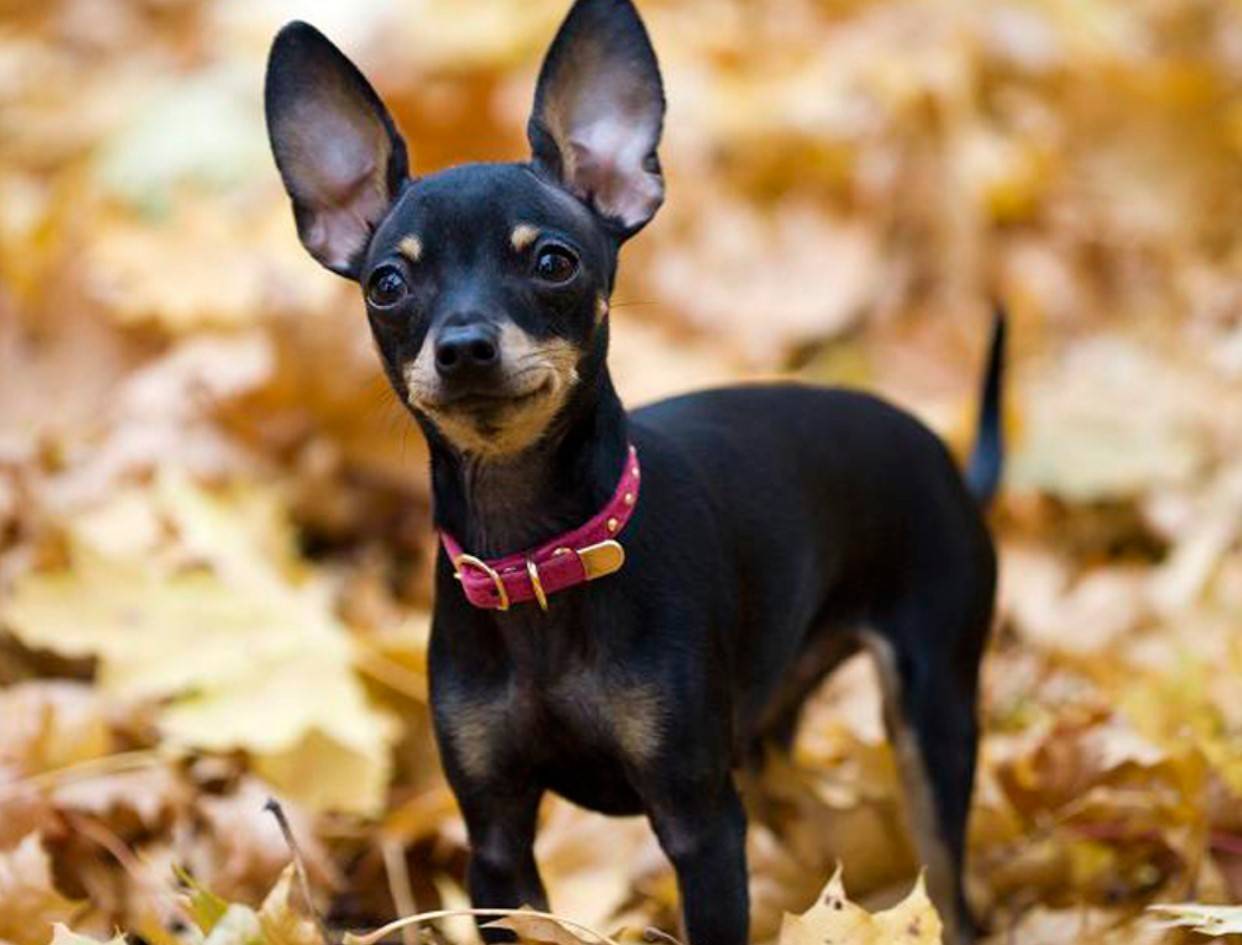
Rats are extremely hoarding. They love to stash away not only pieces of treats but also various items they like. If you've lost a cufflink, be sure to check your pet's corner.Training and Education
Like dogs of other breeds, the Prague Ratter needs training and upbringing. Moreover, it’s best not to separate the puppy from its siblings and mother until it is at least two months old.
From the very first days of bringing the puppy home, it is essential to accustom it to its place and name. Do not shout or scold the dog, even if rules are broken. Patience is necessary; otherwise, the animal’s psyche may suffer, and your relationship could be irreparably damaged. Remember, from the first day the dog is in your home, it will constantly test the firmness of established rules. Never give it treats from the table; otherwise, the dog will become a beggar, hiding snacks in every corner and behaving like a squirrel.
Starting from three months, begin practicing basic commands: “come,” “no,” “stop,” and “heel.” Mastering these basics will make walks with the dog easier and safer.
Many dog owners note that these dogs tend to enjoy exercises related to physical activity. Ratter puppies love various tasks involving jumping or other physically engaging activities. For example, commands like “fetch” are more eagerly performed than “wait.” Later, you can adjust the set of commands according to what you want to teach your pet. If you encounter difficulties, you can consult professional dog trainers and take courses of the appropriate difficulty level.
The key to successful training is adherence to the golden rule: success must be rewarded immediately. Otherwise, the dog will quickly lose interest in the activity as it sees no benefit. Every success, even the smallest, should be rewarded with a pleased tone or a pat. This breed can intuitively sense its owner’s mood, so do not begin training if you’re in a bad mood. Physical punishment of the animal is a crime! Never even raise your hand to the dog-this is undoubtedly one of the worst things you can do for it.
ZooNika connects certified breeders offering puppies with excellent pedigree.
Born rat catcher
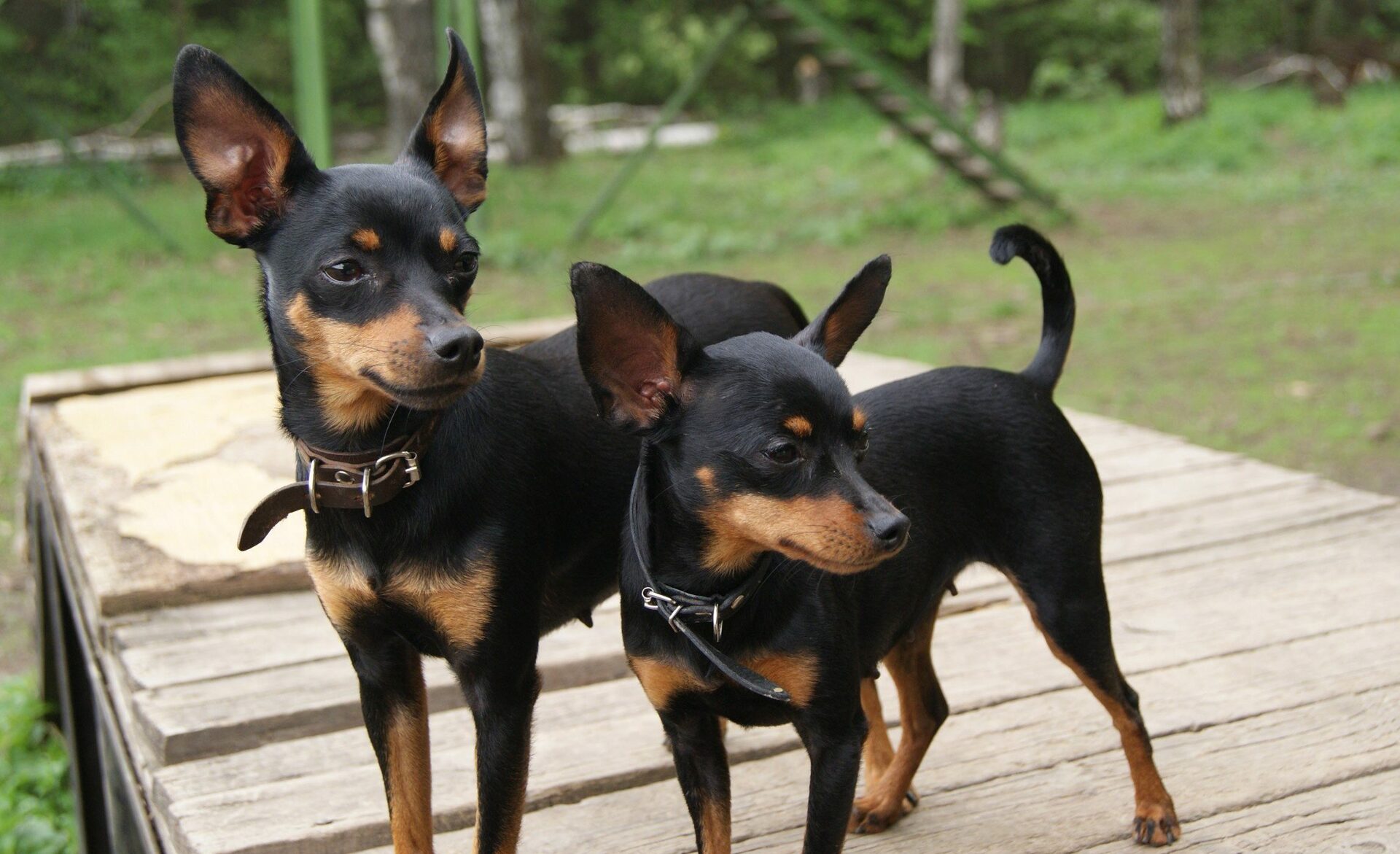
In the Middle Ages, these charming creatures were valued for their innate hunting instincts… for rats. Ratters were truly born rat catchers, expertly clearing the designated areas assigned to them.
How to Choose a Puppy
The Prague Ratter is not the most common breed today. It’s also worth noting that the FCI has only partially recognized the breed. Therefore, when choosing a puppy, extra attention should be paid to the breed standard. Study it carefully, and then you can start looking for a reputable breeder. The small population of this breed significantly affects the cost of the puppy. A low price may indicate possible hidden defects. Never buy a Ratter from untrustworthy sources or at a flea market; you might end up getting a different breed or simply a mixed breed dog.
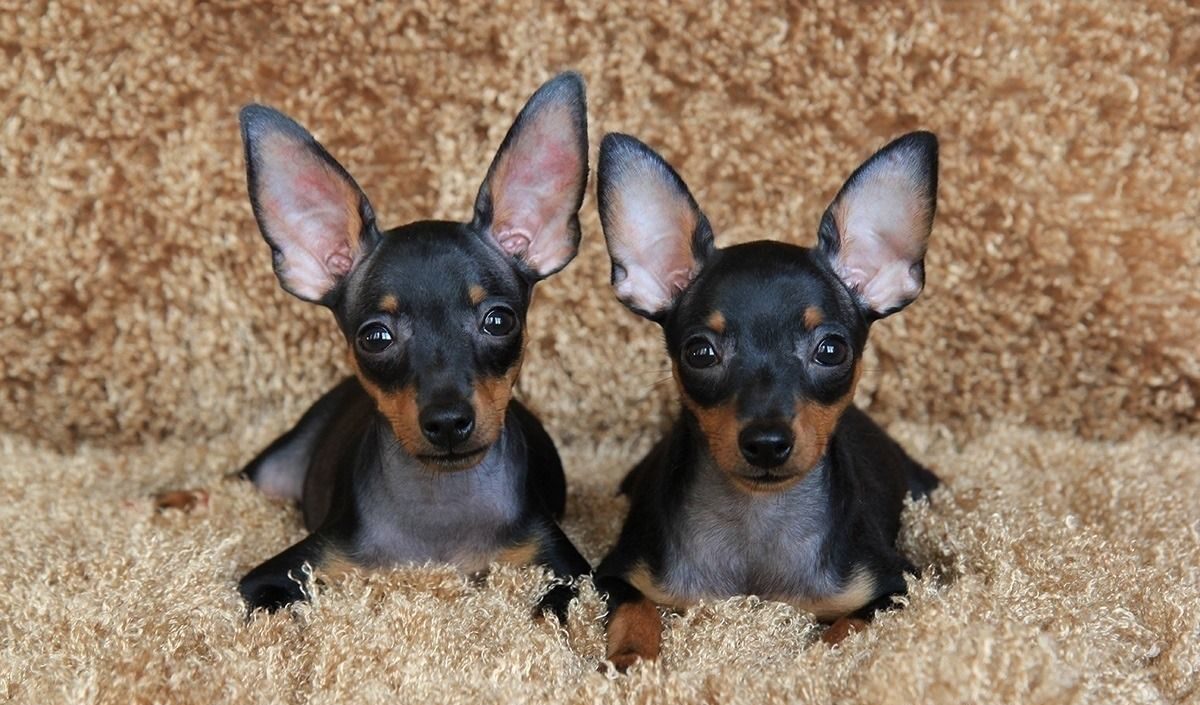
Once you’ve selected a breeder, it is crucial to have a conversation with them. In practice, a reputable breeder is never in a hurry to sell a puppy. Typically, they will want to know the conditions in which the potential buyer lives and the type of family the puppy will join. Ensure the puppy has a veterinary passport, and check the conditions in which it is kept. If you can see the mother of the puppies and review her pedigree, this will definitely work to your advantage. Check for identification marks on both the mother dog and the puppies. Remember, a healthy puppy is not aggressive towards its peers. A healthy puppy generally appears carefree and friendly. It is active and doesn’t sniff around aimlessly. The little Ratter’s ears should be clean, its eyes free from discharge, and its belly should not be bloated. A healthy dog will not cower with its tail tucked. The most obvious sign of a dog’s condition is its wet, cold nose. A reputable breeder is the best way to obtain a puppy with a pedigree.
Health and Illnesses
A fairly long list of diseases that a Prague Ratter can suffer from can be compiled. However, most of these diseases can also affect any dog. In the case of the Ratter, the situation is different. Since this breed has only recently re-emerged, there is no precise list of specific illnesses yet. Nonetheless, it is already possible to identify a number of conditions that have been observed more frequently in these dogs. The most common issues include periodontal disease and other dental problems. To minimize the risk of these issues, avoid giving your dog sweets and various sugary treats. Also, regularly check their teeth and brush them at least twice a week. Weight problems are also fairly common, often due to a sedentary lifestyle (for instance, when elderly owners walk them infrequently) and overeating. If signs of excess weight appear, reassess your dog’s diet or daily routine, or consult a veterinarian at the clinic where your pet is monitored. Due to their structure and activity level, pocket watchdogs often suffer from fractures and dislocations. Therefore, it is important to monitor the areas where the dog is walked carefully and to explain to children the rules of in
Содержание
-
1. Описание породы
-
2. Внешний вид
- 2.1 Голова
- 2.2 Морда
- 2.3 Уши
- 2.4 Глаза
- 2.5 Зубы
- 2.6 Корпус
- 2.7 Конечности
- 2.8 Хвост
- 2.9 Шерсть
- 2.10 Окрас
-
3. Характер
-
4. Содержание и уход
-
5. Дрессировка и обучение
-
6. Как выбрать котенка
-
7. Здоровье и болезни






Comments
Only registered users can leave reviews.
Enter