
Portuguese Shepherd





Warning: Illegal string offset 'label' in /home/panda/sites/zoonika/wp-content/themes/zoonika/template-parts/animals/animals-param-item.php on line 32
Ð


Breed Description
The shaggy dogs, named after a region in Portugal, Serra de Aires, first appeared in the early 20th century. Some dog breeders claim that Portuguese shepherds originate from the crossbreeding of Pyrenean shepherds and their Catalan variety. However, this assertion lacks direct confirmation.
There is another hypothesis regarding the breed’s development. It suggests that several large shepherd dogs were brought from France for sheep herding. The Briards, which had performed well in their homeland, unfortunately, did not fare as well in the local climate. However, the demand for such dogs was quite pressing. A local sheepdog breeder conducted several breedings of the imported Briards with dogs of various local breeds. As a result, by the end of the 1920s, the first Portuguese shepherds came to be.
Around the early 1930s, the breed was registered by the kennel club of Portugal, and soon afterward, the first breed standard was established. Unfortunately, the industrialization that affected the sheep farming sector had a negative impact on the Portuguese shepherds, as they were no longer used as herding dogs. Their population had significantly declined by 1970. It wasn’t until a quarter-century later that Portuguese shepherds were officially recognized by the international canine federation, and in 2012, they gained recognition in the U.S. Incidentally, there are quite popular kennels and breeders across the Atlantic with similar characteristics to those of Portuguese shepherds.
An interesting fact relates to World War II. Due to Portugal’s limited involvement in these conflicts, the population was hardly affected, and the genetic pool of the breed did not suffer significant losses.
In Russia, however, dog kennels are not frequently found on the map. The breed, sometimes dubbed “monkey dogs” or “macaque dogs,” is quite rare in our country. Large, intelligent Portuguese shepherds, as Russian dog breeders assert, can cost around 80,000 rubles. The final price depends on the puppy’s class and the accolades of its parents. For example, a show-class puppy from a reputable kennel may cost more than 100,000 rubles, but it is necessary to reserve the puppy in advance for the upcoming breeding and wait in line.
Appearance
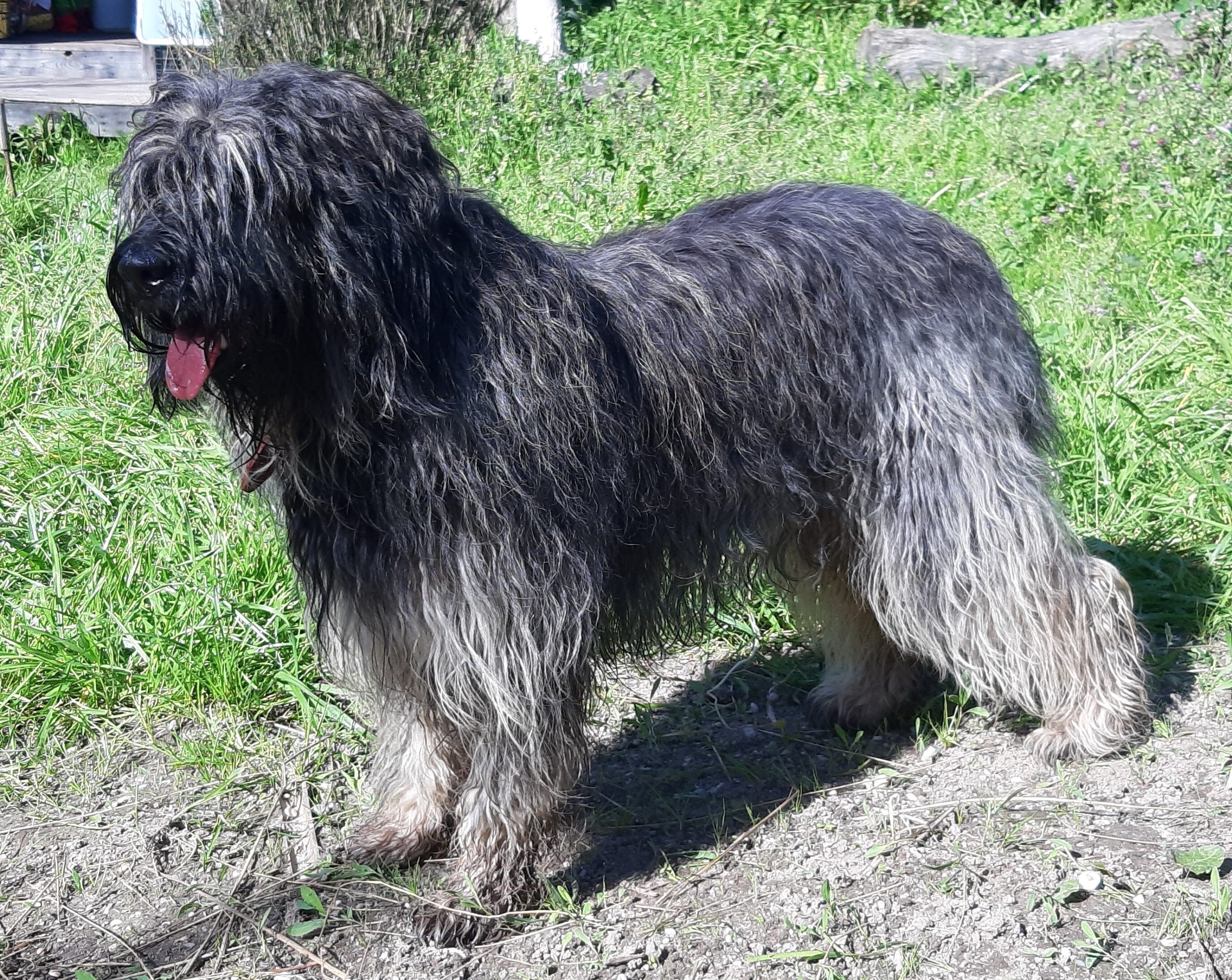
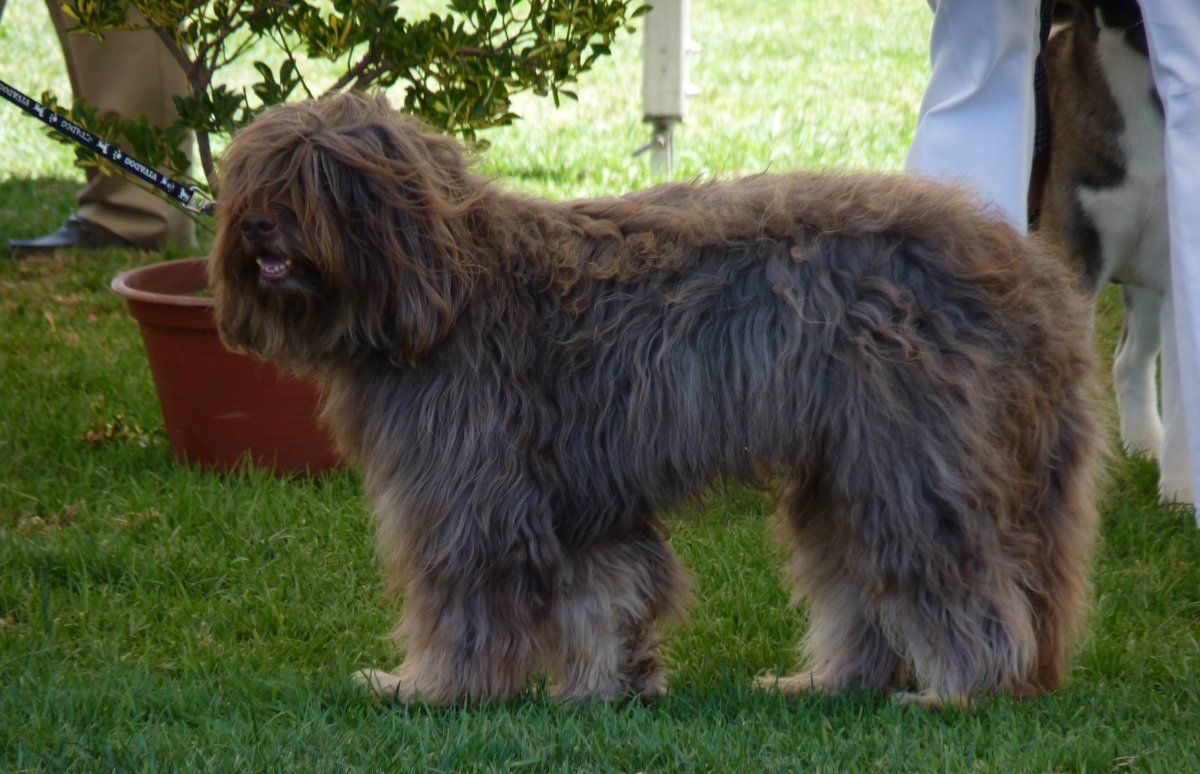
The key word in the description of this breed, “shepherd,” signifies not only their purpose but also a certain external resemblance to their “charges,” the sheep. In Alentejo, one of the regions in Portugal, almost every breeder of working dogs would recommend this breed as an excellent guardian, herder, and companion.
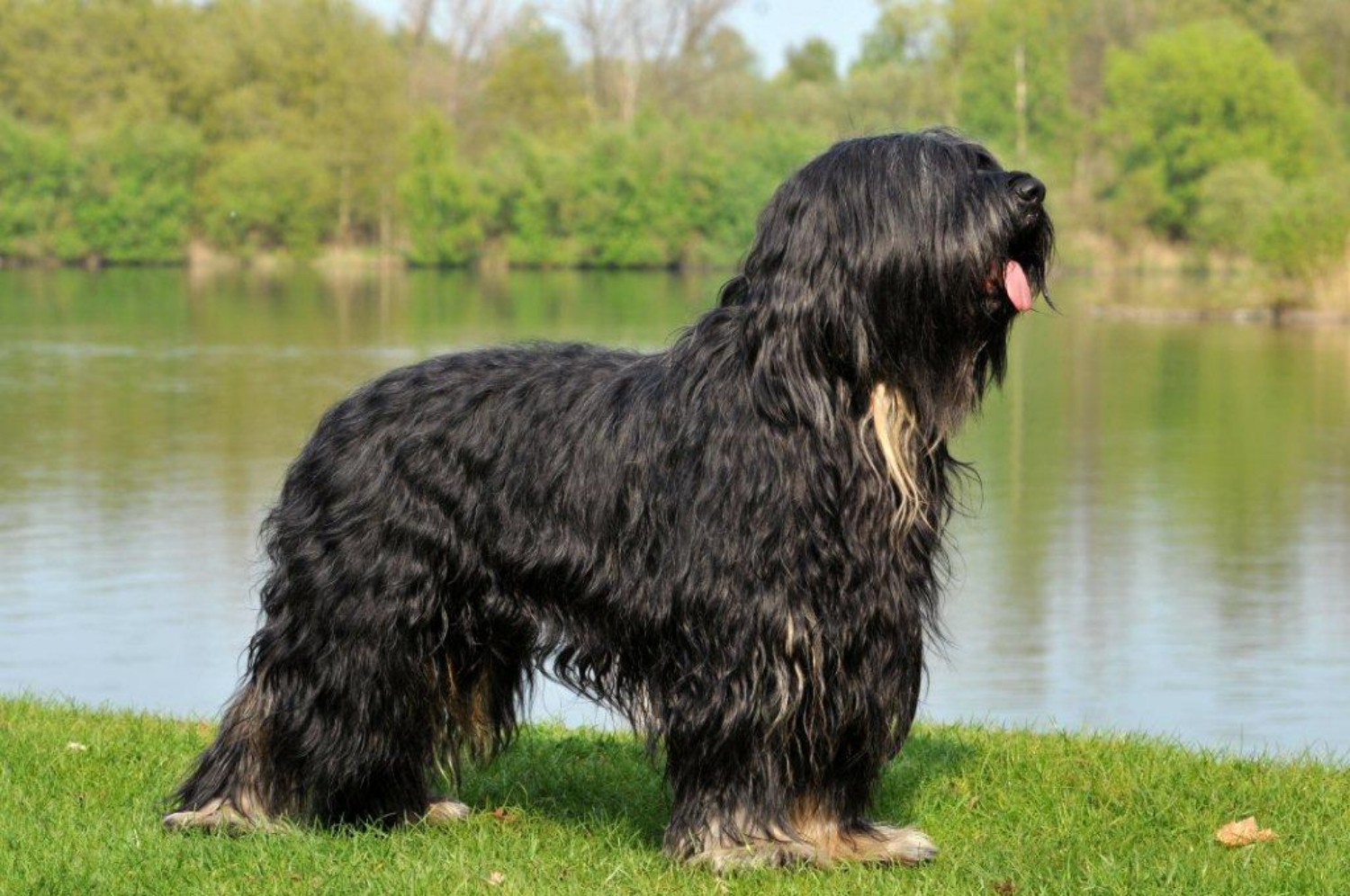
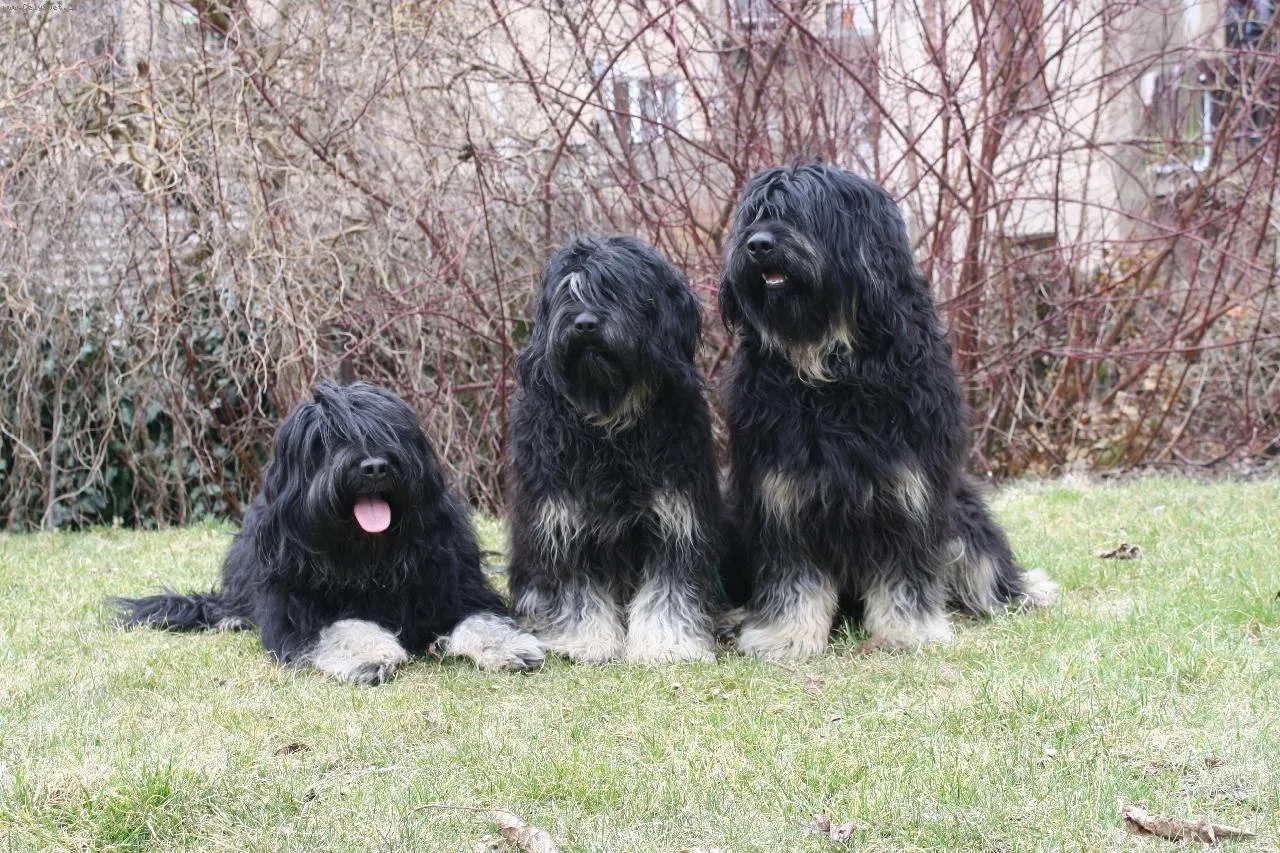
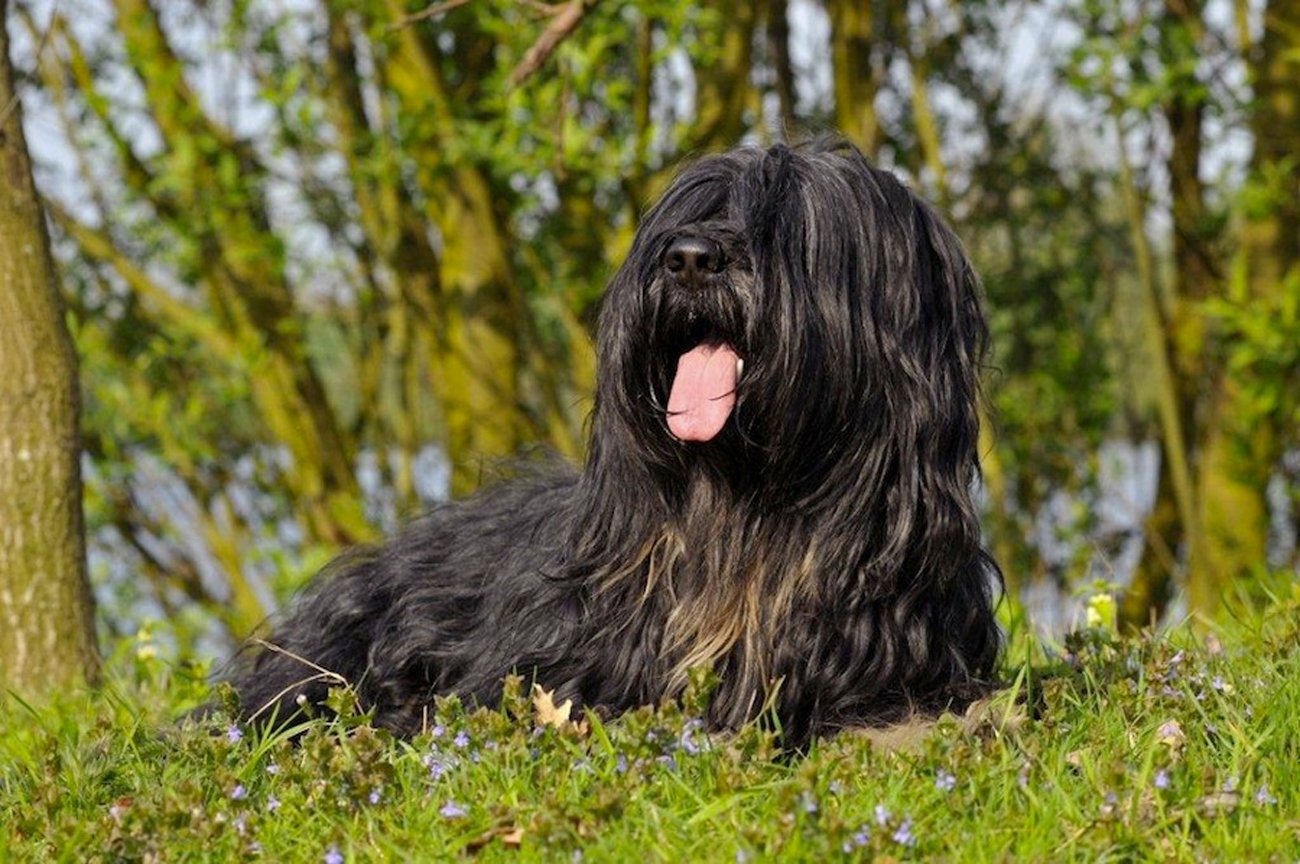
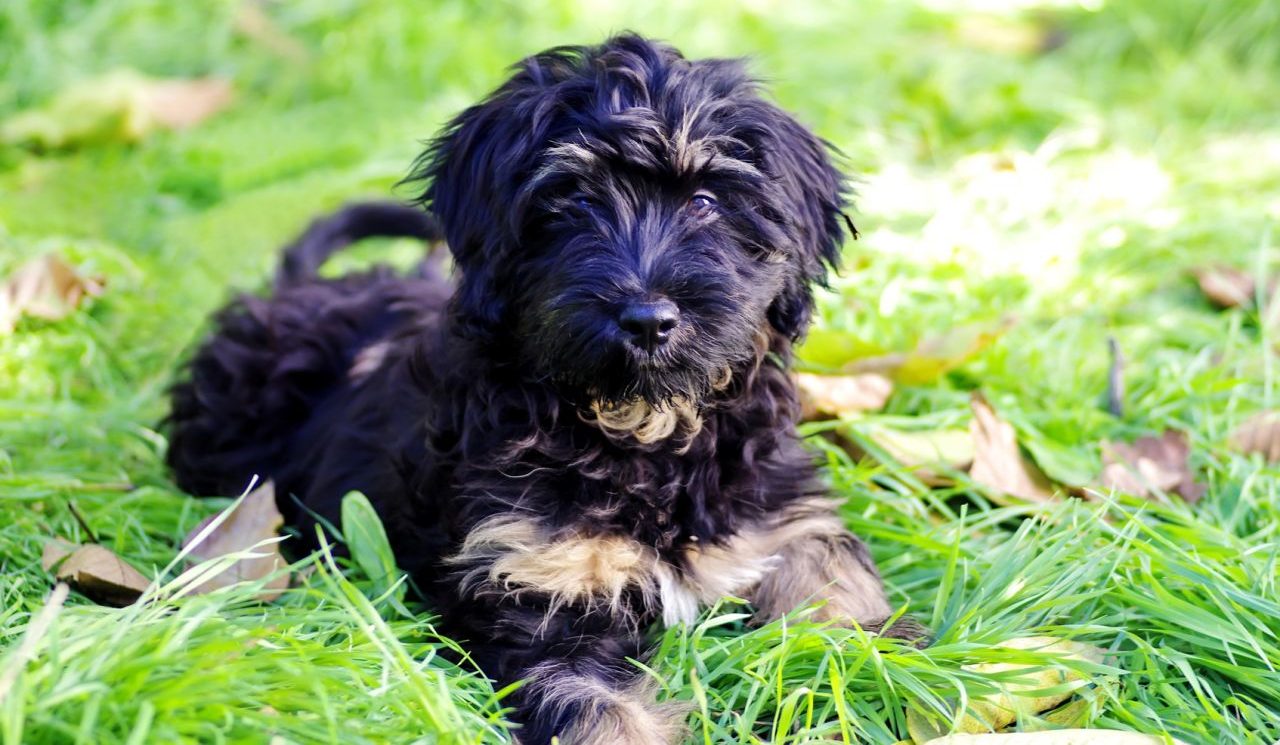
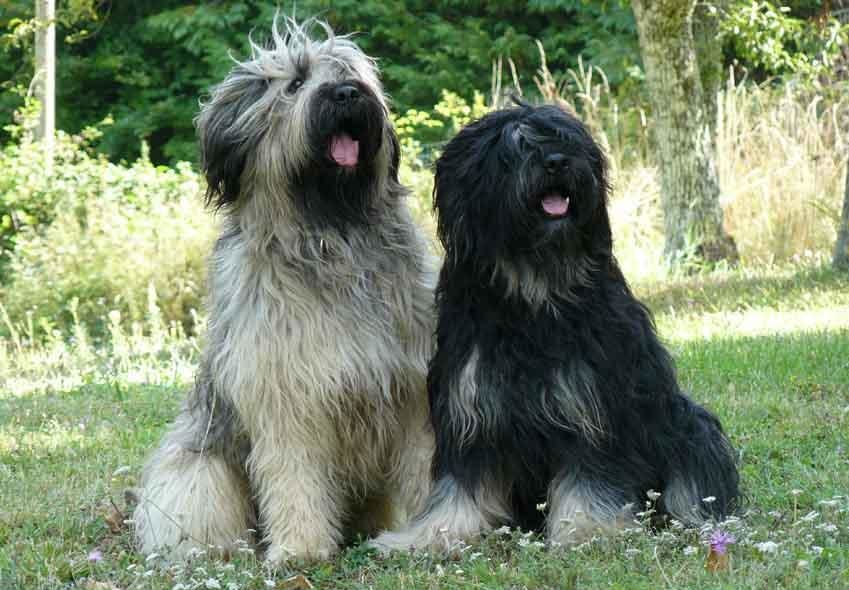
Unpretentious in terms of living conditions and various weather conditions, these medium-sized, slightly elongated dogs with thick, shaggy coats that fall over their eyes are distinguished by their special intelligence and resourcefulness. Extremely sensible, remarkably agile and nimble-local breeders take pride in them. Locals refer to their shaggy dogs as “monkey dogs” or “ape dogs,” while some call them Ersheepdogs. Weighing ideally between 17 and 27 kg, adult males reach a height of 45 to 55 cm at the shoulder, while females are slightly shorter, ranging from 42 to 52 cm as per the accepted standard. Importantly, their health allows them to serve their owners for 12 to 14 years, indicating a good immune system.
The hallmark of this breed is their ability to move with the ease of monkeys jumping from branch to branch: quickly, effortlessly, without signs of fatigue.


Отличительные черты

Голова

Морда

Уши

Глаза

Зубы

Корпус

Конечности

Хвост

Шерсть

Окрас
Character
The Cao da Serra de Aires, or Portuguese shepherd dog, is a loyal, energetic, and intelligent dog with unique personality traits. It is well-suited for work and has also proven to be a wonderful family pet.
From the first days of acquaintance with the Portuguese shepherd, as noted by renowned breeders of service dogs, it becomes clear that their intelligence is unmatched by any other breed of shepherds. They easily learn new commands, quickly solve complex puzzles, and show a remarkable understanding of human gestures and intonations. Due to their physical agility and quick decision-making abilities, Portuguese shepherds excel in agility competitions, where a combination of speed, mental flexibility, and the ability to remember complex routes is required.
The fluffy Cao da Serra is very devoted and attached to its owners. It thrives in a family environment and makes excellent companions for both children and adults. Its loyalty is evident not only in its affectionate attitude toward family members but also in its readiness to protect them if necessary. Their observant and sensitive nature makes them excellent guard dogs that will always alert to the presence of strangers. The dog’s size allows for physical restraint as well, not just signaling danger. Almost every service dog breeder will highlight this characteristic when discussing the Cao de Serra.
They are quite resilient and require regular physical exercise and active walks. Moreover, they love long walks, and weather conditions have little impact on their enjoyment. Thanks to their energetic nature, the Portuguese shepherd can be an excellent partner for those who prefer an active lifestyle and sports. For outdoor enthusiasts, the Cao de Serra is the ideal hiking companion.
Alongside their many virtues, there are also some contentious aspects of their temperament, particularly their difficulty with solitude. If a dog is often left alone, it can become very homesick for its owner. This must be compensated for with additional physical activities and quality time spent together. Without such compensation, the dog may display negative traits. It might start howling out of loneliness, become overly clingy when the owners are around, or display jealousy towards other pets in the household.
In conclusion, the Portuguese shepherd dog is a breed that combines a high level of mental activity, loyalty, and energy. They are perfect for an active family that can provide them with enough physical exercise and mental stimulation. The loyalty, intelligence, and energy of the Portuguese shepherd make this breed an excellent choice for those seeking a faithful friend and reliable partner.
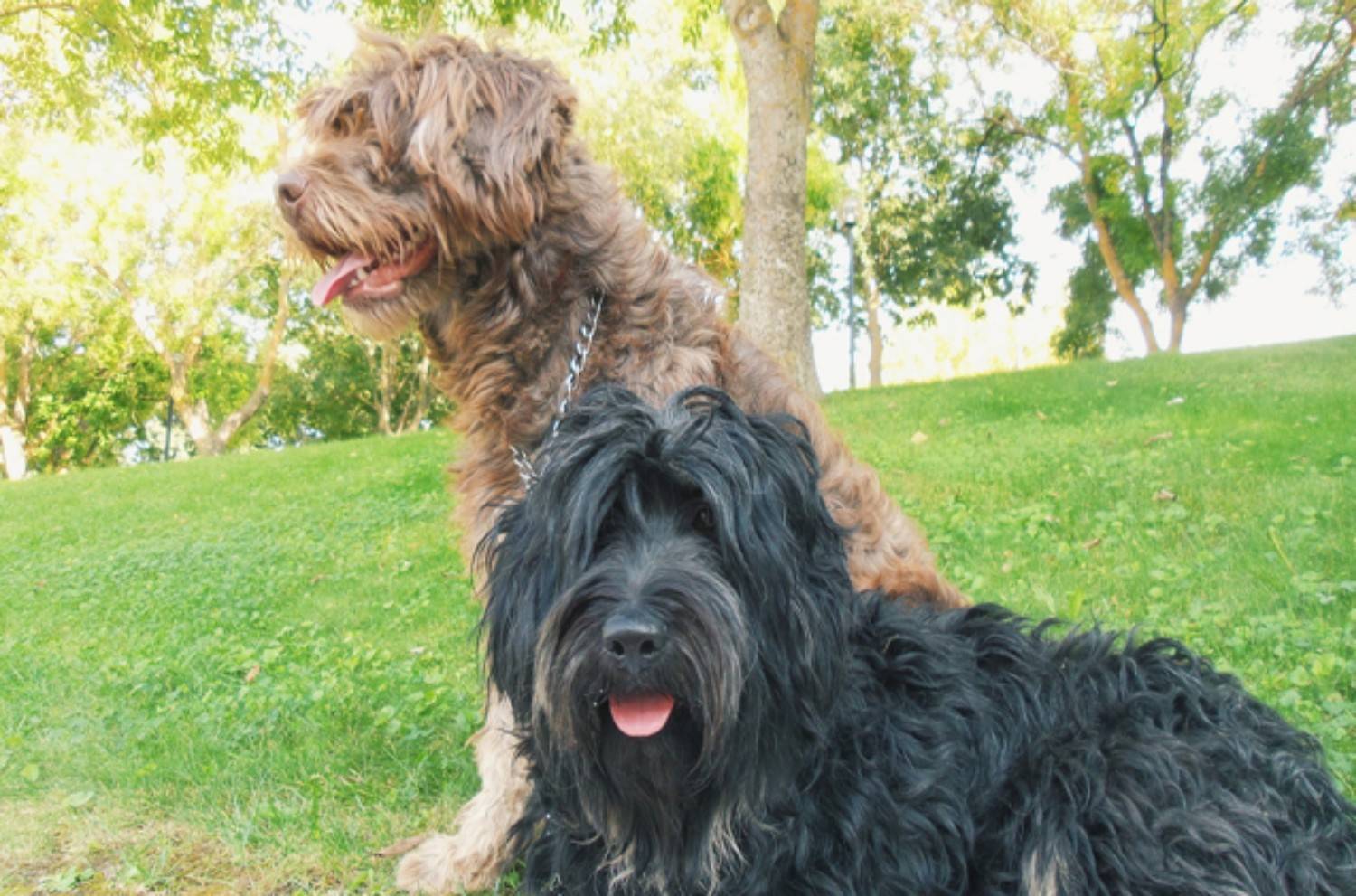
What does my name mean to you?
The official name of the breed is the Portuguese sheepdog. However, such dogs may also be referred to as the mountain Eira shepherd, Estrela shepherd, or, based on their place of origin, as cao da Serra de Aires.Care and Maintenance
When you want to find a dog breeder and buy a Portuguese shepherd puppy, remember that you must first prepare for this step and create optimal conditions for your pet.
You should ensure that the puppy gets physical activity. Portuguese shepherds are very energetic and resilient dogs that require it. Regular walks, running, and outdoor games are necessary for maintaining their physical and mental health. Without regular training and play, a Portuguese shepherd may exhibit unwanted behaviors such as destructive behavior at home and disobedience. Messy surroundings, damage to property and furniture, poor behavior at the table, and begging can all result from insufficient outdoor time.
Space for movement is not only linked to their energetic nature but also to the size of Portuguese shepherds. The ideal home for this breed is a house with a medium or large yard or access to a park where the dog can run and play freely. Having ample space will help meet their need for physical activity and prevent the development of stress-related issues. Urban apartment owners may find it more challenging to provide these conditions. However, as experienced dog owners and breeders recommend, for city dwellers, the lack of space in an apartment can be compensated for by more frequent and longer walks.
Mental stimulation calms the nervous system of these furry shepherds. Games with intellectual components, obedience training, and search tasks help meet their high level of mental activity. For example, games like searching for treats or toys can keep the dog occupied and satisfy its intellectual needs. Additionally, this breed is known for its success in agility and coursing. Dogs find these activities engaging and love to participate in competitions. It is clear that physical exertion takes precedence over concerns about appearance.
Proper socialization from an early age ensures the formation of a friendly character in Portuguese shepherds. Despite their protective instincts, well-socialized dogs grow up non-aggressive, and their behavior becomes predictable for their owner. Interacting with other dogs and people helps them develop social skills and avoid undesirable aggressive behavior.
In addition to physical and mental stimulation, caring for the health of the Portuguese shepherd plays a key role in providing optimal conditions for this breed. Regular preventative veterinary visits, balanced nutrition, grooming, and dental care are all important aspects of their care. Special attention should be paid to monitoring the dog’s weight, as excess weight can lead to various health issues. Teeth should be brushed with special toothbrushes about once a week. Ears should be checked every 2 to 3 days and cleaned with cotton pads as needed. Eyes should be examined daily, and discharge should be removed with a cotton ball. If there is excessive discharge, a visit to the veterinary clinic should be made immediately. The diet that best suits your Portuguese shepherd can be determined by the breeder from whom you decided to buy the puppy.This breed is not suitable for owners who are often away from home. The Portuguese shepherd is a breed that craves attention and requires a lot of time from its owners. They do not tolerate loneliness and urgently need companionship and attention from their owners.
Dog or monkey?
In the city where the breed originated, it is commonly referred to as the monkey dog or macaque dog. This is due to its outward resemblance and certain behaviors that resemble those of macaques.Training and Education
Our zoo portal offers some recommendations for raising and training Portuguese sheepdogs, provided by well-known breeders in Russia.
Building Strong Bonds: Recognition and Encouragement.
For successful training of a Portuguese sheepdog, it is especially important to establish strong bonds between the dog and its owner. To achieve this, significant attention must be paid to recognizing and rewarding desired behaviors. For example, when teaching the command “sit,” praise and treats can be used so that the dog associates following the command with a positive experience. When a dog understands that its behavior leads to praise, it is likely to repeat that action. Demonstrating patience and encouragement during training will help establish strong bonds and improve communication between the dog and its owner.
Content and Clarity: Key Points of Training.
Another crucial aspect in the training process of a Portuguese sheepdog is the content and clarity of the session. Effective training requires clear and consistent signals as well as repetitive commands. For instance, if the dog receives a signal to execute the command “place,” but then hears another command or an ambiguous verbal cue from the owner, it may cause confusion and slow down the process. Consistency will help the dog understand the expected actions and signals, ultimately speeding up the learning process.
Gradual Approach: Systematic and Patient.A gradual approach plays an important role in the successful training of a Portuguese sheepdog. For example, when training a dog, one must start with simple commands before moving on to more complex ones. Gradually increasing the level of difficulty and expectations allows skills and abilities to develop, making the dog better prepared in the end. This approach allows the dog to evolve.Adaptability: Considering Breed Characteristics.Every dog breed has its unique characteristics, and the Portuguese sheepdog is no exception. Understanding these characteristics provides an important advantage when working with the dog. Since they were originally bred for herding and hunting, they possess high energy and intelligence. This means that training and games require significant physical and mental effort from them. With this in mind, it is essential to incorporate sufficient physical activity and mental stimulation into training to ensure optimal learning. ZooNika is the best place to find options from a variety of listings.
A great rarity
It’s quite difficult to buy a Portuguese shepherd or find breeders on the map outside their historical homeland, as these dogs rarely leave Portugal.
How to Choose a Puppy
Choosing a Portuguese Sheepdog puppy will be easier if you follow these recommendations:
Find a reputable breeder.
When selecting a Portuguese Sheepdog puppy, it’s important to find a kennel that cares for the health of the dogs and creates optimal living conditions. Breeders usually provide useful information about the litter’s ancestors, check the health and temperament of each puppy, allowing you to make an informed decision based on complete information.
Advantages of buying from a kennel.
Purchasing a purebred puppy from a reputable kennel ensures guarantees of pedigree and health, as well as all necessary vaccinations and microchipping. Kennels also provide purchase contracts, pedigrees, and offer advice on care and training. Thus, finding a kennel is preferable to buying from an individual.
Private breeders and risk factors.While private breeders may offer lower prices, choosing a puppy from them may not be as safe as from a reputable kennel. Private breeders may not provide the necessary documents or have the required knowledge about the dog’s health. Sometimes they lack guarantees of the dog’s pedigree, which can pose risks for the buyer. We present the best breeders who care for each puppy from the very first days of their lives.
Health and Diseases
Overall, this breed is considered healthy. There are virtually no significant problems or pathologies. However, some genetic issues do exist. Among the most common is hip dysplasia, which usually affects only one hip. Improper joint formation leads to mobility limitations. As some dog breeders emphasize, physical inactivity negatively affects the animal’s weight, which in turn impacts the liver, heart, and can lead to serious illnesses in the dog.
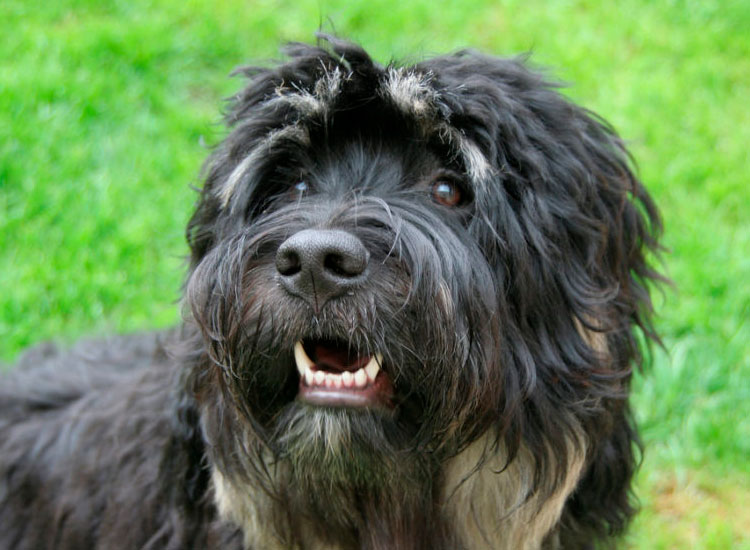
A long fringe, especially during the summer, accumulates dust and pollen. This results in frequent corneal inflammations, conjunctivitis, and the development of cataracts. Generally, the fringe is not trimmed, but it’s essential to carefully check the dog’s eyes and remove dust from its fur. Eyelid torsion is diagnosed less frequently but should also be taken into account, and one should be prepared for it.
After the age of eight, it’s customary to closely monitor the condition of the cardiac system.
As practice shows, pets that regularly undergo preventive check-ups with a veterinarian have significantly fewer health issues. Vaccination and alternating parasite treatments improve the quality of life for these dogs.
Thinking about it? There’s a vast selection of ads on the ZoГіnica map by city.
Содержание
-
1. Описание породы
-
2. Внешний вид
- 2.1 Голова
- 2.2 Морда
- 2.3 Уши
- 2.4 Глаза
- 2.5 Зубы
- 2.6 Корпус
- 2.7 Конечности
- 2.8 Хвост
- 2.9 Шерсть
- 2.10 Окрас
-
3. Характер
-
4. Содержание и уход
-
5. Дрессировка и обучение
-
6. Как выбрать котенка
-
7. Здоровье и болезни







Comments
Only registered users can leave reviews.
Enter