
Pomeranian Spitz





Warning: Illegal string offset 'label' in /home/panda/sites/zoonika/wp-content/themes/zoonika/template-parts/animals/animals-param-item.php on line 32
Ð


Breed Description
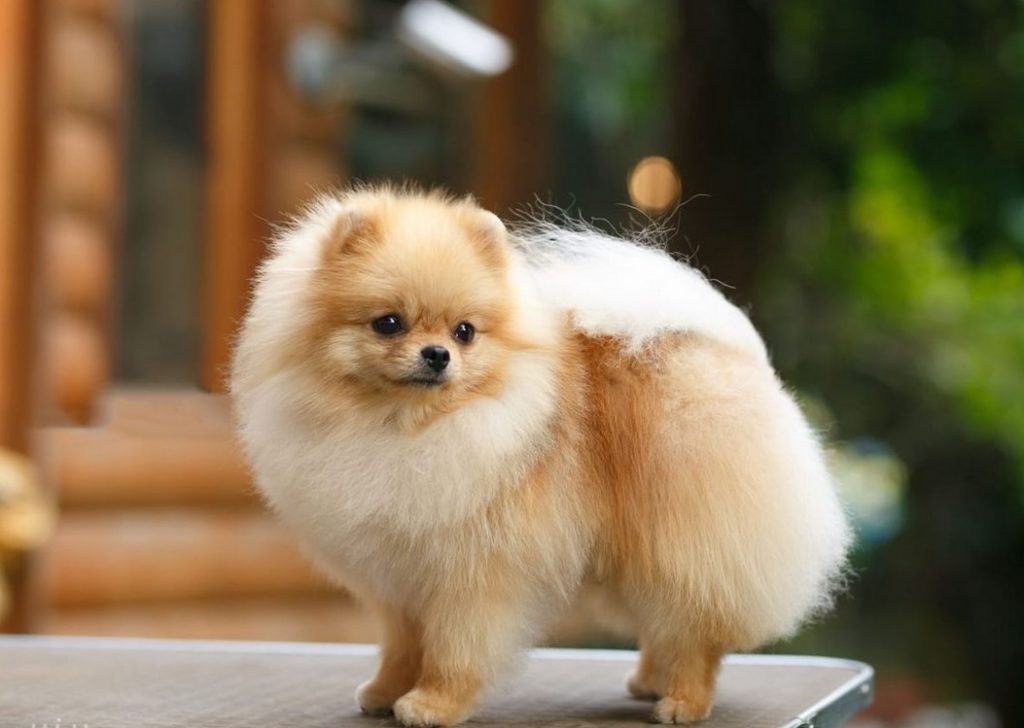
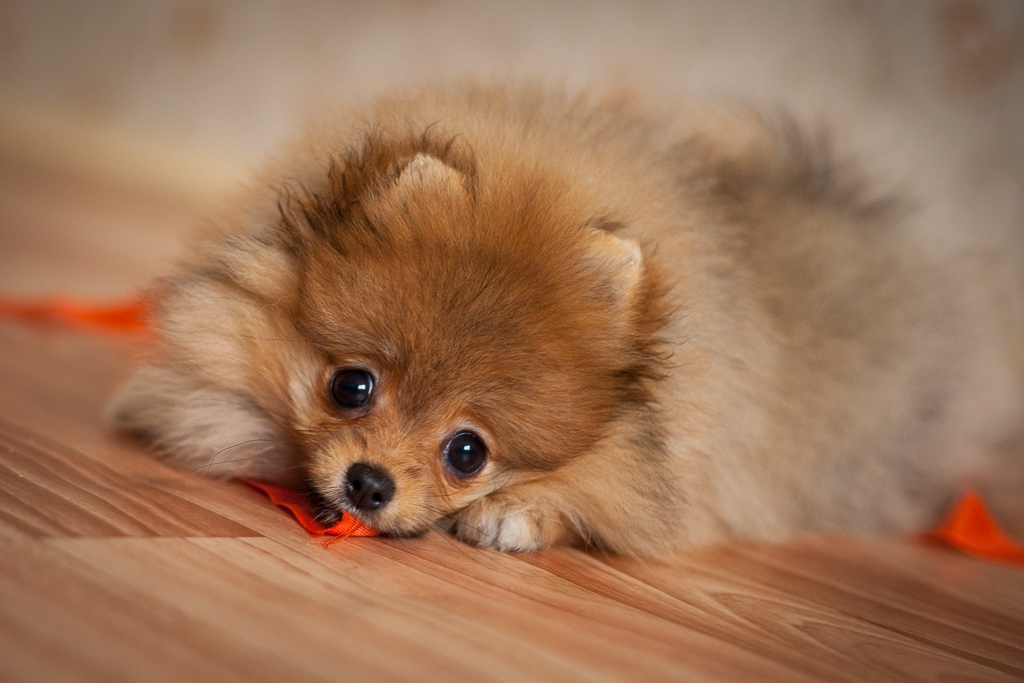
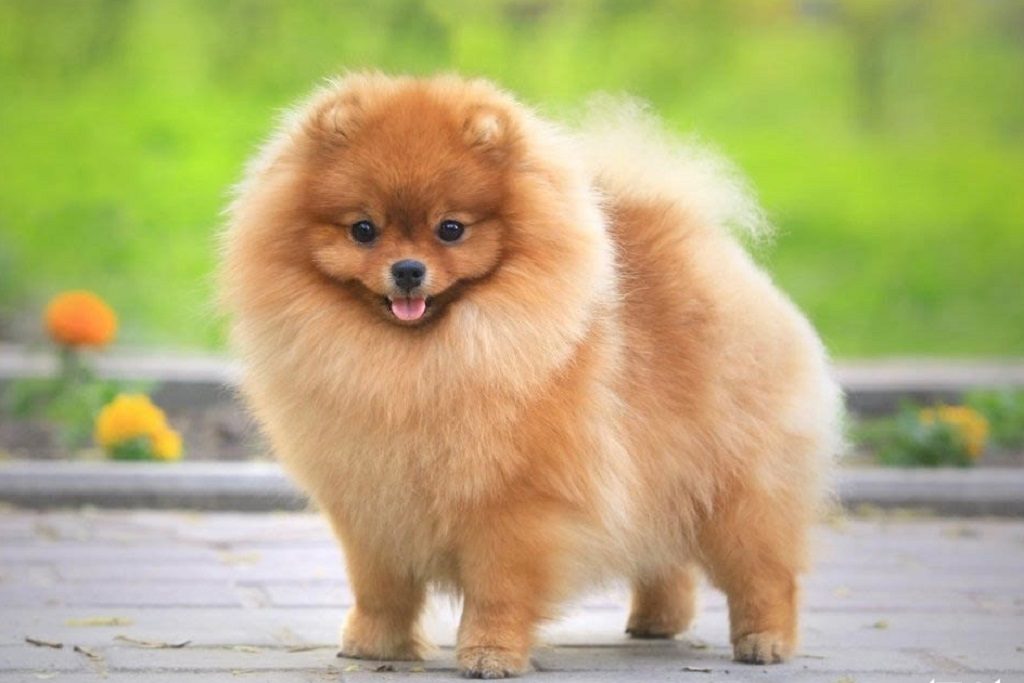
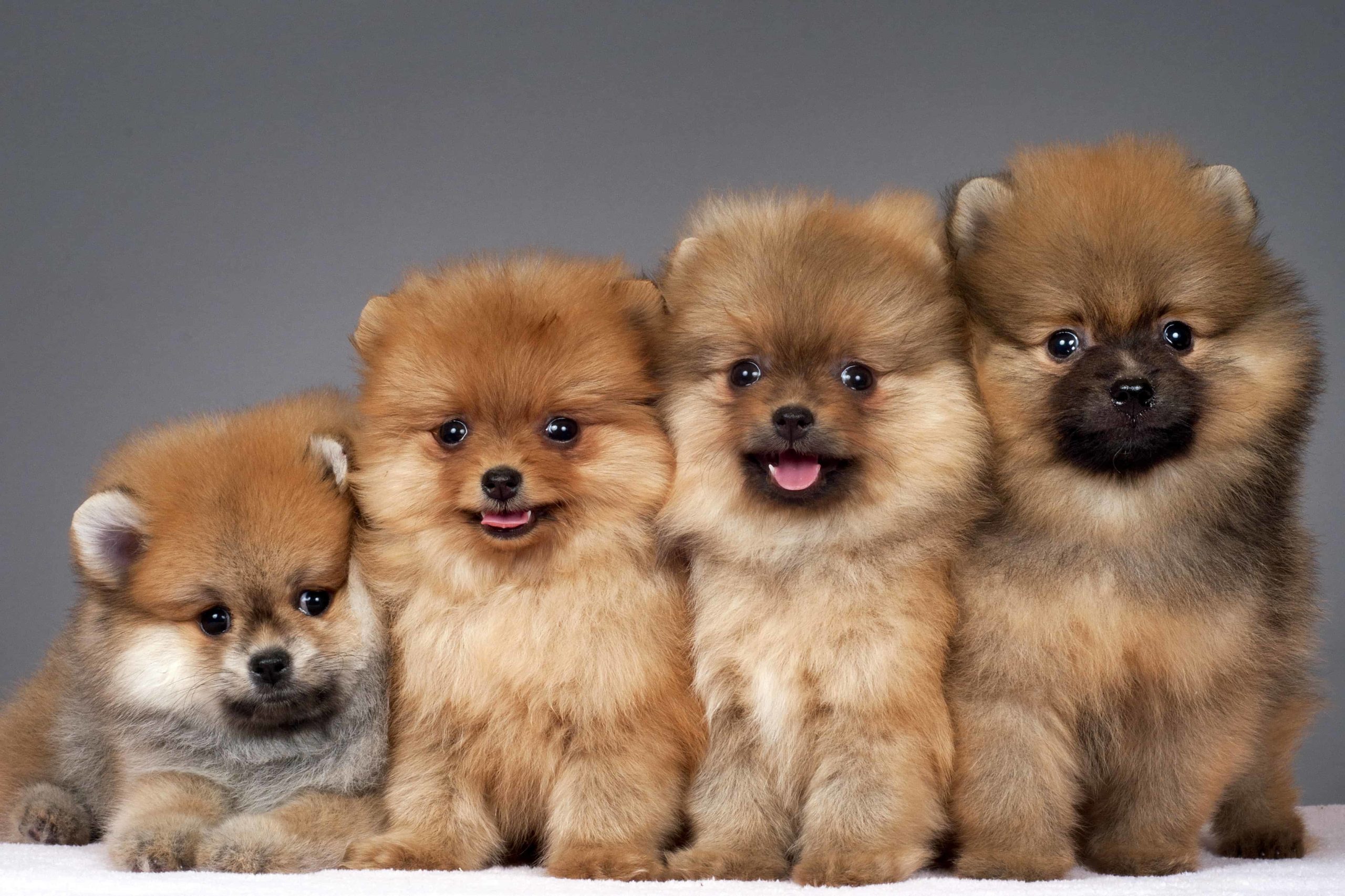
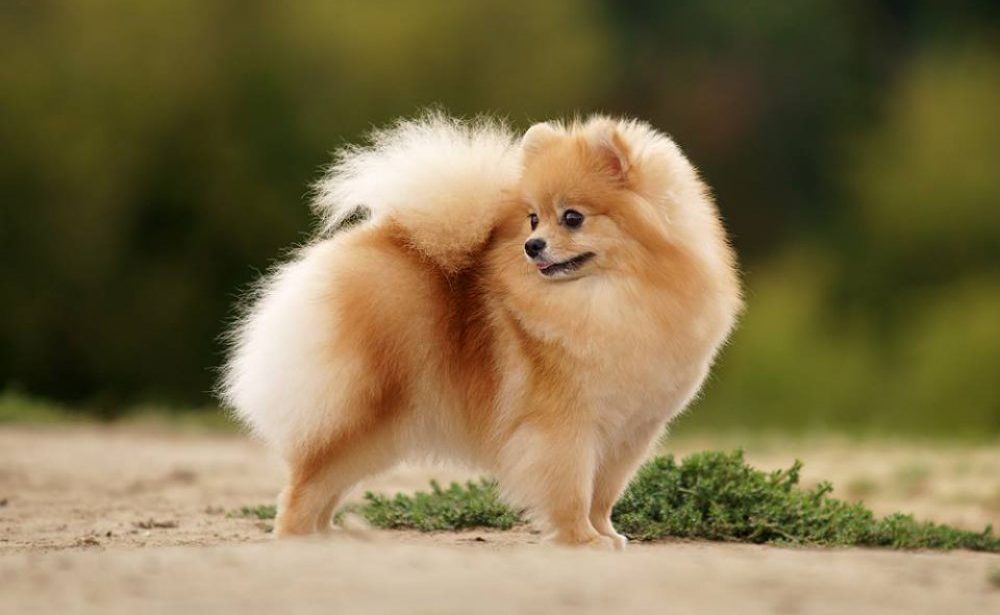
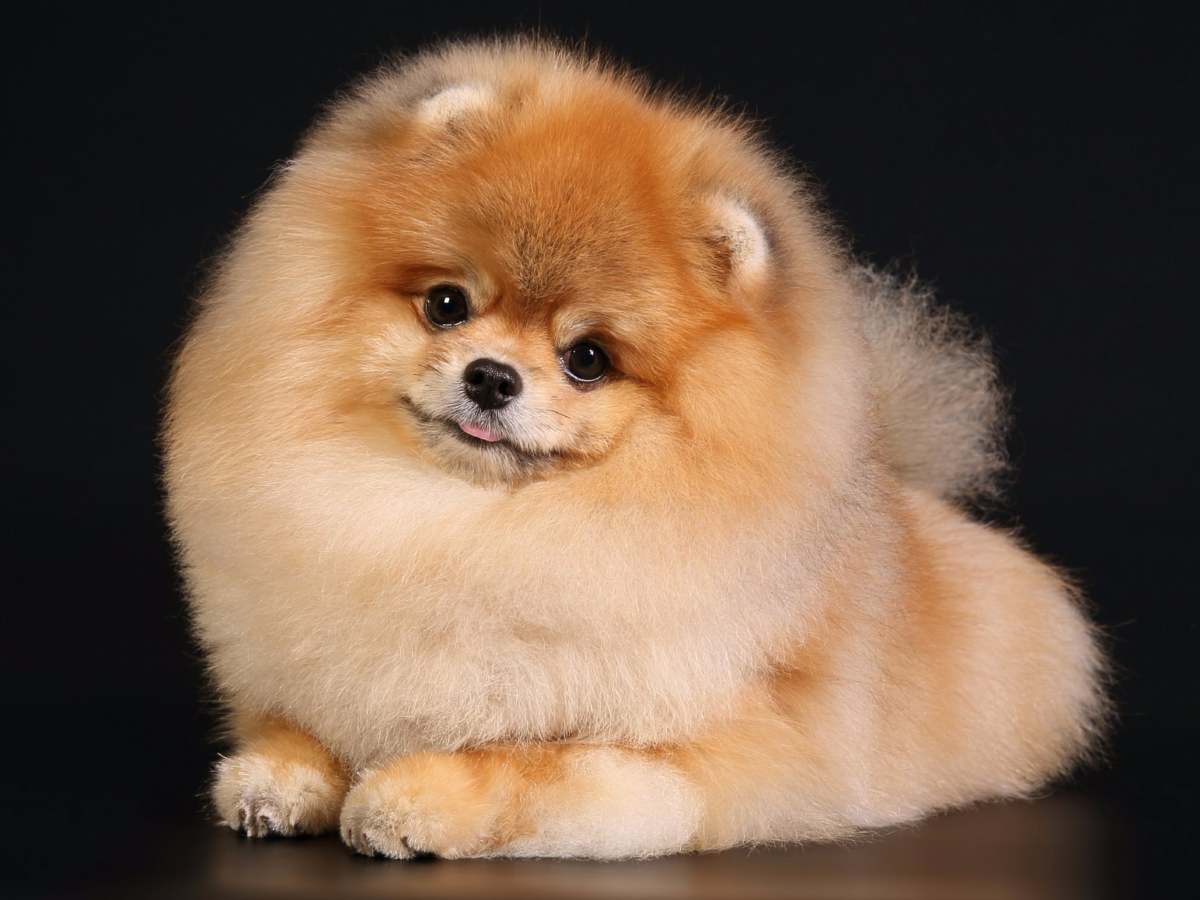
A small dog with a fox-like face and upright triangular ears, nestled in thick, fluffy fur. It constantly stays at its owner’s feet, seeking every opportunity to delight them with its carefree happy demeanor. The black beads of its affectionate eyes and curled, fluffy tail radiate the positive spirit of this furry little one.
When exploring the history of the Pomeranian breed, one often encounters contradictory versions regarding the time and region of origin of the first dogs of this breed. Some indicate that the breed was developed across the Atlantic, while others argue for its Asian roots. Is this true?
Arguments in favor of the Asian origin of these fluffy little balls include their square profile, characteristic of many Chinese breeds. Additionally, the thick long coat, like that of the Chow Chow, and the proud posture closely resemble that of Pekingese dogs. The widespread dominance of the English monarchy at the time of the first appearances of Pomeranians indirectly supports hypotheses that the ancestors of modern little bundles of joy were brought to Europe by the English for their Queen, from where the first dogs spread throughout Europe.
The reality is that the Pomeranian is a smaller version of the Arctic spitz, which was used as a sled dog. However, the Pomeranian, or German spitz, or dwarf spitz, is a dog that emerged in Pomerania. Today, this region in northeastern Europe is shared by Germany and Poland. Several centuries ago, the first ancestors of the breed appeared in its modern form, having been bred from larger relatives with dogs of other breeds. It is from these larger relatives that modern cuties inherit their bravery and loyalty, as well as their readiness to protect their surroundings. Canine specialists in the United States began their work on the breed’s selection in the late 19th century. Today, they especially value the silky coat of the miniature dog and clearly distinguish between the German and Pomeranian spitzes, noting that the Pomeranian’s face is less elongated, resembling that of a bear but in a greatly reduced proportion.
All versions share one thing in common: the Pomeranian is a miniature family dog with a doll-like appearance, created to bring happiness to its owner.

Appearance
The Pomeranian is a miniature decorative companion dog with long, dense, silky fur in various colors and a doll-like appearance. Its proportions of length to height are close to a 1:1 ratio. The standard dictates that an adult dog can weigh between 1.5 to 3.5 kilograms, and the height at the withers should not exceed the length of the body, usually ranging from 17 to 30 centimeters. Occasionally, larger puppies may be born in some litters due to the influence of larger, more ancient relatives, but this is quite rare. With proper care, Pomeranians live from 12 to 15 years, which classifies them among the long-lived in the canine world.
Today, the smallest Pomeranians are considered the most popular. In the USA, dogs with fur reminiscent of cotton are especially valued. Despite the variety of colors, the golden shade is deemed the most fashionable, giving the dog a distinctly doll-like appearance, reminiscent of a cunning little fox. Show-quality specimens in pure white are also highly prized by breed enthusiasts. Often, the dogs are given special “hairstyles,” altering their look for different occasions. Despite their tiny size, these dogs possess well-developed muscles. Undoubtedly, this breed is ideally suited for women of any age.


Отличительные черты

Голова

Морда

Уши

Глаза

Зубы

Корпус

Конечности

Хвост

Шерсть

Окрас
Character
They are by no means cowardly. Their flexible mind, discerning gaze, and happy “smile” are trademarks of the breed. At the same time, their proudly held head signals to unfamiliar people that they should not behave too casually with the dog.
It is surprising how readily they are willing to be next to their owner at every moment. This characteristic places the breed among the most loyal to humans. They are convenient to take on trips, displaying patience in this regard and easily enduring not only car rides but also long flights. They are quite at ease with various inconveniences associated with dog carriers. Additionally, the Pomeranian is an excellent watchdog. While it doesn’t possess hunting traits, it will always defend its territory, signaling with loud barking.
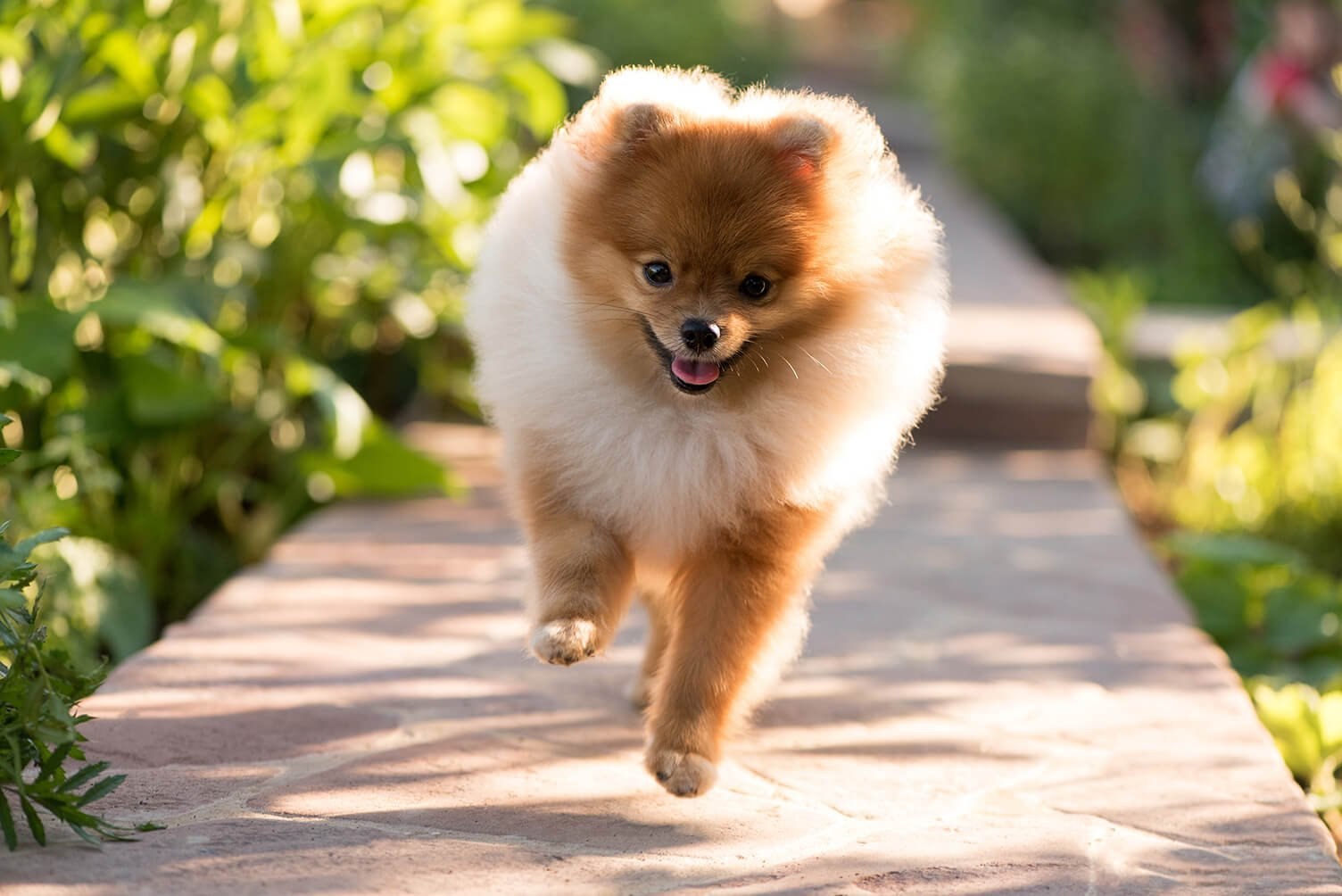
Miniature dogs are very energetic, moving during walks like a spring stream that flows around every bump, meandering in the right direction. Pomeranians love to play with children, and their motto is to bring joy to those around them. With their signature “smile,” they evoke a cheerful clown in a circus. They are eager to perform any circus trick if taught. They can’t wait to do so.
You can only call the plush little ball a homebody with the caveat that you’ll need to “deplete the battery” of the dog with active play every day. Otherwise, the Pomeranian will remind you of its presence with barking, clearly indicating that it’s been forgotten and that its time has come. It’s worth noting that these cuties are undemanding regarding living conditions. They are perfectly fine in both a modest city apartment and a country house.
Their relationships with other animals residing in the same home deserve special attention. If a new pet arrives after the Pomeranian, the dog will go out of its way to test its owner’s loyalty in return. Based on its observations, it will certainly adjust its behavior in the house. It would be incorrect to say that the Pomeranian is selfish, but the dog will certainly not allow itself to be forgotten. Among fans of the breed, there is a common belief that the owner should remain vigilant not to end up being the “Pomeranian” for their pampered little dog. After all, the dog enjoys seeing that its tricks bring joy to its beloved owner.
Aggression is completely foreign to these dogs. However, in extreme situations, the little one will selflessly defend its home.
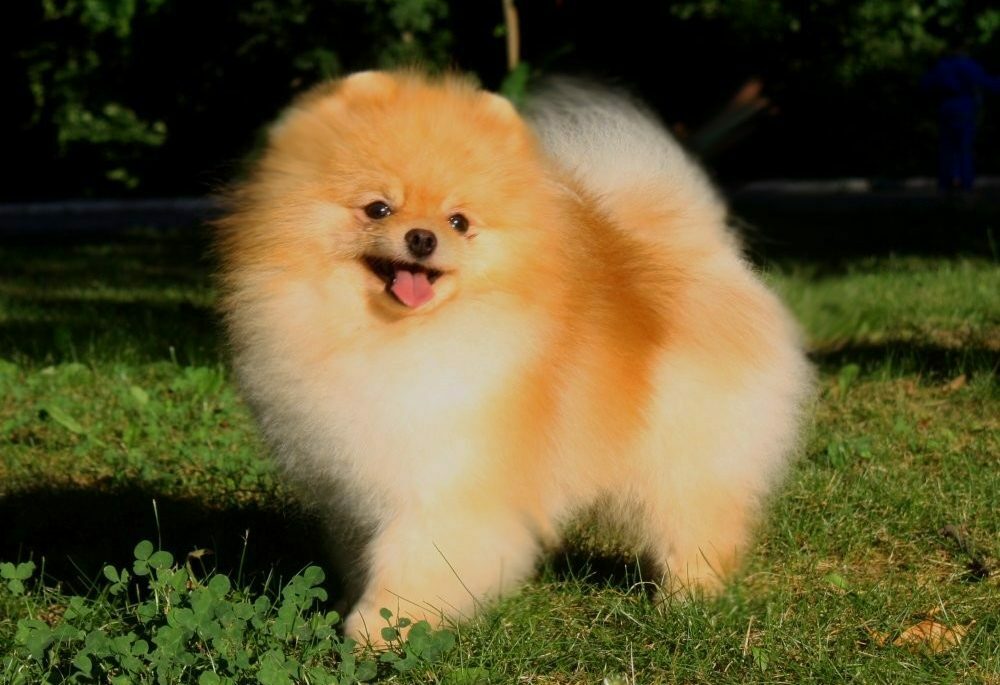
Spitz dogs change their coat color.
Incredibly, but true, a Pomeranian can change the color of its fur as it ages. For example, dogs with a wheat-colored coat can become white or brown in their old age.Care and Maintenance
Is it really that easy to take care of a Pomeranian Spitz? To answer this question, we should break down the care into several parts that require the most attention.
Grooming a Pomeranian’s coat is the most significant and labor-intensive aspect of their care. Their soft and dense fur needs not only brushing and washing but also regular trimming. It’s essential to remember that trimming involves shaping the coat, not cutting it too short. The trimming can be categorized into hygienic, show, and traditional styles. Depending on your goals, you can groom your pet as often as you see fit. Dogs generally accept this process willingly and patiently, especially if they are accustomed to it from a young age. Many owners find it adorable when their pet assumes the necessary position for trimming a particular part of their body. The dog’s expression during this can be described as “a state of complete detachment.” You will take on the role of the stylist, though sometimes it’s better to invite a professional groomer.
As for brushing, it should be done at least 2-3 times a week; otherwise, your beautiful pup will lose its charm and allure. Pomeranians shed twice a year, and if not groomed, the shedding will stretch throughout the year and cause a lot of trouble for the dog’s owners. The dog’s appearance will suffer, unkempt fur can attract pests, which may lead to various health issues. Trimming the long fur around the dog’s ears with scissors will make it easier to care for the internal part of the ear. This necessary procedure will simplify ear cleaning and help avoid hearing problems.
Pomeranians generally approach bathing relatively calmly. It’s wise not to do it too often, but every 2-3 months is appropriate for water treatments. When bathing, ensure the water temperature is comfortable and does not exceed 40°C. Only use special shampoos recommended by the dog’s breeder or veterinary clinic. After a walk, if the dog is particularly dirty, it is sufficient to wash its paws and the soiled areas under the shower. Afterward, it is essential to dry and brush these areas to maintain their appearance.
The Pomeranian Spitz is a bundle of energy that needs to be spent regularly. Walks outdoors greatly help to discharge their “batteries.” However, be cautious and try not to lose sight of your little sunshine; Pomeranians are very curious and may wander off in search of something new or simply fall into a hole or crevice in the ground. Caring owners often combine walks with physical exercises and training.
Nails usually need to be trimmed as they grow. Dogs living in city apartments don’t spend enough time outside for their nails to wear down naturally. In winter and muddy weather, it is recommended to use special dirt-repellent or insulated dog suits. The length of the walk can range from 20 minutes to an hour. If the dog wants to walk, it will let you know through its behavior.It’s also worth mentioning the feeding of these adorable dogs. They tend to overeat and can gain extra weight even with regular walks. Therefore, pay close attention to the pet’s diet. Do not overfeed them. Modern veterinarians recommend using premium dry food. A dog should consume up to 100 grams of fiber-rich food containing necessary vitamins per feeding. It’s best to train your furry companion to eat twice a day. Clean water should be available to the dog 24 hours a day. It’s important to plan for drinking and feeding during trips if you decide to bring your companion along.

A true star
Spitz dogs are gaining increasing popularity across the internet. The miniature representatives of the breed are particularly favored. Countless photos and videos have flooded the web. Today, the Pomeranian spitz has become a true superstar.Training and Education
Being a decorative dog, the Pomeranian Spitz loves to follow commands that require a lot of movement. An important part of training a Pomeranian is the owner’s reaction to the proper execution of exercises. This adds extra motivation for the dog. Raising your voice or using force against the dog means betraying a friend. Relations will never return to their previous level if such a mistake is made.
Currently, representatives of the breed can even be used as search dogs in airports. The intelligence of these dogs is capable of learning almost any command. The most important thing is to start training from a very young age. First, you need to get the puppy accustomed to its name and its place. Given the breed’s general curiosity, it is essential to perfect the execution of the command “come here” – this will help avoid trouble during walks. To prevent your dog from finding and chewing your torn shoes, teach it to play only with its own toys. From the very first day of its presence in your apartment, establish and define the boundaries of behavior that the fluffy charmer must not cross.
During training sessions, ensure the dog does not get too tired. For example, if you want to teach it to run between your legs while you walk, do not expect it to get everything right on the first attempt. Show patience and remember that very sweet eyes are watching you from that little fox-like face. Therefore, if you give up too soon, the place of the owner in your home will gradually be taken over by the little trickster. At Zounika, they offer puppies of elite breeds with a complete set of documents.
Dog from the Titanic
There is another indisputable fact that three dogs were rescued from the sinking Titanic, two of which were Pomeranian spitzes. The spitzes belonged to the Rothschild family.
How to Choose a Puppy
Choosing a Pomeranian puppy should start with studying the breed standards and dog care rules. Then, decide on the puppy’s gender. Be sure to buy all the necessary accessories in advance. For a dwarf spitz, this includes brushes for grooming, feeding and water bowls, nail clippers, outfits for walks in dirty or cold weather, as well as leashes and harnesses.
Only after all this can you begin looking for a kennel. Never buy a puppy through online ads or from individuals. Otherwise, you might end up with a dog that has hidden genetic defects or a questionable mixed breed that will grow from a cute puppy with a doll-like face into something unexpected.
Once you’ve chosen the kennel and the breeder has provided all the necessary documents for their dogs, follow some basic rules when selecting a puppy. These rules apply to dogs of all breeds: a healthy puppy will not be overly aggressive or fearful. The living conditions of the puppies and their mother should resemble what you are prepared to offer: clean, tidy, and free from signs of dog activity. Pomeranian puppies should not whine pitifully or nudge surrounding objects with their noses, as this can be a sign of blindness. The most crucial indicator is a moist, cold little nose. This is the primary marker signaling the animal’s health status. A breeder willing to sell a puppy to just anyone without inquiring where the puppy is going is a cause for regret, and it’s better to refrain from buying from them. They likely see dogs only as a source of profit and may hide details related to the litter’s health. Want a purebred pet? You can find one with documentation from verified breeders at Zooinika.
Health and Illnesses
The fluffy little bell has fairly good health. However, like all animals, it can become ill. Among the most unpleasant diseases characteristic of this breed are dental issues. Since Pomeranian Spitz have relatively long roots, they often visit the veterinarian during the transition from baby teeth to adult ones. Overweight is another problem that owners of this breed must face. To avoid it, one should carefully monitor the dog’s diet and maintain a walking schedule. Due to the special structure of the trachea, otherwise healthy dogs may wheeze and cough during intense activities. Inexperienced owners often confuse this issue with a cold, but that’s not the case. Weak ligaments can lead to dislocations. Serious conditions such as hydrocephalus or certain retinal pathologies do occur in these dogs, but not as frequently as the aforementioned issues.
Overall, the health of the German Spitz is generally sound. It is important to follow veterinarians’ recommendations regarding vaccinations and anti-parasitic treatments. Strict adherence to these recommendations will allow you to enjoy the tricks of your Pomeranian wonder for a long time.
Содержание
-
1. Описание породы
-
2. Внешний вид
- 2.1 Голова
- 2.2 Морда
- 2.3 Уши
- 2.4 Глаза
- 2.5 Зубы
- 2.6 Корпус
- 2.7 Конечности
- 2.8 Хвост
- 2.9 Шерсть
- 2.10 Окрас
-
3. Характер
-
4. Содержание и уход
-
5. Дрессировка и обучение
-
6. Как выбрать котенка
-
7. Здоровье и болезни






Comments
Only registered users can leave reviews.
Enter