
Polish Tatra Sheepdog




Warning: Illegal string offset 'label' in /home/panda/sites/zoonika/wp-content/themes/zoonika/template-parts/animals/animals-param-item.php on line 32
Ð


Breed Description
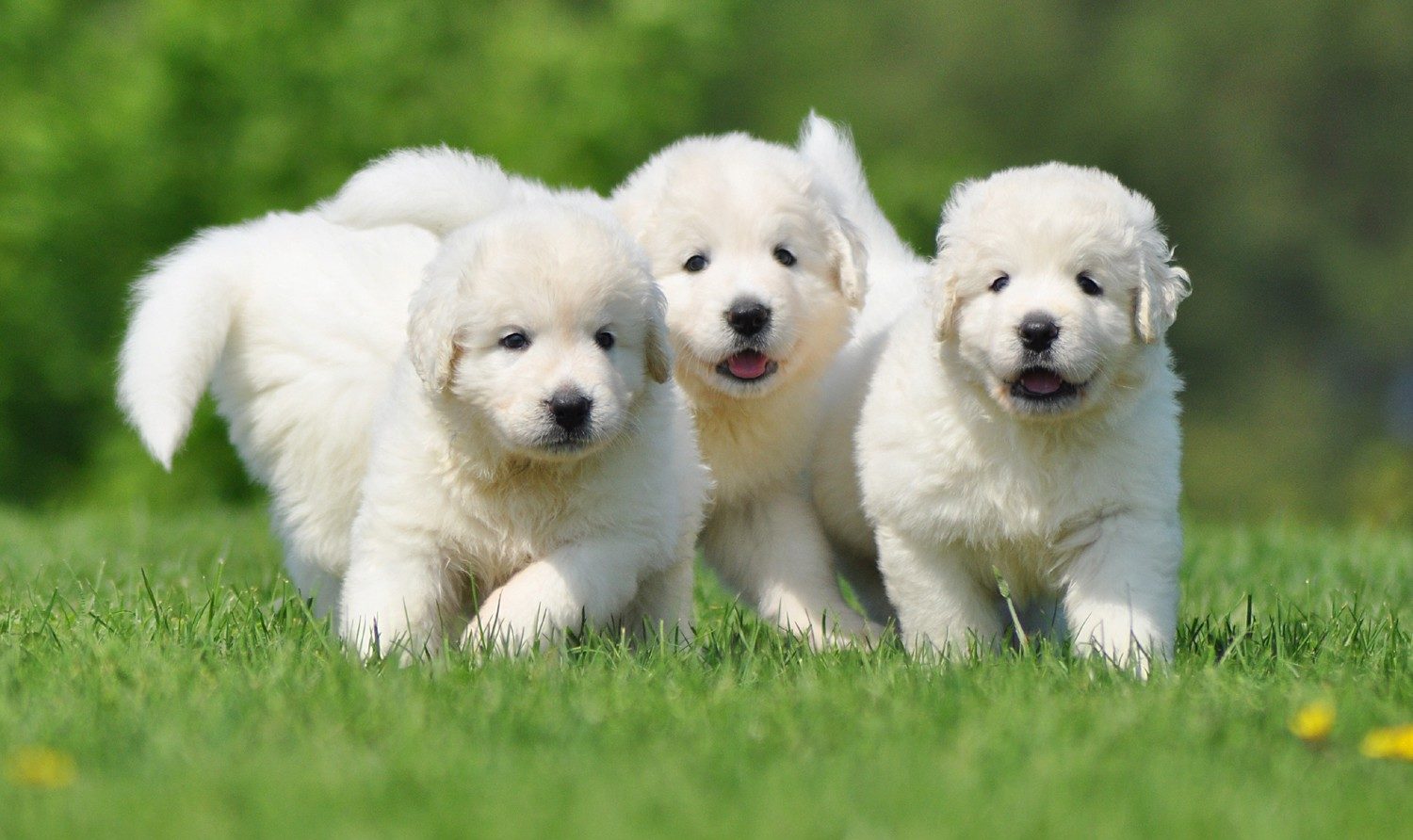
The Polish Tatra Sheepdog is an ancient herding breed whose roots trace back to the mountainous regions of Podhale, located in the southern part of Poland at the foot of the Tatra Mountains. Its name is directly associated with this area, where it has served as a loyal helper to shepherds for centuries. The Tatra Sheepdog developed in harsh climatic conditions and rugged mountainous terrain, making it a resilient, strong, and incredibly reliable dog.
The breed’s origins are linked to large herding dogs brought to Europe, which presumably came from Central Asia. These dogs accompanied nomadic tribes, protecting their herds and serving as guardians. In the Tatra Mountains, the Tatra Sheepdog acquired its unique traits that distinguish it from other herding breeds. It combines strength and endurance with remarkable loyalty to its owner, making it indispensable for mountain dwellers.
The first mentions of white herding dogs in Podhale date back to the 16th and 17th centuries. These dogs were used not only to guard herds from predators like wolves and bears but also to protect farmers’ property. Their white coat was chosen deliberately: it allowed shepherds to easily distinguish the dogs among sheep, especially in poor visibility or at night. The Tatra Sheepdog not only protected herds but also could manage them independently, demonstrating remarkable intelligence and decision-making abilities.
The Tatra Sheepdog gained special popularity in the 19th century when shepherding in the mountains began to flourish, increasing the need for reliable guardians. These dogs were distinguished not only by their physical strength but also by their balanced temperament, making them ideal for working with people. They became a symbol of Podhale culture, accompanying their owners both in the fields and at home.
In the 20th century, especially after World War II, the number of Tatra Sheepdogs significantly declined. However, thanks to the efforts of Polish canine enthusiasts, particularly those focused on preserving national breeds, the Tatra Sheepdog was revived. In the 1960s, systematic work on the breed standard began, and in 1967, it was officially recognized by the International Canine Federation (FCI).
Today, the Tatra Sheepdog remains a source of pride for Poland and a symbol of its mountainous regions. It is valued not only for its outstanding guarding and herding abilities but also for its calm, balanced temperament, making it an excellent family companion. This breed embodies the connection between humans and nature, a centuries-old tradition of collaboration and trust.
Appearance
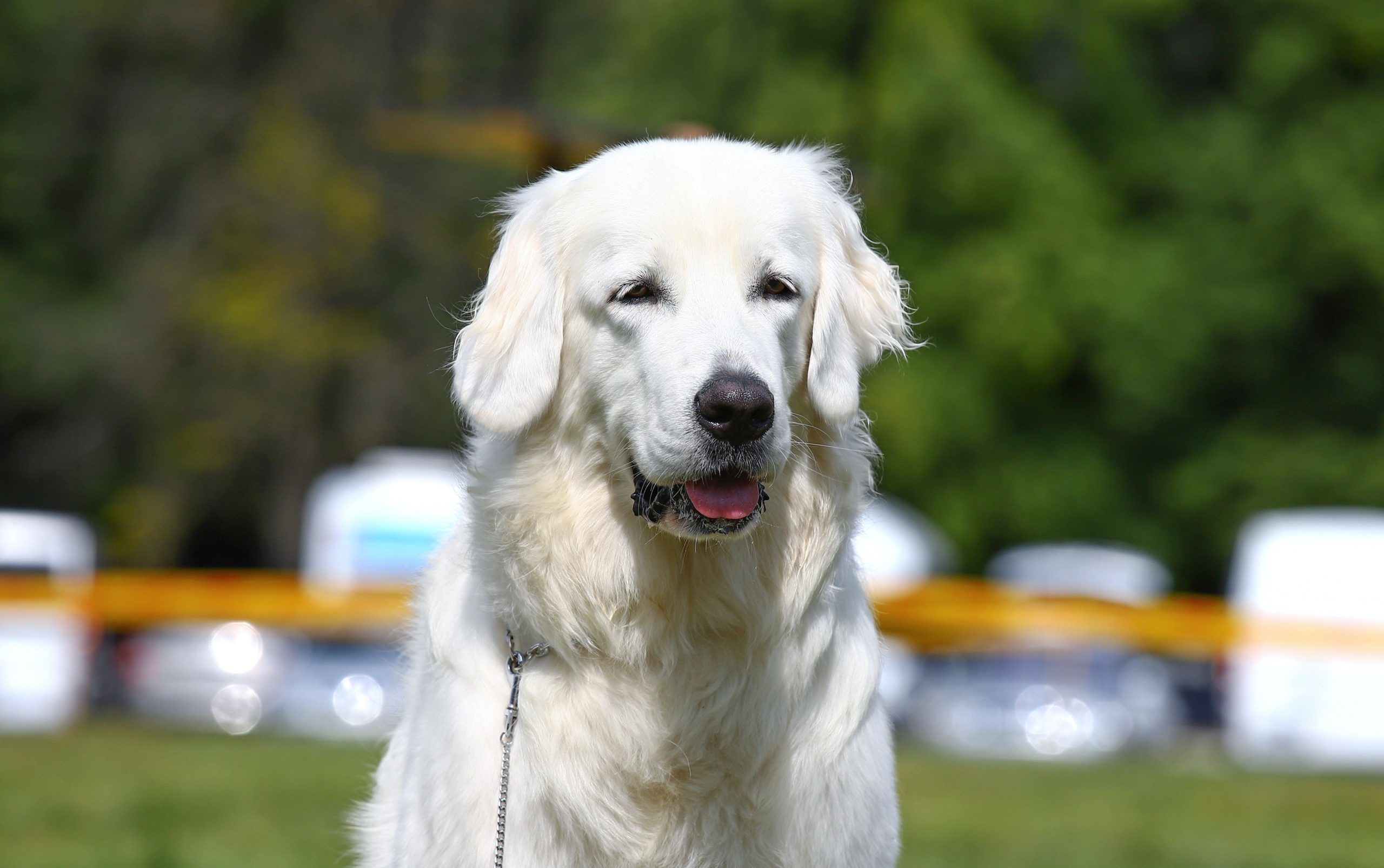
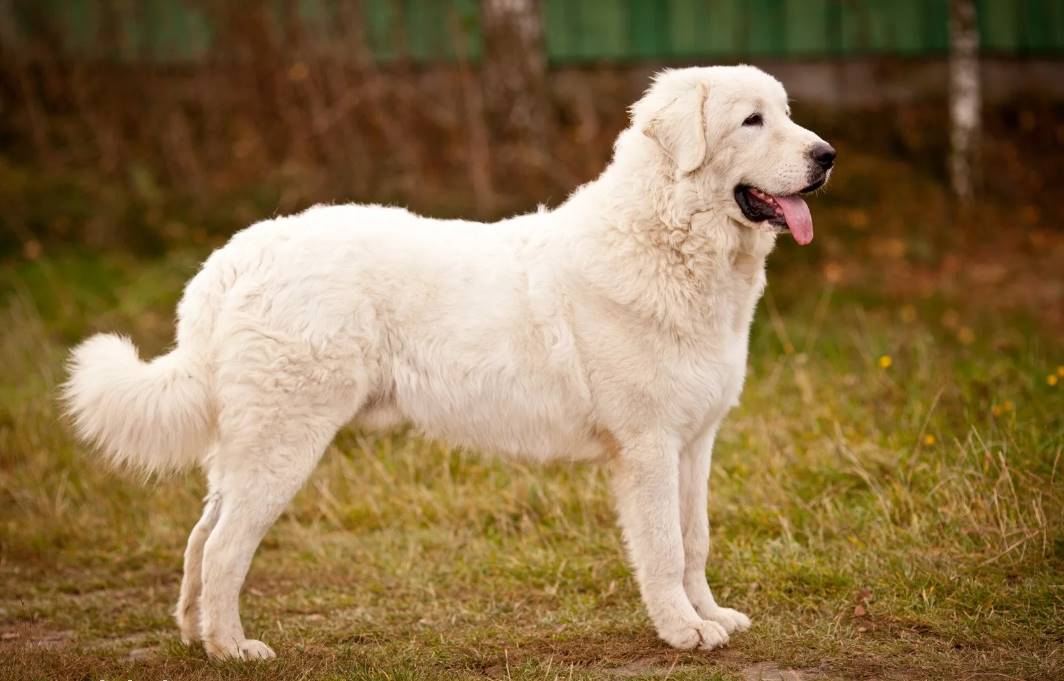
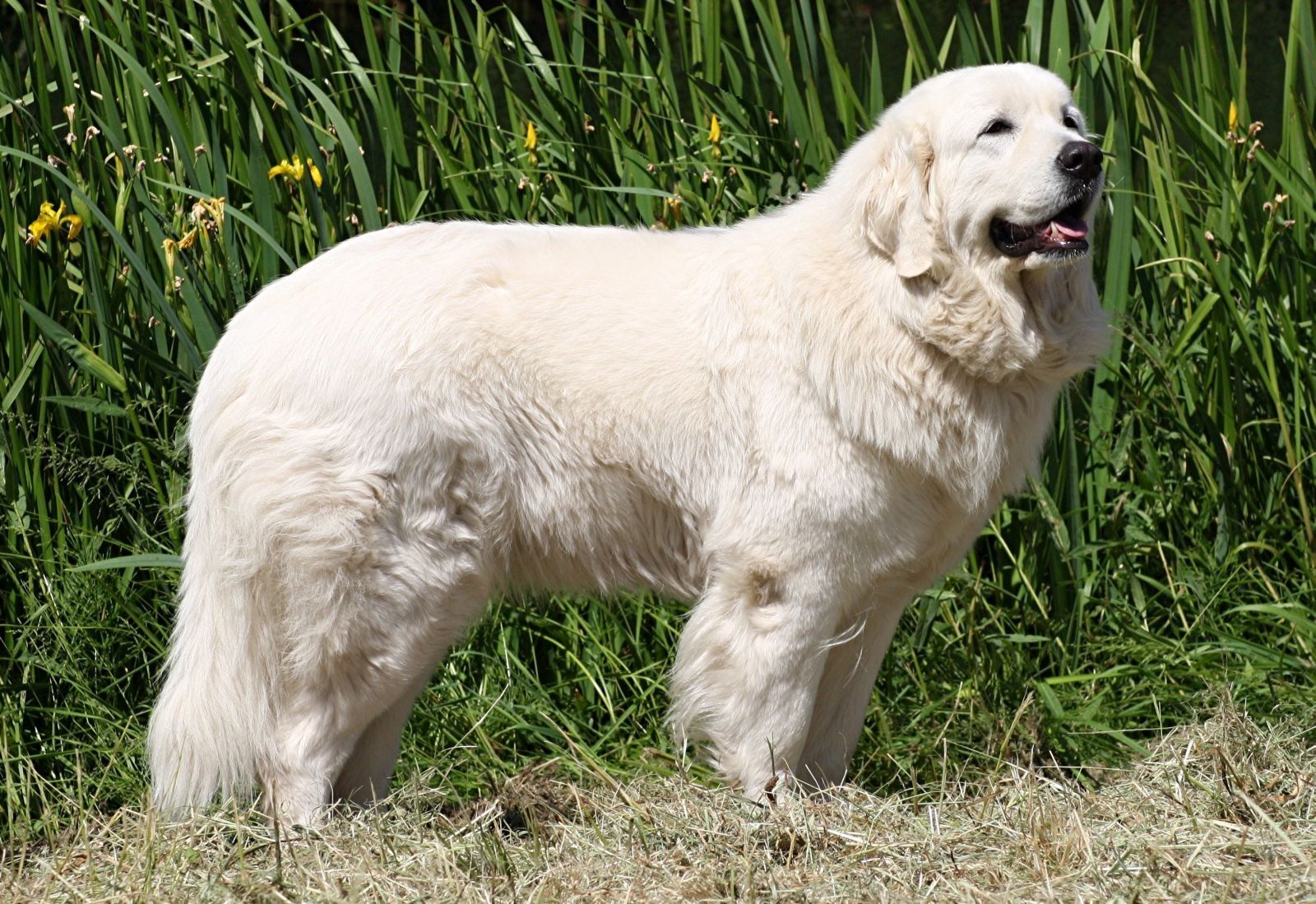
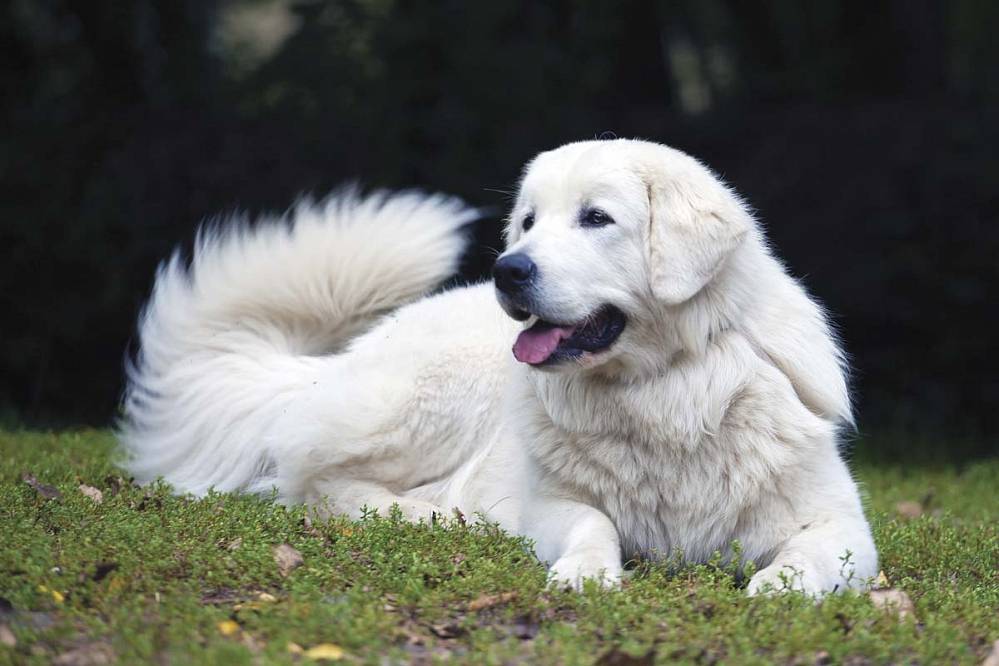
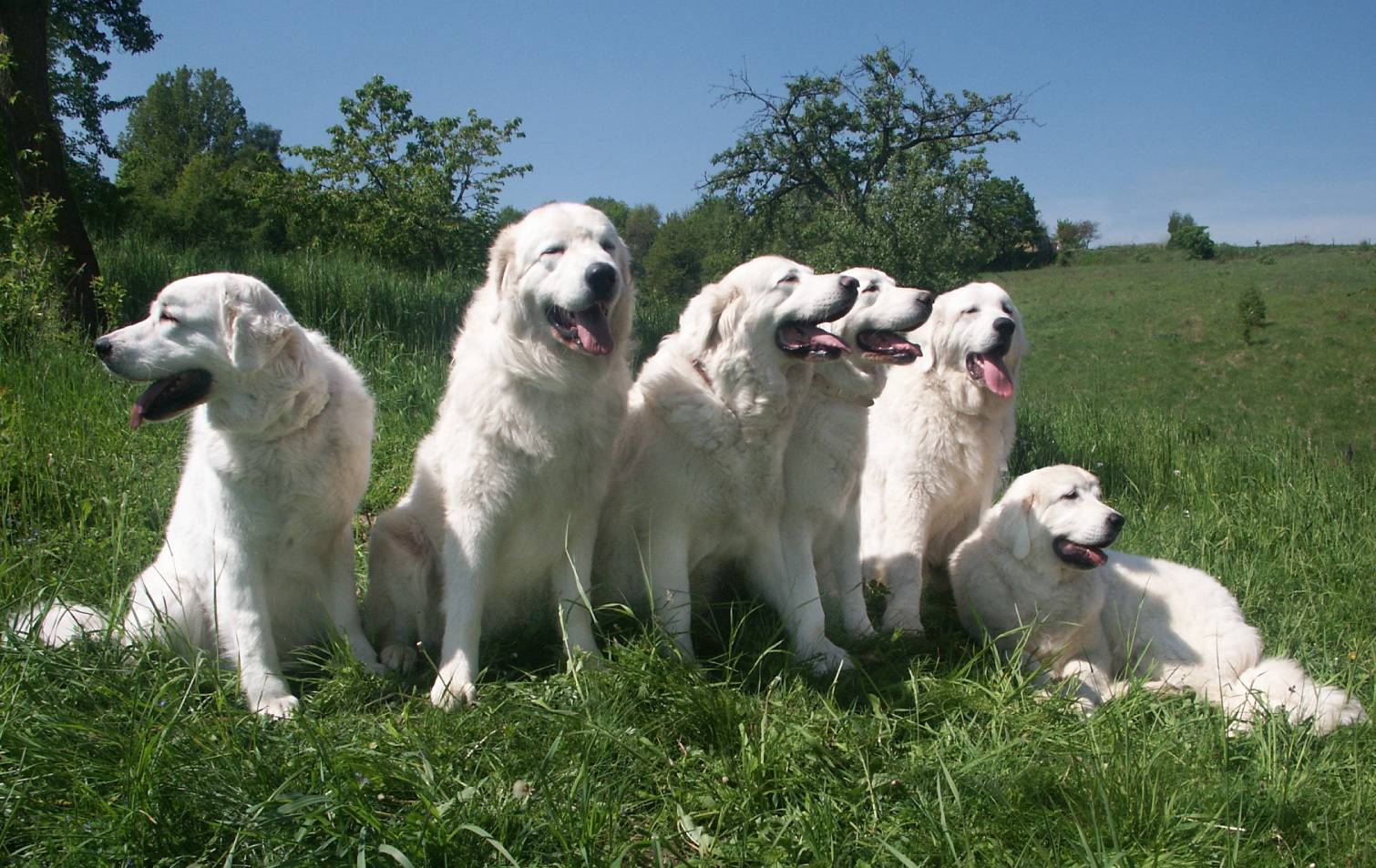
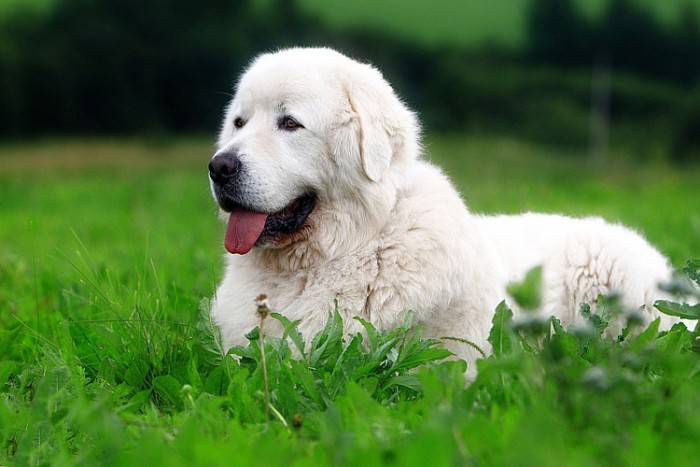
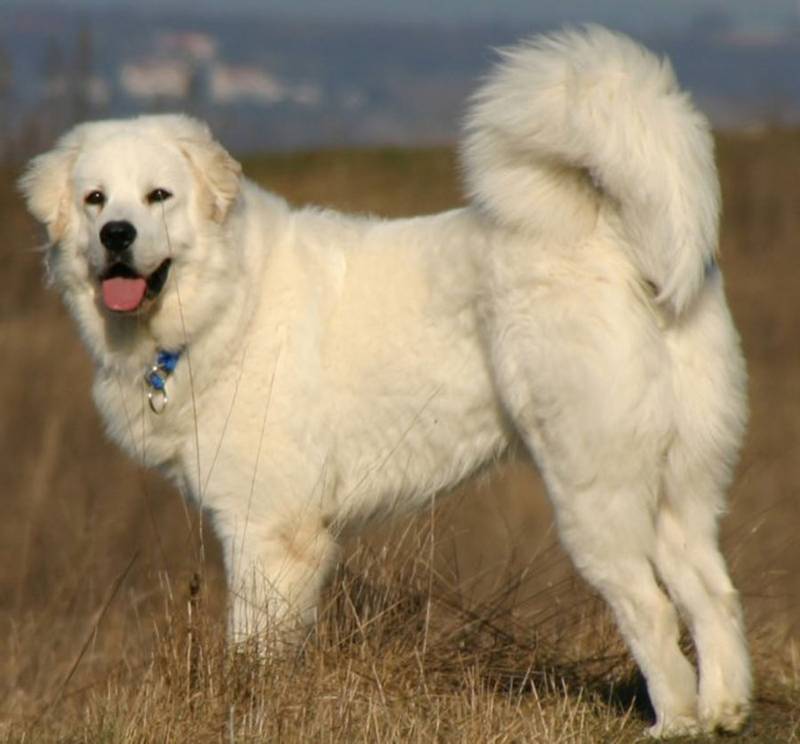
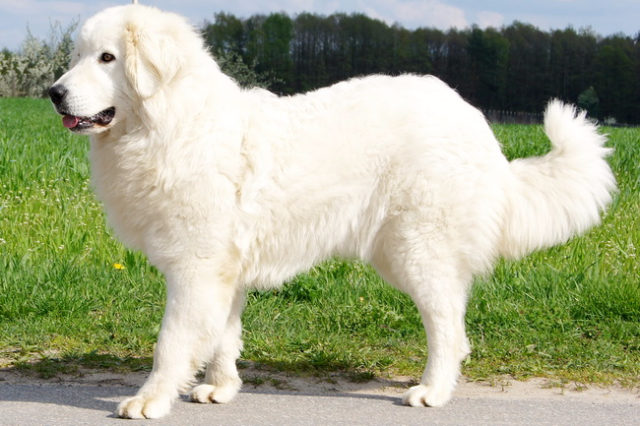
The Polish Podhalan Shepherd is a large, powerful, and harmoniously built dog with a strong but not coarse physique that reflects its strength and endurance. Its appearance highlights grace and confidence, while the thick white coat gives the breed an elegant and distinctive look. This dog is well adapted to working in harsh climatic conditions, evident in its sturdy structure and robust constitution.
The coat is dense, thick, with a heavy undercoat that provides reliable protection against cold and moisture. Its white color emphasizes the breed’s purity and majesty, and it also has practical significance: the dog stands out easily among a flock of sheep. The coat can be slightly wavy or straight, but it is always thick and close-fitting.
The average height of the Podhalan Shepherd is 65-70 cm at the withers for males and 60-65 cm for females, making it one of the larger herding breeds. Weights range from 45 to 60 kg for males and from 40 to 55 kg for females, depending on their size and build. These parameters ensure a combination of strength, endurance, and agility, which is especially important for its working abilities.
The lifespan of a Podhalan Shepherd averages 10-12 years. With proper care, regular physical activity, and a balanced diet, these dogs maintain their health and vitality throughout their lives. Its powerful yet gentle appearance, along with outstanding working qualities, makes the Podhalan Shepherd a true pride among large herding breeds.


Отличительные черты

Голова

Морда

Уши

Глаза

Зубы

Корпус

Конечности

Хвост

Шерсть

Окрас
Character
The Polish Podhalan Shepherd has a calm, balanced, and loyal character, making it a reliable guardian and a faithful companion. This breed is distinguished by its outstanding intelligence and natural desire to protect its owners and their property. It is confident but not aggressive, showing caution only in situations it considers potentially dangerous.
These dogs possess a strong sense of responsibility, making them excellent watch dogs. They instinctively guard their territory and family, closely observing their surroundings. The Podhalan Shepherd rarely barks without reason, preferring to use its imposing appearance and confident demeanor to deter threats. It has a keen sense of the situation and makes independent decisions, which is especially important in its working role.
The Podhalan Shepherd is very attached to its family and loves to spend time near people. It gets along well with children, exhibiting patience and care, which makes it an ideal family pet. These dogs calmly accept other pets, especially if they have grown up with them, but may show caution towards strangers until they feel assured of their safety.
This breed has moderate activity levels. The Podhalan Shepherd appreciates walks and physical activities but does not require intense training. It is important for it to feel useful, so it gladly takes on tasks related to guarding or interacting with the family. Dogs of this breed love to explore their surroundings and enjoy freedom, making them ideal for a private home with a spacious yard.
The Podhalan Shepherd cannot tolerate loneliness and seeks to be close to people. It is sensitive to the owner’s emotional state and strives to maintain contact, expressing its affection through a calm presence or gentle behavior. However, it is not intrusive and prefers harmonious relationships based on mutual respect.
Its natural sense of calm and confidence makes the Podhalan Shepherd easy to communicate with. It loves stability and predictability but also values the opportunity to solve problems independently, which is linked to its herding roots. This dog quickly adapts to new conditions if it feels care and confidence from its owner. Its friendly and attentive nature makes it an indispensable family member that combines the roles of protector and friend.
The whole house is covered in drool!!!
Such a statement is not at all about the Podhalans. Every breeder of guard dogs can confidently attest to the purity of these snow-white giants. This breed does not tend to slobber all over like many other large breeds. Seasonal shedding is what one needs to be prepared for.Care and Maintenance
Caring for the Polish Podhalan Shepherd requires attention to its thick coat, physical activity, and emotional needs. This breed prefers to live in spacious conditions, such as a private home with a yard where it can move freely. Its natural desire to be useful necessitates regular involvement in family life, as well as tasks related to guarding or interaction.
The Podhalan Shepherd has a dense and thick coat with an undercoat, so it needs to be brushed at least 2-3 times a week to prevent matting and remove dead hair. During seasonal shedding, it’s advisable to increase the frequency of brushing to keep the coat in good condition. Bathing the dog should only be done when necessary, as frequent water exposure can damage its natural skin barrier. It is also important to regularly check and clean the ears to prevent dirt buildup and infections.
The eyes and teeth of the Podhalan Shepherd need periodic examination. Eyes should be cleaned of discharge if necessary, and teeth should be brushed with a special brush or the dog can be given chew toys that help remove plaque. The paws, especially after walks, should be checked for injuries or dirt, and the fur between the toes should be trimmed to prevent dirt accumulation.
The diet should be balanced and correspond to the dog’s activity level. The diet should include quality protein to support muscles and healthy fats for energy. The Podhalan Shepherd is prone to weight gain with insufficient physical activity, so it’s important to monitor portion sizes and avoid overfeeding.
These dogs appreciate moderate physical activity. Long walks, guarding tasks, and outdoor play are what make them happy. However, the Podhalan Shepherd does not enjoy intense workouts or repetitive exercises. It is better suited for free movement in the yard or participation in guarding-related activities.
The Podhalan Shepherd does not tolerate solitude and boredom. If left alone for long periods, it may become anxious or seek out activities, which can sometimes lead to destructive behavior. This dog loves to be near its family and feel its significance, so it is important to give it attention and involve it in family activities.Harshness and strict training methods are not suitable for this breed. The Podhalan Shepherd is sensitive to tone of voice and prefers calm yet firm guidance. It does not like chaotic environments or sudden changes, valuing stability and predictability. Regular grooming, adequate physical activity, and emotional attention will help keep it healthy and happy.
Bodyguard, nanny, guard, or shepherd?
In fact, Tatra dogs or Podhalans are true universalists. When kept outside the city, they can be engaged in any of the mentioned trades. They get along well with children, but they might accidentally step on them-this is something parents should be mindful of. Otherwise, these dogs are great watchdogs, guards, herders, and wonderful nannies.Training and Education
The Polish Tatra Sheepdog is an intelligent and independent dog that learns enthusiastically when training respects its natural qualities. Its herding roots have fostered decision-making abilities, so it’s important to not only teach commands but also to recognize its tendency to analyze situations during training. This requires the owner to be patient, consistent, and clear.
It’s best to start training at an early age to establish a foundation of obedience and socialization. The Tatra Sheepdog quickly remembers commands, especially if training is based on positive reinforcement. Treats, praise, and affection as rewards for success stimulate its interest and desire to please. It responds poorly to harsh methods or shouting, so the owner’s calmness and confidence are key to successful training.
This dog chooses an owner who exhibits leadership qualities and provides clear, understandable guidance. It bonds with a person with whom it feels an emotional connection and respect. Typically, this is someone who spends more time on its upbringing and interaction. The Tatra Sheepdog values stability and consistency in behavior; chaotic or inconsistent behavior can lead to stubbornness.
The Tatra Sheepdog obeys the one it sees as its leader. Leadership, in its view, is based on trust and mutual understanding, rather than dominance. It is willing to follow an owner who it sees as a confident and fair leader. However, its natural independence sometimes surfaces in situations where it believes its actions are more appropriate than the owner’s commands. In such cases, it’s important to maintain patience and continue training with persistence.
The Tatra Sheepdog is best suited for experienced owners who are willing to dedicate time to its upbringing and actively participate in its life. It needs tasks that require not only physical activity but mental engagement as well. Games involving searching for items, guarding tasks, or even participating in family chores will help it realize its potential.
This breed loves to feel useful, so training related to practical tasks, such as guarding territory or assisting in daily activities, will be particularly engaging. With the right approach, the Tatra Sheepdog becomes not only a obedient and reliable dog but also a true friend who willingly follows commands and shares all aspects of its family’s life. Reliable breeders offer healthy puppies with documents and pedigrees.
Well-known?
The logo of the largest canine organization in Poland features the profile of the Podhalan breed.
How to Choose a Puppy
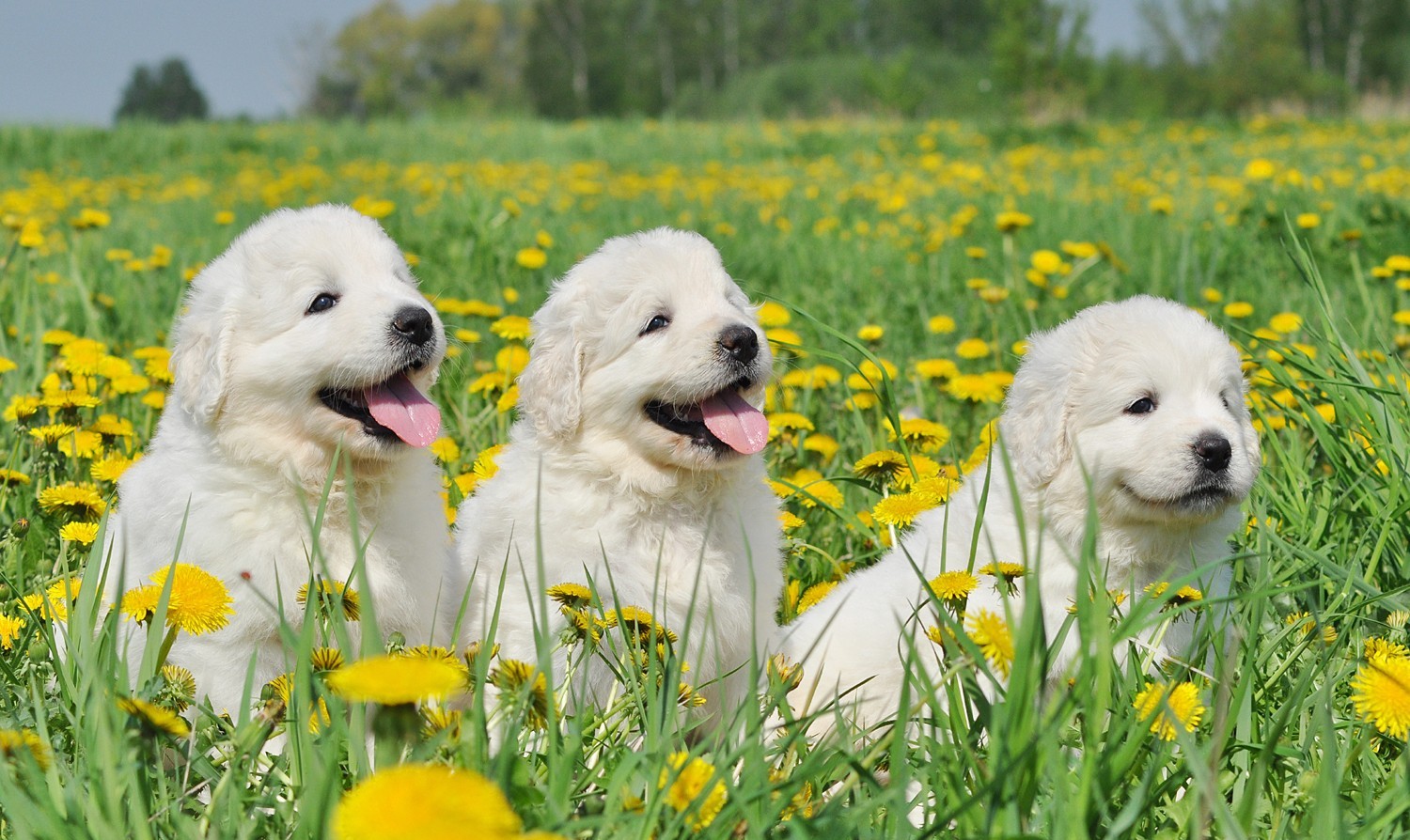
To select a Polish Tatra Shepherd puppy that will grow up to be a fully-fledged representative of the breed, it’s important to pay attention to the puppy’s appearance, health, behavior, and pedigree. Start your search for a reliable kennel that specializes in breeding this breed and adheres to all standards. The breeder should be willing to provide all necessary documents and answer questions about the breed and its care.
The puppy should be active, curious, and friendly. A healthy puppy shows interest in the surroundings, is eager to interact with people, and plays with siblings. It should not be overly timid or aggressive. Confident and calm behavior indicates that the puppy is well-socialized and has a healthy psyche.
Examine the puppy’s appearance. Its coat should be thick, clean, and shiny, free from bald spots or mats. The eyes should be clear and without discharge, the nose should be moist and cool, and the ears should be clean and odorless. The puppy should be agile and move confidently, without signs of lameness or other issues. Check the teeth and bite – they should be correct, and the jaws strong.
Ask the breeder for the puppy’s documents. The pedigree is an important document confirming the puppy’s descent from purebred representatives of the breed. It provides information about the parents, their awards, show achievements, and absence of genetic defects. It’s also essential for the puppy to have a veterinary passport with records of vaccinations, deworming, and other necessary procedures.
If the breeder has conducted genetic tests on the parents for hereditary diseases, review the results. This will help ensure that the puppy is not predisposed to health issues common in large breeds, such as hip dysplasia or other genetic disorders.
Observe the living conditions of the puppies at the kennel. They should be clean, spacious, and safe, with ample room for play and active development. Puppies raised in good conditions are more socialized and ready to adapt to a new home.If possible, take note of the puppy’s parents. Their appearance, health, and behavior will give you an idea of how your pet might grow up. The parents should be calm, balanced, and fully conform to breed standards.When choosing a Polish Tatra Shepherd puppy, it’s important to consider not only physical characteristics and documents but also the emotional connection. This breed becomes very attached to its owner, so it’s crucial to select a puppy with whom you feel a connection from the start. This approach will ensure you have a healthy, active, and loyal pet that will be a worthy representative of the breed. Zooinca is a website featuring the best breeders with verified pedigrees.
Health and Diseases
The Polish Tatra Shepherd Dog is known for its robust health and good endurance, which aligns with its natural purpose of working in harsh mountainous conditions. However, like many large breeds, the Tatra Shepherd has a predisposition to certain illnesses that owners should be mindful of.
One of the most common issues is hip and elbow dysplasia. This genetic condition can cause pain and limit mobility, especially in older age. To minimize the risk, it is important for the puppy’s parents to undergo dysplasia testing, and for the puppy itself to receive a balanced diet and moderate exercise during its growth phase.
Joint problems, such as arthritis, can also occur in Tatra Shepherds, particularly in older dogs. Regular veterinary check-ups, joint health supplements, and maintaining a proper weight can help reduce the likelihood of these diseases.
Dogs of this breed may be prone to bloat (gastric dilatation-volvulus), which frequently affects large dogs with deep chests. This condition requires immediate medical attention. To prevent bloat, it is recommended to feed the dog small portions several times a day and to avoid vigorous activity immediately after meals.
Polish Tatra Shepherds can also be susceptible to eye conditions such as progressive retinal atrophy or cataracts. These issues tend to manifest more frequently in older dogs, but regular vet check-ups can help detect them early and prevent further vision deterioration.
Skin issues, including allergies, may arise in this breed, especially if the dog is kept in unfavorable conditions. Allergy symptoms include itching, rashes, and skin redness. Timely identification and elimination of the allergen, coupled with proper coat care, can help avoid these problems.The tendency for obesity in Tatra Shepherds is minimal if they receive regular physical activity and a proper diet. However, overfeeding and lack of exercise can lead to excess weight, placing additional strain on the joints and heart.The average lifespan of a Tatra Shepherd is 10 to 12 years. With regular veterinary care, appropriate nutrition, physical activity, and attention, these dogs can maintain their health and vitality throughout their lives. Caring for the breed’s needs and disease prevention will help ensure your pet has a long and happy life.
Содержание
-
1. Описание породы
-
2. Внешний вид
- 2.1 Голова
- 2.2 Морда
- 2.3 Уши
- 2.4 Глаза
- 2.5 Зубы
- 2.6 Корпус
- 2.7 Конечности
- 2.8 Хвост
- 2.9 Шерсть
- 2.10 Окрас
-
3. Характер
-
4. Содержание и уход
-
5. Дрессировка и обучение
-
6. Как выбрать котенка
-
7. Здоровье и болезни






Comments
Only registered users can leave reviews.
Enter