
Polish Lowland Sheepdog






Warning: Illegal string offset 'label' in /home/panda/sites/zoonika/wp-content/themes/zoonika/template-parts/animals/animals-param-item.php on line 32
Ð


Breed Description
The Polish Lowland Sheepdog, or Polish shepherd dog, has a long and rich history dating back to the Middle Ages. Its origins are linked to shepherding work in the Polish lowlands, where this breed was initially used to guard and manage flocks of sheep and cattle. The living conditions on vast pastures and the harsh climate of Poland shaped the unique character and physical traits of these dogs, making them indispensable for farmers.
It is believed that the ancestors of the Polish Lowland Sheepdog arrived in Eastern Europe with nomadic peoples who used them for herding livestock. Some researchers claim that the breed was influenced by ancient shepherd dogs of Asian descent, such as Tibetan mastiffs and Hungarian Pulis. As a result of centuries of breeding, the Polish Lowland Sheepdog acquired a unique appearance, great endurance, and outstanding working qualities.
The first people to begin deliberately breeding Polish Lowland Sheepdogs were local farmers and shepherds. These dogs stood out among other breeds due to their intelligence, ability to make independent decisions, and unwavering loyalty to humans. They were trained to manage flocks, prevent livestock losses, and protect them from predators. Due to their compact size and agility, the Polish Lowland Sheepdog was ideal for working in hilly and marshy areas where larger herding breeds faced difficulties.
These dogs not only performed working tasks but also became loyal companions for peasant families, guarding homes and yards. Their ability to quickly adapt to different conditions made them versatile helpers, sought after not only in rural areas but also in cities.
The first documented description of the breed appeared in the 17th century, when travelers noted the intelligence and work ethic of these dogs. However, a true surge of interest in the breed occurred in the 20th century, when they began to be shown at dog exhibitions in Poland and beyond. During World War II, the population of Polish Lowland Sheepdogs dramatically decreased, but thanks to the efforts of enthusiasts, the breed was preserved and revived.
Reviving the breed was undertaken by breeders such as Dr. Marianna Dubrawska, who developed the standard for the Polish Lowland Sheepdog in the 1950s, which became the basis for its official recognition. These dogs began to gain popularity in Europe and North America, where they were valued for their versatility, friendliness, and intelligence.Today, the Polish Lowland Sheepdog remains a symbol of the Polish countryside and cultural heritage. Its cheerful character, remarkable herding abilities, and historical connection make it not only an excellent working partner but also a loyal companion in the modern world.
Appearance
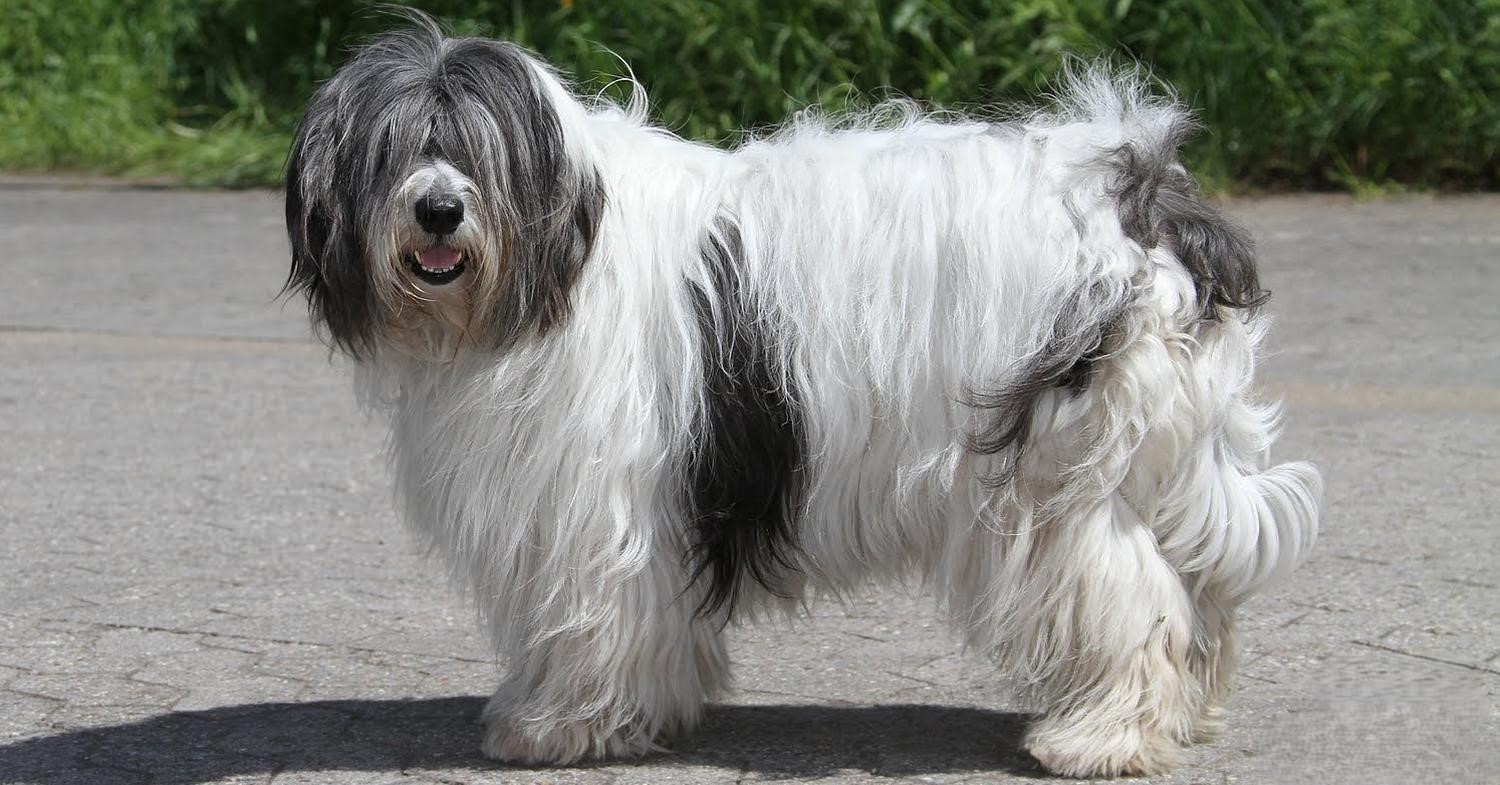
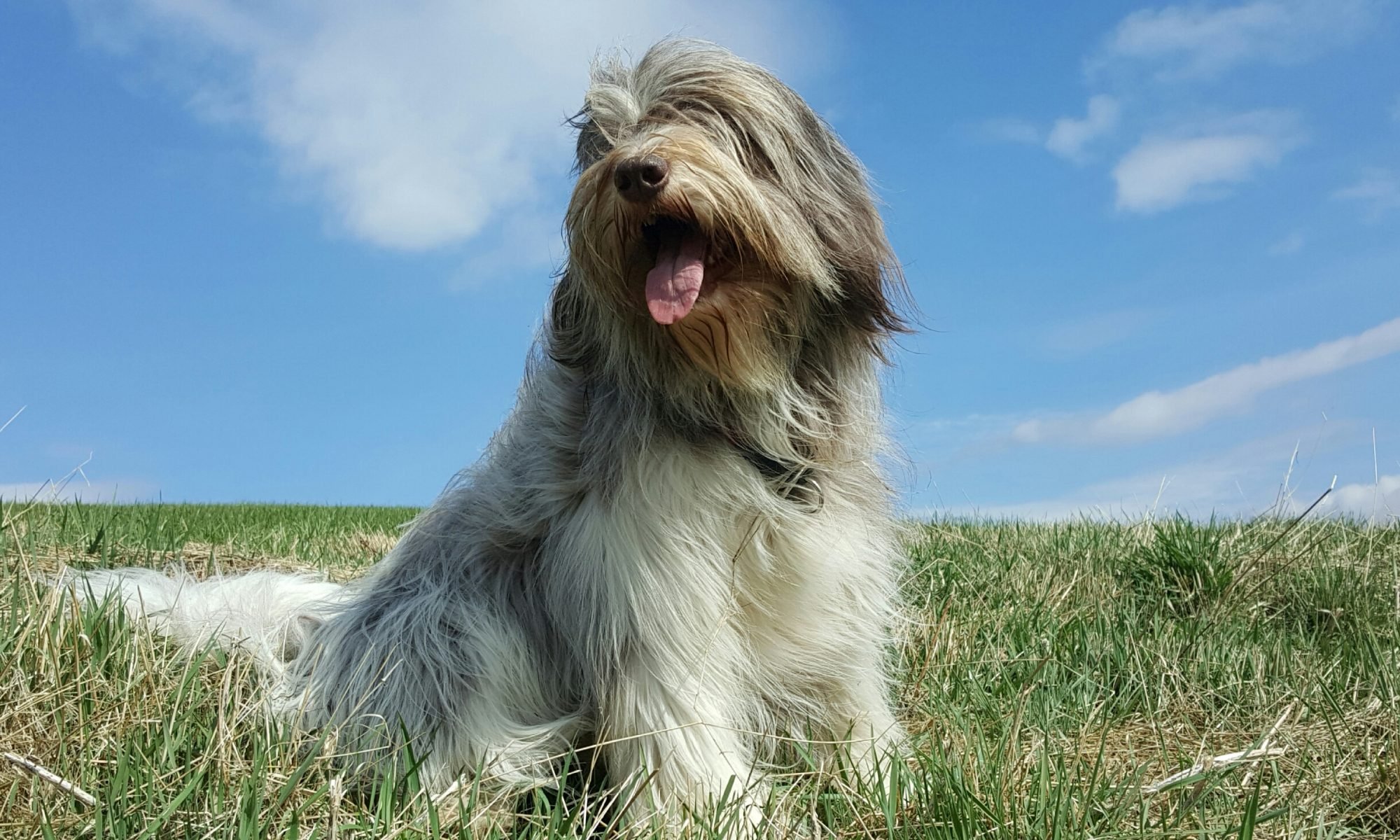
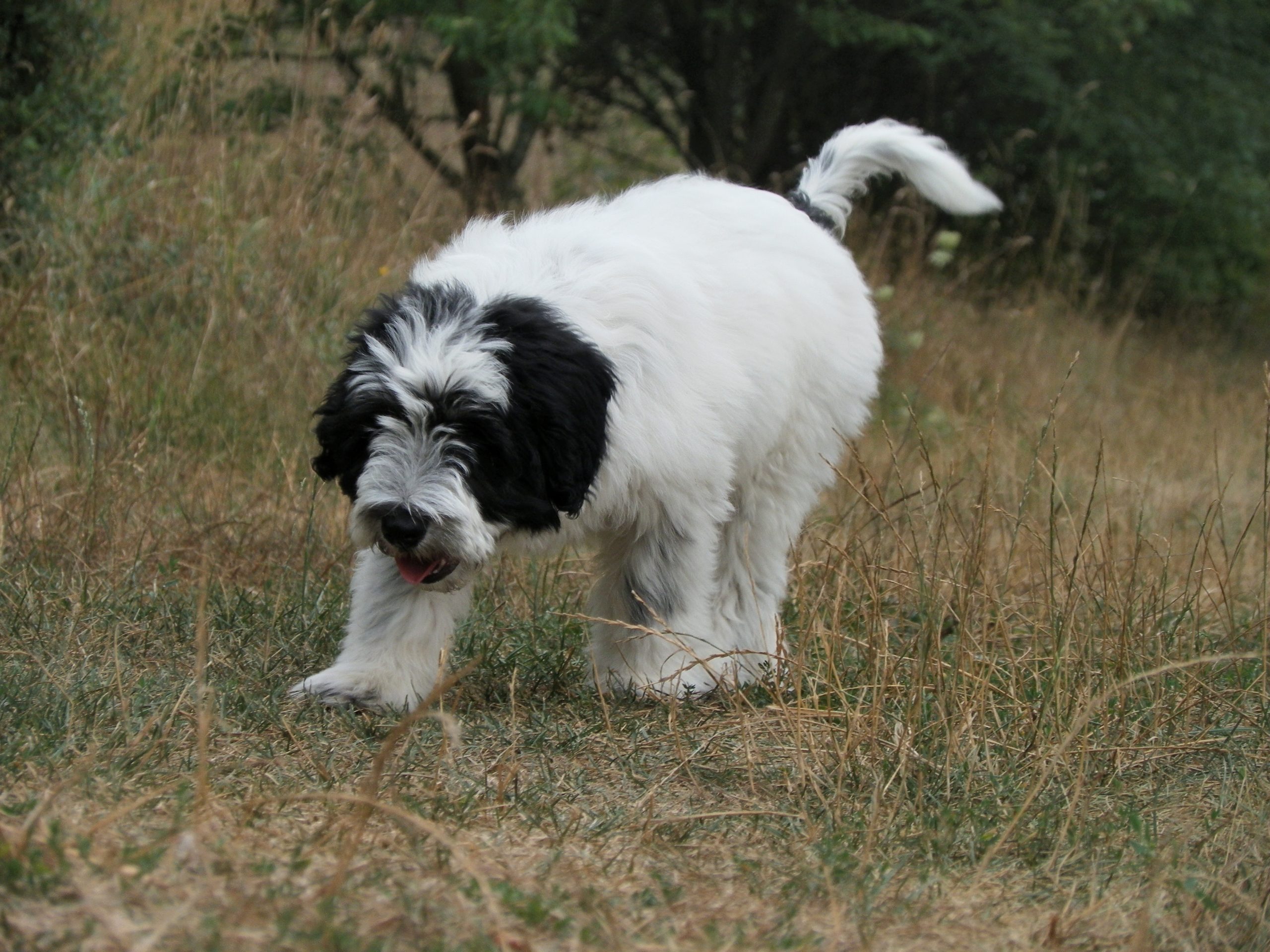
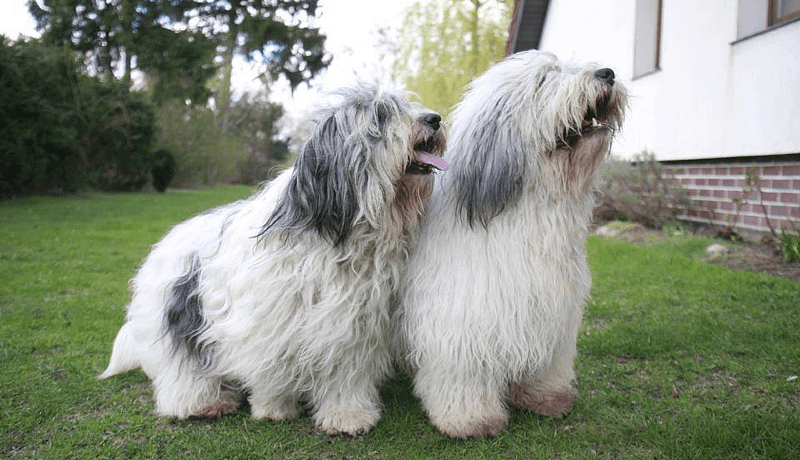
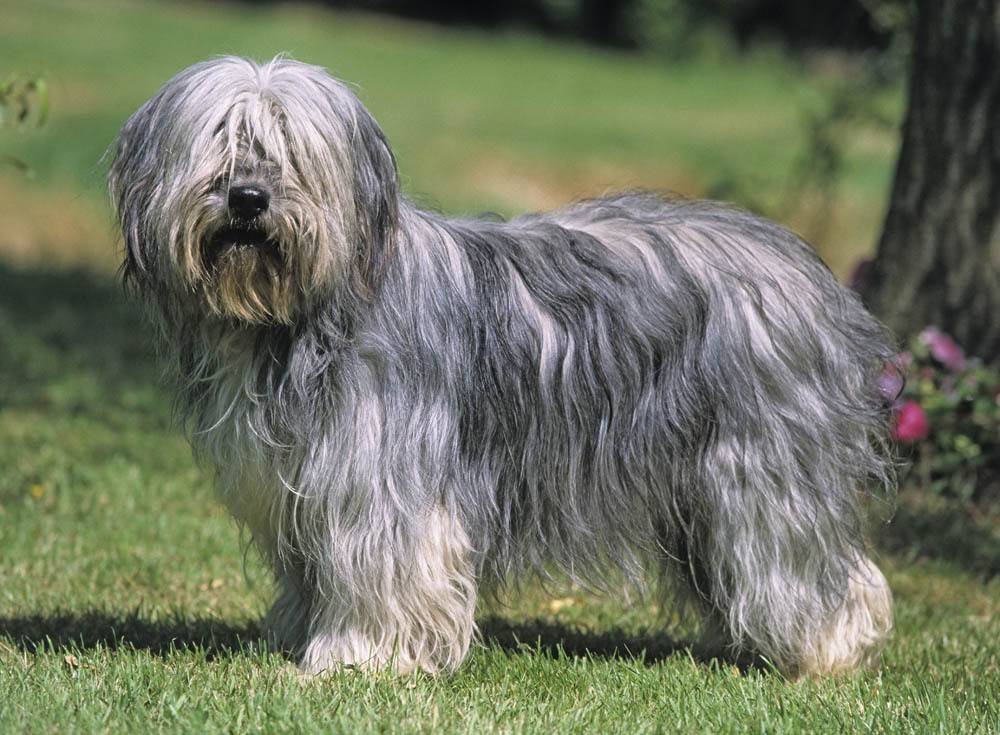
The Polish Lowland Sheepdog is a compact, muscular, and well-balanced medium-sized dog with a sturdy build that underscores its endurance and ability for prolonged physical tasks. Its appearance is marked by an expressive look, dense coat, and cheerful expression that immediately draws attention.
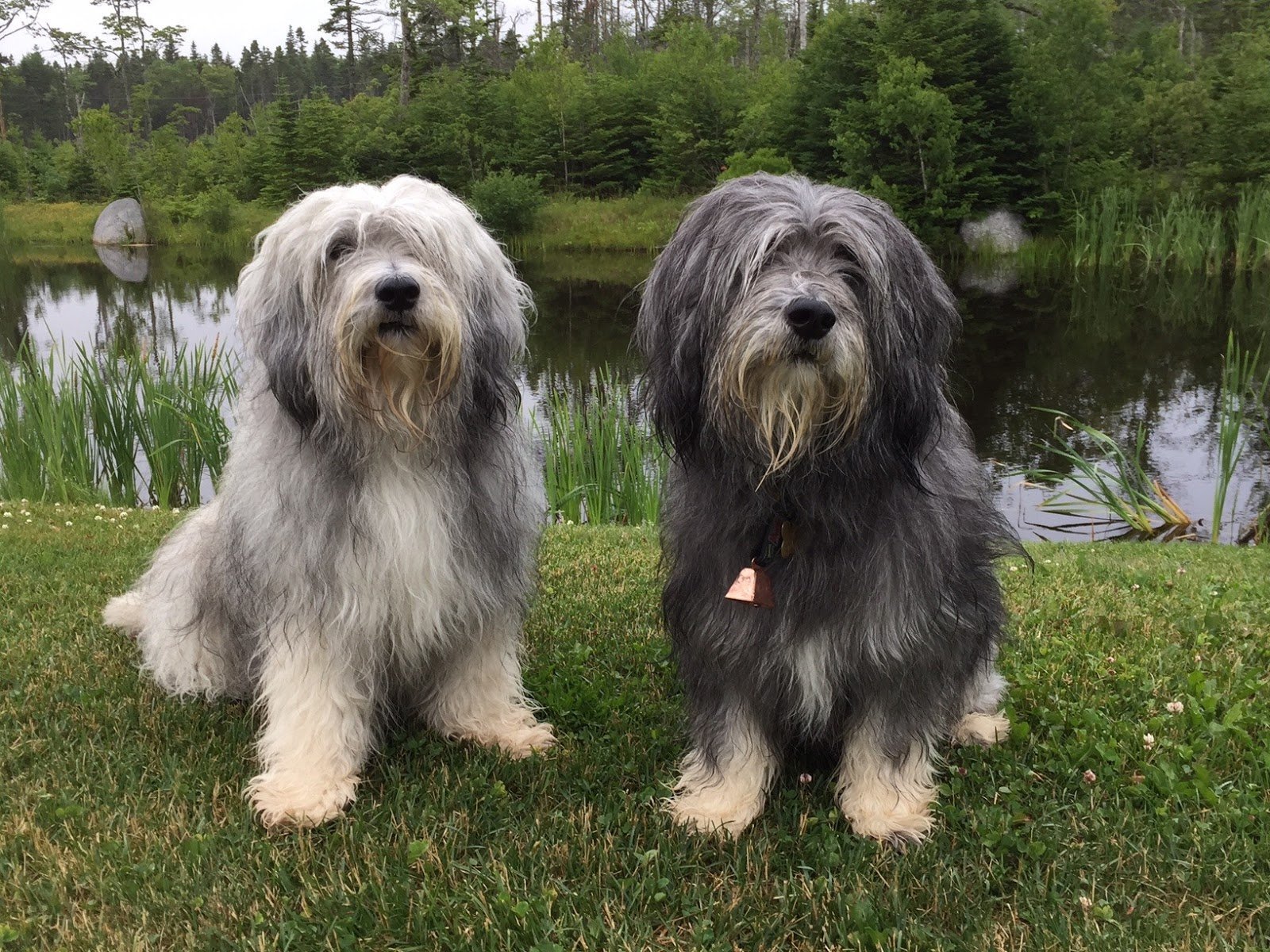
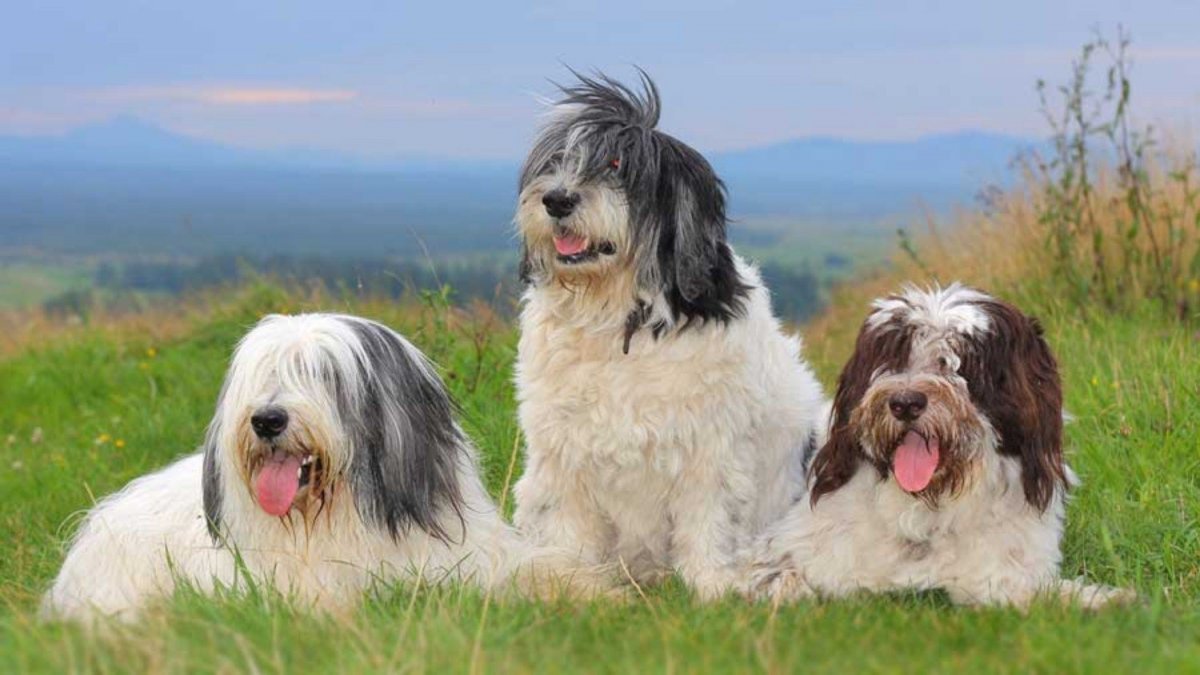
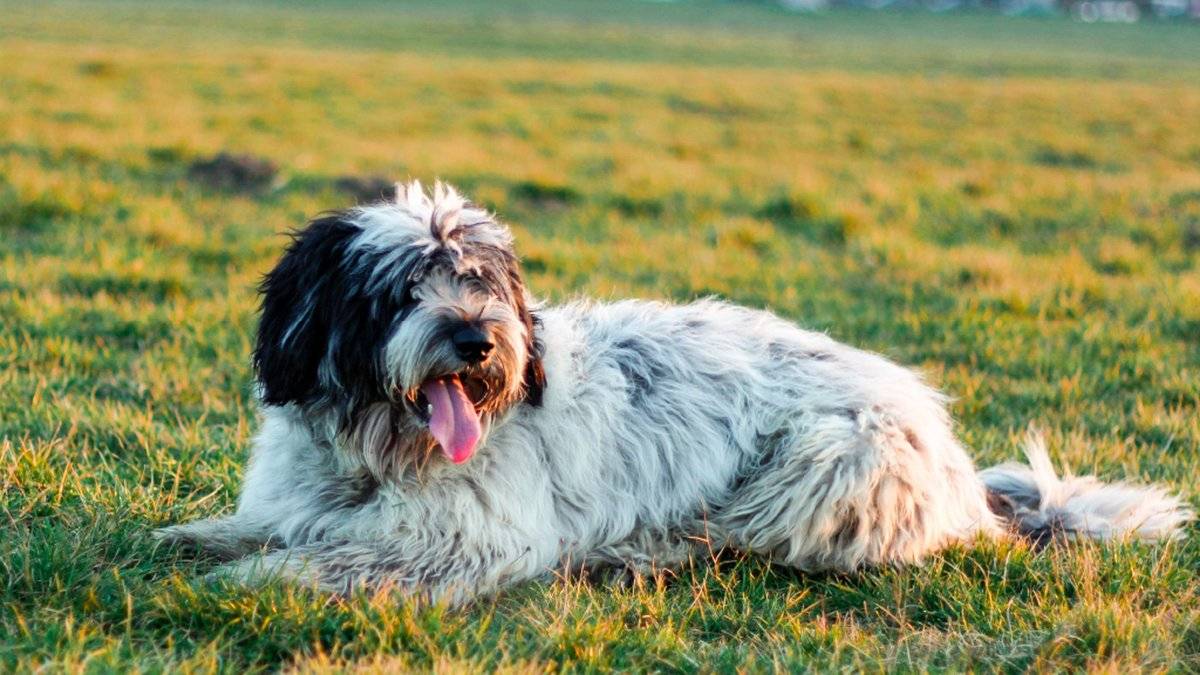
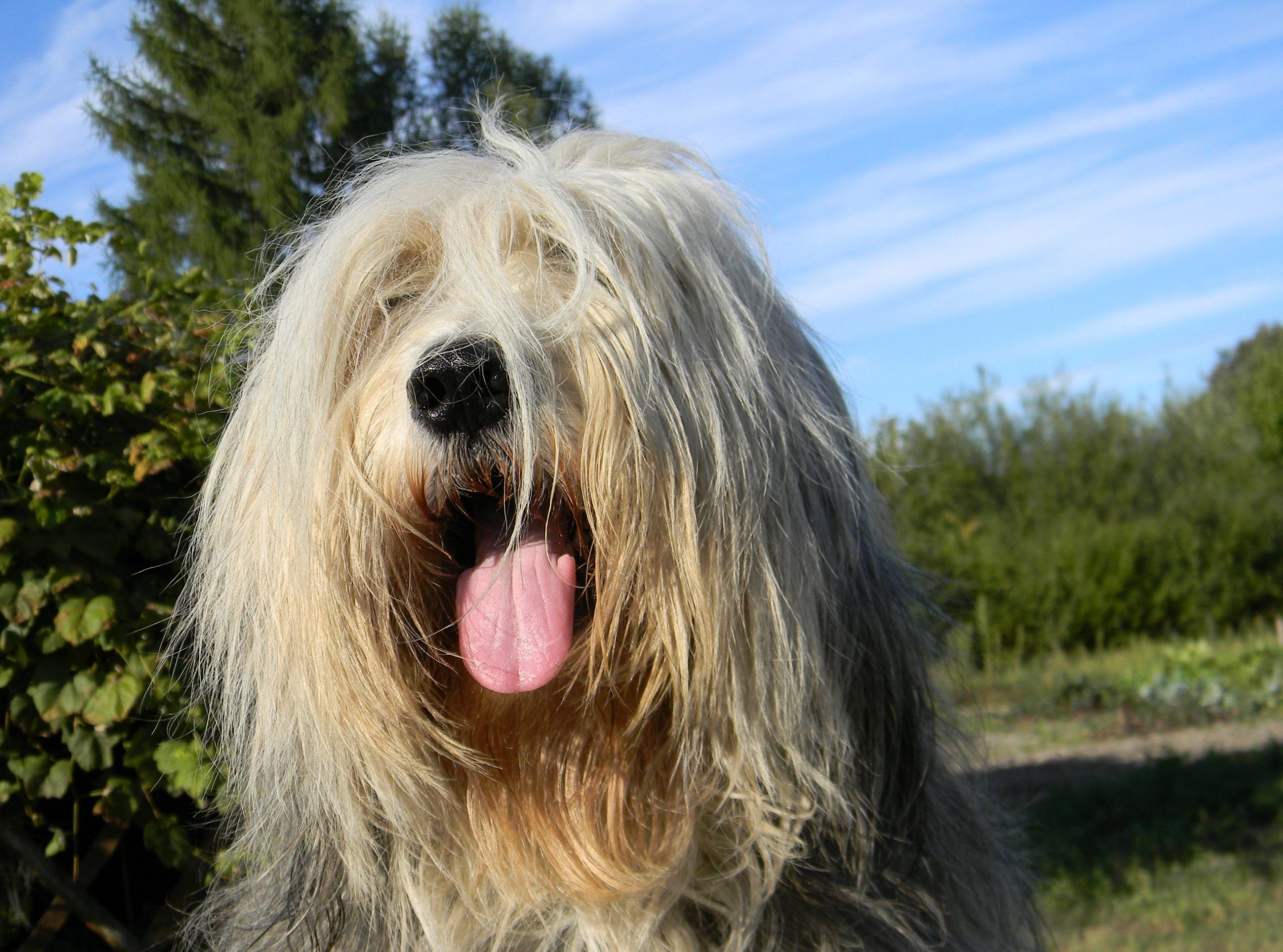
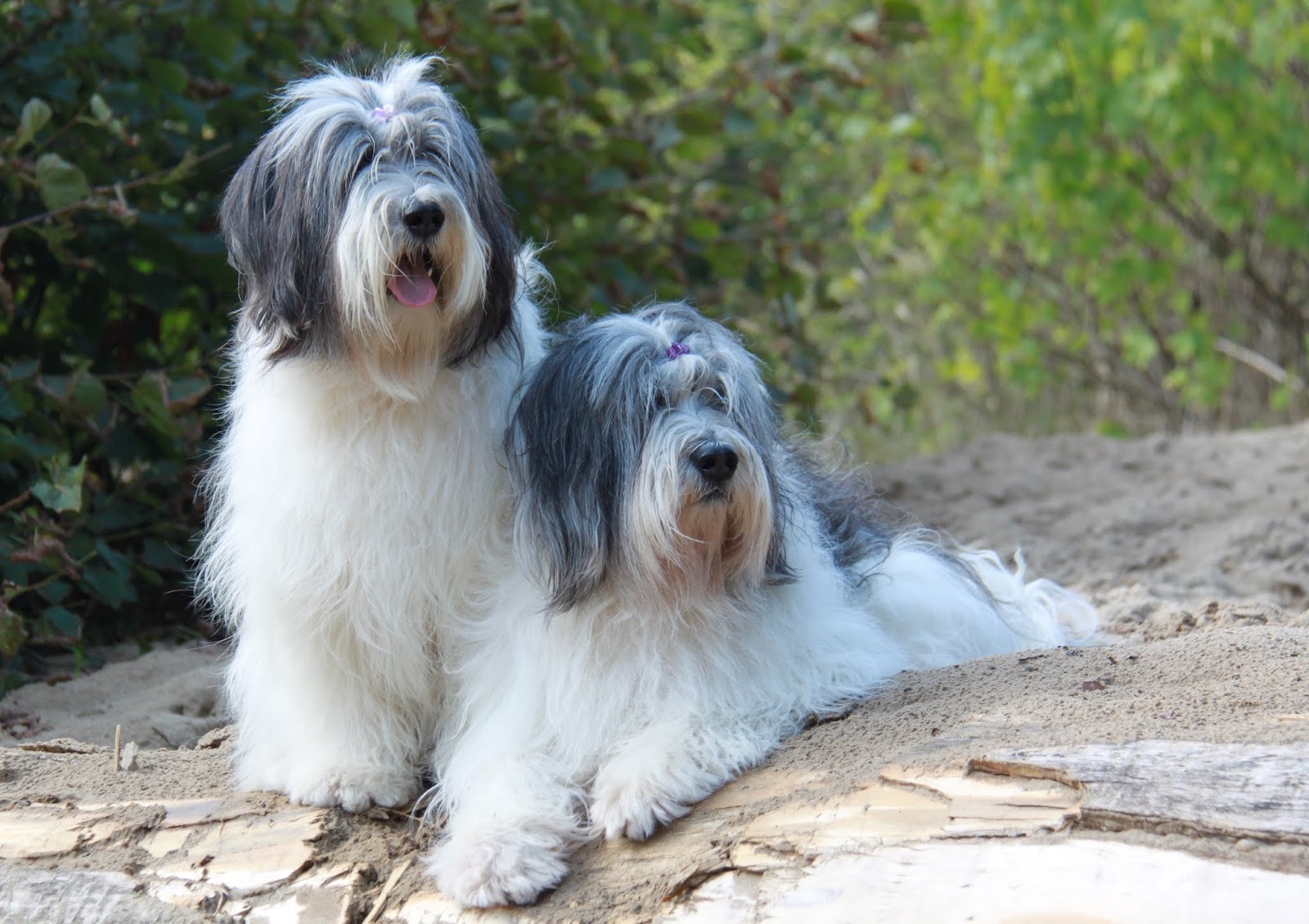
The coat of the Polish Lowland Sheepdog is thick, long, and slightly wavy, with a dense undercoat. It provides excellent protection against cold and moisture, which is particularly important for a dog working outdoors in various climatic conditions. The coat has a natural appearance, giving the dog a charming and slightly tousled look.
The average height of the Polish Lowland Sheepdog is 43-52 cm at the withers for males and 40-47 cm for females. The weight typically ranges from 14 to 20 kg, making it light enough for agile work, yet sturdy enough for physical tasks. The body proportions are harmonious, allowing for ease and freedom of movement.
The lifespan of the Polish Lowland Sheepdog is 12-14 years. With proper care, regular physical activity, and a balanced diet, these dogs maintain their health and vitality throughout their lives. Their striking appearance, energy, and friendliness make the Polish Lowland Sheepdog an excellent working partner and companion.


Отличительные черты

Голова

Морда

Уши

Глаза

Зубы

Корпус

Конечности

Хвост

Шерсть

Окрас
Character
The Polish Lowland Sheepdog has a friendly, intelligent, and energetic character, making it an excellent companion and reliable helper. This breed is renowned for its attachment to family and desire to please its owner, making it easy to train and enjoyable to interact with. It quickly adapts to various living conditions, whether it’s active work on a farm or a calm life in an urban home.
The Polish Lowland Sheepdog possesses strong intelligence and remarkable learning ability. It easily remembers commands and happily executes them, especially when training is approached as a game. This dog loves solving problems, which ties back to its historical role as a shepherd who needed to make decisions independently. It can be a bit stubborn, especially if it feels it knows better how to handle a situation, but this quality can become an asset with the right approach.
These dogs adore an active lifestyle. They enjoy long walks, games, and any activity that allows them to showcase their physical and mental abilities. Without sufficient activity, the Polish Lowland Sheepdog may become bored, which can sometimes lead to destructive behavior. Therefore, it’s essential to provide it with opportunities to fulfill its natural instincts.
The Polish Lowland Sheepdog is devoted to its family and seeks to be close to people. It gets along well with children, showing patience and gentleness, making it an ideal choice for families with kids. This dog is cautious towards strangers and may exhibit protective qualities, alerting its owners to potential threats, but with proper socialization, it remains friendly and well-balanced.
It does not like solitude and prefers to be involved in family life. The Polish Lowland Sheepdog loves attention and appreciates being regarded as an important family member. It enjoys participating in shared activities, whether it’s walks, trips, or simply spending time at home.
Its natural attentiveness and ability to adapt quickly make the Polish Lowland Sheepdog a reliable partner in any circumstance. It easily adjusts to new tasks, is sensitive to its owner’s emotions, and is always ready to offer support. This dog becomes not just a helper but a true friend, happily sharing the life of its family.
Shepherd, partner, or nanny?
According to experienced dog breeders, the intelligence of the Polish Lowland Sheepdog depends on what the owner wants to achieve with it. Their leadership qualities and independence allow them to be herding dogs, but when kept in the city, they are increasingly used as companion dogs. Their patience and gentle demeanor towards children make them suitable as babysitters for groups of kids-they certainly won't let anyone dash off.Care and Maintenance
Taking care of the Polish Lowland Sheepdog requires attention to its thick coat, active lifestyle, and mental capabilities. This breed loves to be involved in family life and enjoys engaging activities that allow it to express its natural talents. Regular walks, playtime, and training are essential for maintaining its physical and emotional health.
The coat of the Polish Lowland Sheepdog is dense with a thick undercoat and requires regular grooming. It should be brushed at least 2-3 times a week to prevent matting and remove dead hair. Special attention should be given to the areas behind the ears, on the paws, and on the belly, where hair is more likely to tangle. The dog should only be bathed as needed, using a gentle shampoo to preserve the natural skin barrier.
Ears and eyes need to be checked and cleaned regularly to avoid inflammation or infections. Paws require particular attention, especially if the dog spends a lot of time outdoors: the hair between the toes should be trimmed to prevent dirt and debris build-up. Teeth should also be brushed regularly to prevent tartar buildup and maintain oral health.
Nutrition should be balanced and appropriate for the dog’s activity level. The Polish Lowland Sheepdog is prone to gaining weight if it does not get enough exercise, so it’s essential to monitor the quantity and quality of its food. It’s best to choose diets high in protein and moderate in fats and to avoid overfeeding with treats.
This breed loves active pursuits that stimulate both its body and mind. Games that involve searching for objects, following commands, or participating in sports events like agility bring great joy to the Polish Lowland Sheepdog. It enjoys being useful and loves problem-solving tasks.
However, the Polish Lowland Sheepdog does not thrive in isolation and boredom. If left alone for long periods without interaction and activities, it can become anxious or even destructive. These dogs need an emotional connection with their owner and attention, so it’s crucial to dedicate sufficient time to them. They are also sensitive to harsh training methods and do not tolerate yelling or roughness, preferring a gentle yet confident approach.The dog appreciates stability and predictability in its daily routine but also enjoys diverse activities. Respectful treatment, regular grooming, active play, and a close bond with family will help the Polish Lowland Sheepdog to be happy and healthy.
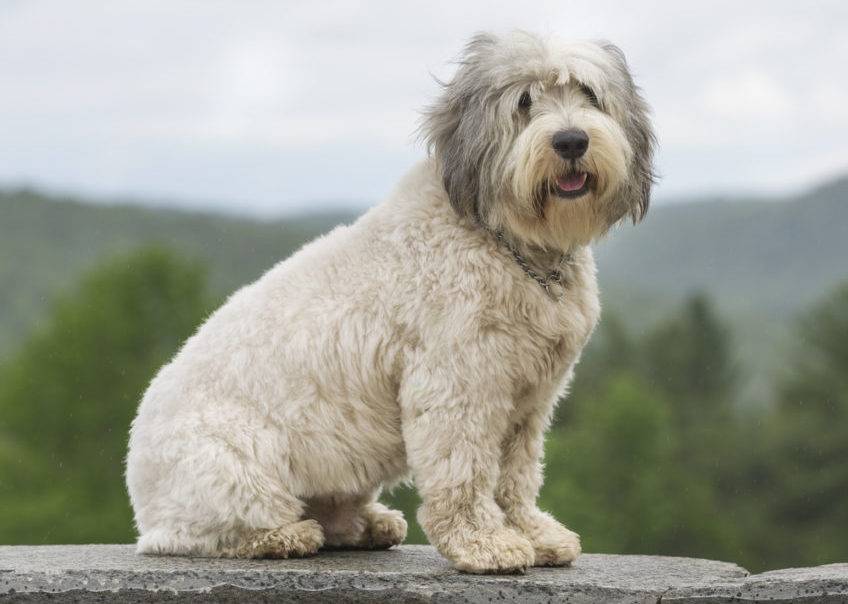
I see nothing, I hear nothing.
Even the thick bangs, nearly completely covering the eyes of the Polish lowland, don’t stop the dog from seeing everything, even at a considerable distance. It can’t be helped - it’s just part of the job.Training and Education
The Polish Lowland Shepherd is an intelligent and perceptive dog, easily trainable due to its natural curiosity and desire to please its owner. However, it can be somewhat independent, so it’s important to approach its upbringing with patience and consistency. Training is best started at an early age while the puppy is open to new knowledge and easily learns the rules.
Training a Polish Lowland Shepherd should be based on positive reinforcement. Dogs of this breed love praise, treats, and play as rewards for correctly following commands. They require both mental and physical stimulation, so it’s best to include tasks that challenge their intelligence, such as search games or performing complex tricks. This breed learns quickly, especially when training is conducted in a playful manner.
The Polish Lowland Shepherd chooses an owner who demonstrates patience, confidence, and a willingness to spend time interacting with the dog. It bonds with those who care for it, spend more time walking and training, and show consistency in upbringing. These dogs value stability and clear rules, but they also need affection and attention.
The Polish Lowland Shepherd listens to whoever it perceives as a leader. However, its understanding of leadership is based on respect and trust, not dominance. Harsh training methods or yelling can destroy trust and diminish the dog’s motivation, so it’s important to use a gentle yet assertive approach. Establishing an emotional connection with the dog and maintaining a positive attitude during training will help it remain obedient and interested in learning.
This breed is suitable for active individuals who are ready to dedicate time to physical activities and mental exercises. The Polish Lowland Shepherd enjoys being involved in family matters and values interaction with its owner. It adapts well to various activities, whether it’s sports competitions, herding work, or just active walks. With proper training and respectful treatment, the Polish Lowland Shepherd becomes not only obedient but also an incredibly devoted dog eager to please its owner. At Zoonyki, they offer elite breed puppies with a complete set of documentation.
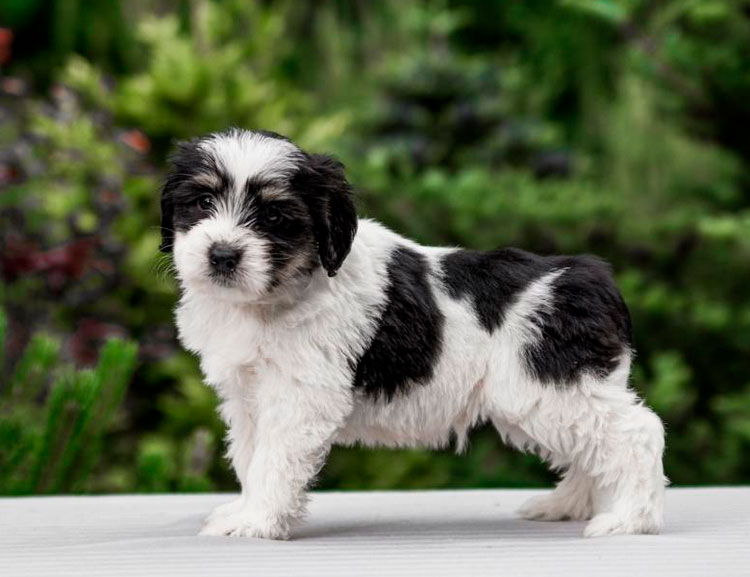
I am the boss here!
It should be noted that the independence of these shaggy shepherds makes it difficult for inexperienced owners to fully enjoy their company. Next to such a dog, there should be someone with a more decisive and assertive character; otherwise, the dog will seize the opportunity and take the top step of the family hierarchy.
How to Choose a Puppy
To choose a Polish Lowland Sheepdog puppy that will grow into a worthy representative of the breed, it’s essential to consider its appearance, behavior, and pedigree. Start by finding a reputable breeder who specializes in Polish Lowland Sheepdogs, adheres to breed standards, and can provide all necessary documents.
The puppy should be active, curious, and friendly. A healthy puppy shows interest in people and its environment, readily engages, and plays actively. It should not display excessive shyness or aggression. A well-socialized puppy behaves confidently and calmly, easily adapting to new situations.
Pay attention to the puppy’s appearance. Its coat should be clean, thick, and shiny, without bald patches or mats. The eyes should be clear and free from discharge, the nose moist and cool, and the ears clean and odor-free. The puppy should be agile, with correct posture and assured movements. Check the paws and teeth: the bite should be correct, and the limbs strong and straight.
The breeder should provide the puppy’s pedigree, confirming its lineage and compliance with breed standards. This document shows that the puppy’s parents have undergone the necessary checks for breed requirements and do not have hereditary defects. It’s also crucial to ensure that the puppy’s parents have participated in shows or tests, indicating their high working or conformation qualities.
Check the puppy’s veterinary passport. It should list all necessary vaccinations, deworming, and other preventive measures. If the breeder has conducted genetic tests on the parents, request to see the results to ensure the absence of hereditary diseases.
Look at the conditions in which the puppies are kept. The kennel should be clean and spacious, with sufficient toys and play areas. Puppies should be active, well-cared-for, and well-socialized, with access to balanced nutrition and clean water.If possible, observe the puppy’s parents. Their appearance, behavior, and health will give you an idea of what your pet may grow into. The parents should be friendly, active, and fully conform to breed standards.Choosing a puppy is not just about checking its physical traits but also about establishing an emotional connection. The Polish Lowland Sheepdog is a breed that forms strong bonds with its owner, so it’s important to select a puppy with which you feel a mutual understanding. Making the right choice and paying attention to details will help you acquire a healthy, well-socialized pet that will be a true representative of the breed and a reliable companion.
Health and Diseases
The Polish Lowland Sheepdog is a breed known for its robust health and good endurance, stemming from its long history as a working dog. However, like many breeds, it is prone to certain health issues that owners should consider to ensure a long and healthy life for their pets.
One of the most common problems in Polish Lowland Sheepdogs is hip and elbow dysplasia. This genetic condition can cause pain and reduce mobility. To prevent or manage this, it’s important to monitor the dog’s weight, provide moderate exercise, and regularly visit the veterinarian for check-ups.
Polish Lowland Sheepdogs may also be susceptible to eye diseases such as progressive retinal atrophy and cataracts. These conditions often emerge in adulthood and can lead to decreased or even loss of vision. Regular ophthalmological examinations can help identify issues early and prevent their progression.
Allergies, both food-related and environmental, can also occur in this breed. Symptoms include itching, rashes, skin irritation, or coat problems. Choosing the right diet, hypoallergenic shampoos, and controlling the environment can help minimize risks.
Hypothyroidism, a condition related to insufficient thyroid gland activity, can develop in Polish Lowland Sheepdogs. It manifests as lethargy, weight gain, and deteriorating coat and skin condition. Diagnosis and medication can effectively manage this condition.
These dogs are prone to obesity if not provided with enough physical activity or if their diet contains too many calories. Obesity can lead to joint, heart, and overall health issues, making it essential to maintain a balanced diet and ensure regular physical exercise.The average lifespan of a Polish Lowland Sheepdog is 12 to 14 years. Regular veterinary check-ups, a balanced diet, physical activity, and attention to the breed’s health characteristics will help keep them active and joyful for many years. Careful attention to disease prevention and early detection will ensure your pet lives a long and healthy life. Considering? There’s a huge selection of listings on the map across cities on Zooinik.
Содержание
-
1. Описание породы
-
2. Внешний вид
- 2.1 Голова
- 2.2 Морда
- 2.3 Уши
- 2.4 Глаза
- 2.5 Зубы
- 2.6 Корпус
- 2.7 Конечности
- 2.8 Хвост
- 2.9 Шерсть
- 2.10 Окрас
-
3. Характер
-
4. Содержание и уход
-
5. Дрессировка и обучение
-
6. Как выбрать котенка
-
7. Здоровье и болезни







Comments
Only registered users can leave reviews.
Enter