
Polish Hound





Warning: Illegal string offset 'label' in /home/panda/sites/zoonika/wp-content/themes/zoonika/template-parts/animals/animals-param-item.php on line 32
Ð


Breed Description
The history of the Polish hounds goes back to deep roots. There are several versions regarding their formation, with the main ancestors being Austrian and German hunting dog breeds. The closest relative is the Polish Ogar.
Regardless, they were bred in Poland and were only used for hunting large game. The Polish nobility greatly enjoyed hunting for roe deer and elk, as well as culling wild boars in local forests. These events date back to around the 14th century. Polish hounds were selective hunting dogs, and their packs were used for hunting in the challenging conditions of forests and marshes. Almost every hunting dog breeder aspired to become a supplier of dogs to their local court. However, not everyone succeeded, despite the presence of kennels in almost every city. Puppies, which were quite expensive, were thoroughly inspected at the time of purchase, and any slight deviation would result in the deal being canceled. For the highborn, not only working qualities were important but also the impeccable appearance of the purchased dogs, as they were often given as gifts in whole packs.
They possess a remarkable sense of smell and are known for their endurance and agility, which are crucial when hunting fast and strong game. These dogs are adapted to work in a variety of conditions and landscapes, which has helped them gain wide popularity among hunters both in Poland and abroad. The breed’s special charm lies in its ability to silently approach hunters to within shooting distance, almost right up close.
Genetically, Polish hounds belong to a group of hounds with a very pronounced hunting instinct. Not using them for their intended purpose means ruining the dog. Their capabilities have made them highly sought after both at home and abroad. Unfortunately, the 20th century, with its numerous interstate conflicts and wars, nearly destroyed the population of Polish hounds. Only after World War II did a group of enthusiasts manage to reopen dog kennels. Today, there are very few left on the map of modern Poland. The average price for a purebred Polish hound puppy can exceed 50,000 rubles, depending on the quality of the puppy and the pedigree of its parents. Nowadays, one can purchase a puppy from a kennel remotely by locating dog kennels on a map, contacting one of them through the provided details, and arranging the purchase.
Appearance
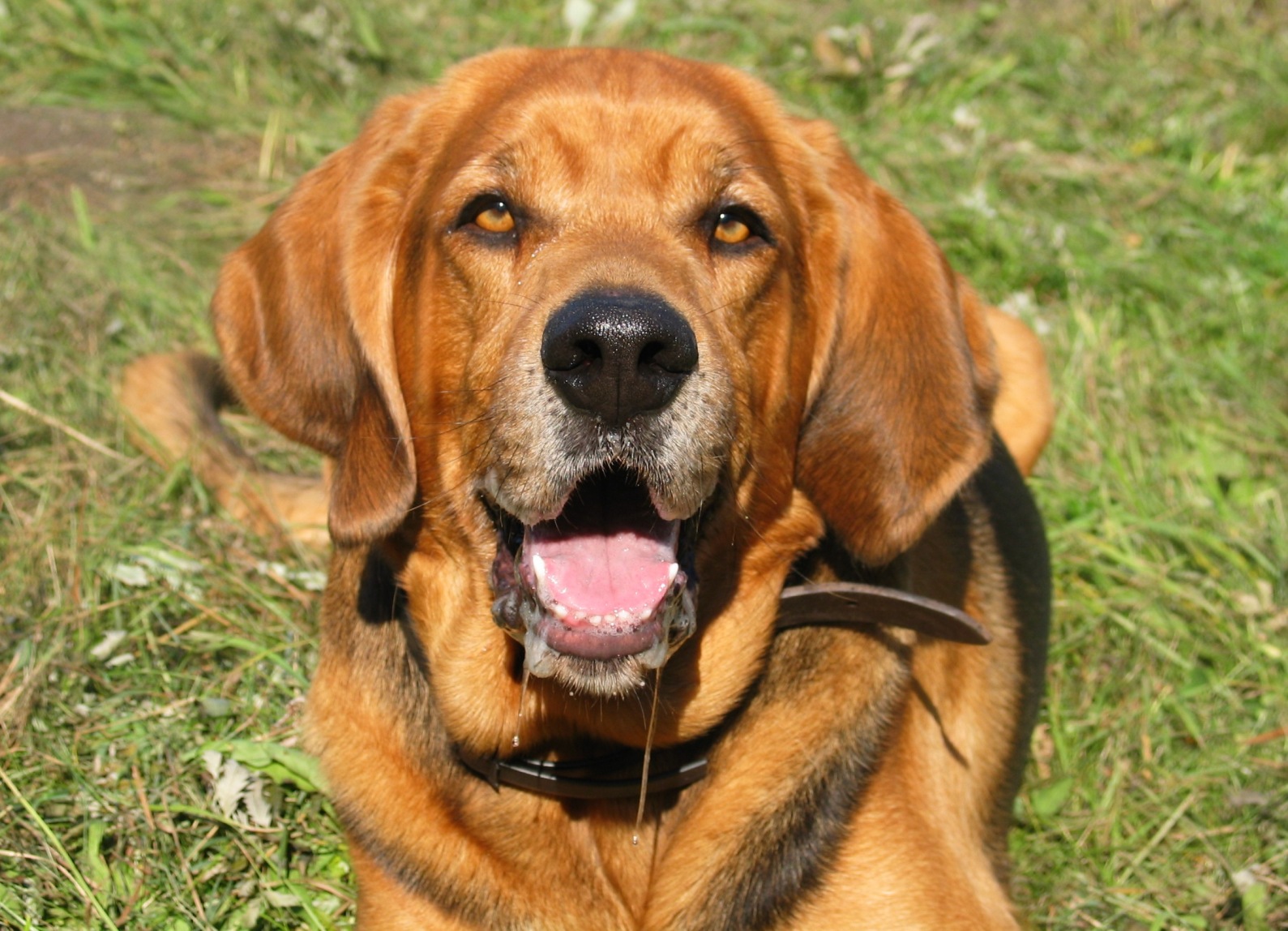
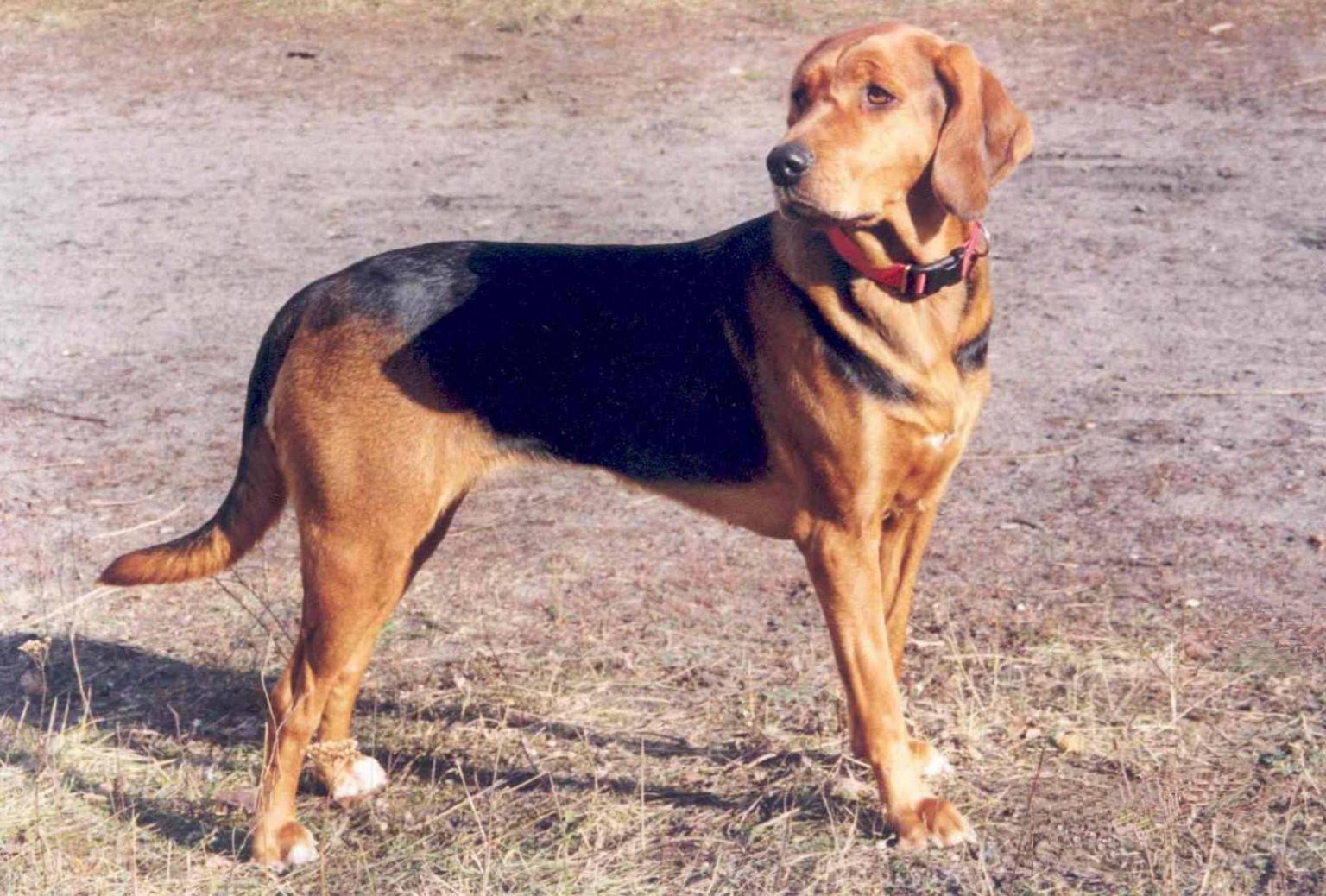
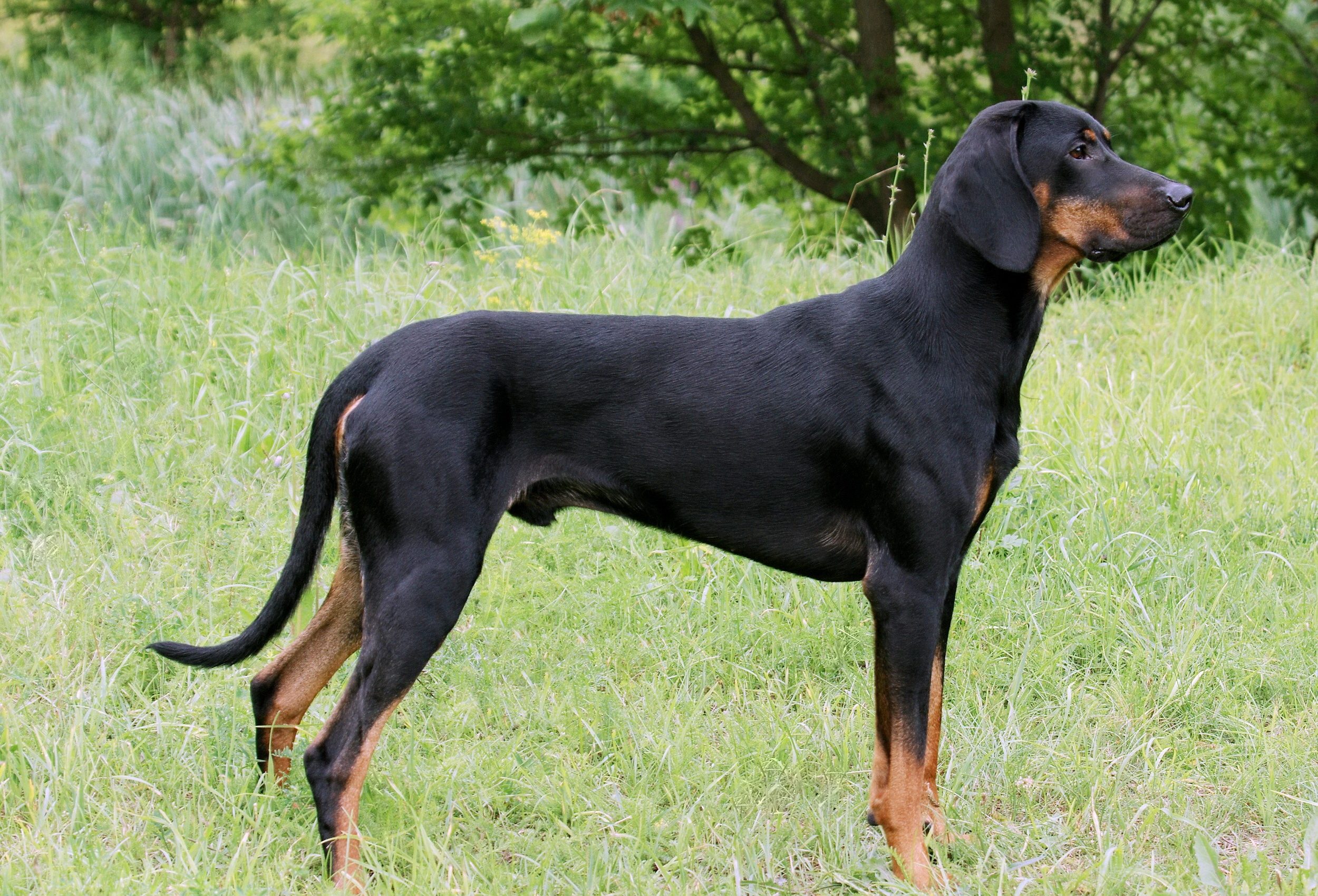
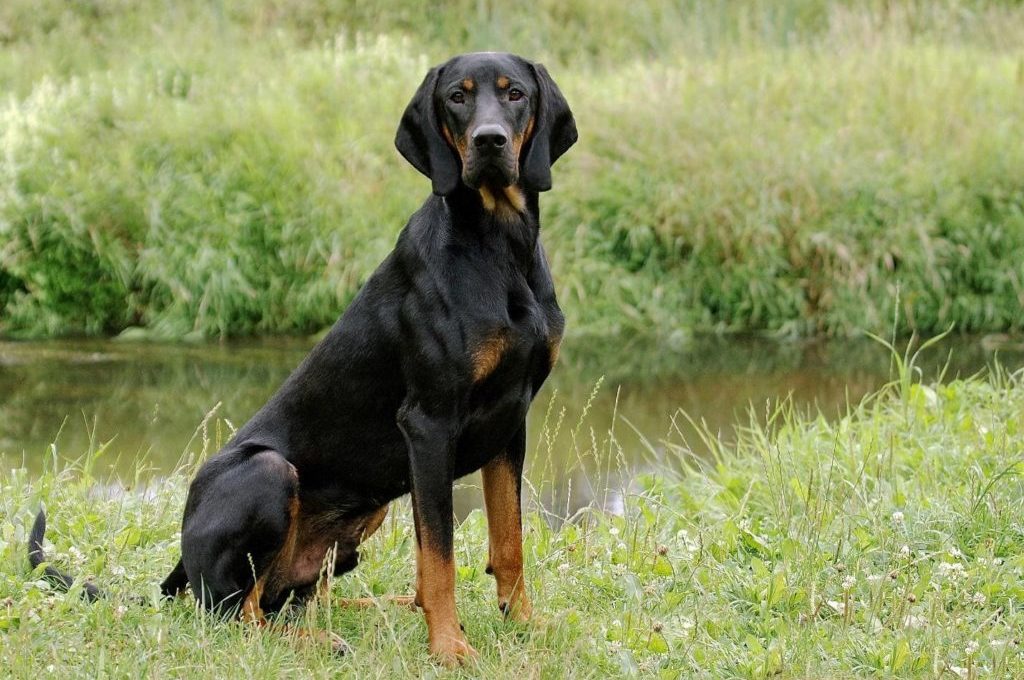
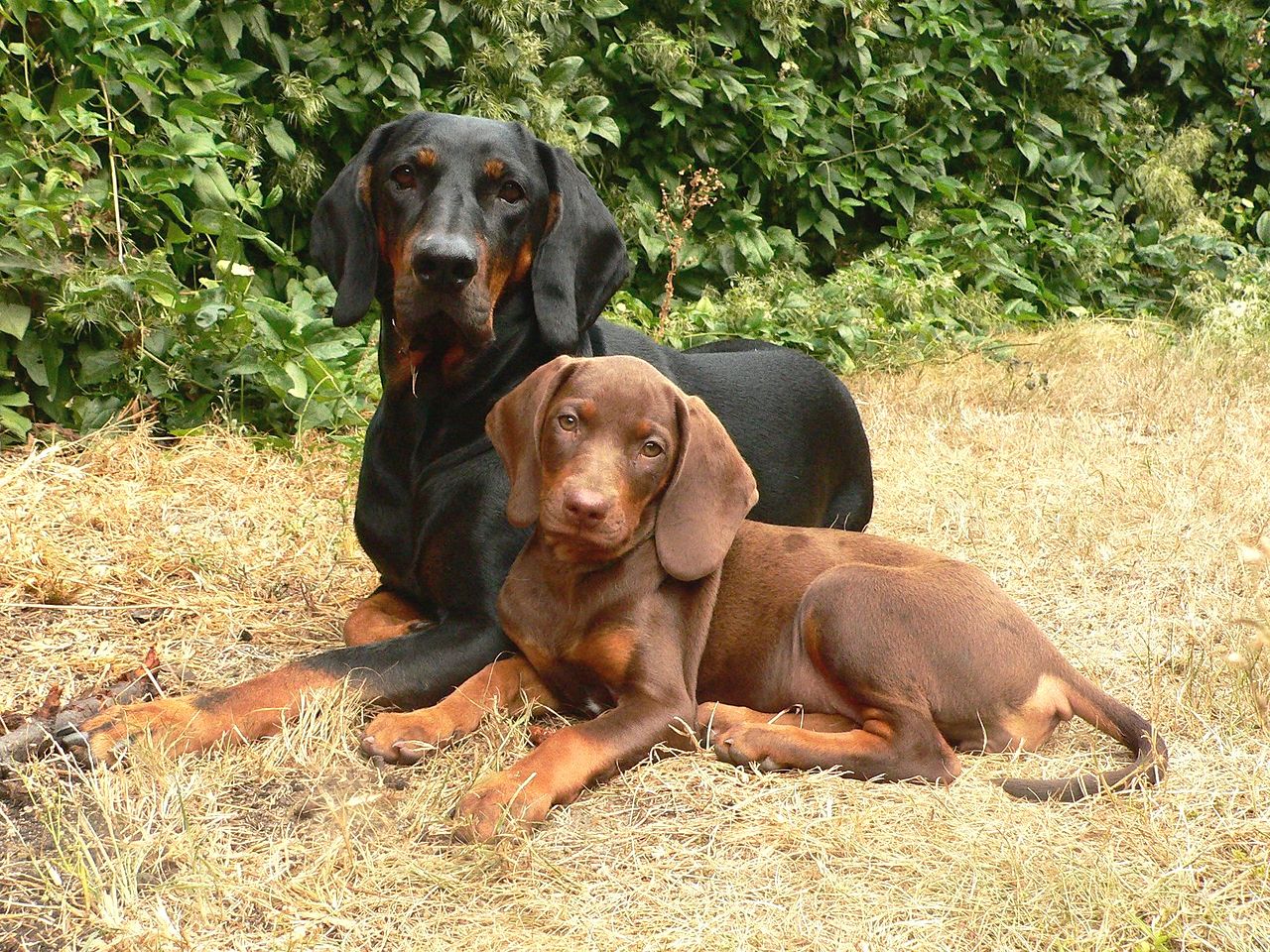
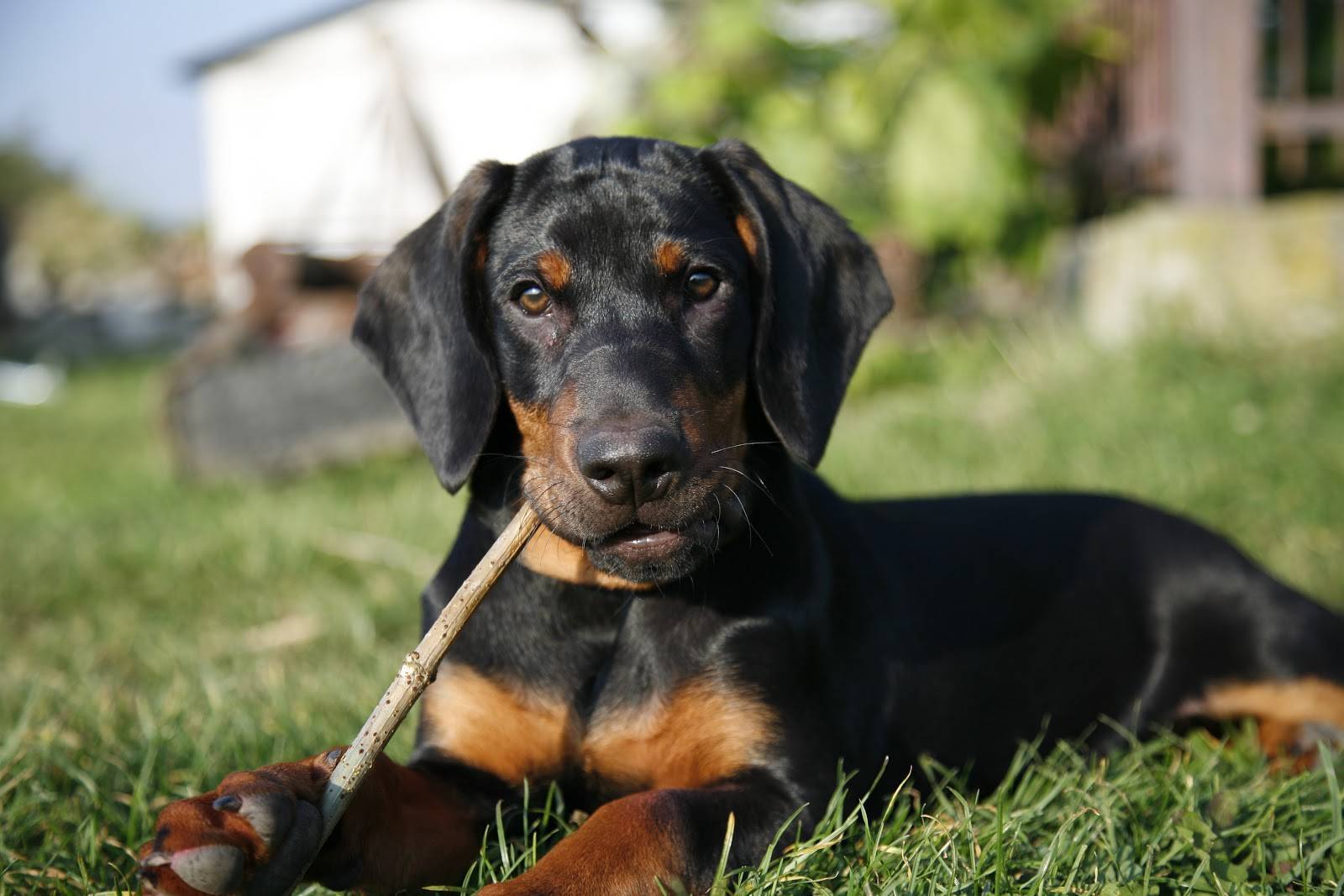
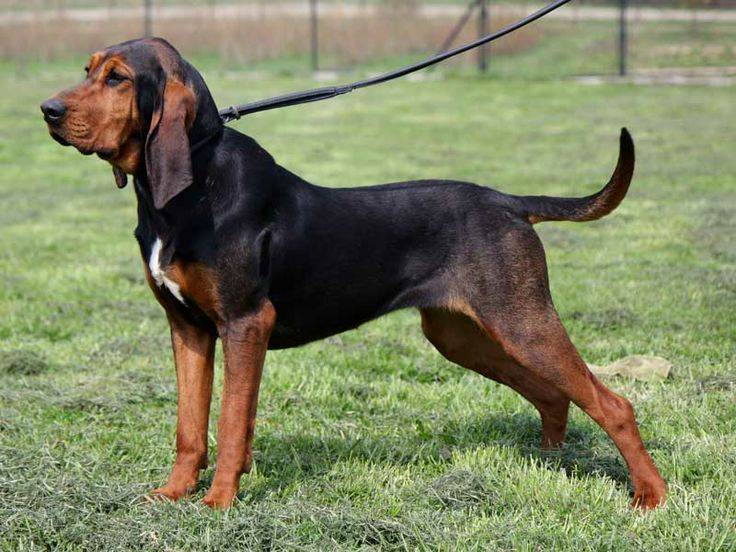
The Polish Hound is a compact, very dense but not thick, clearly strong dog capable of working for long periods. Its speed is outweighed by its endurance. The standard specifies that an adult male weighs around 30-32 kg, while females are noticeably lighter, weighing between 20 to 25 kilograms. The folds of skin on the head draw particular attention, emphasizing the dog’s power. The average height at the withers for a grown dog is 60-65 cm, with females being about 10 cm shorter.
As seasoned hunters say, the tone of the Polish Hound’s voice is unmistakable: deep, resonant, and ringing – nearly every breeder familiar with the breed will confirm this. Interestingly, sexual dimorphism is also noted in the tone of their barks: females have a more ringing bark and a higher pitch than the deep, rolling barks of males.
The neck is very powerful and strong, and the movements during work are confident, clearly thought out – this sets the Polish Hound apart from other hunting breeds.
Many well-known dog breeders point out the similarities between the Lithuanian Hound, Brindle Dog, and Polish Hunting Dog, but there are differences among these three breeds. Polish Hounds are slightly heavier and stand more confidently on their feet, and their mode of movement during a drive differs from the aforementioned breeds.


Отличительные черты

Голова

Морда

Уши

Глаза

Зубы

Корпус

Конечности

Хвост

Шерсть

Окрас
Character
Despite their purpose and activity during work, Polish hounds have a rather calm temperament in everyday life. Their balanced nature manifests not only in relationships with family members but also with other pets. As modern experience shows, Polish hounds are increasingly chosen as family dogs. Some breeders of companion dogs position this breed in this way. Their loyalty indicates that Polish hounds, besides all their other virtues, make excellent family pets capable of fulfilling various roles in the home. They can serve as guard dogs, able to fend off intruders when necessary, and as wonderful caregivers who love playing with children, as well as being pleasant company for elderly owners. They quickly adapt to a home environment and are happy to accompany you on car trips. Unfortunately, long flights, while possible, can be more challenging, as dogs of this size are usually transported in the cargo hold.
Strong hunting instincts are another undeniable trait of their character. Considering this feature, they need to be trained, including agility, coursing, playing frisbee, and other activities where they can not only get physical exercise but also sharpen their wits. Some level of independence, which is sometimes mistaken for stubbornness, is more about their habit of making decisions while hunting and not depending on their owner’s commands. For those planning to acquire a dog from a kennel and have chosen a Polish hound, it is essential to find a kennel where breeders can provide insights into their puppies’ behavior, which will undoubtedly ease training and care.
It is commonly believed that Polish hounds are very intelligent and clever. These dogs adapt to new routines easily and quickly learn tricks and commands. With the right approach, they willingly yield the upper rank in the hierarchy to their owner and adapt their lives to please them. For those who doubt their abilities, it is advisable to attend courses with a professional dog trainer or hire one to help raise their hound.
Although the breed leads a rather measured lifestyle, they require regular physical exercise and an outlet during walks. A few minutes of energetic running or playtime outdoors helps Polish hounds maintain their calm demeanor at home and not display negative temperament traits. They enjoy running alongside a bicycle and don’t mind playing with a ball and engaging in other active games.
In summary, it can confidently be said that the character of Polish hounds makes them an excellent choice for those who value loyalty, intelligence, and activity in their pet. However, they require proper training, care, and attention to fully realize their potential as family companions, rather than just as hunting dogs.
Not the same!
Despite the similarities between the Polish Ogar and the Polish Hound, which did not have official distinctions for quite some time, they are two different breeds. Both breeds have their own standards, which were accepted with a difference of more than 30 years.Care and Maintenance
This breed of dog cannot live without movement and physical activity. Despite their sensible nature, dogs with a sedentary lifestyle will inevitably show negative behavioral traits. There is a belief that if you buy a puppy from a kennel, it will inevitably grow into a well-behaved dog with superior traits. However, this is not necessarily the case in practice. The care and maintenance of a pet play a crucial role, sometimes even more important than where it was purchased.
Caring for Polish Hounds outside of the city comes with certain nuances and differs from living in an urban environment. First of all, they need access to open space. Polish Hounds are energetic dogs that require plenty of room to run and play. If you have a country house or plot, provide them access to a large area where they can roam freely.
It is wise to enclose part of the land or designate a specific area with a fence. Since Polish Hounds have strong hunting instincts, it is important to ensure their safety by preventing them from wandering too far from home. Therefore, the fence should be quite high so the dog cannot jump over it. Additionally, breeders of hunting dogs recommend implementing measures at ground level to prevent digging under the fencing. On the enclosed property, dog owners should remove any sharp objects to avoid injuring the dog. One well-known breeder of hunting dogs even covered part of his land with sand, allowing his pet to dig where it pleased.
For those who decide to buy a dog from a kennel and plan to keep a Polish Hound in the city, it is essential to understand that these dogs cannot thrive in cramped conditions. The breed’s history shows that Polish Hounds are designed to assist in hunting in mountainous terrains and are particularly enduring. This is why they require regular and prolonged walks. In an urban environment, it may be challenging for owners to find suitable places for their Polish Hound to run. Daily runs or bike rides can be a solution, but the dog must be kept on a leash to ensure the safety of both the dog and the surrounding people.
It should not be assumed that the breed needs only physical exercise. Mental stimulation is also crucial. In an urban setting, it’s important to provide the Hound with opportunities to combine muscle training with brain exercises. Activities like coursing and agility are particularly suitable for this purpose. In large cities, professional dog trainers actively develop these areas. Such events often feature well-known breeders from Russia, providing opportunities for networking and sharing experiences. During these training sessions, the dogs’ intelligence is enhanced, positive behaviors are established, and obedience is formed.
Nutrition is another important aspect for Polish Hounds. As relatively large dogs with significant energy expenditure, they require a suitable diet. This should include not just fats, carbohydrates, and proteins in the right proportions, but also a sufficient amount of vitamins and trace elements. These nutrients have a significant impact on the dog’s appearance, nervous system, and intellectual development. Holistic dog food is considered optimal as it contains all the necessary substances for a dog’s full development in the right proportions. Such food makes it easier to control the dog’s weight, and adjustments can be made quickly in case of allergies to any of the ingredients. For individual needs, holistic and super-premium foods are selected specifically, taking these characteristics into account. Furthermore, there is no need for additional vitamin supplementation.
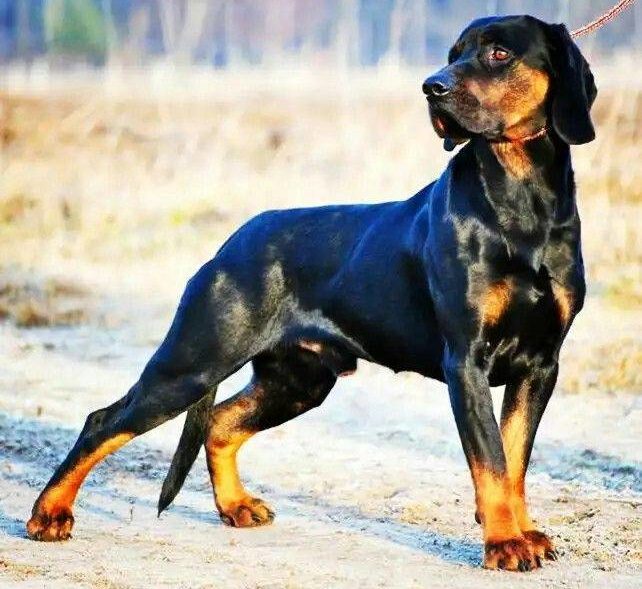
I can tell by ear!
As is known, male dogs of this breed appear much bulkier than females. However, when the dogs are out of sight, they can be quite easily distinguished by their voices: males bark noticeably deeper and more resonant than the clear and high-pitched females.Training and Education
A unique breed of dog is not suitable for every dog owner. Before purchasing a dog from a kennel, it is advisable to answer clearly why you want such a dog. This breed is not for couch potatoes or those looking for a “pet for the soul.” As every hunting dog breeder will tell you, a Polish hound is as much a tool for hunting as a shotgun. For these reasons, every potential owner of such a dog must understand that a Polish hound cannot be idle or not used for its intended purpose. We suggest familiarizing yourself with key points in their upbringing and training.
The best time to start training a Polish hound is from a very young age, when the puppy is already accustomed to its name and responds to it. At this stage, it is quite easy to train and ready to learn new things. Start with small tasks, paying particular attention to basic commands: “sit,” “lie down,” “come,” and “place.” Maintain a positive approach during training, using rewards and affection. It’s also important to observe the puppy to understand which training methods are most effective for its learning.
A crucial stage is transforming a city dog into a hunting dog. Simultaneously important, this stage can also be the most challenging of all. Even if you live in the city, you can train your Polish hound in hunting elements. Instead of going hunting in the forests and fields where it’s not always possible, you can use city parks and green areas for training. Various outdoor games in the park can help the dog develop its hunting instincts.
Use special equipment! For those who have decided to buy a puppy from a kennel and want to raise a true hound, it’s essential to acquire specific gear. For example, use dummy toys when training search skills and special scent pads to develop olfactory ability and work in this direction.
In conclusion, it can be said that a Polish hound without hunting is a completely different dog from one that was initially bred. Raising and training such dogs requires patience, consistency, and a love for animals. It’s important to remember that each dog is unique, and training requires an individual approach. However, the effort invested will surely yield positive results: proper training will help your pet become obedient, active, and happy. At Zooneka, you can find the best breeders offering puppies with pedigree.
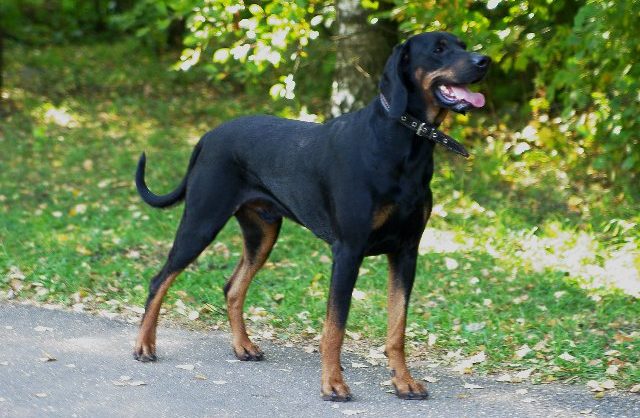
Will it grow by winter?
As is well known, the double coat of Polish hounds becomes even denser in winter, as the undercoat grows and noticeably thickens, keeping the dog warm in the cold.
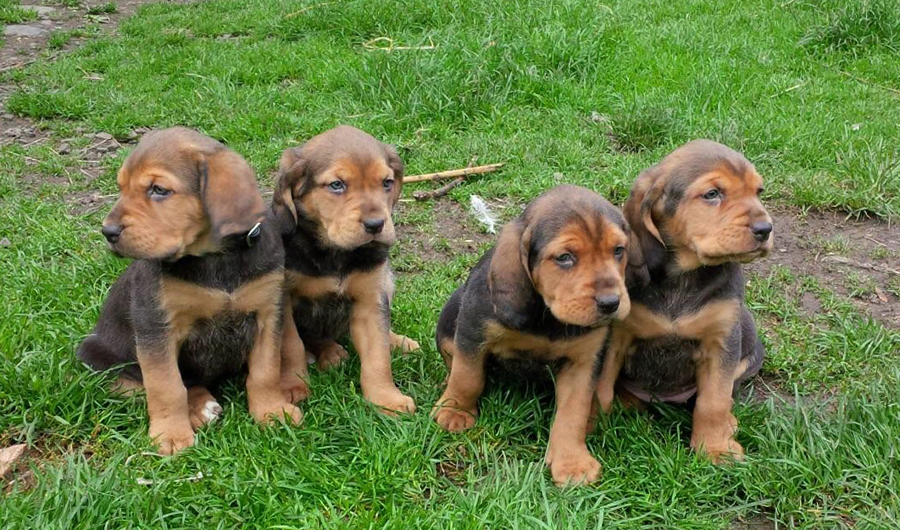
How to Choose a Puppy
For hunters passionate about their hobby, the question of where to find a dog kennel for hunting big game is always relevant. While hunting in Europe is gradually losing its former popularity, such a trend has not yet been observed in post-Soviet countries.
Although the population of Polish hounds currently does not exceed 6,500 – 7,000 officially registered individuals, our website recommends dog kennels on the map where every verified breeder of hunting dogs is always ready to answer your questions and offer purebred Polish hounds in the best condition.
By the way, most kennels are located in the breed’s homeland, Poland, but since 2015, the option to purchase has become available in our country as well. By contacting breeders in a convenient way, you can request a price list from the kennel, and even if it’s located outside Russia, you can purchase a puppy remotely-there’s no need to worry as this method of purchasing is becoming increasingly popular.
In any case, you should carefully review the sales contract, the puppy’s pedigree, and the results of tests for the puppy and its parents, as well as thoroughly research online reviews of the chosen dog kennel, including photos and delivery prices to your home. At Zooinic, it’s simple, quick, and safe, with a quality guarantee.
Health and Diseases
The Polish Hound can be characterized as a very resilient dog, capable of enduring prolonged, exhausting work in almost any weather conditions. Of course, a weakened body cannot offer such capabilities. On average, they live around 12 to 14 years and remain active and alert for nearly all those years.
Despite their many advantages, the structure of the Polish Hound has a number of weak points, or “pain points.” One problematic area in their exterior is their ears. Drooping and fairly large, they are designed in such a way that moisture or dirt tends to accumulate inside, often during walks or work. When this happens, inflammation, leading to ear infections and similar diseases, frequently occurs. As experienced dog breeders say, one manifestation of ear infections can be frequent shaking of the head, attempts by the dog to scratch inside its ear, and a sour smell when cleaning the dog’s ears.
Among other issues, one can note the intolerance to anesthesia, allergic reactions to strong perfumes, dust, or tobacco smoke. Digestive problems related to improper diet are less common but still worth mentioning.
Among hereditary diseases, hip dysplasia is often cited. Typically, a single joint is affected due to improper formation. Unfortunately, if not treated well, limping occurs first, followed by pain that can nearly immobilize the dog.
Содержание
-
1. Описание породы
-
2. Внешний вид
- 2.1 Голова
- 2.2 Морда
- 2.3 Уши
- 2.4 Глаза
- 2.5 Зубы
- 2.6 Корпус
- 2.7 Конечности
- 2.8 Хвост
- 2.9 Шерсть
- 2.10 Окрас
-
3. Характер
-
4. Содержание и уход
-
5. Дрессировка и обучение
-
6. Как выбрать котенка
-
7. Здоровье и болезни







Comments
Only registered users can leave reviews.
Enter