
Polish Hound (Ogar polski)
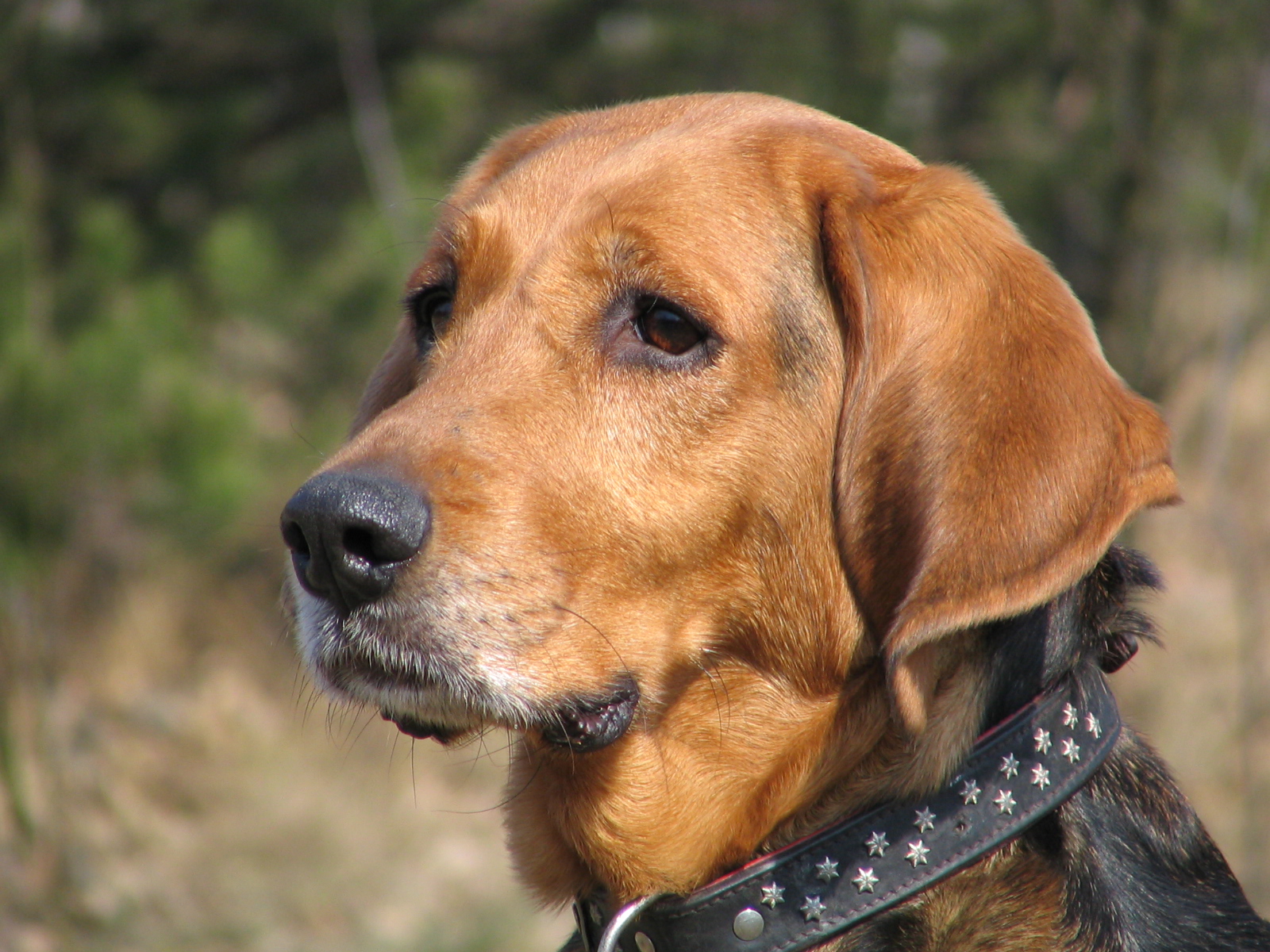





Warning: Illegal string offset 'label' in /home/panda/sites/zoonika/wp-content/themes/zoonika/template-parts/animals/animals-param-item.php on line 32
Ð


Breed Description
Polish Hounds, or as they are affectionately called, ogariks, are practically indistinguishable from Polish hounds. However, to be honest, there are small differences, which can be confirmed by any breeder of hunting dogs or companion dogs. The history of these magnificent hunting assistants is quite ancient. Its roots trace back to Eastern Europe, specifically in present-day Poland, where the local nobility enjoyed hunting.
According to some sources, the first mentions of dogs similar to Polish Hounds date back to the 13th and 14th centuries. Due to their endurance, strength, and ability to track game, they were highly valued, and well-known breeders sought to improve the breed by incorporating the genes of sighthounds and other hounds, including Austrian and German breeds. However, the foundation of the breed lies in ancient Eastern hunting dogs, possibly including Scythian sighthounds.
Other accounts suggest that Polish Hounds descended from the hounds of St. Hubert, interbred with local dogs and English Foxhounds, but this likely occurred several centuries later, around the 17th century. The best qualities of all these dogs were realized in the Polish version of the hound.
Polish Hounds first appeared in what is now Poland, where they were bred and developed specifically for hunting large game, such as deer and roe deer. The distinction between Polish Hounds and Polish hounds is not only in their purpose. Polish Hounds are a breed of hounds specialized in hunting large game, and they possess a larger frame and heavier bone structure. In contrast, Polish hounds are lighter and used for hunting smaller game, such as hares and foxes.
The cost of Polish Hounds can vary significantly depending on the region and the breeder’s reputation. In Russia, the price of a Polish Hound puppy can range from 30,000 to 100,000 rubles, depending on lineage, quality, and the potential of the future hunting companion. It cannot be said that the breed is extremely popular worldwide. However, these dogs are known and appreciated among hunters. This is partly due to the fact that the most devastating event in human history, World War II, nearly wiped out the population of Polish four-legged hunters. Only through the efforts of enthusiasts did the ogariks receive a second chance at life. It is noteworthy that the desire to recreate the original Polish hunting dog breed began with two colonels of the Polish army, but for a long time, the breed was not divided into two distinct ones. Nevertheless, in 1966, the first standard for the Polish Hound was recognized by the FCI.
Appearance
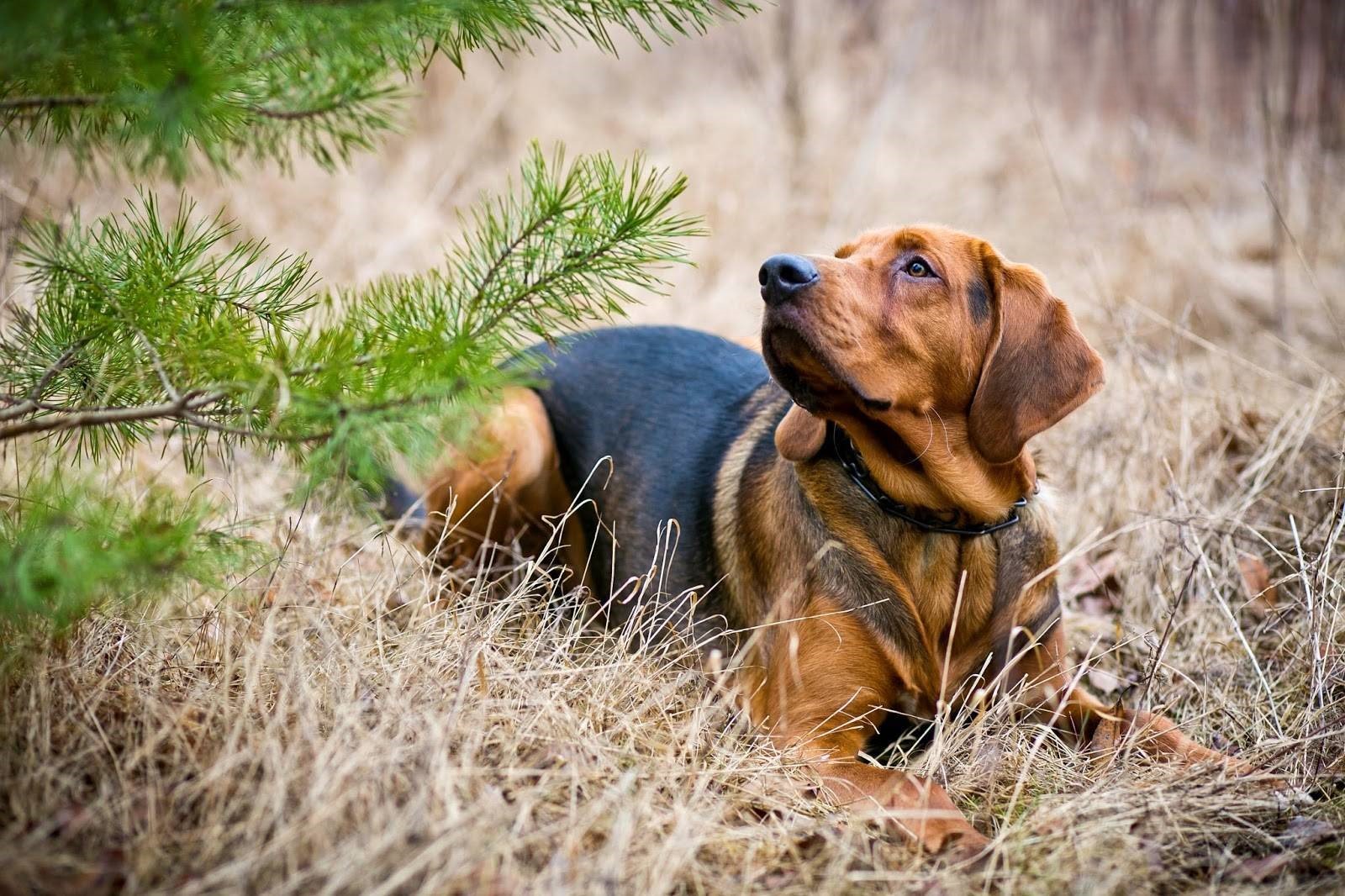
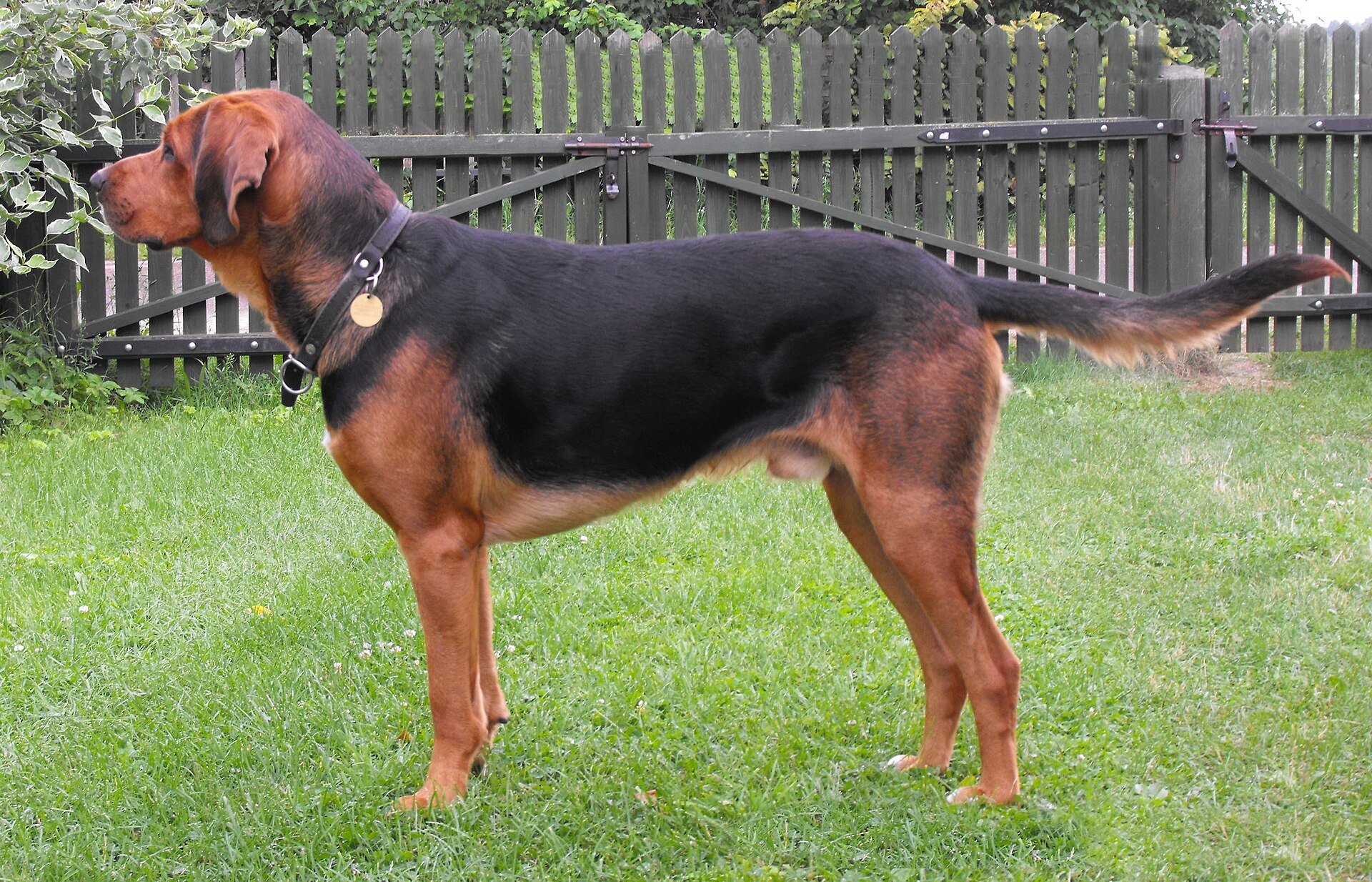
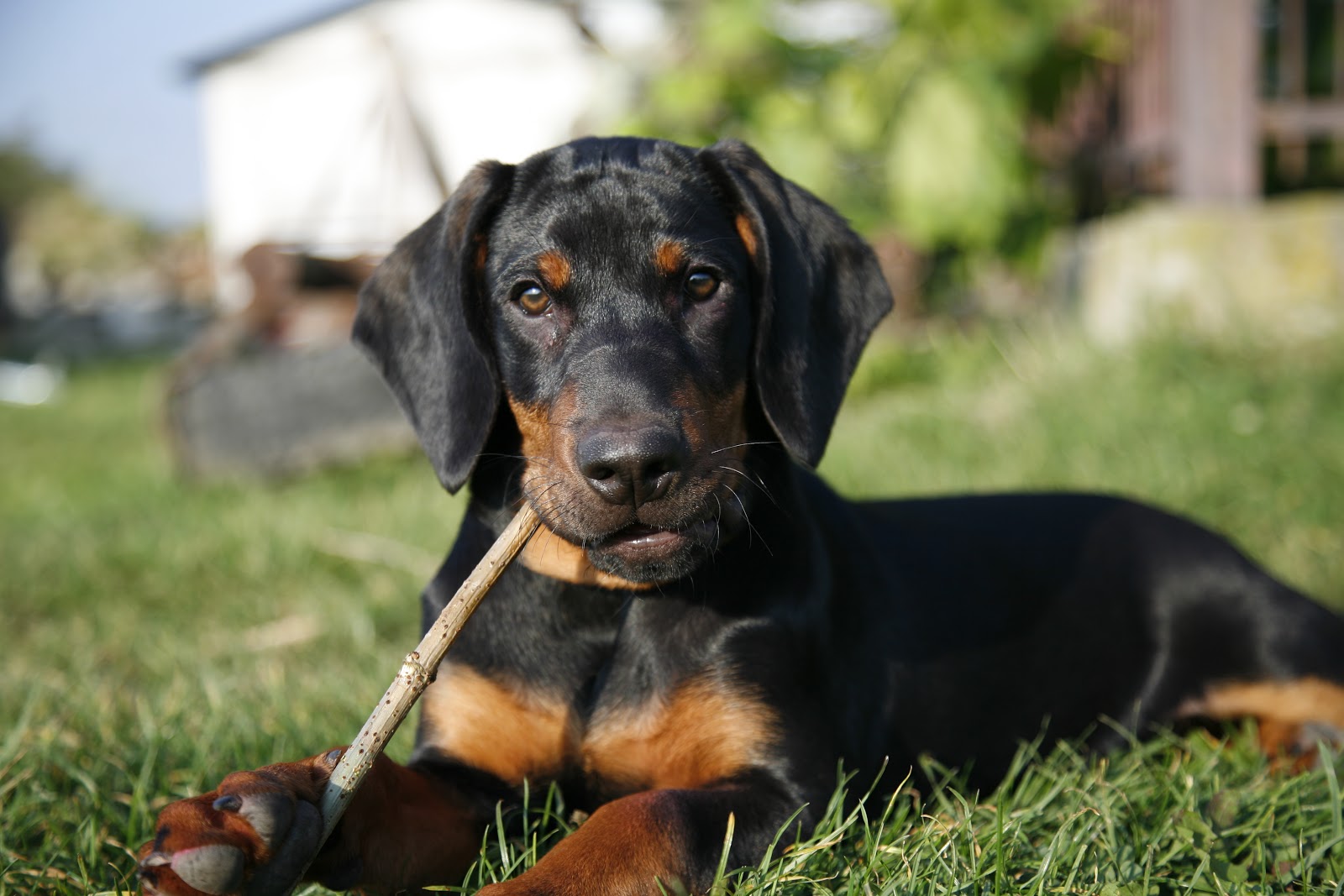
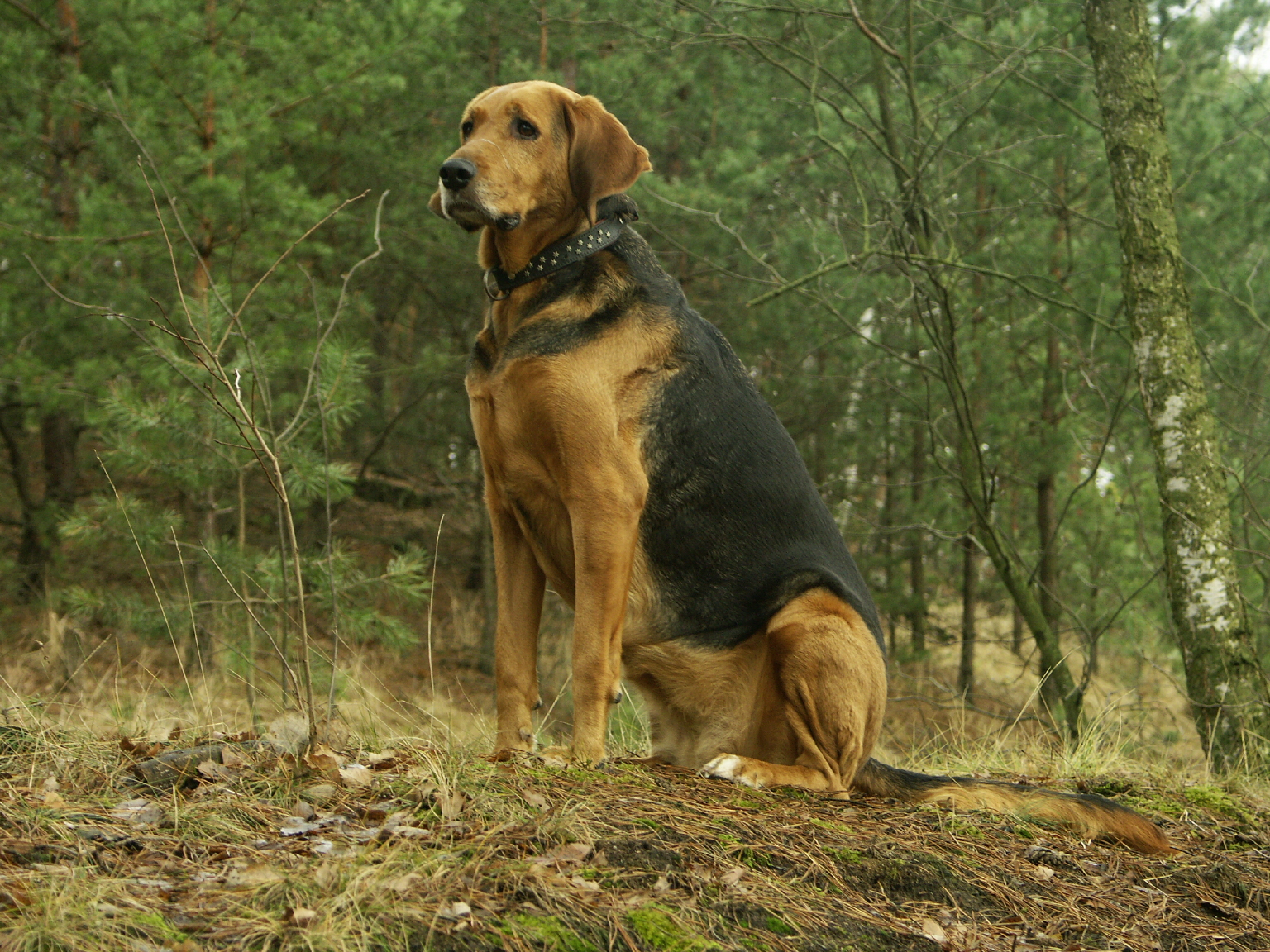
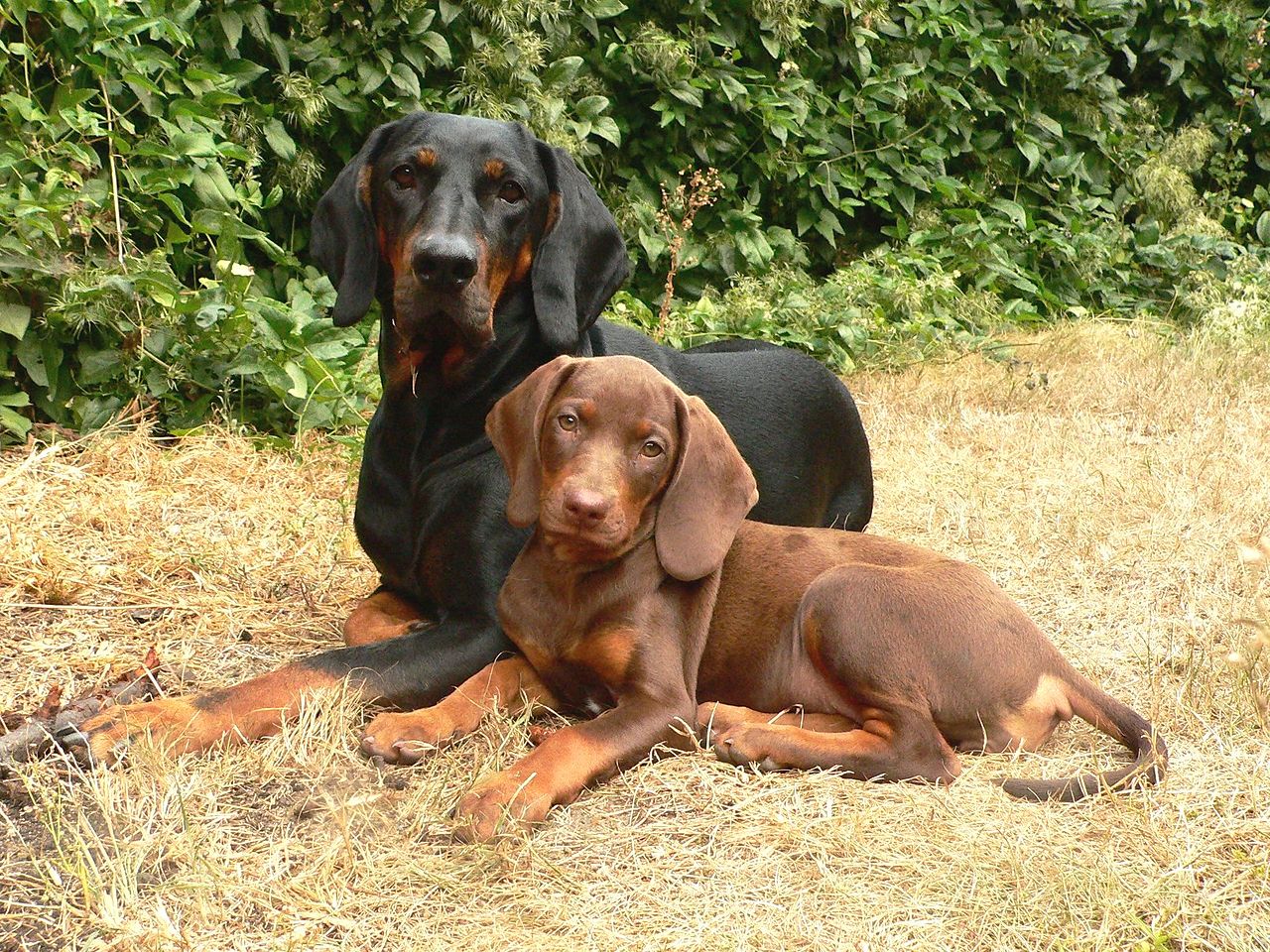
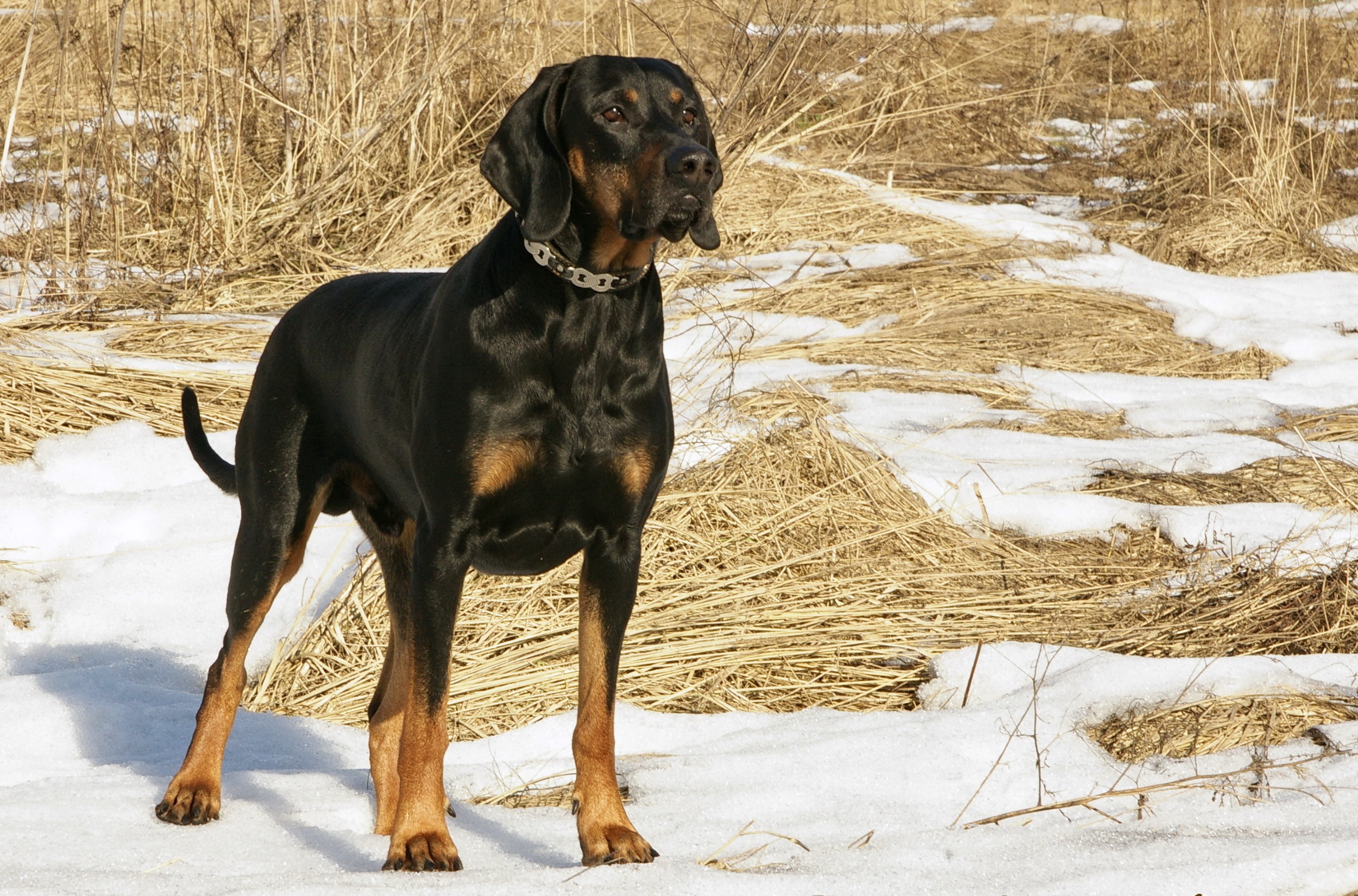
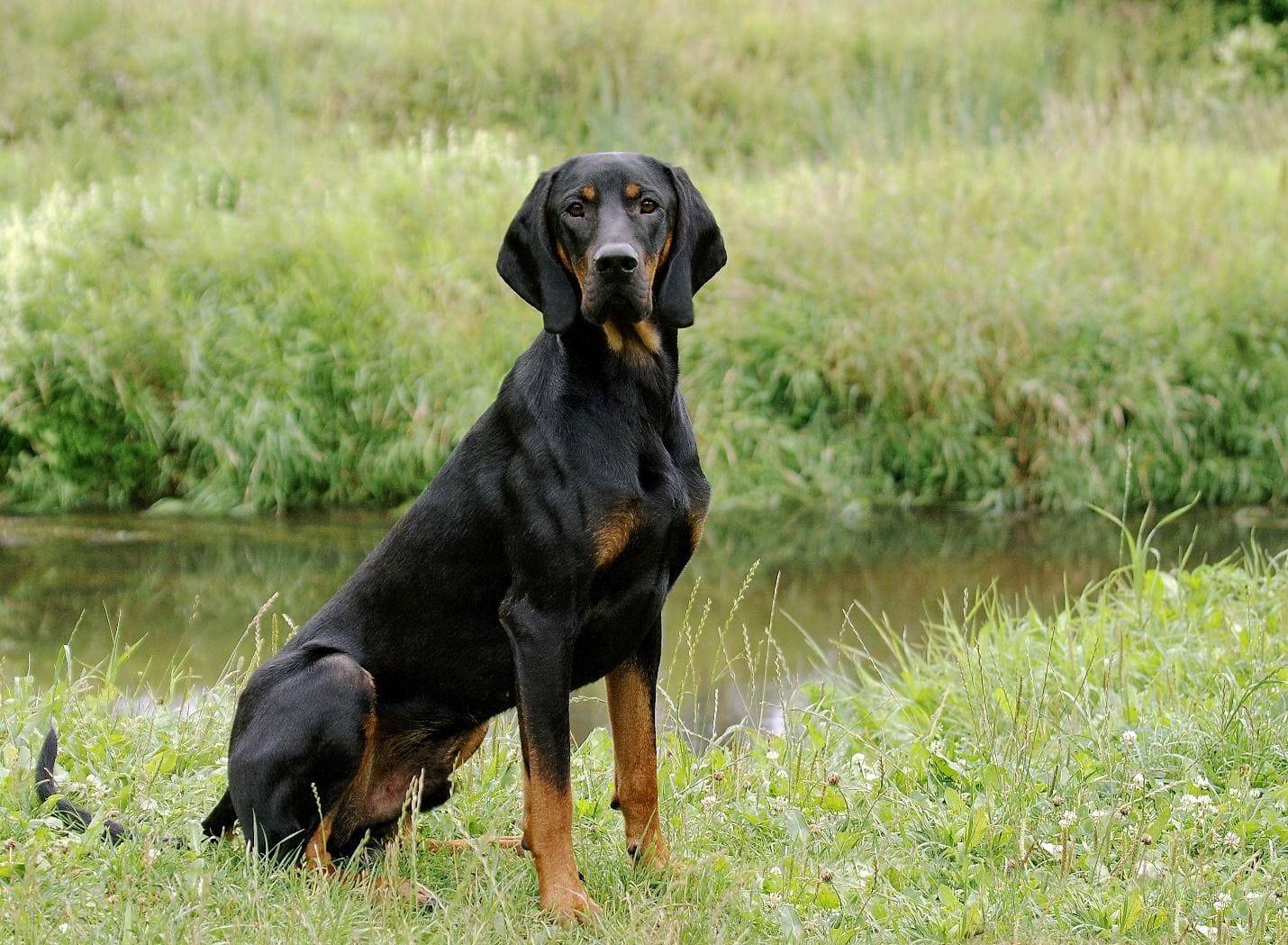
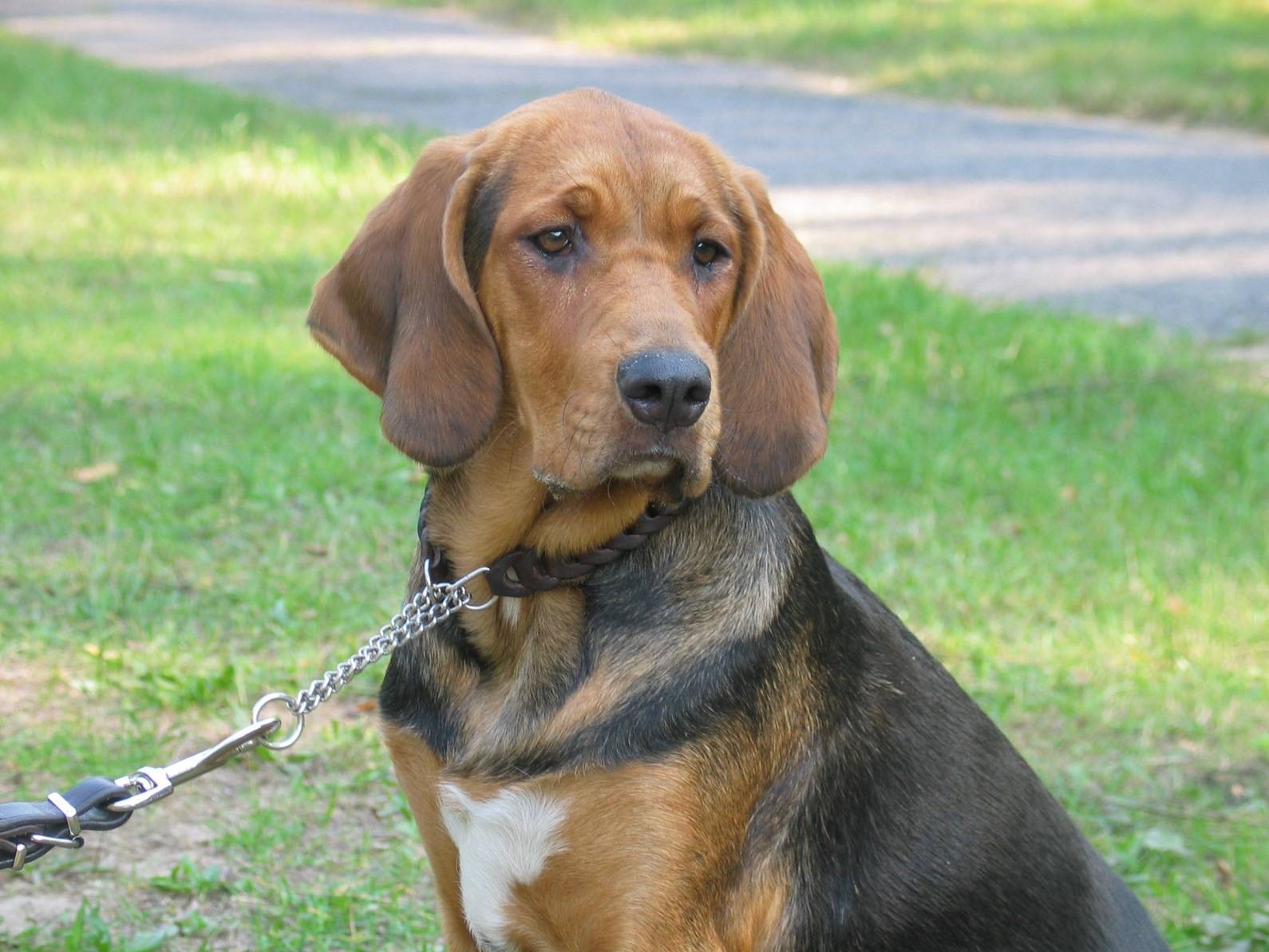
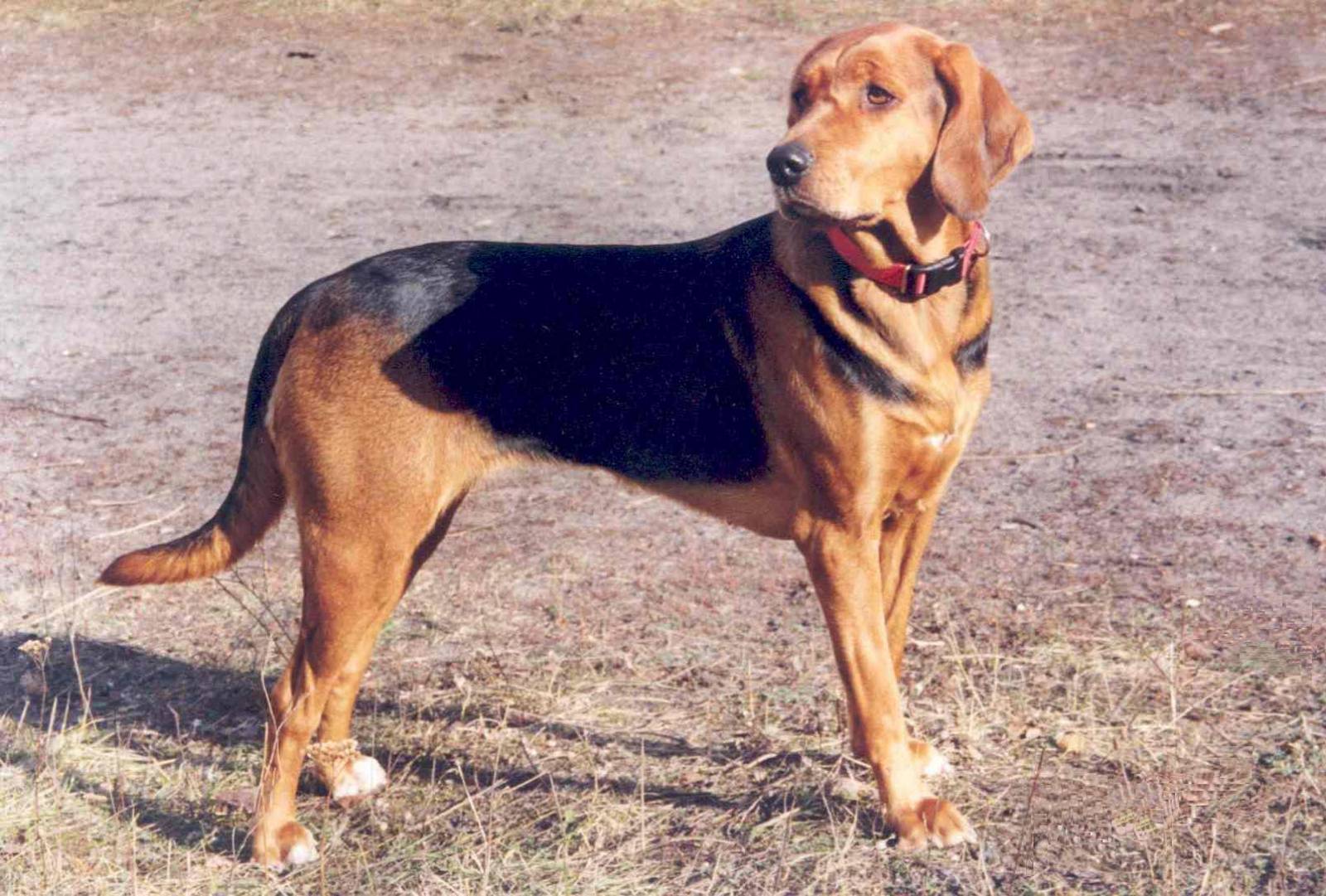
The Polish Hound is a serious, robust dog that shows traits of Bloodhounds, Foxhounds, and other European hunting breeds. Adult males reach about 65 cm at the shoulder and weigh between 30 to 32 kg. Females are more elegant and resemble hounds from the same region, standing no taller than 60 cm and averaging around 25 kg.
Their remarkable work ethic and adaptation to the harshest weather conditions highlight these dogs in the best light. Despite their merits, purchasing a dog from a kennel outside Poland is quite challenging, as the breed suffered significantly during World War II. However, there are such dog kennels in Russia. You can find addresses and phone numbers listed by verified breeders on our website.
The olfactory skills of Polish Hounds are highly valued by airport security specialists in various countries. They are often used as military dogs for mine detection or during search operations. Naturally, their need for space and activity makes them unsuitable for urban living, but in rural areas, the Polish Hound undoubtedly shows its true potential. Their average lifespan can reach 13 to 14 years, although a breeder of service dogs in their homeland has managed to provide conditions that significantly extend this lifespan beyond the mentioned range.


Отличительные черты

Голова

Морда

Уши

Глаза

Зубы

Корпус

Конечности

Хвост

Шерсть

Окрас
Character
What can be said about the character of Polish hounds?
First of all, it is important to note that the Polish hound is a breed known for its balanced temperament, loyalty, and outstanding hunting abilities. These elegant and powerful animals possess a confident and calm nature, making them excellent companions in hunting and wonderful household pets. Because of this trait, almost every hunting dog breeder refers to hounds as companions, broadening the circle of potential buyers.
Polish hounds are highly intelligent and display independence, while also being devoted and loyal to their owners and families. Their even temperament and resilience make them great companions for people who value tranquility and reliability in their pets.
One notable aspect of the breed’s character is their patience and friendliness. They usually get along well with children and other pets, thanks to their balanced nature and kind disposition toward others. The dogs are very self-assured and confident, which means they do not react to provocations from smaller dogs-of course, when properly socialized, this is very important.
Courage and bravery are two outstanding qualities of Polish hounds. They show bravery during hunts and are capable of taking decisive action in any situation. At the same time, the dogs can rely on their instincts rather than wait for their owner’s command. These characteristics make them excellent guard dogs. It is, of course, not common to keep them on a chain like Alabai dogs, but breeders often position them as guard dogs, not limited to hunting traits or companionship skills.
However, in addition to many positive traits, Polish hounds can exhibit a tendency toward stubbornness, which requires constant and consistent training and socialization. Their strong hunting instincts can also lead to unwanted behavior, such as chasing small animals during walks. These problems can be mitigated with the help of animal psychologists and training with a professional dog trainer.Another negative trait in the character of Polish hounds is the manifestation of dominant behavior, especially toward other dogs and animals. This calls for careful control and socialization from a young age. Naturally, such behaviors cannot be labeled as common, as each dog is unique. It has been observed that if a puppy arrives in a home after other pets, it tends to behave much quieter and more peacefully.In rare cases, hounds may be unyielding to training, requiring a patient and consistent approach from their owners. Their intelligence and confidence can sometimes lead to disobedience during training. In such situations, experienced breeders recommend changing the training tactics and altering the owner’s approach to the upbringing process.
Doppelgenger
Despite their strong external resemblance, the Polish Ogar differs from the Polish Hound not only in having a heavier skeleton but also in their purpose. The Ogar is used for large game, while the Hound is used for small game. These two types of hounds were also developed separately from one another.Care and Maintenance
It is important to note that purchasing a puppy from a kennel does not guarantee that your dog will grow up to be an obedient pet, bringing only positivity into your life. To ensure that the Polish hound meets your expectations, you must provide optimal living conditions for its development and care for it by following the recommendations given by reputable dog breeders. Our dog kennel website offers some advice on this matter.
Living Conditions.
The most preferred living conditions for Polish hounds are key to their health and happiness. To provide a full life for your pet, breeders recommend creating a spacious area for active play where the dog can move freely. These energetic dogs need plenty of space for entertainment and physical exercise, so it is important to give them access to an activity zone. Additionally, it is wise to provide shelter where the dog can protect itself from adverse weather conditions and rest – this is, of course, concerning keeping them in a country house. Trusted breeders and dog kennels enclose part of the backyard with a fence and fill it with sand. It is essential to ensure that there is no broken glass in this area to prevent injury while digging. The fence height should be sufficient to prevent the dog from escaping. In an urban apartment, providing these conditions is almost impossible, so it is recommended to keep Polish hounds in a private home.
Proper Nutrition.
A well-chosen diet is crucial for the health and vitality of Polish hounds. Renowned dog breeders advise paying attention to the quality of food. Balanced dry food containing high-quality proteins, fats, vitamins, and minerals will help maintain your pet’s health and provide it with the necessary energy for an active life. Remember that the correct diet should be tailored to the dog’s activity level, age, and other individual characteristics. It is simplest to use the same food that the dog breed kennels provide. If in doubt, it is best to seek advice from a veterinarian.
Physical Activity.It is well known that Polish hounds require intensive physical exercise. Breeders and kennels recommend that to maintain your pet’s health and good physical shape, you should ensure regular active walks, running, and outdoor play. A minimum of 90-120 minutes of physical activity per day will help meet your pet’s movement needs and maintain its fitness.Regular Veterinary Check-ups.These are an integral part of caring for the health and well-being of Polish hounds. Trusted breeders in Russia recommend following a veterinary schedule, conducting regular preventive check-ups, vaccinations, and other preventive measures to timely identify and prevent various diseases in the dog. Such monitoring and observation will play a crucial role in maintaining your pet’s health and longevity.Polish hounds are quite popular in sports events such as pseudo-hunting trials (coursing for hares), retrieving, and competitions in running and sports training. Their endurance, strength, and intelligence make them excellent participants in various competitions as well as outstanding sports partners. In sports events, Polish hounds can showcase their outst
Hound or goose?
In translation from Polish to Russian, "ogar" means a hound. Essentially, these are two practically identical breeds of hunting dogs, with the difference between them becoming apparent only during the hunt.Training and Education
To get ahead of ourselves, Polish hounds (ogars) are not just about dog breeding, photos, and prices for puppies that suit you. They entail a significant responsibility for the pet’s behavior for many years.
Training and raising a Polish ogar are crucial aspects of caring for this breed. In recommendations, reputable breeders and hunting dog kennels often emphasize the need to start raising a pet from a very young age. Teaching basic commands, socialization, and establishing correct behavior in various situations are the foundations of successful training.
Rules of the Learning Process.
Dog breeders and training experts urge consistency and patience during the education of a Polish ogar. It is important to approach the training process with an understanding and respect for the individual characteristics of each dog. Additionally, one must consider their activity level, abilities, and intellectual qualities. One of the key principles is to use a positive approach, encouraging good behavior.
Owner Efforts.
Pets of this breed are characterized by a unique independence and self-sufficiency, which means their training sometimes requires significant effort from the owner. Regular training sessions, games, and intellectual activities will help maintain your dog’s activity level and mental agility.Importance of Socialization.Another important aspect of raising an “ogar” is proper socialization. Almost every companion dog breeder points out that regular interactions with other dogs, animals, and people will help the pet develop a friendly attitude and self-confidence. This is particularly important for a breed like the Polish hound (ogar).Long-Term Perspective.Based on the experience of breeders and those who successfully raise Polish ogars, it is vital to remember that training and education for this breed is a long-term investment of effort, patience, and attention. However, using the right methods and strategies will help you raise a great and loyal pet. Find your puppy through certified sources.
Silence
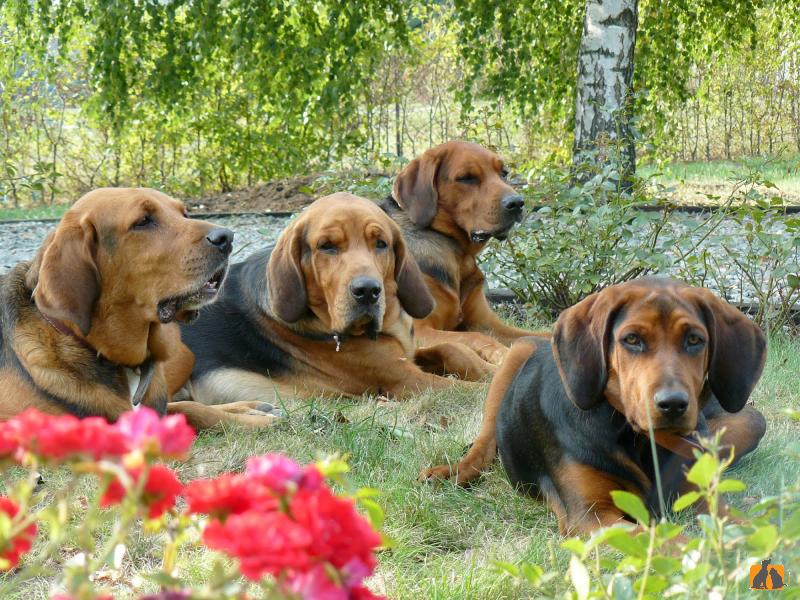
As is known, hounds announce the presence of wild animals with their voices. However, the peculiarity of “ogarks” is that they remain silent almost until they are right up close to the beast, and only then do they give their melodic call.
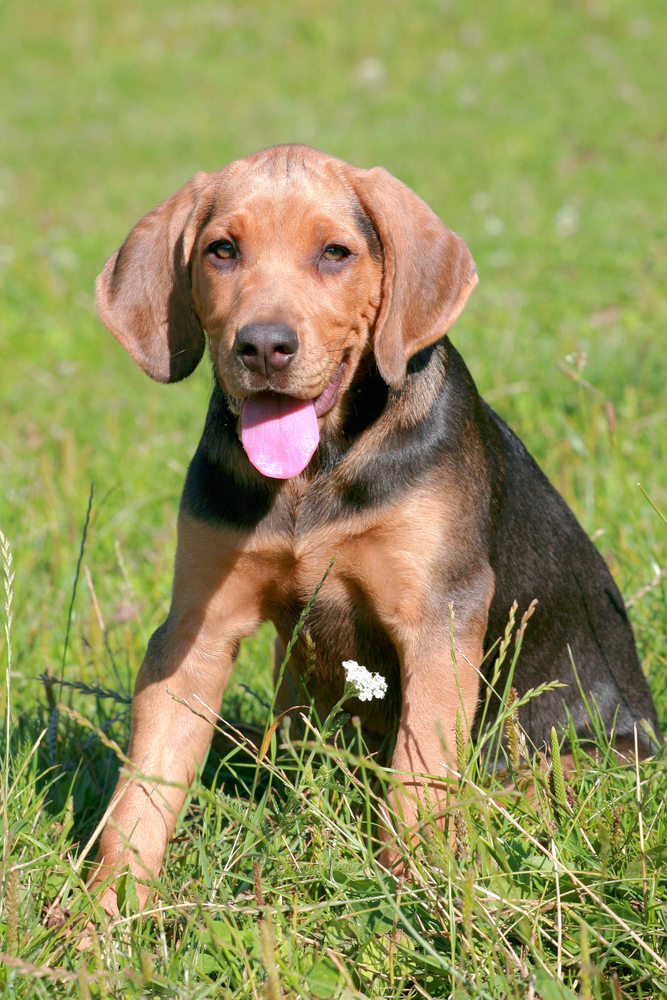
How to Choose a Puppy
Every potential owner dreams of the perfect pet. Choosing a Polish Lowland Shepherd puppy is an important step that will determine your dog’s future. For those who have decided to buy a dog from a breeder, it is recommended to consider the following points:
Verified Breeder.
Buying from a reputable breeder provides documented information about the puppy’s lineage, health, and temperament. A service dog breeder with a proven reputation usually specializes in breeding and training similar breeds, ensuring high-quality puppies and subsequent support regarding upbringing and care.
Documentation.
Reputable dog breeders typically ensure that all necessary documents are available along with a sales agreement that clearly outlines the responsibilities of each party in case of genetic or other issues that could not be detected at the time of purchase.
Breeders Websites.If the kennel has its own website, take the time to study the information about each puppy. Where is the kennel registered? Photos and prices should be available for potential buyers to review. Some owners may not list the price of the puppies, stating “price upon request.” In such cases, you can request a price list from the kennel by contacting the owners via the details provided on the site. With documentation and pedigree available at Zoonika, there is a wide selection of breeds.
Health and Diseases
Like many hunting breeds, one of the most problematic areas for Labradors is their ears. Water often finds its way inside during work, which the dog cannot shake out. As a result, bacteria accumulate and inflammation occurs, leading to an ear infection. Experienced breeders recommend paying attention to the dog’s behavior: if there is a sour smell during ear cleaning, a visit to the veterinarian is necessary – this is a sign of an impending infection.
A condition like hip dysplasia is inherited. It has become a significant issue among dogs of various breeds. To minimize risks, breeders’ dogs should be tested for this condition. In case the ailment is detected, timely treatment greatly eases the care of the affected dog. The individual should be excluded from breeding.
In some cases, allergic reactions may arise from food or the quality of the surrounding air. For Polish Labradors, it is highly undesirable to be in places with strong foreign odors, such as hair salons, tobacco shops, and similar locations.
In summary, every companion dog breeder ensures timely vaccinations and deworming for their pets.
Содержание
-
1. Описание породы
-
2. Внешний вид
- 2.1 Голова
- 2.2 Морда
- 2.3 Уши
- 2.4 Глаза
- 2.5 Зубы
- 2.6 Корпус
- 2.7 Конечности
- 2.8 Хвост
- 2.9 Шерсть
- 2.10 Окрас
-
3. Характер
-
4. Содержание и уход
-
5. Дрессировка и обучение
-
6. Как выбрать котенка
-
7. Здоровье и болезни






Comments
Only registered users can leave reviews.
Enter