
Papillon




Warning: Illegal string offset 'label' in /home/panda/sites/zoonika/wp-content/themes/zoonika/template-parts/animals/animals-param-item.php on line 32
Ð


Breed Description
The Papillon is one of the oldest decorative dog breeds, with a history that dates back to medieval Europe. These elegant small dogs, whose name translates from French as “butterfly” due to their distinctive ear shape, have gained widespread recognition for their refined appearance and friendly disposition. The origins of the Papillon are linked to the Continental Toy Spaniels, which first appeared in the paintings of European artists as early as the 13th and 14th centuries.
It is believed that the ancestors of the Papillons were small spaniels kept in the homes of European nobility. These dogs were valued for their beauty, playfulness, and ability to be loyal companions. During the Renaissance, Papillons became extremely popular at the courts of France, Italy, and Spain. They were often depicted in portraits with members of royal families and the aristocracy. For example, Papillons can be seen in paintings by Titian, Rubens, and Van Dyck.
France and Belgium are considered the primary countries where the breed was developed. It was here that breeders worked on enhancing the appearance and temperament of these dogs. In the 16th and 17th centuries, Papillons with droopy ears, known as “phalen” (moth), were particularly popular. However, in the 18th century, due to selective breeding, a new form of the breed emerged with upright ears resembling butterfly wings. This variant became the standard and was named Papillon.
Papillons captured the hearts of European monarchs, including the French queen Marie Antoinette, who kept these dogs at her court. Legend has it that one of the Papillons accompanied the queen even on her last journey, following her to the guillotine. This demonstrates the deep bond these dogs evoked in their owners.
The breed’s popularity continued in the following centuries, especially in France and Belgium. Breeders continued to improve the standard, achieving vibrant appearances, refined body lines, and spirited temperaments. Papillons became a symbol of elegance and high status while remaining excellent companions.
In the 19th and 20th centuries, Papillons spread beyond Europe, including to the UK and the USA, where they also gained recognition. Today, this breed remains popular due to its intelligent, friendly, and energetic nature, combined with outstanding beauty. The Papillon is not just a decorative dog but a living legacy of European culture, reflecting its grace and aristocracy.The price for a puppy ranges from 30,000 to 50,000 rubles.
Appearance
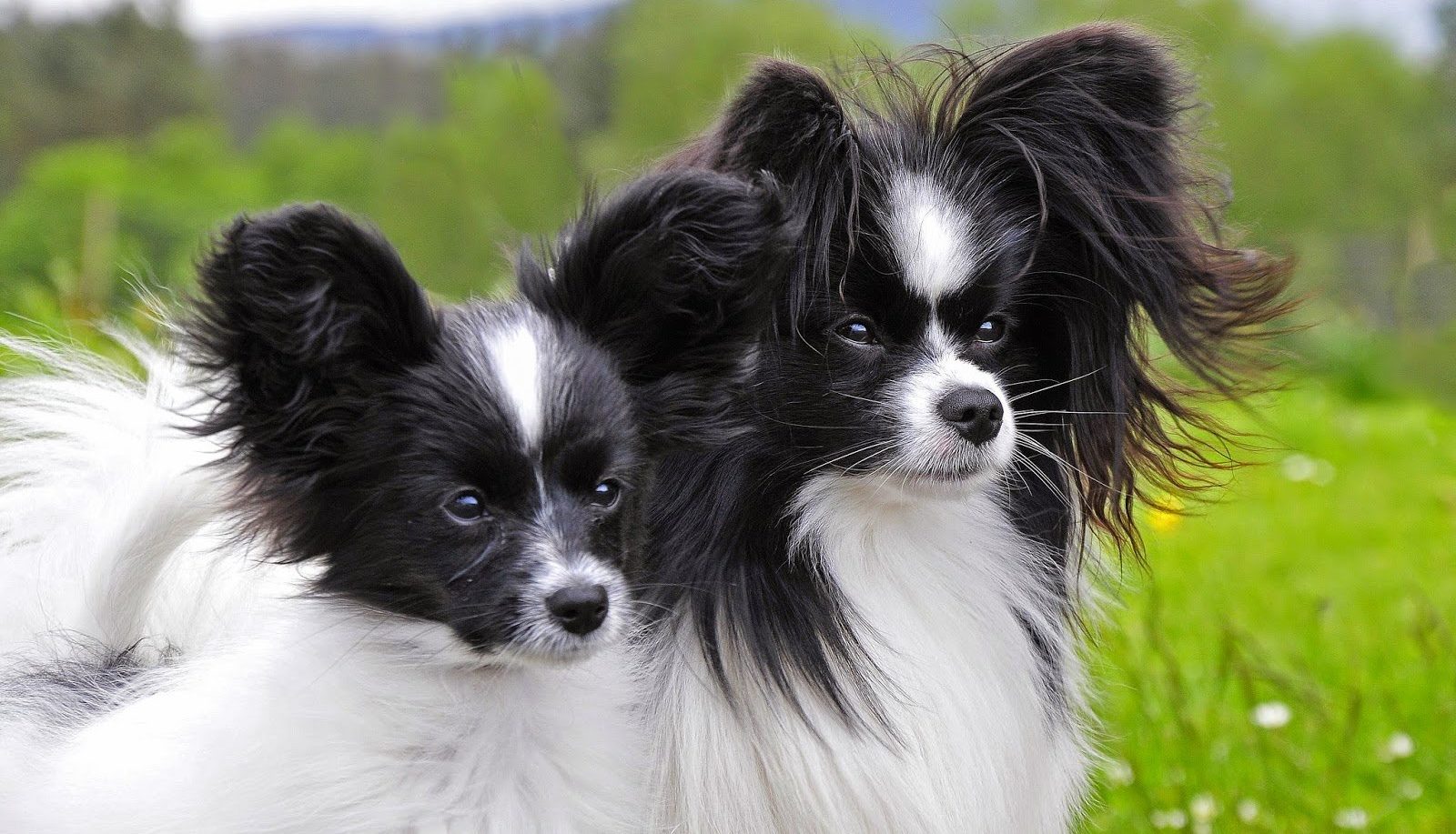
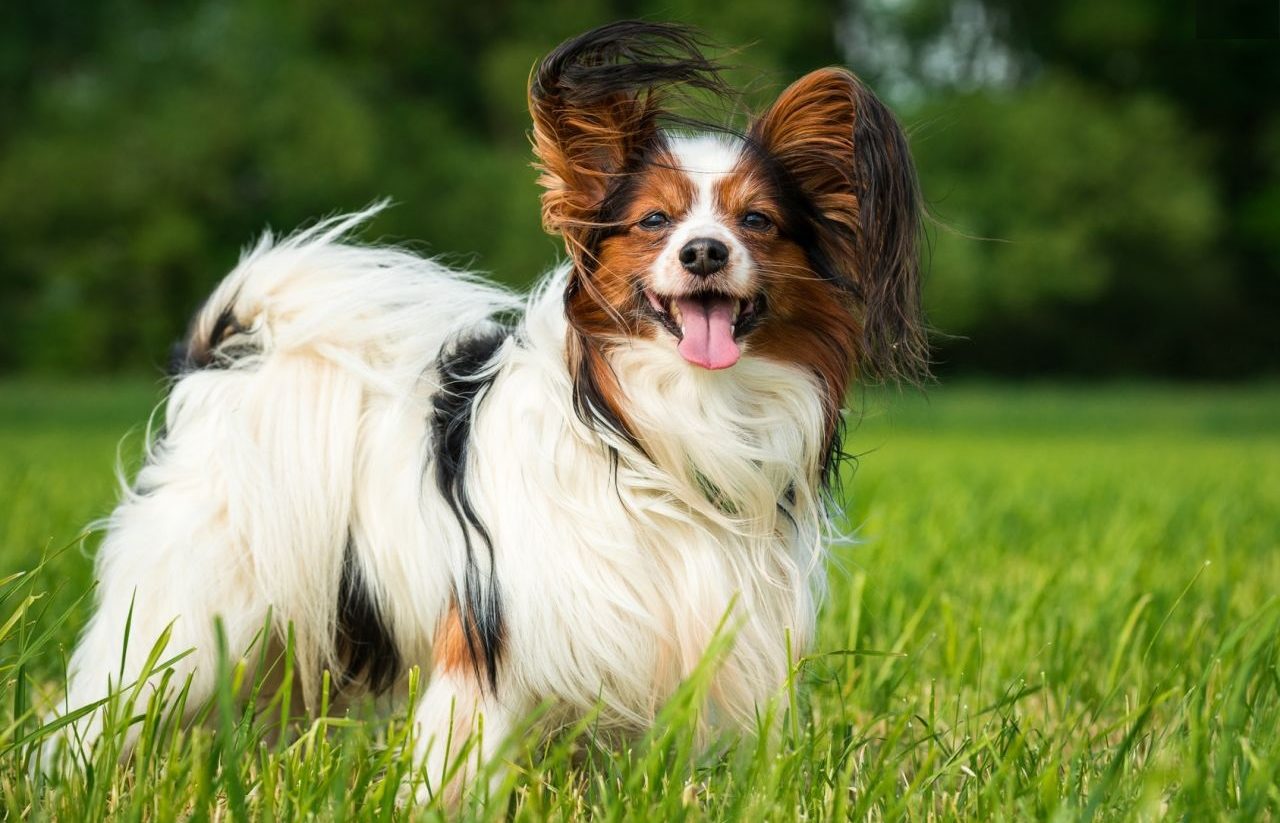
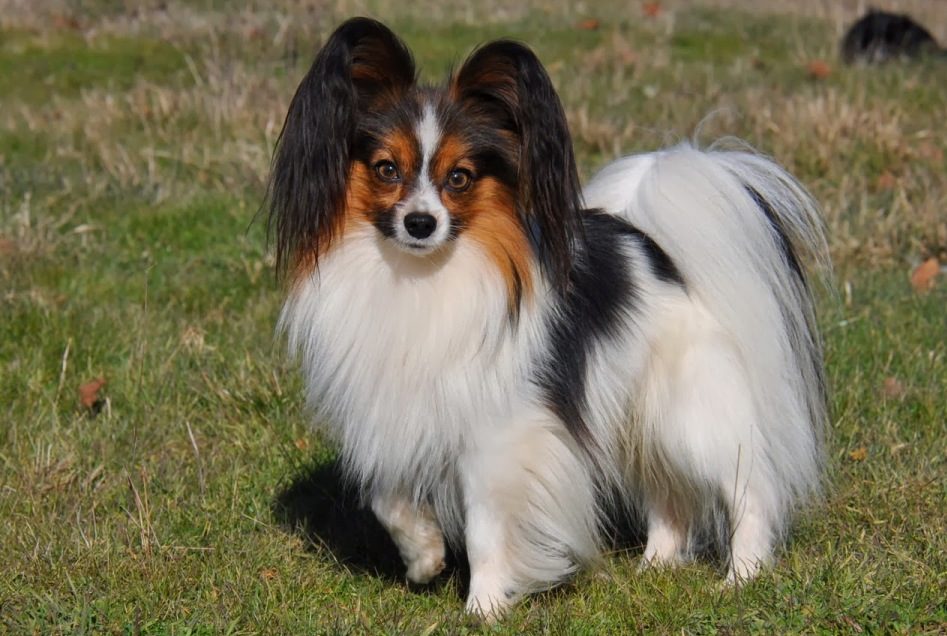
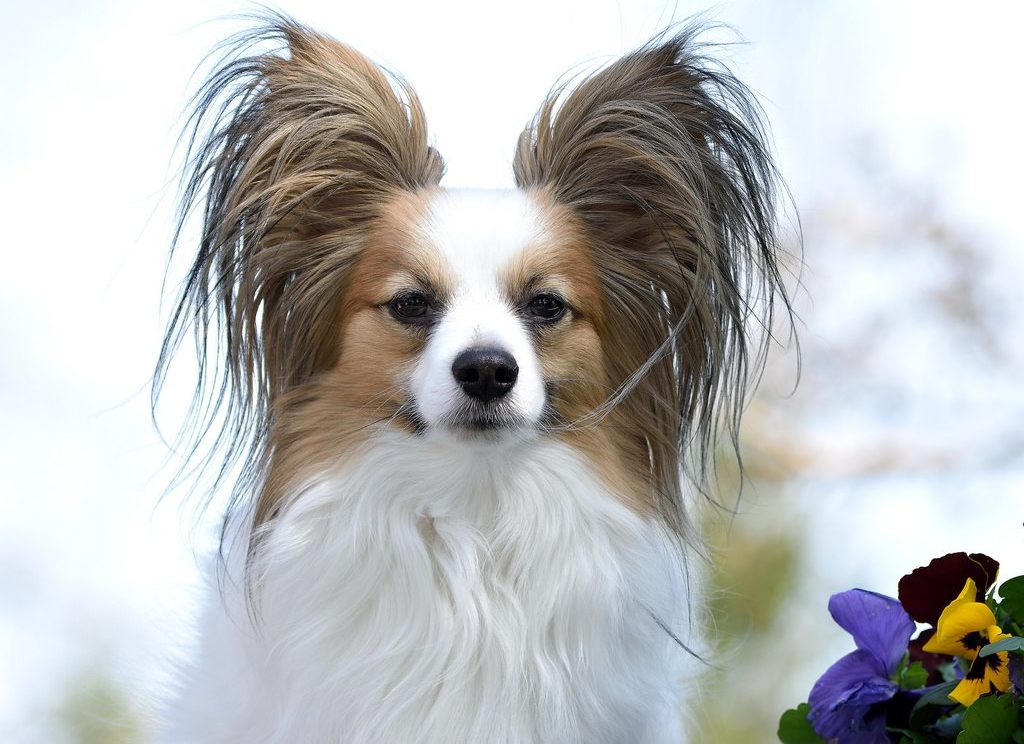
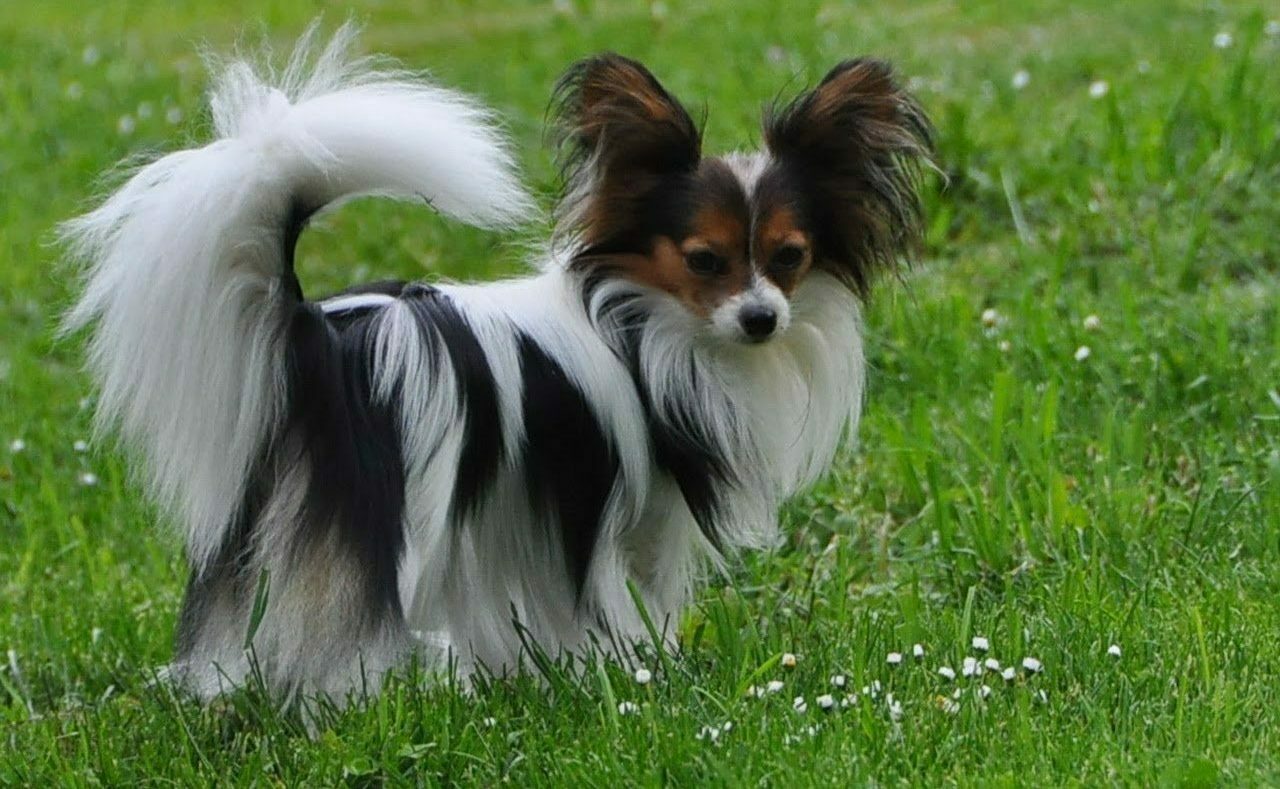
The Papillon is an elegant and graceful small dog with a refined build and proportional lines. Its appearance draws attention with its sophisticated shape and exquisite features, highlighting the breed’s harmony. The compact and lightweight body of the Papillon indicates its agility and activity, while its expressive head with bright eyes and distinctive butterfly-shaped ears makes it unique among toy breeds.
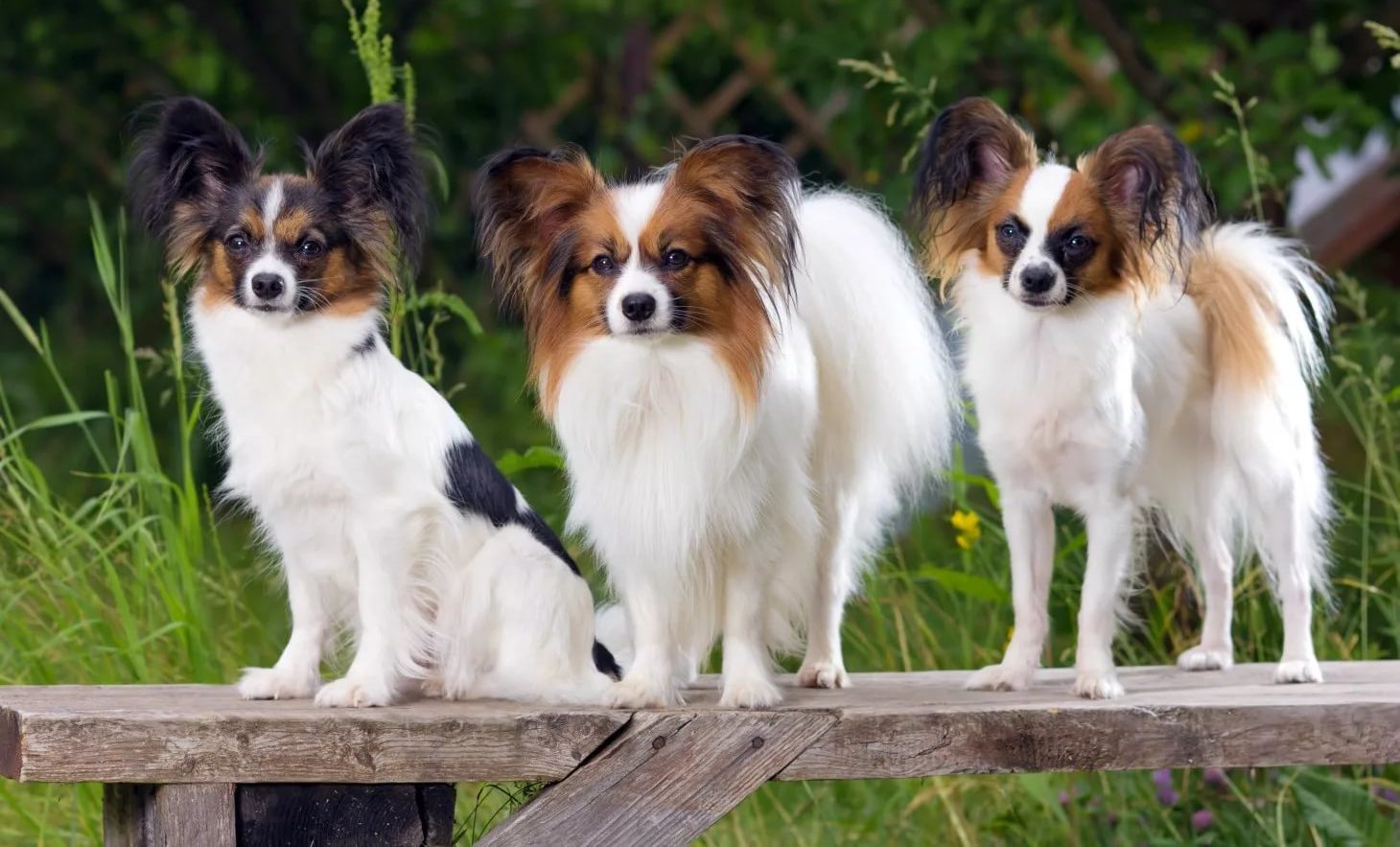
The Papillon’s coat is long, silky, straight, and does not have an undercoat, giving the dog a well-groomed and neat appearance. Its texture is soft to the touch, and the flowing fur emphasizes the elegant lines of the body. The color can vary but must include a white background with symmetrical colored patches, adding expressiveness to the dog.
The average height of a Papillon is 20-28 cm at the withers, making it suitable for living in any home or apartment. Its weight ranges from 2.5 to 4.5 kg, maintaining compactness and lightness, which contributes to its agility and liveliness. These dimensions make the Papillon an ideal choice for those seeking a small yet energetic and resilient pet.
The lifespan of a Papillon is 12-16 years, indicating its good health and longevity. With proper care, balanced nutrition, and an active lifestyle, these dogs remain lively and playful throughout their lives. Their refined appearance, combined with a cheerful character, makes the Papillon a true gem among toy breeds.


Отличительные черты

Голова

Морда

Уши

Глаза

Зубы

Корпус

Конечности

Хвост

Шерсть

Окрас
Character
The Papillon is a friendly, energetic, and intelligent dog with a vibrant personality and a strong attachment to its owner. It is characterized by its liveliness and willingness to participate in all aspects of family life. Due to its sociability and open nature, the Papillon easily connects with people and other animals, quickly becoming a favorite among everyone it meets. This dog loves attention and happily showcases its cheerful and curious character.
Papillons are extremely active and enjoy movement. They delight in playing, running, and exploring new places, maintaining a high energy level even in adulthood. They are natural explorers, curious about everything around them, whether it’s a new toy, a walk in the park, or their owner’s household activities. Papillons enjoy intellectual challenges and learn new commands and tricks quickly, making them suitable for participation in agility competitions and other dog sports.
This breed is devoted to its family and prefers to be close to its owner, maintaining an emotional connection. Papillons love to be the center of attention and will happily accompany their owner everywhere, whether it’s for chores at home or trips out. They are tolerant of children, especially if they are taught gentle handling from a young age, but due to their small size, they require caution when interacting with younger kids.
Despite their activity level, Papillons can adapt to a more subdued lifestyle if their owners are not very active. However, this does not mean they can be left unattended: without proper stimulation, a Papillon may become bored, which can sometimes lead to destructive behavior or attempts to gain attention in any way.
These dogs do not enjoy solitude and prefer to be around people. If a Papillon is left alone for long periods, it may experience anxiety or boredom, sometimes resulting in loud barking or restlessness. They value companionship and love to spend time with their owner, whether through active play or simply relaxing nearby.
Papillons quickly adapt to changes but remain sensitive to the tone of voice and emotional state of their owner. They enjoy stability and predictability, making them particularly comfortable for family life. This breed brings joy and energy to its owners, creating an atmosphere of warmth and fun around them.
Historical luxury
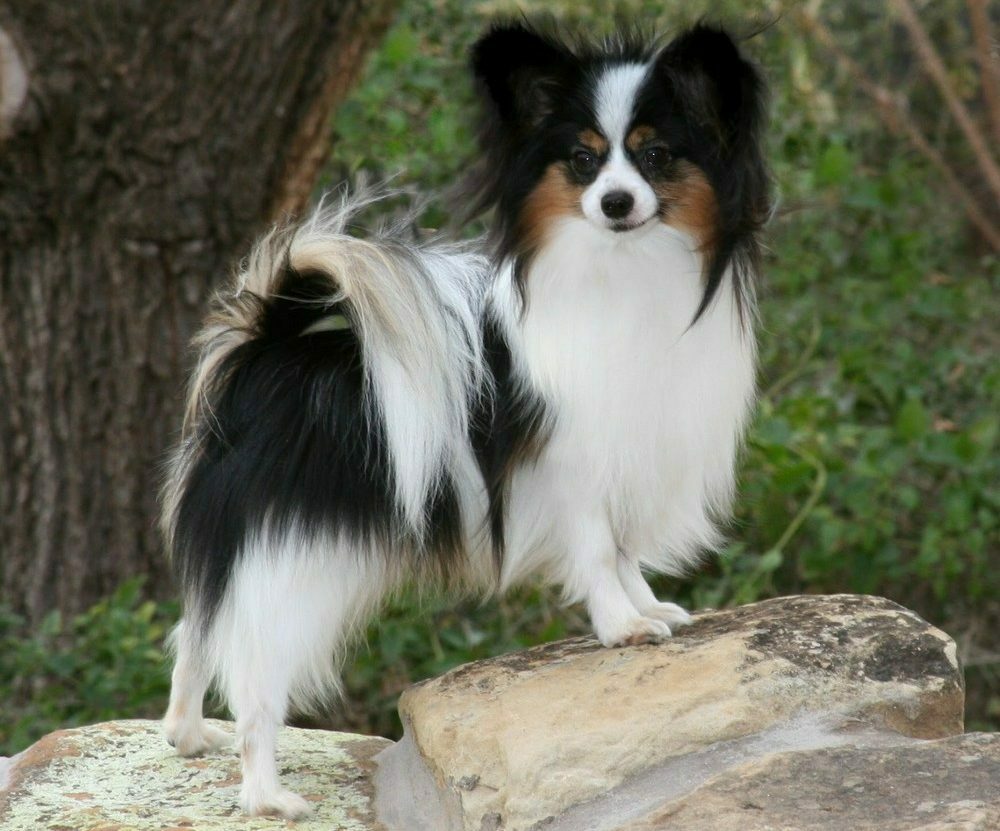
The Papillon breed, also known as "butterfly" due to its erect ears, has a rich history that spans over a thousand years. Its origins are linked to European royal courts, where Papillons were often chosen companions for ladies of high society. The oldest known depiction of a Papillon dates back to around 1300 and is found in a fresco in a church in Assisi, created by the great artist Giotto.Care and Maintenance
Taking care of a Papillon requires attention to its coat, activity levels, and emotional needs. The Papillon’s coat is long and silky, without an undercoat, making grooming easier but requiring regular brushing. It is recommended to brush their coat 2-3 times a week to prevent matting and maintain its shine. Bathing should be done as needed, using gentle shampoos to avoid damaging the coat’s structure. Special attention should be given to the areas behind the ears and on the paws, where the fur may tangle more often.
The ears of a Papillon are a source of pride, so they require careful attention. Regular checks for dirt and cleaning will help prevent ear infections. The eyes also need care: they should be checked and cleaned of any discharge to avoid irritation. The paws, especially if the Papillon is active outdoors, should be periodically checked for injuries or dirt.
A Papillon’s diet should be balanced, considering its activity level and small size. It is better to choose high-quality feeds or create a diet that includes meat, vegetables, and grains, while avoiding excess fats. Papillons tend to overeat, so it’s important to control portion sizes and avoid overfeeding.
These dogs love movement and active play, so daily walks and activities are essential. The Papillon enjoys running, jumping, and exploring its surroundings. Given its high intelligence, include mentally stimulating games in daily activities, such as search tasks or command training.
Papillons do not like being alone and require attention. It is important for them to be close to their owner and feel part of the family. If left alone for extended periods, a Papillon may become anxious and try to attract attention through loud barking or destructive behavior. Therefore, it is advisable to provide them with toys and plan your time to devote enough attention to them.
This breed does not appreciate roughness or chaotic environments. Papillons are sensitive to tone of voice and prefer a gentle but confident approach. They also do not tolerate sudden changes in routine or surroundings, valuing stability and comfort.A Papillon loves affection, active engagement, and attention. Regular grooming, a balanced diet, and interaction with the owner will help keep them healthy and happy. This dog requires minimal maintenance as long as its needs for physical activity and emotional contact are met.
Cheerful personalities and clever ears
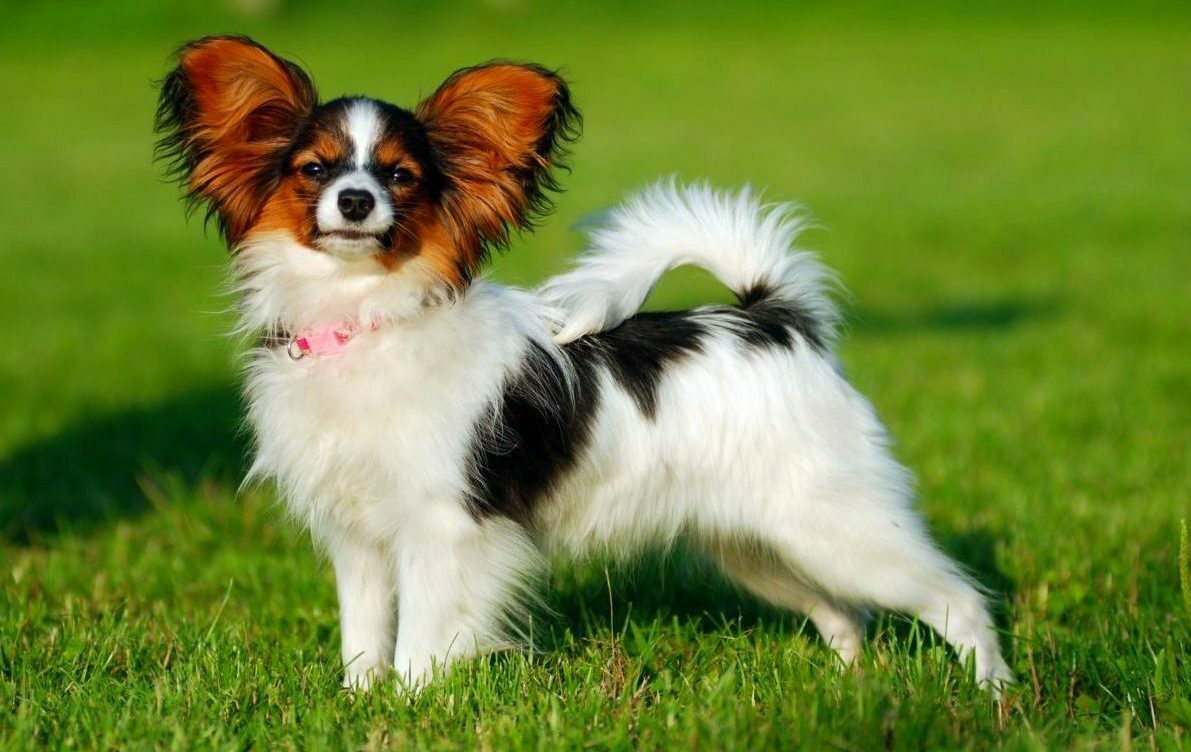
In addition to their exquisite appearance, Papillons are known for their smart and playful personalities. These small dogs possess high intelligence, making them excellent candidates for training and learning commands. With their erect ears resembling butterfly wings, Papillons draw attention with their unique look, adding to their charm and individuality.Training and Education
Papillon is an intelligent and perceptive breed that enjoys training, especially when the process is playful and positive. These dogs love to learn, quickly memorize commands, and happily follow them if they feel interest and approval from their owner. The best way to train a papillon is through short, varied sessions that keep it engaged.
Papillons respond well to positive reinforcement, such as praise, treats, or play. They quickly grasp new commands and can even learn complex tricks. However, it’s important to avoid pressure and harsh methods, as this breed is sensitive to the tone of voice and the emotional state of their owner. If the dog senses harshness or irritation, it may affect its motivation and confidence.
Training should start with basic commands, such as “sit,” “lie down,” and “come,” gradually moving on to more complex tasks. The intelligence of the papillon allows it to participate successfully in dog sports like agility or dog dancing. These activities not only develop its mental and physical abilities but also strengthen the bond with the owner.
Papillons choose their owner based on emotional connection. Typically, they gravitate towards those who spend more time with them, showing patience, care, and attention. This dog needs a stable and calm environment, preferring confident yet friendly people who understand its needs and character.
A papillon listens to someone it considers its leader, but its understanding of leadership is based on respect and trust. If the owner is consistent in their actions and dedicates time to training and care, the papillon will willingly follow commands. It strives to please and loves being part of the family, but it can show stubbornness if it senses inconsistency in actions or demands.
This breed is best suited for people who are willing to invest time in its upbringing and activities. Papillons love attention and play, and they are happiest when involved in family life. In response to kindness and attention, they become loyal, obedient, and vibrant companions, always ready to bring joy to their owners. We offer the best, who care for each puppy from the very first days of its life.
Multifaceted color harmonies
In the world of Papillons, there is an amazing variety of color variations. Officially recognized colors include pure white, black and white, orange, mahogany, and tricolor (white with black and brown markings). This kaleidoscope of colors not only adds beauty to the breed but also allows owners to choose a dog that best matches their tastes and preferences.
How to Choose a Puppy
To choose a Papillon puppy that will grow into a well-rounded representative of the breed, it is important to consider its appearance, behavior, and background, as well as to carefully check the documents confirming its health and pedigree. Start by selecting a reliable breeder that specializes in Papillons, where the standards of the breed are respected and the puppies are raised correctly.
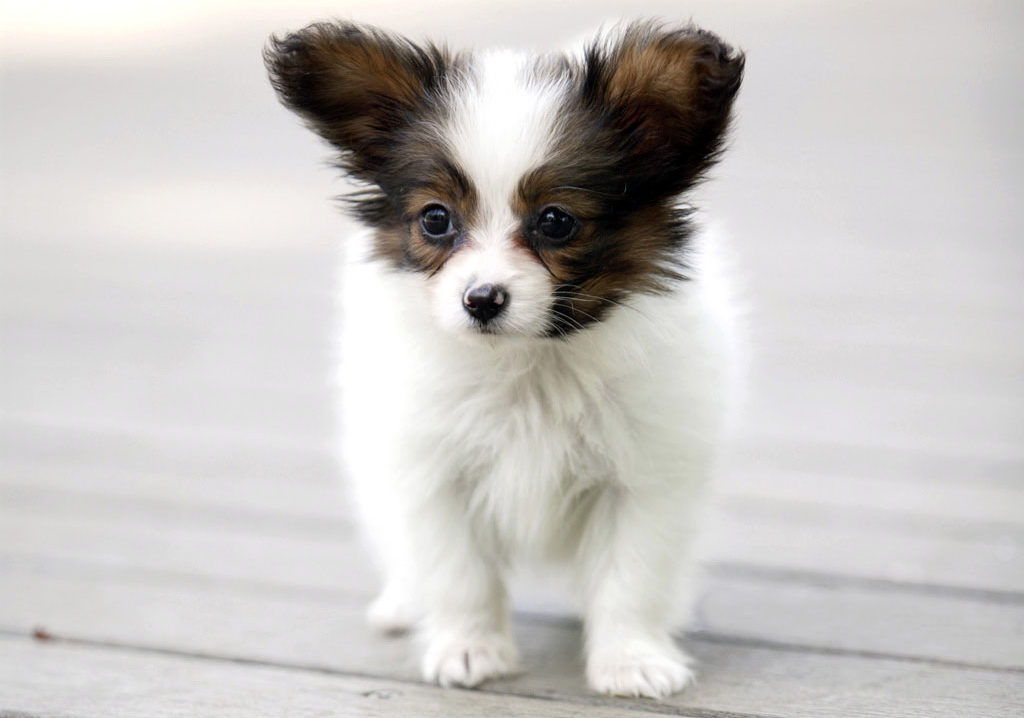
The puppy should be active, curious, and friendly. A healthy Papillon shows interest in people and the surrounding world, is eager to interact, and displays playfulness. Excessive shyness, aggression, or apathy may indicate socialization or health issues. Observe the puppy in its natural environment to ensure that it is confident and interacts well with other dogs and people.
The appearance of the puppy is also very important. The coat should be clean and silky, without bald patches or mats. The eyes should be clear and free from discharge, the nose should be moist and cool, and the ears should be clean and odorless. Check the paws and movement: the puppy should move freely without signs of lameness or other issues. It is crucial for the teeth to develop correctly and for the bite to meet breed standards.
Ask the breeder for the puppy’s documents. The pedigree will confirm that its parents meet breed standards and do not have genetic deviations. The breeder should also provide a veterinary passport with records of vaccinations and preventive treatments. If the puppy’s parents have undergone genetic testing, inquire about the results to ensure there are no hereditary diseases.
Pay attention to the living conditions of the puppies at the kennel. The space should be clean, spacious, and safe, with plenty of toys and room for play. Puppies that grow up in a favorable environment and receive adequate socialization with people adapt more easily to a new home and display good temperaments.
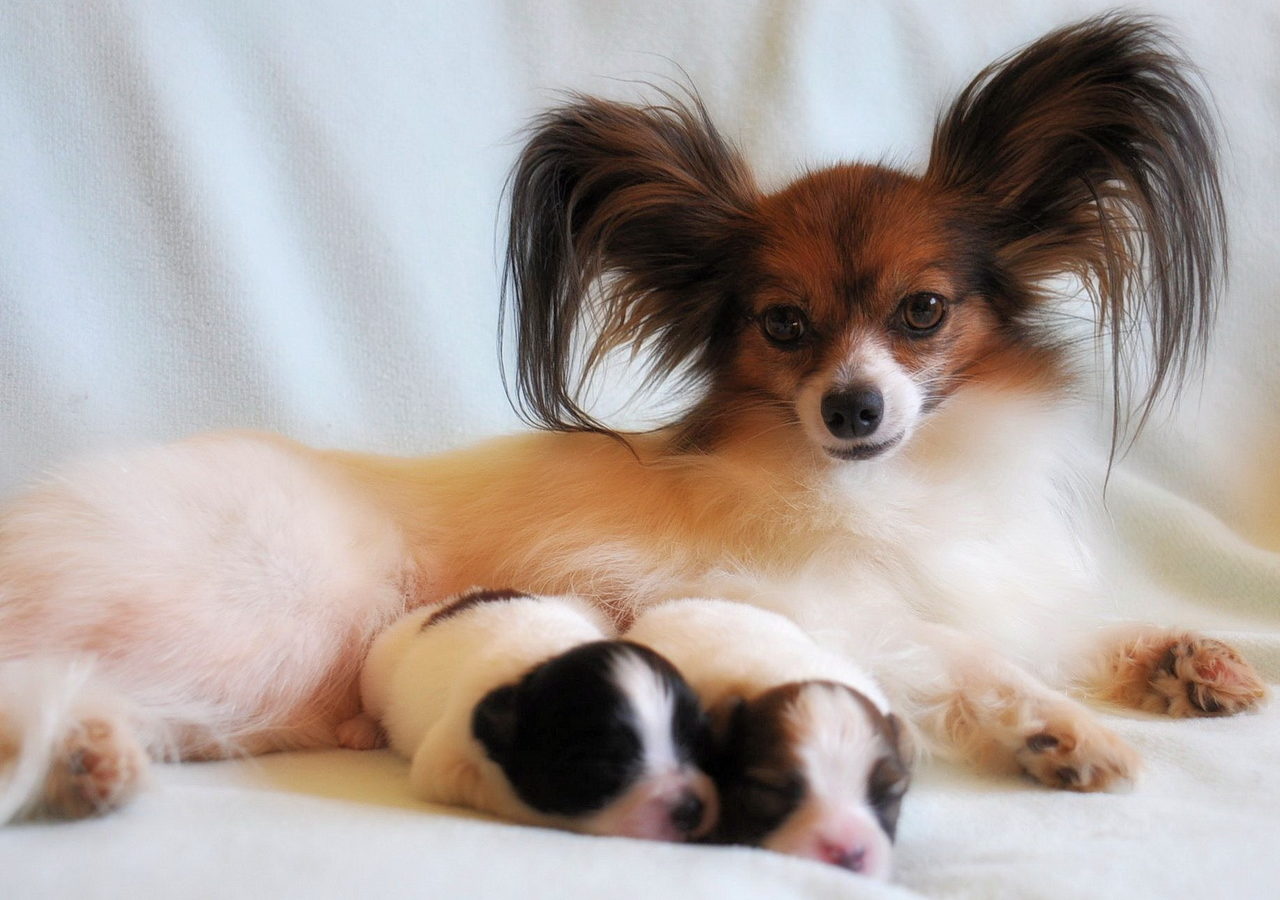
It’s also important to observe the puppy’s parents, if possible. Their appearance, health, and behavior will give you an idea of what your pet may grow up to be like. The parents should be active, friendly, and fully conform to the breed standards.When choosing a Papillon puppy, consider not only the physical characteristics but also the emotional connection. Papillons are very attached to their owners, so it is essential to choose a puppy with whom you feel a bond from the very first meeting. This approach will ensure that you have a loyal, healthy, and happy companion who will be a true representative of its breed.
Health and Diseases
Papillon is a breed generally known for its robust health and long lifespan. However, like any other breed, it is predisposed to certain illnesses that owners must be aware of. Knowledge of possible health issues and timely care will help keep your pet in great shape for many years.
One of the most common problems in Papillons is patellar luxation. This genetic condition can cause pain and limit mobility. To minimize the risk, it is recommended to avoid excessive strain on the joints, especially in young dogs, and to monitor your pet’s weight to avoid adding stress to their limbs.
Papillons may also be prone to dental diseases due to the compact size of their mouths. The accumulation of plaque and tartar can lead to gum inflammation and other oral problems. Regular teeth brushing and the use of specialized toys or treats for dental care can help prevent these issues.
Eye diseases, such as progressive retinal atrophy or cataracts, can occasionally occur in Papillons. These conditions may lead to vision deterioration or complete loss. Regular check-ups with a veterinary ophthalmologist can help detect problems early and implement treatment measures.
Papillons may also have a tendency to allergies, which can manifest as food reactions or sensitivities to external irritants like pollen or household chemicals. Allergies can result in itching, skin rashes, or coat problems. Proper nutrition, selecting hypoallergenic food, and minimizing contact with allergens can help avoid these issues.
A susceptibility to hypoglycemia, especially in puppies, necessitates careful attention to feeding routines. This condition is related to low blood sugar levels and may present as lethargy, weakness, and even seizures. Regular feeding and a balanced diet can prevent such occurrences.Heart problems, such as mitral dysplasia, can also be found in this breed. This condition is more likely to manifest in older age, so regular veterinary check-ups can help detect and manage it in a timely manner.The average lifespan of a Papillon is 12-16 years, and with proper care, these dogs remain active and cheerful even in maturity. Regular veterinary visits, vaccinations, parasite prevention, and proper nutrition will help your Papillon stay healthy and energetic throughout their life.
Содержание
-
1. Описание породы
-
2. Внешний вид
- 2.1 Голова
- 2.2 Морда
- 2.3 Уши
- 2.4 Глаза
- 2.5 Зубы
- 2.6 Корпус
- 2.7 Конечности
- 2.8 Хвост
- 2.9 Шерсть
- 2.10 Окрас
-
3. Характер
-
4. Содержание и уход
-
5. Дрессировка и обучение
-
6. Как выбрать котенка
-
7. Здоровье и болезни






Comments
Only registered users can leave reviews.
Enter