
Otterhound




Warning: Illegal string offset 'label' in /home/panda/sites/zoonika/wp-content/themes/zoonika/template-parts/animals/animals-param-item.php on line 32
Ð


Breed Description
The Otterhound is an ancient breed of dog whose history dates back to Medieval England. These large, strong, and resilient dogs were specifically bred for hunting otters, which was not just a sport but a necessity at the time. Otters were considered a threat to fishing and water resources as they consumed large amounts of fish, so special dogs were needed for their capture. Otterhounds became indispensable helpers due to their unique combination of physical and working qualities.
The breed’s name comes from the English words “otter” and “hound,” highlighting its specialization. The breed began to take shape in the 13th-14th centuries in England, when otter hunting became popular among the aristocracy. Otterhounds were created by selecting local hounds and dogs with exceptional water skills. It is believed that the breed was influenced by Old English hounds, bloodhounds, and possibly Irish wolfhounds, which explains the large size and dense coat of the Otterhound.
One of the unique traits of the breed is its ability to work both on land and in water. Otterhounds have webbed paws, a powerful body, and a thick, water-repellent coat, which makes them ideal for swimming and working in cold water. Their sense of smell is also remarkable: they can detect an otter’s trail even underwater, a feat considered incredible among hunting breeds.
Since the early 16th century, the breed gained widespread recognition in England and Scotland. Otterhounds were actively used not only for hunting otters but also for guarding fishing grounds. They demonstrated exceptional persistence, following the trail of their prey for hours, sometimes even days. Their loyalty and ability to work in challenging conditions made them favorites of the aristocracy.
However, from the 19th century, otter hunting began to decline in popularity, especially with the rise of commercial fishing and the growing awareness of the need for conservation. The breed was on the brink of extinction, but thanks to the efforts of enthusiasts and fans, Otterhounds were preserved. In the 20th century, they began to be used more as show dogs and companions, while maintaining their unique working qualities.
Today, the Otterhound remains a rare breed but continues to attract attention due to its friendly nature, remarkable abilities, and expressive appearance. These dogs are a living reminder of hunting traditions and how humans and dogs have together created breeds perfectly suited for specific tasks. The Otterhound is a symbol of endurance, versatility, and a connection to nature, remaining relevant in the modern world.The price for a puppy ranges from 90,000 to 150,000 rubles.
Appearance
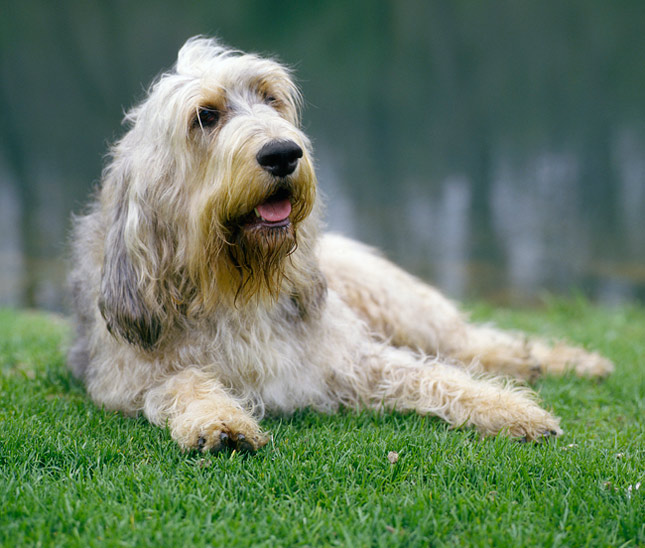
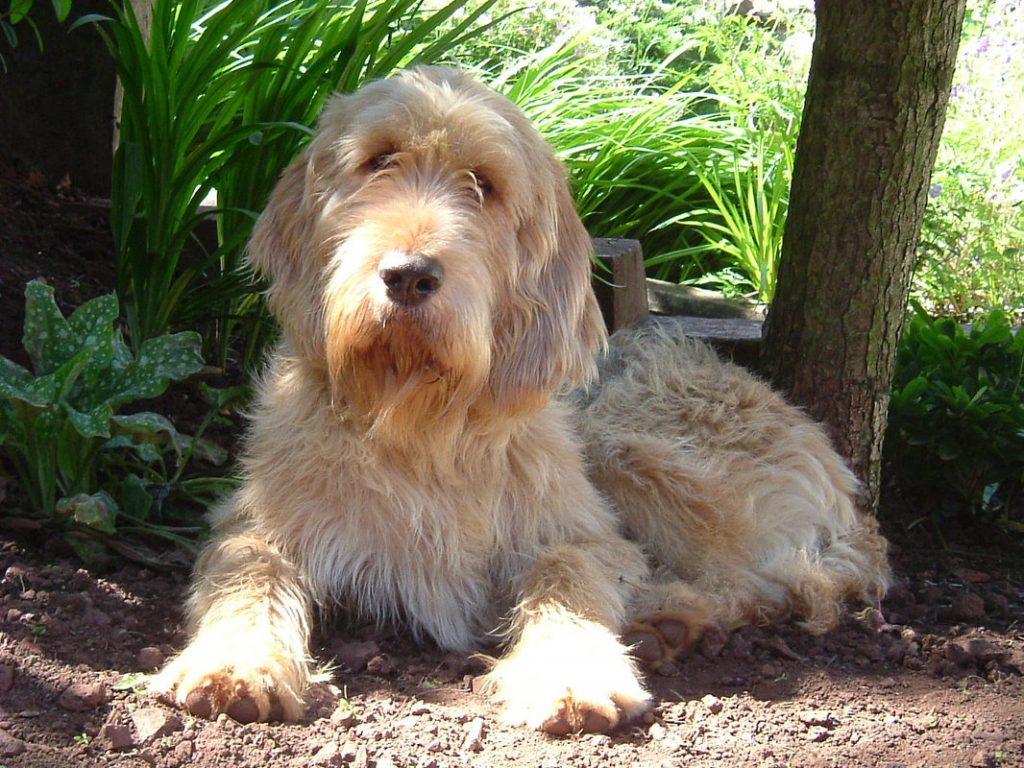
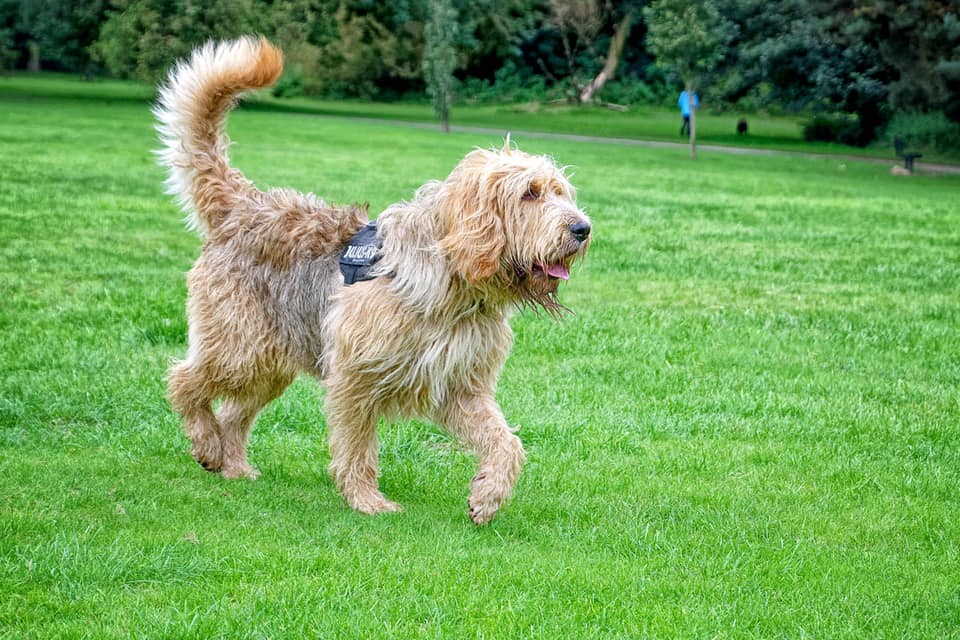
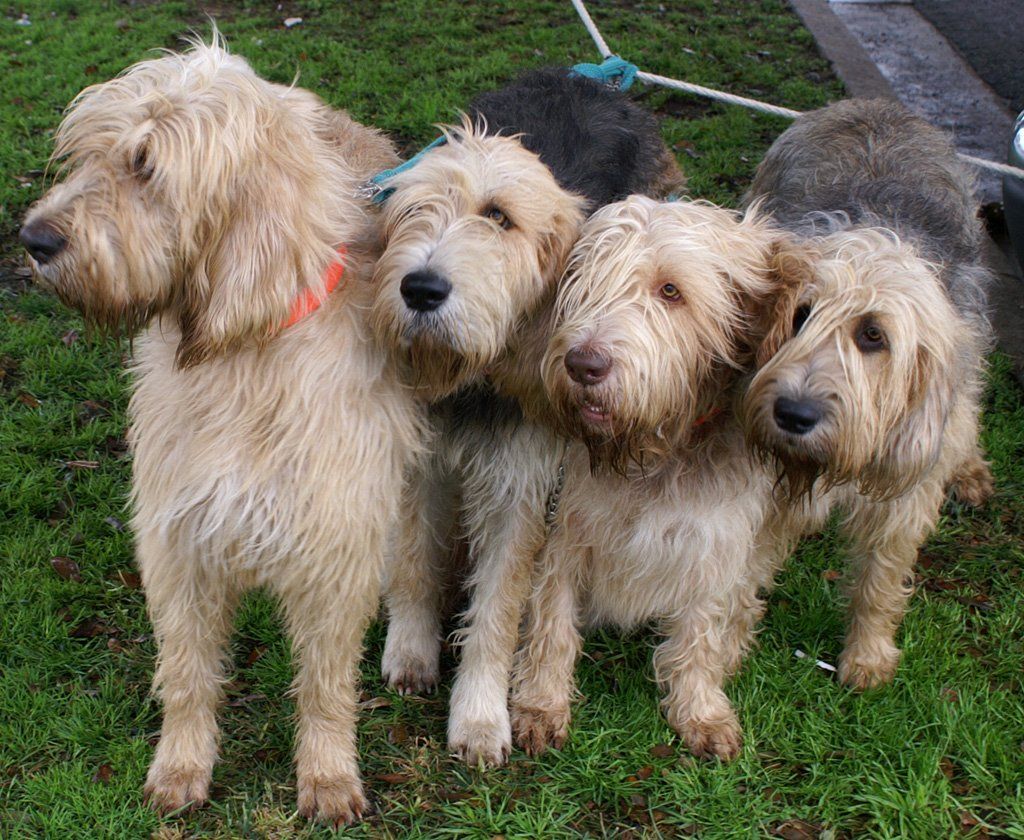
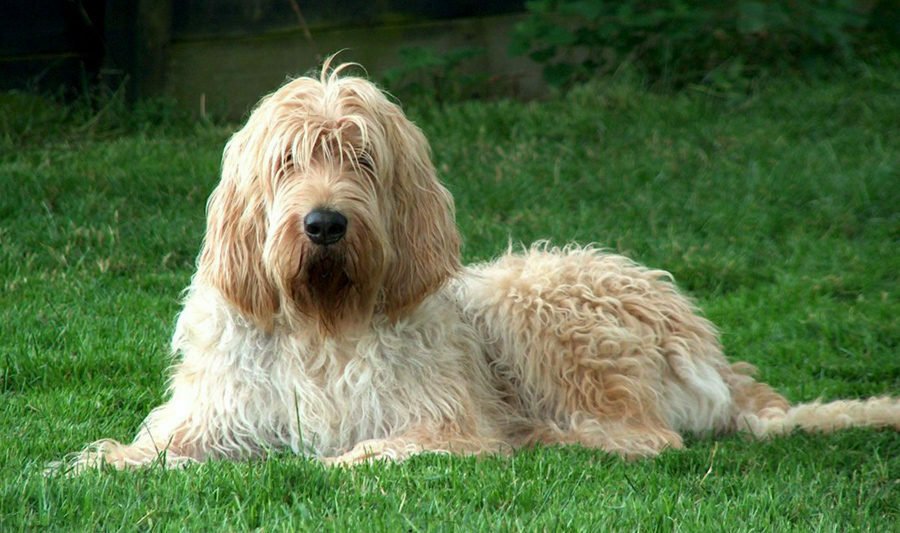
The Otterhound is a large, powerful, and muscular dog with a harmonious build that emphasizes its endurance and ability to work under the most challenging conditions. Its appearance reflects a unique combination of strength and grace: a strong body, long limbs, and a dense coat give the dog a majestic look. This breed is well-suited for swimming and working in rough terrain due to its physical characteristics.
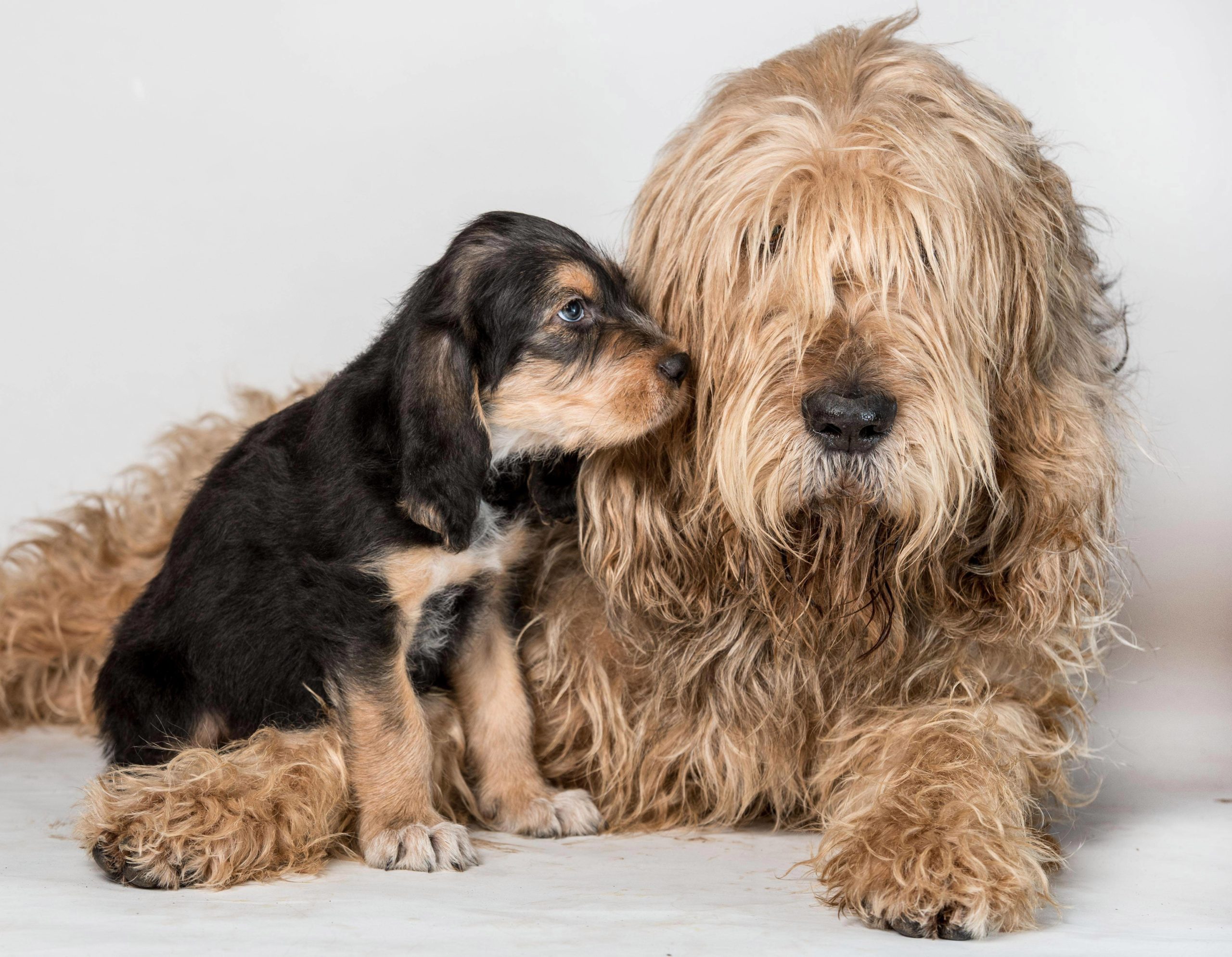
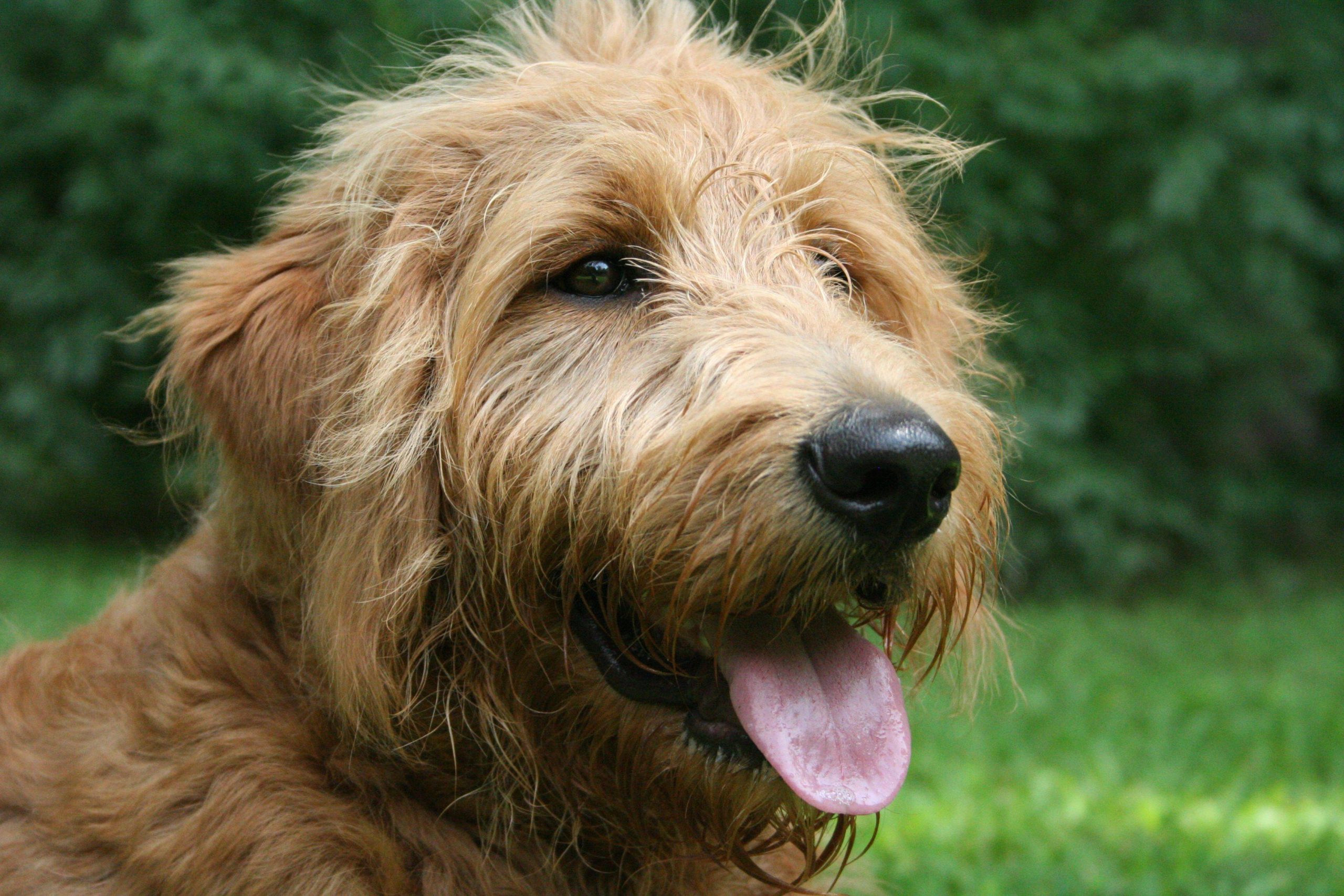
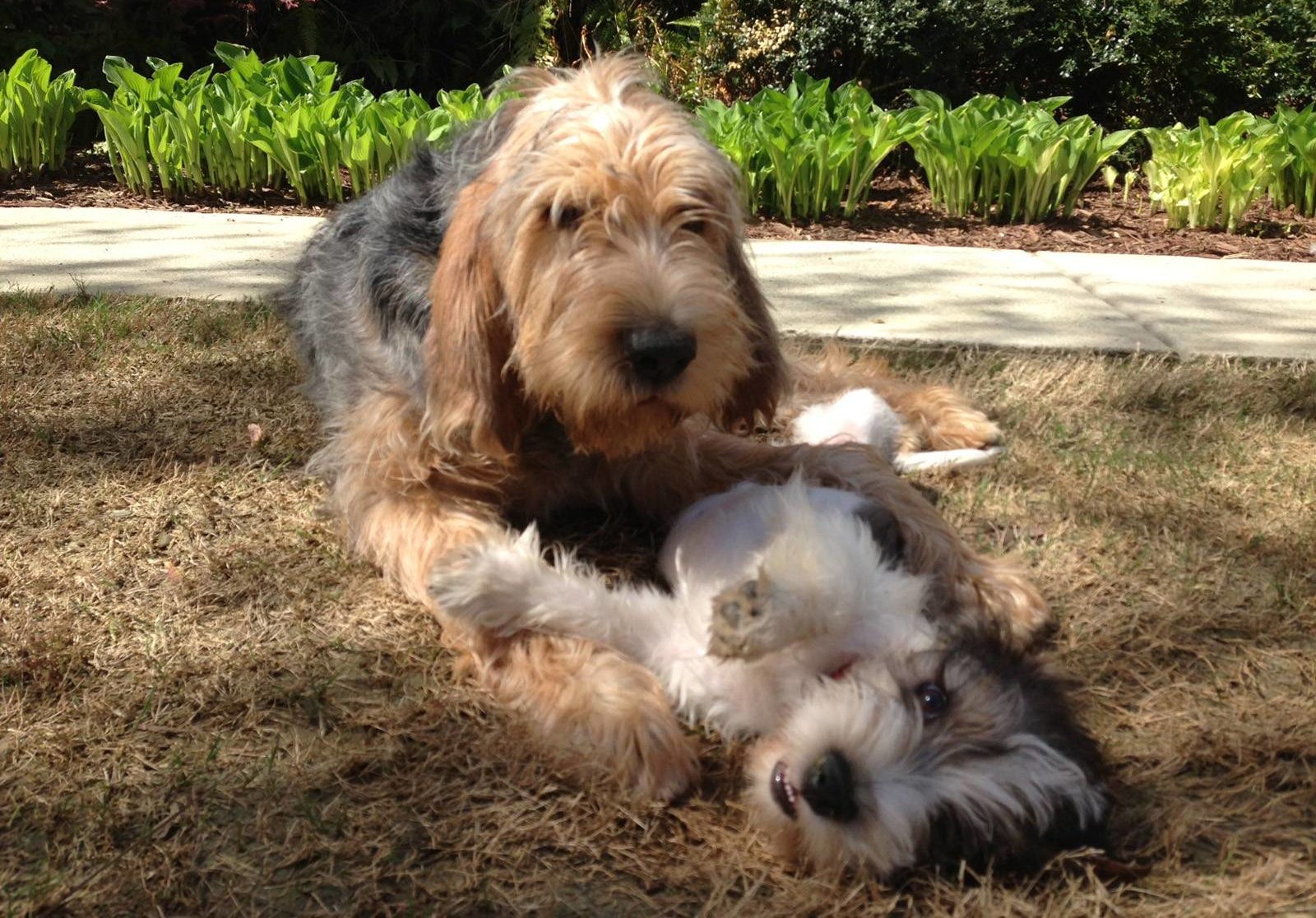
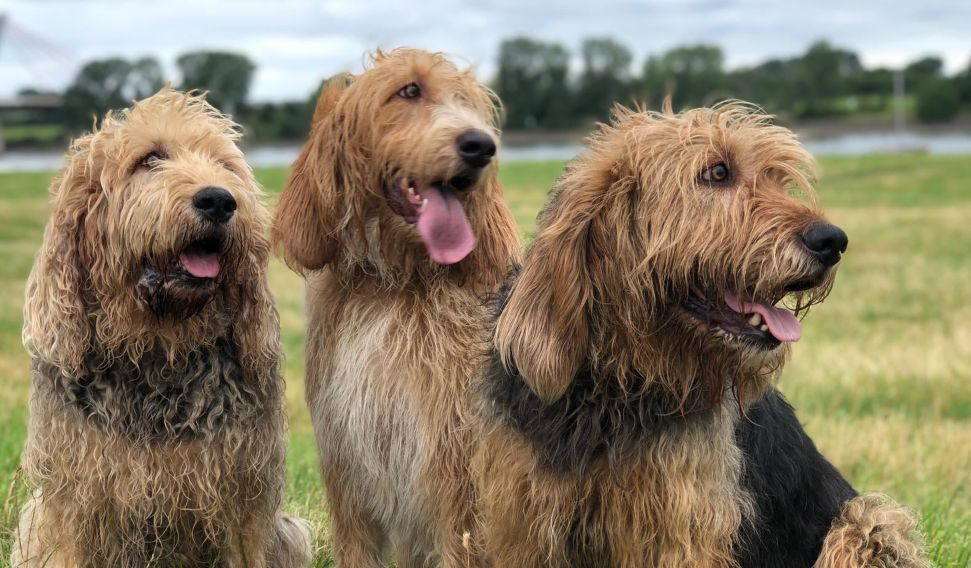
The Otterhound’s coat is thick, somewhat coarse, and water-resistant, making it ideal for work in water. It is of medium length, slightly wavy, with a dense undercoat that protects the dog from cold and moisture. This coat structure allows the Otterhound to feel comfortable even in cold water or harsh weather conditions. Its color can vary, including wheat, gray, black, red, and their combinations.
The average height of the Otterhound is 61-69 cm for males and 58-64 cm for females. Its weight ranges from 30 to 54 kg, depending on the dog’s sex and build. These dimensions make the breed quite large while still allowing for ease of movement, which is especially important for its natural specialization.
The lifespan of an Otterhound averages 10-13 years. With proper care, a balanced diet, and sufficient physical activity, these dogs maintain vitality and energy even in their later years. The Otterhound is a dog whose appearance embodies strength, endurance, and natural beauty, attracting the attention of both hunting enthusiasts and those seeking a loyal and energetic companion.


Отличительные черты

Голова

Морда

Уши

Глаза

Зубы

Корпус

Конечности

Хвост

Шерсть

Окрас
Character
The Otterhound is a good-natured, energetic, and balanced dog with a bright and memorable personality. Its independence and natural curiosity, inherited from hunting ancestors, are combined with loyalty and friendliness, making it a great companion for families. This breed is known for its calm demeanor toward the world and its ability to adapt quickly to different conditions.
Otterhounds love movement and exploration. They are active, enjoy long walks, and outdoor games where they can engage their natural instincts. These dogs tend to follow scents, sometimes wandering far from their owner in search of an interesting aroma. Therefore, it’s important to provide them with space to move safely or walk them on a leash.
They are smart and easy to train, but due to their natural independence, they can be a bit stubborn. Otterhounds enjoy tasks that require mental effort, such as search-and-find games or tracking. These dogs appreciate attention and affection from their owners, but they aren’t overly needy, preferring to maintain a balance between interaction and independence.
Within the family, the Otterhound shows patience and affection, making it an excellent choice for homes with children. They get along well with other animals if properly socialized from an early age. Despite their large size, Otterhounds are rarely aggressive and tend to greet new people and animals with friendliness.
Otterhounds are known for their sense of humor and playfulness, which remain even in adulthood. They love to attract attention with their amusing antics, often entertaining their owners. However, this breed can be a bit noisy; its deep, rich voice was used in hunting for signaling, and it won’t hesitate to use it in daily life, especially when something catches its interest or excites it.
These dogs do not like being alone. If left alone for long periods, they may become bored, leading to destructive behaviors such as damaging furniture or howling. It’s important for them to feel part of the family, to be involved in activities, and to receive ample attention.The Otterhound appreciates stability and comfort, but its natural energy requires regular physical exercise. This breed is well-suited for active owners who are ready to provide it with ample space to move and opportunities to engage its instincts. In return, the Otterhound offers loyalty, a cheerful spirit, and an unwavering willingness to be by the side of those it considers its family.
Prairie dogs
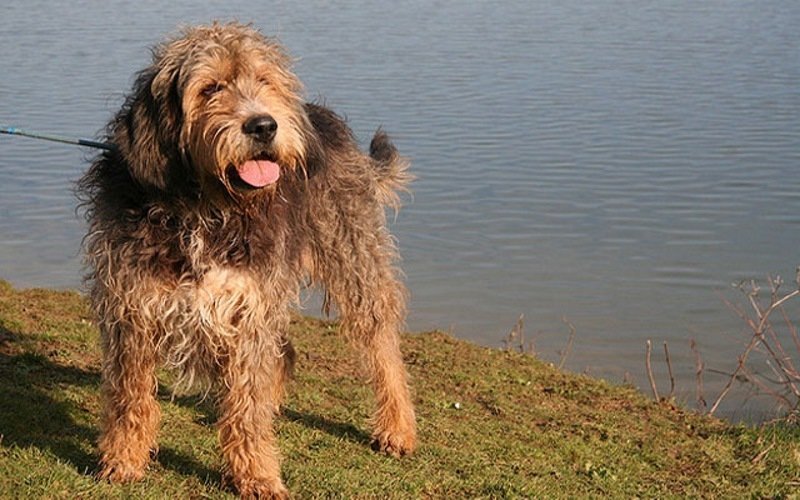
Otterhounds are a breed developed for hunting in marshes and estuaries. Thanks to their swimming skills and the structure of their paws, they feel confident in the water.Care and Maintenance
The Otterhound requires care that takes into account its active lifestyle, thick coat, and natural independence. This breed loves movement, outdoor walks, and exploring new places. Regular physical activity is essential for maintaining its physical and emotional health. Long walks, runs, or active playtime are what make the Otterhound happy. However, it’s important to remember that this breed tends to follow scents, so it’s best to walk them on a leash or in safe, enclosed areas.
The Otterhound’s coat is thick, coarse, and water-repellent, making it ideal for work in water, but it requires regular grooming. It is recommended to brush it at least once a week to avoid matting and to remove dead hair. After walks, especially if the dog has been in the woods or tall grass, it’s important to check the coat for ticks or other debris. Bathing should be done as needed, as frequent use of shampoo can damage the coat’s natural protective layer.
The Otterhound has long, drooping ears that are prone to collecting moisture and dirt. They need to be regularly checked and cleaned to prevent infections. Special attention is needed for the ears after swimming or walks in wet weather.
The Otterhound’s diet should be balanced, considering its large size and activity level. This breed is not prone to overeating, but it’s important to choose food with high protein content and a moderate amount of fat. It is also recommended to provide supplements to support joint health, especially as the dog gets older.
The Otterhound loves water and swimming but does not handle long periods of solitude well. It needs companionship and an emotional bond with its owner. If left alone for extended periods, it may become bored and exhibit undesirable behaviors, such as destroying belongings or barking excessively. To avoid this, it’s important to provide toys, attention, and involvement in family life.
This breed does not respond well to harsh training methods or yelling. The Otterhound is sensitive to tone of voice and prefers a gentle but firm approach. It struggles with abrupt changes in routine or environment, so stability and predictability are key to its comfort.Overall, the Otterhound values attention, freedom of movement, and comfortable living conditions. Regular walks, grooming of its coat and ears, along with respectful treatment, will help keep it healthy and make this dog a happy and loyal family member.
Universals
The otterhound breed was specifically developed in the United Kingdom for use both on land and in water, making them indispensable hunters. In Russian, the breed's name translates to "hunting hound for catching otters."Training and Education
The Otterhound is an intelligent and curious breed that responds well to training, especially when approached with patience and understanding. Its natural independence and hunting instincts can make training somewhat challenging, so it is important to start training at an early age. The Otterhound appreciates a positive approach, so using praise, treats, and play as rewards for correctly following commands will yield the best results.
The best way to train an Otterhound is through short yet varied sessions. Monotonous routines can quickly bore this dog, so it’s better to focus on engaging tasks related to searching, movement, or using its sense of smell. Given their hunting nature, incorporating games that involve finding objects or tracking not only stimulates their mental abilities but also satisfies their natural instincts.
The Otterhound can be a bit stubborn due to its independent nature, so the key to successful training is consistency. The dog responds better to a confident yet gentle owner who establishes clear rules and adheres to them. Harsh training methods or shouting can break trust and lead to misunderstandings, so it is important to remain patient and use only positive reinforcement.
This breed bonds with whoever spends the most time and attention on them. The Otterhound chooses an owner who demonstrates stability, care, and a willingness to engage in activities that meet its natural needs. A person who can combine gentleness with confidence becomes not just a leader but also a partner to the Otterhound.
The Otterhound listens to those it respects. To establish such respect, it is essential for the owner to be consistent in their actions, respect the dog’s individuality, and provide opportunities for self-realization through physical activity and mental challenges. This breed is best suited for active individuals willing to dedicate time to training, play, and joint walks.
With the right approach, the Otterhound becomes not only obedient but also an immensely loyal companion. Its intelligence, friendliness, and natural curiosity make the learning process enjoyable, while its attachment to the owner ensures a strong emotional bond. Find your puppy through trusted sources.
Rare breed
Otterhounds are a rare breed. The number of puppies born is small, which directly affects their price. A purebred puppy can only be purchased in the UK, neighboring European countries, and the USA. There are fewer than 800 otterhounds in the world, which is comparable to the population of white rhinos or giant pandas.
How to Choose a Puppy
Choosing an otterhound puppy requires careful consideration, as this rare breed has its unique characteristics that must be taken into account. Start by looking for a reputable breeder who specializes in otterhounds and can provide documentation proving the puppy’s pedigree. A responsible breeder will share information about the parents, their background, working qualities, and will show test results for hereditary diseases, such as joint dysplasia and eye conditions that may affect the breed.
When selecting a puppy, pay attention to its behavior. An otterhound puppy should be active, curious, and friendly, showing interest in its surroundings and willingly interacting with people. A healthy puppy demonstrates a balance between playfulness and calmness, without excessive aggression or shyness. Observe how the puppy interacts with other members of the litter: it should be confident but not dominant or avoidant.
The physical condition of the puppy is also important. Its coat should be thick, shiny, and clean, with no bald spots. The ears should be clean and odorless, while the eyes should be clear and free from discharge. Take note of the puppy’s posture and movements: it should be active, move easily, and show no signs of lameness. The legs should be strong, with distinctive webbing, which is an important feature of the breed.
The conditions in which puppies are raised in the kennel play a significant role. The breeder should provide puppies with ample space, access to clean water, quality food, and regular interaction with people. A well-socialized puppy accustomed to different sounds, situations, and people will adapt more easily to a new home.
If you are choosing a puppy for hunting or participation in shows, pay attention to the working qualities of the parents and the puppy’s conformity to breed standards. It’s also important to consider the puppy’s character and temperament: if you’re looking for an active and independent companion, choose a puppy with strong curiosity and energy. If you need a calmer and more balanced pet, look for one that prefers to observe and explore the world at its own pace.
The emotional bond with the puppy is also crucial. Otterhounds form strong attachments to their owners, so choose one with whom you feel a connection right from the start. This is a foundation for a strong relationship and successful training in the future.Choosing the right otterhound puppy will provide you with a loyal, active, and friendly friend who will bring you joy for many years. Attention to detail, communication with the breeder, and awareness of this breed’s unique needs will help you find a puppy that will be a true representative of the breed and a cherished family member. Zooinica- the best place to find a pedigreed puppy from trusted breeders.
Health and Diseases
The Otterhound, despite its endurance and robust build, is prone to several diseases typical of large dog breeds. It is important for owners to be aware of these potential issues and pay proper attention to prevention and care to ensure a long and healthy life for their dog.
One of the most common problems is hip and elbow dysplasia. This genetic condition can cause discomfort, limit mobility, and lead to arthritis in older age. Regular moderate exercise, maintaining a healthy weight, and monitoring joint health with a veterinarian can help reduce the risk of developing this condition.
Gastric torsion is another condition to which Otterhounds are predisposed. This acute and potentially life-threatening disease occurs when the stomach fills with gas and twists. To prevent it, it is important to feed the dog small portions several times a day and avoid vigorous physical activity immediately after meals.
Otterhounds are also susceptible to eye diseases, such as cataracts and progressive retinal atrophy. These conditions can lead to deteriorating vision or complete loss of sight. Regular ophthalmologic check-ups allow for early detection of problems and help preserve the dog’s vision for as long as possible.
The Otterhound’s long, floppy ears predispose it to ear infections, especially if the dog often swims. Ears require regular inspection and cleaning to prevent moisture and dirt buildup that can cause inflammation.
Otterhounds may also have a tendency to skin diseases, including hot spots (moist dermatitis). These issues are more likely due to their thick fur, which can retain moisture and lead to skin irritation. Regular brushing and drying the coat after swimming or bathing help reduce the risk of skin infections.Epilepsy is another condition found in this breed. It may present as seizures and requires medical control under a veterinarian’s supervision. Early detection and appropriate treatment allow the dog to lead a full life.The average lifespan of an Otterhound is 10 to 13 years. Regular veterinary check-ups, quality nutrition, moderate exercise, and careful grooming of the coat and ears will help maintain the dog’s health at a high level and minimize the risk of serious problems. With proper care, Otterhounds remain active and cheerful throughout their lives.
Содержание
-
1. Описание породы
-
2. Внешний вид
- 2.1 Голова
- 2.2 Морда
- 2.3 Уши
- 2.4 Глаза
- 2.5 Зубы
- 2.6 Корпус
- 2.7 Конечности
- 2.8 Хвост
- 2.9 Шерсть
- 2.10 Окрас
-
3. Характер
-
4. Содержание и уход
-
5. Дрессировка и обучение
-
6. Как выбрать котенка
-
7. Здоровье и болезни


Comments
Only registered users can leave reviews.
Enter