
Nova Scotia Duck Tolling Retriever







Warning: Illegal string offset 'label' in /home/panda/sites/zoonika/wp-content/themes/zoonika/template-parts/animals/animals-param-item.php on line 32
Ð


Breed Description
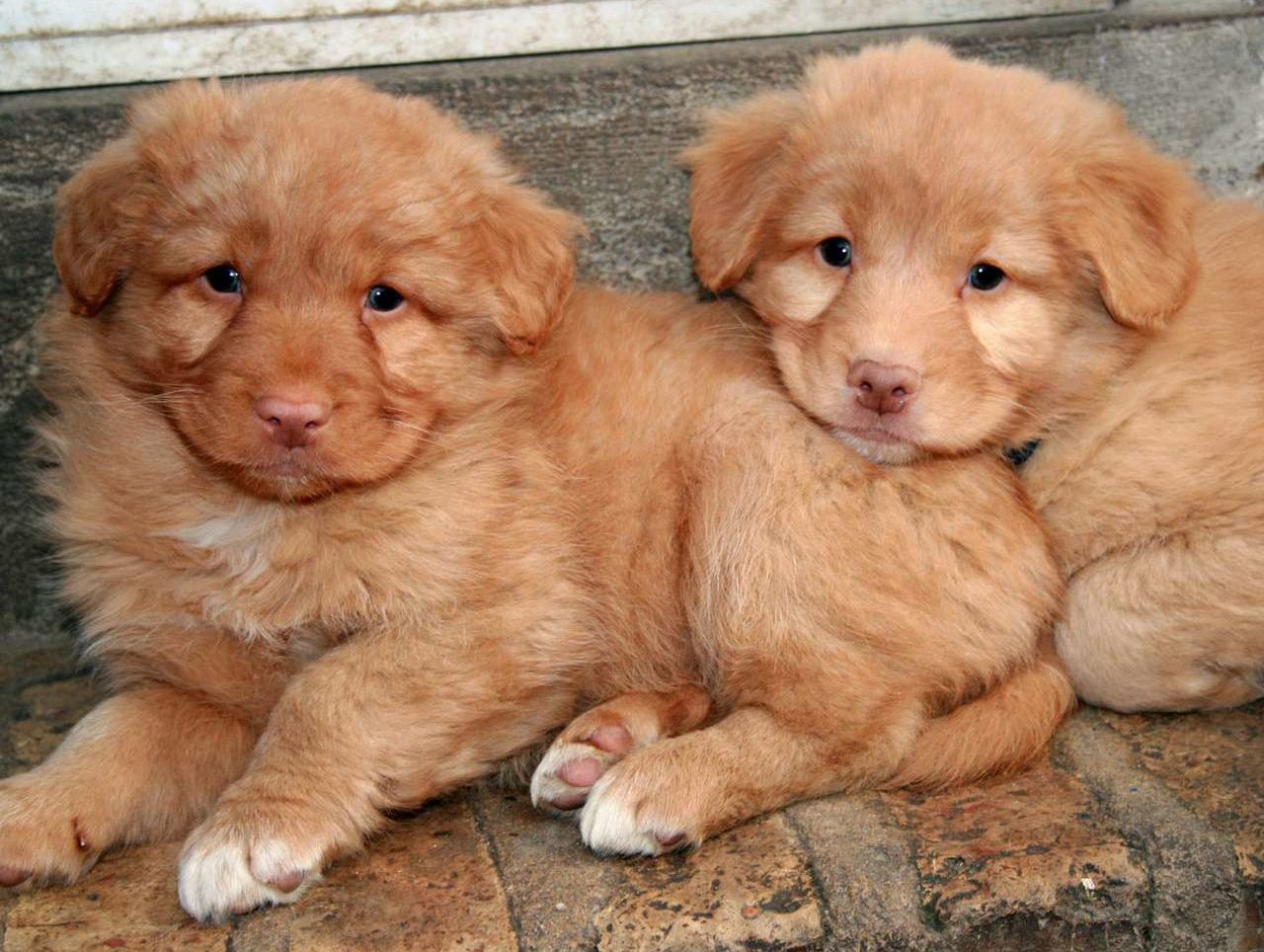
The Nova Scotia Duck Tolling Retriever, developed in the 19th century in Canada, was bred to attract ducks to the shore with its playful antics (tolling), allowing hunters to shoot the birds. The duck tolling retriever (toller) from Nova Scotia is in the retriever group and is a hunting dog focused on retrieving game from water. The toller runs, jumps, and plays along the shore, catching the attention of a flock of ducks. At times, the dog disappears from view only to reappear shortly after. A hunter concealed nearby aids this by tossing small sticks or balls to the dog, which piques the curiosity of the ducks swimming at a distance from the shore, bringing them within range for a shot. The toller is then sent to retrieve the dead or wounded birds.
Ancestors of the modern Nova Scotia Duck Tolling Retriever were registered as early as the 1890s. In the early 20th century, efforts were made to refine the breed for attracting and catching waterfowl. It is believed they are descendants of Golden Retrievers, Chesapeake Bay Retrievers, Labradors, and Flat-Coated Retrievers.
The exact origins of the Nova Scotia dog are unknown. According to a genetic map of dog breeds published in 2017, the toller is somewhat distinct from other retriever breeds. This aligns with theories that its ancestors were Scottish herding dogs brought by Scots after the expulsion of French settlers from the region. This period also saw the area adopt its current name, Nova Scotia. For a long time, the breed was overlooked in dog breeding contexts. Its long name was only formally recognized in 1950 by the Canadian Kennel Club. By the end of 1981, the breed was officially recognized by the FГ©dГ©ration Cynologique Internationale.
Today, it remains a very rare breed. However, this small retriever is an extremely recommended companion for families due to its nature and practicality. At the same time, its rarity poses issues. The breeding population is incredibly small, leading to a high level of inbreeding. Research has shown that the genetic relationships among all Nova Scotia Duck Tolling Retrievers are similar to that of siblings.
The price for a puppy ranges from 60,000 to 110,000 rubles.
Appearance
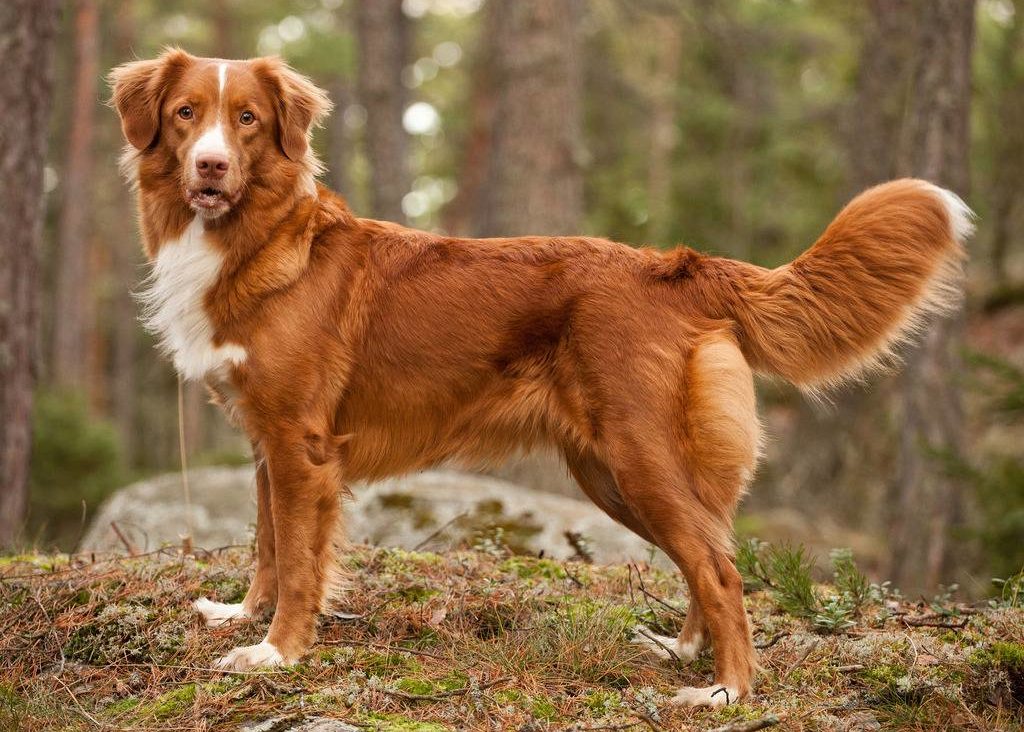
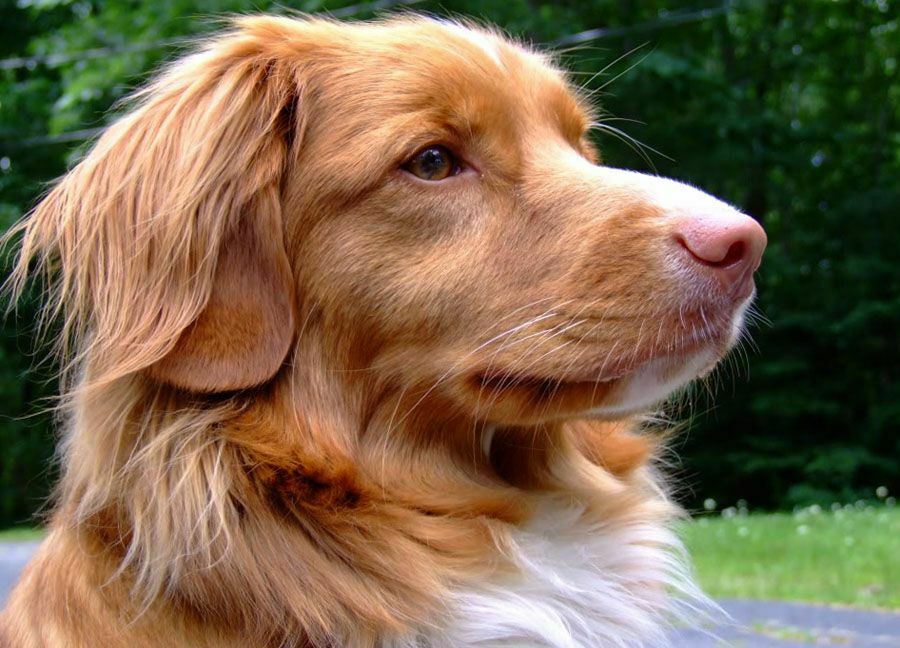
The Tolling Retriever is a medium-sized, compact dog with a powerful build and balanced proportions. Their bone structure can range from medium to heavy, and they possess a high degree of flexibility, alertness, and determination.
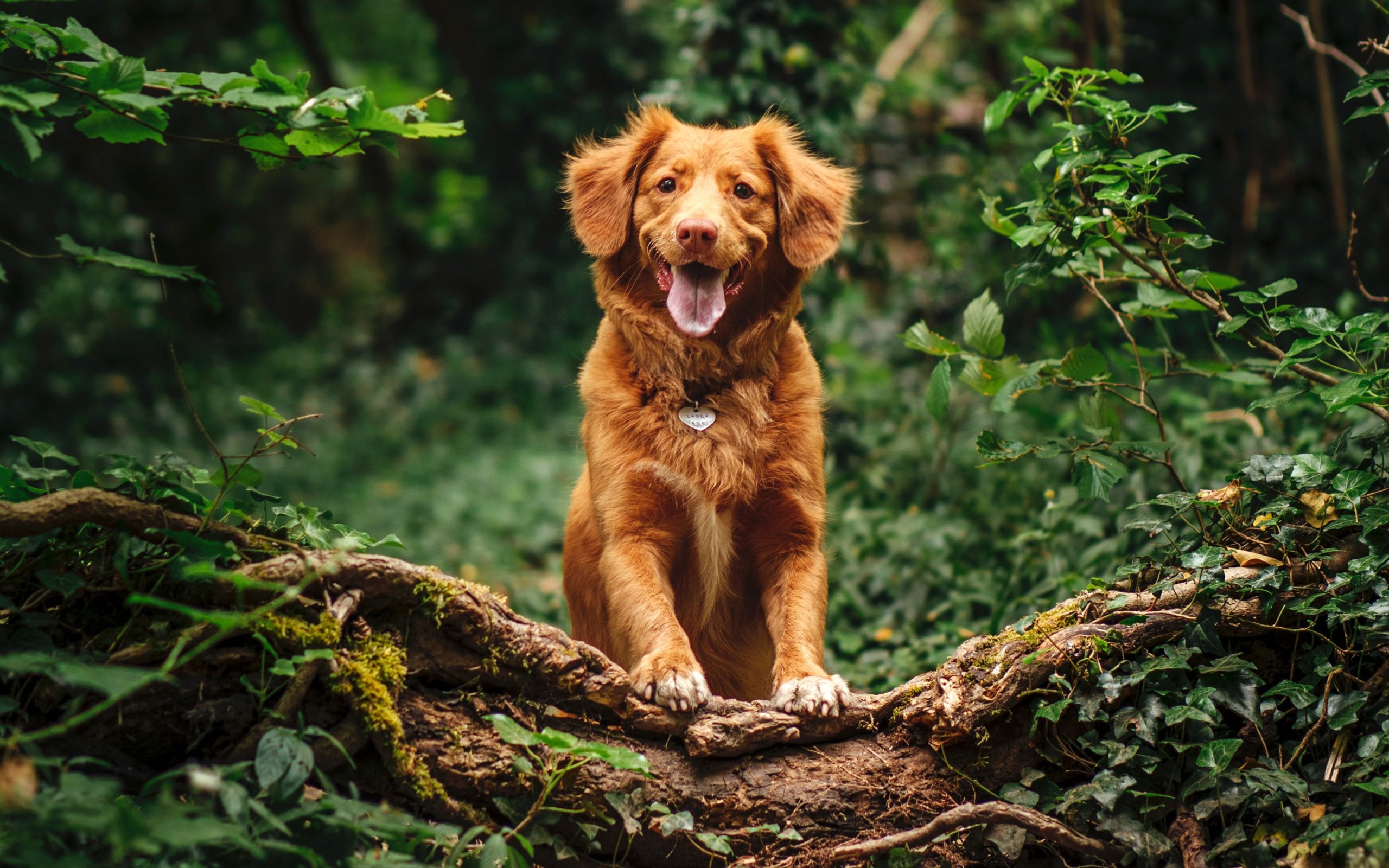
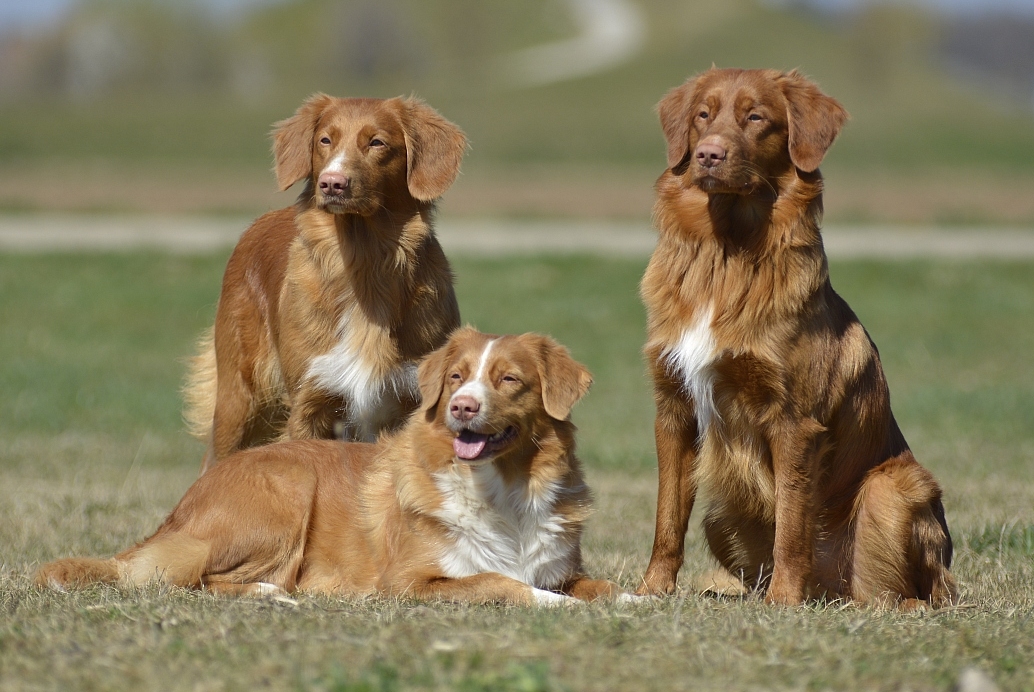
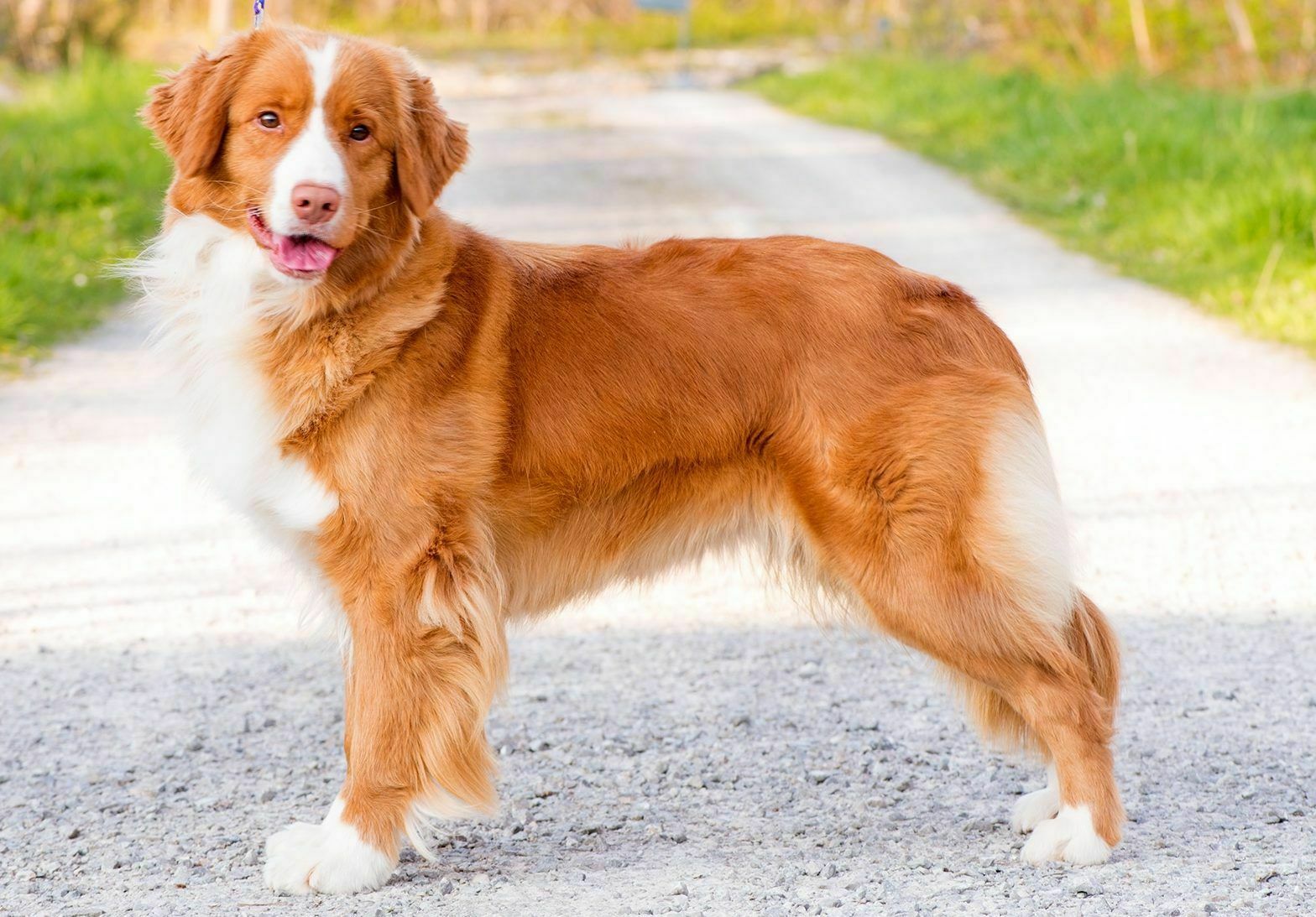
The Tolling Retriever is the most compact of all retrievers. The dog has a water-resistant double coat that is medium in length, soft, and wavy, with a dense undercoat. The primary coat color ranges from reddish-orange to bright red, with possible white markings. The pigmentation of the nose, lips, and the edges of the eyes can be either flesh-colored or black.
The Tolling Retriever is a medium-sized, compact, harmonious, and muscular dog; its skeleton is between medium and strong; exhibiting a high level of flexibility, alertness, and resolve. Many individuals of this breed may appear somewhat subdued until they begin to work; at that moment, their demeanor shifts to tense concentration and excitement. Tollers are medium-sized, compact dogs with well-developed musculature and a bushy tail that moves continuously.
The height at the withers is between 48 to 51 centimeters for males and 45 to 48 centimeters for females. Accordingly, the weight of males is 20 to 23 kilograms and females is 17 to 20 kilograms.


Отличительные черты

Голова

Морда

Уши

Глаза

Зубы

Корпус

Конечности

Хвост

Шерсть

Окрас
Character
Nova Scotia Duck Tolling Retrievers are well-trained hunting dogs. The demeanor of the Tollers is compared to that of Golden Retrievers and Terriers. Their element is water and retrieving from water. Naturally, retrievers are excellent swimmers, being talented and reliable guides both in water and on land. Their keen sense of purpose and playfulness are essential foundations for their ability to lure ducks during hunts.
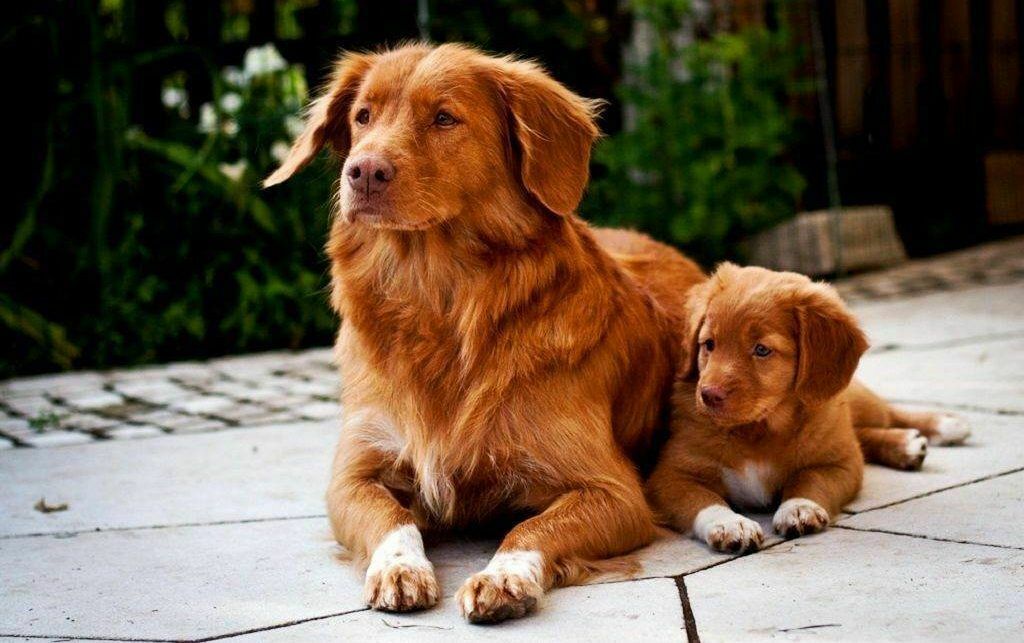
Today, Tollers make wonderful family pets and friends to children. They maintain a playful instinct throughout their lives and remain active even into old age. Duck Retrievers can be vocal, but they are considered friendly towards strangers and good watchdogs. They protect their territory but easily interact with other dogs on a leash. Their kind character is their special charm, although they also possess a degree of Scottish stubbornness.
Tollers are an intelligent breed that loves outdoor walks and gets along well with children. They are ideal for an active family living in the countryside. It is important to engage in the socialization process at a young age. They are characterized by friendliness, a willingness to please, and are full of enthusiasm. Nova Scotia Retrievers fit well into family settings; however, potential owners should understand that meeting their needs requires both physical and emotional effort. Although they are enthusiastic and sociable with their owners and family members, they can be cautious around strangers due to their protective nature.
Nova Scotia Retrievers get along well with other dogs, but their strong prey drive may prompt them to chase cats or other small animals. However, if they are introduced to cats at an early age, this prey drive can be mitigated. Insufficient socialization of Tollers at a young age can lead to aggressive, destructive, or fearful behavior later on. They are known for their ability to jump and play to lure waterfowl into traps, as well as their ability to return injured or deceased birds. Tollers are excellent swimmers. Their character is described as kind, confident, intelligent, easily trainable, and playful.
Voice activity
Nova Scotia Duck Tolling Retrievers are known for their vocal activity, making them a standout feature in any family. They have a wide range of sounds, from barking to growling and even bubbling. This makes them excellent companion dogs, capable of capturing attention with their unique "conversation."Care and Maintenance
Caring for a Nova Scotia Duck Tolling Retriever does not require too much time. To keep a toller’s coat in great condition, it is recommended to brush them weekly. During shedding periods, regular grooming is especially important. Pay special attention to the fur above and below the ears, as it is more prone to matting. In grooming a toller, it is advisable to stick to natural methods and focus on the fur around the ears and paws. When removing excess fur between the paw pads, caution should be taken to ensure better grip on indoor surfaces. Regular nail trimming is also recommended.
Nova Scotia Duck Tolling Retrievers do shed. To avoid tangles and loose fur, it is advisable to brush your dog regularly and pay special attention during shedding seasons in spring and fall, as dogs shed particularly heavily during these times, requiring more thorough care.
Generally, healthy tollers do not face feeding issues. However, due to a relatively high incidence of autoimmune diseases, dietary adjustments may be necessary.
Considering the average weight of the dog and their activity level, the optimal diet for most tolling retrievers consists of 2.5 to 3 cups of high-quality dry food per day, divided into two meals. To keep your toller healthy, spread out their meals into multiple servings rather than leaving food available at all times. If you need to check if your pet has gained weight, conduct a visual and tactile examination.
Rain lover
The Nova Scotia Duck Tolling Retriever has an unusual trait - they love to swim in the rain. This may be related to their history of hunting ducks, as ducks and other waterfowl tend to be active when it’s raining. In any case, many tollers find great joy in walking through puddles during the rain, bringing delight and wonder to their owners.Training and Education
The small retriever is a hunting dog that needs an active family, where a strong bond will exist between it and its owner. In addition to daily walks, it will require participation in dog sports, such as agility or flyball. A retriever can live in an apartment, provided it gets regular walks; however, it is ideal for it to have access to nature. There are also retrievers used for hunting. They are well trained in tracking and working in water, making them perfect for hunting.
The Nova Scotia Duck Tolling Retriever is easy to train due to its open nature, eagerness to learn, and loyalty to its owner. Because of its intelligence and occasional stubbornness-which may come from its Scottish roots-it can display disobedience, but with experience, consistency, and a gentle approach, these challenges can be successfully overcome. Tollers can forgive mistakes in training and are considered great partners for beginners. For this sociable and sensitive dog, it’s important to have an owner with a clear, yet not strict or authoritarian, hand. The foundation for successful training is a close relationship and mutual respect.
The Nova Scotia Retriever is an ideal hunting partner that requires extensive daily outdoor walks and participation in dog sports. However, it’s important to remember its character, which combines stubbornness and gentleness. The intelligence of tollers merges characteristics of terriers and occasionally showcases a spaniel spirit, which can complicate the training process. Reward-based training usually works effectively for most of them. They crave achievement and are motivated by rewards for learning. Short and active sessions are best, but it’s also important to consider the consequences of negative reactions. Zooinika offers puppies with pedigree and health guarantees.
Excellent swimmers.
Like all retrievers, Nova Scotia Duck Tolling Retrievers have an innate ability to swim. They are excellent swimmers and find great joy in it. Their water skills are often utilized in sporting competitions, such as retrieve tests, allowing them to feel confident and comfortable in an aquatic environment.
How to Choose a Puppy
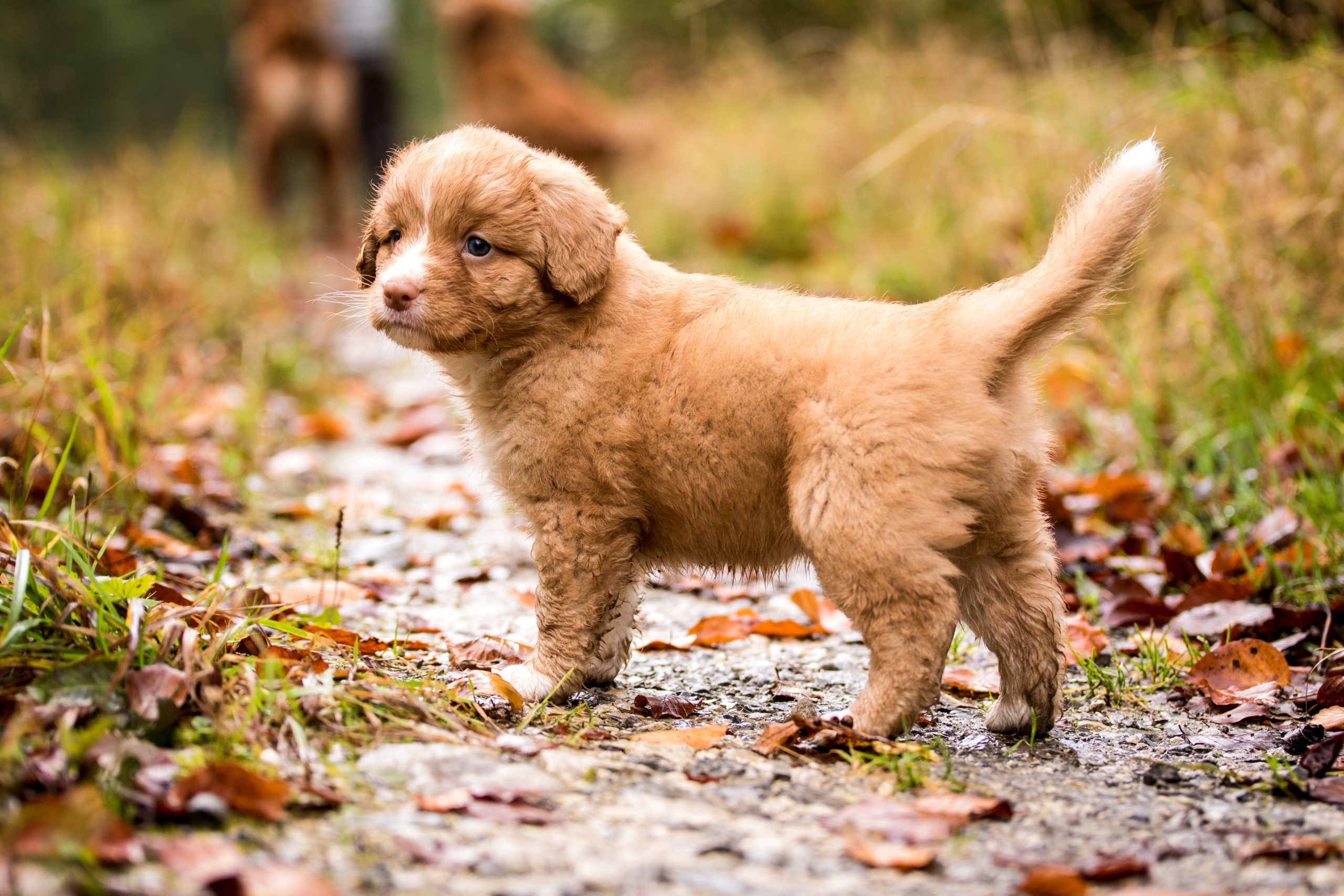
When selecting a Nova Scotia Duck Tolling Retriever puppy, special attention should be paid not only to external qualities but also to many other aspects. The Duck Tolling Retriever is a magnificent dog with a beautiful appearance, intelligent and curious eyes, and outstanding intellectual abilities. They are wonderful companions and excellent sports partners. When approaching the selection of this breed, several key factors should be considered.
The first step in choosing a Nova Scotia Duck Tolling Retriever puppy is finding an experienced and responsible breeder. Quality breeders ensure that their dogs are healthy and well-socialized. The potential owner should also have the opportunity to meet the puppy’s parents, assess their character, appearance, and activity level. This meeting will help ensure that the dogs have a friendly disposition and meet breed standards.
If you want to welcome a dog of this breed into your life, you should thoroughly research the breed as well as the issue of high inbreeding levels. You might also find a retriever in animal shelters, where you can share your luck and friendship. In any case, you should buy a puppy directly from the breeder, who will be happy to answer any questions you may have about their dogs.
A good breeder will also provide information about the health of the parents, genetic diseases, and vaccination procedures that have been performed. This is an extremely important part of the selection process, as healthy and high-quality parents ensure healthy and strong offspring. The potential owner should be ready to discuss all questions with the breeder and learn about all details concerning future puppy care.
However, first impressions are not everything. When selecting a puppy, it is essential to pay attention to its behavior. It should look healthy, show interest in its surroundings, and respond positively to people. A well-looking puppy with bright fur, clear eyes, and active behavior is already half the success. You can consider puppies from different litters, compare their behavior and activity, and interact with them to choose the one that best meets your expectations.
Another important aspect is being informed about vaccinations, parasite treatments, and documentation confirming the puppy’s lineage. You should also inquire with the breeder about the sales contract, quality guarantees, and any potential nuances regarding future puppy care. A Nova Scotia Duck Tolling Retriever puppy, like any other breed, requires special attention and care.Furthermore, when choosing a Nova Scotia Duck Tolling Retriever puppy, it is essential to remember that this is a living being that will require your attention and affection. They are intelligent, energetic, and curious, and the time and effort invested in their upbringing and training will be well worth it. By approaching the selection of a puppy with love and care, you will gain a loyal friend who will be a reliable companion for many years, bringing joy with their affection and unique character.The Nova Scotia Duck Tolling Retriever is the smallest of all retrievers. In addition to other qualities, this makes this agile, family-friendly hunting dog particularly attractive.
Health and Diseases
The breed of the Duck Tolling Retriever is generally healthy; however, like all breeds, it has specific health and disease traits that prospective owners should be aware of.
One common issue in Tollers is hip dysplasia. This genetic disorder can lead to pain and mobility issues in dogs. It is important to consider the hip health of the parents when acquiring a puppy and to schedule regular veterinary check-ups.
Another fairly common problem among Tollers is allergies. These can manifest on the skin, causing itching, hair loss, and various skin issues. In such cases, the quality of the dog’s food should be monitored, and regular veterinary examinations are essential.
Tollers may also experience eye problems such as glaucoma and cataracts. These conditions can lead to vision loss, so regular eye checks and care are vital aspects of maintaining the health of a Toller.
Other diseases noted in this breed include thyroid issues, such as hypothyroidism, as well as gastrointestinal problems.
Addison’s disease is a health concern for the breed, which may take years to develop; by the time it is diagnosed, the dog may already have offspring. Efforts to develop a genetic marker test have not yet been successful. Tollers are also more prone to autoimmune diseases than other breeds. It is crucial to double-check since this breed typically has minor health issues. On the other hand, breeders will annually screen their stock for eye diseases and will X-ray breeding stock for hip dysplasia before using them for breeding.The population of this breed suffers from a high level of inbreeding. Additionally, there are reports of an increased frequency of various autoimmune diseases.It is very important to know that early veterinary visits if any suspicious symptoms arise, regular medical check-ups, proper nutrition, and moderate physical activity can help reduce the risk of the mentioned diseases. These steps also play a key role in maintaining a Toller’s good health throughout its life.
Содержание
-
1. Описание породы
-
2. Внешний вид
- 2.1 Голова
- 2.2 Морда
- 2.3 Уши
- 2.4 Глаза
- 2.5 Зубы
- 2.6 Корпус
- 2.7 Конечности
- 2.8 Хвост
- 2.9 Шерсть
- 2.10 Окрас
-
3. Характер
-
4. Содержание и уход
-
5. Дрессировка и обучение
-
6. Как выбрать котенка
-
7. Здоровье и болезни






Comments
Only registered users can leave reviews.
Enter