
Norwich Terrier




Warning: Illegal string offset 'label' in /home/panda/sites/zoonika/wp-content/themes/zoonika/template-parts/animals/animals-param-item.php on line 32
Ð


Breed Description
The Norwich Terrier is one of the smallest terrier breeds, but its history is filled with courage, endurance, and hard work. The breed originated in England, specifically in Norfolk County, where its ancestors became indispensable helpers to farmers and hunters in the 19th century. These dogs were bred to combat rodents that threatened crops and to hunt small game, including rabbits and foxes.
The breed’s origins are closely tied to the university towns of Cambridge and Norwich. Small but extremely active and brave terriers gained popularity among Cambridge students in the 1870s. These dogs became known as “trampling terriers” because of their ability to move swiftly and flush foxes out of their burrows during hunts. Students often used them not only as hunting aides but also as companions, cementing their reputation as loyal and sociable dogs.
At that time, the breed was founded by farmers and laborers who did not engage in professional breeding in the modern sense. Nevertheless, through their pragmatic approach, they produced small but remarkably resilient terriers perfectly suited for rural life. The dogs had a sturdy build, short legs, and thick fur, which helped them tackle tasks in any weather conditions.
A turning point in the breed’s development occurred in the early 20th century when breeders began to systematize breeding and work on standardizing appearance. One of the enthusiasts was Frank Jones, a well-known breeder who significantly contributed to the breed’s popularity. He showcased these terriers at exhibitions and promoted them as household companions. At that time, the breed was often referred to as the “Cantab Terrier,” and later “Norwich Terrier,” to emphasize its connection to the Norfolk region.
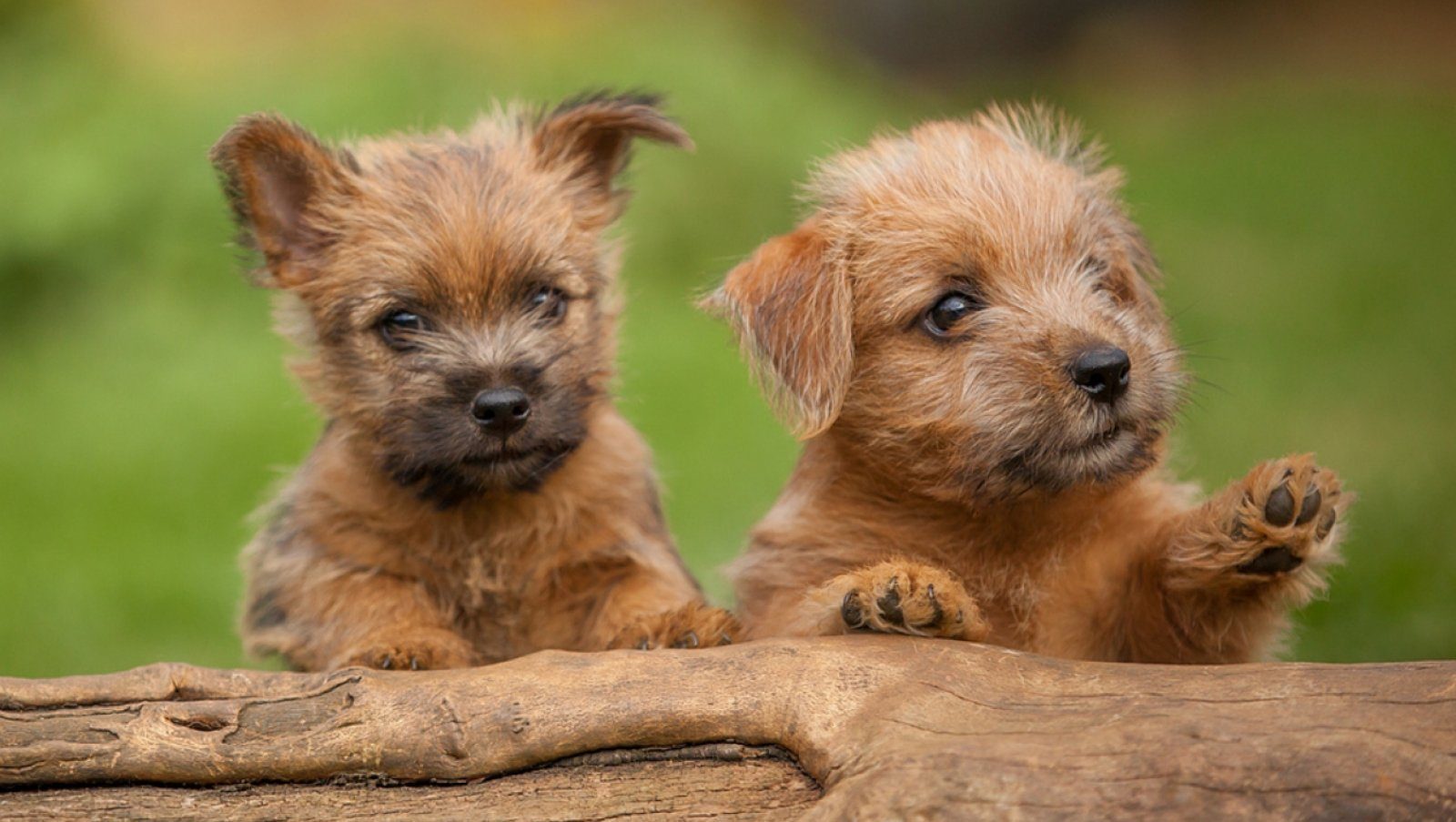
Interestingly, at the early stages of the breed’s development, Norwich Terriers and Norfolk Terriers were considered the same breed. The main difference was the type of ears: Norwich Terriers had erect ears, while Norfolk Terriers had drooping ones. It was not until 1964 that these two types were officially separated into distinct breeds, allowing each to develop independently.
Today, the Norwich Terrier retains all its original qualities: courage, stamina, and friendliness. Although they are rarely used for hunting now, their natural drive for activity makes them excellent companions for families and individuals with an active lifestyle. The Norwich Terrier remains a symbol of the British terrier, combining working skills with family devotion, making it one of the most charming and energetic breeds.The price for a puppy ranges from 35,000 to 50,000 rubles.
Appearance
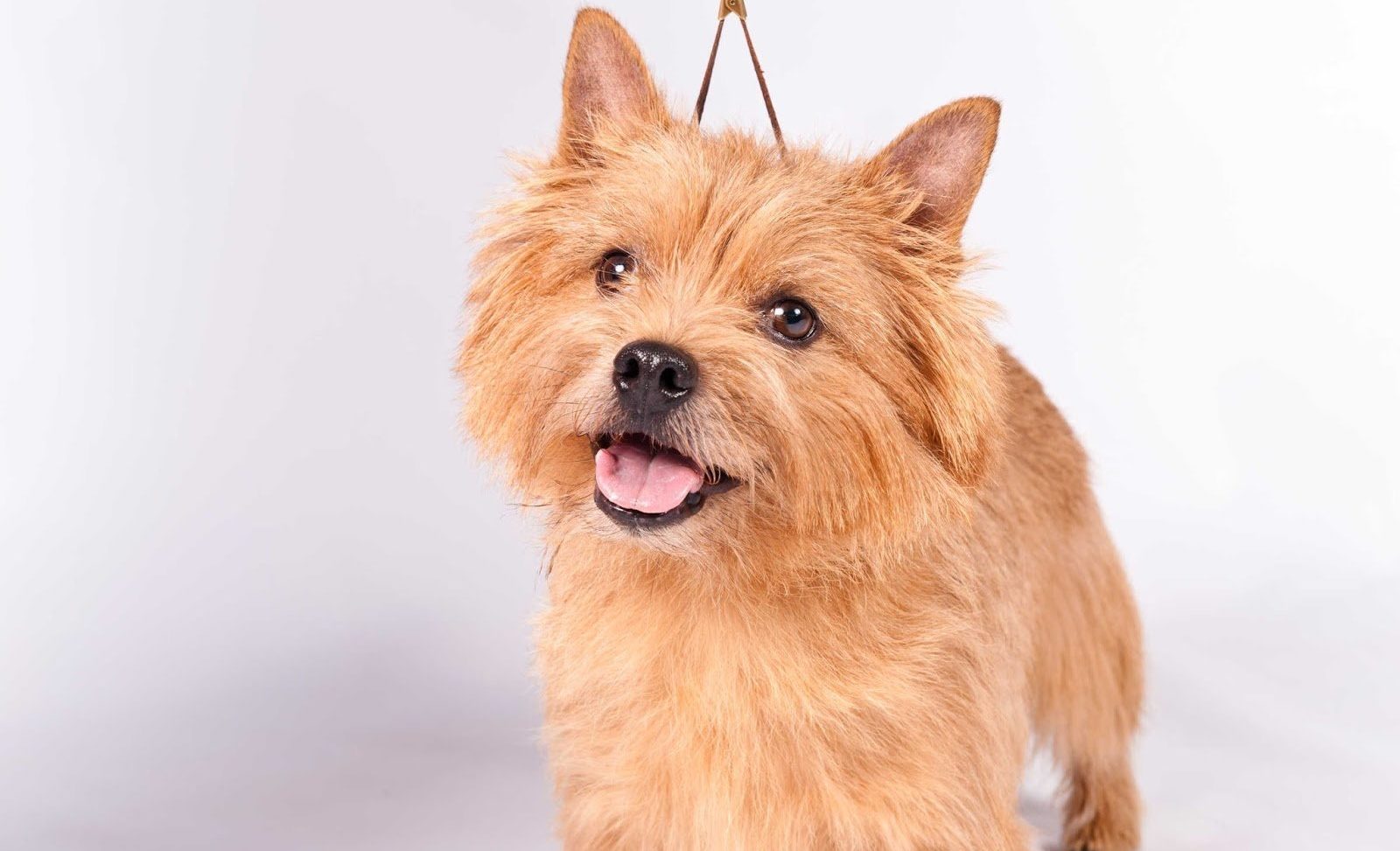
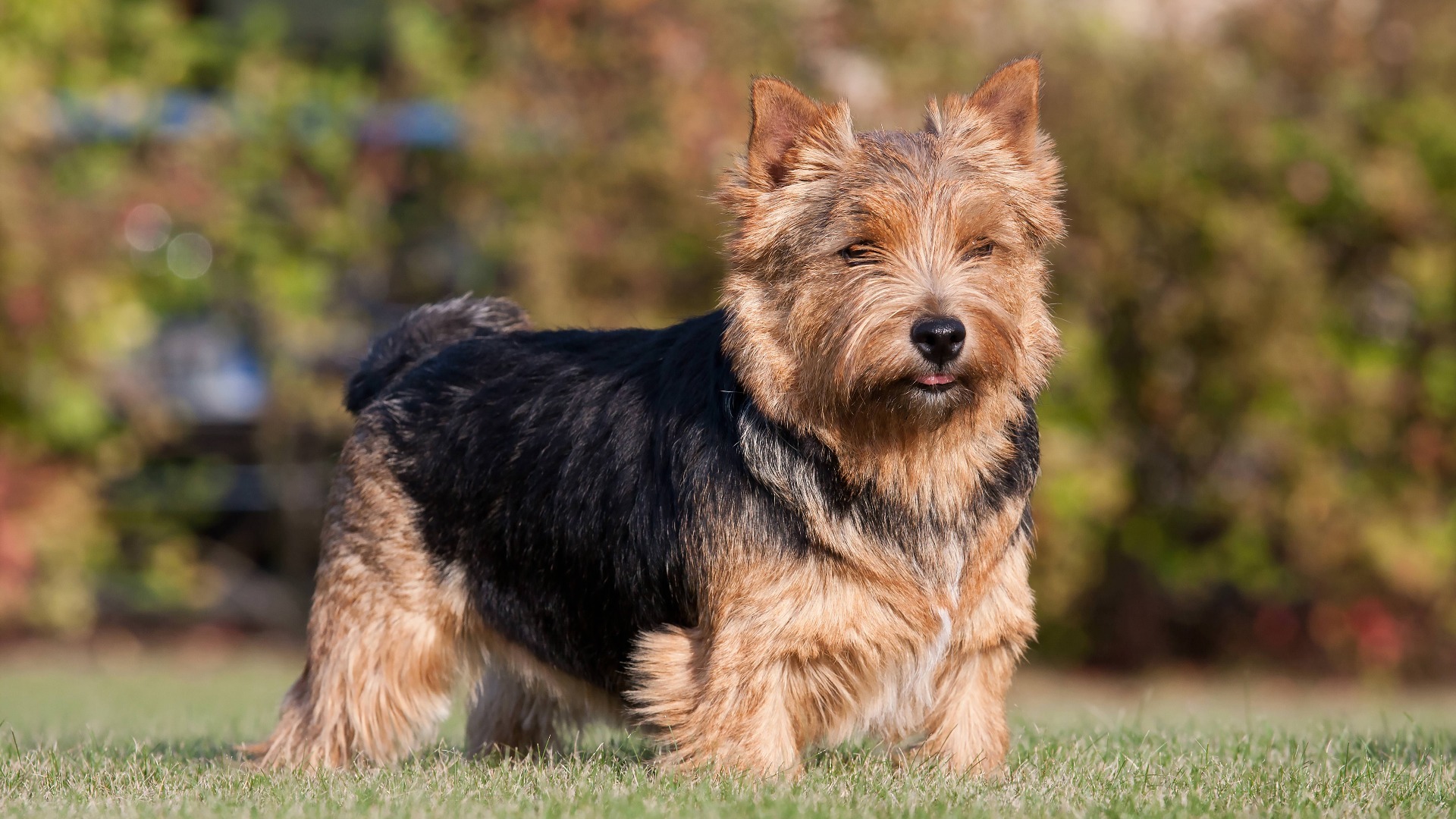
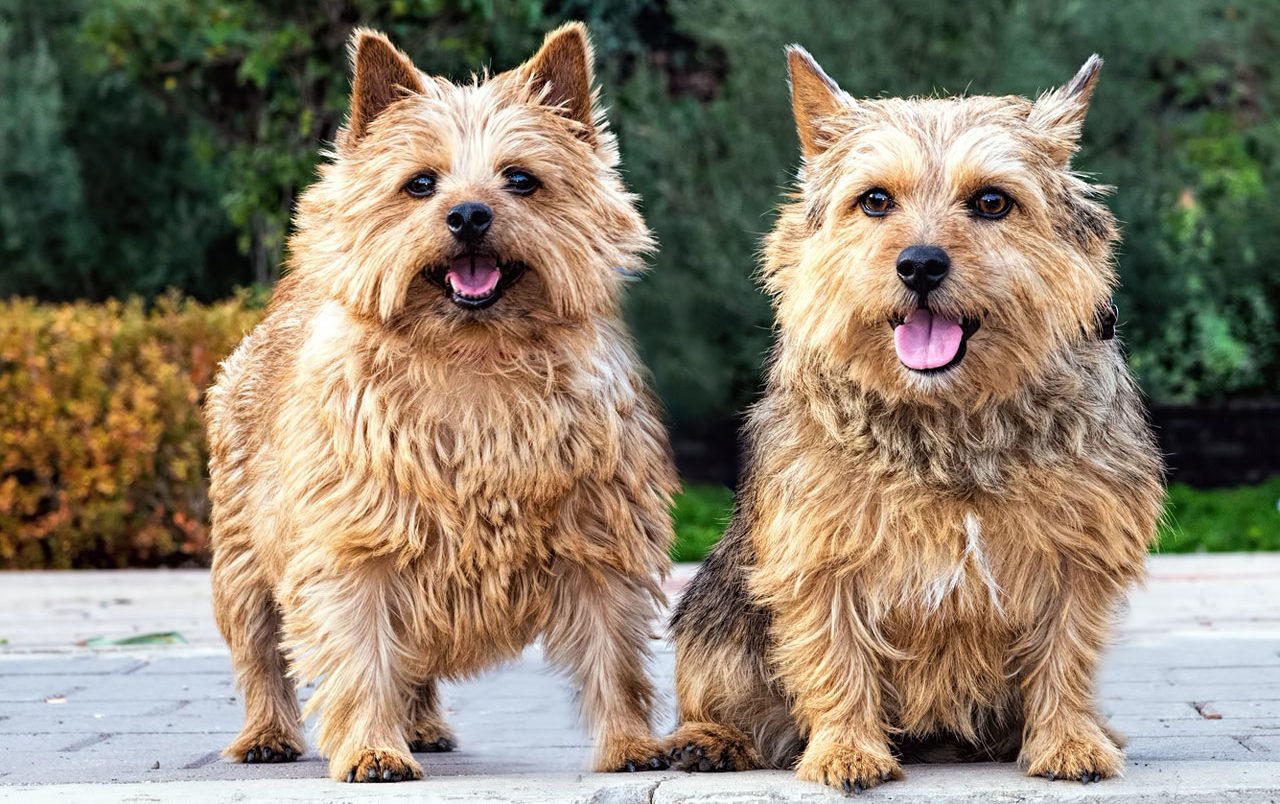
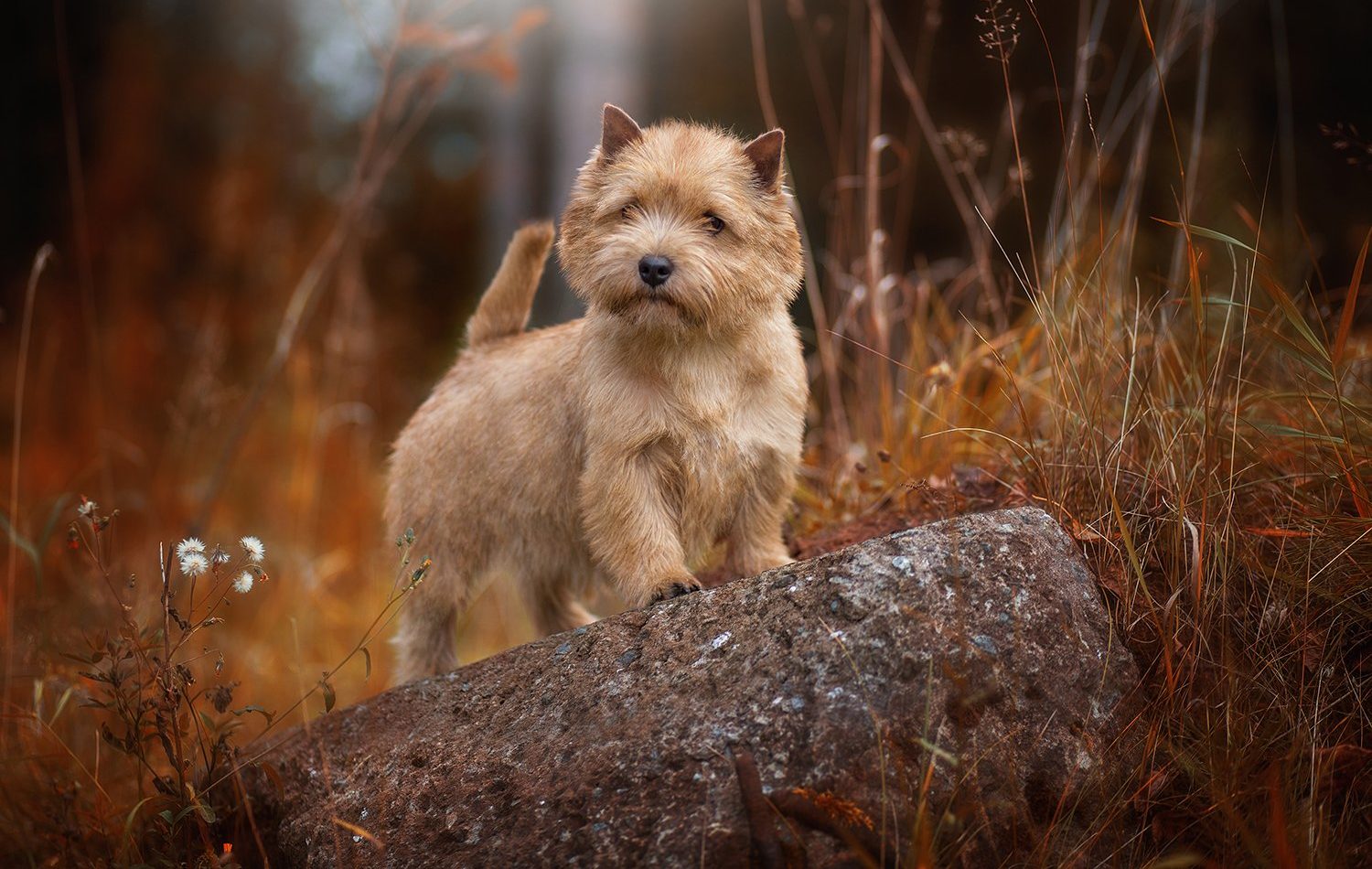
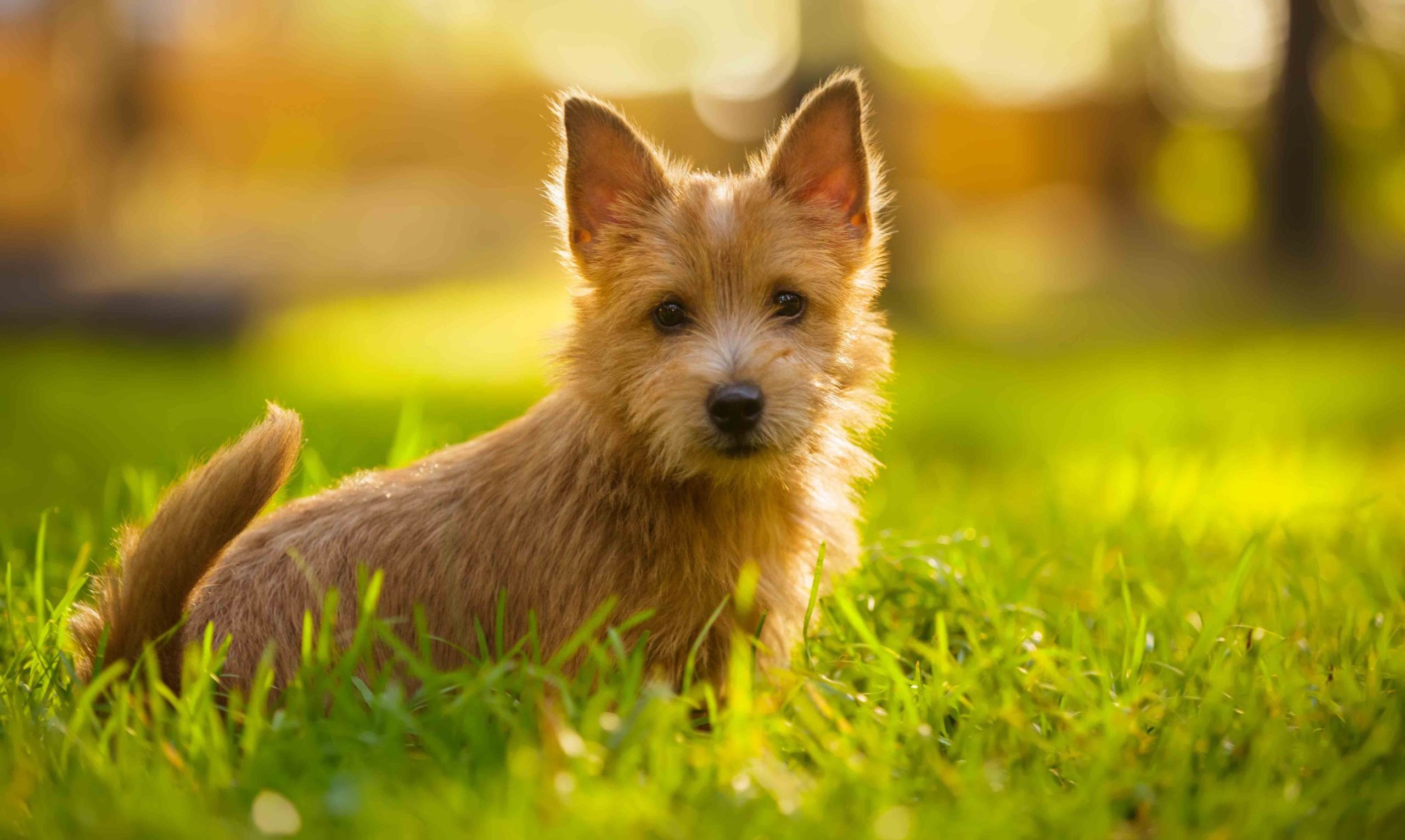
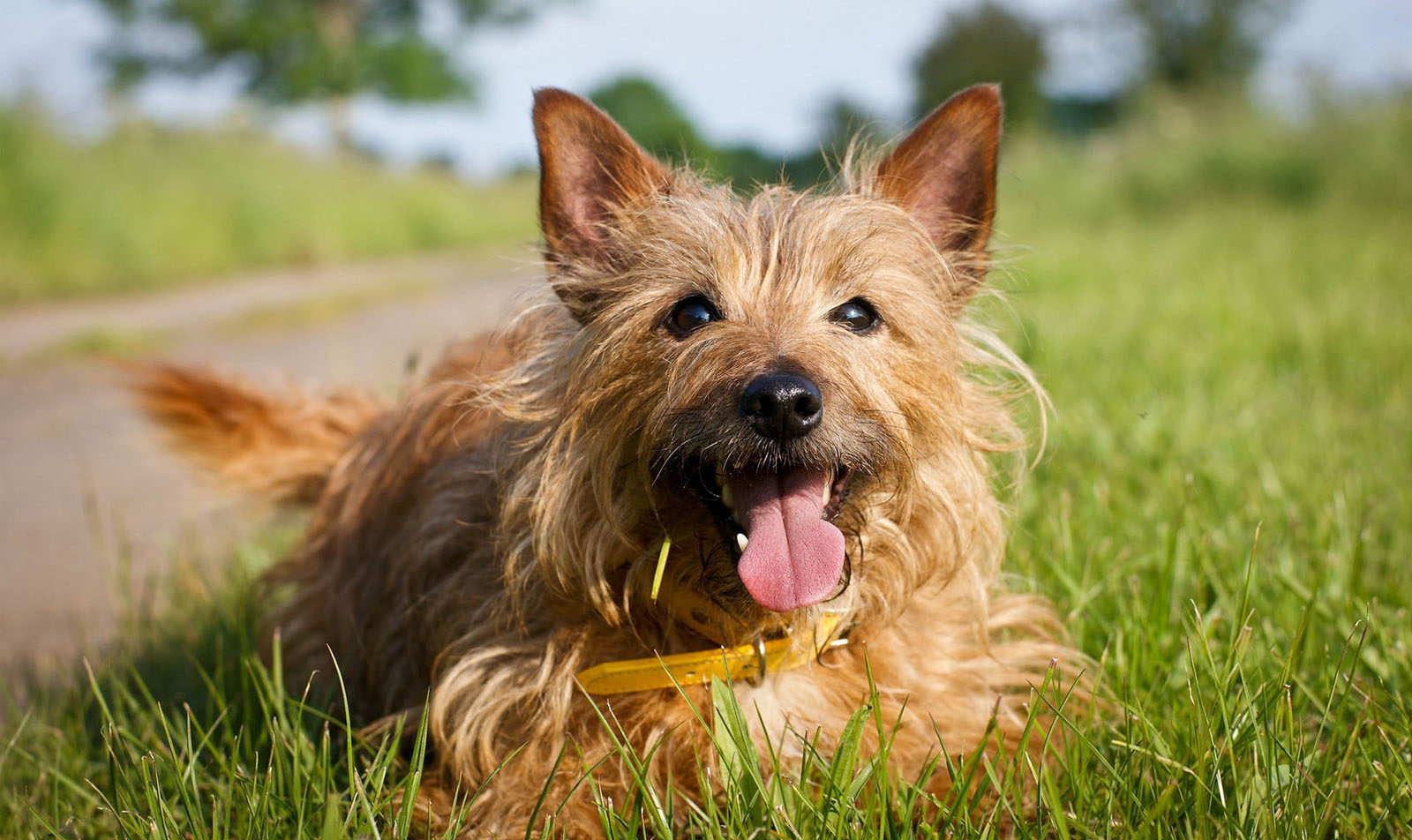
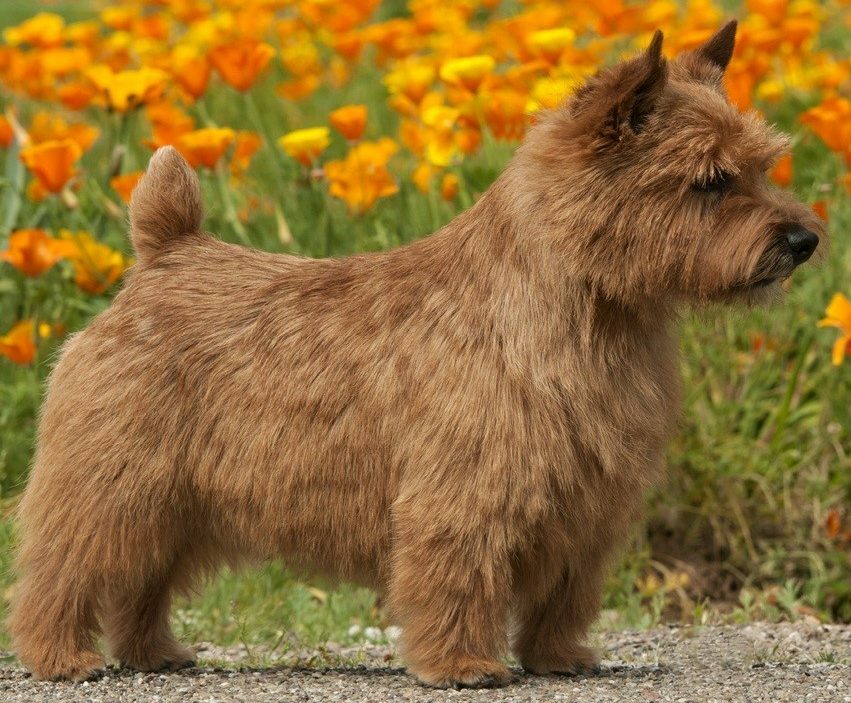
The Norwich Terrier is a compact, sturdy dog with an expressive and energetic appearance. Its proportional build and confident posture emphasize an active and courageous character. This breed has a solid body, strong limbs, and dense fur that protects it in various weather conditions. The Norwich Terrier looks harmonious and balanced, making it a versatile dog for both active walks and home life.
The average height of a Norwich Terrier is about 25-26 cm at the withers, which makes it one of the smallest members of the terrier family. The dog’s weight typically ranges from 5 to 6 kg, highlighting its compactness and lightness, while also demonstrating strength and endurance. These dimensions are ideal for working on a farm or hunting, as well as for living in urban environments.
The fur of the Norwich Terrier is coarse and dense, with a thick undercoat, making it resistant to dirt and weather conditions. This type of coat requires minimal maintenance, but regular brushing helps maintain its condition and appearance. The dog’s expressive gaze and pointed snout add to its charm, highlighting its intelligence and friendliness.
The average lifespan of a Norwich Terrier is 12-15 years. This breed is known for its robust health and longevity, provided it receives proper nutrition, sufficient physical activity, and regular veterinary care. Norwich Terriers remain active and lively throughout their lives, bringing joy to their owners with their cheerful temperament and loyalty.


Отличительные черты

Голова

Морда

Уши

Глаза

Зубы

Корпус

Конечности

Хвост

Шерсть

Окрас
Character
The Norwich Terrier is a lively, energetic, and friendly dog with a personality that perfectly combines the boldness of a terrier and a deep affection for humans. This breed is known for its cheerfulness, intelligence, and love of activity, making it an excellent companion for both individuals and families with children. Norwich Terriers easily adapt to various living conditions, whether it’s an apartment in the city or a house with a large yard, but they require physical and mental stimulation to feel happy.
These dogs are incredibly sociable and enjoy spending time with their owners. They strive to be the center of attention and participate in all family activities. Norwich Terriers get along well with children and other animals, but due to their inherent independence, they can sometimes exhibit stubbornness. Despite this, their desire to please their owner and natural intelligence make them easy to train with the right approach.
One of the key traits of this breed is its bravery. Despite their compact size, Norwich Terriers possess real courage and self-confidence. These qualities were developed through their historical role as hunters of rodents and small game. Dogs of this breed love to explore their surroundings and demonstrate a high degree of curiosity. This trait makes them excellent companions for active walks, especially in natural settings.
Norwich Terriers enjoy playing and often display a comical nature, which delights their owners. They can chase after balls, jump, and explore their environment while maintaining constant contact with their owner. These dogs require attention and do not handle solitude well. If left alone for extended periods, they may become anxious, which can sometimes lead to destructive behavior.
Although Norwich Terriers are always ready for action, they can also be calm and affectionate. They love to spend time on their owner’s lap or relax beside them after an active day. This breed is known for its loyalty and ability to sense human emotions, making it an excellent emotional companion.
Overall, the Norwich Terrier is a small dog with a big heart. Its character combines energy, intelligence, loyalty, and friendliness, making it the ideal companion for those seeking an active and cheerful friend.
Partners with a story
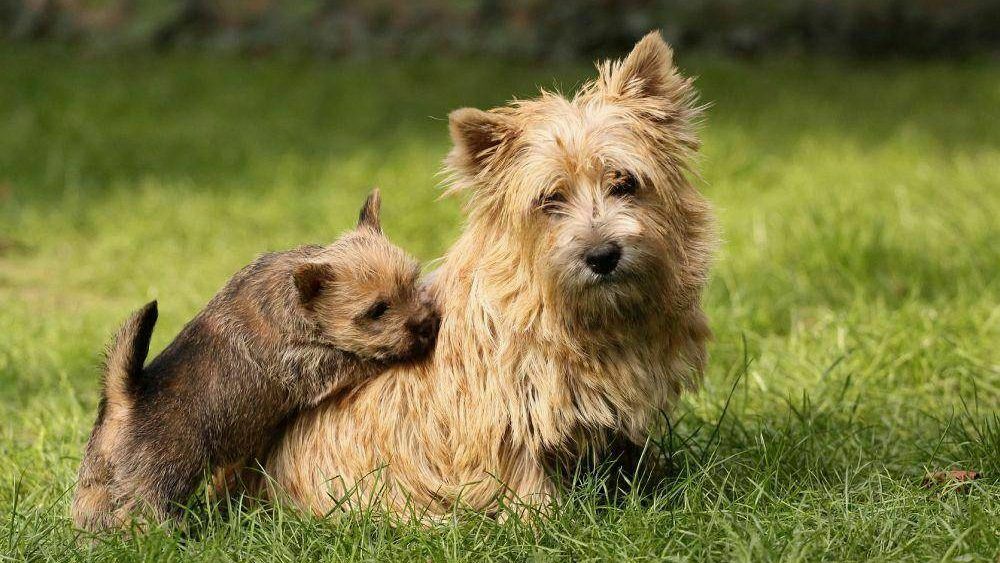
Norwich terriers seem to be specially designed to become your loyal companions. They originated from England, where they were popular among students. These small, energetic creatures quickly won the hearts of their owners with their vibrant personalities and good nature. Despite their small size, Norwich terriers have big hearts and are ready to bring endless joy to their families.Care and Maintenance
The Norwich Terrier requires care that takes into account its active lifestyle, thick coat, and natural curiosity. This breed needs regular physical activity due to its high energy levels. Daily walks, active play, or short hikes in nature will help meet its need for movement and maintain its physical condition. The Norwich Terrier loves to explore new places, so walks in unfamiliar locations will bring it great joy.
The dog’s coat is coarse and dense, with a thick undercoat that protects it from cold and dirt. Regular brushing once a week helps keep the coat in good condition, prevents matting, and removes dead hair. During shedding, which is not overly pronounced in this breed, coat care may require a bit more attention. The Norwich Terrier typically does not require haircuts, but grooming every few months helps keep the coat looking neat.
The Norwich Terrier loves being the center of attention and participating in family life. It cannot tolerate prolonged solitude, as this can cause stress. If it lacks companionship or becomes bored, it may start to seek out activities, sometimes leading to the destruction of belongings. It is important for the owner to find time for interaction, play, and joint activities to support its emotional well-being.
The diet of a Norwich Terrier should be balanced, considering its active nature. It is not prone to overeating, but it’s important to monitor portion sizes to prevent weight gain. High-quality food or natural meals rich in protein will provide the necessary energy. Keep in mind that Norwich Terriers may sometimes show sensitivity to certain foods, so it’s important to carefully select their diet.
This breed does not like loud and sudden noises, nor rough handling. Norwich Terriers are very sensitive to the owner’s tone of voice and can easily become upset by shouting or punishment. They respond better to a gentle but confident approach that includes encouragement and praise. The terrier may also dislike very hot weather, so on warm days, it’s essential to provide a cool place and access to fresh water.
The Norwich Terrier loves attention, play, and interaction with humans but cannot tolerate boredom and loneliness. Regular walks, coat care, and maintaining an emotional connection with the owner are key to ensuring this dog feels happy and healthy.
Brave Guardians
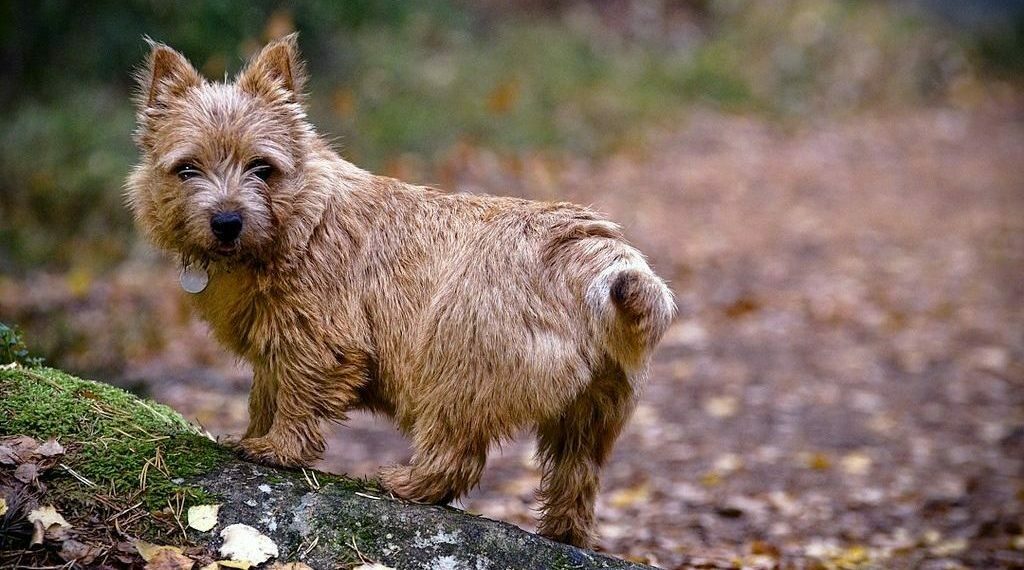
Norwich Terriers, although small in size, possess the courage of a lion. In the past, they were used to combat rats due to their boldness and ability to access the most hard-to-reach places. Their bravery and independence gave them an advantage in hunting rodents, making them invaluable helpers on farms and in homes. Despite their fearlessness, Norwich Terriers are also known for their affectionate nature, making them wonderful companions for any owner.Training and Education
Training a Norwich Terrier should take into account its energetic, intelligent, and sometimes stubborn nature. These dogs quickly grasp commands but can exhibit independence if the training process becomes boring or monotonous. The best approach is positive reinforcement training: praise, treats, and games that make learning enjoyable and encourage cooperation. It’s important to start training at an early age to lay the foundation for obedience and socialization, focusing on basic commands such as “sit,” “come,” and “place.”
Norwich Terriers are curious and love to learn new tricks, especially if the training is playful. However, due to their natural independence, they can get distracted if something captures their attention. Therefore, training sessions should be short, varied, and as interesting as possible for the dog. It’s essential to maintain patience and avoid harshness or pressure, as terriers are sensitive to tone of voice and may lose motivation if they feel forced.
A Norwich Terrier chooses its owner based on emotional connection and respect. Usually, it bonds with someone who shows patience, care, and actively participates in its life. This terrier seeks to be part of the family, appreciating time spent together and attention to its needs. While it will be loyal to all family members, it will feel the strongest attachment to the person who spends the most time with it, trains it, and cares for it.
A Norwich Terrier responds best to a confident yet kind person. The owner should be consistent and assured in their actions so that the terrier sees them as a leader. However, leadership should not be aggressive-the breed values gentleness and respect. If the terrier feels that its opinions are considered and it is treated fairly, it will willingly follow commands and become a reliable partner.
This breed is best suited for active and patient individuals who are ready to devote time to training and spending time with their dog. Norwich Terriers value owners who can meet their needs for activity, curiosity, and emotional connection, making them a happy and balanced family member. Reliable breeders offer healthy puppies with documentation and pedigree.
Humble stars of the big screen
In addition to their noble heritage, Norwich Terriers have also captured the hearts of fans on the big screen. It is worth noting that throughout the history of cinema, they have starred in various films. Their charm and outstanding personality traits make them excellent actors and esteemed representatives of the breed in the world of entertainment.
How to Choose a Puppy
To select a Norwich Terrier puppy that will grow into a full-fledged representative of the breed, it is important to pay attention to its appearance, health, and behavior, as well as to check the puppy’s compliance with breed standards. Start by finding a reliable breeder who specializes in Norwich Terriers. The breeder should provide all necessary information about the lineage, the health of the puppy’s parents, and their living conditions. The puppy’s parents should meet breed standards, be active, sociable, and healthy.
A Norwich Terrier puppy should demonstrate natural curiosity and bravery, which are important traits of this breed. It should be active, cheerful, and interested in interacting with people and other puppies. Moderate shyness is acceptable, but excessive timidity or aggressiveness may indicate poor socialization or genetic issues. Observe how the puppy interacts with others: it should be friendly and confident, but not dominating.
The puppy’s physical condition plays a key role. The coat should be thick and coarse to the touch, with a dense undercoat. The ears and eyes should be clean and free of discharge. The puppy should have a strong, straight posture, with confident and light movements. The paws should be strong and well-formed, which is important for the breed’s endurance and activity. The teeth should be even, with a correct bite.
Observe the conditions in which the puppies are raised. It is important for the puppies to grow up in a clean, spacious environment where they can move around actively and socialize with people and other dogs. A good breeder actively participates in the socialization of the puppies, acclimating them to various sounds, situations, and people. This lays the foundation for confident and adaptable behavior in the adult dog.
The breeder should also provide a veterinary passport for the puppy, with records of vaccinations and preventive treatments. Additionally, inquire about possible genetic tests, particularly for diseases to which the breed may be predisposed. This is especially important for a breed with a small population, like the Norwich Terrier, to avoid hidden hereditary problems.
When choosing a puppy, focus on your emotional connection with it. The Norwich Terrier is a breed that values closeness with its owner, so it is important that a mutual liking develops between you during the selection process. A puppy that actively seeks contact, shows cheerfulness, and expresses interest in you is likely to become a loyal and energetic companion, embodying all the breed’s traits.
Health and Illnesses
The Norwich Terrier, despite its compact size and sturdy build, is a relatively healthy breed. However, like all dogs, it may experience both hereditary and acquired diseases. To maintain the health of this breed, it is essential to be aware of potential risks and focus on prevention.
One of the most common issues in Norwich Terriers is hip dysplasia. This condition can cause discomfort and reduce the dog’s mobility, especially in older age. Regular physical exercise, maintaining a healthy weight, and moderate training can help lower the risk of this problem.
Respiratory issues can also occur in this breed. Tracheal collapse, characterized by narrowing of the trachea, can lead to coughing or difficulty breathing, particularly during physical exertion or stress. Owners should avoid excessive strain and use a harness instead of a collar to minimize pressure on the dog’s neck.
Norwich Terriers can also experience eye diseases such as cataracts and progressive retinal atrophy. These conditions can lead to deteriorating vision or complete loss of sight. Regular veterinary check-ups can help identify issues at an early stage and preserve the dog’s vision for as long as possible.
A tendency to allergic reactions is another characteristic of the Norwich Terrier. Allergies may manifest as skin itching, rashes, or coat problems. Possible triggers include food, pollen, dust mites, or household chemicals. Choosing an appropriate diet and regular grooming can help minimize allergy symptoms.
This breed may also be prone to dental problems, such as tartar buildup and gum inflammation. Regular tooth brushing, utilizing special chewing toys, and preventive veterinary exams can help avoid these issues.Overall, with proper care, balanced nutrition, and regular physical activity, Norwich Terriers can lead long and active lives, reaching 12 to 15 years. Regular veterinary check-ups, prevention of hereditary diseases, and attentive treatment of the breed’s specific needs will help maintain the dog’s health at a high level. Considering? There is a huge selection of listings on the map in cities on Zooinika.
Содержание
-
1. Описание породы
-
2. Внешний вид
- 2.1 Голова
- 2.2 Морда
- 2.3 Уши
- 2.4 Глаза
- 2.5 Зубы
- 2.6 Корпус
- 2.7 Конечности
- 2.8 Хвост
- 2.9 Шерсть
- 2.10 Окрас
-
3. Характер
-
4. Содержание и уход
-
5. Дрессировка и обучение
-
6. Как выбрать котенка
-
7. Здоровье и болезни





Comments
Only registered users can leave reviews.
Enter