
Norwegian Lundehund




Warning: Illegal string offset 'label' in /home/panda/sites/zoonika/wp-content/themes/zoonika/template-parts/animals/animals-param-item.php on line 32
Ð


Breed Description
The Norwegian Lundehund is a unique and rare dog breed, with a history that dates back to the distant past of Norway. Its origins are linked to the islands of the Lofoten archipelago, where harsh climate conditions and isolation shaped a breed with unusual physical and behavioral traits. The word “lunde” translates from Norwegian as puffin (a seabird), and “hund” means dog, indicating the historical specialization of this breed: hunting puffins.
The Lundehund was bred for hunting puffins that inhabited hard-to-reach places like narrow cliffs and caves along the coast. The meat and feathers of these birds were important resources for the local inhabitants, and dogs with remarkable agility and flexibility became indispensable helpers. Thanks to its unique body structure and anatomical features, such as extra toes that provided better grip and the ability to bend its head at nearly a 180-degree angle, the Lundehund could access narrow crevices to retrieve birds or their eggs.
The first mentions of the Lundehund date back to the 16th century when island residents used these dogs for hunting. The breed developed naturally, influenced by living conditions on isolated islands, where only the strongest and most adaptable dogs survived. They possessed not only physical endurance but also exceptional intelligence, allowing them to work effectively in difficult conditions. Due to their role in local economies, the Lundehund became an important part of the lives of fishermen and farmers in Lofoten.
However, with technological advancements and a decline in the need for traditional puffin hunting, the breed began to lose its popularity. By the early 20th century, the Norwegian Lundehund was on the brink of extinction. Remaining dogs continued to live in small isolated villages, where locals preserved the breed as part of their cultural identity. One such village was Mustad, where a few enthusiasts began efforts to revitalize the breed.
In the mid-20th century, breed preservation efforts were led by breeders and cynologists who recognized its uniqueness and historical significance. In the 1960s, the breed received official recognition in Norway and later in other countries. Since then, the Lundehund has remained a symbol of Norwegian heritage, despite its rarity.
Today, the Norwegian Lundehund is known not only for its history but also for unique qualities that make it one of the most unusual breeds in the world. Its ability to adapt to challenging conditions, physical characteristics, and connection to ancient Norwegian traditions make it a living monument to the culture and nature of Northern Europe.The price for a puppy ranges from 30,000 to 40,000 rubles.
Appearance
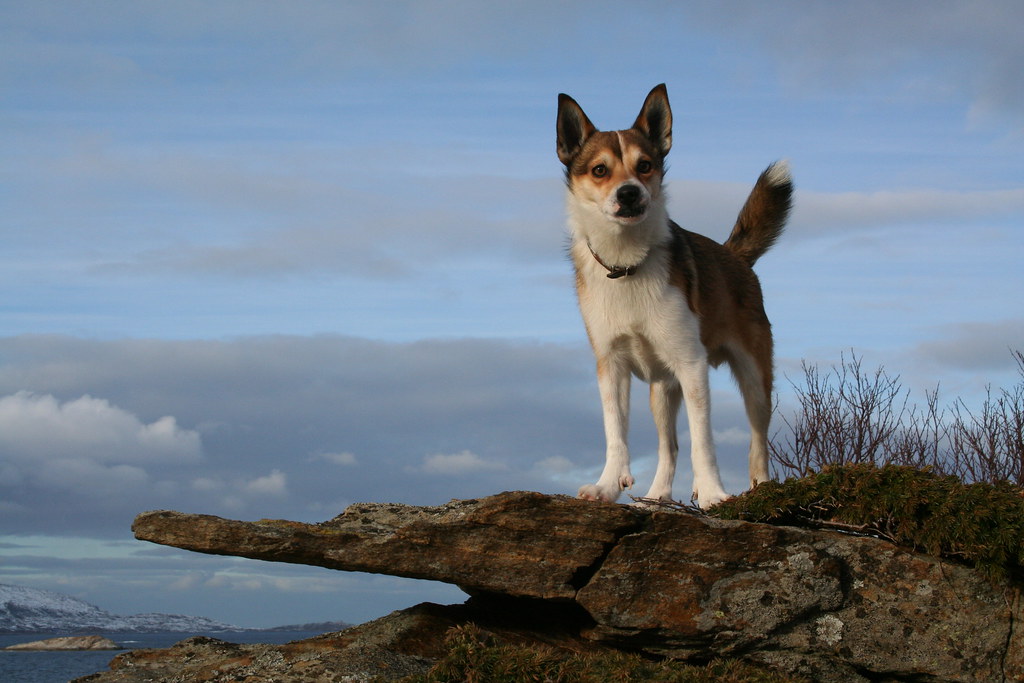
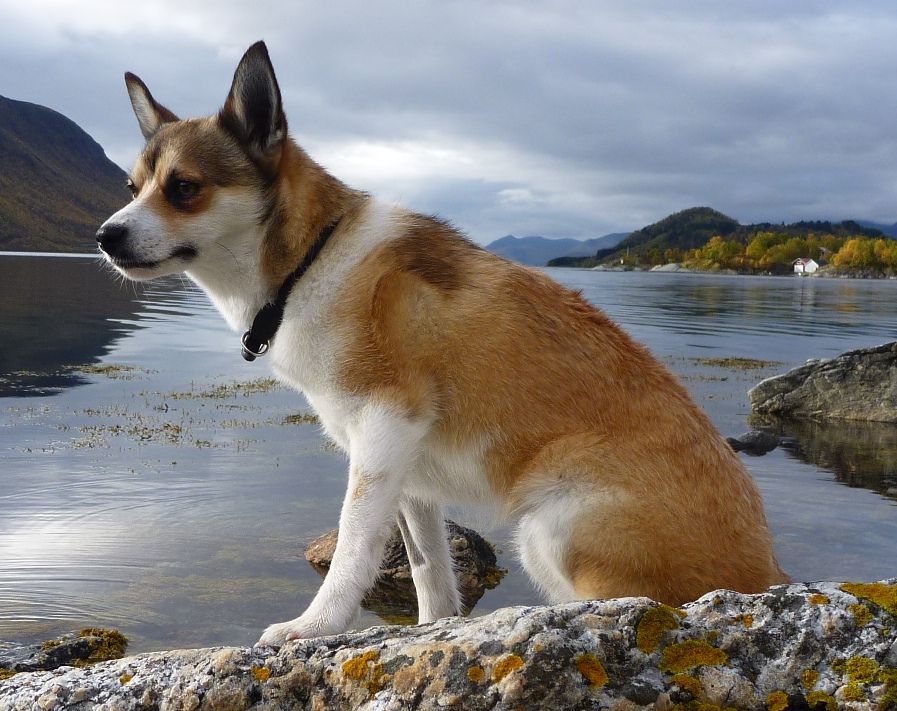
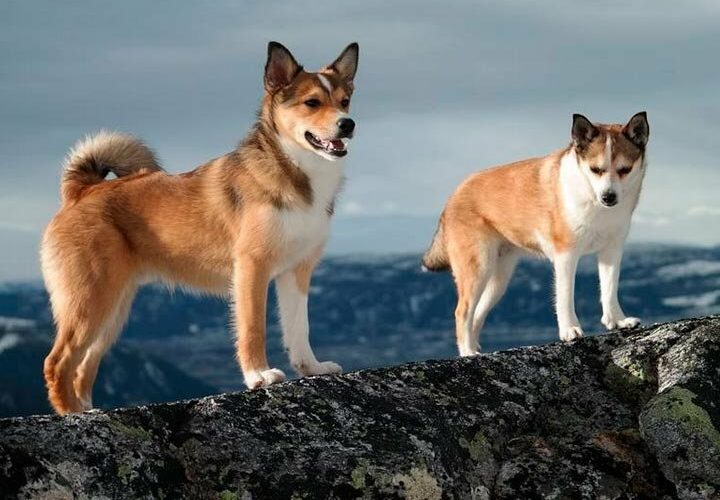
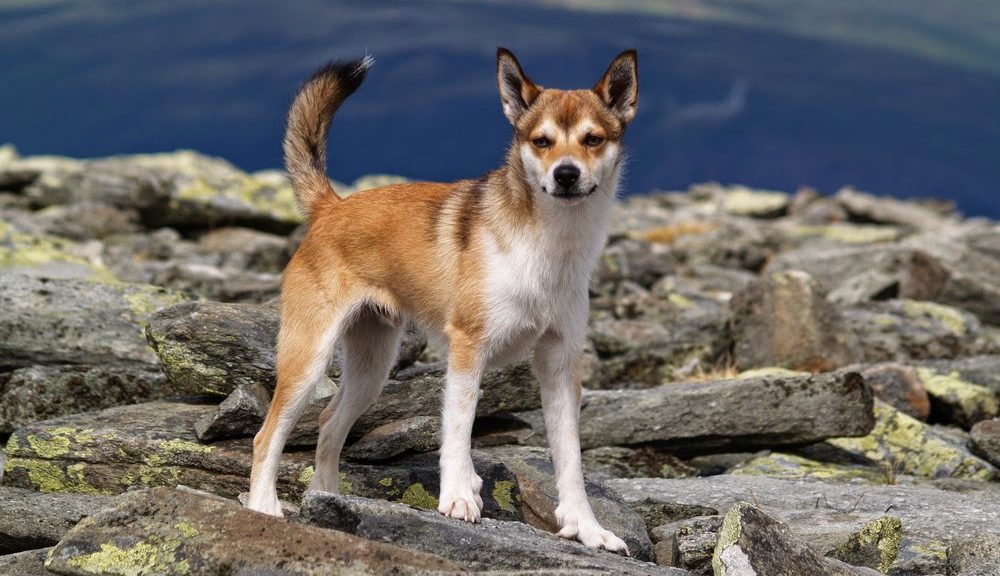
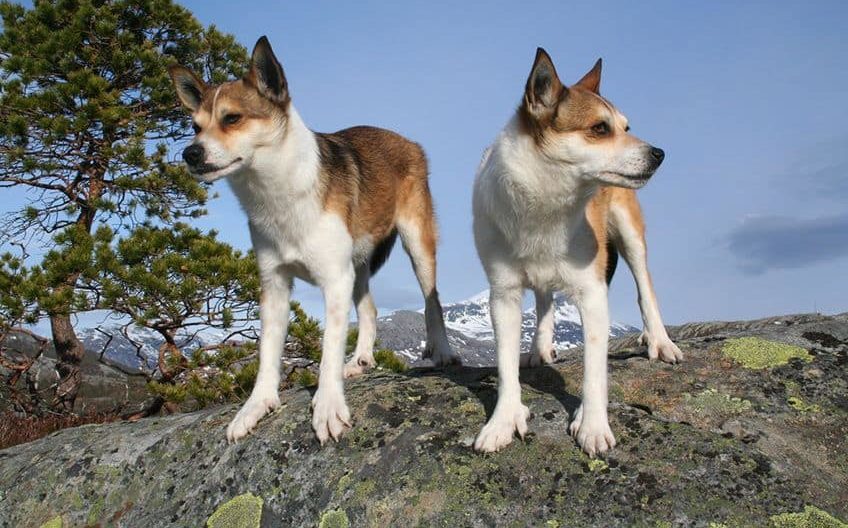
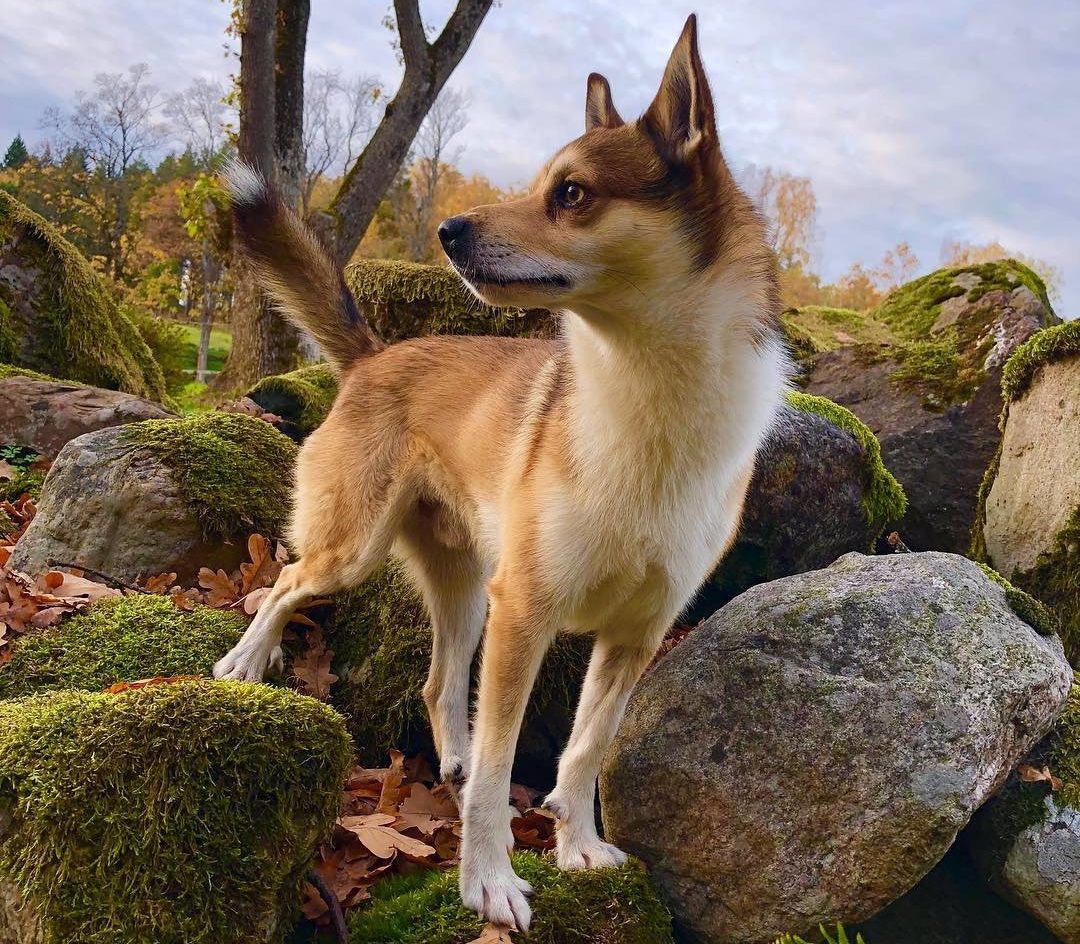
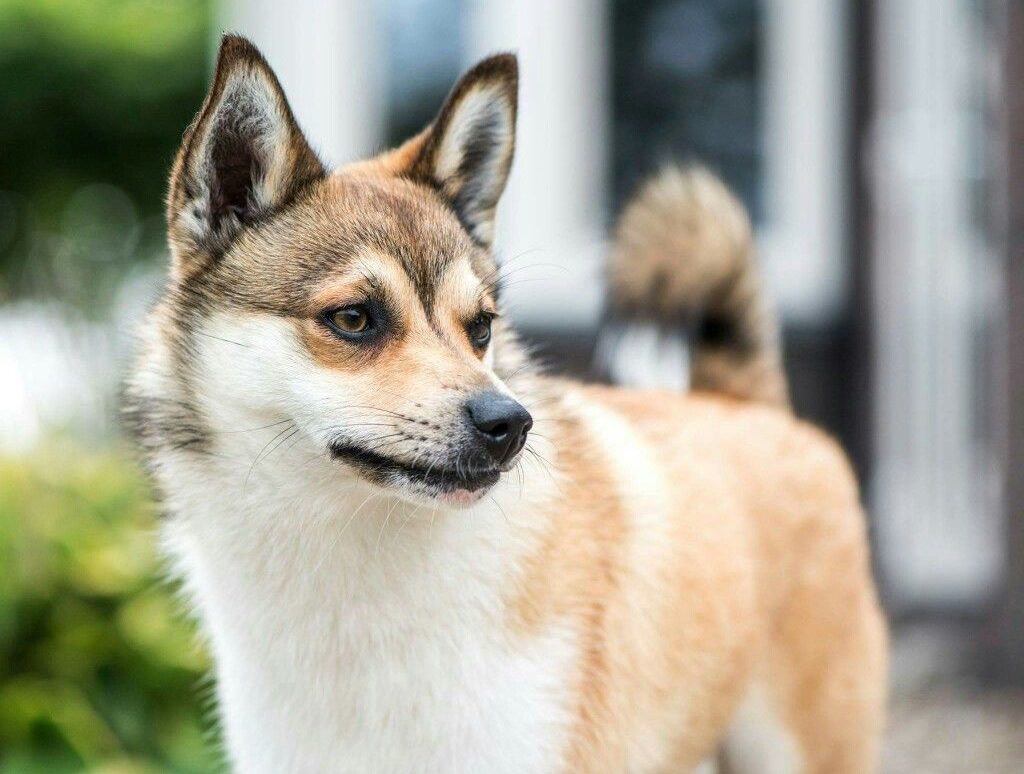
The Norwegian Lundehund is a medium-sized dog with a light and harmonious build, perfectly adapted for working in the challenging conditions of rocky shores. Its appearance highlights a combination of endurance, flexibility, and unique anatomical features that distinguish the breed from others. The Lundehund has a proportional body with strong musculature, making it not only agile but also physically resilient. Its movements are light, free, and graceful, which is especially important for carrying out tasks in difficult terrain.
The coat of the Lundehund is short to medium in length, closely fitting, with a dense undercoat that protects the dog from cold and moisture. This is particularly important for life in the harsh climate of the Norwegian islands, where the breed historically resided. The coat has water-repellent properties, helping the dog feel comfortable in rainy weather and when coming into contact with water.
The average height of the Norwegian Lundehund is about 30-38 cm at the withers, making it compact enough to work in narrow and hard-to-reach places. The dog’s weight typically ranges from 6 to 7 kg, underscoring its lightness and agility. These parameters are ideally suited for the tasks for which the breed was developed.
The lifespan of the Lundehund averages 12-14 years, indicating relatively good health with proper care. However, it is important to consider the breed’s characteristics, including a predisposition to certain health issues that may affect the quality and length of life. With appropriate care and attention, this dog maintains activity and vitality throughout its life.


Отличительные черты

Голова

Морда

Уши

Глаза

Зубы

Корпус

Конечности

Хвост

Шерсть

Окрас
Character
The Norwegian Lundehund is a dog with a unique and vibrant character, combining independence, curiosity, and loyalty. This breed is characterized by high energy and natural activity, making it an ideal companion for people with an active lifestyle. The Lundehund has a friendly and sociable nature but maintains a certain degree of independence, which is linked to its historical role as a hunter accustomed to acting without constant human oversight.
These dogs are extremely curious and inclined to explore the world around them. The Lundehund eagerly investigates new places, interacts with people and animals, but may be a bit cautious in unfamiliar situations. It is not prone to aggression, but its vigilance and attentiveness make it an excellent observer. The energy and inclination to explore require the owner to organize active leisure activities; otherwise, the dog may entertain itself, which might not always align with the owner’s preferences.
The Lundehund is intelligent but can exhibit some stubbornness. This trait is connected to its natural independence, which developed while working away from humans. It tends to make decisions on its own, which can complicate training but makes it an interesting partner for interaction. For successful upbringing and training, it’s important to use a gentle yet consistent approach based on encouragement and respect for the breed’s characteristics.
These dogs are extremely attached to their owners and families. They enjoy spending time near people, participating in daily activities, and being part of a group. The Lundehund cannot tolerate prolonged solitude; if left alone for a long time, it may experience stress, manifesting as undesirable behavior like barking or destroying objects.
One of the Lundehund’s habits is its love for cozy spots. This is linked to the breed’s history: dogs used their skills and agility to enter narrow caves. Even at home, a Lundehund may seek out places to hide or create a comfortable nest. Another characteristic is its ability to observe and analyze what is happening around it, making it not only a good companion but also an excellent guard dog.
The Lundehund enjoys active games, walks, and tasks that require both physical effort and intellectual engagement. This breed cannot be described as passive-it is always ready for movement and exploration. Despite its natural independence, the Lundehund deeply appreciates attention and affection from humans, which makes it a loyal and warm companion.
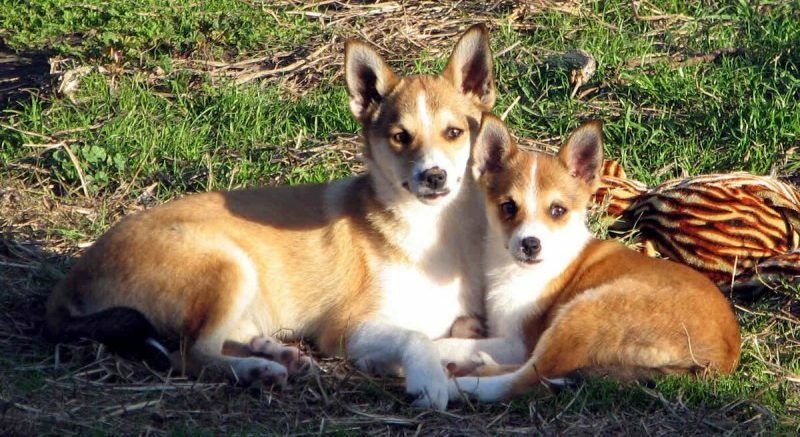
Ancient origin
The Norwegian Lundehund is one of the oldest dog breeds, existing in Scandinavia since ancient times. These loyal dogs have been used for various purposes for centuries, including hunting bears and other large game. Their ancestors lived in the Norwegian valleys and mountainous areas, and today, the Norwegian Lundehund proudly represents this rich history.Care and Maintenance
Taking care of a Norwegian Lundehund requires consideration of its unique physical and behavioral traits, as well as an active lifestyle. This breed is known for its energy and curiosity, so it is important to provide regular walks, playtime, and physical activities. The Lundehund enjoys exploring, making outdoor walks ideal for it to investigate its environment. However, it is crucial to monitor its safety, as the dog can become engrossed and venture into hard-to-reach areas, a behavior linked to its historical inclination to hunt in narrow spaces.
The Lundehund’s coat requires minimal grooming. Brushing once a week is sufficient to remove dead hair and maintain cleanliness. During shedding periods, this should be done more frequently. Bathing is only necessary when heavily soiled, as the natural structure of its fur helps keep it clean and protected from moisture. Ear and nail care should also be done regularly: ears should be checked for dirt, and nails trimmed as needed.
The Lundehund has a unique anatomy, including a flexible skeletal structure and extra toes on its paws. These features require careful attention, especially regarding physical activity. Moderate exercises that enhance agility are suitable, but excessive strain, especially on hard surfaces, should be avoided. The Lundehund thrives in moderate climates but does not tolerate extreme heat well, as its thick coat can lead to overheating. In hot weather, it is important to provide access to shade and fresh water.
The Lundehund’s diet should be balanced and reflect its energetic nature. However, this breed can be prone to food allergies or gastrointestinal issues, so it is essential to choose high-quality food and introduce new products cautiously. Regular veterinary check-ups will help identify and prevent potential health problems early on.
The Lundehund loves attention and interaction with people, making it particularly appreciative of games involving its owner, whether that’s fetching objects, agility training, or active walks. It does not tolerate loneliness well, and being left alone for extended periods can lead to stress and destructive behavior. Additionally, this breed dislikes harsh or abrupt training methods, preferring a gentle yet consistent approach based on praise and rewards.
This breed needs an emotional connection with its owner and dislikes boredom. It is essential for the Lundehund to feel like part of the family and to be involved in daily activities. When caring for a Lundehund, it is important to consider its natural instincts and desire for activity, which makes for a happy and balanced companion.
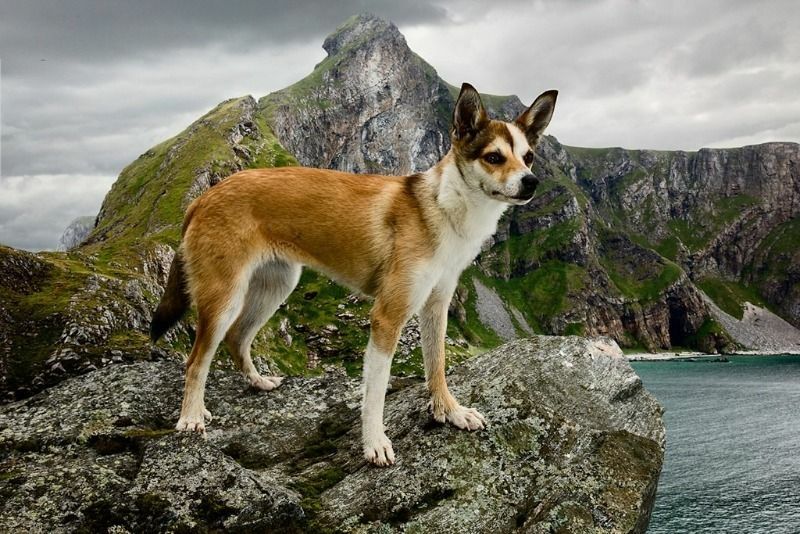
Distinctive ears
One of the most distinctive features of the Norwegian Lundehund's appearance is its ears. They are wide, erect, and have a unique triangular shape. This special ear design not only gives the dog a distinctive look but also serves a functional purpose, helping the dog better perceive sounds in its environment and acting as a sort of "radar" during hunting.Training and Education
Training a Norwegian Lundehund is best done using positive reinforcement methods. This breed is smart and curious, but due to its natural independence and tendency for self-reliance, it can be somewhat stubborn. To achieve success, it is important to be patient and make the learning process interesting and engaging. The Lundehund responds well to praise, treats, and games that stimulate its mental abilities. However, monotony can quickly tire them out, so training sessions should be varied and enjoyable.
Training should begin with basic commands such as “sit,” “come,” and “place” from a young age. The Lundehund remembers commands well when training takes place in a friendly atmosphere. Gradually, tasks can be made more complex by adding agility elements or object-finding games that satisfy this breed’s natural inclination for exploration and search activities.
The Lundehund chooses its owner based on emotional connection. It usually bonds with someone who pays it more attention, engages with it, and shows tolerance for its quirks. This breed values gentleness and consistency in communication, so aggressive or overly strict training methods will only push it away. The owner should be a confident but not dominating leader, providing clear rules while remaining kind.
The Lundehund listens best to those it trusts. If it feels treated as an equal partner, it gladly follows commands and cooperates with people. It is important to respect its individuality and not try to suppress its natural independence. This approach helps strengthen the bond between the dog and the owner, making the Lundehund a loyal and obedient companion.
This breed is best suited for people with experience in dog ownership or those willing to dedicate time to learning its characteristics. The Lundehund appreciates active owners who include it in their daily lives and provide emotional and physical stimulation. In the hands of a patient and attentive owner, this dog reveals its full potential, becoming a faithful and reliable friend. At Zoonica, elite breed puppies are offered with complete documentation.
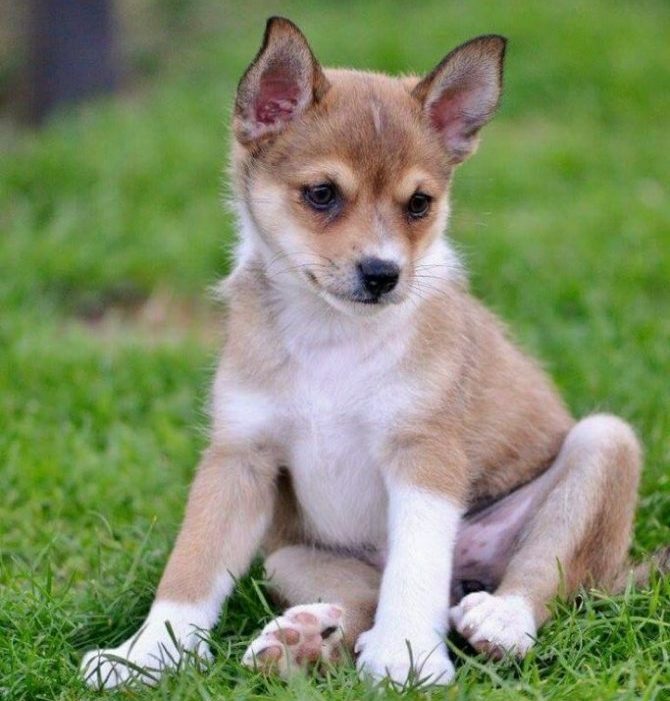
Guide dogs and family friends
Despite their history of hunting skills, Norwegian Lundehunds also show incredible loyalty and friendliness in their relationships with people. This breed is renowned for its ability to be reliable guides for blind and visually impaired individuals. Their sensitivity and excellent memory help create a strong bond with their owners. In a family setting, these dogs make wonderful companions, ready to support in any situation and bring their owners many joyful moments.
How to Choose a Puppy
To choose a Norwegian Lundehund puppy that will grow into a full-fledged representative of the breed, it’s essential to consider the unique physical and behavioral traits that characterize this rare dog. The first step is to approach reputable breeders who specialize in breeding Lundehunds. The breeder should provide complete information about the puppy’s lineage, including the pedigree of the parents, documentation of veterinary checkups, and certificates confirming the absence of hereditary diseases. The Lundehund is a breed with a narrow gene pool, so the health of the puppy’s parents is crucial.
When selecting a puppy, pay attention to its activity and behavior. A Lundehund should be curious, sociable, and show interest in its surroundings. It may be a bit cautious in new situations, which is natural for the breed, but excessive shyness can signal socialization issues. The puppy should be playful but not aggressive, readily interact with people, and show a healthy interest in unfamiliar objects and sounds.
The puppy’s appearance also plays an important role. It should have clean, thick fur, clear eyes, clean ears, and strong legs with additional toes characteristic of the breed. These anatomical features are key traits of the Lundehund, so their presence is mandatory. Pay attention to the puppy’s posture and gait: it should move confidently and easily, without signs of discomfort or weakness.
It’s important to observe the puppy in its usual environment. This will help you understand how it interacts with other dogs and its surroundings. A Lundehund that actively plays with peers demonstrates good communication skills and emotional resilience. However, a puppy that avoids contact or is overly dominant may require additional socialization efforts.
Also, take note of the conditions in which the puppy is raised. Cleanliness and organization in the kennel, access to quality food and care indicate the breeder’s integrity. A good breeder will also ask questions about your lifestyle and experience with dogs to ensure that the breed will suit you. They may also provide advice on raising and caring for a Lundehund.
Choosing a Norwegian Lundehund puppy is not only about checking its physical health but also about selecting a character that matches your expectations. The puppy should display the breed’s core traits: activity, curiosity, independence, and affection toward people. It’s important to establish a connection with it during the selection phase to determine whether there’s a bond that will form the foundation for many years of understanding and friendship. Learn how to do this at Zooinika and get an excellent pet.
Health and Diseases
The Norwegian Lundehund is a unique breed with rare physical characteristics, but due to a limited gene pool, it is susceptible to several hereditary diseases. One of the most common issues is Lundehund syndrome, which includes gastrointestinal disorders such as intestinal insufficiency syndrome. This may manifest as vomiting, diarrhea, and difficulties with food absorption. To minimize risk, it is important to maintain proper nutrition, choose a diet suitable for sensitive digestion, and regularly consult with a veterinarian.
Another characteristic of the breed is an increased predisposition to joint and bone problems. Due to its unique anatomy, which includes extra toes, the Lundehund may face challenges when overloading its joints. Regular moderate exercise and avoiding excessive stress on the limbs help maintain the health of the musculoskeletal system.
Ear problems can also be a concern for this breed. Their shape and structure, designed for work in harsh conditions, make them prone to dirt accumulation and infections. Regular ear care, including cleaning and inspections, can help prevent such issues.
Lundehunds generally have robust health and can live up to 12-15 years with proper care. However, it is important for owners to pay attention to the early detection of any anomalies. Annual preventive check-ups with a veterinarian and timely vaccinations help maintain the dog’s health at a high level. Additionally, selecting a responsible breeder who focuses on the health of the puppy’s parents plays a key role in preventing many issues.
Some individuals of the breed may be prone to allergies and skin irritations. They may react to certain foods, plant pollen, or household chemicals. In such cases, it is important to choose hypoallergenic food or eliminate potential irritants.
Despite the listed risks, with the right approach to care and maintenance, the Norwegian Lundehund can be an active and healthy dog for many years. Careful attention to its characteristics, regular veterinary check-ups, and maintaining a balance between physical activity and rest can minimize most problems.
Содержание
-
1. Описание породы
-
2. Внешний вид
- 2.1 Голова
- 2.2 Морда
- 2.3 Уши
- 2.4 Глаза
- 2.5 Зубы
- 2.6 Корпус
- 2.7 Конечности
- 2.8 Хвост
- 2.9 Шерсть
- 2.10 Окрас
-
3. Характер
-
4. Содержание и уход
-
5. Дрессировка и обучение
-
6. Как выбрать котенка
-
7. Здоровье и болезни




Comments
Only registered users can leave reviews.
Enter