
Northern Inuit Dog




Warning: Illegal string offset 'label' in /home/panda/sites/zoonika/wp-content/themes/zoonika/template-parts/animals/animals-param-item.php on line 32
Ð


Breed Description
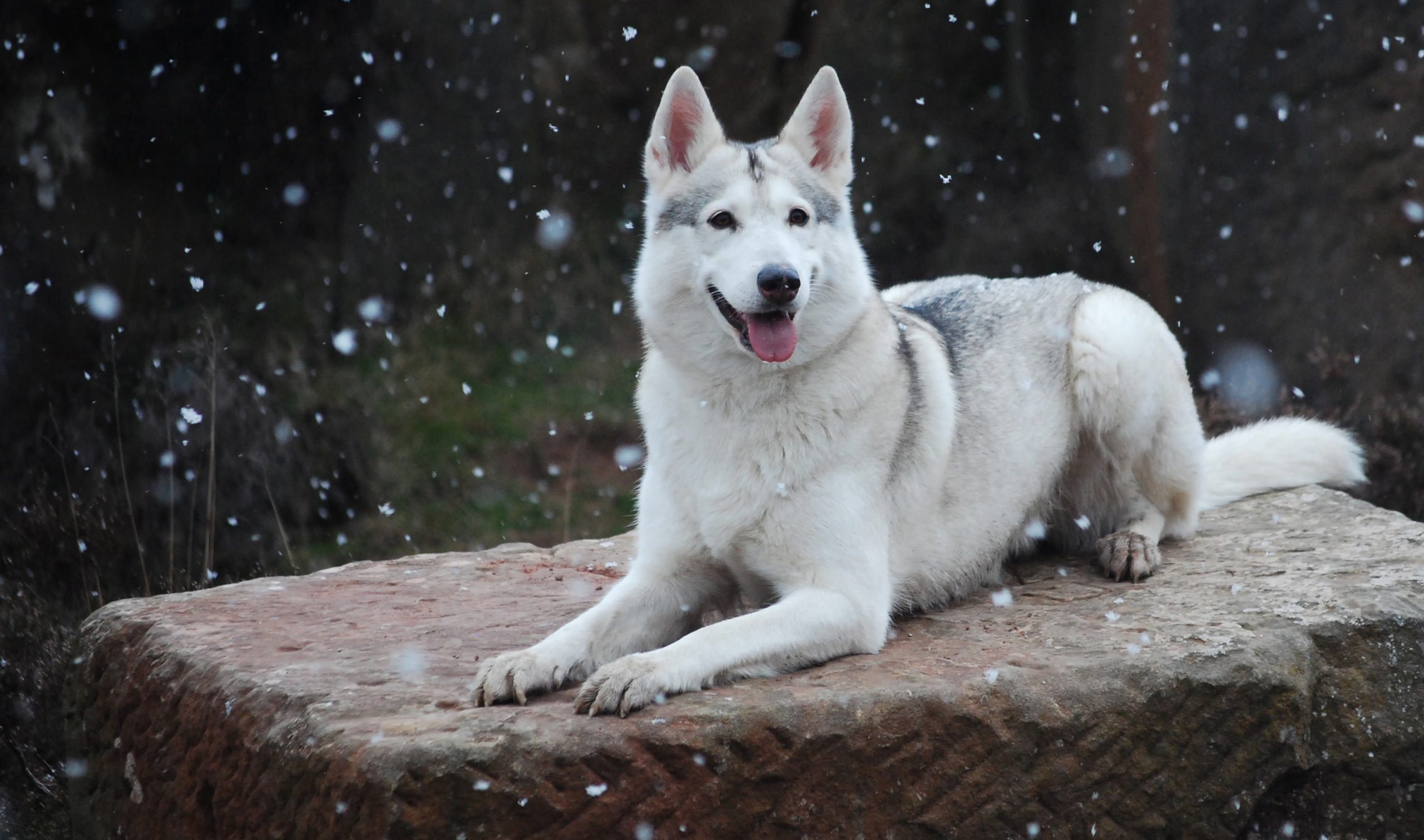
The Northern Inuit Dog, or simply Northern Inuit as enthusiasts call them, is a relatively new breed that was developed in the UK in the late 1980s. The primary goal of its creation was to produce a dog whose appearance closely resembles that of a wolf while possessing a soft and friendly temperament suitable for family life. The idea was to maintain a certain imbalance between the harsh exterior and the completely gentle and kind nature of the animal.
Northern Inuits are descended from the crossbreeding of breeds such as the German Shepherd, Siberian Husky, and Alaskan Malamute. This combination has endowed the breed with remarkable working qualities and a memorable appearance. In some places, it is still very prestigious to choose a puppy from a kennel.
They possess impressive endurance and physical strength, making them ideal for various forms of active engagement. Despite their wild wolf-like appearance, they are known for their friendliness and loyal character. Northern Inuits have a high level of intelligence and are highly trainable, which makes them excellent partners for people leading an active lifestyle. They can serve as service dogs and be wonderful companions in everyday life. In some countries, they are used as rescue dogs, as the harsh climate is quite tolerable for Inuits and does not affect their performance.
One of the features of Northern Inuits is their need for social interaction. They require constant communication with their owner or family members and do not tolerate solitude well. Such dogs need a significant amount of physical exercise and mental stimulation to avoid boredom and destructive behavior. Regular, long, and engaging walks, games, and training will help maintain their physical and mental health at an optimal level.
They get along well with children and other pets, making them ideal family companions. However, due to their strong protective instincts, they may be wary of unfamiliar people and animals. This is why early socialization plays an important role in shaping their proper behavior.
Appearance
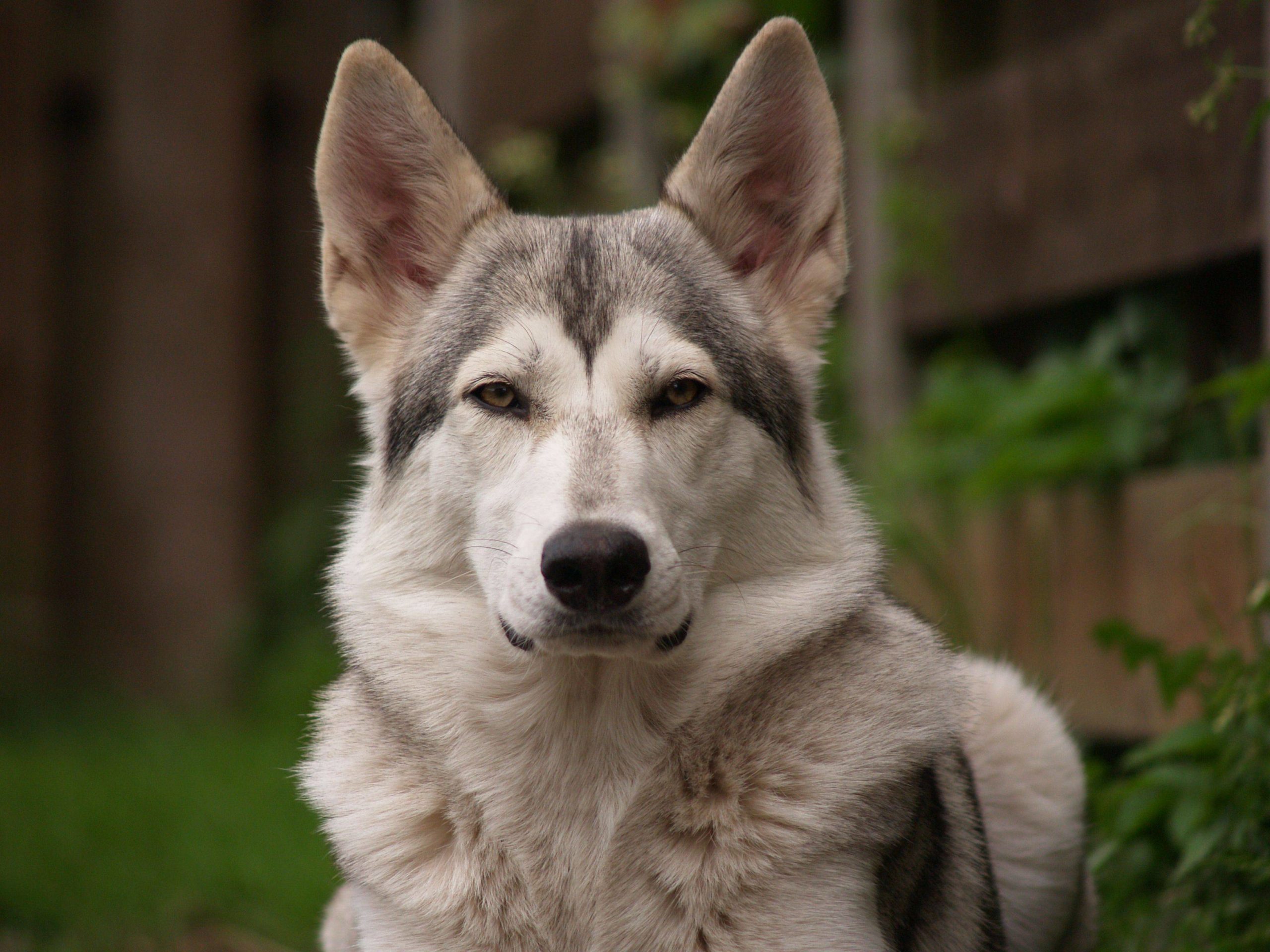
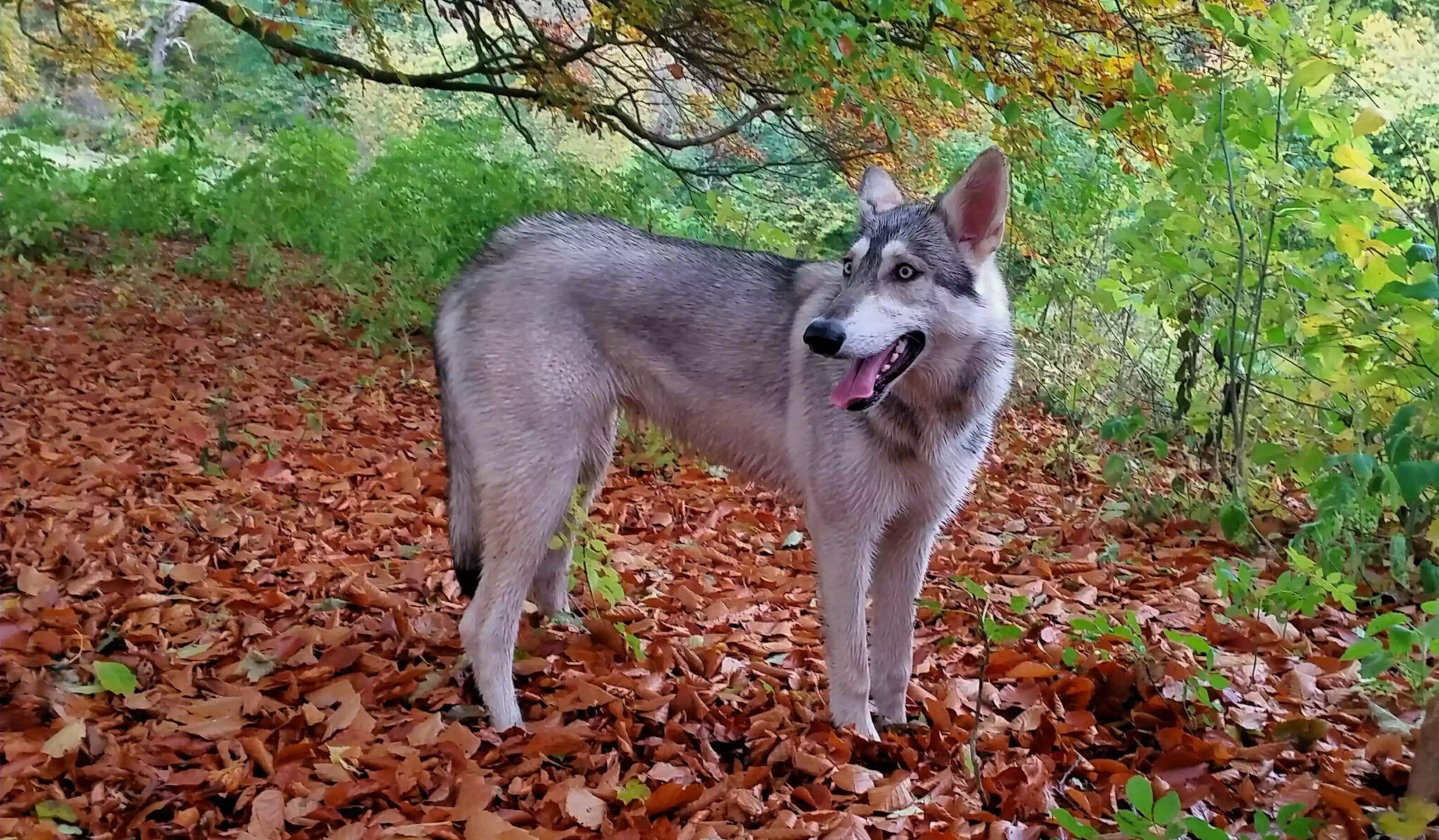
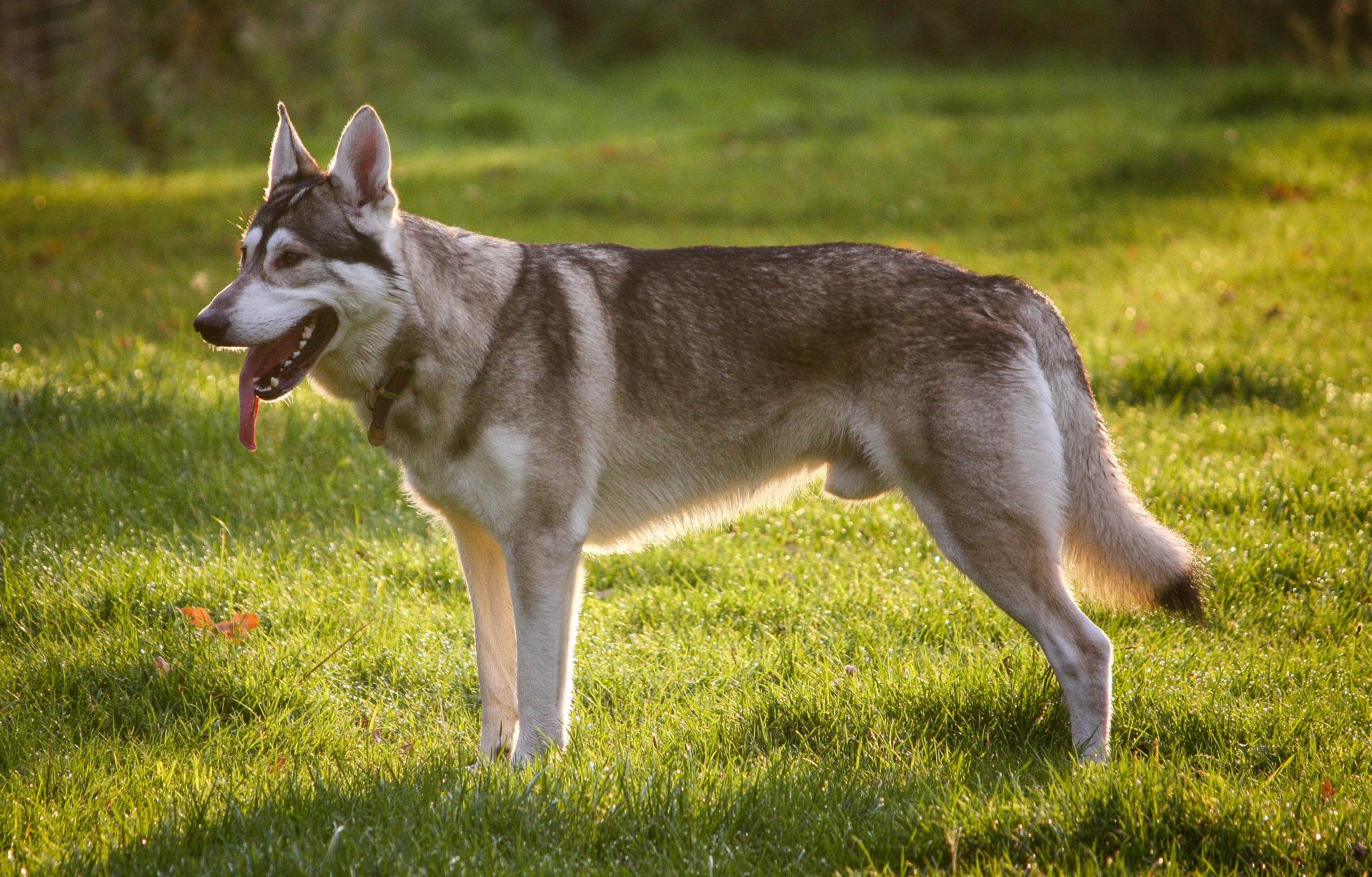
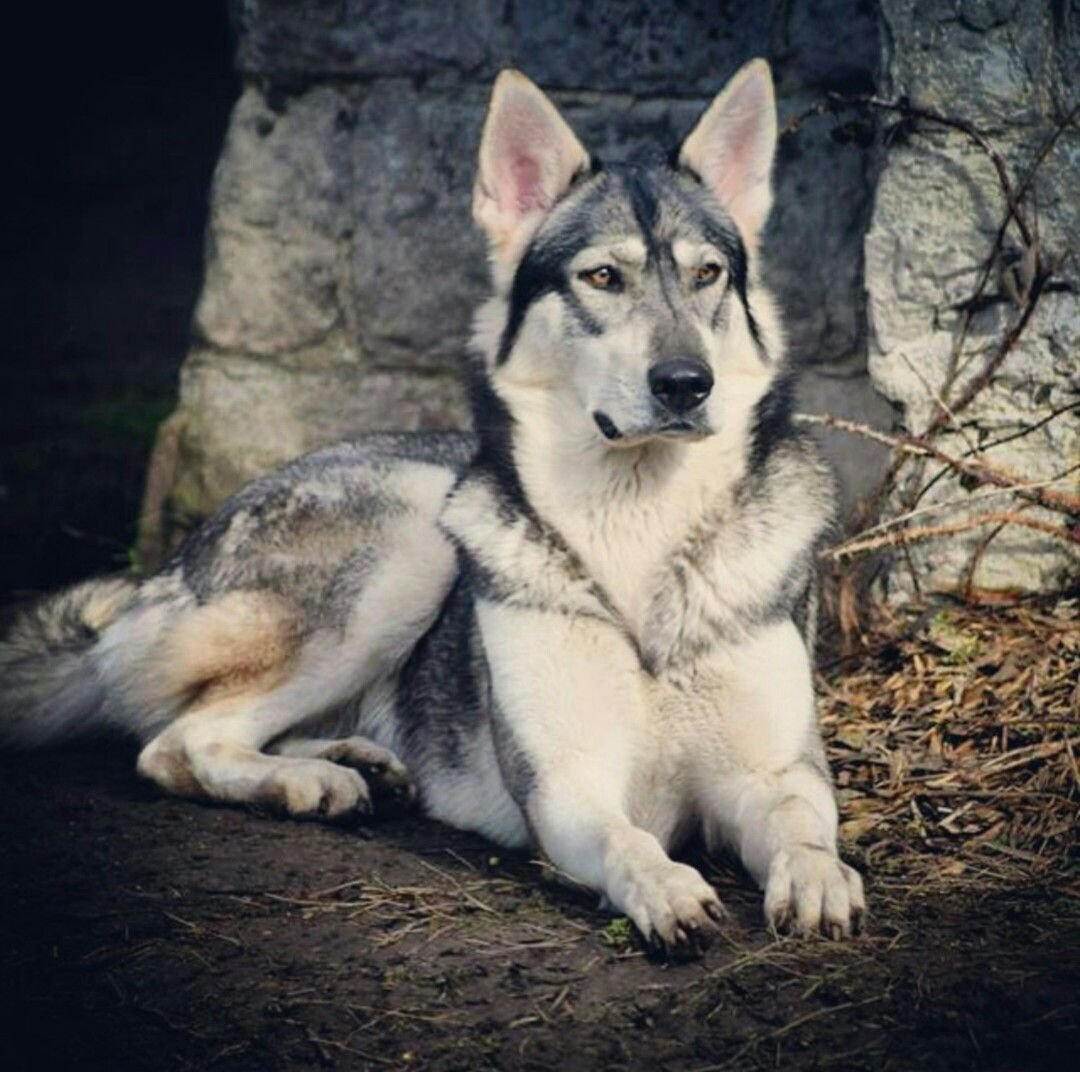
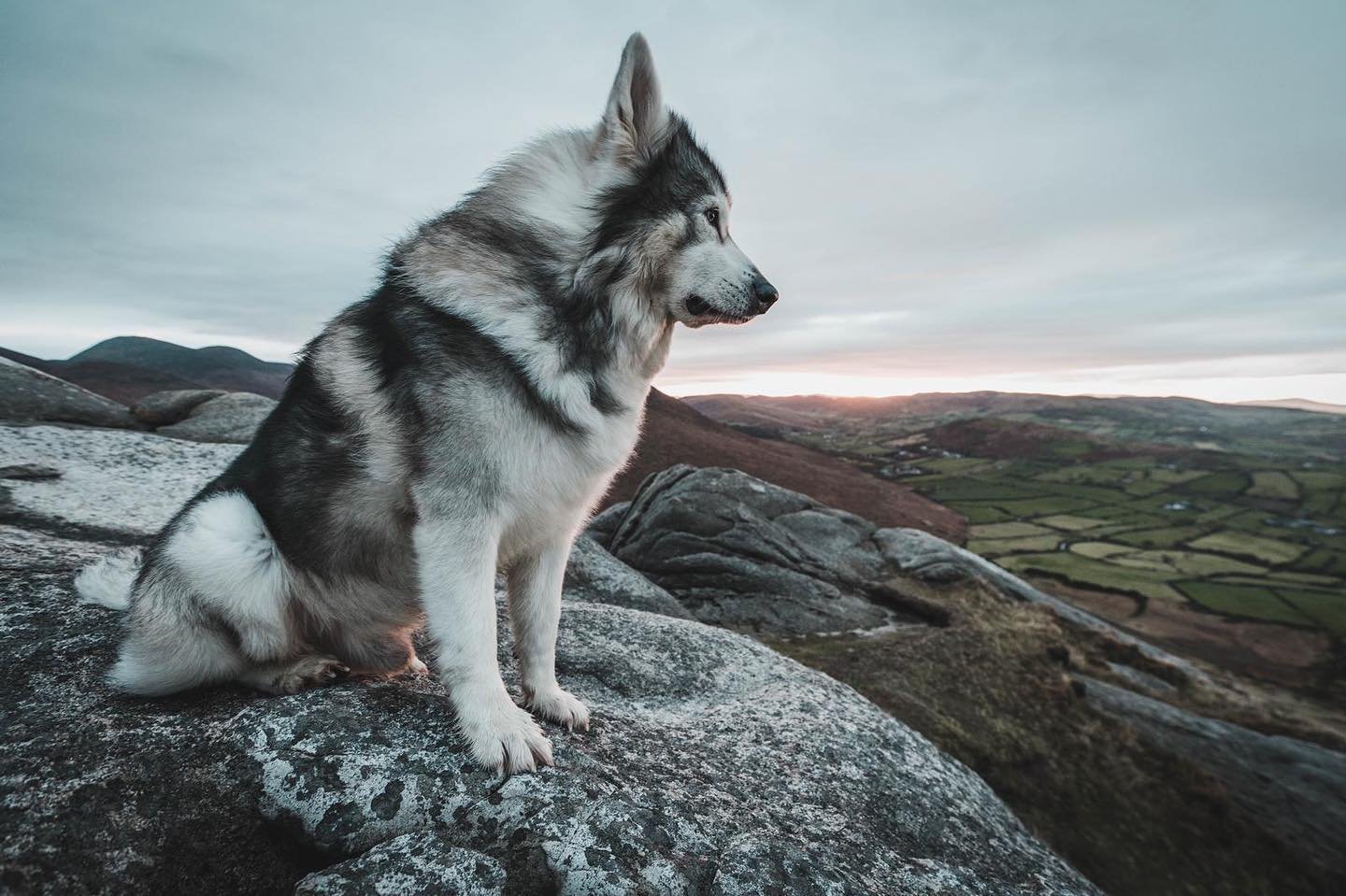
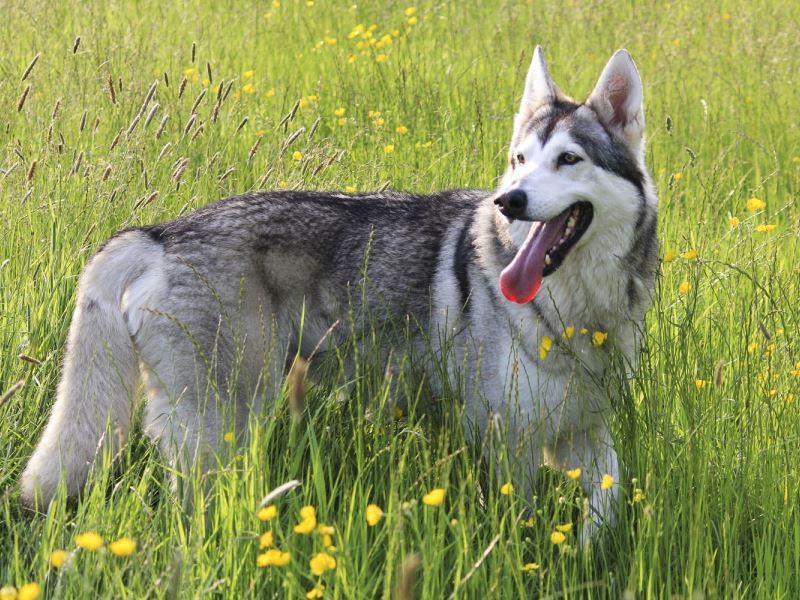
Northern Inuit dogs have an impressive and athletic appearance. They reach a height at the withers of up to 76 centimeters and can weigh between 25 to 55 kilograms. Their build is harmonious and proportional, emphasizing the strength and endurance of the breed. A muscular body, powerful legs, and a strong chest create an impression of strength and energy. The length of the body is slightly greater than the height at the withers, which gives the dog elegance and grace in movement.
The fur of the northerners is thick and dense, allowing them to feel comfortable in cold climates. The undercoat is soft and thick, while the outer coat is stiffer and straighter, providing additional protection from the elements. The color range of the fur varies from pure white to black, including various shades of gray and fawn. This diverse coloring makes each dog unique and distinctive.
Since the breed is not yet recognized by any official organizations apart from its own clubs, the information may vary depending on the region. Therefore, it is recommended to directly contact a breeder for reliable information about breed representatives. The average lifespan is between 10 to 14 years.


Отличительные черты

Голова

Морда

Уши

Глаза

Зубы
Корпус

Конечности

Хвост

Шерсть

Окрас
Character
The character of the northern Inuit dog is a unique blend of friendliness, loyalty, and intelligence. These dogs become very attached to their owners and always strive to be close to them. They show patience and care towards children, making them excellent family pets. Northern Inuits possess natural intuition. According to well-known dog breeders in Russia, Inuits can recognize the emotional states of their owners. They expect attention and care from their owners, always trying to bring them joy. They need to feel like an integral part of the family in which they live. Additionally, their traits allow them to be used not only at home but also in service roles. In Canada, for example, Inuits are often brought into healthcare facilities as therapy dogs. Moreover, service dog breeders present them as excellent searchers, utilized in hard-to-reach places for locating people during emergencies.
Due to their strong protective instinct, northern Inuits can be wary of unfamiliar people and animals. However, every experienced guard dog breeder asserts that early socialization plays a crucial role in developing proper behavior. They need to be accustomed to different people, animals, and new situations from a young age. As they grow older, this will help prevent issues with aggression or fear. Northern Inuits have a high energy level and require regular physical and mental exercise. Without sufficient activity, they can become bored and destructive. It is recommended to allow them to “let loose” on walks so that when they return home, they are content and tired.
These large dogs are known for their high intelligence and cleverness, making them easy to train. They respond well to positive reinforcement and quickly learn new commands. However, it is crucial to regularly engage with them for at least 15-20 minutes a day. If the training extends longer, the dog may lose interest in the process. In some cases, due to their independence, they may exhibit stubbornness, so persistence and consistency in training are required from the owner. Regular training and participation in various activities, such as agility or tracking, will help maintain the dog’s interest and motivation.
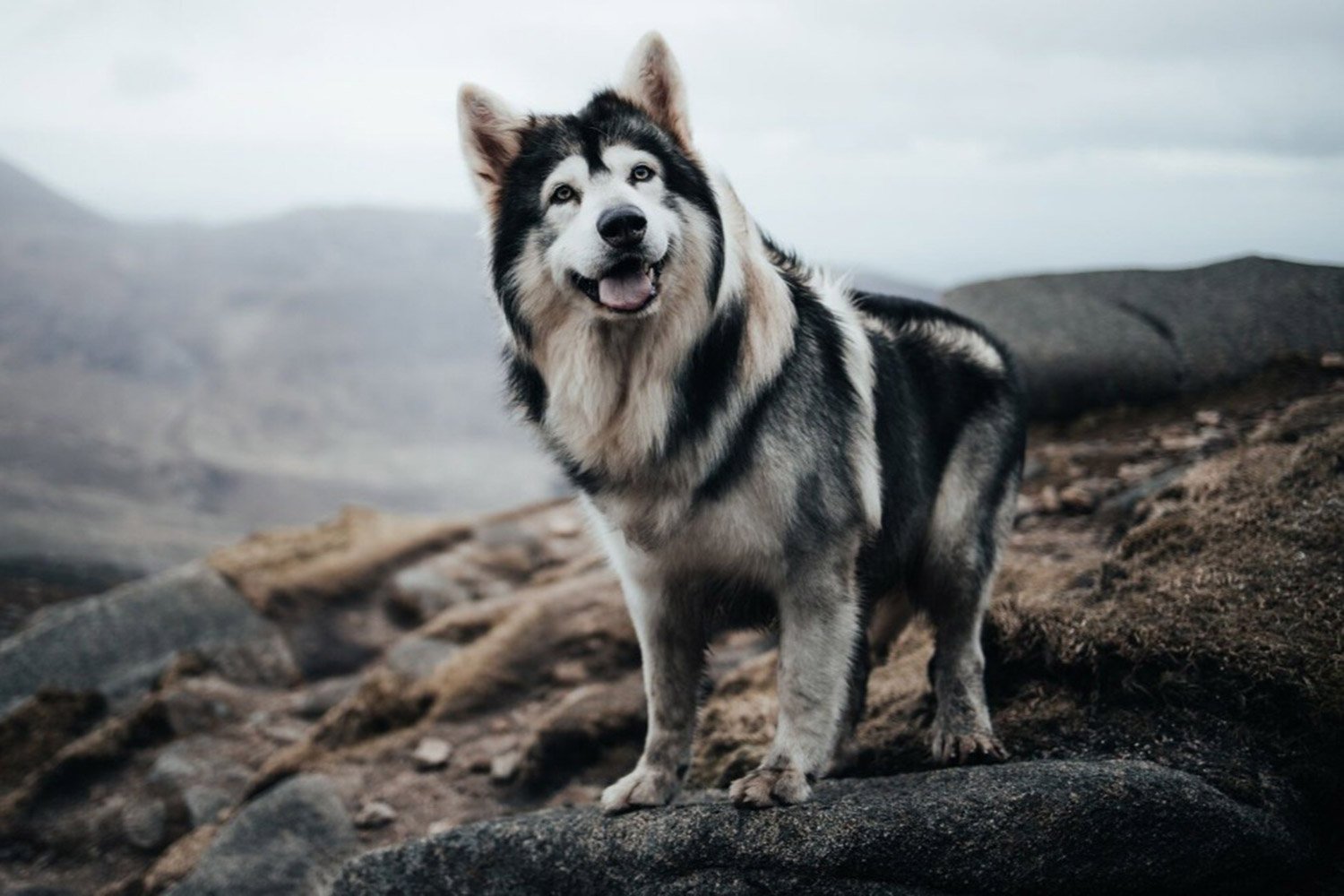
Am I the angry and scary gray wolf?
Despite their formidable and wild appearance, the northern Inuit dog is sought after for work as a therapy animal in some hospitals in Canada. This is all thanks to its unique character and ability to adapt to the mood of those close to it.Care and Maintenance
Caring for a northern Inuit dog requires significant effort and attention from the owner. They are very active and energetic, so they need regular, long walks, active play, and training. It is advisable to provide them with the opportunity to roam freely in a fenced area where they can safely expend their energy. Daily physical activity is essential for maintaining their physical and mental health.
It is not recommended to keep such large dogs in urban apartments. They feel cramped in a city where space is clearly lacking. Having a nearby park or forest can help, but the optimal place for such “wolves” is a country house, allowing the animal to move around the property. Naturally, letting the dog into the garden or flowerbed could have unfortunate consequences for the owner’s efforts, so a designated area for walking the pet is necessary. This requires a fence taller than 2 meters and ensuring that there is no broken glass or rebar on the property that could injure the dog during its excavations.
Care includes several aspects. Grooming a northern dog involves regular brushing, especially during shedding season. Their thick fur requires careful maintenance to avoid matting. The shine and health of their coat depend on the conditions in which the pet is kept. Periodic bathing with quality dog shampoos helps maintain cleanliness and skin and coat health, but excessive bathing can be more harmful than helpful. The natural oils produced by the animal give the fur its protective qualities, so bathing washes away those oils. While the coat may look beautiful after a bath, it loses its functionality and does not protect the animal as well from adverse weather conditions.
Additionally, it is crucial to regularly check and clean the ears to prevent infections. Use cotton pads for this procedure and avoid cotton swabs. The ear should be turned inside out, and wax or dirt should be gently removed. Experienced breeders recommend paying attention to any sour smells during the process. If there is a faint sour odor from the ear, it signals a potential inflammatory process, and in that case, it is best to visit a veterinarian for an examination.
A properly balanced diet plays a key role in maintaining the health and activity of northern Inuit dogs. It must include not only vitamins and minerals but also be easily digestible. Trusted breeders in Russia recommend choosing high-quality food that meets the breed’s nutritional needs. It is important to monitor food intake to avoid weight issues.
Regular veterinary visits can help detect possible diseases in a timely manner. Vaccination, parasite prevention, and routine check-ups are essential parts of caring for your Inuit’s health.As for dental and gum health, regular brushing and the use of special toys can help prevent diseases.Northern Inuit dogs require a lot of attention and interaction. They need to feel like part of the family and receive sufficient emotional support. They do poorly with loneliness, so they are not suitable for people who are often away from home for long periods.
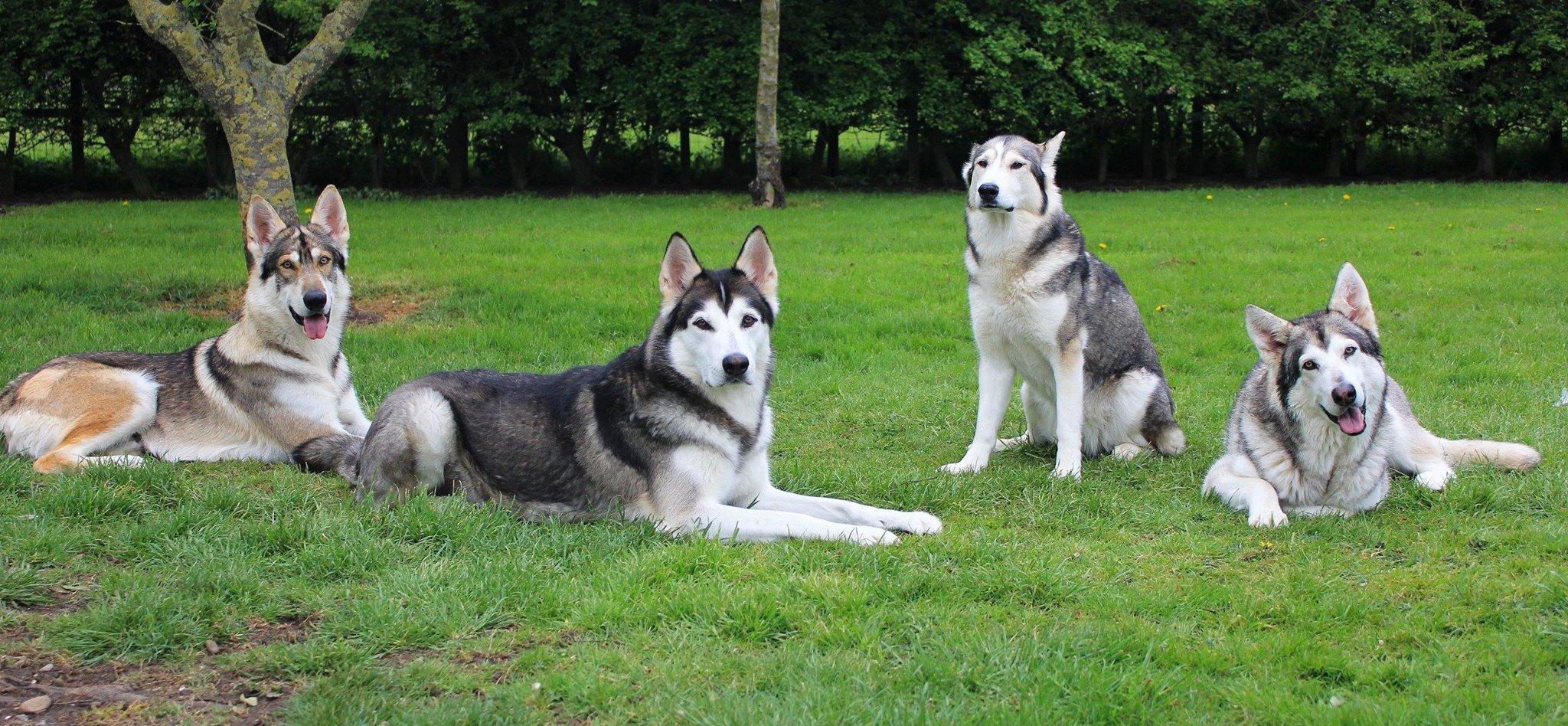
Learning is light!
If an Inuit is left without practicing learned commands for a long time, he may start to behave inappropriately. This is a characteristic of the breed; there's nothing to be done about it, just maintain regular training sessions.Training and Education
Training Northern Inuit dogs requires patience, persistence, and consistency. These dogs are highly intelligent but can be stubborn and independent. Therefore, it’s important to use positive reinforcement and encouragement during training. Begin with simple commands, gradually increasing the difficulty as they learn.
For those looking to buy a puppy from a kennel, there are several advantages. For example, reputable breeders offer puppies that are already accustomed to using a potty pad and responding to their name. However, in some cases, you may still need to work on this. The most important aspects of interacting with a puppy or adult dog are the owner’s consistency, patience, and persistence.
Early socialization plays a crucial role in developing proper behavior in Northern Inuit dogs. They need to get accustomed to various people, animals, and situations from an early age. This will help prevent problems with aggression or fear in the future. Regular training and participation in different sports, such as agility or trekking, will help maintain your dog’s interest and motivation.
These dogs enjoy variety in their training, so it is important to include different exercises and games in the learning process. They respond well to commands and quickly acquire new skills when training takes place in a positive atmosphere. Avoid using harsh punishment methods, as this can negatively affect the dog’s behavior and trust in the owner.
Northern Inuit dogs are highly sensitive to their owners’ moods. They can be excellent therapy dogs, supporting a person’s emotional well-being. They do not handle loneliness well and may begin to exhibit undesirable behavior if they do not receive enough attention. Therefore, it is essential to dedicate plenty of time and care to them so they feel like part of the family. There is one principle for the interaction between the owner and pet: praising and rewarding each successful action of the pet is the key to success.
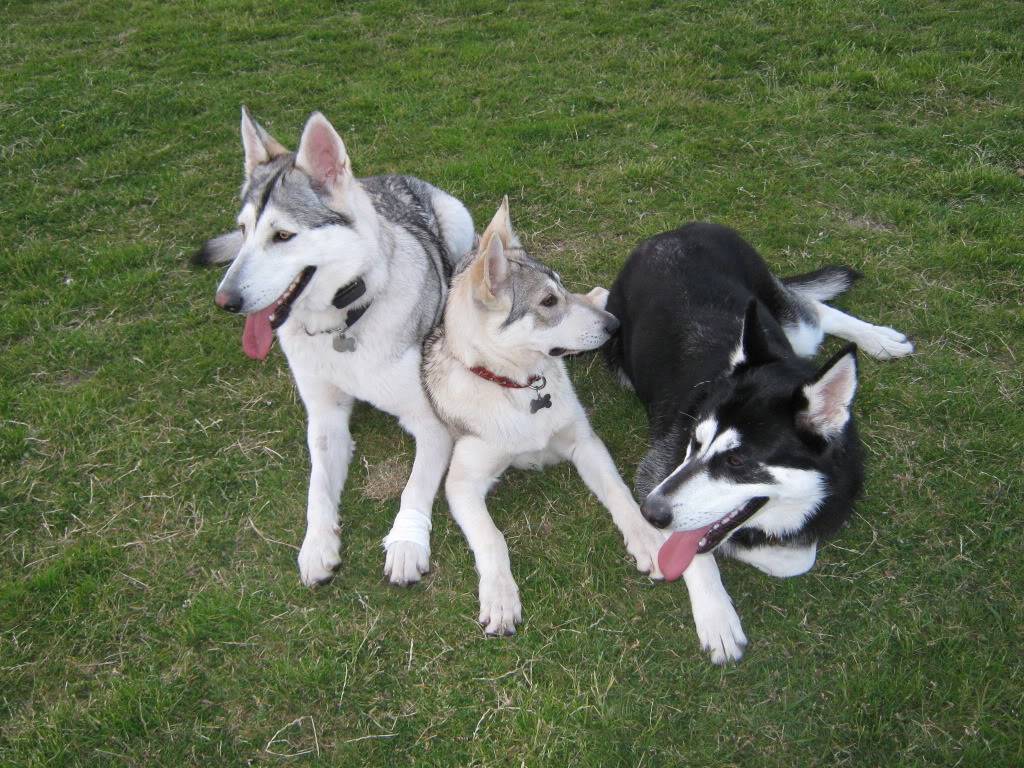
Somewhere across the Atlantic...
Although the breed’s homeland is noted as England, historically, “domesticated wolves” originated from across the Atlantic, in Canada.
How to Choose a Puppy
When selecting a northern Inuit dog puppy, it’s important to pay attention to the reputation of the kennel. To be cautious, buying a puppy from classifieds at a pet market is like playing a game of chance. You can’t know the health of the pet, and the purity of its lineage is also in question, so it’s better not to take risks and choose kennels listed on our website map.
First and foremost, you should consult reputable breeders who are willing to provide the necessary documents and health certificates for the litter’s parents. This will help reduce the risk of hereditary diseases and ensure that the puppy is healthy and meets breed standards.
You also need to pay attention to the conditions in which the puppies are kept. Naturally, dirt and unsanitary conditions are a red flag. When examining the puppies, make sure they are active, curious, and healthy. Clear eyes, ears, and nose, as well as the absence of signs of aggression or fear, are important indicators of health and good socialization. It’s also crucial to ask the breeder about vaccinations and parasite treatments that have been administered.
When choosing a puppy, consider its build and adherence to breed standards. A consultation with an experienced dog trainer or veterinarian can help make the right choice. Remember that choosing a puppy is a long-term commitment, so it’s important to make a careful and responsible decision. Zoonyka offers a wide selection of breeds, complete with documents and lineage.
Health and Diseases
Northern Inuit dogs generally have good health but may be prone to certain hereditary conditions. Among the most common issues are hip and elbow dysplasia, progressive retinal atrophy, and allergies. Regular check-ups with a veterinarian can help detect and treat potential problems in a timely manner.
Proper nutrition combined with an active lifestyle also plays a significant role in maintaining the health of Northern Inuit dogs. A balanced diet rich not only in vitamins and minerals but also a positive environment at home helps to preserve their energy and stamina. Regular and varied physical exercise contributes to maintaining muscle tone and preventing obesity.
Parasite prevention is another crucial aspect of caring for the health of Northern Inuit dogs. It is essential to use only certified medications recommended by a veterinarian. Regular treatment for fleas, ticks, and worms can help avoid many illnesses. It’s also important to monitor the condition of their teeth and gums through regular cleaning and veterinary check-ups.
Following all these recommendations will help keep the Northern Inuit dog healthy and active for many years, making it a loyal and devoted companion. We offer the best care, attending to each puppy from the very first days of its life.
Содержание
-
1. Описание породы
-
2. Внешний вид
- 2.1 Голова
- 2.2 Морда
- 2.3 Уши
- 2.4 Глаза
- 2.5 Зубы
- 2.6 Корпус
- 2.7 Конечности
- 2.8 Хвост
- 2.9 Шерсть
- 2.10 Окрас
-
3. Характер
-
4. Содержание и уход
-
5. Дрессировка и обучение
-
6. Как выбрать котенка
-
7. Здоровье и болезни

Comments
Only registered users can leave reviews.
Enter