
Norfolk Terrier




Warning: Illegal string offset 'label' in /home/panda/sites/zoonika/wp-content/themes/zoonika/template-parts/animals/animals-param-item.php on line 32
Ð


Breed Description
The Norfolk Terrier is a small but incredibly energetic and brave breed of dog, whose history begins in the rural areas of England. Its origins are linked to the county of Norfolk, located in eastern England, where farmers and hunters bred these dogs to combat rodents and small game. This breed was originally created for work, tasked with protecting farmland from rat infestations and hunting smaller animals like foxes and rabbits.
The breed’s history dates back to the 19th century when small, strong, and agile terriers were actively bred in Norfolk, capable of easily entering burrows and fighting with rodents. These dogs were valued for their courage, endurance, and fearless nature, making them indispensable helpers in rural life. Norfolk Terriers, like their close relatives, the Norwich Terriers, were an unofficial working breed bred by locals for many years without strict standards.
The breed gained particular popularity in the early 20th century, thanks to enthusiasts who began to showcase these terriers at local dog shows. One such enthusiast was breeder Frank Jones, who played a key role in popularizing Norfolk Terriers. He developed dogs with stable temperaments and endurance, forming the basis for the breed’s official recognition. These terriers quickly gained popularity not only among farmers but also among urban dwellers, thanks to their compact size, playful nature, and adaptability to different living conditions.
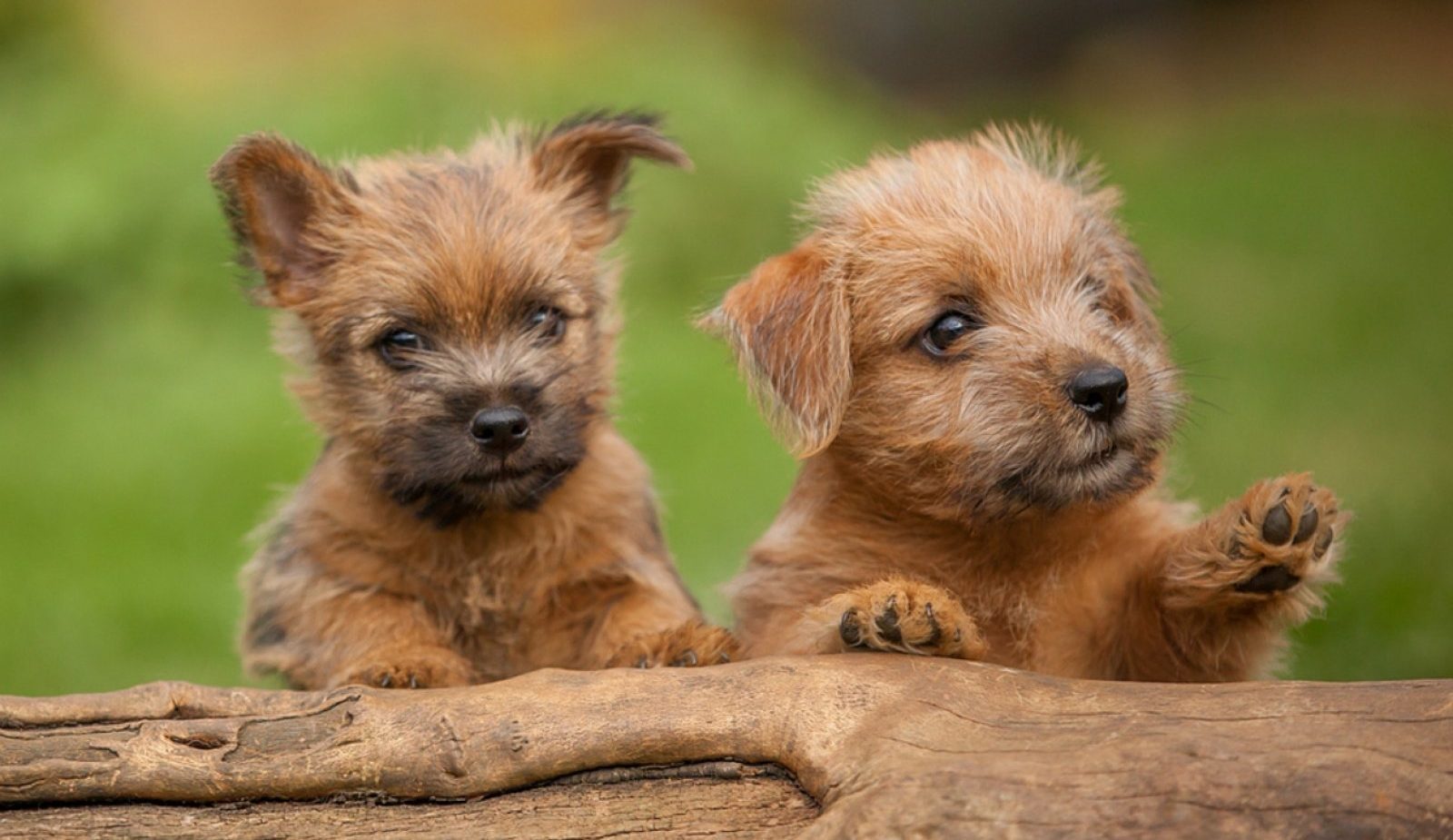
Initially, Norfolk and Norwich Terriers were considered one breed, distinguished only by ear shape: Norfolk Terriers have drop ears, while Norwich Terriers have erect ears. However, in 1964, these two types were officially separated into distinct breeds. This allowed for the preservation of each breed’s unique traits and made the breeding process more precise.
Norfolk Terriers, with their endurance and activity, became favorites among hunters, who appreciated their ability to work both alone and as part of a team. These dogs displayed exceptional bravery despite their small size and could engage in confrontations with game much larger than themselves. Additionally, they quickly adapted to home life, showing friendliness and affection towards their owners.
Today, the Norfolk Terrier remains a popular breed thanks to its versatility, vibrant personality, and loyalty. These dogs are perfectly suited for both outdoor activities and urban living, retaining the unique spirit of the working terrier that once made them invaluable partners for English farmers and hunters.The price for a puppy ranges from 30,000 to 65,000 rubles.

Appearance
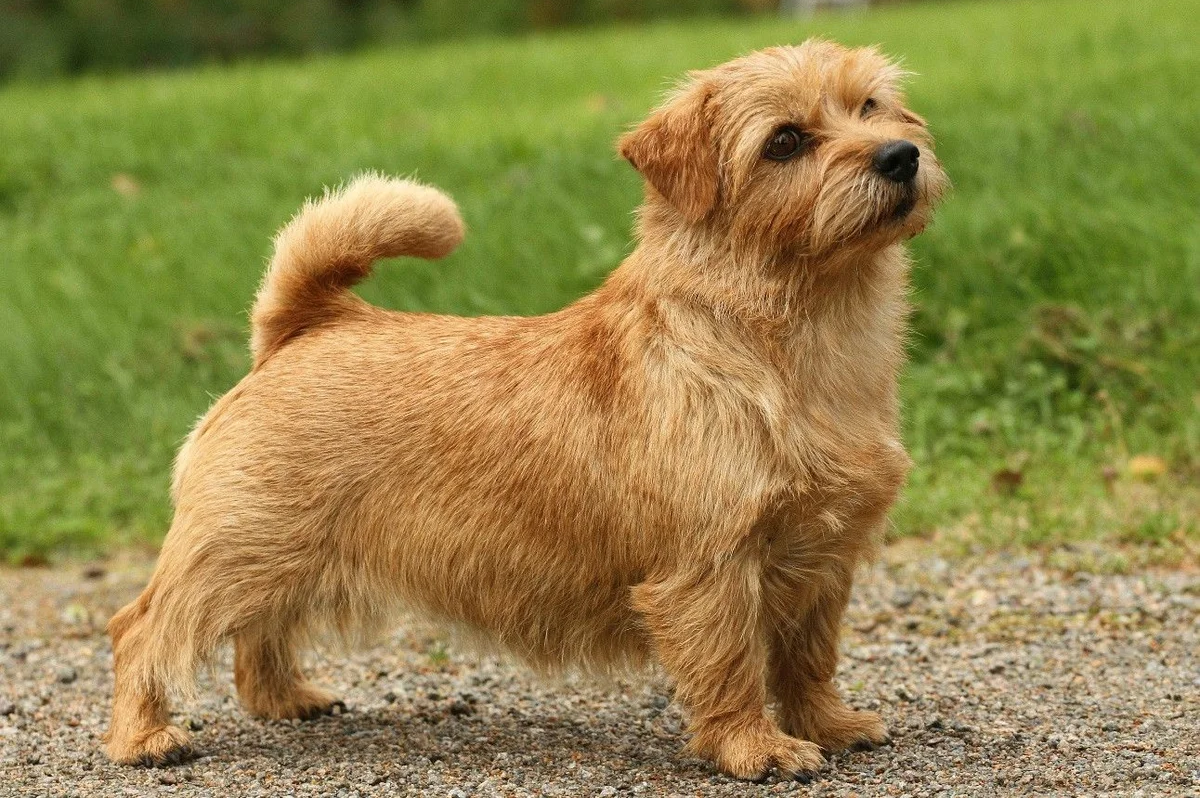
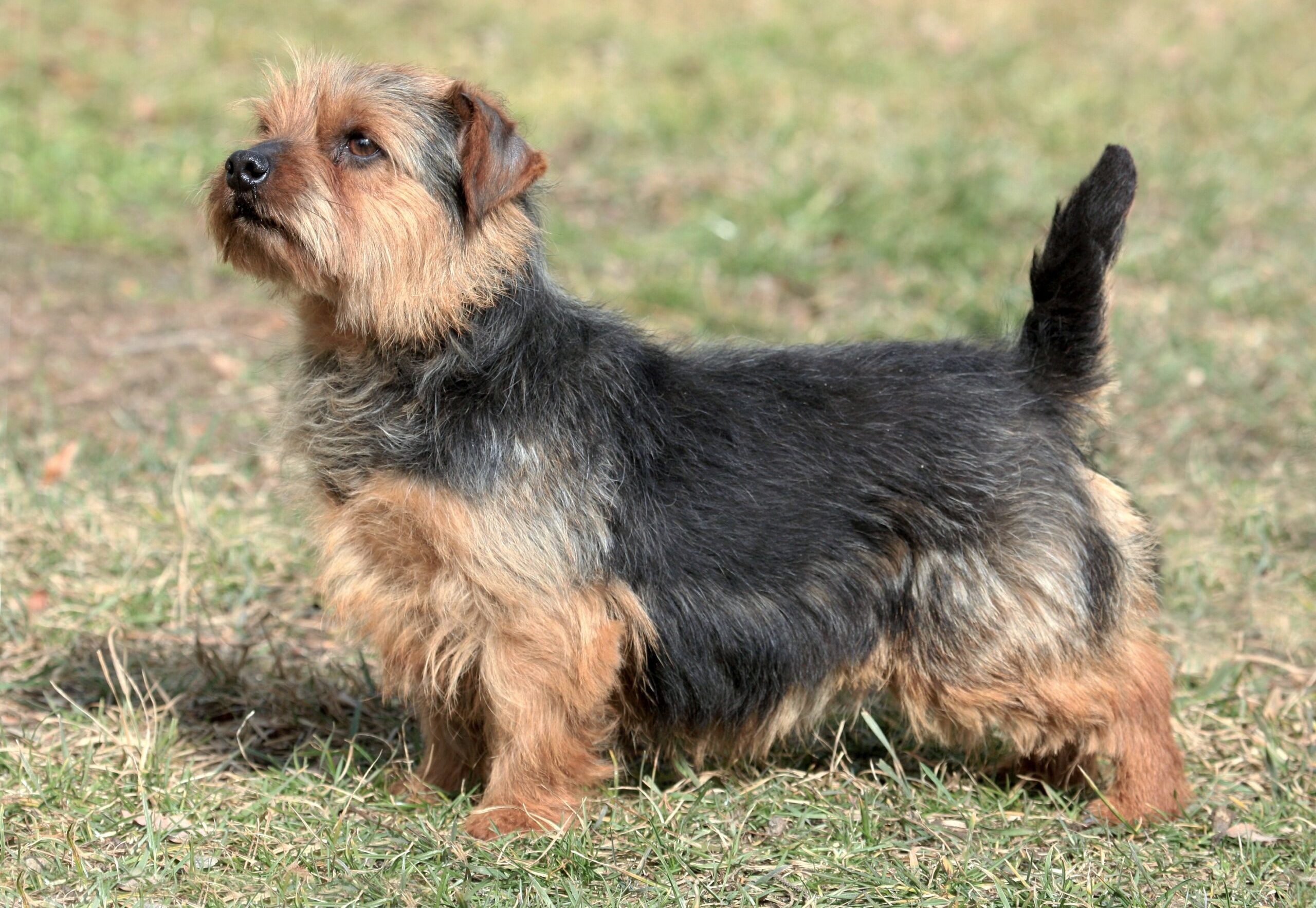
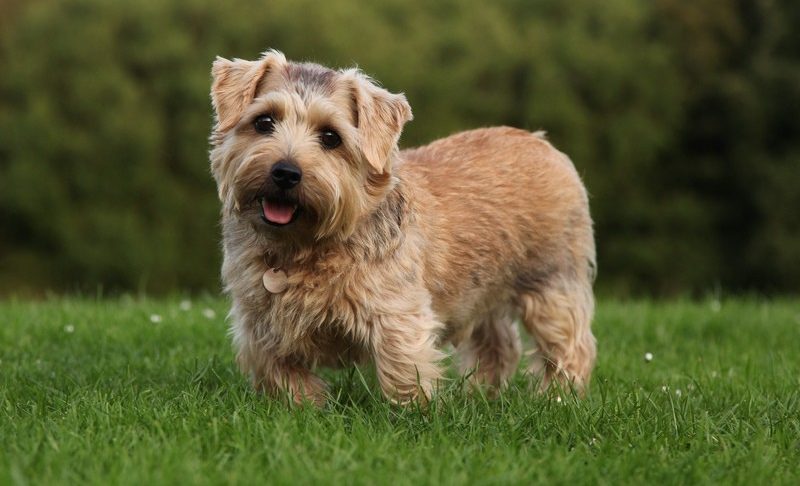
The Norfolk Terrier is a compact, sturdy dog with a proportional build that reflects its active and resilient character. It has a dense body and strong limbs, emphasizing its working nature and ability to handle physical tasks. Despite its small size, its appearance exudes confidence and readiness for action, making it a true representative of terriers.
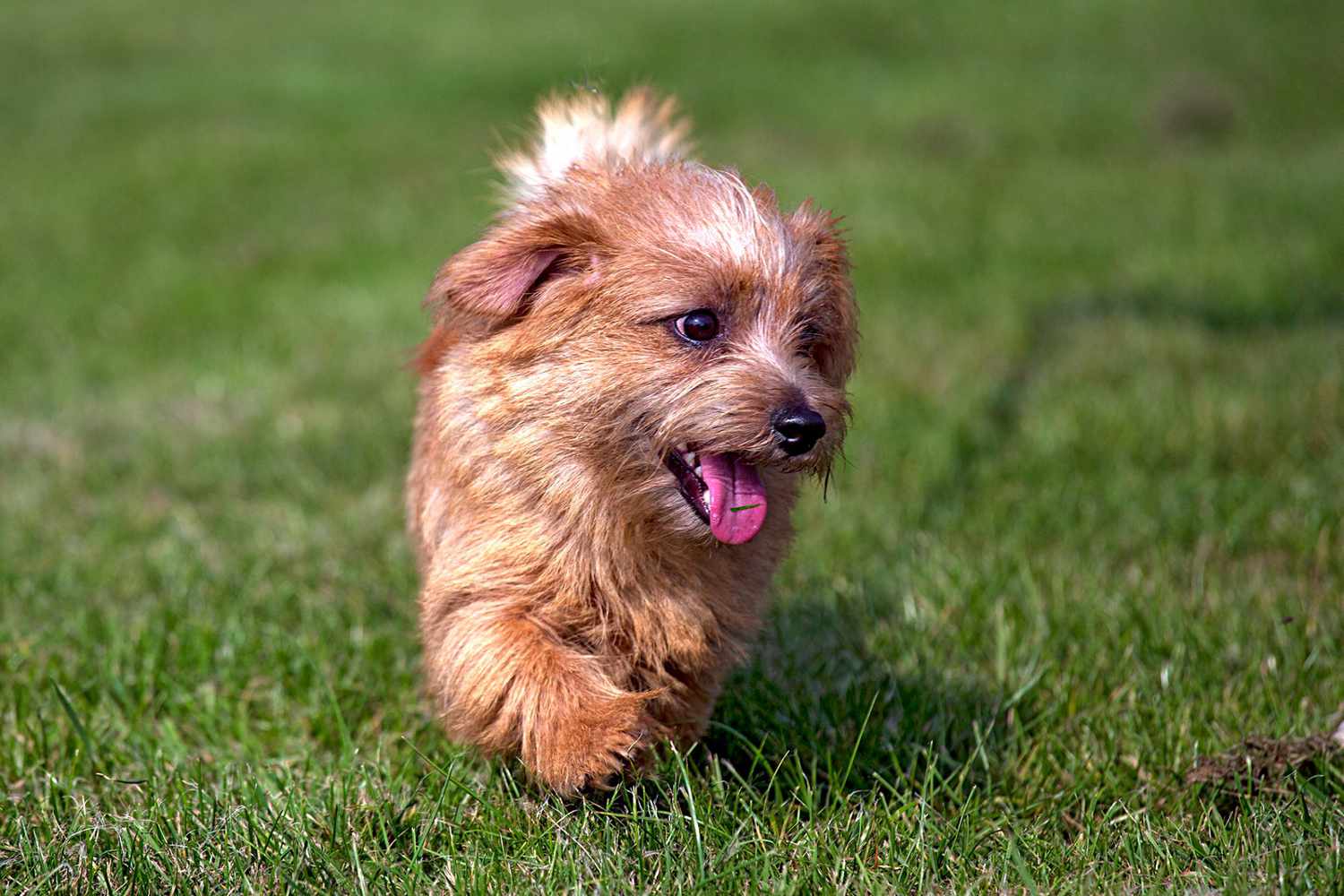
The average height of the Norfolk Terrier is about 23-25 cm at the shoulder, making it one of the smallest terrier breeds. Its weight typically ranges from 5 to 6 kg, highlighting the compactness and lightness of the dog while still showcasing its strength and endurance. This physique allows the Norfolk Terrier to be agile and nimble, ideally suited for work in confined spaces or active outdoor activities.
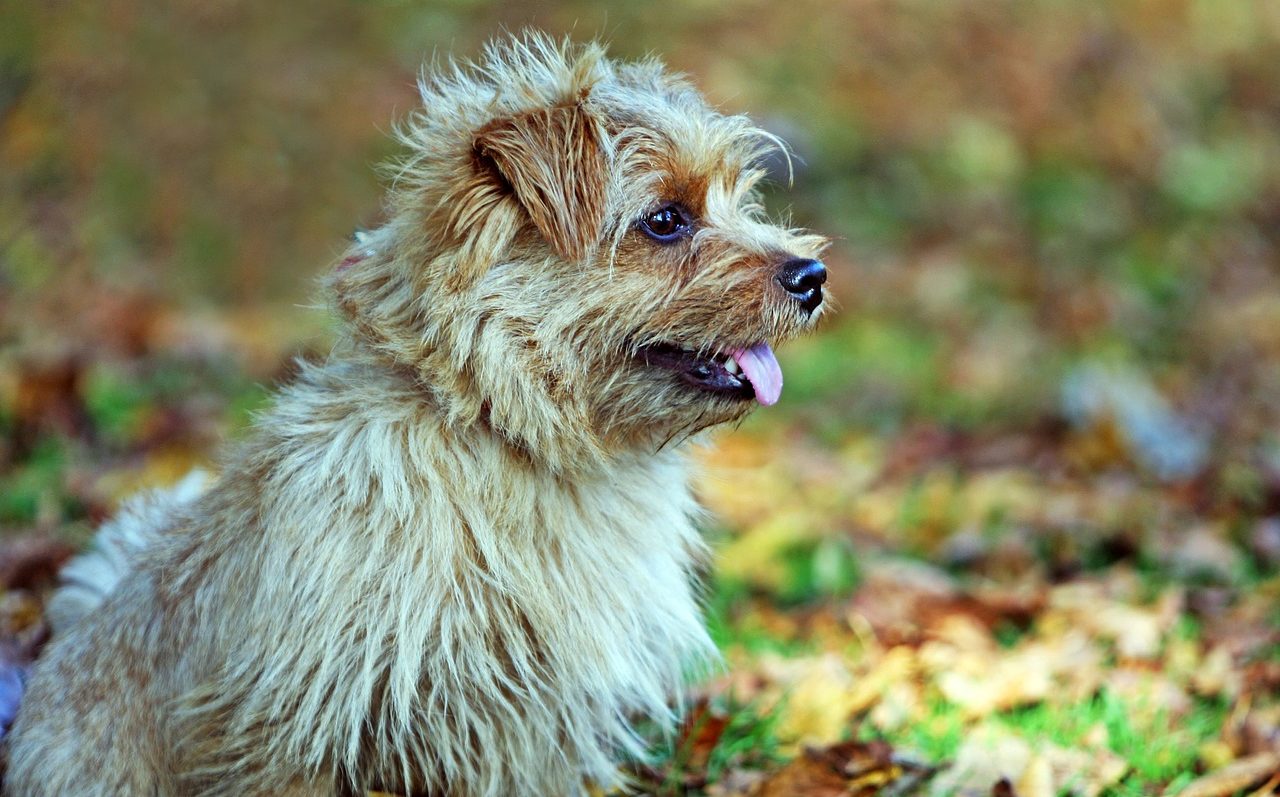
The coat of the Norfolk Terrier is coarse, dense, and straight, with a thick undercoat that provides protection from bad weather and dirt. Its texture and structure highlight the breed’s natural functionality, as such fur requires minimal grooming and maintains a neat appearance even after active walks. The facial expression is friendly and intelligent, with a kind and lively gaze that attracts attention and underscores the dog’s charming personality.
The average lifespan of the Norfolk Terrier is about 12-15 years. These dogs are known for their strong health and longevity, especially with proper care, a balanced diet, and adequate physical activity. The Norfolk Terrier remains active and lively for much of its life, delighting owners with its cheerful disposition and boundless energy.


Отличительные черты

Голова

Морда

Уши

Глаза

Зубы

Корпус

Конечности

Хвост

Шерсть

Окрас
Character
The Norfolk Terrier is a brave, friendly, and energetic dog with a vibrant personality that perfectly balances independence and attachment to humans. This breed is known for its cheerful and lively nature, which allows it to easily get along with people and other animals. Norfolk Terriers are always ready for action, whether it’s walking, playing, or completing small tasks, making them excellent companions for active individuals.
One of the key traits of this breed is its courage. Despite its small size, the Norfolk Terrier possesses remarkable confidence and is ready to tackle any challenge. Historically bred for hunting rodents and small game, these dogs are resilient, determined, and independent. They love to explore their surroundings, so outdoor walks or active play in open areas particularly delight them.
The Norfolk Terrier is known for its sociability and friendliness. This dog adores human company and eagerly participates in family activities. It gets along wonderfully with children, showing patience and playfulness, making it an ideal family pet. At the same time, the Norfolk Terrier maintains a balanced temperament and is not overly clingy, making it a convenient companion both at home and during travel.
The habits of this breed reflect its active and curious nature. Norfolk Terriers enjoy digging, which ties back to their hunting instincts. This trait makes them happy in areas where they can safely follow their instincts. They love toys, especially those they can chase or chew. However, due to their high energy, it is important to provide Norfolk Terriers with enough activity to avoid boredom, which can lead to destructive behavior.
This breed is intelligent and easily learns new commands, especially when training is presented in a playful manner. Norfolk Terriers thrive on encouragement and praise, but may display a bit of stubbornness if they find a command lacking in purpose. They respond best to positive reinforcement methods that stimulate their natural curiosity and interest.
Norfolk Terriers do not like being alone. They bond closely with their family and prefer spending time with people. These dogs can experience stress if left alone for extended periods, so it is important to give them adequate attention. In return, they offer boundless loyalty, friendliness, and a willingness to participate in any activity, making them wonderful friends and companions.
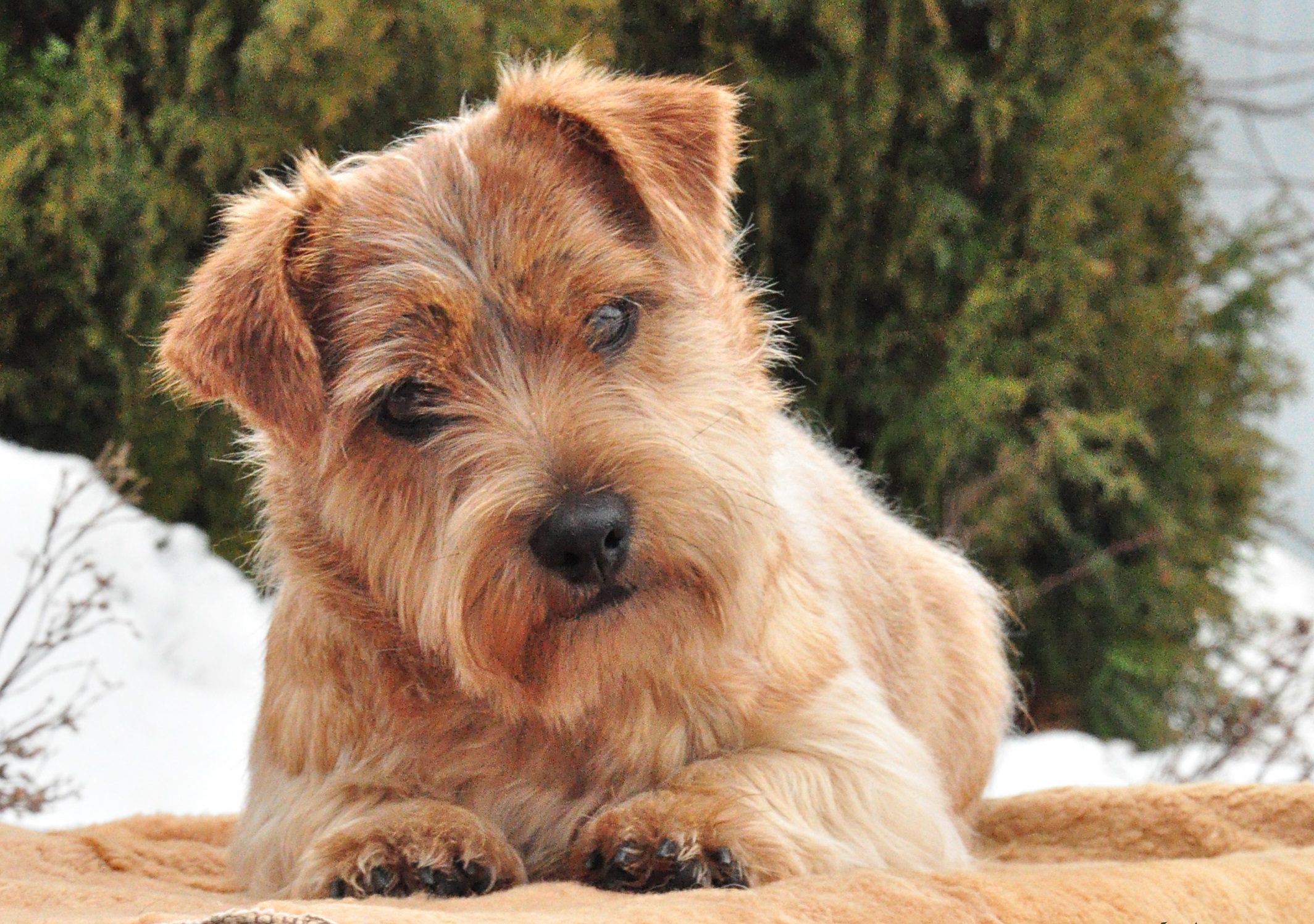
Norfolk Terriers: Heroes of Cinema and Literature
Despite their compact size, Norfolk Terriers are actively involved in the arts. These friendly and energetic dogs appear in films and are characters in literary works, adding their unique charm and personality to the stories.Care and Maintenance
Norfolk Terriers require individualized care that considers their activity level, hunting instincts, and thick coat. This breed loves spending time outdoors, so daily walks and active play are essential for maintaining their physical and emotional health. Norfolk Terriers adore exploring their surroundings, digging, and chasing small prey, so owners should organize activities that satisfy their natural curiosity. Ball games, scent work, or small agility training sessions can provide excellent entertainment for them.
The coat of a Norfolk Terrier is harsh and dense with undercoat, requiring regular grooming. It is recommended to brush them once a week to remove dead hair and prevent matting. This breed also benefits from trimming every 2-3 months to maintain a neat appearance. Bathing is only necessary when they are dirty, as their coat has self-cleaning properties. However, after walks, it is important to check their paws and coat for dirt or small debris.
Norfolk Terriers appreciate attention and involvement from their owner in their lives. They love interaction, active play, and closeness to people. This breed does not tolerate prolonged solitude, so it is not advisable to leave them alone for long periods. If a Norfolk Terrier gets bored, they may start chewing on furniture or displaying other undesirable behaviors. Owners should provide toys or leave them with another pet to avoid such situations.
Their diet should be balanced, high in proteins and fats to maintain energy. Norfolk Terriers tend to overeating, especially if they receive table scraps, so it is important to monitor portion sizes and adhere to a feeding schedule. Quality dog food or natural meals that include meat, vegetables, and grains will ensure the dog has everything necessary for an active life.
This breed does not respond well to harsh treatment or strict training methods. Norfolk Terriers are very sensitive to their owner’s tone of voice and respond better to a gentle yet confident approach. They appreciate consistency and praise, making positive and encouraging training essential. Additionally, they dislike loud noises or chaotic environments, preferring a calm and predictable setting.
A Norfolk Terrier will thrive in a family that gives it enough attention, provides opportunities for activity, and respects its natural characteristics. Regular grooming, shared playtime, and a warm home atmosphere will make this dog an ideal companion, who in return will offer loyalty and joy to the owner.
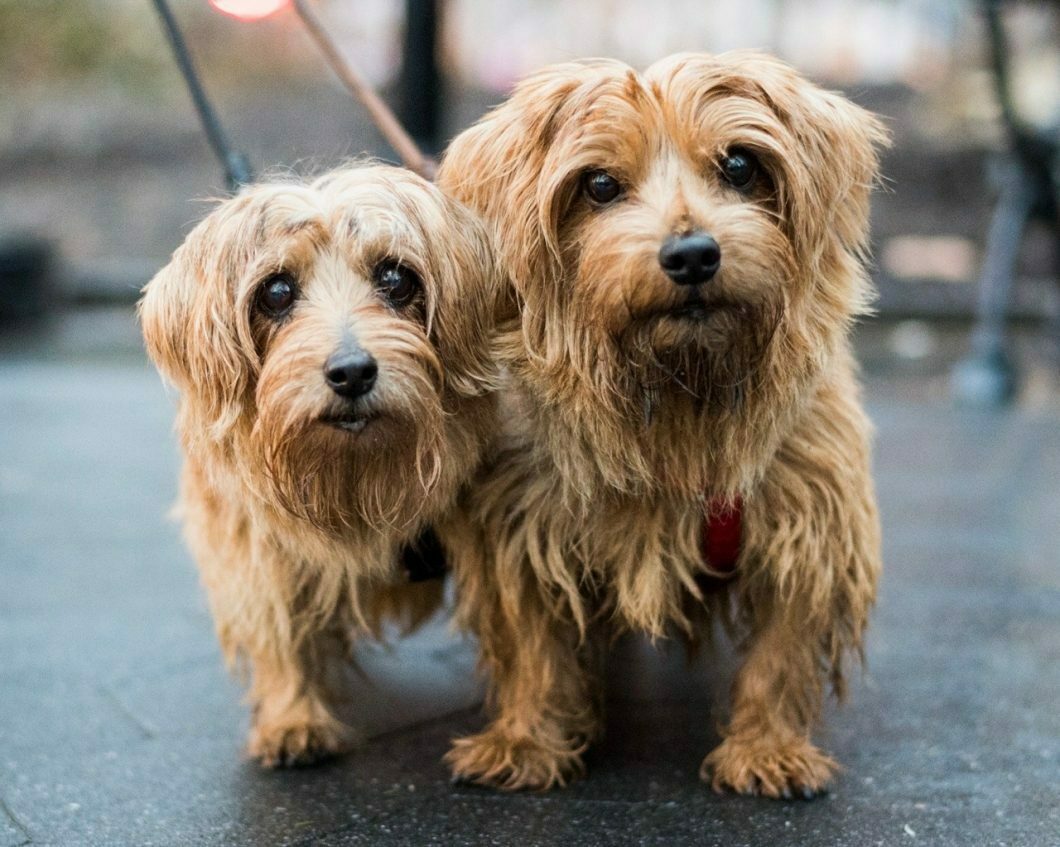
Successors of the legendary Scottish Terriers
Norfolk terriers originated from the well-known Scottish terriers. These small dogs with expressive, floppy ears were first presented to the public in Norfolk, England, and quickly gained popularity. The process of breed formation began in the late 19th century when Norwich terriers started to differ from Norfolk terriers, and in 1964 they were officially recognized as separate breeds.Training and Education
Training a Norfolk Terrier is best accomplished using methods based on positive reinforcement. This breed is intelligent and learns quickly, especially when the training is presented in a playful manner. Patience, praise, and treats for completing commands are key elements of successful training. Norfolk Terriers dislike monotony, so training sessions should be short, interesting, and varied. It’s best to include tasks that engage their natural hunting instincts, such as searching for objects or executing agility commands.
These dogs can be a bit stubborn, which is linked to their independence and hunting nature. It is important to maintain consistency in training and to avoid pressure or harshness. Norfolk Terriers are sensitive to tone of voice, so harsh commands or shouting can cause them to lose motivation. Instead, they respond better to a calm yet confident approach where tasks are explained clearly and results are rewarded.
A Norfolk Terrier chooses its owner based on emotional connection. Usually, this is someone who spends the most time with them, nurtures their upbringing, and provides comfort. The breed shows high attachment to family but typically singles out one “main” person whom they see as their leader. This person is often the one who exhibits patience, care, and respect for the dog’s individuality.
Norfolk Terriers respond best to an owner who demonstrates confidence and consistency. These dogs do not tolerate indecisiveness or contradictions in commands, so it’s important for the owner to remain calm and persistent in their actions. At the same time, the terrier respects those who are willing to play, teach, and spend quality time with them.
This breed is ideal for active and responsible individuals who are ready to dedicate attention to training and emotional needs. Norfolk Terriers love owners who involve them in daily life, provide opportunities for activity, and show respect for their character. In return, they become loyal, obedient, and energetic companions. At Zoonika, the best breeders offering pedigree puppies are gathered.
Brave travelers and charming companions
Norfolk terriers, despite their compact size, possess the courage and enthusiasm of a traveler. Many owners note that Norfolk terriers love active recreation and are ready to explore new territories with the same excitement as their larger counterparts. Their playfulness and friendliness make them ideal companions for active families and those who value loyalty and the joyful company of a small but vibrant friend.
How to Choose a Puppy
To select a Norfolk Terrier puppy that will grow into a full-fledged representative of the breed, it’s important to consider both physical characteristics and behavioral traits inherent to this breed. Start by finding a reputable breeder who specializes in Norfolk Terriers and can provide documentation on the puppy’s lineage, including pedigree and health certifications of the parents. A good breeder pays attention not only to appearance but also to the temperament of their dogs to meet breed standards.
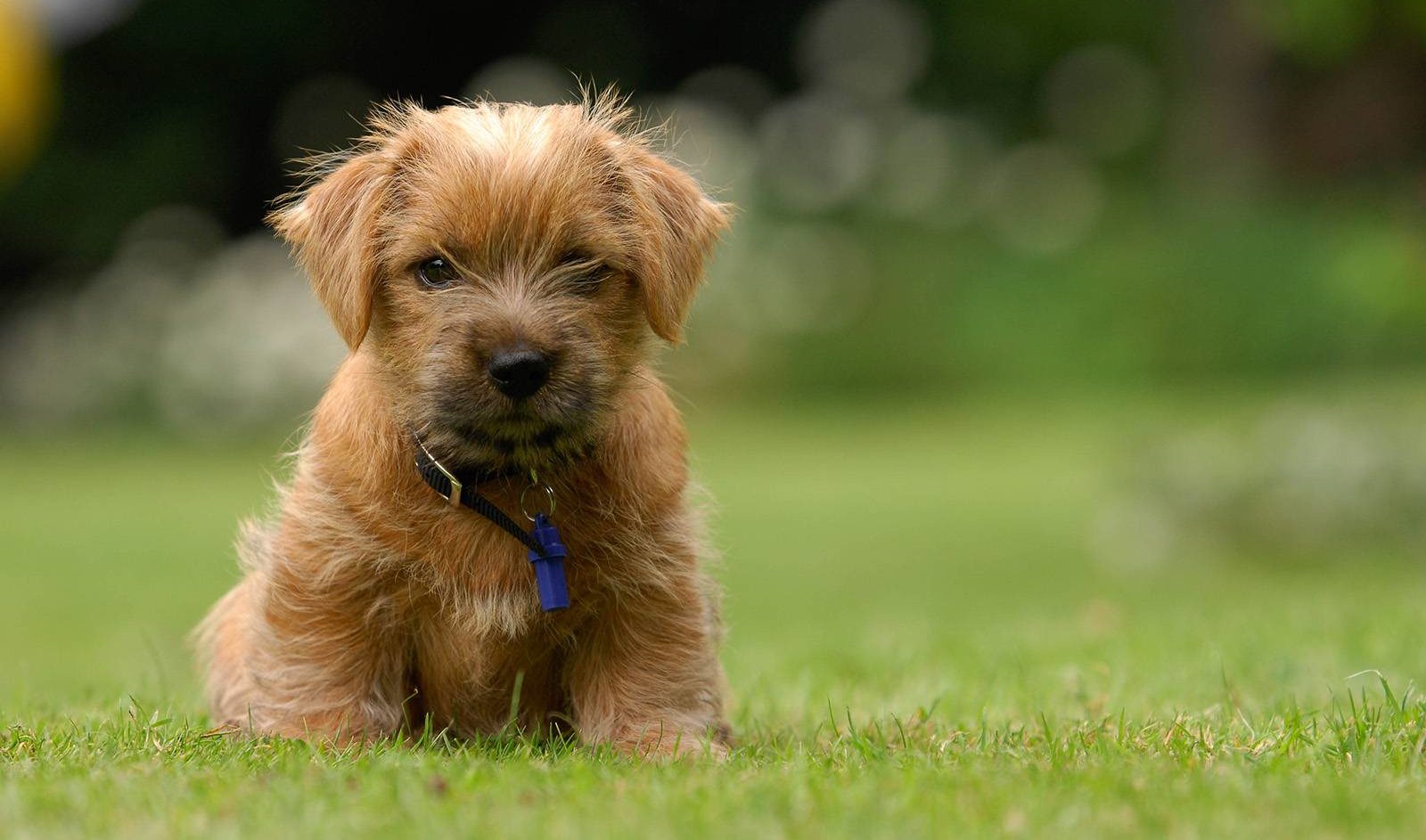
A Norfolk Terrier puppy should be active, curious, and bold, which are key traits of the breed. Observe its behavior in the litter: it should show interest in its surroundings, play with siblings, but neither be overly aggressive nor excessively timid. Norfolk Terriers are naturally friendly and cheerful, so a puppy that displays wariness or avoids contact may not meet breed standards.
The physical condition of the puppy is also very important. Its coat should be thick, coarse to the touch, and have a dense undercoat. The eyes should be clear, ears clean, and posture and movements confident. The paws should be strong, which is important for the active and agile nature of the breed. The teeth should be even, with a correct bite, as this is a crucial element of the Norfolk Terrier standard.
Pay attention to the living conditions of the puppies. A good breeder provides a clean and spacious environment for their dogs, where puppies have the opportunity to move actively and interact with people. Early socialization plays a significant role in shaping a dog’s character, so a puppy accustomed to human contact and various stimuli will adapt more easily to a new family.
The breeder should provide a veterinary passport for the puppy, with records of vaccinations and preventive treatments, and should be able to answer questions about the health of the parents. Norfolk Terriers may have hereditary diseases, so it is essential to ensure that the puppy’s parents have undergone necessary tests and have no issues that could be passed on to the offspring.
Choose a puppy that shows interest in you and establishes an emotional connection. Norfolk Terriers bond closely with their owners, and it is important to feel a rapport between you and the puppy from the very beginning. This is a dog with an active but friendly character, so a puppy that engages with you, plays, and shows interest will make a great companion and grow into a true representative of the breed. Zoonika is a site featuring the best breeders with verified pedigrees.
Health and Diseases
Norfolk Terriers, like most breeds, are known for their strong health but are prone to certain conditions that owners should be aware of. This breed was developed for active work, so they have high endurance and physical resilience; however, some genetic and age-related diseases may emerge over time.
One of the most common issues in Norfolk Terriers is hip dysplasia. This hereditary condition can cause discomfort and reduce the dog’s mobility, especially in older age. Regular moderate exercise and maintaining a healthy weight can help minimize the risk of dysplasia.
Norfolk Terriers may also suffer from knee joint issues, such as patellar luxation. This condition leads to lameness and pain, particularly during active movements. Regular veterinary check-ups and monitoring physical activity will help identify and address the problem in a timely manner.
Other breed-specific issues include a predisposition to eye diseases. Cataracts and progressive retinal atrophy are the primary conditions that can lead to vision impairment or complete blindness. Routine examinations by a veterinary ophthalmologist can help detect changes at early stages and prevent serious consequences.
Norfolk Terriers are also prone to allergic reactions, which can manifest as skin itching, redness, or rashes. Allergies may be triggered by food, environmental factors, or grooming products. It’s crucial to carefully select their food and eliminate potential irritants.
Dental and gum diseases are also common in this breed. Due to their compact jaw size, Norfolk Terriers may be prone to tartar buildup, leading to gum inflammation and other dental problems. Regular tooth brushing, the use of specific chew toys, and periodic veterinary visits can help avoid these issues.Although Norfolk Terriers are generally considered healthy and long-lived, regular veterinary check-ups and preventive care are essential. With proper care, a balanced diet, and adequate activity levels, these dogs can enjoy long and happy lives, reaching ages of 12 to 15 years.
Содержание
-
1. Описание породы
-
2. Внешний вид
- 2.1 Голова
- 2.2 Морда
- 2.3 Уши
- 2.4 Глаза
- 2.5 Зубы
- 2.6 Корпус
- 2.7 Конечности
- 2.8 Хвост
- 2.9 Шерсть
- 2.10 Окрас
-
3. Характер
-
4. Содержание и уход
-
5. Дрессировка и обучение
-
6. Как выбрать котенка
-
7. Здоровье и болезни





Comments
Only registered users can leave reviews.
Enter