
Newfoundland




Warning: Illegal string offset 'label' in /home/panda/sites/zoonika/wp-content/themes/zoonika/template-parts/animals/animals-param-item.php on line 32
Ð


Breed Description
The Newfoundland breed has a history filled with mysteries and legends, much like its native land-the island of Newfoundland off the coast of Canada. This remarkable dog, known for its strength, gentle nature, and loyalty, was bred for work in both water and on land, becoming an indispensable aide to fishermen and the residents of coastal villages. For centuries, Newfoundlands have served humanity by saving lives, retrieving nets and loads, and being reliable companions.
The breed’s origins date back to ancient times, and its exact ancestry remains a subject of debate. One theory suggests that the ancestors of the Newfoundland were large dogs brought by Vikings as early as the 10th century. These dogs likely interbred with local breeds, forming the foundation for a breed capable of surviving harsh climatic conditions. Later, with the arrival of European colonizers in the 16th-17th centuries, mastiffs, setters, and Pyrenean mountain dogs brought by settlers may have contributed to the breeding process. This mix of breeds resulted in the strong, resilient, and gentle dog that we know today.
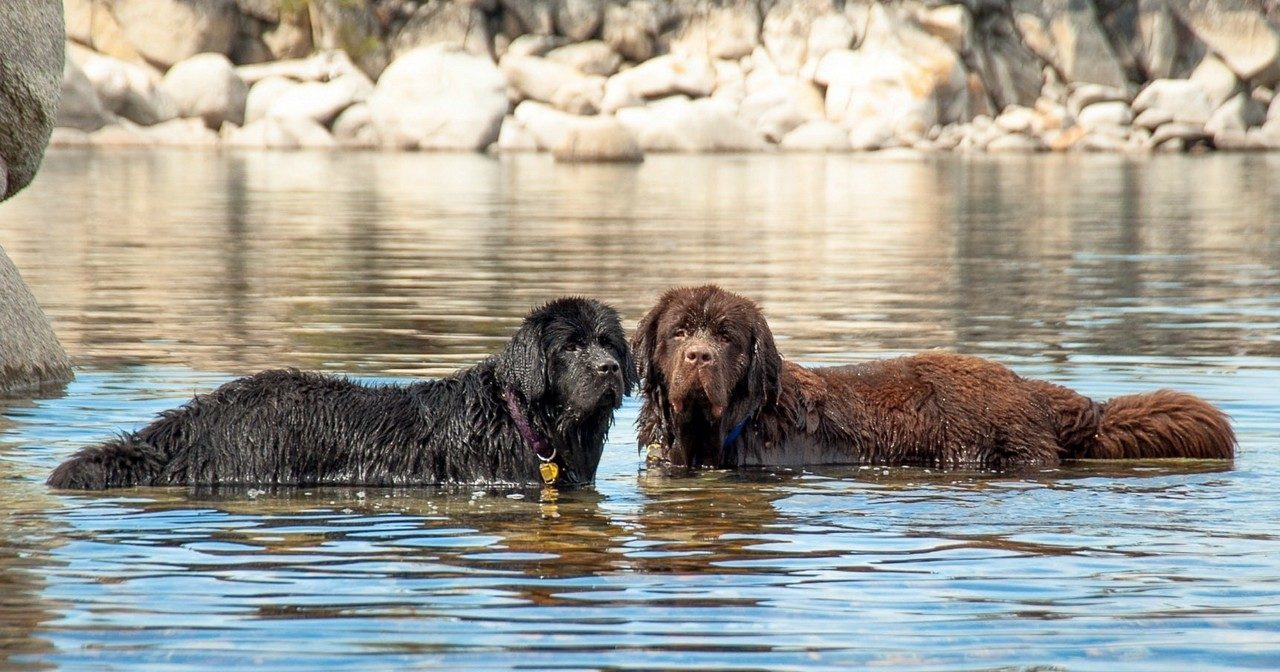
Newfoundlands were originally used for work on fishing boats. They helped retrieve nets, transport heavy loads, and deliver supplies and goods between boats and the shore. One of the key tasks of a Newfoundland was rescue work. Their dense water-resistant coat, webbed feet, and powerful bodies allowed these dogs to swim effortlessly in icy waters and rescue drowning individuals. Newfoundlands became famous for their life-saving abilities and are still considered some of the best water rescue dogs today.
In the 18th-19th centuries, the breed caught the attention of European travelers and writers. Newfoundlands won people’s hearts with their loyalty and capacity for heroic actions. One notable owner of a Newfoundland was the English poet Lord Byron, who dedicated a poem to his dog named Boatswain. These dogs became symbols of fidelity and selfless service.
By the early 19th century, the Newfoundland was being exported to Europe, where its popularity grew. In England, the breed was named and standardized. Despite its wide recognition, the breed has not lost its working qualities. Even in modern times, Newfoundlands continue to participate in water rescue operations, working alongside the coast guard and rescue services.
Today, the Newfoundland is known as one of the most loyal and intelligent dogs. Its heritage reflects the spirit of endurance and attachment to humans. These dogs not only helped their owners survive in challenging conditions but also became symbols of hope, rescue, and endless love.The price for a puppy ranges from 60,000 to 100,000 rubles.
Appearance
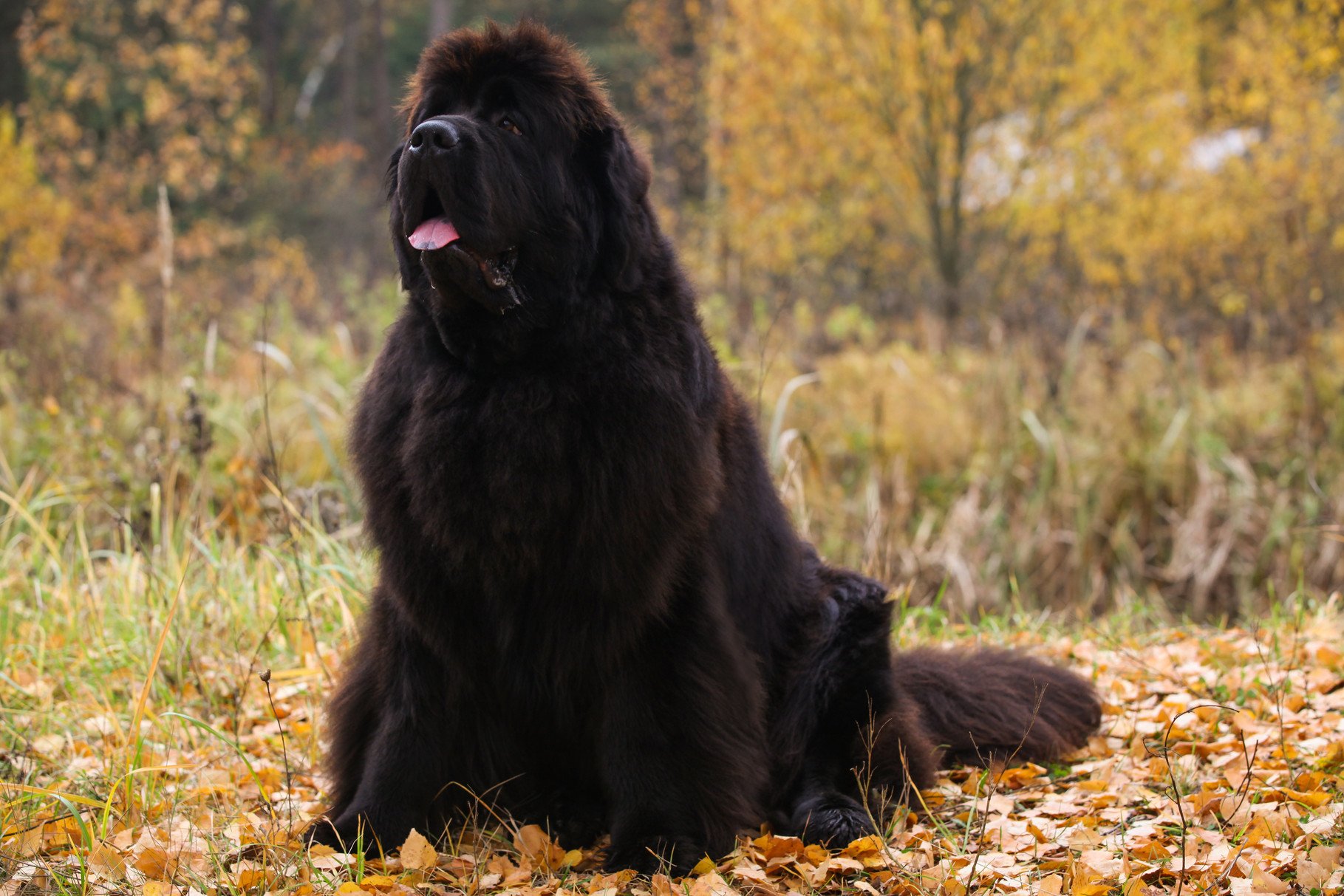
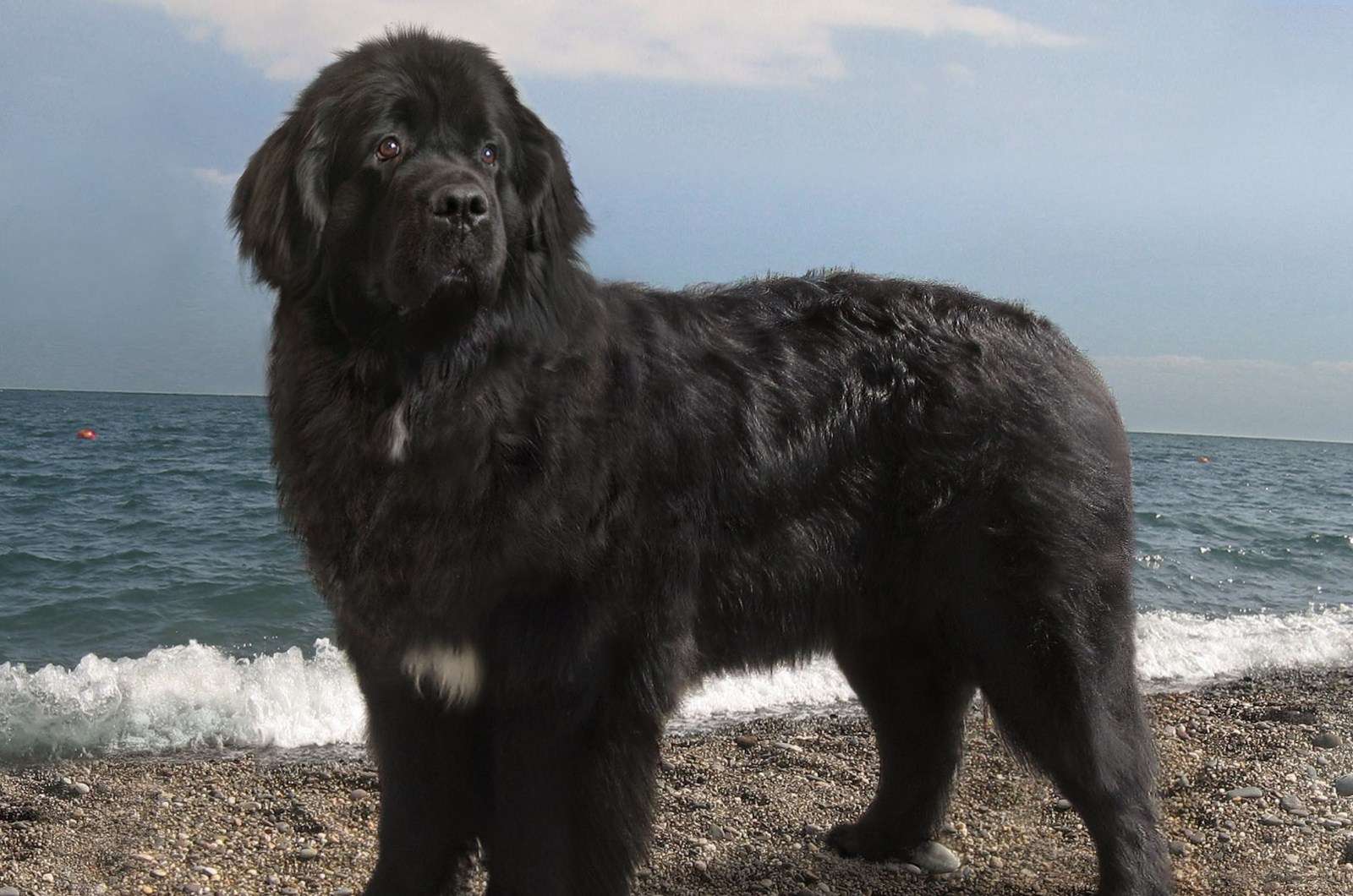
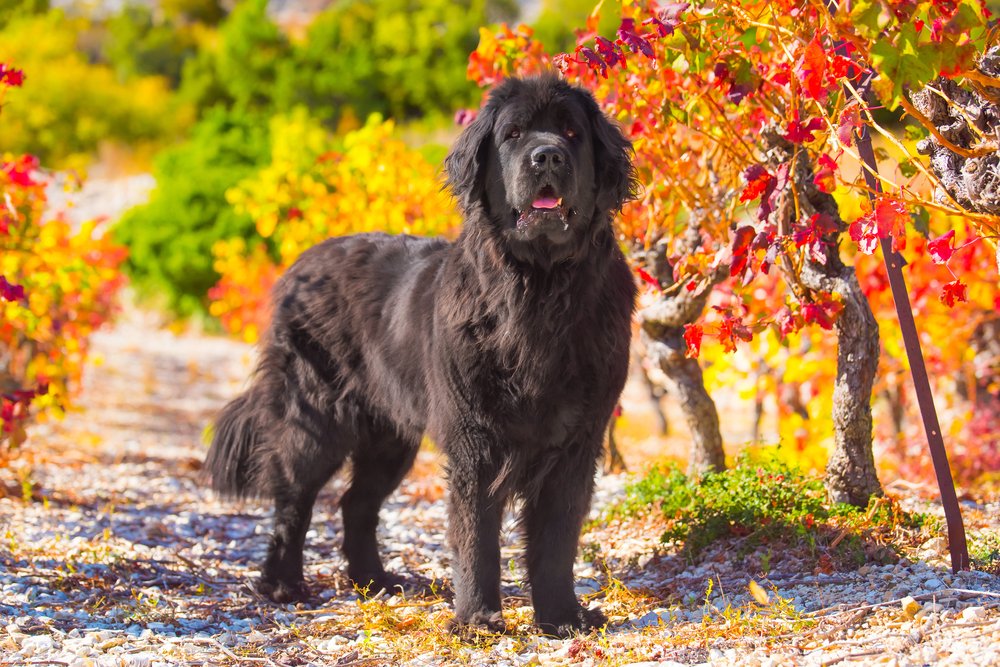
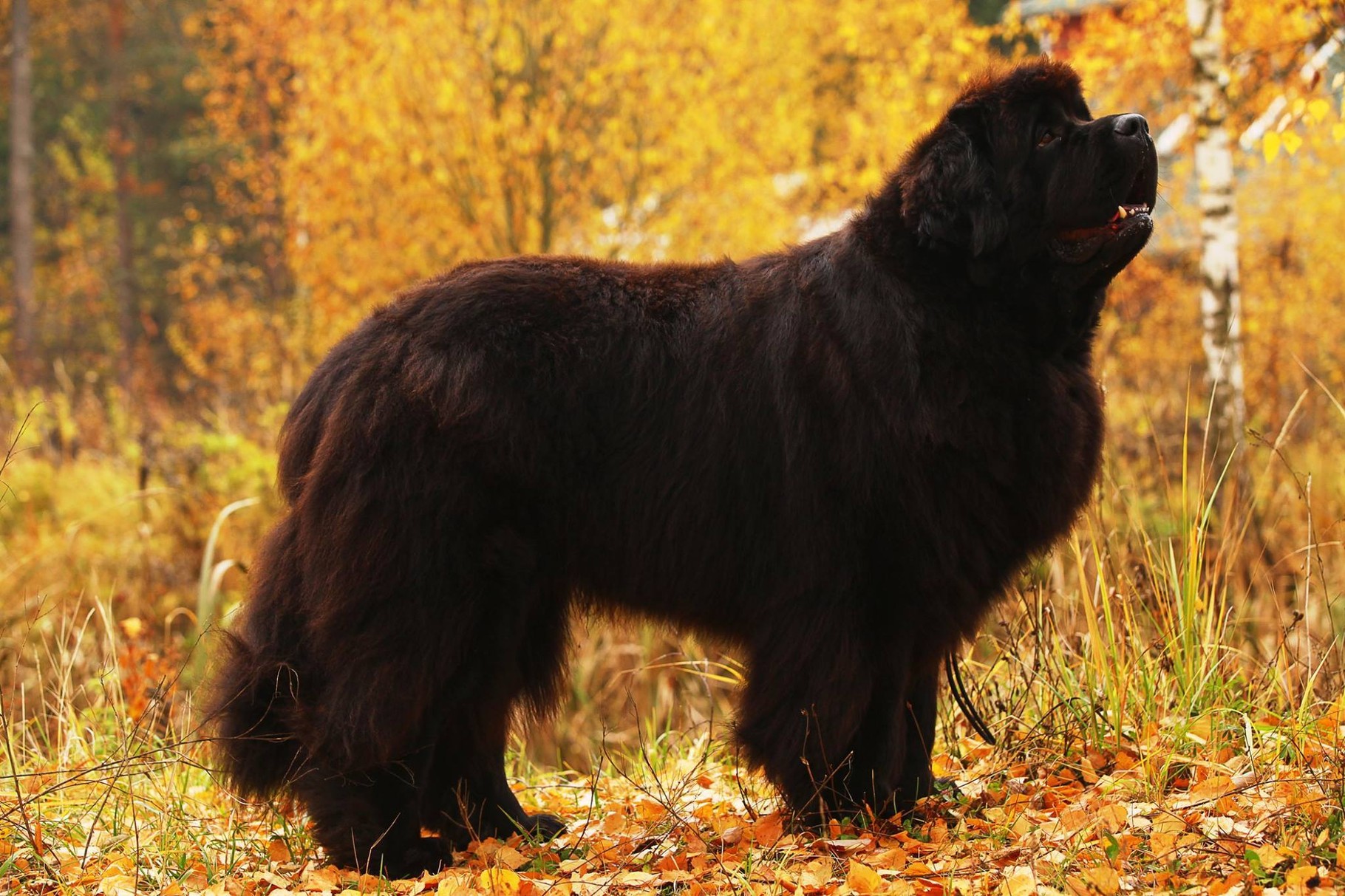
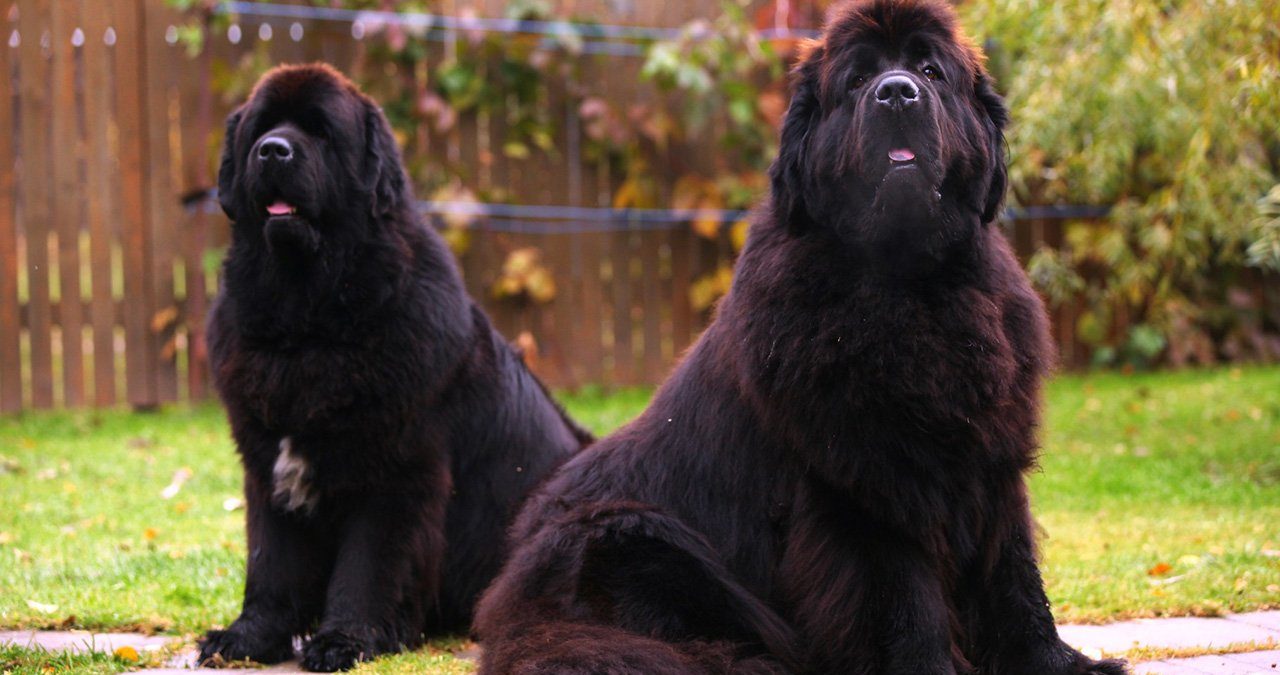
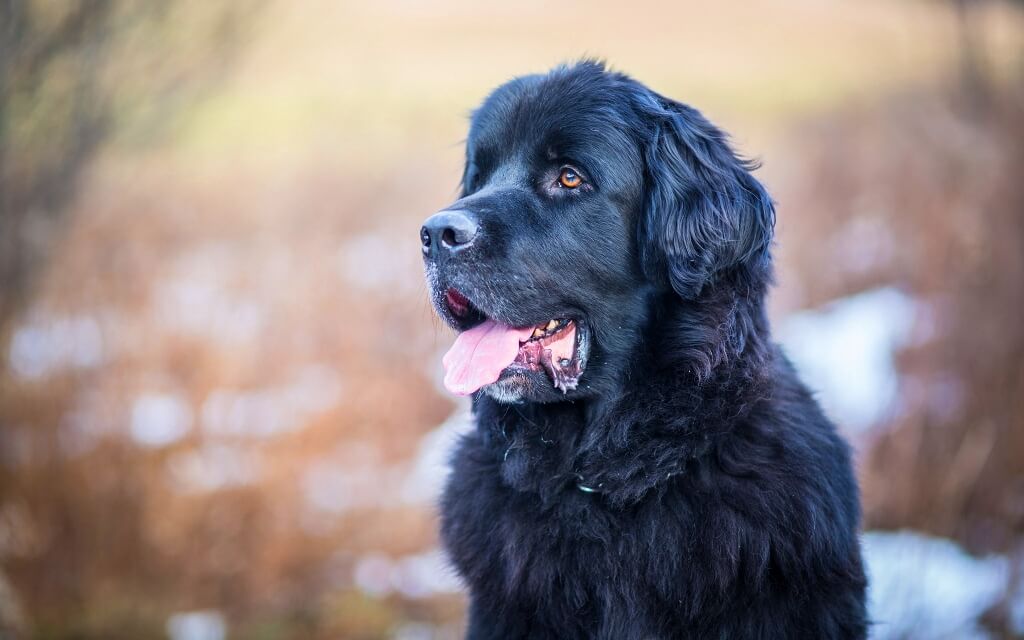
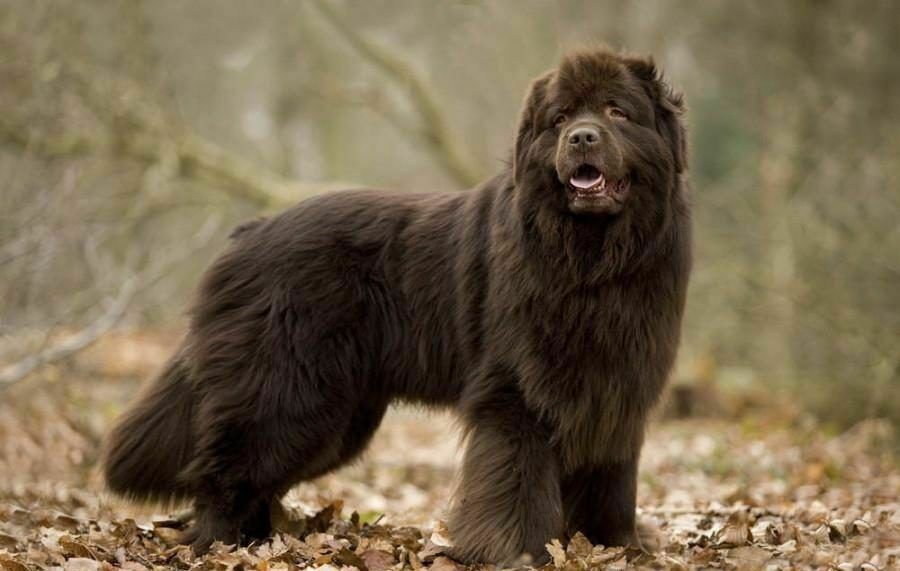
The Newfoundland is a large, powerful dog with a harmonious build that reflects its strength, endurance, and natural purpose for work both in water and on land. Its appearance inspires respect and trust: a massive body, deep chest, and strong limbs highlight its capability to handle heavy physical tasks. At the same time, the Newfoundland maintains an astonishing grace in its movements, making it not only a working dog but also a true adornment among large breeds.
The coat of the Newfoundland is thick, water-resistant, with a soft, dense undercoat that protects against cold and moisture. This key characteristic allows the dog to easily withstand harsh weather conditions and work in water. The fur is of medium length, straight or slightly wavy, staying clean and well-groomed even with minimal care. The thick fur around the neck gives the dog a majestic look, while the tail serves as a natural rudder when swimming.
The average height of a Newfoundland is 26-28 inches for males and 24-26 inches for females. Adult dogs typically weigh between 110 to 154 pounds, depending on gender and individual traits. These dimensions make the breed one of the largest, but its proportionality and balanced build prevent a feeling of heaviness.
The average lifespan of a Newfoundland is 8-10 years. This is typical for large dog breeds, but with proper care, the right nutrition, and sufficient activity, Newfoundlands can maintain vitality and energy even in their senior years. Their calm temperament and loyalty make them not only reliable working dogs but also excellent family companions.


Отличительные черты

Голова

Морда

Уши

Глаза

Зубы

Корпус

Конечности

Хвост

Шерсть

Окрас
Character
The Newfoundland is a dog with a unique character that combines kindness, intelligence, and incredible loyalty. It’s often called the “gentle giant” due to its calm demeanor and tolerance, making it an ideal companion for families, including those with small children. This breed is known for its gentleness, friendliness, and ability to sense human emotions, making it a wonderful therapy dog and a reliable friend.
Newfoundlands are incredibly loyal and attached to their families. They love to be near their owners and strive to be involved in all aspects of their lives. This dog gets along exceptionally well with children, showing care and patience even when the little ones aren’t always neat. However, despite their friendliness, Newfoundlands maintain a natural sense of protectiveness and are ready to defend their loved ones if necessary, though aggression is not part of their nature.
One prominent character trait of the Newfoundland is its work ethic. This breed was developed for work, and even in modern conditions, they retain a desire to be helpful. Newfoundlands enjoy assisting, whether it’s carrying light objects, participating in swimming, or simply accompanying their owner on walks. They are highly intelligent, making them easy to train. These dogs eagerly learn new commands and tasks, especially when they feel praise and approval.
A natural love for water is another distinguishing feature of this breed. A Newfoundland feels at home in the water and loves to swim. Even in cold weather, they joyfully leap into the water, showcasing their unique abilities such as powerful paddle strokes and confident movements. This quality makes the Newfoundland an ideal water rescuer, and they often seek to “rescue” people, even if they are just swimming.
The Newfoundland loves calmness and harmony, making it an ideal dog for the home. It is not prone to excessive activity but requires regular walks and physical activity to maintain its health. This dog will happily go for a long walk or run, but will also be content just lying at its owner’s feet.
These dogs cannot tolerate loneliness and prefer to be part of the family. If left alone for long periods, they may become sad and bored. Newfoundlands are accustomed to emotional connections with people and need attention and care. In return, they are willing to offer endless love, loyalty, and joy from companionship.The habits of the Newfoundland include a desire to be near humans, an interest in water, and a calm approach to daily life. It always maintains composure and can adapt to various situations, remaining a reliable, balanced, and affectionate companion.
Favorite "face" of printing
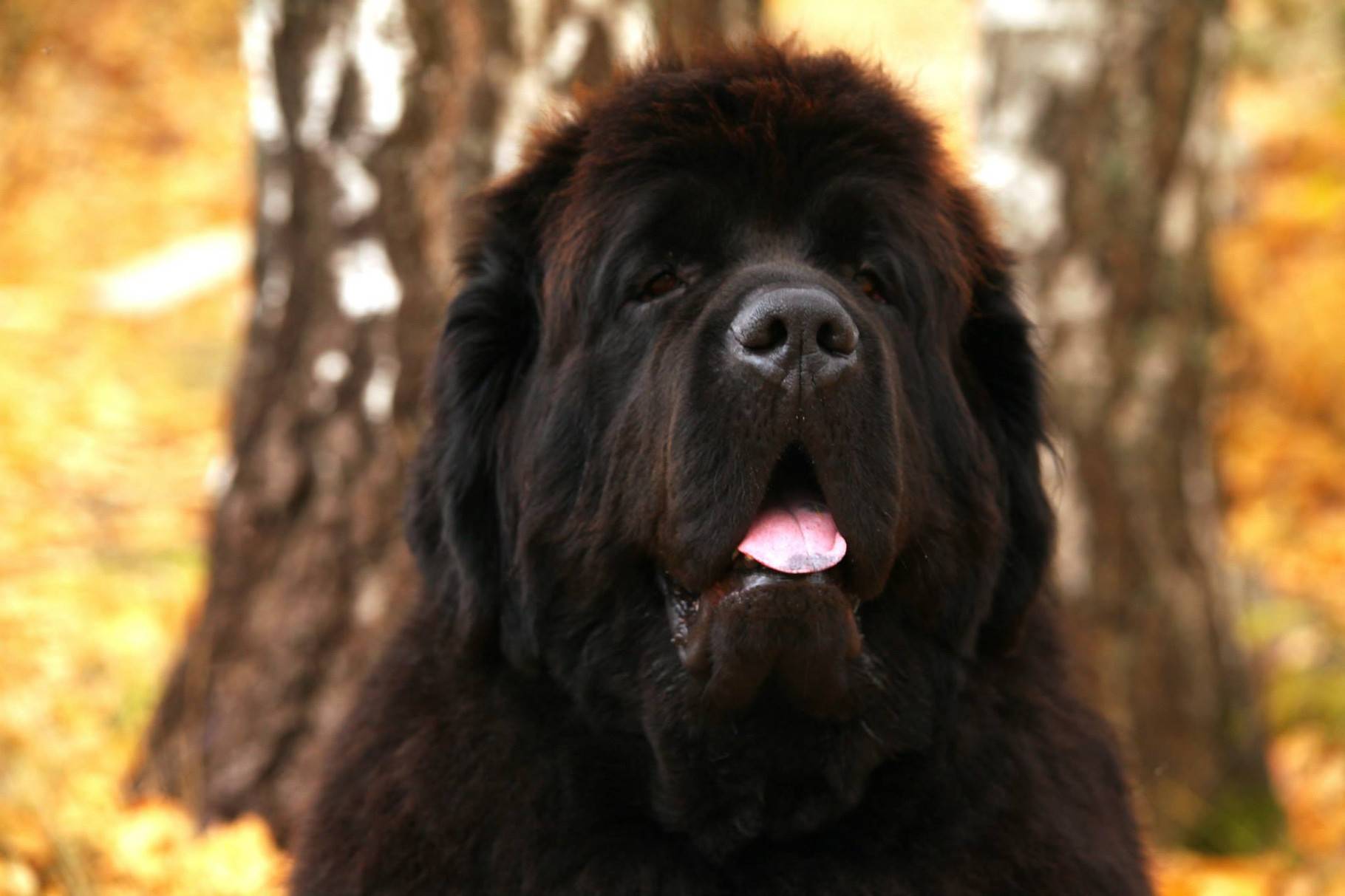
The portrait of the Newfoundland is very popular among advertising print shops. The image of the Newfoundland is used almost everywhere: on flyers, postcards, various brochures, and even on coins.Care and Maintenance
Taking care of a Newfoundland requires attention to its unique needs related to its large size, thick coat, and natural activity level. This dog loves comfort and proximity to humans, so it’s important to provide a spacious area in your home or yard where it will feel like part of the family. Newfoundlands need moderate physical activity, including walks, playtime, and, if possible, swimming-one of their favorite activities. Water activities not only provide enjoyment but also help maintain physical fitness.
The thick, water-resistant coat of the Newfoundland requires regular grooming. It should be brushed at least twice a week to prevent matting and to remove dead hair. During shedding season, which occurs twice a year, daily grooming is advised. Bathing is recommended only when necessary, as the coat has self-cleaning properties; however, after water activities in ponds or rivers, the dog should be thoroughly rinsed to remove dirt and dried to avoid skin issues.
Newfoundlands love to be around people and participate in family activities. They cannot tolerate prolonged solitude and may become sad or bored if left alone for long periods. This breed requires emotional contact and attention, so the owner should spend time interacting with the dog, even if it’s just quietly being nearby. Newfoundlands enjoy affection but do not tolerate rough handling or raised voices. They are very sensitive to their owner’s mood and prefer a calm and harmonious environment.
Nutrition should be balanced, taking into account their large size and moderate activity level. Newfoundlands tend to gain weight, so it’s important to monitor portions and avoid overfeeding. It is recommended to feed the dog twice a day, using quality food or natural products high in protein and moderate in fats. Access to fresh water is also crucial, especially after active walks or swimming.
These dogs do not cope well with heat due to their thick coats, so in warm weather, they need protection from overheating. Provide access to shade, cool areas, and avoid walks during the hottest parts of the day. In winter, Newfoundlands feel comfortable as their coat protects them from the cold, but they do not enjoy being outside in freezing temperatures without movement for long.
Newfoundlands dislike loud noises, chaotic environments, and rough handling. This breed values stability, quietness, and respectful treatment. With proper care, attention, and affection, they will not only be beautiful and healthy representatives of their breed but also loyal friends who will always be by your side.
Personal doctor
Newfoundlanders are extremely sensitive to their owner's pain. The dog will certainly understand if family members have health problems and will try to soothe the affected area by licking.Training and Education
The Newfoundland is an intelligent and responsive breed that is easy to train due to its intelligence and desire to please its owner. Training this dog is best started at an early age while the puppy is still active and curious. The training should be based on a gentle yet consistent approach that emphasizes trust and positive reinforcement. Newfoundlands respond excellently to praise, affection, and treats, but they cannot tolerate harshness or pressure; thus, shouting and physical punishment are strictly unacceptable.
Basic commands such as “sit,” “come,” and “place” are quickly learned by Newfoundland puppies, especially if the training is conducted in a playful manner. These dogs have a natural inclination towards work and rescue, so they joyfully participate in training related to searching, pulling objects, or tasks requiring mental activity. It’s important for them to feel the significance of their actions, so teaching them should take into account their natural abilities.
The Newfoundland chooses its owner based on an emotional connection. This dog bonds with someone who shows patience, care, and respect. Typically, they gravitate toward people with a gentle demeanor who are willing to devote sufficient time and attention to them. Newfoundlands love to be near family members and often choose those who spend the most time with them, participate in their upbringing, and provide emotional comfort.
This breed obeys confident and consistent owners who set clear boundaries without aggression. Newfoundlands strive to please and willingly follow commands if they sense kindness and respect. They are not prone to dominance but may show stubbornness if they do not see the point in a task or encounter inconsistency from their owner.
Newfoundlands are best suited for people who are ready to engage actively with their dog, dedicating time to training and shared activities. This breed is very sensitive to their owner’s mood, so it is essential to maintain a calm and confident atmosphere. A Newfoundland will become a loyal and obedient companion for those who respect its natural qualities and can build a relationship based on trust and love. Elite breed puppies with full documentation are offered at Zoonyka.
A find for grandmothers.
Newfoundlanders have extremely thick fur, and with regular brushing, the amount is enough to make a sock or a vest. Items made from their fur are incredibly warm and soft.
How to Choose a Puppy
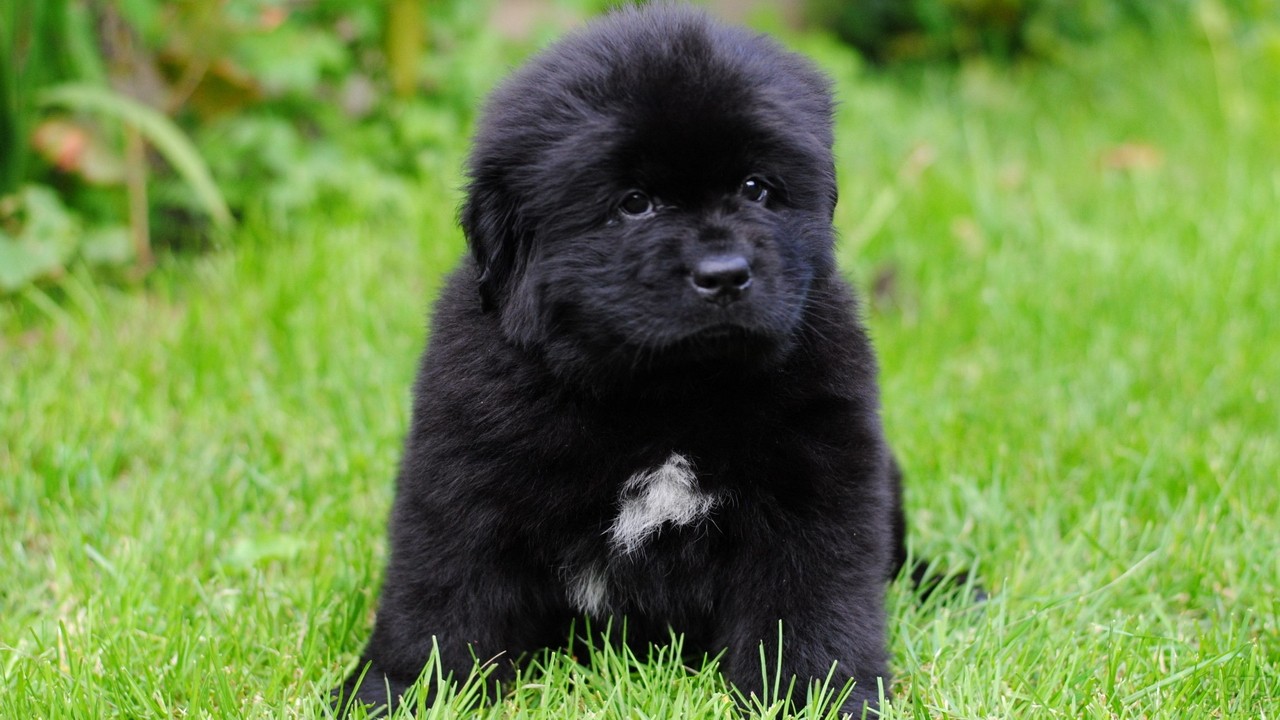
Choosing a Newfoundland puppy requires careful consideration to ensure compliance with breed standards and to guarantee that the dog will grow into a healthy and well-balanced representative of the breed. Begin by looking for a reputable breeder who specializes in Newfoundlands and can provide complete information about the pedigree and health of the puppy’s parents. A responsible breeder ensures that puppies are socialized from an early age, grow up in comfortable conditions, and receive quality nutrition.
When selecting a puppy, pay attention to its behavior and temperament. A Newfoundland should be friendly, confident, and curious, approaching unfamiliar people and objects with mild interest. A puppy that avoids contact or displays aggression may have socialization issues or genetic deviations. A healthy puppy shows a natural balance between activity and calmness, eager to play but not overly excitable.
The physical condition of the puppy plays a key role. Its coat should be thick, shiny, and clean; the eyes should be clear and free of discharge; and the ears should be clean and odorless. The puppy’s paws should be large and strong, which is a characteristic of the breed, and its movements should be confident and steady. Pay attention to the puppy’s back; it should be straight without signs of curvature. It is also important to check the bite, which in Newfoundlands should be scissors-like.
The breeder should provide a veterinary passport with records of initial vaccinations and preventive treatments, as well as test results for hereditary diseases. Newfoundlands are prone to hip dysplasia and other genetic conditions, so it is essential to ensure that the puppy’s parents have undergone necessary examinations.
Newfoundlands are dogs that require an emotional connection with their owner. Pay attention to a puppy that shows interest in you, establishes eye contact, and willingly engages. This natural response can be the first step towards a strong bond that will form the foundation for successful training and a comfortable coexistence.
Choosing a puppy should also take your lifestyle into account. The Newfoundland is a large and active dog that needs ample space, regular activity, and close contact with people. If you are ready to provide your pet with care, time, and love, a Newfoundland puppy will grow into a full-fledged representative of the breed, bringing you joy with its loyalty and good-naturedness.
Health and Diseases
Newfoundlands, despite their resilience and strong build, like other large breeds, are prone to certain health issues that require the owners’ attention. One of the most common problems in these dogs is hip and elbow dysplasia. This genetic condition can cause pain and limit mobility, especially in older age. Regular moderate exercise and maintaining a healthy weight help reduce joint stress and minimize the risk of developing the disease.
Another frequent issue among Newfoundlands is gastric torsion, which can occur suddenly and requires immediate medical attention. To prevent this dangerous condition, it is recommended to feed the dog small portions multiple times a day, avoid intense exercise immediately after eating, and monitor the quality of the food.
Cardiovascular diseases, such as subaortic stenosis (SAS), also occur in this breed. This congenital condition can lead to decreased heart function and, in severe cases, premature death. Regular veterinary check-ups, including cardiac assessments, can help detect the problem in its early stages.
Newfoundlands are prone to skin issues, including hotspots (moist dermatitis), which can arise due to their thick fur, especially in hot climates. Proper coat care, regular brushing, and timely identification of irritations can help prevent the development of skin diseases.
Eye conditions, such as cataracts and progressive retinal atrophy, are also found in this breed. These conditions can lead to impaired vision or complete loss of sight. Regular ophthalmological examinations enable early detection of issues.
Additionally, Newfoundlands can suffer from hypothyroidism, a condition related to thyroid gland dysfunction. This condition may manifest as weight gain, lethargy, and skin and coat problems. Therapy under veterinary supervision can effectively manage the disease.With proper care, regular veterinary check-ups, and a balanced diet, Newfoundlands can remain active and healthy. It is important to consider the breed’s characteristics, predisposition to hereditary diseases, and to follow preventive measures. In response to care, these dogs provide their owners with many years of loyalty and love. Thinking of getting one? There is a wide selection of listings on the Zoonyka map by city.
Содержание
-
1. Описание породы
-
2. Внешний вид
- 2.1 Голова
- 2.2 Морда
- 2.3 Уши
- 2.4 Глаза
- 2.5 Зубы
- 2.6 Корпус
- 2.7 Конечности
- 2.8 Хвост
- 2.9 Шерсть
- 2.10 Окрас
-
3. Характер
-
4. Содержание и уход
-
5. Дрессировка и обучение
-
6. Как выбрать котенка
-
7. Здоровье и болезни






Comments
Only registered users can leave reviews.
Enter