
Miniature dachshund





Warning: Illegal string offset 'label' in /home/panda/sites/zoonika/wp-content/themes/zoonika/template-parts/animals/animals-param-item.php on line 32
Ð


Breed Description
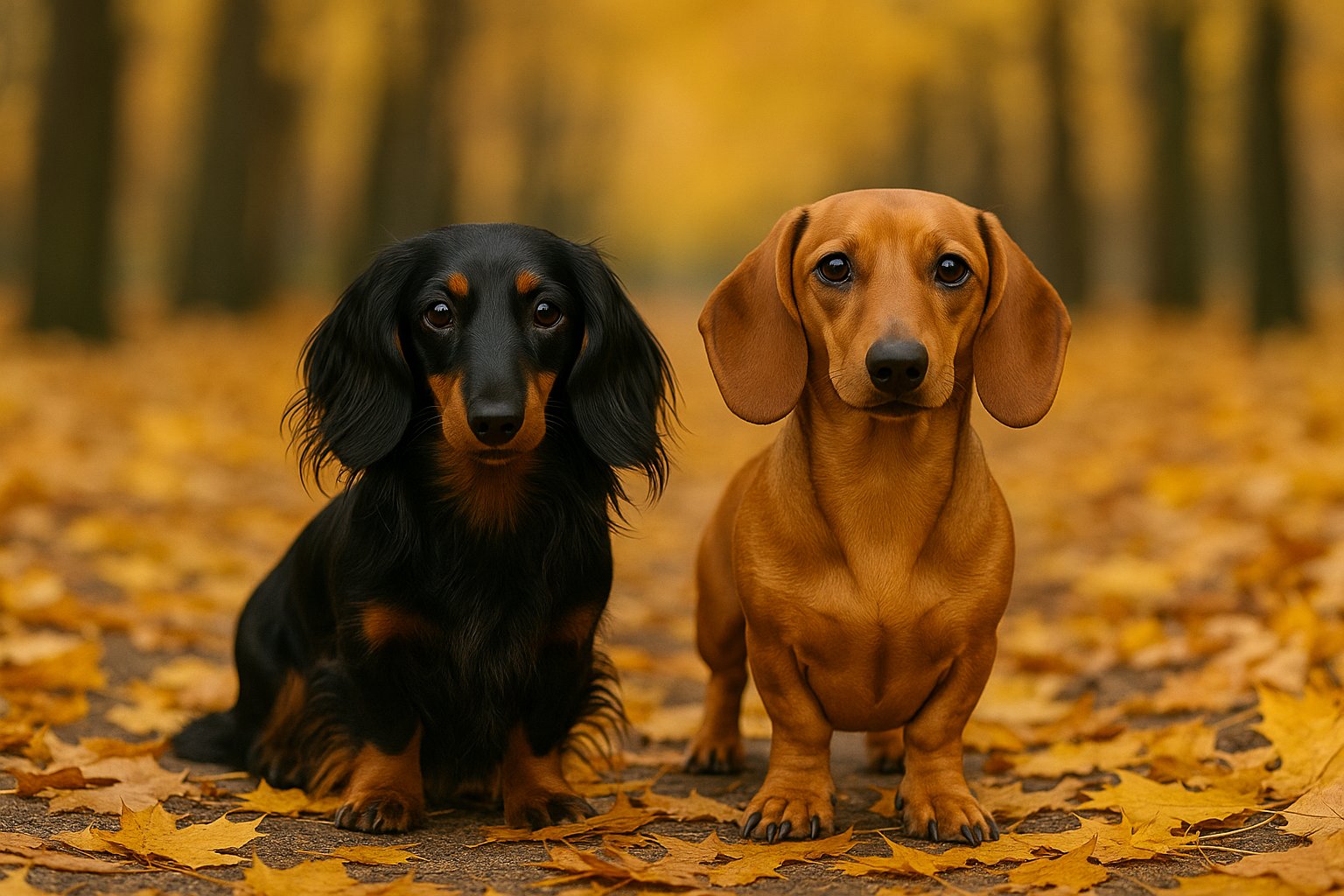
The Miniature Dachshund is a compact variety of the breed specifically developed for hunting rabbits and small burrowing animals. Its distinctive feature is its small size while retaining all the working qualities of a dachshund. According to the standards of the RKF and FCI, the chest circumference of an adult dog should be between 30 and 35 cm, with a weight not exceeding 4-5 kg. Due to these parameters, the Miniature Dachshund can easily enter the narrowest burrows and work in areas where the standard variety cannot fit.
Despite its compactness, this is a full-fledged dachshund with all its distinctive traits: an elongated body, short strong legs, a strong hunting instinct, courage, and determination. The miniature variety is valued not only by hunters but also by city dwellers as it is ideally suited for apartment living without losing its natural activity.
These dogs impress with their combination of endurance and convenient size. They happily accompany their owner on walks, are eager to play, and quickly adapt to new environments. The Miniature Dachshund is an energetic, intelligent, and loyal companion that can serve as both a hunter and a true family friend.
Внешний вид
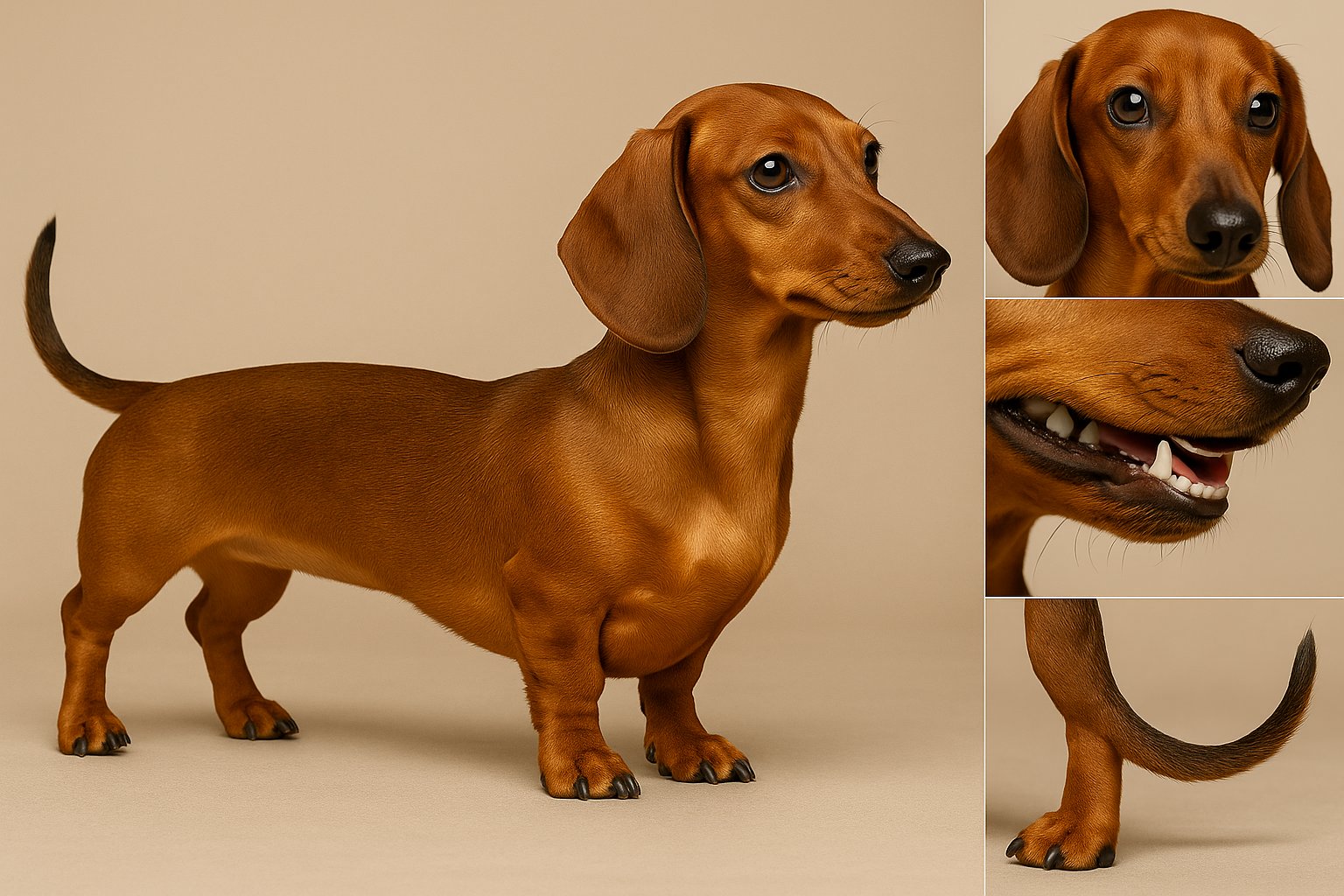
Миниатюрная такса полностью сохраняет классические пропорции породы, но имеет меньшие размеры. Её корпус длинный и мускулистый, с крепкой поясницей и глубокой грудной клеткой, которая обеспечивает хороший объём лёгких и выносливость даже при длительных нагрузках. Высота в холке в среднем 12–15 см, при этом длина тела ощутимо превышает рост, что создаёт характерный «растянутый» силуэт. Несмотря на миниатюрность, собака выглядит гармонично и крепко сложенной.
Кости у миниатюрной таксы достаточно массивные для её размера, благодаря чему лапы короткие, но сильные и устойчивые. Низкая посадка тела позволяет собаке уверенно двигаться по норам и густой траве. Движения энергичные, с хорошим толчком задних конечностей и упругой амплитудой, что делает походку породы легко узнаваемой.
Особенность экстерьера миниатюрной разновидности – её пропорции должны сохранять баланс: слишком длинный корпус или чрезмерно короткие лапы считаются пороком, так как это негативно сказывается на здоровье позвоночника. При правильном сложении собака производит впечатление выносливой, гармоничной и уверенной в себе.
Хвост продолжает линию спины, голова пропорциональна корпусу, а общий силуэт собаки выражает компактность и силу. Миниатюрная такса выглядит одновременно элегантной и рабочей собакой, в облике которой нет излишней утончённости, но есть породный шарм и функциональность.


Отличительные черты

Голова

Морда

Уши

Глаза

Зубы

Корпус

Конечности

Хвост

Шерсть

Окрас
Characteristics
The miniature Dachshund is an intelligent and resourceful dog, but these very qualities can become problematic if the owner does not establish clear rules. It’s important to understand that a Dachshund quickly learns which behaviors yield results and reinforces them. If you allow the dog to play with anything-slippers, children’s toys, shoelaces-it will eventually begin to see any object in the house as acceptable prey. This can lead to damaged furniture and shoes, and even pose a health threat to the pet if it swallows small items.
To prevent such behavior, it’s essential to create a clear set of “approved” toys from a young age. The toys must be safe, appropriately sized, and regularly updated to maintain the dog’s interest. All other items should be removed by the owner, and there should be no “exceptions”: allowing the dog to play with an old sock once risks turning all footwear into targets.
Dachshunds tend to manipulate attention: a pleading look, barking, or diving into the owner’s bag can be used to get what they want. The best way to minimize this is to ignore inappropriate behavior and reward only what aligns with the rules. For instance, if the dog brings its toy, reward it with praise and play; if it barks for attention, completely ignore it until it is quiet.
Another important point is the tendency to bark excessively. A Dachshund may bark at passing neighbors or sounds outside the door. To reduce this intensity, it can be helpful to train the command “Quiet!” and reward the cessation of barking. An additional technique is to redirect attention to a toy or exercise: the dog cannot bark and follow a command at the same time.
Dachshunds love to dig and “arrange” their space. If this instinct is not allowed an outlet, the dog may start “digging” at carpets or bedding. To prevent this, owners should provide special tunnels, cozy beds, or even a sandbox outside where the Dachshund can satisfy its urge to dig.
It’s also important to manage interactions with children. Dachshunds are patient, but they do not like rough handling. Owners need to explain to children that they should not tease the dog or take away food. Otherwise, the pet may see the child as a competitor.Negative traits of the miniature Dachshund-stubbornness, manipulation, excessive barking, and propensity to damage things-can be easily corrected with consistent actions. The dog values stability and rules: everything that is allowed must always be allowed, and what is prohibited must never be allowed. This is the secret to harmonious relationships with this breed.Thus, an owner who clearly establishes the boundaries of what is permitted will enjoy a joyful, clever, and loyal friend. The miniature Dachshund not only brings happiness but also teaches the owner discipline, turning cohabitation into an engaging and positive partnership.
The diversity of wool = different character
Breeders have an unspoken belief: smooth-haired miniature dachshunds tend to be more stubborn and independent, long-haired ones are softer in character and more affectionate, while wire-haired ones are real rascals and clowns in the house.Care and Maintenance
A miniature dachshund is suitable for both urban apartments and private homes, but in both cases, it’s important to organize its environment properly. The main principle of care lies in controlling weight and physical activity. These dogs are prone to obesity, which can have an immediate impact on their spine and legs. Therefore, it’s important to maintain a balance between nutrition and activity, ensuring daily walks and carefully measuring treats.
Sleeping Area
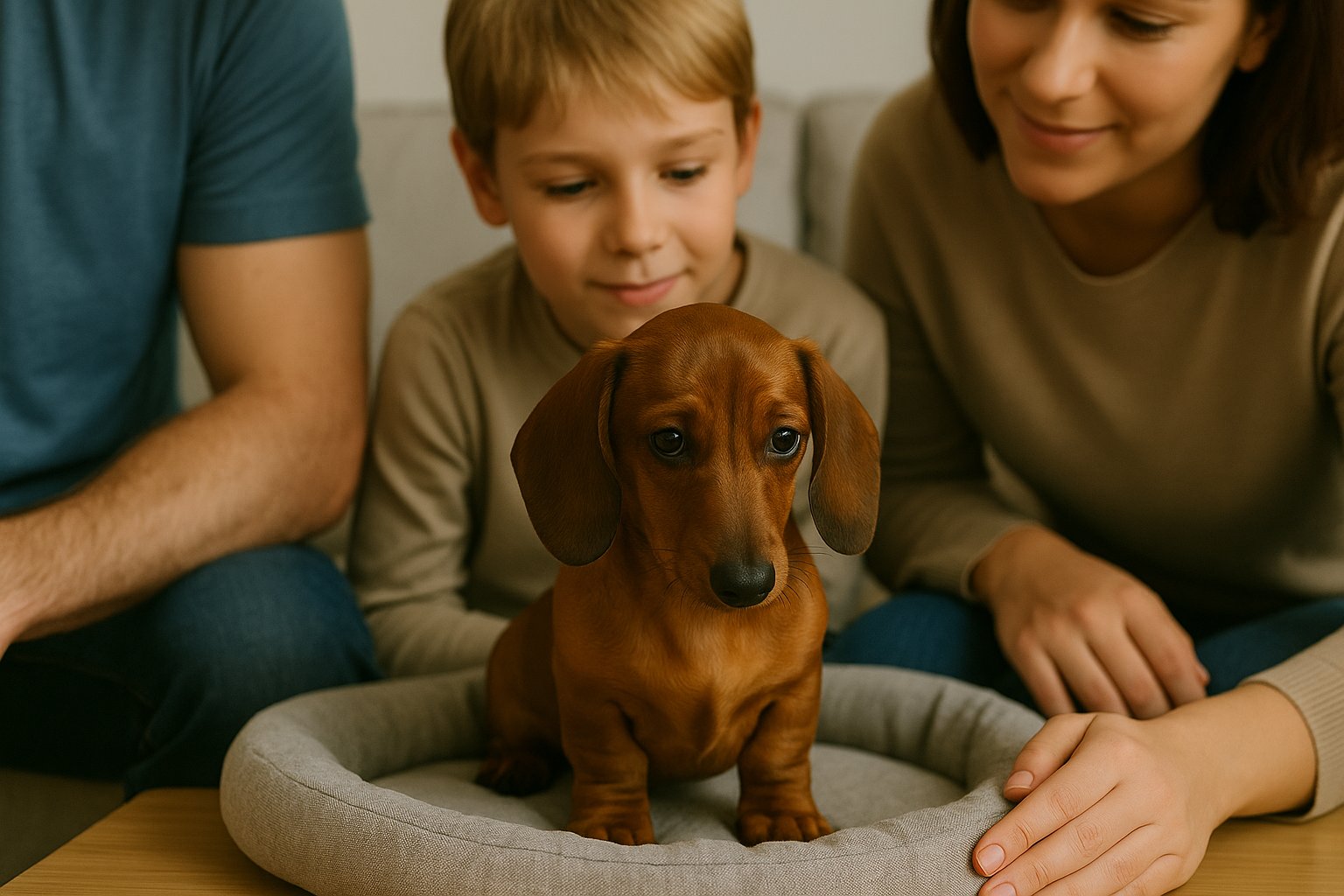
Dachshunds love secluded corners where they can hide and rest. The best option is a bed with raised edges or a soft house where the dog can “dive” in. When keeping multiple dogs, it’s advisable to provide each with its own personal space to reduce competition and avoid conflicts. It’s beneficial if the beds are placed at different levels: dachshunds enjoy observing their surroundings, but jumping onto sofas and chairs should be replaced with safe platforms or ramps.
Feeding Area
For a miniature dachshund, it’s best to use stable bowls with non-slip bottoms. If there are multiple dogs, feeding should be organized separately to prevent competition. Some owners place bowls on low stands, which makes eating easier and reduces strain on the spine.
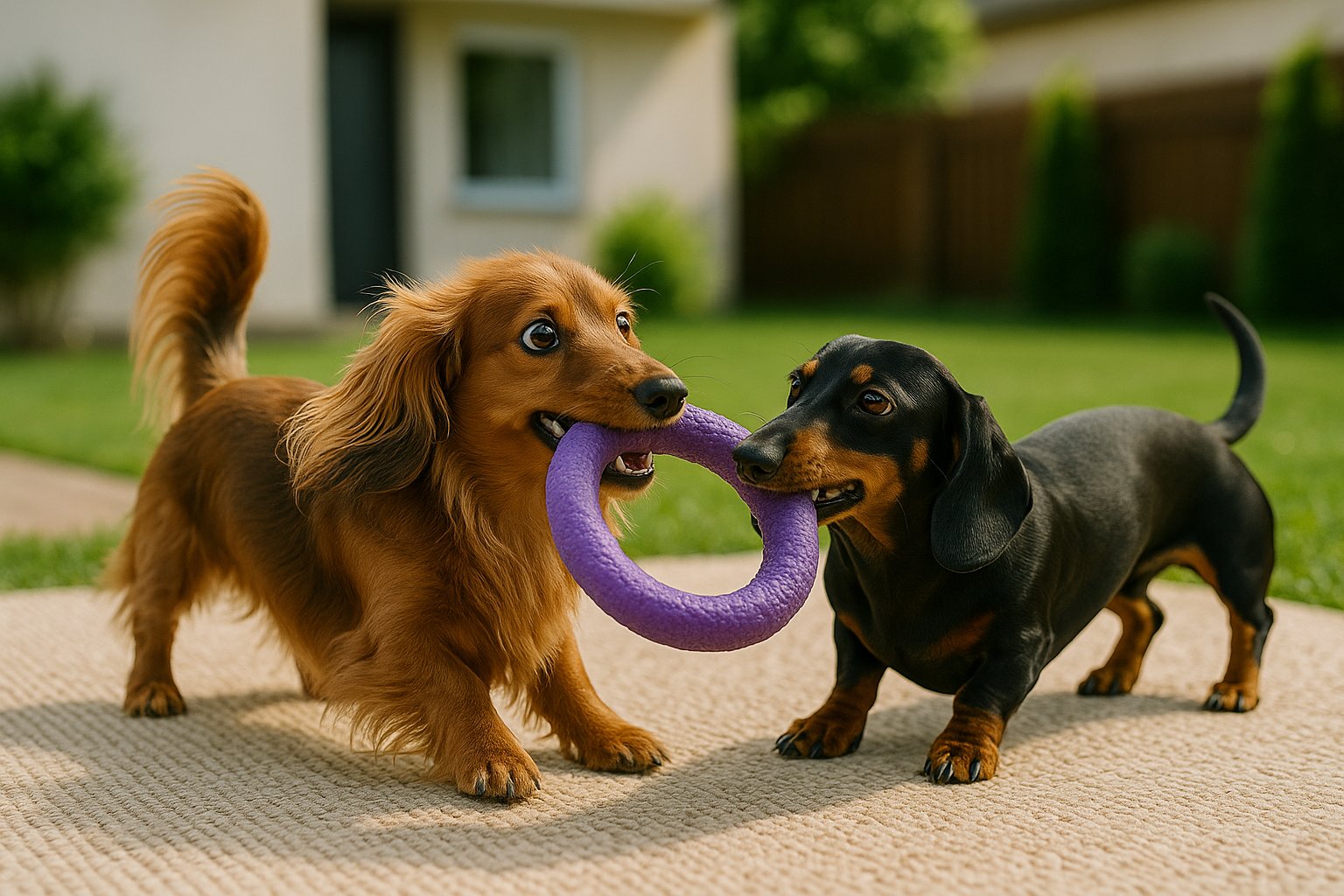
Keeping a Group of DogsIf several dachshunds live together, a hierarchy quickly forms. The leader gets access to toys and food first, which is natural. It’s important for the owner to observe and gently correct behavior to prevent fights. Distributing toys and organizing games in a way that ensures each dog gets attention can help. In an apartment with one dachshund, a couple of toys and daily walks are sufficient, but for a group of dogs, it’s useful to create a play area with tunnels, ropes, and soft climbing modules. This helps release energy without destructive behavior.Features in an ApartmentEven in a small apartment, a miniature dachshund feels comfortable if it receives enough activity. Floors should not be slippery: use rugs or mats to reduce strain on the back. Access to high surfaces should be limited by substituting jumps with safe platforms.Features in a Private HomeIn the yard, miniature dachshunds feel free, but the area must be fenced as they tend to dig. A good solution is to designate a “sandbox” where the dogs can dig without damaging the lawn. When keeping multiple dachshunds in a private home, consider their tendency for collective hunti
A little dog with a "big voice."
Despite their miniature size (usually up to 5 kg), dachshunds are famous for their loud and surprisingly "bass-like" bark. This is why they are called "little guards" in Germany - even a burglar can be mistaken into thinking there's a large dog in the house.Training and Education
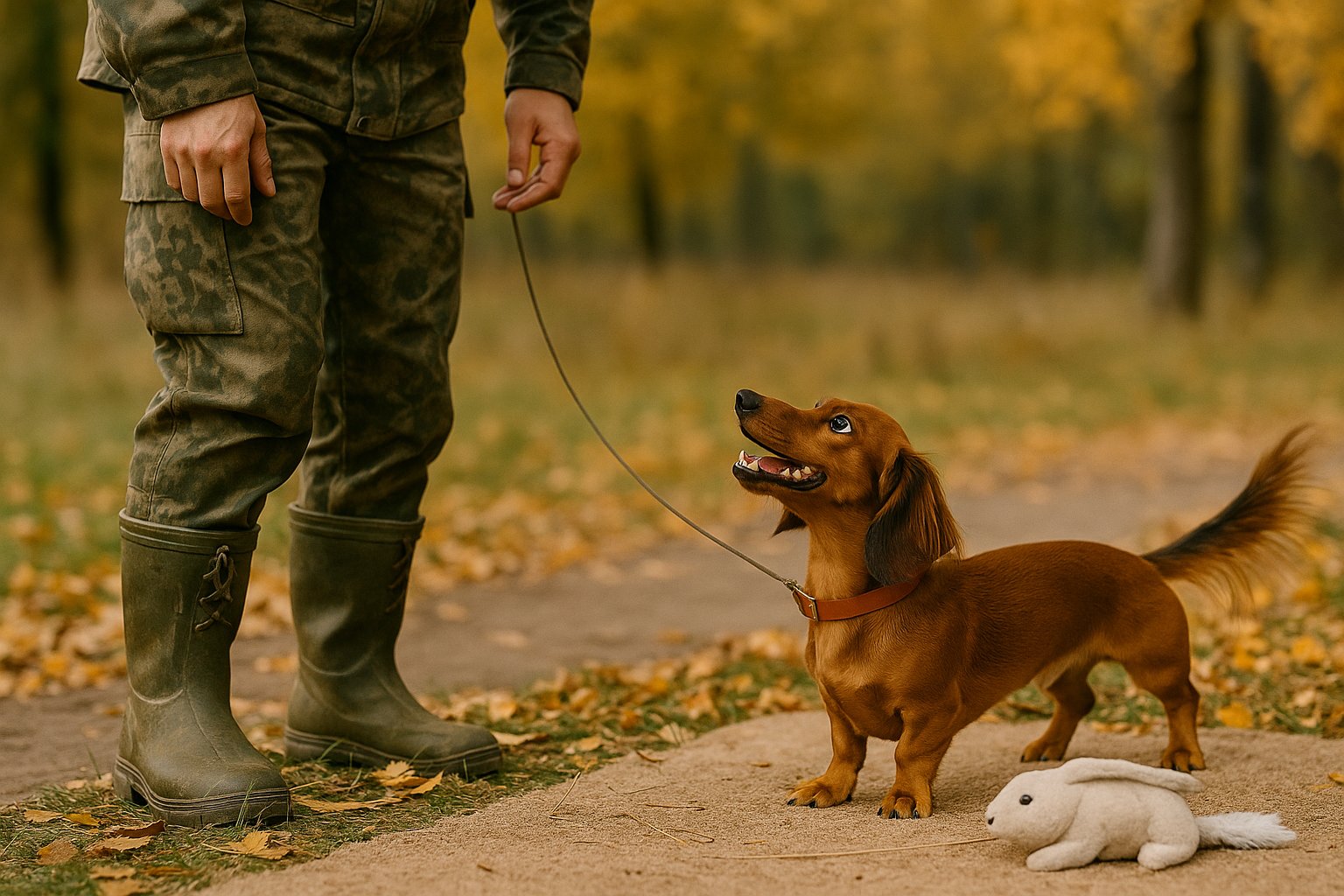
The Miniature Dachshund is smart but stubborn. In training, it’s important to combine persistence with gentleness. Harsh methods are ineffective-the dog may feel hurt and refuse to obey. The best approach is to use play and a system of rewards.
Training should be structured by the priority of commands:
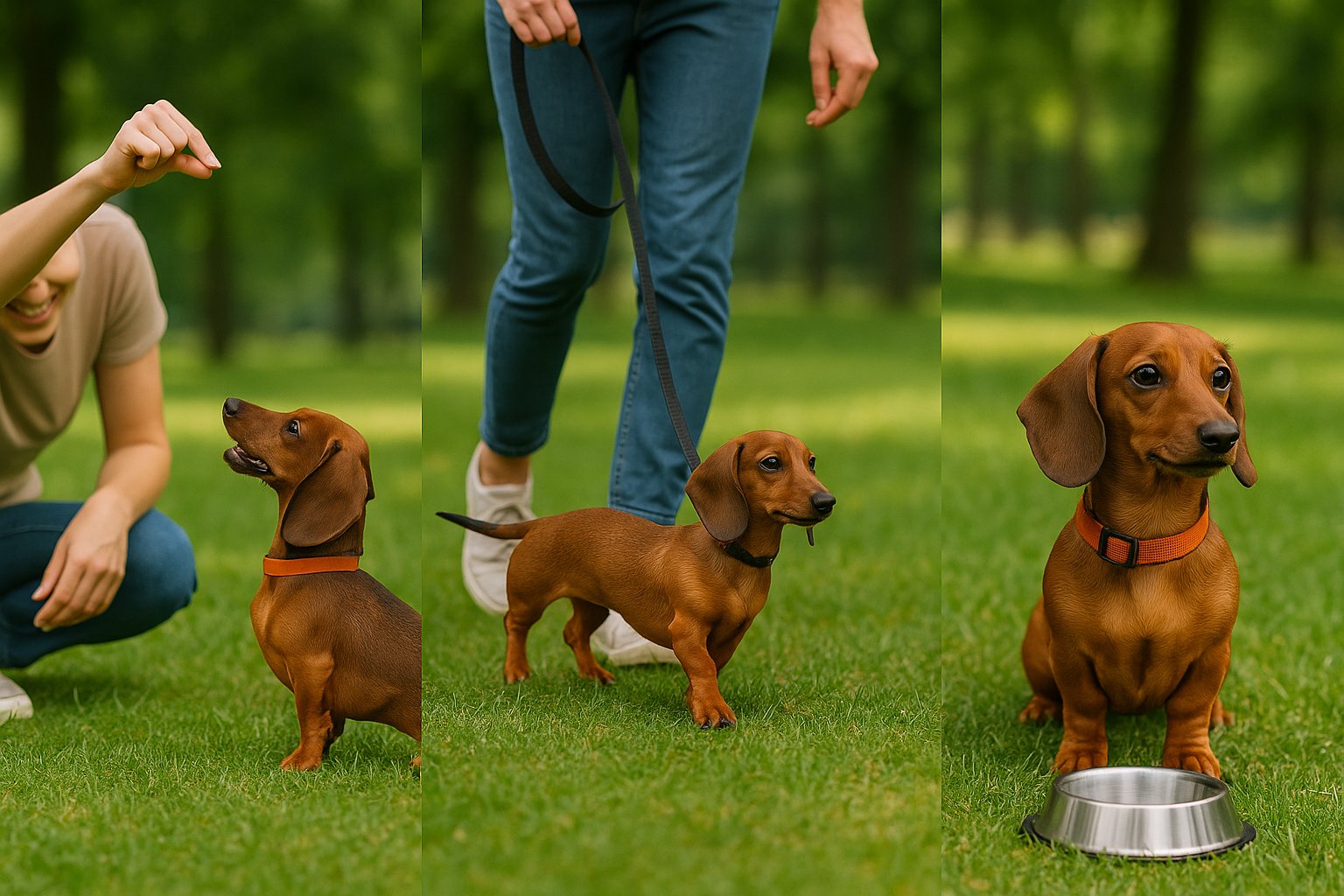
“Come!” is the main safety command. Start practicing it at home, then move outdoors, gradually increasing the distance. Use treats and praise.
“Wait!” is a key command for controlling impulsiveness. It’s best taught at doors or in front of the food bowl. Gradually increase the waiting time.
“Sit!” and “Lie down!” are basic commands for reinforcing discipline. Practice them in short sessions of 5-7 minutes.
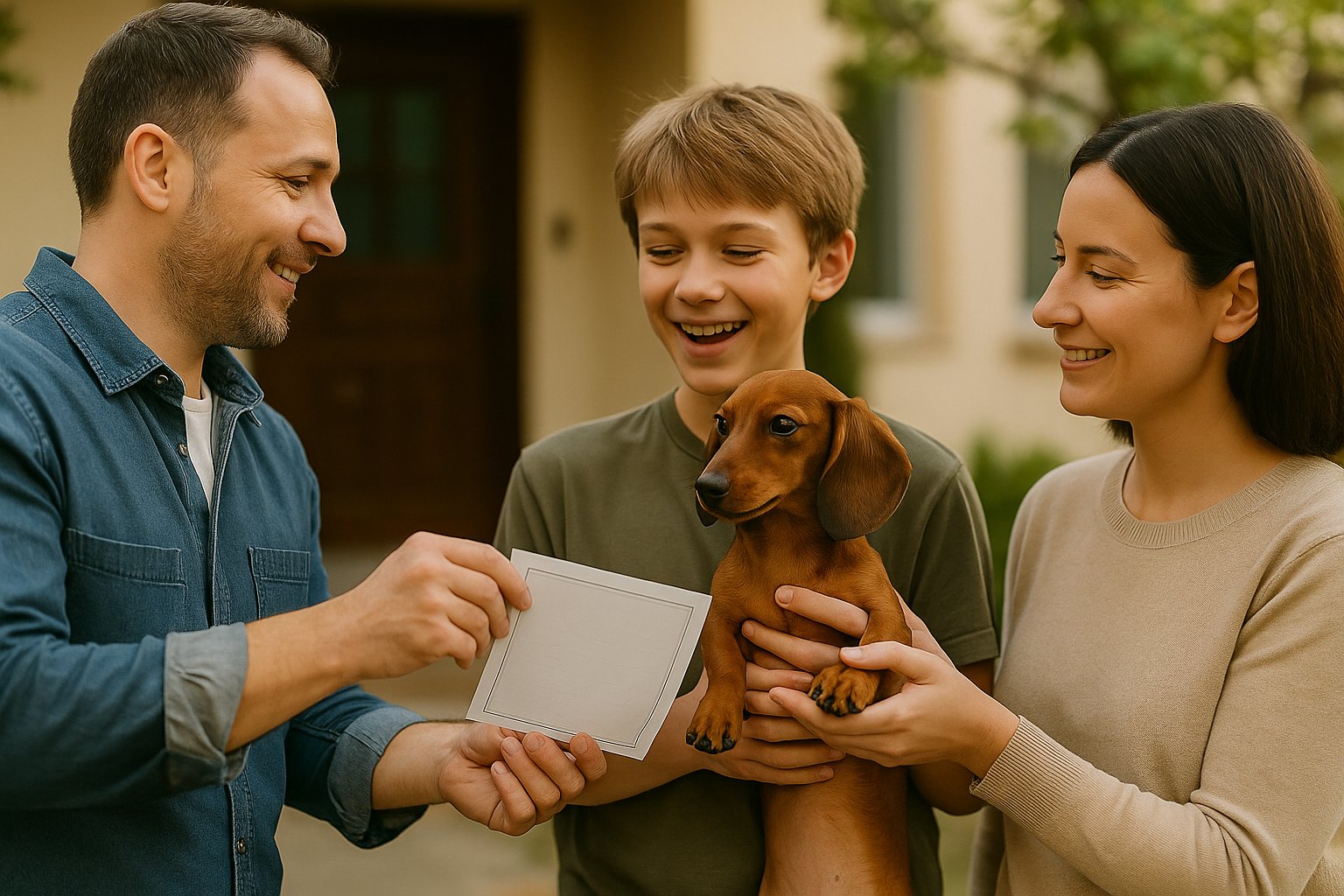
“Close!” is essential for walks in the city. Teach the dog to walk at your left side, praising every correct attempt.Nosework is an ideal activity for the Miniature Dachshund. You can start at home: hide treats in cardboard boxes, cloth bags, or special toys. Gradually make the tasks more complex-hide treats in another room or use a trail of food pieces.Children particularly enjoy participating in nosework. A child can hide a toy while the dog searches for it. The key is to praise the pet for every success. This strengthens the bond and helps channel energy in the right direction.Tip: Train the Miniature Dachshund in short sessions of 10-15 minutes, or it will quickly lose interest. Always end the session positively with a successful command execution. Reliable breeders offer healthy puppies with documents and pedigree.
The official symbol of luck for the Germans.
In Germany, miniature dachshunds were often kept in the homes of artists, writers, and even politicians. They were believed to bring “steps towards luck” and to protect their owners from poor decisions. It’s no wonder that bronze statuettes of dachshunds can still be found at the entrances of old German houses.
How to Choose a Puppy
Check the chest circumference. For the miniature variety, it should meet the standard (30-35 cm). If the measurement is greater, there’s a risk that the puppy will grow into the standard variety. Compare the parents’ data – this is the best indicator.
Examine the teeth and bite. It should be scissor-like. Pay attention to the milk teeth – they should be even and without chips. A puppy with a very narrow jaw may face problems when losing teeth.
Evaluate the paws. They should be strong and properly positioned. The puppy should stand and move confidently without limping. If the paws are too wide apart or tilt inward, this is a warning sign.
Ask the breeder about the genetic tests of the parents. This is important for preventing diseases such as Lafora epilepsy or PRA. Request documents and don’t hesitate to clarify the results.
Check the coat and skin. A healthy puppy has a shiny coat and clean skin, without redness. Bald patches or dandruff can be signs of issues. Also, pay attention to the smell: an unpleasant odor can be a warning sign.
Observe the puppy’s reaction to people. It should approach with curiosity, without fear. Excessively lethargic or overly aggressive puppies are not the best choice for a family.Compare from trusted breeders on Zoonika and choose your ideal pet.
Health and Diseases
Miniature dachshunds have strong health but are prone to certain disorders due to their body structure. The most common issue is intervertebral disc disease, which occurs from excessive strain or overweight. It is vital to avoid jumping from heights and to monitor the dog’s weight.
Additionally, miniature varieties may experience patellar luxation, eye diseases (cataracts, retinal atrophy), and Lafora epilepsy in wire-haired lines.
Susceptibility to obesity is another risk factor. Miniature dachshunds can quickly gain extra weight, which overloads their spine and joints. Their diet should be balanced, and treats should be strictly measured.
With proper care and regular veterinary check-ups, miniature dachshunds live 13-15 years, maintaining their activity and zest for life well into old age. Considering? There is a wide selection of listings on the Zoonika map by city.
Содержание
-
1. Описание породы
-
2. Внешний вид
- 2.1 Голова
- 2.2 Морда
- 2.3 Уши
- 2.4 Глаза
- 2.5 Зубы
- 2.6 Корпус
- 2.7 Конечности
- 2.8 Хвост
- 2.9 Шерсть
- 2.10 Окрас
-
3. Характер
-
4. Содержание и уход
-
5. Дрессировка и обучение
-
6. Как выбрать котенка
-
7. Здоровье и болезни






Comments
Only registered users can leave reviews.
Enter