
Maremma-Abruzzese Shepherd





Warning: Illegal string offset 'label' in /home/panda/sites/zoonika/wp-content/themes/zoonika/template-parts/animals/animals-param-item.php on line 32
Ð


Description of the Breed
The Maremma-Abruzzese Shepherd is a rather ancient and interesting breed. The white shepherd of Northern Italy was mentioned by the Roman writer Varro in 100 BC, and it is believed that the Maremma is a result of crossing two representatives of this early type, the Abruzzo shepherd and the shepherd dog of the Maremma plains. It is thought that the seasonal movement of herds between pastures led to the emergence of the Maremma as we know it today. The breed is a result of interbreeding localized breeds, similar to the origin of the Lancashire Heeler. For centuries, the Maremma-Abruzzese Shepherd has become an integral part of Italian shepherds’ lives. They not only guarded the herds but also lived in harmony with them, protecting and caring for each sheep. Their ability to adapt to harsh conditions in mountainous areas and be reliable guardians has made them invaluable among shepherding communities. The dogs have a double coat that protects them from the elements while working in tough conditions. Pastoral dog breeds include collies, Old English sheepdogs, and Samoyeds, which have herded reindeer for centuries. In the 19th century, the Maremma-Abruzzese Sheph
Appearance
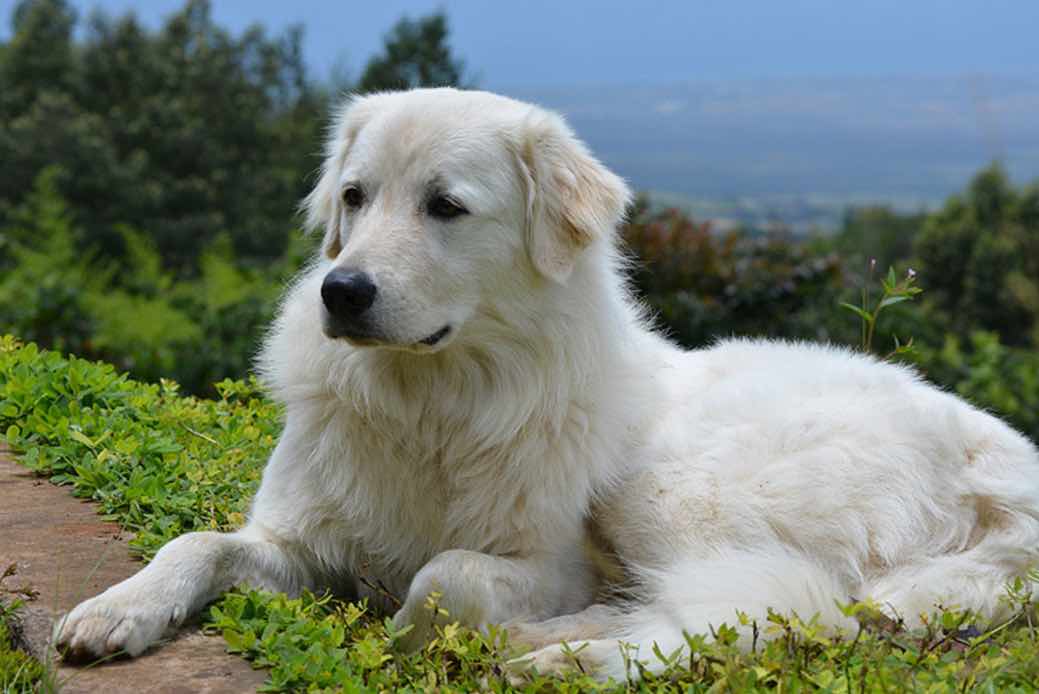
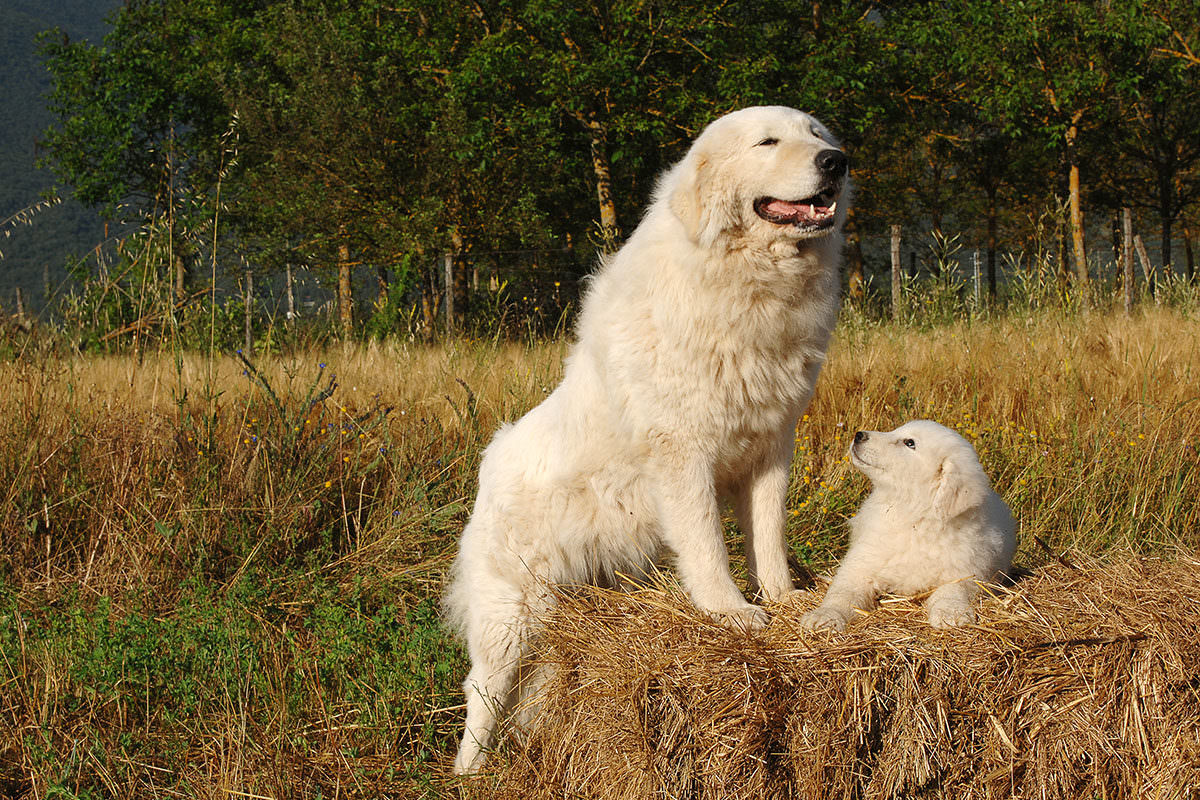
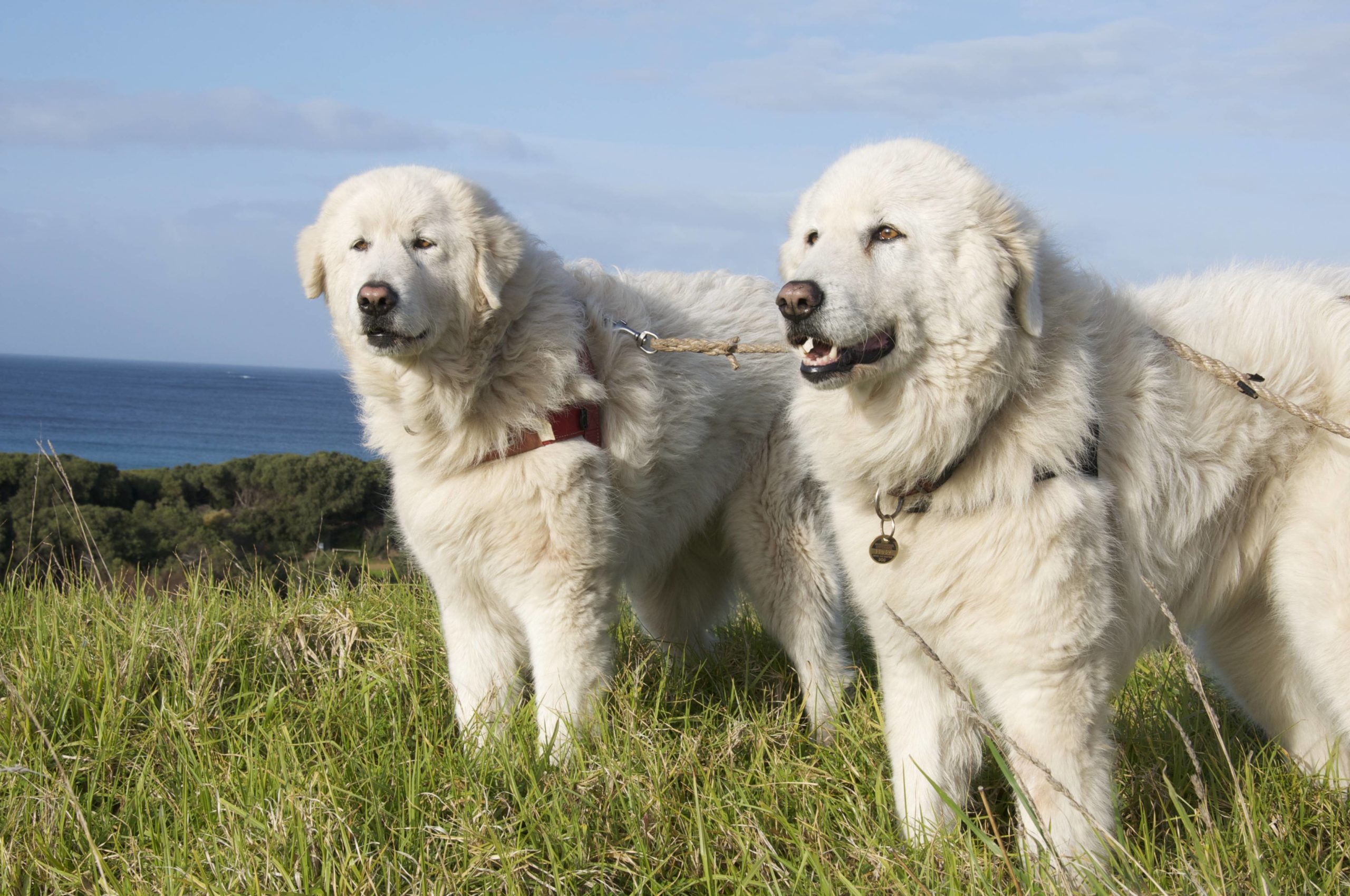
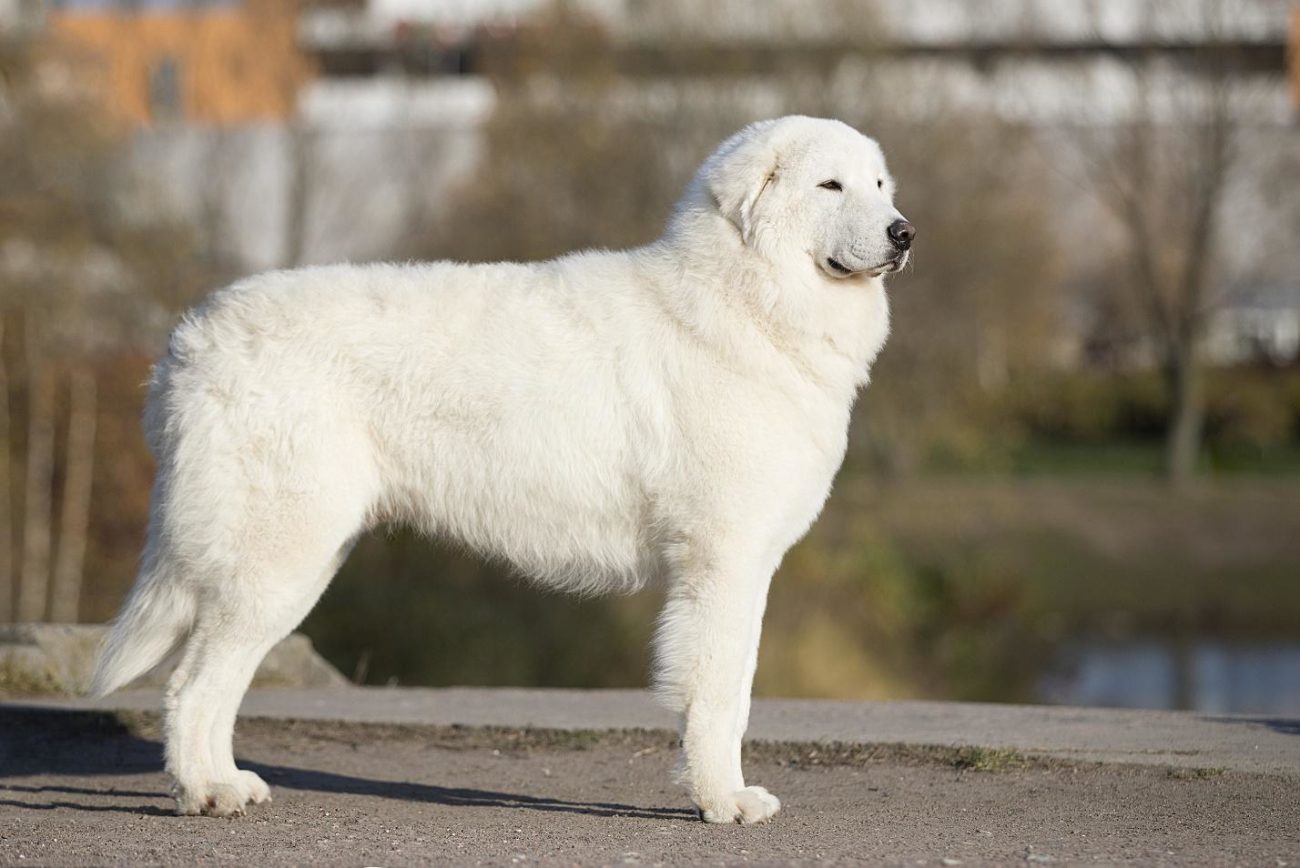
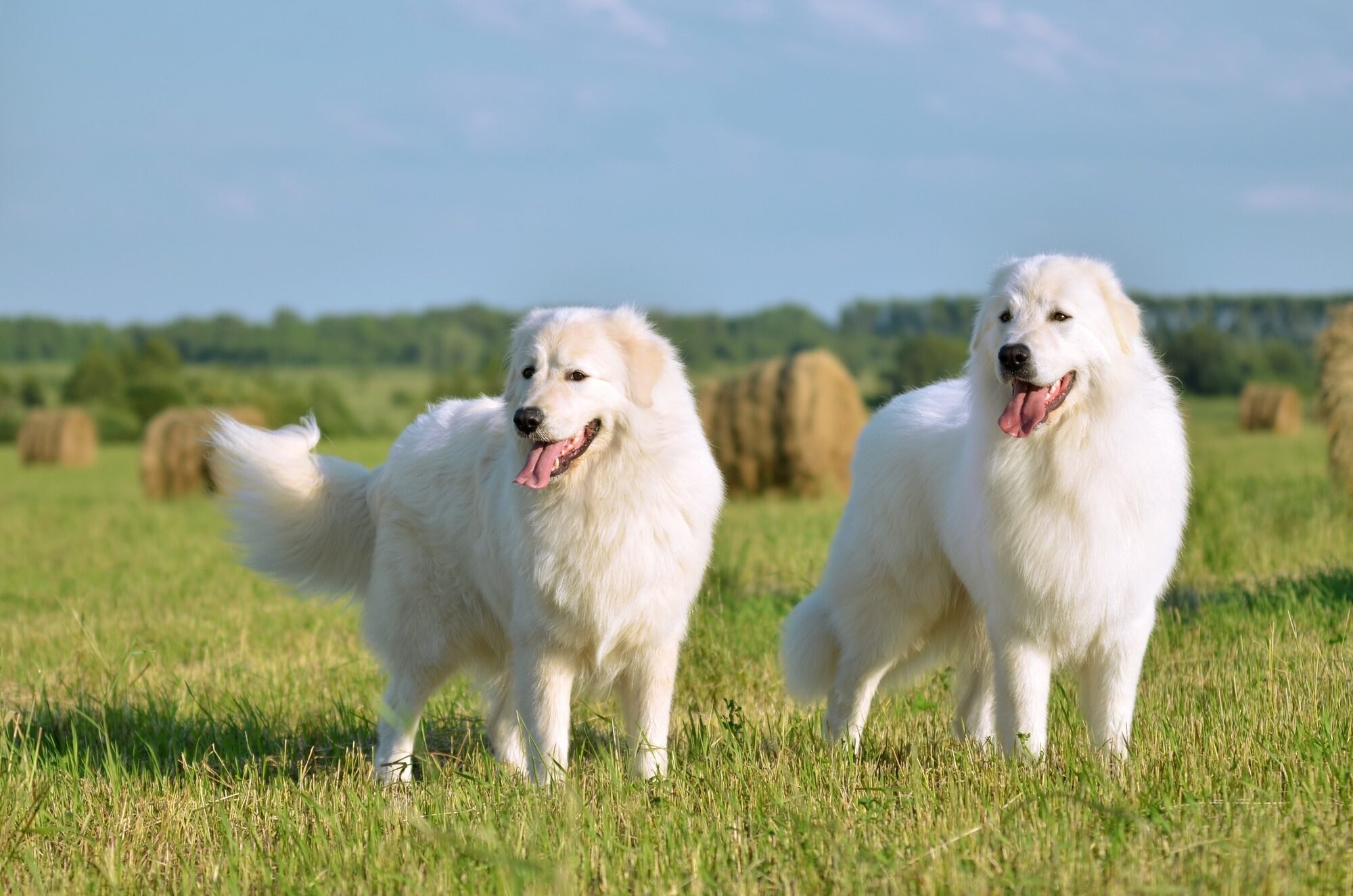
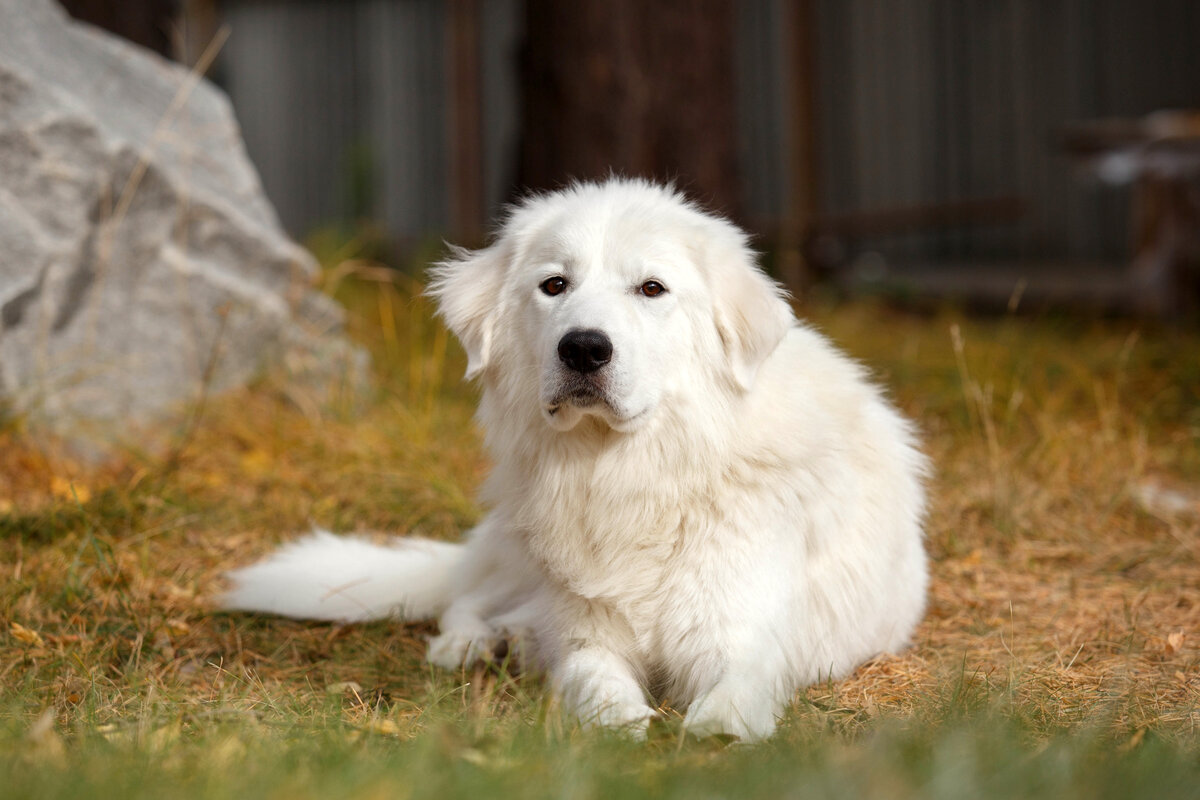
The Maremma-Abruzzo Shepherd is a dog breed with an impressive and majestic appearance that undoubtedly attracts attention. These beautiful animals possess a powerful and muscular build that emphasizes their strength and endurance. They have a distinctive appearance that conveys resilience and confidence.
The main feature of the Maremma-Abruzzo Shepherd’s appearance is its thick double coat, which protects it from the harsh climatic conditions typical of the mountainous regions where they usually reside. Their fur consists of long, dense hairs with a well-developed undercoat, creating the look of a powerful mantle that adds to their grandeur and impressiveness.
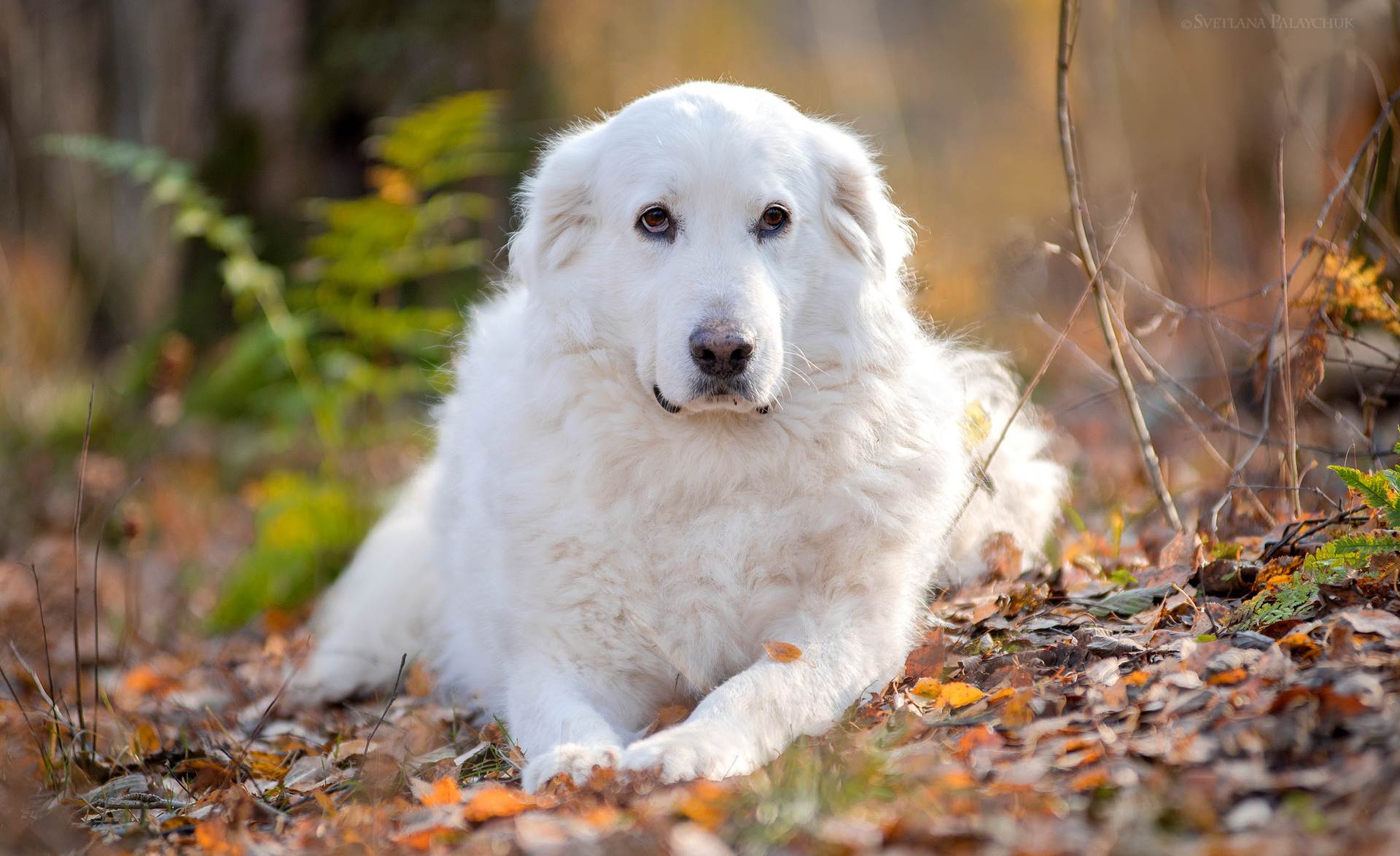
The head of the Maremma-Abruzzo Shepherd is typically wide and strong, with a straight profile and a formidable muzzle. Their expressive eyes are oval-shaped and often convey intelligence and loyalty. The ears are erect and triangular, often slightly raised, which enhances their appearance of alertness and readiness for action.
One of the most notable features of the Maremma-Abruzzo Shepherd’s appearance is its steadfast, graceful posture. They have a confident gait and majestic movement that reflect their strength and good-naturedness.
The Maremma-Abruzzo Shepherd represents a majestic and beautiful animal with a striking combination of strength, grace, and loyalty. Their appearance is not only attractive but also reflects their history as exceptional guard and companion dogs, serving as exemplars of beauty and function in the world of purebred dogs.
Maremma is a large dog with a sturdy build and rural appearance. An adult Maremma stands 73 cm tall and weighs up to 45 kg.


Отличительные черты

Голова

Морда

Уши

Глаза

Зубы

Корпус

Конечности

Хвост

Шерсть

Окрас
Character
The Maremma Shepherd is an unconditional leader with a lively, affectionate personality. This dog is suitable for confident individuals who are not easily discouraged by minor difficulties. Any manifestation of nervousness or aggression is highly undesirable.
These dogs are natural leaders, ready to guide herds. Maremmas are extremely intelligent and capable of making independent decisions in various atypical situations. When training, this should be taken into account; for example, the dog may follow commands but in its own way.
Maremmas require early socialization. It is essential to acclimate the puppy to human interaction from an early age. Their free-spirited, stubborn, and independent nature can take over if not addressed. This should also be considered during training. Dogs like to do things their own way or may refuse to do them altogether. To achieve the desired results from them, one should be patient and use treats. Resorting to force should be avoided, as it will only worsen the situation and set the pet against you.
Maremmas are gentle and attentive dogs known for their love and loyalty to their household members. They need a strong owner whom they can view as a leader and respect. Otherwise, the dog may dominate a weak-willed owner. The Maremma can make an excellent family companion and is suited for active people. Due to their temperament, these shepherds are always ready to protect their family.
As a guard dog, the Maremma possesses a natural protective instinct. They are also known for being very friendly with children and enjoy playing with them.
Maremmas coexist very well with other pets. They can peacefully live with other dogs and even cats. To maintain their friendly nature, they require proper socialization training at an early age. This will help them better develop their individuality in interacting with new friends.
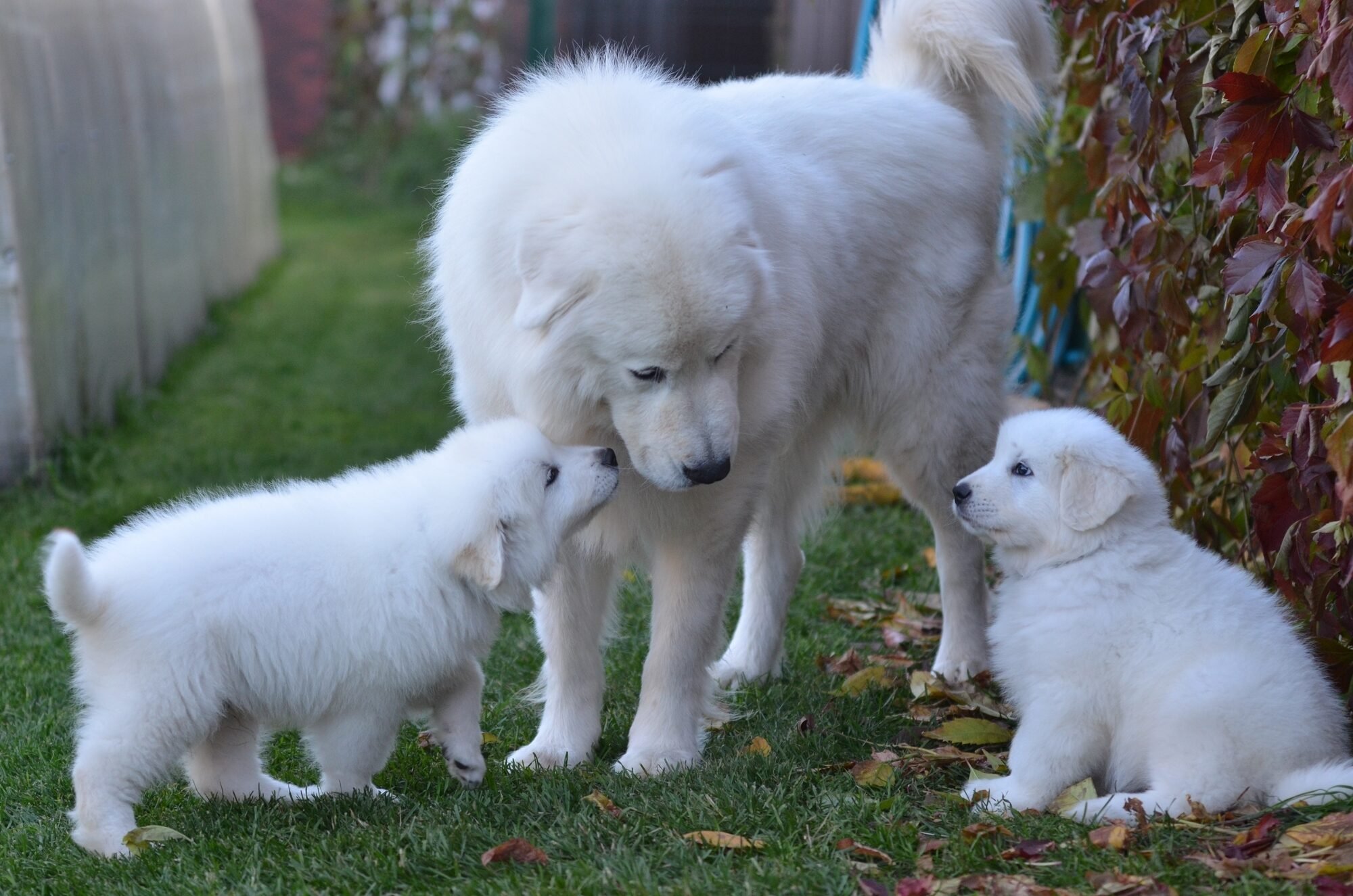
Self-cleaning wool
The Maremma-Abruzzese shepherd has a protective oily coating on its fur. The dog rarely gets dirty, and if the fur does become soiled, the dirt particles fall off on their own as it dries.Care and Maintenance
The Maremma-Abruzzese Shepherd, known for its majestic appearance and loyalty, is a breed with deep roots in the history of shepherding in the Italian mountainous regions. These magnificent dogs were bred to protect flocks from predators such as wolves and bears, and their unparalleled qualities make them excellent companions for active and caring owners.
Caring for a Maremma-Abruzzese Shepherd requires a thoughtful approach. They are large, strong dogs, so it’s essential to provide them with enough space for activity. Daily walks and physical exercise will help maintain their health and good physical condition. Despite their thick double coat, grooming is not as complicated as it may seem. Regular brushing will help prevent matting and reduce shedding. It is also important to regularly check and clean their ears and take care of their nails.
The Maremma Shepherd needs a complete and balanced diet, with high-quality dry food being a great choice. They will require at least 3-4 cups of dog food daily, which can be divided into two meals. It is important to monitor their food intake to prevent excessive weight gain. And of course, clean and safe water should always be available.
During shedding season, the Maremma Shepherd requires more thorough grooming. Their thick white fur sheds twice a year, so they need to be brushed more often during this time. Regular brushing will help manage shedding and keep them healthy and tidy. Brush them weekly with a rubber glove or a brush with short natural bristles. A flea comb with fine teeth helps remove loose or dead hair. Their undercoat may come out in small tufts. Regular grooming will help keep shedding under control. However, it’s worth remembering that dogs should be bathed no more than once a month to avoid damaging their skin.
The temperament of the Maremma-Abruzzese Shepherd includes loyalty and protective instincts. They often show caution around strangers, so socialization is important from an early age. Since they are meant for protection, training in obedience commands and controlling unwanted behavior is also necessary. However, with proper training and socialization, they can become friendly and loving family members.
It is important to note that Maremma-Abruzzese Shepherds can be prone to independent thinking, which requires patience and consistency in training. They demonstrate high intelligence and can be great companions for those willing to invest time and effort in their upbringing.Overall, the Maremma-Abruzzese Shepherd is a breed with deep roots in the history of Italian shepherding, representing a combination of beauty, intelligence, and loyalty. Proper care, socialization, and training will help them reach their full potential as devoted and faithful companions.
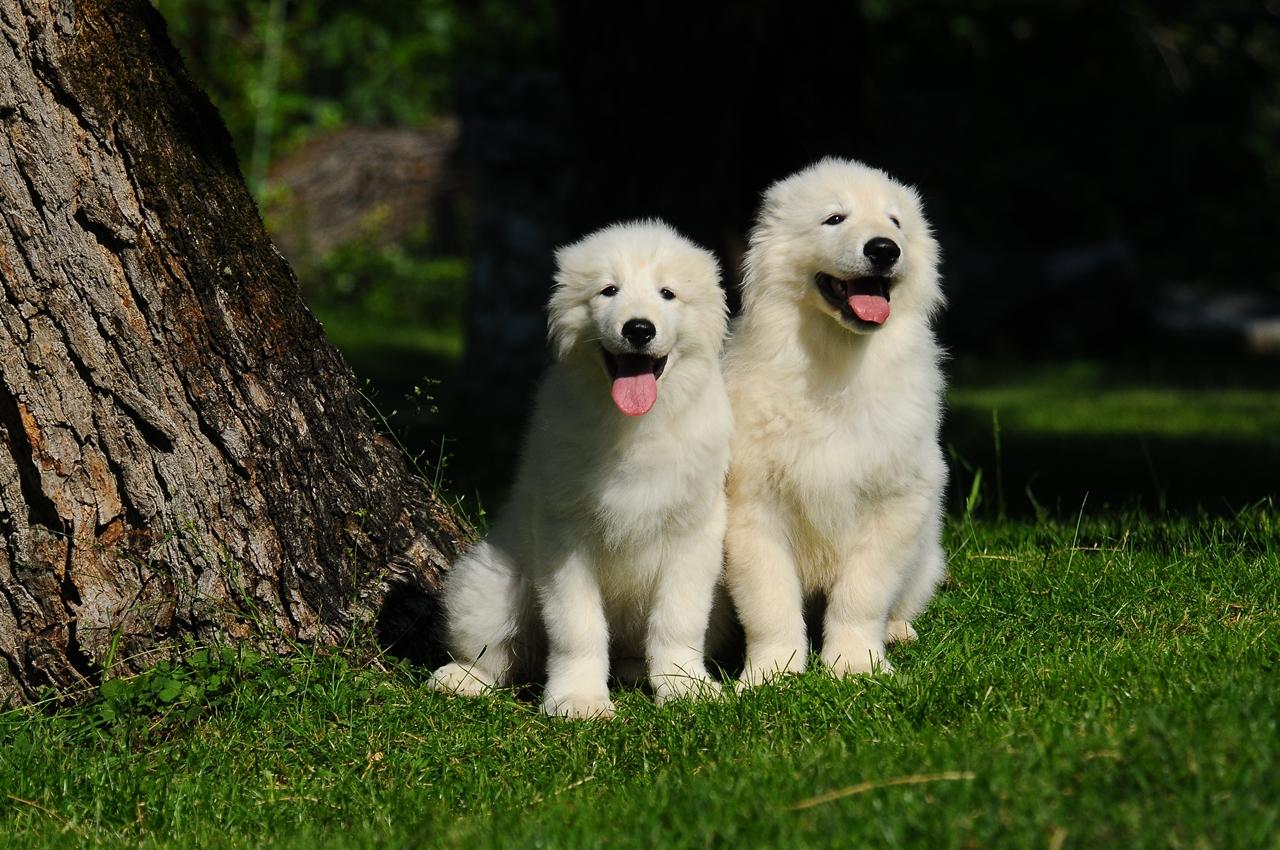
1st place in the nomination "Best Shepherd and Guardian"
In 1982, the Maremma-Abruzzese shepherd dog was awarded the honorary title of best livestock guardian in rural areas.Training and Education
The Maremma-Abruzzese Shepherd, known for its majestic appearance and loyalty, requires a special approach to training and education. This breed was initially developed to protect flocks from predators in the mountainous regions of Italy. The Maremma-Abruzzese Shepherd stands out not only for its physical strength but also for its intelligence, making it an excellent companion and protector. These shepherds respond well to training. Their high energy can be a challenge for beginners, so it’s essential that their training is confident, consistent, and concise. It will also be beneficial to creatively plan their training to maintain their interest. They are intelligent, so they are very easy to train!
Maremma shepherds are working dogs, which means they require plenty of regular exercise. A long daily walk or a quick run would already bring them joy! And since they are very intelligent, they enjoy a variety of mental tasks.
Features of Maremma-Abruzzese Shepherd Training.
Understanding the breed’s purpose. When training a Maremma-Abruzzese Shepherd, it is important to remember that they have a highly developed instinct for guarding and protection. This may manifest in protecting territory and flocks, so training should take their innate abilities into account.
Socialization from an early age. It is important to begin socialization as soon as the puppy arrives home. Introduce them to different people, animals, and environments. This will help prevent aggressive behavior and make the dog more comfortable in various situations.
Obedience Training. Maremma-Abruzzese Shepherds have an independent nature, so they require a patient and consistent training approach. Establish clear rules and boundaries, but avoid aggression or harsh punishment.Supporting Leadership. These dogs are natural leaders, so it’s important to ensure they see you as the leader. Establish yourself as the pack leader, but do so with respect and affection, rather than rigid force.Positive Reinforcement. Use positive reinforcement in the form of praise, affection, and treats to encourage desired behavior. Maremma-Abruzzese Shepherds respond better to praise and encouragement than to strict punishment.Maremma-Abruzzese Shepherds are a breed with outstanding instincts for protection and loyalty, making them magnificent companions and guardians. Training and education of this breed require patience, consistency, and a positive approach. Remember that each dog is unique, so be prepared to adapt your methods based on your pet’s individual traits. Ultimately, proper training will help create a harmonious relationship between you and your Maremma-Abruzzese Shepherd, ensuring safety and satisfaction for both you an
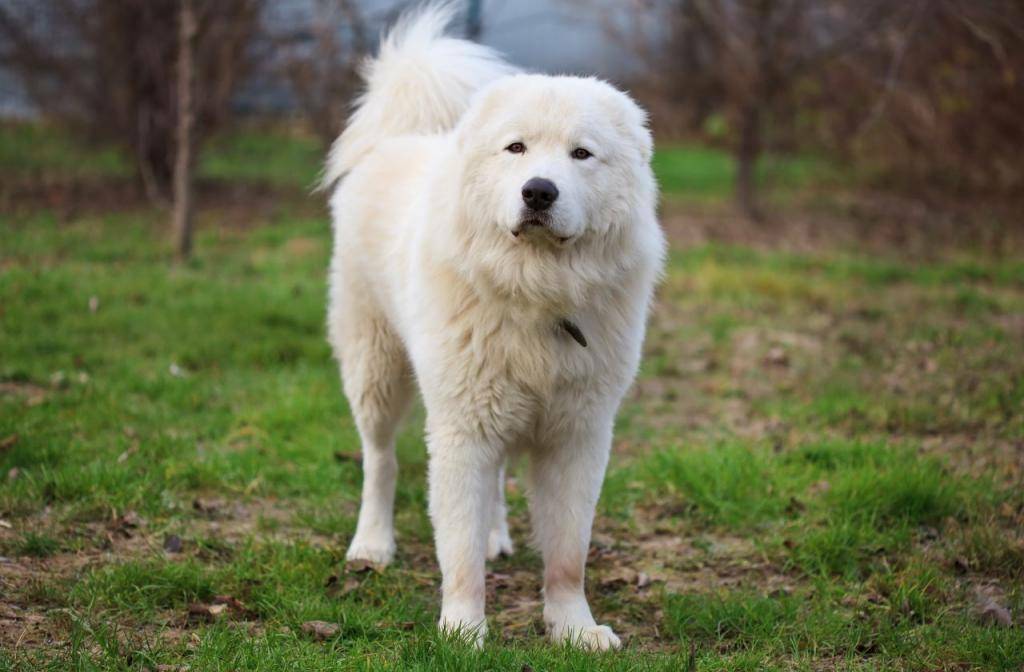
The blackbird in a white coat.
Under the pure snow-white wool coat of the Maremma-Abruzzo shepherd dog lies completely black skin.
How to Choose a Puppy
Before you decide to get a shepherd dog, weigh all the “pros” and “cons.” The Maremma is an extremely energetic breed intended for herding and guiding livestock. An apartment setting is definitely not suitable. The dog needs space and freedom. The best solution would be to…
If you have made a positive decision, the first thing is to choose a kennel. There aren’t many in Russia, about 20 in major cities. Find one that is conveniently located and visit it. The care of the dogs should not evoke negative emotions. Pay attention to the dogs’ diet and behavior at the kennel. Ask about the offspring, pedigree, and look at photographs of the parents. The puppy should be curious and easily approachable. Choose the most active one from the litter.
Make sure all vaccination marks are noted in the passport. It is important that your future pet is absolutely healthy.
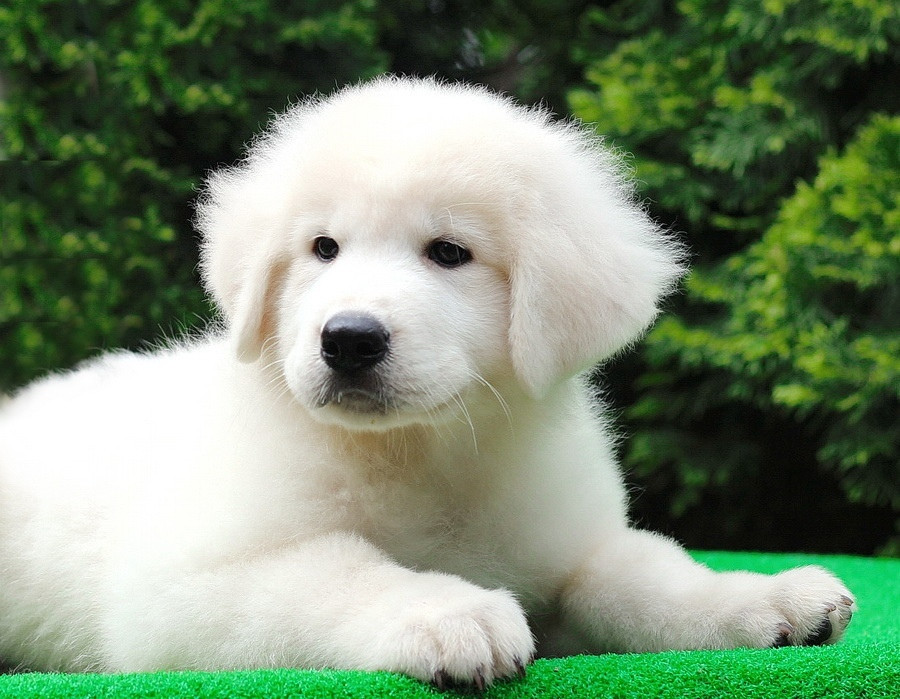
It is recommended to take a puppy that is 2-3 months old. By this time, it will have developed a strong pack character, instincts will be established, and breed traits will manifest. A good choice is a puppy with a pedigree from verified breeders.
Health and Diseases
The Maremma-Abruzzese Shepherd is a magnificent breed of dog known for its beauty, endurance, and loyalty. They are often used to guard livestock in the mountainous and harsh conditions of Italy. While these dogs are generally healthy, like all breeds, they can face certain diseases and issues.
To ensure that your pet is healthy and free of serious conditions, it is recommended to schedule veterinary visits every six months for a health check. During these annual visits, your veterinarian will conduct a medical examination, which includes checking your dog’s temperature and heart rate.
Regular check-ups enable you to monitor your pet’s growth and development, discuss any concerns with your veterinarian, and are a key part of preventive care.
Basics of Maremma-Abruzzese Shepherd Health:
Proper Nutrition: A healthy diet plays a crucial role in your dog’s overall well-being. Choose quality foods suitable for your pet’s age, size, and activity level. Ensure a balance of nutrients including proteins, fats, carbohydrates, vitamins, and minerals.
Regular Exercise: Maremma-Abruzzese Shepherds are energetic dogs that require sufficient physical activity. Regular walks, runs, or playtime will help maintain their health and good physical condition.Veterinary Check-Ups: Regular visits to the veterinarian can help detect potential health issues early and prevent their progression. Vaccination and preventive measures are also important for maintaining your pet’s health.Hygiene: Regular grooming, dental care, ear cleaning, and nail trimming can prevent various infections and diseases. Regular baths and cleaning will also contribute to your Maremma-Abruzzese Shepherd’s health.Common Health Issues in Maremma-Abruzzese Shepherds:Hip and Elbow Dysplasia: This hereditary condition is characterized by the improper formation of hip and elbow joints, potentially leading to pain, lameness, and limited mobility.Obesity: Excess weight can result in serious health issues in Maremma-Abruzzese Shepherds, including arthritis, cardiovascular diseases, and diabetes. Monitor your dog’s weight and maintain it at an optimal level through proper nutrition and physical activity.Hypothyroidism: This thyroid conditi
Содержание
-
1. Описание породы
-
2. Внешний вид
- 2.1 Голова
- 2.2 Морда
- 2.3 Уши
- 2.4 Глаза
- 2.5 Зубы
- 2.6 Корпус
- 2.7 Конечности
- 2.8 Хвост
- 2.9 Шерсть
- 2.10 Окрас
-
3. Характер
-
4. Содержание и уход
-
5. Дрессировка и обучение
-
6. Как выбрать котенка
-
7. Здоровье и болезни


Комментарии
Отзывы могут оставлять только зарегистрированные пользователи
Войти